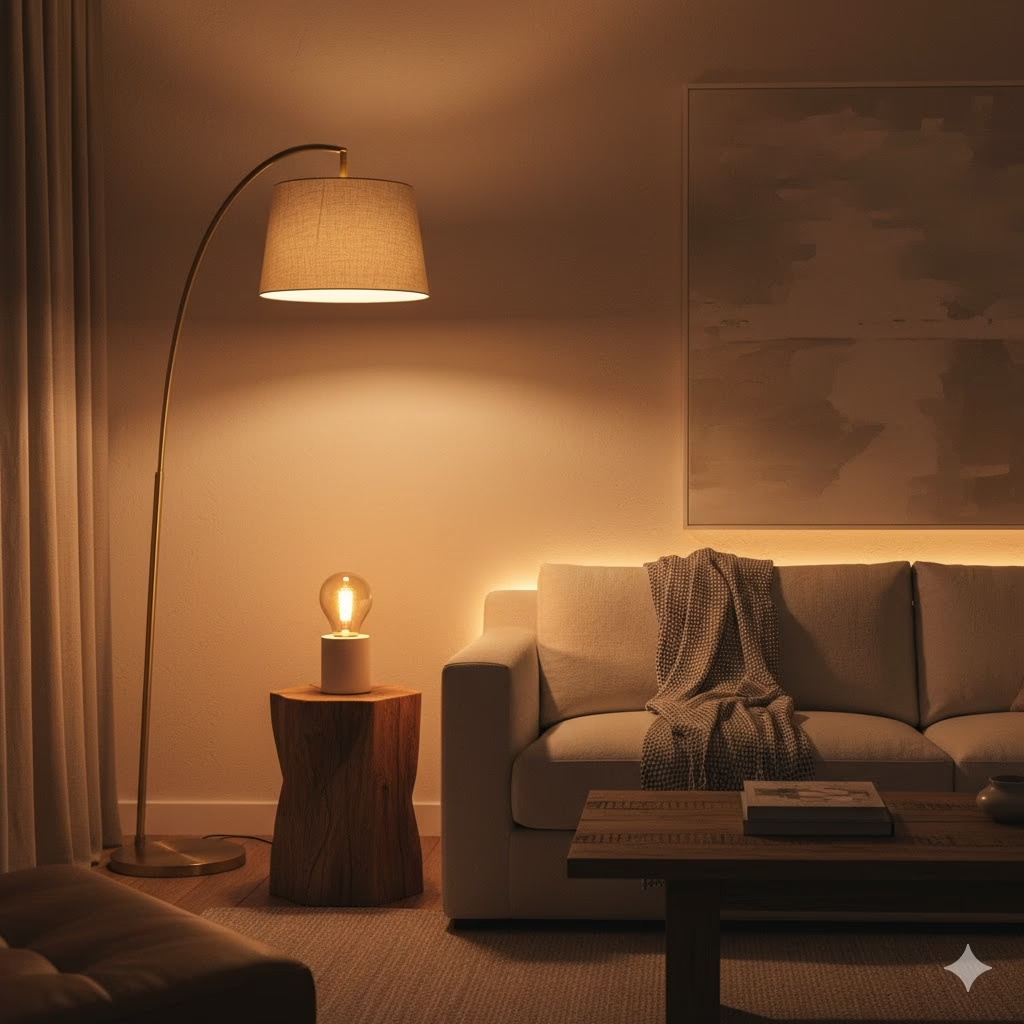
We’ve all been there: sitting under harsh, fluorescent light. This light can make our home feel less like a sanctuary and more like a bland office space. It’s easy to forget that light is a powerful tool. It’s also one of the most affordable tools we have for creating an atmosphere that truly supports our well-being. This article looks into the simple switch from stark illumination to warm lighting and ambient lighting. This change, driven by clever lighting ideas, can alter everything. It offers ten powerful reasons why a few intentional adjustments of Mood Lighting can instantly upgrade your life while being good for the environment. Get ready to turn down the brightness and turn up the good vibes.
Introduction
Lighting is often the last thing we think about when designing a room. Still, it controls how we feel in that space more than any paint color or furniture piece. You wouldn’t wear sunglasses inside. So, why use lighting that works against your mood, focus, and natural body clock?
Mood lighting is also called ambient lighting or accent lighting. It is the planned use of different light sources, colors, and brightness levels. This is done to create a certain atmosphere or feeling in a room. It means moving away from single, strong overhead lights. Instead, you use a layered, softer glow. This change is not just about looks. It greatly helps your health, how much you produce, and your budget.
This full guide breaks down the ten key benefits of adding warm lighting and dynamic lighting ideas to your life. It includes practical examples and simple “how to do it” guides to make the switch easy.
1. Better Sleep and Circadian Rhythm Support
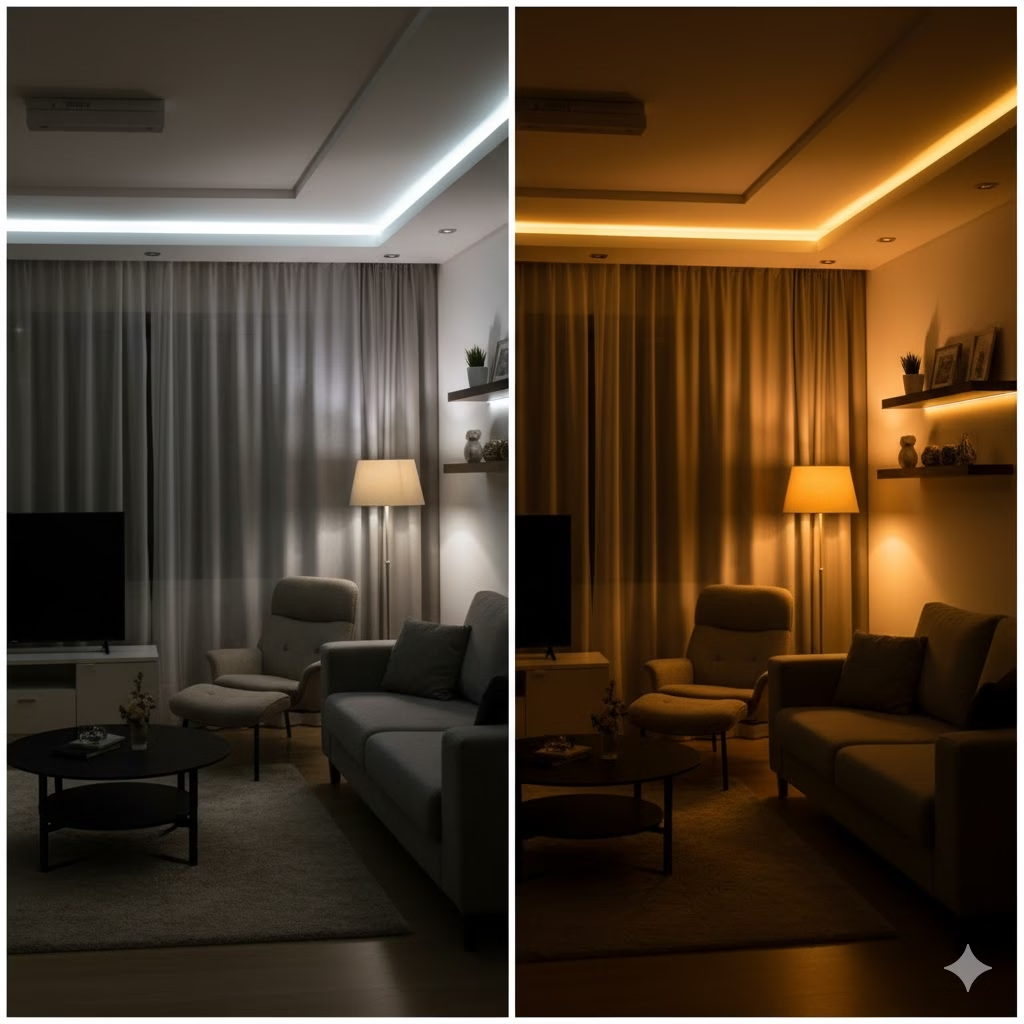
Blue light comes from screens and cool-toned LED bulbs. This light stops the body from making melatonin. Melatonin is the hormone that tells your body it is time to sleep. Mood lighting, especially warm lighting in the evening, is vital. It helps control your natural sleep-wake cycle, or circadian rhythm.
- The Benefit: Switch to dimmer, warmer lighting after the sun sets. Your body will naturally get ready for rest. This helps you fall asleep faster and get better deep sleep.
- How to Do It: Change the harsh overhead bulbs in your bedroom and main areas. Use smart bulbs or dimmable fixtures set to a color temperature of 2700 K or lower. About one hour before bed, turn off the bright lights. Only use low-level lamps or reading lights.
- Example: Use a smart bulb in a bedside lamp. Set the color to a deep amber or red in the hours just before sleeping.
2. Instant Stress Reduction and Relaxation
Few things are less calming than a brightly lit room. Dim, gentle light naturally signals safety and calm to the brain. Very bright light is often linked to alertness, work, or even danger.
- The Benefit: Mood lighting creates a peaceful haven. It lowers your heart rate and increases calm. This makes it perfect for relaxing after a tough day.
- How to Do It: Use several small, low-power accent lights. These could be small spotlights, fairy lights, or candles. Place them at different heights instead of using one central light. Use uplighting to wash walls in soft light. This removes sharp shadows.
- Example: Put a Himalayan salt lamp or a small projector lamp in a corner where you do yoga or meditation.
3. Boosting Productivity and Focus
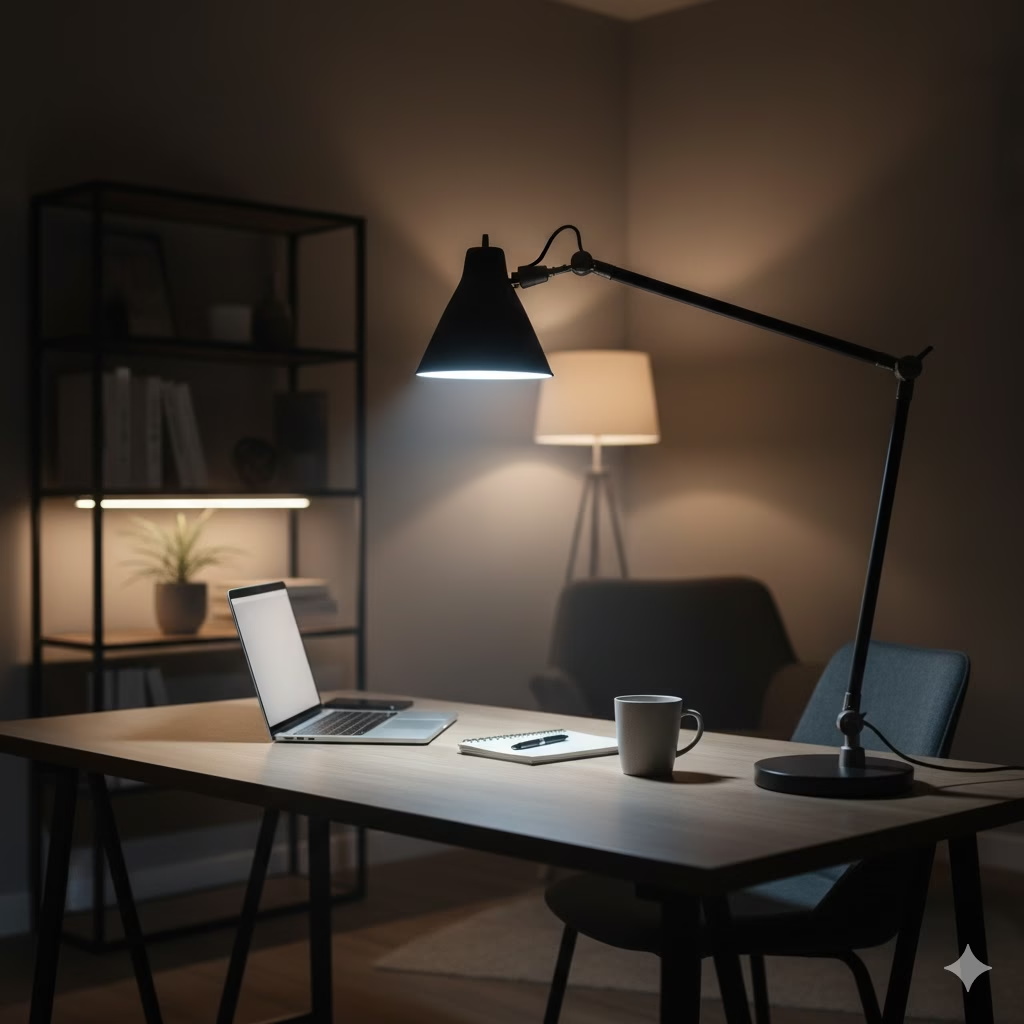
Warm light is great for relaxing. However, the right mood lighting can also improve your focus. Smart lighting can remove strain on your eyes. It can also create a dedicated spot for focused work.
- The Benefit: Create a focused light area (task ambient lighting) on your work surface. Keep the surrounding light dim. This lowers distraction and mental tiredness.
- How to Do It: Use an adjustable desk lamp directly over your work area. The light should be a bit cooler, but not harsh, white light (around 4000 K). It is crucial to dim the overhead lighting. This keeps your attention on the task.
- Example: Install LED strips under cabinets in a home office. This lights your desk without creating glare.
4. Energy Efficiency and Cost Savings
One of the most practical benefits of smart lighting ideas is the positive effect on your electricity bills and the planet.
- The Benefit: Mood lighting mainly uses LED technology and less total power. You use less energy by using many small, efficient sources instead of one large fixture. This helps your wallet and is good for the environment.
- How to Do It: Change all old incandescent or halogen bulbs to modern LED versions. Install timers or smart home systems. These can automatically dim or turn off lights when they are not needed.
- Example: Put dimmers on all wall switches. Dimming a light by just 25% can save a large amount of energy during the bulb’s life.
5. Enhancing Aesthetics and Home Decor
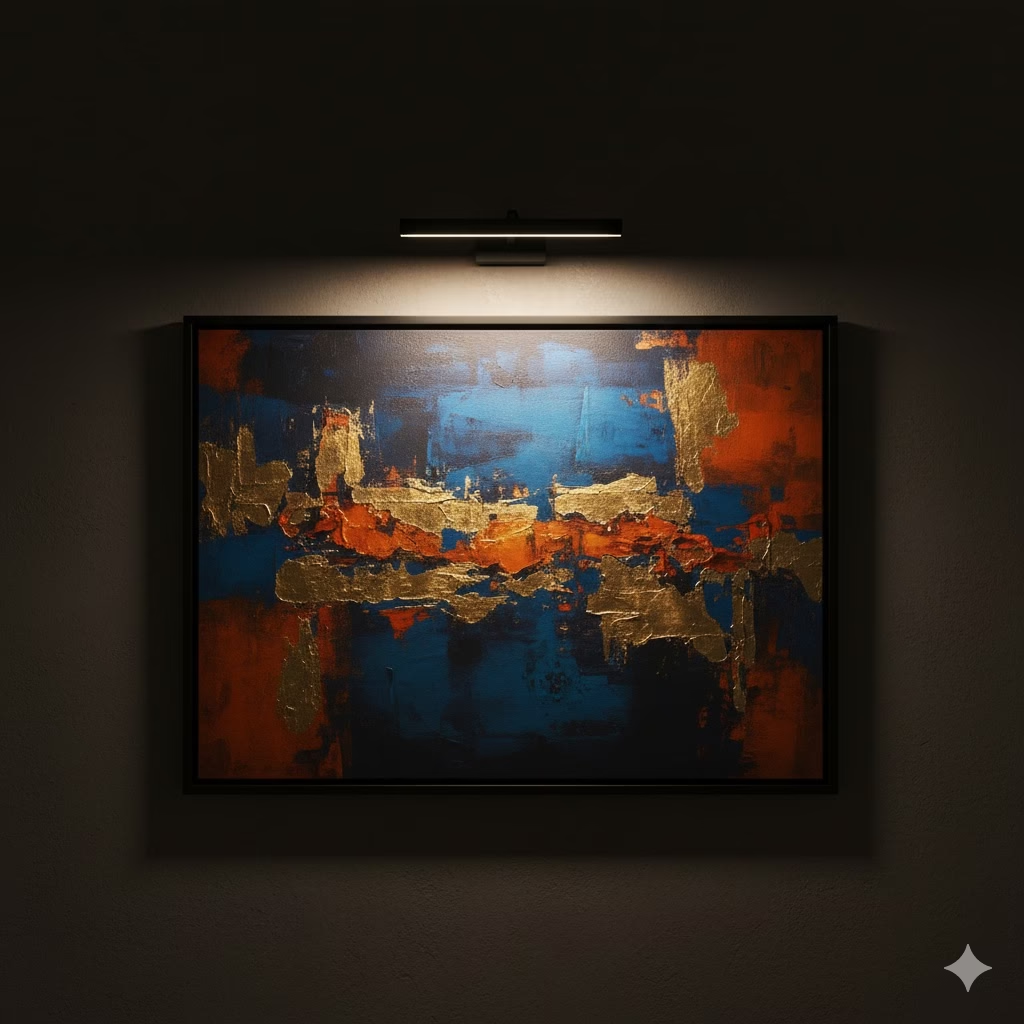
Mood lighting is the hidden tool designers use to make a room look expensive, detailed, and complete. It highlights architecture and textures that flat overhead light simply covers up.
- The Benefit: Layered lighting adds visual depth and layers. It draws the eye to key areas like artwork, shelves, or textured walls. This makes your space feel richer and more interesting.
- How to Do It: Use the “three-point lighting” rule. Use ambient light (a general soft glow), task light (for function), and accent light (to highlight objects) in every main room.
- Example: Use picture lights over framed art. Or, install recessed floor lighting to highlight the texture of a stone fireplace.
6. Versatility for Any Activity
A single overhead light can only be used for one purpose. A layered mood ambient lighting system can change its use instantly. It can match any activity, from cooking to having guests over.
- The Benefit: You can instantly change the feeling of one room for many different needs. It can be bright and clear for cleaning. It can be warm and dim for a movie night. Or, it can be colored and active for entertaining.
- How to Do It: Buy a smart lighting system that lets you save “scenes.” Program scenes like “Movie Night” (low light, warm color) and “Dinner Prep” (bright, focused light over the counter).
- Example: In a kitchen, use bright under-cabinet lighting to prepare food. Then, switch to pendant lights on a low dimmer for eating.
7. Better Social Interaction and Guest Comfort
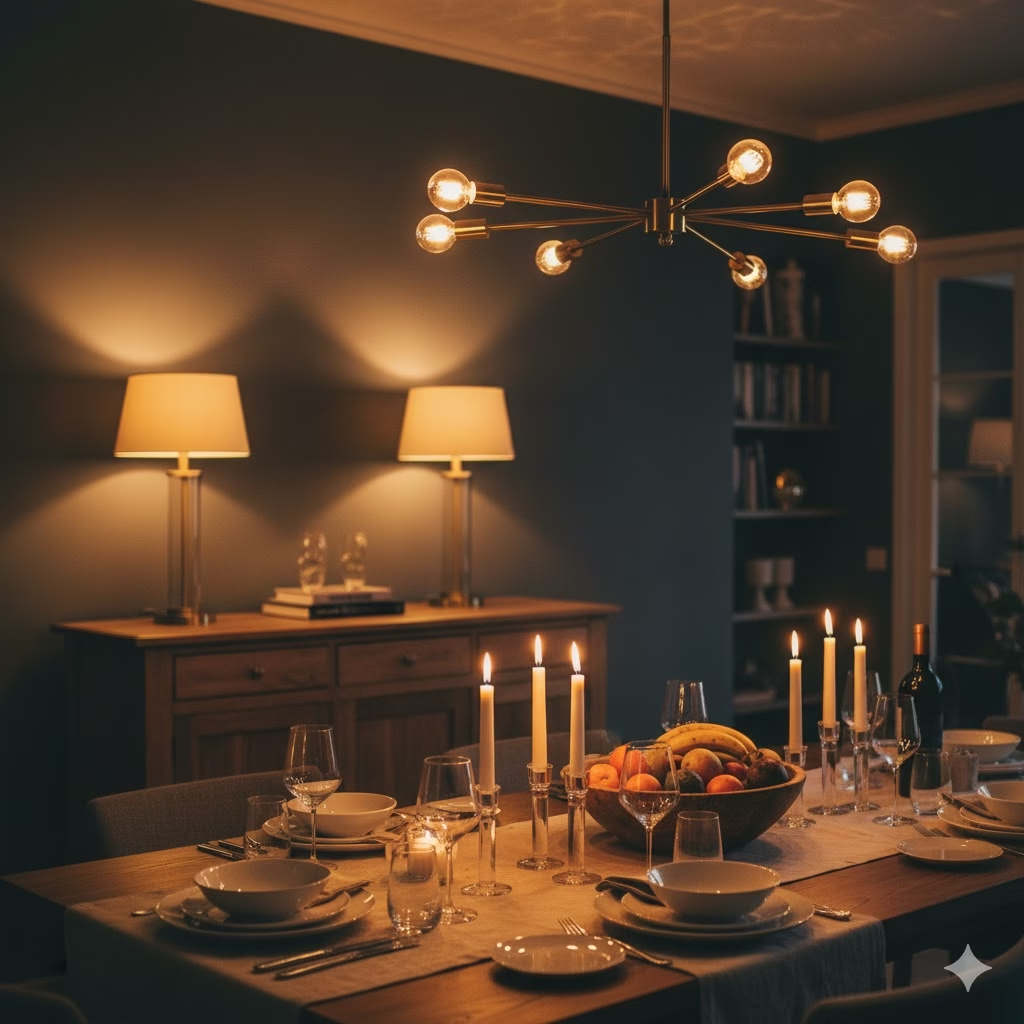
Think about the atmosphere of your favorite restaurant or bar. It is almost always soft, spread out, and low-level. This type of lighting makes people feel closer and more talkative.
- The Benefit: Soft, nice lighting makes people feel more comfortable and relaxed. This helps them open up and stay longer. It also avoids strong shadows that can be unflattering.
- How to Do It: Keep light sources below eye level. Use lamps on side tables and floor lamps with shades that spread the light. Never use bulbs that are completely uncovered.
- Example: For a dinner party, turn off all overhead lights. Only use candles and table lamps.
8. Improved Mental Well-being and SAD Management
Light exposure directly affects brain chemicals that control mood, like serotonin. The quality of your indoor light is very important, especially during dark winter months.
- The Benefit: Smart mood lighting can copy natural daylight cycles. Or, it can bring a soothing warm lighting when natural light is scarce. This helps keep mood and energy levels steady.
- How to Do It: Use “full-spectrum” or daylight bulbs (around 5000 K to 6500 K) in the morning to boost energy. Then, switch to warm light in the afternoon and evening.
- Example: Place a light therapy lamp (if you need one) near your desk during morning work hours. This gives you a dose of fake daylight.
9. Increased Home Safety and Navigation
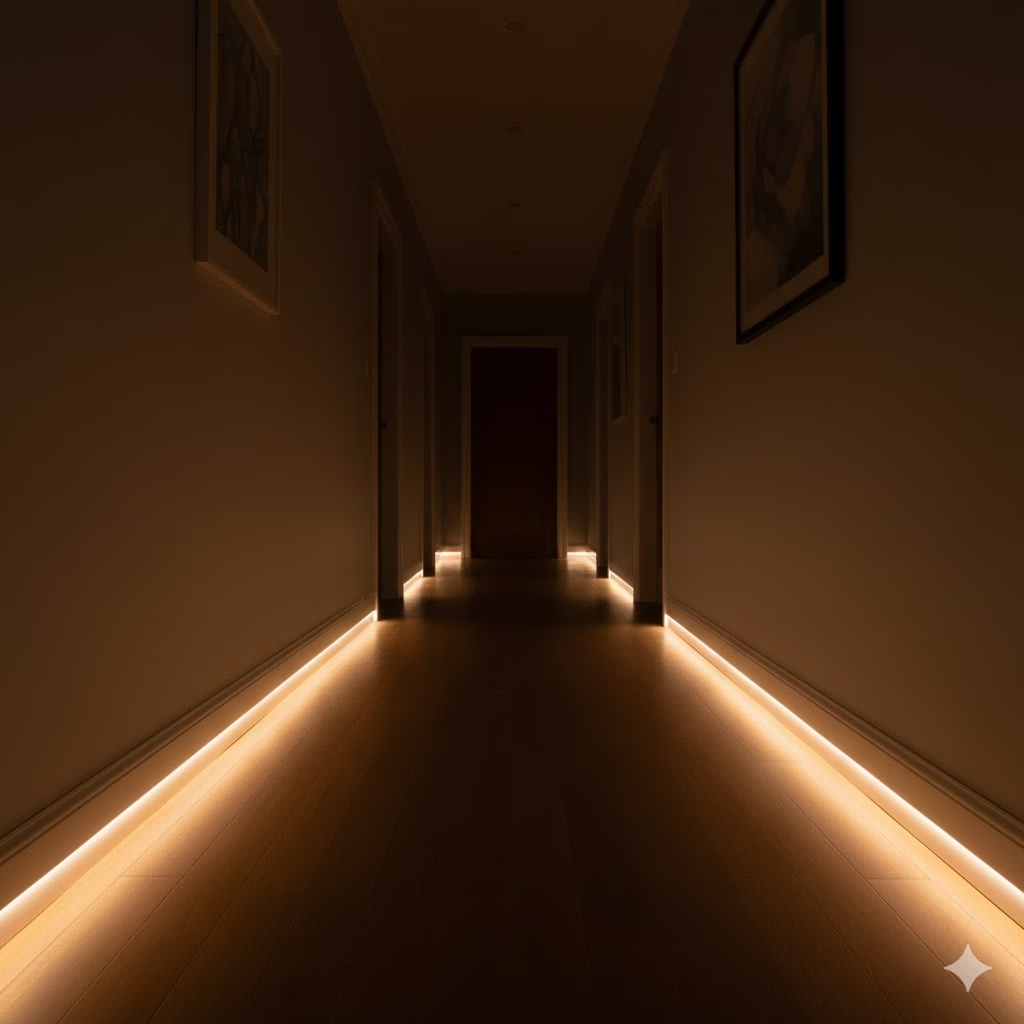
Layered lighting is not just for feeling good. It is a key safety tool, especially for moving around at night.
- The Benefit: Lights placed well on the floor or baseboard show safe paths. They do this without being too bright. This prevents falling without interrupting your sleep cycle.
- How to Do It: Put low-level, motion-activated strip lights in hallways, stairs, and bathrooms. These lights should be a very warm lighting color.
- Example: Install small LED strips under the edge of stair treads. They turn on when they sense movement after it gets dark.
10. Maximizing the Sense of Space
Smart lighting can greatly change how big and shaped a room feels. This is a big help for small homes or oddly shaped spaces.
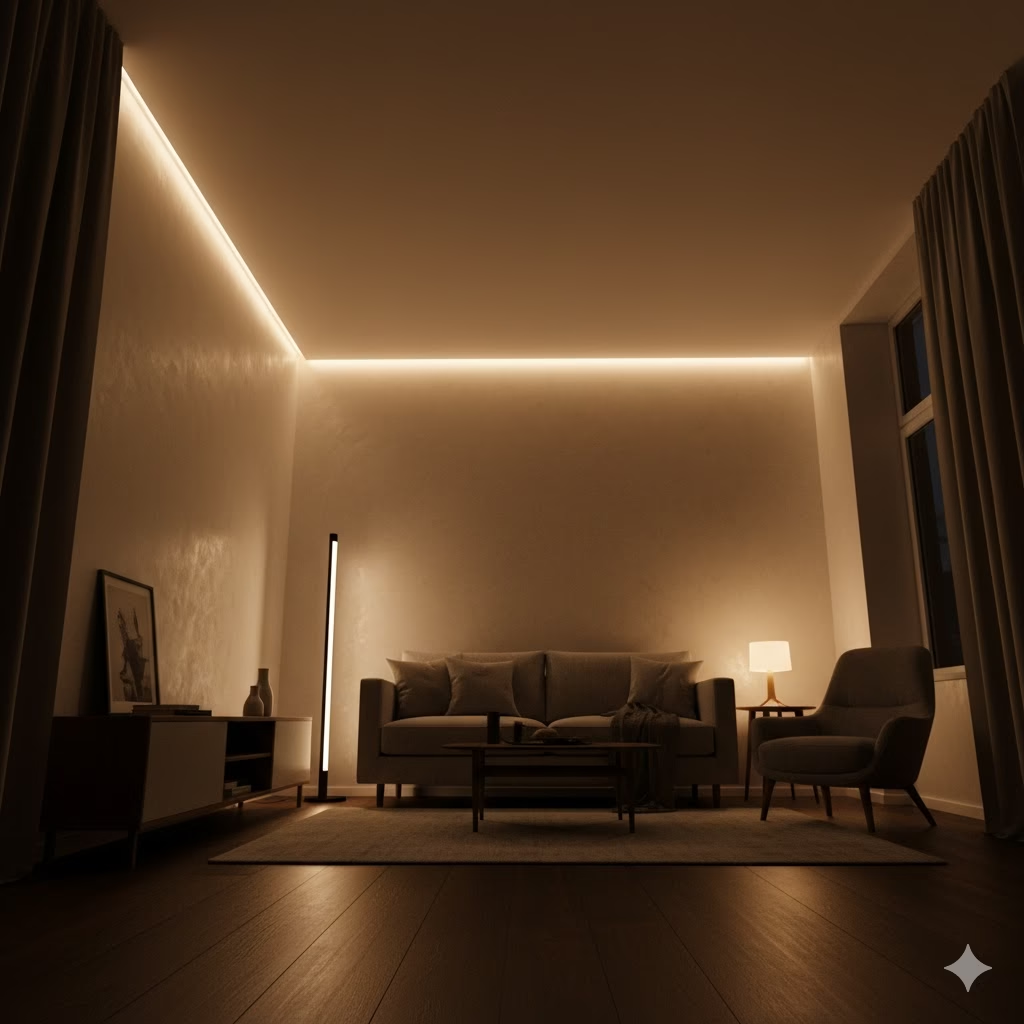
- The Benefit: When you light up walls or ceilings, you make the eye look up or out. This makes the room feel larger and more open.
- How to Do It: Use uplighters. These are floor lights that shine light onto the ceiling. They make the ceiling look higher. Install track lighting to direct attention to the far corners of the room.
- Example: Put thin, vertical floor lamps in corners. They brighten where the walls and ceiling meet.
How to Achieve Mood Lighting: A Simple Guide
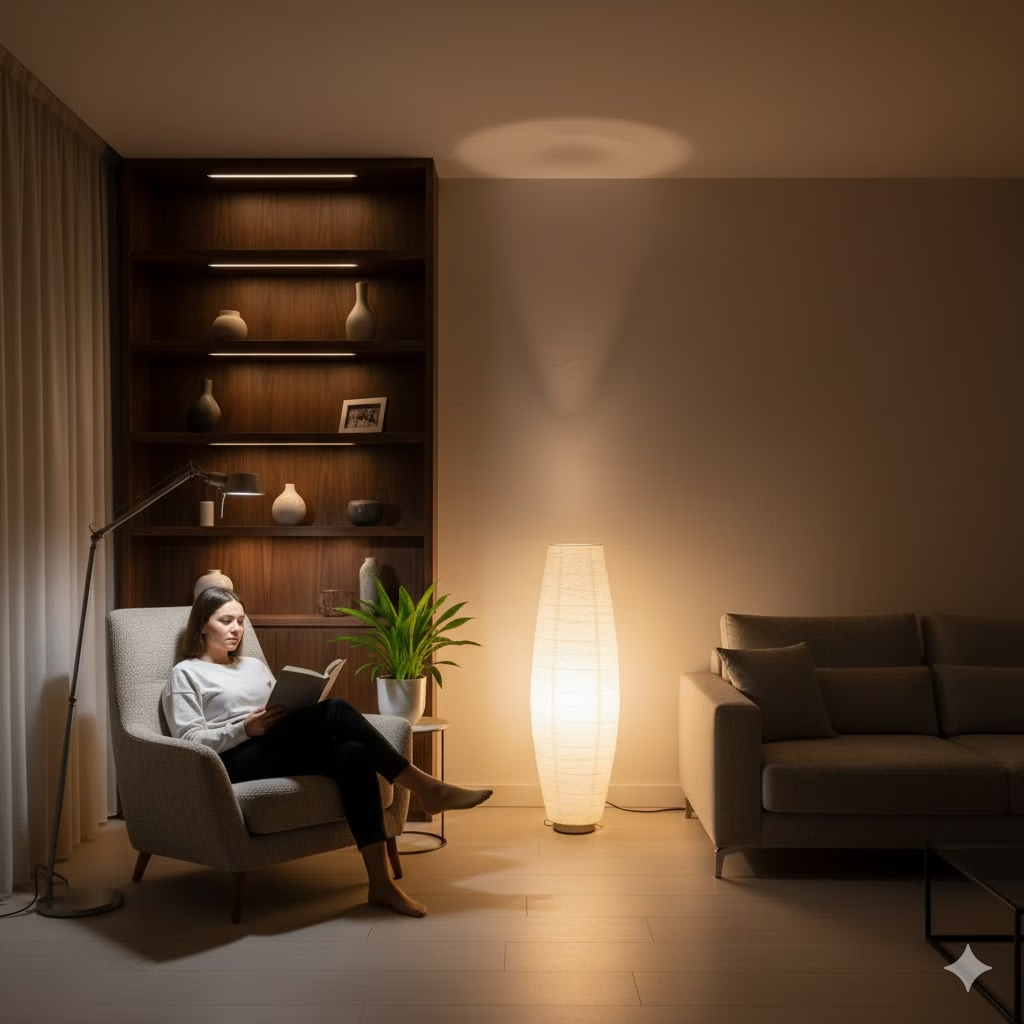
Using mood lighting is not about buying every gadget. It is about the careful use of three main types of lighting:
1. Ambient Lighting (General Light)
This is the overall light that fills the room. It should be soft, spread out, and the least powerful light layer.
- How-To: Use dimmers on all main light fixtures. Use wall sconces or large hanging lights with shades that soften the light. Aim for a warm lighting color temperature (around 2200 K to 3000 K).
2. Task Lighting (Work Focus)
This is bright, focused light for a certain activity. Examples include cooking, reading, or working.
- How-To: Put direct light sources where the activity happens. Examples are desk lamps, floor lamps over a chair, or under-cabinet lights. The light should shine on the task, not the whole room.
3. Accent Lighting (Highlighting Features)
This is the dramatic layer. It is used to draw the eye to architectural details, art, or plants.
- How-To: Use light that aims in one direction. This includes track lights, small spotlights, picture lights, and recessed lights. Always place these lights to skim a texture or focus on an object.
Frequently Asked Questions (FAQ)
Q: Are colored smart bulbs (RGB) truly good for relaxing?
A: Yes, if used carefully. White light is best for daily work. However, specific colors can be very effective for setting a mood. Deep, rich colors like amber, red, and warm orange are best for calming and getting the body ready for sleep. This is because they block blue light waves. Avoid brighter colors like blue or green in the evening.
Q: What is the best color temperature for warm lighting?
A: Warm lighting is in the range of 2200 K to 3000 K on the Kelvin scale. For the most comfortable, relaxing effect, aim for 2700 K or lower. Above 3500 K, the light becomes “cool” or blue-white. This is better for alertness and work tasks.
Q: Is it costly to change to mood lighting?
A: Not always. You can start by buying dimmable LED bulbs and simple plug-in timers. These are cheap. The most expensive part is often putting in wired smart switches. However, the long-term energy savings from using LED bulbs and being good for the environment usually pay for this cost. Start by focusing on changing the bulbs in the lamps you use most.
Q: Can mood lighting really help me focus?
A: Definitely. The key is to create a difference in brightness. Make a bright, focused area of light on your task (like a book or keyboard). Keep the rest of the room dimly lit. This lowers visual distractions. This focused light setting trains your brain to concentrate on the thing being lit.
Q: Where should I avoid overhead lighting completely?
A: It is a good idea to avoid harsh overhead lighting in the main bedroom, except when cleaning. In the living room and dining room, use overhead lighting only for effect or when necessary. Use lamps, wall sconces, and floor lighting ideas for your general ambient lighting.
References
- NIH – Action Spectrum for Melatonin Regulation in Humans
- Dusk Lights – How Lighting Affects Your Mood And Ways To Maximise
- WIPRO – Ambient Lighting – Need and Benefits
Recent Posts