Cookie Consent by Free Privacy Policy Generator Update cookies preferences

New Life for Old Soap

Flat lay of colorful, assorted Old Soap scraps grated and ready for repurposing, symbolizing the sustainable reuse of leftovers.

I used to toss those tiny, slippery old soap bits, thinking they were trash. It felt wasteful, but what else could I do? It turns out those leftover scraps are actually a powerful resource! Join me to unlock the secret life of your old bath bars. You’ll save money, cut down on waste, and turn something useless into something truly amazing. Let’s make saving the planet fun and fragrant!


Introduction: Old Soap

We are all trying to be more eco-friendly these days. We recycle, we compost, and we choose sustainable products. But what happens to the small slivers of soap that are too tiny to hold? Most people just throw them away. That might seem small, but all those little scraps add up to a lot of waste.

What if you could stop throwing away your old soap? You can easily turn those humble remnants into 10 different useful products. You will save money, reduce clutter, and feel great about using up every last bit. This guide will show you how to take your old soap and give it a vibrant new purpose!

Why Use Old Soap?

Repurposing your soap scraps is a win-win situation:

  • Saves Money: You get new cleaning or bath products for free.
  • Good for the Planet: It cuts down on waste going to landfills.
  • It’s Easy: You only need basic household items for most projects.
  • Get Creative: You can mix scents and colors to make unique items.

Quick Tip for Preparation: Before you start any project, make sure your old soap pieces are dry. Use a common cheese grater or a sharp knife to chop the soap into small flakes or powder. Smaller pieces melt and dissolve much faster!


1. Make a Brand New Soap Bar from Old Soap
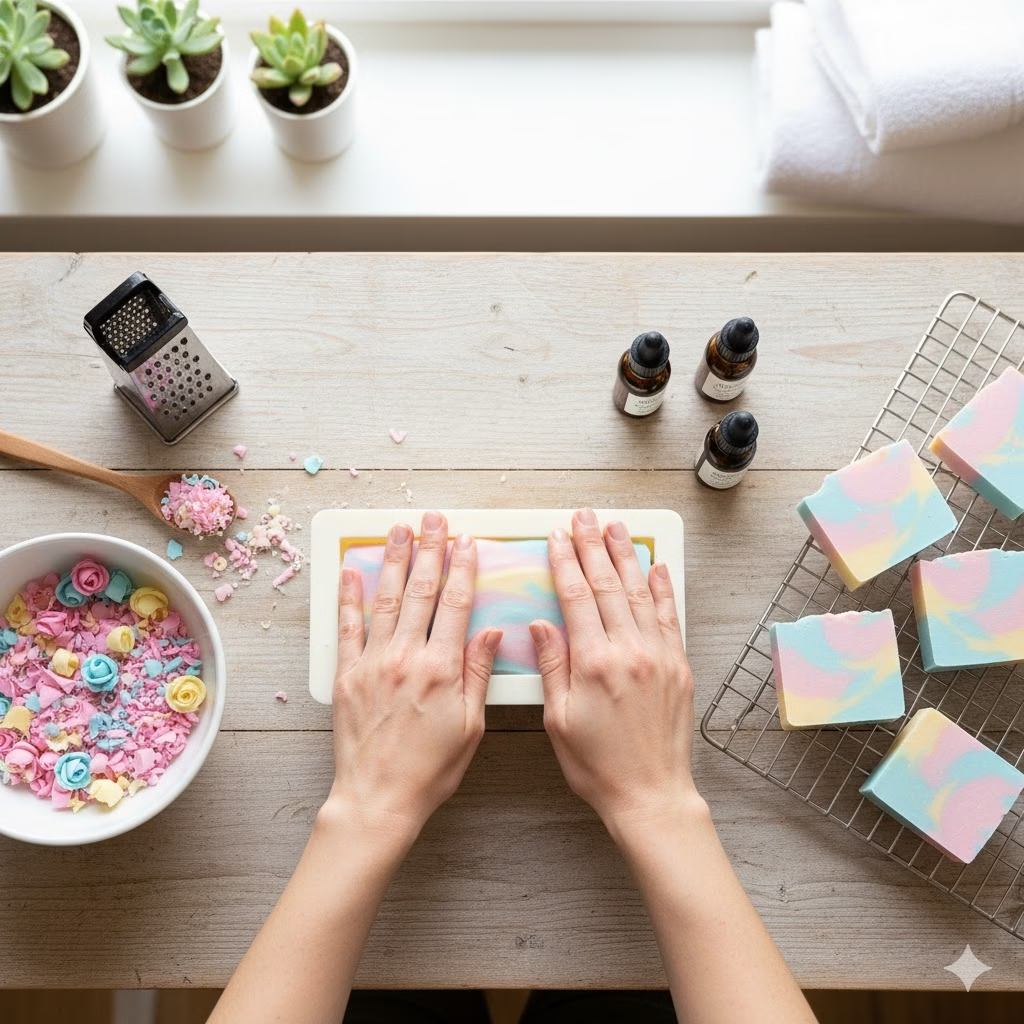
This is the easiest way to finish off those tiny, unusable soap pieces. You can mix different colors and scents to create a unique, marbled soap bar that’s comfortable to hold.

How to Do It:

  1. Gather Scraps: Collect all your small soap slivers.
  2. Melt the Soap: Put the grated soap into a microwave-safe bowl. For every cup of soap flakes, add two tablespoons of water or a mild oil (like olive oil). The liquid helps the soap stick together.
  3. Heat Slowly: Heat the soap in the microwave for 30 seconds at a time. Stir it well after each burst. Keep heating and stirring until the soap is a thick, gooey paste. Do not let it boil or burn.
  4. Press into a Mold: Press the warm soap paste very firmly into a mold. Silicone molds work best, but you can use muffin tins or even just shape it into a ball with your hands.
  5. Cool and Cure: Let the new bar cool completely and dry out for 1 to 2 days. If it feels soft, let it sit out for a few more days to get hard.

2. Liquid Hand Soap from Old Soap

Stop buying expensive liquid hand soap refills! Your old soap can be dissolved to make a cheap, effective refill for any pump bottle.

How to Do It:

  1. Grate Soap: Get about 1 cup of soap flakes. This will make a thick soap.
  2. Boil Water: Bring 6 cups of water to a rolling boil in a pot.
  3. Dissolve Soap: Take the water off the heat. Stir the grated soap into the hot water. Keep stirring until every piece of soap is completely dissolved. This might take 10 to 15 minutes.
  4. Cool Down: Let the liquid cool for a long time, ideally overnight. It will thicken as it cools. If it’s too thick, just add a little more hot water and mix it in.
  5. Add Scent (Optional): Once cooled, you can add 15 drops of your favorite essential oil for a nice smell.
  6. Bottle It: Pour the liquid soap into your empty pump bottle using a funnel.

3. Homemade Dry Laundry Detergent
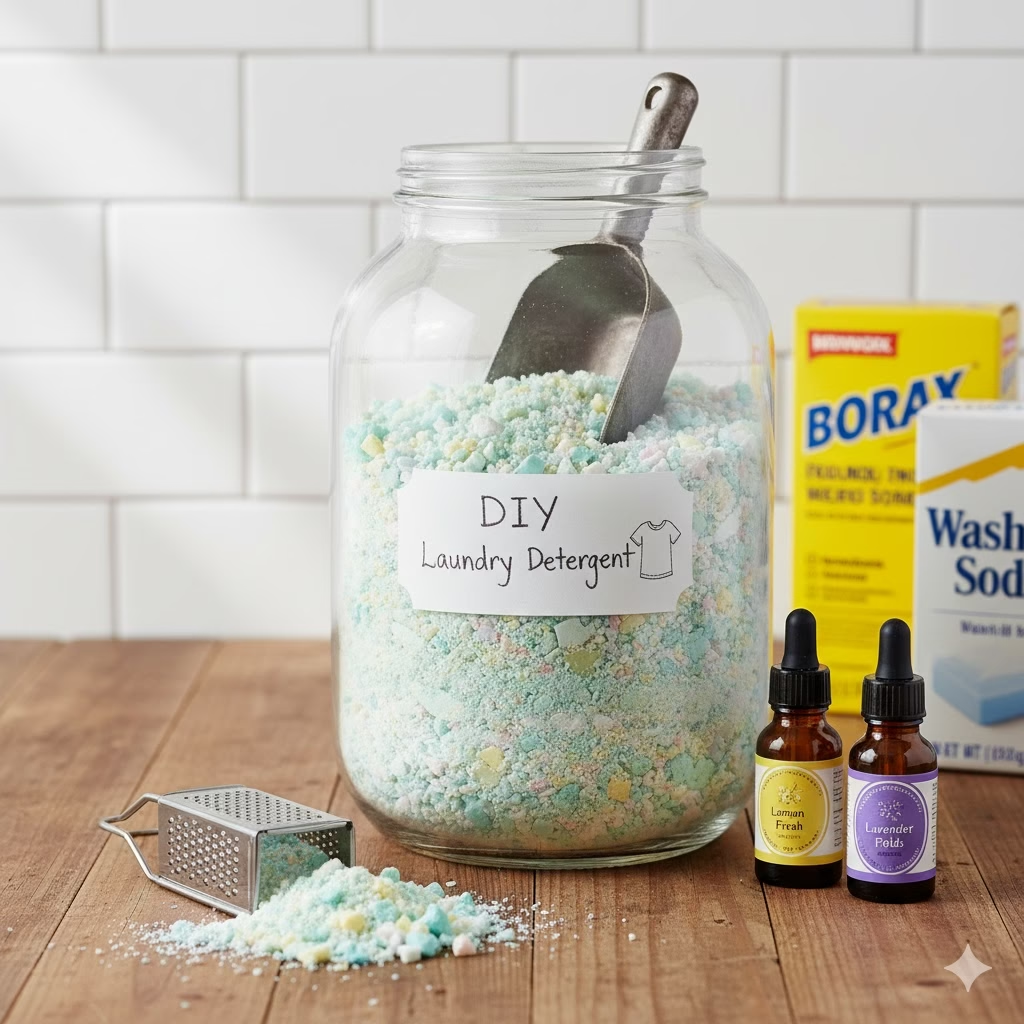
This is a powerful, low-cost way to clean your clothes without harsh chemicals. Your old soap forms the base of this natural laundry mix.

How to Do It:

  1. Grate Soap: Grate one full bar of soap (about 5 ounces of scraps).
  2. Mix Dry Ingredients: In a large bowl, mix the grated soap with 1 cup of Washing Soda (sodium carbonate) and 1 cup of Borax. These products are natural cleaning boosters.
  3. Store: Pour the entire mixture into a large, airtight container, like a big mason jar.
  4. How to Use: Use only 1 to 2 tablespoons of the powder per load of laundry. It works well in both standard and high-efficiency (HE) machines.

4. Soap Scraps in Scrubber Bags
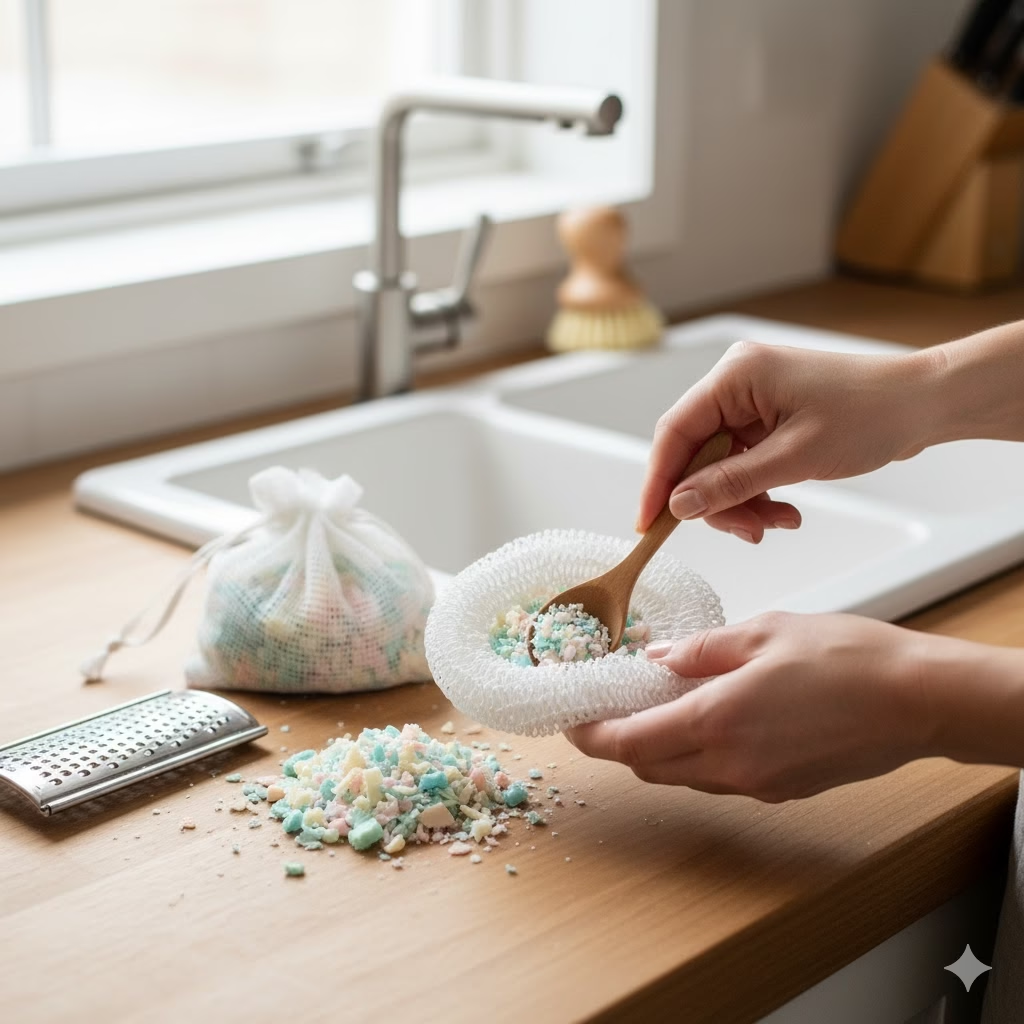
This project is a brilliant hack for household cleaning. Instead of buying soap-filled pads, you can make your own reusable pads with your smallest old soap bits.

How to Do It:

  1. Collect Smallest Scraps: Gather up the tiny, crumbly pieces of old soap that are too small to grate.
  2. Find a Pouch: Use a reusable mesh scouring pad, a small nylon scrub pad, or even a piece of old pantyhose cut and tied into a small pouch.
  3. Fill and Secure: Stuff the small soap pieces tightly inside the pad or pouch. Tie the opening firmly.
  4. How to Use: Simply wet the pad and start scrubbing dirty sinks, tubs, or greasy pots. The water goes through the mesh, activates the soap inside, and creates a strong lather. Rinse the pad and let it dry when finished.

5. Fragrant Soap Sachets for Drawers
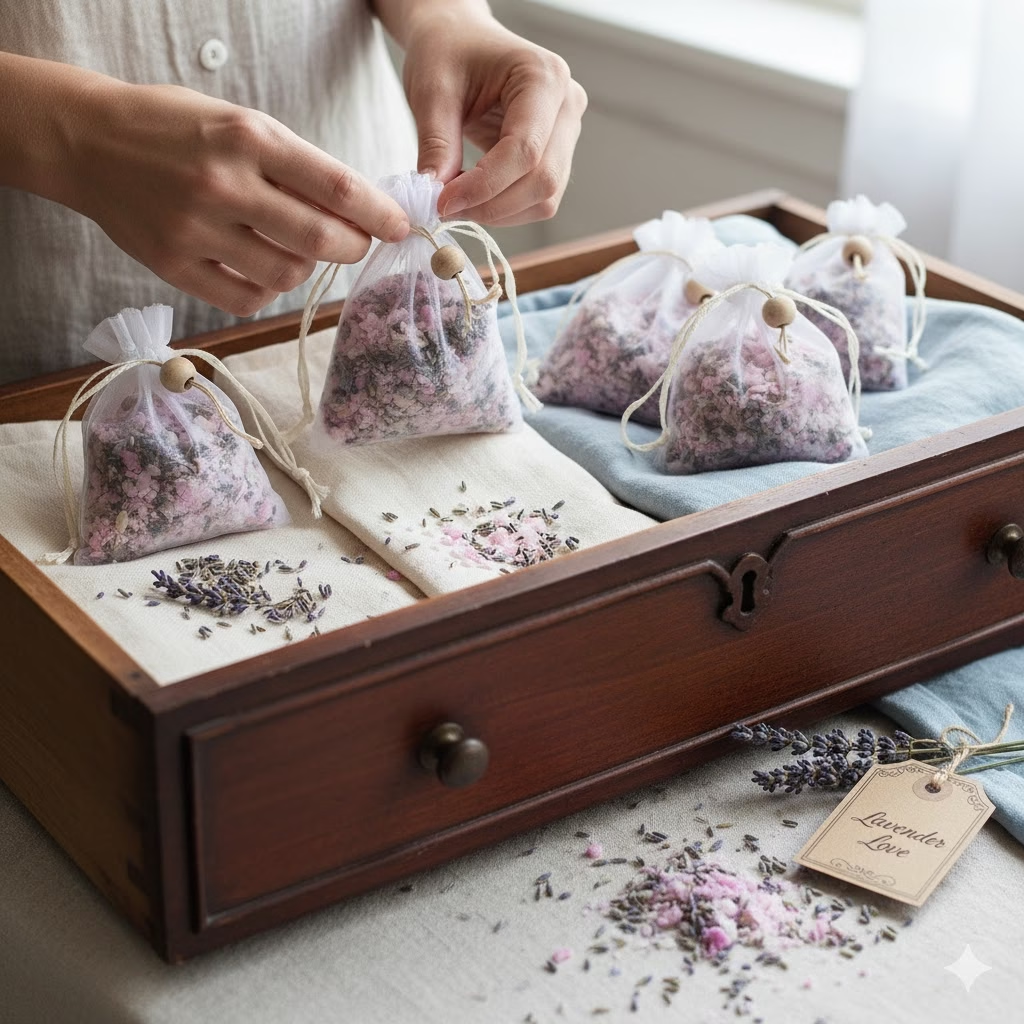
Give your linen closet a wonderful, lasting smell while using up highly scented old soap remnants. The strong scent also helps keep moths away!

How to Do It:

  1. Grate Soap: Grate your strongly scented old soap scraps.
  2. Mix (Optional): For a boost, mix the soap flakes with a little bit of dried lavender or rosemary.
  3. Fill Small Bags: Spoon the soap mixture into small fabric pouches (organza bags or cotton drawstring bags work well).
  4. Place: Tuck the finished sachets into clothes drawers, among towels, or hang them in the closet. The scent will gently perfume your fabrics.

6. DIY Bar Soap Body Scrub
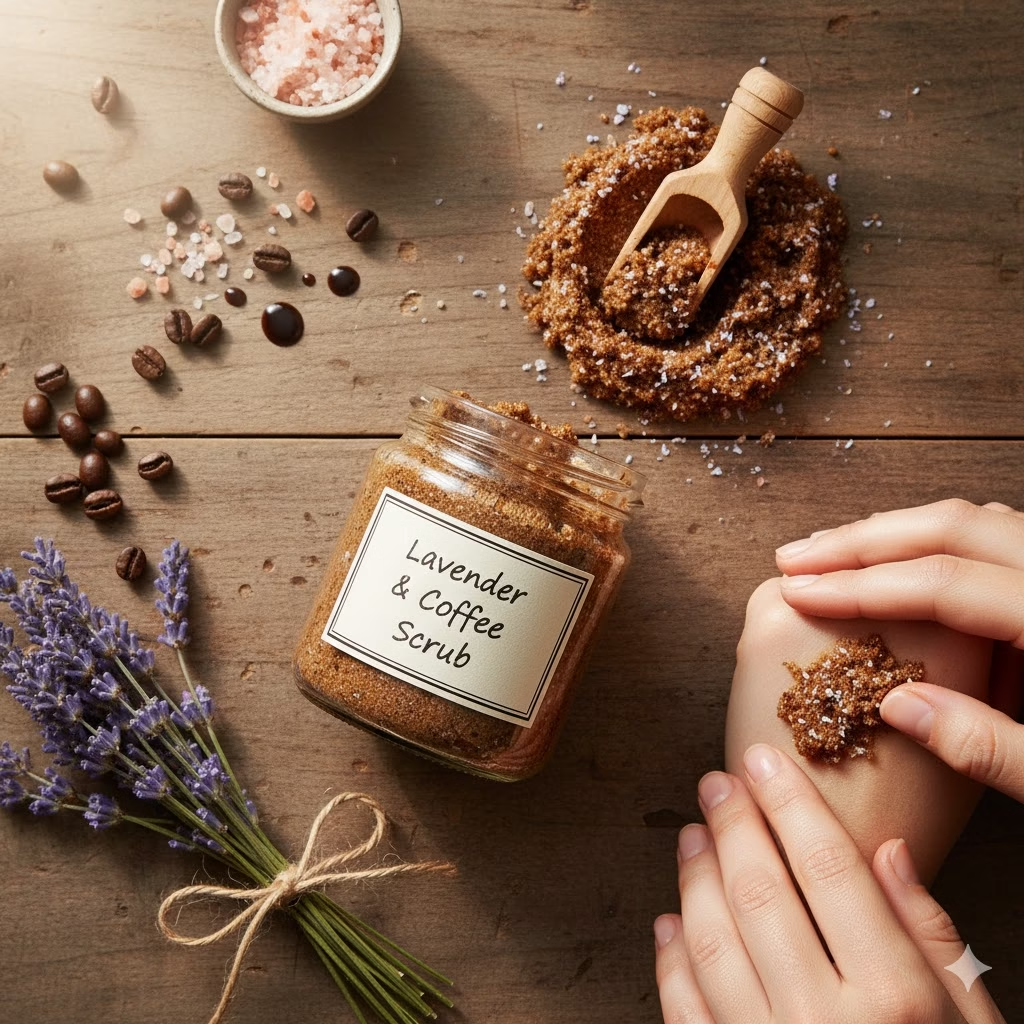
Turn your moisturizing old soap into a luxurious scrub that removes dead skin. This is a treat for yourself and a great zero-waste swap!

How to Do It:

  1. Grate Soap: Grate 1/2 cup of old soap.
  2. Melt with Oil: Place the grated soap in a heat-safe bowl. Add 1/4 cup of coconut oil or shea butter. Melt the two together slowly using a double boiler, stirring until they combine into a smooth, thick mix.
  3. Add Exfoliant: Take the mixture off the heat. Immediately stir in 1 cup of coarse sea salt or brown sugar.
  4. Add Scent (Optional): Mix in 10 drops of essential oil (like peppermint for a tingle).
  5. Store: Put the scrub into an airtight glass jar. It will harden as it cools. To use, simply scoop out a bit in the shower and rub it gently on your skin.

7. Simple All-Purpose Household Cleaner
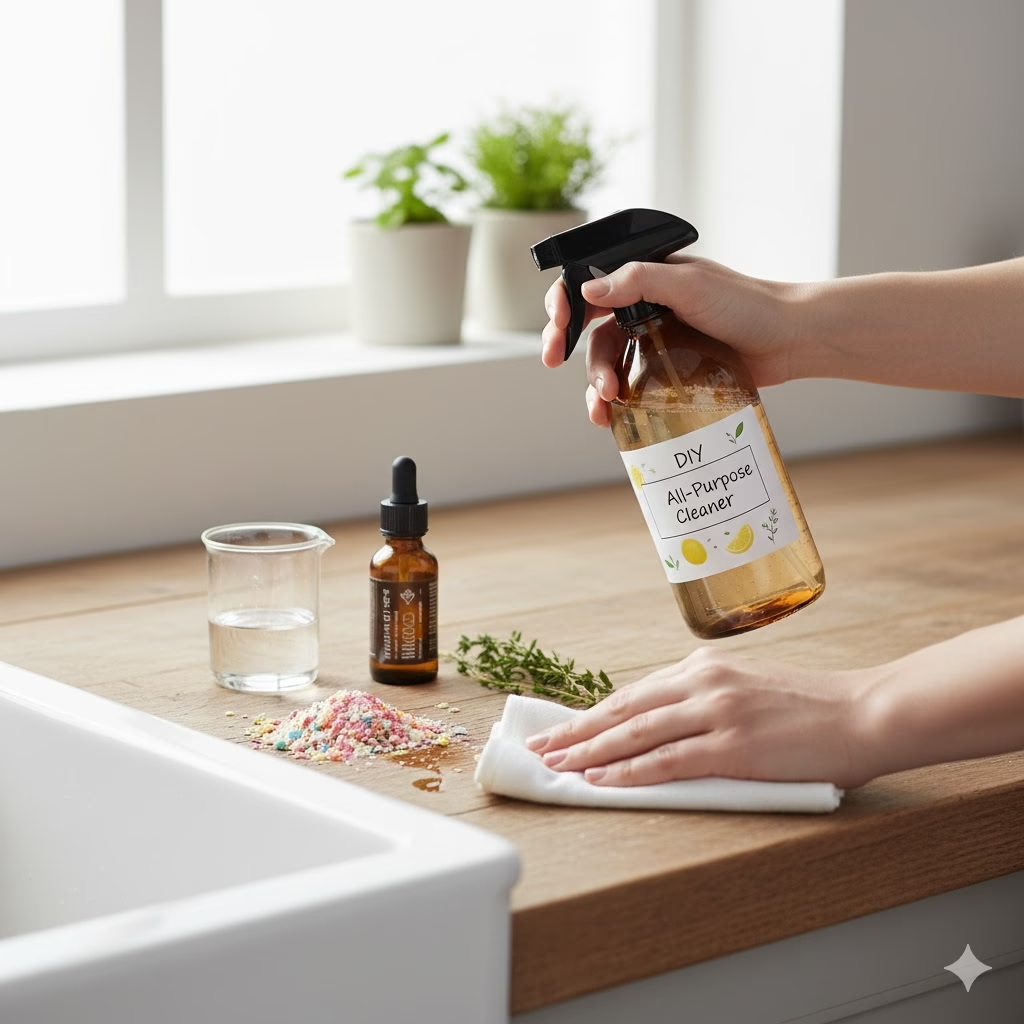
Make a non-toxic spray that is safe for cleaning counters and sinks. This cleaner cuts through light dirt and grease.

How to Do It:

  1. Grate Soap: Grate 1/4 cup of old soap scraps.
  2. Dissolve: Place the grated soap in a jar. Pour 1 cup of very hot water over it. Stir until all the soap is dissolved.
  3. Add Cleaning Power: Stir in 1/4 cup of white vinegar and 1/4 cup of rubbing alcohol. The alcohol helps the surfaces dry quickly.
  4. Scent (Optional): Add 15 drops of lemon or tea tree essential oil for a clean smell.
  5. Bottle It: Once cool, pour the mixture into a clean spray bottle. Shake it well before you use it. Spray and wipe down washable surfaces.

8. Needle and Pin Lubricant
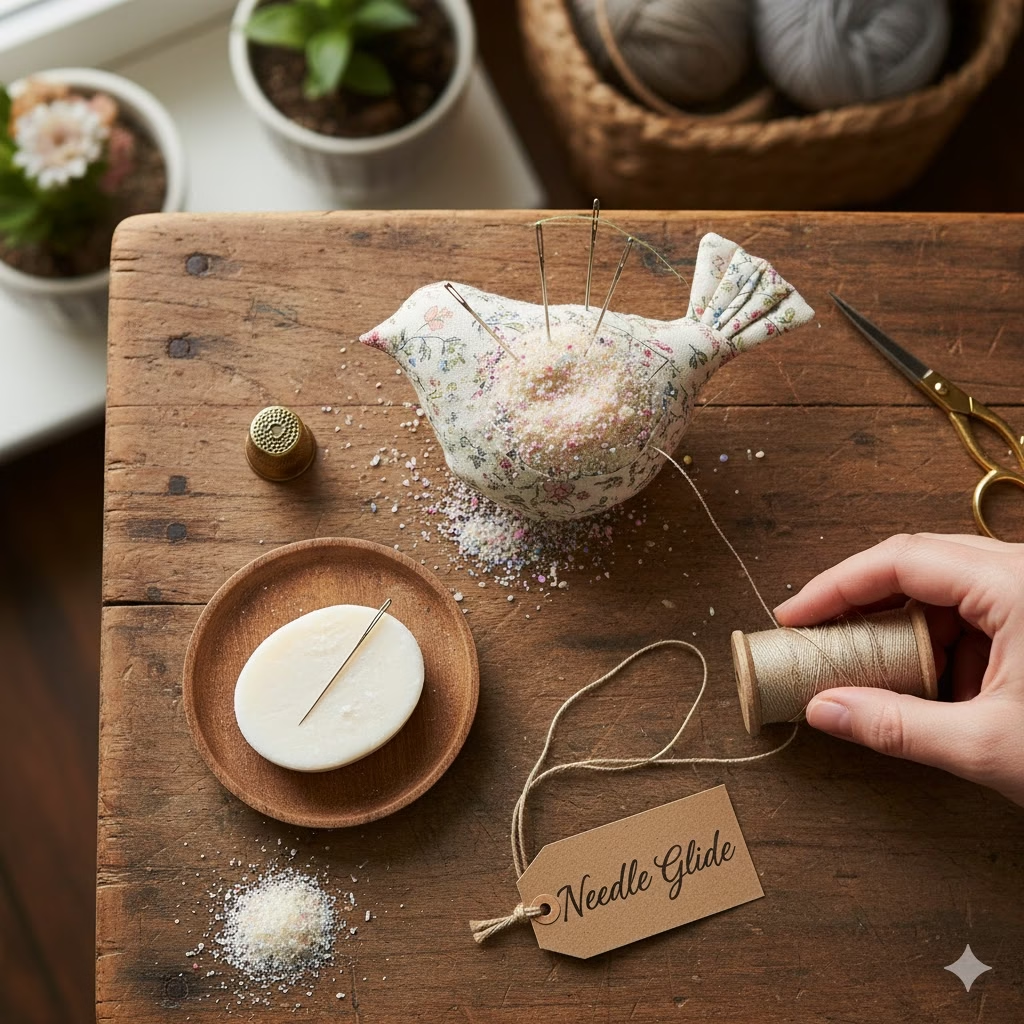
This is a simple but clever use for dry old soap in your sewing kit.

How to Do It:

  1. Lubricate Needles: Before you sew through thick fabric like denim or leather, simply rub the needle or pin over a dry sliver of soap. The soap creates a thin coat that lets the needle glide right through with less effort.
  2. Condition Thread: Run your thread over the dry soap before threading your needle. This strengthens the thread, keeps it from tangling, and makes hand-sewing much easier.
  3. Pin Cushion Filling: Grind your old soap into a fine powder. Mix it with the stuffing inside your pin cushion. Every time you push a pin in, the soap powder will coat it, preventing rust and keeping the pin sharp!

9. Stain Pre-Treatment Paste with Old Soap

Turn your soap leftovers into a strong, natural paste to pre-treat tough stains on clothing, carpets, or upholstery before washing.

How to Do It:

  1. Grate Soap: Grate 1/2 cup of old soap into a small bowl.
  2. Make the Paste: Add only 1 tablespoon of warm water and 1 tablespoon of baking soda. Mix it well until you have a thick, smooth paste. Add slightly more water if needed.
  3. Apply to Stain: Wet the stained fabric slightly. Rub the paste directly onto the stain, covering it completely.
  4. Scrub and Rinse: Let the paste sit for 20 minutes. Gently scrub with an old toothbrush. Then, blot the area with a damp cloth until the soap is gone, or toss the item into the washing machine.

10. Melt-and-Pour Soap Jellies (Fun for Kids!)
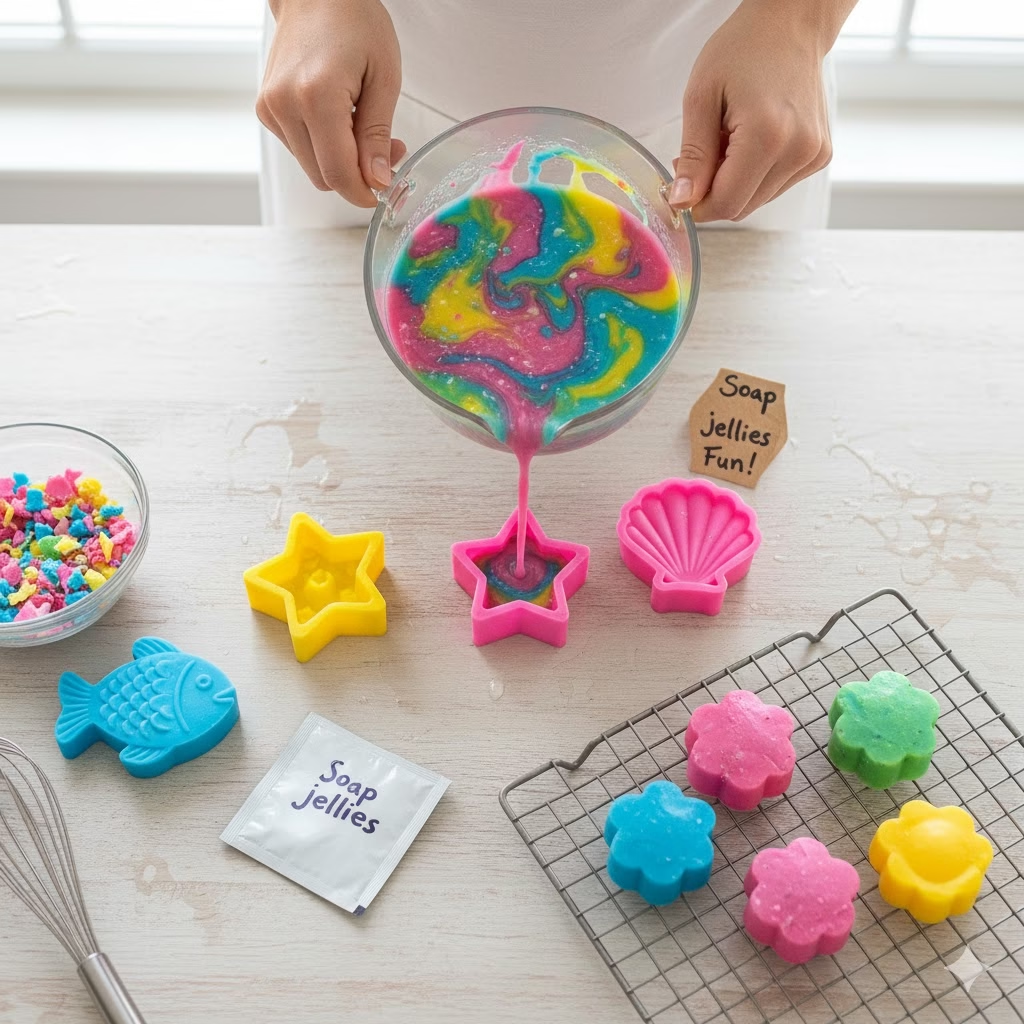
If you have kids, this is a fun bath time treat. These wobbly, colorful soap ‘jellies’ are easier for small, slippery hands to hold than a normal soap bar.

How to Do It:

  1. Grate Soap: Grate 1/2 cup of old soap (colorful scraps work best!).
  2. Make Gelatin Mix: In a saucepan, combine 1 cup of boiling water with 2 tablespoons of unflavored gelatin powder. Whisk until the gelatin is fully dissolved.
  3. Melt Soap: Take the pan off the heat and stir in the grated old soap flakes until they melt into the liquid.
  4. Pour and Chill: Pour the colorful liquid into fun silicone molds (like stars or fish).
  5. Set: Place the molds in the refrigerator for 4 hours or until they are completely firm like jello. Unmold them and they are ready for a wobbly bath time!

Conclusion for Old Soap

Every small bit of old soap you save is an opportunity to be creative and resourceful. These projects are simple, effective, and prove that “trash” is really just treasure waiting for a little ingenuity. By giving new life to old items, you are actively reducing waste and making your home a little more sustainable—one lovely lather at a time!


Frequently Asked Questions (FAQ)

Q: Can I mix different soap brands in these projects?

A: Yes, you can mix different brands of old soap for most projects, especially for cleaning (like the laundry detergent). Just be careful when mixing scents, as the final product might smell strange if the original scents clash.

Q: Why do I need to let the soap cool for so long?

A: Allowing the liquid soap or new bar soap to cool overnight is important because it gives the ingredients time to fully cure and thicken. If you try to use it too soon, it will be watery or too soft. Patience is key for a good final texture.

Q: Are these homemade cleaning products safe for my skin?

A: The products meant for the body (New Bar of Soap and Body Scrub) use gentle ingredients and are safe, provided you didn’t start with harsh chemical soaps. For the strong cleaning items (Laundry Detergent and All-Purpose Cleaner), always wear gloves if you have sensitive skin, just like you would with store-bought cleaners.

Q: What is the best way to store my soap scraps before a project?

A: The best way to store your old soap scraps is in an open container (like a glass jar or basket) that allows them to fully dry out. If they stay damp, they can start to mildew or clump together, which makes grating them difficult later.


References

  1. Naturalingredient – Soap Making Made Easy
  2. Lovelygreens – How to Naturally Color Handmade Soap

Recent Posts


How to Design a Zen Bedroom for Better Sleep

A minimalist Zen Bedroom featuring light wood paneling concealing ample closed storage, a low-profile bed with neutral linen bedding, a simple floating side console, and a jute rug, emphasizing a clean and uncluttered space.

How to Design a Zen Bedroom for Better Sleep

I was a lifelong night owl. I was a true champion of the “five more minutes” snooze button. For years, I battled my own bedroom. It wasn’t a sanctuary; it was a storage unit and an obstacle course. I only found true rest when I embraced a Zen Bedroom design. This guide is for you if you’re ready to stop just existing in your room and start truly resting in it.


Introduction: Your Sanctuary Awaits

Your bedroom is the most important room in your house. It is where you recharge and prepare for the day ahead. Still, for many, it is a mess. It is a chaotic mix of laundry, gadgets, and projects. If you find it hard to fall asleep or wake up tired, the fix is not a new mattress. It might be in the design of your room.

The idea of a Zen Bedroom comes from traditional Japanese minimalism. It uses the ideas of harmony, balance, and quiet. This process is not about adding things. It is about removing what causes stress. It is about curating what promotes peace.

This guide will show you the essential 10-point checklist. It has clear steps and examples. You will learn how to design the perfect sleep sanctuary.


The Zen Bedroom 10-Point Design Checklist

Step 1: Zen Bedroom: Embrace the Power of Decluttering (The Foundation)

Do not paint a wall or buy anything yet. You must first clear the clutter. In Zen thinking, clutter means blocked energy, or chi. This can ruin your mental calm. A messy room is a visual sign of a messy mind.

How to Do It:

  • The “Out-of-Sight” Rule: Take out anything that does not help you sleep, relax, or feel close. This includes gym gear, stacks of papers, and anything that reminds you of work or chores.
  • Closed Storage: Use sleek storage that closes, like chests, wardrobes, and drawers. The key rule is: once the door is shut, you cannot see the mess.
  • The 3-Item Surface Limit: Put only three carefully chosen items on dressers and nightstands. For example, a lamp, a book, and a small plant.

Step 2: Choose a Calming, Natural Color Palette (The Atmosphere)

The colors in your room affect your mood. Bright, bold, or very strong colors excite the mind. This makes it harder to relax. Zen design likes colors found in nature.

How to Do It:

  • Neutrals First: Use soft whites, muted grays, beige, and light taupe for your main wall colors.
  • Natural Accents: Add color through bedding and decor. Use earthy, calming colors like sage green, deep forest green, muted navy blue, charcoal gray, or soft terracotta.
  • Avoid: Do not use bright reds, oranges, or shiny finishes. They are too stimulating for a sleep space.

Example: Paint three walls a crisp, soft white. Make the wall behind your bed a soothing sage green accent wall.

Step 3: Zen Bedroom: Prioritize Natural Materials (The Sensory Experience)

A Zen space uses materials that feel good to touch. They must also look grounding. These materials link you to nature. They create a sense of warmth and lasting quality.

How to Do It:

  • Wood: Choose light- or medium-toned wood for furniture. The bed frame and nightstands matter most. Bamboo and light oak are great choices.
  • Textiles: Pick natural fabrics for bedding. Use high-quality linen, organic cotton, or hemp. They breathe well and have a nice, relaxed texture.
  • Flooring: Use hardwood floors. Natural fiber rugs, like jute or wool, work better than wall-to-wall carpets.

Step 4: Master the Art of Soft, Layered Lighting (The Mood Setter)

Harsh overhead lighting is bad for peace. A Zen Bedroom uses soft, indirect, and layered light. This makes the room feel gentle, like a safe cocoon.

How to Do It:

  • Ditch the Single Overhead: Use lamps instead of one ceiling light. Place table lamps, floor lamps, and maybe a small wall light.
  • Warm Tones: Use LED bulbs that are 2700K (Warm White). This light looks like a sunset. It signals your brain to make melatonin.
  • Dimmer Switches: Put dimmers on all your lights. The chance to slowly lower the light is key for winding down.

Example: Use an elegant Japanese-style paper lantern (an Akari lamp) on a dimmer. This gives soft, diffused light.

Step 5: Zen Bedroom: Select the Right Window Treatments (Control and Privacy)

To sleep deeply, you must control light and ensure privacy. Light from outside or the early sun will wake you up too soon.

How to Do It:

  • Blackout Backing: Use curtains or blinds with a blackout lining. You need total darkness. This is best for making melatonin.
  • Sheer Layers: Use two types of layers. Use sheer linen curtains for privacy and soft light in the day. Use heavy blackout drapes for the night.
  • Natural Textures: Bamboo blinds or woven wood shades add a beautiful, earthy feel. This fits the Zen look.

Step 6: Zen Bedroom: Introduce Life with Biophilic Design (The Connection to Nature)

Biophilia is our deep wish to connect with nature. Adding plants and natural items can greatly lower stress. It can also make the air cleaner.

How to Do It:

  • Air Purifiers: Place air-cleaning plants in the room. Snake Plants (Sansevieria) or Peace Lilies are good choices. They release oxygen at night.
  • Low Maintenance: Pick plants that are easy to care for. You do not want them to become a new stress source.
  • Natural Elements: Add a small tray of clean pebbles. Include a piece of driftwood or a simple flower arrangement. Bring a piece of the outdoors inside.

Step 7: The Bed: Position and Presentation (The Focal Point)

The bed is the heart of the Zen Bedroom. How you place it and dress it up is vital. It must feel comfortable and secure. This follows Feng Shui rules.

How to Do It:

  • Commanding Position: Place the headboard against a strong wall. You should be able to see the door, but do not line the bed up with it. This creates a hidden sense of safety.
  • High-Quality Bedding: Buy the best sheets you can. They must be breathable and feel good. Layer a light duvet with a soft throw. This creates depth and comfort.
  • Minimal Pillows: Do not use too many fancy pillows. Stick to two sleeping pillows per person. You can use one or two simple accent pillows, but no more.

Step 8: Silence the Tech and Eliminate Blue Light (The Digital Detox)

A Zen Bedroom is a sleep room. It is not a place for entertainment or work. Blue light from screens stops your brain from making melatonin. It keeps your mind too active.

How to Do It:

  • The Charging Station: Make a “tech parking lot” outside the bedroom. If you must charge your phone, put it in a drawer. Place it on the far side of the room, face down.
  • No TV Rule: The TV is a distraction. If you must keep it, hide it in a cabinet. Use a sliding screen when you are not using it.
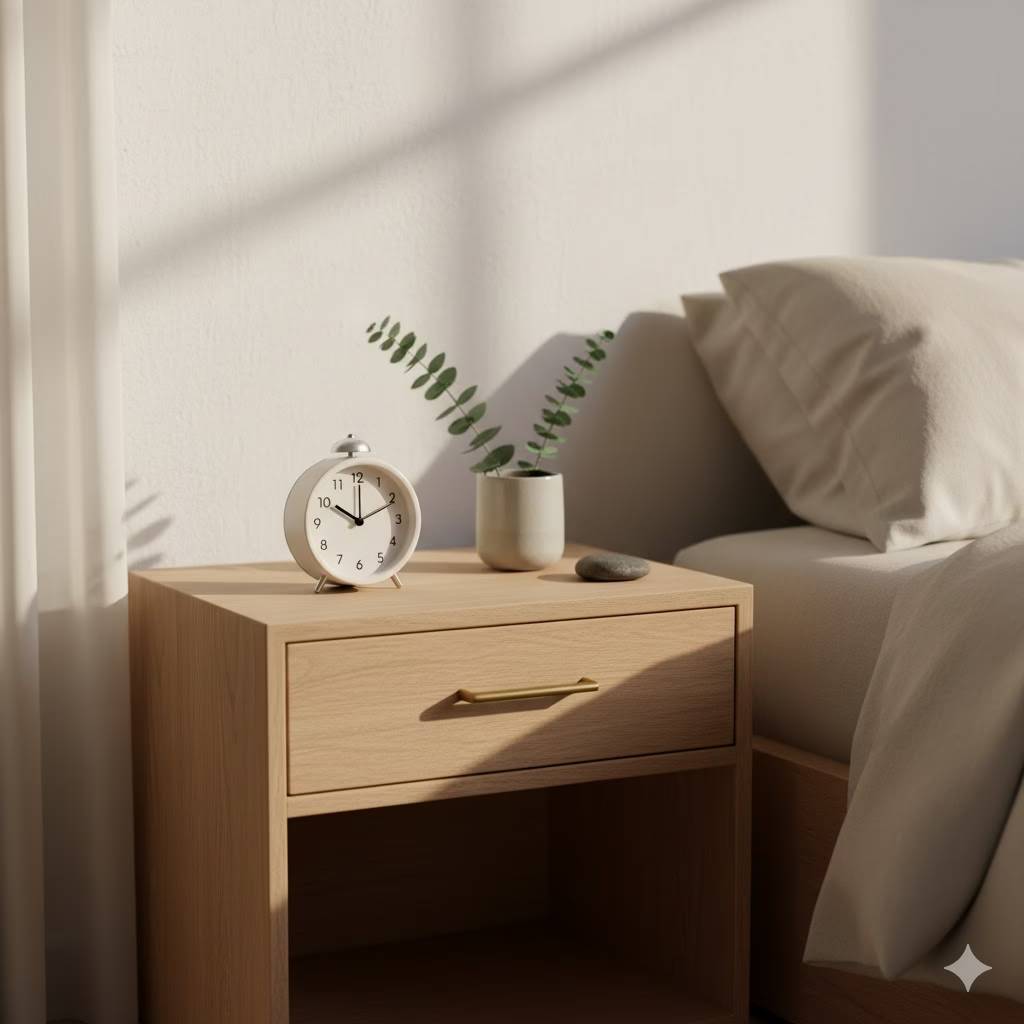
  • Analog Alarm: Do not use your phone for an alarm. Get a simple, dedicated analog clock or a gentle sunrise alarm clock instead.

Step 9: Engage Soothing Aromas and Sounds (The Complete Sensory Reset)

Using your sense of smell and hearing helps your body relax. It signals that it is time to rest.

How to Do It:

  • Aromatherapy: Use an essential oil diffuser 30 minutes before bed. Use relaxing scents. Lavender, Chamomile, and Cedarwood are proven to promote calm.
  • Acoustic Control: Use thick rugs and heavy curtains. They help absorb outside noise. A white noise machine can provide a gentle, steady sound.
  • The Unscented Rule: Do not use fake or strong smells. Strong candles or air fresheners can stop you from sleeping well.

Step 10: Curate Thoughtful Art and Personal Touches (The Final Polish)

Zen design is simple, but it should not be dull. The art and personal items you choose should bring feelings of peace, joy, and calm.

How to Do It:

  • Inspirational Art: Choose quiet, abstract, or nature-focused art. Think of landscapes, soft water colors, or simple drawings. Avoid chaotic or tense pictures.
  • Meaningful Objects: You can keep personal items if they are few and tidy. For example, a single, cherished photo or a smooth stone from a peaceful hike.
  • Symmetry and Balance: Use simple symmetry. Use two nightstands and two lamps. This makes the room look orderly and balanced. This is calming to the eye.

Zen Bedroom Design Examples and Inspiration

The Zen look can fit many personal styles. Here are a few ways to create it:

Zen Sub-StyleDescriptionKey Elements to UseImage Placeholder
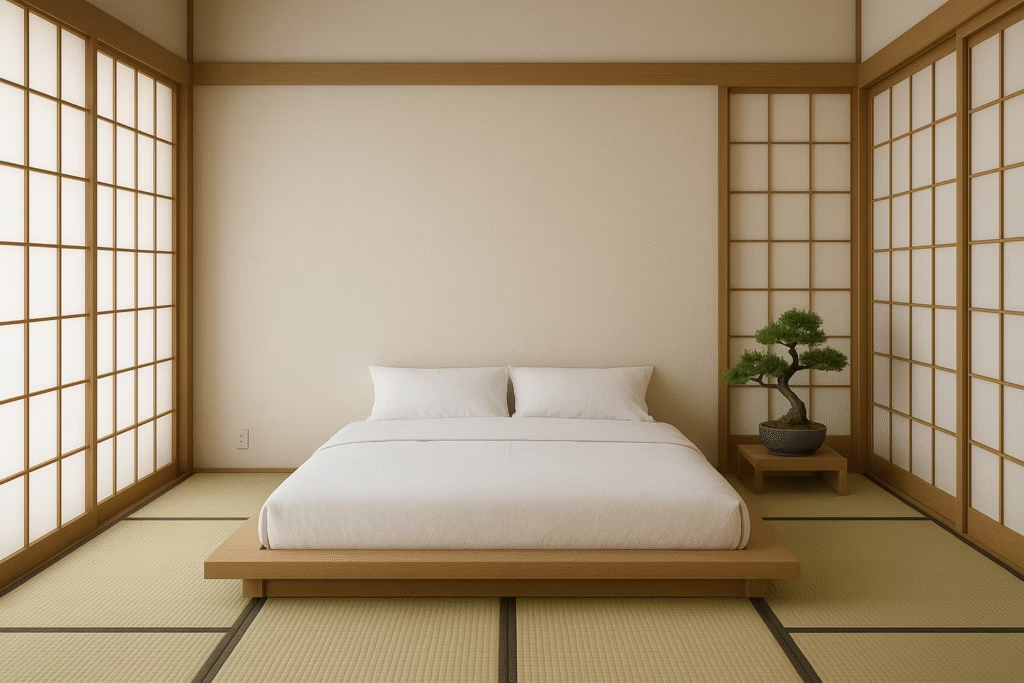
Pure Japanese MinimalismFocus is extreme simplicity, space, and light. Furniture is low to the ground.Low platform bed, rice paper screens (shoji), tatami mats, single bonsai plant.[Image 8 Placement]
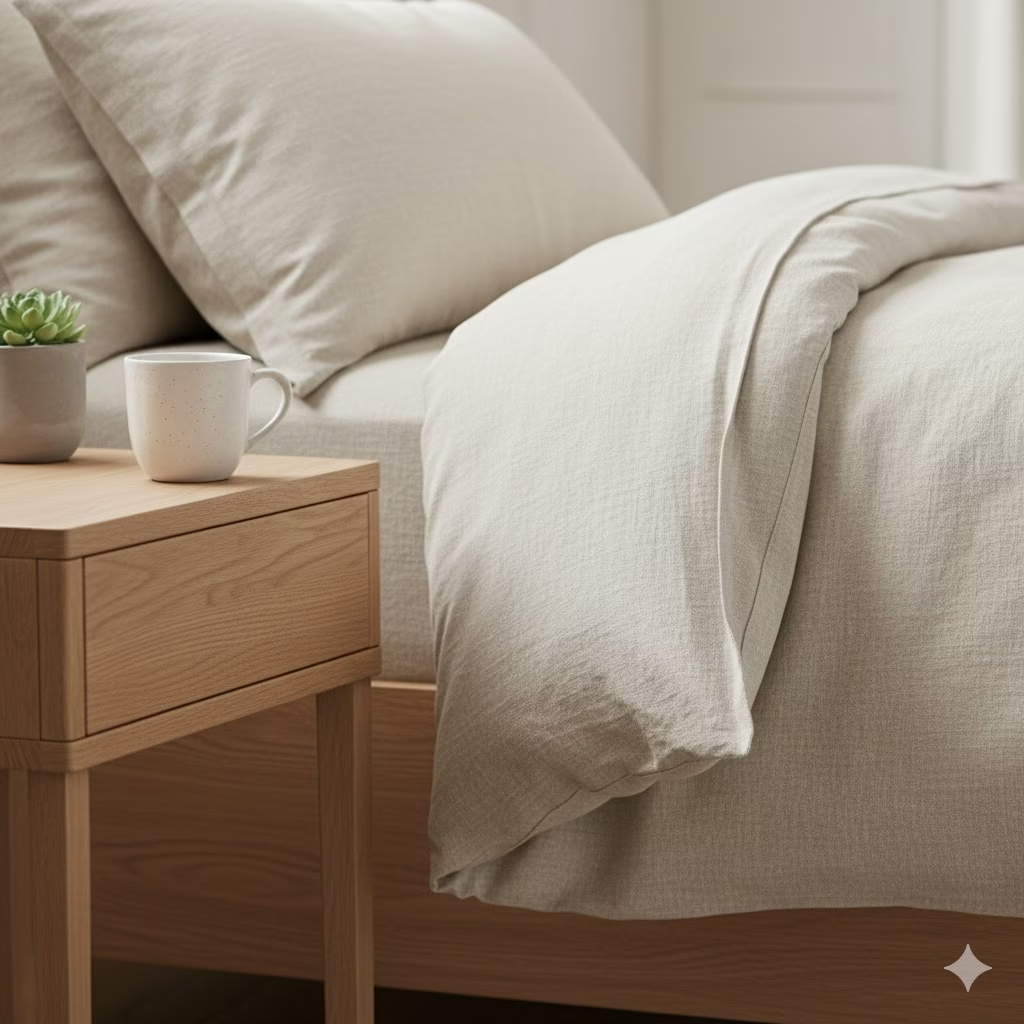
Japandi (Zen + Scandinavian)The comfort of Scandi design meets the simple Zen look. Focus is on coziness.Muted colors, light oak wood, textured woven fabrics (throws, rugs), simple pottery.[Image 9 Placement]
Modern Earthy ZenUses darker, moodier neutral colors. Puts great focus on texture.Charcoal walls, dark wood accents, heavy linen bedding, stone or slate features.[Image 10 Placement]

Frequently Asked Questions (FAQ)

Q: Do I need to get rid of my TV to have a Zen Bedroom?

A: The best Zen plan is to remove it. A practical plan is to limit its impact. If you keep it, hide it when you are not using it. Do not watch it right before you sleep. Treat the bedroom as a sleep-only space for the hour before bedtime.

Q: Can I use mirrors in a Zen Bedroom?

A: Feng Shui experts suggest not placing a large mirror where it reflects the bed. This can interrupt sleep energy. If you need a mirror, put it on the inside of a closet door. Place it where you cannot see your reflection while lying in bed.

Q: What is the single most important change I can make?

A: The most powerful, quick change is decluttering and reducing technology. These two steps quickly cut down on visual and mental noise. Noise is the biggest hurdle to a peaceful, Zen mind state.

Q: How do I create a Zen space on a tight budget?

A: Focus on paint and light. Paint the walls a soothing neutral color. This is cheap and has a big effect. Instead of costly furniture, buy cheap dimmer switches and warm light bulbs. Use low-cost woven baskets for closed storage.

[Image 11 Placement: A final, beautifully styled Zen Bedroom.]


References

  1. NIH – Healthy Dwelling
  2. ResearchGate – Effects of colour of light on nonvisual psychological
  3. The Spruce – What Is the KonMari Method?

Recent Posts



Why Brown Noise Is the New Coffee for Your Brain

Split image comparing the effects of stimulants and sound. One side shows an active, steaming cup of coffee, and the other side shows a person wearing headphones, calmly focused on a laptop, illustrating the deep concentration achieved with Brown Noise.

We’ve all hit that afternoon slump, grabbed another coffee, and ended up with the jitters but no extra focus. I’ve spent countless hours looking for tools to help me concentrate without the caffeine crash. This deep dive into Brown Noise reveals the secret to sustained, calm focus that feels like finding an inner silence.


Brown Noise: The Focus Hack That Went Viral

In the quest for peak productivity, we’ve tried everything: cold showers, fancy supplements, and, of course, endless coffee. But what if the most powerful focus tool isn’t something you consume, but something you simply listen to?

Enter Brown Noise. This sound has exploded across social media and wellness apps, hailed by students, remote workers, and those with ADHD alike. It’s often described as a deeper, richer alternative to the classic white noise. But calling it “the new coffee” is more than just a catchy phrase. Brown Noise doesn’t inject energy; it clears the fog, calms the jitters, and builds a solid foundation for deep, sustained focus.

But what exactly is Brown Noise? How does this low, rumbling sound manage to silence mental chatter better than a double espresso? We’re diving deep into the science and practical application of the most powerful sonic tool in your wellness toolkit.


What is Brown Noise? Deconstructing the Noise Color Spectrum

To understand why Brown Noise works so well, we first need to understand where it sits on the spectrum of “colored noise.” These colors aren’t about light; they are a way to categorize sounds based on their frequency distribution—meaning which pitches carry the most energy.

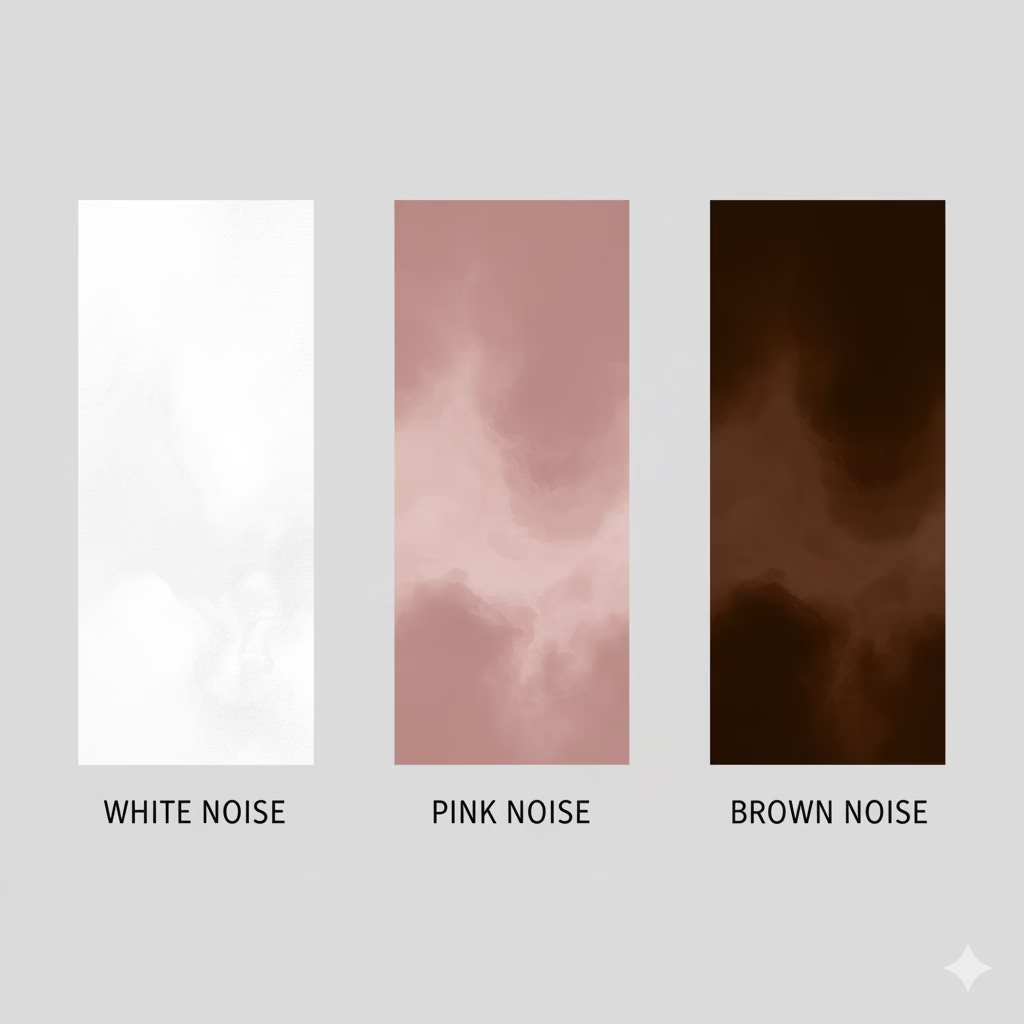
A. White Noise: The Jack-of-All-Frequencies

White Noise is the most famous. It contains all audible frequencies at an equal volume. Think of it as static on an old television or the sound of a hissing radiator.

  • Pro: It’s great at sound masking because it covers the whole audio spectrum.
  • Con: Many people find it harsh, buzzy, or high-pitched, which can be irritating over long periods.

B. Pink Noise: The Natural Balance

Pink Noise is like a gentle version of white noise. It distributes energy more heavily in the lower frequencies. This creates a deeper, smoother sound that many find more pleasant. Think of steady, heavy rainfall, wind rustling through leaves, or the rhythm of a steady human heartbeat.

  • Focus: It’s primarily studied and used for promoting deeper, more stable sleep.

C. Brown Noise: The Deep Rumble that Grounds You

Brown Noise (sometimes called Red Noise) places the vast majority of its energy into the lowest frequencies—the bass end of the spectrum. It’s the deepest and most powerful of the three.

  • What it Sounds Like: A low, powerful roar, the rumble of distant thunder, the sound of a strong waterfall, or the deep exhaust hum of an airplane.
  • The Focus Benefit: Its deep, rumbling quality effectively dampens high-frequency distractions and creates a feeling of being acoustically “cocooned.” It calms the central nervous system without putting you to sleep.

The Science: Why Brown Noise is Better Than Caffeine for Focus

Coffee stimulates the body, increasing heart rate and adrenaline. Brown Noise works by doing the exact opposite: it calms the mind to improve focus.

1. The Auditory Comfort Blanket

Our brains are programmed to react to sudden changes in sound. A slamming door, a car horn, or even a sudden thought can break concentration. This is your “fight or flight” system kicking in.

Brown Noise is the perfect neutralizer. Its low, consistent hum fills the sound field, masking these sudden environmental “spikes.” The low frequencies are perceived as less jarring and more constant than the sharp, high pitches in white noise. By eliminating the auditory alerts, your brain relaxes, and your mental energy is redirected from vigilance to the task at hand.

2. Calming the Overstimulated Mind

For individuals with highly active minds, such as those with ADHD or generalized anxiety, the brain can struggle to filter out irrelevant stimuli. This makes sustained concentration feel impossible.

Research suggests that consistent auditory input, like Brown Noise, provides a form of gentle auditory stimulation that occupies the brain’s filtering mechanisms. This allows the executive function parts of the brain (responsible for focus and decision-making) to function more efficiently. Instead of the sound being a distraction, it becomes a predictable background texture, helping the brain lock onto the task. It’s like turning down the volume on your internal noise and turning up the volume on your task.

3. Lowering Cortisol and Anxiety

Unlike caffeine, which spikes cortisol (your stress hormone), the calming effect of low-frequency Brown Noise helps reduce stress. When your nervous system isn’t constantly on high alert, your body’s stress response decreases. This physical state of calm is critical for the type of deep work that requires concentration, memory, and analytical thinking—activities coffee often makes jumpy, but Brown Noise makes smooth.


Brown Noise in Practice: Your Productivity Playbook

Ready to swap your third cup of coffee for this low-frequency focus tool? Here is your guide to using Brown Noise for maximum mental clarity.

A. The Focus Zone: Deep Work Sessions

Goal: Sustained concentration and blocking distracting voices or external noise.

  • How to Use: Play Brown Noise at a low, steady volume that is just loud enough to mask nearby human voices or keyboard clicking. Avoid using music with it, as that provides a rhythm that can be distracting.
  • Best Time: Ideal for the “deep work” block (e.g., coding, writing, studying complex material) or that post-lunch slump when your energy naturally dips.
  • Tip: Experiment with the depth. Some apps allow you to adjust the “darkness” of the Brown Noise. A deeper rumble is often more effective for focus.

B. The Anti-Anxiety Shield: Calming the Jitters

Goal: Reducing internal anxiety, preventing racing thoughts, and maintaining mental equilibrium.

  • How to Use: Listen to Brown Noise through headphones during stressful moments or when starting a daunting task. The headphone use intensifies the grounding sensation.
  • Best Time: Use it 10-15 minutes before a presentation, a difficult meeting, or an intense planning session. It helps preemptively calm the nervous system.
  • Tip: Combine it with a simple breathing exercise: listen to the rumble, and try to match the rhythm of your deep exhale to the sustained sound.

C. The Wind-Down: Trading Jitters for Sleep

While Pink Noise is often cited for sleep, Brown Noise excels at turning off the “thinking mind,” making it an incredible asset for falling asleep when anxiety or mental hyperactivity is the problem.

  • How to Use: Set a timer and play the Brown Noise through a speaker in your room (not headphones, as they can be uncomfortable all night). Keep the volume low.
  • Best Time: Play it for at least 30 minutes during your wind-down routine (reading, stretching, no screens).
  • Tip: If you wake up in the middle of the night, turning the Brown Noise back on can quickly stop the mind from racing and pull you back into sleep.

Troubleshooting: Getting the Most From Your Brown Noise

If you’ve tried Brown Noise and didn’t feel an effect, the issue might be in the application. Follow these best practices to ensure success.

1. Volume is Everything

The mistake most users make is playing the noise too loudly. It should not be distracting or overwhelming. It needs to be just loud enough to act as a sonic filter—that’s the sweet spot. If you can hear the sound and the background distractions, turn it up slightly. If the sound itself is bothering you, turn it down. Never blast it, especially when using headphones.

2. Headphones vs. Speakers

  • For Focus/Study: Use headphones. This creates a private, sealed environment where the masking effect is maximized.
  • For Sleep/Ambient Calm: Use a good quality speaker placed a few feet away. This allows the sound to fill the room naturally and creates a less intense experience for the nervous system.

3. Avoid Mixing Sounds

When first experimenting with Brown Noise for focus, avoid mixing it with music (even instrumental or ambient tracks). Your brain will try to process two different types of input, which defeats the purpose of the single, consistent focus tool. Once you are comfortable, you may find that light instrumental tracks can be added, but always start with the pure noise.

4. It’s a Tool, Not a Cure

Brown Noise is a powerful productivity tool, but it’s not a substitute for core wellness habits. It won’t work miracles if you are severely sleep-deprived, malnourished, or overly stressed. Think of it as the ultimate accelerator for existing healthy habits, not a complete replacement for the mental clarity you gain from breaks and good nutrition. It enhances your current state of calm; it doesn’t create it from scratch.


Conclusion: Trading Brown Noise for Deep Focus

The popularity of Brown Noise marks a shift in how we approach focus and energy. We are moving away from external, stimulating fixes (like coffee and energy drinks) and towards internal regulation through simple, accessible tools.

Brown Noise is the ultimate digital detox for your ears. By providing your brain with a low, consistent rumble, you are effectively giving it permission to stop listening for threats and to finally settle down. It’s a sustainable, side-effect-free way to silence the noise, conquer distractions, and achieve the deep, calm focus you need to excel. Try swapping your next afternoon caffeine hit for thirty minutes of Brown Noise—your brain will thank you for the smooth, focused clarity.


References:

  1. WebMD – Binaural Beats: What Are They and What Are the Benefits?
  2. NIH – Pink noise
  3. Health Harvard – Can white noise really help you sleep better?

Recent Posts


Find Your Focus: Best Meditation Sounds Ideas

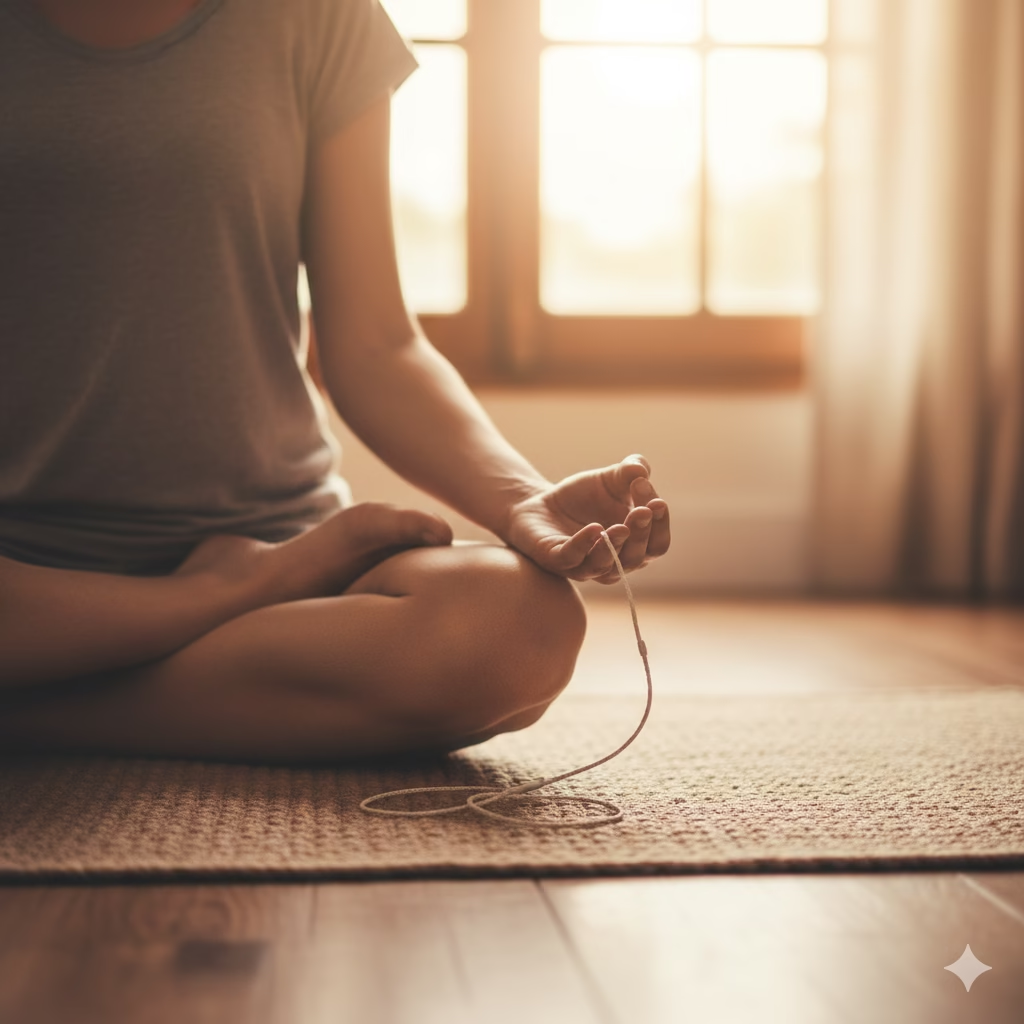
Close-up shot of a person meditating indoors in soft sunlight, their hand resting in a mudra position near a headphone cord, illustrating the use of specific audio for deep focus and calming Meditation Sounds.

We have all experienced problems getting to sleep, struggled to quiet a racing mind, or needed some help to focus during a busy day. This guide is built on the shared human need for peace and clarity, exploring how meditation sounds are one of the most accessible tools we have—can instantly guide us toward a calmer state. We’ve explored various techniques, from ancient bowls to modern noise technology, to bring you practical, simple ideas. Start transforming your focus and deepening your practice today.


Using Meditation Sounds to Calm a Busy Mind

The world is loud, and our minds are even louder. If you find it tough to focus during meditation, you’re not alone. We often think of meditation as silence, but for many, a carefully chosen sound can act like a shortcut, instantly pulling you into a state of peace. Sound gives your mind a gentle job to do: listen. This helps prevent your thoughts from running wild.

But what sounds work best? You have tons of options, from the simple sound of rain to advanced technology. We’ll explore the best meditation sounds for focus, deeper relaxation, and a better meditation practice. This guide will show you how to choose the right sonic tools that match your needs, whether you are trying to relax after work, deepen your yoga practice, or simply fall asleep faster.


Why Do Meditation Sounds Help You Focus? The Science of Entrainment

Science shows that sound isn’t just background noise; it actually changes your brain. Our brains work on electrical patterns called brainwaves. Different sound rhythms and frequencies can literally push or “entrain” your brain to change its pattern.

This is why a fast, loud song makes you feel alert, and a slow, gentle sound makes you feel sleepy. We want to move your brain away from those fast, anxious patterns and toward the slow, peaceful ones.

Listening to the right sounds can:

  • Lower Stress Hormones: Soothing sounds slow your heart rate, lower your blood pressure, and reduce the stress hormone cortisol. This helps your body switch from “fight or flight” mode to “rest and digest” mode.
  • Block Distractions: Consistent sounds create an audio bubble against sudden, loud noises (like car horns or neighbors) that could break your focus.
  • Anchor Your Focus: They give your mind a gentle job to do—listen to the sound—which is much easier than telling your mind to do nothing at all. This technique is especially useful for beginners.

Top Picks for Best Meditation Sounds

The best sound for you is the one that feels right. Try these popular options to see what works!

1. The Power of Nature Sounds: Connecting with the Natural World

Nature sounds are the oldest form of sound therapy. They make us feel safe, grounded, and peaceful. Studies show that natural sounds change the way we connect to our environment, promoting healing.

A. Water Sounds: The Rhythmic Flow

The constant, flowing nature of water is incredibly effective because it is both complex and repetitive.

  • Ocean Waves : The gentle, steady sound of ocean waves is incredibly rhythmic. The rise and fall of the waves mimic the natural rhythm of your breath. This provides a deep, easy focus that is great for long meditation sessions or simply clearing mental noise.
  • Rain and Water : The soft, continuous pitter-patter of rain or the white noise of a running shower can create a cozy, insulating auditory environment. This helps block outside noise and fosters a sense of being warm and safe indoors. Try using the sound of a babbling brook for a slightly higher-pitched, more lively soundscape.
  • Distant Thunderstorms: For many, the low rumble of distant thunder and the accompanying rain is comforting. The deep, low brown noise elements in thunder can be highly effective for anxiety relief.

B. Forest & Wildlife Ambience: Grounding and Calm

These sounds help you feel connected to the earth, which is key for a grounding meditation practice.

  • Birdsong: The cheerful chirping of birds can uplift the spirit and connect you to the vibrancy of life. It’s excellent for morning meditations when you want to feel energized and awake, but still peaceful.
  • Wind Rustling Leaves: The soft whispers of wind through trees can be incredibly grounding. It offers a subtle, textural sound that doesn’t demand attention, allowing you to easily shift your focus inward.
  • Forest Night Sounds: These include sounds like crickets and cicadas. Their rhythmic chirping acts as a natural metronome, which is very helpful for slowing your inner pace and transitioning to sleep.

2. Tones, Bowls, and Ancient Instruments

These sounds leverage specific frequencies and vibrations to guide your mind and body.

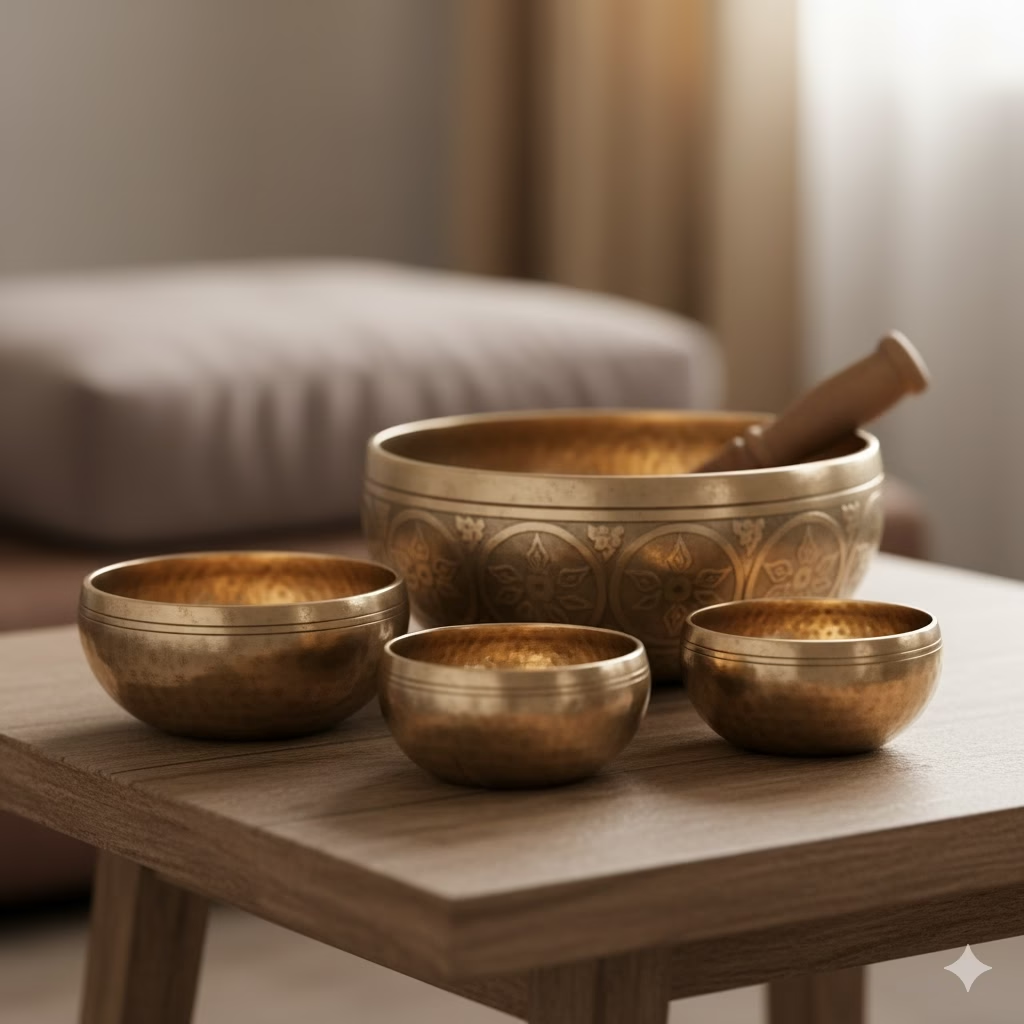
A. Singing Bowls and Gongs

These ancient instruments make rich, sustained tones that you feel in your body, not just hear with your ears. This vibration is thought to travel through the body’s tissues, helping to release tension.

  • Sound Baths: These are immersive sessions (or recordings) using bowls, gongs, and chimes. They are perfect for deep rest and can sometimes feel like a mental reset button. The sounds are often used for chakra balancing and promoting spiritual well-being.
  • Tibetan Chanting / Mantras: Repeating a simple word or phrase (like “Om” or “Aum”) is a form of sound-based meditation. The vibration of your own voice and the rhythm of the chant helps anchor your mind, making it easier to stay present.

B. Healing Frequencies: Solfeggio & Others

These sounds are based on the idea that certain pure tones hold a beneficial effect on the body.

  • Solfeggio Frequencies: These specific musical tones (e.g., 528 Hz, known as the “Miracle Tone”) are believed to promote healing and positive change. The 432 Hz frequency, for example, is often called the “healing frequency” and is believed to bring about greater mental clarity.
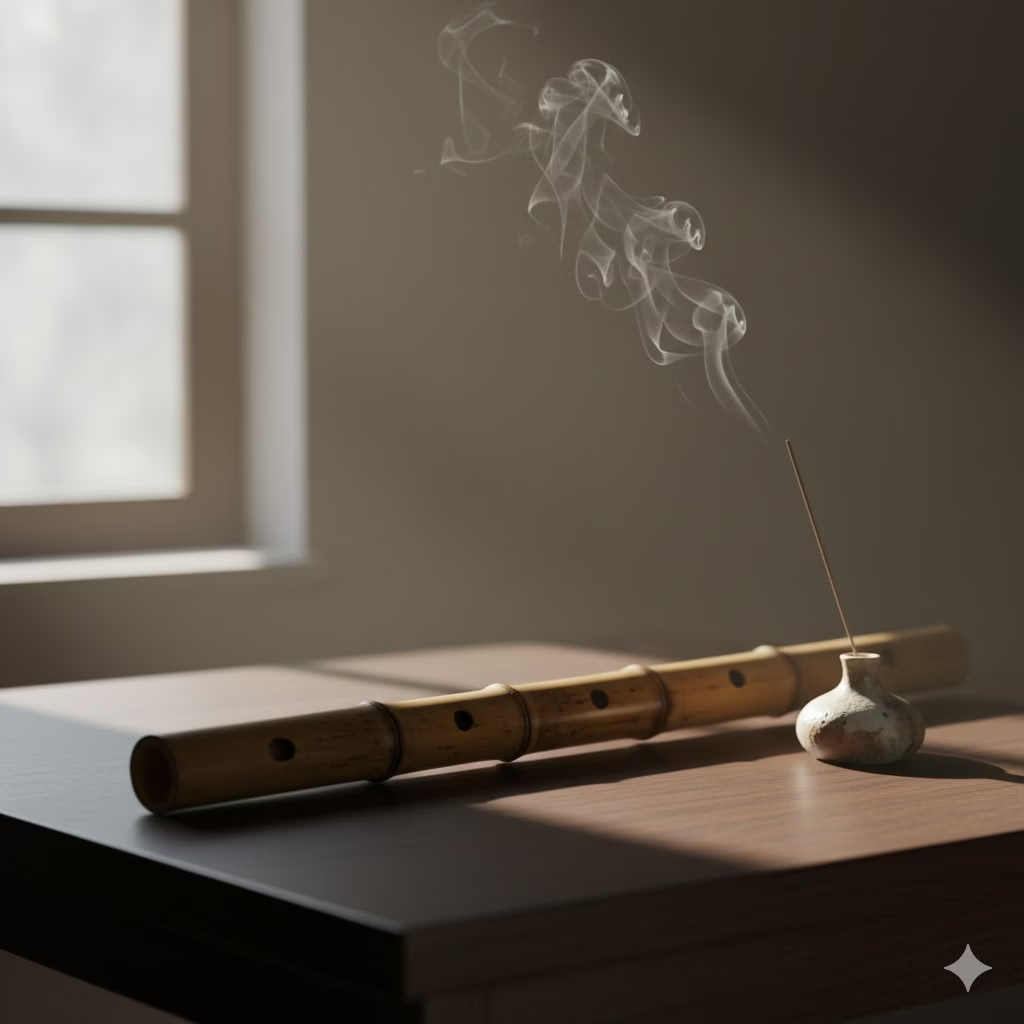
  • Ambient Music: Look for slow, simple instrumental music with no lyrics. Drone music (long, sustained tones) or soft flute music are excellent choices for background focus.

3. Smart Sounds for Deep Sleep and Focus: Colored Noise

Need to block out a noisy environment? Colored noise creates a wall of sound that is constant and non-threatening. This masks the sudden, jarring noises that tend to snap your brain out of relaxation.

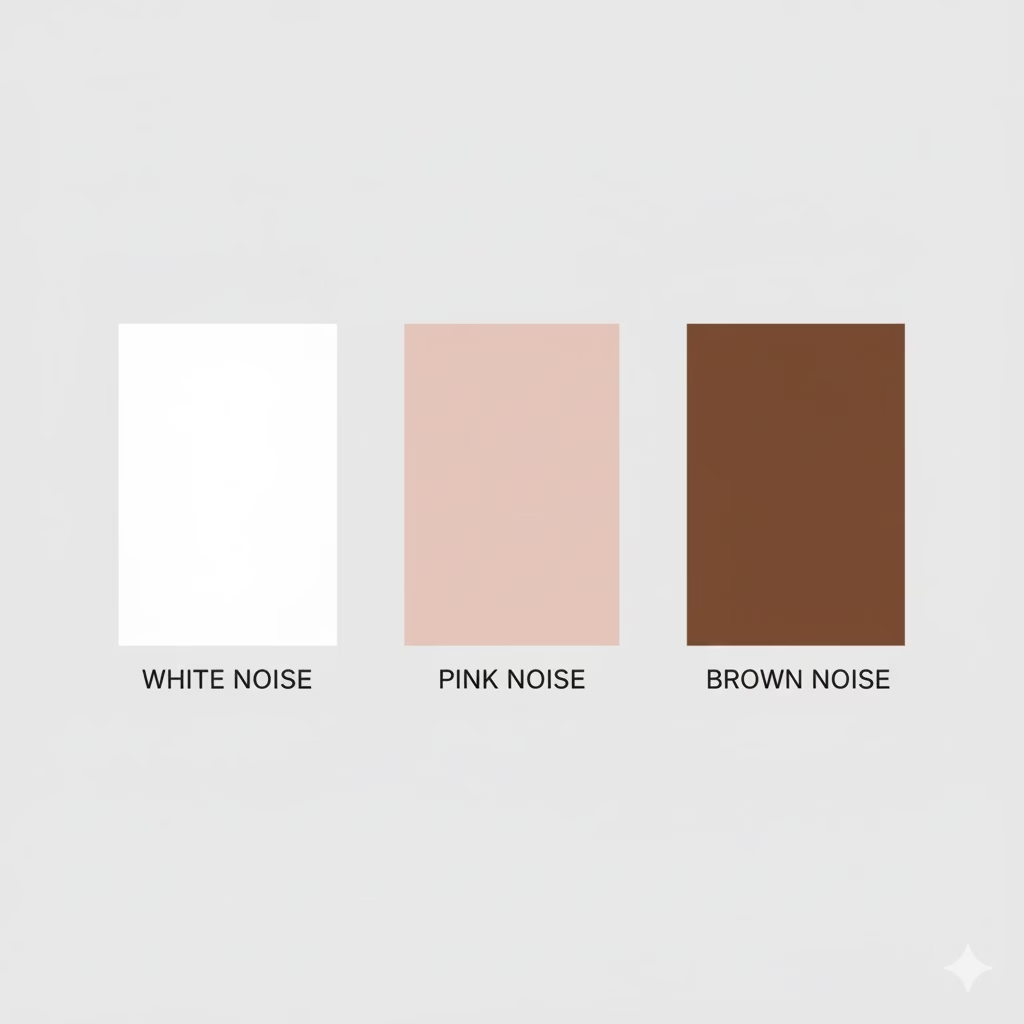
A. The Color Spectrum of Noise 🎧

  • White Noise: A steady hiss, like a fan. It’s perfect for sound masking because it covers a huge range of noise.
  • Pink Noise: Softer and lower than white noise. It has more energy in the low frequencies (like a gentle shower or distant wind). Studies suggest Pink Noise is better than White Noise at promoting deeper, more stable sleep by reducing brainwave complexity.
  • Brown Noise: The deepest, lowest sound (like a strong waterfall, heavy surf, or low roar). It is highly effective for calming an overstimulated mind and is often used by people with ADHD or anxiety for intense focus and grounding.

B. Brainwave Entrainment: Binaural and Isochronic Tones

These techniques work by directly guiding your brainwaves into a desired state, making them among the best meditation sounds for achieving specific goals.

  • Binaural Beats: You must use headphones for these to work. Your left ear hears one frequency, and your right ear hears a slightly different one. Your brain then creates a third “beat” that helps to entrain your brain.
    • Alpha Waves: Best for relaxed focus, which is ideal for yoga or a light, mindful break.
    • Theta Waves: Best for deep meditation, accessing creativity, and emotional healing.
    • Delta Waves: Best for restorative, deep sleep and anti-aging benefits.
  • Isochronic Tones: These use a single tone that quickly turns on and off. They are also highly effective for brainwave entrainment and can be used without headphones, though headphones are still recommended for the best experience.

4. Guided Audio: Letting Go of Control

If your mind races and you find it difficult to stop, letting a calm voice take the lead can be the easiest path to relaxation.

  • Guided Meditation: A calming voice walks you through the entire process. This can involve breathwork, a body scan (where you focus on feeling different parts of your body), or a beautiful visualization. This method is the single best meditation sound idea for beginners.
  • Sleep Stories: These are deliberately boring or calm narratives for adults. They keep your active, worried mind slightly busy with a gentle storyline (like a slow train journey or a walk in a cozy village). This prevents your mind from dwelling on anxious thoughts and allows you to drift into sleep.
  • ASMR (Autonomous Sensory Meridian Response): These are sounds that trigger a physical, tingling sensation, often starting on the scalp and moving down the spine. Whispering, gentle tapping, or slow-motion sounds are popular triggers. While not a traditional meditation sound, many people use ASMR to achieve intense physical and mental relaxation before sleep.

How to Choose the Best Meditation Sounds for You

Finding your favorite sound is a personal journey. Your body and mind will tell you what works best.

  1. Match Your Goal to the Sound:
    • Deep Sleep: Choose Pink Noise, Delta Binaural Beats, or gentle Rain.
    • Focus/Work: Choose Brown Noise, Forest Ambiance, or Alpha/Beta Binaural Beats.
    • De-stress/Calm Anxiety: Choose Guided Meditation, Singing Bowls, or Ocean Waves.
  2. Test the Volume: The volume is key. Sound should be loud enough to mask other noises but never so loud that it causes tension. Keep the volume at a low, comfortable level, especially for sleep.
  3. Invest in Quality Audio: For the full, therapeutic effect of Binaural Beats, quality headphones are essential. For colored noise or ambient music, a good quality speaker (not your phone’s built-in speaker) can make a huge difference in the richness and depth of the sound.
  4. Listen to Your Body: If a sound makes you feel more alert, tense, or irritated, stop using it immediately! Some people find white noise too harsh; others find high-pitched chimes stressful. Pay attention to how your shoulders, jaw, and breath respond. The best sounds should make your body feel softer, slower, and heavier.

Elevate Your Practice with Meditation Sounds

Integrating the best meditation sounds into your routine can be a game-changer. Whether you’re drawn to the ancient vibrations of a singing bowl, the soothing rhythm of ocean waves, or the precise frequencies of binaural beats, there’s a world of auditory support waiting to deepen your practice. Take the time to explore, listen, and allow sound to guide you to a more focused, peaceful, and centered state of being.


References:

  1. NIH – Associations between Nature Exposure and Health
  2. WebMD – Binaural Beats: What Are They and What Are the Benefits?
  3. Mayoclinic – Meditation: A simple, fast way to reduce stress

Recent Posts


Unlock Super Soft Feet with This Post-Soak Foot Balm

Pantry Pedicure post-soak foot balm being massaged onto a foot on a towel, showcasing the balm's ability to create Super Soft Feet after a homemade foot soak.

Treat your feet to the ultimate pantry pedicure with this simple, all-natural balm. Made from ingredients you already have, this recipe is the perfect way to lock in moisture after a warm, homemade foot soak. You’ll be amazed at how quickly this balm helps you achieve super soft feet!


Introduction: Time for Super Soft Feet

We ask a lot of our feet! After a long day, a warm foot soak feels amazing. But the last step—adding moisture—is often forgotten. That’s where the Pantry Pedicure Post-Soak Foot Balm comes in.

Stop buying expensive creams. This balm is a simple, strong mix made from natural ingredients found in your kitchen. It is made to lock in moisture from your soak, treat dry heels, and leave your feet feeling fresh and new.


The Recipe: Post-Soak Foot Balm

This recipe is easy and effective. It uses a few key items: a hard oil base, a liquid oil for smooth rubbing, and essential oils for a great scent.

IngredientWhy You Need It
1/4 cup Coconut OilDeeply moisturizes, light, and fights germs.
2 tablespoons Shea ButterVery rich, great for fixing dry, cracked skin.
1 tablespoon Olive Oil or Almond OilAdds extra food for your skin and helps the balm glide.
10-15 drops Peppermint Essential OilMakes feet cool and fresh. Helps tired, sore feet.
5-7 drops Tea Tree Essential OilCleans skin and is great for foot health.
Optional: 1 teaspoon Cornstarch or Arrowroot PowderMakes the balm less oily for a smoother feel.

Simple Steps for Super Soft Feet

  1. Melt It: Put your bowl with the Coconut Oil, Shea Butter, and Olive/Almond Oil over a small pot of hot water (a double boiler). Stir until everything is melted and clear.
  2. Mix & Cool: Take the bowl off the heat. If you use cornstarch, mix it in well now until it is smooth.
  3. Add Scent: Let the mixture cool for a few minutes. It should still be liquid but not hot. Stir in the Peppermint and Tea Tree Essential Oils.
  4. Pour & Wait: Pour the liquid balm into a clean jar. Let it cool completely until it turns solid and creamy. You can put it in the fridge to set faster.

Your Super Soft Feet Care Plan

The balm works best when you use it the right way. Follow these simple steps for great results:

Step 1: The Soak

Use warm water. Add 1/2 cup of Epsom salts (or even Baking Soda) to help calm pain and make rough skin soft. Soak your feet for 10 to 15 minutes.

Step 2: Rub Away Rough Skin

When your skin is still soft, use a pumice stone or foot file. Gently rub off dead skin on your heels and rough spots. Be gentle—do not scrub too hard!

Step 3: Put on the Balm

Pat your feet dry, but let them stay a little wet. Scoop out some Post-Soak Foot Balm. Rub it deeply into your whole foot. Focus on your heels, soles, and toes.

Tip: Sleep Mask for Super Soft Feet

For very dry feet, put the balm on before bed. Then, put on a pair of soft cotton socks. The socks trap the moisture and heat. This lets the balm work deeply all night. You will wake up to much softer feet!


Why Natural Works Best

Using kitchen ingredients means you know exactly what is going on your skin.

  • Shea Butter: It has lots of healthy fats and vitamins. This makes it great for making skin soft.
  • Peppermint Oil: It has menthol. This gives a natural cooling effect that helps tired, swollen feet feel better.
  • Tea Tree Oil: This oil helps keep the skin on your feet clean and healthy, especially between your toes.

This easy, homemade balm shows that the best care is often found right in your pantry. Enjoy your spa-quality Pantry Pedicure!


References


Recent Posts


The Magic of Fruit and Veggie Fertilizers

A close-up shot shows a hand using a small wooden spoon to sprinkle light-brown Fruit and Veggie Fertilizers powder from a labeled glass jar onto the soil of a thriving potted houseplant (a Fiddle-Leaf Fig).

Living without gardens doesn’t mean you can’t be a zero waste gardener; it just means you have to be smarter about your resources. Discover how to transform kitchen scraps and food waste into potent, all-natural Fruit and Veggie Fertilizers. This simple shift turns every urban window sill into a sustainable, thriving green space.


Do you want to live a zero waste life? You can start right now with your houseplants! Most people throw away fruit peels and veggie skins every day. But these scraps are free, natural food for your plants. This is true zero-waste gardening for anyone living without gardens.

This simple process turns your kitchen waste into powerful Fruit and Veggie Fertilizers. It works well for your plants, saves you money, and helps the planet by cutting down on trash.

This is more than just throwing things out. It’s about being mindful of the resources you use. When you feed your plants with scraps, you close the loop: the food you buy helps the food you grow.

But remember the rule: Don’t just put a banana peel in the dirt! You must prepare the scraps first.


Why You Must Prepare the Scraps for Fruit and Veggie Fertilizers

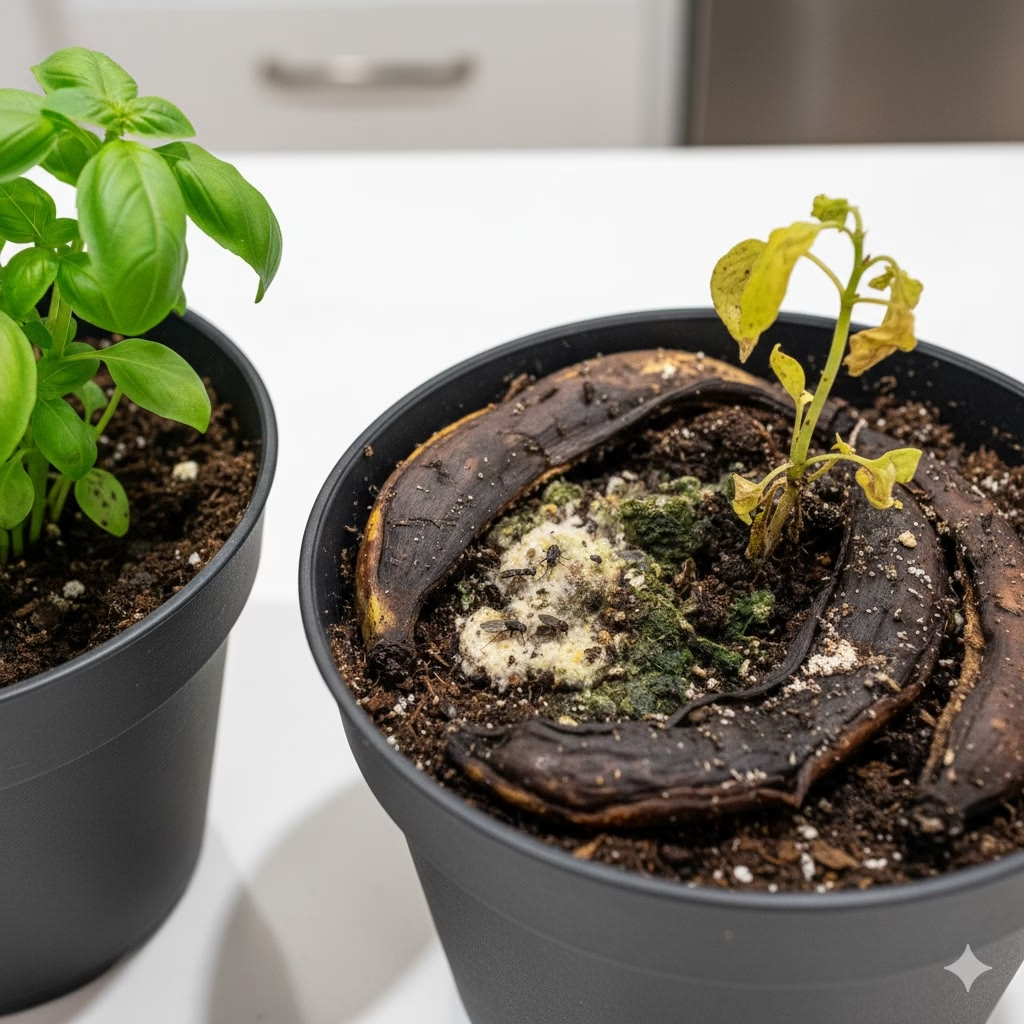
It’s okay to bury raw food scraps outside. Gardens have lots of dirt, space, and living organisms to break things down fast. But your indoor plants live in small, closed pots. Putting raw scraps directly into pots causes big problems:

1. The Pest Problem with Fruit and Veggie Fertilizers

Raw food attracts bugs like fungus gnats, fruit flies, and other small, unwelcome insects. They are drawn to the rotting food in the moist soil. Once they move in, they can spread throughout all your indoor plants.

2. The Mold and Smell Problem with Fruit and Veggie Fertilizers

In a small pot, food rots very slowly because there isn’t enough air (oxygen). This is called anaerobic decay. This process makes bad smells and causes mold to grow on the surface and under the soil. This mold can hurt your plant’s roots.

3. The Slow Feeding Problem

Decomposition takes a long time indoors. Your soil doesn’t have all the bacteria and worms that an outdoor garden has. This means the nutrients stay locked inside the peels for months. Your plant won’t get the food it needs when it needs it.

4. The Root Danger Problem (Salts and Acidity), with Fruit and Veggie Fertilizers

As food scraps break down, they can create concentrated salts or acids. In a small pot, these compounds build up fast. This sudden spike can cause nutrient burn (salt burn) on the roots, which quickly damages or kills the plant. Prepared fertilizers fix this by spreading the nutrients evenly.

You need two simple, clean ways to prepare your Fruit and Veggie Fertilizers for safe use.


Method 1: Liquid Fertilizer (Compost Tea)

This liquid food is the easiest way to give your plants a quick, gentle boost. They can absorb it right away. This is often called “Compost Tea” because it’s like steeping tea bags.

The Simple Steps:

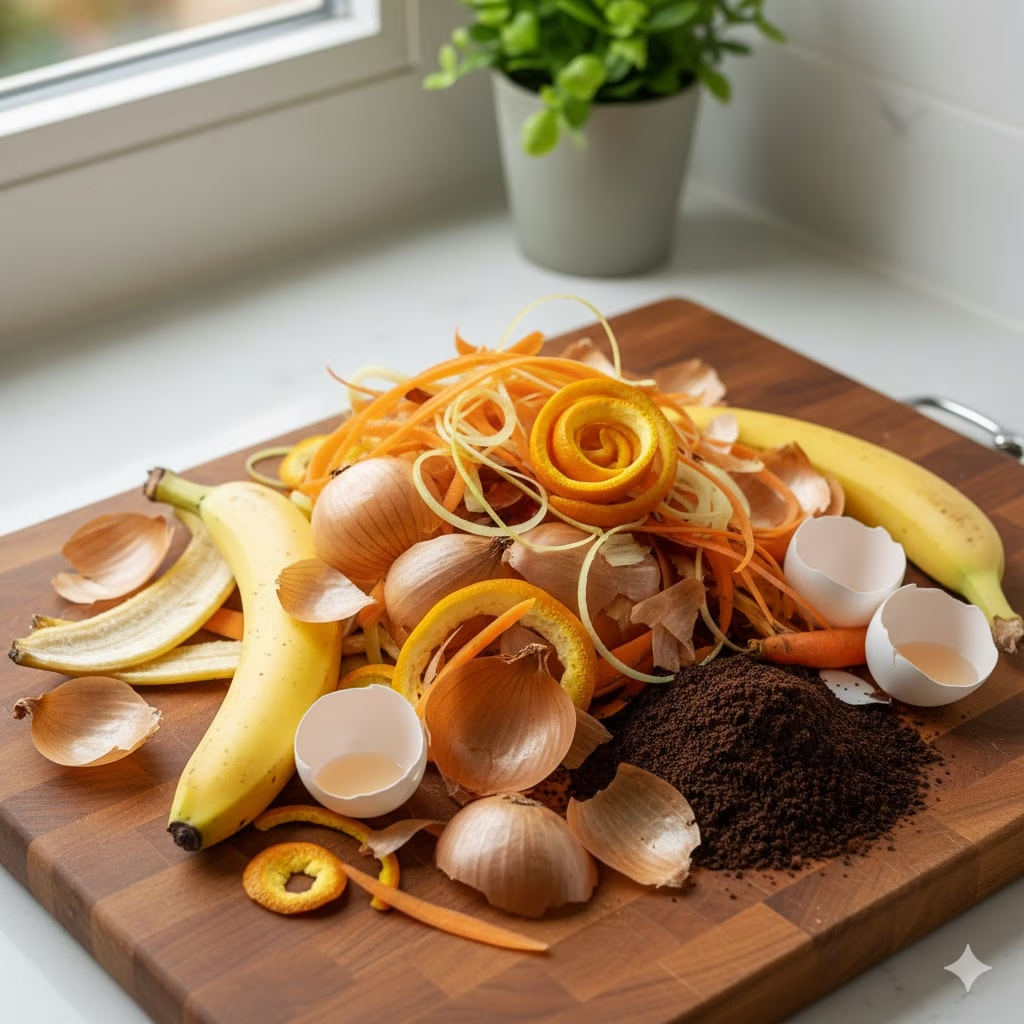
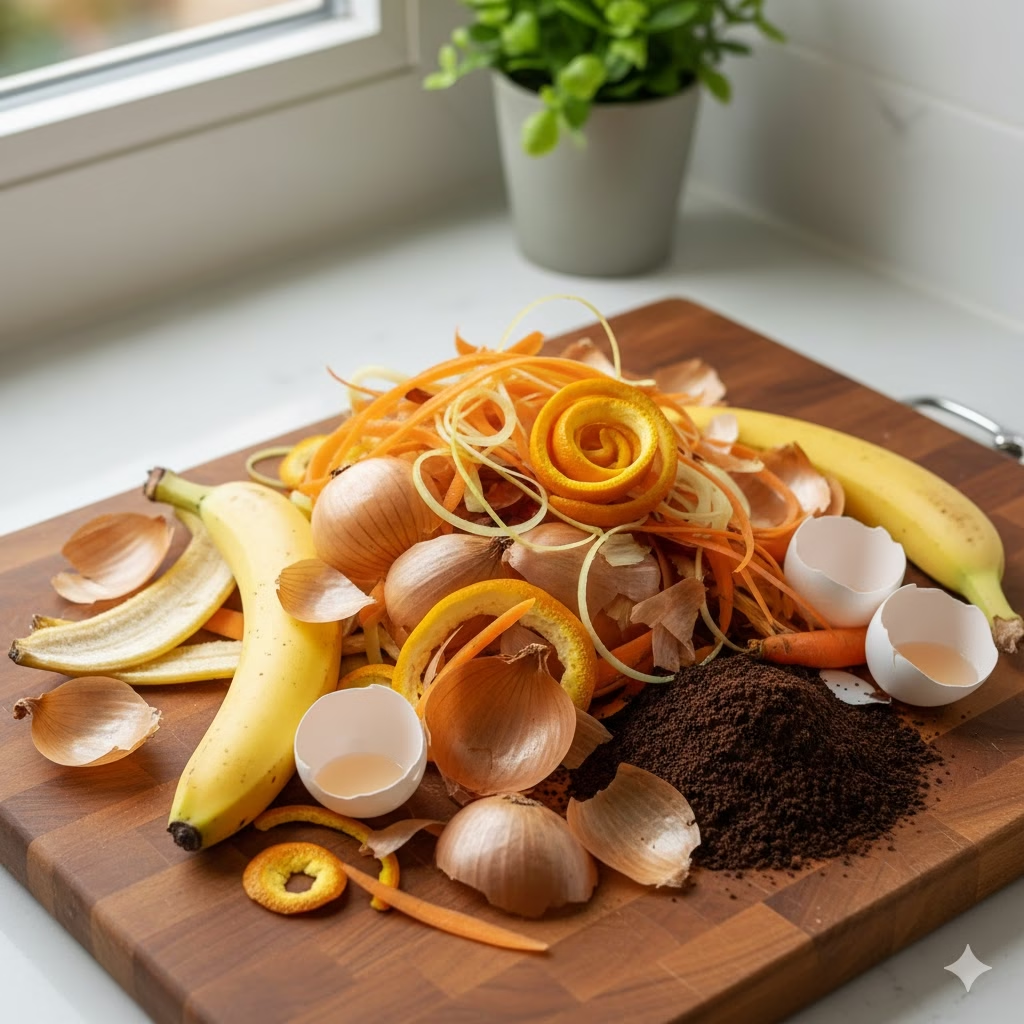
  1. Collect Peels: Gather clean peels like potato, carrot, cucumber, and banana. It’s important that your peels are free from wax, oil, or chemical residue.
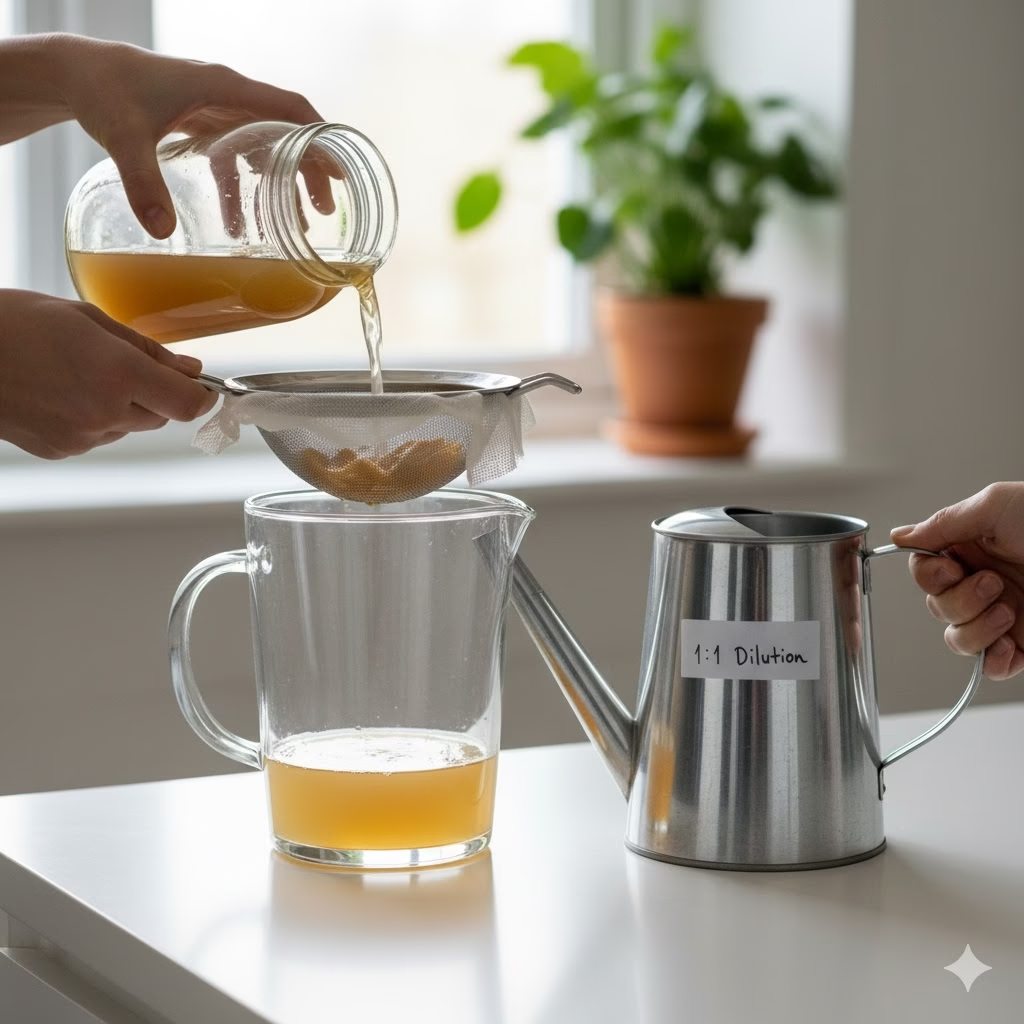
  2. Soak (Steep): Put the peels in a clean jar or bucket. Cover them with fresh, room-temperature water. Let them sit for 24 to 48 hours. This time lets the nutrients soak out into the water. If you leave it longer than two days, the water can start to spoil.
  3. Strain and Thin: Strain out all the solid pieces. You only want the liquid. This is key: always mix this liquid with an equal amount of fresh water (a 1:1 ratio). This crucial dilution stops the fertilizer from being too strong and hurting the roots.
  4. Apply: Pour the thinned liquid onto the soil. Use this liquid in place of your normal watering.

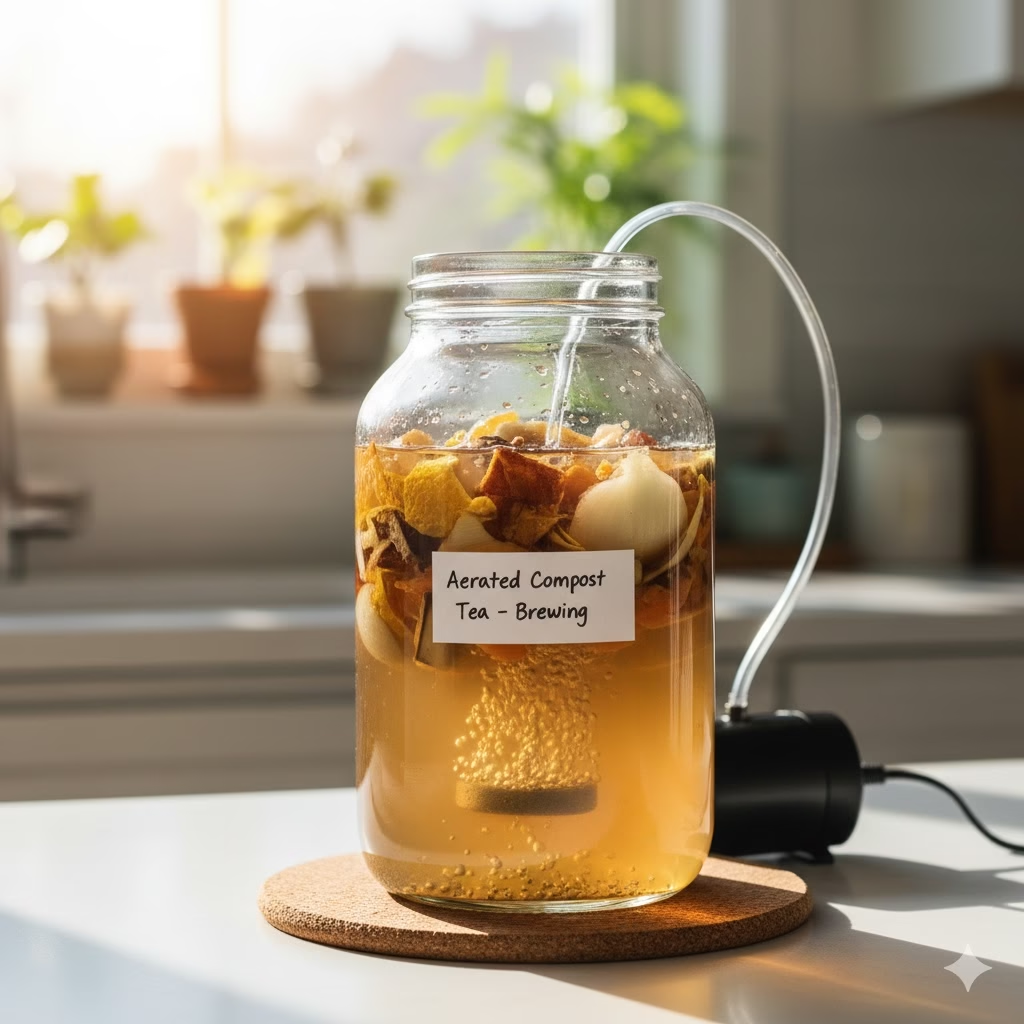
Advanced Tip: Aerated Compost Tea

Want to make your liquid fertilizer even better? You can use an air pump (like the kind used for fish tanks) and an air stone.

  • Add Air: Drop the air stone into the soaking liquid while the peels steep.
  • Why It Works: Adding air helps good, aerobic (oxygen-loving) bacteria grow faster. This process pulls more nutrients out of the peels and makes the tea more potent and beneficial for the soil’s health.
  • Safety: Always strain and dilute this powerful tea, too!

Application Timing for Fruit and Veggie Fertilizers

  • Tropical Plants (like Pothos, Philodendron): Fertilize every 2 to 4 weeks during spring and summer (the growing season).
  • Succulents and Cacti: Fertilize much less often—maybe once a month or every six weeks. They are very sensitive to too much food.

Method 2: Dried Powder Fertilizer

Use this method if you want to feed your plants slowly over time. This powder is perfect for mixing into new soil or giving a gentle, long-term boost.

The Steps:

  1. Dry Peels: Collect your peels. You must dry them completely until they are hard and crunchy. This is the most important step for safety and storage.
    • Oven Drying: Spread peels on a baking sheet and bake them at a very low heat (around 150-200°F or 65-95°C) for several hours.
    • Air Drying: Lay them on a screen in a warm, dry, breezy spot for several days.
  2. Grind: Use a blender, food processor, or a clean coffee grinder to turn the bone-dry, crunchy peels into a fine powder.
  3. Mix into Soil: The powder feeds the plant slowly because the dry particles break down over time.
    • Top-Dressing: Gently mix about one tablespoon of powder into the top inch of soil for an established plant.
    • New Soil: Mix up to 1/4 cup of powder into a gallon of new potting mix when you repot.

Storing Your Fertilizer Powder

  • Container: Store the dried powder in an airtight container, like a jar with a tight lid.
  • Location: Keep it in a cool, dark, dry place (like a pantry).
  • Shelf Life: Properly dried and stored powder can last for many months, making it easy to create large batches during times when you have lots of scraps (like after a big dinner).

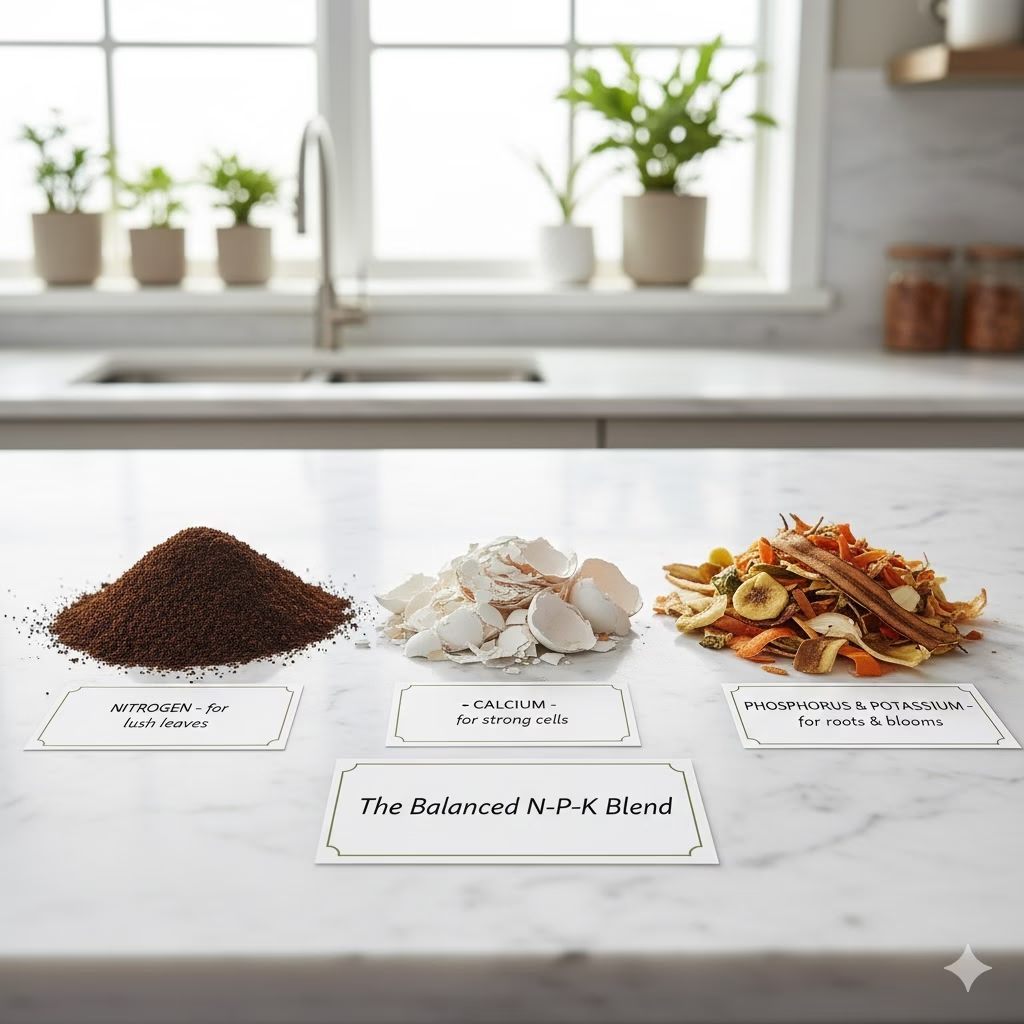
What Nutrients Do Scraps Offer?

For a balanced, comprehensive fertilizer, use a wide variety of scraps. Different kitchen items offer different nutrient profiles that plants need to thrive.

Scrap TypeKey NutrientPlant Benefit
Banana PeelsPotassium (K)Makes strong flowers, improves overall health, and helps the plant manage water.
Potato & CarrotPhosphorus (P), MagnesiumGrows strong, healthy roots. Helps the plant move energy around.
Onion SkinsPhosphorus (P), Iron, CopperHelps the plant resist disease and aids in the production of green chlorophyll.
Orange PeelsPhosphorus, PotassiumGood for general health; the citrus oil helps repel certain indoor insects.
Coffee GroundsNitrogen (N)Essential for lush, green leaf growth (foliage). Use sparingly and dried.
EggshellsCalciumHelps strengthen the plant’s cellular walls and prevents issues like blossom end rot.

The Power of NPK

Plants rely on three main nutrients, often called NPK:

  • N (Nitrogen): This is for leaf and stem growth. Coffee grounds are a great source.
  • P (Phosphorus): This is for root and bloom growth. Potato and carrot peels help here.
  • K (Potassium): This is for overall plant health and water regulation. Banana peels are the winner here.

By mixing coffee grounds, banana peels, and vegetable skins, you create a powerful, balanced Fruit and Veggie Fertilizer blend.


Key Tips and Troubleshooting for Fruit and Veggie Fertilizers

Follow these simple rules to make sure your plants love your homemade Fruit and Veggie Fertilizers and to maintain a clean zero waste home.

1. Safety and Testing

  • Start Small and Observe: Always test new fertilizer on one plant first. If leaves turn yellow or get brown edges (signs of burn), your liquid was too strong. Dilute it more next time.
  • Mix Scraps: Never use just one scrap type in large amounts. Variety is the key to a balanced diet for your plants.
  • Avoid Salt and Sugar: Never use water that had salt in it. Salt kills plant roots. Also, avoid adding sugar, which only feeds bad mold and pests.

2. Troubleshooting Issues

  • Mold on Soil: If you see white or gray mold after using the dried powder, you didn’t dry the peels enough. Carefully scoop out the affected soil and re-top-dress with fresh, completely dry powder.
  • Pests (Gnats): If pests appear after watering with the tea, the tea was likely left soaking for too long and started to ferment or spoil. Ensure you use the tea within the 48-hour window.

3. Timing and Dormancy

  • Active Season: Only fertilize when your plant is actively growing (usually spring and summer).
  • Dormancy: Stop fertilizing completely in the late fall and winter. Plants slow down and don’t need the extra food. Giving them fertilizer when they are dormant can actually harm them by promoting weak growth.

Use these zero-waste tips to help your plants grow strong and lush. By turning your kitchen scraps into powerful Fruit and Veggie Fertilizers, you can enjoy a beautiful, thriving indoor garden while keeping your trash can empty.


References


Recent Posts



7 Simple Kitchen Staples That Will Cleanse Your Home

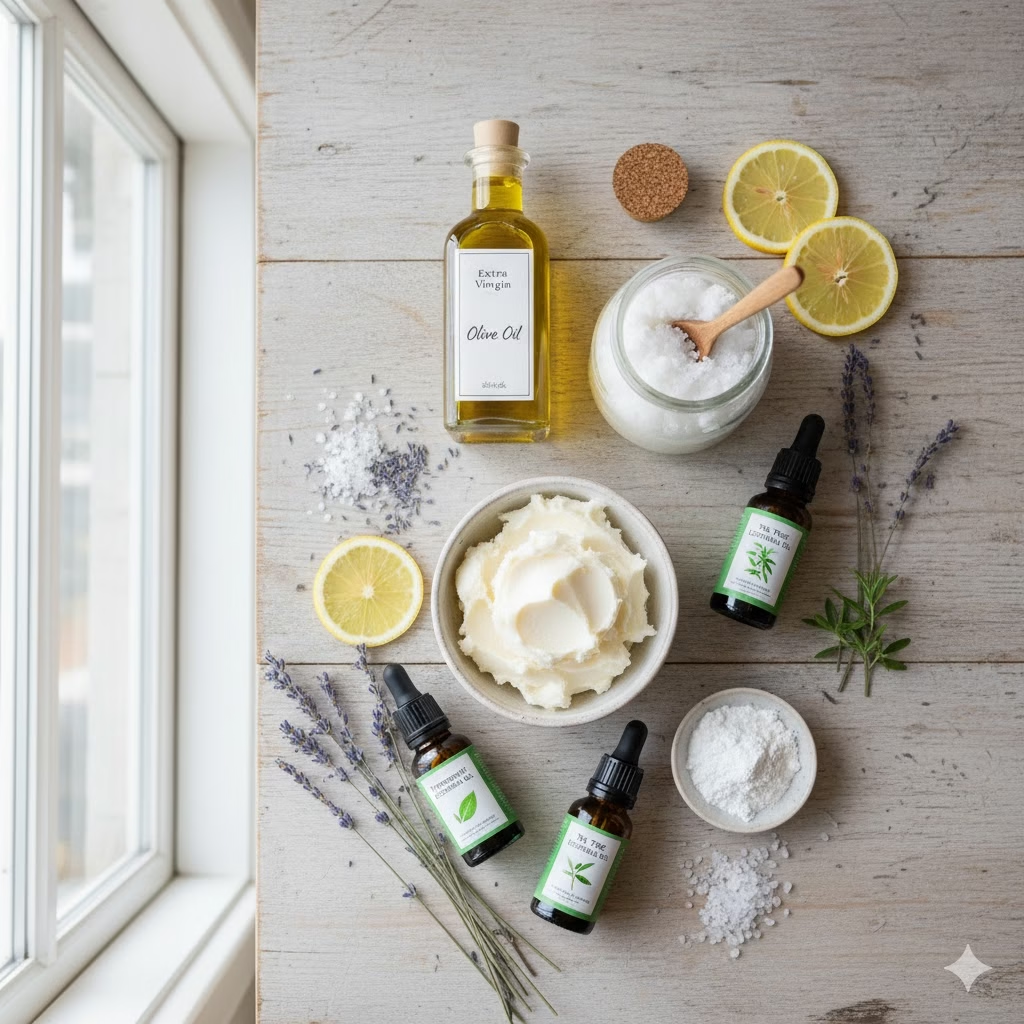
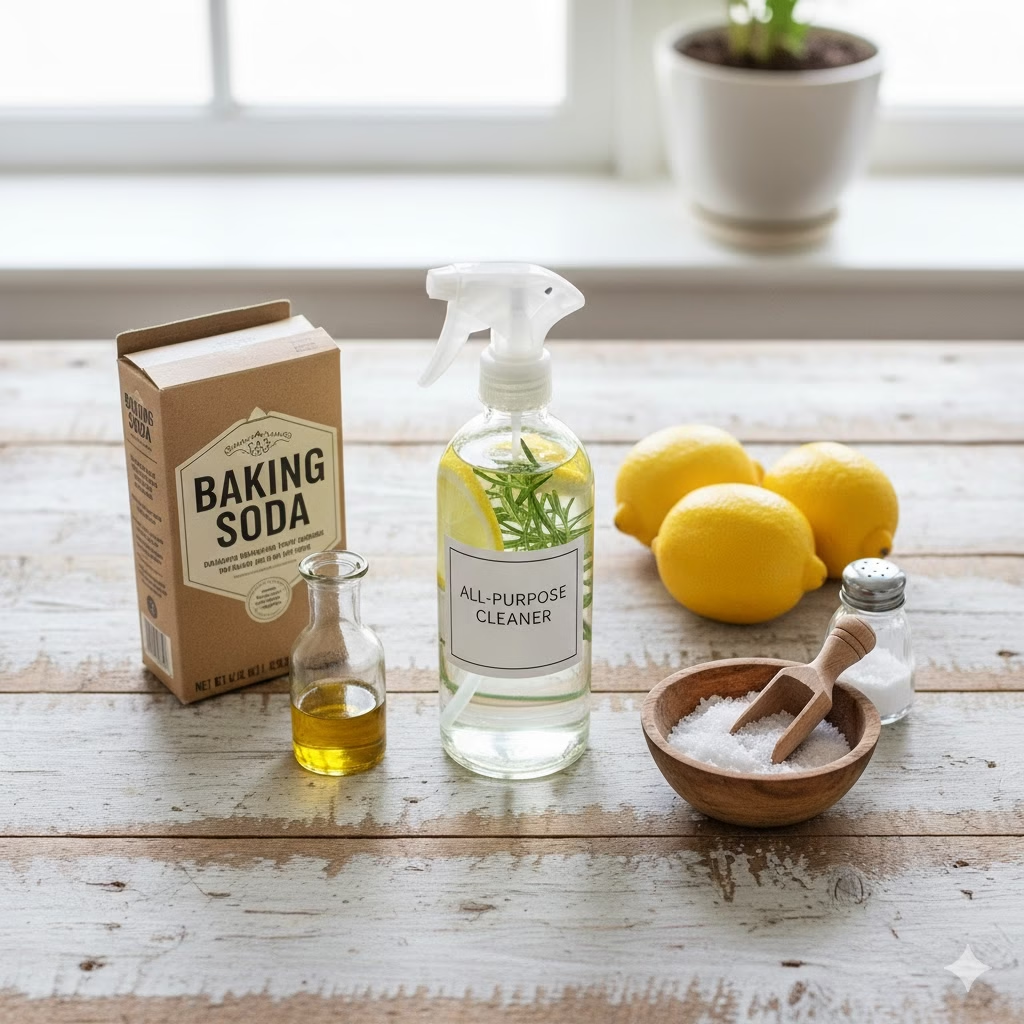
Close-up of DIY natural cleaning supplies laid out on a rustic table, highlighting the Kitchen Staples used: baking soda, fresh lemons, salt, olive oil, and a glass spray bottle.

The ultimate budget hack: Transform basic Kitchen Staples into powerful, non-toxic cleaners and slash your grocery bill instantly.


Introduction: The Cleaning Kitchen Staples inside Your Pantry

Do you know what makes your store-bought, all-purpose spray work? Usually, it’s just a combination of water, a mild acid, and a lot of artificial fragrance.

The truth is, you don’t need a cabinet overflowing with expensive, harsh chemicals to get a sparkling clean home. The most effective, non-toxic, and budget-friendly cleaning solutions have been hiding in your kitchen all along. We’re talking about simple kitchen staples like vinegar, baking soda, and lemon juice.

These natural ingredients offer triple benefits: they’re incredibly cheap, they’re safe for your family and pets, and they minimize plastic waste when you reuse your own spray bottles.

This guide reveals seven simple, powerful recipes to clean every major area of your home using only the essentials you already have on hand.


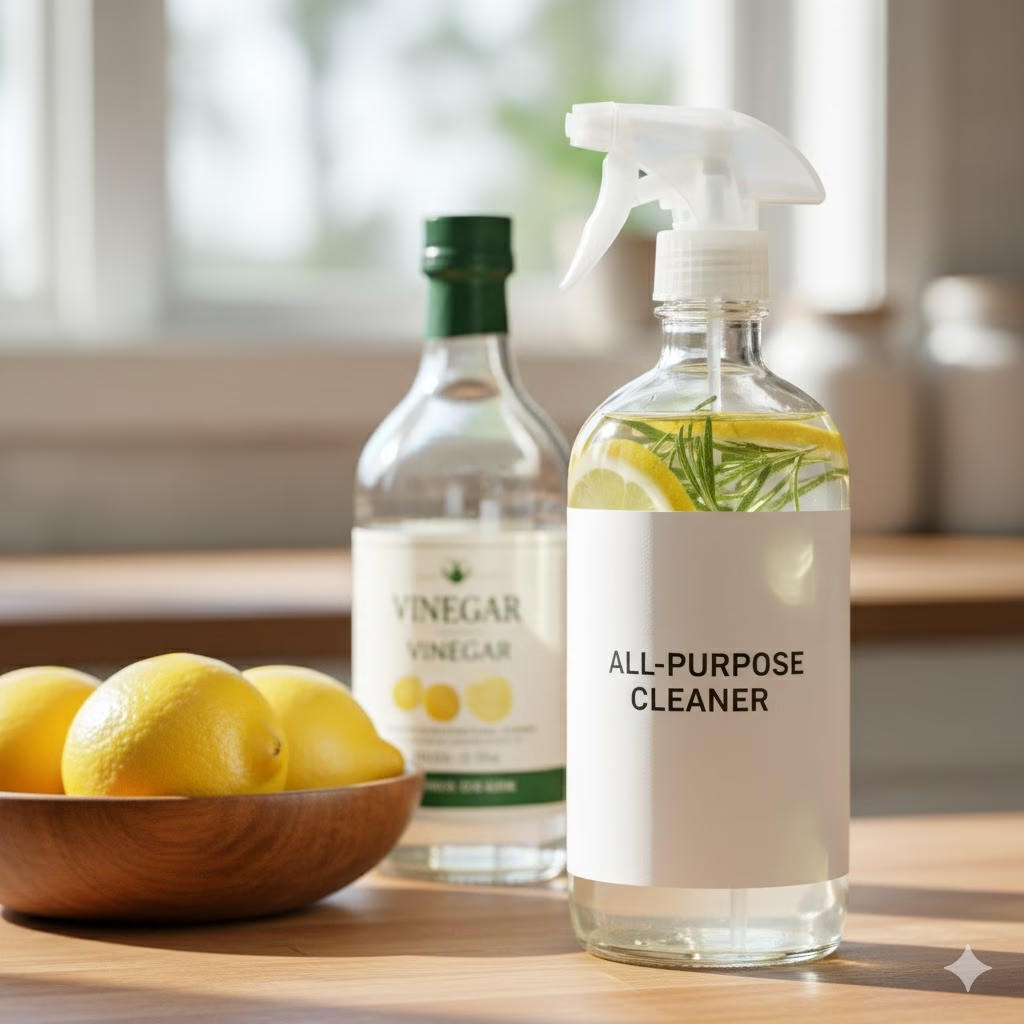
I. The All-Purpose Power Spray using Kitchen Staples

This is your daily go-to for cutting light grease, eliminating germs, and wiping down sealed surfaces in the kitchen and bathroom.

IngredientsRatio
White Vinegar (The Acid)1 cup
Water1 cup
Lemon or Orange RindsA handful (optional)

Method:

  1. Pour the vinegar and water into a reusable glass spray bottle. Shake gently to combine.
  2. Optional: The Scent Infusion. To add a fresh scent and counteract the pungent vinegar smell, fill the bottle with citrus rinds (lemon, orange, or grapefruit) or a few sprigs of hearty herbs like rosemary. Let this mixture steep for 1–2 weeks before using, then strain out the solids.
  3. Spray the solution directly onto countertops, sink areas, cabinet fronts, and appliance exteriors. Wipe clean with a microfiber cloth.

Why It Works: White vinegar contains acetic acid, which is a powerful solvent that breaks down dirt, soap scum, and light bacterial buildup. The 1:1 dilution is strong enough to clean effectively without being too harsh on surfaces.

Pro Tip: Do not use vinegar on natural stone surfaces like granite, marble, or unsealed grout, as the acid will chemically etch and dull the finish. Use a mild soap and water solution for these areas instead.


II. Kitchen Staples for: No-Scrub Overnight Oven Paste (Baked-On Grime)

Cleaning a greasy oven is a notorious chore, but this simple paste breaks down heavy, baked-on food while you sleep, requiring only minimal scrubbing later.

IngredientsRatio
Baking Soda (The Scourer)21​ cup (or more)
Water∼3 Tbsp
White VinegarIn a separate spray bottle

Method:

  1. Remove oven racks. In a small bowl, mix the baking soda and water until a thick, spreadable, frosting-like paste forms. Adjust water as needed.
  2. Using a brush or gloved hand, spread the paste all over the interior of your cold oven (avoiding heating elements). The paste will quickly turn brown as it absorbs the cooked-on grime.
  3. Let the paste sit and work its magic overnight (at least 12 hours).
  4. The next morning, wipe away the majority of the dried paste with a damp cloth or sponge.
  5. Spray the remaining paste residue with straight vinegar. It will begin to fizz vigorously as it neutralizes the baking soda, effectively lifting any last stubborn bits. Wipe clean until the surface is residue-free.

Why It Works: Baking soda (sodium bicarbonate) is a mild abrasive that physically scrapes grime without scratching, but it’s also a powerful alkali. Alkalinity is excellent at breaking down acidic, greasy messes from cooked foods, making the grease water-soluble and easy to wipe away.


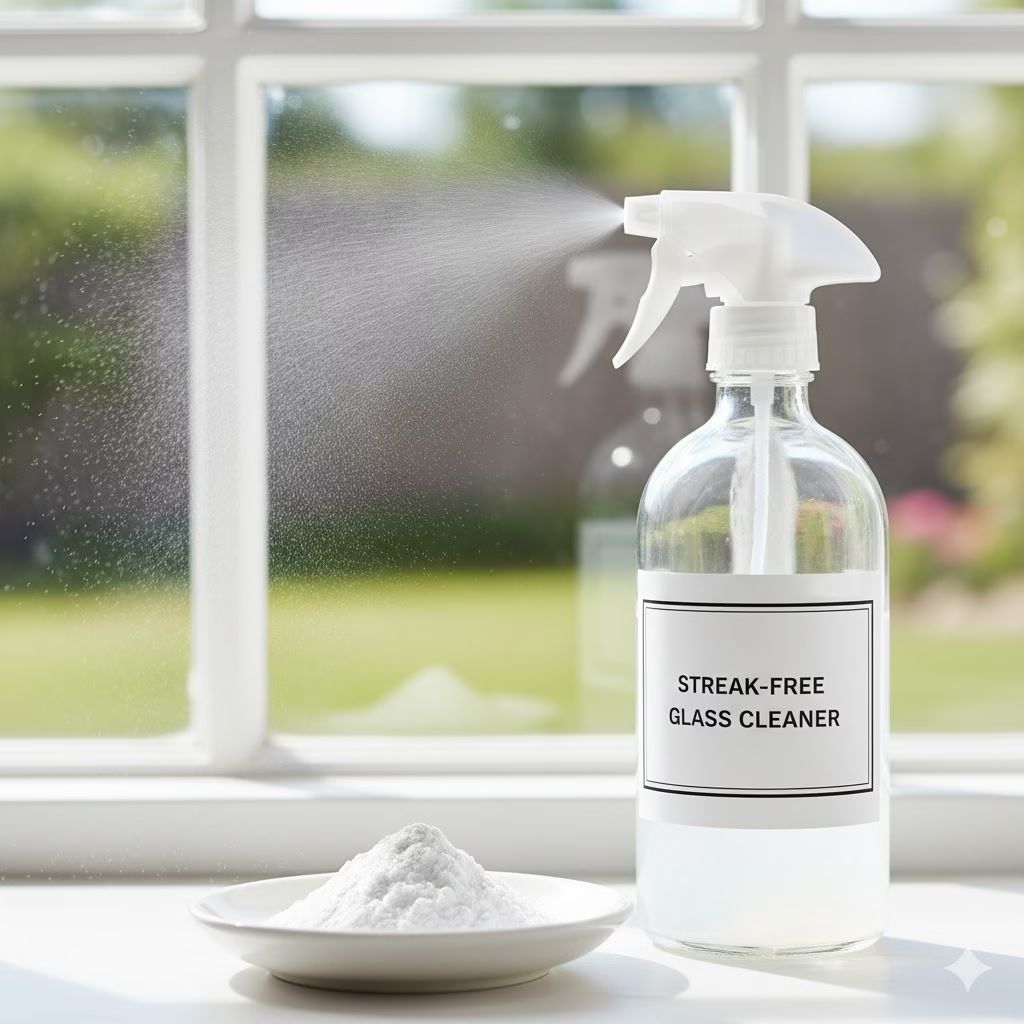
III. Streak-Free Window & Glass Cleaner (Mirrors & Glass Tables)

If you’ve ever struggled with streaks on your windows, the secret to a flawless finish is a tiny bit of cornstarch.

IngredientsRatio
Warm Water2 cups
White Vinegar41​ cup
Cornstarch (The Anti-Streaker)1 Tbsp

Method:

  1. Mix the ingredients together, stirring or whisking thoroughly to ensure the cornstarch is fully dissolved.
  2. Pour into a spray bottle. Shake well before every single use to redistribute the cornstarch, as it will settle quickly.
  3. Spray onto glass and wipe clean with a lint-free cloth, a microfiber towel, or even crumpled-up newspaper for a crystal-clear, streak-free shine.

Why It Works: The vinegar dissolves the film and residue on the glass. The cornstarch acts as an ultrafine, gentle abrasive that helps to absorb residue and buff the glass to perfection, preventing the annoying streaking that liquid cleaners often leave behind.


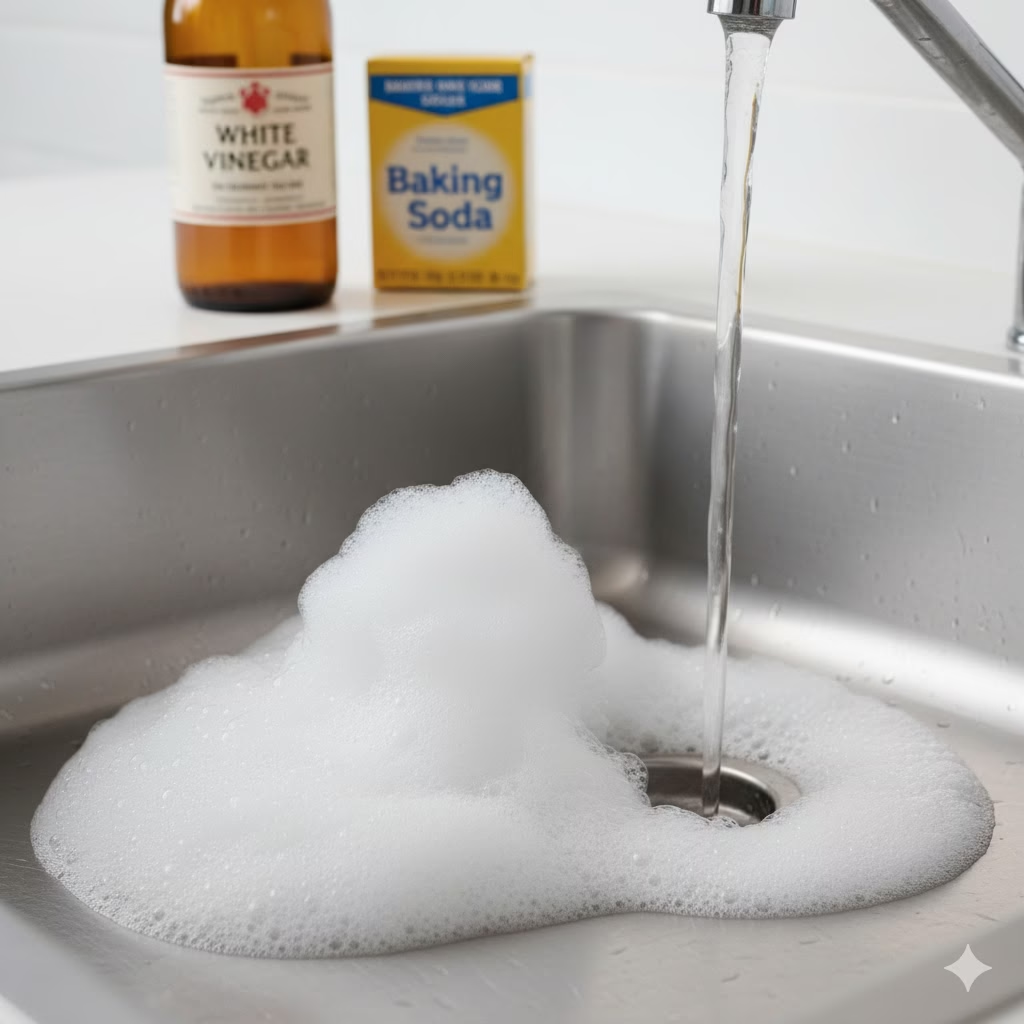
IV. Foaming Drain Declogger (Slow Sinks)

This classic reaction is a safe, effective, and chemical-free way to clear minor clogs caused by hair, soap scum, and sludge.

IngredientsRatio
Boiling WaterA kettle full
Baking Soda (The Base)21​ cup
White Vinegar (The Acid)1 cup

Method:

  1. Pour the kettle of boiling water down the slow drain to help loosen initial debris and warm the pipes.
  2. Follow immediately with the dry baking soda. Let it sit for a minute.
  3. Pour the vinegar down the drain. It will start to foam and bubble vigorously as the two ingredients react.
  4. Cover the drain with a stopper or a rag to force the chemical reaction and resulting pressure deep into the pipe where the clog resides.
  5. Let it sit for 15–30 minutes, then flush generously with another round of hot tap water or boiling water.

Why It Works: Mixing baking soda (a base) with vinegar (an acid) creates a large volume of carbon dioxide gas (the fizzing). This gas builds pressure and agitation inside the pipe, physically pushing and breaking up the minor clog.


V. Hardwood & Tile Floor Refresher (All Hard Floors)

This simple, minimal-ingredient formula is perfect for cutting through dirt and foot traffic residue without leaving a dull or sticky film.

IngredientsRatio
Hot Water1 gallon
White Vinegar21​ cup
Liquid Dish Soap1–2 drops (no more!)

Method:

  1. Combine the hot water and vinegar in your mop bucket. Add just a drop or two of mild liquid dish soap—this helps lift heavy dirt but must be minimal to avoid leaving sudsy residue.
  2. Before applying to the floor, ensure your mop is well-wrung out; it should be damp, not dripping. Excess water is bad for hardwood and laminate.
  3. Mop the floor section by section. The highly diluted vinegar ensures a fast-drying, streak-free, and clean finish.

Why It Works: Vinegar’s acidity is fantastic at dissolving mineral buildup (like hard water spots) and removing soap scum left behind by other commercial cleaners. It also provides a mild sanitizing effect, and because it evaporates quickly, it leaves no residue.


VI. Porcelain Scrubbing Powder (Toilets & Tubs)

Forget those blue scouring powders! Baking soda is a natural deodorizer and a perfect mild abrasive for porcelain and fiberglass.

Ingredients
Baking Soda (The Deodorizer)
Salt (optional, for extra scrub)
White Vinegar (in a spray bottle)

Method:

  1. For the toilet, simply sprinkle a generous amount of baking soda into the bowl and let it sit for 5–10 minutes to absorb odors. Scrub and flush.
  2. For sinks, tubs, and showers, sprinkle the baking soda onto a damp sponge or brush. Scrub the surface just as you would with commercial powder.
  3. For stubborn rings or soap scum, sprinkle the baking soda and then spray it liberally with vinegar. Scrub the resulting bubbly paste for enhanced cleaning action.

Why It Works: Baking soda is an alkaline substance that excels at neutralizing odors. Its crystalline structure provides the perfect mild abrasion—strong enough to lift stains and grime without scratching delicate porcelain or acrylic surfaces.


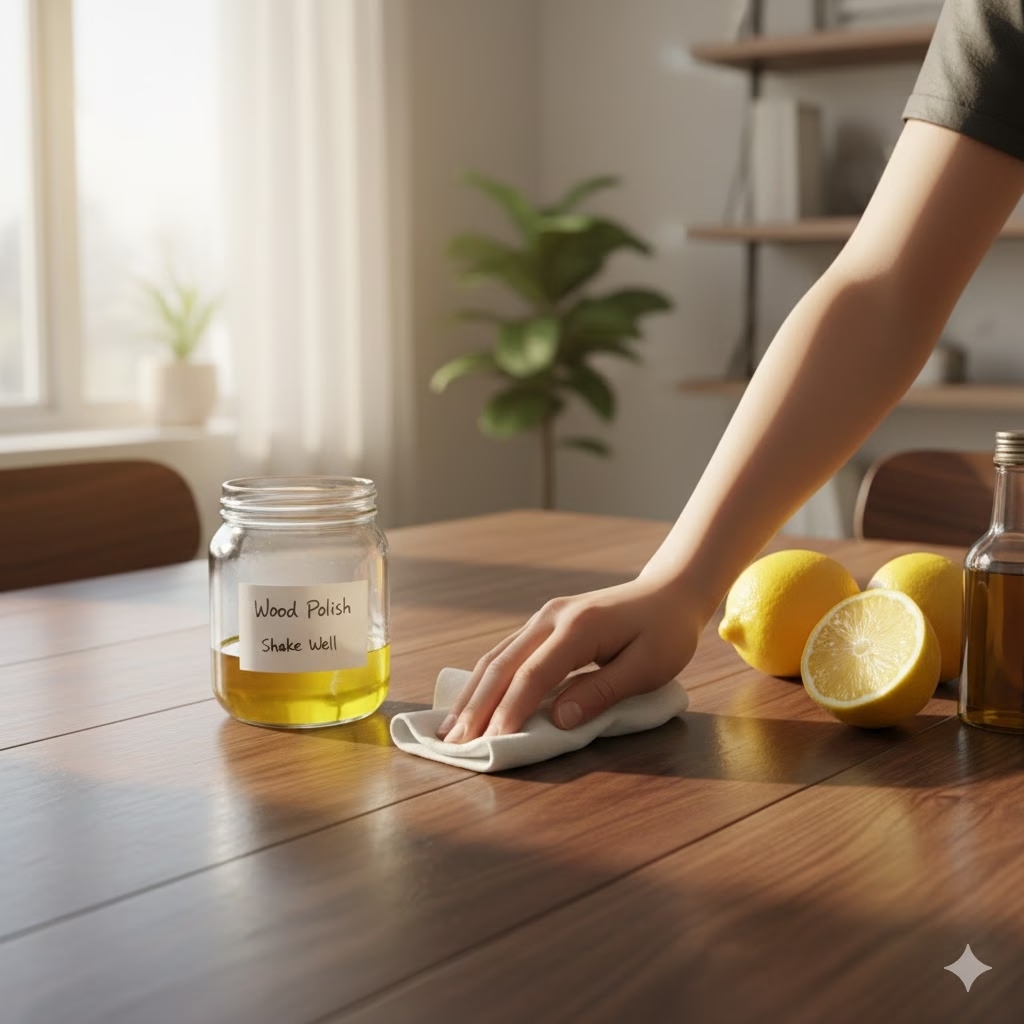
VII. Lemon-Oil Wood Furniture Polish (Cabinets & Tables)

Bring life back to your wooden furniture and cabinets with this simple, Kitchen Staples of conditioning polish.

IngredientsRatio
Olive Oil (The Conditioner)43​ cup
Lemon Juice (Fresh or Bottled)41​ cup

Method:

  1. Combine the olive oil and lemon juice in a jar and shake vigorously. Note: You must shake this mixture well before each application, as the oil and acid will separate quickly.
  2. Dab a small amount onto a soft, lint-free cloth.
  3. Rub the polish into the wood surface, always working with the wood grain.
  4. Use a second, clean, dry cloth to lightly buff the surface until it shines and no oily residue remains.

Why It Works: The olive oil deeply conditions and moisturizes the wood, restoring its luster and helping to minimize the appearance of small scratches. The lemon juice or acid cuts through any grime and dirt while adding a fresh, natural scent.


Conclusion: A Cleaner Home, A Greener Wallet

By relying on these seven simple recipes, you’ve replaced a dozen chemical-laden products with five cheap, non-toxic kitchen staples. You’re not only saving money but also reducing the number of volatile organic compounds (VOCs) and plastic bottles in your home.

Making the switch to natural cleaning is a simple, effective step toward a healthier household. You’ve successfully turned your pantry into the most powerful cleaning store on the block!


Important Safety Notes for Kitchen Staples

  • The Golden Rule of Cleaning: NEVER mix vinegar and bleach. This combination creates highly toxic chlorine gas, which can be fatal. Do not use them in the same cleaning session.
  • Spot Test: Always test a small, inconspicuous area (especially on wood, paint, or tile) when trying a new solution for the first time.

References

  1. University of Arkansas : Clean and Green Homemade Cleaners
  2. The Spruce: How to Make a Homemade Vinegar Cleaning Solution

Recent Posts


Make This Foot Soak For Tired And Achy Feet

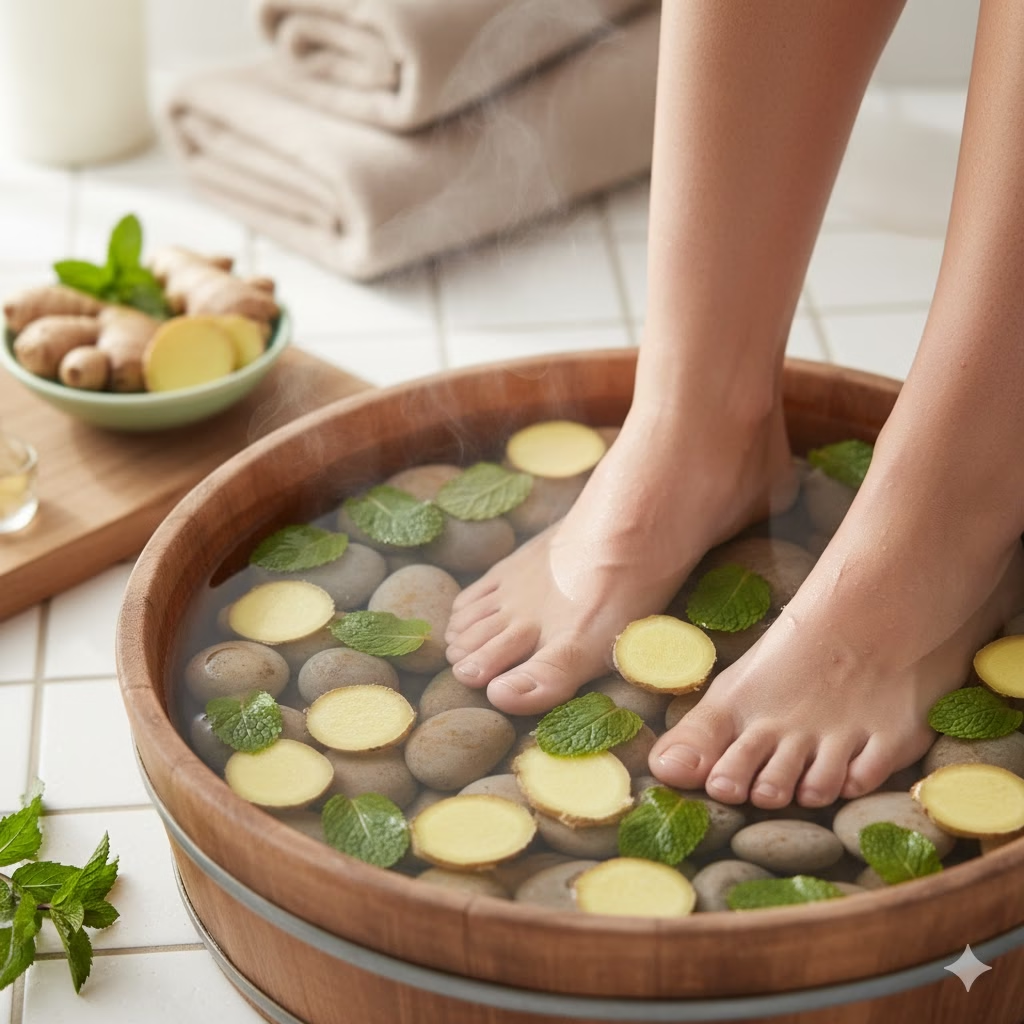
A person beginning a natural foot soak to relieve tired feet. The warm water in the wooden barrel is infused with slices of ginger and fresh mint leaves.

This guide shows you the best way to make a Foot Soak at home. This simple therapy will bring great relief to your tired, achy feet. It uses powerful, natural ingredients like common kitchen Salt, warming Ginger, and cooling Mint. Stop searching for expensive cures and start using the easy healing power of your pantry today.


Why Your Kitchen Holds The Secret To Soothed Feet

Your feet are complex body parts. They contain bones, muscles, and ligaments. They carry your entire body weight every single day. Maybe you spent all day on your feet at work. Perhaps you had a challenging workout. Or maybe you have swelling from sitting too long. That heavy, throbbing feeling means your feet need a break. Luckily, you do not need to spend a lot of money at a spa to find relief. The best and purest types of foot care are often right in your pantry.

This foot soak is very soothing and stimulating. We use simple, natural items from your kitchen. It is made to fight tiredness, reduce swelling, and help blood move better. We mix the relaxing power of heat with the strong healing traits of salt, ginger, and mint. This creates a powerful therapy session at home. Stop neglecting your hard-working feet. It is time to turn your kitchen into a luxurious, effective home pharmacy.


Equipment You’ll Need for the Foot Soak

It is easy to create your own spa at home. You only need a few simple tools. Get these items ready before you start your soak:

  1. A large basin, bucket, or plastic tub. It must be deep enough to hold your feet and ankles.
  2. A kettle or pot to heat the water to the right temperature.
  3. A small bowl or mug to soak the ginger and mint.
  4. A spoon or ladle for stirring the ingredients so they mix well.
  5. A clean, soft towel for drying your feet nicely afterward.
  6. Optional: A comfy chair, quiet music, and a good book to help you relax completely.

The Invigorating Kitchen Foot Soak Recipe

This recipe uses ingredients known to quickly increase blood flow and calm muscle pain. It gives targeted comfort for your most tired and sore feet.

Ingredients You Will Need

IngredientAmountPurpose
Hot WaterEnough to comfortably cover your ankles (in a basin/tub)Base for soaking; heat sinks in deep to relax muscles.
Coarse Salt (Sea Salt or Table Salt)1/2 cupA mineral base to ease tension, aches, and minor swelling.
Fresh Ginger (grated or thinly sliced)2 tablespoonsA strong, natural warmer that boosts circulation to ease stiffness.
Fresh Mint Leaves (or 2-3 Black Tea Bags)A generous handful of leavesGives a cooling, pain-relieving effect and a fresh smell to calm your mind.

Step-by-Step Instructions for the Foot Soak

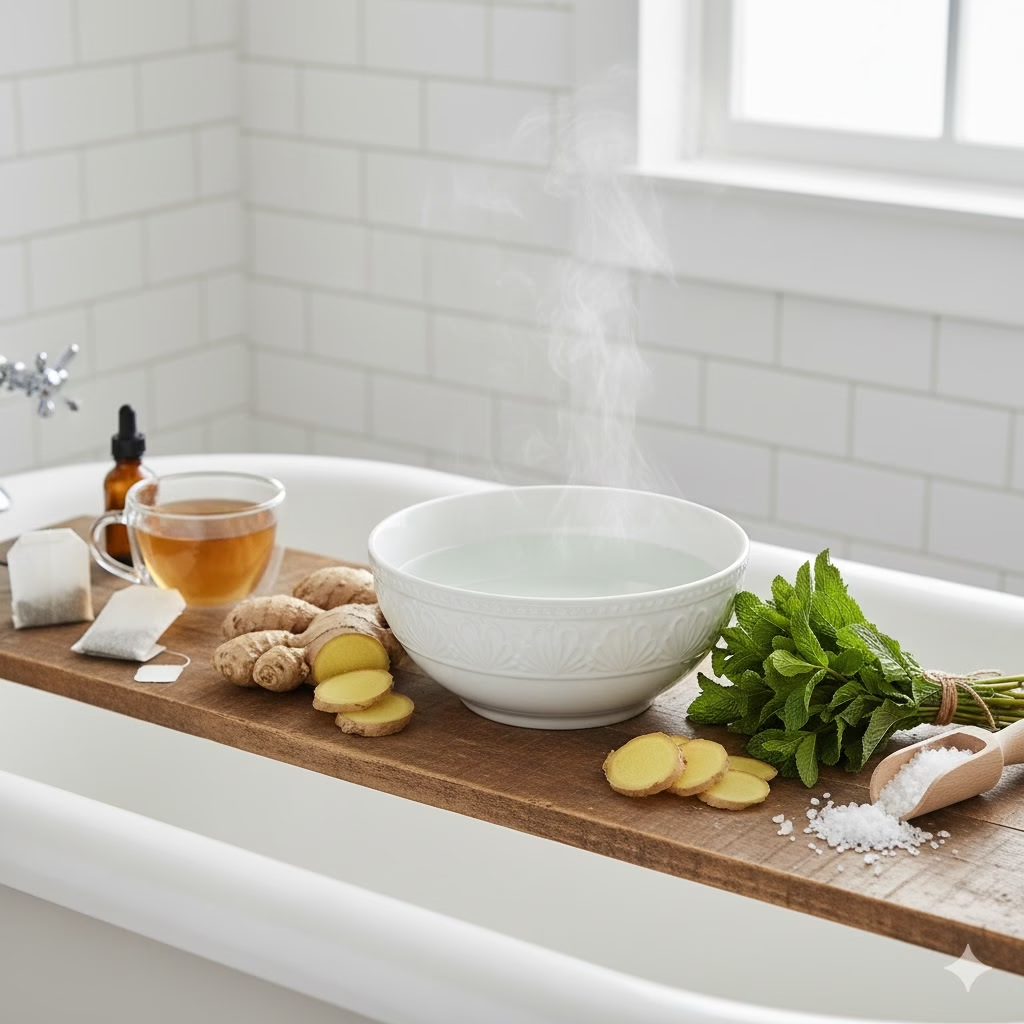
Prepare the Infusion: Start by making a strong liquid soak. Put the fresh ginger and mint in a small heat-safe bowl or mug. Pour one cup of boiling water over them. Let this sit for about 5 minutes. This step is key. It pulls out the best healing parts of the ingredients before you add them to the main water.

Ready the Basin: Fill your foot tub with hot water. It should feel very warm, almost hot, but not burn you. Always check the temperature first.

Add the Base: Stir the coarse salt into the hot water until it mostly dissolves. Swirl the water gently to mix the salt in well.

Combine Aromatics: Carefully pour the ginger and mint liquid into the tub. You can strain out the solid bits if you want a clear soak. You can also leave them in for a gentle scrub. If you use tea bags, put them right into the main bath now.

Soak and Relax: Check the water heat one last time. Put your feet in completely, covering your ankles.

Time: Soak for the needed 15 to 20 minutes. Close your eyes, take deep breaths, and move your toes. Gently stretch your feet to get the most relief from the hot water and the active ingredients.

Finish: Carefully lift your feet out. Pat them completely dry. Be sure to dry well between your toes. Finish by putting on a small amount of a rich moisturizer or a kitchen oil (like coconut or olive oil). This locks in moisture and keeps your skin healthy.

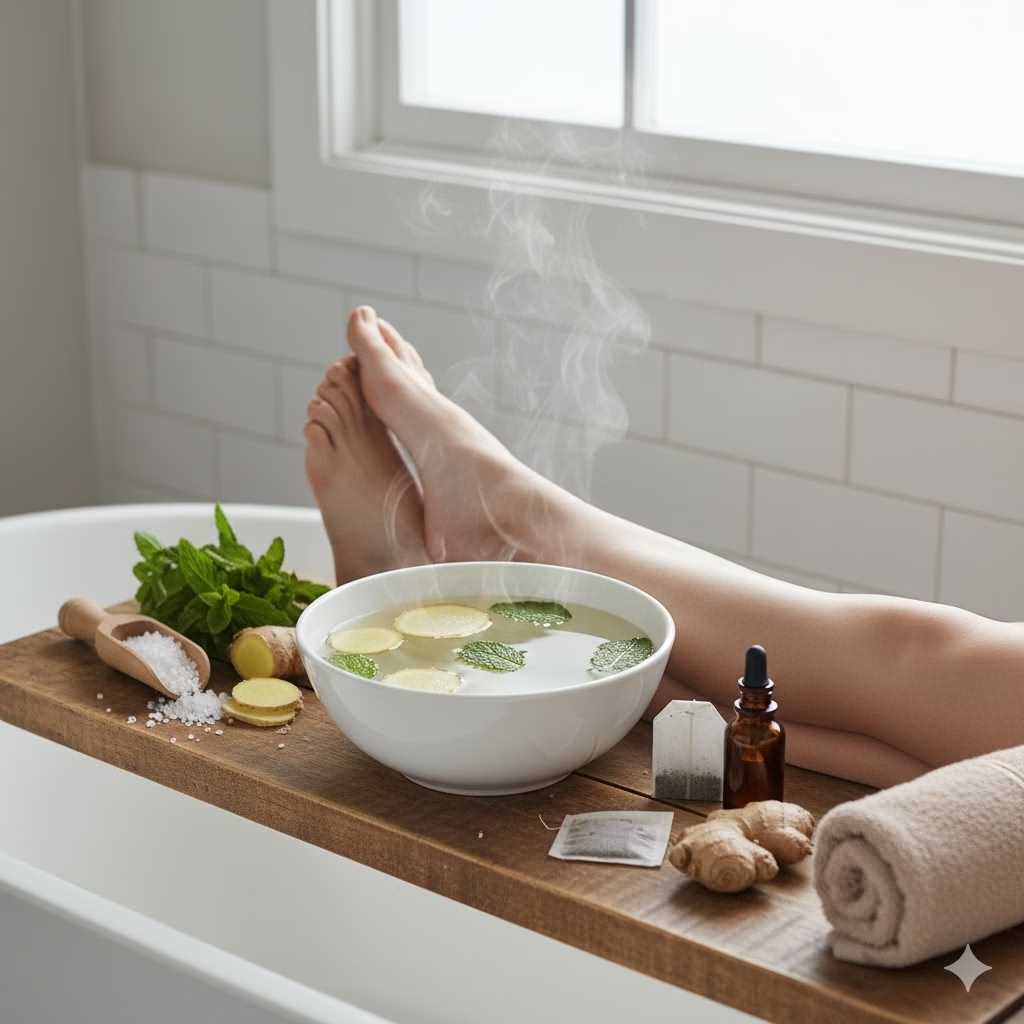
Image Placement: A close-up of feet soaking in the prepared bath, with visible steam and floating ingredients (ginger and mint leaves).


Why This Foot Soak Works Wonders

This recipe works well because of three main effects: hydrotherapy, aromatherapy, and natural chemistry.

  • Thermal Hydrotherapy: Soaking in hot water is simple but effective. It makes your blood vessels wider (called vasodilation). This relaxes the muscles in your feet and legs right away. It lets a rush of fresh, oxygen-rich blood flow into the area. This extra blood helps remove waste products (like lactic acid) that cause muscle pain and tiredness.
  • Aromatherapy and Counter-Irritation: The natural warmth from the ginger and the coolness from the mint work at the same time. The hot water and ginger make you feel warm and increase blood flow. Meanwhile, the menthol in the mint makes you feel cool and acts like a mild painkiller. This refreshing feeling helps your brain ignore the soreness and heaviness.
  • Osmotic Balance: The salt makes the water rich in minerals. This helps reduce swelling and prepares rough skin. The minerals gently draw out extra fluid, which makes your feet feel lighter.

Key Ingredient Benefits for the Foot Soak

Every ingredient does something important to help your feet feel better:

Coarse Salt: The Soothing Base

Using coarse salt helps create a special water solution. This solution can help ease minor swelling by gently pulling extra water from your skin and tissues. The minerals in the salt also soften tough, dry patches. This makes it easier to clean away dead skin after your soak.

Fresh Ginger: The Circulation Booster

Ginger is a great natural remedy for warmth and blood flow. Its main active parts are called gingerols and shogaols. These compounds actively boost blood circulation. Better circulation means your tired muscles get the food they need. It also removes the waste that causes stiffness and pain. This gives deep relief right where you need it.

Fresh Mint/Tea: The Cooling Refresher

Mint has a natural oil called menthol. This oil is known for its strong cooling and mild pain-numbing effects. When the menthol mixes into the warm water, it feels crisp and refreshing. This sensation acts like a natural pain reliever. If you choose Black Tea, the tannic acid is good for tightening your skin. This helps fight sweat and bad foot odors.


Recipe Variations For Different Needs

Once you know the power of the basic ginger and mint soak, you can easily change the recipe. You can use simple kitchen swaps to fix almost any common foot issue.


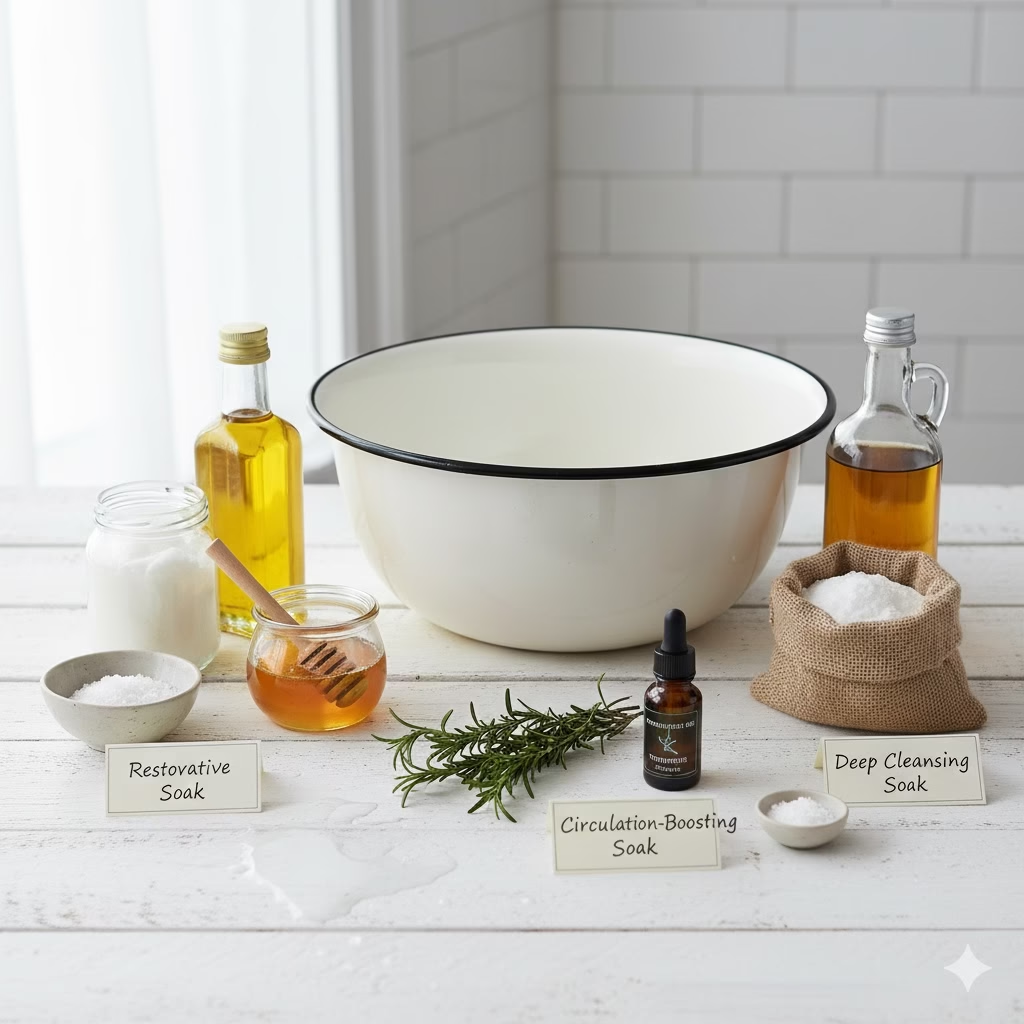
The Restorative & Deeply Moisturizing Soak

  • Swap: Replace the ginger and mint with 1/4 cup Olive Oil and 1/4 cup Honey. You can also use Coconut Oil.
  • Benefit: This is excellent for dry, cracked feet that need intense moisture. Olive and coconut oils are rich emollients. They create a protective barrier on the skin. Honey is a natural humectant. It draws water into the skin and locks it in. This combination helps skin stay soft and prevents future cracking.

The Deep Cleansing & Odor-Fighting Soak

  • Swap: Replace the ginger and mint with 1 cup Apple Cider Vinegar and 1/4 cup Baking Soda.
  • Benefit: Perfect for getting rid of strong odors or helping with mild athlete’s foot. Vinegar contains acetic acid. This acid is a well-known natural antiseptic. It kills the bacteria and fungus that cause bad smells. The baking soda acts as a neutralizer. It balances the skin’s pH, which fights odor at its source.

The Circulation-Boosting Herbal Soak

Benefit: This variation provides an intense boost for very stiff or swollen ankles. Rosemary is a common kitchen herb known to help increase circulation. Its compounds have a warming effect similar to ginger. The peppermint provides a strong, cooling sensation. This helps numb the feeling of throbbing pain and heaviness.

Swap: Add 2 tablespoons Dried Rosemary and a splash of Peppermint Extract (or a few drops of pure Peppermint Oil mixed with a teaspoon of Olive Oil).

The Softening & Deeply Moisturizing Soak

  • Swap: Use 1 cup Coconut Milk (full-fat) and 1/2 cup Honey instead of the ginger and mint.
  • Benefit: Great for very dry or cracked feet. The rich fat in coconut milk deeply nourishes the skin. Honey is a natural humectant that pulls moisture into the skin and keeps it there.

The Odor-Fighting & Cleansing Soak

  • Swap: Use 1 cup Apple Cider Vinegar and 1/4 cup Baking Soda instead of the ginger and mint.
  • Benefit: Perfect for getting rid of strong foot odors. The acid in the vinegar kills bacteria and fungus. The baking soda is a strong deodorizer that helps correct your skin’s pH balance.

The Purifying & Detoxifying Soak

  • Swap: Use 2-3 Green Tea Bags and the juice of 1 whole Lemon instead of the ginger and mint.
  • Benefit: A light, cleaning soak. Green tea has lots of antioxidants to protect skin. The lemon juice is a mild acid that brightens the skin and gently scrubs it clean. The lemon also leaves a fresh, clean smell.

Storage and Shelf Life

This recipe involves mixing fresh ingredients into water. Because of this, the soak is only good for one time. You must make it and use it right away while the water is warm and the ingredients are strong.

Shelf Life of the Foot Soak

  • Prepared Soak: Throw it away right after you finish. Do not save or reuse the water or the plant parts. They lose their power quickly, and germs can start to grow.
  • Dry Ingredients: Keep the salt, ginger, and mint/tea separate. Store them in closed containers in your pantry or fridge. Follow their normal shelf life to make sure they are fresh for next time.

Frequently Asked Questions

Q: How long should I soak my feet for the best results?

A: Soak for 15 to 20 minutes. Soaking for less time means the ingredients won’t work well. Soaking for too long (over 30 minutes) can actually make your skin dry.

Q: Should I rinse my feet after the soak?

A: It is usually best to give your feet a quick, light rinse with clean water. This is especially true after the odor-fighting soaks. However, after the ultra-nourishing soak, just pat your feet dry. This lets some of the moisturizing oils stay on your skin.

Q: Can this recipe help with cracked heels?

A: The hot water and salt will soften hard skin. But a soak alone is not enough to fix deep cracks. For the best result, use the Softening Soak Variation. Then, immediately use a pumice stone for scrubbing. Finish with a thick cream like coconut oil or shea butter.

Q: Are there any safety precautions I should take?

A: Always test the water with your hand before putting your feet in. This prevents burns. If you have severe diabetes, nerve damage, or open cuts on your feet, talk to your doctor before using any hot water soaks.


References

  1. Healthline6 DIY Foot Soaks to Moisturize, Soothe
  2. Medical News Today6 DIY foot soaks for dry skin
  3. Healthline – 9 Home Remedies Backed by Science

Recent Posts



Why Japandi is the Most Relaxing Design Trend Right Now

A serene Japandi living room featuring a light beige sofa with a knit throw, a low light wood coffee table, and a tall fiddle-leaf fig plant in a white pot. Soft natural light streams in through a large window, highlighting the calming, minimalist design."

Make Your Home a Quiet Place

In our busy, modern world, we all feel rushed. Our homes need to be more than just buildings. We need them to be safe, calm spots. Alerts, calls, and noise fill our days. What we truly want is deep rest. The best style to give us this is Japandi.

Japandi is more than just a passing design look. It is a smart way to live. And it joins the deep ideas of the East with the cozy ideas of the North. It blends the Japanese idea of wabi-sabi. This means loving the beauty in old, simple things. It also uses the Danish idea of hygge. This means focusing on comfort and being happy.

The style looks neat and clean. But it also feels very warm and friendly. Japandi fights the stress of modern life. It creates rooms that help your mind stay clear. And helps you feel close to nature. It gives you a sense of peaceful comfort. This design offers a simple, clear way to have a truly chill-out home.


Clear Your Mind: Japandi’s Simple Rule for Calm

True rest starts with a clear, light mind. Japandi is built to get rid of visual stress. It removes the mess that fills many modern rooms. This careful planning makes the style so helpful for peace.

1. Less Stuff Means Less Worry

Japandi follows one main rule: “less is more.” It does this to help your mental health, not just to look good. The style strictly removes extra items and bright decorations. This quickly stops the small things that stress our brains every day.

  • No Overload: Too many things in a room make your brain work hard. This makes you tired. Japandi uses open, empty space. This is called ma in Japan. It cuts down on how much your brain must process. Doctors say this can help lower your stress hormone levels. You feel a long-lasting sense of peace.
  • Space Means Freedom: Japandi furniture often sits openly. Rooms feel large and bright. This focus on clear space keeps you from feeling closed in. It helps your mind truly rest and recover.

2. Choose Well, Live Better with Japandi Philosophy

In a Japandi home, every item is there for a reason. Nothing is just sitting there.

  • Smart Shopping: You choose things because they work well or look beautiful. Often, they do both. This habit of choosing carefully helps you feel in control. You feel less pressure to buy things all the time. When you own fewer, good items, you spend less time cleaning. You get more energy for things that matter.
  • Easy to Focus: The neat lines and clean surfaces make it easy to pay attention. This helps when you work or read. It also helps when you want to rest. Your mind has fewer things to look at or think about.

Nature Inside: Feel Grounded and Restored

People feel better when they are close to nature. This is called biophilia. Japandi is great at bringing the healing power of the outdoors into your home. This makes your space feel healthy and renewing.

1. Real Materials and Simple Textures

The style uses materials that come straight from the earth. This makes you feel calm and connected.

  • The Comfort of Wood: Japandi uses woods that last. It uses light woods like oak and maple, along with bamboo, cork, linen, and clay. Science shows that seeing and touching these natural items helps lower stress. They help your mood. They look like things found outdoors.
  • The Feel of the Room: Japandi blends the smooth look of Nordic furniture with the rustic feel of Japanese craft. You can see the natural wood grain. You see simple, handmade clay items. This focus on texture stops the room from feeling cold. It makes the space feel very personal and real.

2. Japandi Light and Life

Japandi rooms let in lots of light. They also use living plants very carefully.

  • Light is Everything: The design uses very light curtains, or no curtains at all. This lets in the most natural light. Good light helps your body’s sleep cycle. A good sleep cycle is key for a good mood and deep rest.
  • A Few Good Plants: The style uses only a few plants, chosen for their shape. A small, quiet bonsai tree, a tall snake plant, or a simple fern is common. These plants help your tired mind rest. They make your link to nature stronger.

Balanced Warmth: A Cozy, Clean Feeling

Some simple designs can feel too cold. But Japandi adds the warmth of hygge. This makes sure the space feels cozy and truly comfortable.

1. Perfect Mix: Cozy Meets Neat with Japandi

Japandi’s smart blend is its best feature. It takes the simple, neat look of Japanese design. Then it makes it softer and warmer with Danish hygge.

  • Always Welcoming: This mix means the room never feels cold or too strict. It lets you include items that are old or have small flaws (wabi-sabi). This gives the room character. You feel free to live in the room without worrying about everything being perfect.
  • Enjoy the Moment: By mixing these ideas, Japandi makes you want to slow down. It encourages you to enjoy simple, quiet times. Drink tea. Read a book. Just sit still.

2. Quiet Colors and Soft Layers

The colors and fabrics are all chosen to create a peaceful feeling. They avoid bright colors that would make your mind too active.

  • Calm Hues: Japandi mostly uses soft, earth-like colors. The main colors are warm whites, soft grays, and natural brown woods. You can add darker colors like deep green or charcoal. These nature-based colors create a calm look that helps your body relax.
  • Soft Comfort: The design uses soft, nice-to-touch fabrics. Think about linen bedding, heavy wool blankets, and natural rugs. These layers add comfort. They invite you to sit down and rest.

Japandi: A Plan for a Calm Life

Japandi gives you long-lasting calm. It uses good quality and simple style. It avoids the stress that comes from buying temporary trends.

1. Quality Over Buying New Things

Unlike cheap home items that you replace often, Japandi uses timeless quality and good craft.

  • No Stress Style: Furniture is something you keep for a long time. Pieces are built to last. They are made to stay in style. This removes the stress of needing to buy new things all the time. You buy well once, and then you just relax.
  • Always Simple: The clean lines and soft colors mean a Japandi home will stay peaceful for many years. You can relax in your space without having to change it later.

2. A Philosophy for Living the Japandi way

Japandi is more than just how a room looks. It’s a way of thinking. It asks you to live in a more thoughtful way. By making a beautiful home that truly helps your well-being, Japandi gives you a simple, long-term plan for a happier, very relaxed life. It is the quiet answer to our busy world.


References

  1. Asteroidhealth – The Mental Health Benefits of Minimalism
  2. NIH – Goodbye materialism

Recent Posts


How to Design a Chill Kid Space

Discover the guideline for a happier home by learning how to create a Chill Kid Space a dedicated spot for children to self-regulate, unwind, and process big feelings. This unique zone is designed with soothing colors, gentle lights, and sensory tools to help kids find their calm. Most importantly, it’s essential to remember that this space is a supportive sanctuary, never to be used as a punishment area or for forced time-outs. Give your child the gift of emotional empowerment with their own personal retreat.


Luxurious and fantastical Chill Kid Space designed for calm and comfort. The room features soft, muted pastel walls with a nature mural, a light green textured rug, and multiple floor pillows. Above, the ceiling is painted dark with glowing stars, illuminated clouds, and a large star pendant light. A wooden house-frame canopy bed draped with sheer fabric creates a cozy reading nook in this ultimate children's retreat.

Introduction: Making a Peaceful Chill Kid Space

Life today moves fast. Even children can feel stressed out. School, games, new friends—it all adds up! What if your child had a quiet, special spot just for them? A place where they could slow down and feel better?

This is the idea behind the Chill Kid Space (you can also call it a Calm Corner or Zen Zone). It is a safe place made for kids to handle their feelings and find calm inside. We are not making a sterile “quiet corner.” We are building a vibrant, yet peaceful, area. It’s a comfortable escape from a busy day. It’s a spot where big feelings are okay. This guide will walk you through every step. You will learn how to make this great space in your home.


1. Setting the Scene: Colors and Light for a Chill Kid Space

The look of a Chill Kid Space is the first step to peace. You must use colors and light that tell the brain, “Time to relax!”

The Best Calming Colors

When you pick paint or fabric, stay away from bright, hot colors like red or neon yellow. These colors can make kids hyper. Instead, choose cool, soft colors:

  • Nature Colors: Gentle blues (like the sky), soft greens (like plants), and calm grays are great choices. These colors feel like being outside. They make kids feel safe and stable.
  • Muted Tones: Pale purple, soft pink, and cream are good for walls or big furniture. They help keep the space uncluttered and calm.
  • Keep It Simple: Use your main calm color for most of the space. Then, use a second soft color for chairs or rugs. This keeps the look balanced and easy on the eyes.

Soft and Welcoming Lighting

Bright overhead lights can be harsh and make stress worse. Focus on creating a warm, gentle light instead.
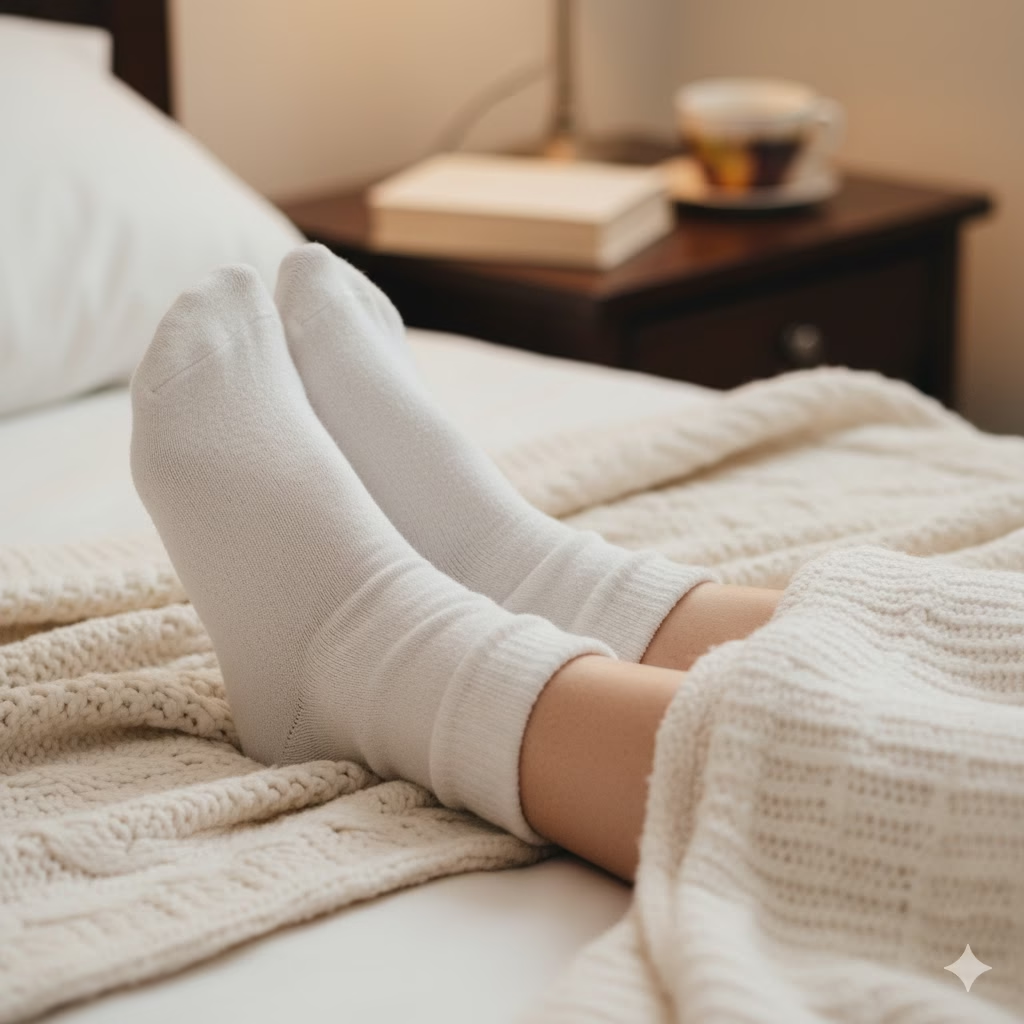
  • Dimmers are Key: If you can, put a dimmer on the main light switch. This is the best way to change the light level based on how your child is feeling.
  • Magical Lights: Use battery-powered fairy lights. Drape them inside a tent or along a shelf. Their soft sparkle is comforting and makes the space feel special.
  • Fun Focus: Add a lava lamp. Its slow, swirling motion is very soothing to watch. A small color-changing LED light that moves slowly through blues and greens is also calming.
  • Soft Daylight: Use thin, sheer curtains. They let in natural light but stop harsh glares. This fills the area with soft, gentle light.

2. Sounds for Stress-Free Moments

Noise can be a big problem for kids who are stressed. A good Chill Kid Space should either block bad noise or play good, calming sounds.

Simple Calming Sound Tools

  • Sound Machines: A good sound machine is a must-have. It can play white noise (a steady sound) to hide distracting household noises. Or, it can play nature sounds like rain or ocean waves, which are steady and relaxing.
  • Quiet Time Helpers: For older kids who need to read or focus, use comfortable noise-canceling headphones. They can listen to soft music, an audiobook, or just enjoy total silence.
  • Mindful Sounds: You can use a gentle chime or a rain stick when your child enters the space. This sound acts like a little signal that says, “Time to breathe deep and relax.” It makes the space feel like a ritual.

Making it Quieter for your Chill Kid Space

Use fabric to soak up extra noise. A thick rug, soft wall hangings, and big cushions help stop echoes. This makes the space feel instantly quieter and safer for a worried child.


3. Sensory Items for Hands-On Relaxation

Touch is a strong way to help kids calm down. When children use their hands with different textures, it helps them focus on the present moment. This helps release restless energy before it turns into a meltdown.

The Best Cozy Textures for a Chill Kid Space

The space should feel soft and inviting to the touch.

  • Heavy Comfort: Use a weighted blanket or a weighted lap pad. The heavy weight feels like a warm, firm hug. This pressure helps turn on the body’s calm response, which is great for anxiety.
  • Super-Soft Things: Fill the space with lots of soft things: a furry rug, a chunky-knit blanket, and velvety plush pillows. These different textures give comfort to their hands and body.
  • The Big Squish: A large beanbag chair or floor cushion is perfect. When kids flop into it, it shapes to their body. This makes them feel safe, held, and secure.

Toys for Busy Hands

Keep a basket of safe, fun toys that help calm energy:

  • Stretching and Squishing: Slime, putty, or play dough are excellent. Kneading and stretching them gives deep input to the hands.
  • Simple Fidgets: Include easy-to-use stress balls, fidget cubes, or pop-its. These toys offer small, repeated movements that help a child focus and feel better.
  • Natural Play: A small tray with kinetic sand or smooth river stones can be used. It is a gentle, quiet way for kids to let out stress by digging and feeling the textures.

4. Comfy Spots to Get Cozy

This is the heart of the Chill Kid Space. It needs a spot that looks so comfy your child is pulled toward it when they feel upset.

Building the Ultimate Corner for a Chill Kid Space

  • The Private Hideout: A teepee tent, a fabric canopy, or a small tunnel gives a child a private, enclosed “cave.” This feels safe and lets them hide away from the busy world.
  • Fun Movement: If you have room, a hanging egg chair or a soft swing is wonderful. The gentle rocking or swinging motion helps the brain organize itself. This can quickly lower anxiety.
  • The Soft Seat: If you have a wide windowsill, add a cushion to make a window seat. Sitting here to look outside is a very peaceful activity.
  • Layer it Up: Always pile on the comfort. Start with a soft rug, add the beanbag or chair, and top it with a blanket and pillows. More layers mean more snuggling options.

5. Fun and Quiet Activities for Mindfulness

The things you put in a Chill Kid Space should be screen-free. They must help the child focus, think quietly, and relax.

Tools for a Quiet Chill Kid Space

  • Reading Time: Keep a basket of your child’s favorite books. Reading is a focused, quiet activity. It gives them an escape into a story.
  • Art for Feelings: A simple art caddy with paper and crayons helps children show how they feel without talking. Coloring books with patterns are great for helping them focus.
  • Breathing Games: Use simple toys to teach deep breathing. A pinwheel that must be gently blown is a fun way to practice slow exhales. A collapsible ball (like a Hoberman Sphere) can be opened and closed to match slow breathing.
  • Simple Tasks: A few simple wooden puzzles or building blocks offer a quiet task. This helps the brain shift its focus away from stress.

6. The Rules of the Space: How to Use the Chill Kid Space

How you use the Chill Kid Space is the most important part. It must be seen as a tool for support, not a place for punishment.

Calling It the “Feel-Better Spot”

  • It is NOT Punishment: This is the most vital rule. The Chill Kid Space must NEVER be used as a “timeout.” If you send your child there as a punishment, it will lose its power to help them feel calm. It must stay a place of comfort.
  • Practice When Calm: Show your child the space when they are already happy. Sit with them. Read a book. Play with the squishy toys. Model how to take a deep breath. They need to know how to use it when they are upset.
  • Teach Them Self-Control: Use positive words. Say, “When your body feels shaky, you can go to your Chill Kid Space,” or “If you are angry, squeeze your stress ball in your Zen Zone.” Let the child choose to use it.
  • No Talking Forced: When the child is in the space, let them be quiet. Don’t push them to talk or explain what happened until they come out feeling calm and ready.

7. Putting It All Together: Designing with Care

The very best Chill Kid Space is one that is easy to use, clean, and loved by your child.

Keeping It Simple and Clean

The key word is minimalist. A calm space must be clutter-free. Only put in the items that truly help them calm down (the blankets, sensory toys, books). Use small boxes or clean shelves to keep everything neat. Too much clutter is visually loud and ruins the peaceful goal of the space.

Let Them Choose

To make sure your child feels good about using their “chill zone,” let them help choose the items. Let them pick the color of the beanbag or the pattern of the blanket. When they feel like the space belongs to them, they will be much more likely to use it as a helpful tool for their feelings.

By mixing soft colors, useful sensory tools, and a supportive plan, you create more than just a room. You create a powerful tool that teaches your child the lasting skill of finding calm.


References


Recent Posts