Cookie Consent by Free Privacy Policy Generator Update cookies preferences

10 Simple Crafts For Adults That you can Make Right Now

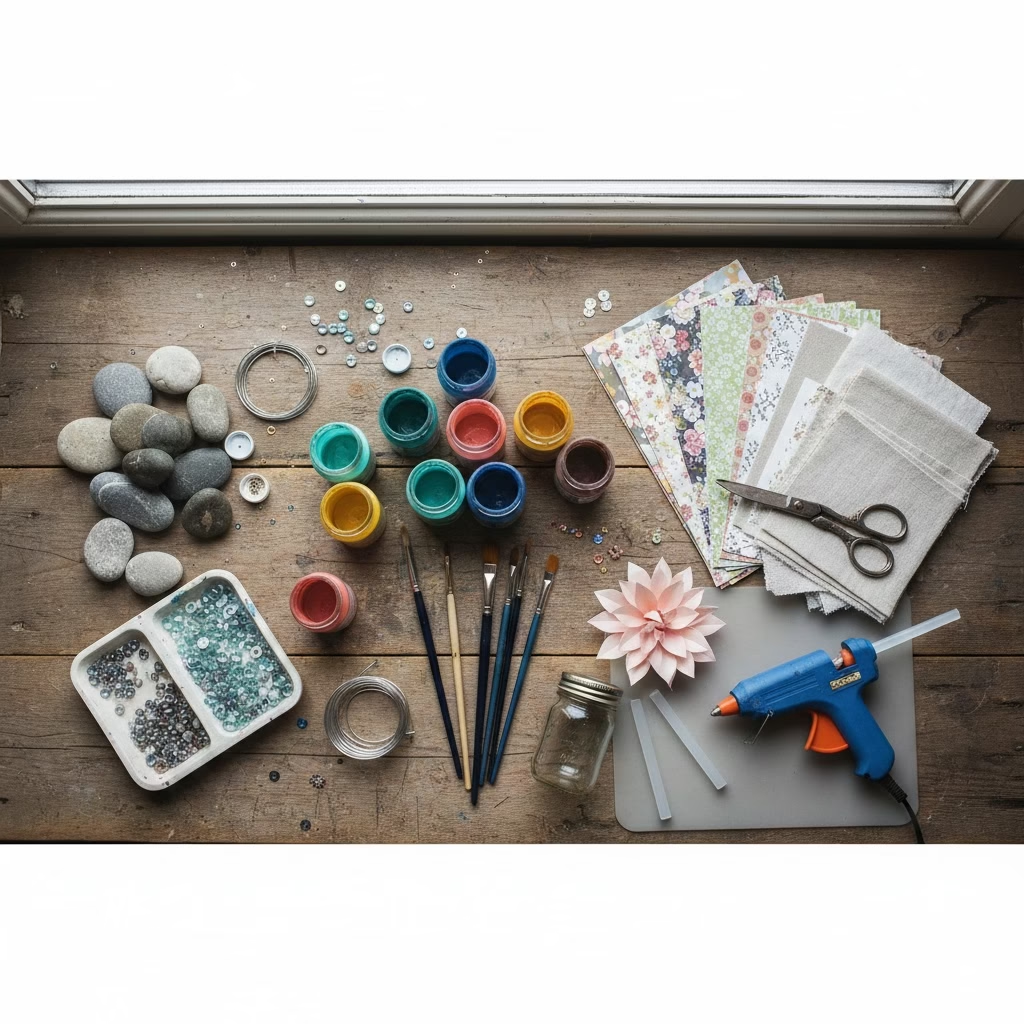
Curated collection of supplies for simple DIY projects and Crafts For Adults, including paint, beads, patterned paper, fabric scraps, and a glue gun, laid out on a rustic wooden table.

This guide is here to help you find joy in making things. We know that working with your hands is a great way to relax and feel good. We want to show you that you do not need lots of money or training to be creative. These ideas use items you likely have at home or can buy cheaply. We hope you enjoy these fun and easy Crafts For Adults.


Introduction: Why You Should Start Crafting Today

Life can be very busy. We rush from work to chores and often forget to take a break. It can be hard to find time for yourself. But did you know that making things with your hands can help you feel better? It is true. Crafting allows your mind to rest. It helps you focus on just one thing at a time. This can lower your stress. It can also make you feel proud when you finish a project.

You do not need to be a professional artist. And you do not need a big studio. You also do not need expensive tools. The best crafts are often the simplest ones. You can use things you already have in your house. You can also find great supplies at low prices. Many people love dollar tree crafts because they are cheap and fun.

This article lists ten easy craft ideas for adults. You can start any of these projects right now. We have chosen crafts that are quick to learn. They are perfect for beginners. You can do them alone to relax. Or, you can do them with friends for a fun night in. We will guide you through each step. And tell you what you need. We will also give you tips to make your project look great.

So, clear off your table. Put on some good music. Get ready to make something beautiful. Let’s get started.


1. Painted Rocks: Small Art for Everyone
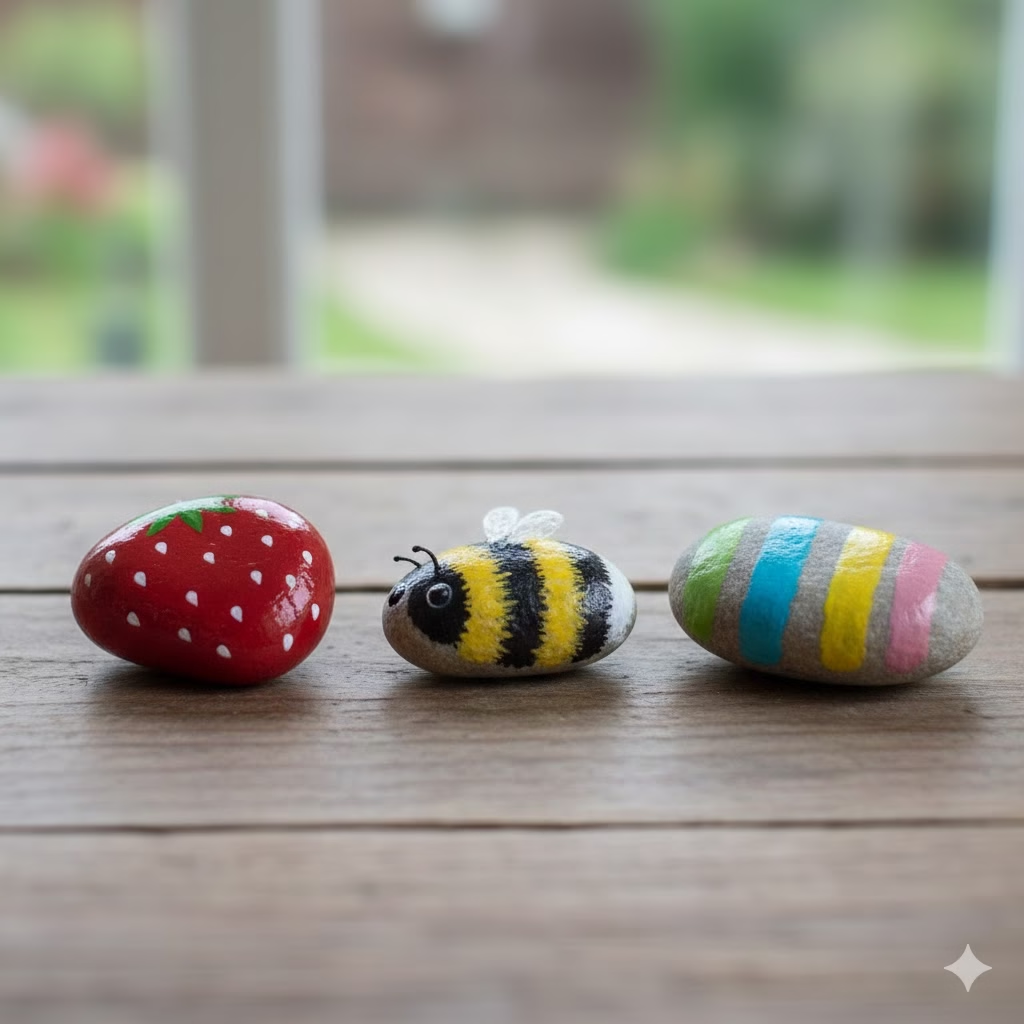
This is one of the easiest ways to start being creative. Painted rocks are very popular right now. You might have seen them in parks or gardens. People call them “Kindness Rocks.” The idea is simple. You find a rock, paint it, and leave it for someone else to find. It spreads joy. But you can also keep them. They look great in your own garden or on your desk.

Why You Will Love It:

It is free to find rocks. The painting part is very relaxing. You can paint anything you want. It does not have to be perfect. Even simple dots look amazing.

What You Need:

  • Smooth rocks. Look for river stones or beach pebbles.
  • Acrylic paint. This paint covers well and dries fast.
  • Paintbrushes. You need a mix of sizes. Small ones are good for details.
  • Clear sealer. This protects the paint from rain.

How to Do It:

First, you must clean your rocks. Wash them with soap and warm water. Scrub off any dirt. Let them dry completely. The paint will stick better to a clean, dry rock.

Next, paint a base coat. This is the background color. You might paint the whole rock white, black, or blue. Let this layer dry. Now comes the fun part. Add your design. You can paint a ladybug or a flower. You can write a happy word like “Hope” or “Love.” If you are not good at drawing, just use dots. Dip the back of your paintbrush in paint. Press it on the rock. It makes a perfect circle.

Finally, protect your art. Wait until the paint is totally dry. Then, add a clear sealer. You can brush it on or spray it on. This keeps the colors bright.


2. Paper Flowers: Blooms That Last Forever

Fresh flowers are beautiful, but they die quickly. Paper flowers last for a long time. You can make a whole bouquet that never wilts. This is a great skill to learn. You can use these flowers to decorate gifts. You can also put them in a vase for your home. It is a very cheap craft to try.

Why You Will Love It:

You only need paper and glue. It is very clean work. You can do this while watching TV. It is also very fast. You can make a flower in just a few minutes.

What You Need:

  • Colorful paper. Construction paper or crepe paper works well.
  • Scissors. Make sure they are sharp.
  • Glue. A glue stick or hot glue gun is best.
  • Green wire or sticks. These are for the stems.

How to Do It:

Start with a simple rose. Cut a circle out of red or pink paper. It does not need to be a perfect circle. Now, cut a spiral into the circle. Start at the outside edge. Cut round and round until you get to the center. You will have a long strip that looks like a spring.

Now, roll it up. Start at the outside end of the spiral. Roll the paper tightly. Keep rolling until you reach the center of the circle. Let the roll loosen up a little bit. It will start to look like a flower. Put a drop of glue on the center tab at the bottom. Press the rolled paper onto the glue. Hold it for a minute.

You can make leaves out of green paper. Glue them to the bottom of the flower. If you want a stem, glue the wire to the bottom. Make five or six of these for a pretty bunch.


3. Decoupage Jars or Vases: New Life for Old Glass
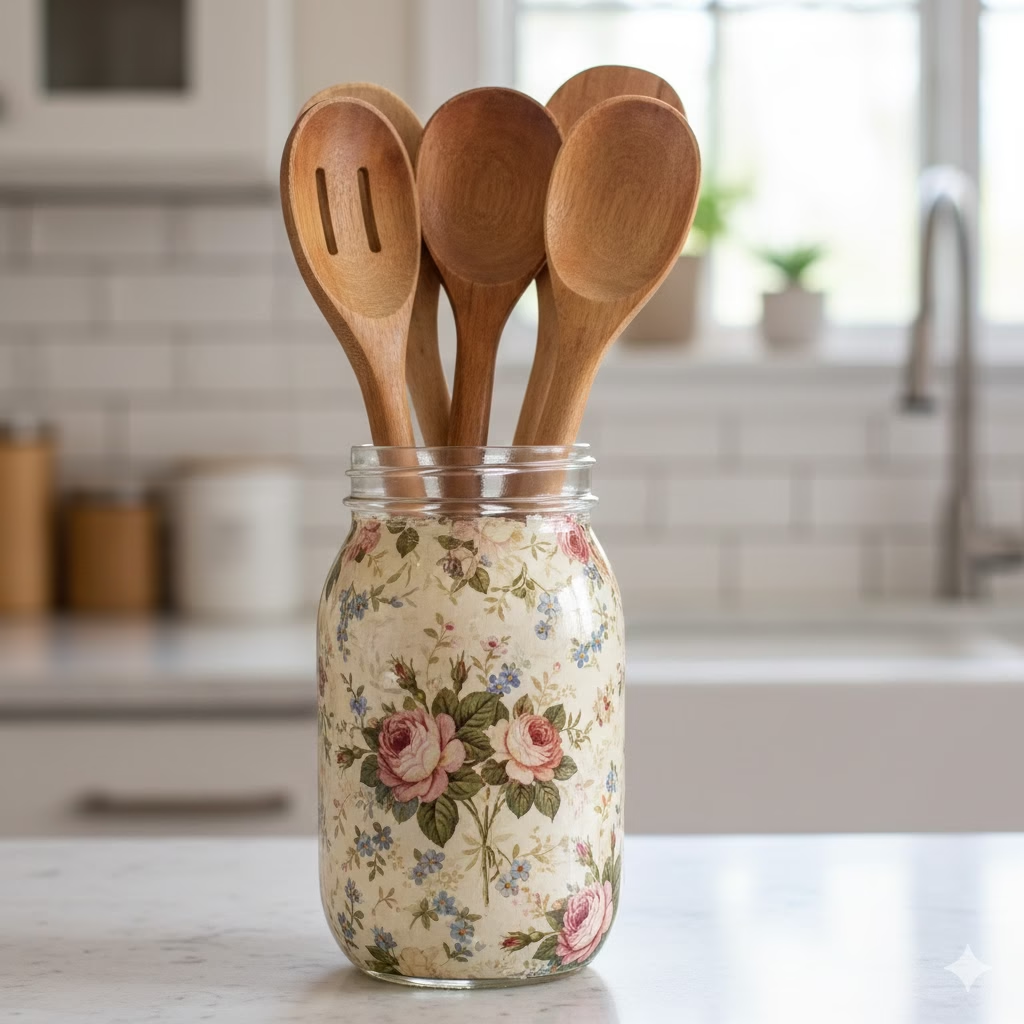
Decoupage is a fancy word for a simple technique. It just means gluing paper onto an object. This is a perfect way to recycle. You can save empty pickle jars or sauce jars. With a little paper, you can turn them into beautiful vases or pencil holders. This is one of the best dollar tree crafts because you can buy glass vases for one dollar.

Why You Will Love It:

It is very easy to fix mistakes. If you put the paper in the wrong spot, just move it. The glue dries clear, so it is very forgiving.

What You Need:

  • Clean glass jars or vases. Remove all the labels first.
  • Decorative paper. You can use tissue paper, napkins, or magazines.
  • Mod Podge. This is a special glue and sealer in one.
  • A foam brush.

How to Do It:

First, clean your jar very well. Use rubbing alcohol to remove any grease. Next, prepare your paper. You can cut it into shapes. Or, you can rip it into small pieces. Ripped edges look very cool and artistic.

Dip your brush into the Mod Podge. Paint a thin layer onto the glass. Place a piece of paper on the wet glue. Paint more Mod Podge over the top of the paper. Use your brush to smooth it out. You want to get rid of any air bubbles.

Keep adding paper pieces. Overlap them slightly. Cover the whole jar. Or, you can just make a design in the center. When you are done, paint one last coat of Mod Podge over everything. It will look white at first. Do not worry. It dries clear and shiny. Let it dry overnight.


4. Friendship Bracelets: Fun with Knots
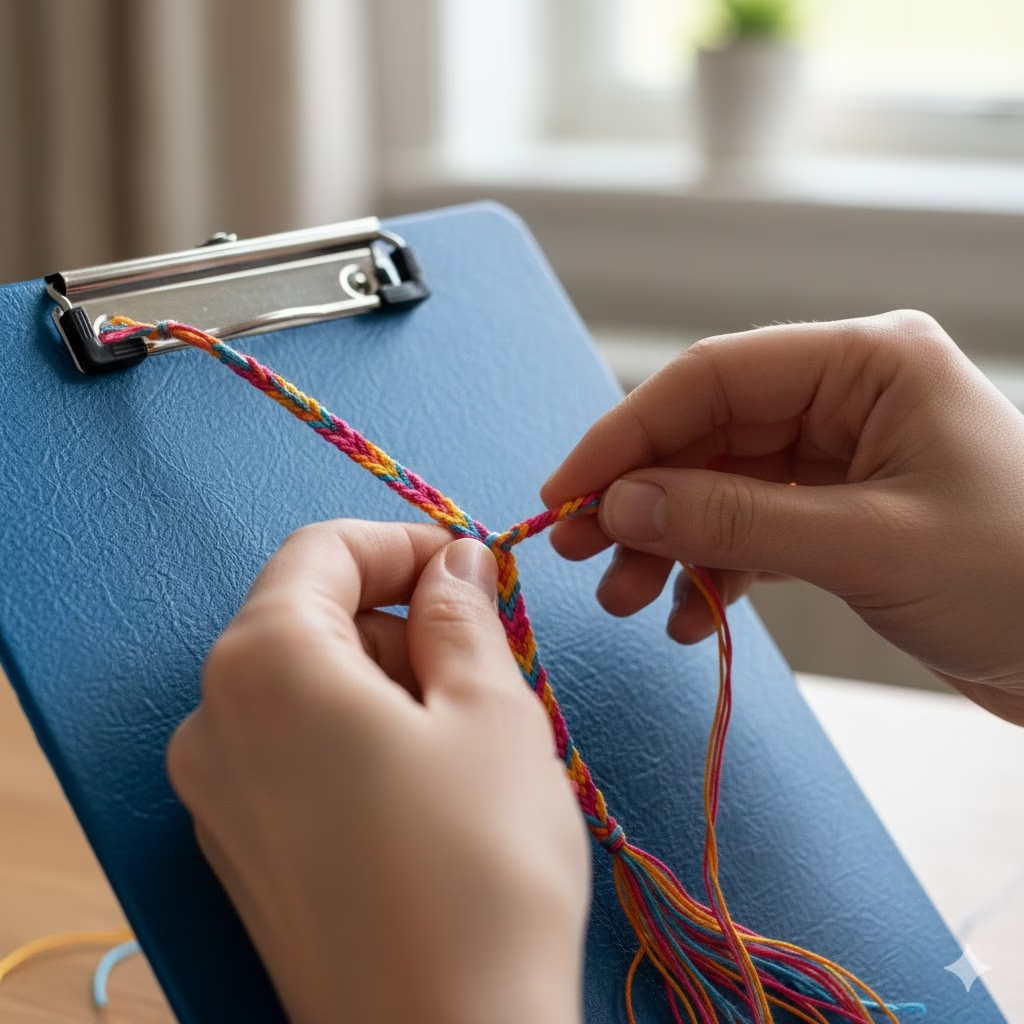
Do you remember making bracelets at summer camp? This craft is just as fun for adults. It is very nostalgic. Weaving the string is a repetitive motion. This helps your brain relax. It is like meditation. These bracelets make wonderful gifts for your friends.

Why You Will Love It:

The supplies are very small. You can carry them in your bag. You can make bracelets on the bus or in a waiting room. It is a great way to pass the time.

What You Need:

  • Embroidery floss. This comes in every color you can imagine.
  • Tape or a safety pin. This holds the bracelet while you work.
  • Scissors.

How to Do It:

Pick three or four colors of thread. Cut them about an arm’s length. Tie all the strings together in a knot at one end. Tape this knot to a table or your jeans. This keeps it steady.

Separate the strings. Take the string on the far left. Cross it over the string next to it to make a number “4” shape. Loop the tail under and pull it tight. This is your first knot. Do this twice on each string. Work your way across the row.

Then start again with the new string on the left. Keep going until the bracelet is long enough for your wrist. Tie a knot at the end. You can braid the loose ends to make ties. There are many patterns to learn, but simple stripes are the best place to start.


5. DIY Magnets: Useful Art
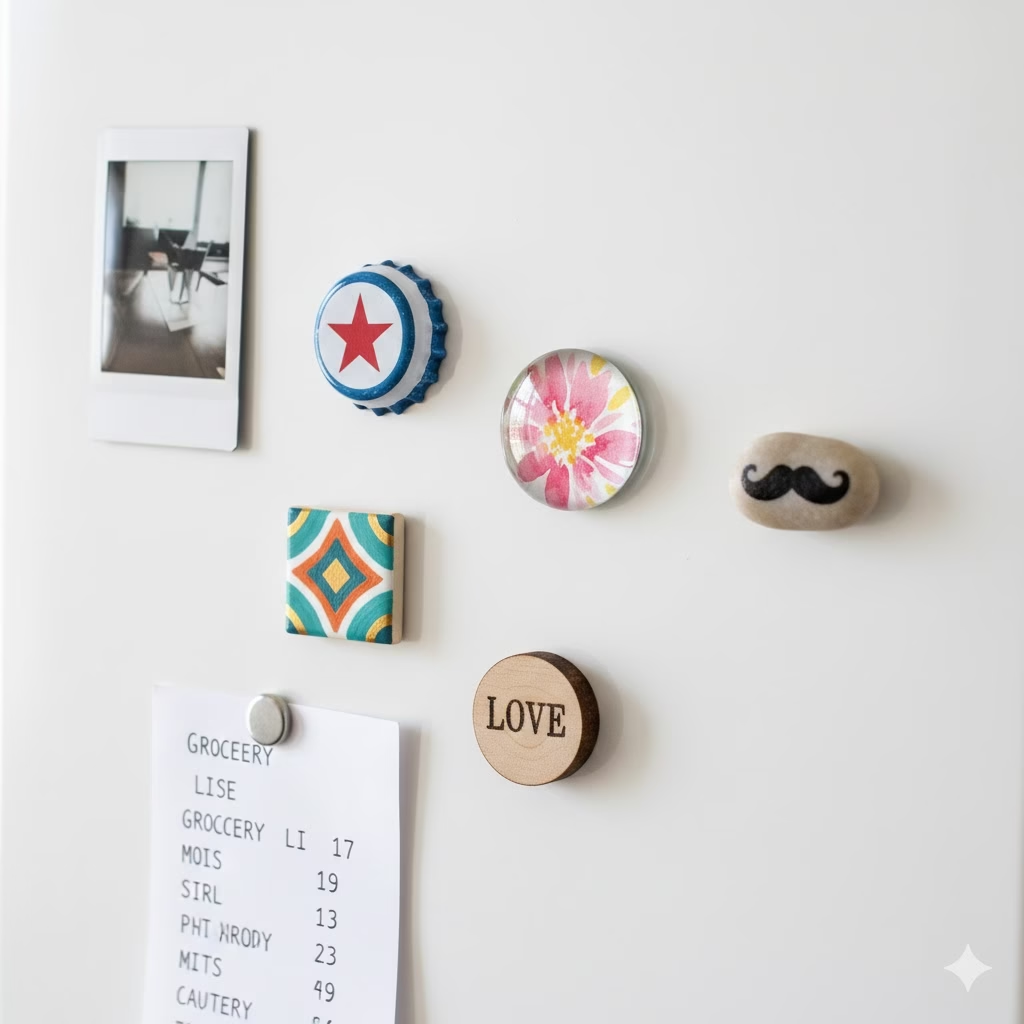
Everyone uses magnets. We put them on the fridge to hold photos or lists. Why use boring gray magnets? You can make custom ones that match your style. This project is super fast. It is also a great way to use up small scraps of paper or fabric.

Why You Will Love It:

These are very useful. You will use them every day. They also make cute little gifts. You can make a set of four in less than 30 minutes.

What You Need:

  • Strong magnets. You can buy these at a craft store.
  • Strong glue. Super glue or E6000 works best.
  • Items to decorate. Try bottle caps, flat glass gems, or wood shapes.

How to Do It:

Let’s make glass gem magnets. These are very popular Crafts For Adults. You need clear, flat glass marbles. You can find these in the floral section of a dollar store.

First, find a picture you like. It could be from a magazine or a photo. It needs to be small. Place the glass gem over the picture. Trace around the gem with a pencil. Cut out the circle of paper.

Put a little clear glue on the front of the picture. Press it onto the flat back of the glass gem. The image will show through the glass. It acts like a magnifying glass. Let it dry. Then, glue the magnet to the back of the paper. Wait for the glue to set completely. Now it is ready for your fridge.


6. Pressed Flower Art: Nature on Display
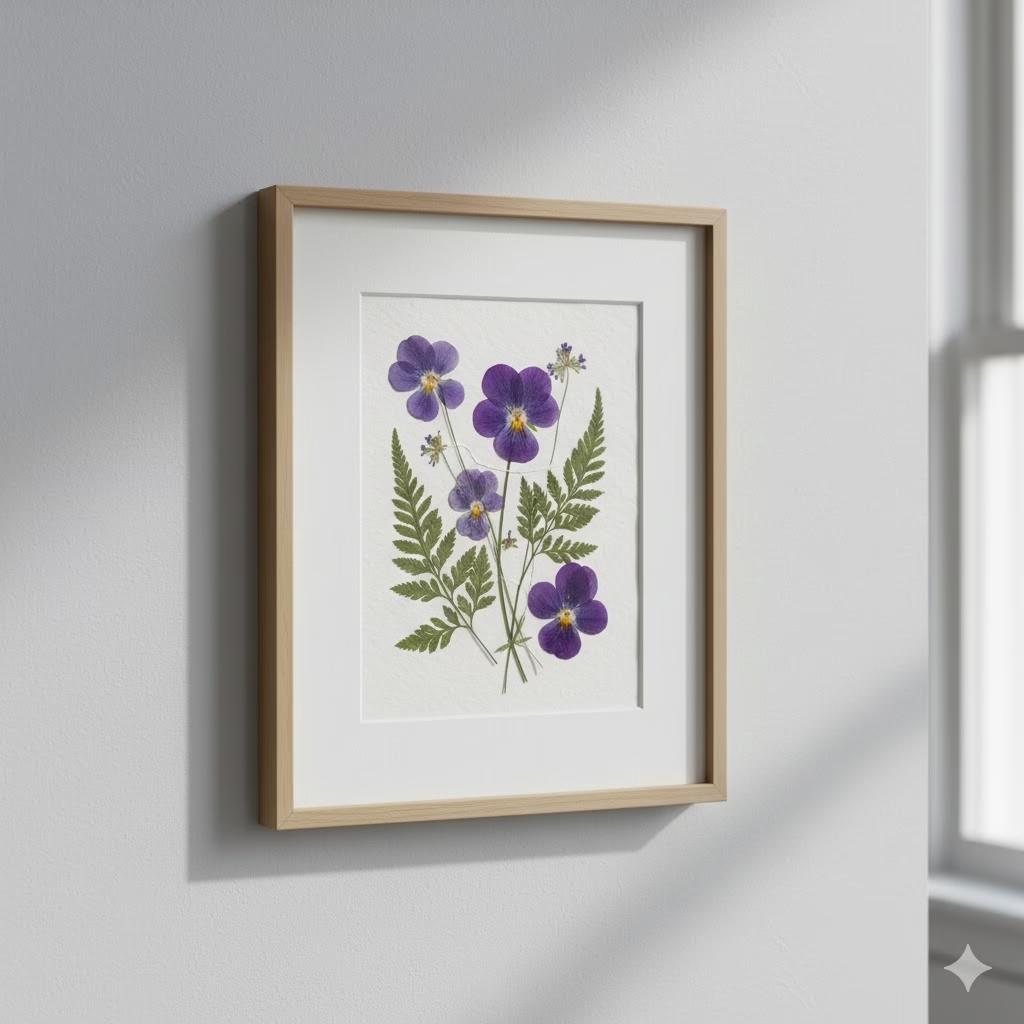
Flowers are lovely, but they fade. Pressing them keeps their beauty forever. You can turn them into wall art. This craft connects you with nature. It encourages you to go outside and look for pretty leaves and blooms.

Why You Will Love It:

It is slow and peaceful. Arranging the dried flowers is like doing a puzzle. The result is always elegant.

What You Need:

  • Dried flowers. You can buy them or press your own in a heavy book.
  • Cardstock paper or a blank canvas.
  • White liquid glue.
  • Tweezers.

How to Do It:

If you want to press your own flowers, pick them on a dry day. Place them between two sheets of plain paper. Put them inside a big, heavy book. Wait for two weeks. They will become flat and dry.

Now, take your paper or canvas. Lay out your dry flowers. Do not glue them yet. Play with the design. Maybe you want a circle shape. Maybe you want them to look like a meadow. Move them around until you are happy.

Pick up a flower with your tweezers. Put a tiny dot of glue on the back. You do not need much. Place it gently on the paper. Press down lightly. Do this for all the flowers. Let the glue dry. You can put your art in a frame to protect it.


7. Handmade Paper Beads: Jewelry from Trash
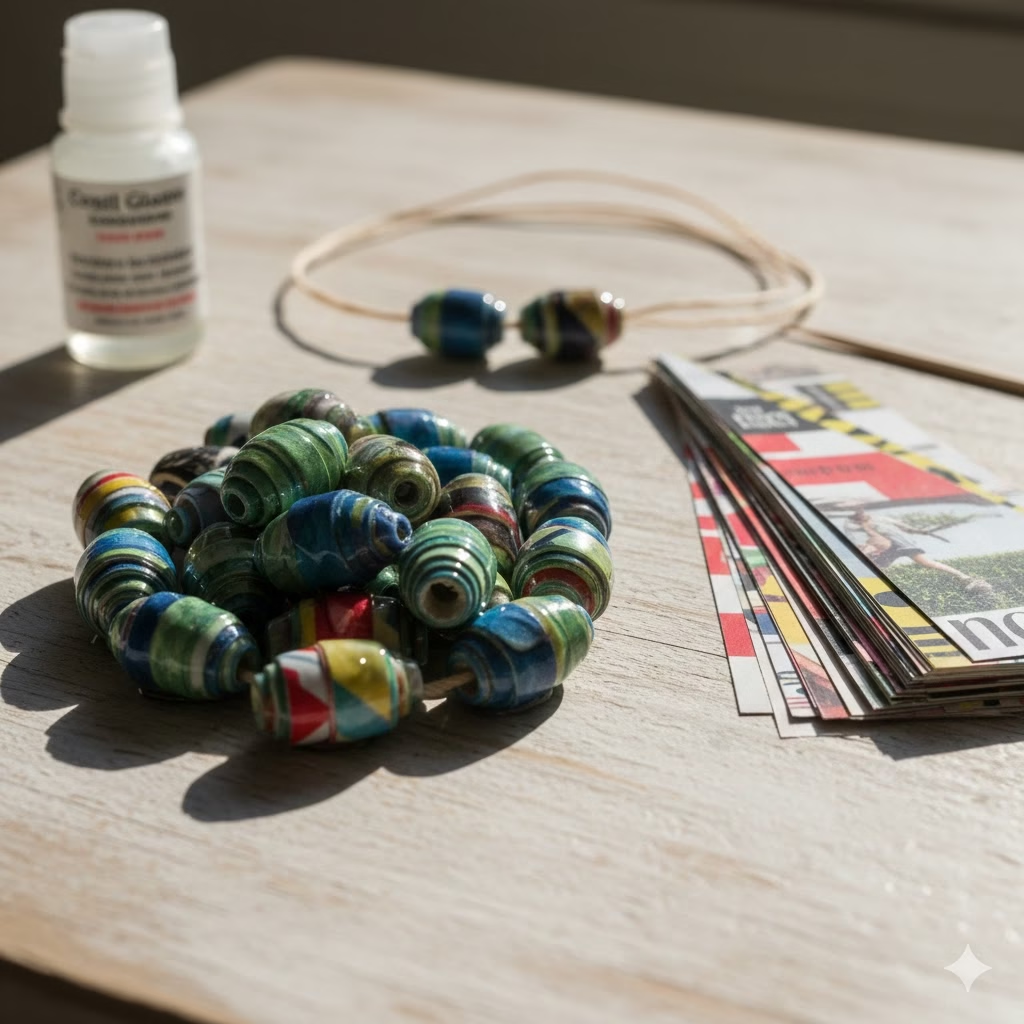
You can make beads out of paper. It sounds strange, but it works. They become hard and shiny. You can use old junk mail, newspapers, or magazines. This is very good for the planet because you are reusing waste. It is one of the most creative craft ideas for adults.

Why You Will Love It:

It is magical to watch a strip of paper turn into a bead. You can make custom colors. It costs almost nothing to make.

What You Need:

  • Paper. Glossy magazine pages are great.
  • A ruler and pencil.
  • Toothpicks.
  • Glue stick.
  • Clear nail polish.

How to Do It:

You need to cut the paper into long triangles. The base of the triangle should be about one inch wide. The tip should be very pointy. The strip should be long, maybe 10 inches.

Take a toothpick. Place the wide end of the paper strip against the toothpick. Start rolling the paper around the toothpick. Roll it very tight. Keep it centered. As you roll, the paper will get narrower.

When you get to the tip, add a dab of glue. Press the tip down to seal the bead. It should look like an oval shape. Leave the bead on the toothpick. Paint over the bead with clear nail polish. This makes it shiny and hard. It also protects it from water. Once it is dry, slide it off the toothpick. You can now string it onto a necklace.


8. No-Sew Fabric Coasters: Easy Home Decor
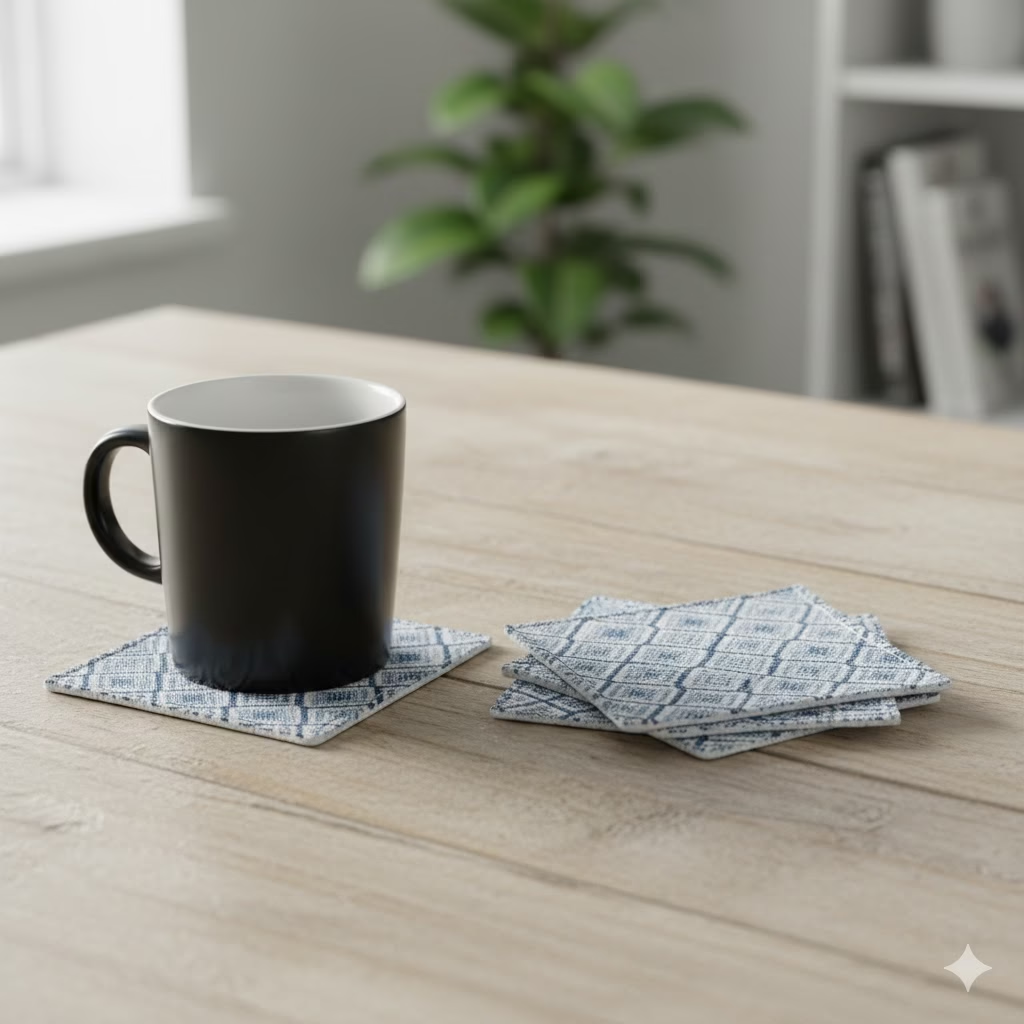
Fabric coasters protect your tables. They also add color to your room. Usually, you need to sew them. But there is a trick. You can use a special glue that melts with an iron. This makes the project very fast and easy.

Why You Will Love It:

You do not need a sewing machine. You do not need a needle and thread. It is a great way to use up small scraps of fabric.

What You Need:

  • Cotton fabric. Pick two patterns that look good together.
  • Fusible interfacing. This is the “glue” sheet. You can buy it at fabric stores.
  • An iron.
  • Scissors.

How to Do It:

Cut two squares of fabric. They should be about 4 inches by 4 inches. Cut a square of the interfacing the same size. The interfacing feels like paper, but one side is rough. That is the glue side.

Sandwich the layers. Put one piece of fabric face down. And the interfacing on top, with the rough side down. Put the second piece of fabric on top, face up.

Heat up your iron. Press the iron onto your fabric sandwich. Hold it for about 10 seconds. The heat melts the glue inside. It sticks the two pieces of fabric together. Now you have a stiff, sturdy square. You can trim the edges with zigzag scissors if you want. That’s it!


9. Custom Painted Doormat: A Warm Welcome
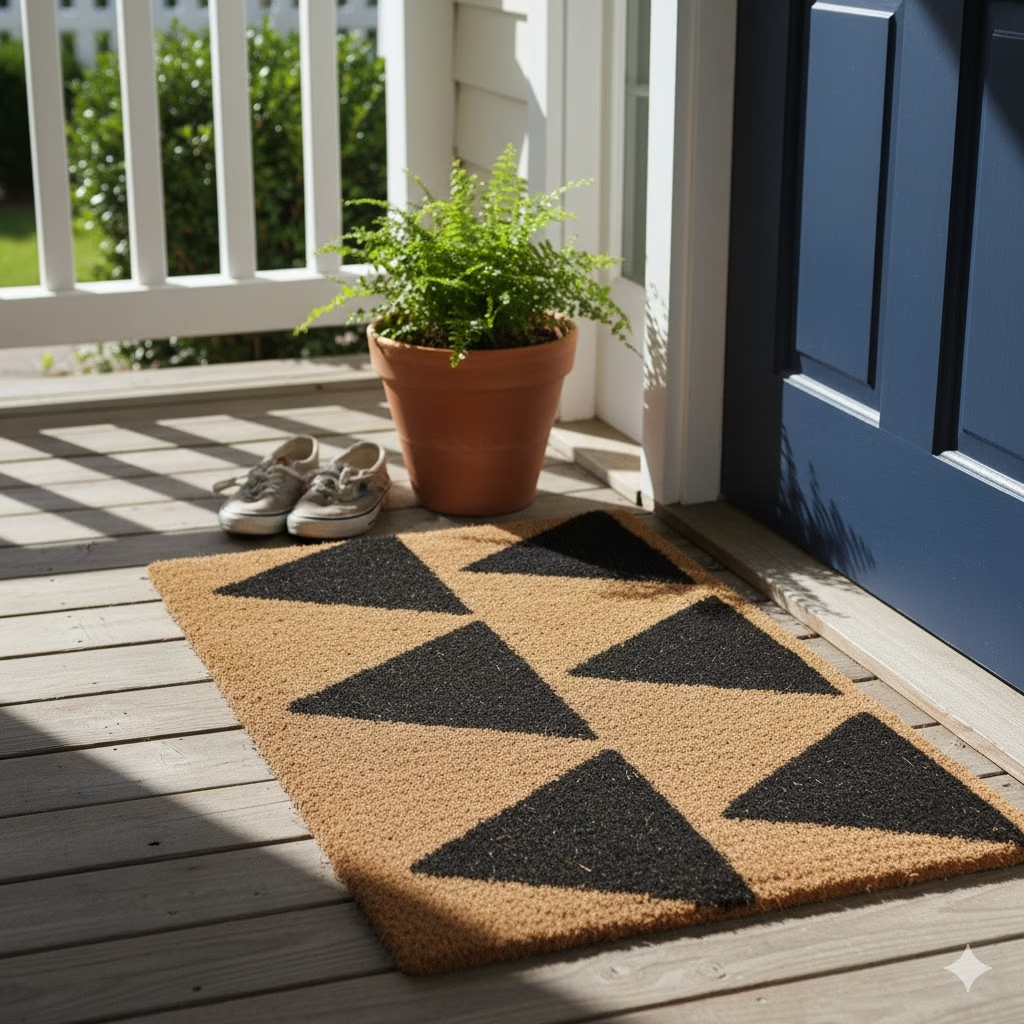
The front door is the first thing people see. You can make it look welcoming with a custom mat. Plain mats are cheap. You can find them at hardware stores. With a little paint, you can make it look like a designer piece.

Why You Will Love It:

It makes a big impact. And is very satisfying to peel off the tape and see your design. It is a fun outdoor project.

What You Need:

  • A plain coir doormat. This is the brown, rough kind.
  • Outdoor acrylic paint. Black is a good color to start with.
  • Masking tape or a stencil.
  • A stiff paintbrush.

How to Do It:

Decide on a design. Geometric shapes are easy. You can use masking tape to make stripes or triangles. Press the tape down really hard. You want it to stick to the rough fibers.

Dip your brush in the paint. Do not use too much paint at once. Dab the paint onto the mat. Do not brush it side to side. Push the paint down into the mat. This is called stippling. It helps you get sharp lines.

Cover all the open areas with paint. You might need two coats. When you are done, peel off the tape slowly. This is the best part. You will see your crisp, clean lines. Let the mat dry outside for a full day before you step on it.


10. Beaded Accessories: Style Your Way
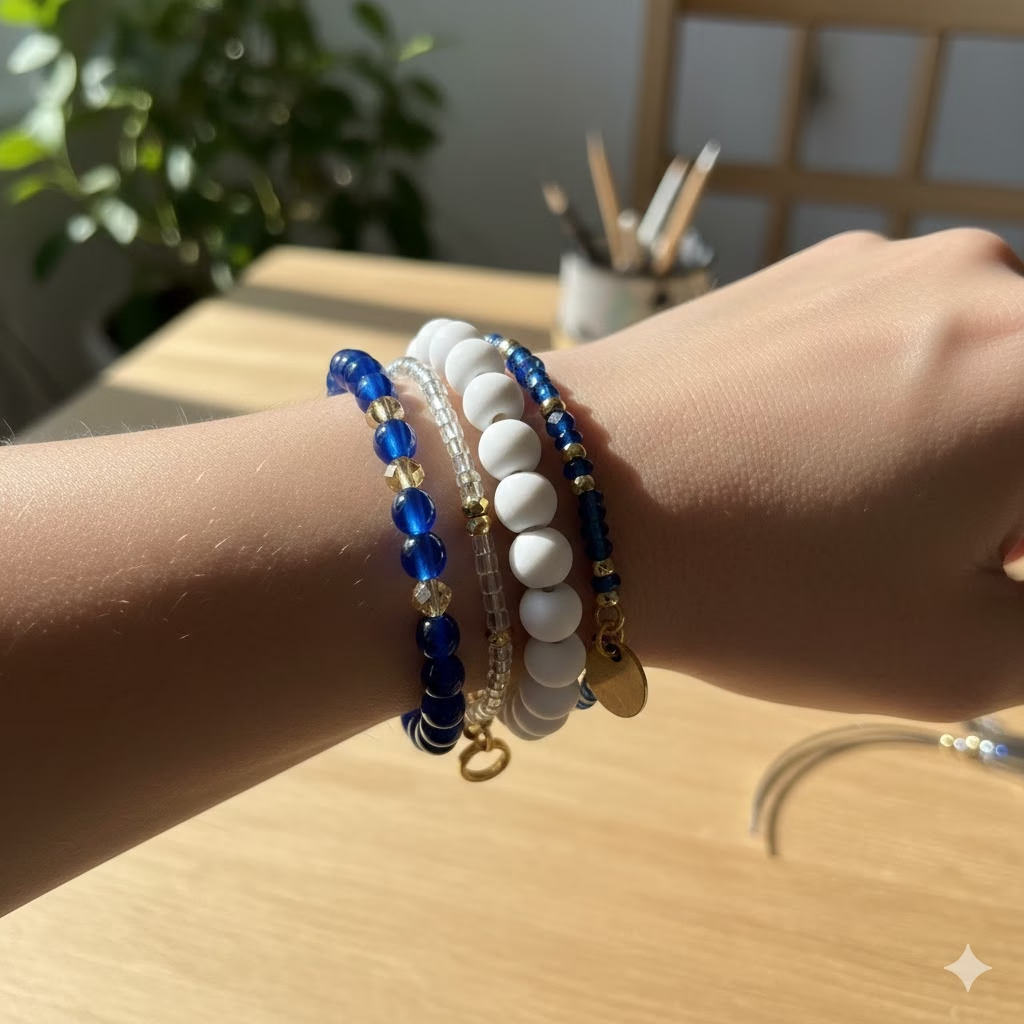
Making jewelry is a classic craft. It is one of the best Crafts For Adults because the results are wearable. You can make bracelets, anklets, or chains for your glasses. Beading is simple but requires focus. It is very calming.

Why You Will Love It:

You can match your jewelry to your outfits. It is much cheaper than buying jewelry at the store. The design options are endless.

What You Need:

  • Beads. You can use glass, wood, or plastic beads.
  • Elastic cord. This is stretchy and easy to use.
  • Scissors.
  • Super glue.

How to Do It:

First, plan your design. Lay your beads out on a towel. The towel stops them from rolling away. You can do a pattern like “blue, white, blue, white.” Or you can do a random mix.

Cut a piece of elastic cord. Make it a little longer than your wrist. Put a piece of tape on one end. This stops the beads from falling off.

Start threading the beads onto the cord. Keep going until it is the right length. Wrap it around your wrist to check. When it fits, tie the two ends together. Use a strong knot. Tie it two or three times. Put a tiny drop of super glue on the knot. This ensures it will never come undone. Trim the extra string. Now wear your new bracelet with pride.


Conclusion: Time to Start Creating

We hope this list has inspired you. Crafting is not just about making things. It is about taking time for yourself. It is about clearing your mind. The ten projects listed here are simple steps into the world of making.

Remember, the goal is to have fun. Do not worry if your first try is not perfect. Enjoy the process. Feel the texture of the paper. Watch the colors of the paint mix. These simple moments bring calm to a busy day.

Whether you choose dollar tree crafts to save money or spend time making a special gift, you are doing something good for your soul. Pick one project from this list. Gather your supplies. Start crafting right now. You might be surprised at what you can create.


External References


Recent Posts

Make Meal Plans To Reduce Waste And Save Money

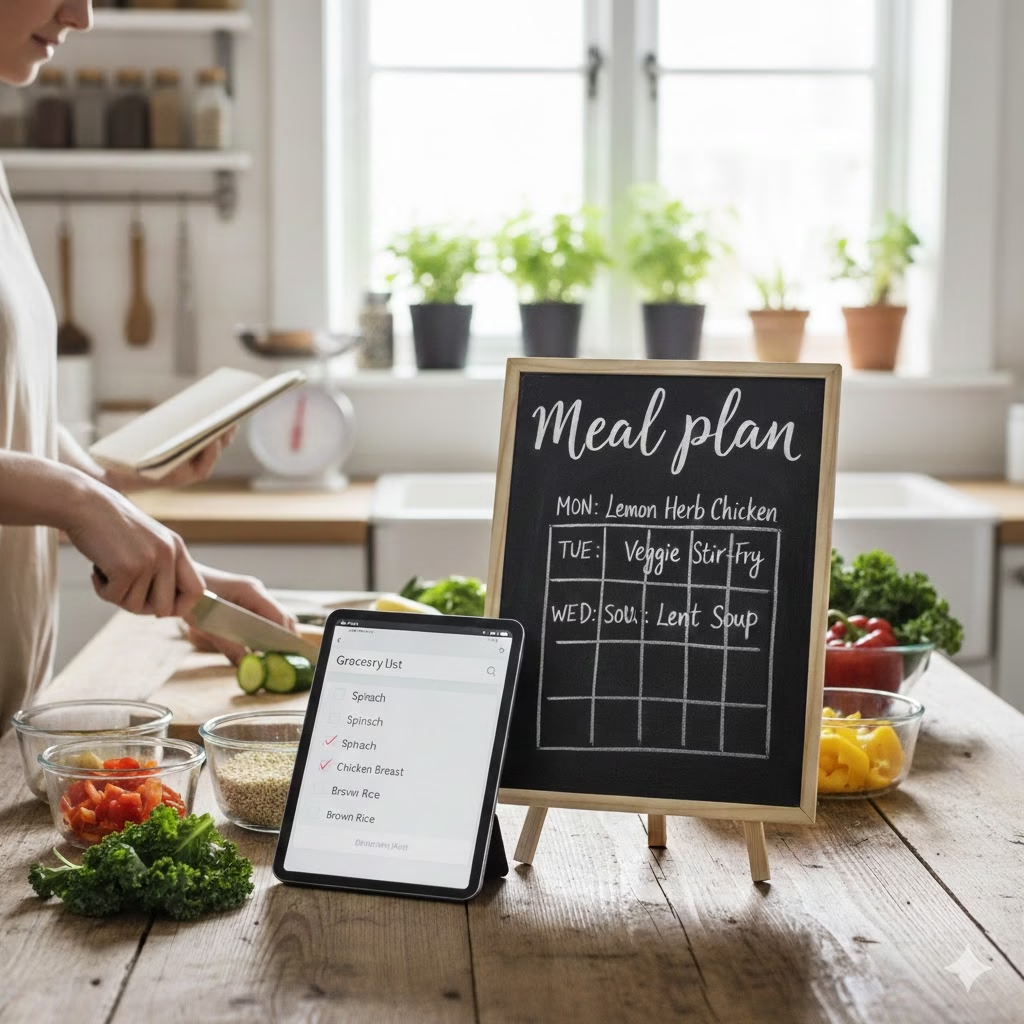
A woman in a sunny kitchen preparing food on a wooden counter. A small chalkboard easel displays a Meal Plans schedule for the week with meals written in chalk (MON: Lemon Herb Chicken, TUE: Veggie Stir Fry, WED: Lent Soup). In the foreground, a tablet shows a digital grocery list with items like Spinach, Chicken Breast, and Brown Rice checked off, demonstrating the integration of technology with effective Meal Planning to reduce waste and save money.

Do you struggle with high grocery bills and a frequent need to throw away spoiled food? Many households face these exact challenges every week. The best solution for conquering both is simple: adopt a smarter, more organized approach to your food. This complete guide shows how effective Meal Plans can change your financial life and help the environment. By learning the basics of organized cooking, you ensure every ingredient you buy serves a purpose. This leads directly to a smaller budget and a healthier lifestyle for everyone.


Introduction: The Simple Power of Better Meal Plans

Are you tired of standing in front of your fridge, feeling stressed about what to cook? Do you often buy expensive takeout, or worse, let good food spoil? If this describes your week, it is time to start using Meal Plans. They offer simplicity and clear direction.

Meal Planning is much more than just picking next week’s dinners. It is a smart strategy for managing all your food. This strategy saves your money, protects your time, and helps the planet. Most households waste a surprising amount of food each year. Grocery costs are always going up. Because of this, a simple list or digital planner becomes your most valuable tool. This guide will fully explain how to plan meals well. It gives you easy steps to cut down on waste, save more money, and make cooking fun again. You will get a clear map to turn stressful weeknights into simple, budget-friendly cooking successes.


Section 1: Saving Money and Helping the Earth

The best reasons to use successful Meal Plans are the money savings and the environmental benefits. These two positive outcomes work together very well. When you throw away less food, you are immediately saving money. You are getting the full value from every dollar you spend at the supermarket.

How Spoilage Hurts Your Budget

Food waste secretly drains your household money. Think about the last time you threw away limp lettuce or an expired carton of milk. You were throwing money directly into the bin. Smart Meal Plans stop this loss. They guarantee that everything you purchase has a clear use in your cooking schedule. When you shop with a good plan, you only buy what you truly need. This stops you from buying things suddenly or buying ingredients you already have. This simple habit quickly leads to smaller, more focused grocery trips. This results in huge savings over a full year.

Why Food Waste Harms the Environment

Around the world, massive amounts of food are wasted or lost. This waste is a serious problem. It creates a lot of greenhouse gases, especially methane, when it rots in landfills. By planning your food schedule, you actively reduce your own impact on the earth. You can also start using methods like using the whole vegetable. This means using scraps to make stock. These strategies become normal when you use smart Meal Planning. This change helps make your kitchen a place where little is wasted. It saves the planet and increases your savings.


Section 2: Building Your System for Effective Meal Planning

A good Meal Planning system does not have to be strict or difficult. It just needs a basic structure. The best systems are flexible. They must fit your life, your cooking skills, and your dietary needs. Here are the most important parts of a strong system:

Step 1: Check What You Have Before You Plan

Do a full check of your pantry, freezer, and fridge. Do this before you write down any meals. This is the most important step for cutting waste. Write down foods that will expire soon. Note any staple items you forgot about. List any frozen foods you need to use up. Your new weekly plan must focus first on using these existing items. This simple trick makes the food you already own decide what you will cook first. It turns old food into dinner instead of waste.

Step 2: Use Theme Days and Change Recipes

It is easy to get tired of planning meals. To keep things fresh, assign a theme to each day. For example, you could have Meatless Monday, Taco Tuesday, or Soup Sunday. This simple frame makes choosing meals much faster. Focus on a simple list of 10 to 15 recipes you know well. These should be meals that are cheap and easy to make. They should also use ingredients that are useful in many ways. This makes your shopping list simpler. It also reduces the mental effort of cooking every day.

Step 3: Add Quick, Flexible Meals

An essential part of lasting Meal Plans is building in options for when things change. This is for busy evenings or surprise events. Keep 1 or 2 ‘emergency meals’ ready. You can make them using simple foods that last a long time. These include eggs, canned beans, or frozen vegetables. Having this backup stops sudden changes from ruining your plan. It prevents you from ordering expensive takeout instead.


Section 3: Smart Meal Prep Ideas for Less Time and More Savings

Meal Prep is how you carry out your Meal Planning strategy. It is a set time, usually a few hours on the weekend, when you prepare ingredients ahead of time. Spending this time on one day saves you many hours during the busy work week.

Cooking Large Batches

The most effective meal prep involves cooking large amounts of basic ingredients. Cook a big batch of grains like rice, quinoa, or couscous. Prepare a lot of protein, such as shredded chicken or cooked beans. Roast several trays of hard vegetables like carrots or broccoli. These prepared foods are like building blocks. You can mix and match them to make different meals all week. This reduces the time you spend cooking every night.

For example, a large amount of roasted chicken can be used for three different meals:

  • Monday’s quick Chicken Salad.
  • Tuesday’s chicken wraps or tacos.
  • Wednesday’s simple chicken and vegetable stir-fry.

This method, often called ‘cook once, eat multiple times,’ is the best way to use smart meal prep ideas.

Preparing Ingredients Strategically

It also helps to simply prepare ingredients, not just full meals. Spend an hour washing, peeling, and cutting all your vegetables for the week. Put them in containers with tight lids. Having onions, peppers, or broccoli ready to cook means dinner is seconds away. This makes it much less likely you will grab expensive, less healthy pre-packaged food. For lunches, arranging layers of food in containers is a popular meal prep method. It makes quick, healthy grab-and-go meals easy.


Section 4: Advanced Ways to Save Money and Cut Waste

Once you are good at basic Meal Planning and preparation, you can use more advanced methods. These will help you save even more money and cut even more waste.

Planning for Leftovers

You must see leftovers as ‘pre-made ingredients,’ not just ‘yesterday’s dinner.’ Plan for them on purpose. If you usually cook four servings of a recipe, cook six instead. Use the extra two servings for lunch the next day. Or, turn them into a totally new meal. For example, leftover taco meat can become a topping for a quick pizza. Leftover rice can be the base for fried rice. This is the best type of ‘full-cycle’ cooking. It truly cuts down on waste.

Shopping Based on Sales and Seasons

Your Meal Planning should consider what is on sale and what food is in season. Food that is in season is always cheaper. It usually tastes much better, too. You should plan your meals around store sales. Be ready to use different ingredients if needed. This is a core skill for saving money. If items are on a big sale, buy them in larger amounts and freeze them. Buy meat or fish in bulk when the price is low. Divide it into meal portions. Label and freeze it. This makes it ready for your future Meal Plans.

Organizing Your Pantry with FIFO

Use the ‘First In, First Out’ (FIFO) rule that commercial kitchens use. When you put away new groceries, move older items to the front of the fridge and pantry. This easy organization trick makes sure you use food before it goes bad. It directly fixes a major cause of waste. Keep a list of basic foods you always need. But only buy them when they are on your weekly shopping list. This list should always come directly from your meal plan.


Conclusion: A Kitchen That Is Kind to Your Budget and the Earth

Starting to use effective Meal Plans is an investment. It gives you positive results week after week. It starts as a simple way to schedule. And quickly turns into a strong habit that adds order to your life, helps your finances, and supports the environment. By spending a small amount of time each week on careful Meal Planning, inventory checks, and using great meal prep ideas, you take full control of your kitchen.

The good results are more than just money saved. You will eat healthier food. Feel less stress during your busy week. You will feel happy knowing your home is running in an efficient, sustainable way. Start very small. Just plan three dinners this week. Then, slowly build your full system. This work will lead to a very big and positive change in how you shop, cook, and live. It proves that the best way to save money and reduce waste starts with a simple plan.


References

These sources give important information and background on why food waste is expensive and bad for the environment, and how meal planning helps.


Recent Posts

10 Good Books To Read In Your Pajamas Right Now

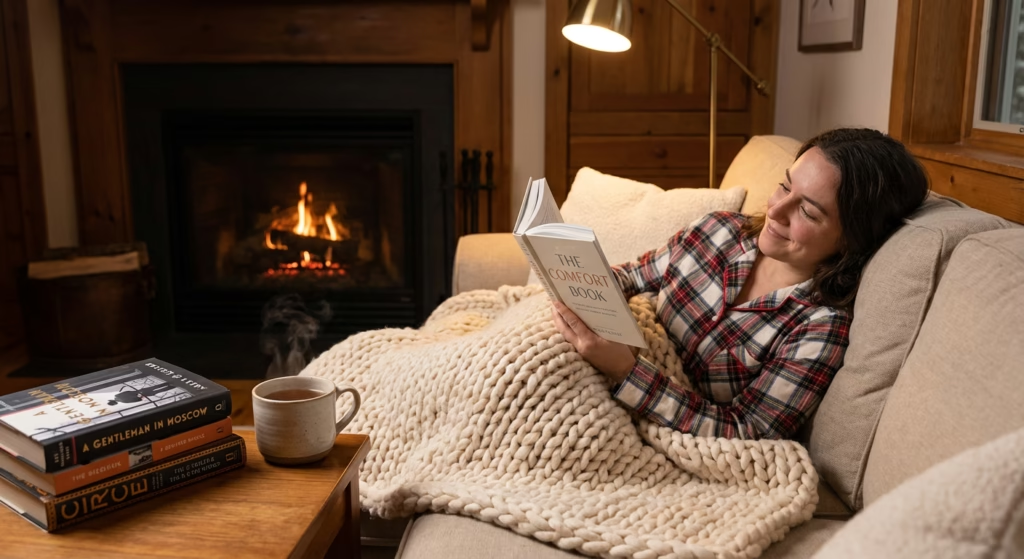
A woman is relaxing on a cozy light-colored couch, covered with a thick, cream-colored knitted blanket, reading a book titled "The Comfort Book." She is wearing red and white plaid pajamas. In the background, a fireplace with a lit fire glows warmly. On a wooden coffee table in the foreground, there is a stack of Books To Read, including "A Gentleman in Moscow," next to a mug filled with a hot beverage. A warm lamp provides light from above the woman.

In a world that constantly demands our attention, finding the simple joy of a good book is a true pleasure. This article guides you to discover captivating books to read that are perfect for those comfortable, pajama-clad moments. We believe that unwinding with a compelling story is a necessary form of self-care, a quiet escape from the daily rush. So, grab your favorite mug, settle into your comfiest chair, and prepare for these amazing literary finds to transport you.

Introduction: Unwind with the Best Books To Read

Life today often feels like a loud, busy song. Because of this, finding quiet moments of peace has become extremely valuable. Many of us long for the simple joy of putting on soft pajamas, making a warm drink, and jumping into a good story. Reading when you are fully relaxed holds a special kind of magic. The outside world disappears, and the story takes center stage. Your mind feels free from the day’s stress.

This article is made exactly for those moments. It features ten excellent books to read that promise to entertain, move, and inspire you right from your own home. Forget the pressure of formal settings or the demands of the day. You should enjoy these stories slowly, one cozy page at a time.

Our selection covers different types of stories and moods. We have heartwarming tales that bring back hope and thrilling mysteries that will keep you guessing, even in your most relaxed state. We are sure there is something here for every reader wrapped up in their pajamas. So, dim the lights, turn off your phone alerts, and get ready for a reading journey that celebrates the easy yet deep joy of reading.

The Power of Pajama Reading

Reading in pajamas has a charm that cannot be denied. It is a routine. That tells your mind and body that it is time to slow down. It is time to enjoy comfort and think deeply. This is not just about feeling physically good; it is about freeing your mind. When you wear your pajamas, you are not acting for anyone. You are not trying to look a certain way. You are simply being.

This state of complete ease lets you get much deeper into the story. You feel a stronger connection with the characters and what they are going through. Stories truly come to life in these moments of true comfort and relaxation. They connect with us on a personal level.

Also, pajama reading often happens when things are quiet—late at night, on lazy mornings, or during peaceful afternoons. The world outside has paused its demands. This quiet time is perfect for focusing and thinking. It lets the main ideas and messages of the book sink in. They can make you think and even give you new ways of seeing things. You practice a mindful way to escape. You nurture your soul without ever leaving your safe place.

Our Top 10 Picks for Your Cozy Reading Sessions

These ten books are perfectly suited for those times when all you want is to relax and read.

The Midnight Library by Matt Haig

Imagine a library between living and dying. It is full of endless books. Each book shows a different life you could have lived. Nora Seed gets the chance to look into these lives. She faces her past mistakes and finds out what truly makes a life valuable. Haig’s novel is a touching and hopeful look at the choices we make, getting second chances, and all the things we could be. It is a gentle yet profound read that encourages deep thought without feeling heavy. You will find it perfect for a quiet, reflective evening.

Circe by Madeline Miller

Jump into the world of Greek myths with this wonderful retelling of the goddess Circe’s story. Miller’s writing is rich and draws you in, telling a story of power, being sent away, and finding who you are. Circe is often shown as a small villain, but here she becomes a complex and strong person. She moves through a world of gods and monsters. This book provides a deep escape. It takes you to ancient lands and grand conflicts, all while you are comfortable on your couch.

Educated by Tara Westover

This amazing true story tells about Tara Westover. She grew up in a strict Mormon family in rural Idaho. Her family kept her away from normal society. Even though she never attended school until she was 17, she finally earned a PhD from Cambridge University. Her journey of teaching herself, her strength, and her search for knowledge against great odds is both difficult and inspiring. It shows the incredible power of learning and the resilience of the human spirit.

Where the Crawdads Sing by Delia Owens

This novel takes place in the beautiful but tough marshlands of North Carolina. It mixes a coming-of-age story with an exciting murder mystery. Kya Clark, known as the “Marsh Girl,” raises herself in the wild after her family leaves her. When a local young man turns up dead, people make her the prime suspect. Owens’ vivid descriptions of nature and a very engaging story make this a book you will not want to put down.

A Man Called Ove by Fredrik Backman

Meet Ove. He is a seemingly grumpy but lovable older man. His life follows strict routines. His tough outer look hides a deep ability to love and be loyal. When a noisy young family moves in next door, they shake up Ove’s perfectly organized world. This leads to new friendships and touching moments. Backman’s novel offers a lovely, funny, and deeply moving story about sorrow, community, and finding closeness in unexpected places.

The Henna Artist by Alka Joshi

Imagine yourself in Jaipur, India, in the 1950s. We see the world through the eyes of Lakshmi. She ran away from a bad marriage at age seventeen. She becomes the most popular henna artist in the city and a trusted friend to the wealthy women of high society. This vivid historical fiction explores being independent, having big goals, and the secrets women keep. It is rich in cultural details and offers a fascinating look into India after the colonial era.

Project Hail Mary by Andy Weir

If you want a smart, funny, and completely gripping science fiction adventure, this is it. Ryland Grace wakes up on a spaceship with no memory. He is millions of miles from Earth. He does not know how he got there or why. As his memories slowly return, he realizes he is the last hope for all of humankind. Weir, who wrote “The Martian,” delivers another thrilling ride. It is full of clever problem-solving and a surprisingly touching alien friendship.

The House in the Cerulean Sea by T.J. Klune

This charming and heartwarming fantasy novel is about Linus Baker. He works as a careful caseworker for the department that handles magical youth. They send him to a remote orphanage. He must find out if six dangerous magical children, including one believed to be the Antichrist, threaten the world. What he finds there changes his views and opens his heart. It is a wonderful story about family you choose, acceptance, and embracing what is truly unique.

Eleanor Oliphant Is Completely Fine by Gail Honeyman

Eleanor Oliphant lives her life with a fixed routine. She is socially awkward and keeps her past carefully hidden. Her world starts to change when she makes an unexpected friend in Raymond, the slightly messy IT guy at her office, and an older man named Sammy. This novel is a beautifully written story about loneliness, past pain, and how human connection can change everything. It tells the story with humor and real feeling.

Anxious People by Fredrik Backman

Here is another great book from Fredrik Backman. “Anxious People” is an odd and thoughtful novel about a bank robbery that goes wrong. The resulting hostage situation brings together a varied group of strangers. As they deal with their strange situation, their personal worries and secret lives come out. This leads to surprising friendships and deep discoveries. It is a moving comedy about human weaknesses, understanding others, and the amazing connections we make.

Why These Books Are Perfect for Pajama Reading

What makes these specific books just right for your cozy, pajama-clad reading sessions? A mix of things focuses on comfort, deep involvement, and gentle thinking. First, many of these selections use rich, descriptive writing. This easily transports you to a new world, whether it is ancient Greece, India, or a spaceship rushing through space.

This deep, absorbing quality is most important when you seek to escape the everyday. Second, they find a good balance between exciting stories and real emotions. They have enough mystery to keep you turning pages but do not require too much mental effort. They let you think about things but do not overwhelm you. The characters are often deeply human. Readers find their struggles, successes, and quirks easy to connect with. This sense of closeness makes the reading experience better.

Third, the speed of these books is right for relaxed reading. They give you moments of excitement and tension, but also plenty of room to enjoy the writing and take in the main ideas. Unlike complex academic books or difficult thrillers that need constant focus, these novels and true stories invite you to simply be with the story.

The emotional power of these titles—from the comforting warmth of A Man Called Ove to the inspiring journey in Educated—fits perfectly with the goal of self-care and mental rest that pajama reading is all about. They are emotionally satisfying, mentally interesting, and made perfectly to make the outside world fade for a while. You can think of them as literary comfort food.

Creating the Ultimate Cozy Reading Nook

To get the most joy from reading these wonderful books, you must create the perfect place to read. Reading in pajamas depends on comfort. A few simple additions can turn a regular spot into a special reading haven. Start with lighting; harsh overhead lights can tire your eyes and ruin the cozy feeling. Instead, choose a warm, adjustable floor lamp. Or, use a reading light that shines a soft light right onto the pages.

Next, think about where you will sit. A plush armchair, a bean bag, or even a careful pile of pillows on the floor can serve as your base. You want supportive comfort. It must let you stay relaxed for a long time.

Do not forget how important texture and warmth are. A soft, large blanket or throw is a must. This is especially true during colder months. It adds an extra layer of snugness. Keep a small table or surface close by for your reading aids. This includes a mug of tea, coffee, or hot chocolate, and maybe a small snack. Finally, reduce noise and visual distractions.

Silence your phone and find a quiet corner of your home. This lets the story fully take hold of you. It changes the simple act of reading into a moment of pure luxury. These things work together to create a safe spot. In this space, the only things that matter are the book in your hands and the comfort of your pajamas.

The Unexpected Benefits of Reading in Comfort

The most clear benefit of reading in your pajamas is relaxation. However, this habit offers many quiet but important advantages for your mind and feelings. When you purposely set aside time for this activity, you are practicing mindfulness. Focusing completely on the words on the page, without screens or chores, is a type of active meditation. This reduces stress and improves your focus. Studies show that reading fiction can temporarily slow your heart rate and ease tension in your muscles. This offers a physical break similar to light exercise.

Also, these handpicked stories, especially those about people growing and connecting, help build empathy. When you see the world through the eyes of different characters like Nora Seed or Kya Clark, you gain a wider understanding of what it means to be human. This emotional practice strengthens your ability to understand and connect with other people in real life. Finishing a long, satisfying book also gives you a small boost of self-confidence. You achieve a quiet victory in a world often full of major challenges. By choosing to read in your pajamas, you prioritize your peace, your imagination, and your personal growth. You make an investment in your own well-being that seems like simple fun.

Conclusion

The ten books shared here represent the very best in current and lasting true stories and fiction. You will find that their ability to grab your attention, comfort you, and inspire you makes them ideal. They are the perfect literary partners for those times when you choose self-care over busyness, and the warmth of your home over the demands of the world.

Reading in your pajamas is more than just a hobby; it is a statement of comfort. It offers a personal break. This activity is a way to celebrate the deep link between the reader and the story. Whether you explore other possibilities with The Midnight Library, travel to ancient worlds with Circe, or find an unexpected friend with A Man Called Ove, each book promises a worthwhile escape. Now, enjoy the quiet comfort of your cozy spot. Let these wonderful stories carry you away. You will often find the best escape between the covers of a book, especially when you are dressed for maximum comfort.


External References


Recent Posts

How to Make Every Day Feel Like Pajama Day

A woman is comfortably relaxing on a neutral-toned sofa, wearing soft, polka-dot pajamas. She has her eyes closed, listening to music through headphones, and gently holds a mug of a warm drink, perfectly capturing the tranquil spirit of a comfortable Pajama Day.

In a demanding world that constantly asks for peak performance, the idea of a Pajama Day offers a much-needed break. It represents an essential pause. This special pause is a moment to prioritize comfort, ease, and simple self-care. This article explores how to bring the relaxing spirit of effortless comfort and relaxation into your daily life. Discover practical, achievable strategies that use the soft, welcoming feeling of pajamas to lift your mood and boost your productivity. We prove that true well-being does not have to wait for the weekend or a holiday.


Introduction: The Simple Joy of the Pajama Day Paradigm

The phrase “Pajama Day” instantly makes us feel good. We think of comfort, deep relaxation, and freedom from tough schedules. Why should we save this feeling for days off or when we are sick? The core idea of a successful Pajama Day is powerful. It is about prioritizing comfort, reducing stress, and making an environment of ease. This philosophy is a strong tool for improving your daily life, your mental health, and even your work output.

This article is your complete guide. It will help you take apart the Pajama Day experience. Then, we will show you how to rebuild its best parts into a daily lifestyle that you can maintain. We will move past just wearing pajamas all day. We will look at changing your mindset, adjusting your home, and adding self-care rituals. These steps infuse your regular routine with the luxury and peace that a day off usually provides. By focusing on intentional comfort in your clothes, your home, and your thoughts, you can find a surprising increase in creativity and resilience.


1. The Clothes Change: From Stiff to Soft

The most immediate and clear part of a Pajama Day is the clothing. It is important to shift your focus. Move from stiff, tailored work clothes to relaxed sleepwear fashion or high-quality loungewear. This is more than just physical comfort. It is a psychological relief.

A. Choosing Better Loungewear

Today’s pajamas and loungewear are not just for the bedroom. The rise of comfortable, stylish pieces has blurred the line between what you wear during the day and at night. To bring this comfort into your daily life, look for fabrics and fits that feel soft on your skin but still look neat.

  • Fabric Matters Most: Choose materials that breathe easily and feel soft. Think Tencel, organic cotton, bamboo, or high-quality knit fabrics. For an added touch of luxury, consider silk pajamas or a silk-blend robe. This can instantly make the start and end of your day feel special. It offers a sensory experience of pampering yourself.
  • Mix and Match Works: Pair comfortable, wide-leg knit pants (loungewear) with a soft, yet slightly tailored sweater or a simple linen button-down shirt. This lets you look presentable for quick errands or video calls without giving up comfort. Think of the outfit as “dressed-up PJs.”
  • The Power of Layers: A luxurious robe or a soft cardigan can be your ultimate shield of comfort. You can easily add it for warmth or coziness. You can remove it when you need to focus. It acts as a transitional item that keeps the gentle Pajama Day feeling going.

B. How Comfort Affects Your Senses

The clothes we wear directly influence our nervous system. Tight waistbands or restrictive fabrics can cause low-level physical stress that never stops. When you choose loose-fitting, soft garments, you signal to your body that it is safe to relax. Reducing this small, ongoing physical stress frees up mental space. You can then use that energy for focusing and being creative.


2. Building Your Cozy Spot: Comfort at Home

A real Pajama Day is defined by where you spend it. It is a comfortable, low-stimulus setting. Copying this peaceful environment in your daily workspace or home is key. It helps you keep that relaxed feeling all day long. This means shaping your physical space into a supporting sanctuary.

A. Controlling Heat and Light

The right atmosphere can lower your stress hormones a lot.

  • Staying Warm: Make sure your working and living areas are at a temperature where you are easily comfortable. You should not have to try hard to stay warm or cool. For most people, this is a bit warmer than a typical office. Keep soft throws or blankets nearby. The simple act of wrapping yourself in a cozy blanket sends a clear signal to your body to relax.
  • Soft Lighting: Avoid harsh, bright overhead fluorescent lights. Use natural light as much as you can. In the evenings, use warm-toned lamps and place candles safely. Soft, indirect lighting feels gentle. It copies the relaxed feeling of a slow, easy morning.

B. Simple Senses and Organization

Pajama Day means a visually clear day. Clutter is a source of visual stress. It breaks your attention into small pieces.

  • The Quick Tidy: Spend 20 minutes either before or after your workday. Use this time to put things back where they belong. A clean desk or workspace leads to a clear mind. This is vital for keeping the mental ease of a Pajama Day.
  • Calming Scents: Use scents that encourage calm and comfort. Lavender, chamomile, cedarwood, or a familiar, pleasant baking smell can serve as a subtle cue. This gentle smell reminds you to slow down and relax.

3. The Power of the Pause: Thought and Habit

The biggest change to make every day feel like a Pajama Day is mental. It means intentionally building the philosophy of loungewear—unhurried, deliberate, and kind to yourself—into your daily schedule.

A. Starting Mornings Slowly

A frantic morning rush is the opposite of a Pajama Day. By making your morning easy, you set a calm mood for the rest of your day.

  • The Extra 15 Minutes: Wake up 15 minutes earlier than you need to. This allows for an unhurried start. Use this time to truly enjoy a cup of tea, stretch your body, or simply sit quietly. Do this before the day’s demands begin.
  • A Must-Do Ritual: Commit to a small, pleasurable ritual. Do it only for joy—no productive outcome is needed. This might mean reading a few pages of a book, listening to a favorite piece of music, or slowly applying a high-quality body cream. This simple act grounds your morning in self-care.

B. Planned, Low-Pressure Breaks

Regular work breaks often focus on being efficient. You might eat fast or run an errand. A Pajama Day break is about renewal.

  • Micro-Restoration: Every hour and a half, take a break that lasts 5 to 10 minutes. The goal is a change of pace for your senses. Look out a window. Close your eyes and practice simple, mindful breathing. Or, do a gentle stretch for your neck and shoulders.
  • The Midday Recharge: If you can, add a short period of lying down to your schedule. You do not have to sleep. Simply being horizontal for 15 minutes can restart your nervous system. This practice is often called “constructive rest.”

C. Setting Boundaries: Protecting Your Calm

The best way to live the Pajama Day mindset is by being able to say “no.” Say no to commitments that threaten your feeling of ease and well-being.

  • Protect Your Calendar: Be sure to leave open spots in your schedule. Do not book meetings back-to-back. These buffers give you needed time to transition. They prevent the feeling of always rushing, which causes high stress.
  • Digital Break: Create technology-free zones (like the kitchen table) and technology-free hours. Do this especially in the evening. This minimizes outside demands. It allows you to fully sink into the comfort of your home and your favorite pajamas.

4. More Than Just Fabric: Comfort as Productivity

Some people might worry that living by the Pajama Day idea could make them less motivated. In truth, the opposite happens. When we feel physically and mentally at ease, our brain works at its best. The state of comfort actually helps us perform better.

A. Easy Thinking and Creativity

The brain’s default mode network (DMN) is active when we are relaxed and not focusing on a hard task. This network is linked to daydreaming and creative ideas. You can let the DMN activate more freely by minimizing stress. You do this through soft loungewear, comforting spaces, and slower routines. This often leads to sudden “Aha!” moments and new ways to solve problems. A relaxed mind is an inventive mind.

B. The Comfort Cycle

When you choose to wear comfortable pajamas or loungewear, you are respecting yourself. This choice starts a cycle of positive feelings:

  1. Action: You choose comfort. For example, you change into silk pajamas after a shower.
  2. Feeling: You feel physically calm and cared for.
  3. Mindset: This physical ease helps you feel more patient and mentally relaxed.
  4. Result: You face challenges with less tension. This leads to better results.

This cycle replaces the stressful habit of constantly ‘pushing through.’ Instead, it encourages a feeling of ‘flowing with ease,’ which is much easier to maintain over time.


Conclusion: Your Daily Choice for Comfort

Making every day feel like a Pajama Day is not about hiding from the world. It is about actively designing your world. You make it a source of support, not a source of stress. It is a philosophy that sees comfort as a vital part of well-being and top performance.

You can make simple, powerful changes. By upgrading your sleepwear fashion. You can set clear boundaries. You can foster comfort in your home. By doing this, you honor your need for rest and ease. This integration of the Pajama Day way of life changes your daily routine into a gentle, restorative journey. The result is a life that is more resilient, creative, and peaceful. It proves that you do not need to wait for the weekend to truly feel good. Start today. Make one small change that puts your comfort first. Then, watch the luxurious ease of the Pajama Day spirit flow into every part of your life.


External References


Recent Posts

Under Bed Storage You’ll Want to Steal Right Now

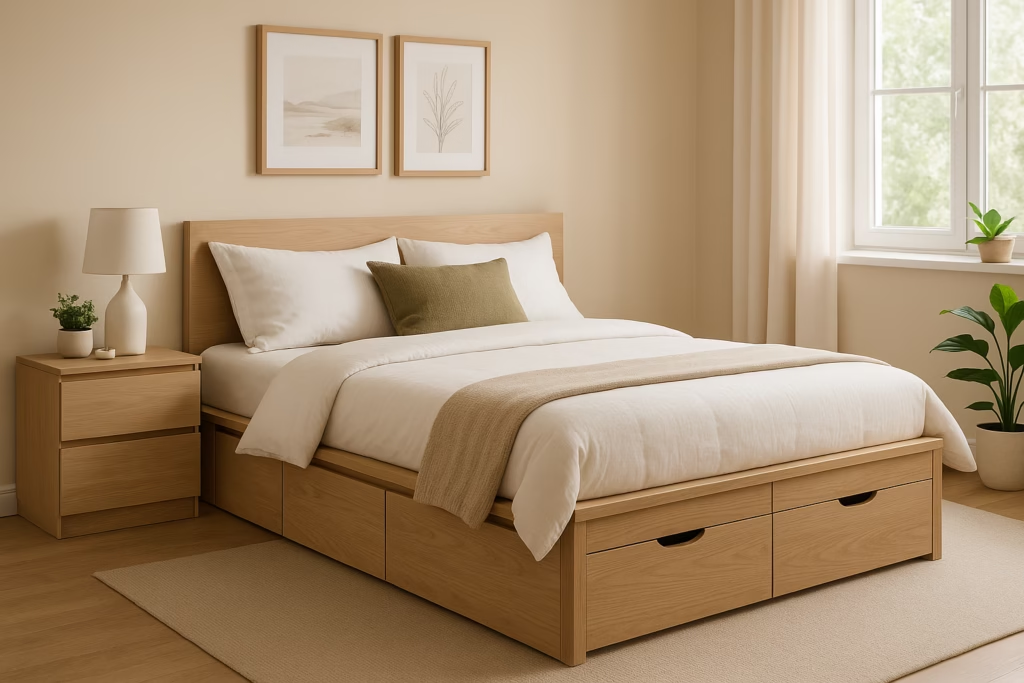
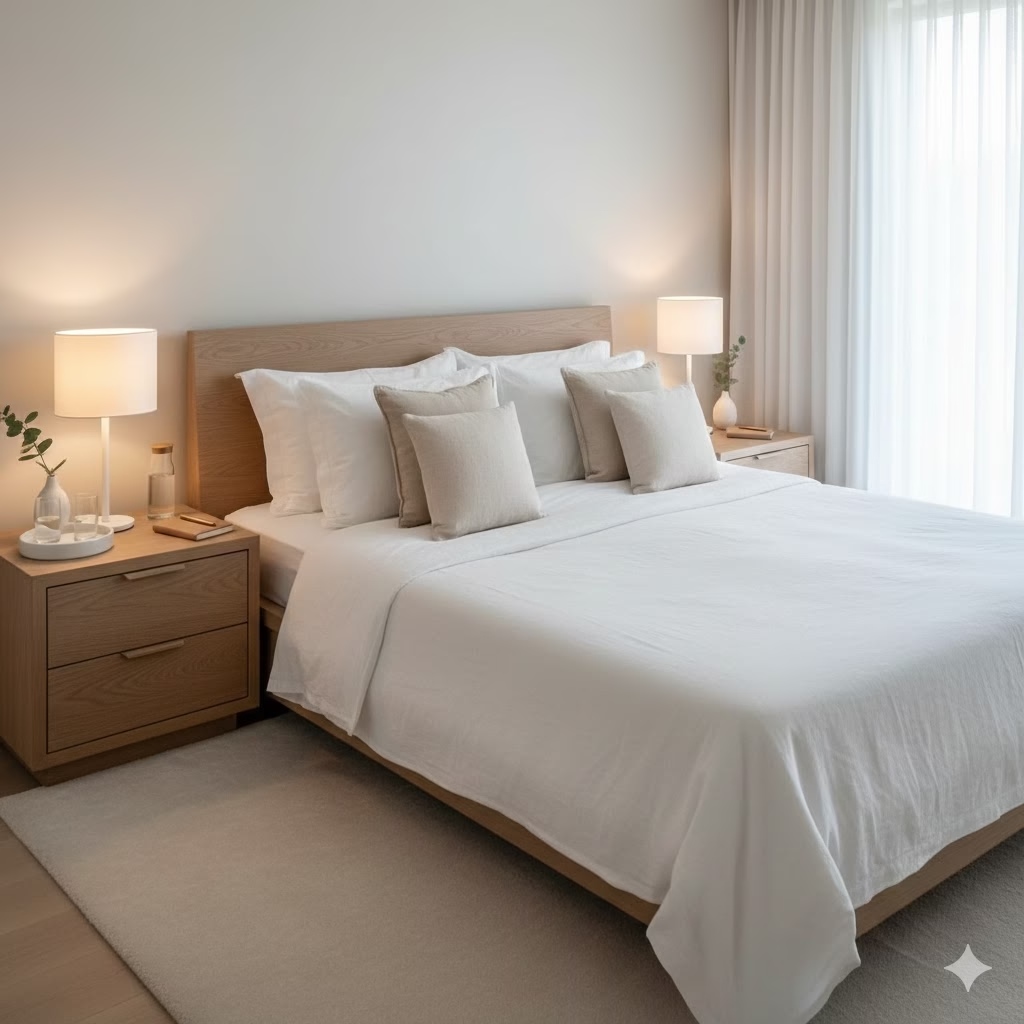
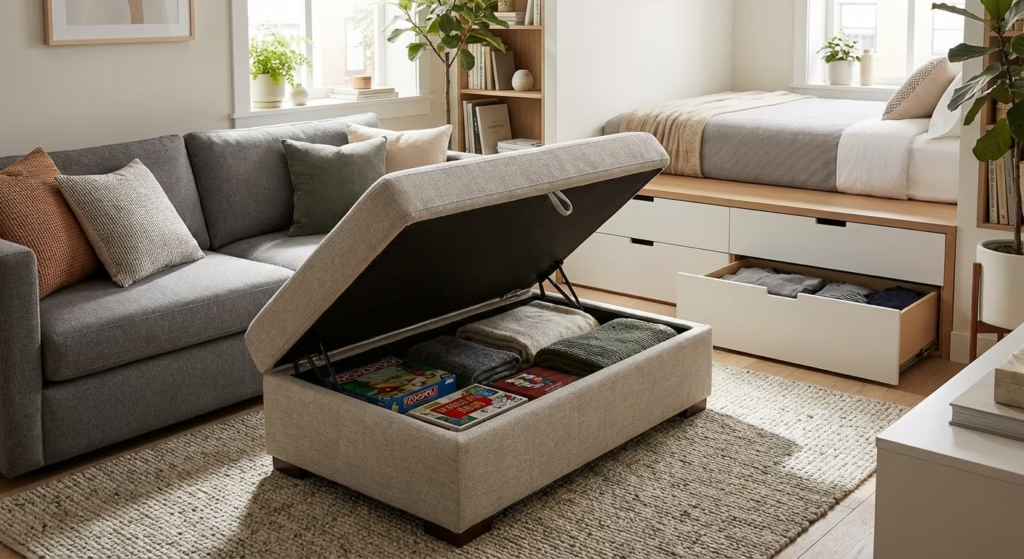
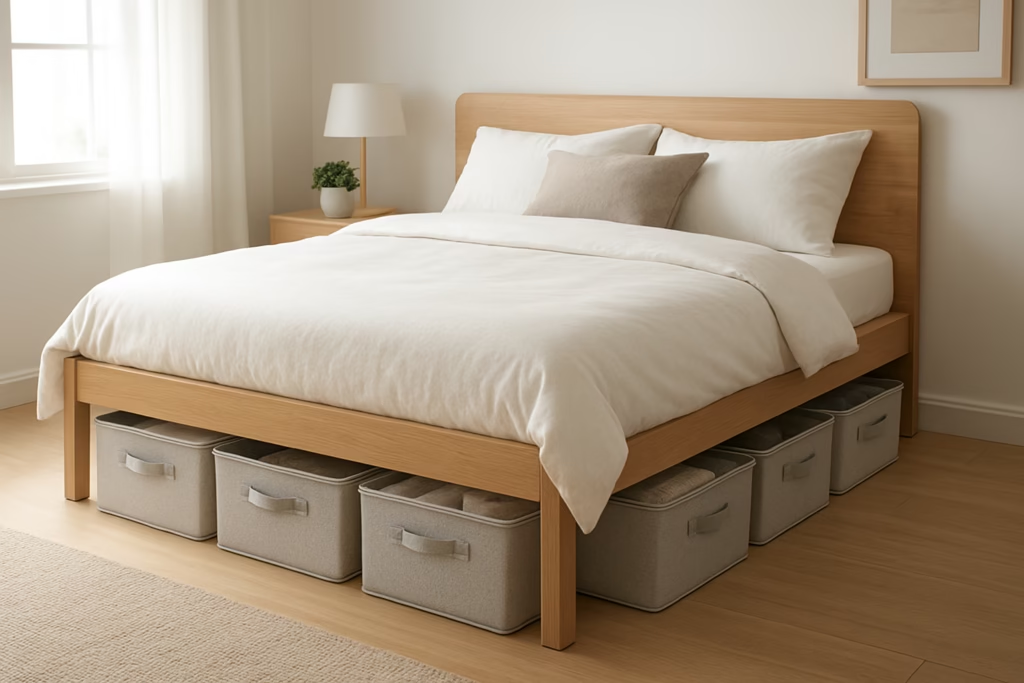
A modern, minimalist bedroom featuring a light oak wood bed frame with three built-in drawers providing generous Under Bed Storage. The bed is neatly made with white and neutral bedding, flanked by a matching nightstand, illustrating practical and stylish space maximization.

Maximize your bedroom space with clever under bed storage ideas. This helpful guide shows easy, new ways to use the space under your bed. It turns a neglected area into a functional, neat part of your home. From simple DIY tricks to stylish, built-in systems, we give you the inspiration you need to clear clutter and simplify your life. Get ready to change your bedroom with the best under bed storage solutions for every style and budget.


The need for an organized, tidy home often makes us look at every small, unused spot. We clean closets and fix shelves, but the largest storage area is often missed: the space beneath your bed. This large, empty space is very valuable. It offers much room for clothes, extra blankets, books, and seldom-used items.

The days of just pushing old boxes under the bed frame are over. Today’s under bed storage solutions are smart, good-looking, and key to clever home design. They are not just for hiding things. They are about making the most of your space and making your life easier. This article will look closely at many under bed storage ideas. We will cover simple, cheap fixes and custom, built-in systems. You will find the perfect match for your specific needs and room style.


1. Key Steps for Smart Under Bed Storage

Before we look at specific products and designs, you must know the rules that make under bed storage truly effective.

A. Check Your Space and Height

Not all beds are the same. Measure the distance from the floor to the bottom of the bed frame. This is the tallest item you can store. Most storage bins are 6 to 12 inches high. If you have taller items, use bed risers. Be sure they are strong and safe. This will give you a few extra inches.

  • Measure: The height, width, and depth of the space you can use.
  • Note: Do not forget to account for any center support poles or legs.

B. Decide What You Will Store

The type of items you have will guide your storage choice. Are you storing large duvets? These need deep, wide boxes. Or are you storing flat things like papers and clothes? These are better for shallow, long drawers.

Item TypeBest Storage Choice
Big/Seasonal (Blankets, heavy sweaters)Vacuum-sealed bags in deep containers.
Flat/Clothing (Shirts, pants)Shallow, rolling drawers with dividers.
Books/Media (Magazines, DVDs)Open-top bins or cubbies with wheels.
Small/Mixed (Shoes, small toys)Clear boxes with many small sections.

C. Make Access Easy

If you need items often (like daily clothes or work files), choose storage with wheels or handles you can pull easily. For things you use rarely (like holiday decorations), use containers that are sealed and harder to reach.


2. Rolling Solutions: Easy to Move and Use

Containers with wheels are the best for easy access. They are among the most popular under bed storage ideas. As they slide in and out without effort. They keep your floors safe and make finding things simple.

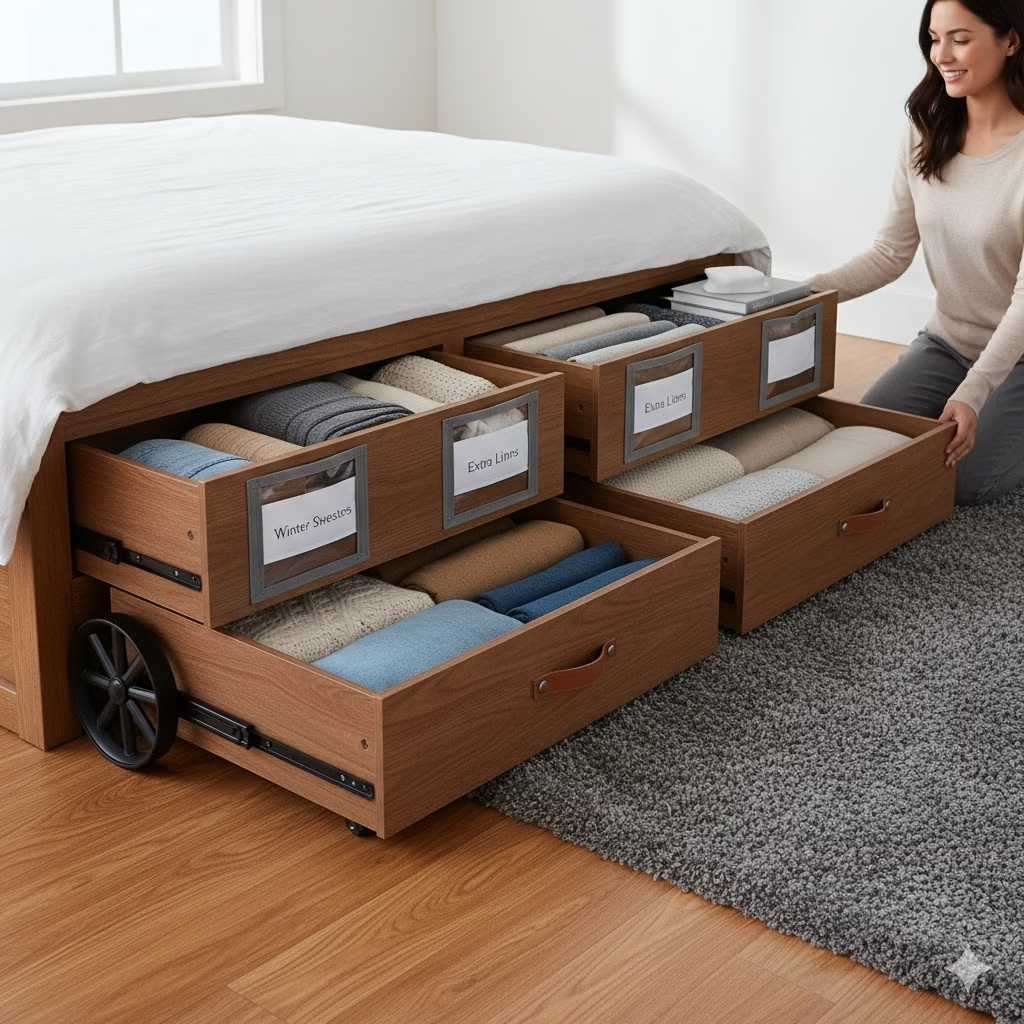
A. Dedicated Under Bed Drawers

These are usually wide, short drawers. They are made of wood or plastic. They are built to use all the space under the bed.

  • Good Points: Hold a lot, look clean and planned, protect items very well from dust.
  • Drawbacks: Can cost more money, need good space under the bed to fit.

B. Simple Wooden Crates with Wheels

For a custom look, put small, strong wheels on the bottom of wood crates or old drawers. This lets you design your own storage.

  • Helpful Idea: Sand and paint the crates. Make them match your bedroom style for a neat finish.

C. Rolling Cart Trick

If your bed is very high (like a loft or bunk bed), you can keep small rolling utility carts underneath. This works well for art tools, school books, or extra office supplies.

3. Special and Divided Storage

Sometimes you do not need lots of space. You need better organization. Special containers help sort items. They stop things from becoming a big, messy pile.

A. Shoe Holders

Shoes are often hard to store neatly. Special, divided under bed storage for shoes often has clear tops. This lets you see what is inside. It also keeps shoes clean and safe from getting squashed. They are long and flat, using the entire length of the bed.

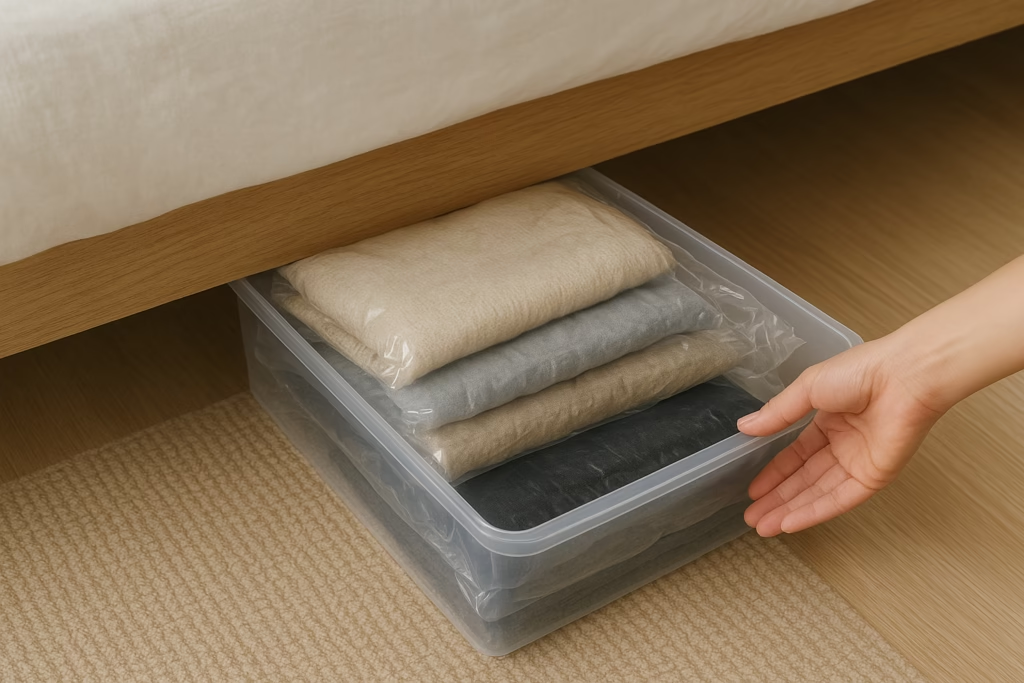
B. Vacuum-Sealed Bags and Totes

For clothes, extra duvets, and pillows, nothing works better than a vacuum-sealed bag.

  • How They Work: You put items into a special bag. You use a regular vacuum cleaner to pull out all the air. This makes the items up to 80% smaller.
  • Best Used With: A flexible, zippered tote. This protects the bag from holes. It also gives you an easy handle for sliding it under the bed. This is the best way to save space when height is limited.

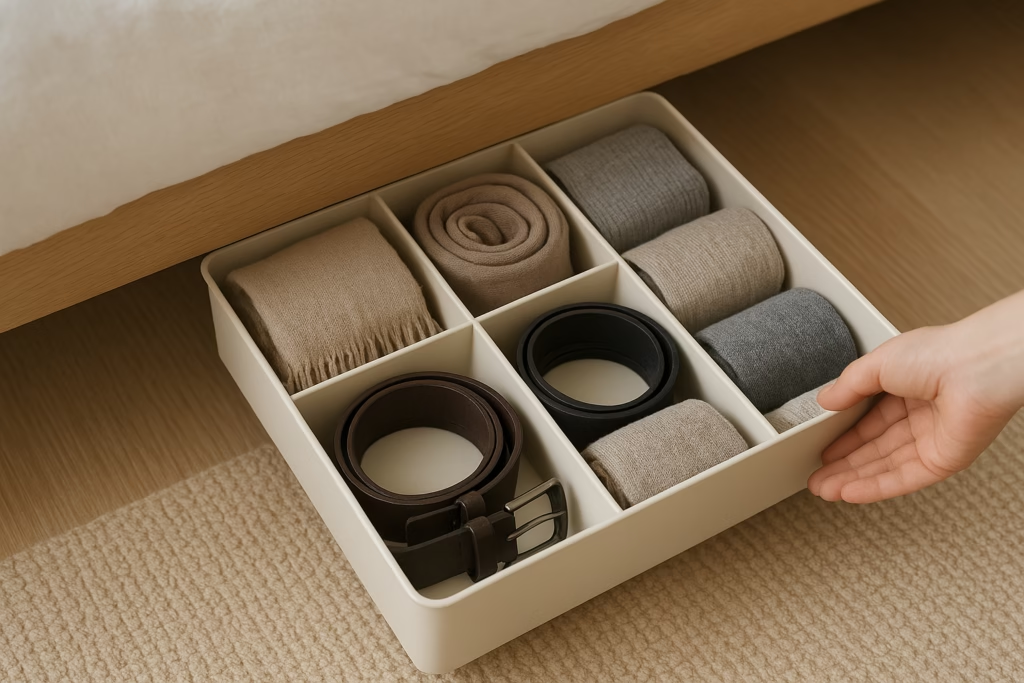
C. Dividers and Small Inserts

If you use one big, open container, buy dividers or small boxes to place inside it. This is great for organizing socks, undergarments, or small clothes like scarves and belts.


4. Integrated and Custom-Built Solutions

If you can spend a little more money, or want a lasting fix, integrated storage is the best. It offers the neatest, most complete look.

A. Storage Beds (The Ultimate Choice)

These beds are made to include storage from the start. They usually come in two main types:

  1. Drawer Beds: These have many drawers (often 2 to 4) built right into the bed frame base. They look the most solid and furniture-like.
  2. Lift-Up (Ottoman) Beds: The whole mattress base lifts up using a gas lift or hydraulic system. This shows a huge storage space beneath. This gives you the biggest single storage area. It is perfect for large, odd items like suitcases or large sports gear.
  • Think About This: Lift-up beds are great for big items. But accessing them takes more work than just pulling a drawer.

B. Headboard and Footboard Storage

This is not under the bed, but adding shelves or small storage areas to the headboard or footboard is very useful. It often works well with under bed storage. It handles items you need to reach very often (like phone chargers, glasses, or a bottle of water).


5. Smart and Cheap Under Bed Storage Ideas

You do not need to spend a lot of money for great organization. Some of the best solutions are easy, smart, and low-cost.

A. Use Suitcases as Storage

Do not let empty bags take up closet space. Put off-season clothes, extra blankets, or keepsakes inside your empty suitcases. Then slide the packed suitcases under the bed. You are storing things within storage.

B. The Pegboard Trick (For High Beds)

If you have a high bed, like a loft bed, try putting a pegboard on the wall in the open space below. This creates vertical, flexible storage. You can hang tools, craft supplies, small baskets, or headphones here.

C. Old Dresser Drawers

Look for dressers or cabinets that people are throwing away. Take out the drawers. Clean them up. Put soft pads or small wheels on the bottom. Now you have custom, shallow under bed storage boxes. They often look better than plastic bins.

6. Keeping Your Under Bed Area Neat

The worst enemy of any storage system is dust and growing clutter.

A. Keep the Dust Out

Dust will always be there. Choosing storage with lids or zip tops is important to keep your items clean. If you use open bins, put a long piece of cloth or an old sheet over the items before you slide them under the bed.

B. The Regular Check-Up

Plan a quick check every three months. Slide out all your containers. Quickly look over what is inside. This stops the under-bed area from becoming a place where items go and are forgotten. The rule is easy: if you have not needed it in six months, decide if you should keep it stored, or if it is time to give it away or throw it out.

C. Label, Label, Label

The main rule of organization is: write down what is inside. Use big, clear labels or tags on the front of every container. This means you will not have to pull out four boxes just to find one item. It makes your under bed storage system work much better.


Conclusion: Making Your Bedroom Your Sanctuary

The space under your bed is not just an empty hole anymore. It is a key, working part of a modern, organized home. By using these smart and useful under bed storage ideas, you are doing more than just putting things away. You are truly taking back your living space.

It does not matter if you choose the easy use of rolling drawers, the huge space of a lift-up bed, or the smart simplicity of repurposed containers. The goal stays the same: to change a messy room into a peaceful, neat sanctuary. Measure your space, know what you need, and steal the best under bed storage solutions to change your bedroom today.


External References


Recent Posts

How to Style a Bedside Table Like That Girl

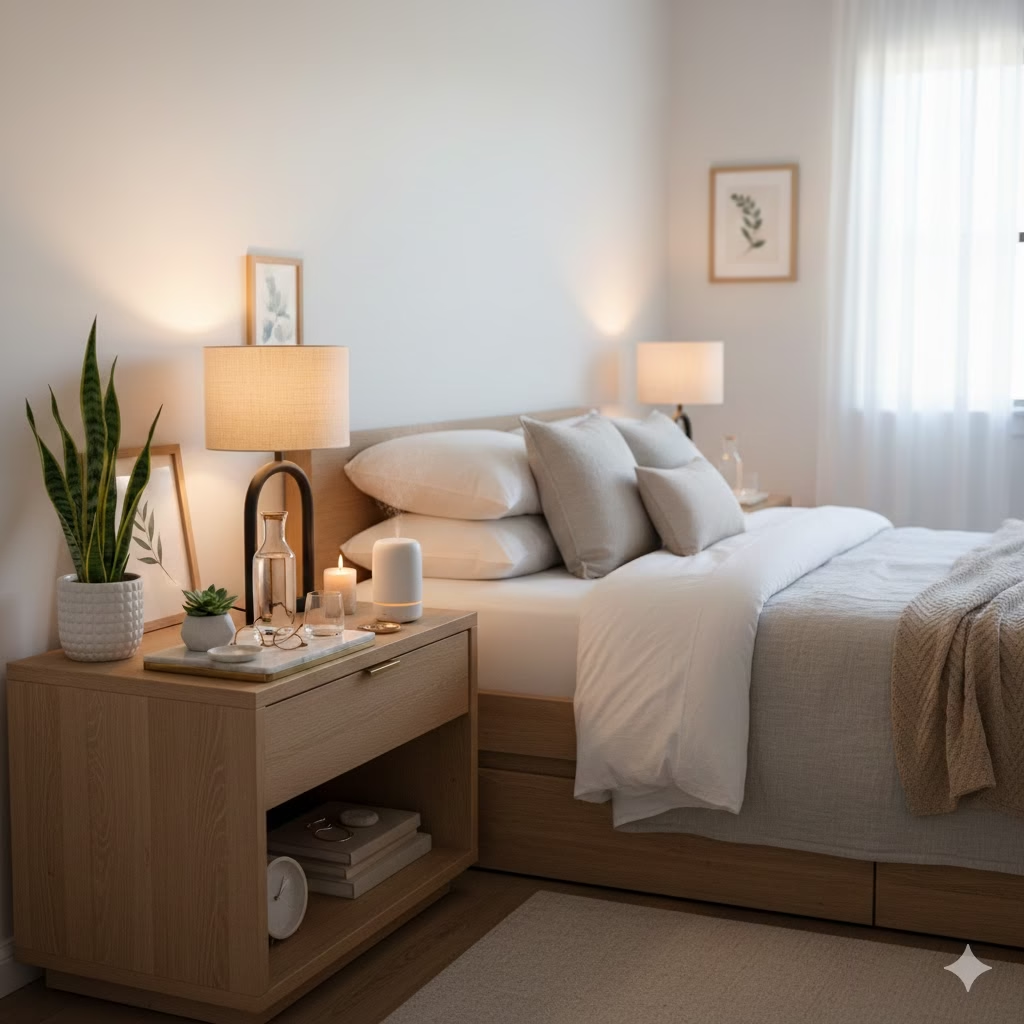
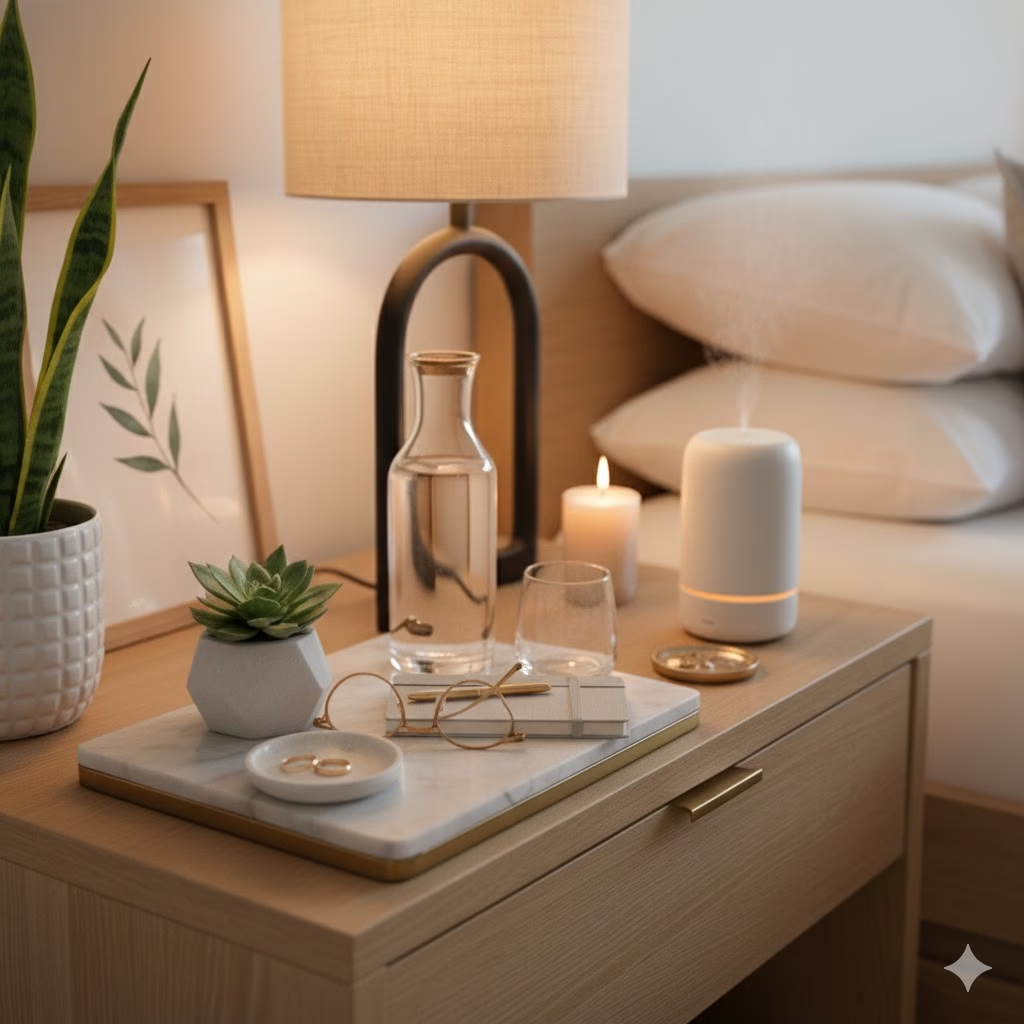
A wide, elegant photograph of a minimalist bedroom. The focal point is a wooden bedside table perfectly styled with a snake plant, a modern lamp casting a warm glow, a water carafe, and a small white diffuser, highlighting the 'That Girl' aesthetic of intentional living.

The bedside table is often an overlooked piece of furniture, serving merely as a dumping ground for phones and half-read books. However, in the pursuit of a fully realized and tranquil aesthetic, this small surface holds significant power. This guide transforms the utilitarian nightstand into a curated, beautiful centerpiece that reflects intentionality and mindful living. Discover the art of arrangement, lighting, and personalization to create a highly functional and visually pleasing space.


Maximizing Your Bedside Table: The ‘Bedside Table’ Transformation

The “That Girl” aesthetic is more than just a trend. It is a promise to live with purpose, stay organized, and take care of yourself every day. This style says that being surrounded by beautiful, organized things can really help your mood and your work. This purposeful way of living is most important in the bedroom, especially on the bedside table.

A great bedside table balances looks and usefulness. It should hold the important things you need when you go to sleep and when you wake up. At the same time, it should be a quiet, beautiful display. This display must help create a calm feeling in the room. It is the last thing you look at before bed. It is also the first thing you see when you wake up. So, how it looks matters a lot.

This long guide will help you change your basic nightstand into a curated, inspiring small haven. This is a key part of the ‘That Girl’ lifestyle. We will talk about everything. This includes how to choose the right table, how to set up the light, what essential items to use, and how to add the final personal touches. These steps will make the space totally yours.


1. Foundation and Functionality: Choosing Your Canvas

Before you start styling, the bedside table itself must be the correct one. The size and style are very important. They affect how the room feels and how easily you can keep the surface clean.

Selecting the Perfect Nightstand

The size of your nightstand needs to match the size of your bed and the space you have. A good rule is that the top of the bedside table should be about the same height as your mattress. This makes it easy to reach things like water or an alarm clock.

  • Height: Try to find a height that is even with or a little taller than your mattress. Having to reach far up or down for things can ruin your comfort and sleep flow.
  • Storage: The ‘That Girl’ style loves clean lines and surfaces with little on them. Look for a bedside table that has at least one drawer. Drawers are your secret way to hide things you do not want to see. This includes charging cords, hand creams, and reading glasses.
  • Style: Pick a style that fits your current bedroom look. This could be warm wood, modern smooth lines, or cool, simple metal. When everything matches, it helps the room feel calm.

The Power of Empty Space

When you look for bedside table ideas, remember that less is often best. A small group of carefully chosen items always looks better than a surface that is too full. Using empty space—leaving parts of the table open—is key. This helps you get that light, simple ‘That Girl’ look. This is a very important first step. It stops your organized bedside table from going back to being a place where you just dump things.


2. Layering the Light: Setting the Mood

Lighting is likely the most important item on your bedside table. It sets the mood for your bedtime routine. It also gives you light to read by. The light itself should be a beautiful object.

Choosing the Right Lamp

The ‘That Girl’ style often likes lamps that look like art but are still simple. They should give off a warm, gentle light, not a bright, harsh light.

  • Size and Scale: Make sure the lamp base and shade fit the size of the bedside table. A lamp that is too tall or wide will take over the whole space. The bottom of the lampshade should be about at eye level when you sit up in bed. This keeps the light from shining straight into your eyes.
  • Warm Tones: Choose bulbs that have a warm colour (around 2700K). This soft, welcoming light helps you relax and sleep. This is better than the harsh blue light that comes from screens.
  • Modern Choices: If you do not have much room, think about lights attached to the wall. You could also use lights that hang from the ceiling above the nightstand. This gives you more room on the surface for other pretty things. It also creates a smart, unique look.

Adding Work Light and Mood Light

Think about your bedside table light in two parts:

  1. Work Light: This is the light needed for reading. The lamp should shine light down onto your book.
  2. Mood Light: This is the general soft light that helps the bedroom feel good. If the lamp only shines in one spot, use a small candle or a diffuser with a soft light. This adds more warmth to the overall feeling.

3. Essential Elements: Chosen and Purposeful Items

The things you put on your bedside table must be both useful and beautiful. Every single thing must be important enough to be there.

The Three Useful Things

Focus on three main useful things for your styled bedside table: Water, Time, and Comfort.

  1. Water: Stop using a plastic bottle or a normal glass. Use a beautiful water carafe with a glass that matches. This makes drinking water look much nicer. It shows you care about yourself.
  2. Time Management: Keep your phone inside the drawer. This helps you avoid the blue light before you sleep. Instead, use a stylish, simple alarm clock. Older-style clocks often look better. They give the space a good feel.
  3. Comfort/Scent: A small, pretty oil diffuser or a simple scented candle is needed. Choose one in a simple pot or glass. Scents really help you relax. A calming scent like lavender helps your body get ready for sleep.

Reading Material

The ‘That Girl’ style suggests you are always trying to learn and grow. Keep the books you are reading neat and in one place.

  • Stacking: A small, tidy stack of one to three books is best. Use a decorative thing to hold the books up, like a pretty rock or a small coaster. This keeps the stack neat.
  • Topic: Keep books about staying mindful, improving yourself, or classic literature. Choose things that make you think, not things that keep you on a screen.

4. The Decorative Touch: Plants and Personal Items

Once you have the basics and the useful items, add things that bring life and your personality to your bedside table ideas.

The Plant Element

Bringing nature inside is a key sign of a peaceful, purposeful space.

  • Potted Plants: Pick plants that do not need much work and grow well inside. Good choices are a Snake Plant, ZZ Plant, or a small group of succulents. Put them in a simple, neutral pot. This could be clay or white ceramic. The pot should look good with the room.
  • Single Stem: If you like things very simple, use just one stem. This could be a dried flower or a piece of green eucalyptus. Put it in a small, thin vase. This gives a clean, stylish look without too much clutter.

Adding Simple Art and Keepsakes

This is the chance for your unique style to show. But keep it simple and contained.

  • Small Art: A framed picture or a piece of abstract art can lean against the wall. It should not be bigger than a postcard. The frame must match the room’s style. For example, use thin metal or natural wood.
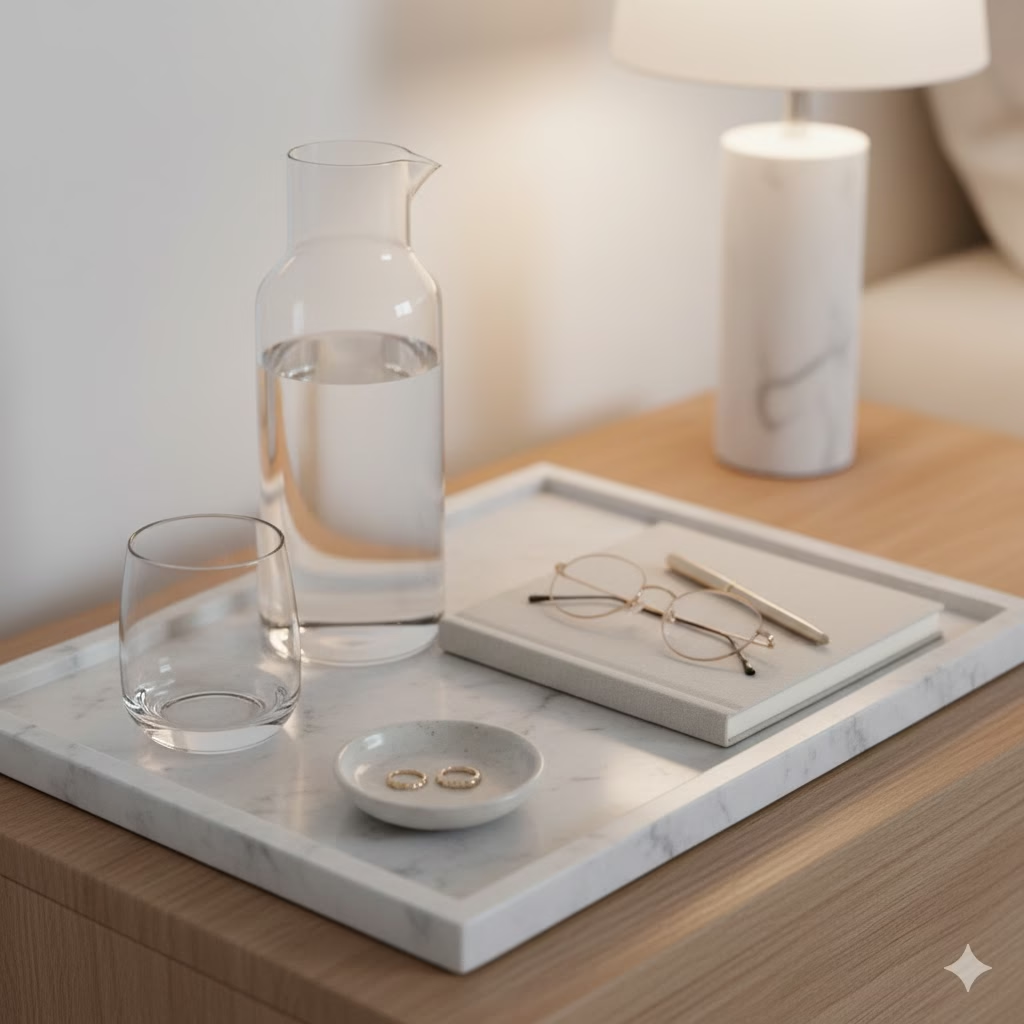
  • The Jewelry Dish: For small things like jewelry, lip balm, or hair ties, you need a small, pretty dish or tray. This could be made of ceramic, marble, or brass. This stops small items from making the surface look messy. It makes sure every small thing has its own clean place. Never let items just lie loose on the table. They must be inside something.

5. Maintenance and Good Habits: Keeping it ‘That Girl’

The hardest part of styling a bedside table is keeping it looking good all the time. The ‘That Girl’ rule is based on having regular, careful habits.

The Daily Clean-Up

Make it a habit to “reset” your bedside table every morning or evening. It is like wiping down your kitchen counter.

  • Tidy Up: Put away the book you finished. Put the charging cord back in the drawer. Place the water carafe back neatly.
  • Wipe Down: Dust always makes simple looks seem messy. A quick wipe with a soft cloth keeps the surface clean and perfect.

Making Drawers Tidy

The inside of your bedside table drawers should be as organized as the top. Use small organizers inside the drawers to keep things separated.

  • Sorted Spaces: Set aside one section for technology (chargers, headphones). Use another for comfort items (sleep masks, hand cream). Use a third for writing supplies. When everything has a set place, clutter is less likely to spill out onto the table’s surface.

A Note on Phones

For the ‘That Girl’ way of sleeping and feeling good, the bedside table should be a no-phone zone. Put your phone on a charger inside a drawer or even farther away from your bed. Use the stylish alarm clock to wake you up. This makes sure that the first thing you see in the morning is not a screen full of messages, but a beautiful, calming space.


Conclusion: The Bedside Table as a Reflection

The bedside table is a small surface that makes a big impact. It shows how you approach life. Is it a messy pile that shows you are always rushing? Or is it a neat display that shows you are purposeful, careful, and pay attention to small details?

Use these simple rules. Pick the right base. Add warm, useful light. Only use beautiful, necessary things. Keep the space clean every day. If you do this, you can change your nightstand into a source of peace and inspiration. This better space will always remind you to live a more mindful and beautiful ‘That Girl’ life.

Changing your bedside table is not just about decorating. It is about making your space work for your best self. It turns a normal piece of furniture into something special that helps you feel calm and stick to your routine.


External References


Recent Posts

Elevate Your Closet: The Statement Mirror You Need Now

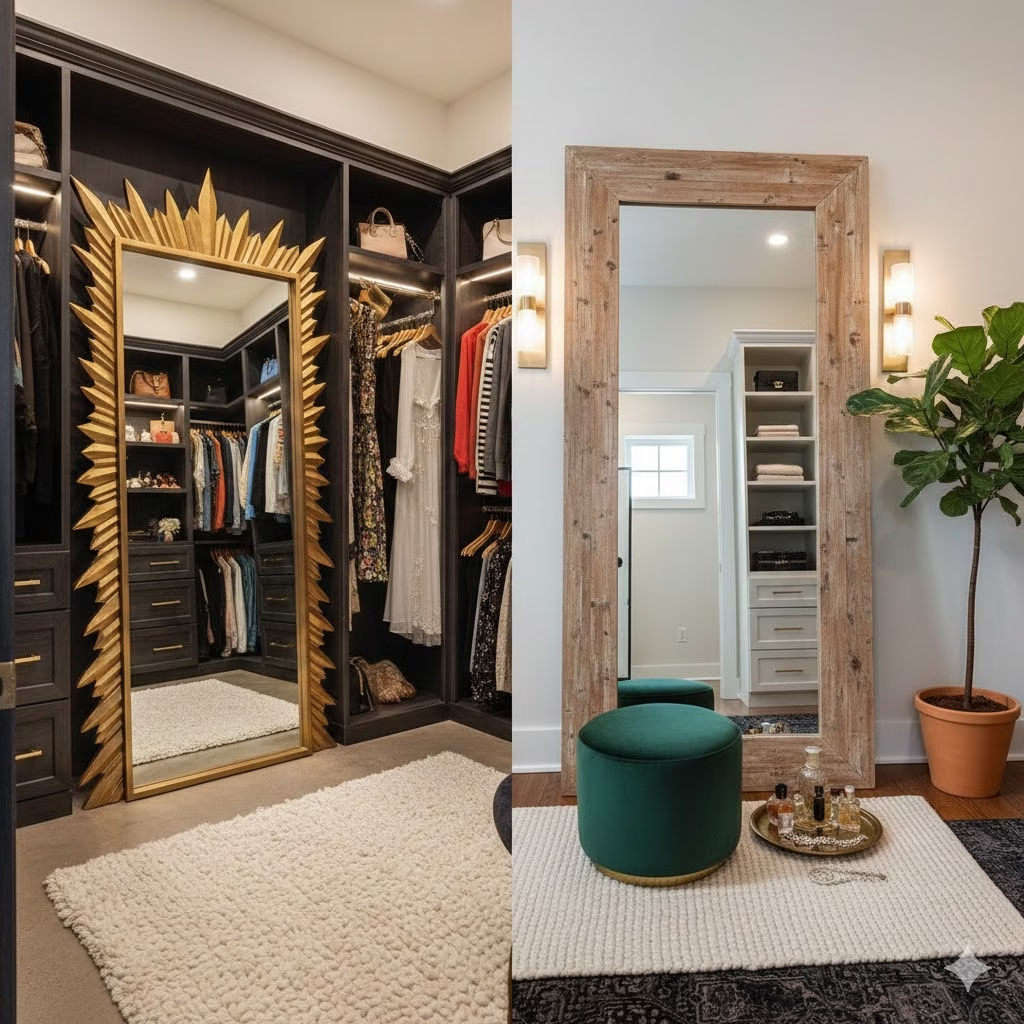
A grand, rectangular Statement Mirror with a thick, textured gold or woven wooden frame dominates the center of a luxurious walk-in closet. The mirror reflects a crystal chandelier and light wood shelving, doubling the sense of space. It is flanked by dark wood built-in shelving with integrated LED lighting and brass wall sconces, creating a balanced, symmetrical look. In the foreground is a plush, emerald green velvet ottoman with a gold base, holding a decorative tray with perfumes, sitting on a fluffy white rug.

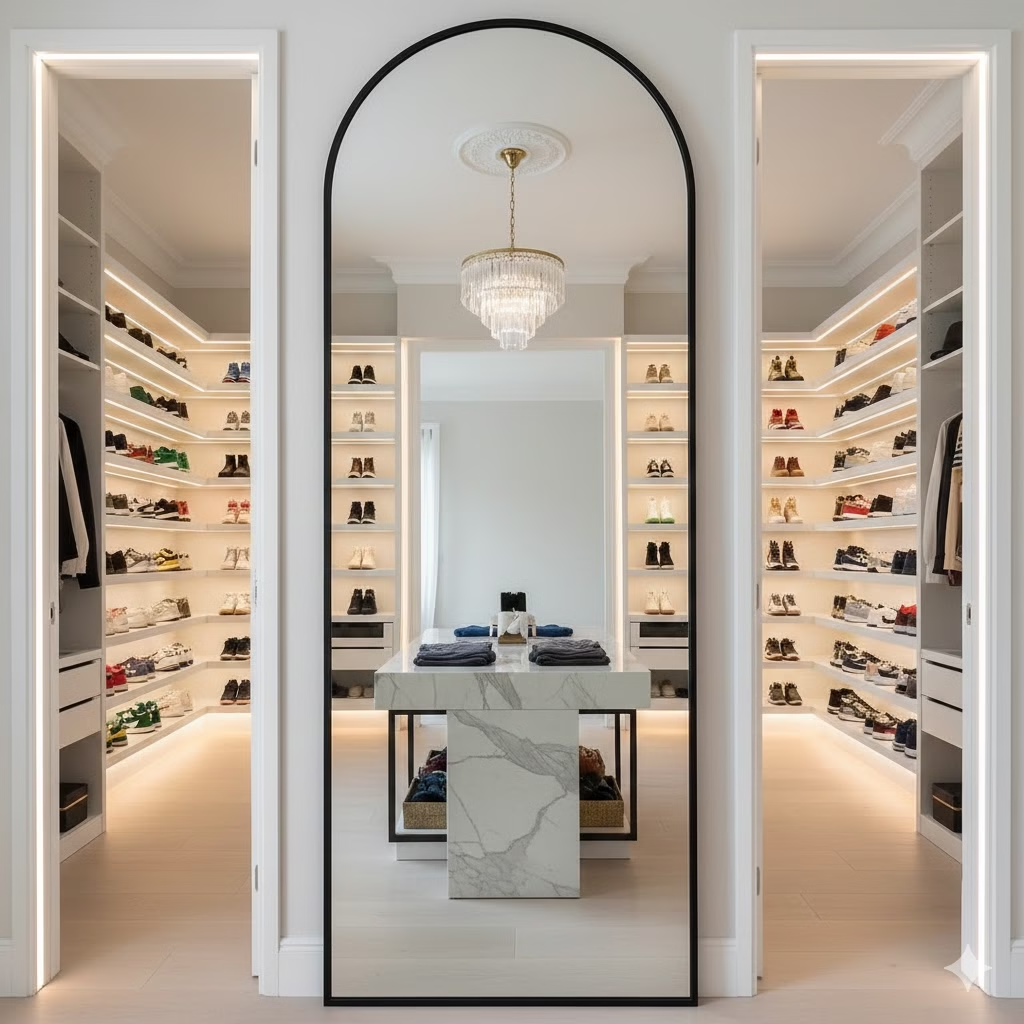
This article looks closely at the powerful way interior design can change a space, focusing on how useful items can become beautiful, main features. We explore how to mix function with high style, helping you find the perfect Statement Mirror. This mirror will not just help you get ready each day, but also set the whole look of your personal dressing sanctuary. Learn how this single choice can bring in more light, make small spaces look bigger, and greatly improve the overall design of your closet.


The Statement Mirror: Making Your Walk-in Closet Look Expensive

A walk-in closet is much more than a place to store things; it is your personal spot, a small, private shop, and the starting place for every outfit you wear. We often focus on the clothes, shoes, and accessories. However, the one hidden hero that truly sets the mood, usefulness, and high-end feel of this space is often the Statement Mirror. It is not just a plain reflective surface. The right mirror is a powerful design tool. It can make light bigger, make the room seem larger, and act as the main focus point that brings your entire closet look together.

In today’s home design, we are moving away from simple, built-in storage to spaces that are chosen and planned with care. The mirror is no longer just for checking if your shirt is tucked in. It is a piece of art, a beautiful shape, and an important part of your daily ritual of getting dressed. Choosing a Statement Mirror means you pick a piece that truly shows your style. This could be simple and modern, shiny and art deco, or cozy and rustic. This long article will guide you on how to pick, style, and light up the perfect mirror to turn your walk-in closet into the luxurious dressing room you have always wanted.


I. What Makes a Mirror a Statement Mirror?

What makes a regular, simple utility mirror different from a true Statement Mirror? The main difference is the thought behind it, its size, and how it is designed. A statement piece is meant to catch the eye and influence everything else around it.

A. Size and Scale

The size of the mirror is perhaps the most important thing to consider. In a walk-in closet, the mirror must show your whole body clearly, which usually means it needs to be at least six feet tall.

  • Leaning vs. Wall-Mounted: A floor-length mirror that leans against the wall feels relaxed and natural, and you can move it easily. A large, wall-mounted mirror is solid, cannot be moved, and looks more formal and built-in. For a real statement, pick an extra-large size—a mirror that takes up a lot of the wall space or goes almost from the floor to the ceiling.
  • The Go Bigger Rule: If you are unsure, choose a larger size. A huge, reflective surface makes the closet feel deeper and much bigger. This trick is very useful when dealing with mirrors for small closets.

B. The Frame as Artwork

The frame changes a mirror from something useful into something amazing. It is like the jewellery for the mirror, setting the mood for the entire closet.

  • Materials: Think about materials that look good with or stand out against your closet’s handles and cabinets.
    • Metal (Brass, Gold, Matte Black): Best for modern, industrial, or art deco themes. A very fancy brass frame instantly makes a statement.
    • Wood (Old or Reclaimed, Walnut, Light Oak): Perfect for common, Scandinavian, or rustic designs. The wood grain adds texture and warmth.
    • Clear Plastic or Shaped Material: Used for very modern, futuristic, or highly artistic shapes.
  • Shape: While the usual shape is a rectangle, unusual shapes can truly define the space. Arched tops look classic. Organic, wavy shapes fit with modern design. Triptych mirrors (three mirrors joined together) give you many views and look very dramatic.

C. Edges and Details

Even mirrors without a visible frame can be Statement Mirrors through smart detailing. Bevelled edges catch the light beautifully, making a subtle rainbow effect. Smoked or coloured glass can add a feeling of serious luxury.


II. The Best Spot for Your Mirror and How to Make the Most of Your Space

Where you put your mirror is important not only for seeing your clothes but also for controlling the light and making the space feel bigger.

A. The Illusion of More Room

A well-placed Statement Mirror is the oldest designer trick for making a room appear much larger.

  • Facing the Door or Entrance: Putting the mirror right across from the closet door or an open area instantly makes the room look twice as deep. This is a very powerful method when thinking about mirrors for small closets.
  • Showing a Nice Feature: Place the mirror so it reflects the most beautiful part of your closet, like a great shoe display, a middle island, or a well-arranged accessories section. This makes the stored items look even better.

B. Using Natural and Inside Light

The main job of the mirror in design is to spread light around.

  • Near a Window (If You Have One): If your walk-in closet has a window, placing the mirror close to it (next to or across from it) will bounce the natural light deeper into the space. This means you need less inside light during the day.
  • Reflecting a Light Fixture: The mirror should be placed to perfectly catch and reflect a chandelier, hanging lamp, or stylish ceiling light. This doubles the sparkle and dramatic look of the light, making the fixture seem twice as grand.

C. Tips for Small or Narrow Closets

When you do not have much room, the mirror must do two jobs at once.

  • Sliding or Hidden Mirrors: In very narrow spaces, think about a tall, thin mirror set on a track. It can slide behind a shelf or a hanging rack when you are not using it.
  • Mirrored Cabinet Doors: If you cannot place a mirror on a wall, use mirror panels on the fronts of your cabinet doors. While not a single Statement Mirror, this gives a continuous reflection and makes the space feel bigger.

III. Lighting: The Mirror’s Important Partner

Even the most stunning mirror looks dull without the right light. The light around your mirror is essential for seeing true colours and creating a soft, expensive glow.

A. Using Different Layers of Light

Do not just use lights from the ceiling. Overhead light creates harsh shadows, especially on your face and body. The best lighting plan uses layers.

  1. General Light (Ambient): Recessed lights or a central chandelier give light to the whole room.
  2. Task Light (Mirror): This is the most important layer. It must be placed to shine on the person standing in front of the mirror, not directly on the mirror itself.
  3. Highlight Light (Accent): Lights inside shelves or cabinets to show off clothes and accessories.

B. The Best Light Fixtures for Mirrors

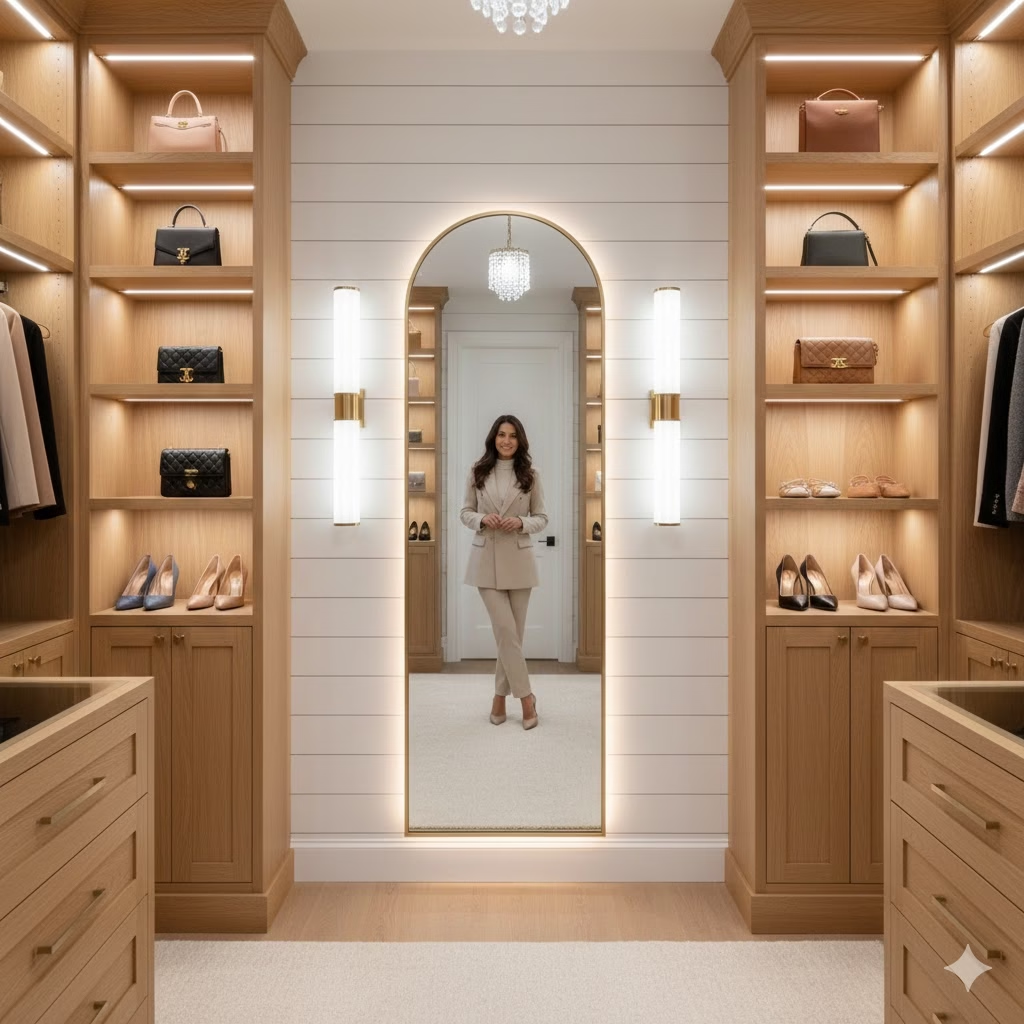
  • Sconces: Putting lights (sconces) on the wall next to the mirror at eye level gives even light without shadows. This is the very best way to light a mirror for putting on makeup and checking outfits.
  • Vanity Strips / Backlighting: LED strip lights hidden behind the mirror (backlighting) make a beautiful glow that immediately makes the mirror look custom and costly. LED vanity strips on the front are very useful and can be softened with covers.
  • Light Colour (Kelvin): To see colours correctly (which is vital for matching dark blues and blacks), aim for a light colour temperature of about 3500K to 4000K (Neutral White). This looks more like natural daylight than warmer or cooler lights.

IV. Styling Your Statement Mirror

Once the mirror is in place, it becomes the main piece that grounds the closet’s décor. The area near it needs to be styled to match its beauty.

A. Making the Space Feel Settled

For mirrors that lean on the floor, the area beneath is very important.

  • Rugs: A soft, high-quality area rug placed under the mirror helps anchor the piece and adds warmth and softness. Choose a rug colour that is a little different from your flooring but matches the mirror’s frame and the closet cabinets.
  • Stool or Bench: Putting a stylish ottoman, cushioned bench, or interesting stool in front of the mirror gives you a place to sit for shoes. It also makes the reflection look deeper and more interesting.

B. Adding Small Accessories

Keep the items around the mirror simple and impactful.

  • Trays and Holders: Use elegant trays on the floor or on a nearby counter for perfumes, jewellery, or things you use daily. Choose materials that look like the mirror’s frame (for example, a gold tray for a brass-framed mirror).
  • Plants: A small, neat potted plant (real or fake) can bring a feeling of life and calm to the area.
  • Wall Art (Next to It): If your mirror does not fill the whole wall, think about placing a small piece of abstract or simple art on the wall next to it. This adds interest and colour, but be sure it does not steal attention from the main mirror.

V. Choosing a Style: Making the Mirror Fit Your Closet’s Look

The mirror should feel like a natural part of your personal style and the current design of your closet.

A. Modern and Simple

  • Mirror Type: Large, without a frame, or with a very thin rim in matte black or shiny silver. Simple geometric shapes work best.
  • Look: Clean, sharp lines, sleek, and useful. The mirror makes the current design better without being too much.

B. Art Deco and Glamorous

  • Mirror Type: Complex, geometric frames, usually in gold or brass. Think of sunburst designs, fan shapes, or mirrors with many separate glass sections.
  • Look: Rich, dramatic, and luxurious. Often matched with soft velvet, mirrored furniture, and crystal lights.

C. Common or Traditional

  • Mirror Type: Framed in deep, heavy wood (like walnut) or a simple, cut antique-style frame. Arched or rectangular shapes are common.
  • Look: Classic, never going out of style. Focuses on good materials and designs that last.

D. Boho or Natural

  • Mirror Type: A mirror with a natural woven frame (like rattan or bamboo) or one with an uneven, natural, free-form shape.
  • Look: Full of texture, relaxed, and earthy. Paired with natural fabrics, soft light, and maybe some woven hangings or greenery.

Picking a Statement Mirror is a commitment to great design. It is the one item that changes your walk-in closet from a just a storage space into a beautiful, personal retreat—a room that not only helps you get ready but also truly makes you happy every time you enter.


Conclusion

The way we use walk-in closets is changing, and this means we must pay attention to every detail. The mirror is the single most effective piece in this change. By choosing the right size, investing in a beautiful frame, placing the mirror wisely to get the most light and space (this is very important for mirrors for small closets), and adding good lighting, you do more than just add reflection. You create a main feature—a true Statement Mirror—that defines the luxury, function, and aesthetic heart of your whole dressing room. Choose well, and watch your closet space become truly special.


References


Recent Posts


10 Cozy Closet Seating Ideas That Double as Storage

A bright, well-organized luxury walk-in closet featuring several seating ideas. A woman sits on a built-in bench with a navy blue cushion, sorting items from a dark wooden storage trunk used as a centerpiece. Other seating options visible include a woven storage bench with a light cushion, a small velvet stool, and a pull-out wooden step/drawer unit with a blue cushion. The closet features white cabinetry, drawers with brass hardware, and open shelving with wicker baskets.

Making the most of every corner in your home requires smart planning. This is especially true when you organize and improve storage spaces. This article looks at creative and comfortable seating ideas specifically for closets. We show how a plain storage area can become a private dressing room escape. We focus on furniture that does two jobs at once. This neatly solves the problem of small living spaces because it joins seating with essential, often hidden, storage solutions. Get ready to see your closet as a very useful, beautiful, and relaxing haven.


Introduction: Smart Closet Seating Ideas for Every Space

The modern closet is now more than just a box for storage. It is a key part of the home’s design and a private space for getting ready. If you have a walk-in closet, a comfortable place to sit is essential. You truly need it for putting on shoes, choosing jewelry, or just taking a quick rest. However, in any room, including a walk in closet or a small closet space, you must value every bit of floor. The best closet designs use items that can do two things. This is why choosing closet seating ideas that also offer valuable storage is a brilliant way to design your space.

This complete guide explores ten special and attractive seating ideas. These ideas can change your closet from a purely functional zone into a well-organized, comfortable, and very effective dressing room. Whether your closet is large or you are looking for closet ideas for small spaces, these solutions offer comfort and ease. They do this without sacrificing important storage room. We will look at benches with hidden spots, flexible ottomans, and smart built-in designs. These options improve how your personal wardrobe space looks and works.


1. The Lift-Top Storage Bench: The Built-In Look

The lift-top storage bench is likely the most traditional and effective choice for a walk-in closet. Unlike single pieces of furniture that might block the path in a narrow space, a custom-made or well-placed bench can look like it is simply part of the wall.

Design and Use

A custom bench can fit perfectly into an empty corner or you can place it against a wall beneath a window. The whole top surface, usually soft and covered in fabric for comfort, lifts up on hinges to show a deep, open storage space. This area works great for things you do not need every day but still want nearby, such as seasonal gear, extra blankets, suit bags, or a collection of evening bags.

Look and Personal Touches

For a high-quality feel, you can make the bench’s base match the nearby closet cabinets, using the same wood finish, handles, and base trim. The fabric covering is key to making it your own—think about strong materials like linen or velvet in colors that match your clothes or the look of the room. Adding decorative cushions can quickly turn the bench from a simple piece of furniture into a highlight inside your walk in closet. This is one of the top closet seating ideas that lets you use long wall space.


2. The Cube Ottoman That Does It All

For closet ideas for small spaces, the ability to move things around is a must. The cube ottoman, often sold in groups, gives you unmatched freedom and flexible storage.

Easy to Move Around

One cube is a comfortable place to sit while you tie your shoes. You can push two cubes together to make a small bench, and you can arrange four to create a large sitting area in the middle. The great thing about the cube is how easily it moves—you can quickly shift it out of the way or put it somewhere else depending on what you are doing.

Hidden Organization

Most cube ottomans have removable tops that work as seats. The inside is usually a deep square, good for sorting specific groups of things. You might use one cube for shoe cleaning items, another for folded scarves, and a third for small gym clothes. For better sorting, use small dividers or cloth bins inside the cubes. This piece is excellent for a small closet space because it takes up very little room.


3. The Trunk or Blanket Box at the End of the Aisle

If your closet has a central path or a clear end point, a nice trunk or blanket box can anchor the space while offering a huge amount of storage.

Style Makes a Statement

Unlike a regular bench, a trunk brings a strong decorative touch. Pick a piece that fits the look you want for your closet—a vintage leather trunk for a classic style, a painted wood chest for a country feel, or a smooth, modern box with metal details.

Storage Size

Trunks usually offer the largest single storage space. They are perfect for holding big items like winter sweaters, bed covers, or a collection of hats. Make sure the lid has strong hinges and is solid enough that you can use it as a comfy seat. You should add a special cushion to the top for daily use.


4. The Rolling Vanity Stool with a Shelf

A simple vanity stool is an easy way to add seating, but adding a shelf changes it into a smart storage unit, making it one of the best seating ideas for things you need often.

Movement and Use

The main feature here is how easily it moves. You can quickly pull a strong stool on wheels that lock up to a dressing table or vanity area and then tuck it neatly away when you are done.

The Shelf Below

Look for a stool design that includes a small, open shelf right under the seat. This small spot is very useful for keeping things you use every time you get dressed: a basket of daily socks or stockings, a purse you are using that day, or a tray of watches and bracelets you wear often. It keeps these necessary items off the counter and the floor while still being easy to reach.


5. The Built-In Corner Seating Unit

For big, L-shaped, or square walk-in closets, using a corner with a built-in seating unit is a great way to use space that might otherwise feel hard to fill.

Part of the Architecture

When install a corner seating unit permanently, and it often has a deep, L-shaped seat cushion. You find the storage part below the seating area; you reach it either through lift-tops or drawers built into the base cabinets.

Comfort and Practicality

This setup creates a truly comfortable, peaceful spot. It is relaxing enough for sitting while you sort through accessories or plan outfits. The drawers or lift-tops underneath work great for shoes, seasonal wear, or even small clothing bags. For the best comfort, specify high-quality foam and rich, strong fabric. You will find this a top-level choice for truly luxurious walk in closet comfort.


6. Drawers with a Slide-Out Bench or Stool

This clever solution is perfect for closet ideas for small spaces where you must keep the floor completely clear when you are not using the seating.

Hidden Use

You can design a group of drawers to have one special drawer front that, instead of pulling out a drawer box, pulls out a strong, thin bench surface. This surface can be a solid wood top or a light, fabric-covered cushion set on heavy-duty, strong drawer slides.

Saves Space Like Magic

The bench disappears completely back into the cabinet when you are finished, leaving the floor clear and the line of cabinets smooth. While this option has less inside storage than a bench (it is the drawer), it saves a lot of outside space. It is a very practical and neat choice for a small closet space.


7. The Shoe Ottoman with Vertical Dividers

If shoes are your biggest storage challenge, pick a seating idea made especially to hold them.

Custom Shoe Storage

This type of ottoman, often long and wide, has a lift-top that shows a grid of upright dividers inside. These dividers create separate boxes made to hold shoes standing up, fitting the most pairs possible into the inside space.

Keeps Shoes Tidy and Safe

This way of storing keeps shoes neat, easy to see, and protects them from getting scratched or piled up. The flat, cushioned top keeps its job as comfortable closet seating ideas. You can decorate the outside of the ottoman with stylish features like button tufting or piping.


8. Stacked Modular Boxes or Baskets with a Padded Top

A creative and low-cost way to make seating involves using strong storage boxes or nice woven baskets and putting a custom cushion on top.

Easy to Change

Choose three or four sturdy storage boxes that are all the same size (made of wood, metal, or thick woven material). Line them up or place them in an L-shape. Have a professional make a single, thick, custom-sized cushion that rests firmly on top of the boxes.

Open and Closed Storage

The storage underneath can be ‘open’ (baskets for quick items like rolled-up laundry or gym clothes) or ‘closed’ (boxes with lids for delicate things). You can easily modify this setup, and it allows for a high level of personalization.


9. The Vanity Chair with Hooks for Bags and Accessories

While you often see a chair as only for sitting, a smart choice of chair can offer ‘hanging storage’ to keep the floor space around it clean.

Useful Design

Choose a stylish chair without arms that has a wide seat and is built strong. The storage here is on the outside—you use the chair’s back and legs by adding small, hidden hooks.

Temporary Holding

These hooks are not for long-term storage, but for holding things for a short time: hanging up the clothes for the next day, draping a dry-cleaned item waiting to be put away, or hanging a purse or belt that you just took off. It keeps items off the floor, which is key to keeping a walk in closet or small closet space tidy.


10. Slide-Out Storage Steps That Work as a Seat

This is one of the smartest closet seating ideas for using high vertical storage space, a necessity in high-quality closet systems.

Does Two Jobs

If your closet has high shelves for items not used this season, you need a step stool to reach them. Instead of a bulky, separate stool, build in a set of wide, shallow, very strong steps that slide out from under a cabinet or bench.

The Seat Function

You design the top, widest step to be pulled out about halfway, turning it into a comfortable, low seat for putting on shoes. When you push them all the way back in, the steps disappear, and the space looks clean.

Steps as Storage

You can also design each step as a shallow pull-out drawer, giving you three or four levels of separated storage for delicate items like stockings, ties, socks, or small jewelry boxes. This truly shows the best of design that does two jobs in a walk in closet.


Conclusion

Adding comfortable closet seating ideas that also have practical storage is the main feature of a well-planned modern closet space. The change from just a useful area to a beautiful, personal retreat makes your daily routine better and adds a touch of simple luxury to your home. Whether you choose the solid structure of a corner seating unit, the flexible cube ottoman, or the neat design of a slide-out bench, each of these ten ideas proves that you never have to give up comfort to gain storage room. By carefully picking a piece that fits your space, storage needs, and personal style, you can change your closet into the most organized and cozy room in the house.


External References


Recent Posts
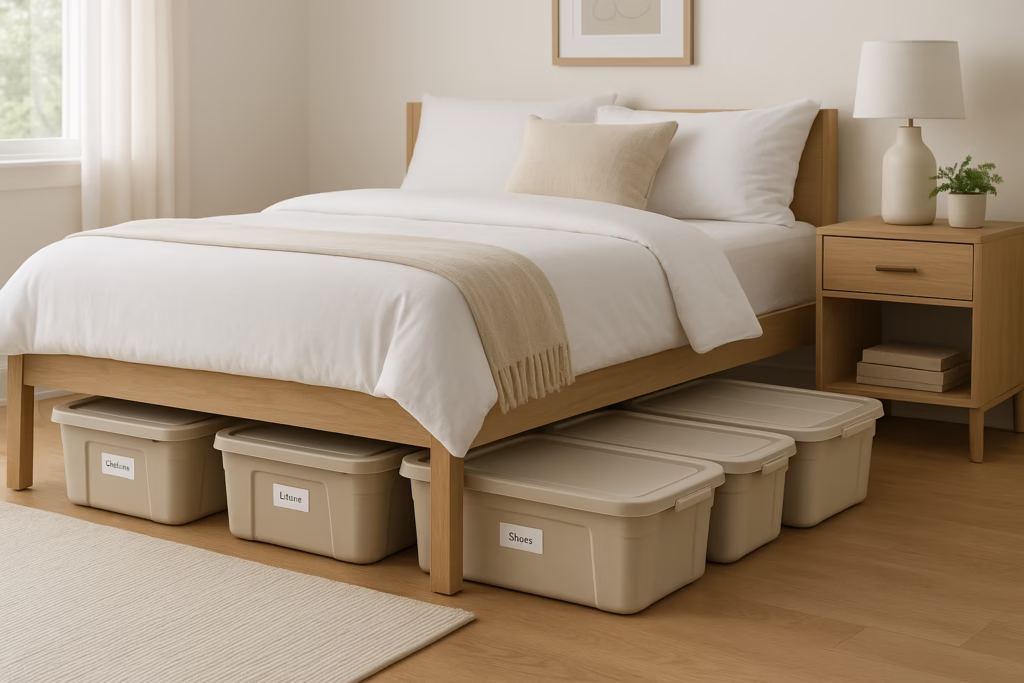

12 Small Space Secrets Only Professional Organizers Know

A bright, modern walk-in closet featuring white shelves that reach the ceiling. The shelving unit maximizes vertical space using a tiered system, uniform labeled storage bins, and clear jars to organize clothing, accessories, and supplies, demonstrating a core Small Space Secrets.

This article dives deep into the art of maximizing every inch, revealing the small space secrets that turn cramped rooms into surprisingly spacious areas. Written by a team focused on easy home organization, we believe that living large does not require a big house—just smart strategies. Our goal is to give you the simple tools and ideas to create a home that works well, no matter its size. Discover the small space secrets that will completely change how you live.


Unlocking Small Space Secrets: Your Guide to a Clutter-Free Life

Living in a small home, apartment, or even just a cozy room can feel like a constant war against clutter. Everything you own seems to need more space than it has. The dream of a calm, organized place can feel impossible to reach. You might look at pictures of simple, spacious homes online. You wonder if your home can ever look like that. Good news: it can.

Professional organizers are the experts of neatness. They have special tools and ideas designed for difficult spaces. They do not just tidy up; they change rooms. They make them work better, run faster, and feel nicer. In this long guide, we share 12 small space secrets that these professionals use. These tips will not only help you declutter. They will change how you use your home every day.

This guide is not only about smart storage bins. It is also about a new way of thinking. You will learn to look at your items differently. You will learn a smart plan to use every bit of space. Get ready to find out the power of high walls, the magic of furniture that does two things, and the need to declutter without mercy. After reading this, you will know how to turn your small space problems into design success stories.


Section 1: The Golden Rule of Verticality

A bright, modern walk-in closet featuring white shelves that reach the ceiling. The shelving unit maximizes vertical space using a tiered system, uniform labeled storage bins, and clear jars to organize clothing, accessories, and supplies, demonstrating a core small space secret.

Leverage Every Inch Upwards

When you live in a small space, you should realize that vertical space is wasted space. Most people only think about floor space. But a professional organizer sees walls, cabinet insides, and even the backs of doors as perfect places to grow. This idea is one of the most important small space secrets.

Think of your floor as a small, set canvas. Now, look up. Every wall is a canvas that goes up to your ceiling. Floating shelves, cabinets fixed to the wall, and tall, thin bookcases are your best friends. These pieces make the eye look up. This makes the room feel taller and more open. At the same time, they store many things. Think outside the box. A shoe holder over a door, shelves that stack in your pantry, or bins that stack in a closet can make a big difference.

Why it works: When things sit on the floor, they use up valuable counter or floor space. Moving them up frees these surfaces. This makes rooms look much larger and less cluttered. You should use all the room from floor to ceiling, not just the floor area.


Section 2: Embrace Multi-Functional Furniture

Every Item Must Earn Its Keep

In a small room, furniture that only does one job is often too costly. Professional organizers are skilled at finding furniture that can do two or even three jobs. This is one of the most useful small space secrets.

Do not just buy the basics. Look for an ottoman that opens to store blankets or magazines. Look for a coffee table with hidden spots or one that lifts up to become a dining table. Look for a sofa bed that turns your living room into a guest room. You can also get a bed with drawers built underneath. Desks that fold into the wall, chairs that stack neatly, and dining tables with parts that pull out are all ways to make your furniture work harder.

Why it works: Furniture that does many things means you need fewer pieces in the room. This saves floor space and makes the room look cleaner. It makes sure that every item you buy helps make the room both pretty and useful.


Section 3: The Power of Ruthless Decluttering

Less Truly Is More (Especially in Small Spaces)

This may sound simple, but it is the main rule of all professional organizing. It is especially true in small homes. Before you even think about buying storage units, you must look closely at everything you own. This rule is a must-have among small space secrets.

Professional organizers use a simple rule: when one thing comes in, one thing must go out. For tough spaces, they may even say two things must go out. They tell clients to ask hard questions: Did I use this in the last year? Do I really like this item? Does it have a clear use? If the answer is no, it is time to let it go. This is not about having nothing. It is about choosing what you keep. Everything that stays in your home should be there for a good reason. It should make you happy or serve a clear purpose.

Why it works: Fewer things mean less to store. It means less to clean. It means less visual mess. It creates a feeling of peace. It makes the items you keep more valued and easier to find. The best way to store things is often just to own less.


Section 4: Zone Your Space

Define Boundaries, Even Without Walls

In open-plan rooms or studio apartments, having no clear walls can make organizing tough. Professional organizers expertly create “zones” inside one space. They give each area a special job. This stops different uses from mixing together. This is one of the more simple yet effective small space secrets.

Use rugs to mark where the living area is. Use a thin table behind a sofa to mark the dining area. Use a well-placed bookshelf to separate the sleeping corner. Even in a small room, decide where you will sleep, work, and relax. This way of splitting the space helps you keep items related to that area within its borders. This lessens overall mess.

Why it works: Zoning gives order to an open layout. This makes the space feel more planned and organized. It helps your mind keep clutter contained. Every item has a ‘home’ inside its set zone.


Section 5: Maximize Every Nook and Cranny

Discover the Hidden Potential of Awkward Spaces

Professional organizers are great at seeing spaces that most people miss or think are useless. Spaces under stairs, above doors, inside cabinet doors, the thin gap near your fridge—these are all possible spots for storage. This is where many truly new small space secrets are found.

Think about thin rolling carts for tight kitchen spots. Use over-the-door holders for pantry or bathroom needs. Put magnetic strips on a backsplash for knives or spices. Or, try a small shelf high above a door frame for light decorations or seasonal storage. Custom-made items can fit these odd spaces perfectly. This turns wasted space into useful storage.

Why it works: When you use these often-forgotten spots, you make your home bigger without adding any square feet. It lets you store things that might otherwise sit on main surfaces. They are easy to reach but out of sight.


Section 6: Uniformity in Storage Containers

Create Calm with Consistency

A messy look is almost as stressful as a physical mess. Bins and boxes that do not match make this problem worse. Professional organizers say to use storage containers that look the same. They match in color, material, and shape for any storage you can see.

For shelves, this means using the same style of basket or bins that are the same size and not see-through. For the pantry, this means buying airtight containers from the same company. They should be the same material, like clear plastic or glass jars. This visual balance makes the space look better right away. It seems calmer and more carefully organized, even if the things inside are not perfectly neat.

Why it works: Uniformity tricks the eye. When you limit the number of colors, textures, and lines in a space, the area looks clean, simple, and bigger. This is true no matter how many things you store.


Section 7: The Capsule Closet Strategy

Decluttering Wardrobe Overload

The closet is usually the first room to fail in a small home. Professional organizers often tell clients to try a capsule wardrobe idea. This does not mean owning very few clothes. It means focusing on good quality clothes that you can wear in many ways. They should work across all seasons and events.

This plan means getting rid of clothes that do not fit. You must remove clothes you do not wear often or that do not match other items. Also, you must use thin, matching hangers (velvet works best). Tiered hanging systems are key. By greatly cutting down the amount of clothing, you make getting dressed easier every day. You keep the closet useful.

Why it works: A capsule closet deeply cuts the volume of clothes you store. This frees up space for things like bedding or towels. Matching hangers gain you several inches of hanging space on every rack.


Section 8: Go Invisible with Clear Acrylic

Utilizing See-Through Storage

When organizing drawers, bathrooms, or makeup areas, professional organizers often use clear plastic or glass holders. Bins that you cannot see through help hide mess on shelves. But clear materials are a big small space secret for small areas filled with many items.

Clear holders make it easy to see everything you own quickly. This stops you from forgetting things or buying the same thing twice. In a shallow bathroom drawer, clear dividers keep small tubes and brushes apart. In a fridge, clear bins keep food or sauces neat. This stops you from having to search for what you need.

Why it works: Clear materials stop the “out of sight, out of mind” issue. They make sure you use what you have. Also, they let light pass through. This makes drawers and cabinets look brighter and lighter overall.


Section 9: De-Clutter the Digital Space

The Importance of Digital Organization

Digital mess is not physical, but it adds a lot to mental stress and lack of order. This can affect your physical home. This small space secret focuses on keeping your work area simple and clean.

Professional organizers advise cleaning up your computer desktop. Sort digital files into folders that make sense. Stop getting emails you do not need. On a practical level, this helps you keep your physical desk tidy. You do not need piles of papers to track things. It also lowers how often you feel tired from making decisions. A clean digital space helps you have a clean physical space.

Why it works: Less mental load helps you focus on keeping your physical home orderly. Less paper, fewer notes, and better habits start with a clean digital life.


Section 10: “In-Between” Storage

Handling Items Not Quite Ready to Be Put Away

Small spaces get messy fast because things are left “on the way.” This includes the jacket you just took off, the mail you have not opened, or the dishes waiting for the sink. Professionals call for dedicated storage for these “in-between” items.

This could be a nice basket near the door for shoes and bags. It could be a small, good-looking tray on a counter for new mail. Or, it could be a special decorative bowl for keys and wallets. The main point is to make this storage useful, very easy to use, and nice to look at. This way, using it becomes a simple, automatic habit.

Why it works: These special spots hold the “short-term mess” that can quickly take over a small room. They help you manage the flow of items. This stops them from ending up all over the floor or furniture.


Section 11: Decanting for Efficiency

Removing Unnecessary Bulk

Decanting is a powerful way to organize, especially in kitchens and bathrooms. This means moving items from their large, original packaging into containers that are thinner and the same size. This works for dry food, cleaning products, and even personal care items.

Remove large cereal boxes. Get rid of odd-shaped soap bottles or spice jars that do not match. Put their contents into clean, labeled containers or dispensers. This saves space. It makes a pantry or laundry room look better right away. It lets you use the full size of your shelves without being limited by the store packaging.

Why it works: Decanting lets you stack, line up, and organize items much better than their original boxes allow. It lessens visual mess. It gives you a clear, simple look at how much you have left.


Section 12: Adopt the “Tidy Up” Trigger

Maintaining Order with Quick Routines

The last, and perhaps most powerful, small space secret is not a physical trick. It is a simple habit called the Tidy Up Trigger. Professional organizers set up easy, daily habits that stop mess from piling up.

A trigger is a daily event that tells you it is time for a five-minute tidy. This could be making your morning coffee. It could be brushing your teeth before bed. Or, it could be waiting for the water to boil. During this short time, you do a quick clean. Clear the kitchen counter. Hang up the clothes you wore that day. Wipe down the bathroom sink. Small spaces need constant, small effort, not big, scary efforts once in a while.

Why it works: Small, steady effort stops the “clutter tipping point.” This is when the mess gets so bad that cleaning it feels impossible. Tidy up every day to keep your small space working well and feeling calm.


Conclusion

To live well in a small space, you need more than smart buying. You need a planned way of thinking. By using these 12 small space secrets—from using high walls and buying furniture that does two jobs, to using daily tidy-up habits—you can totally change your home. Your small space does not have to be stressful. It can show how good design can be. It can be efficient, beautiful, and smart. Start small, keep going, and enjoy the peace that professional organization can bring to your compact life.


External References

For readers who want to use these ideas, we suggest looking at resources from the following organizing groups and companies:


Recent Posts
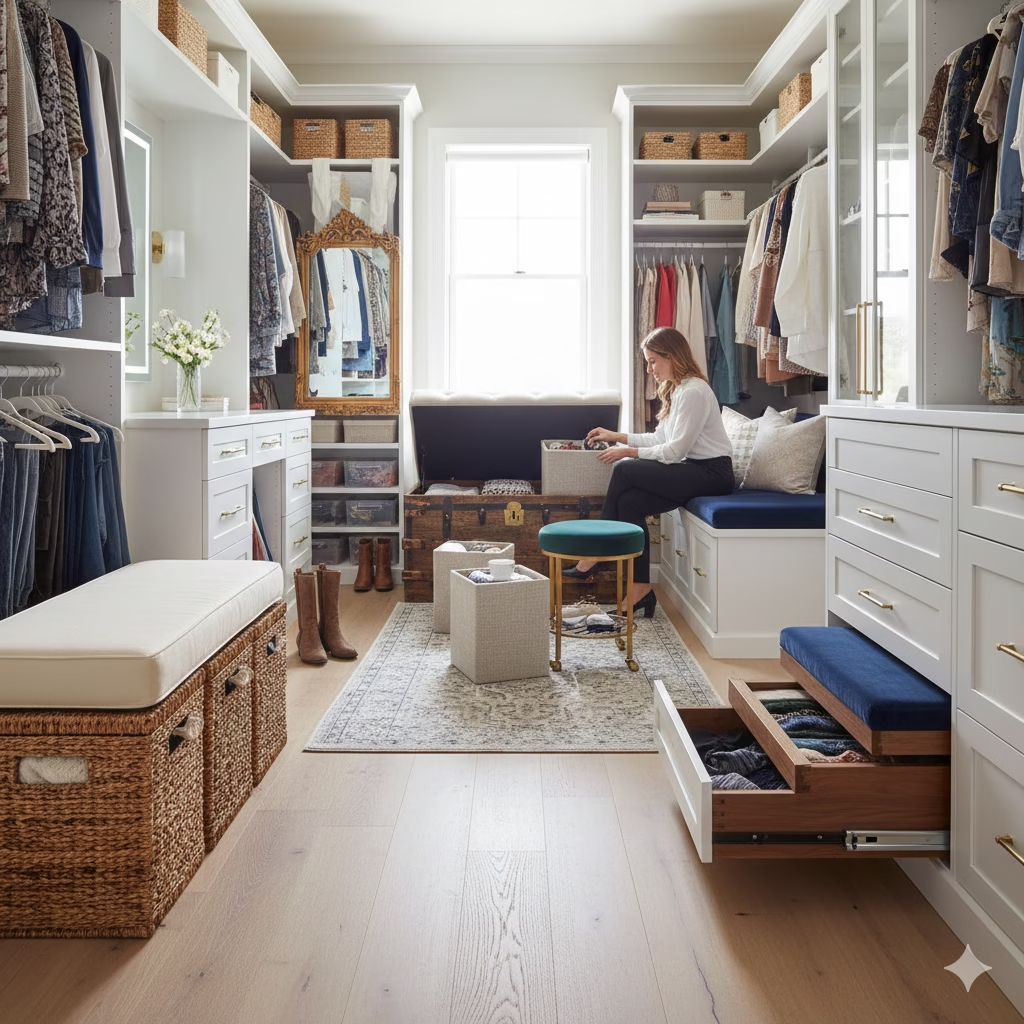

I Made Dinner in a Mug in Under 5 Minutes

Three steaming single-serving meals on a wooden table, demonstrating quick Dinner in a Mug concepts. The mugs show (left to right): a blue mug with red sauce pasta and mozzarella, a clear mug layered with scrambled eggs and peppers, and a white mug with sesame chicken, rice, and broccoli stir-fry.

This article explores the magical world of Dinner in a Mug. It proves that delicious, hot meals don’t require endless cooking or piles of dishes. For anyone who’s ever faced a hungry evening with zero motivation, or a tight schedule, this culinary journey offers a refreshing solution. From savory sensations to surprisingly satisfying full meals, discover how your humble mug can become your go-to kitchen tool for quick, effortless, and utterly satisfying Dinner in a Mug. Get ready to transform your weeknights!


Introduction: The Magic of Dinner in a Mug

Let’s be honest: we’ve all been there. It’s 7 PM. Your stomach is rumbling louder than a truck. The idea of cooking a big meal seems exhausting—like climbing a mountain in sandals. You feel tired from work, school, or just life. Ordering takeout seems like the only option. But imagine this: what if you could make a hot, delicious, and satisfying dinner in a mug in under five minutes? It sounds impossible, right? Prepare to be amazed.

The idea of “dinner in a mug” is more than just a viral trend. It is a true game-changer for busy people. It’s perfect for college students, solo diners, or anyone who wants less mess and more flavor. Forget lengthy prep work, constant chopping, and a mountain of dirty dishes. With just a few simple things and the power of your microwave, you can make surprisingly tasty meals that are ready quickly.
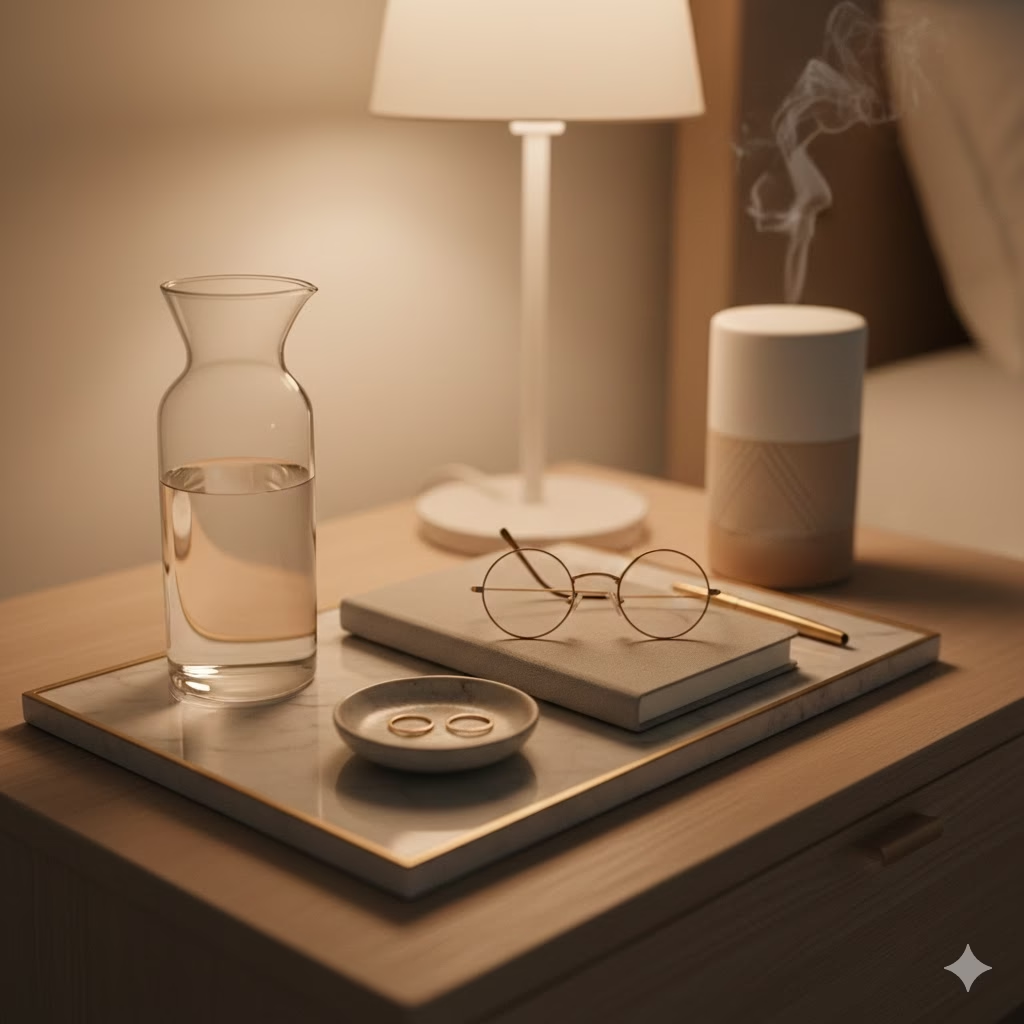
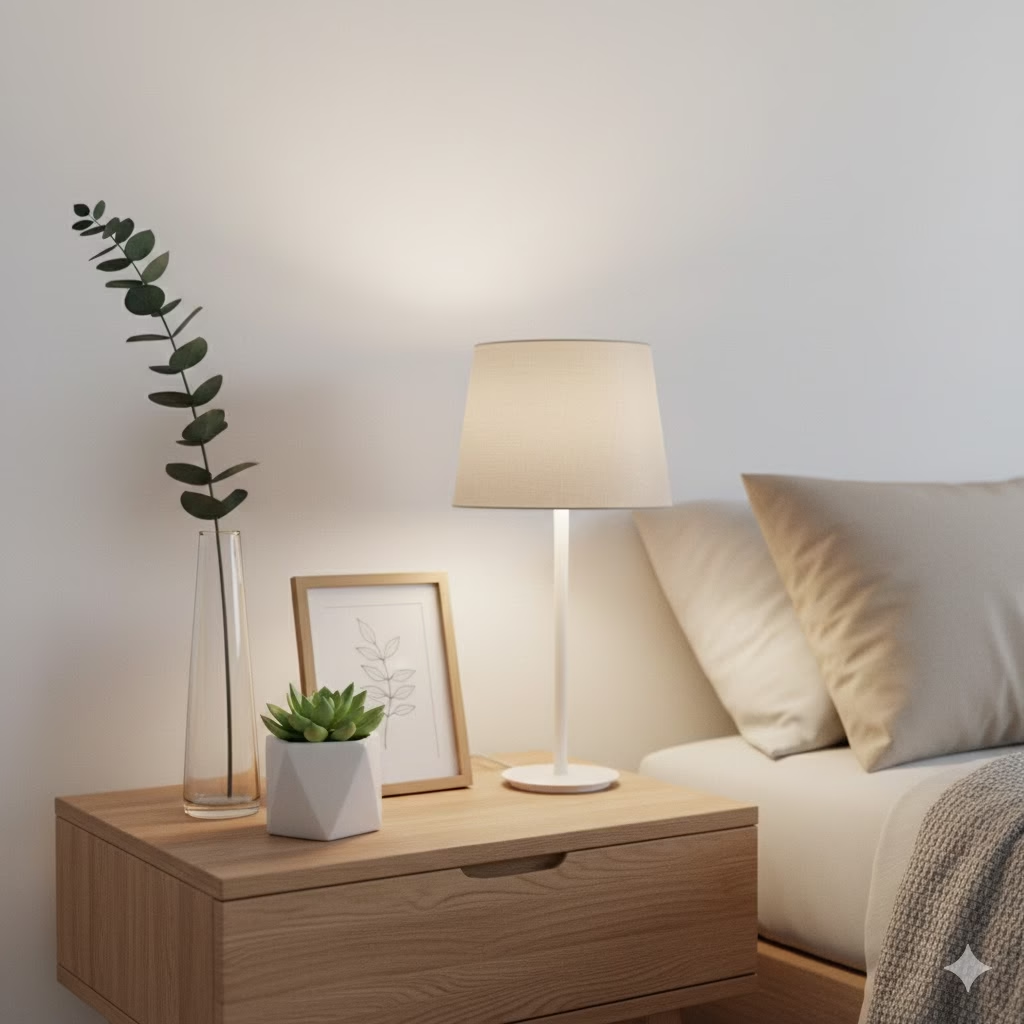
This is not just about saving time. It’s about taking back your evenings. And about saving money on delivery. It’s about enjoying a homemade meal without all the usual effort.

In this complete guide, we will dive deep into microwave mug meals. We’ll look at why they are so popular. We will share important tips for success. Most importantly, we will give you amazing recipes. These recipes prove you truly can make a delicious dinner in a mug in under five minutes. Get ready to change how you eat on weeknights forever!


Why “Dinner in a Mug” is Your New Best Friend

The appeal of dinner in a mug goes far beyond just being fast. It’s a cooking philosophy made for modern life. It offers many benefits that traditional cooking often can’t match.

Amazing Speed and Ease

This is the most clear, and maybe the best, reason. Every minute counts in our busy lives. Having a hot meal ready in literal minutes is a superpower. You don’t need to heat an oven. You don’t wait for water to boil. There is no long time spent stirring food in a pan. Just a few stirs and a quick zap, and dinner is ready. This method is perfect for:

  • Lunch breaks at home: Get the most out of your relaxation time.
  • Late-night cravings: Avoid the drive-thru.
  • Post-gym refueling: Get your protein in quickly.
  • Sudden hunger: Always be ready to eat.

Perfect for Portion Control

Managing how much you eat is tough, especially if you cook for one person. It’s easy to cook too much and then eat too much. Mug meals are naturally single-serving. This makes controlling your portions simple. This is great for people watching their food intake or those who want to avoid food waste.

Minimal Cleanup

The second most attractive thing after speed is the easy cleanup. You cook and eat in the same container. A quick rinse, maybe a tiny scrub, and you are done. Think about that compared to a full meal that uses pots, pans, cutting boards, and many forks and spoons. It’s a dream come true!

Versatility and Customization

Don’t think that because they are simple, mug meals lack variety. They are incredibly versatile. You can make everything from pasta and eggs to rice dishes and veggie stir-fries. The possibilities are huge. You can easily change recipes to fit your diet, use whatever ingredients you have, or match whatever you feel like eating. Gluten-free, vegetarian, low-carb—many mug recipes can be changed easily.

Budget-Friendly

Eating out or ordering food often can empty your wallet fast. Mug meals use common things you likely already have in your pantry and refrigerator. You only need to buy ingredients in small amounts. This makes them a very cheap option. This also helps cut down on wasted food, because you only make what you will actually eat.

Great for Beginners

If you feel scared of cooking, mug meals are a great place to start. They offer low risk and high reward. The steps are usually simple. You need little equipment. Success is almost guaranteed. It builds confidence and encourages you to try new things in the kitchen.


Essential Tips for Microwave Mug Meal Success

Making dinner in a mug is very simple. However, a few tips and tricks can make your meals go from good to absolutely amazing.

Choose the Right Mug

Not all mugs are the same. Pick a ceramic or glass mug that is microwave-safe. Make sure it holds at least 12 to 16 ounces. This prevents food from spilling over, especially for recipes that rise, like those with baking powder or eggs. A wide opening also makes it easier to stir.

Understand Your Microwave

Microwaves are very different in power and strength. A recipe that cooks in 2 minutes in a strong 1100-watt microwave might need 3 to 4 minutes in a weaker 700-watt model. Always start with the shorter cooking time suggested. Then, add 15 or 30 seconds at a time until your meal is cooked how you like it. Cooking for too long can make food rubbery, especially eggs or pasta.

Stir, Stir, Stir!

Getting heat to spread evenly in a microwave can be tricky. For the best results, especially with thick food or many ingredients, stir the contents of your mug halfway through cooking. This helps ensure that everything cooks well. It also stops some parts from becoming too hot or some parts remaining uncooked.

Don’t Overfill

Always leave plenty of space at the top of your mug, at least one inch from the rim. This is very important for recipes that will grow (like scrambled eggs or pasta) or recipes that bubble up. Food or liquid that overflows will make a huge mess in your microwave. It will also leave you with an undercooked meal.

Use Fresh, Quality Ingredients

The cooking method is simple, but the quality of your ingredients is still important. Fresh vegetables, good quality sauces, and well-seasoned meats will make your dinner in a mug taste much better.

Season Liberally

Microwave cooking can sometimes make flavors taste weaker. Do not be afraid to use plenty of seasoning! Add herbs, spices, salt, and pepper until it tastes right. A little hot sauce, a squeeze of lemon, or a sprinkle of fresh herbs after cooking can also make flavors much brighter.


Incredible Dinner in a Mug Recipes (All Under 5 Minutes!)

Time for the best part! Here are some excellent recipes. They will have you eating a delicious dinner in a mug in less time than it takes to pick a movie.

1. Quick & Cheesy Pizza Mug

  • Ingredients:
    • 4 tbsp all-purpose flour
    • 1/4 tsp baking powder
    • 1/8 tsp baking soda
    • 1/4 tsp salt
    • 3 tbsp milk
    • 1 tbsp olive oil
    • 1 tbsp marinara sauce (or more, to taste)
    • 2 tbsp shredded mozzarella cheese
    • Mini pepperoni, chopped bell peppers, mushrooms (optional toppings)
    • Pinch of dried oregano or Italian seasoning
  • Instructions:
    1. In a large microwave-safe mug, whisk the flour, baking powder, baking soda, and salt together.
    2. Stir in the milk and olive oil until they are just mixed. A smooth dough should form.
    3. Spread the marinara sauce evenly over the dough.
    4. Top with mozzarella cheese and whatever toppings you want (pepperoni, veggies, etc.).
    5. Sprinkle on the oregano or Italian seasoning.
    6. Microwave on high for 60 to 90 seconds. The cheese should be melted and bubbly. The dough should be cooked through. Let it cool a little before you eat it.

2. Cheesy Scrambled Eggs & Veggies Mug

  • Ingredients:
    • 2 large eggs
    • 1 tbsp milk or cream
    • Salt and pepper to taste
    • 2 tbsp shredded cheddar cheese
    • 1 tbsp chopped bell pepper
    • A tbsp chopped onion (or green onion)
    • 1 tbsp chopped spinach
    • Optional: a pinch of red pepper flakes, salsa, hot sauce for serving
  • Instructions:
    1. In a microwave-safe mug, whisk the eggs, milk, salt, and pepper until they are well mixed.
    2. Stir in the cheese, bell pepper, onion, and spinach.
    3. Microwave on high for 45 seconds. Take it out and stir everything well.
    4. Microwave for another 30 to 60 seconds. Keep microwaving until the eggs are firm but still moist. The exact time depends on your microwave and how firm you like your eggs.
    5. Be very careful when you take it out (it will be hot!). Serve right away with salsa or hot sauce if you like.

3. Microwave Mac & Cheese

  • Ingredients:
    • 1/3 cup dry elbow macaroni (or a small pasta shape)
    • 1/2 cup water
    • 1/4 cup milk (whole milk makes it creamiest)
    • 1/4 cup shredded cheddar cheese
    • Pinch of salt and pepper
  • Instructions:
    1. In a large microwave-safe mug, mix the dry pasta and water. Make sure the water completely covers the pasta.
    2. Microwave on high for 2 minutes. Stir the mixture. Then, microwave it again for 1-minute intervals. Stir after each minute. Do this until the pasta is cooked and most of the water is gone (it should take about 4 to 5 minutes total).
    3. Carefully pour out any liquid that is left over.
    4. Stir in the milk, cheese, salt, and pepper. Stir until the cheese is totally melted and the mixture is very creamy.
    5. Microwave for one last 30 seconds to heat everything up. Stir again and enjoy it right away.

4. Sesame Ginger Chicken Mug

  • Ingredients:
    • 1/2 cup cooked rice (use leftovers or instant rice)
    • 1/4 cup pre-cooked chicken, diced (rotisserie chicken is best)
    • 1/4 cup frozen broccoli florets
    • 2 tbsp soy sauce (or tamari for gluten-free)
    • 1 tsp sesame oil
    • 1 tsp rice vinegar
    • 1/2 tsp ground ginger or a small bit of fresh minced ginger
    • Pinch of brown sugar or honey
    • Sesame seeds for garnish
  • Instructions:
    1. In a microwave-safe mug, put the frozen broccoli florets and 1 tablespoon of water. Cover the top loosely with a paper towel. Microwave for 45 seconds. This slightly steams the broccoli. Drain any water that is left over.
    2. Add the cooked rice and diced chicken to the mug.
    3. In a separate small bowl, whisk together the soy sauce, sesame oil, rice vinegar, ginger, and brown sugar. This makes your sauce.
    4. Pour the sauce over the ingredients in the mug. Stir everything until it is fully coated.
    5. Microwave on high for 60 to 90 seconds. Keep microwaving until the chicken and rice are very hot.
    6. Sprinkle with sesame seeds before you serve it.

Pro-Tip: How to Make This Mug Meal Truly Healthy

Since your blog focuses on healthy eating, we want to ensure this quick recipe aligns with your best dietary goals. While this mug meal is fast and balanced, a few simple swaps can maximize its nutritional value and make it genuinely healthy.

1. Go Whole Grain for Better Fiber

Instead of using standard white rice, switch to pre-cooked brown rice or quinoa. These complex carbohydrates provide significantly more fiber, which aids digestion, stabilizes blood sugar, and keeps you feeling satisfied for longer.

2. Slash the Sodium

The biggest nutritional caveat in Asian-inspired dishes is often the sodium content of soy sauce.

  • The Swap: Always use low-sodium soy sauce (or tamari, if you are avoiding gluten). You can also cut the amount of sauce by half and replace the missing liquid with plain water or low-sodium chicken broth.

3. Boost the Greens

A quarter cup of broccoli is a good start, but let’s make it better!

  • The Boost: Use 1/3 cup of frozen broccoli florets. You can also mix in a spoonful of shredded cabbage, carrots, or baby spinach before microwaving. The steam will cook these thin vegetables perfectly.

4. Opt for Leaner Protein

While rotisserie chicken is convenient, it often includes salt and skin.

  • The Choice: Use plain, pre-cooked chicken breast (leftovers are perfect!) that has not been seasoned with heavy salt or fat. This keeps the protein lean and in control.

5. Control the Sugar

Even a teaspoon of added sugar adds up.

  • The Adjustment: Skip the brown sugar or honey completely. Instead, rely on the natural sweetness of a tiny bit of rice vinegar to balance the saltiness, or add a few flakes of red pepper for a spicy kick that distracts from the lack of sugar.

By applying these easy modifications, your quick Sesame Ginger Chicken Mug transforms from a merely convenient meal into a truly nourishing and healthy Dinner in a Mug option!


More Savory Mug Meal Ideas

If you have mastered the basics, here are a few more quick ideas to expand your dinner in a mug menu. These take no more than a few minutes of prep and cooking.

Quick Bean and Rice Burrito Bowl

Layer pre-cooked rice, black beans (rinsed), salsa, corn, and a sprinkle of taco seasoning in the mug. Microwave until hot, about 60 to 90 seconds. Top with shredded cheese, sour cream, and a tiny bit of fresh cilantro. This is a flavorful and filling meal that hits all the right notes for a quick Mexican-inspired dish.

Instant Ramen Upgrade

Start with a packet of instant ramen noodles. Cook the noodles in the mug with water as directed, but use only half the seasoning packet. Drain the water. Then, add a few drops of sesame oil, a splash of soy sauce, some frozen shelled edamame, and a whisked egg. Stir quickly and microwave for 30 seconds. The egg will cook into the hot noodles, adding protein and richness.

Veggie Couscous Delight

Mix instant couscous with hot broth or water (follow the package directions). Add dried herbs (like thyme or oregano), a few pieces of sun-dried tomatoes, and a drizzle of olive oil. Stir in fresh baby spinach and chopped olives after the couscous has absorbed the liquid. The heat from the couscous will wilt the spinach perfectly.


Conclusion: Reclaiming Your Time, One Mug at a Time

The world of dinner in a mug is more than just a passing trend. It is a practical, very satisfying answer to the common problem of needing a quick meal. From the warm comfort of a microwaved mac and cheese to the savory taste of a quick chicken and rice bowl, these recipes prove something important. They prove that great flavor and real, home-cooked food do not need hours of hard work.

By learning a few easy tricks—like picking the correct mug, understanding your microwave’s strength, and seasoning your food well—you open up a new level of efficient cooking. Whether you are a student on a tight budget, a busy worker, or simply a person who is tired on a Tuesday, these quick mug meals give you back valuable time. They do this without making you choose between speed and taste. Say goodbye to piles of dirty dishes and hello to your new favorite way to eat on a busy night.


External References


Recent Posts