We have all experienced problems getting to sleep, struggled to quiet a racing mind, or needed some help to focus during a busy day. This guide is built on the shared human need for peace and clarity, exploring how meditation sounds are one of the most accessible tools we have—can instantly guide us toward a calmer state. We’ve explored various techniques, from ancient bowls to modern noise technology, to bring you practical, simple ideas. Start transforming your focus and deepening your practice today.
Using Meditation Sounds to Calm a Busy Mind
The world is loud, and our minds are even louder. If you find it tough to focus during meditation, you’re not alone. We often think of meditation as silence, but for many, a carefully chosen sound can act like a shortcut, instantly pulling you into a state of peace. Sound gives your mind a gentle job to do: listen. This helps prevent your thoughts from running wild.
But what sounds work best? You have tons of options, from the simple sound of rain to advanced technology. We’ll explore the best meditation sounds for focus, deeper relaxation, and a better meditation practice. This guide will show you how to choose the right sonic tools that match your needs, whether you are trying to relax after work, deepen your yoga practice, or simply fall asleep faster.
Why Do Meditation Sounds Help You Focus? The Science of Entrainment

Science shows that sound isn’t just background noise; it actually changes your brain. Our brains work on electrical patterns called brainwaves. Different sound rhythms and frequencies can literally push or “entrain” your brain to change its pattern.
This is why a fast, loud song makes you feel alert, and a slow, gentle sound makes you feel sleepy. We want to move your brain away from those fast, anxious patterns and toward the slow, peaceful ones.
Listening to the right sounds can:
- Lower Stress Hormones: Soothing sounds slow your heart rate, lower your blood pressure, and reduce the stress hormone cortisol. This helps your body switch from “fight or flight” mode to “rest and digest” mode.
- Block Distractions: Consistent sounds create an audio bubble against sudden, loud noises (like car horns or neighbors) that could break your focus.
- Anchor Your Focus: They give your mind a gentle job to do—listen to the sound—which is much easier than telling your mind to do nothing at all. This technique is especially useful for beginners.
Top Picks for Best Meditation Sounds
The best sound for you is the one that feels right. Try these popular options to see what works!
1. The Power of Nature Sounds: Connecting with the Natural World
Nature sounds are the oldest form of sound therapy. They make us feel safe, grounded, and peaceful. Studies show that natural sounds change the way we connect to our environment, promoting healing.
A. Water Sounds: The Rhythmic Flow

The constant, flowing nature of water is incredibly effective because it is both complex and repetitive.
- Ocean Waves : The gentle, steady sound of ocean waves is incredibly rhythmic. The rise and fall of the waves mimic the natural rhythm of your breath. This provides a deep, easy focus that is great for long meditation sessions or simply clearing mental noise.
- Rain and Water : The soft, continuous pitter-patter of rain or the white noise of a running shower can create a cozy, insulating auditory environment. This helps block outside noise and fosters a sense of being warm and safe indoors. Try using the sound of a babbling brook for a slightly higher-pitched, more lively soundscape.
- Distant Thunderstorms: For many, the low rumble of distant thunder and the accompanying rain is comforting. The deep, low brown noise elements in thunder can be highly effective for anxiety relief.
B. Forest & Wildlife Ambience: Grounding and Calm

These sounds help you feel connected to the earth, which is key for a grounding meditation practice.
- Birdsong: The cheerful chirping of birds can uplift the spirit and connect you to the vibrancy of life. It’s excellent for morning meditations when you want to feel energized and awake, but still peaceful.
- Wind Rustling Leaves: The soft whispers of wind through trees can be incredibly grounding. It offers a subtle, textural sound that doesn’t demand attention, allowing you to easily shift your focus inward.
- Forest Night Sounds: These include sounds like crickets and cicadas. Their rhythmic chirping acts as a natural metronome, which is very helpful for slowing your inner pace and transitioning to sleep.
2. Tones, Bowls, and Ancient Instruments
These sounds leverage specific frequencies and vibrations to guide your mind and body.
A. Singing Bowls and Gongs

These ancient instruments make rich, sustained tones that you feel in your body, not just hear with your ears. This vibration is thought to travel through the body’s tissues, helping to release tension.
- Sound Baths: These are immersive sessions (or recordings) using bowls, gongs, and chimes. They are perfect for deep rest and can sometimes feel like a mental reset button. The sounds are often used for chakra balancing and promoting spiritual well-being.
- Tibetan Chanting / Mantras: Repeating a simple word or phrase (like “Om” or “Aum”) is a form of sound-based meditation. The vibration of your own voice and the rhythm of the chant helps anchor your mind, making it easier to stay present.
B. Healing Frequencies: Solfeggio & Others
These sounds are based on the idea that certain pure tones hold a beneficial effect on the body.
- Solfeggio Frequencies: These specific musical tones (e.g., 528 Hz, known as the “Miracle Tone”) are believed to promote healing and positive change. The 432 Hz frequency, for example, is often called the “healing frequency” and is believed to bring about greater mental clarity.
- Ambient Music: Look for slow, simple instrumental music with no lyrics. Drone music (long, sustained tones) or soft flute music are excellent choices for background focus.
3. Smart Sounds for Deep Sleep and Focus: Colored Noise
Need to block out a noisy environment? Colored noise creates a wall of sound that is constant and non-threatening. This masks the sudden, jarring noises that tend to snap your brain out of relaxation.
A. The Color Spectrum of Noise 🎧
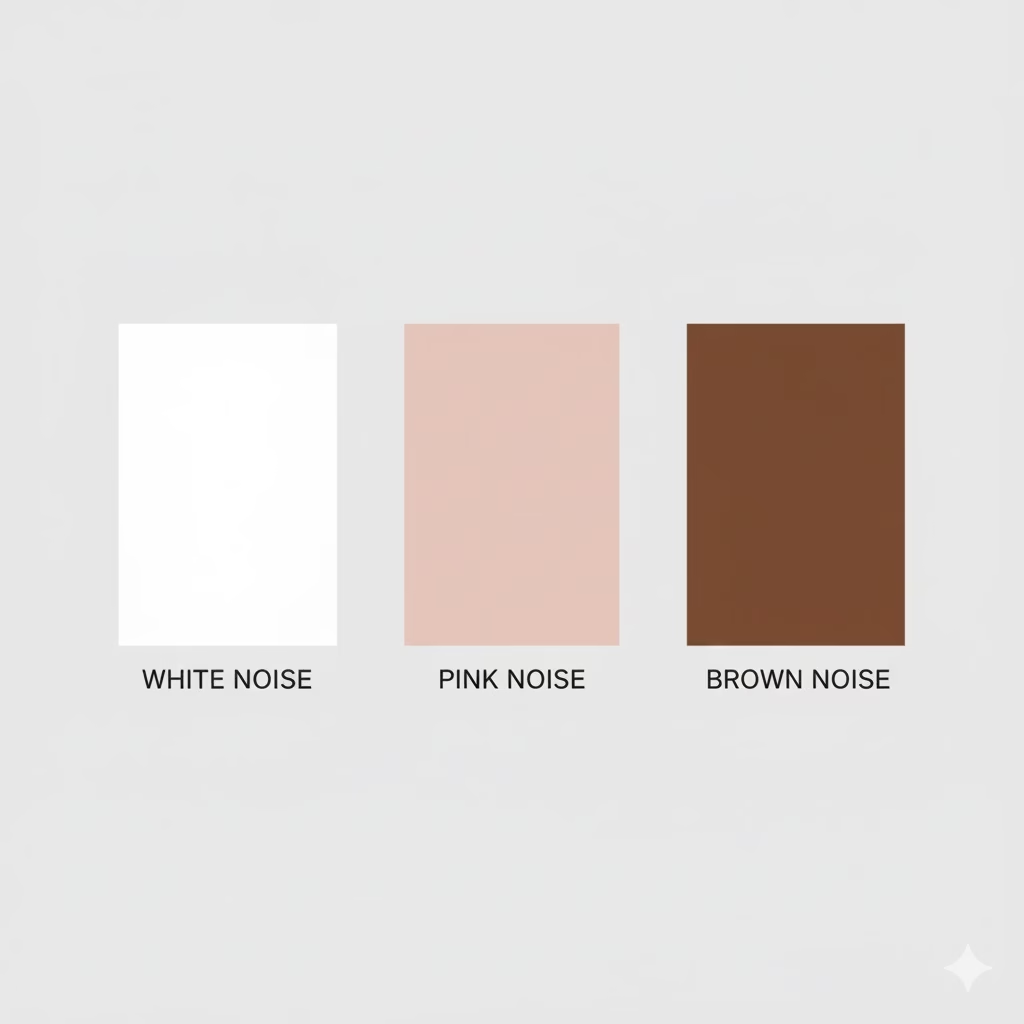
- White Noise: A steady hiss, like a fan. It’s perfect for sound masking because it covers a huge range of noise.
- Pink Noise: Softer and lower than white noise. It has more energy in the low frequencies (like a gentle shower or distant wind). Studies suggest Pink Noise is better than White Noise at promoting deeper, more stable sleep by reducing brainwave complexity.
- Brown Noise: The deepest, lowest sound (like a strong waterfall, heavy surf, or low roar). It is highly effective for calming an overstimulated mind and is often used by people with ADHD or anxiety for intense focus and grounding.
B. Brainwave Entrainment: Binaural and Isochronic Tones
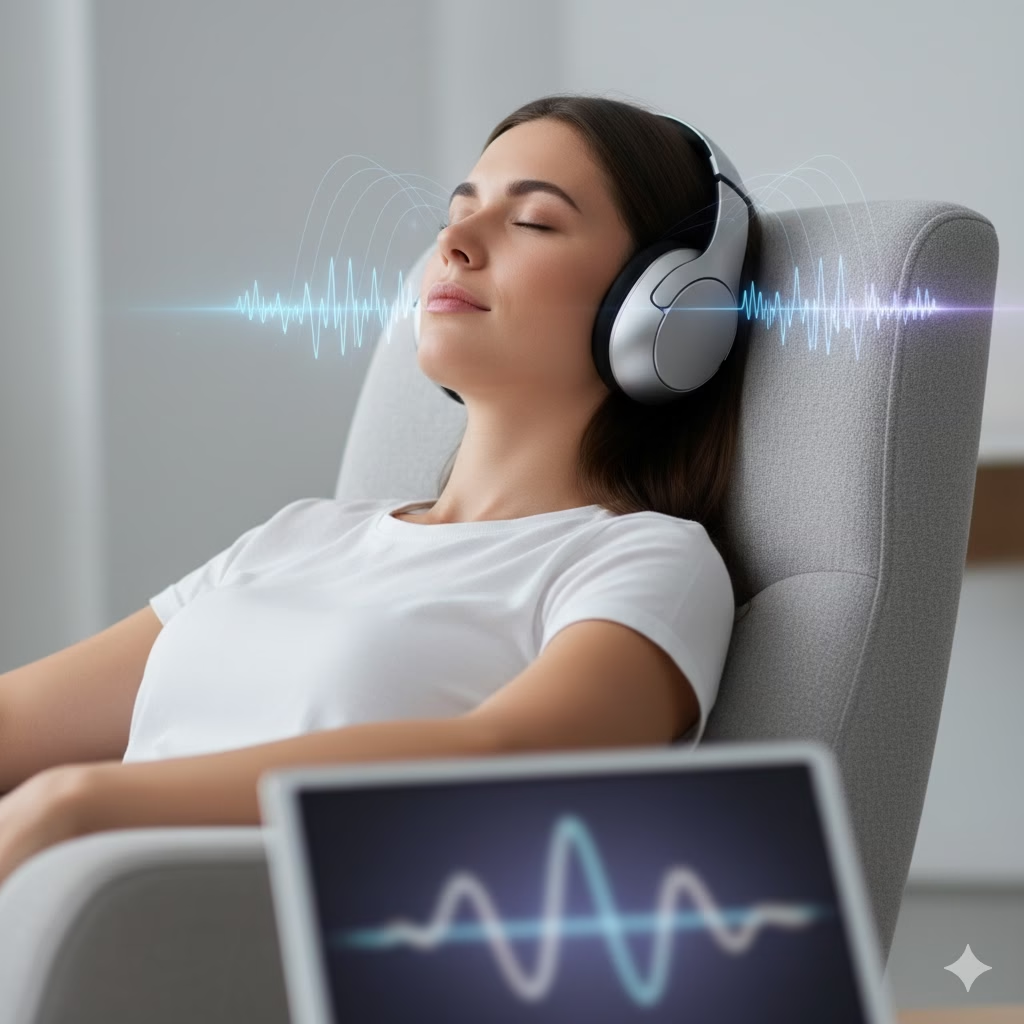
These techniques work by directly guiding your brainwaves into a desired state, making them among the best meditation sounds for achieving specific goals.
- Binaural Beats: You must use headphones for these to work. Your left ear hears one frequency, and your right ear hears a slightly different one. Your brain then creates a third “beat” that helps to entrain your brain.
- Alpha Waves: Best for relaxed focus, which is ideal for yoga or a light, mindful break.
- Theta Waves: Best for deep meditation, accessing creativity, and emotional healing.
- Delta Waves: Best for restorative, deep sleep and anti-aging benefits.
- Isochronic Tones: These use a single tone that quickly turns on and off. They are also highly effective for brainwave entrainment and can be used without headphones, though headphones are still recommended for the best experience.
4. Guided Audio: Letting Go of Control
If your mind races and you find it difficult to stop, letting a calm voice take the lead can be the easiest path to relaxation.
- Guided Meditation: A calming voice walks you through the entire process. This can involve breathwork, a body scan (where you focus on feeling different parts of your body), or a beautiful visualization. This method is the single best meditation sound idea for beginners.
- Sleep Stories: These are deliberately boring or calm narratives for adults. They keep your active, worried mind slightly busy with a gentle storyline (like a slow train journey or a walk in a cozy village). This prevents your mind from dwelling on anxious thoughts and allows you to drift into sleep.
- ASMR (Autonomous Sensory Meridian Response): These are sounds that trigger a physical, tingling sensation, often starting on the scalp and moving down the spine. Whispering, gentle tapping, or slow-motion sounds are popular triggers. While not a traditional meditation sound, many people use ASMR to achieve intense physical and mental relaxation before sleep.
How to Choose the Best Meditation Sounds for You

Finding your favorite sound is a personal journey. Your body and mind will tell you what works best.
- Match Your Goal to the Sound:
- Deep Sleep: Choose Pink Noise, Delta Binaural Beats, or gentle Rain.
- Focus/Work: Choose Brown Noise, Forest Ambiance, or Alpha/Beta Binaural Beats.
- De-stress/Calm Anxiety: Choose Guided Meditation, Singing Bowls, or Ocean Waves.
- Test the Volume: The volume is key. Sound should be loud enough to mask other noises but never so loud that it causes tension. Keep the volume at a low, comfortable level, especially for sleep.
- Invest in Quality Audio: For the full, therapeutic effect of Binaural Beats, quality headphones are essential. For colored noise or ambient music, a good quality speaker (not your phone’s built-in speaker) can make a huge difference in the richness and depth of the sound.
- Listen to Your Body: If a sound makes you feel more alert, tense, or irritated, stop using it immediately! Some people find white noise too harsh; others find high-pitched chimes stressful. Pay attention to how your shoulders, jaw, and breath respond. The best sounds should make your body feel softer, slower, and heavier.
Elevate Your Practice with Meditation Sounds

Integrating the best meditation sounds into your routine can be a game-changer. Whether you’re drawn to the ancient vibrations of a singing bowl, the soothing rhythm of ocean waves, or the precise frequencies of binaural beats, there’s a world of auditory support waiting to deepen your practice. Take the time to explore, listen, and allow sound to guide you to a more focused, peaceful, and centered state of being.
References:
- NIH – Associations between Nature Exposure and Health
- WebMD – Binaural Beats: What Are They and What Are the Benefits?
- Mayoclinic – Meditation: A simple, fast way to reduce stress
Recent Posts