Are you tired of standing by the kettle, drumming your fingers while waiting for that morning coffee? Do you find yourself overfilling the kettle—and then forgetting you boiled it—multiple times a day? Like many of us, the kitchen is the true heart of the home, but sometimes its appliances feel stuck in the past. This article explores how one simple, sleek upgrade, the instant boiling Kitchen Tap, can revolutionise your daily routine, save you money, and make your kitchen more sustainable.
Introduction: The Kettle’s Time is Up
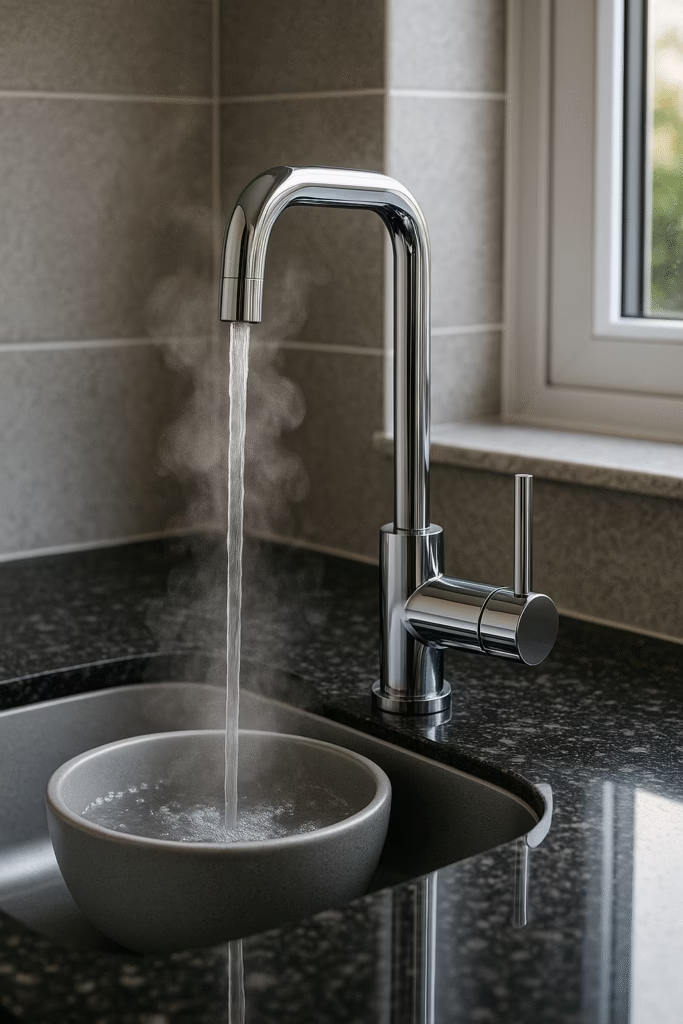
For a very long time, the kettle has been the most important appliance on our kitchen counters. It is a symbol of home comfort. And is the source of all our cups of tea and coffee. It also helps us start boiling pasta or cooking vegetables. However, the kettle means a daily ritual of waiting.
In today’s world, almost everything else is instant. Communication is instant. Entertainment is instant. So why do we still wait for the slow, two-minute noise of a kettle?
Now, there is a modern replacement: the instant boiling water system. This is not a complex gadget. It is a major kitchen upgrade. It is a sleek, dedicated kitchen tap that gives you very hot water right away. This change transforms how you make drinks and how you cook. This article will explain this modern wonder. We will cover how it works, how it helps your life and the planet, and give a simple guide on how to put one in your home.
How It Works: The Quick-Heat Science
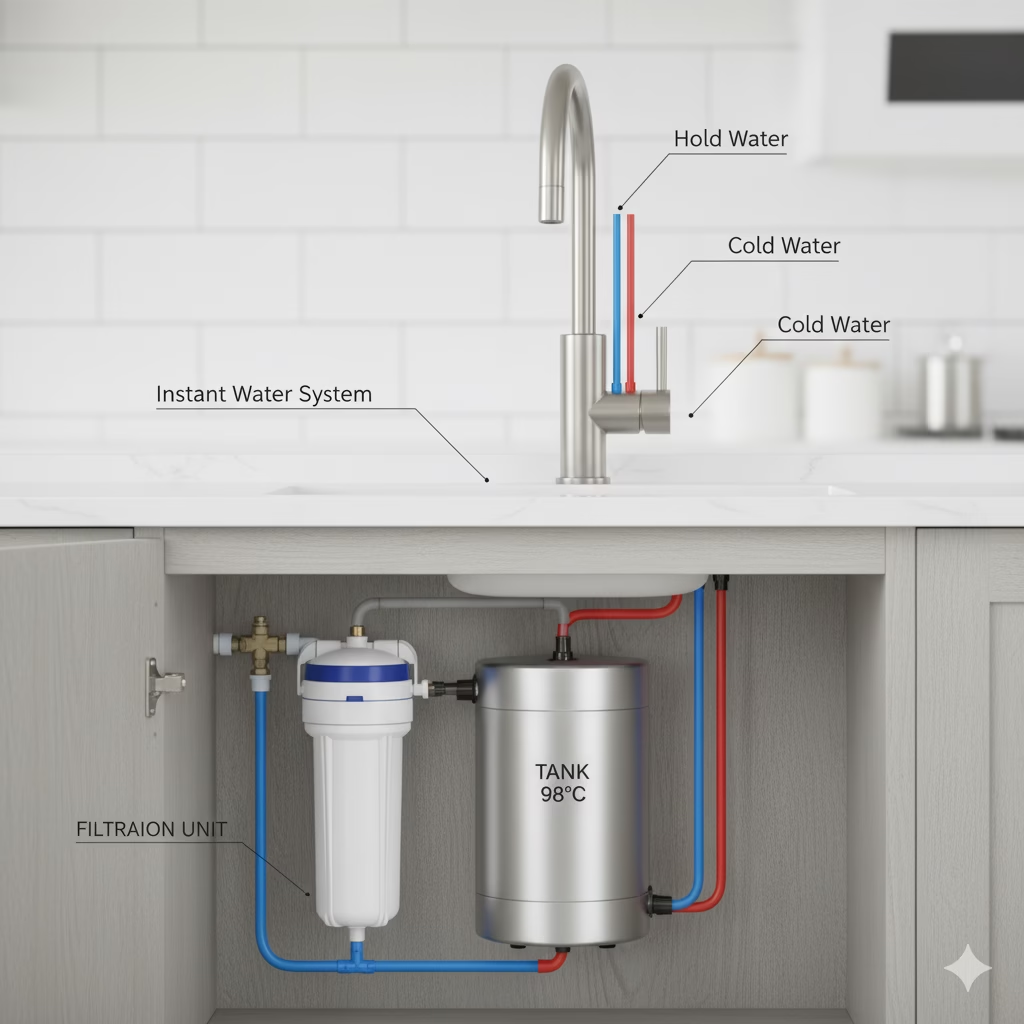
The clever design of the instant boiling tap is based on simple, powerful parts. Most of these parts are kept hidden from view.
The Main Parts
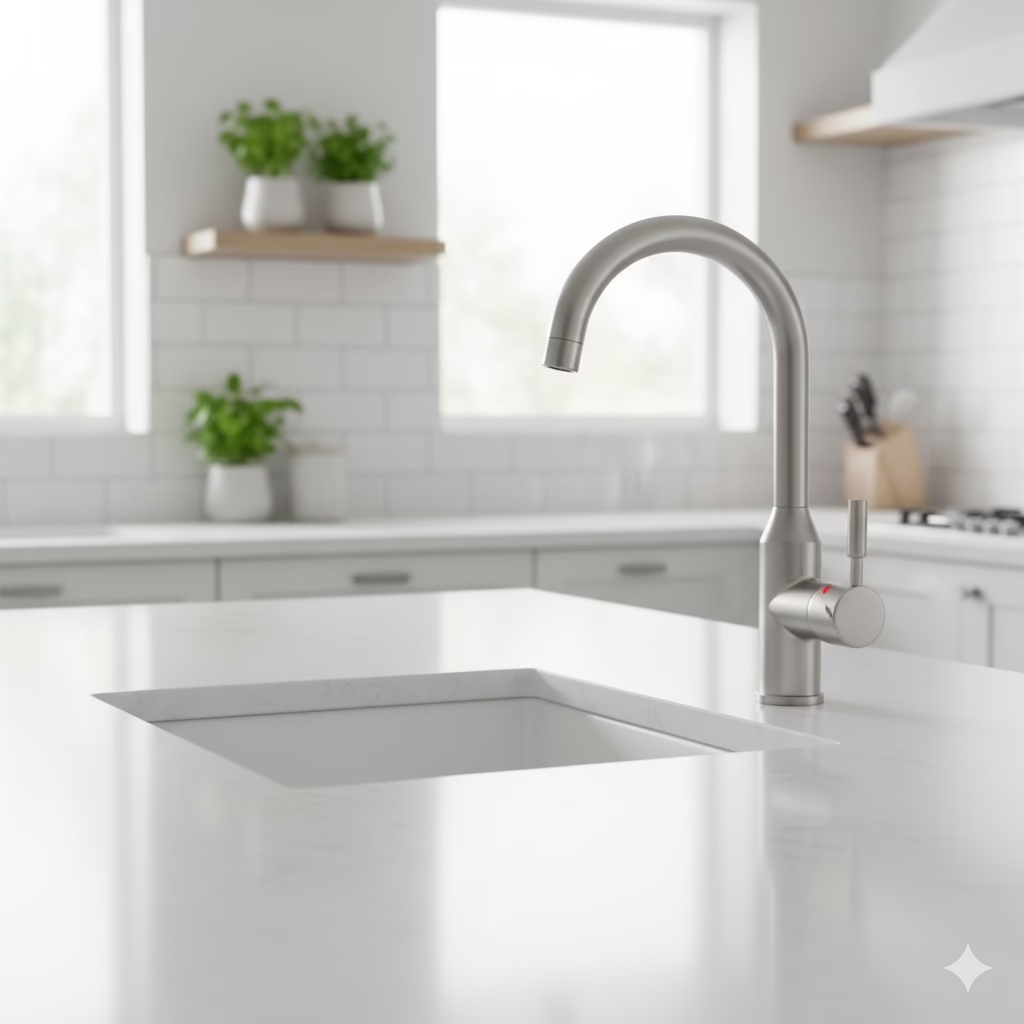
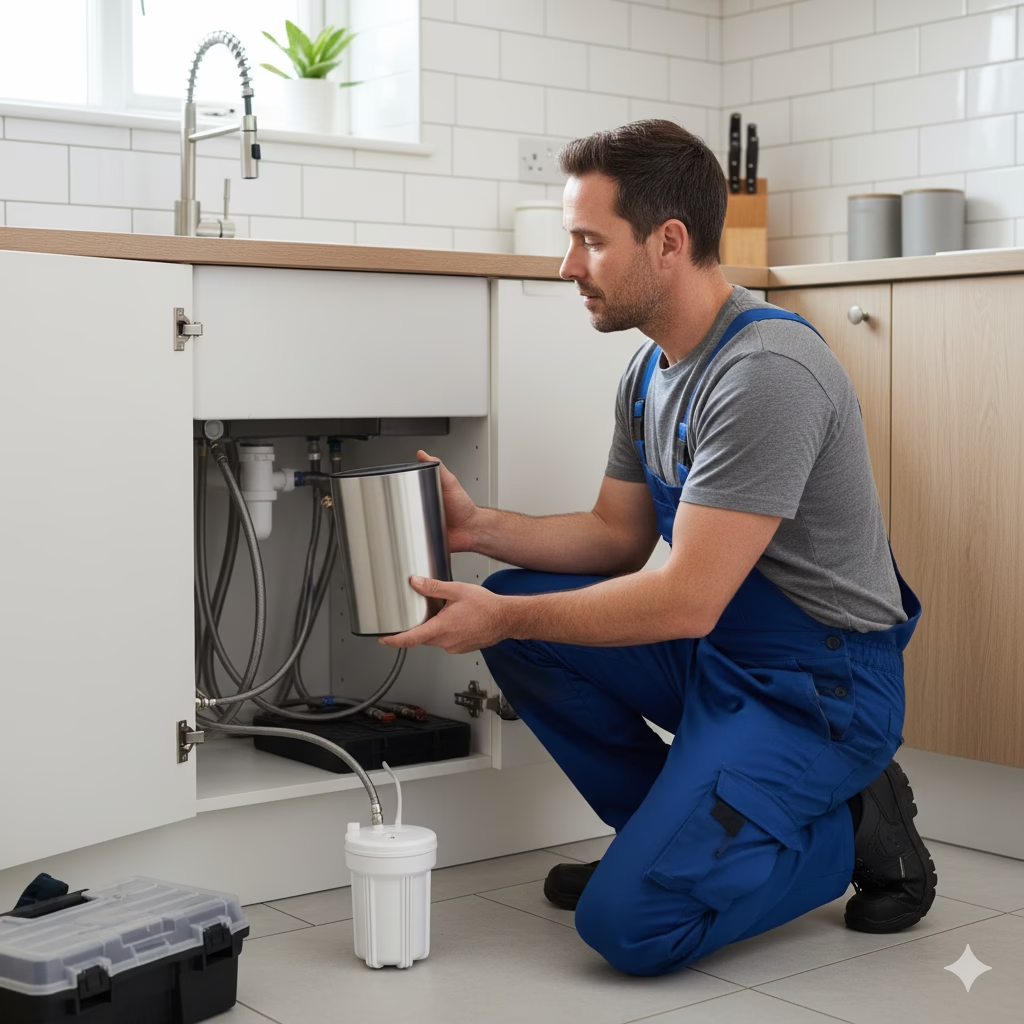
The system has two key components. First is the elegant tap that sits on your counter. Second is a small, insulated heating tank that stays under your sink.
- The Kitchen Tap: This tap looks and works like a fancy standard tap. It often gives you regular hot and cold water too. The special boiling water is accessed using a separate control. This control is usually a handle you must push and turn. It is made to be very safe. The hot water comes out slowly to prevent splashing and burning.
- The Insulated Tank (The Boiler): This is where the magic happens. It connects to your cold water pipes and an electrical socket. The tank quickly heats the incoming water. It keeps the water hot, usually between 96∘C and 99∘C. This temperature is just below true boiling. This is done to prevent too much steam and spitting. The tank is highly insulated. It works like a very high-quality thermos flask. This heavy insulation is why the system uses very little energy to keep the water hot.
- The Filter System: Almost every instant boiling tap has a good water filter. This filter cleans the water before it enters the heating tank. This removes bad tastes, chlorine, and dirt. It makes your drinks taste better. Most importantly, it stops limescale from building up inside the tank. This filtering step makes the unit last longer and work better all the time.
The Instant Flow
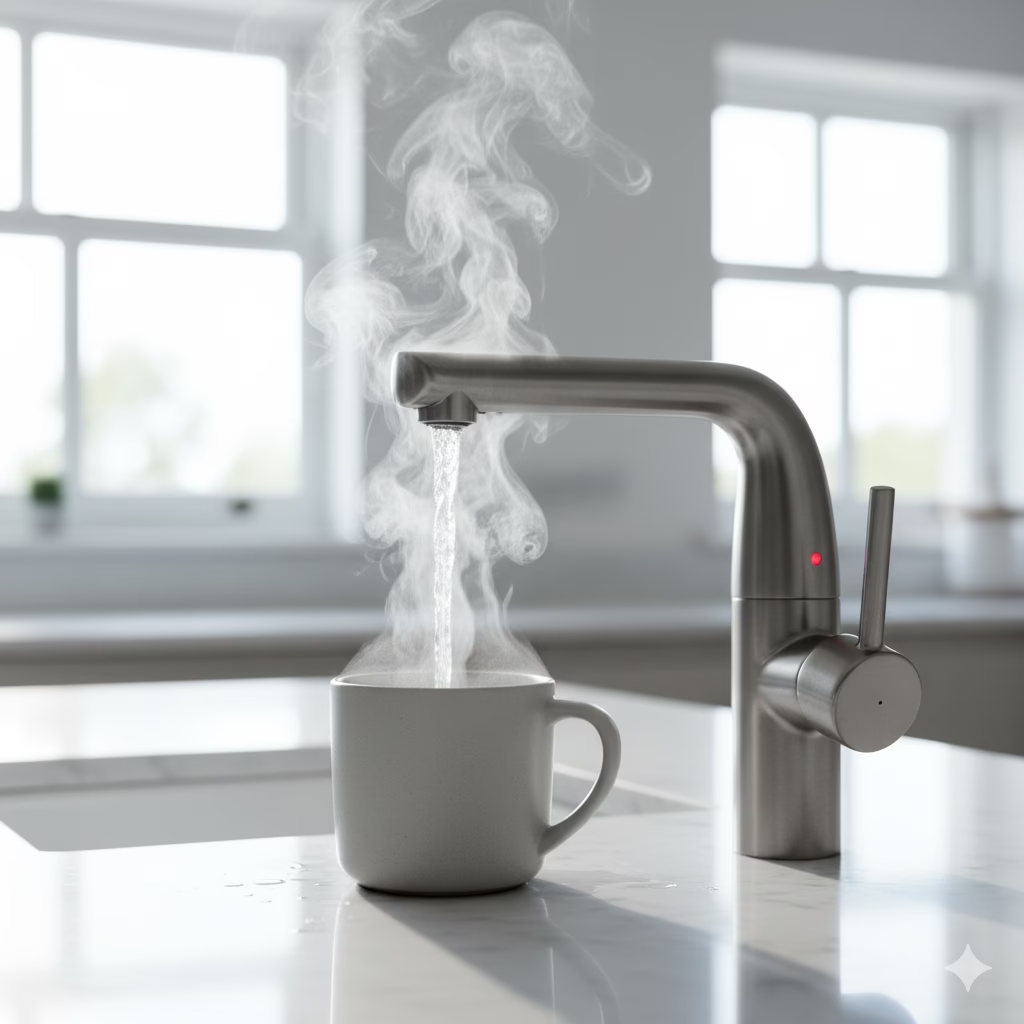
When you use the boiling water control, you simply open a valve. This valve lets water flow from the insulated tank. Since the water is already hot, it comes out of the Kitchen tap right away. There is no delay. No noise. There is no energy spike like you get with a kettle. The hot water is instant, silent, and accurate.
Life Made Easier: More Than Fast Drinks
The most obvious benefit is the speed. But putting in a boiling water system helps your life in many other ways. It changes your whole kitchen routine.
1. Amazing Convenience and Time Saved
Everyone notices the time saving first. You might think two minutes saved on a kettle is not much. But think about how many times you make drinks or cook each day. Those saved minutes add up fast. They turn into many hours over a month.
- Hot Drinks Now: Your morning routine is instantly better. No more filling. Or flicking a switch. No more waiting.
- Quick Cooking: Cooking food like pasta, rice, or vegetables becomes much faster. You fill your pot straight from the kitchen tap. The water is already almost boiling. This cuts many minutes off your dinner preparation.
- Cleaning and Sterilising: Do you need to clean baby bottles? Do you need to remove stubborn grease from a dirty pan? Very hot water is ready right away. This helps you clean fast and without harsh chemicals.
2. Clearer Counter Space
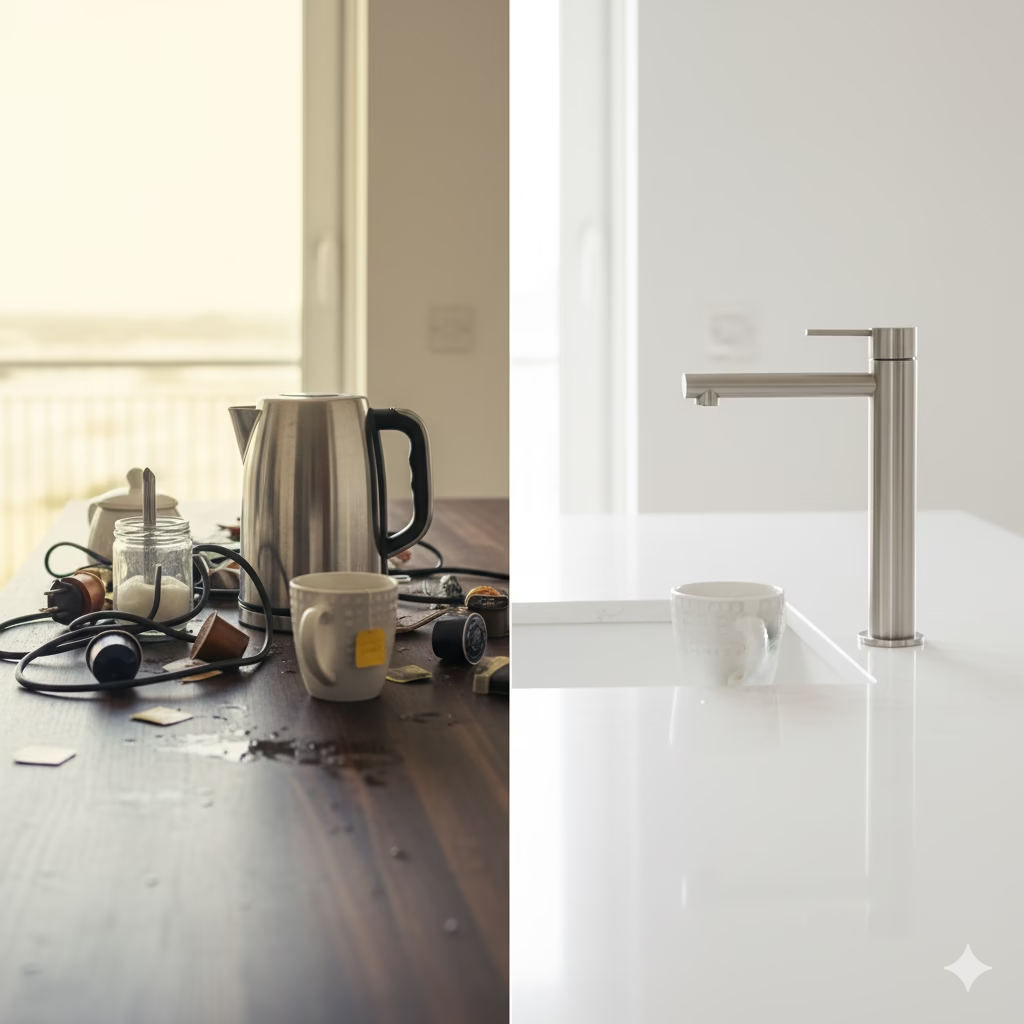
The kettle is a big, heavy item. It takes up a lot of space in your kitchen. By replacing it with an integrated kitchen tap, your counters become clear. Your kitchen will look cleaner and more modern. The main parts of the system are hidden neatly inside the cabinet under the sink.
3. Better-Tasting Water
The water is cleaned by an advanced filter before it gets hot. The water from the tap is purer and cleaner than what comes from a standard kettle or tap. This filtered water makes your tea, coffee, and all your cooked food taste better. This is especially true if you live in a hard water area.
The Green Benefits: Sustainable and Earth-Friendly
A strong reason to switch to a boiling water system is its help toward a greener kitchen. It may seem strange that keeping water hot all day is energy efficient. However, these systems are designed to stop the waste that comes with using a kettle.
1. Greatly Reduced Water Waste
A kettle causes a lot of water waste. Many people overfill their kettles. They boil much more water than they need for one cup. That extra water is heated, cools down, and then gets poured away or boiled again later.
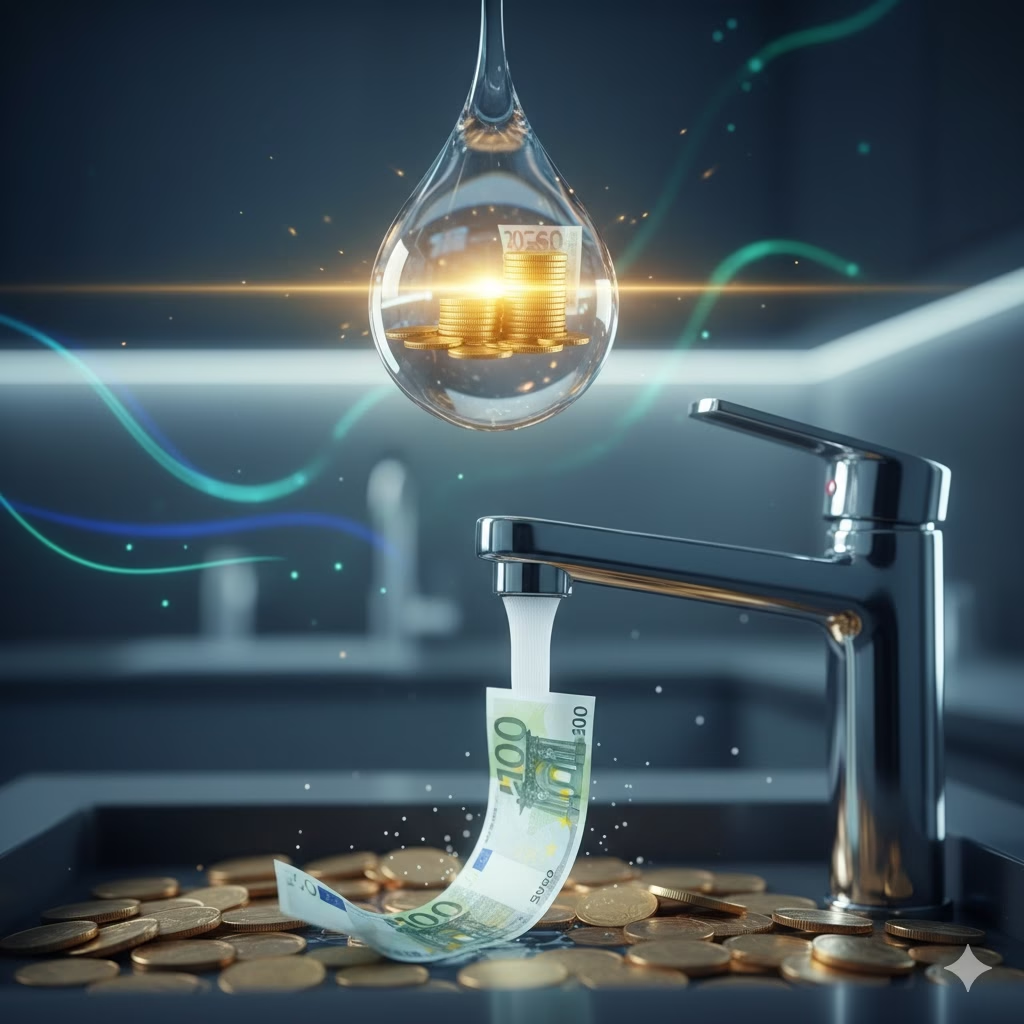
With an instant boiling tap, you get the exact amount of water you need. You use no more and no less. This completely stops the wasteful cycle of overfilling a kettle. This accuracy can save hundreds of litres of water each year.
2. Energy Saving with Insulation
A kettle uses a large amount of energy in one short burst. Once the water is boiled, it starts to cool right away. This wastes all that stored heat.
In contrast, an instant boiling tank keeps its temperature using a very strong layer of insulation. This vacuum layer means the unit only needs small, quick bursts of electricity to keep the water at 98∘C. The standby energy use is very low. It costs only a small amount of money per day to run. If you compare this cost to boiling an overfilled kettle many times a day, the tap system is usually the most energy-efficient choice over time.
3. Less Plastic Waste
Many of the best instant taps can do more than just boil. They can also give you chilled, filtered, and even sparkling water. Because you have high-quality filtered drinking water from your tap, you do not need to buy bottled water anymore. This greatly reduces the plastic waste in your home.
Safety Comes First: A Safer Kitchen
For homes with small children or older people, safety is very important when using hot water. Accidents from kettle spills and burns are a common problem at home. Boiling water systems are specially built to stop this danger.
Key Safety Features
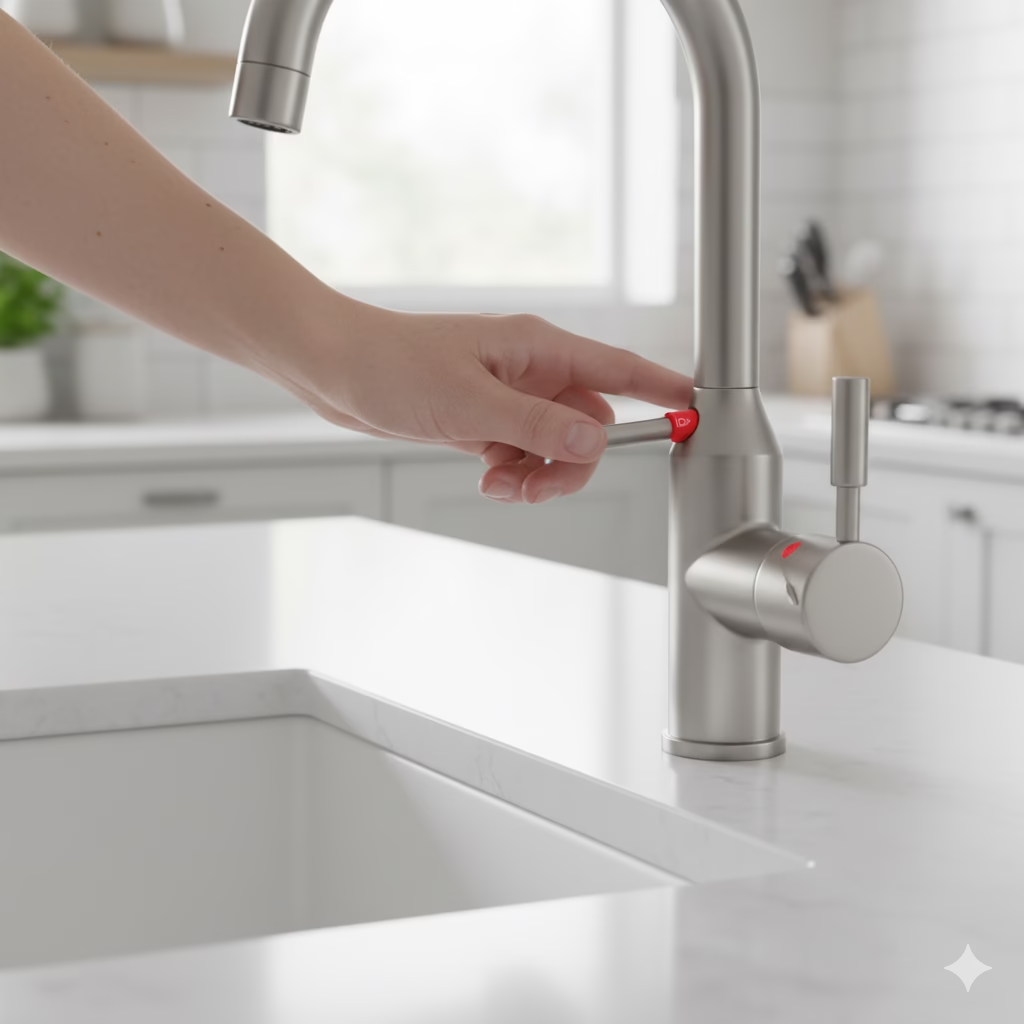
- Child-Safe Lock: Almost all boiling water taps need a special action to get the hot water. You might have to push a button and then turn a handle. This makes it very hard to turn on by accident, especially for children.
- Cool-Touch Spout: The kitchen tap and spout are heavily insulated. The outside stays cool to touch. This prevents accidental burns even when hot water is being poured.
- Soft Water Flow: The water stream is mixed with air. It is a gentle, soft flow of water, not a strong, splashing jet. If your hand goes under it by mistake, the quick shock makes you pull your hand back fast. This prevents a bad burn. The water flow also stops right away when you let go of the control.
- No Tipping Risk: The tap is fixed to the counter. The tank is fixed under the sink. This removes the risk of a heavy kettle filled with boiling water being knocked over.
Installing the System: A Simple Guide
Putting in an instant boiling water system may seem hard, but it is a project that is easy to manage. It often takes just a few hours. We always recommend getting a professional plumber or the company’s own installer to do the job. However, knowing the steps will help you understand the process.
Step 1: Get Ready and Plan
- Check the Space: Make sure you have enough space under your sink for the heating tank. Tanks are small and usually fit in a standard cabinet.
- Check the Power: You need a standard electrical socket (13-amp) close to where the tank will be. If there is no socket, an electrician must install one first.
- Stop the Water: Find the main water valve and turn off the water supply to your kitchen sink area.
Step 2: Take Out the Old Tap (If Needed)
- Disconnect the water pipes from your old tap.
- Unscrew and lift the old tap out of the sink hole.
Step 3: Put In the New Kitchen Tap
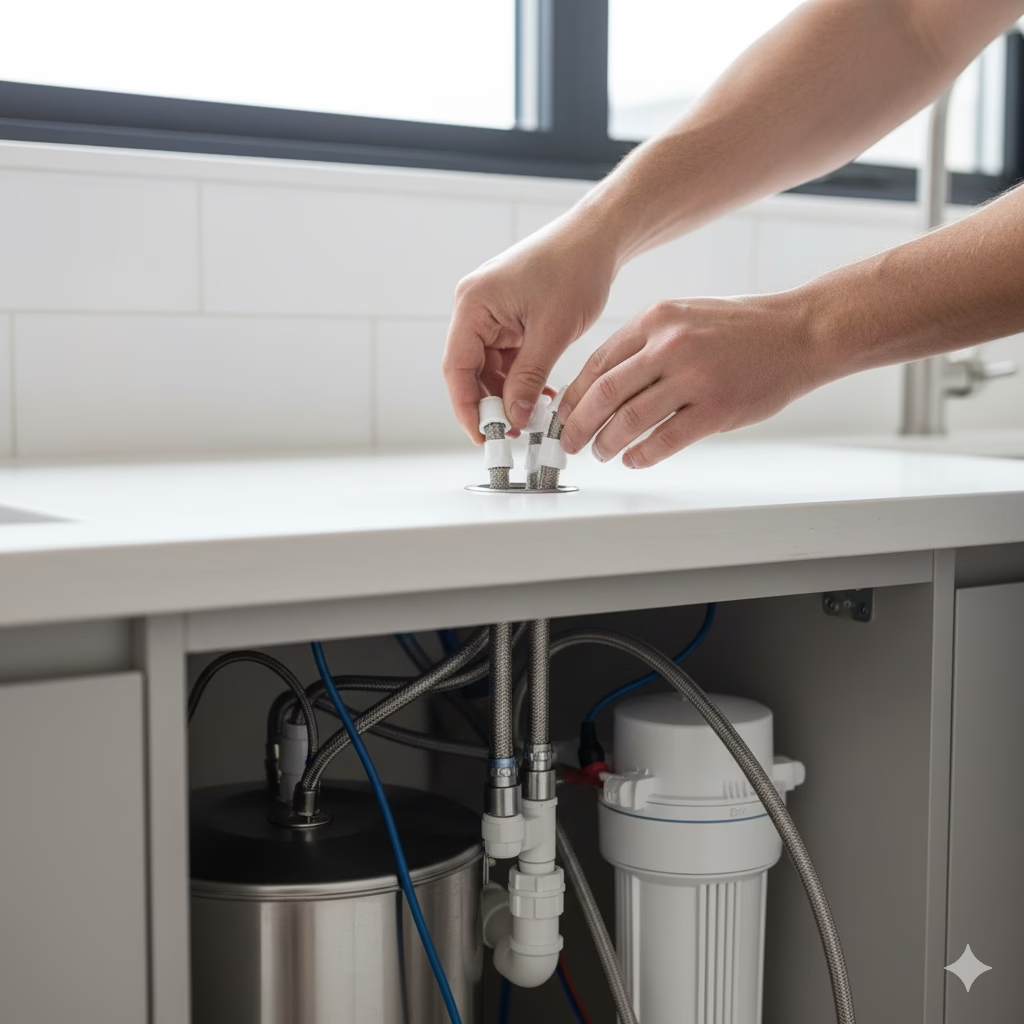
- Place the new instant boiling kitchen tap into the hole. Most taps fit a standard hole size.
- Secure the tap tightly from underneath with the special nut and washers provided.
Step 4: Put In the Tank and Filter
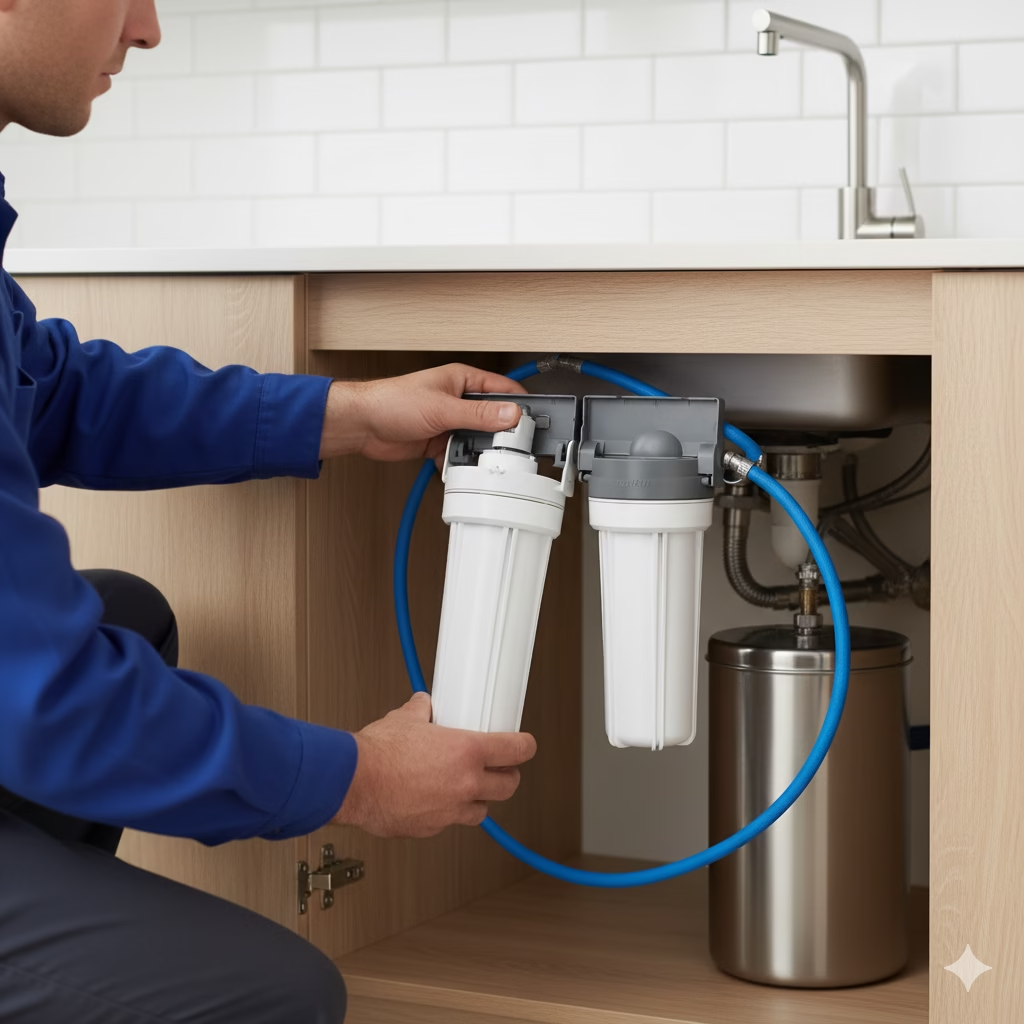
- Place the heating tank in its final spot under the sink.
- Attach the water filter unit to the cabinet wall. This keeps it stable and makes it easy to change the filter later.
Step 5: Connecting the Pipes (The Plumbing)
- Cold Water Pipe: Connect the cold water pipe from the main valve to the filter unit. Then, connect a pipe from the filter to the inlet on the heating tank.
- Tap Pipes: Connect the separate pipes for the hot, cold, and boiling water from the new kitchen tap. Connect them down to the correct spots on the tank and the main hot water line.
- Drain Connection: Some systems need a connection to the waste pipe for safety pressure relief.
Step 6: Turn It On and Test
- Plug the tank into the electrical socket. The tank will immediately start to fill with water and heat it up. This first heating process may take 10 to 20 minutes.
- When the system is ready (usually shown by a light), test the boiling water function. Make sure the safety lock works and the water flows smoothly.
- Check all pipe connections carefully for any water leaks while the system is working.
How to Use It: Daily Examples
The best part of an instant boiling water system is how useful it is every day. Here are some examples of how it will change your daily chores:
| Routine Task | Traditional Method (Kettle/Hob) | Instant Boiling kitchen Tap System |
| Morning Coffee | Fill kettle, wait 2 minutes, pour. | Dispense instantly, drink your coffee now. |
| Boiling Eggs | Put cold water in pan, wait 5-10 minutes for it to boil. | Fill pan with near-boiling water; eggs start cooking right away. |
| Cleaning Dishes | Wait for the regular hot tap water, which is often not very hot. | Dispense boiling water for a strong, hot soak on greasy pans. |
| Blanching Veg | Wait for a large pot of water to boil on the stove. | Fill the pot instantly with 98°C water—it is ready in seconds. |
| Hot Water Bottle | Fill kettle, wait, then carefully pour the heavy, hot kettle. | Fill the bottle directly and safely with a controlled flow. |
The Cost: Price Today vs. Value Tomorrow
It is true that buying and installing a good instant boiling kitchen tap costs a lot more than a simple kettle. But you must look at the value over many years. The total cost changes a lot when you do that.
- Buying Cost: The price of these taps changes a lot. It depends on the brand, the extra features (like chilled or sparkling water), and the colour or finish you choose.
- Running Cost: As we discussed, the daily energy cost to keep the water hot in the insulated tank is very low. It is usually much less than the total cost of boiling a kettle many times a day.
- Upkeep: The main cost over time is changing the water filter. You usually need to change it every six to twelve months. This depends on how hard the water is where you live. This small cost keeps the system working well and keeps the water tasting great.
When you think about the time you save, the better safety, the clean look of your kitchen, and how it saves water and energy, the instant boiling water tap is not a luxury. It is a smart, long-term investment for your home.
Conclusion: The Tap That Changes Everything
The standard kettle has been good to us, but its purpose is ending. The modern instant boiling water system is the right appliance for modern life. It is efficient, safe, and convenient. And gives you an amazing feeling of “instant gratification.” It also helps you have a cleaner, less cluttered, and more environmentally friendly kitchen.
It helps you from your first quick cup of tea to your faster dinner preparation. Switching to an instant boiling kitchen tap is an upgrade you will use and enjoy every single day. It is an investment in ease, in sustainability, and in the modern heart of your home.
Frequently Asked Questions (FAQ)
Q: Is the water truly 100∘C boiling?
A: Most systems give you water between 96∘C and 99∘C. This is done on purpose. Getting water at 100∘C would cause too much steam and splashing. The near-boiling heat is perfect for making tea, coffee, and cooking. It is also much safer to use.
Q: How long does the filter last, and can I change it myself?
A: A filter usually lasts between 6 months and one year. This depends on how hard your water is. Most filters are made so you can simply twist them off and put a new one on yourself. You will not need a plumber to do this. The system will usually tell you when it is time to change the filter.
Q: Will the tank take up too much space under my sink?
A: Modern tanks are very small. They are designed to fit well inside a normal kitchen cupboard. You will still have a lot of space left for storage. They are also very well insulated, so they do not make the cupboard hot.
Q: How much energy does it use compared to a kettle?
A: A kettle uses a lot of power all at once. An instant tap uses a very small, constant flow of energy to keep the water hot. This is thanks to the excellent insulation. Because people waste so much water and energy by boiling their kettles too often or overfilling them, the instant tap often saves you money and energy in the long run.
Q: Can I use the tap for normal hot and cold water too?
A: Yes, most popular models are “3-in-1” taps. They give you regular hot, regular cold, and boiling water. There are also “4-in-1” models that add filtered cold water. These taps replace your current kitchen tap. You can also buy boiling-only taps that sit next to your existing tap.
Reference Section
- Tapwarehouse – How do Boiling Water Taps Work?
- MC- Appliance – Energy Efficiency of Instant Boiling Water Dispensers
- Consumerreports – Kitchen Appliances
Recent Posts