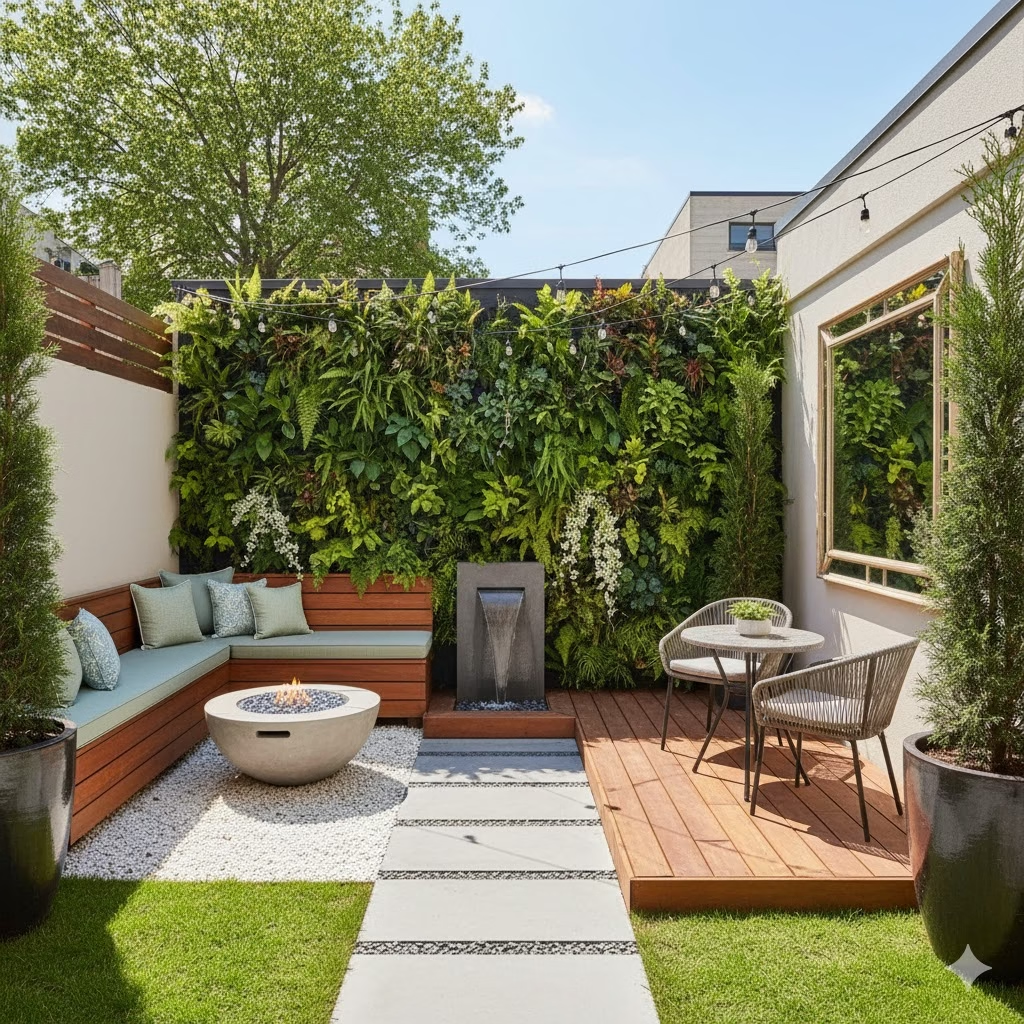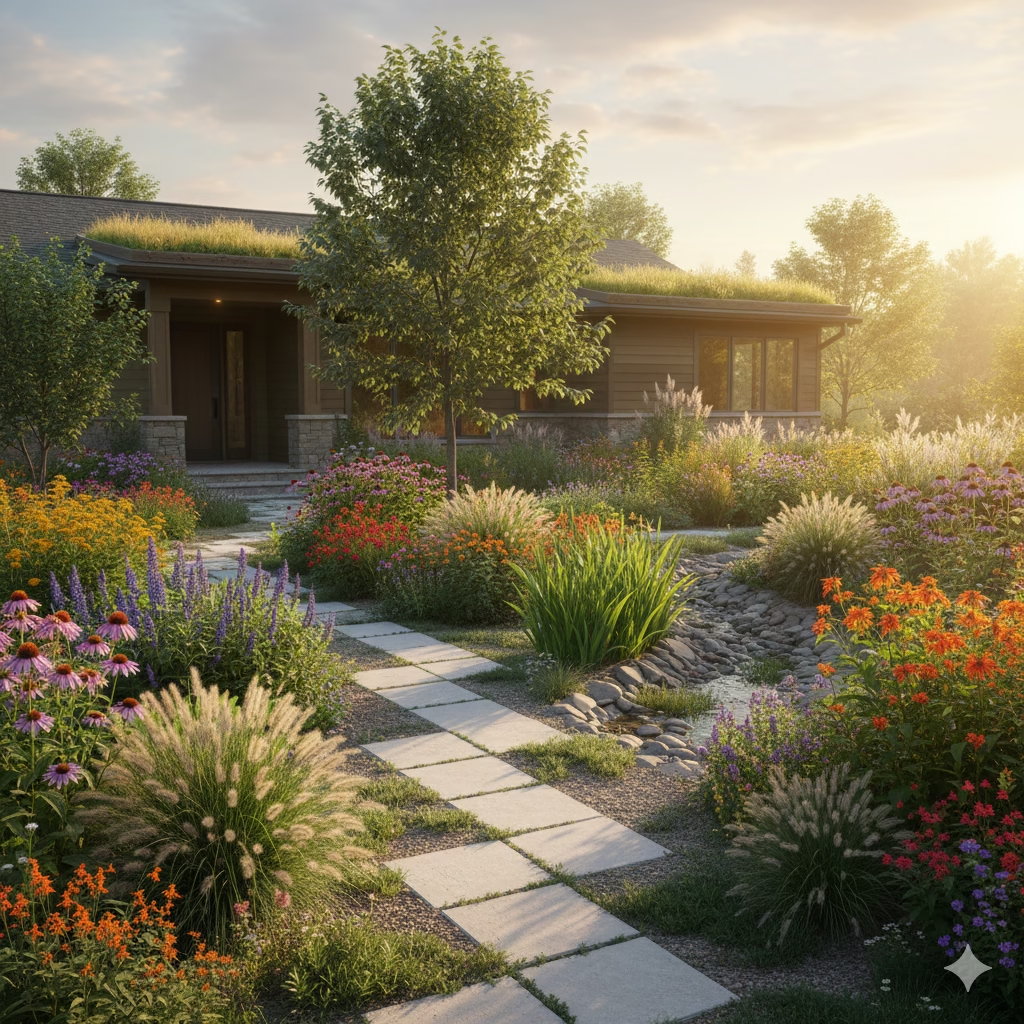
I used to think I had a “black thumb.” I soon learned that growing a small backyard garden patch was not about being perfect; it was about getting my hands dirty. What began as a simple way to relax quickly became a deep connection to nature and a real source of pride. If modern life feels too fast, know that a bag of seeds can offer a surprising path to peace and feeling fulfilled.
The Joy You Find When You Dig In
People often start a Garden for practical reasons. They want to save money on food. They want to eat fresher vegetables. These reasons are true and good, but they are only a small part of the story. Gardening offers deep, often unexpected joy. It is a choice that makes your life better. It helps your health, your local environment, and your sense of purpose.
Our world moves fast and promises quick results. A garden changes that. It makes you slow down. It teaches you to follow the rhythm of nature. You learn to be patient. And to keep trying. You get a quiet feeling of happiness when you help a tiny seed grow into a large, food-producing plant. This simple act of growing things is very calming. It is a powerful cure for the stress and worry of modern life.
The change happens in you, not just in the soil. You change from someone who buys food to someone who makes food. You learn exactly where your food comes from. This new view gives you power. It helps you value the natural cycles of life much more.
Soil is Good for Your Mind
We know that gardening helps your mental health. Just being outside and moving your body can lift your mood. But working with soil does even more. Scientists have found that a common germ in soil, Mycobacterium vaccae, can make your brain create serotonin. Serotonin is a natural chemical that fights feeling down or depressed. Simply put, getting your hands in the dirt can make you happier.
Also, a garden helps you live in the moment. When you pull weeds, water plants, or pick food, you focus only on that task. This gives your mind a break. You forget about work, the news, and your phone for a while. It is a calm, easy activity that gives you real, beautiful results.
Better Health, Better Taste, Safe Food
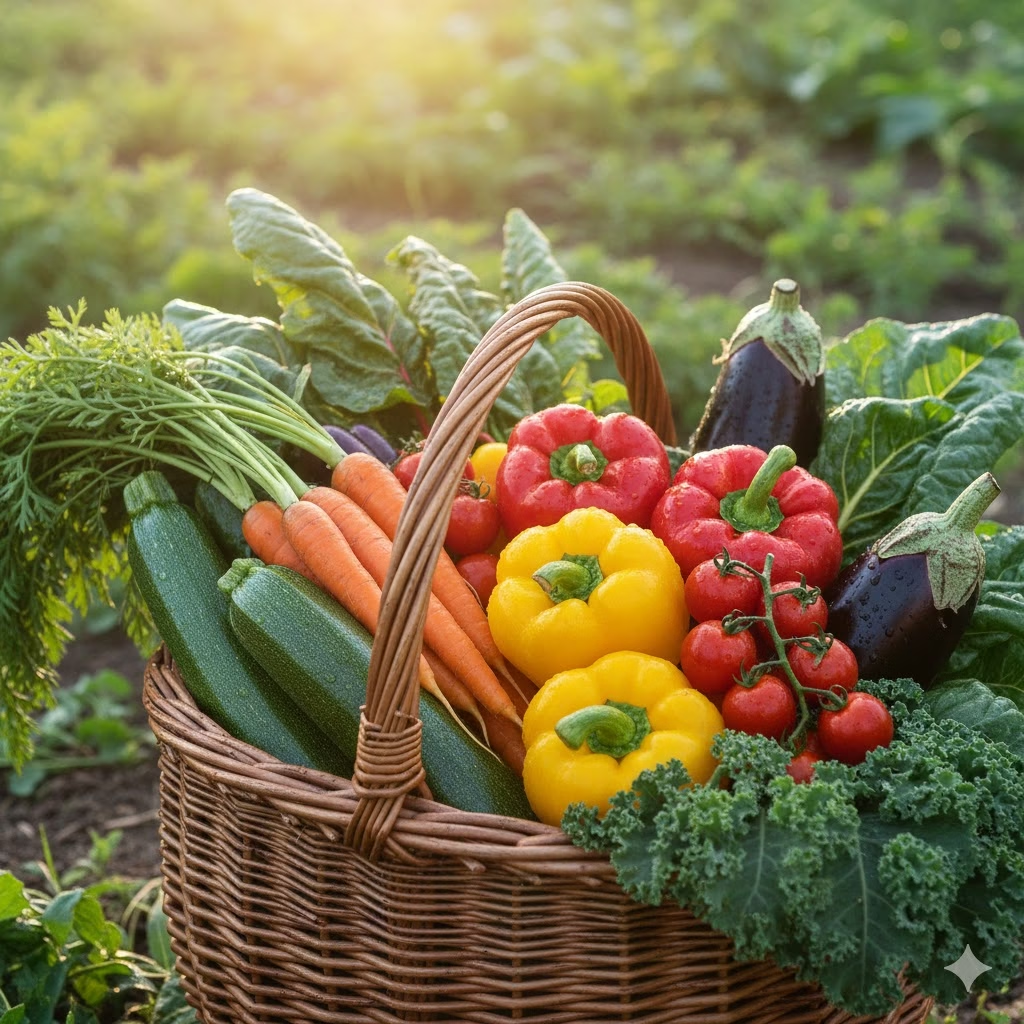
One of the best and quickest rewards of starting a Garden is the better food you get. Store vegetables often travel far. They lose taste and nutrients every day they are away from the farm. Your home-grown vegetables are different. They are picked when they are most ripe. They are on your plate just minutes later.
More Vitamins and Minerals
When you grow food at home, you control the whole process. You pick the soil. You choose the fertilizer. Most important, you do not use harsh chemicals or pesticides. This means your family eats food that is full of vitamins, minerals, and nutrients. It has no hidden, bad ingredients. This change is great for everyone. It teaches children early lessons about eating well and where food comes from.
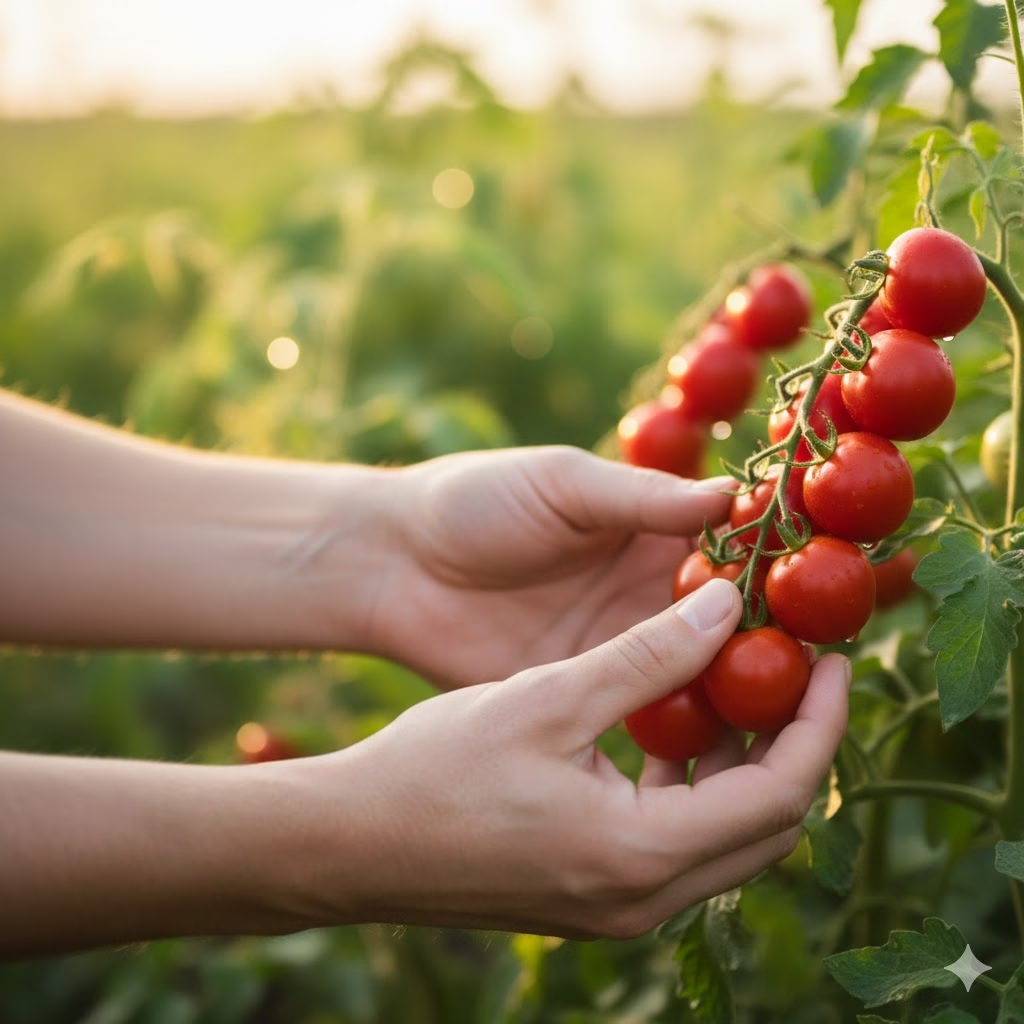
Example: The Taste of a Homegrown Tomato
To really see this benefit, try a store tomato and a ripe tomato from your own yard. The store tomato is often pale, hard, and watery. It is grown to survive a long trip. Your garden tomato is an heirloom variety. It bursts with sweet and complex flavors. It tastes like a real tomato should. Commercial farms simply cannot match this quality. Tasting one of these will turn any doubter into a dedicated gardener.
Making Your Food Supply Stronger
Our world can be unsure. Growing some of your own food helps keep you and your neighbors safe. Even a small, hard-working Garden helps. It can protect you from high food prices. It helps if the food delivery system has problems. This ability to take care of yourself gives you a strong feeling of freedom and readiness.
How to Start Your Garden: An Easy Guide
Thinking about starting a garden may seem scary. You might picture huge fields, expensive tools, and lots of hard work. That is not true. If you start small and use the right methods, gardening is easy for almost everyone. It works even if you have little space or no experience.
Step 1: Check Your Site and Sun
The most important thing for a good garden is sunlight. Most vegetables and fruits need at least six to eight hours of direct sun each day.
- Watch: Spend a whole day looking at your yard or patio. See where the sun hits at 9 AM, noon, and 3 PM.
- Use Pots: If your space is small, or you only get a few hours of sun, use pots. Pick plants that like some shade. This includes lettuce, spinach, kale, and herbs. You can move the pots to catch the best sun.
Step 2: Pick Your Method
You have two main ways to start a beginner Garden: planting in the ground or using raised garden beds.
Using Raised Garden Beds
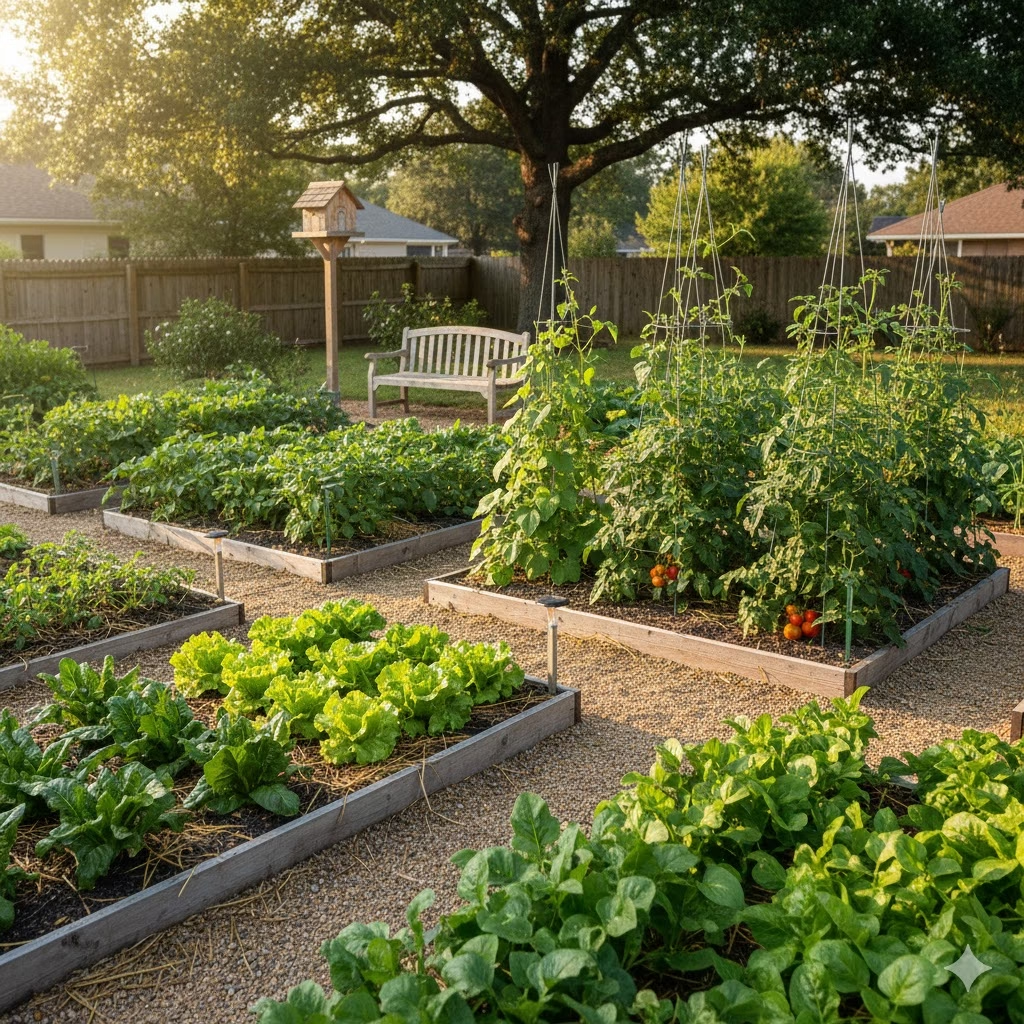
Raised garden beds are often best for people just starting out:
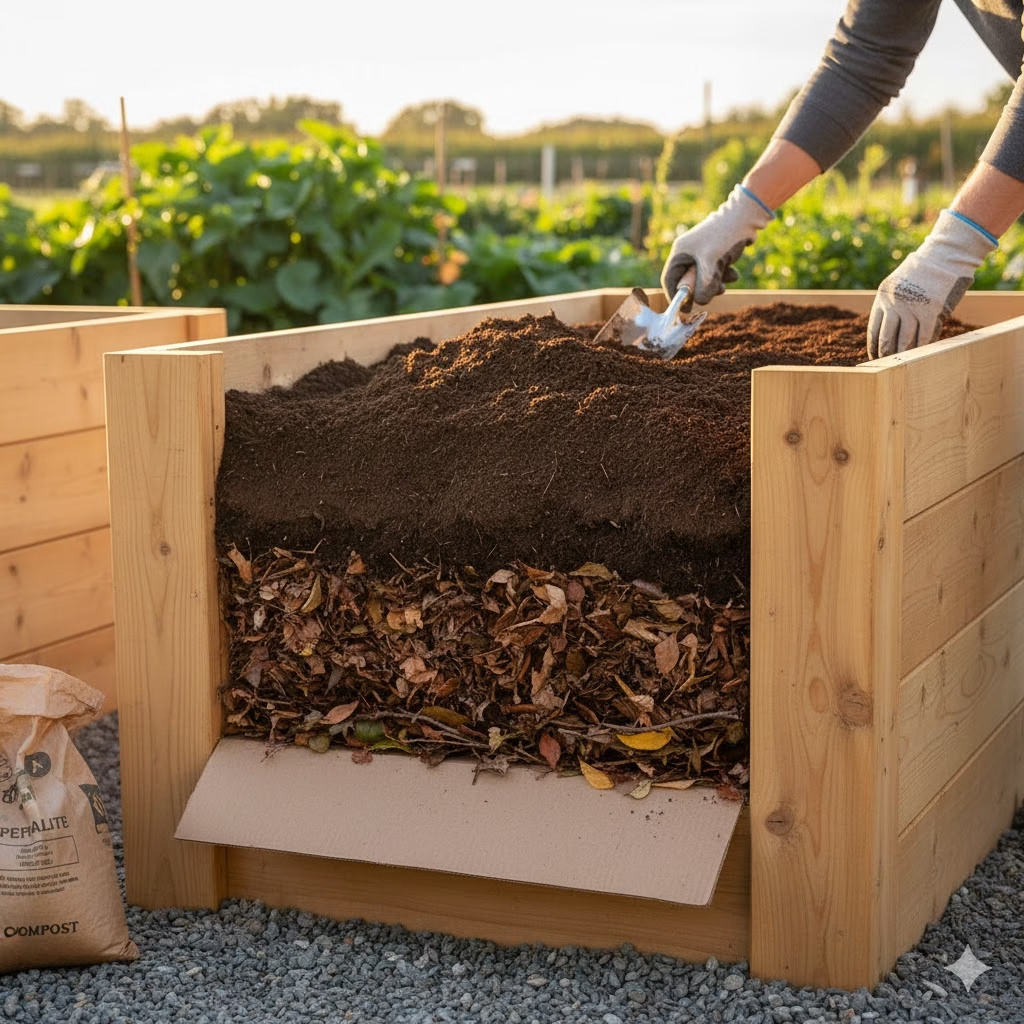
- Why They Are Good: They let water drain better. The soil stays loose. The soil warms up faster in the spring. You can put in the exact soil mix you want. This is key if your ground soil is bad, rocky, or full of weeds. They also mean less bending. This makes them perfect for people who cannot move easily.
- How to Build: You can make a simple bed from wood that has not been treated (like cedar). Make it a square or a rectangle (like 4 feet by 8 feet). The bed should be about 10–12 inches deep.
- Filling It Up: Do not just put dirt from your yard into the bed. Use a good mix: 60% topsoil, 30% compost (or aged manure), and 10% perlite or vermiculite to keep the soil light and airy.
Planting in the Ground
If you have a large area:
- Test the Soil: Get a simple soil test kit. Find out the $\text{pH}$ level and what nutrients are already in your soil.
- Get Ready: Take out all the weeds in the area. A good way to prepare is called “lasagna gardening.” This means you stack layers of cardboard, compost, leaves, and straw. This kills the weeds and builds rich soil over time.
Step 3: Pick Easy Plants
Start your Garden journey with plants that grow fast and are easy to care for. This promises quick success:
- Radishes: They go from a seed to food in only four weeks.
- Leafy Greens (Lettuce, Spinach): They grow well when it is cooler. They do not need full sun all day.
- Bush Beans: They do not need a support structure. They make lots of food.
- Zucchini/Summer Squash: These plants produce a huge amount of food. You will likely have more than you can eat!
- Herbs: Basil, mint, chives, and rosemary are simple to grow in pots or in beds.
Step 4: Water and Weed Smartly
- Watering: Give plants a deep soak, but do not do it every day. This helps the roots grow deep. Deep roots make plants stronger. Water the soil, not the leaves. Wet leaves can get plant diseases.
- Weeding: Weeds take food and water away from your plants. Pull them out when they are small. It is easiest to pull them right after it rains or after you water, when the soil is soft. Cover your beds with mulch (straw or leaves). This is a great way to stop weeds and keep the soil moist.
Helping the Earth with Your Garden
Starting a Garden is about more than just your own health and food. It is also a direct action toward a more sustainable life. And a strong way to lower your carbon footprint. It helps the local wildlife, too.
Cutting Down on Food Travel
The distance food travels from the farm to your table is called “food miles.” This long journey creates a lot of air pollution from trucks and planes. By growing your own food, you cut this journey down to just a few steps. The pollution caused by a home-grown head of lettuce is tiny compared to one shipped across a whole country.
Making a Home for Wildlife
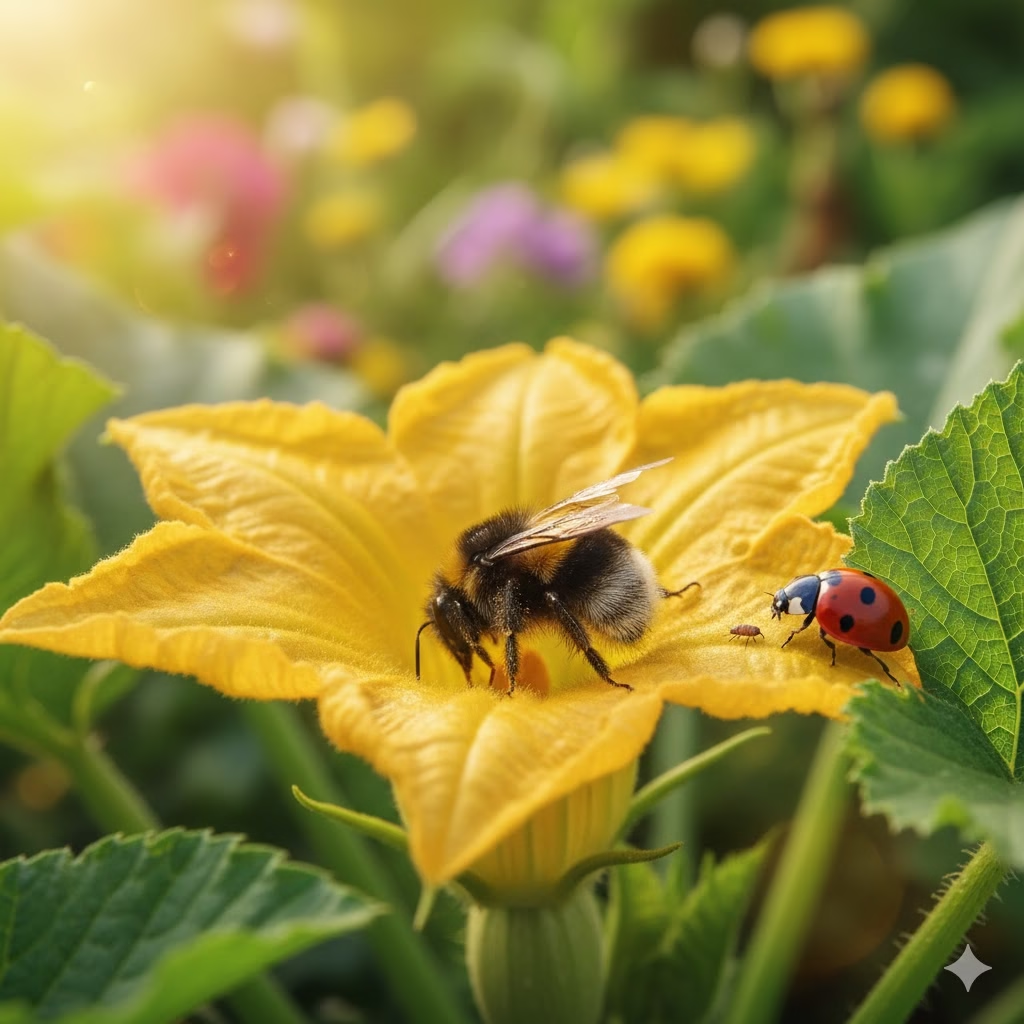
Any garden, even a small one, is a safe place for local animals and insects. Plant flowers next to your vegetables. This is called companion planting. These flowers give food to pollinators like bees, butterflies, and hummingbirds. These insects are having trouble finding food today. Your garden helps them survive.
Example: Companion Planting
If you plant basil near your tomato plants, it makes the tomatoes taste better. It also helps keep away bugs like the tomato hornworm. Also, planting marigold flowers throughout your Garden can stop some pests that live in the soil. This means you do not need to buy chemical sprays. This simple way of planting helps nature keep itself in balance.
Composting is Key
Good gardening naturally includes composting. Do not throw away food scraps (like vegetable peels, coffee grounds, and eggshells) or yard waste. Instead, turn them into rich, dark material called “compost.” This compost feeds your soil. It lowers the amount of trash your house makes. It also means you do not need to buy artificial plant food.
Common Questions About Gardening
Q: Do I need a large yard to start a garden?
A: No, you do not need a big yard at all. You can have a very successful Garden in containers on a small patio. You can also use window boxes or wall planters. Many people use small raised garden beds or grow plants vertically to use less space. If space is tight, focus on easy-to-grow, high-yield plants like herbs, leafy greens, and radishes.
Q: What is the biggest mistake a new gardener makes?
A: The two most common errors are giving plants too much water or not enough water. Many beginners water a small amount every day. This makes the soil wet only at the surface. That makes the plant roots grow shallow and weak. It is much better to water deeply but less often (once every 2 to 4 days, based on the weather). This helps the roots grow deep and strong. Also, start small. Begin with just a few pots or one raised garden bed to learn the ropes.
Q: Why use raised garden beds instead of planting in the ground?
A: Raised garden beds have many benefits, especially for new gardeners or if your natural soil is poor. They let water drain very well. You can pick and mix the best soil to put inside. The soil does not get packed down easily. They also cut down on weeds and make planting and picking much easier on your back.
Q: How can I keep bugs away without using bad chemicals?
A: There are many safe, natural gardening methods. The main ways are:
- Companion Planting: Plant things like marigolds or basil, which naturally push pests away.
- Hand Picking: Manually pick off bigger bugs, like slugs.
- Covers: Use light row covers to stop flying bugs from landing on your plants.
- Good Bugs: Encourage helpful bugs like ladybugs (they eat aphids) by not spraying your plants.
- Neem Oil: This is a safe, natural oil that works well to fight many pests and plant diseases.
Q: How much time must I spend gardening each week?
A: This can change. If you have a small, well-kept Garden, you might only need 15 to 30 minutes of work every day or two when plants are growing fast. If you use good methods like thick mulch or drip watering, you will spend much less time. This makes it a great hobby for people who are very busy.
Reference Section
- Cornell Uni – Vegetable Gardening
- Garden – The National Gardening Association
- NIH – Gardening is beneficial for health
Recent Posts