Ever feel like your brain has too many tabs open? We’ve all been there—juggling work, life, and the endless mental to-do list. I found my own quiet reset button in the soothing world of sound and vibration, a practice known as a Sound Bath. This guide is for anyone looking to tap into a deeply calming practice, showing you exactly how to transform your living room into a sanctuary of resonant healing through beneficial Sensory Activities that provide deep Sensory relaxation.
The Transformative Power of a Sound Bath
A Sound Bath isn’t like taking a shower. Instead, it’s a time when you lie down and are completely surrounded by sound waves. These waves come from special instruments. They are designed to wash over you, from your head to your toes. The sound changes the way your brain works, moving it into a very deep, restful state. This state is often the same kind of deep rest you get when you meditate well.
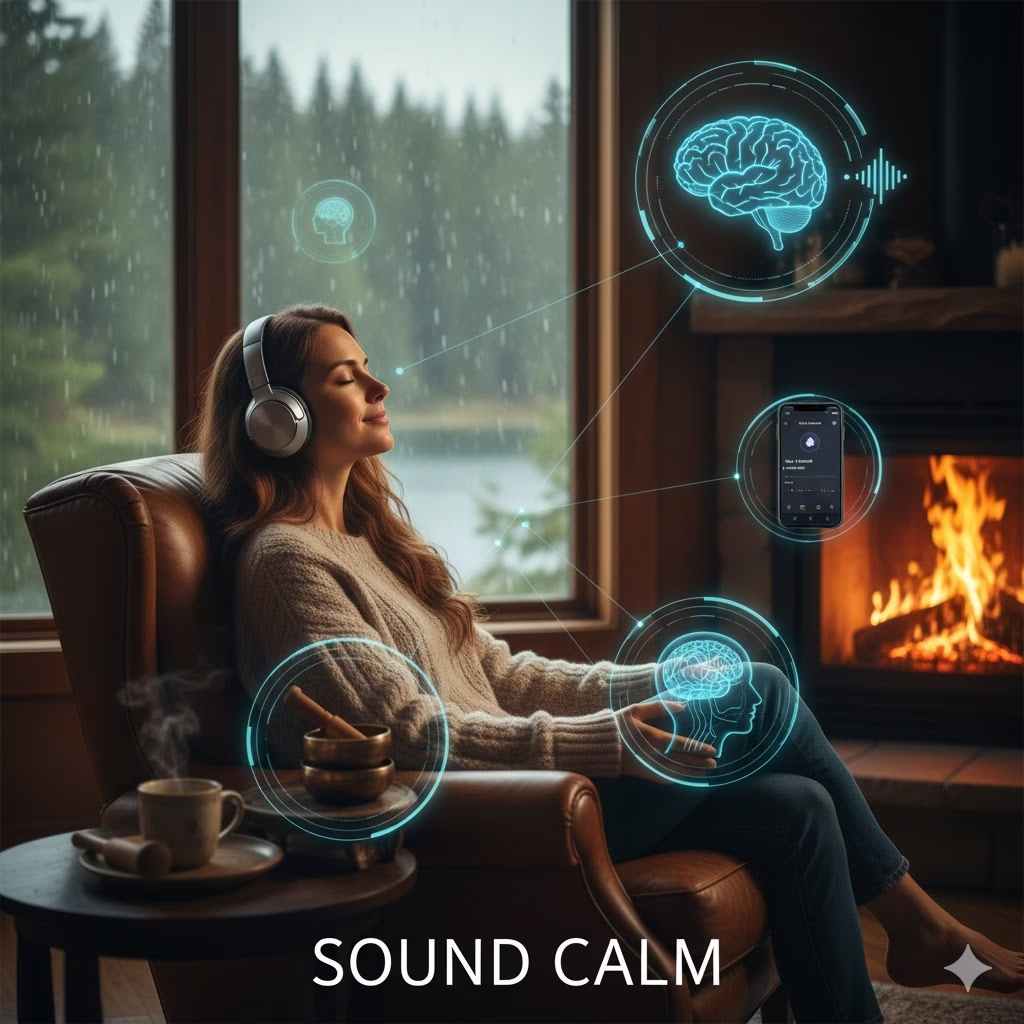
The main idea behind a Sound Bath is called entrainment. This is a big word for a simple concept: your brain loves to match rhythms. When external sounds are steady and rhythmic, your brainwaves naturally start to follow them. By using instruments that create long, complex, and beautiful tones, a sound bath gently guides your brain. It moves your mind away from the busy Beta state (where you’re focused and working) down to the relaxed Alpha state. It then takes you even deeper into the restorative Theta state.
This practice is a powerful Sensory activity. It uses both your sense of hearing and your sense of touch (feeling the vibrations). The sounds and the strong vibrations help your body let go of tension. They calm your entire nervous system. They also give you an emotional reset. This makes the sound bath a vital tool for dealing with the stress of modern life.
Key Benefits of a Sound Bath
- Less Stress and Worry: It calms the part of your nervous system that handles “fight-or-flight.”
- Better Sleep: It helps you relax deeply, which leads to more restful nights.
- Deep Calm: It helps your brain switch into those deep, quiet meditative states.
- Aids in Pain Relief: The gentle shaking from the sound can help relax tight muscles.
- Emotional Release: Sound can help you move emotions that feel stuck.
- Clearer Focus: The mental rest can make you think more clearly afterward.
Essential Instruments for Your Sound Bath
The instruments you choose are the very heart of your Sound Bath. Professional sessions might have huge gongs. However, you can create a powerful and effective Sensory experience right at home with just a few key pieces. Look for instruments that create a long, rich, and harmonic sound. We call this non-linear sound.
1. Singing Bowls (The Core)
Singing bowls are usually the most important part of the sound experience. They come in two main styles:
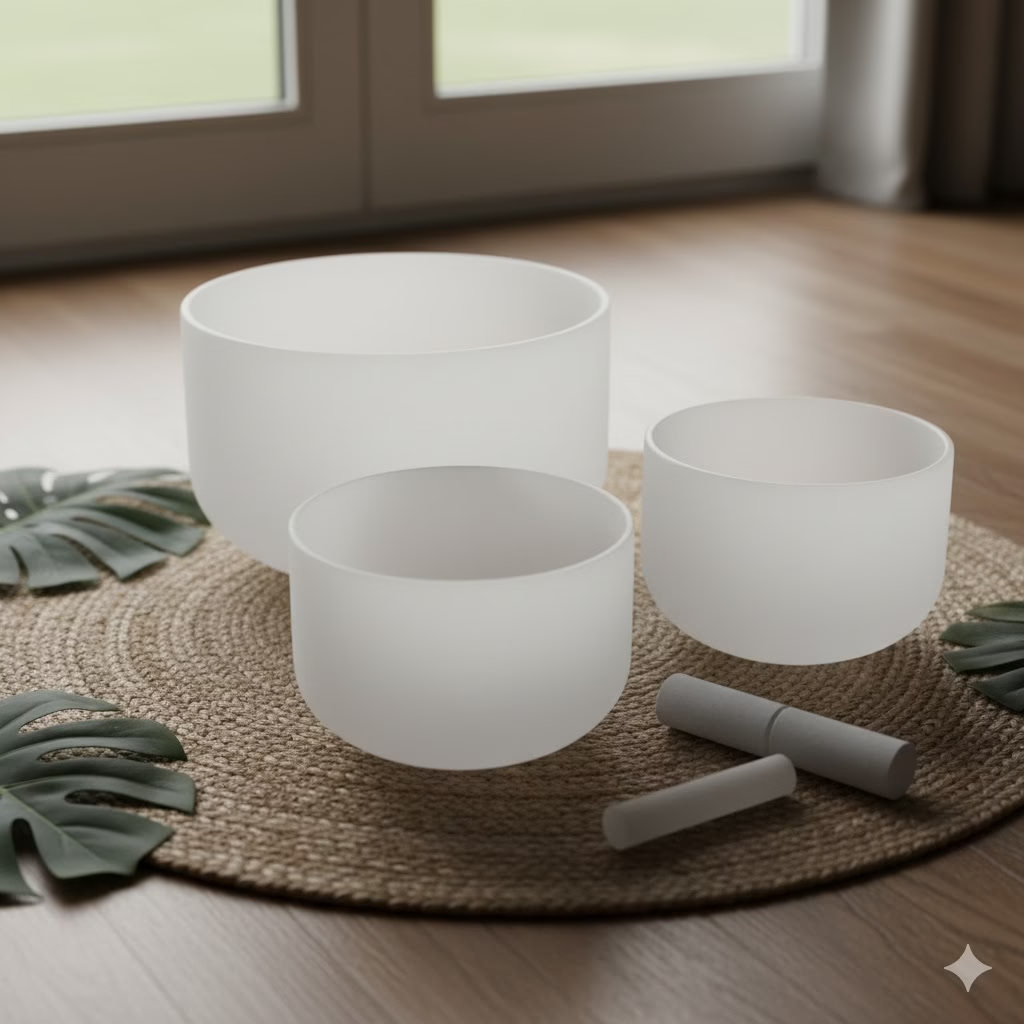
- Crystal Singing Bowls (Made of Quartz): These bowls are tuned to specific notes. Often, these notes match the body’s energy centers, or chakras. They make pure, long-lasting, airy tones. You play them by tapping them with a rubber stick or rubbing the rim with a suede-covered wand. A set of three bowls (for example, C, D, and G notes) gives you a great starting range.
- Himalayan/Tibetan Singing Bowls (Made of Metal): These are made from several metals mixed together. They create a warmer, deeper, and more complex sound with many layers. They are fantastic because they create strong vibrations you can feel deep inside your body.
2. Chimes and Cymbals (The Details)
These smaller instruments add texture and a delicate, high-frequency sound. They are often used to mark the beginning or end of your session.
- Kosmis/Zaphir Chimes: These small, tuned chimes ring beautifully. They create delicate, bell-like chords (they often have names like Terra, Aqua, Sun, and Air). They are perfect for introducing a light, gentle energy.
- Tingshas (Small Tibetan Cymbals): Use these only now and then. They make a sharp, very clear, high-pitched sound. They are often used to clear energy or to gently signal listeners to become alert again when the session finishes.
3. Gongs (The Deep Immersion)
A very large gong might be too much for your home. However, a smaller, handheld therapeutic gong (like a 20-24 inch gong) can offer amazing depth. Gongs create a huge wave of sound. This wave can physically vibrate the person listening. This helps the mind quickly drop into a deep, unconscious state.
4. Other Instruments for Fun Textures
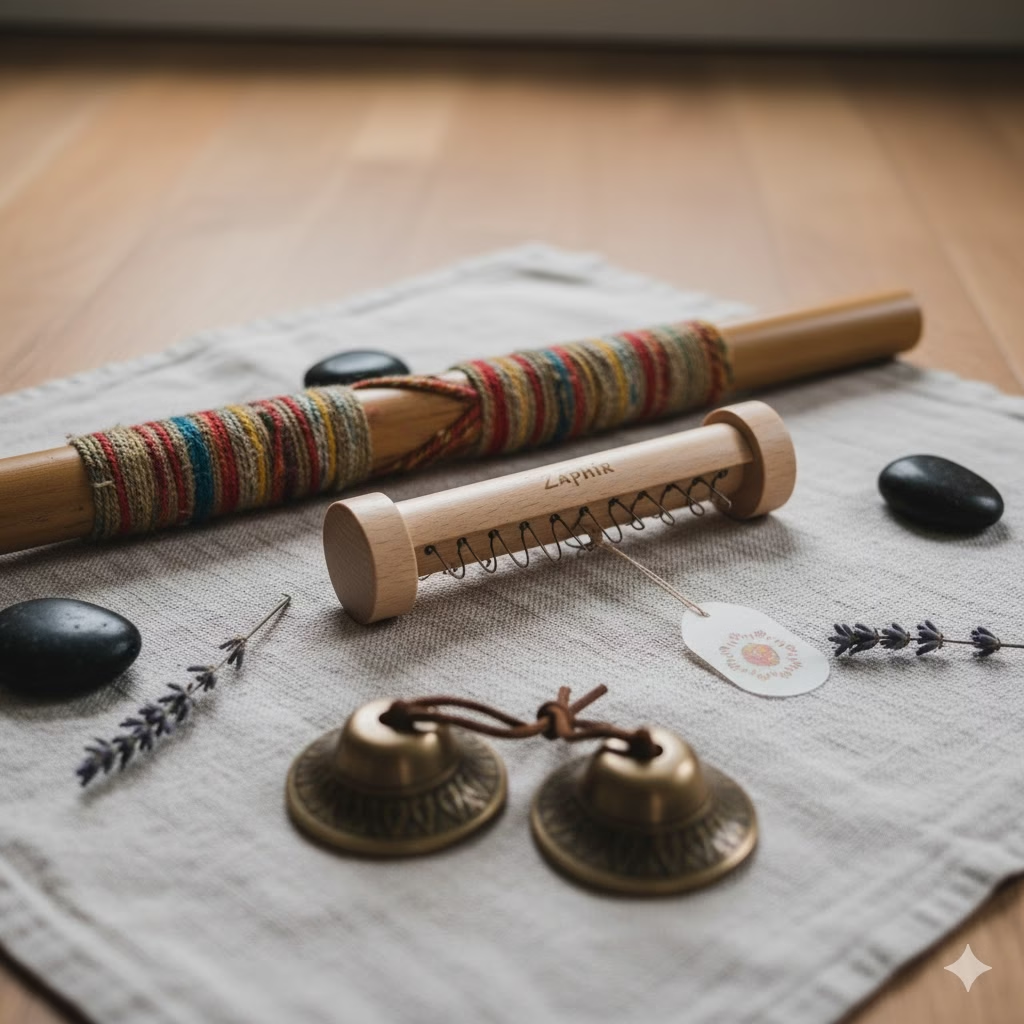
- Rainsticks: Use these to copy the sound of water falling. They help create a calming, natural environment.
- Ocean Drum: This makes the soothing, back-and-forth sound of ocean waves.
- Tuning Forks: These are great for sending direct, focused vibration and sound to specific areas.
How to Do It: Setting Up Your Home Sound Bath
Making a truly great Sound Bath is a mix of simple setup, choosing the right instruments, and playing them in a thoughtful, easy way.
Step 1: Getting the Space Ready
The right environment is key for deep relaxation and full Sensory enjoyment.
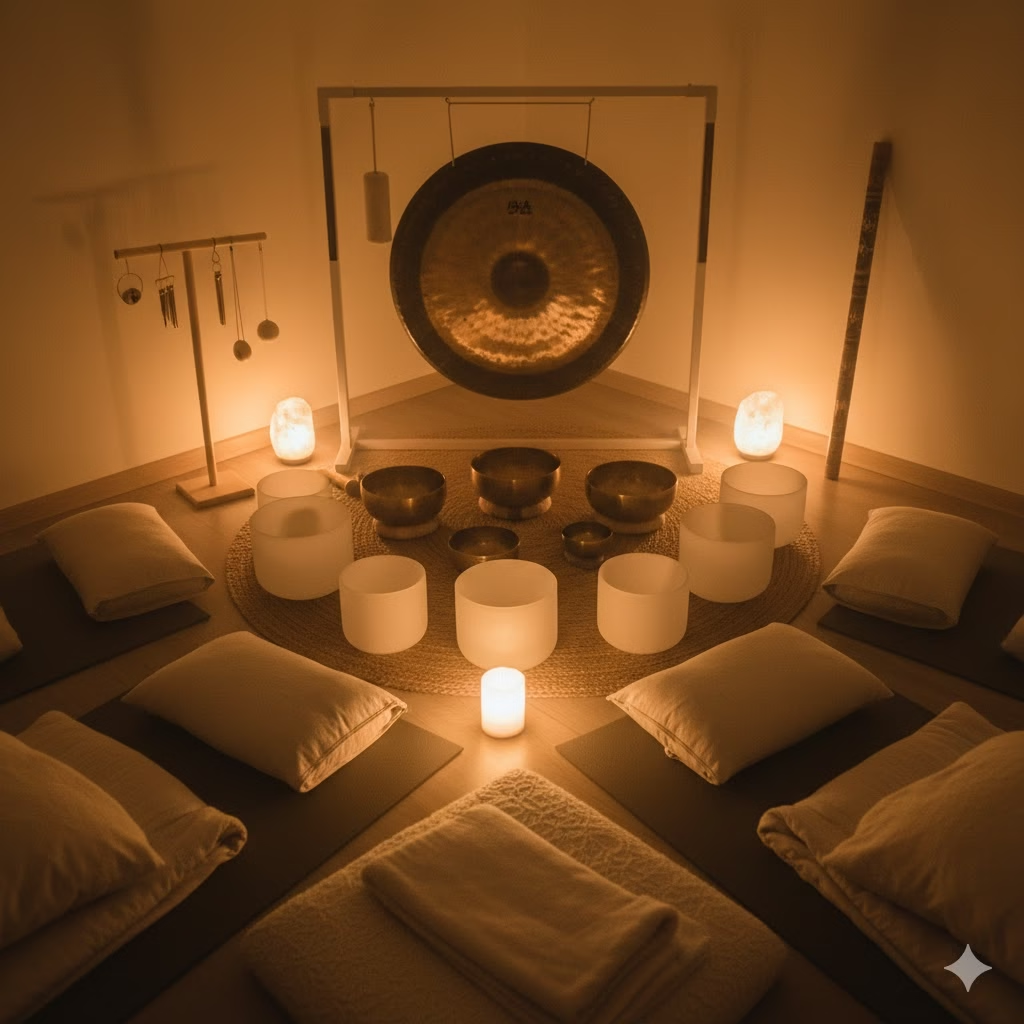
- Where to Hold It: Pick a spot that is quiet and warm. Make sure you won’t be interrupted for the entire session.
- Comfort is Key: You must be comfortable. Put down thick yoga mats, bring pillows, blankets, and use an eye mask. An eye mask is highly recommended because it helps you reach the deeper Theta state. Listeners should lie on their backs (the Savasana position).
- Light and Smell: Turn the lights down low. Use natural light or light candles safely. You can also use a diffuser with calming oils like lavender or frankincense. This helps your sense of smell join the Sensory experience.
- Instrument Setup: Put all your instruments where you can reach them easily while sitting down. As the facilitator, you should be able to move between instruments smoothly without stopping the flow.
Step 2: The Sound Bath Flow
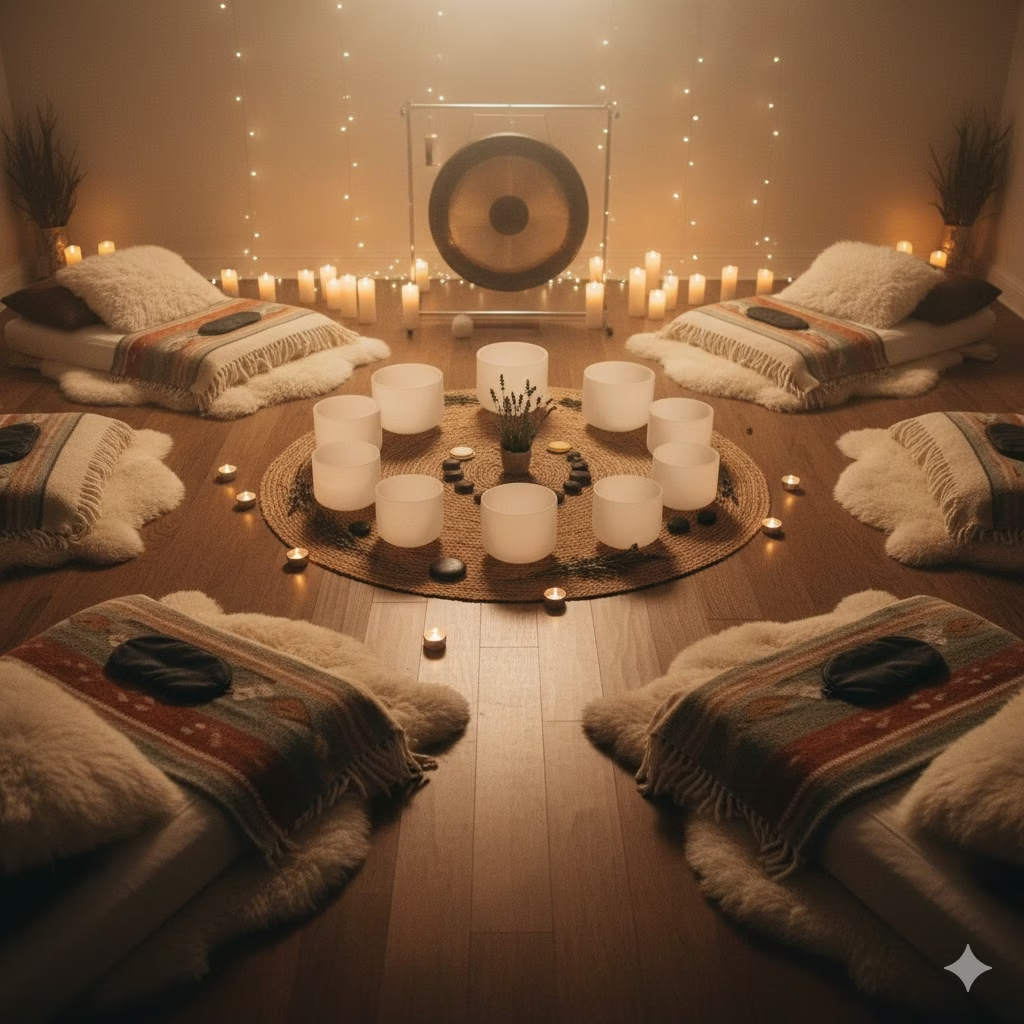
A normal Sound Bath session, even a short one at home, has a clear structure: starting, going deep, and coming back.
A. Centering (The Start: 5-10 minutes)
- Grounding: Tell everyone (or yourself) to lie down. Take three deep breaths. Set a clear intention for the session (like “to let go of tension,” or “to feel more clear”).
- Introducing the Sound: Start with the quietest sounds you have. Gently shaking a rainstick or playing the Zaphir chimes gives a soft, inviting signal that the journey is beginning.
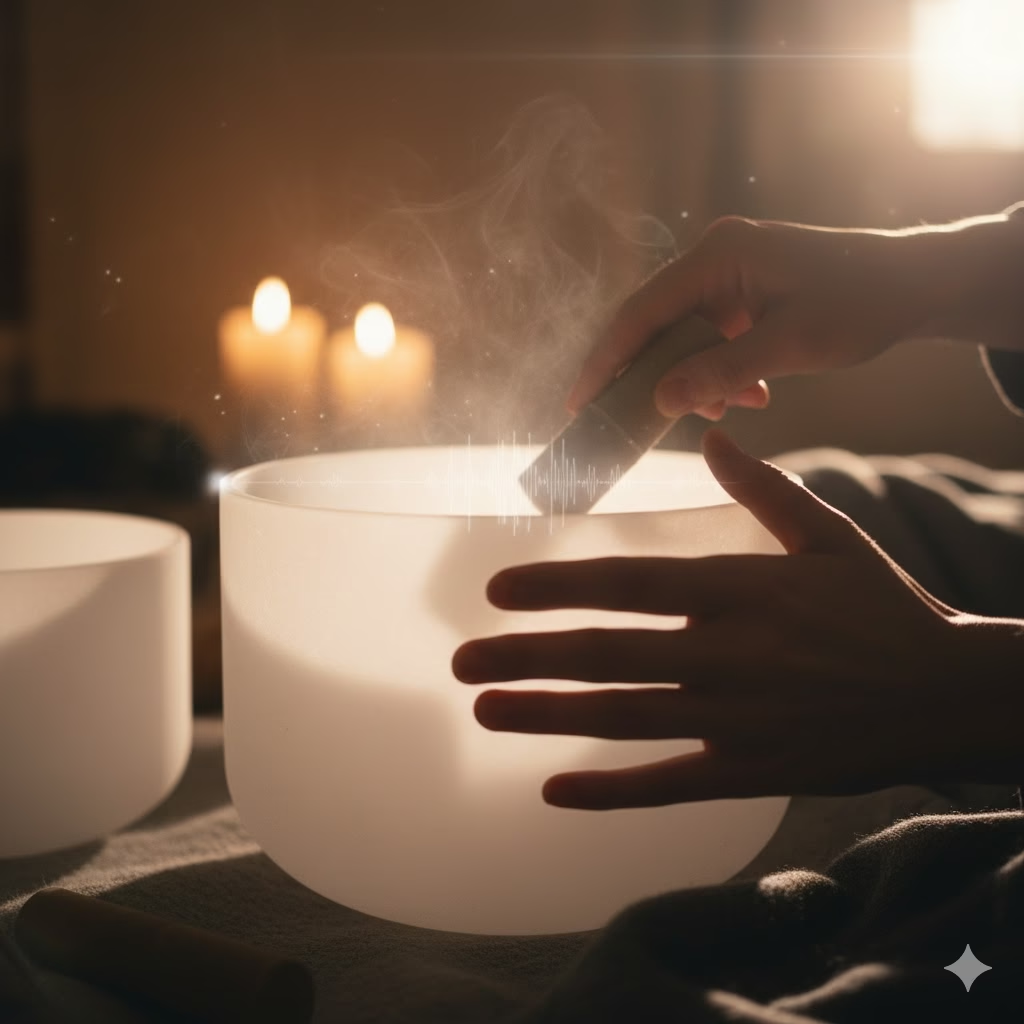
- Warming up the Bowls: Start playing your singing bowls very softly. Focus on rubbing the rims to create long, soft, humming tones. Don’t strike them yet. Let each tone last a long time, allowing the sound to fill the room gently.
B. Immersion (The Core: 20-30 minutes)
This is the part where the sound becomes richer and deeper.
- Building the Sounds: Bring in your second and third bowls. Now you can start striking the bowls gently, then rubbing them. The main idea here is not to play a song. Instead, you want to create a rich, layered sound environment made of overlapping tones.
- Using the Gong: If you have a gong, introduce it slowly. Start by tapping it very lightly. Then, slowly tap it a little harder. You want to build the sound to a gentle high point, then let it fade. Never strike it too hard or too loudly. The complex sounds of the gong are highly effective at moving your brainwaves into deep rest.
- Going with the Flow: Let your own feelings guide you. The Sound Bath should have waves of sound—moments when the sound is at its fullest, followed by quiet periods or very soft sounds. This contrast is what lets the brain truly relax. Move between your instruments smoothly. A Tibetan bowl can ring for a minute, then fade out as you bring in the soft rhythm of an Ocean Drum, before going back to the crystal bowls.
C. Return (The Ending: 5-10 minutes)
You must bring people back to a wakeful state slowly and gently. This is important so you don’t shock the nervous system.
- Slowing Down: Lower the volume and complexity of the sounds slowly. Stop using the largest or loudest instruments. Go back to soft, single-bowl tones.
- The Signal: Use one clear, high-pitched sound to say the session is over. This might be one final, soft tap of a Tingsha cymbal, or a brief ring from the Zaphir chimes. This sound acts like an anchor for the mind.
- Silence: Allow for 2 to 5 minutes of complete silence after the last sound. This time is very important. It lets the body and mind fully process and absorb the deep relaxation they just experienced.
- Grounding: Gently tell listeners to slowly move their fingers and toes. Then, move their hands and feet. They should roll onto their side before slowly sitting up.
Playing Techniques and Mindset
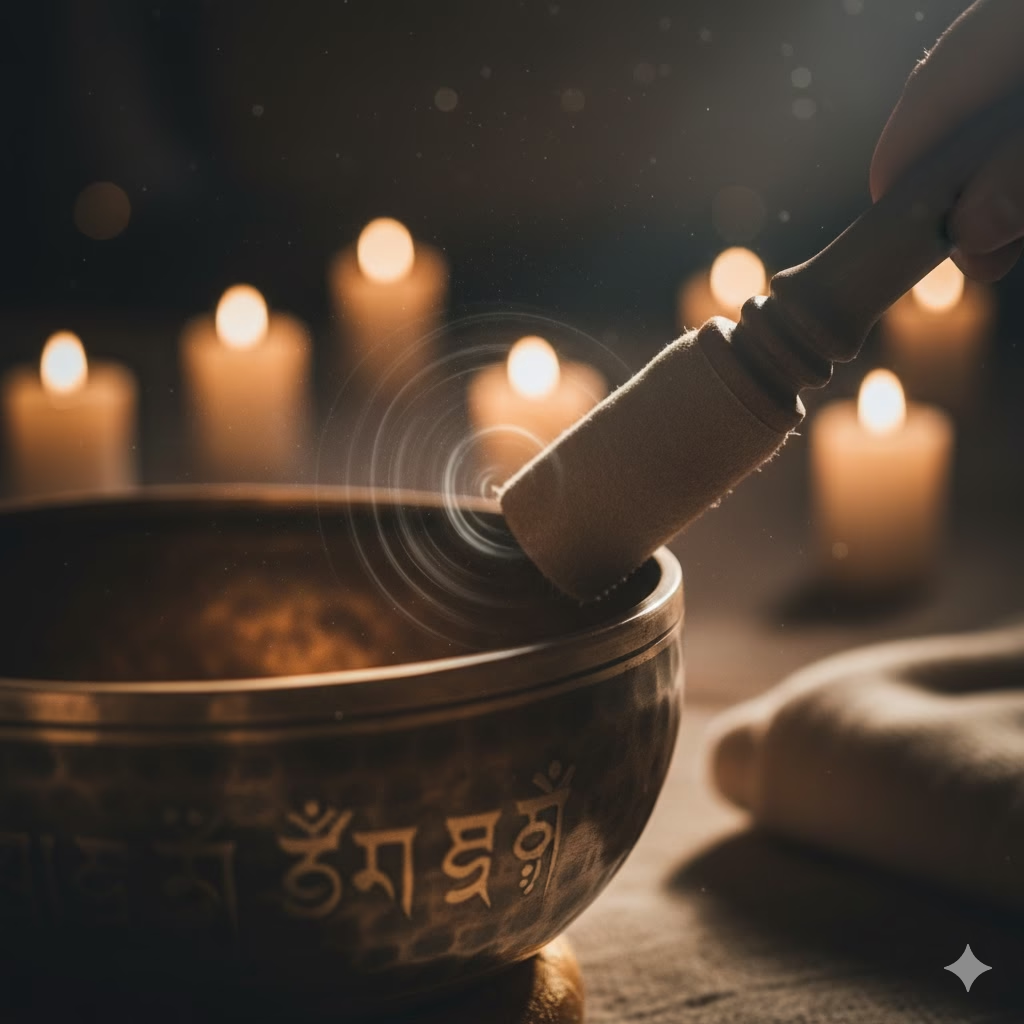
The best Sound Bath sessions aren’t about being a skilled musician. They are about being present and using the right technique.
The Soft Strike and Rub
When playing bowls, use a light touch. Hitting them too hard creates a harsh, metal clanging sound instead of a beautiful, rich tone.
- Crystal Bowls: Use a rubber-tipped stick for a pure, clear tap. When you rub the rim, use steady pressure and move at an even speed. This stops the sound from wavering or making a scratchy noise.
- Metal Bowls: Use a stick covered in felt or suede. Start by tapping the bowl, then immediately begin rubbing the rim. This is often called the ‘singing’ technique.
The Power of Rhythm and Quiet
Do not keep a strict, steady beat. The most healing part of a Sound Bath is that the sound is non-linear, meaning it’s not rhythmic. The lack of a predictable rhythm is what stops your mind from focusing and allows it to completely relax and wander.
- Pace: Play slowly. Let each sound completely stop before you start the next one.
- Silence: Use quiet moments on purpose. The space of silence between the sounds is just as important as the sounds themselves. It allows your mind to feel the leftover vibration and let the relaxation set in.
Example Sequence for a 45-Minute Home Sound Bath
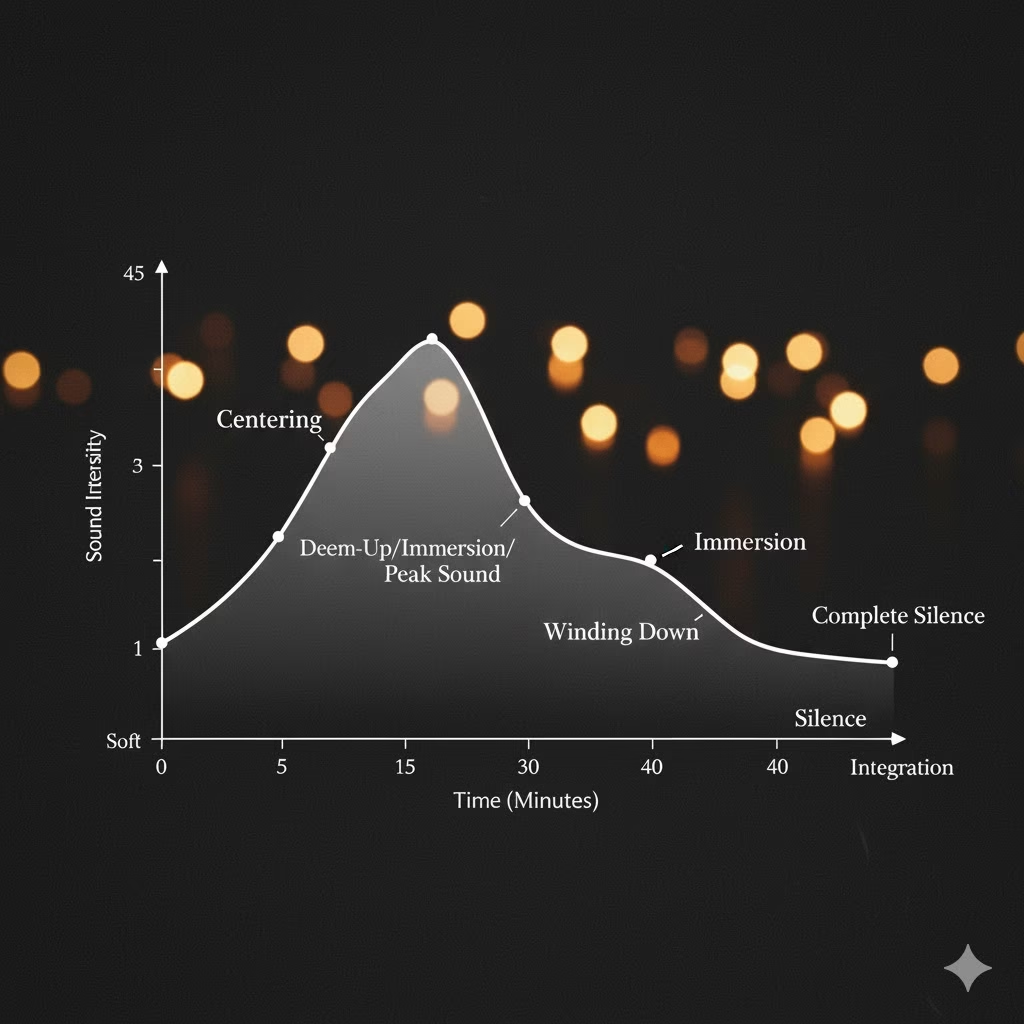
This is just an example. You should always feel free to adjust the timing as it feels right.
| Time (Approx.) | Activity | Instruments Used | Purpose/Sensory Focus |
| 0:00 – 0:05 | Centering/Intention Setting | Rainstick, Soft Chimes | Gentle start, engaging your hearing. |
| 0:05 – 0:15 | Warm-Up/Initial Immersion | One small Crystal Bowl (rubbed), One Metal Bowl (tapped) | Setting the first tone and vibration level. |
| 0:15 – 0:30 | Deep Immersion/Peak Sound | Two Crystal Bowls, Gong (light tapping), Ocean Drum | Building complex sounds, leading to deep rest. |
| 0:30 – 0:40 | Winding Down | Soft tapping on one Metal Bowl, Zaphir Chimes | Getting quieter and simpler, preparing to rest. |
| 0:40 – 0:42 | Signal/End | Tingsha Cymbals (one gentle tap) | Clear sound to mark the very end of the session. |
| 0:42 – 0:45 | Integration | Complete Silence | Essential time for your mind and body to absorb the experience. |
Sensory Activities and Sound: The Deep Connection
The act of taking a Sound Bath is a powerful Sensory activity. This is because it calms and balances your nervous system in a way that doesn’t demand effort from you. By focusing on the sound and the vibration you feel, your mind has something gentle to pay attention to. This pulls your focus away from your own thoughts and worries.
Sensory activities are often used in therapy to help regulate the nervous system. The strong vibrations from singing bowls and gongs are actually tactile input, meaning you feel them. The sound waves are felt in your body just as much as they are heard by your ears. This creates a full-body Sensory massage that deeply promotes calm and regulation.
To make the Sensory experience even better, you can add other elements:
- Weight: Place a small, warm, weighted eye pillow over your eyes. This helps you feel grounded and blocks out light.
- Warmth: Make sure the room is comfortably warm. Your body temperature naturally drops when you are deeply relaxed.
- Smell: As mentioned earlier, using diffused essential oils can deepen your Sensory connection to the peaceful space you have created.
Frequently Asked Questions (FAQ)
1. How often should I do a Sound Bath?
Doing this practice regularly is very important for your well-being. Try to do it at least once a week. This helps you build up the benefits of lower stress and a calmer nervous system. Even a quick 15-minute session is very helpful.
2. Can I just use recorded Sound Bath music?
Recorded music can be very relaxing. However, it is missing the live, changing interaction and the intense, physical vibrations that a live Sound Bath offers. Live sound healing gives you much better therapeutic benefits because the sound is complex and changes unexpectedly.
3. What are the best bowls for a beginner Sound Bath?
A great way to start is with one crystal singing bowl. Choose one tuned to the note C or G. These notes are often used because they help you feel grounded and centered. You could also start with one high-quality Tibetan metal bowl. That is a great choice because it is very versatile.
4. Is a Sound Bath safe for everyone?
Yes, for most people, it is safe. If you have conditions that make you sensitive to sound (like severe ringing in the ears) or if you have a pacemaker or metal implants, you should talk to your doctor first. For pregnant women, the gong should be played softly and kept far away.
5. What is the difference between a Sound Bath and sound healing?
A Sound Bath is a relaxing type of sound healing. The person lies down and simply receives the sound. Sound healing is a wider term. It includes many different techniques, both active and passive. These include using specific frequencies, chanting, and placing tuning forks directly on the body for healing results.
References
- Healthline – Sound Bath: What It Is, How It Helps, and More
- Psychology Today – The Healing Power of Sound as Meditation
- NIH – Effects of Singing Bowl Sound Meditation on Mood
Recent Posts