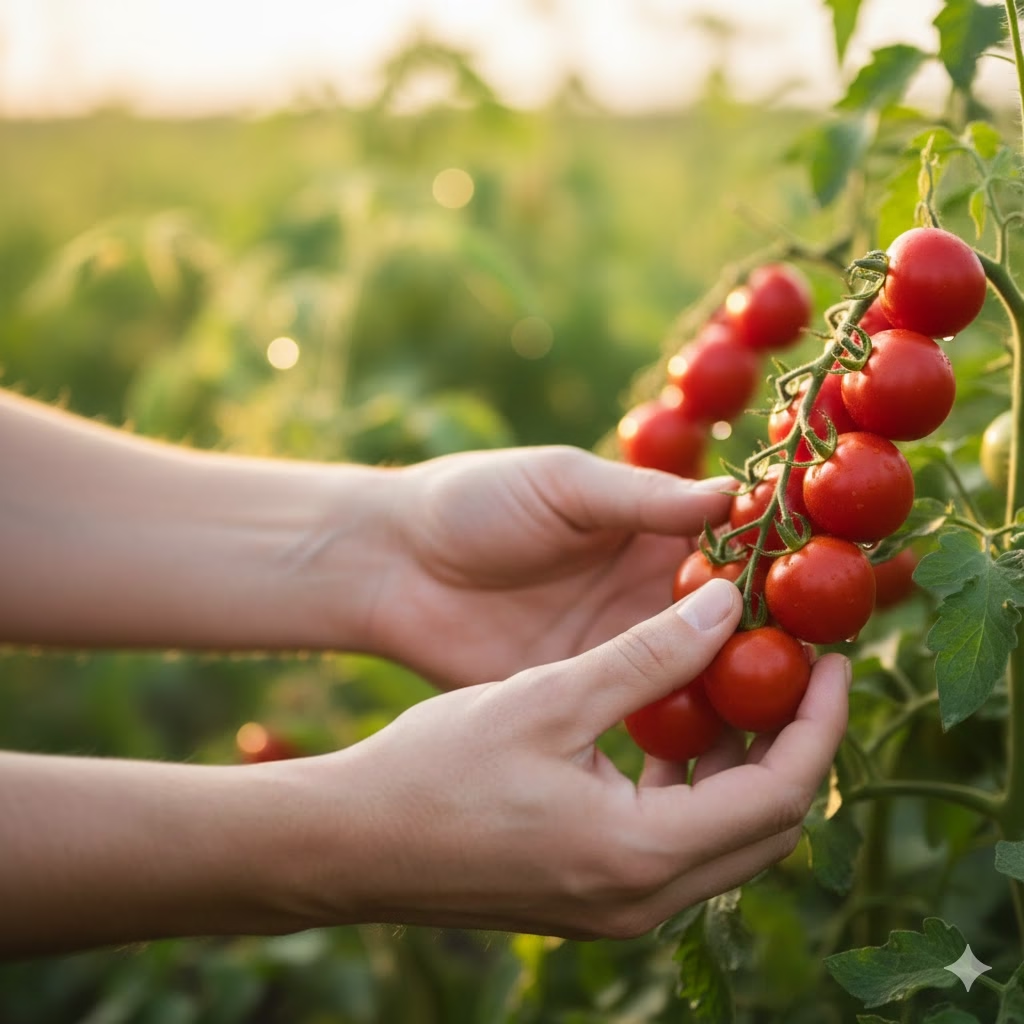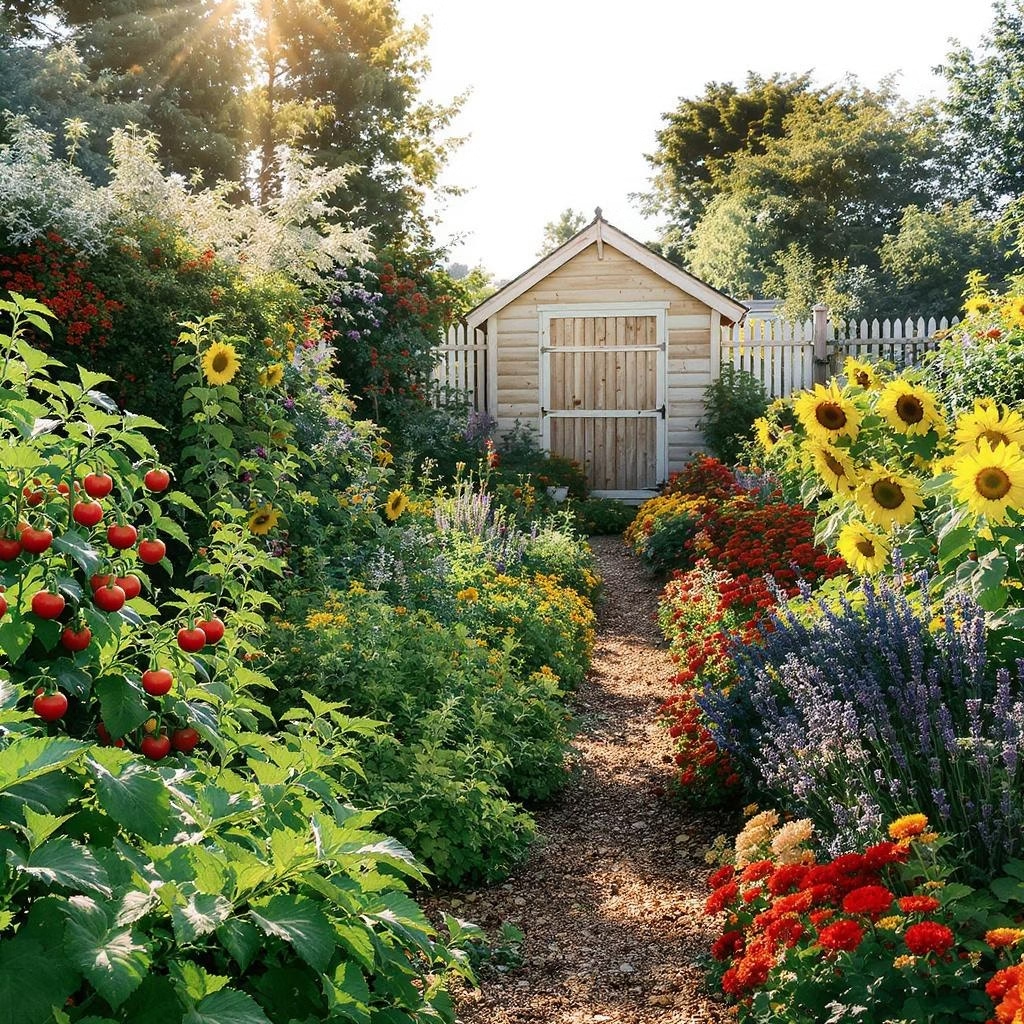
Like many people, I started gardening as a fun hobby, spending many hours digging, planting, and sometimes dealing with pests. After a few good seasons, I suddenly had huge amounts of food—far more than my family could ever eat! This led me to the idea of earning money from the garden, turning a simple passion into a profitable side job. This article is a guide based on real steps, showing you how to truly Make Money and earn an income from the space you already enjoy.
The Root of the Opportunity: Turning Green Thumbs into Greenbacks
A garden is usually a place to relax, a quiet escape from the noise of daily life. But what if that peaceful space could also bring you money? People now want food that is local, organic, and unique. Because of this, your yard or garden plot holds a lot of financial possibility. Whether you have a small city plot or a large piece of land, there are many simple, creative ways to make money. You can turn extra crops, special knowledge, or even just beautiful views into a steady business.
Here are 10 complete ways you can start making money with your garden today.
1. Sell Organic Produce

This is the most direct way to make money from your garden. The best way to succeed is to focus on organic, excellent quality, and specialized crops. Today’s customers will pay extra for food they trust.
How to Do It:
- Know Your Market: Do not just grow what is simple; grow what sells well and feels special. Think about growing special herbs (like basil, thyme, or chives), rare heirloom tomatoes, or tiny microgreens.
- Sell Directly to Buyers:
- Neighbors and Friends: Offer a simple weekly drop-off service. Or, set up a small stand outside your home with a box for payments.
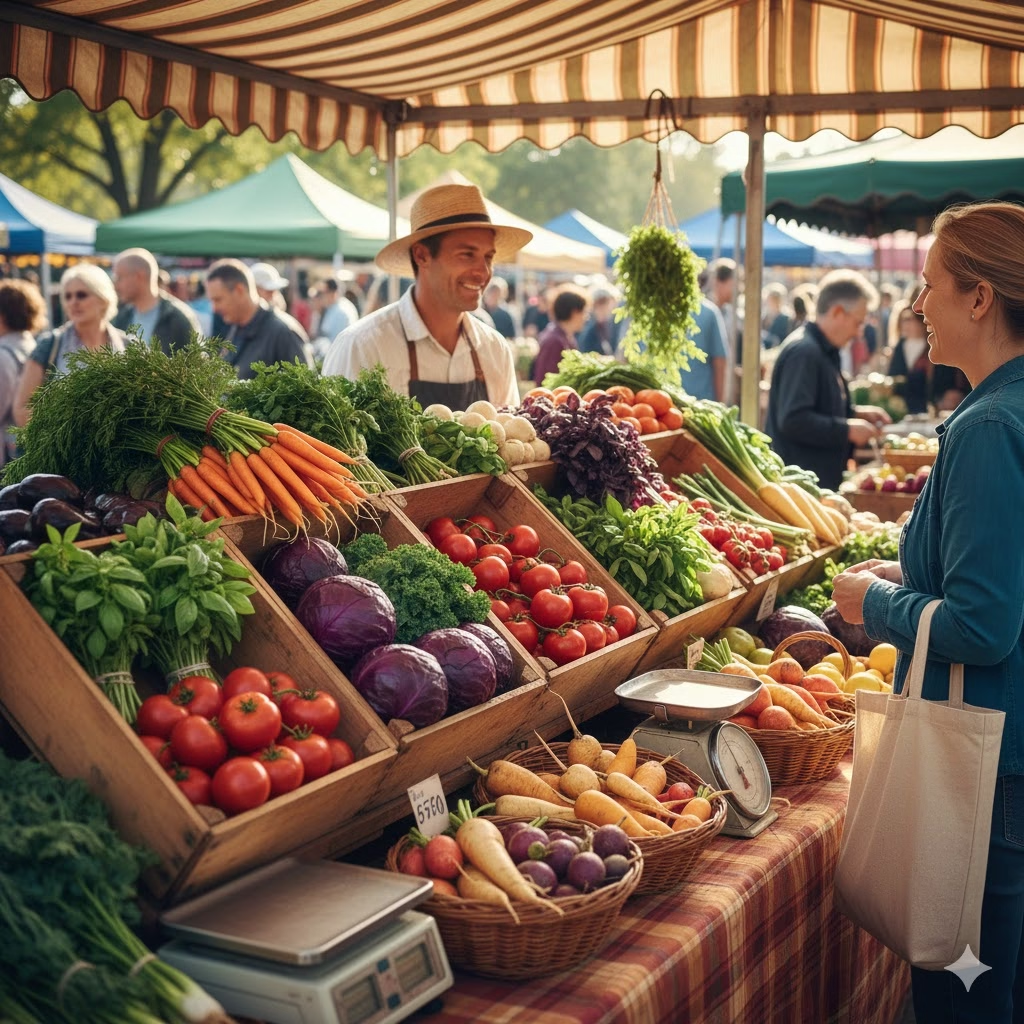
- Farmers’ Markets: This is the most common way to sell. Use nice displays, clear signs, and good packaging. Be ready to talk about how you grow the food and offer samples to taste.
- CSAs (Community Supported Agriculture): Offer a paid membership. Customers pay a fee early in the year and then get a box of fresh produce every week. This guarantees income at the start of the season.
- Sell to Businesses: Talk to local restaurants, bakeries, or specialty food stores. Chefs often need reliable, local growers for special foods. These might be edible flowers, certain types of garlic, or heritage beans. Keep a good relationship by always giving high quality and delivering on time.
Example:
Instead of just selling carrots, grow special kinds like ‘Purple Dragon’ or ‘Lunar White’ carrots. Market them as high-quality, organic items for nice meals. A pound of regular carrots might sell for $2. A beautiful, organic bunch of colored carrots can easily sell for $5–7.
2. Produce Value-Added Products
Selling fresh food is good, but turning your harvest into finished goods greatly increases your profit. It also lets you sell for a longer time. These products do not spoil quickly, making them easier to store and ship.
How to Do It:
- Jams, Jellies, and Preserves: Use extra fruit to make special flavor mixes, such as strawberry-rhubarb jam, spiced apple butter, or tomato chutney.
- Herbal Teas and Tinctures: Grow herbs like peppermint, chamomile, lemon balm, and lavender. Dry the leaves and flowers. Then, mix them into custom teas. Pack them nicely in sealed bags or tins with labels.
- Baked Goods and Sauces: If your local laws allow (check food laws in your area), you can make things like zucchini bread, pesto, or hot sauces using your garden items.
- Make it Look Good: Clean, attractive labels and packaging are very important for these finished goods. A lovely jar of homemade jam looks special and sells for a higher price than a plastic bag of raw fruit.
Example:
Use extra chili peppers and tomatoes to make your own signature hot sauce. A single batch of raw food might sell for $10. That same food could make 10 bottles of sauce. If each bottle sells for $8–10, you can earn $80–100.
3. Rent Out Your Garden Space

If your garden looks good, is well-kept, and is easy to get to, the space itself can make you money.
How to Do It:
- Event Location: Offer your garden for small, personal events. Focus on events that need a beautiful, natural place, such as:
- Small Weddings or Vow Renewals: Talk about the natural beauty and cozy feel.
- Baby Showers or Birthday Parties: Offer a charming, unusual location.
- Yoga or Meditation Classes: Provide a calm, outdoor area for local teachers.
- Creative Lessons: Host workshops for painting outdoors, garden photography, or flower arranging. You provide the place, and local artists or teachers run the lessons.
- Check the Details: Make sure you have enough parking, clear paths, and a simple toilet. Check your home insurance to be sure you are covered for public events. Use websites like Airbnb Experiences or local community boards to tell people about it.
Example:
Rent your pretty flower garden for a 3-hour painting class on a Sunday. Charging the teacher $50–$100 for the rental is an easy way to earn money that does not require you to sell a product.
4. Hire Out Your Garden for Photoshoots

Photographers are always looking for unique, natural, and beautiful spots for photos. They take pictures for people, businesses, or fashion magazines.
How to Do It:
- List on Special Websites: Websites that rent out locations for photo and video work are great for finding professional photographers.
- Show Off Special Spots: Point out unique features: a nice archway, an old stone wall, a field of specific flowers, a cute garden shed, or special lighting at sunset.
- Set Clear Prices: Charge an hourly or half-day rate. Prices change based on where you live and how special your garden is. Set clear rules about access, using props, and keeping the plants safe.
- Contact Photographers: Call or email local wedding, family, and senior portrait photographers. Show them high-quality pictures of your space in different seasons.
Example:
A local wedding photographer needs a fairy-tale-like place for a bride’s photo session. Renting your private, vine-covered corner and rose garden for a 2-hour shoot could earn you $75–$150.
5. Sell Specialty Seeds and Bulbs
This is a great way to make money from plants that have produced seeds. It needs very little extra growing space. Focus on special types that are not sold in large gardening stores.
How to Do It:
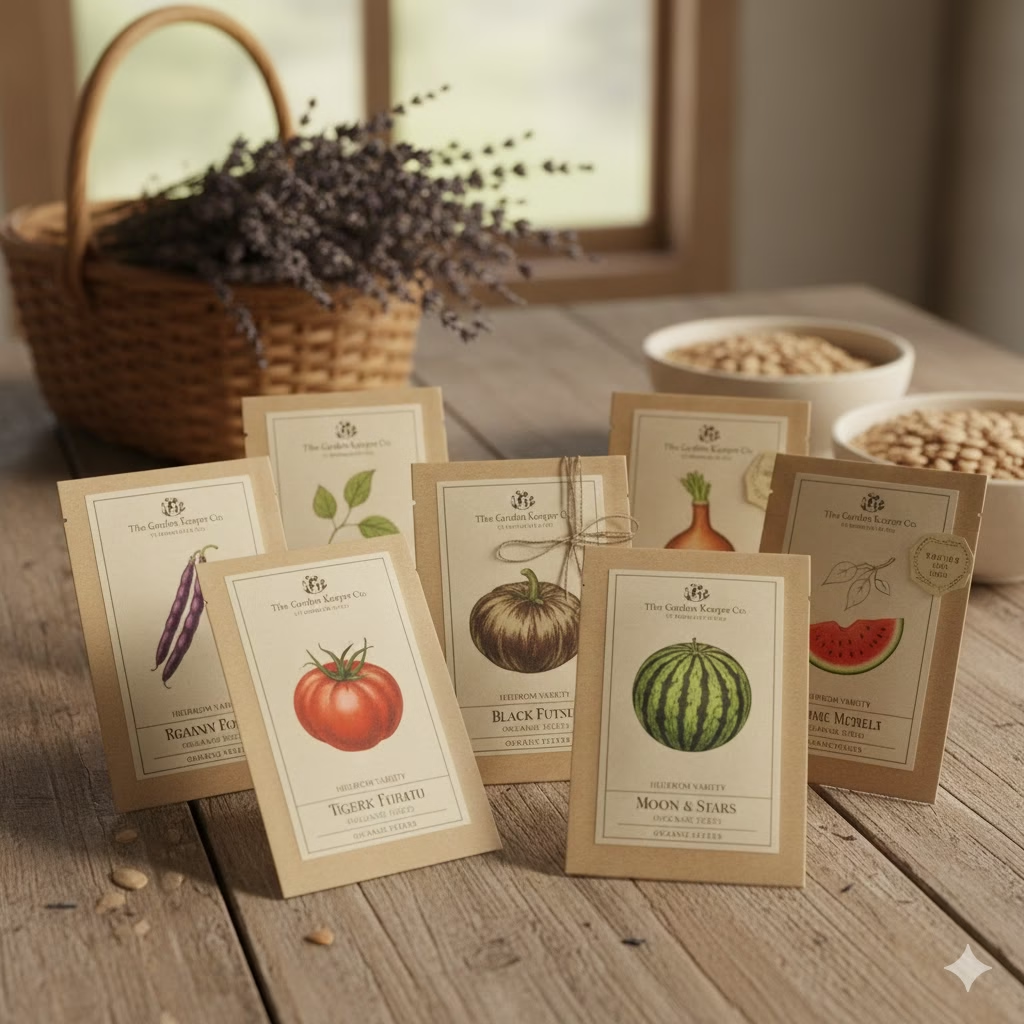
- Heirloom and Rare Kinds: People want heirloom seeds that are open-pollinated. These are seeds with interesting stories or special features. If you have a type that grows well where you live, market it as ‘local and tested.’
- Seed Kits: Make appealing, themed groups of seeds, like ‘Herb Garden for Beginners,’ ‘Mix for Hummingbirds,’ or ‘Hot Pepper Collection.’ This makes them more valuable.
- Drying and Packing: Make sure the seeds are totally dry to stop mold. Buy small, quality paper envelopes or tins, and include full instructions for planting and care.
- Where to Sell: Sell them online on Etsy or your own website. You can also sell them as a high-profit item at your farmers’ market stand.
Example:
Gathering and preparing seeds from one row of heirloom ‘Amish Paste’ tomatoes can give you hundreds of seed packets. Selling 50 seeds per packet for $3 each can bring in a lot of money from a small amount of plants.
6. Craft Handmade Goods
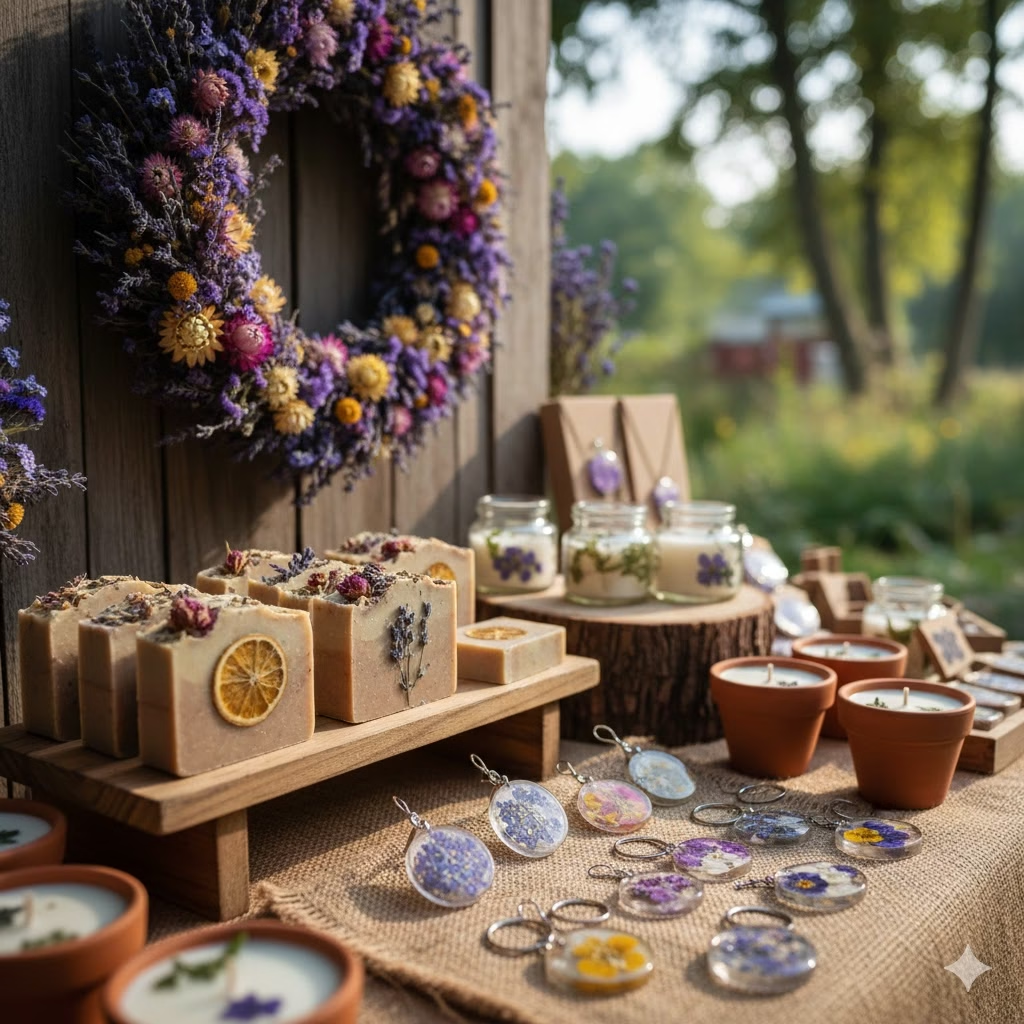
Use the beauty and good smells of your garden to make special crafts. This business attracts buyers who want natural, handmade, and local products.
How to Do It:
- Natural Soaps and Candles: Use essential oils from your herbs (like lavender or rosemary). Add dried flowers and leaves for a nice look and feel.
- Wreaths and Dried Flower Displays: Grow flowers specifically to dry (statice, strawflowers, lavender). Make beautiful wreaths, hanging decorations, or bouquets for inside the home.
- Resin Jewelry: Use small, perfectly dried flowers, such as forget-me-nots or pansies, and place them in clear resin to make unique earrings, necklaces, and keychains.
- Sales Plan: High-end craft shows, online shops, and local gift stores are the best places to sell these items. Be sure your brand shows that the items are natural and handmade.
Example:
Using a few handfuls of lavender, you can make a beautiful dried wreath that sells for $40–$60. This is much more than the flowers were worth fresh. A small soap bar with garden herbs can sell for $6–8.
7. Upcycle Garden-Related Items
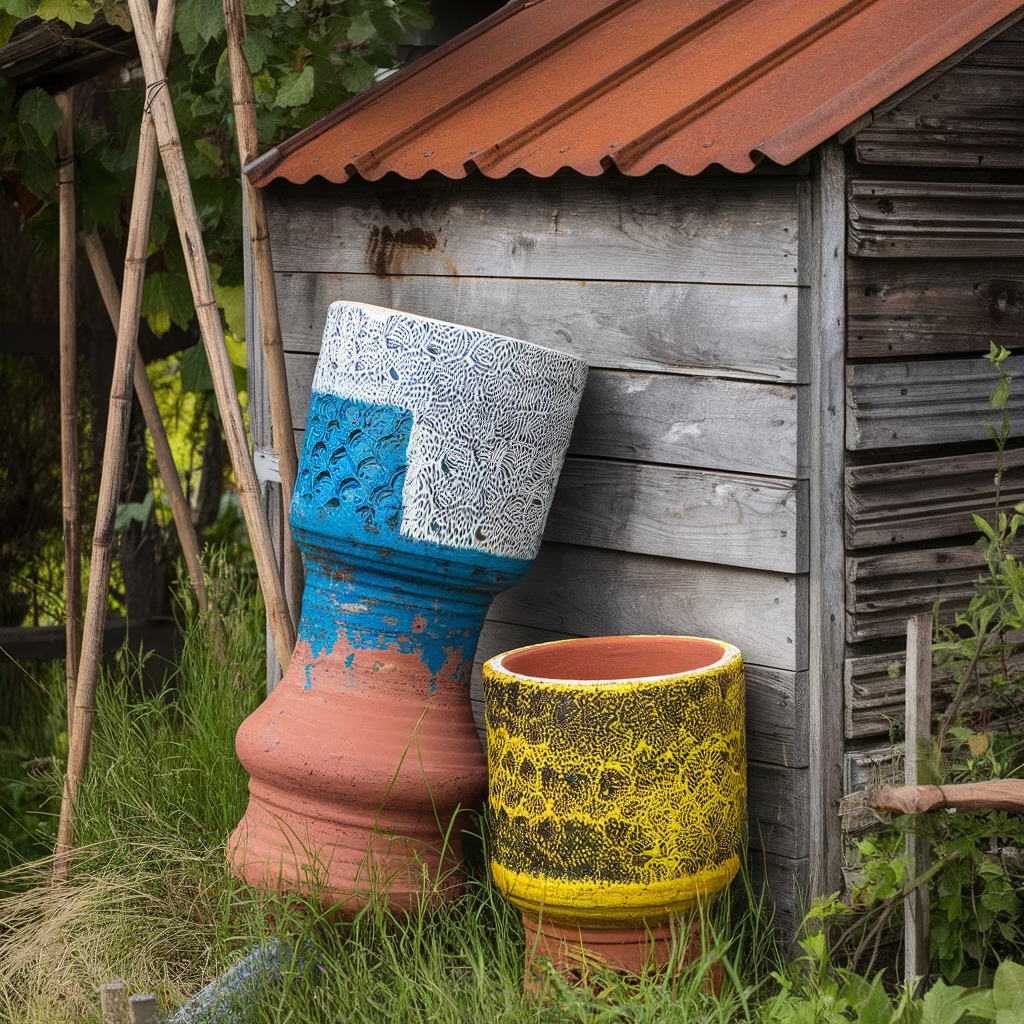
This uses your creativity and simple building skills to change cheap or old materials into nice garden decor and useful items.
How to Do It:
- Painted Pots: Buy cheap clay or old containers. Clean them well, then paint them with bright, outdoor-safe colors. Or, make them look old and worn out for a vintage feel.
- Unique Plant Supports: Use found things, old wood, or bamboo to make nice-looking structures. These can be tall cages for tomatoes or supports for climbing plants that look better than store-bought ones.
- Wood Slices and Walkways: If you can get old wood, cut small, flat slices to use as rustic stepping stones or for decoration.
- Old Tools: Clean and repaint old garden tools. Sell them as special, decorative pieces for a shed or porch.
Example:
Buy a dozen plain ceramic pots for $3 each. After spending $2 on paint and one hour painting simple designs, sell the unique, upcycled planters for $15–$20 each. This gives you a great return on your time and money.
8. Create a Gardening Blog or YouTube Channel

Share your gardening life, your best tips, and your mistakes with people all over the world. This takes time to build, but the money you can earn is large and can grow easily.
How to Do It:
- Choose Your Topic: Focus on one clear area: growing plants in city containers, running a small home farm, growing rare fruit, or controlling pests. Being specific helps you find people who really want to follow you.
- Make Helpful Content: Write or record guides on ‘how to,’ yearly planting schedules, product reviews, and garden tours.
- Ways to Make Money:
- Advertising: Once you have enough viewers, you can earn money from ads placed on your videos (YouTube) or blog posts.
- Affiliate Links: Suggest tools, seeds, and soil products that you truly use and like. You get a small payment when a follower buys something through your link.
- Sponsorships: Work with companies to make videos or posts just about their products.
Example:
A YouTube channel focusing on ‘Growing a Garden in Small Spaces’ gets 50,000 followers. By using ad money and affiliate links for vertical planting towers, the channel can earn anywhere from a few hundred to a few thousand dollars each month.
9. Sell Stock Photos or Videos

Your garden is always giving you beautiful, natural pictures. High-quality photos and videos of plants, insects, textures, and landscapes are always needed by companies, book writers, and designers everywhere.
How to Do It:
- Focus on Quality: Use a good camera or phone camera. Light is important; morning and late afternoon light usually works best.
- Take Different Shots: Capture many types of pictures: close-ups of flowers and food, very close shots of insects or water drops, wide shots of your garden, and pictures of the work (hands in the dirt, watering).
- Use Good Keywords: When you upload to stock websites (like Shutterstock, Adobe Stock), use many accurate keywords. This helps buyers find your content easily.
- Know the Rules: Understand the difference between commercial use (for advertising) and editorial use (for news) when you send in your images.
Example:
A sharp, well-taken photo of a hand picking organic basil is put on a stock website. That one photo can be downloaded many times over several years. You earn money each time it is used.
10. Design and Sell Downloadable Products
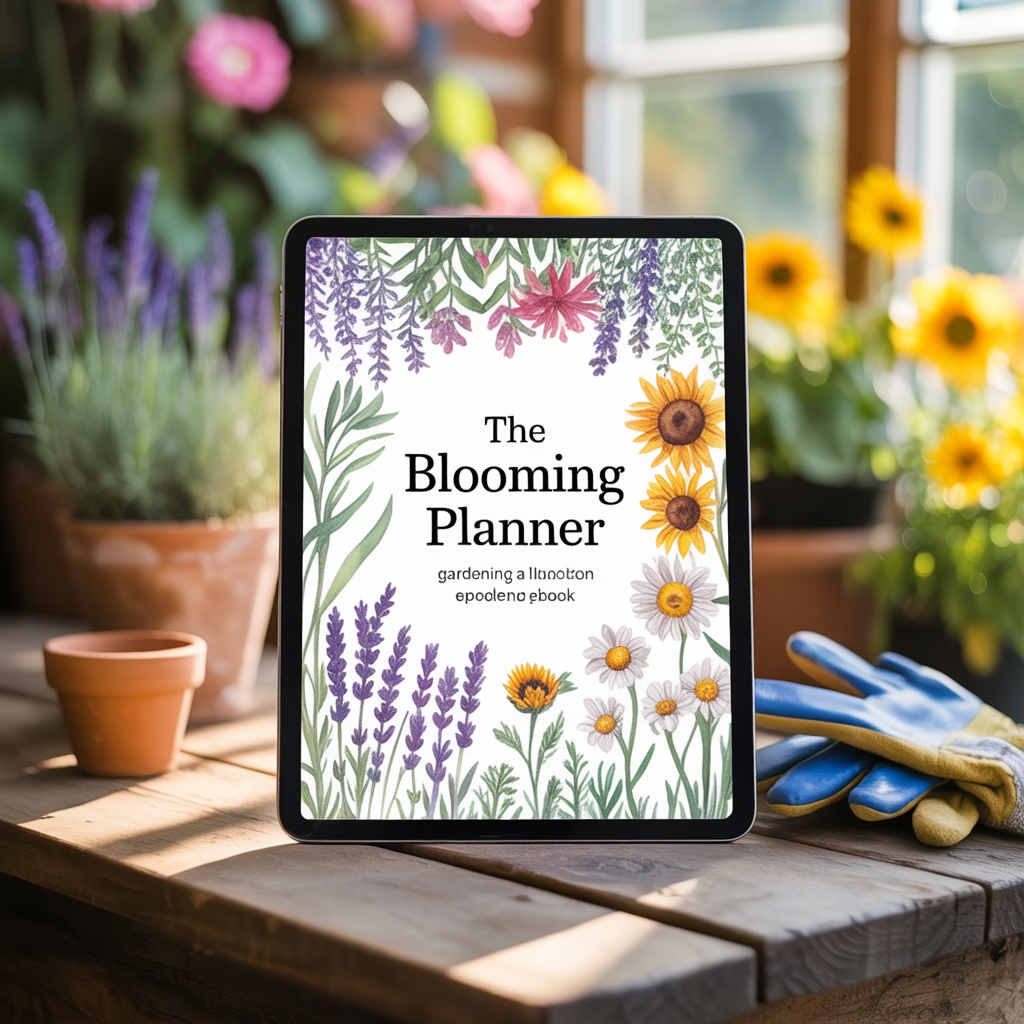
Put your gardening knowledge into digital products that can be sold again and again without any physical items. This offers one of the highest profit margins possible.
How to Do It:
- Gardening Planners/Workbooks: Make files (PDFs) that people can print or use digitally. These can have pages for planning where to plant seeds, tracking crop rotation, logging pest problems, and harvest times.
- E-books and Guides: Write detailed guides on specific topics you know well. Examples include ‘Easy Pest Control for Organic Gardens,’ ‘Growing Food Inside,’ or ‘Getting Food All Year in a Cold Climate.’
- Templates and Lists: Offer simple, useful tools like ‘Best Layout for a Beginner’s Vegetable Plot’ or ‘Things to Do in the Garden This Month.’
- Sales Site: Use websites like Etsy or your own shop for instant digital delivery. Once you create the product, the money you earn is mostly passive.
Example:
Create a 50-page digital “Guide to Planting and Harvesting” for your local area. Selling this guide for $15 and only getting 10 sales a month gives you $150 in easy income.
Q: Do I need a big garden to make money?
A: No, not at all. Many of the most profitable activities need very little space. This includes growing tiny microgreens, selling special seeds, making finished products, and creating online content. For example, a few tall shelves can grow a lot of microgreens that sell for much money.
Q: What rules do I follow for selling food products?
A: This is very important. Rules change a lot depending on your state or country. Look up your local “cottage food laws.” These laws usually tell you what you can make in a home kitchen, how much you can sell each year, and what labels you must use. Always check with your health department before selling any food you have prepared.
Q: How do I choose a fair price for my garden products?
A: Your price should show the organic quality, the work you put in, and the local market. Do not compare your special, organic tomato to a cheap store tomato. Instead, look at prices at local farmers’ markets, specialty food stores, and handmade craft websites. Always price your best items high enough to pay for your time and materials, showing their superior quality.
Q: Can I offer garden advice without a formal degree?
A: Yes. Most clients just want advice from someone who has been successful. If your garden looks great, that proves your skill. You can start by giving personal, online advice through a newsletter or paid video calls. Focus on small areas you are good at, like composting, caring for roses, or smart water use. Your successful garden is your best selling point.
References
- SARE – Selling at a Farmers Market
- Garden – The National Gardening Association
- Two Lauras – The Social Media Marketers Guide To Stock Media Sites
Recent posts