This article dives deep into the art of maximizing every inch, revealing the small space secrets that turn cramped rooms into surprisingly spacious areas. Written by a team focused on easy home organization, we believe that living large does not require a big house—just smart strategies. Our goal is to give you the simple tools and ideas to create a home that works well, no matter its size. Discover the small space secrets that will completely change how you live.
Unlocking Small Space Secrets: Your Guide to a Clutter-Free Life
Living in a small home, apartment, or even just a cozy room can feel like a constant war against clutter. Everything you own seems to need more space than it has. The dream of a calm, organized place can feel impossible to reach. You might look at pictures of simple, spacious homes online. You wonder if your home can ever look like that. Good news: it can.
Professional organizers are the experts of neatness. They have special tools and ideas designed for difficult spaces. They do not just tidy up; they change rooms. They make them work better, run faster, and feel nicer. In this long guide, we share 12 small space secrets that these professionals use. These tips will not only help you declutter. They will change how you use your home every day.
This guide is not only about smart storage bins. It is also about a new way of thinking. You will learn to look at your items differently. You will learn a smart plan to use every bit of space. Get ready to find out the power of high walls, the magic of furniture that does two things, and the need to declutter without mercy. After reading this, you will know how to turn your small space problems into design success stories.
Section 1: The Golden Rule of Verticality
Leverage Every Inch Upwards
When you live in a small space, you should realize that vertical space is wasted space. Most people only think about floor space. But a professional organizer sees walls, cabinet insides, and even the backs of doors as perfect places to grow. This idea is one of the most important small space secrets.
Think of your floor as a small, set canvas. Now, look up. Every wall is a canvas that goes up to your ceiling. Floating shelves, cabinets fixed to the wall, and tall, thin bookcases are your best friends. These pieces make the eye look up. This makes the room feel taller and more open. At the same time, they store many things. Think outside the box. A shoe holder over a door, shelves that stack in your pantry, or bins that stack in a closet can make a big difference.
Why it works: When things sit on the floor, they use up valuable counter or floor space. Moving them up frees these surfaces. This makes rooms look much larger and less cluttered. You should use all the room from floor to ceiling, not just the floor area.
Section 2: Embrace Multi-Functional Furniture
Every Item Must Earn Its Keep
In a small room, furniture that only does one job is often too costly. Professional organizers are skilled at finding furniture that can do two or even three jobs. This is one of the most useful small space secrets.
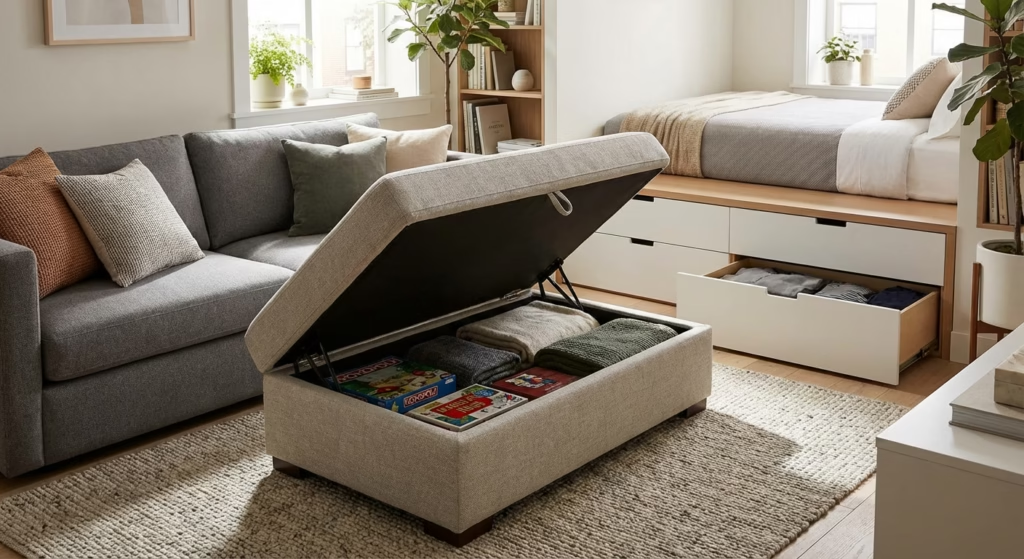
Do not just buy the basics. Look for an ottoman that opens to store blankets or magazines. Look for a coffee table with hidden spots or one that lifts up to become a dining table. Look for a sofa bed that turns your living room into a guest room. You can also get a bed with drawers built underneath. Desks that fold into the wall, chairs that stack neatly, and dining tables with parts that pull out are all ways to make your furniture work harder.
Why it works: Furniture that does many things means you need fewer pieces in the room. This saves floor space and makes the room look cleaner. It makes sure that every item you buy helps make the room both pretty and useful.
Section 3: The Power of Ruthless Decluttering
Less Truly Is More (Especially in Small Spaces)
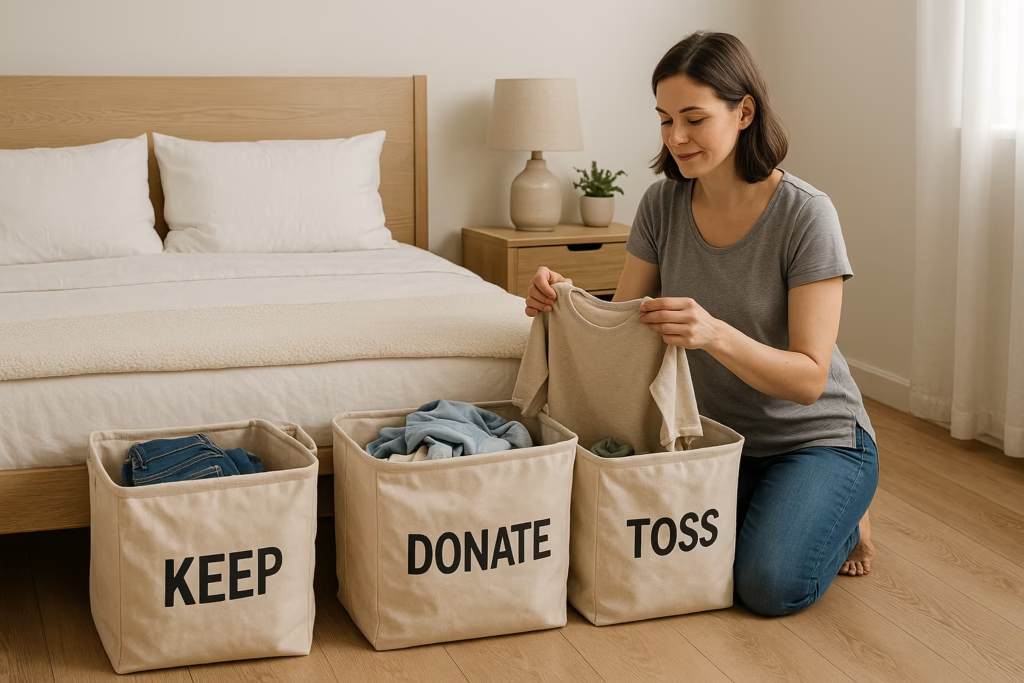
This may sound simple, but it is the main rule of all professional organizing. It is especially true in small homes. Before you even think about buying storage units, you must look closely at everything you own. This rule is a must-have among small space secrets.
Professional organizers use a simple rule: when one thing comes in, one thing must go out. For tough spaces, they may even say two things must go out. They tell clients to ask hard questions: Did I use this in the last year? Do I really like this item? Does it have a clear use? If the answer is no, it is time to let it go. This is not about having nothing. It is about choosing what you keep. Everything that stays in your home should be there for a good reason. It should make you happy or serve a clear purpose.
Why it works: Fewer things mean less to store. It means less to clean. It means less visual mess. It creates a feeling of peace. It makes the items you keep more valued and easier to find. The best way to store things is often just to own less.
Section 4: Zone Your Space
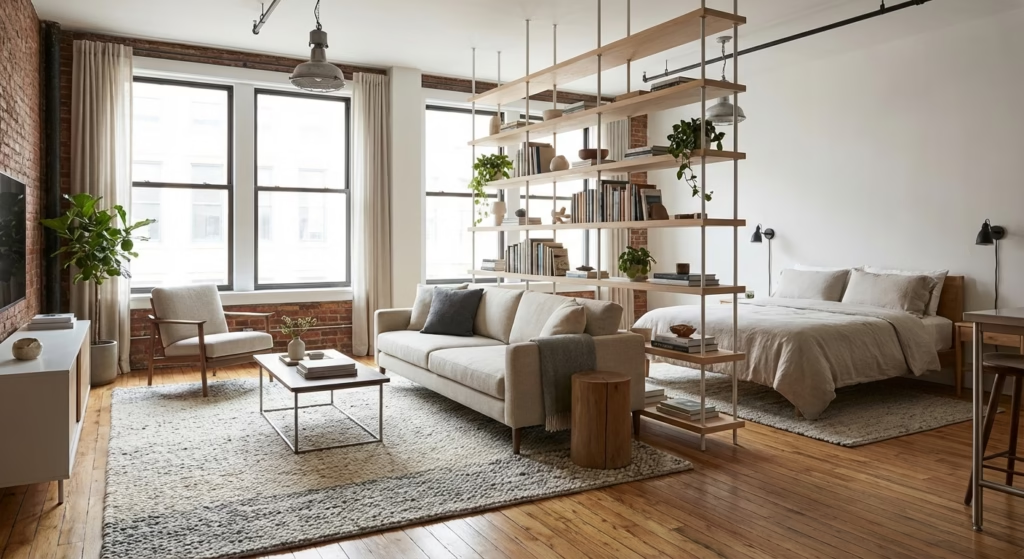
Define Boundaries, Even Without Walls
In open-plan rooms or studio apartments, having no clear walls can make organizing tough. Professional organizers expertly create “zones” inside one space. They give each area a special job. This stops different uses from mixing together. This is one of the more simple yet effective small space secrets.
Use rugs to mark where the living area is. Use a thin table behind a sofa to mark the dining area. Use a well-placed bookshelf to separate the sleeping corner. Even in a small room, decide where you will sleep, work, and relax. This way of splitting the space helps you keep items related to that area within its borders. This lessens overall mess.
Why it works: Zoning gives order to an open layout. This makes the space feel more planned and organized. It helps your mind keep clutter contained. Every item has a ‘home’ inside its set zone.
Section 5: Maximize Every Nook and Cranny
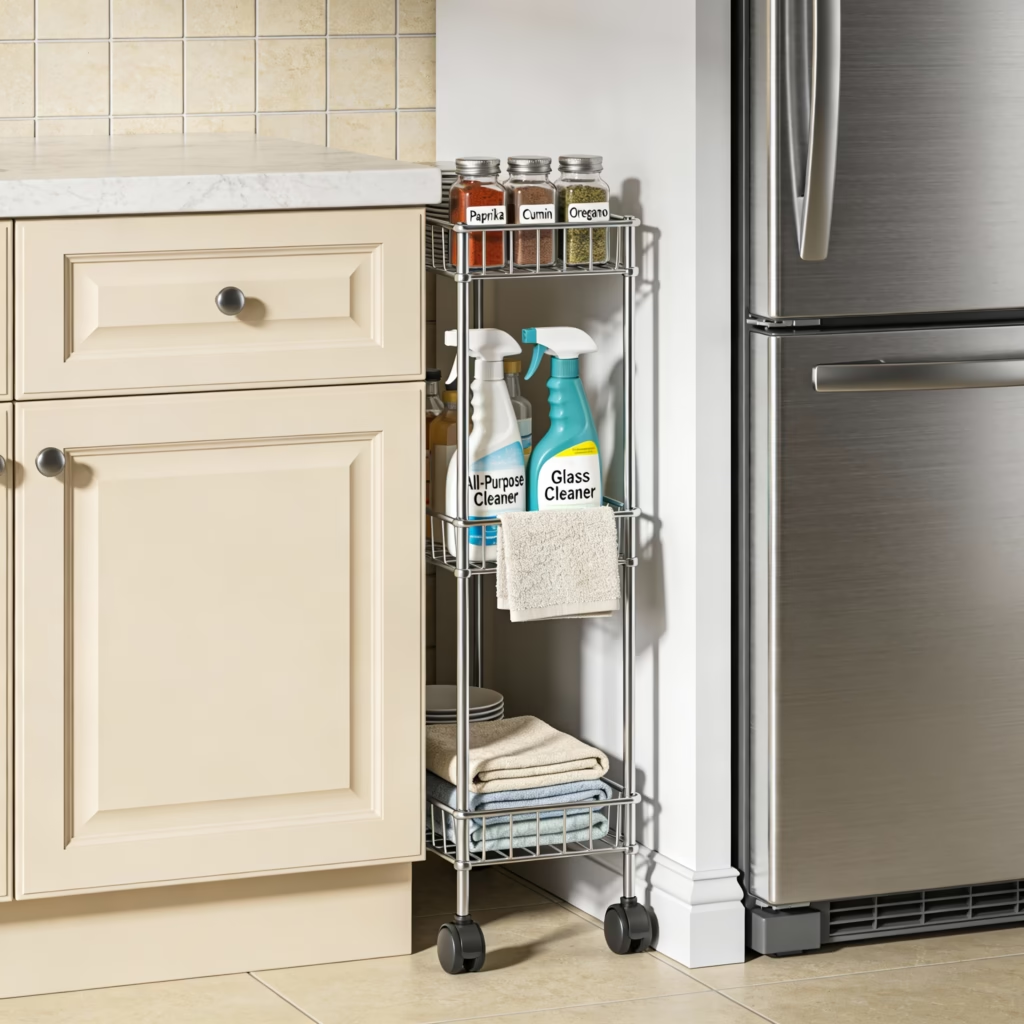
Discover the Hidden Potential of Awkward Spaces
Professional organizers are great at seeing spaces that most people miss or think are useless. Spaces under stairs, above doors, inside cabinet doors, the thin gap near your fridge—these are all possible spots for storage. This is where many truly new small space secrets are found.
Think about thin rolling carts for tight kitchen spots. Use over-the-door holders for pantry or bathroom needs. Put magnetic strips on a backsplash for knives or spices. Or, try a small shelf high above a door frame for light decorations or seasonal storage. Custom-made items can fit these odd spaces perfectly. This turns wasted space into useful storage.
Why it works: When you use these often-forgotten spots, you make your home bigger without adding any square feet. It lets you store things that might otherwise sit on main surfaces. They are easy to reach but out of sight.
Section 6: Uniformity in Storage Containers

Create Calm with Consistency
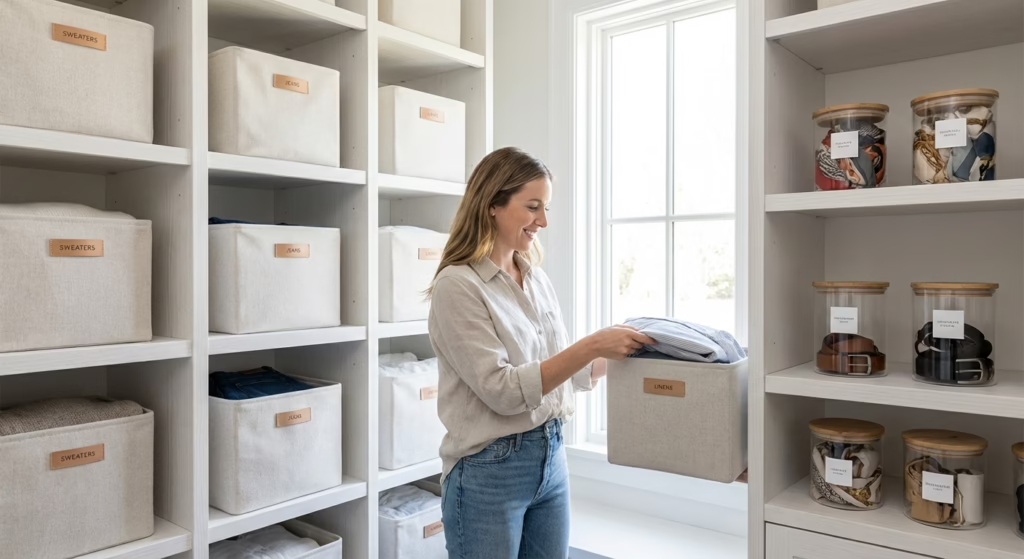
A messy look is almost as stressful as a physical mess. Bins and boxes that do not match make this problem worse. Professional organizers say to use storage containers that look the same. They match in color, material, and shape for any storage you can see.
For shelves, this means using the same style of basket or bins that are the same size and not see-through. For the pantry, this means buying airtight containers from the same company. They should be the same material, like clear plastic or glass jars. This visual balance makes the space look better right away. It seems calmer and more carefully organized, even if the things inside are not perfectly neat.
Why it works: Uniformity tricks the eye. When you limit the number of colors, textures, and lines in a space, the area looks clean, simple, and bigger. This is true no matter how many things you store.
Section 7: The Capsule Closet Strategy
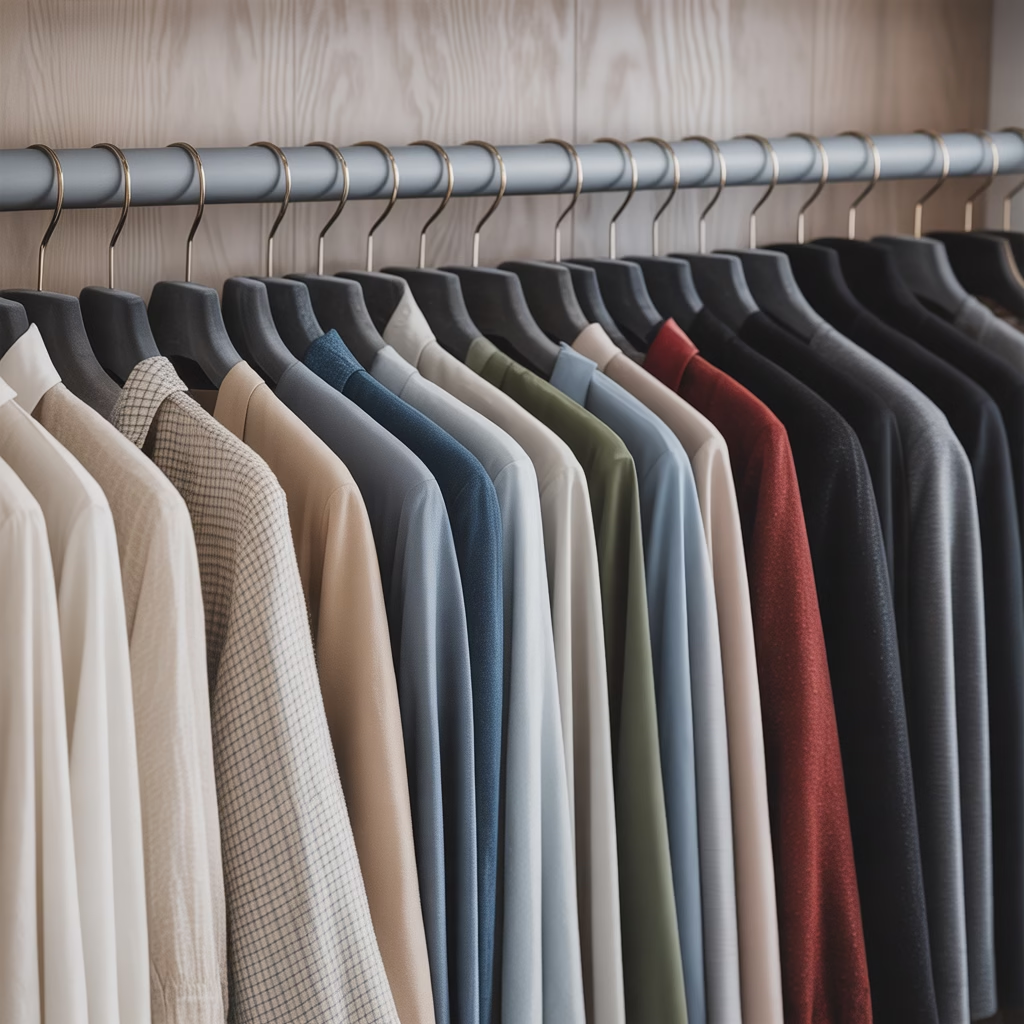
Decluttering Wardrobe Overload
The closet is usually the first room to fail in a small home. Professional organizers often tell clients to try a capsule wardrobe idea. This does not mean owning very few clothes. It means focusing on good quality clothes that you can wear in many ways. They should work across all seasons and events.
This plan means getting rid of clothes that do not fit. You must remove clothes you do not wear often or that do not match other items. Also, you must use thin, matching hangers (velvet works best). Tiered hanging systems are key. By greatly cutting down the amount of clothing, you make getting dressed easier every day. You keep the closet useful.
Why it works: A capsule closet deeply cuts the volume of clothes you store. This frees up space for things like bedding or towels. Matching hangers gain you several inches of hanging space on every rack.
Section 8: Go Invisible with Clear Acrylic
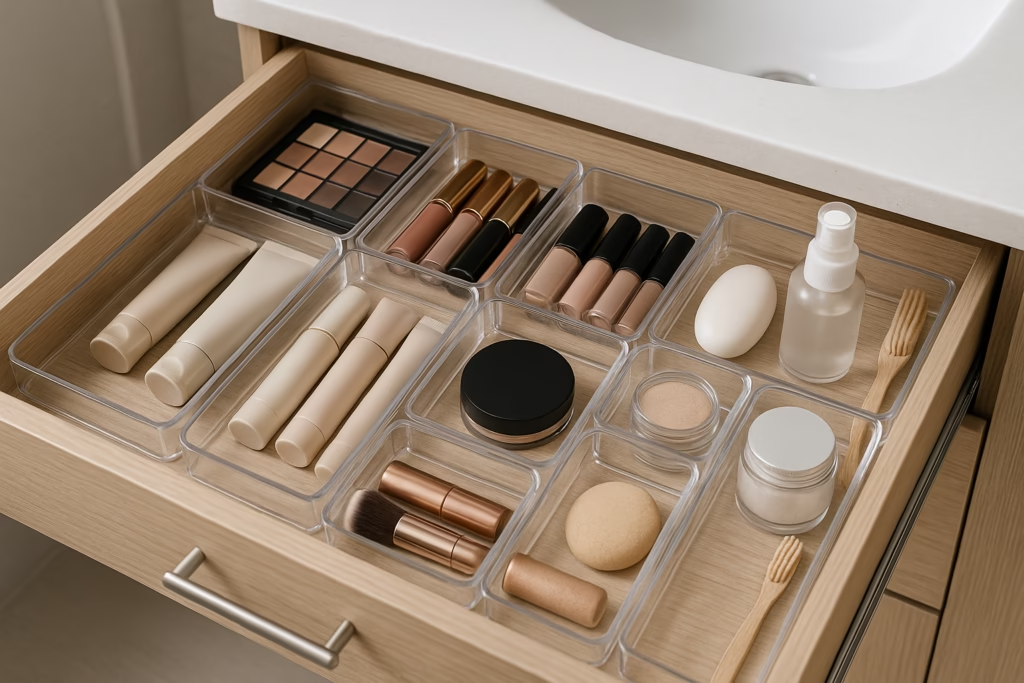
Utilizing See-Through Storage
When organizing drawers, bathrooms, or makeup areas, professional organizers often use clear plastic or glass holders. Bins that you cannot see through help hide mess on shelves. But clear materials are a big small space secret for small areas filled with many items.
Clear holders make it easy to see everything you own quickly. This stops you from forgetting things or buying the same thing twice. In a shallow bathroom drawer, clear dividers keep small tubes and brushes apart. In a fridge, clear bins keep food or sauces neat. This stops you from having to search for what you need.
Why it works: Clear materials stop the “out of sight, out of mind” issue. They make sure you use what you have. Also, they let light pass through. This makes drawers and cabinets look brighter and lighter overall.
Section 9: De-Clutter the Digital Space
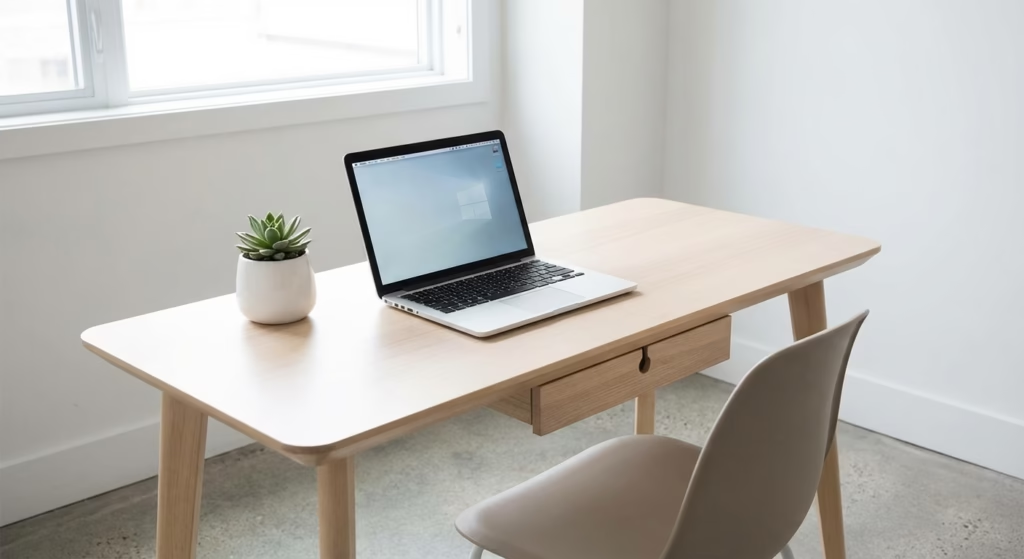
The Importance of Digital Organization
Digital mess is not physical, but it adds a lot to mental stress and lack of order. This can affect your physical home. This small space secret focuses on keeping your work area simple and clean.
Professional organizers advise cleaning up your computer desktop. Sort digital files into folders that make sense. Stop getting emails you do not need. On a practical level, this helps you keep your physical desk tidy. You do not need piles of papers to track things. It also lowers how often you feel tired from making decisions. A clean digital space helps you have a clean physical space.
Why it works: Less mental load helps you focus on keeping your physical home orderly. Less paper, fewer notes, and better habits start with a clean digital life.
Section 10: “In-Between” Storage
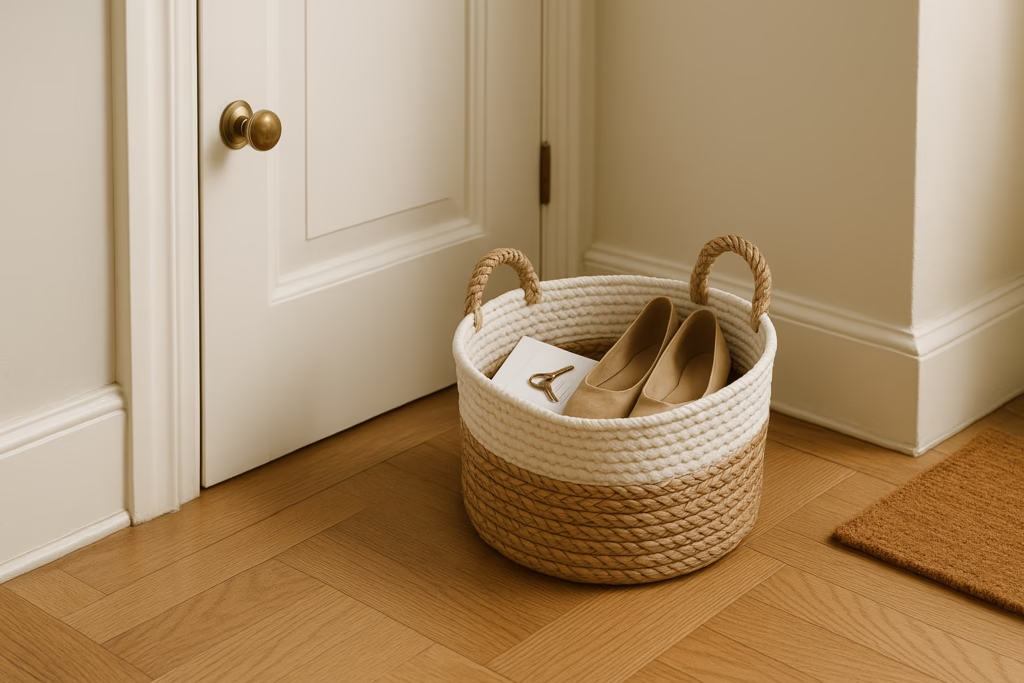
Handling Items Not Quite Ready to Be Put Away
Small spaces get messy fast because things are left “on the way.” This includes the jacket you just took off, the mail you have not opened, or the dishes waiting for the sink. Professionals call for dedicated storage for these “in-between” items.
This could be a nice basket near the door for shoes and bags. It could be a small, good-looking tray on a counter for new mail. Or, it could be a special decorative bowl for keys and wallets. The main point is to make this storage useful, very easy to use, and nice to look at. This way, using it becomes a simple, automatic habit.
Why it works: These special spots hold the “short-term mess” that can quickly take over a small room. They help you manage the flow of items. This stops them from ending up all over the floor or furniture.
Section 11: Decanting for Efficiency

Removing Unnecessary Bulk
Decanting is a powerful way to organize, especially in kitchens and bathrooms. This means moving items from their large, original packaging into containers that are thinner and the same size. This works for dry food, cleaning products, and even personal care items.
Remove large cereal boxes. Get rid of odd-shaped soap bottles or spice jars that do not match. Put their contents into clean, labeled containers or dispensers. This saves space. It makes a pantry or laundry room look better right away. It lets you use the full size of your shelves without being limited by the store packaging.
Why it works: Decanting lets you stack, line up, and organize items much better than their original boxes allow. It lessens visual mess. It gives you a clear, simple look at how much you have left.
Section 12: Adopt the “Tidy Up” Trigger
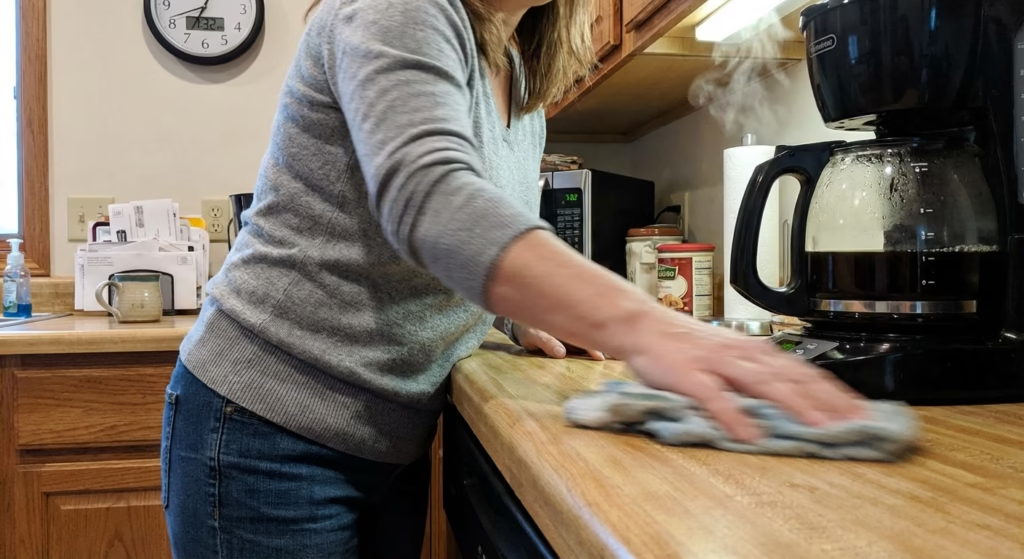
Maintaining Order with Quick Routines
The last, and perhaps most powerful, small space secret is not a physical trick. It is a simple habit called the Tidy Up Trigger. Professional organizers set up easy, daily habits that stop mess from piling up.
A trigger is a daily event that tells you it is time for a five-minute tidy. This could be making your morning coffee. It could be brushing your teeth before bed. Or, it could be waiting for the water to boil. During this short time, you do a quick clean. Clear the kitchen counter. Hang up the clothes you wore that day. Wipe down the bathroom sink. Small spaces need constant, small effort, not big, scary efforts once in a while.
Why it works: Small, steady effort stops the “clutter tipping point.” This is when the mess gets so bad that cleaning it feels impossible. Tidy up every day to keep your small space working well and feeling calm.
Conclusion
To live well in a small space, you need more than smart buying. You need a planned way of thinking. By using these 12 small space secrets—from using high walls and buying furniture that does two jobs, to using daily tidy-up habits—you can totally change your home. Your small space does not have to be stressful. It can show how good design can be. It can be efficient, beautiful, and smart. Start small, keep going, and enjoy the peace that professional organization can bring to your compact life.
External References
For readers who want to use these ideas, we suggest looking at resources from the following organizing groups and companies:
- DIY – 20 home storage ideas
- The Spruce – 20 Living Room Storage Ideas to Keep Your
Recent Posts