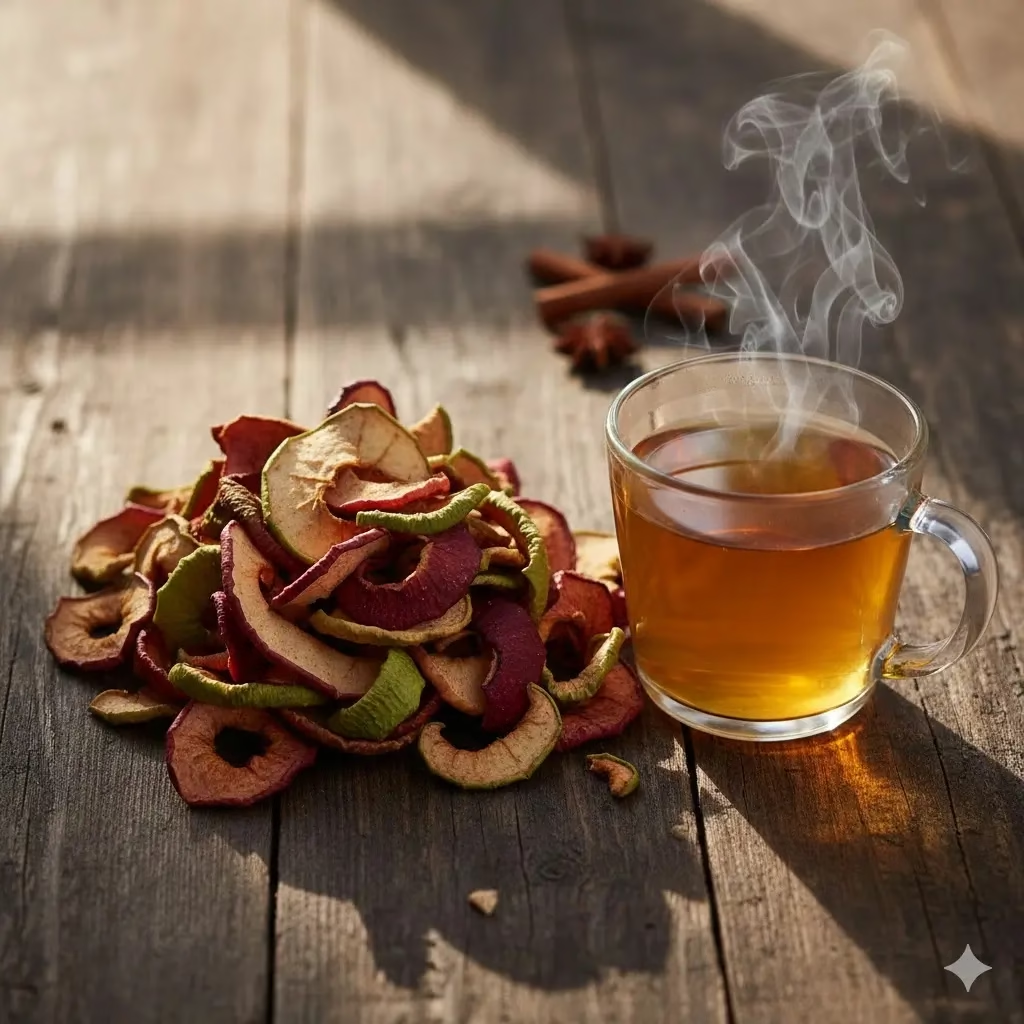
Making your own Apple Powder is a smart way to practice zero waste living in your home kitchen. By using a good dehydrator, you can turn fresh, seasonal apples into a long-lasting ingredient that keeps most of the fruit’s healthy perks. This guide offers a clear look at the drying and grinding steps needed to make a fine Apple Powder. Learning this skill gives you a steady supply of natural flavor for many different meals.
Introduction: The Versatility of Apple Powder
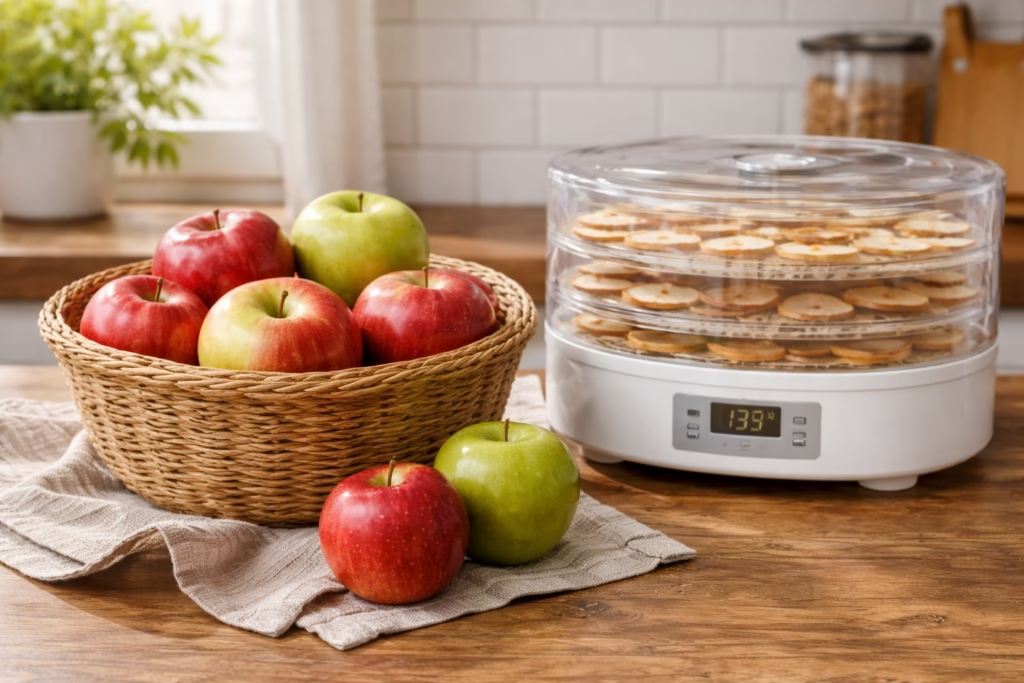
Drying out fruit is an idea as old as time, but the new way of doing it has led to the rise of fruit powders. Apple Powder is just a concentrated form of dried apples that have been ground into a fine dust. Unlike whole dried fruit, the powder form gives you a real leg up in the kitchen. It provides big flavor and good health perks without changing how wet or dry a recipe feels.
In a time when zero waste living is a top goal for many homes, finding ways to save food before it goes bad is key. Apples are very prone to getting bruises or losing their crunch as they sit. By turning them into a powder, you can make them last for years instead of weeks. This article looks at the steps and the perks of making your own DIY fruit supplements.
Selecting the Right Apples for Dehydration
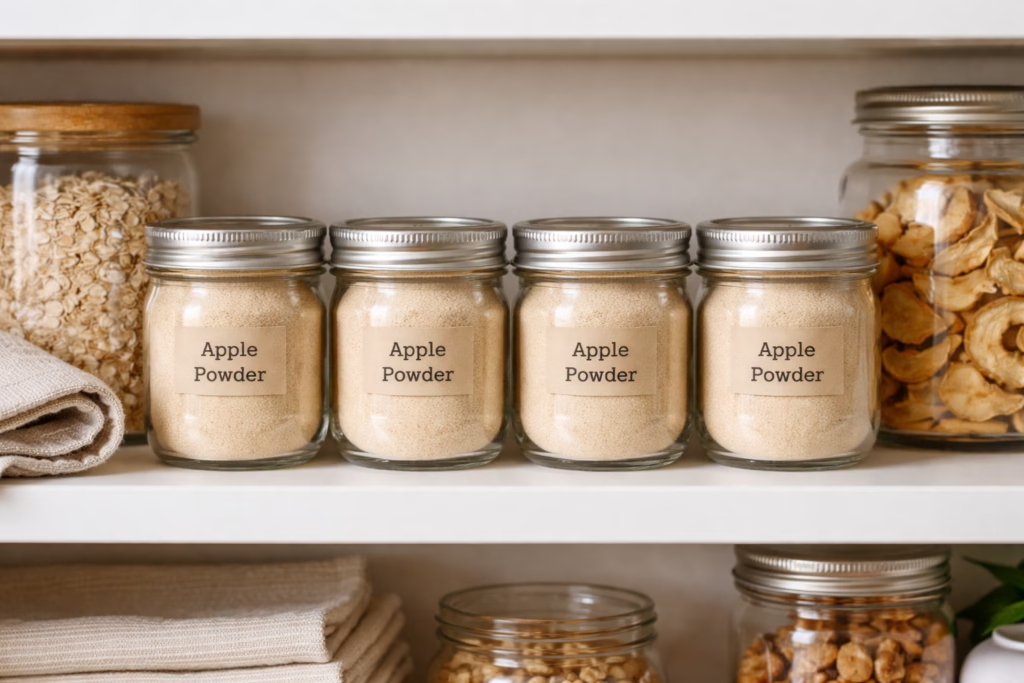
Not all apples are the same when you want to make a high-quality powder. The final taste of your Apple Powder depends on the mix of sugar and acid in the raw fruit.
- Sweet Types: Fuji and Gala apples make a mild, sugary powder. This works very well as a natural way to sweeten baby foods or yogurt.
- Tart Types: Granny Smith or Pink Lady apples make a tangy, bright powder. It tastes like green apple candy and is great for snacks or adding “pop” to baked goods.
- Scented Types: McIntosh or Honeycrisp give off a classic “apple pie” smell that is great for spice mixes.
When you are trying to be zero waste, do not worry about how the fruit looks. Small marks on the skin do not matter once the fruit is cut and ground. Just make sure the fruit has no mold or rot inside, as those bad tastes will get stronger during the drying process.
The Science of Using a Dehydrator
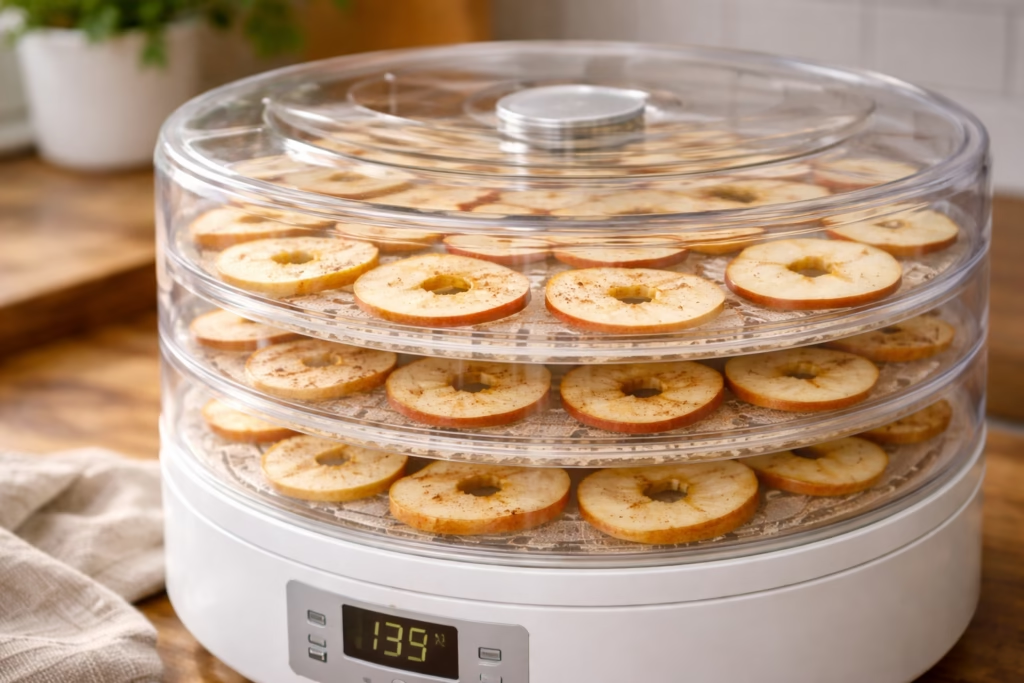
To get a powder that feels like dust, the fruit must be “bone dry.” This is why a dehydrator is the most vital tool for the job. A standard home oven often has “hot spots” and does not have enough air moving around. A real dehydrator uses a heater and a fan to move air evenly at low heat.
The goal is to bring the water level of the apples down below 5%. At this point, the fruit gets brittle enough to snap in half. If any water stays inside, the “powder” will turn into a sticky clump instead of a fine dust. Using a dehydrator lets you pick the exact heat, usually around 135°F (57°C). This saves the vitamins that would be lost in the high heat of an oven.
Preparation: Slicing and Pre-Treatment

Prep work is the start of any good zero waste project. Start by washing the apples well to get rid of any wax or dirt. You can peel the fruit if you want, but keeping the skin on is better for Apple Powder. The skin holds a lot of fiber and good nutrients.
- Even Slices: Use a slicer or a sharp knife to make pieces about 1/8-inch thick. If they are all the same size, they will all dry at the same speed.
- Stop the Browning: To keep the apples from turning brown, soak the slices in a bowl of water with a little lemon juice for five minutes.
- Using the Cores: In a true zero waste kitchen, you can even dry and grind the cores, as long as you take out the seeds first.
Step-by-Step Instructions: Drying the Apples
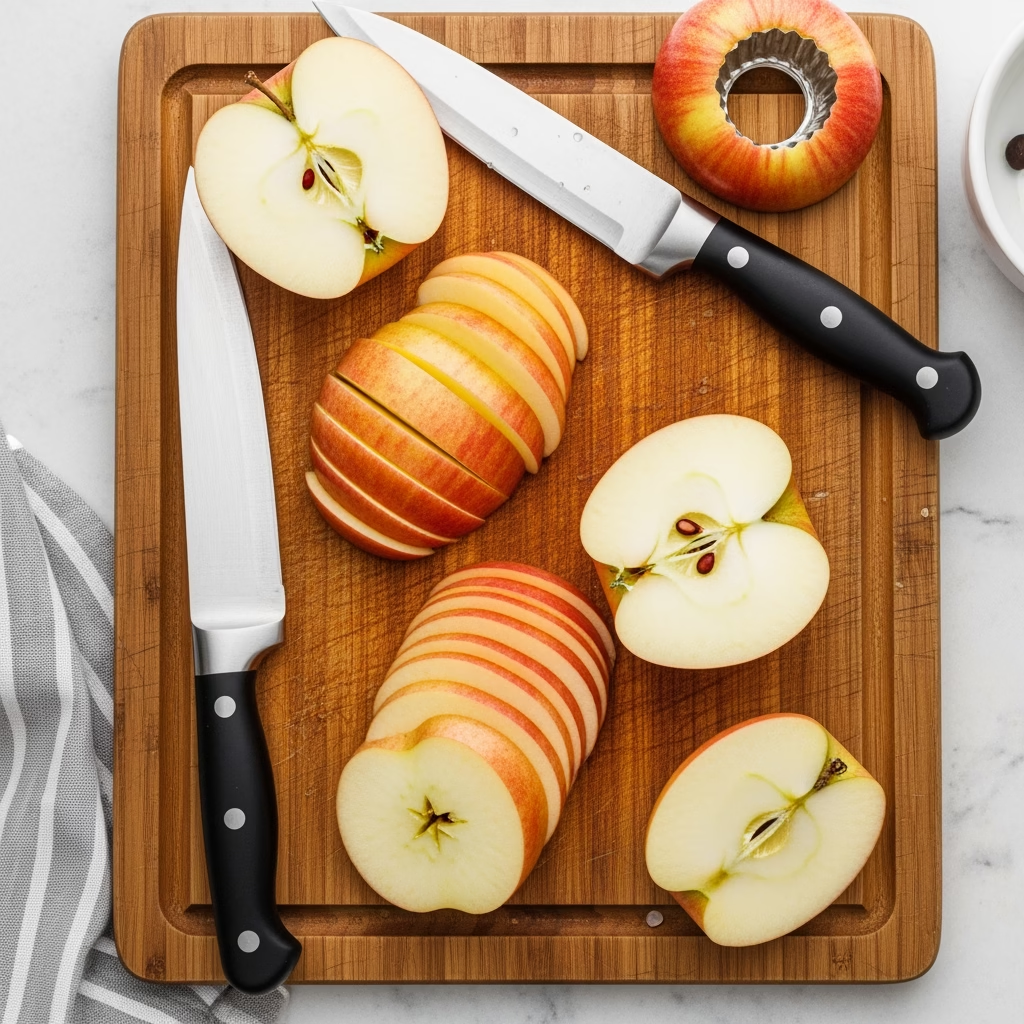
Once your slices are ready, follow these steps to make sure they get dry enough to grind.
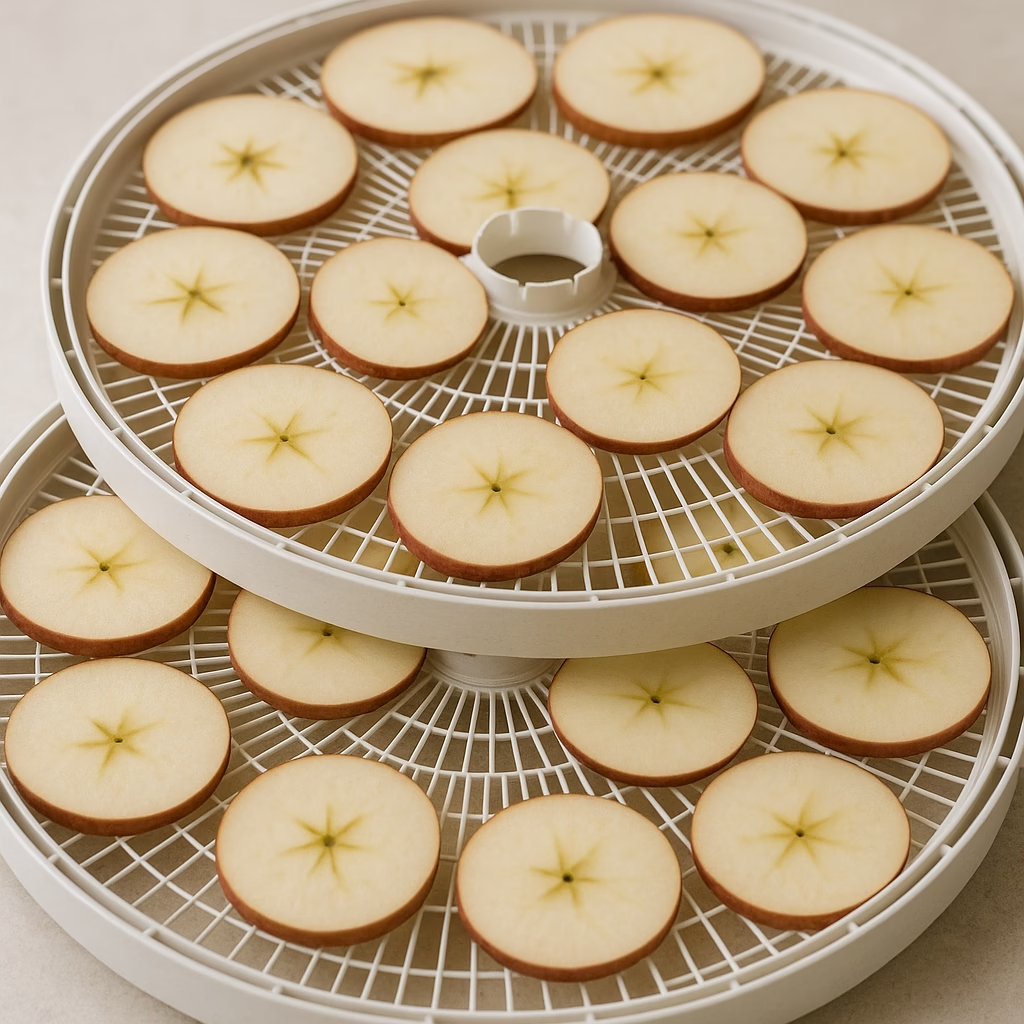
- Step 1: Loading the Trays: Put the slices on the trays in one single layer. Do not let them overlap, as the air needs to move to dry them out.
- Step 2: Setting the Heat: Set your machine to 135°F. If your house is very humid, you might need more time rather than more heat.
- Step 3: How Long It Takes: Drying usually takes between 8 and 12 hours. Start checking the fruit at the 6-hour mark.
- Step 4: The Snap Test: Take a slice out and let it cool for a minute. If it bends, it needs more time. If it snaps like a chip, it is done.
Transforming Slices into Apple Powder
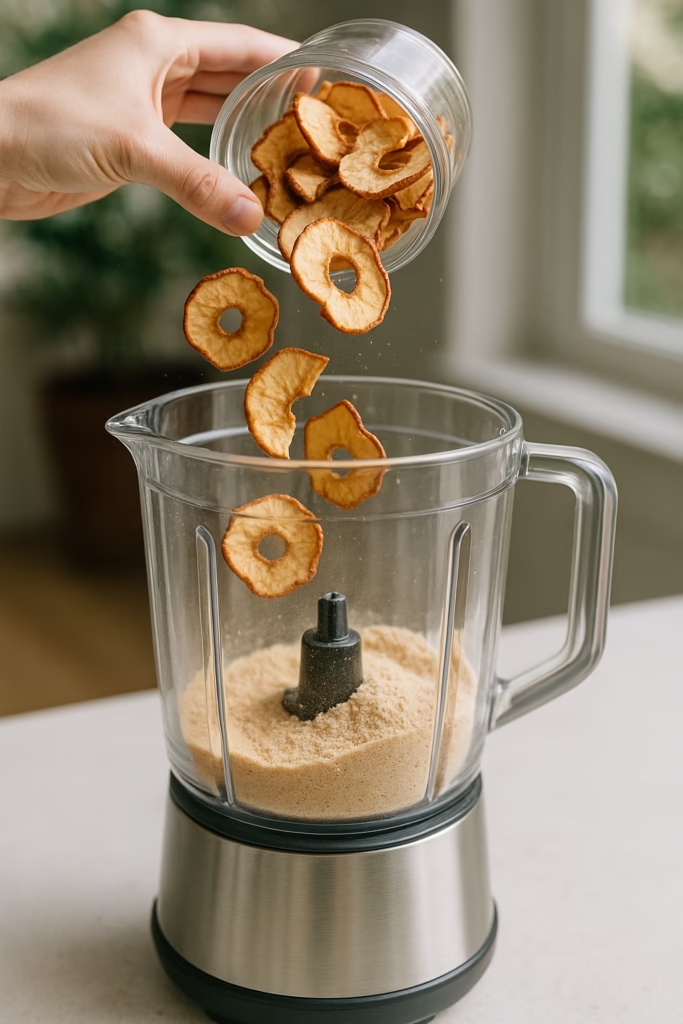
When the dried apples are cool and brittle, it is time to grind them. The tool you use will change how the powder feels.
- High-Speed Blender: This is the best tool for making a light, flour-like powder. It can handle big batches fast.
- Spice Grinder: Great for small batches. This way often makes the finest, most even dust.
- Food Processor: This will likely make a coarse “apple meal.” This is still good for adding texture to bread.
Pro Tip: Use short bursts of power so you do not heat up the powder. Too much heat can melt the natural sugars and cause clumps. After you grind it, put the powder through a sifter to catch any big pieces, then grind those bits again.
Storage Solutions for Longevity
The main enemy of Apple Powder is wet air. Because the powder soaks up water very fast, you must store it the right way.
- Tight Jars: Use glass jars with a lid that seals tight. Plastic jars can let in tiny amounts of air and may not keep the powder fresh for a long time.
- Dry Packs: Putting a small food-safe silica pack in the jar can help soak up any extra dampness that gets in when you open the lid.
- Checking the Mix: After the first day in the jar, give it a shake. If the powder sticks to the glass or forms clumps, it still has water in it. Put it back in the dryer for two more hours.
If you keep it in a cool, dark, and dry spot, your Apple Powder will stay tasty and healthy for 6 to 12 months.
Culinary Applications for Apple Powder
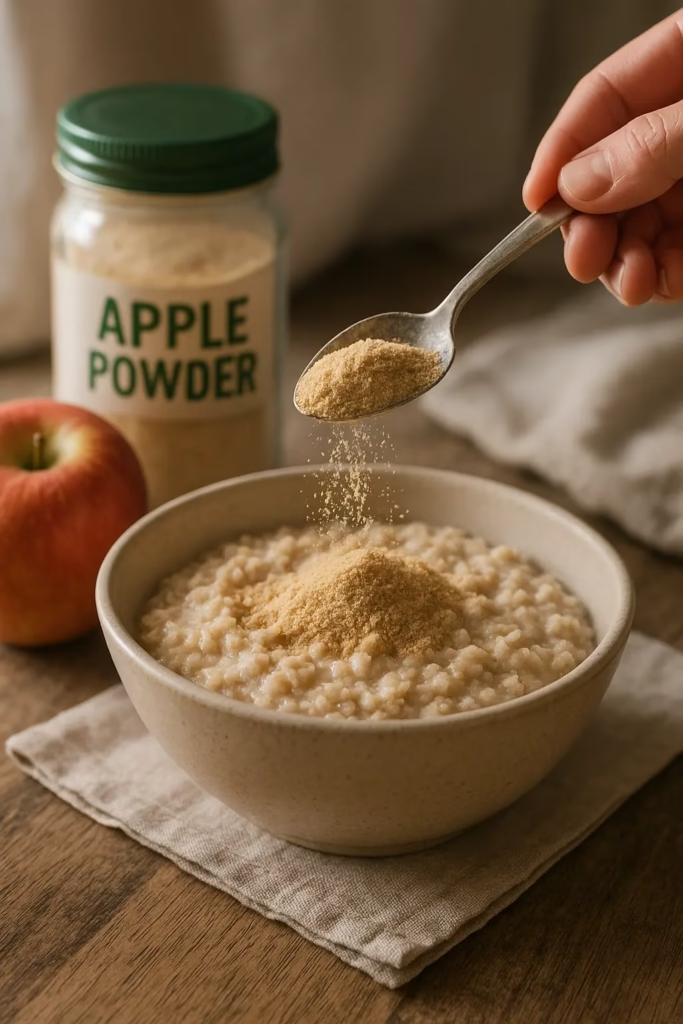
Having a jar of Apple Powder in your pantry is like having the taste of fall on hand. Since it is a zero waste product made from the whole fruit, it has a lot of flavor.
- Baking: Swap out 10% of the flour in cake or muffin mixes for Apple Powder to get a fruit taste and extra fiber.
- Smoothies: Add a big spoon to green drinks to hide the taste of kale without adding the bulk of a whole apple.
- Natural Sweetener: Sprinkle it over plain yogurt or oatmeal. It gives you sweetness without the big sugar spike of white sugar.
- Spice Rubs: Mix it with cinnamon and a bit of salt to make a dry rub for meat or roasted veggies.
The Zero Waste Impact
The good you do for the Earth by making your own fruit powder is big. Studies show that apples are one of the most wasted foods in the world. By using a dryer to fix “ugly” fruit or extra crops, you help stop gas buildup in landfills. Also, making it yourself means you do not need to buy store products that come in plastic.
This process is not just about cooking; it is about a way of life. Every core you use and every bruised apple you save helps create a better food system.
Conclusion
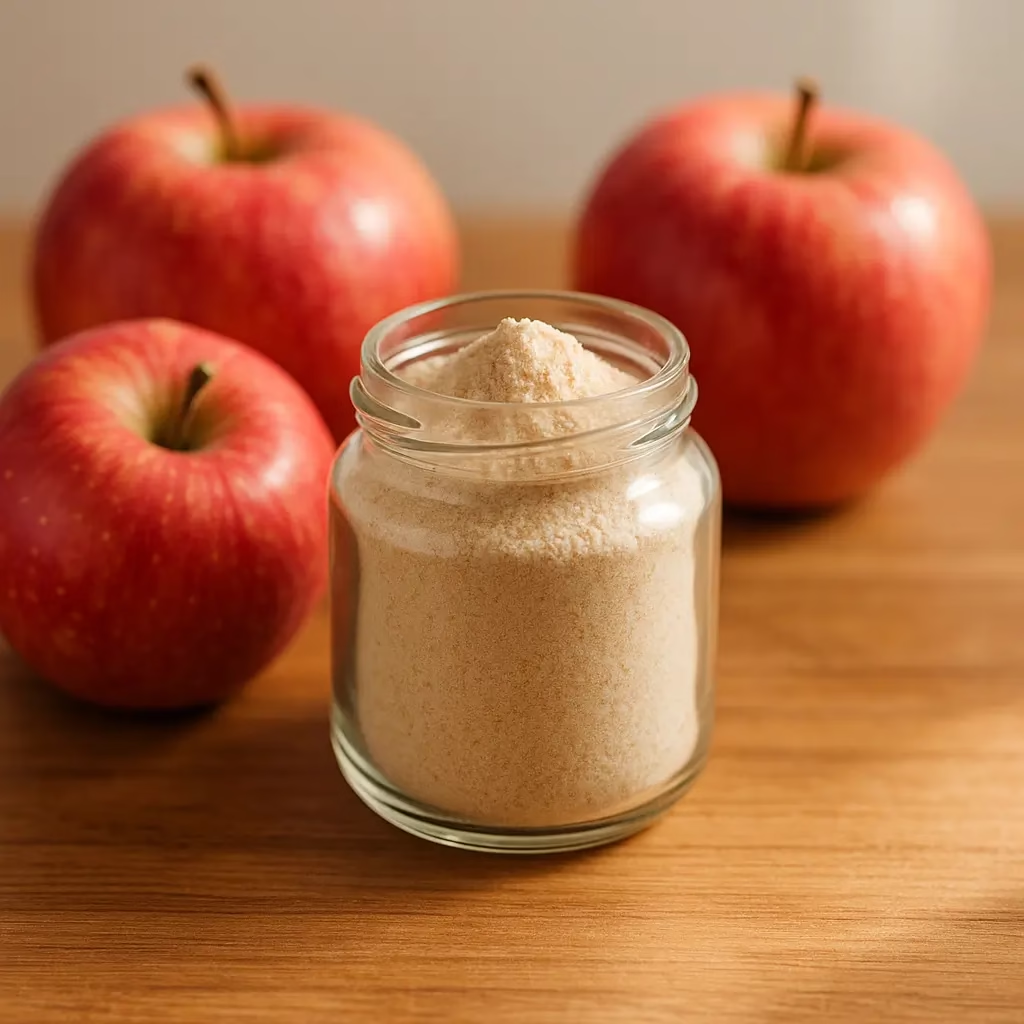
Making Apple Powder from dried apples is a fun project that links old ways of saving food with new ways of cooking. By learning how to remove water and how to use your dryer, you can make a healthy ingredient for many dishes. Whether you want to save cash, help the Earth through zero waste, or just try new tastes, this simple recipe is a great addition to your kitchen.
References
- NCHFP: Drying Fruits and Vegetables
- Healthline : Apples 101: Nutrition Facts and Health Benefits
- Platform cysf: Why Does Fruit Turn Brown
- EPA: EPA has five easy steps for people to reduce food waste
Recent Posts