This guide shows you how to reach a zero waste bathroom by using simple and cheap methods. We focus on being resourceful so that you do not have to buy expensive products. Reducing plastic in zero waste bathrooms is much easier when you use what you already have at home. These tips help you live a greener life while keeping your home clean and fresh. Making these small changes is a great way to help the planet every single day.
The bathroom is often the place where we create the most trash. Think about your daily routine. You likely see plastic bottles for soap, plastic tubes for toothpaste, and plastic sticks for cotton swabs. Most of these items are used once and then thrown away. They sit in landfills for hundreds of years. However, you can change this. Building a zero waste bathroom does not have to cost a lot of money. In fact, it can help you save money over time.
You do not need to buy fancy “eco” brands to be sustainable. You can use simple items from your kitchen or local grocery store. This guide will show you how to turn your bathroom into a green space. We will focus on easy swaps and DIY projects that anyone can do.
The Foundation of a Low-Waste Routine
The best way to start is to look at what you already own. You should not throw away half-full plastic bottles just to buy new glass ones. That would actually create more waste. Instead, use every last drop of what you have. While you do this, think about what you will buy next.
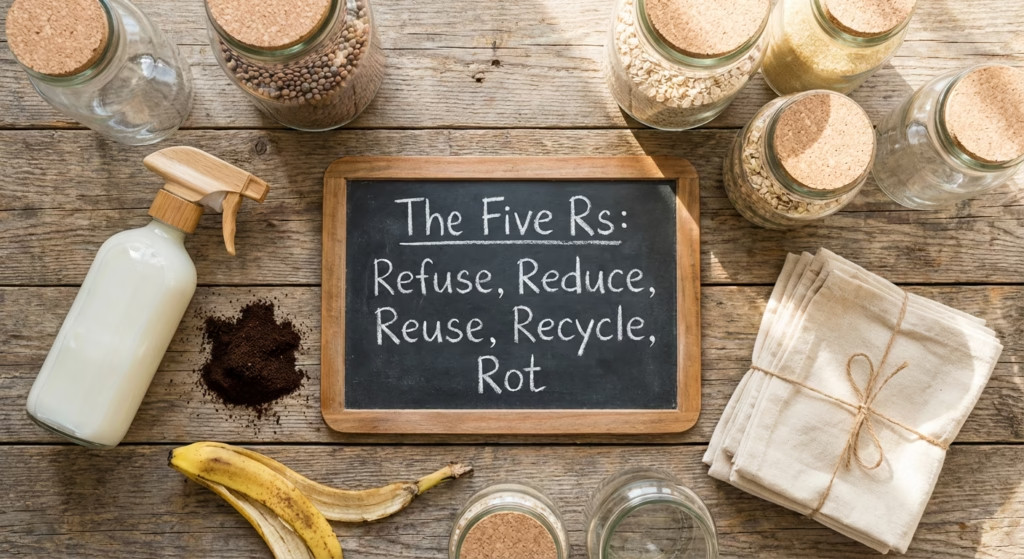
A zero waste lifestyle is built on a few simple rules. First, refuse what you do not need. If someone offers you a free plastic hotel toothbrush, just say no. Second, reduce what you use. Maybe you do not need five different types of lotion. Third, reuse your containers. An old glass jam jar is perfect for holding cotton balls. Fourth, recycle what is left. Finally, let organic things rot. This means composting items like hair from your brush or bamboo tools.
When you look at your bathroom trash, you might feel overwhelmed. Do not worry. You do not have to change everything in one day. Pick one small thing to change this week. Maybe you start with your soap. Next month, you can look at your hair care. Slow progress is still progress. This way of thinking makes the journey easy and fun.
Cost-Effective Personal Hygiene Swaps
You might think that green products are expensive. Sometimes they are, but many swaps are very cheap. Here are a few ways to save money while helping the earth.
The Return of the Bar Soap
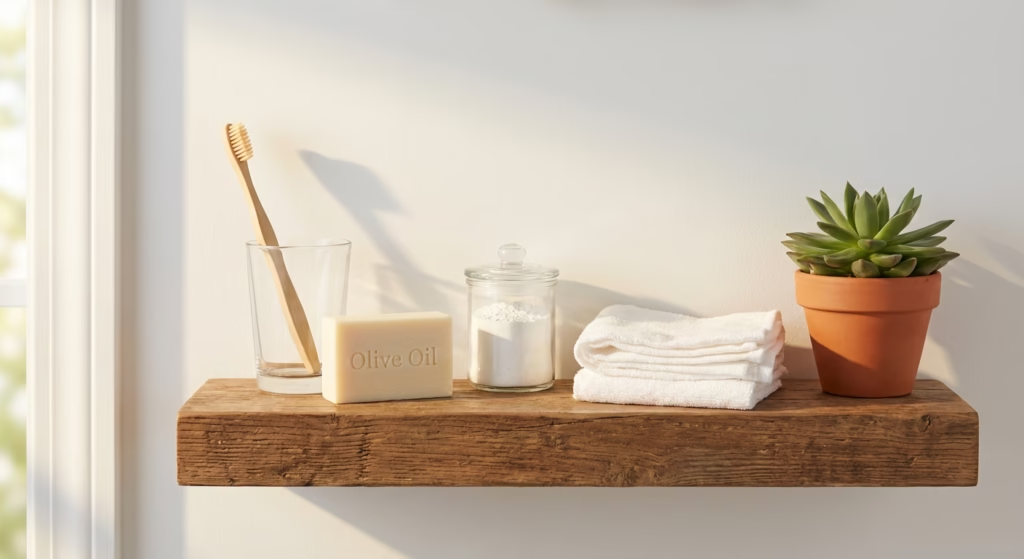
Liquid soap is mostly water. You are paying for water and a plastic bottle. When you switch to bar soap, you get more for your money. Bar soaps are very concentrated. They also usually come in a simple paper wrap. Paper is much easier to recycle than plastic. If you find a local soap maker, you might even find bars with no wrap at all. This is a great way to support small businesses while keeping your bathroom clean.
Transitioning to Solid Hair Care
Shampoo and conditioner now come in bars too. These look like bars of soap but are made for your hair. One small bar can last as long as three plastic bottles. This saves a lot of space in your shower. It also makes traveling very easy because you do not have to worry about liquid rules at the airport. To make your bars last longer, keep them dry. Do not let them sit in a puddle of water. Use a wooden soap dish with holes so the air can dry the bar out.
Investing in a Safety Razor
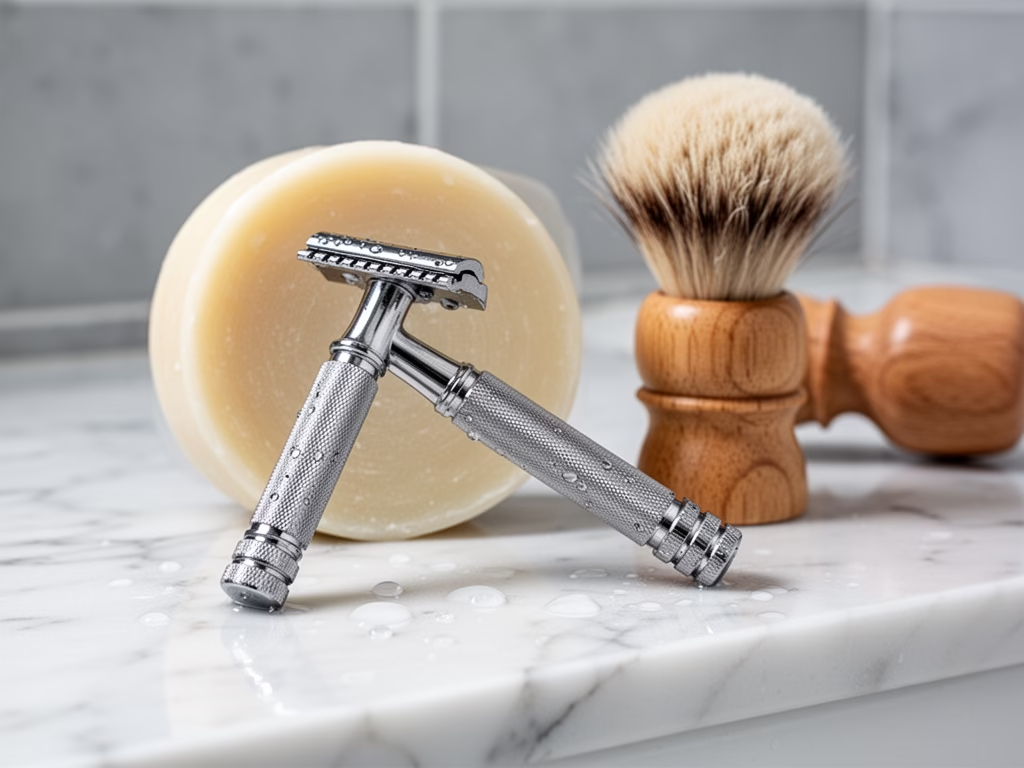
Plastic razors are a huge problem for the environment. They cannot be recycled easily. A metal safety razor is a much better choice. You buy the handle once, and it can last for your whole life. You only need to replace the small metal blades. These blades are very cheap. You can often buy a pack of 100 blades for a very low price. This swap saves you a lot of money every year. It also gives you a very close and smooth shave.
DIY Zero Waste Bathroom Recipes
Making your own products is one of the most affordable ways to achieve a zero waste bathroom. Most of the ingredients are likely in your kitchen right now.
Natural Toothpaste Recipe
Most toothpaste comes in tubes that are hard to recycle. You can make a simple paste at home that works well and tastes great.
Ingredients:
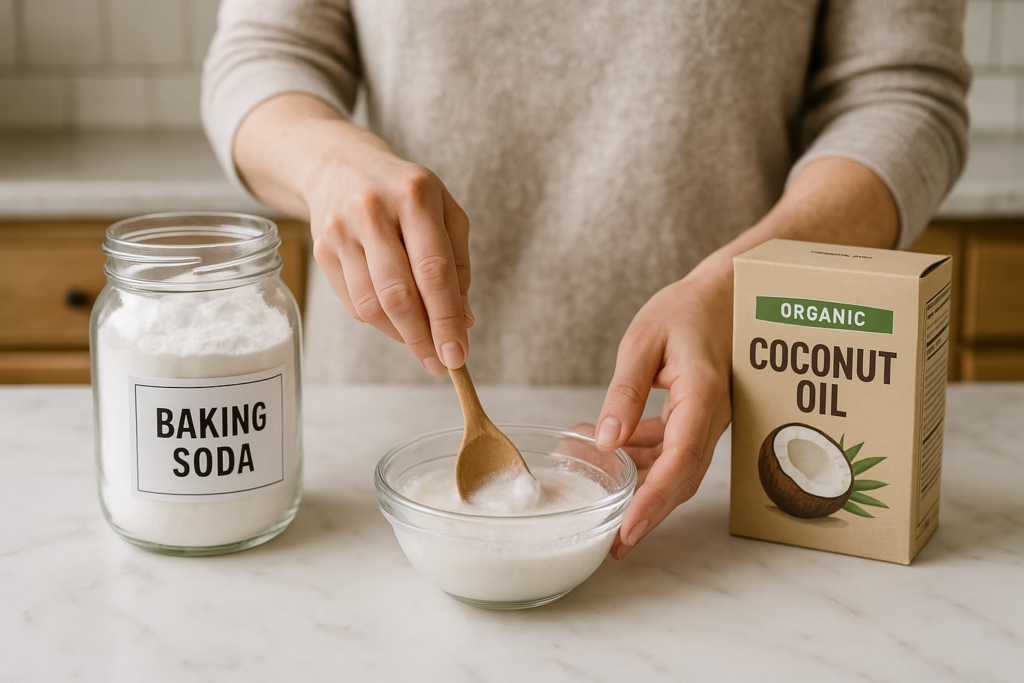
- 2 tablespoons of coconut oil (make sure it is soft)
- 1 tablespoon of baking soda
- 20 drops of peppermint oil for a fresh taste
- A tiny bit of Stevia if you like it sweet
Instructions:
- Find a small glass jar that has a lid.
- Put the coconut oil and baking soda in the jar.
- Mix them together until they look like a smooth paste.
- Add your peppermint oil and mix again.
- To use it, just put a little bit on your toothbrush. Keep the lid on tight when you are not using it.
All-Purpose Bathroom Cleaner
You do not need harsh chemicals to clean your bathroom. Natural ingredients can kill germs and remove dirt just as well. This recipe is cheap and safe for your family.
Ingredients:
- 1 cup of white vinegar
- 1 cup of plain water
- 10 drops of tea tree oil (this helps kill germs)
- Baking soda (keep this in a separate shaker)
Instructions:
- Get a glass spray bottle. Mix the vinegar, water, and oil inside.
- Shake the bottle well before you use it.
- For the sink or tub, spray the liquid on the surface.
- If there is a tough stain, sprinkle some baking soda on it first. When you spray the vinegar on the soda, it will bubble. This bubble action helps lift the dirt away.
- Wipe it all clean with a cloth. Your bathroom will smell fresh and look bright.
Sustainable Textiles and Tools
The tools we use in the bathroom matter a lot. We often use paper towels or cotton pads once and toss them. Switching to cloth is a great move for zero waste bathrooms.
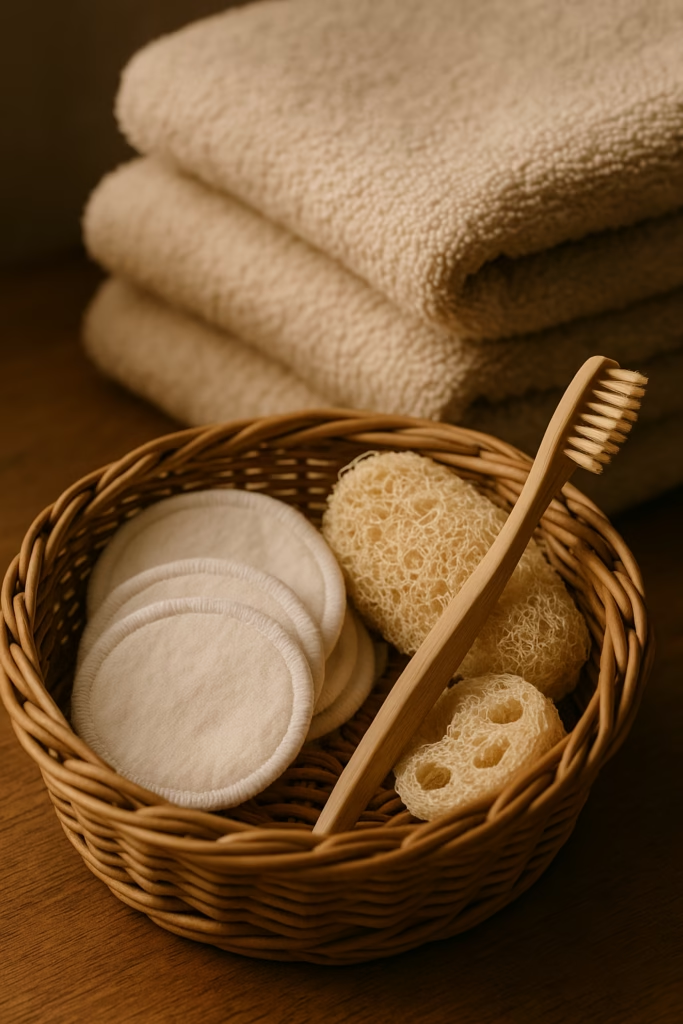
- Reusable Cloth Pads: You can stop buying bags of cotton balls. Instead, use small squares of cloth. You can even cut up an old t-shirt or a soft towel. Use them to wash your face or remove makeup. When they are dirty, just put them in the wash with your clothes. They will last for years.
- Natural Loofahs: Most shower sponges are made of plastic mesh. They fall apart and go into the ocean. A real loofah is actually a dried vegetable. It is very scratchy when dry, but it gets soft in the water. It is great for scrubbing your skin. When it gets too old, you can put it in your compost bin. It comes from the earth, so it can go back to the earth.
- Bamboo Toothbrushes: We should change our toothbrushes every few months. Plastic ones stay in the ground forever. Bamboo toothbrushes are a better choice. Bamboo grows very fast and is very strong. When you are done with the brush, pull out the bristles with pliers. The handle can then go in the compost or the garden.
Water and Energy Conservation
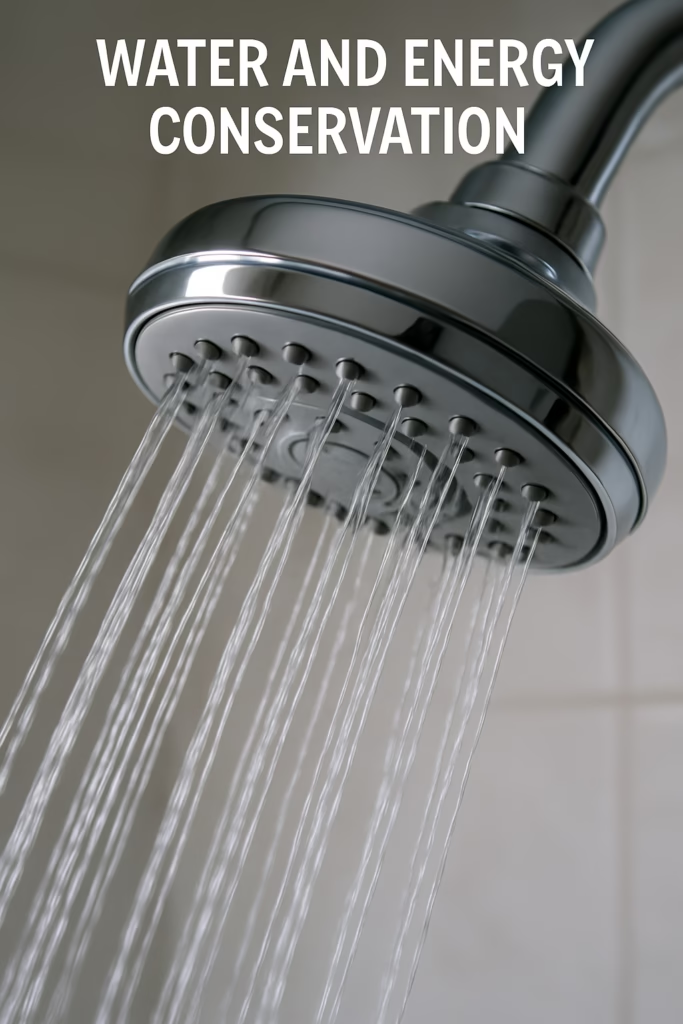
A zero waste bathroom is not just about trash. It is also about the energy and water we use. Saving water helps the planet and lowers your bills.
- Check for Leaks: A small drip in the sink might not seem like a big deal. However, it can waste many gallons of water every month. Most leaks are easy to fix with a new rubber part. These parts cost very little at a hardware store.
- Shorter Showers: We all love a long, hot shower. But this uses a lot of water and heat. Try to keep your showers to four or five minutes. You can set a timer on your phone or play two short songs. When the songs are over, it is time to get out.
- Low-Flow Tools: You can buy a small part called an aerator for your faucet. It adds air to the water flow. This means you use less water but the pressure still feels strong. These parts are cheap and easy to twist onto your sink.
Conclusion
Making your bathroom zero waste is a journey. You do not have to be perfect. Every plastic bottle you do not buy is a win. By making your own cleaners and using bar soaps, you save money. You also keep your home free of harsh chemicals. The more you practice these habits, the easier they become.
Start by looking at what you use most often. Is it soap? Start there. Is it toothpaste? Try the DIY recipe. Over time, these small steps add up to a big change. You will have a beautiful, clean, and green bathroom. Your wallet will thank you, and so will the planet. This is the heart of living a low-waste life. It is about doing the best you can with what you have.
References
- UNEP: Plastic pollution
- EPA: WaterSense Program
- The Big Plastic Count: National Plastic Waste Research
Recent Posts