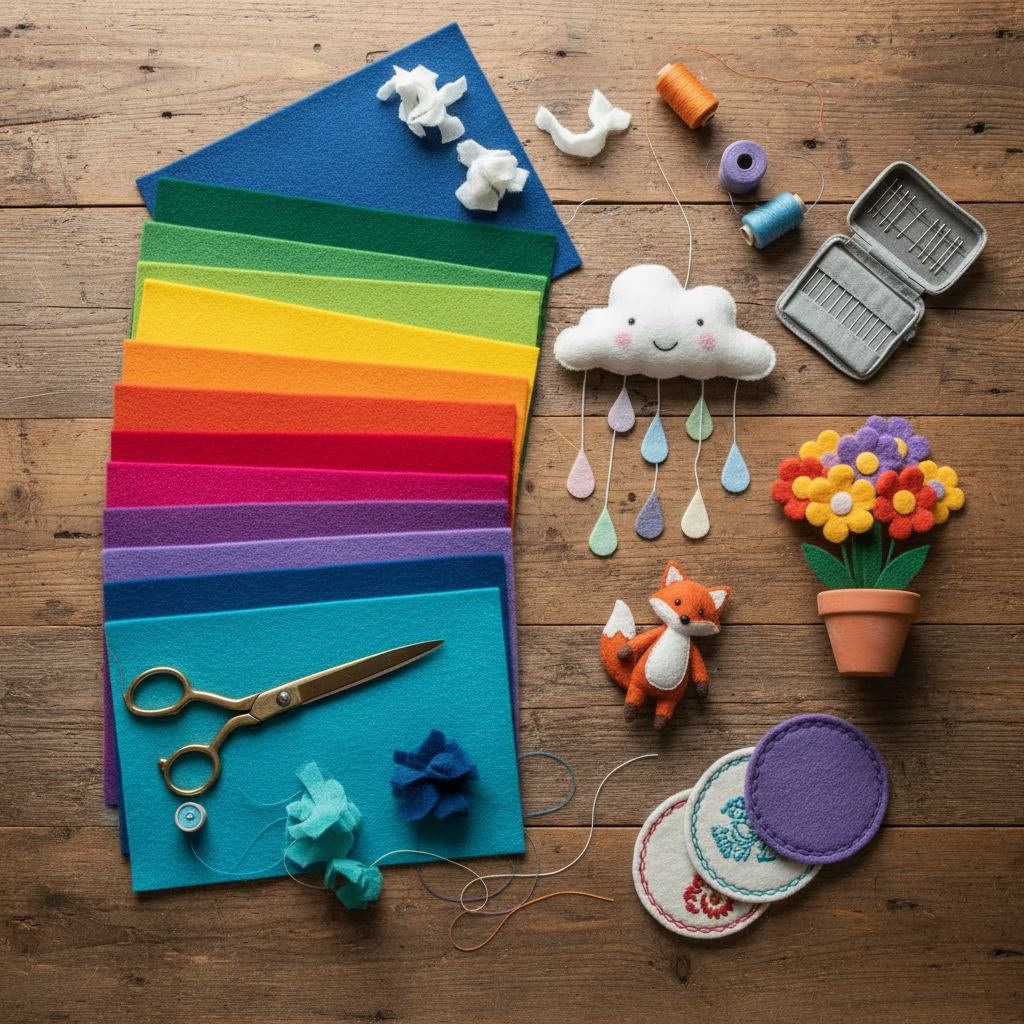
Felt crafts have become a beloved choice for crafters who want beauty without the fuss. This versatile material offers endless possibilities for creative projects. From shabby chic felt craft ideas to modern décor, there is something for everyone. Whether you are new to crafting or a seasoned maker, these felt ideas will inspire your next project. Dive into the world of sustainable felt craft ideas and discover how simple materials can create stunning results.
Introduction: Why Felt Is the Perfect Craft Material
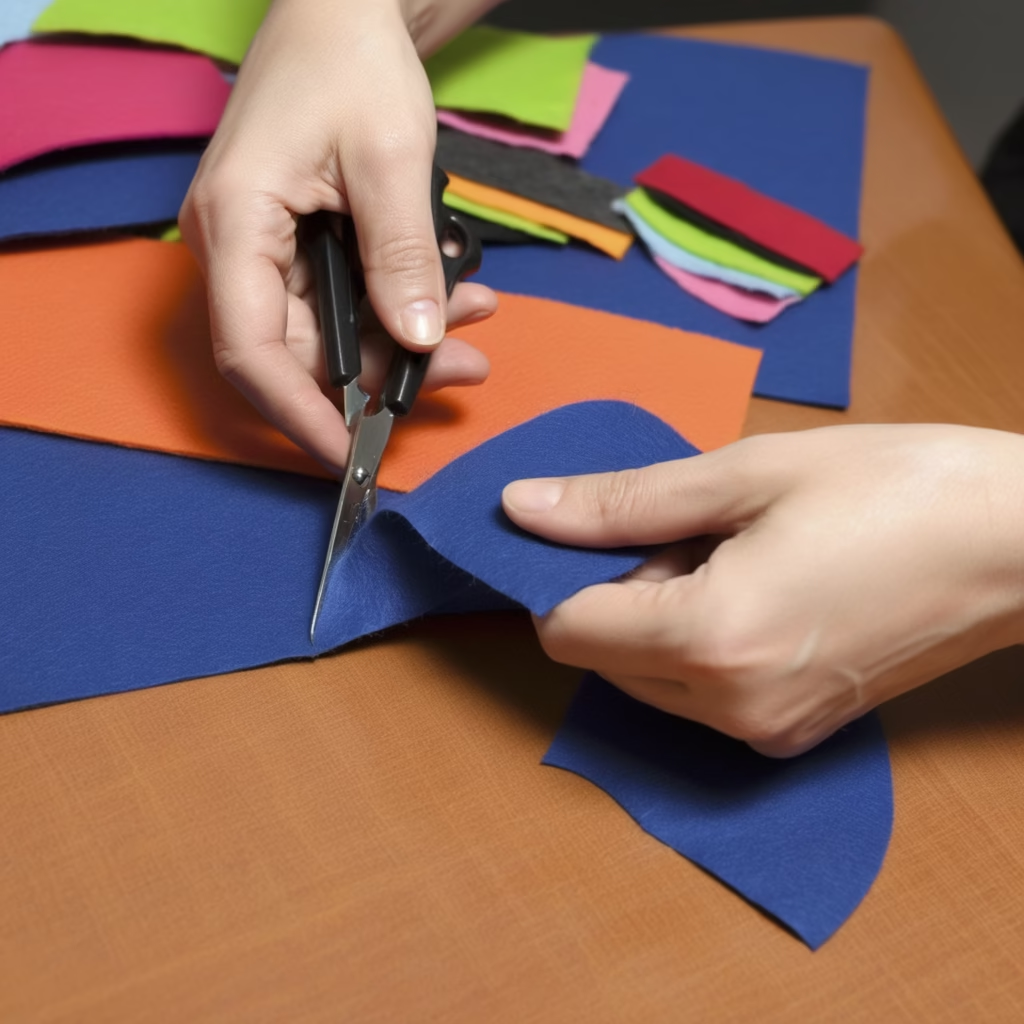
There is something wonderfully satisfying about working with felt. It does not fray when you cut it. It comes in a rainbow of colors. And it is forgiving enough for beginners while still offering depth for experienced crafters. But beyond its ease of use, felt has another superpower: sustainability.
When you choose felt made from recycled materials or natural wool, you are making an eco-friendly choice. Many felt products today come from recycled plastic bottles or sustainably sourced wool. This means your felt crafts can be kind to the planet while looking absolutely gorgeous in your home.
In this article, we will walk through five sustainable felt DIYs that anyone can try. Each project uses simple materials and straightforward techniques. You do not need fancy equipment or years of experience. Just grab some felt, follow along, and let your creativity flow.
These projects range from practical items like coasters to decorative pieces like garlands. They make wonderful gifts too. Imagine handing someone a handmade felt planter or a set of custom bookmarks. That personal touch means so much more than anything store-bought.
Ready to get started? Let us dive into these felt ideas and transform simple sheets of fabric into beautiful creations.
Project 1: Eco-Friendly Felt Coasters
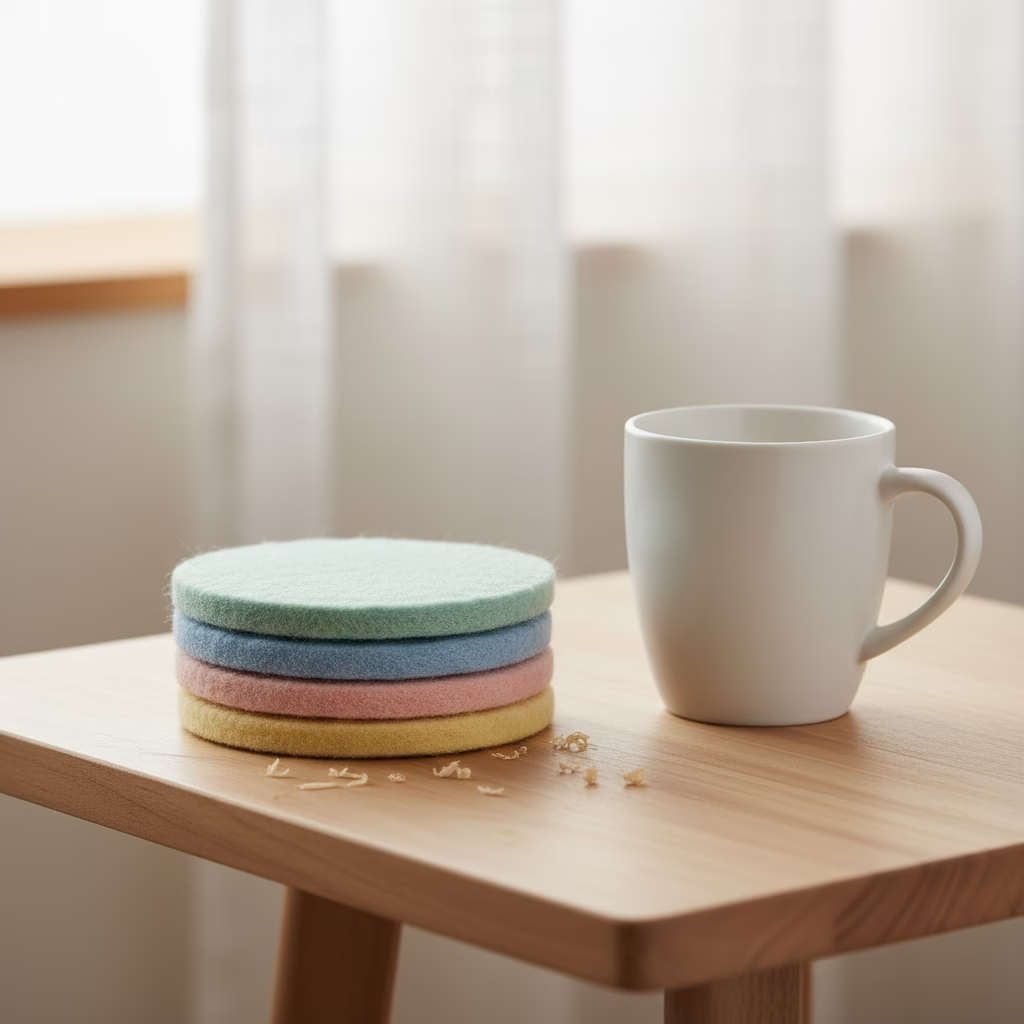
Coasters are one of the easiest felt craft ideas to start with. They protect your furniture while adding a pop of color to any room. Plus, they take just minutes to make.
What You Will Need
You will need thick felt sheets in your chosen colors. Look for wool felt or recycled felt for the most sustainable option. You will also need sharp fabric scissors, a ruler or circular template, and fabric glue or a needle and thread.
Step-by-Step Instructions
First, decide on your coaster shape. Circles and squares work best, but hexagons are trendy too. Use a template or trace around a cup to get consistent sizes. Aim for coasters about four inches across.
Next, cut out your felt shapes. The beauty of felt is that it cuts cleanly. You will not have to worry about frayed edges like you would with other fabrics.
For simple coasters, you can stop here. But to add visual interest, try layering different colors. Cut a smaller shape from a contrasting color and center it on your base piece. Attach it with fabric glue or a few simple stitches.
For a shabby chic look, choose soft pastels or muted earth tones. Add a simple embroidered detail like a small flower or geometric pattern. This gives your coasters that handmade charm people love.
Let any glue dry completely before using your coasters. Then set them out and enjoy your handiwork every time you reach for your coffee cup.
Project 2: Hanging Felt Planters
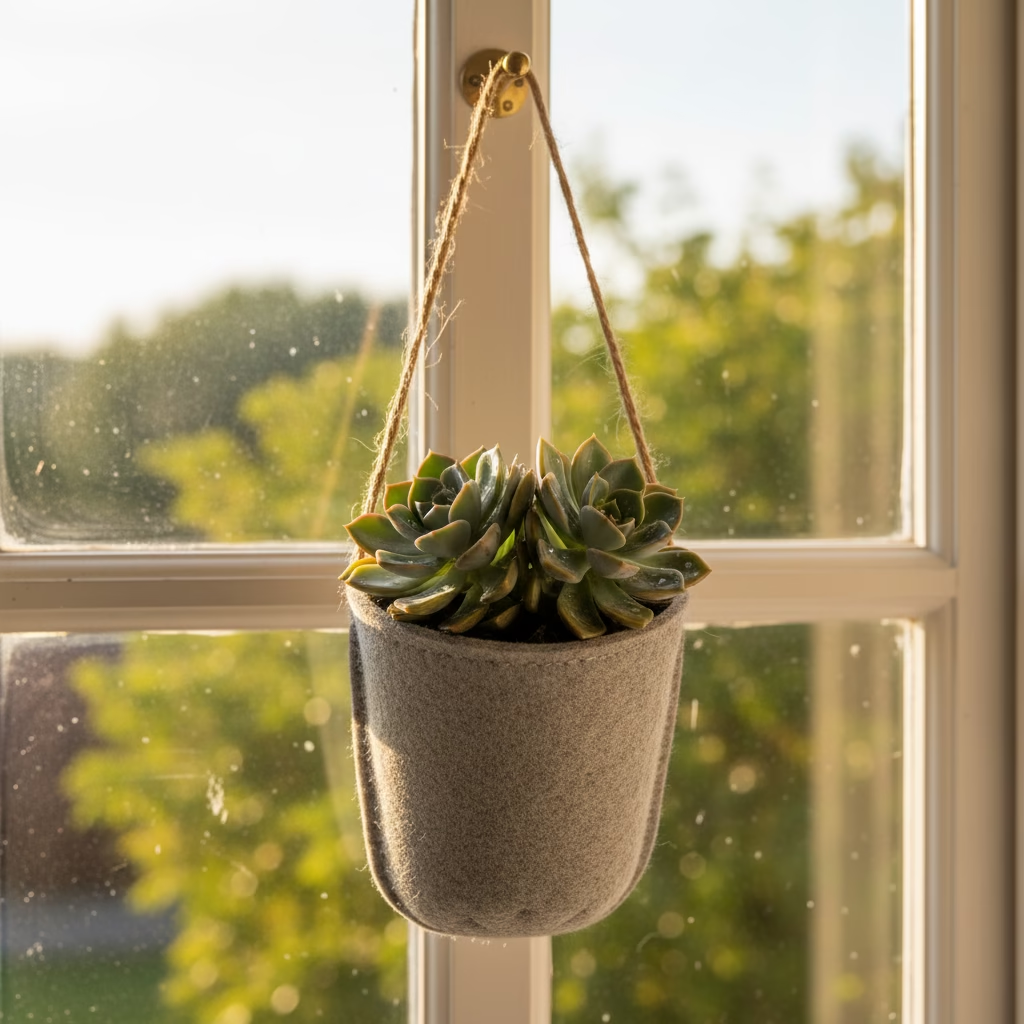
Bring nature indoors with these adorable felt planters. They are perfect for small succulents or air plants. The soft texture of felt adds warmth to any space.
What You Will Need
Gather thick wool felt in your preferred color. You will also need strong thread or embroidery floss, a large needle, scissors, and twine or cord for hanging. For the plant itself, choose a small pot that fits inside your planter or use a waterproof liner.
Step-by-Step Instructions
Start by cutting a large circle from your felt. About ten inches across works well for a small planter. This will form the body of your hanging pot.
Next, fold the circle in half. Then fold it in half again. You should have a quarter-circle shape now. Cut a small arc from the pointed end to create a hole when unfolded. This hole helps with drainage and adds visual interest.
Now comes the shaping. Thread your needle with a long piece of embroidery floss. Starting about two inches from the edge, make a running stitch all the way around the circle. Leave both ends of the thread loose.
Pull the thread gently to gather the felt. It will start to form a bowl shape. Adjust the gathering until you have a nice rounded planter. Tie off the thread securely.
For hanging, cut three equal lengths of twine. Attach each one to the rim of your planter at equal intervals. Gather them at the top and knot them together. Add a loop for hanging.
Slip a small pot or liner inside your felt planter. Add your plant and find the perfect spot to hang it. Near a window works beautifully for air plants or small succulents.
These planters make wonderful gifts. Try making a set in coordinating colors for a friend who loves plants.
Project 3: Shabby Chic Felt Flower Garland
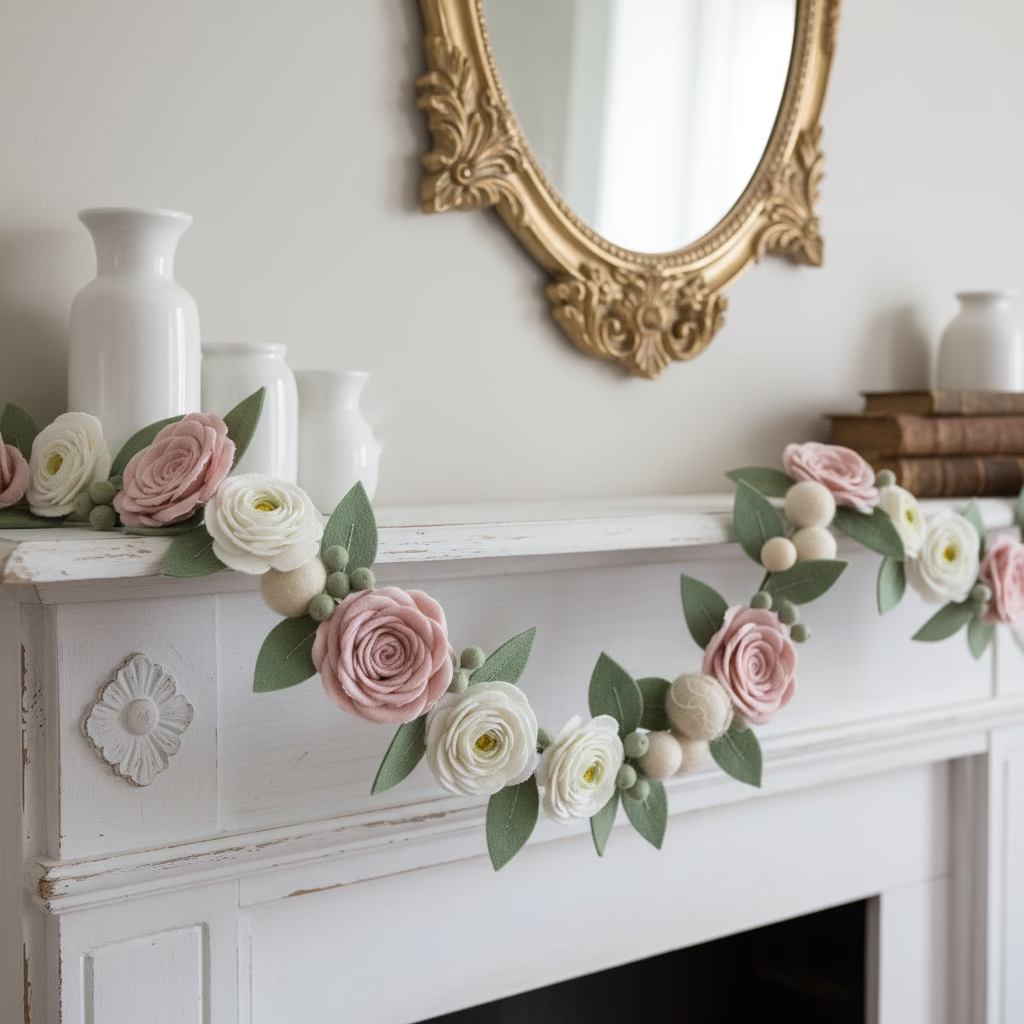
Nothing says handmade charm quite like a felt flower garland. These versatile decorations work for parties, nurseries, or everyday home décor. The shabby chic style is especially popular right now.
What You Will Need
For this project, you need felt sheets in various colors. Soft pinks, creams, sage greens, and dusty blues create that perfect shabby chic look. You will also need scissors, a hot glue gun, thin twine or ribbon, and optionally some small buttons or beads for flower centers.
Step-by-Step Instructions
Begin by making your felt flowers. There are several easy techniques to try.
For rolled roses, cut a circle about three inches wide. Then cut a spiral from the outer edge toward the center. Roll the spiral tightly, starting from the outer end. Secure the base with hot glue. The result is a lovely rosette shape.
For simple layered flowers, cut three to five circles in decreasing sizes. Stack them with the largest on the bottom. Add a button or bead to the center and stitch or glue everything together.
For leaves, cut simple leaf shapes from green felt. You can add detail by stitching a vein down the center.
Once you have made ten to fifteen flowers and several leaves, arrange them along your twine. Space them evenly or cluster them in groups. Hot glue each piece to the twine, alternating flowers and leaves.
Hang your garland across a mantle, above a window, or along a headboard. The soft felt flowers add texture and color without being overwhelming.
These garlands also work beautifully for weddings, baby showers, and birthday parties. Make them in colors that match your theme for a personal touch.
Project 4: No-Sew Felt Bookmarks
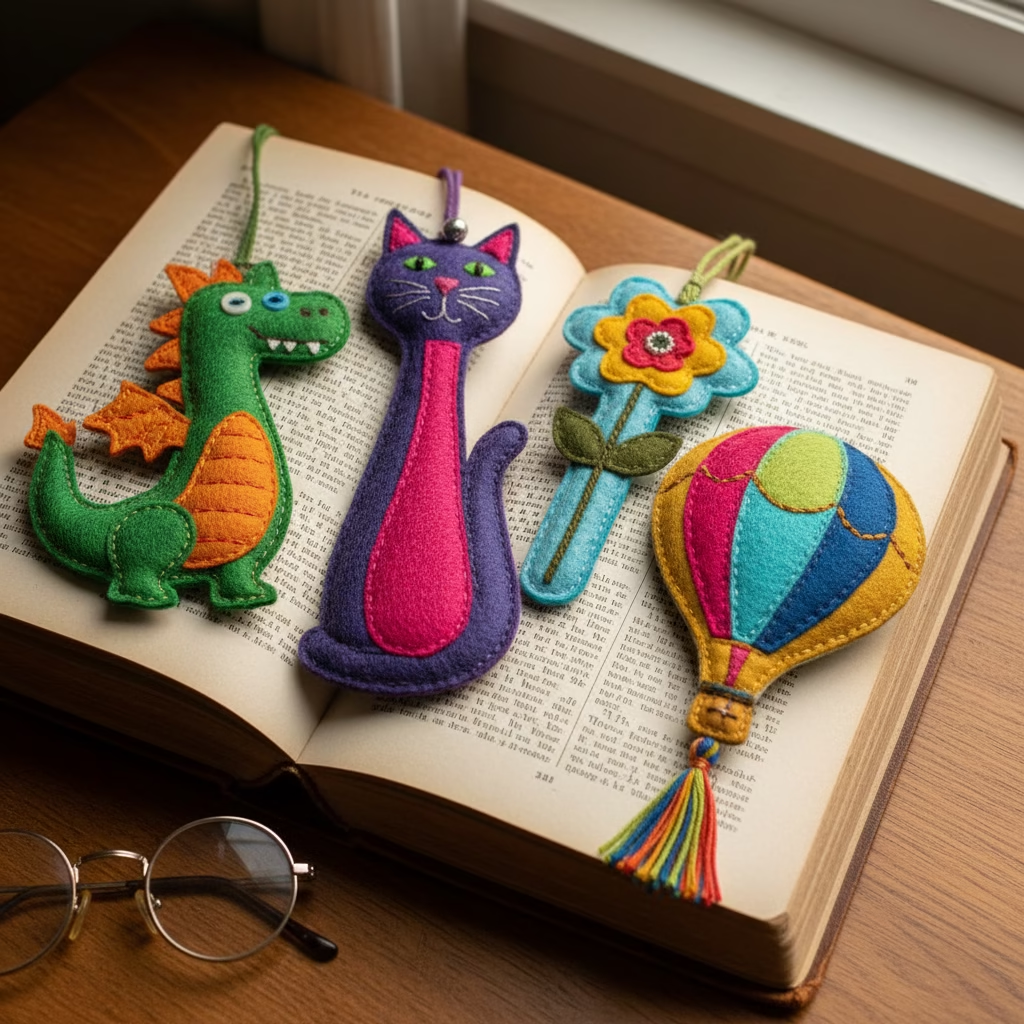
Book lovers always need bookmarks. These felt creations are quick to make and endlessly customizable. They also make thoughtful little gifts.
What You Will Need
This is one of the simplest felt craft ideas on our list. You need felt sheets, sharp scissors, fabric glue, and any decorations you like. Think small felt shapes, embroidery thread, or tiny buttons.
Step-by-Step Instructions
Cut a rectangle from your felt. About two inches wide and six inches long works perfectly. This forms your bookmark base.
Round the corners if you like. It gives a softer, more polished look.
Now comes the fun part: decorating. There are so many directions you can take.
For a corner bookmark, cut a square of felt and fold it into a triangle. Glue the edges to create a pocket that slips over page corners. Decorate it to look like an animal face or add simple shapes.
For a classic bookmark, cut small shapes from contrasting felt colors. Hearts, stars, flowers, or geometric patterns all work well. Arrange them on your bookmark base and glue them down.
Add details with embroidery if you like. Simple stitches like running stitch or cross stitch add texture. A name or short word makes the bookmark personal.
For a tassel, wrap embroidery thread around your fingers several times. Tie it at one end and cut the loops at the other. Attach the tassel to your bookmark with a small hole and a bit of thread.
These bookmarks take just minutes to make. They are perfect for craft nights or rainy afternoons with kids.
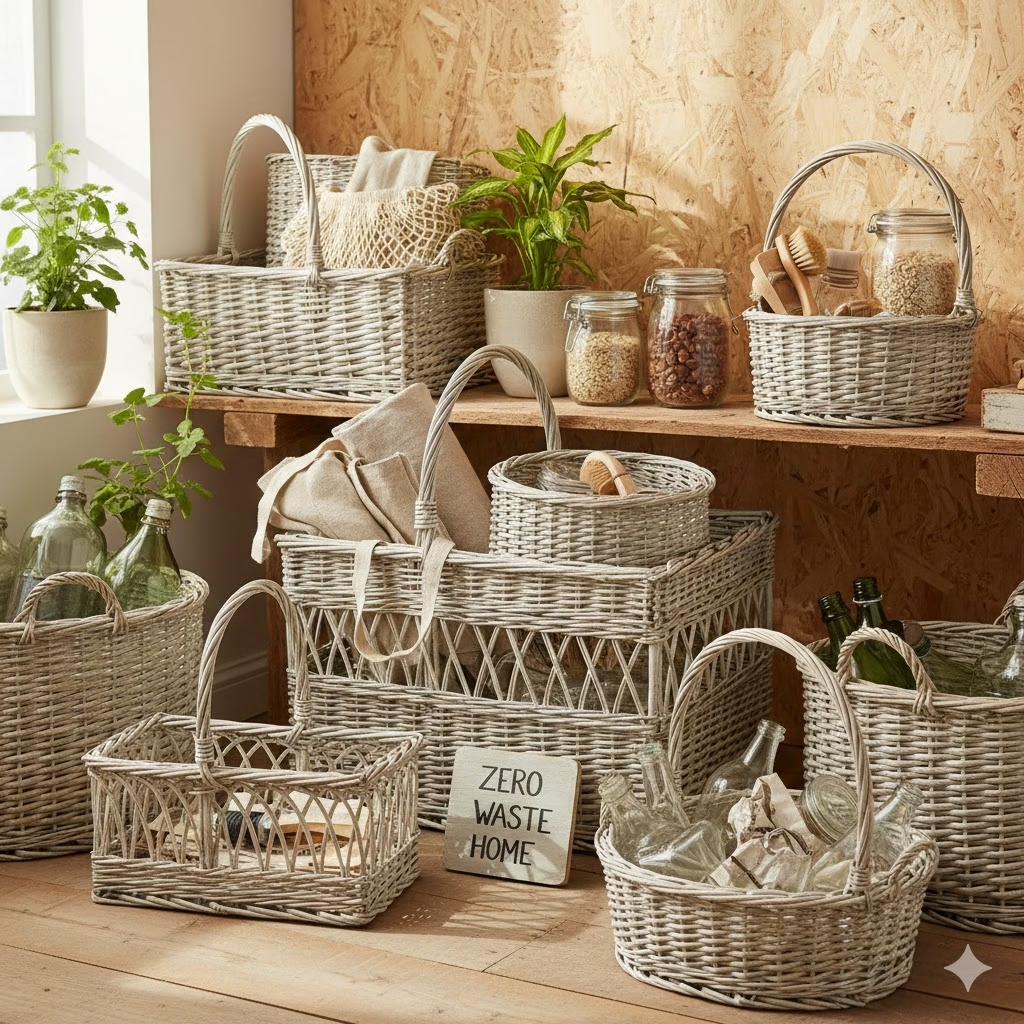
Project 5: Felt Storage Baskets
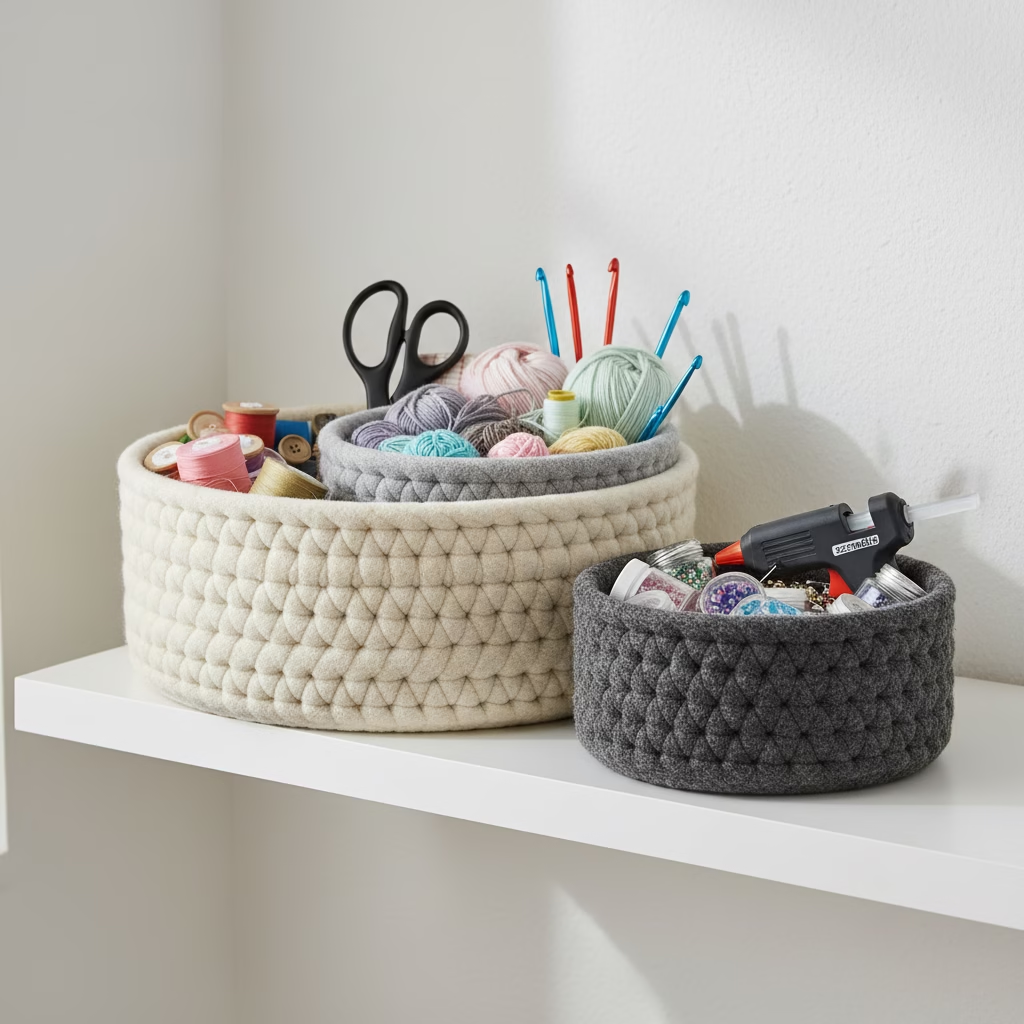
Organization meets style with these practical felt baskets. Use them for office supplies, bathroom essentials, or craft materials. They look expensive but cost very little to make.
What You Will Need
You need thick, stiff felt for this project. The stiffer the better, as it helps the basket hold its shape. You will also need sharp scissors or a rotary cutter, a ruler, and strong thread with a needle or a sewing machine.
Step-by-Step Instructions
Start by cutting your felt pieces. For a small basket, cut one rectangle about twelve inches by eight inches for the sides. Cut a square about four inches by four inches for the base.
The base size determines your basket dimensions. A larger base means a larger basket. Adjust your side piece accordingly.
Fold your side piece into a ring shape. The short ends should meet. Stitch or glue them together to form a tube.
Now attach the base. Set your tube on top of the base square. The edges of the tube should align with the edges of the base. Stitch around the bottom, securing the tube to the base.
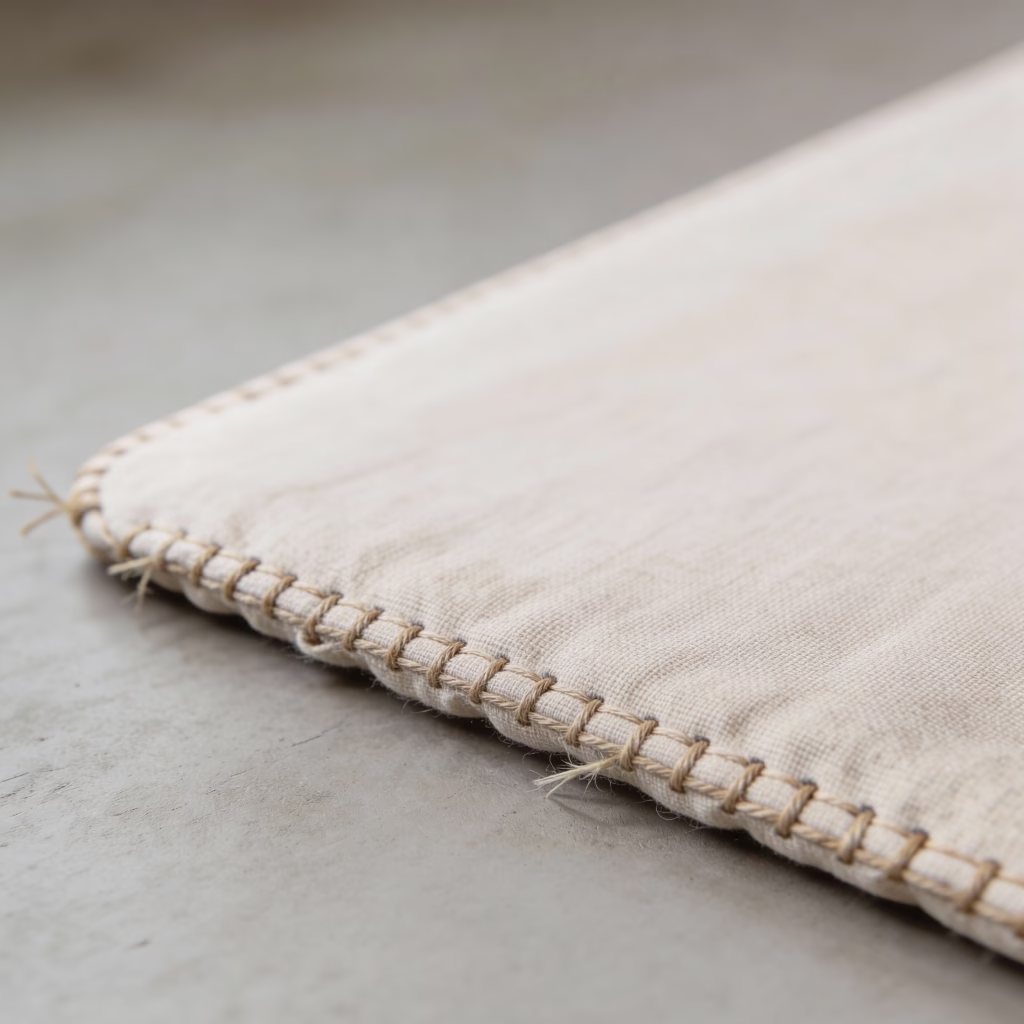
For a polished look, use a blanket stitch around all the visible edges. This decorative stitch adds charm and helps hold everything together.
Add handles if you like. Cut two small rectangles and fold them in half lengthwise. Stitch or glue them to opposite sides of your basket.
For a shabby chic touch, choose natural colors like oatmeal, soft gray, or dusty rose. Add a fabric flower or a small tag for extra personality.
These baskets nest nicely inside each other when not in use. Make a set of three in different sizes for a cohesive look.
Tips for Sustainable Felt Crafting
Before we wrap up, here are some ways to make your felt crafts even more eco-friendly.
Choose your felt wisely. Wool felt is natural and biodegradable. Some synthetic felts are made from recycled plastic bottles, which gives new life to waste materials. Check labels and choose the most sustainable option available to you.
Save your scraps. Those little pieces left over from cutting can become tiny decorations, stuffing for other projects, or mixed together for a confetti effect.
Skip the plastic embellishments. Instead of plastic buttons or beads, try wooden ones, dried flowers, or hand-stitched details. Natural materials complement felt beautifully.
Gift your creations. Handmade items reduce demand for mass-produced goods. When you gift your felt crafts, you spread both joy and sustainability.
Conclusion: Start Your Felt Crafting Journey Today
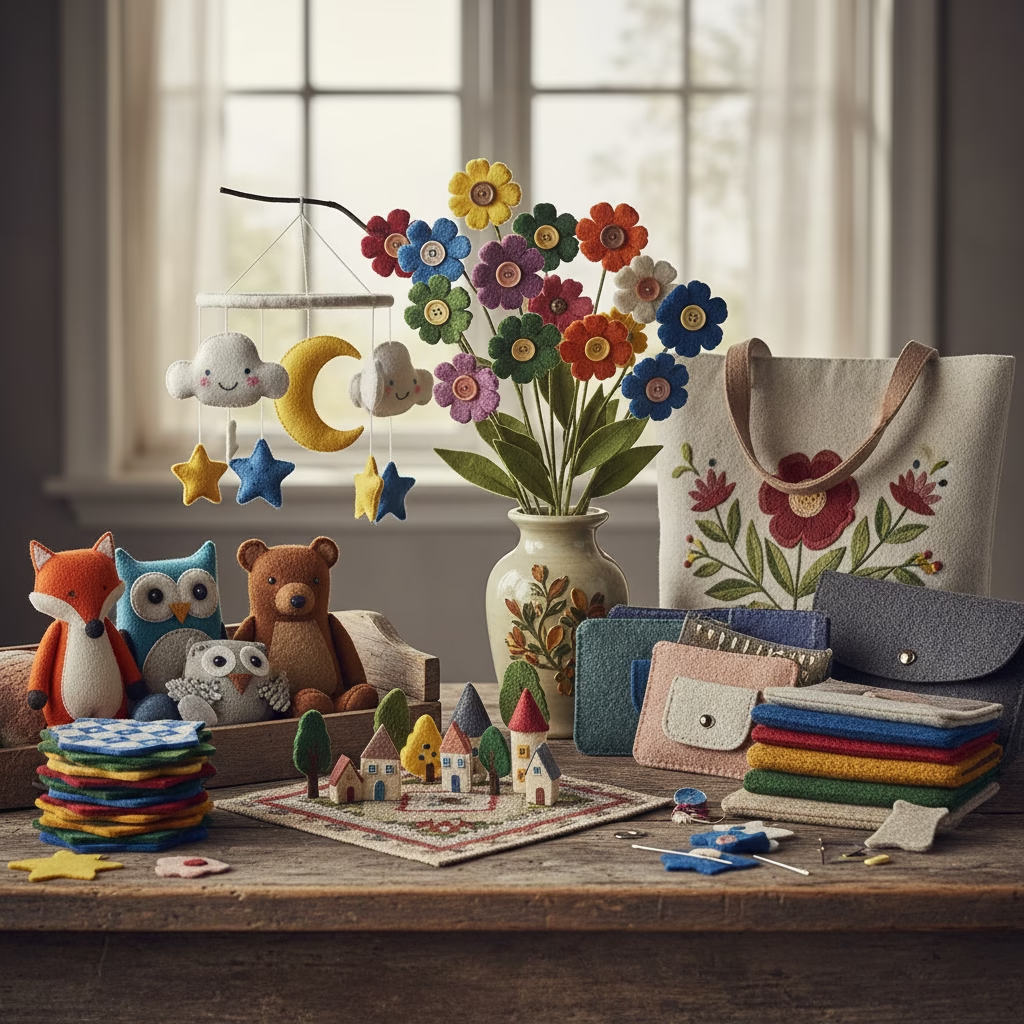
There you have it: five sustainable felt DIYs that bring creativity and eco-consciousness together. From coasters to storage baskets, these projects show just how versatile felt can be.
The best part about felt crafts is their accessibility. You do not need expensive tools or special training. Anyone can pick up some felt and start creating. Mistakes are easy to fix, and there are no complicated techniques to master.
These felt ideas make wonderful starting points, but do not stop here. Once you get comfortable with the material, experiment with your own designs. Combine techniques. Try new color combinations. Make each project your own.
Whether you are drawn to shabby chic felt craft ideas or prefer modern minimalism, felt can take you there. The material adapts to any style and any skill level.
So gather your supplies, clear your crafting table, and get started. Your next favorite handmade creation is just a few cuts and stitches away.
Happy crafting!
External References
For those who want to learn more about felt, sustainability in crafting, and fiber arts, here are some helpful educational resources:
The Textile Society of America
https://textilesocietyofamerica.org
This academic organization offers research and resources about textile history, including the production and cultural significance of felt across different civilizations.
EPA Guide to Sustainable Materials Management
https://www.epa.gov/smm
Learn about how material choices impact the environment and discover strategies for more sustainable consumption and crafting practices.
Smithsonian National Museum of Natural History: Fiber Arts Collection
https://naturalhistory.si.edu
Explore the history of fiber arts and traditional felting techniques from cultures around the world through the museum’s extensive collections and educational materials.
Craft Council (UK)
https://www.craftscouncil.org.uk
A national charity that promotes craft education and provides resources for makers interested in sustainable practices and the broader craft community.
Recent Posts