Growing up, my elders always told me that vegetable skins held the most nutrients, but I never took much notice. It wasn’t until I began my own journey toward eating healthier that those words finally clicked. Beyond the health benefits, there is a significant cost aspect to consider: we spend a lot on fresh produce, yet we often discard a massive portion of it. By not reusing vegetable scraps wherever possible, we are essentially throwing money away.
Learn how to transform those kitchen castoffs into delicious, nutritious recipes—from rich homemade stocks to crispy peel chips. Embracing zero-waste cooking has never been more accessible or rewarding. Join the growing movement of mindful cooks who are discovering that the best flavors, and the best value, often come from what we used to toss aside.
Introduction: Why Your Kitchen Scraps Deserve a Second Chance
Have you ever stopped to think about what ends up in your kitchen trash bin? Those carrot tops, onion skins, and celery ends might seem like garbage, but they’re actually treasure waiting to be discovered. Welcome to the world of zero waste cooking, where vegetable scraps become the star of the show.
The truth is, we’ve been throwing away some of the most flavorful parts of our vegetables for generations. Our grandparents knew better. They understood that every bit of food had value. Somewhere along the way, we forgot this simple wisdom. But the good news is that it’s never too late to change our habits.
Using vegetable scraps in your cooking isn’t just about being frugal, though your wallet will certainly thank you. It’s about respecting the food we buy and the resources that went into growing it. When you start seeing scraps as ingredients rather than waste, your whole approach to cooking transforms.
In this guide, we’ll walk you through everything you need to know about cooking with vegetable scraps. You’ll learn which scraps to save, how to store them properly, and three delicious recipes that will make you wonder why you ever threw these gems away. Get ready to embrace zero waste vegetable scraps cooking and revolutionize your kitchen routine.
The Basics: Which Vegetable Scraps Should You Save?
Not all scraps are created equal. Some are kitchen gold, while others are best left for the compost pile. Knowing the difference is your first step toward zero waste success.
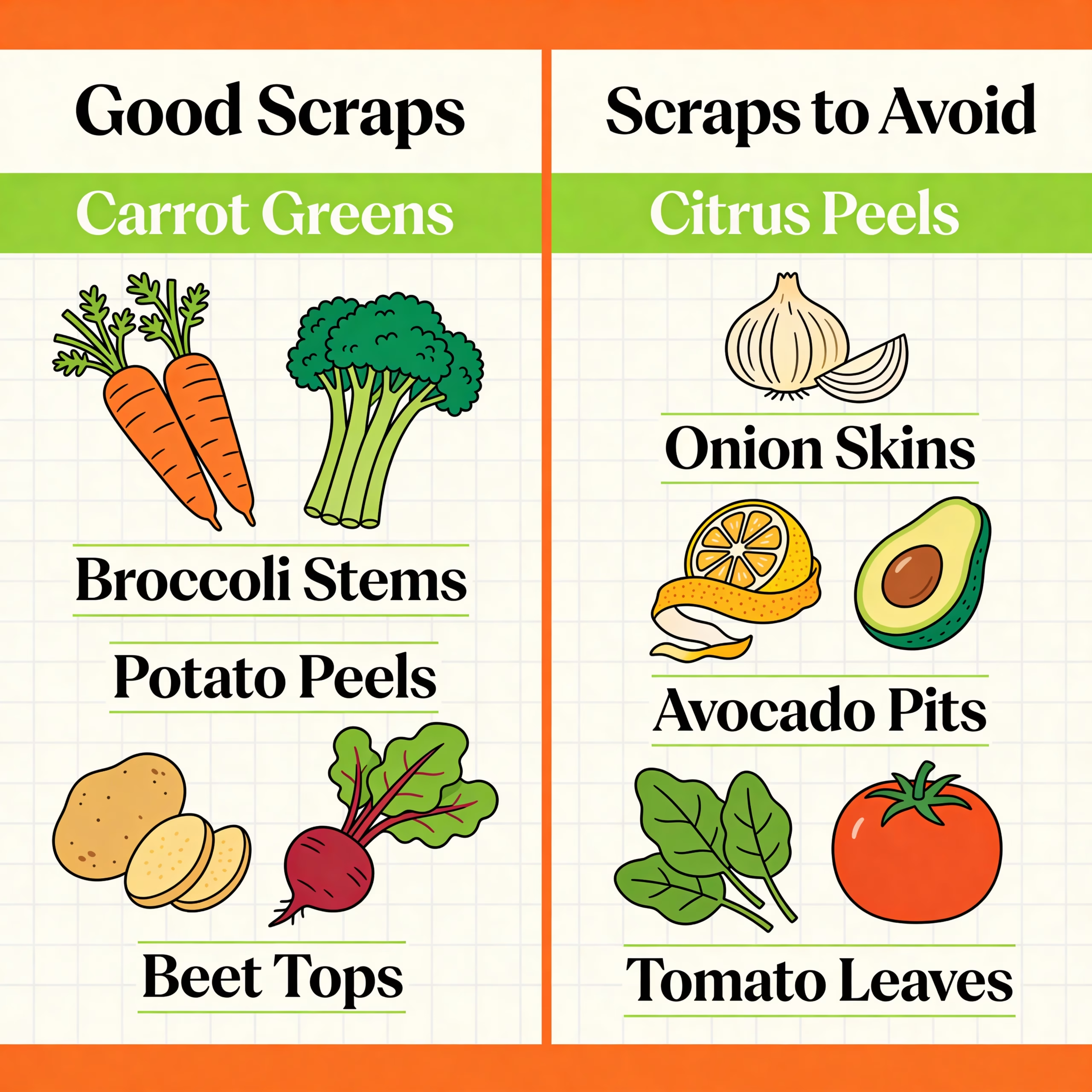
The best vegetable scraps for cooking include onion skins and ends, carrot peels and tops, celery leaves and ends, leek tops, mushroom stems, potato peels, corn cobs, fennel fronds, and herb stems. These scraps are packed with flavor and nutrients that would otherwise go to waste.
However, some scraps should be avoided or used sparingly. Cruciferous vegetables like broccoli, cabbage, Brussels sprouts, and cauliflower can make stocks bitter or give them an unpleasant sulfur smell. Beets will turn everything a vivid pink or red color, which might not be what you want. Peppers, especially hot varieties, can overpower other flavors quickly.
The key is balance. A mix of different vegetable scraps creates depth and complexity. Too much of one thing can throw off your final dish. Think of your scrap collection like a team where everyone brings something different to the table.
Storing Your Scraps: The Freezer Is Your Friend

Proper storage is essential for successful zero waste cooking. You can’t always use your vegetable scraps right away, and that’s perfectly fine. The freezer is about to become your best friend.
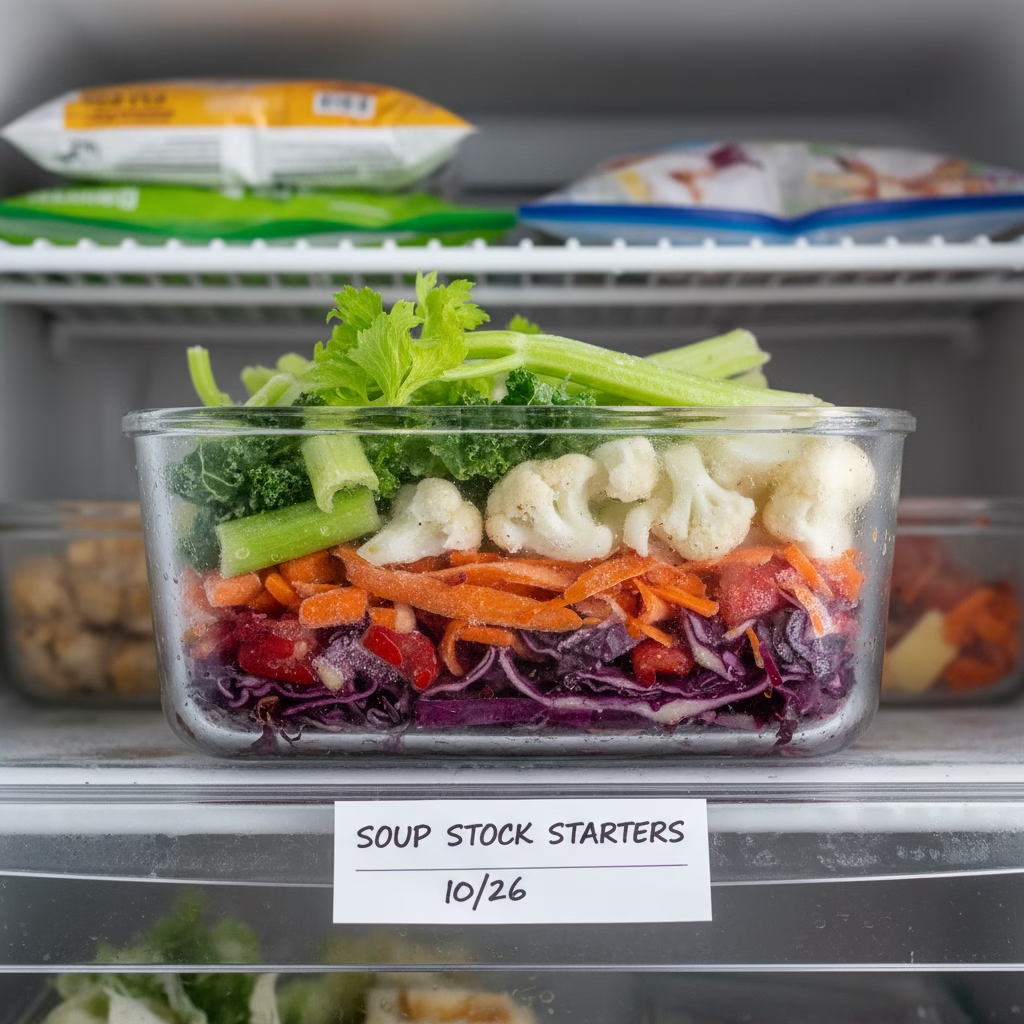
Start by keeping a large freezer-safe container or bag in your freezer. Every time you prep vegetables, toss the clean scraps directly into this container. There’s no need to prep or chop them further at this stage. Just make sure they’re reasonably clean and free from any spoiled spots.
Your scraps will keep in the freezer for up to three months. Once your container is full, you’re ready to cook. This collection method means you’ll have a diverse mix of scraps ready to go whenever inspiration strikes.
A few tips for success: Always wash your vegetables before peeling or trimming them. This ensures your scraps are clean and ready to use. Remove any stickers from produce before storing. And don’t forget to label your container with the date you started collecting.
Recipe One: Rich Homemade Vegetable Stock
There’s nothing quite like homemade stock. The store-bought versions simply can’t compare to the depth of flavor you can achieve with your own vegetable scraps. Plus, you’ll know exactly what’s in it – no hidden sodium or preservatives.
Ingredients
- 4 to 6 cups of mixed vegetable scraps (frozen or fresh)
- 10 cups of cold water
- 2 bay leaves
- 1 teaspoon whole black peppercorns
- 4 to 5 sprigs of fresh thyme (or 1 teaspoon dried)
- 4 garlic cloves, smashed (optional)
- 1 teaspoon salt (adjust to taste)
Instructions
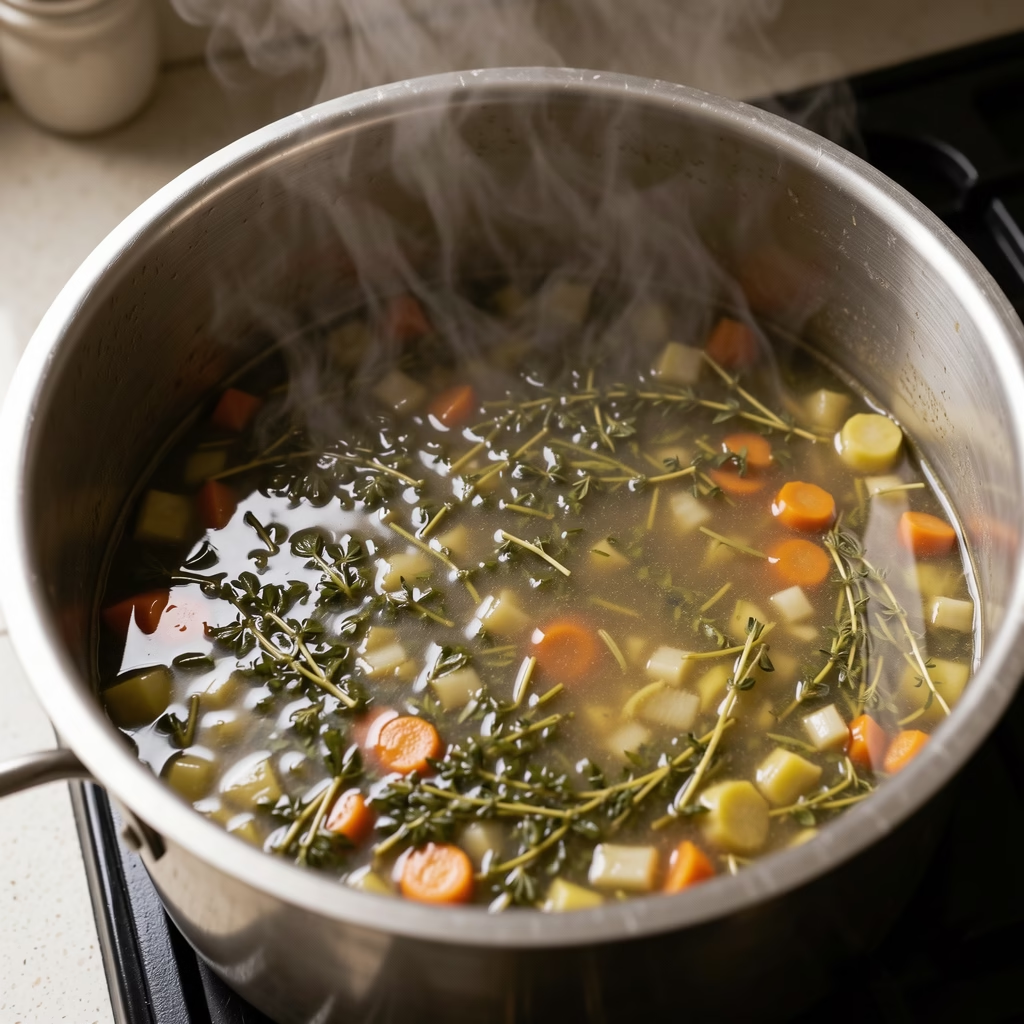
Start by placing all your vegetable scraps in a large stockpot. There’s no need to thaw frozen scraps first. Add the cold water, making sure the scraps are mostly covered. If needed, add a bit more water.
Bring the pot to a boil over high heat. Once boiling, reduce the heat to low and let everything simmer gently. Add the bay leaves, peppercorns, thyme, and garlic if using. Let the stock simmer uncovered for 45 minutes to one hour. The longer it simmers, the more flavor develops.
After simmering, remove the pot from heat and let it cool slightly. Strain the stock through a fine-mesh sieve or cheesecloth into a large bowl or another pot. Press on the solids gently to extract all that liquid gold. Discard the spent scraps in your compost.
Season your stock with salt to taste. Let it cool completely before storing. Your homemade stock will keep in the refrigerator for up to one week or in the freezer for up to three months. Consider freezing it in ice cube trays for easy portioning.
Tips for the Best Stock
For a deeper, more complex flavor, try roasting your vegetable scraps before simmering. Spread them on a baking sheet, drizzle with a little oil, and roast at 400°F for 20 to 25 minutes until they’re slightly caramelized. This extra step adds incredible richness to your stock.
Recipe Two: Crispy Vegetable Peel Crisps
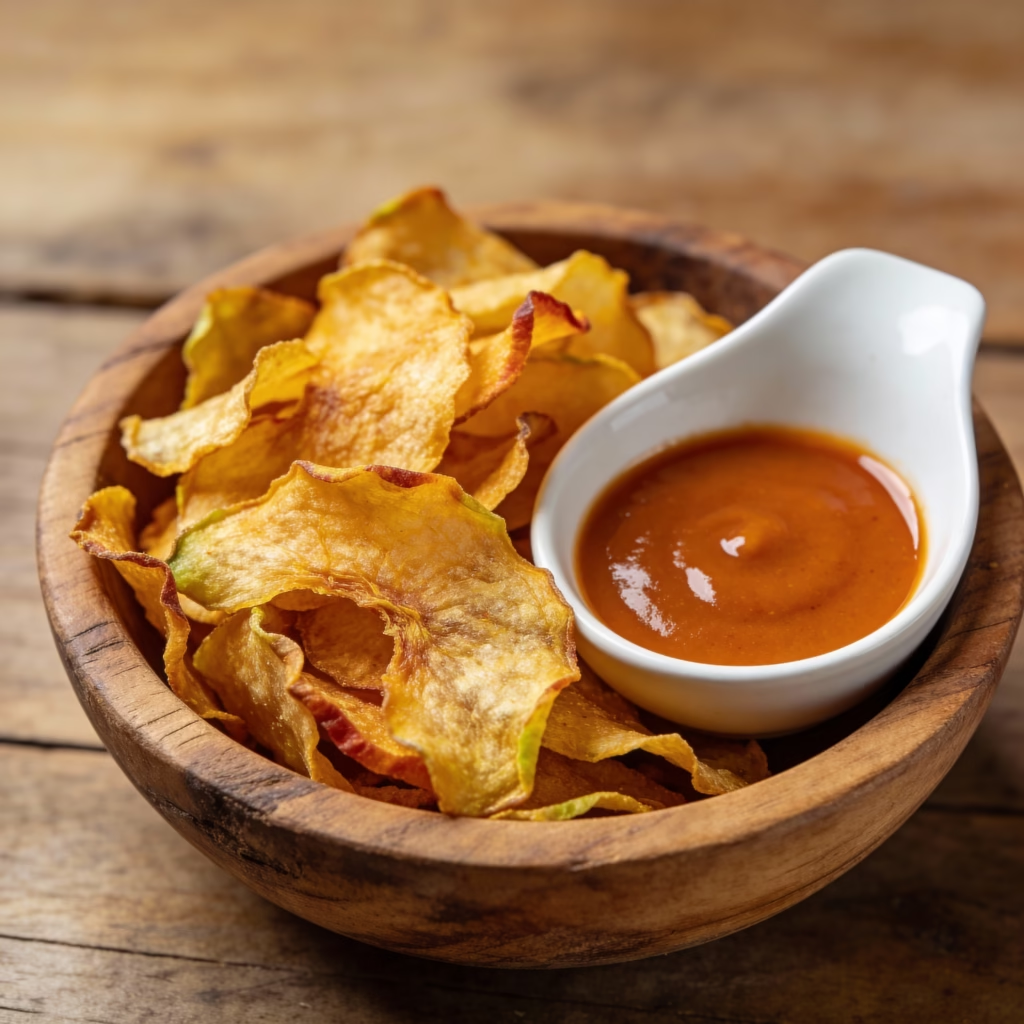
Who says chips have to come from a bag? These vegetable peel crisps are the perfect zero waste snack. They’re crispy, flavorful, and surprisingly addictive. Your family will be asking you to peel more vegetables just so you can make more of these.
Ingredients
- 2 to 3 cups of vegetable peels (potato, carrot, parsnip, or beet work beautifully)
- 2 tablespoons olive oil or vegetable oil
- Salt to taste
- Optional seasonings: garlic powder, paprika, rosemary, parmesan cheese, or your favorite spice blend
Instructions
Preheat your oven to 375°F. Line two baking sheets with parchment paper for easy cleanup.
Make sure your vegetable peels are clean and dry. Moisture is the enemy of crispiness, so pat them with a paper towel if needed. Place the peels in a large bowl and drizzle with the oil. Toss everything together until the peels are evenly coated.
Spread the peels in a single layer on your prepared baking sheets. Avoid overlapping – each peel needs space to crisp up properly. Sprinkle with salt and any additional seasonings you’re using.
Bake for 15 to 25 minutes, depending on the thickness of your peels. Check them every 5 minutes after the 15-minute mark. They should be golden brown and crispy when done. Keep in mind that thinner peels will cook faster than thicker ones.
Remove from the oven and let them cool on the baking sheet for a few minutes. They’ll continue to crisp up as they cool. Serve immediately for the best texture, or store in an airtight container for up to two days.
Flavor Variations
For a savory Italian twist, toss your peels with dried rosemary and a sprinkle of parmesan before baking. For something with a kick, try a mixture of smoked paprika and a tiny pinch of cayenne. Garlic lovers can add garlic powder and dried parsley for a simple but satisfying snack.
Recipe Three: Quick Pickled Scraps Condiment
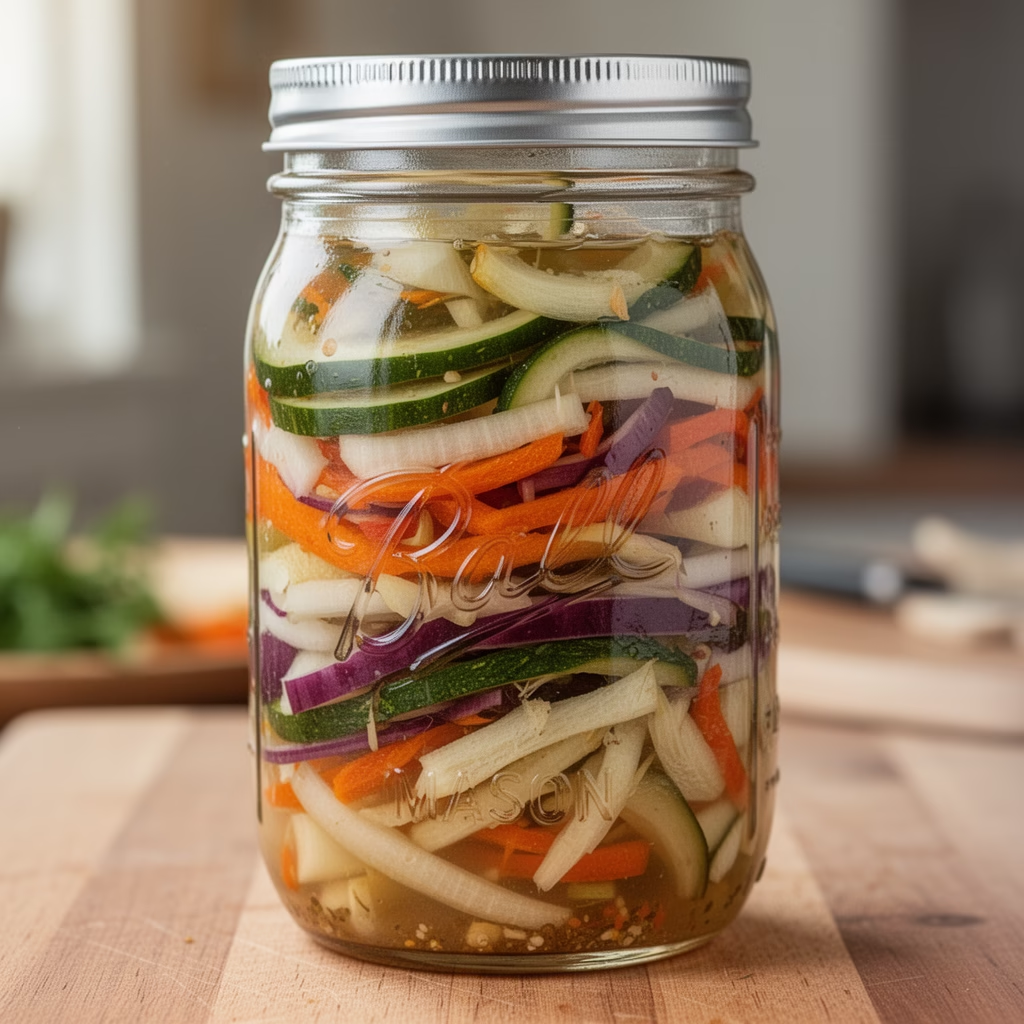
Pickling is one of the oldest preservation methods in the world, and it works beautifully with vegetable scraps. This quick pickle recipe transforms your scraps into a tangy, crunchy condiment that elevates any meal. Use it on sandwiches, salads, grain bowls, or anywhere you want a pop of flavor.
Ingredients
- 2 cups of vegetable scraps (carrot ends, radish tops and tails, celery hearts, onion slivers, cucumber ends)
- 1 cup white vinegar or apple cider vinegar
- 1 cup water
- 2 tablespoons sugar
- 1 tablespoon salt
- Optional additions: garlic cloves, fresh dill, red pepper flakes, mustard seeds, or bay leaves
Instructions
Start by preparing your vegetable scraps. Cut them into similar-sized pieces so they pickle evenly. Thin slices work best for quick pickles. Pack the prepared scraps into a clean glass jar. Add any optional aromatics like garlic or fresh herbs.
In a small saucepan, combine the vinegar, water, sugar, and salt. Heat over medium heat, stirring occasionally, until the sugar and salt dissolve completely. You don’t need to bring it to a full boil – just hot enough to dissolve everything.
Carefully pour the hot brine over the vegetables in the jar. Make sure the vegetables are completely covered. If needed, press them down gently with a spoon. Let the jar sit at room temperature until it’s cool enough to handle.
Once cooled, seal the jar and refrigerate. Your quick pickled scraps will be ready to eat in just one hour, but they’ll taste even better after sitting overnight. The flavors deepen and mellow over time. They’ll keep in the refrigerator for up to two weeks.
Creative Uses
These pickled scraps are incredibly versatile. Chop them up and add to tuna or chicken salad. Layer them on burgers or sandwiches for extra crunch. Toss them into grain bowls or on top of avocado toast. Mix them into potato salad for a tangy twist. The brine itself makes a great addition to salad dressings or marinades.
Beyond These Recipes: More Ways to Use Vegetable Scraps
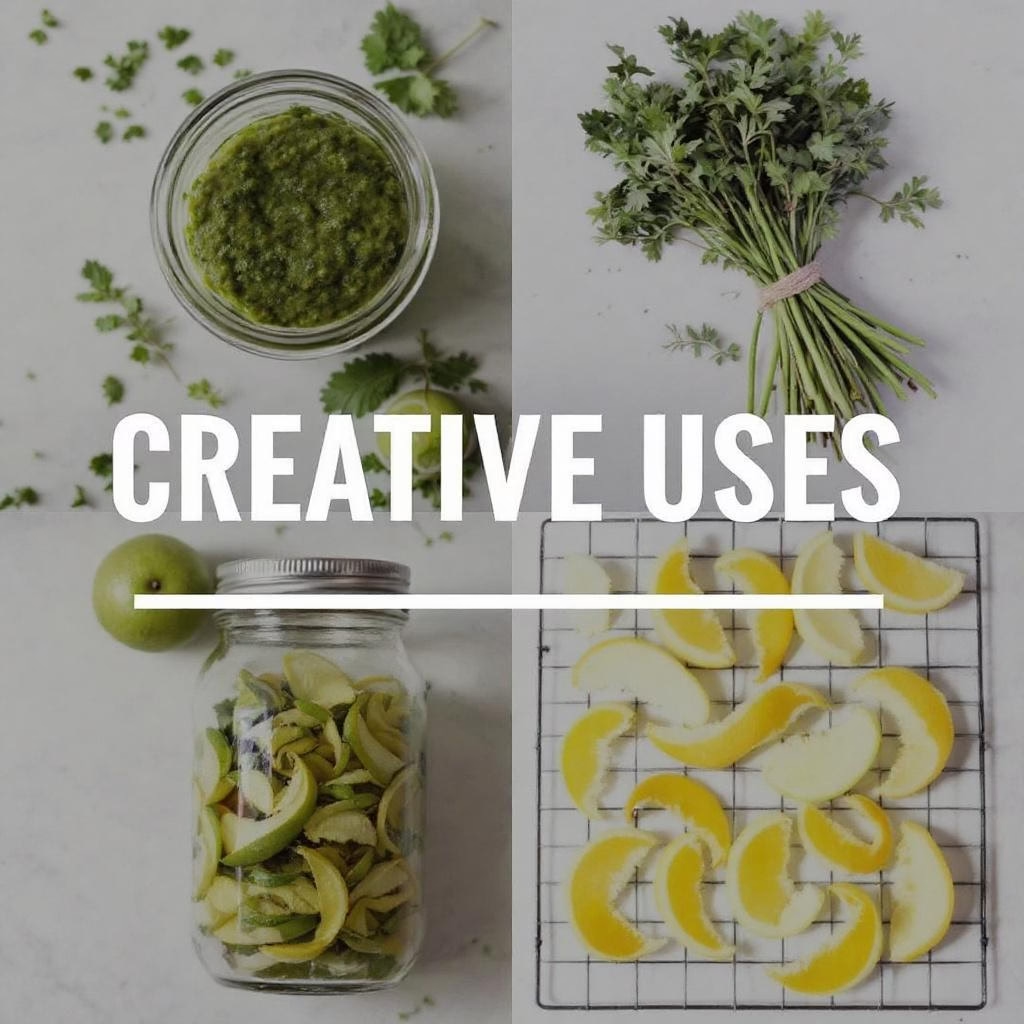
Once you start thinking about zero waste vegetable scraps, you’ll discover endless possibilities. Here are a few more ideas to inspire your kitchen creativity.
Vegetable tops like carrot, beet, and radish greens make excellent pesto. Simply blend them with nuts, garlic, parmesan, olive oil, and a squeeze of lemon. Herb stems can be bundled together and used as a brush for basting grilled meats or vegetables. Corn cobs can be simmered in cream or milk to make a corn-flavored base for chowders and risottos.
Citrus peels, while not vegetables, follow the same zero waste principles. Dry them and grind into zest powder, candy them for desserts, or infuse them into olive oil or vinegar. The possibilities really are endless once you open your mind to them.
Conclusion: Small Changes, Big Impact
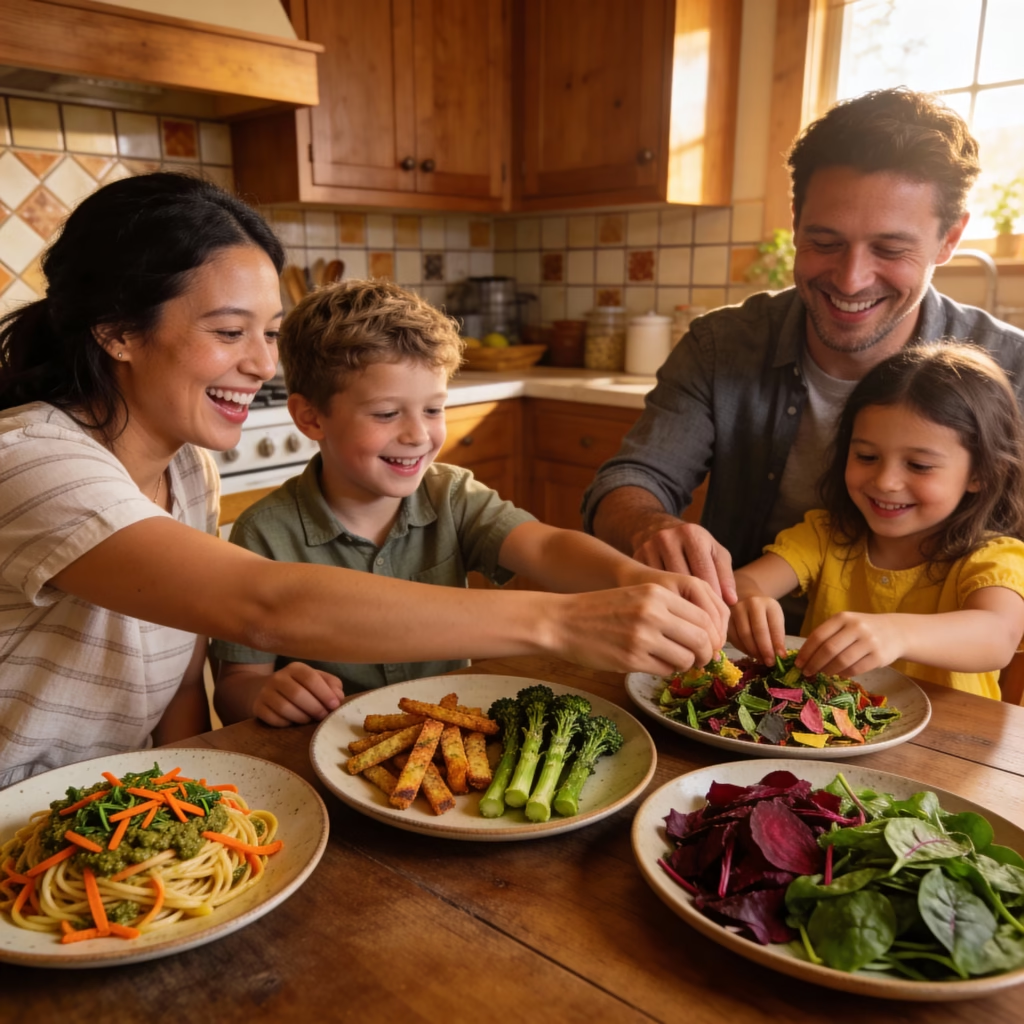
Embracing vegetable scraps in your cooking is one of the simplest ways to make your kitchen more sustainable. It requires no special equipment, no unusual ingredients, and no advanced cooking skills. All it takes is a shift in perspective – seeing potential where you once saw garbage.
The three recipes in this guide are just the beginning. Once you start your zero waste vegetable scraps journey, you’ll find yourself getting creative in ways you never expected. That feeling of using every last bit of your produce is deeply satisfying. It connects us to the food we eat in a more meaningful way.
Start small if you need to. Save your scraps for one week and make a single batch of stock. Notice how much less food waste you’re producing. Pay attention to the incredible flavor you’ve created from what was destined for the trash. Let that success motivate you to try more.
Every carrot peel saved, every onion skin used, every celery end repurposed – they all add up. You’re not just reducing waste in your own kitchen. You’re joining a movement of conscious cooks who believe that food is too precious to waste. And that’s something worth celebrating.
External References and Further Reading
For more information on reducing food waste and sustainable cooking practices, explore these educational resources:
- United States Environmental Protection Agency (EPA) – Food Recovery Hierarchy: Learn about the EPA’s recommendations for reducing food waste at every level. www.epa.gov/sustainable-management-food
- Food and Agriculture Organization of the United Nations – Food Waste: Explore global statistics and initiatives related to food loss and waste reduction. www.fao.org/food-loss-and-food-waste
- USDA FoodKeeper App: A helpful resource for understanding food storage and reducing household waste. www.foodsafety.gov/keep-food-safe/foodkeeper-app
- Harvard T.H. Chan School of Public Health – Sustainability: Educational articles about sustainable eating practices and their environmental impact. www.hsph.harvard.edu/nutritionsource/sustainability
- Natural Resources Defense Council (NRDC) – Food Waste: Research and guides on reducing food waste in American households. www.nrdc.org/food-waste
Recent Posts