
Pineapple tea offers a delicious way to enjoy the remarkable health benefits hidden in parts of the fruit we typically discard. This tropical beverage has been cherished for generations in Central and South America, where nothing goes to waste. By using pineapple peels and cores, home brewers can create a zero waste kitchen staple that supports overall wellness. The following guide explores everything needed to craft the perfect cup of pineapple tea while maximizing nutritional benefits.
Introduction: Rediscovering an Ancient Tropical Treasure

There is something special about finding health benefits in places we do not expect. For years, most kitchens have treated pineapple peels and cores as nothing more than compost or trash. Yet these overlooked parts of the pineapple actually contain some of the most powerful nutrients found in the fruit.
Pineapple tea represents a beautiful mix of sustainability and wellness. This golden, aromatic drink transforms what would be kitchen waste into a soothing beverage. It can support joint health, boost immunity, and fight inflammation throughout the entire body. The practice of brewing tea from pineapple scraps dates back many centuries in tropical regions where the fruit grows. Now, this zero waste approach to nutrition is gaining popularity all over the world.
Whether you are dealing with seasonal sniffles, achy joints, or just seeking a warming drink with real health benefits, pineapple tea delivers. The best part is that making it requires very little effort. It also helps reduce food waste at the same time.
The Power of Bromelain: Why Pineapple Peels Matter
The secret weapon hiding in pineapple peels and cores is an enzyme called bromelain. This amazing compound has been studied many times for its anti-inflammatory and healing properties. Interestingly, bromelain levels are actually highest in the core and skin of the pineapple, rather than in the sweet fruit flesh that most people eat.
Bromelain works by breaking down proteins in the body. This helps reduce inflammation and swelling. This makes pineapple tea very valuable for anyone dealing with inflammatory issues. The enzyme has been used in traditional medicine for a long time and continues to be part of modern scientific research.
When pineapple peels and cores simmer in water, bromelain and other good compounds move into the liquid. This creates a tea that delivers these nutrients in a form that is easy to digest. The gentle heat of brewing does not destroy bromelain. This makes it an effective way to get its benefits.
Beyond bromelain, pineapple peels contain vitamin C, manganese, and various antioxidants. These nutrients work together to support your health in ways that might surprise people who have been throwing away these scraps.
[IMAGE: Infographic showing the nutritional content found in pineapple peels, highlighting bromelain, vitamin C, and antioxidants]
Joint Pain Relief: Natural Support for Aches and Stiffness

One of the most famous benefits of pineapple tea is its potential to ease joint discomfort. The bromelain found in pineapple peels has been shown to help reduce inflammation in joints. This makes the drink a popular choice for those dealing with arthritis or general stiffness.
Inflammation is often the main cause of joint pain. When tissues become inflamed, they swell and press against nerves, which causes pain. Bromelain helps address this by reducing the inflammatory response. Many people who drink pineapple tea on a regular basis report feeling more comfortable and mobile over time.
The warm nature of the tea itself can also provide comfort to achy joints. Sipping a hot drink encourages relaxation and can help ease tension in the body. Combined with the action of bromelain, pineapple tea becomes a gentle, natural approach to joint wellness.
It is worth noting that pineapple tea works best as part of a healthy lifestyle. Regular movement, drinking enough water, and balanced nutrition all help joint health. However, adding this zero waste drink to your daily routine can provide extra support.
Immune System Support: Building Natural Defenses

The immune system works all the time to protect the body from illness. Pineapple tea can serve as a delicious friend in this important work. The vitamin C content in pineapple peels helps support immune function. At the same time, bromelain may help the body fight infection more effectively.
Vitamin C is vital for the production and function of white blood cells. These cells are the main defenders against germs. A single serving of pineapple tea provides a good dose of this vital nutrient. During cold and flu season, getting enough vitamin C becomes very important.
Bromelain also plays a role in immune support. Research suggests that this enzyme may help balance the immune response. This ensures that the body reacts the right way to threats. Some studies have even looked at the potential of bromelain to support the body during recovery from illness.
The warmth of pineapple tea provides extra comfort when you feel under the weather. Staying hydrated with warm fluids helps keep your body functioning properly. Adding honey and lemon to pineapple tea can improve both the flavor and the health properties.
Respiratory Relief: Breathing Easier Naturally

Anyone who has dealt with congestion knows how uncomfortable it can be. Pineapple tea offers gentle respiratory support that can help ease breathing. The mix of warm liquid, bromelain, and vitamin C creates a soothing drink for your lungs and throat.
Bromelain has been studied for its ability to help thin out mucus and reduce coughing. When airways become congested, mucus can get thick and hard to clear. The action of bromelain may help break down this thick mucus. This makes it much easier to cough up and clear out.
Steam from a hot cup of pineapple tea also provides direct relief. Breathing in warm, moist air helps soothe irritated airways. For a stronger effect, some people add fresh ginger or a cinnamon stick to their tea. Both of these offer extra benefits for breathing.
Traditional healers in tropical regions have long suggested pineapple remedies for coughs and colds. Modern research continues to look at these traditional uses. Scientists often find support for these old practices. Pineapple tea represents a pleasant way to support your health during challenging seasons.
Skin Health: Nourishment from the Inside Out

Healthy, glowing skin often shows your internal wellness. Pineapple tea helps skin health through several ways. The vitamin C content supports collagen production. Meanwhile, antioxidants help protect skin cells from damage.
Collagen is the protein that keeps skin firm and young. The body needs vitamin C to make collagen effectively. By providing this nutrient, pineapple tea supports the natural structure of the skin. Over time, getting enough vitamin C can help keep skin elastic.
The anti-inflammatory properties of bromelain may also help your skin. Inflammation can cause many skin concerns, including redness and irritation. By helping to calm these responses, pineapple tea supports a clearer and more even complexion.
Staying hydrated is basic for skin health, and pineapple tea makes drinking water more fun. The natural sweetness and tropical flavor encourage people to drink more fluids during the day. Well-hydrated skin appears more radiant and healthy.
Embracing Zero Waste: Sustainability in the Kitchen
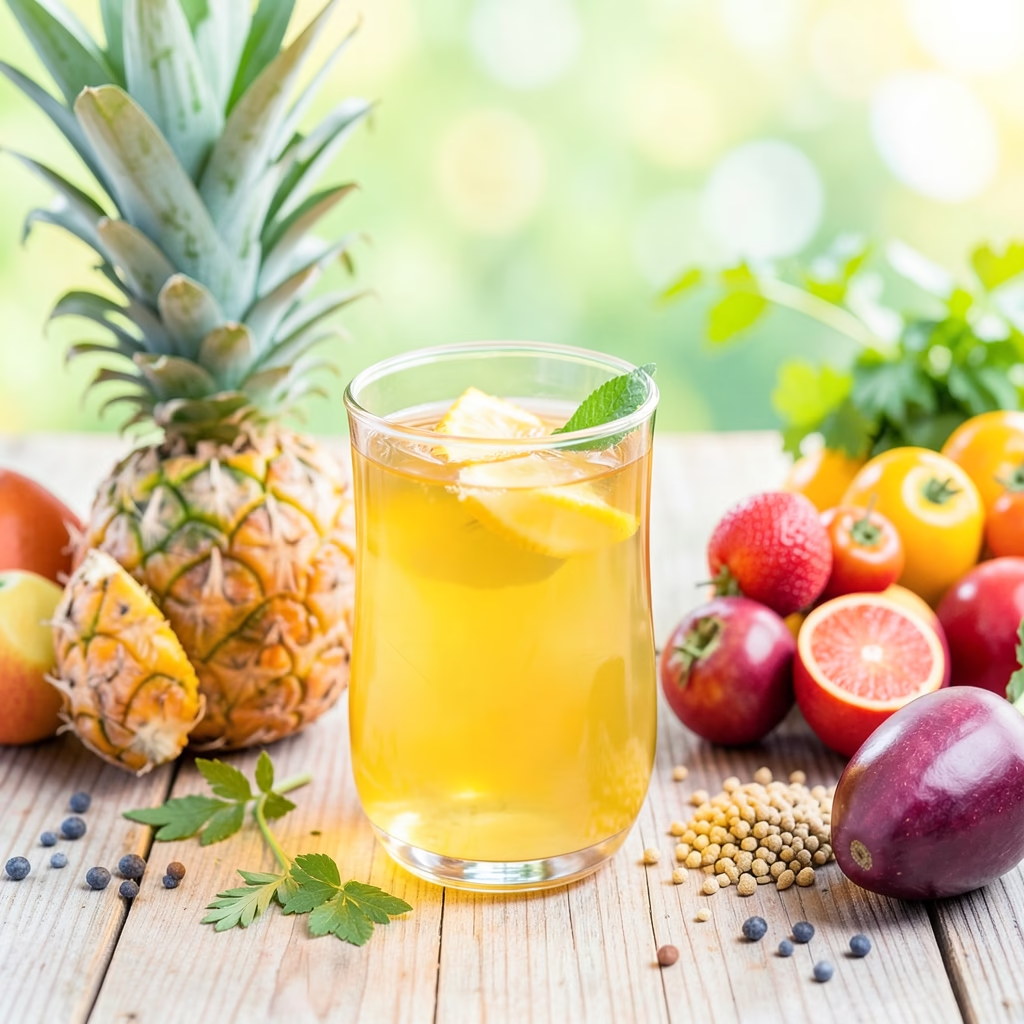
The zero waste movement encourages people to find value in items that are usually thrown away. Pineapple tea is a great example of this idea. Instead of throwing away peels and cores, this approach turns them into something healthy and delicious.
Think about the impact of food waste on the environment. When organic items end up in landfills, they release methane. This is a powerful gas that affects the climate. By using pineapple peels and cores for tea, you can reduce your waste while gaining health benefits.
Zero waste pineapple habits can go beyond tea. After you brew the tea, the used peels can still go into the compost. This returns nutrients to the soil. Some creative cooks also use the peels to make vinegar or to clean surfaces in the home.
Adopting a zero waste mindset often starts with small changes. Learning to brew pineapple tea can make you curious about other ways to reduce waste. This simple practice connects people with old wisdom while supporting a better future for the planet.
Preparing the Pineapple: Essential First Steps

Before you brew pineapple tea, you must prepare the fruit correctly. Pineapples grow close to the ground and travel long distances to reach stores. Their rough skin can hold dirt, bacteria, and residues that must be removed before you use them.
The skins of the pineapple need to be scrubbed well with a brush and rinsed. A stiff vegetable brush works perfectly for this job. Use cool running water and scrub the whole surface of the pineapple. Pay close attention to the small spots between the “eyes” of the skin.
After scrubbing, rinse the pineapple well to wash away any loose dirt. Some people like to soak the pineapple in a mix of water and baking soda for ten minutes before scrubbing. This can help remove more residues from the surface.
If you can, choose organic pineapples for making tea. Organic fruit is grown without synthetic pesticides. This reduces concerns about chemicals on the skin. However, even organic pineapples should be washed well before you use the peels for brewing.
Once clean, the pineapple can be peeled and cored as usual. Save the peels and core in a clean bowl. They can be used right away for tea or stored in the fridge for up to three days. For longer storage, you can freeze the scraps until you are ready to brew.
Complete Recipe: Making Perfect Pineapple Tea

Creating the ultimate anti-inflammatory pineapple tea requires just a few simple items and about thirty minutes of time. This recipe makes about four to six cups of tea. It is perfect for sharing or drinking throughout your day.
Ingredients Needed:
Gather the peels and core from one medium pineapple. You will also need about eight cups of filtered water. Optional items include one cinnamon stick, a one-inch piece of fresh ginger (sliced), four whole cloves, honey to taste, and fresh lemon juice.
Step-by-Step Instructions:
- Make sure the pineapple has been scrubbed and rinsed well. Remove the peels and core from the flesh. Set the sweet fruit aside for eating.
- Chop the peels and core into smaller pieces. They should be about two to three inches in size. Smaller pieces allow more nutrients to move into the water.
- Place the pineapple pieces in a large pot and add the eight cups of filtered water. If you are using cinnamon, ginger, or cloves, add them now.
- Bring the mix to a boil over medium-high heat. Once it boils, turn the heat down to low. Let the tea simmer for twenty-five to thirty minutes. The liquid will turn a beautiful golden color and smell like a tropical paradise.
- After simmering, remove the pot from the heat. Let it cool for about five minutes.
- Strain the tea through a fine strainer or cloth into a pitcher or cups. Throw away the solids or put them in your compost.
- Taste the tea and add honey or lemon if you like. You can drink pineapple tea hot, at room temperature, or cold over ice. Store any extra tea in the fridge for up to five days.
Tips for the Best Results

A few simple tips can make your pineapple tea even better. Think about how ripe the fruit is when you buy a pineapple. Riper pineapples make sweeter and more flavorful tea. Look for a golden color on the skin and a sweet smell at the bottom of the fruit.
The quality of your water matters more than you might think. Filtered water makes a cleaner tea than tap water that smells like chlorine. The purer the water, the more the pineapple flavor can shine.
Try different brewing times to find the strength you like. A short simmer of fifteen to twenty minutes makes a light tea. If you simmer for forty-five minutes, you will get a very strong drink. Strong tea can be mixed with hot water when you serve it.
Fresh items like mint leaves, turmeric, or star anise can create new flavors. Each one brings its own health benefits and unique taste. Feel free to try new things and find your own favorite mix.
Conclusion: A Simple Path to Wellness and Sustainability
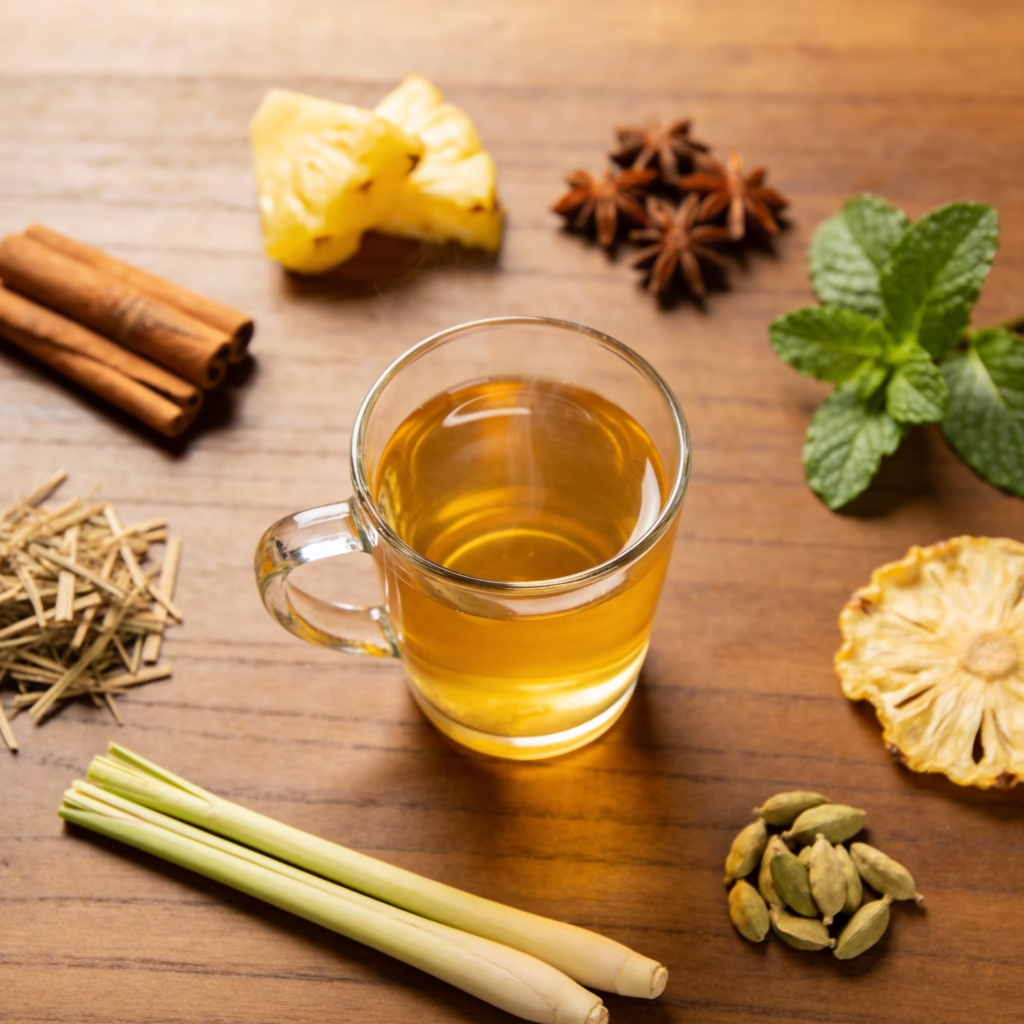
Pineapple tea represents something special in the world of healthy drinks. It offers real health benefits while following the zero waste rules that our planet needs. Every cup serves as a reminder that good nutrition can be found in places we do not expect.
The anti-inflammatory power of bromelain, along with immune support and joint comfort, makes this tea very useful. All of these benefits come from parts of the fruit that would usually end up in the trash.
Making pineapple tea at home is simple and cheap. The golden color and tropical smell bring a bit of sunshine to any day. Whether you want relief from pain or just a delicious warm drink, this tea is a great choice.
Think about starting this habit today. The next time you have a pineapple in your kitchen, save those peels and cores. A few simple steps can turn them into a cup of wellness that helps both your body and the earth.
External References and Further Reading
For those who want to learn more about the topics in this article, these resources provide more info:
Bromelain Research and Benefits:
NCCIH – National Center for Complementary and Integrative Health
Nutrition Information:
- Earth – How Does Food Waste Affect the Environment?
- EPA – United States Environmental Protection Agency epa.gov
- Healthline – Anti-inflammatory Foods To Eat
Recent Posts


