Cookie Consent by Free Privacy Policy Generator Update cookies preferences

How Ovens Are Using Energy Efficiency in the Kitchen

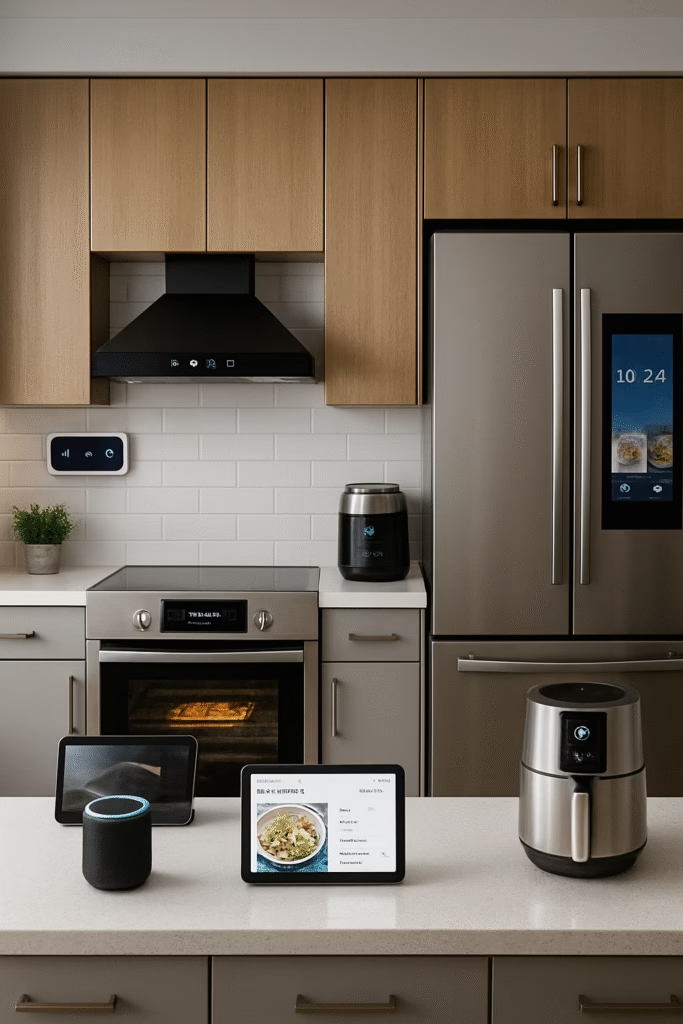
A black, built-in smart oven with a minimal design and a bright digital touchscreen interface. The screen displays four preset cooking modes with icons: Bake, Broil, Roast, and Reheat. This illustrates the use of intelligent, pre-set programs for optimized cooking, which contributes to overall Energy Efficiency by eliminating manual temperature errors and reducing cooking time.

As a home cook and self-proclaimed kitchen gadget enthusiast, I’ve always been fascinated by how technology can simplify our lives – and ideally, make them greener too. My journey into understanding smart appliances began with a simple question: “Can my oven really do more than just bake cookies?” It turns out, the answer is a resounding yes, and often in ways that benefit both our wallets and the planet. Join me as we explore the surprising world of energy efficiency ovens.


How Ovens Are Revolutionizing Energy Efficiency in the Kitchen

The oven is quietly changing. Every appliance we own gets looked at for its effect on the environment and its running cost. Modern ovens—especially those with smart and AI features—are now leading the way in energy efficiency for the kitchen.

These ovens use new technology to cut down on electricity. They reduce food waste and offer a greener way to cook. This change does more than just save money on your power bill. It helps lower your home’s carbon footprint, one perfectly cooked meal at a time.

For many years, the oven was a major power user in the kitchen. It needs a lot of electricity to make and hold high heat. But new insulation, better heating parts, sensors, and artificial intelligence are changing these units. They are becoming surprisingly efficient machines. Let’s look closely at how ovens are becoming more energy efficient. We’ll also show you how to use these new features at home.
The Base of Efficiency: Better Insulation and Design

Long before we look at the “smart” parts, big changes to the basic design of ovens have helped boost energy efficiency.

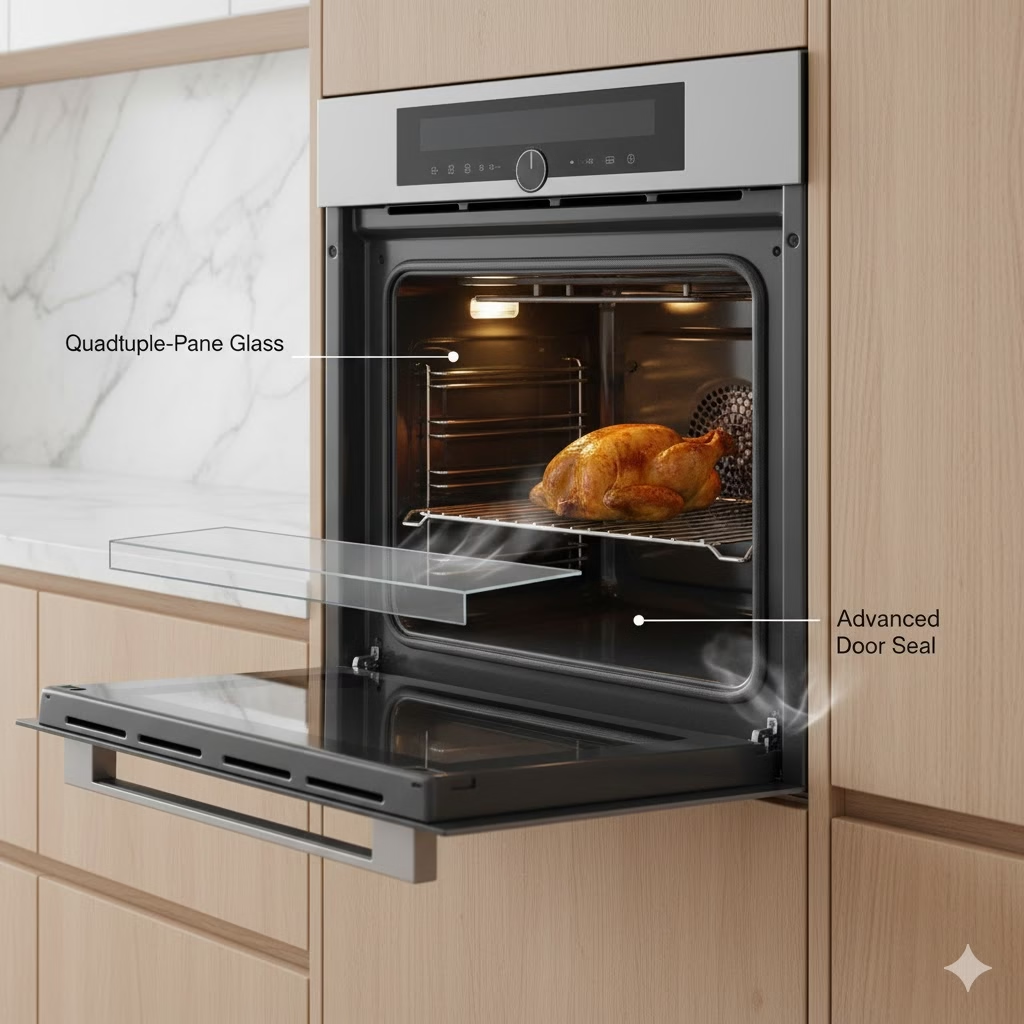
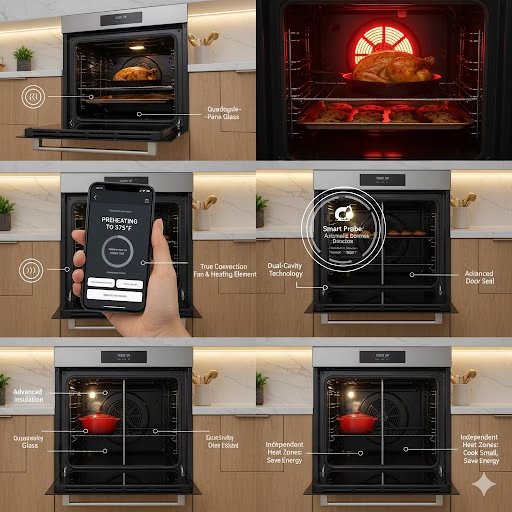
How It Works: Newer ovens have much better insulation. They also have tighter door seals than older models. This means less heat escapes the oven box. As a result, the oven parts do not have to work as hard to keep the right temperature. The oven doors often have three or even four layers of glass. These coatings trap heat inside. This keeps the outside of the oven cooler. The inside shape of the oven also helps. Some linings reflect heat better, which saves energy.

How to Do It:

  • Buy Newer Models: If your oven is over 10 to 15 years old, its poor insulation is likely using a lot of energy. Buying a new, well-insulated model is the first big step.
  • Check Door Seals Often: Even with a new oven, look at the door gasket for damage. A bad seal lets heat escape. This cancels out the benefits of good insulation. Replacing the seal is usually cheap and easy.
  • Do Not Open the Door Too Much: Every time you open the oven door, a lot of heat escapes. This forces the oven to use more power to get back to the right heat. Use the oven light and the window to check your food whenever you can.
Convection Cooking: Hot Air for Better Efficiency

Convection ovens are not brand new, but their energy efficiency is very important right now.

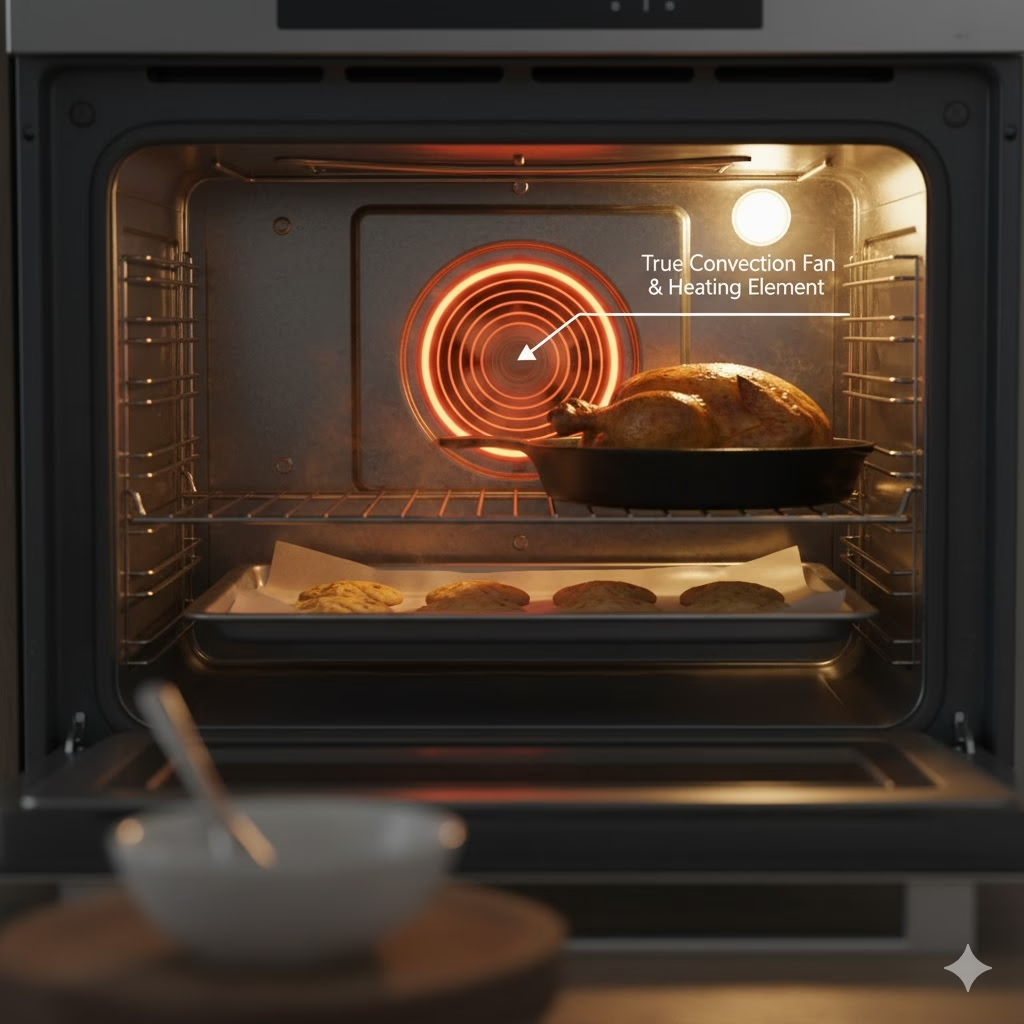
How It Works: Regular ovens only use heat that radiates from the top and bottom elements. Convection ovens add a fan. This fan blows hot air evenly through the oven box. This even flow of heat means food cooks faster and more consistently. You can often use lower temperatures, too. Because the heat is spread out well, there are no cold spots. This gives you better cooking results and cuts down the cooking time. A shorter cooking time means the oven runs for less time, using less energy overall.

Examples: Most new ovens, even non-smart ones, now include a convection setting. The best models may have “true convection” or “European convection.” This adds a third heating element around the fan. This makes the temperature even more stable and cooking even faster.

How to Do It:

  • Use Convection When You Can: Switch to the convection setting for most roasting, baking, and even some broiling.
  • Change Times and Temperatures: When you use convection, you should usually lower the recipe’s temperature by $25^\circ F$ (about $15^\circ C$). Check the food about $25\%$ sooner than the regular cooking time.
  • Do Not Crowd the Oven: Convection helps cook food evenly. Still, make sure there is room around your dishes. This allows the hot air to move around well.

The Rise of Smart Features: Wi-Fi for Wiser Use
Smart technology has brought internet connection to the kitchen. This gives users better control and knowledge about how their oven works. This directly helps energy efficiency.

How It Works: Smart ovens connect to your home’s Wi-Fi. You can control them with an app on your phone, a voice assistant, or other smart home devices. This connection allows you to preheat from far away. You get precise temperature control and personalized cooking programs. The real energy savings come from watching and managing your oven’s use better.

Examples:

  • Remote Control: Did you forget to preheat before leaving work? Start it while you drive home. The oven is not sitting idle waiting for you. It’s ready exactly when you need it, cutting down the total time it is running.
  • Recipe Hook-Up: Many smart ovens can download special cooking plans right from recipes. They set the right temperature, time, and cooking mode automatically. This ends the guesswork and the need to cook things again.
  • Tracking Tools: Some apps can show you how you use your oven’s energy. This helps you find ways to use it better.

How to Do It:

  • Use Remote Preheat Wisely: Do not preheat too early. Only turn the oven on when you know you will put food in shortly after it reaches the right temperature.
  • Look at the App Features: Spend time learning the app that came with your oven. Many apps offer features you might not know about that can help you cook more efficiently.
  • Connect to Your Smart Home: If you have a smart home hub, connect your oven to it. This allows for complex automation, like turning the oven on when your “dinner prep” routine starts.

The Smart Factor: AI and Sensors for Exact Cooking
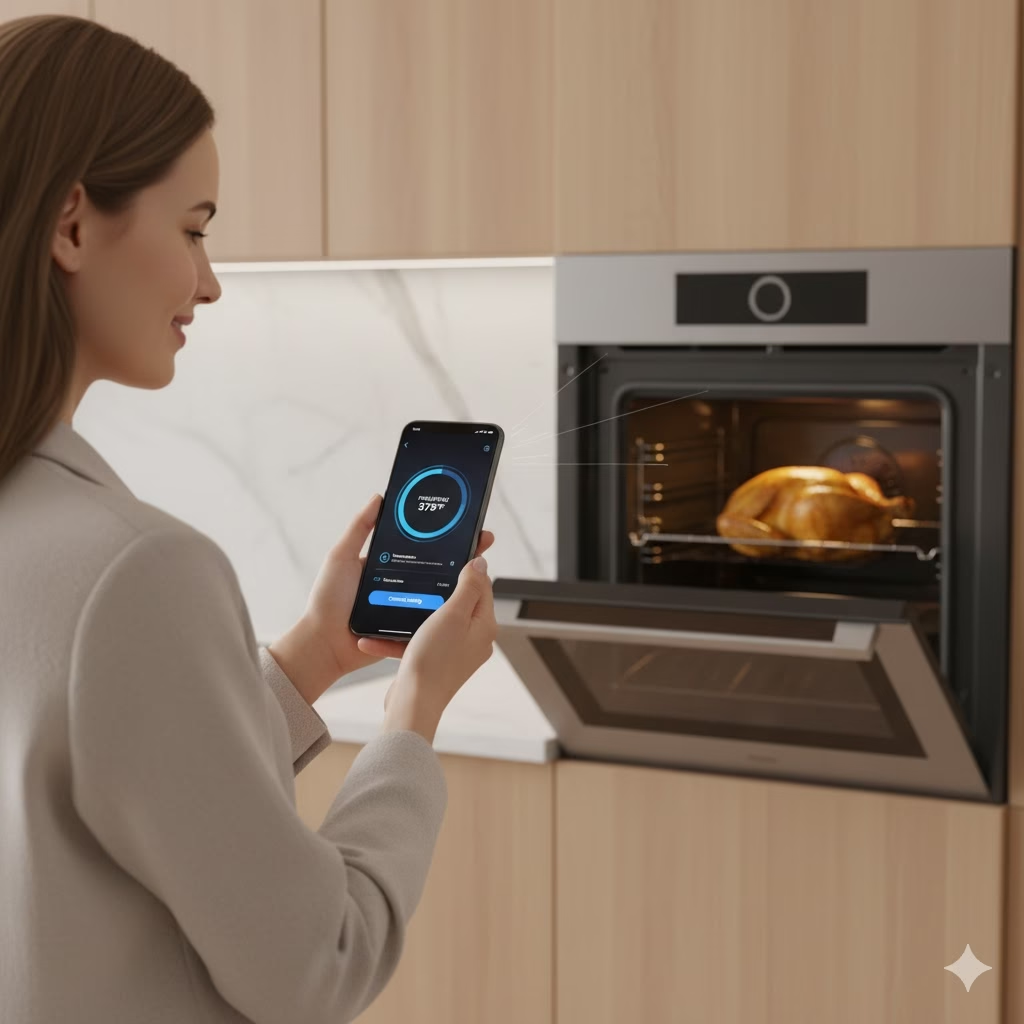
Artificial intelligence (AI) and modern sensors are perhaps the most exciting parts of oven energy efficiency. These technologies are moving past simple automation. They are creating truly smart cooking.

How It Works: AI ovens use many internal sensors. These include temperature probes, humidity sensors, and sometimes cameras. They use complex computer programs to watch food in real-time. This lets the oven change its settings as it cooks. It works to get perfect results with the least amount of energy. It can tell when food is done. This stops overcooking and the need to check the food constantly.

Examples:

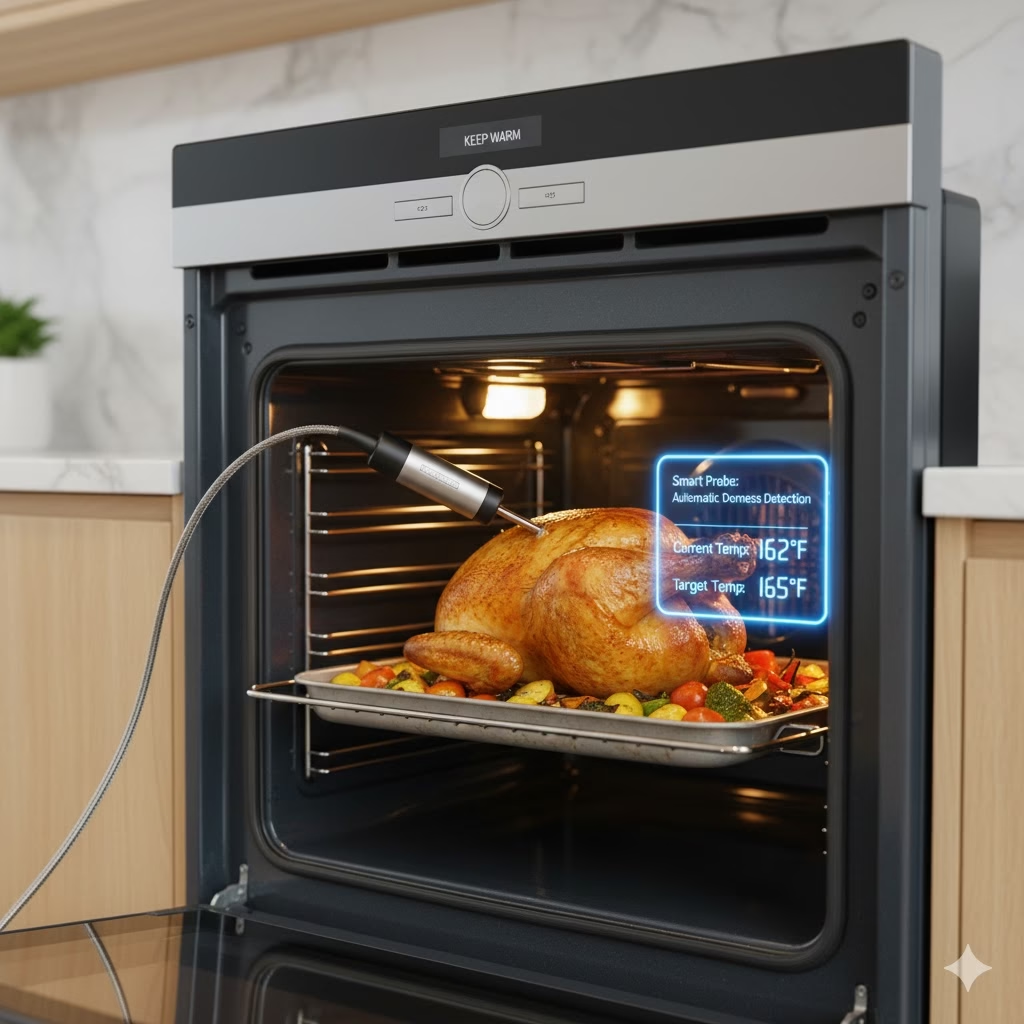
  • Automatic “Done” Check: Some high-end ovens have built-in meat probes. These probes tell you the inner temperature. They can also switch the oven to a “keep warm” mode or turn it off when the food is done.
  • Smart Preheating: The oven does not just blast heat until a set temperature is met. AI programs can learn your cooking habits and how the oven holds heat. They preheat more efficiently. They can even guess when you will put food inside.
  • Modes That Change: Ovens like the June Oven use inside cameras and AI. They look at the food you put in and suggest the best cooking plan. This stops confusion. It makes sure the most efficient cooking method is picked. It often combines different heat sources, like convection or air fry, very precisely.
  • Steam and Sous Vide: Some advanced ovens can inject steam or even cook food sous vide (in water). Steam cooking is very efficient for many foods. It cooks them faster and often at lower temperatures than dry heat. Sous vide uses very low, exact temperatures. For certain dishes, it often uses less total energy than regular methods.

How to Do It:

  • Use the Meat Probe: If your oven has a built-in meat probe, use it! This is one of the best ways to make sure food is cooked perfectly. It stops the food from staying in the oven longer than it needs to.
  • Trust the Automatic Settings: Many AI ovens have many pre-set programs for different foods. These are usually set up for best results and energy efficiency. Feel free to try them out.
  • Think About Multi-Use Ovens: If you are buying a new appliance, look for combination ovens. These can be microwave-convection or steam-convection units. They can do many jobs efficiently. This means you do not need separate, dedicated appliances.

Special Cooking Options and Zones for Targeted Efficiency
Some ovens offer special features that go beyond general smartness. These boost energy efficiency by only heating what is necessary.

How It Works: These features reduce the area that needs to be heated. They also reduce the type of heat used. They focus energy exactly where it is needed.

Examples:

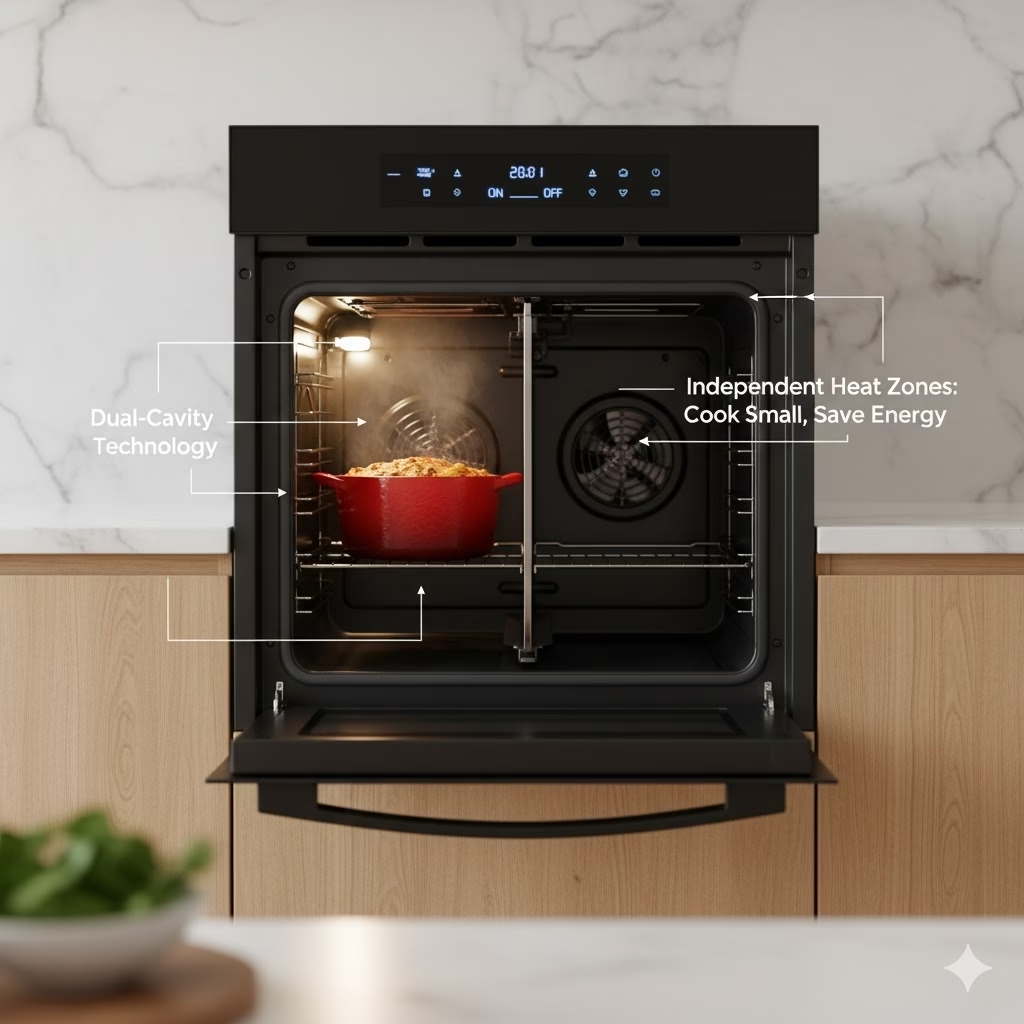
  • Ovens with Two Sections: Some ovens have a divider you can take out. This turns one large oven into two smaller ones that you can control on their own. This is very efficient if you are only cooking one small dish. You do not have to heat the entire large space.
  • Quick Preheat Modes: This seems odd, but these modes quickly get the oven to the right temperature using max power. Then they switch back to normal use. The total time the oven is active may be shorter than with a slow preheat. This saves energy, especially if you bake often.
  • Air Fry Mode: Many convection ovens now have a specific “air fry” setting. This is a very powerful convection setting. It makes food crispy like deep frying. And uses much less oil and often cooks faster than regular baking. It can replace a separate, energy-using air fryer machine.
  • Proofing Mode: For people who bake bread, a low-temperature proofing mode gives a steady, warm, moist space for dough to rise. This uses less energy than using a slightly warm regular oven or a less controlled spot.

How to Do It:

  • Use the Small Section: If you have an oven with two sections, always use the smaller section for smaller meals or when you only cook one dish.
  • Match Pan Size to Food: Use the right size baking dishes. Using a large pan for a small amount of food means more empty space is absorbing heat for no reason.
  • Cook Many Things at Once: If you are going to use the oven, try to cook several things at the same time. This makes the most of the heat that is already being made.
Easy Steps for Getting the Most Oven Energy Efficiency

Even with the best oven, how you use it is key to the total energy efficiency.

How to Do It (Simple Tips):

  • Do Not Preheat If Not Needed: Many foods, especially those that cook for a long time (like roasts or casseroles), do not need a preheated oven. You can often put them in a cold oven and then turn it on.
  • Turn It Off Early: For foods that cook for a long time, you can often switch the oven off 10 to 15 minutes before the food is fully done. The heat that stays inside will keep cooking the food without using more power.
  • Use the Right Pans: Glass or ceramic dishes hold heat better than metal. This can let you lower the oven temperature by about $25^\circ F$ ($15^\circ C$) for some recipes. Dark, dull metal pans take in more heat, which makes cooking faster.
  • Keep Your Oven Clean: While the self-cleaning cycle uses a lot of energy, a clean oven reflects heat better. Baked-on spills can take in heat, making the oven work harder.
  • Put Racks in the Right Place: Put the racks in the correct spot for the best cooking. The middle rack is usually best for even cooking.
  • Thaw Food First: Cooking frozen food uses much more energy to bring it up to heat. Thaw food in the refrigerator overnight before you cook it. This will save energy.

The Effect on the World Beyond Power Bills
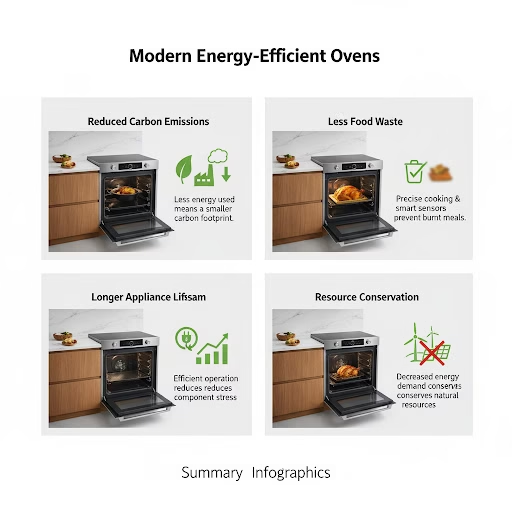
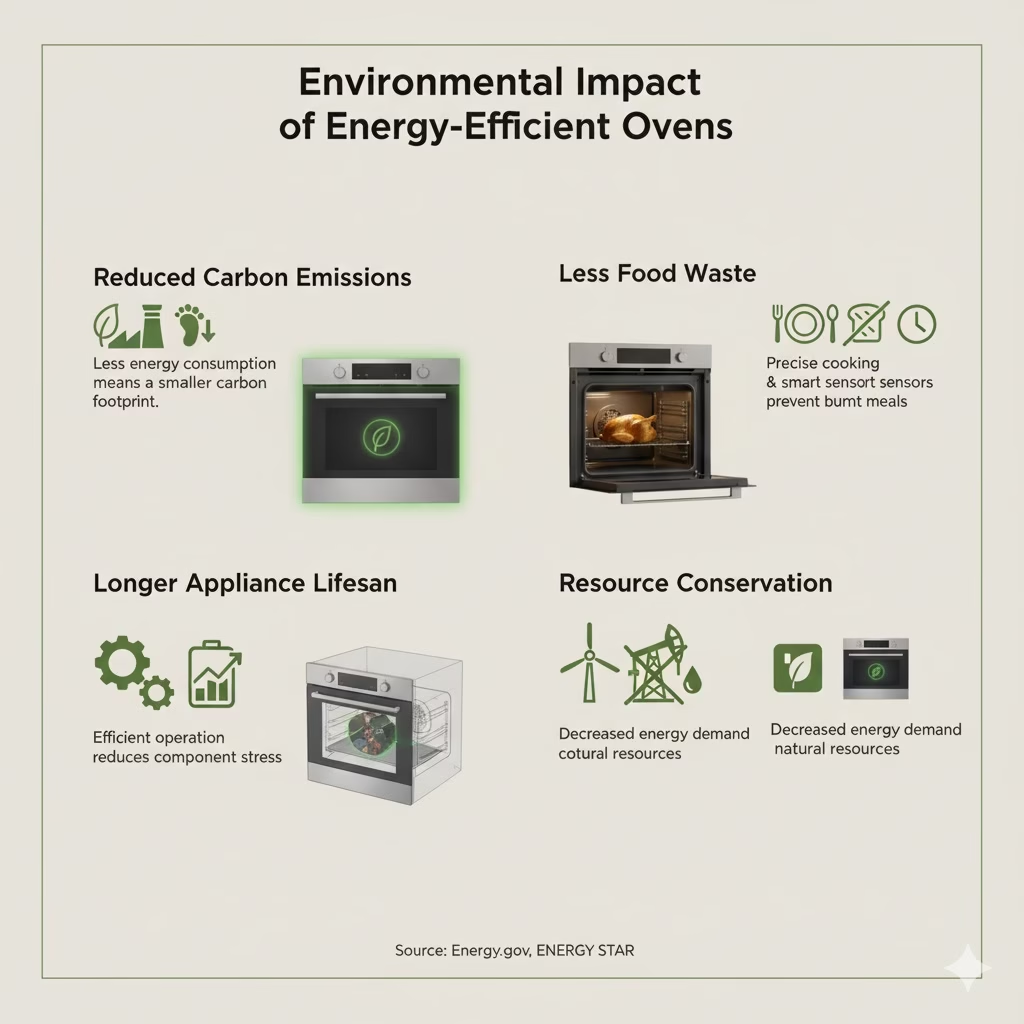
The push for oven energy efficiency is about more than just how much electricity you use. These advances help with bigger environmental goals:

  • Less Carbon Pollution: Using less energy means less pollution that causes global warming. This is especially true if your home’s power comes from burning fossil fuels.
  • Less Wasted Food: Cooking exactly, with automatic “done” checks, leads to fewer burnt or undercooked meals. This cuts down on food waste. It also saves the resources used to grow that food.
  • Longer Life for the Appliance: Ovens that work better may put less stress on their parts. This could mean they last longer. This reduces the environmental cost of making and throwing away old units.
  • Saving Resources: By making appliances more efficient, we lower the total need for making electricity. This helps save natural resources.

Choosing an Energy-Efficient Oven
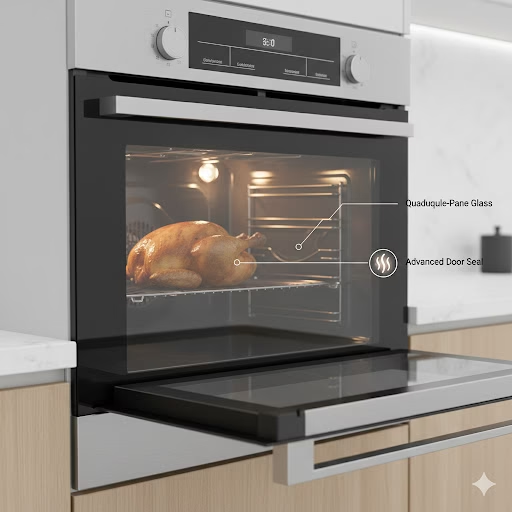
When you are ready to get a new oven, think about these points to get the most energy efficiency:

  • ENERGY STAR Label: Look for ovens with an ENERGY STAR certificate. These appliances meet tough rules for energy efficiency set by the government.
  • Convection Feature: Choose models that have “true convection” for faster, more even cooking.
  • Insulation Quality: It is hard to check this directly. But reviews and product details often talk about strong insulation and doors with many glass panes.
  • Smart Features: Decide which smart features you truly need. Remote control, recipe help, and automatic cooking can make your use more efficient.
  • Size: Pick an oven size that fits how you usually cook. A bigger oven uses more energy to heat up. If you cook small meals often, an oven with two sections might be best.

The Future is Smart and Green
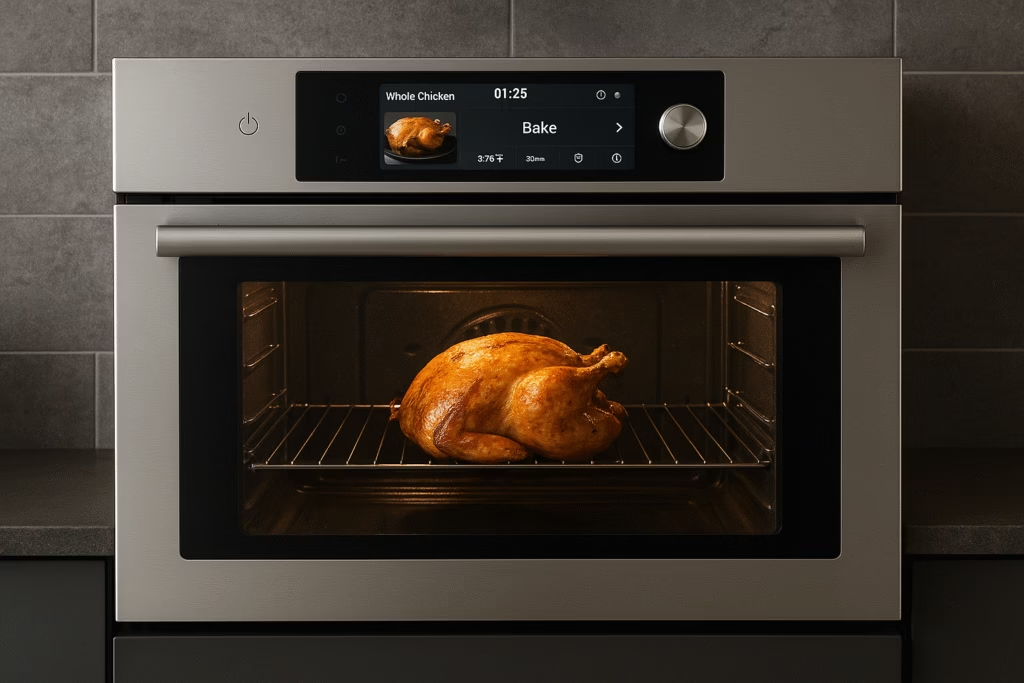
The path for oven technology is clear: they will get smarter, more connected, and focused on being green. As AI programs get better, and sensors become more exact, ovens will do more than just cook our food well. They will also always be watching for energy efficiency.

From knowing when your lasagna is fully baked, to preheating at the best time based on your commute, these appliances are changing. They are going from simple boxes of heat to true cooking helpers. They take care of both your meal and the planet.

Using these new features, along with smart cooking habits, ensures your kitchen stays a place of great food. It will not drain your power bill or hurt the environment. The change in oven energy efficiency is happening now. It asks us all to cook smarter, not just harder.


FAQ Section

Q1: How much energy can an efficient oven really save me?

A1: The savings change a lot. They depend on how old your oven is, how you cook, and the price of electricity where you live. But an ENERGY STAR certified oven can save you a lot of money over its life. It also lowers your carbon footprint by boosting energy efficiency.

Q2: Do smart ovens use more power when they are connected to Wi-Fi?

A2: The power used to keep a Wi-Fi connection in a smart oven is tiny. Most energy is used for heating. The possible savings from things like remote control and better cooking programs are much greater than the small energy used for the connection.

Q3: Is it better to use an oven or a microwave for small jobs to save energy?

A3: For small amounts of food or reheating, a microwave almost always uses less energy than an oven. This is because it heats the food directly, not a big box of air. Only use the oven when you must bake, roast, or brown food.

Q4: How important is preheating for saving energy?

A4: Preheating can use a lot of energy. You can often put food in a cold oven and turn it on for many foods, especially those that cook for more than an hour. For things like baked goods that need exact heat from the start, preheating is needed. But smart ovens can often preheat more efficiently.

Q5: What is the difference between regular convection and “true” convection?

A5: Regular convection uses a fan to move air heated by the top/bottom elements. “True” convection adds a third heating element around the fan itself. This makes sure the air is already hot when it moves around the oven. This leads to faster and more even cooking. It often gives you better energy efficiency.

Q6: Does the self-cleaning mode use a lot of energy?

A6: Yes, the self-cleaning mode uses a lot of energy. It heats the oven to very high temperatures (about $800^\circ F$ to $1000^\circ F$, or $427^\circ C$ to $538^\circ C$). It does this to burn off food bits. Use this mode only when you need to. Consider running it right after you finish cooking while the oven is still warm. This cuts down the time needed to heat it up.


References

  1. Energy – Kitchen Appliances
  2. Consumerreports – Save More and Waste Less

Recent Posts


How To Use A Food Management System For Sustainability

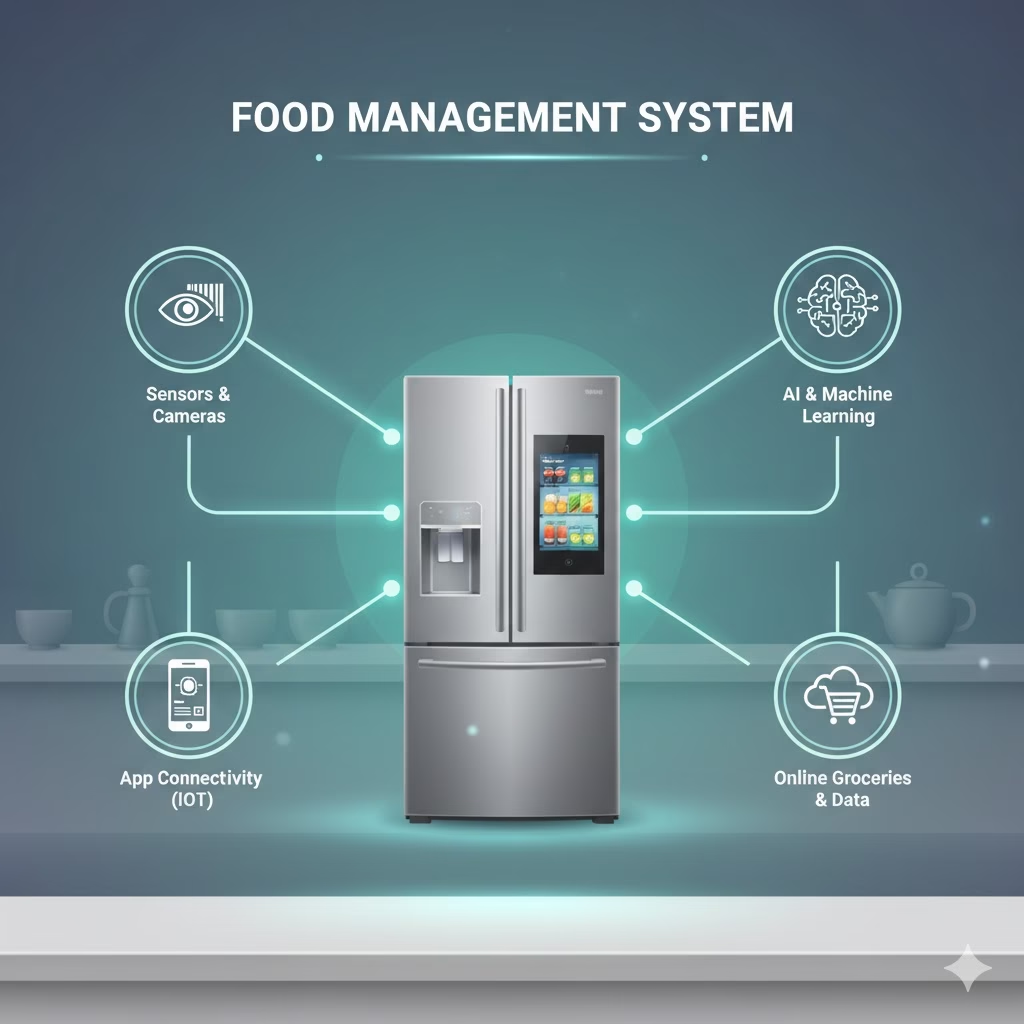
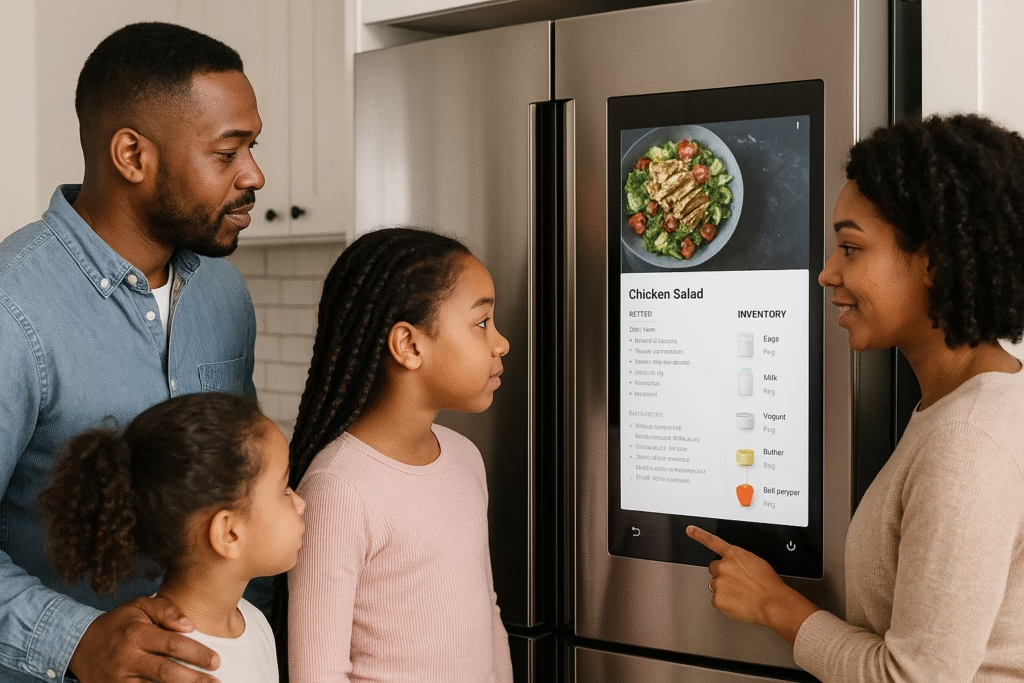
Infographic illustrating the interconnected components of a modern Food Management System centered on a smart refrigerator. Key components shown are Sensors & Cameras, AI & Machine Learning, App Connectivity (IoT), and Online Groceries & Data.

Tired of throwing away forgotten food or wondering what to cook for dinner? You’re not alone! This article is for anyone looking to make their kitchen smarter, their grocery budget stretch further, and their impact on the planet a little lighter. Join us as we explore practical steps to transform your food habits with the power of technology and a Food Management System.


The Food Management System: A New Era of Sustainable Kitchens

The kitchen is the heart of the home. But it also causes a big problem for the environment. Food waste is a huge global issue. It hurts the planet and costs us a lot of money. The Food and Agriculture Organization of the United Nations (FAO) says that about one-third of the food made for people is wasted. This is $1.3$ billion tons every year.

This waste isn’t just about food you don’t eat. It includes all the water, land, power, and work used to make that food. All of that effort is wasted too.

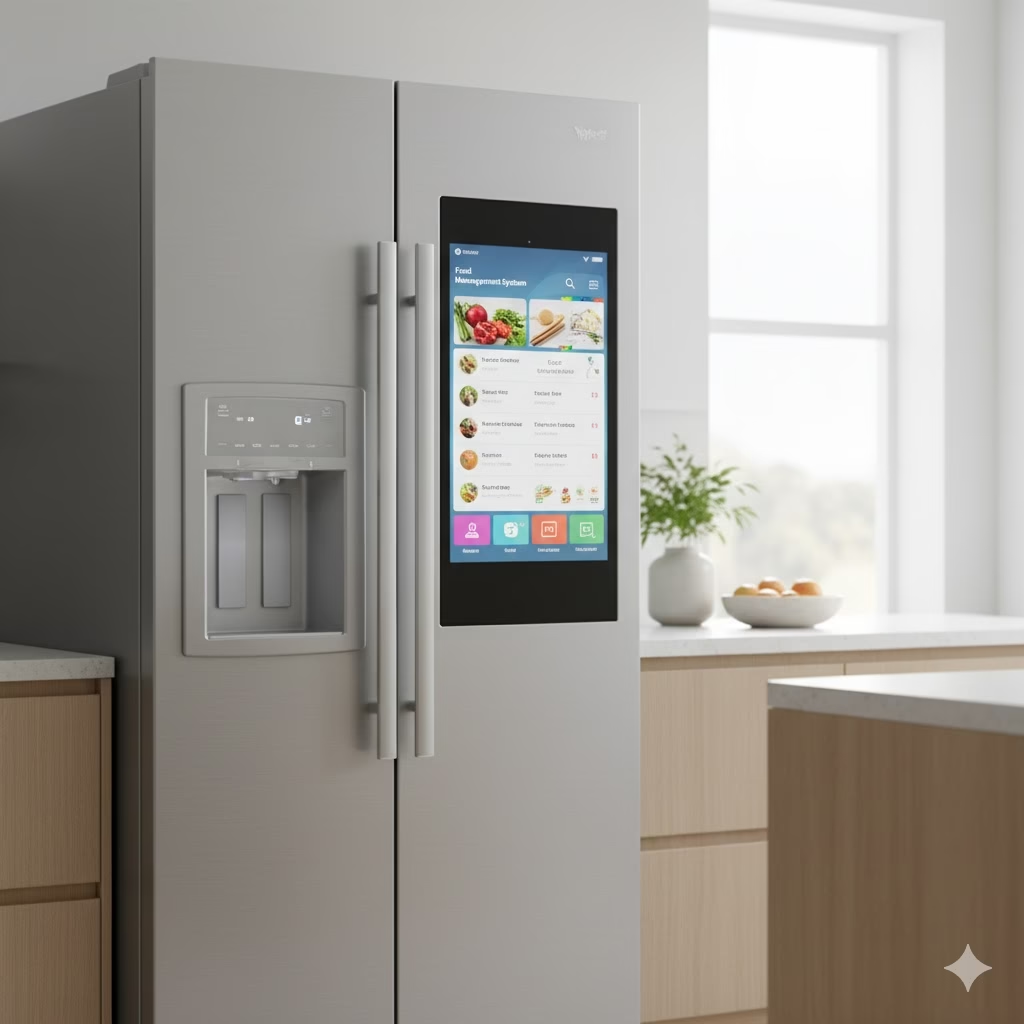
What if you could stop wasting so much food? What if you could shop better, save money, and eat healthier? Now, you can do this from home. The answer is the Food Management System (FMS). This new, smart method often uses AI to make your kitchen smarter. It gives you a total solution for tracking and using the food you buy.

This article will show you how to use an FMS effectively. It is a powerful tool. It helps you bring real sustainability into your daily life.


Why Our Old Way of Managing Food Doesn’t Work

Let’s look at the common mistakes we make now:

  • Lost Food: Who hasn’t found old meat in the back of the freezer? Or dead greens in the crisper drawer? Without a good list, food is simply forgotten and goes bad.
  • Too Much Shopping: We often buy things we already have. We buy more than we need because we forget what’s in the house. This leads to extra waste.
  • Hard Meal Planning: It’s tough to match what you have with what you want to cook. This leads to unused items or last-minute, less eco-friendly food choices, like fast food.
  • Missing Dates: You can’t track every expiration date. This means you often throw out food that is still good to eat.
  • Wasting Power: Regular appliances don’t track what you have. They don’t know how to save power based on how you use them.

These bad habits cost us money. They also use up a lot of the earth’s natural resources.


What is a Food Management System?

A Food Management System (FMS) is a smart tool. It is built to track and manage all the food in your kitchen. This idea first started in large business kitchens. Now, it has moved into our homes. It works best when built into smart fridges and freezers.

These systems use several tools:

  1. Cameras and Sensors: These track when you add or take out items. They can sometimes tell what the item is.
  2. Artificial Intelligence (AI): The AI learns how much food you eat. It suggests recipes. And tracks dates. It helps manage your food list.
  3. Internet Connection (IoT): This links your appliance to your phone, your smart home, and even online grocery stores.
  4. Display Screen: This is often a screen on the fridge or an app on your phone. It shows you a picture of all the food you have.

The goal is simple: You get an accurate, live view of your food. You know what you have, where it is, and when you need to use it.


How an FMS Makes Your Life More Sustainable

An FMS is a powerful tool for sustainability. It gives you total control. This helps you make choices that are better for the planet and your budget.

1. Stopping Food Waste Completely

This is the biggest benefit. An FMS helps you waste less food.

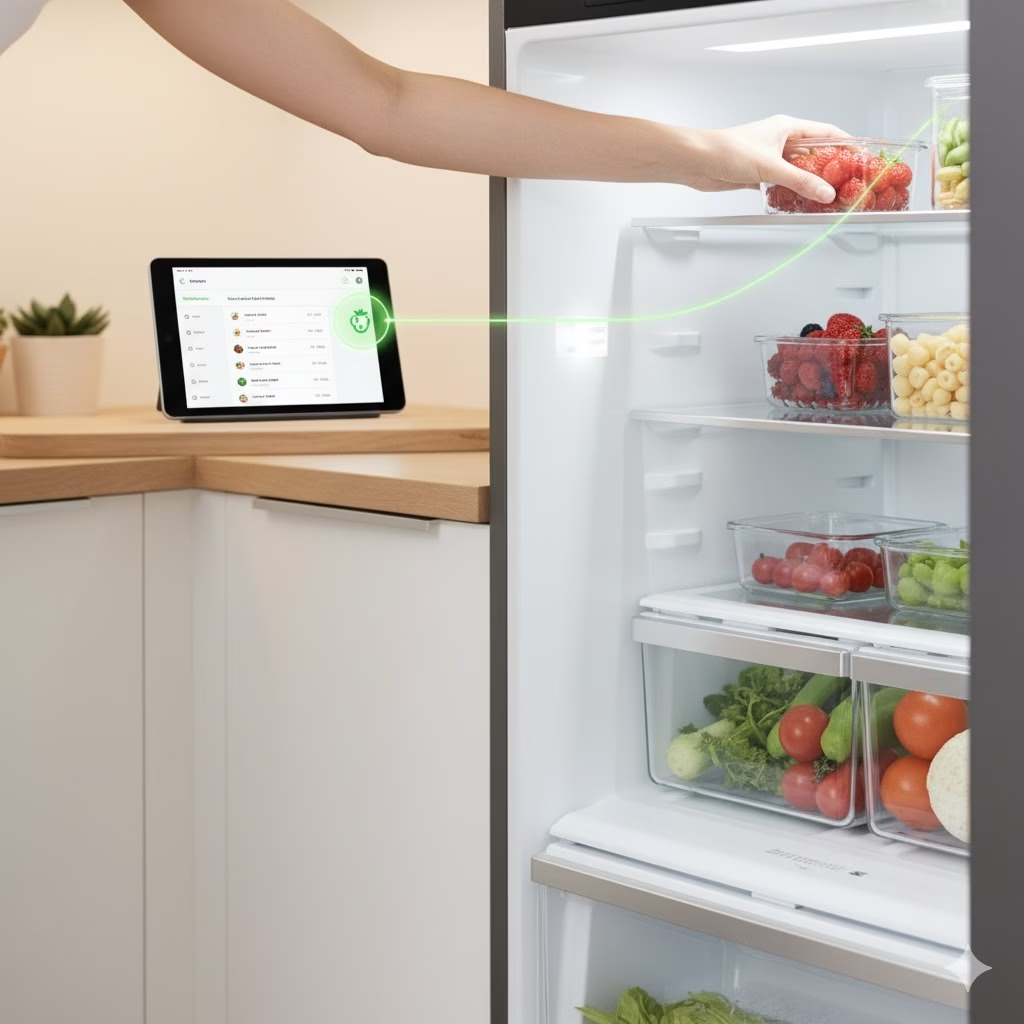
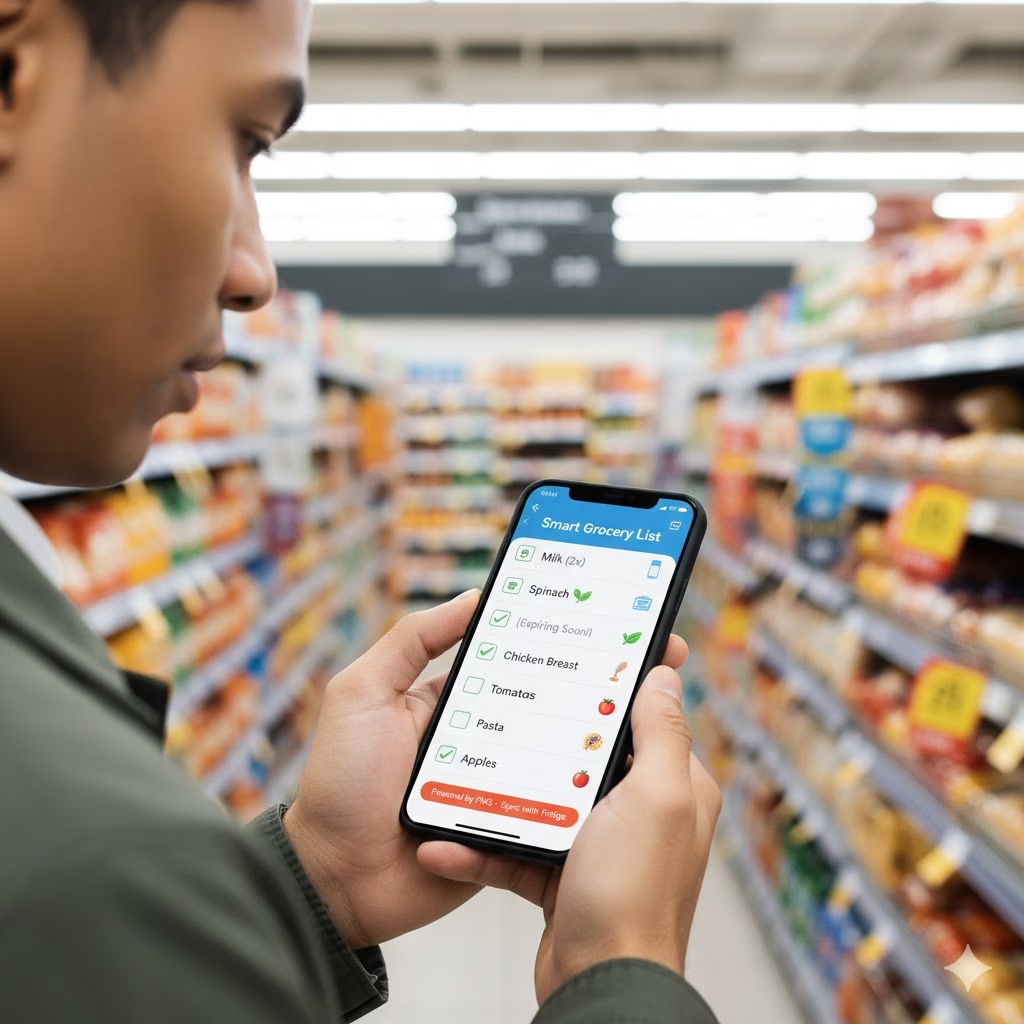
  • Live Food List: You never forget food again! Your FMS knows everything in your fridge and freezer. You can check the list on your phone while shopping. This stops you from buying things twice.
  • Date Tracking: The system watches “best-by” and expiration dates. It sends you a warning when food is close to expiring. This reminds you to use the food, freeze it, or plan a meal around it.
  • “Eat First” Ideas: The system can show you which items need to be used soon. It highlights them on the fridge screen or in the app.
  • Better Portions: Knowing your full list helps you plan meals better. You stop making too much food. This means fewer leftovers that get thrown away later.

How to do it: Use the FMS app every day. Check your food list before you shop. When you get a warning about expiring food, quickly plan a meal with it. Use the “eat me first” ideas right away.

2. Smarter Shopping and Less Travel

Better shopping habits also help the planet.

  • Accurate Shopping Lists: Your FMS can write your grocery list for you. It lists what you have run out of. It can even suggest items for a recipe you want to try. This means fewer impulse buys.
  • Fewer Store Trips: You know exactly what you need. This helps you do all your shopping at once. Fewer trips to the store means you use less gas and create fewer emissions.
  • Eco-Friendly Choices: Knowing your food list frees up your mind. You can better focus on buying local or seasonal food when you shop.

How to do it: Link your FMS to your list app. Use the built-in list maker. Before you go out, compare your food list with your meal plan for the week.

3. Saving Power and Using Appliances Better

An FMS can make your appliances themselves more sustainable.

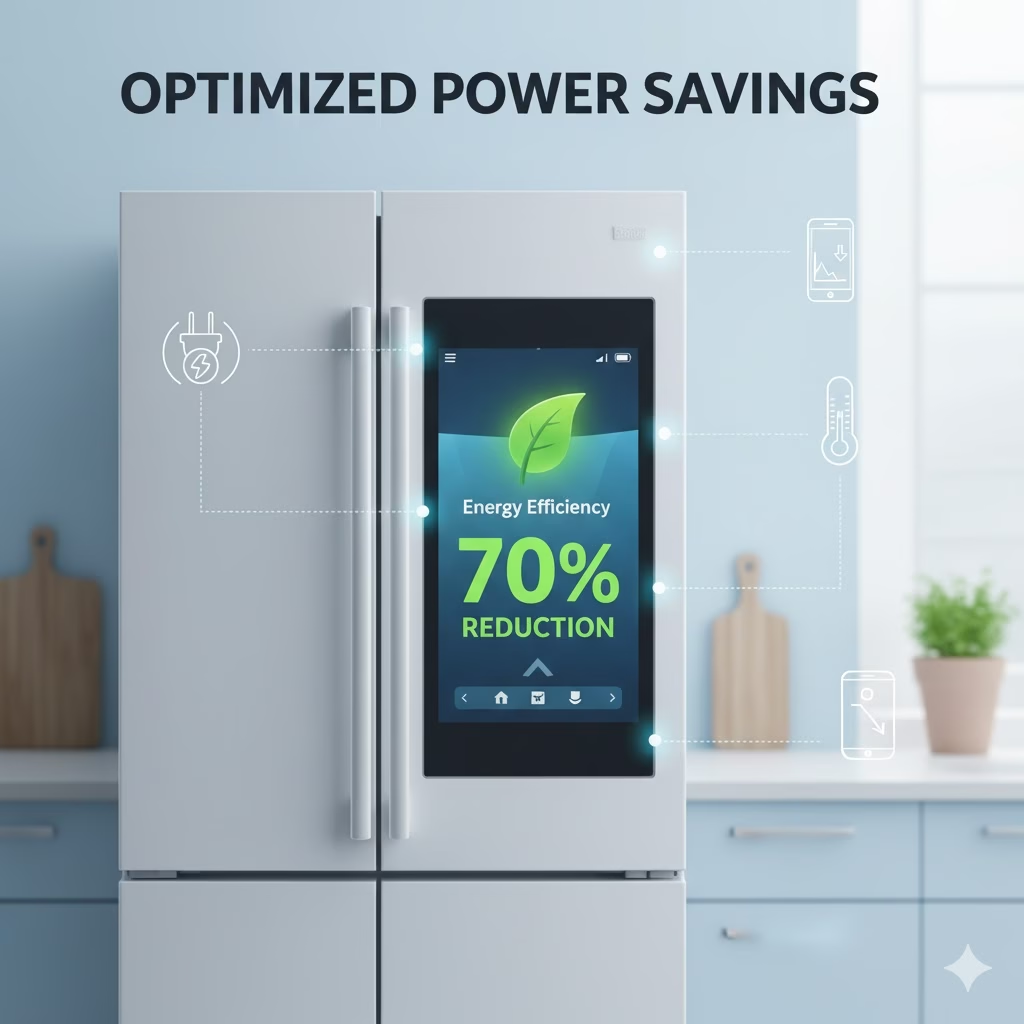
  • Smart Cooling: Some systems learn when you open the door the most. Then they can adjust how they cool to save power. They might cool more just before you need it. They might use less power late at night.
  • Door Alarms: This is simple but great. The system tells you right away if the fridge door is left open. This stops power loss and food from going bad.
  • Future Maintenance: Soon, these systems could watch the fridge motor. They could warn you of problems early. This stops big breakdowns and means you don’t have to buy a new fridge so fast.

How to do it: If your FMS has power-saving features, make sure it is linked to your smart home. If the door alarm goes off, close the door right away.

4. Eating Better and More Mindfully

Sustainability is more than just waste. It is also about being aware of what you eat.

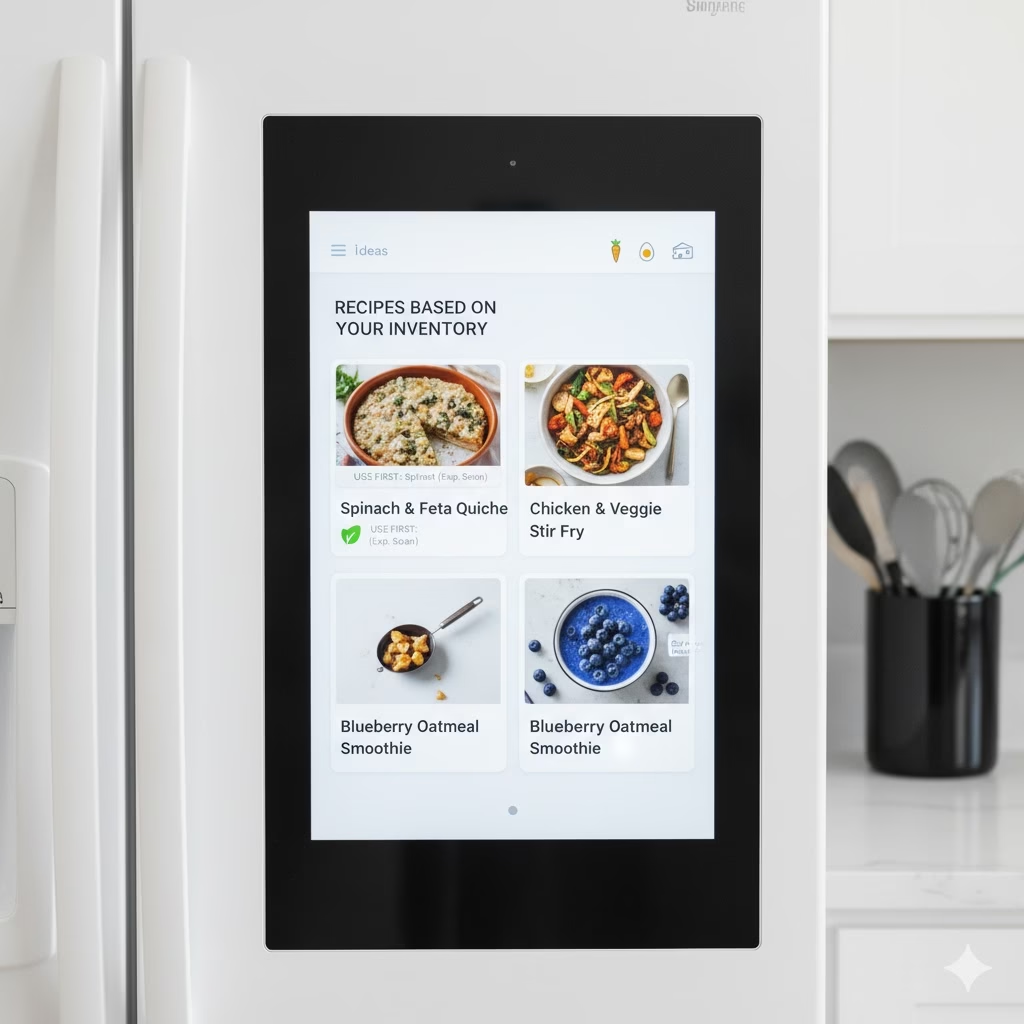
  • Recipe Help: Many FMS tools suggest recipes. They use the food you already have, especially food that is about to expire. This helps you use what you bought. It also inspires you to try new meals.
  • Diet Tracking (Coming Soon): Future FMS tools might link to health apps. They can help you track your food. They can guide you toward healthier choices based on what you have.
  • Seeing Habits: The system watches what you use. This teaches you what you eat most and what you waste most. This helps you make changes, like eating less meat and more vegetables.

How to do it: Check the recipe suggestions from your FMS often. Try to cook mainly with food you already own before you buy new items.

How to Set Up and Use a Food Management System

To use an FMS for sustainability, you need to use both technology and new habits.

Step 1: Picking Your Food Management System

This is your first step. Most FMS features are built into smart fridges and freezers. But you can also use simple apps to track your food.

  • Built-in Smart Refrigerators: Brands like Samsung (Family Hub) and LG (InstaView ThinQ) have cameras, screens, and AI food tracking built in.
    • Good Points: It works perfectly, often has recipes and calendar features.
    • Bad Points: Very high cost, only works with one appliance.

Simple Tracking Apps: Apps like Fridgely or NoWaste are manual. They can be your FMS.

  • Good Points: Very low cost or free, works with any fridge, you can change the settings easily.
  • Bad Points: You have to type in every item yourself, no automatic tracking.
  • Example: You buy apples. You open the Fridgely app. You type in “Apples,” the count, and the likely best-by date. The app will remind you later.

How to do it: If you are buying a new fridge, check the smart models. If you don’t need a new fridge, download a few tracking apps. Find one that is easy for you to use.

Step 2: The First Setup and Food List

Once you have your system, you must add all your food to it.

  • For Smart Fridges with Cameras:
    1. Clean First: Clean out your fridge and pantry completely. Throw out old food safely. Start with an empty slate.
    2. Add Items: When you put new food in the fridge, the system will try to see it with the camera. Or it will ask you to type in the item on the screen.
    3. Check and Label: Look at what the system found. Add expiration dates for fresh food.
  • For Manual Apps:
    1. Type Everything In: Go through your fridge, freezer, and pantry. One by one, type every item into your app. Add the amount and the best-by date.
    2. Group Items: Use the app’s groups (like produce, meat, dairy) to find things easily.
    3. Be Clear: Typing “Yogurt” is okay, but “Greek Yogurt, Plain, 16oz” is much better for tracking.

How to do it: Set aside a few hours for the first setup. It takes effort now, but it will save you time later. Get your family to help you so everyone knows how to use it.

Step 3: Use the System Every Day

This is the most important part. This is how you create good, sustainable habits.

  • Track In, Track Out: This is the most important rule. When you buy groceries, update your system. When you use an item to cook, mark it as “used.” Smart fridges do some of this automatically. Manual apps need you to do it every time.
    • Example (Smart Fridge): You take the milk. The camera sees it is gone. If it’s the last drop, the system might ask if you want to add it to your shopping list.
    • Example (Manual App): You finish a box of pasta. You open your app, find “Pasta,” and mark it as “consumed.”
  • Check Often: Set a reminder to check your FMS every week. Look for food that will expire soon.
    • Plan Meals: “The spinach is bad in 2 days. I will make an egg bake tomorrow and a smoothie the next day.”
    • Use or Freeze: If you cannot use fresh food in time, freeze it. You can freeze vegetables or turn old fruit into smoothies.
  • Plan Meals with the FMS: Use your food list as the main guide for your weekly meals. What do you have to use? Then, you only buy the missing items.

How to do it: Use the FMS as part of your normal kitchen routine. Look at the system before you cook. Look at it before you shop. You need to be consistent to get the best results for sustainability.


Overcoming Challenges

Food Management Systems are great, but they can be tricky at first:

  • Takes Time at First: Learning a new system takes time. Stick with it!
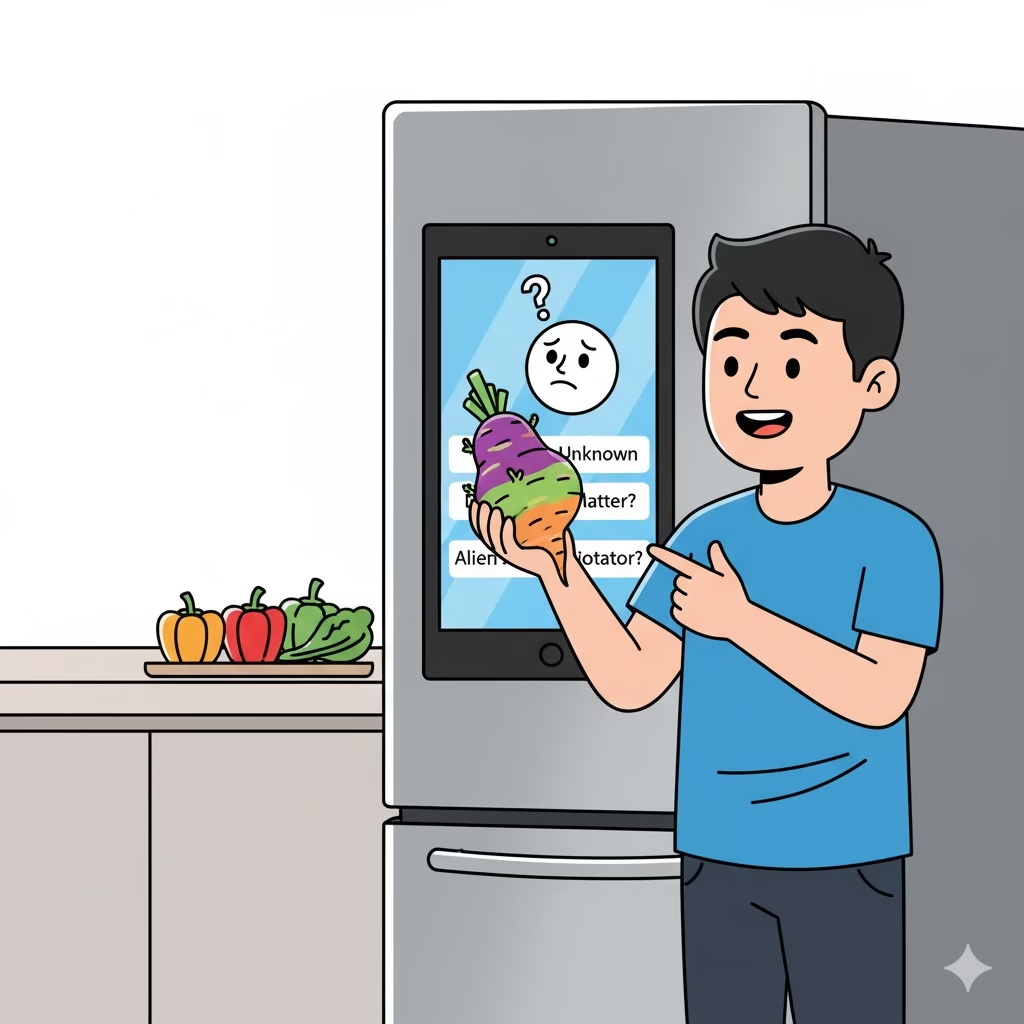
  • Not Always Perfect: AI can struggle to tell different types of greens apart. You may have to fix the list yourself.
  • Needs Barcodes: Many systems need barcodes. Fresh food without a package needs you to type the name in yourself.

How to do it: Don’t try to track everything at once. Start with the food you waste the most. Check the privacy settings to see how your data is used.


The Future of Food Management and Sustainability

This technology is always getting better. We can expect to see:

  • Smarter AI: The AI will be better at knowing food without packages. It will be better at guessing how long food will last.
  • Health Links: The system will link to health apps. It will suggest healthy food choices based on what you have.
  • Sustainability Scores: An FMS might give you a score. It will tell you how well you are doing at saving power and reducing waste.
  • Automatic Shopping: Direct links to online stores. The system will order main foods when you run out. This saves you more time.
  • Full Home Tracking: The system will move past the fridge to track all the food in your kitchen.

Imagine a kitchen that helps you eat well, never waste food, and save the planet. All without any effort. This future is close. The Food Management System is the start.

By using this technology, we move past just storing food. We start managing it smartly. We make our kitchens more efficient and sustainable. The path to a smarter, zero-waste home starts with knowing what is in your fridge.


Frequently Asked Questions (FAQ)

Q1: What is the main benefit of a Food Management System for sustainability?

A1: The biggest help is cutting down food waste. It gives you a live list of your food. And tracks when food expires. It suggests meals using the food you already have.

Q2: Are Food Management Systems expensive?

A2: Smart fridges with a built-in FMS are high-cost items. But simple food tracking apps are free or cheap. This means everyone can use the technology.

Q3: How much effort do I need to use a Food Management System?

A3: You need time for the first setup and learning. You need to update the list regularly. But the time you save from better shopping and meal planning is much more than the effort you put in.

Q4: Can a Food Management System help me save money?

A4: Yes! It stops you from wasting food. And keeps you from buying things twice. It helps you shop better. An FMS will save you a lot of money on groceries over time.

Q5: What if my Food Management System doesn’t recognize an item?

A5: You can usually fix this. For smart fridges, you can type in the item on the screen or in the app. For simple apps, you just type it in yourself. This happens most often with fresh food that has no packaging.

Q6: Is my data private with a smart Food Management System?

A6: This depends on the company that made the fridge or app. Always read their rules. Most will let you change settings to control how your data is used.


References


Recent Posts


Uncover the 10 Sustainable Secrets of the Air Fryer

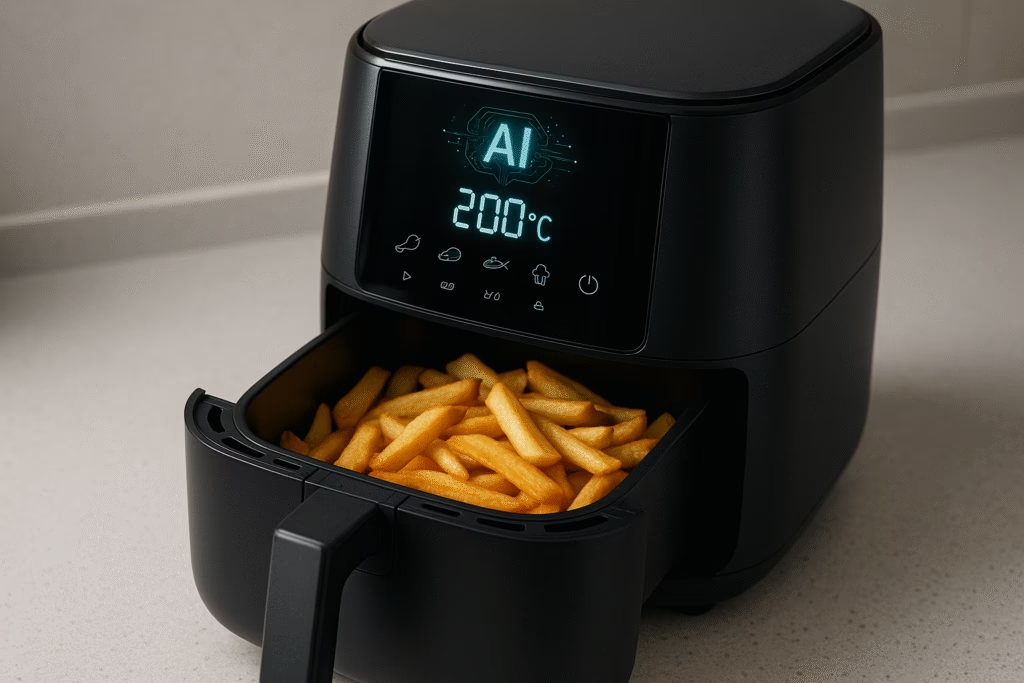
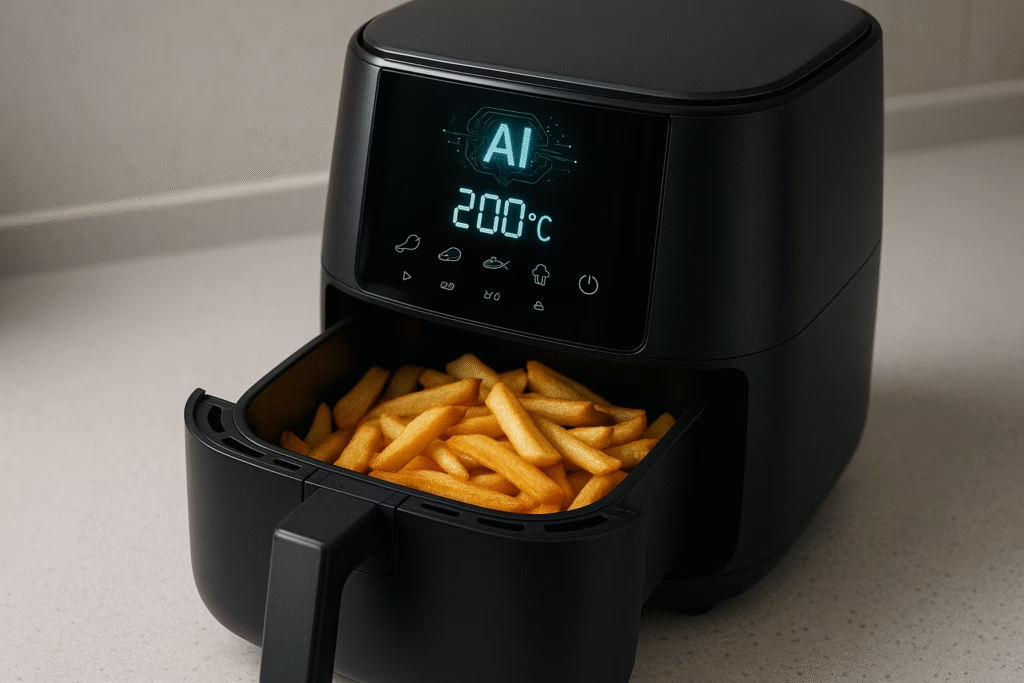
A sleek, modern black air fryer with a digital display showing "AI" and "200°C" is on a kitchen counter. The drawer is pulled out, revealing a generous batch of perfectly cooked, golden-brown French fries. This image highlights the efficiency of the air fryer, which is one of the 10 Sustainable Secrets to reducing energy use in the kitchen.
10 Sustainable Secrets

Uncover the 10 Sustainable Secrets of the Air Fryer

As a busy home cook, I love finding ways to make life easier and greener. I know the struggle of trying to be sustainable while also getting dinner on the table quickly. I have spent years learning how small changes to our appliances can make a big impact on the environment. Join me as we explore the surprising ways the simple air fryer can be a powerful tool in your own green kitchen revolution and reveal its 10 Sustainable Secrets.


Introduction

The air fryer is a popular kitchen machine. It has become a must-have for many home cooks. And can turn frozen foods into crispy, golden snacks. It also makes weeknight meals fast and simple. Many people first bought an air fryer because of the health benefits. It lets you ‘fry’ food with very little oil. However, its true value goes far beyond healthier eating. The modern air fryer is actually a champion of sustainability. It uses smart design and technology. This fits perfectly with an eco-conscious way of life.

Living sustainably means we must look at how much energy we use. We must check how products are made. We must also think about how long they last. Kitchen appliances often use a lot of power. They can drain a lot of energy. By looking at ten main features, we can see the air fryer’s true potential. It is a real green hero. These ten points are not just small add-ons. They are built-in ‘secrets’ that work together. That lower your energy use. And cut down on waste. They help create a healthier planet.

Let’s look closely at how this machine is built and how it works. We will Uncover the 10 Sustainable Secrets of the Air Fryer.


1. Energy Efficiency Through Concentrated Heat

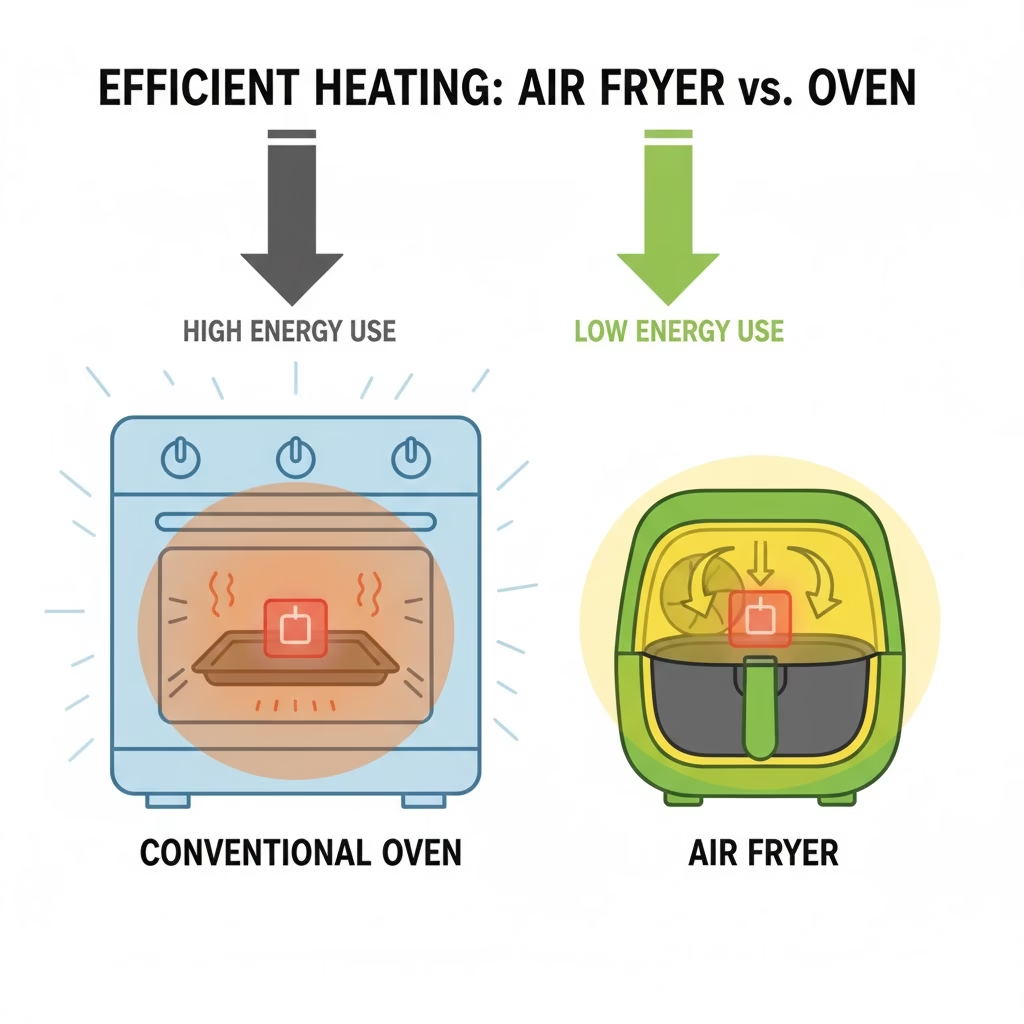
The top sustainability secret of the air fryer is how it works. It heats a small space quickly and well. This makes it super-efficient. A normal large oven needs a lot of energy to heat up. It must keep the heat high across its big inside area. The air fryer works differently. It uses a strong heat source and a fan in a tiny space. This cuts energy waste a great deal.

Example:

Think about making roasted vegetables or chicken wings. A regular oven might need 10 to 15 minutes to preheat to 400°F (200°C). Then it needs 30 minutes to cook the food. The air fryer needs less than a minute to preheat. It also cuts the total cooking time a lot. Sometimes it uses less than half the time of a full oven. This high efficiency means you use fewer kilowatt-hours (kWh). This lowers your power bills. It also shrinks your carbon footprint.

How to Do It:

Try to use the air fryer for every food item that will fit. Do not just preheat your big oven out of habit. Even for foods you usually bake, try an air fryer recipe. This includes small pies or cookies. This small change in your routine makes the most of the machine’s heat power. It saves a lot of energy over time.

2. Multi-Functionality: The Appliance Reducer

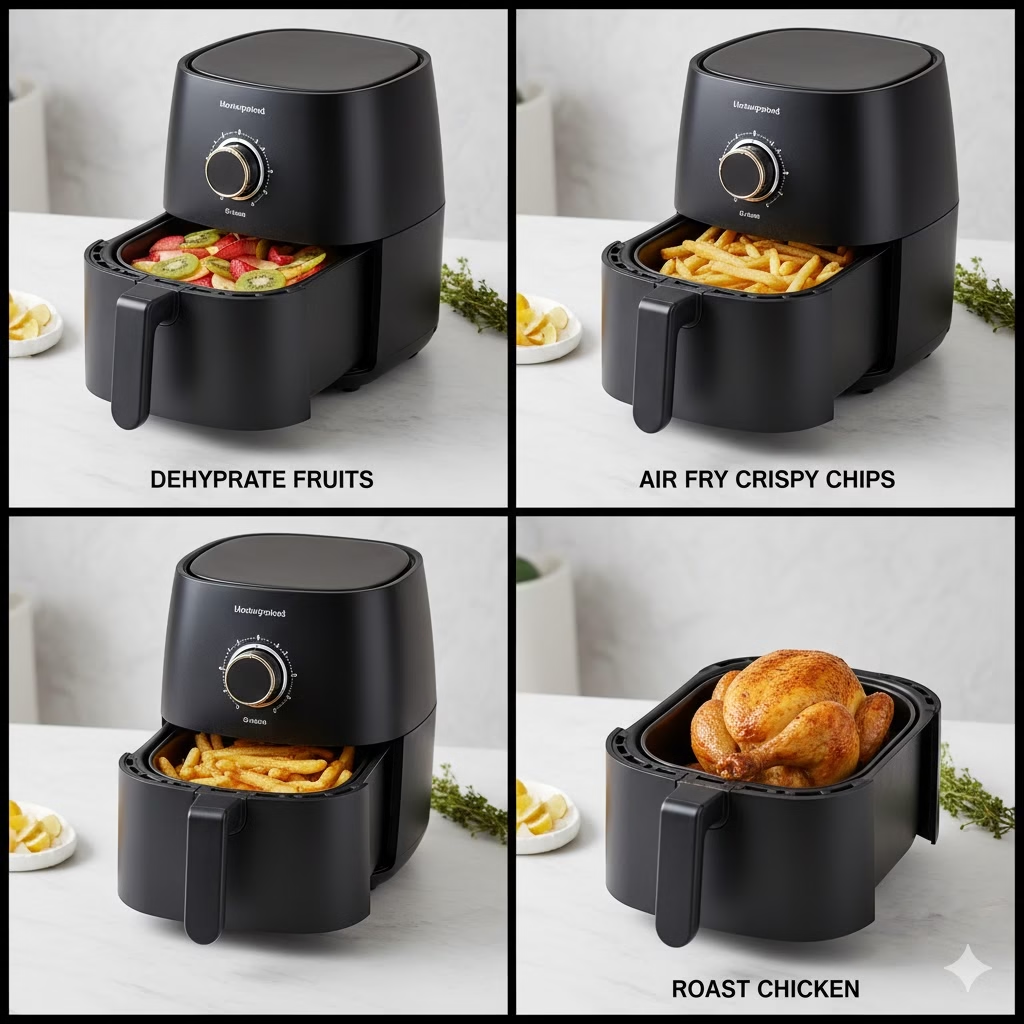
A kitchen full of single-use tools is costly for the planet. Think of a deep fryer, a toaster oven, a dehydrator, and an indoor grill. Each of these takes materials and energy to make. They also become electronic trash later. Many new air fryers are made to do many jobs at once. This ‘secret’ of multi-tasking cleans up your kitchen. It also cuts down on e-waste.

Example:

The best air fryer models often have different settings. They may include ‘Bake,’ ‘Roast,’ ‘Dehydrate,’ and ‘Proof.’ By joining these tasks, one air fryer can replace three or four less-efficient machines. This simple reduction in the number of products made is a strong step. It helps save natural resources.

How to Do It:

When you buy or replace a kitchen tool, choose a model that does many things well. Look for air fryers that talk about being versatile. Dehydration is a key function to look for. It lets you save food easily. This helps reduce food waste. Make a long-term, smart investment in one machine that does it all.

3. Durable and Repairable Construction

The idea of ‘Buy It for Life’ is key to sustainability. Air fryers that are strong and easy to fix are a secret weapon. They fight against the growing problem of electronic waste. Machines that break after two years because of a small, unfixable part cause a huge trash problem. They fill up landfills fast.

Example:

Top air fryer makers often use tough, good-quality parts. They design them so they can be fixed with simple replacement parts. And they might give long warranties (three to five years). They also keep spare parts in stock. These parts include baskets, heating elements, or circuit boards. This allows customers to fix the machine instead of throwing it away.

How to Do It:

Before buying, check the warranty length. See if the company offers spare parts. Read what other buyers say about how long the appliance lasts. Once you own one, register your product. Follow the cleaning and care guide exactly. This will make sure your air fryer lasts for its longest possible life.

4. Non-Toxic and Responsible Coatings

Many older cooking tools use regular non-stick coatings. These often contain chemicals called PFAS. This includes PFOA and PTFE. These chemicals are harmful to the environment during manufacturing and when thrown away. The fourth sustainable secret is that companies are now using safer, better choices.

Example:

More and more manufacturers are using ceramic non-stick coatings. These are usually free of PFOA and PTFE. Some brands even use food-grade stainless steel for the cooking basket. Steel is a very strong and safe material. It completely removes worries about chemical coatings.

How to Do It:

Always read the details about the cooking surface. Look for labels that say “PFOA-free”, “PTFE-free”, or “Ceramic Non-Stick”. If you choose stainless steel, you will need to clean it a bit more carefully. However, the long-term benefit for the environment is great. It is a good trade-off.

5. Smart Programming for Optimized Use

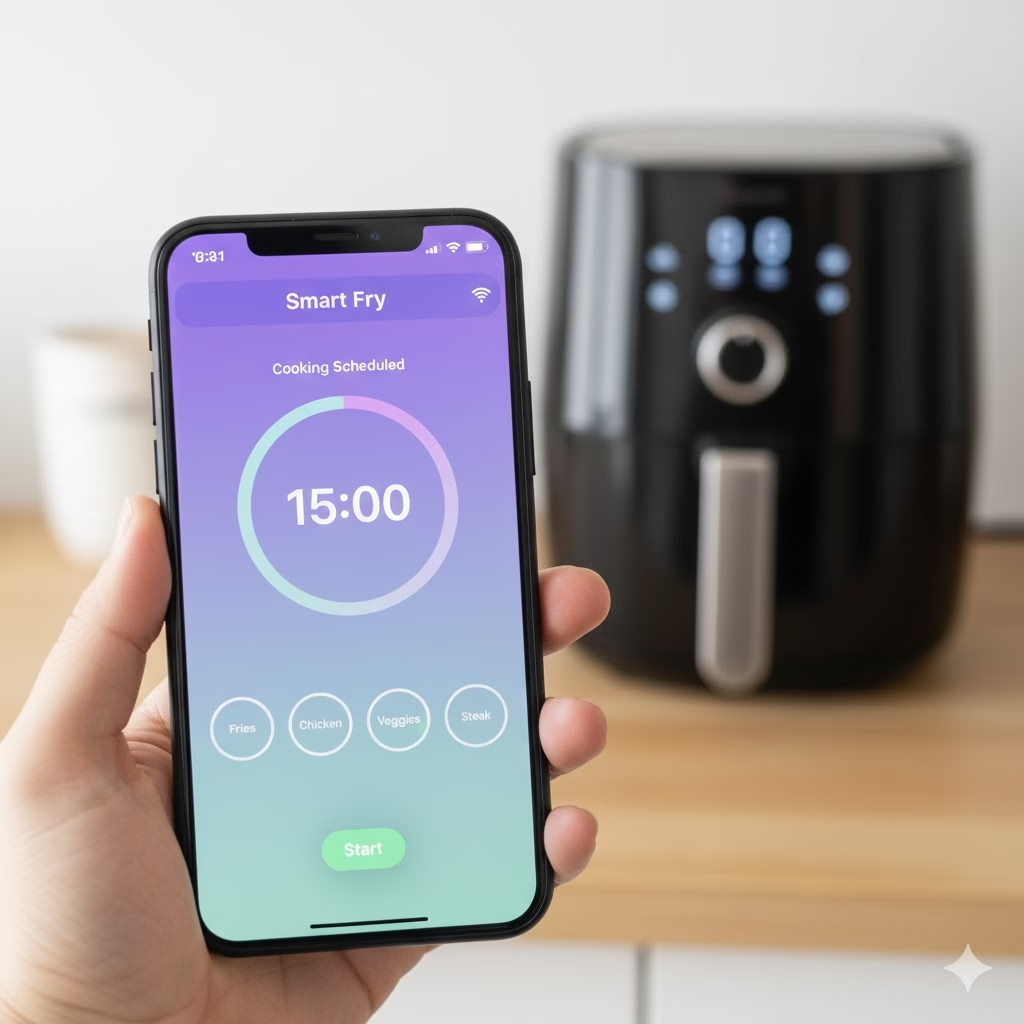
Using smart technology may seem like just a nice extra feature. But it holds a quiet sustainability secret. Air fryers with Wi-Fi let you control and schedule cooking very precisely. This uses energy in the best way. It also cuts down on food waste caused by cooking mistakes.

Example:

You can use a special app to control your smart air fryer. You can program the exact time and temperature from a recipe. This stops the need for trial-and-error cooking. Trial-and-error often means running the machine too long or ruining the food. Ruined food is wasted food. The app can also tell you when the cooking is finished. This stops the air fryer from staying on in standby mode for no reason.

How to Do It:

Connect your smart air fryer to the company’s app. Use the ready-made settings. These settings are often set at the factory to be very efficient for common foods. Try using the delayed start feature. This lets you match the cooking time with when you plan to eat. This ensures the machine does not sit idle and hot for long times.

6. Minimal Standby Power (The Vampire Draw Solution)

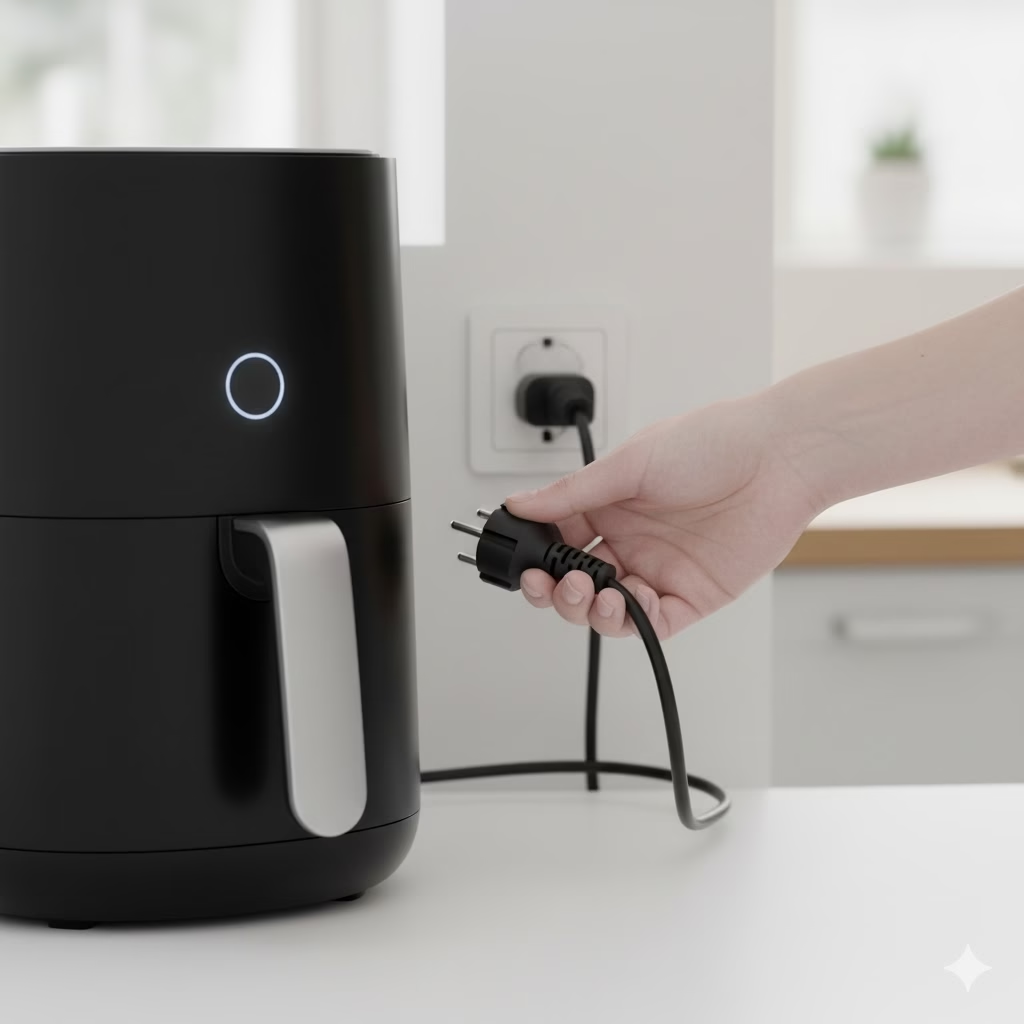
Almost every appliance that is plugged in and shows a light or a clock is using a small amount of power. This is called ‘vampire power’ or standby power. One device uses very little. But all of these devices together waste a lot of electricity worldwide. The sustainable secret here is a design that uses very little or no standby power.

Example:

Eco-friendly air fryer designs use almost zero power when they are off. They often look completely ‘dead’ when not in use. Some models have a physical power button that truly cuts the electricity flow. This means you do not have to unplug the machine from the wall.

How to Do It:

The easiest way to use this feature is to unplug the air fryer when you are done cooking. For easier use, you can plug the appliance into a power strip. Then you can just flip the switch on the strip to turn off the power. A smart plug is also a good choice. It can track and cut the power use when the machine is not cooking.

7. Reduced Use of Cooking Oils and Fat

The air fryer does not need to use zero oil. But its main purpose is to cut down hugely on the need for deep-frying. This oil reduction is a strong sustainability secret. Its effect goes far beyond just your health. Less oil used means less energy spent on making, packaging, and shipping cooking oils.

Example:

A traditional deep fryer needs litres of oil. This oil must be heated, cleaned, and finally thrown away. The oil disposal is often done wrongly. This can harm city water systems. An air fryer only needs a quick spray or a small tablespoon of oil. This gives you great results while cutting down greatly on waste oil.

How to Do It:

When you get your food ready, use a spray bottle to put a light mist of oil on it. Do not pour the oil. After cooking, before cleaning the basket, use a paper towel to wipe up any extra oil or fat. This simple step stops the fat from going down your sink. This helps protect local water systems.

8. Recyclable and Minimalist Packaging

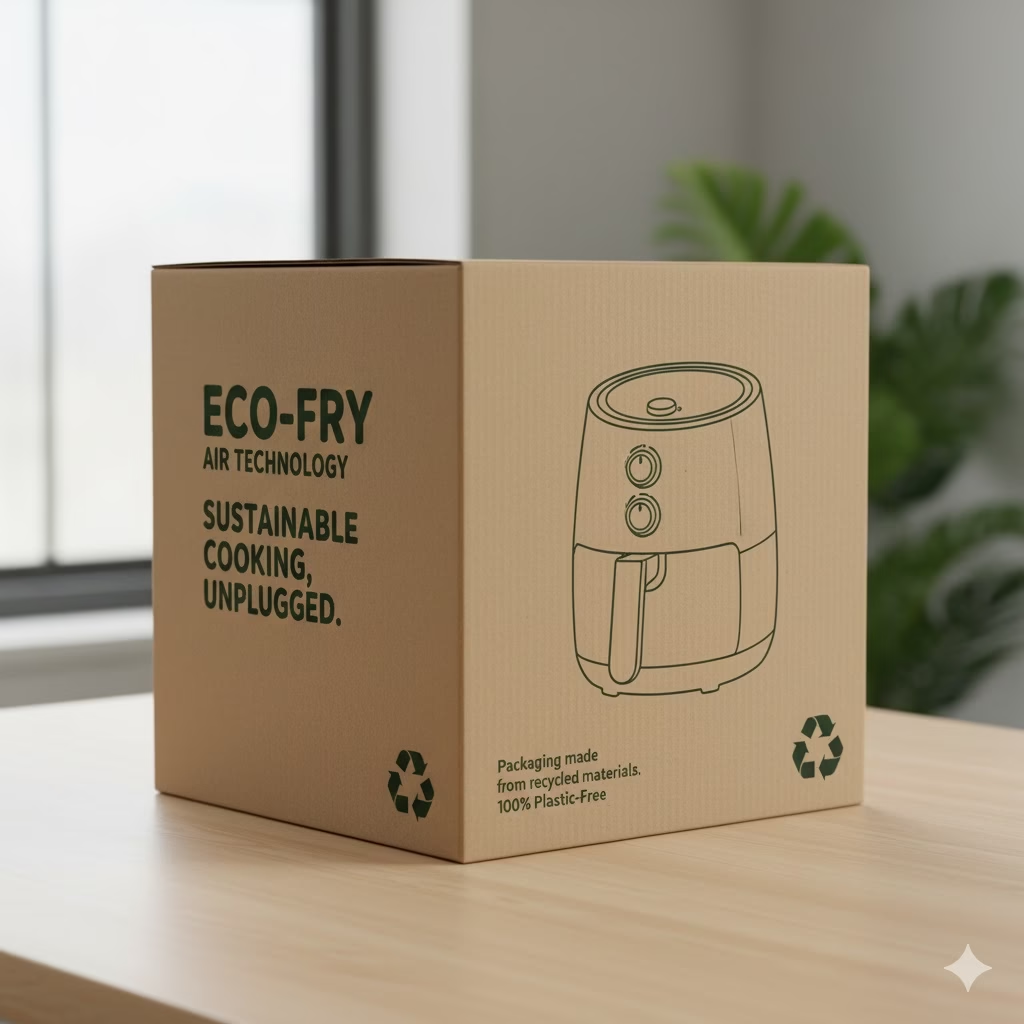
The air fryer’s journey to being sustainable starts with its box. Green-minded companies use the secret of simple, recyclable packaging. This cuts down on waste before the machine even gets to your kitchen. It is an important first step.

Example:

Sustainable brands avoid using too much Styrofoam. Styrofoam is a plastic foam that is hard to recycle. Instead, they use shaped cardboard. They use paper pulp inserts. And use very little plastic wrap. They often use plant-based inks on the boxes. They make the boxes smaller to save fuel during shipping.

How to Do It:

When you unpack your air fryer, sort the trash right away. Put all the recyclable materials like cardboard and paper manuals together. Separate any soft plastic wrap. Send a quick message to the company. Tell them thank you for the eco-friendly packaging. Or tell them how they can improve. Customer feedback helps guide companies to be better.

9. Easy-Clean, Dishwasher-Safe Components

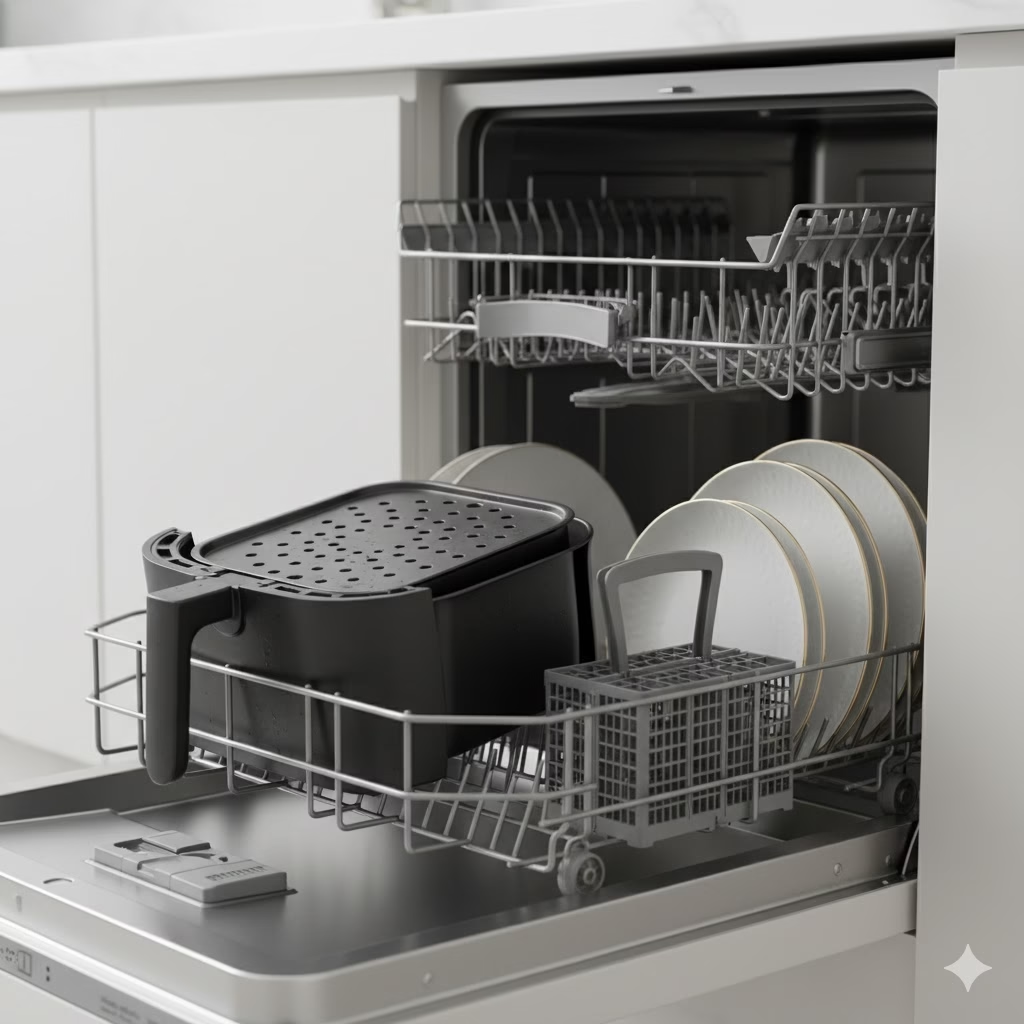
The ninth secret helps save water and cleaning chemicals. If a machine part is hard to clean, people use too much water to soak it. They often use strong, chemical-filled cleaning products. Air fryers with parts that are easy to clean help stop this waste.

Example:

A basket and crisper plate that are non-stick and safe for the dishwasher are best. They help you clean using less water. The smooth shape of the parts stops food from getting stuck in corners. Stuck food leads to a lot of water being wasted during manual cleaning.

How to Do It:

Clean the parts as soon as you are done cooking. Clean them while they are still a little warm (but not hot!). This stops food from baking onto the surface. Put all the safe parts in the dishwasher. If you wash by hand, choose an eco-friendly, natural dish soap.

10. Sustainable Sourcing of Materials

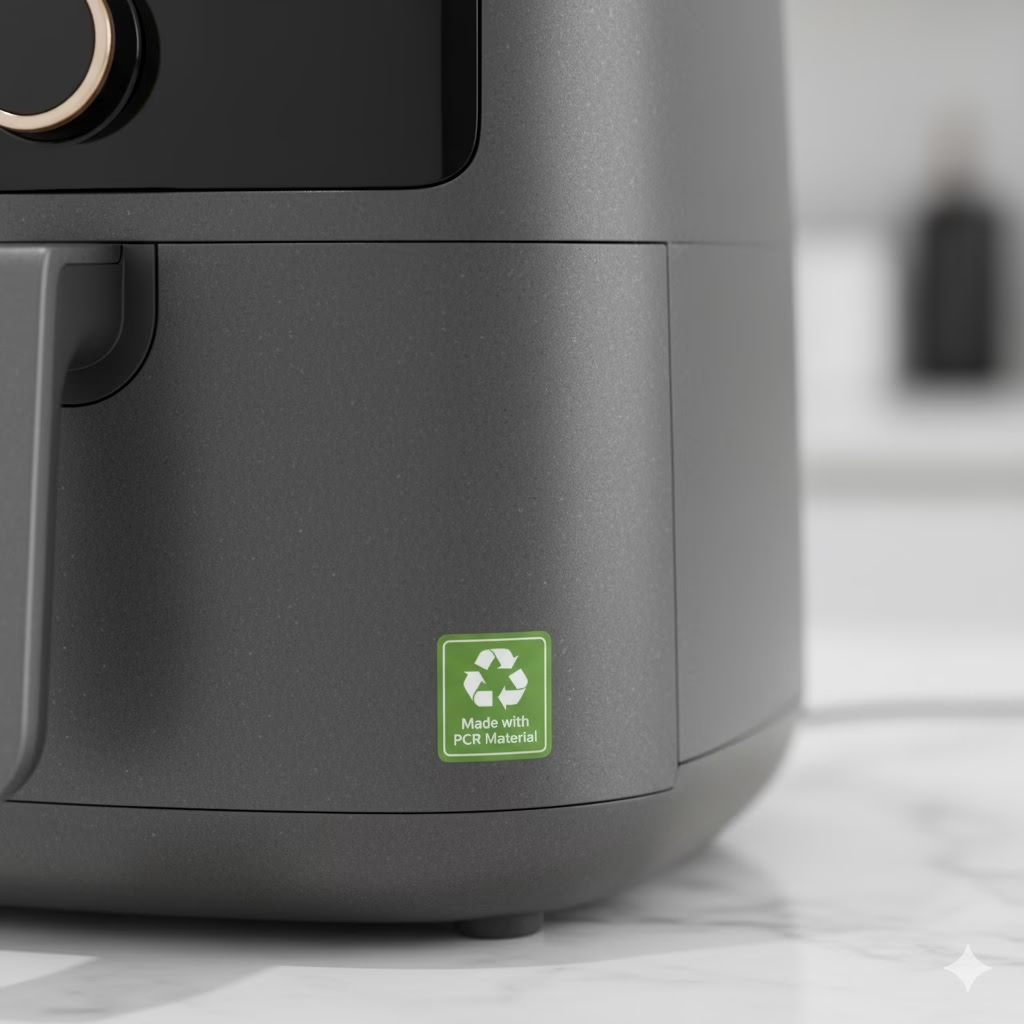
The last, and often most hidden, sustainable secret is using recycled content. This is called Post-Consumer Recycled (PCR) material. It is used to build the appliance. This practice lowers the need for new resources. Creating new materials takes a lot of energy for mining and processing.

Example:

Some air fryer casings and plastic inner parts are now made with PCR plastic. Also, the metals in the heating elements and outer shell may come from certified recycling programs. This information is not always easy to see. But it shows a company’s strong commitment to a circular economy.

How to Do It:

This requires some digging. Look beyond the main product details. Check the company’s official reports on sustainability. Look for their commitment to the environment. Some companies will clearly state that they use PCR content in their products. This makes it simpler for you to choose the greener product.


Conclusion

The modern air fryer is much more than a simple machine for making crispy food. It has features like super-efficient heating and multi-purpose design. And uses durable parts and responsible materials. It is a quiet but powerful tool for living sustainably at home.

Choosing an air fryer that has these 10 Sustainable Secrets is a clear step. It helps you lead a greener life. Every time you skip using a large oven, you save energy. If you choose a machine that lasts, you reduce waste. Every time you clean the non-toxic basket with less water, you help the planet. The secret is now known: your air fryer is a green appliance ready to change the way you think about kitchen sustainability. It makes being eco-conscious easy.


Frequently Asked Questions (FAQ)

Q: Does the air fryer save a lot of energy compared to a regular oven?

A: Yes, the energy savings are big. This is mostly because the air fryer heats up a much smaller space. It needs less energy to preheat. It also cooks food faster. For small to average-sized meals, the energy saved can be huge over a year.

Q: Are air fryers made without PFOA/PTFE just as strong as older ones?

A: Coatings without PFOA/PTFE, like ceramic, can be very strong. But they need careful use. Do not use metal tools on them. The main benefit is stopping the use of harmful chemicals in production and disposal. This makes them a more responsible choice.

Q: How can my air fryer help me waste less food?

A: The air fryer helps cut food waste in two main ways. First, it offers very accurate cooking. This stops you from burning or overcooking food. Second, many models can Dehydrate food. This lets you save fruits, vegetables, and herbs that might otherwise spoil.

Q: If I want an easy-to-fix appliance, what should I look for?

A: Look for brands that have parts that are easy to take out and put back in. Check if the company sells replacement parts for the basket, heating element, or knobs. A long warranty (3 or more years) is a good sign. It means the company trusts the product will last and offers support for repairs.


References


Recent Posts


The Rise of Sustainable AI Kitchen Technology


A passionate home cook and tech enthusiast believes that innovation should always serve a greater purpose. With a background in environmental science, this author is dedicated to exploring how Sustainable AI Kitchen Technology can make our daily lives more eco-friendly. The author loves experimenting with new gadgets, always seeking ways to reduce waste and energy use without sacrificing flavor or convenience. Join this writer as they delve into the exciting world where culinary art meets cutting-edge, eco-conscious AI.

Sustainable AI Kitchen Technology: The Smart Way to Cook Green and Cut Waste

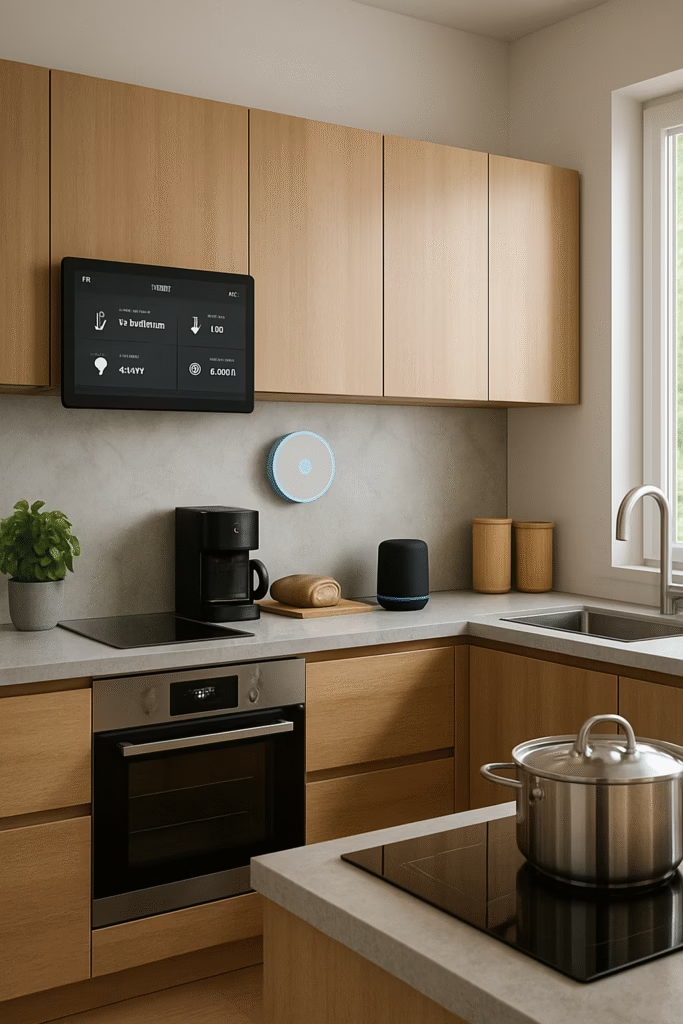
The kitchen is the center of our homes. It is changing fast. This work area is quickly becoming a place for new ideas. This is happening because artificial intelligence (AI) is now joining with our global need to be sustainable. We are at the start of a cooking revolution. Sustainable AI Kitchen Technology is a real thing, not a future dream. It will change how we cook, eat, and manage our food. This long article looks at the new ideas, ways to use them, and big impacts of putting AI and eco-friendly ideas into our kitchens.


Why Our Kitchens Must Be Sustainable

We must know why this matters before we talk about how to use it. Normal kitchens cause too much harm to the environment. We have common problems like throwing away too much food, appliances using too much power, and wasting water. Look at these simple facts:

  • Food Waste: People waste about one-third of all food made for eating globally. This is 1.3 billion tons each year. At home, this waste happens when we do not manage our food well. We forget about food that spoils. We also use the wrong amount for meals.
  • Energy Use: Kitchen devices like refrigerators, ovens, and dishwashers use a lot of power. Older models are often very poor at saving energy. This makes power bills high and harms the climate.
  • Water Use: Washing dishes and making food can use a lot of water. Water is wasted if we do not actively work to save it.

These issues show we need solutions right now. We need tools that make our kitchens smarter and more efficient. Sustainable AI Kitchen Technology steps in to help. It gives us simple tools that lessen this harm.


What is Sustainable AI Kitchen Technology?

Sustainable AI Kitchen Technology means adding AI to kitchen devices. The clear goal is to use resources better. It works to reduce waste and support earth-friendly habits. AI uses its smart ability to check data, guess future needs, and automate tasks. This helps create a kitchen that cooks great food but also works with the smallest possible footprint.

You can see this technology in many ways:

  • Smart Devices: Refrigerators track what food you have. Ovens choose the best cooking times. Dishwashers sense how dirty the dishes are and use less water.
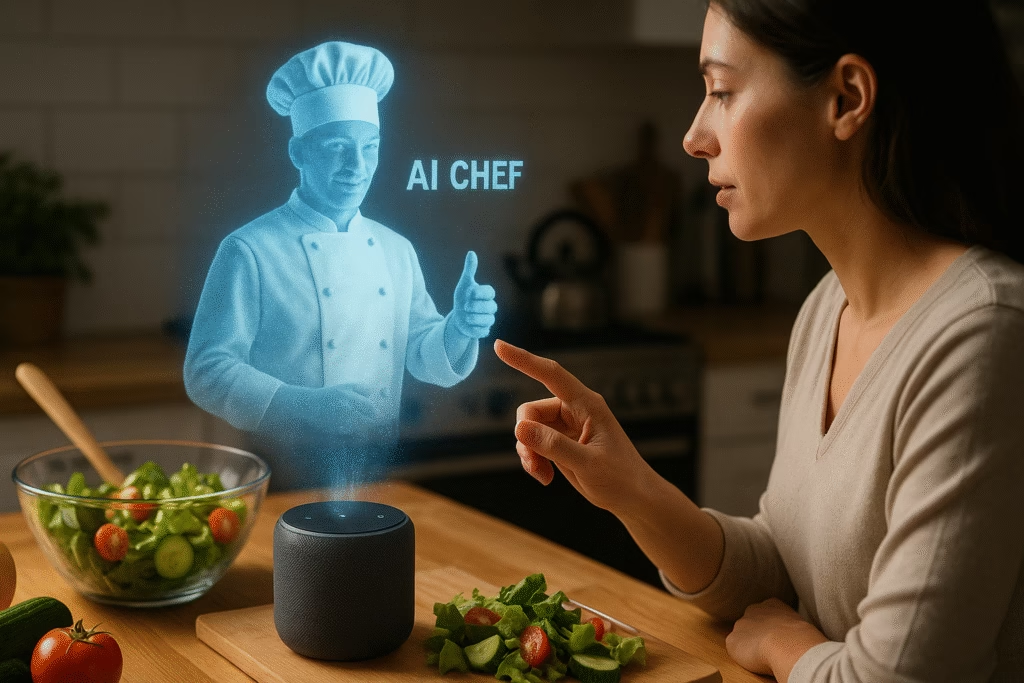
  • AI Helpers: Virtual chefs suggest personal recipes. They use what ingredients you have now. This helps you waste less food.
  • Energy Systems: AI learns how you use power. It then adjusts devices to run at times when power costs less. It can also use energy from solar panels.
  • Waste Tools: Composting devices process food scraps automatically. Other systems give you details on how much food you eat.

The main idea is ease of use combined with conscience. Every technical upgrade has an environmental purpose.


Main Ways AI Helps Create a Sustainable Kitchen

Let’s look at the main areas where AI is making a strong impact on sustainability in the kitchen.

1. Smart Food Management and Less Waste

Wasting food is a very big problem that Sustainable AI Kitchen Technology solves. AI tools are changing how we handle our food, from buying it to the final plate.

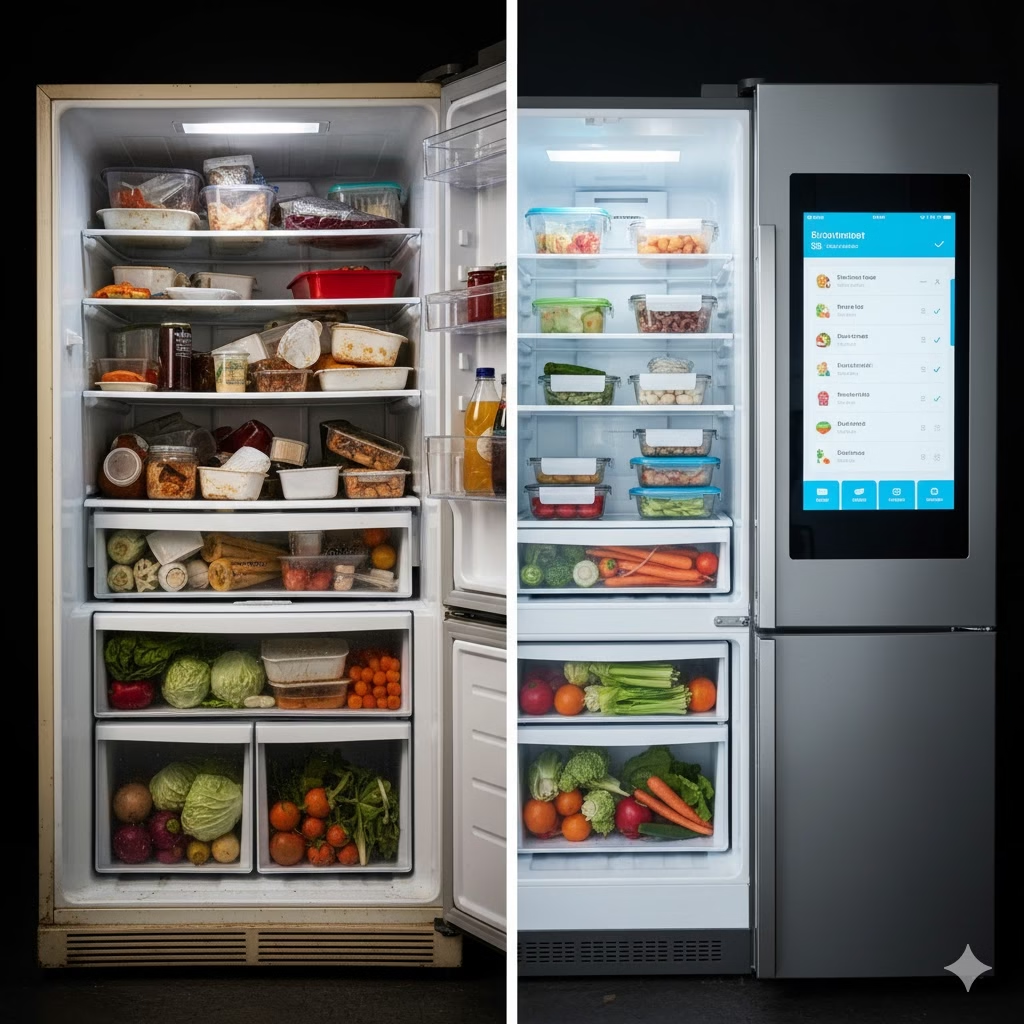
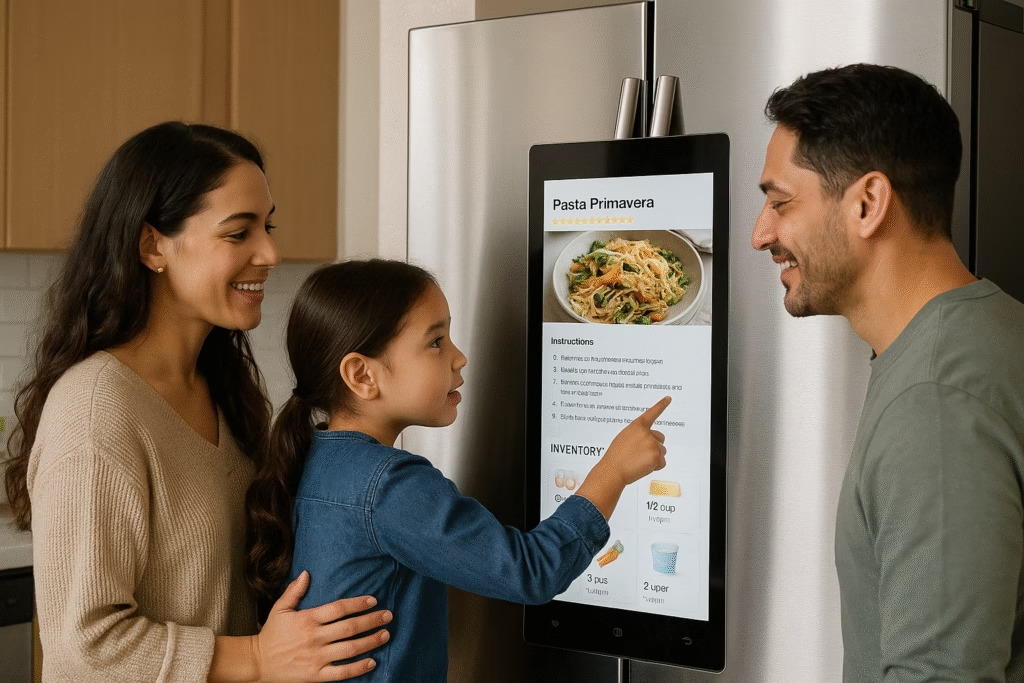
  • AI Smart Refrigerators: These fridges do much more than just keep food cold. New smart fridges have cameras inside. You can check what is in your fridge from your phone. This helps you write grocery lists and stops you from buying the same food twice. The best models use AI to track when food will go bad. They suggest recipes that use the aging items quickly. Picture a fridge that sees your spinach is old and suggests a good quiche recipe before you throw it away.
    • How to do it: When you buy a new fridge, look for features like “smart inventory management” or “internal camera view.” Large brands offer these. Use the phone app often to see what is inside and plan your meals.
  • AI Recipe and Meal Planning: AI does more than suggest recipes for food you have. It can make full meal plans that cut waste before you even shop. AI knows your food likes, how long food lasts, and local sales. It uses all this to make smart and low-cost shopping lists and meal schedules.
    • Example: Apps like ‘Fridge Pal’ or ‘Chef’s AI’ let you enter what food you have. They then create many recipe ideas. Some apps even connect to food delivery to suggest the exact amounts you need.
    • How to do it: Download a smart app that uses AI for meal planning. Put in your diet needs, favorite meals, and what food you have. Let the AI plan your meals and lists. Change the plan each week to match your real consumption.

2. Energy Efficiency and Better Device Use

The amount of energy used by appliances is another big problem for the environment. Sustainable AI Kitchen Technology makes appliances better at saving energy.

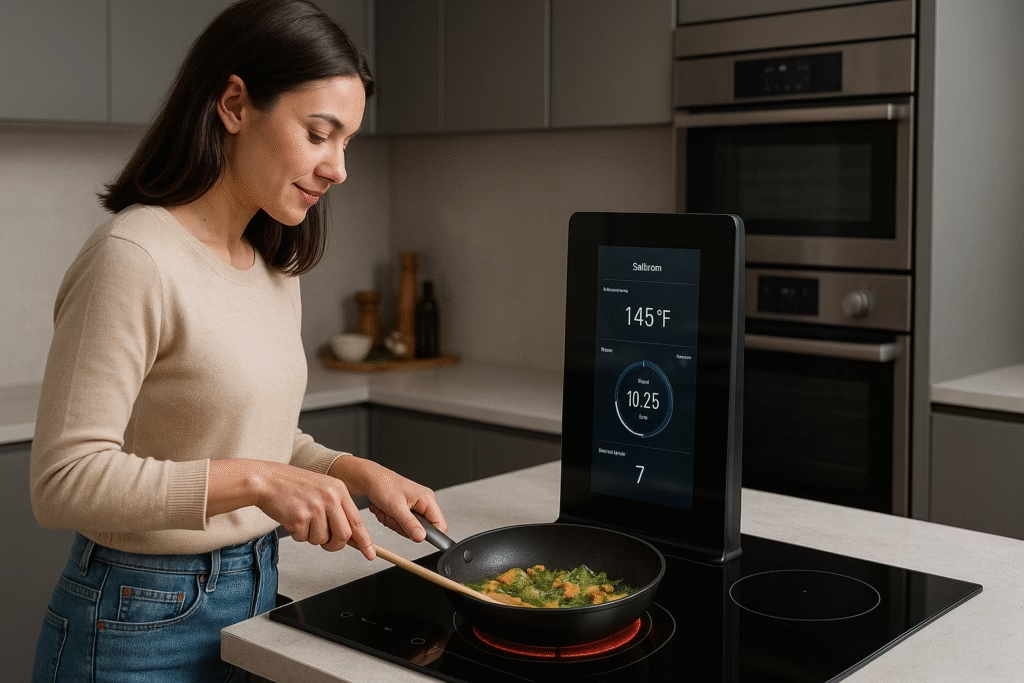
  • Smart Ovens and Cooktops: AI in ovens can learn your cooking style. It only preheats when needed. And changes cooking times and heat based on the food. It knows if the food is frozen or thawed. Cooktops that use induction are often smart. They sense the pot size and only heat the needed spot. This saves a lot of wasted energy.
    • Example: The June Oven uses AI to know what food you put in. It chooses the right cooking program automatically. Brands like Bosch and LG sell smart ovens you can control from far away. This lets you schedule preheating to save power.
    • How to do it: Buy smart ovens or cooktops that have AI help and remote control. If your power company gives cheaper rates at certain hours, program your devices to work during those times.
  • AI-Enhanced Dishwashers: New dishwashers use AI to sense how dirty the plates are. They change the water heat, cycle length, and soap used. This avoids wasting energy and water on cycles that are too long or too hot.
    • How to do it: Look for features like “soil sensor technology” and “eco-mode” when you buy a dishwasher. Run the machine only when it is totally full. Use the AI-optimized settings to get the best efficiency.

3. Saving Water

Water is precious. Using it well in the kitchen is key. AI helps save water indirectly by making devices more efficient.

  • Smart Faucets and Sensors: Many smart kitchen systems use smart faucets. These faucets can pour exact amounts of water. This cuts waste. AI can also check all your kitchen water use. It gives you tips on where you can save more water.
    • How to do it: Install a smart kitchen faucet that measures precisely and works without you touching it. Check your water bills and smart home reports on water use. Find places where you can use less.

4. Better Composting and Recycling

AI also helps manage what is left over. It works to manage waste, not just cut consumption.

  • Smart Composting Systems: These devices check your food scraps. They create the best conditions (heat, moisture) for composting. They can even make the breakdown process faster. Some connect to apps. The apps show you how much waste you have turned into soil.
    • Example: Lomi by Pela is a small composter for your counter. It uses heat and friction to quickly turn food scraps into rich dirt. Future versions might use AI to choose the best cycle based on the type of waste.
  • How to do it: Find a smart composting device that fits your home. Many work well on the counter. Make using it for food scraps part of your daily routine.

5. Personal Health and Nutrition

AI can offer meal plans just for you. This helps you eat healthier. Healthy eating often means less packaged food and more careful consumption. This also helps reduce waste.

  • AI Nutrition Coaches: These apps check what you eat, your health goals, and even your genetic data. They give you meal ideas, portion advice, and smart grocery lists. This helps stop impulse buys. It makes sure the food you buy is used wisely.
  • How to do it: Try AI-driven nutrition apps (like Lifesum or MyFitnessPal with AI features). These apps give you personal meal plans. Connect them to your smart kitchen for a complete health view.

Putting Sustainable AI Kitchen Technology in Your Home

You might feel scared to change your kitchen into a smart, sustainable center. But the change is gradual. Here is a simple plan to begin:

Step 1: Check Your Kitchen’s Impact Now

First, you must know your starting point.

  • Check Food Waste: For one week, track the food you throw away. Why did you throw it out? Was it old produce? Leftovers? Too much food made?
  • Check Energy Bills: Look for times when your power use goes up. Which devices are using the most power?
  • Check Device Ratings: Look up the Energy Star ratings of your devices. Older ones usually use more energy.

Step 2: Begin Small with Smart Tools

You do not need to change your whole kitchen at once. Start with small smart devices that fix your biggest areas of waste or inefficiency.

  • Smart Plugs: Use these for smaller devices (coffee makers, toasters). They can turn the devices off when not in use. This stops them from draining power when idle.

Smart Food Scales: Some scales connect to apps. They help you measure portions exactly. This stops you from cooking too much food.

Step 3: Upgrade Big Appliances Wisely

When you need to buy a new large appliance, choose one with Sustainable AI Kitchen Technology.

  • Look for “Smart” and “Energy Star”: Be sure new devices like fridges, ovens, and dishwashers have smart features and high energy ratings.
  • Check Compatibility: Choose brands that work well together (like those compatible with Google Home or Amazon Alexa).

Step 4: Use Smart Software and Apps

Many of the most useful changes come from using smart software. You do not need new hardware for these changes.

  • Meal Planning Apps: Use AI apps to make your grocery lists and recipe ideas.
  • Smart Home Hubs: Use voice assistants (like Google Assistant) to control kitchen devices. They can set timers and give recipes without you needing to use your hands.
  • Step 5: Embrace a Whole-Life View

Remember that Sustainable AI Kitchen Technology works best when it is part of a bigger plan to live green.

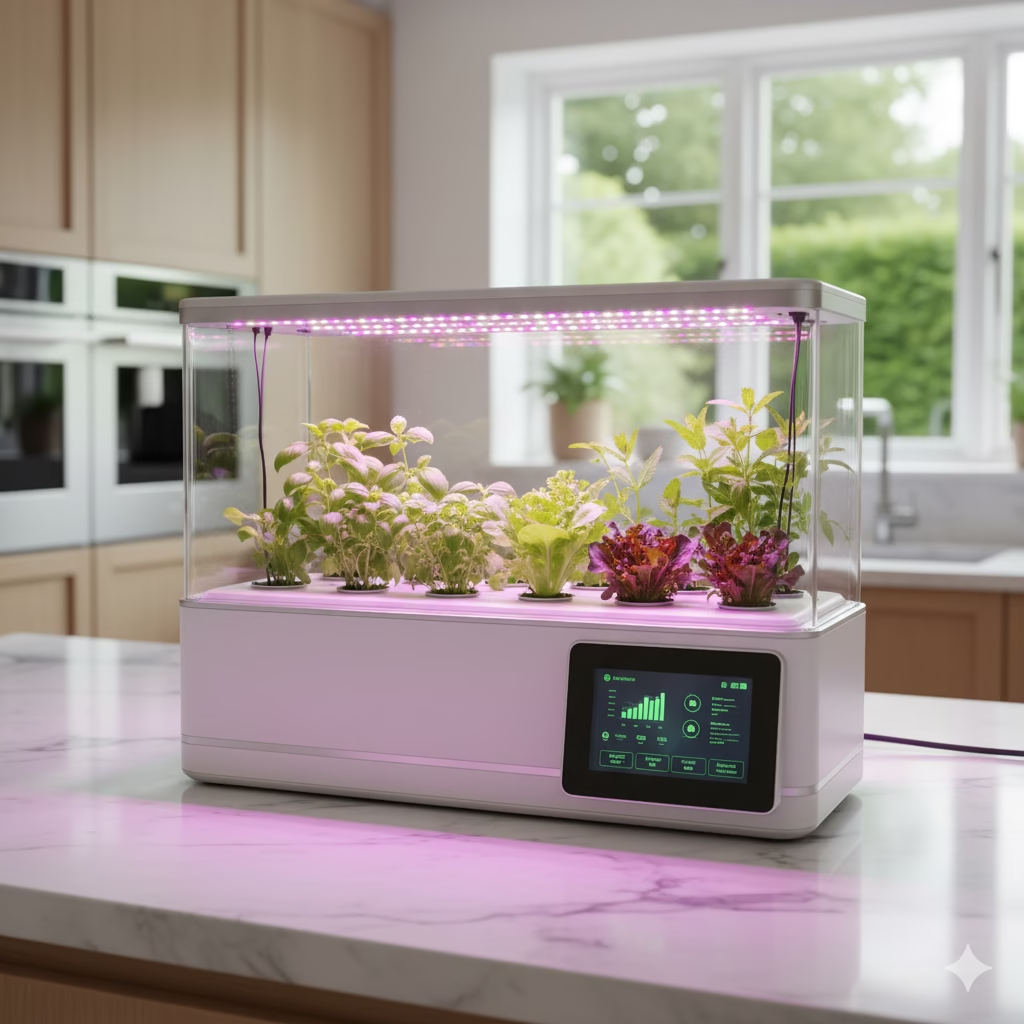
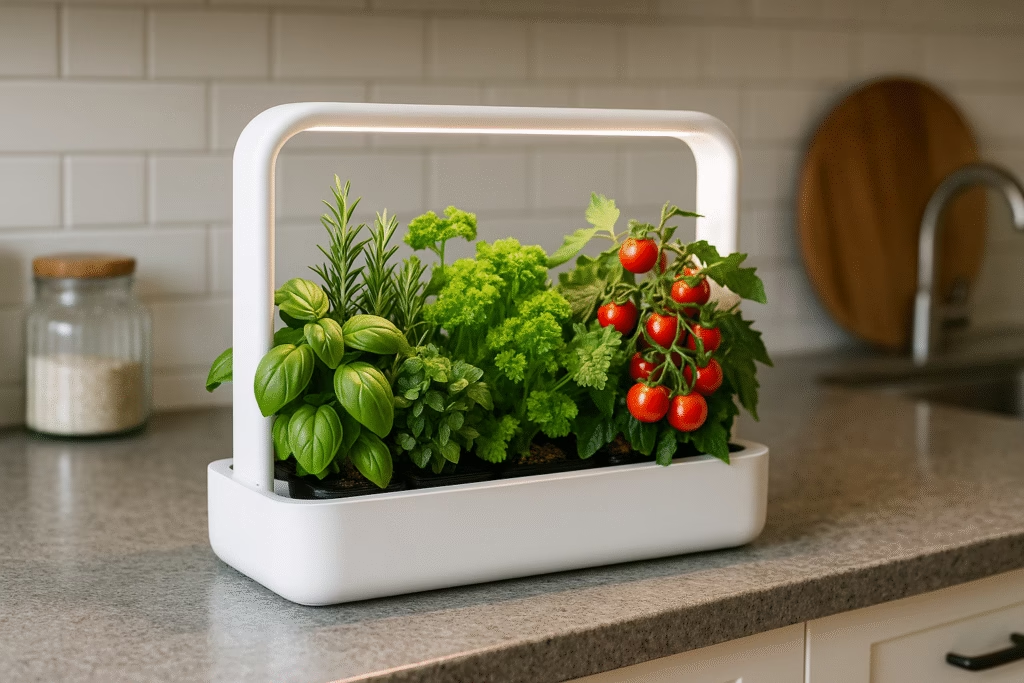
  • Grow Your Own: Think about getting a smart indoor garden. You can grow herbs and small vegetables. This cuts down on transport costs and packaging waste.
  • Smart Bulk Buying: Use AI inventory tracking. This helps you buy in bulk intelligently. You use less packaging and make fewer trips to the store. You also avoid food spoilage.

The Future of Sustainable AI Kitchen Technology

The story of Sustainable AI Kitchen Technology is just starting. What can we expect in the next few years?

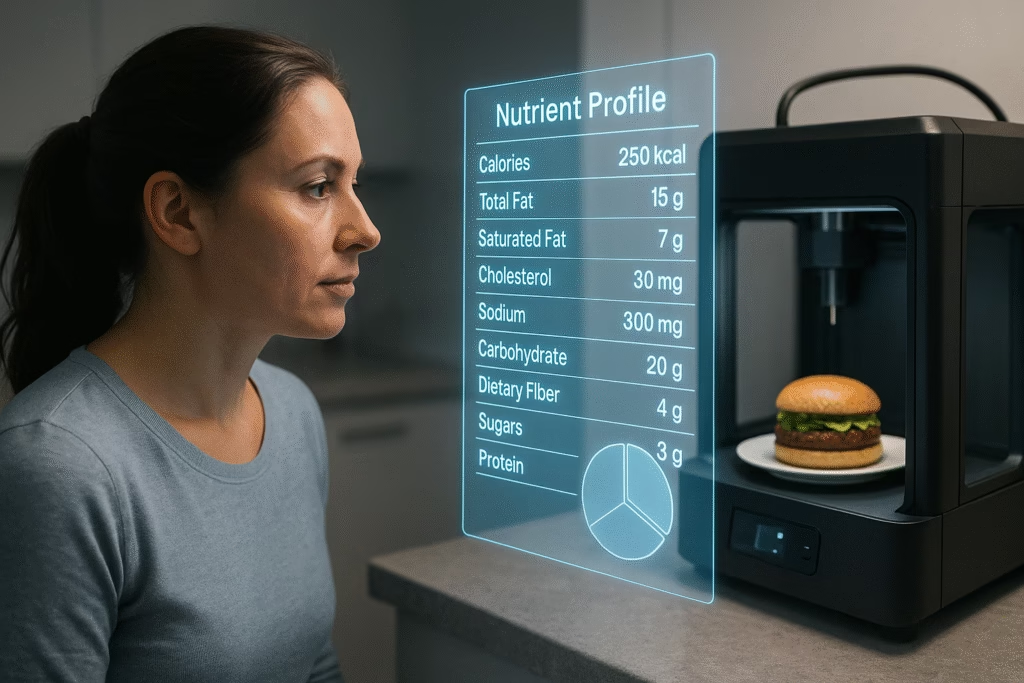
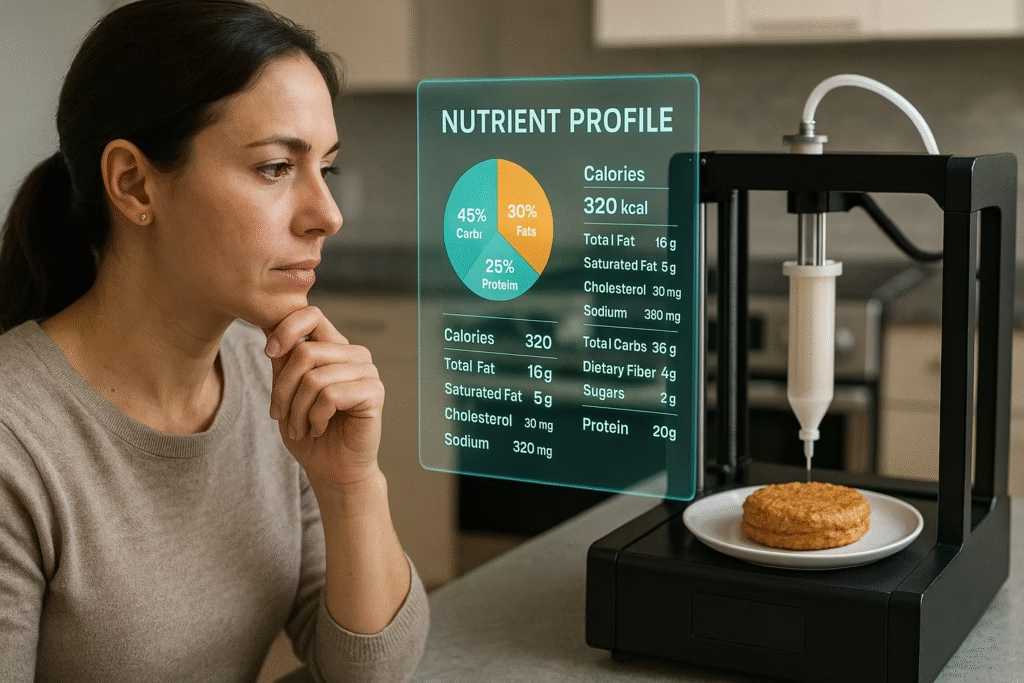
  • Extreme Customization: AI will give you even more personal control. It will learn your exact diet needs. It will then adjust food prep just for you. This might mean personalized nutrient systems. It could also mean AI-guided food 3D printing.
  • Connected Food Systems: Think of a system where your indoor garden talks to your fridge. The fridge then tells your smart oven what to cook. This is based on ripeness and family tastes. The whole time, it is managing power from your home’s solar panels.
  • Predicting Repairs: AI will know when devices are about to fail. It will suggest a fix or part change before it breaks. This helps devices last longer. It cuts down on electronic trash.
  • Closed-Loop Resource Use: Very smart AI could even manage water filtering and reuse inside the kitchen. This would cut the need for fresh water.
  • Robots in the Kitchen: Right now, this is rare. But AI-powered robotic arms could help with simple tasks like cutting or mixing. This would make preparation better. It would also reduce human errors that lead to waste.

Possible Issues We Face

The benefits are strong. But making Sustainable AI Kitchen Technology widespread has some challenges.

  • Cost: Smart, AI-enabled devices can cost more to buy at first. But you save money in the long run. The savings on power and wasted food often make up for the initial cost.
  • Privacy and Data: AI systems collect data on how you use them. They track your food likes and inventory. We must be sure this data is safe and used correctly.
  • Compatibility: The smart home market is split. We need to make sure devices from different brands can talk to each other easily. This is key for a truly connected kitchen.
  • Digital Divide: Some people may not be able to get this technology. This could increase existing gaps in society.
  • Repair and Lifespan: Devices are getting more complex. We must make sure they are designed to be fixed. They must also be built to last a long time. This is key for real sustainability, avoiding electronic trash.

We must all work together to fix these problems. Companies, governments, and users must ensure that Sustainable AI Kitchen Technology is easy to get, safe, and truly helps all people and the planet.


Conclusion

The kitchen is now much more than just a place to make meals. It is becoming a smart, living system. It actively helps create a more sustainable future. By using Sustainable AI Kitchen Technology, we can greatly reduce food waste. We can use energy and water much better. We can make smarter choices about how we live. This is an exciting new time where ease meets conscience. Innovation works to help the planet. As we use AI in our cooking lives, we are not just cooking smarter. We are cooking for a better world. The rise of Sustainable AI Kitchen Technology promises a future where our homes are models of environmental care.


FAQ

Q1: What is the main good thing about Sustainable AI Kitchen Technology?

A1: The main good thing is cutting harm to the environment. It does this by wasting less food, using less power, and saving water. It also makes cooking easy and personal.

Q2: Does Sustainable AI Kitchen Technology cost a lot to put in?

A2: Buying AI smart devices can cost more at the start. But in the long run, the money you save on power bills and wasted food makes it worth the cost.

Q3: How does AI help me waste less food in the kitchen?

A3: AI helps by tracking food in smart fridges. And watches dates when food goes bad. It suggests recipes for the food you have. It also plans meals better so you do not buy too much food.

Q4: Can I add this technology to my old kitchen, or do I need a new one?

A4: You can start small. You can use smart apps or small devices like smart plugs. When you need a new big appliance, choose one with AI features. You do not need a full remodel right away.

Q5: Give me some examples of Sustainable AI Kitchen Technology.

A5: Examples include smart fridges that track food, AI ovens that cook perfectly, dishwashers with dirt sensors for better cleaning, smart compost devices, and AI meal planning apps.

Q6: Should I worry about my privacy with AI Kitchen Technology?

A6: Yes, privacy is a worry with all smart tech. AI systems track what you do. You should pick trusted brands and read their rules to keep your information safe.

Q7: How does this technology help me save energy?

A7: AI saves energy by making devices run better. Smart ovens heat up efficiently. Dishwashers use the right cycles. You can control them from far away to avoid waste. AI also learns to run devices when power is cheapest.

Q8: What is the simplest way to make my kitchen more sustainable with AI?

A8: The easiest start is using an AI-powered meal planning app. This helps you manage groceries and recipes to waste less food. You can also use smart plugs to manage the energy of small devices.


References

  1. FOA – Global food losses and food waste
  2. Energy – Energy Star
  3. Juneoven – June Oven: 12-in-1 Countertop Convection Oven

Recent Posts


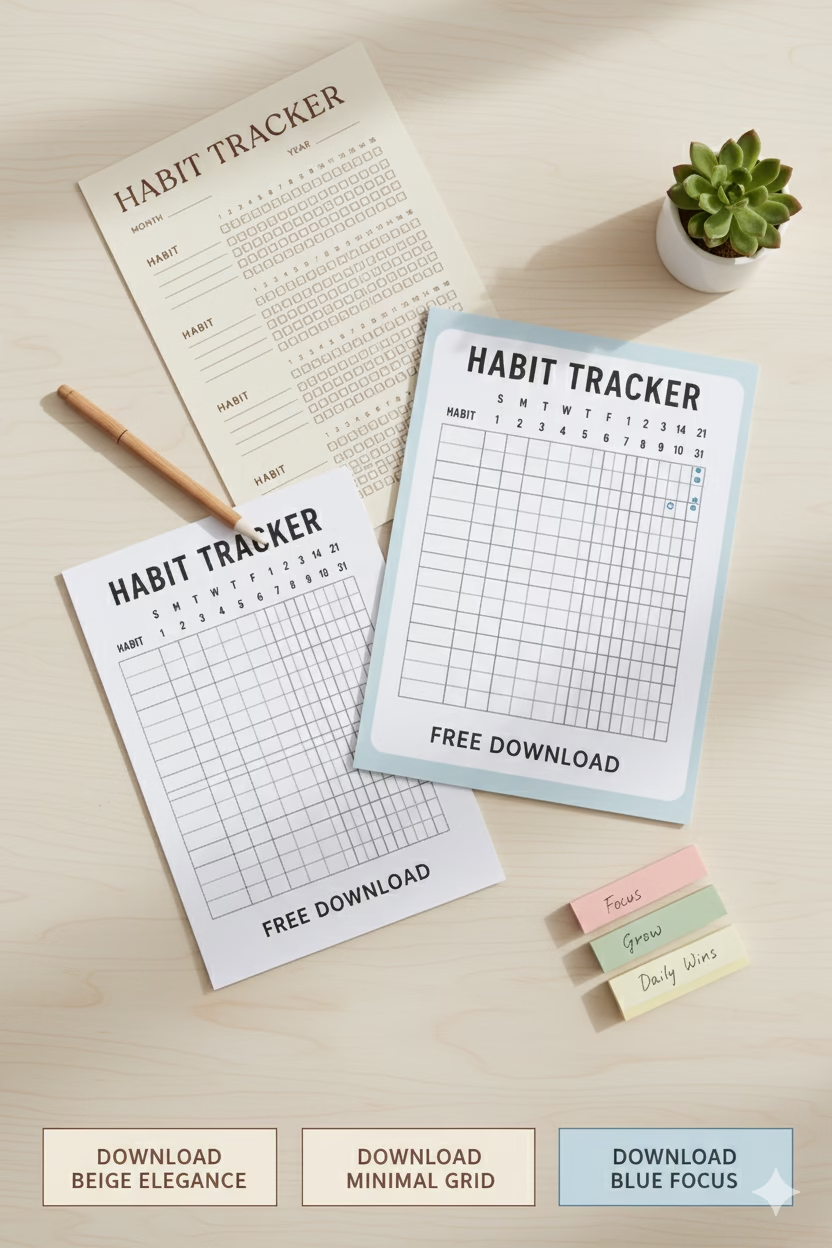
Habit Tracker Planners: Cultivate Consistency, Achieve Your Goals

Welcome to your new journey of self-improvement and goal attainment! Our meticulously designed Habit Tracker Planners are here to empower you in building lasting habits and transforming your daily routines. We understand that consistency is key, and our planners provide the perfect visual aid to keep you motivated and accountable.

Whether you’re aiming to incorporate a new fitness regimen, dedicate time to learning, or simply track your daily mindfulness, these planners offer a clear, intuitive way to monitor your progress and celebrate every step forward. Start small, stay consistent, and watch your desired habits become second nature.

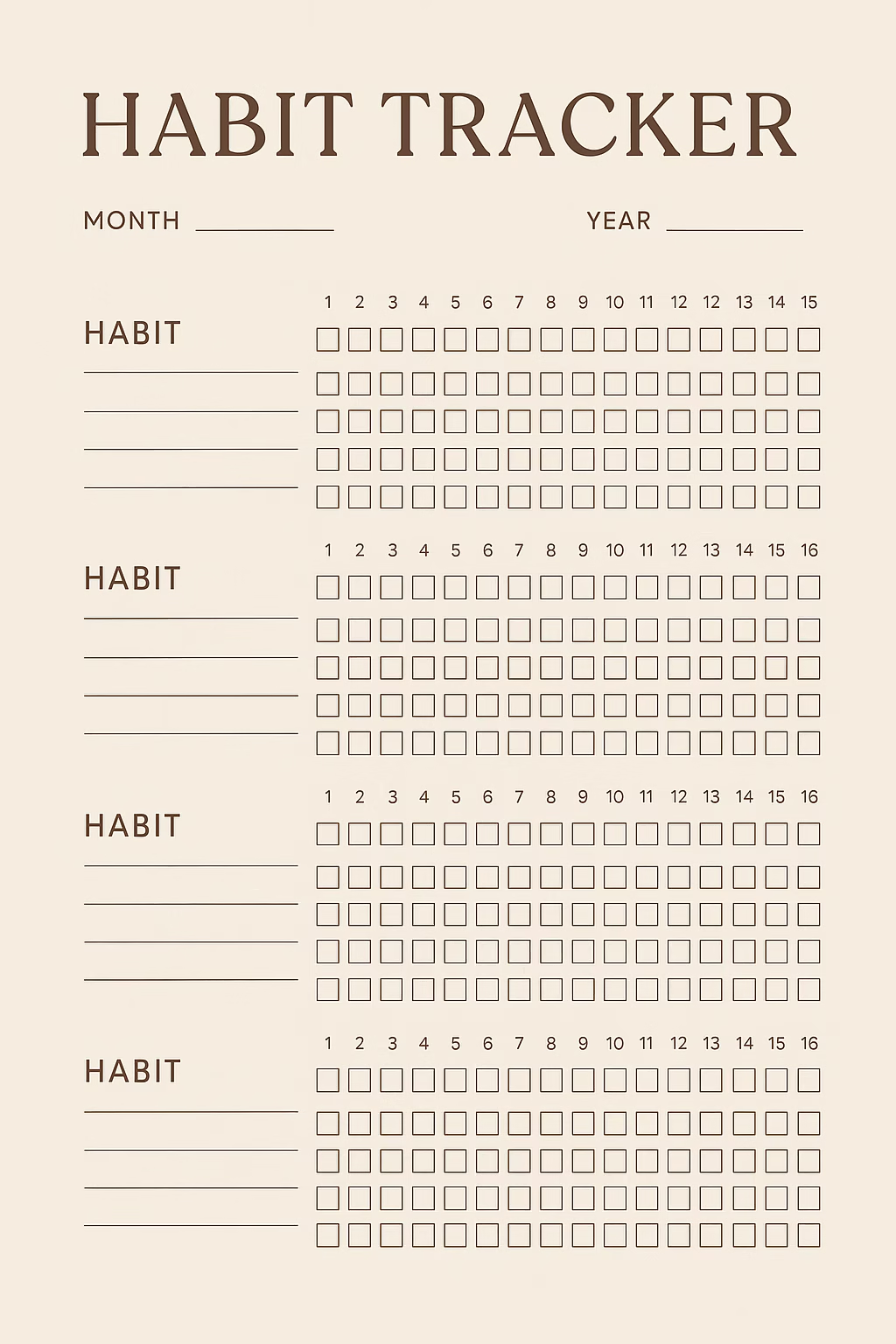
Click on the tracker to download

These are also downloable on pinterest Click Here

Each of our three unique designs caters to different preferences, ensuring you find the perfect layout to suit your personal tracking style. From minimalist elegance to comprehensive daily overviews, these printable planners are ready to be integrated into your life instantly. Simply download, print, and begin charting your path to success.

By making your habits visible, you gain powerful insight into your patterns, allowing you to identify areas for growth and reinforce positive behaviors. Embrace the power of tracking and unlock your full potential with our beautiful and functional habit stacker planners.

Productivity Trap? Unpacking the Truth About Multi-Tasking

A professional woman, likely in her 30s, is seated at a desk, looking stressed and trying to manage several tasks at once. She is writing in a notebook with a pen in her right hand while simultaneously holding a phone to her left ear. Two other hands intrude from the sides of the frame: one on the left offers her a cup of coffee, and one on the right holds a large clock up close to her face, emphasizing the time pressure. The visual effectively illustrates the Productivity Trap of trying to multitask and being overwhelmed by demands.

The Multi-Tasking Myth: Time Saver or Hidden Trap?

Do you feel busy all the time but still fail to finish anything important? I know that feeling. I have been there too—always chasing the excitement of multi-tasking, yet ending up more scattered than successful. This is the heart of the Productivity Trap.

This article is for you if you have ever wondered if our current idea of productivity really helps us. It is for anyone ready to find a more focused and rewarding way to work and live. Let’s look closely at what people get wrong about multi-tasking. We will also learn simple, practical ways to take back your time and attention.


The Illusion of Efficiency: Why Multi-Tasking Doesn’t Work

In our modern world, we are always connected. Because of this, multi-tasking has become a source of pride. We love to put it on our resumes. We brag about juggling different projects. It feels good to draft a report, join a virtual meeting, and answer emails all at once. We tell ourselves we are being smart, making the most of every minute, and actually saving time. But what if this popular idea is wrong? What if the very thing we think makes us fast is actually slowing us down? This is the core of the Productivity Trap.

The very idea of multi-tasking is misleading. Your brain is amazing, but it is not built to handle several complex tasks at the same time. What we call multi-tasking is just fast “task-switching.” This means your attention jumps quickly between different demands. As we will see, this constant jumping takes a huge toll.


The Real Cost of Switching: A Cognitive Tax

Imagine trying to follow two different, serious conversations at the same moment. You could not fully focus on either one, could you? You would probably miss important details, forget what was said, and leave both people feeling ignored. This scenario highlights the core challenge of the Productivity Trap.

Your brain works the same way. When you try to multi-task, you are not doing two things at once. Instead, you are quickly moving your focus back and forth. This constant moving is not free. Experts call it a “switching cost.”

This cost shows up in several key ways:

  • You Perform Worse: Studies show that task-switching can cut your productivity by a lot. Your brain needs time to quickly “reset” and refocus on a new task. These tiny moments of lost focus really add up.
  • You Make More Mistakes: When your attention is split, your ability to catch details goes down. This means you make more errors. Whether it is a typo, a wrong number on a report, or an oversight, mistakes are much more likely.
  • You Take Longer to Finish: It is ironic. The thing we do to save time often makes us spend more time. The minutes lost trying to refocus and then fix mistakes often cancel out any feeling of doing two things at once.
  • You Feel Tired and Stressed: Forcing your brain to constantly change gears is exhausting. This leads to higher stress, burnout, and a feeling of being busy but not truly accomplishing anything.

Example: The Project Manager’s Problem

Think of Sarah. She is a project manager. She is trying to write an important client proposal. At the same time, she is keeping an eye on her email and quickly answering team messages on Slack. She believes she is being very efficient.

  • 10:00 AM: Sarah starts the proposal.
  • 10:07 AM: An email notification pops up. She switches to email and answers a quick question.
  • 10:12 AM: She goes back to the proposal. She has to reread the last paragraph just to remember what she was writing.
  • 10:20 AM: A Slack message buzzes. She gives a fast answer to her team.
  • 10:23 AM: She returns to the proposal. Now she has completely lost her thought process and struggles to find the right words.
  • 10:35 AM: Another urgent email arrives.

By 11:00 AM, Sarah is worn out. She worked for an hour, but the proposal is hardly any further along. Plus, she made small errors in her rushed messages. If she had used that hour only for the proposal, she would have finished a good part of it, or perhaps a full draft.


Why We Love the Multi-Tasking Trap

If multi-tasking is so bad for us, why do we keep doing it? Several reasons explain why this habit is so common:

  • The Idea of Being Busy: When we are jumping between tasks, we feel busy. In our society, being busy is often thought of as being productive. We mistake movement for true progress.
  • Fear of Missing Out (FOMO): The flood of alerts feeds our fear. We worry that if we do not respond right away, we will miss something very important.
  • Digital Noise: Our phones, computers, and all our apps are built to grab our focus. They make it super easy to switch tasks. Every alert is a small, hard-to-resist invitation to stop what you are doing.
  • Workplace Pressure: Many workplaces secretly, or even openly, expect us to multi-task. They want employees to be instantly available and quick to reply across many different platforms.

The Power of Single-Tasking: Get Back Your Focus

The true fix for the multi-tasking trap is single-tasking. This means giving your full, complete attention to one task at a time. You stick with it until you finish or hit a good stopping point. This is more than just doing one thing; it is about truly focusing on one thing.

The benefits of single-tasking are huge:

  • Better Work Quality: When all of your mental energy goes into one task, the quality of your finished work naturally gets better.
  • Faster Finish Times: Without the switching cost, you can stay in the flow. You finish tasks more quickly and more effectively.
  • Less Stress and More Clarity: Focusing on one item at a time lowers the demand on your brain. This means less stress and a clearer mind.
  • You Learn and Remember More: Deep focus lets you take in and keep information much better.
  • Greater Feeling of Success: Finishing one task before moving to the next gives you a more satisfying feeling of real progress.

How to Do It: Simple Steps for Single-Tasking

Moving from a multi-tasking habit to a single-tasking mindset takes real effort and new routines. Here is how you can begin to make the change:

1. Plan Your Day on Purpose

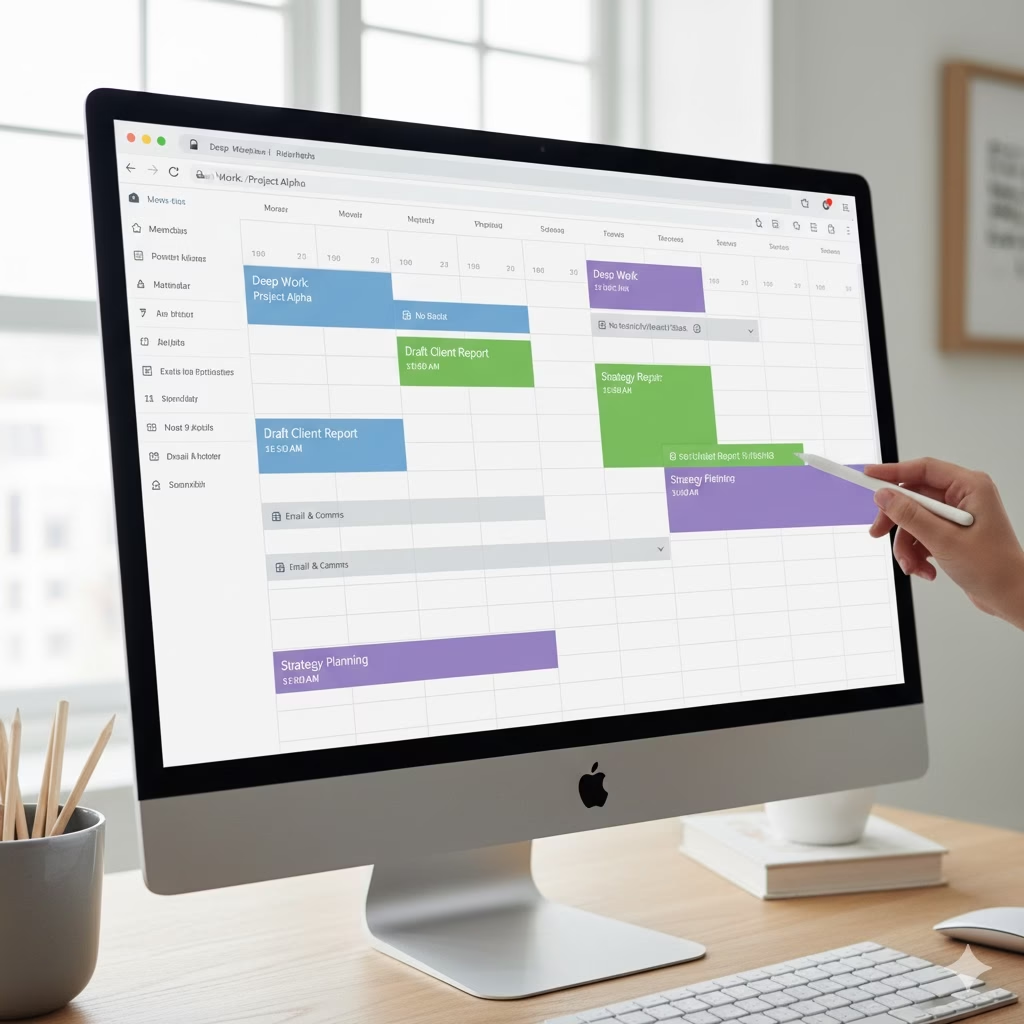
Before you start your day, pick your Most Important Tasks (MITs). These are the one to three crucial things you absolutely must complete. Schedule specific time blocks for these tasks. Treat these times like required appointments you cannot skip.

Try this:

  • At the end of your workday or first thing in the morning, list everything you need to do.
  • Decide which tasks are most important.
  • Block out “deep work” times on your calendar for your MITs. For instance: “9:00 AM – 11:00 AM: Write Client Report (NO Email or Slack).”

2. Stop Distractions Before They Start

This step might be the most vital. You cannot single-task if things around you are always pulling your attention away.

Try this:

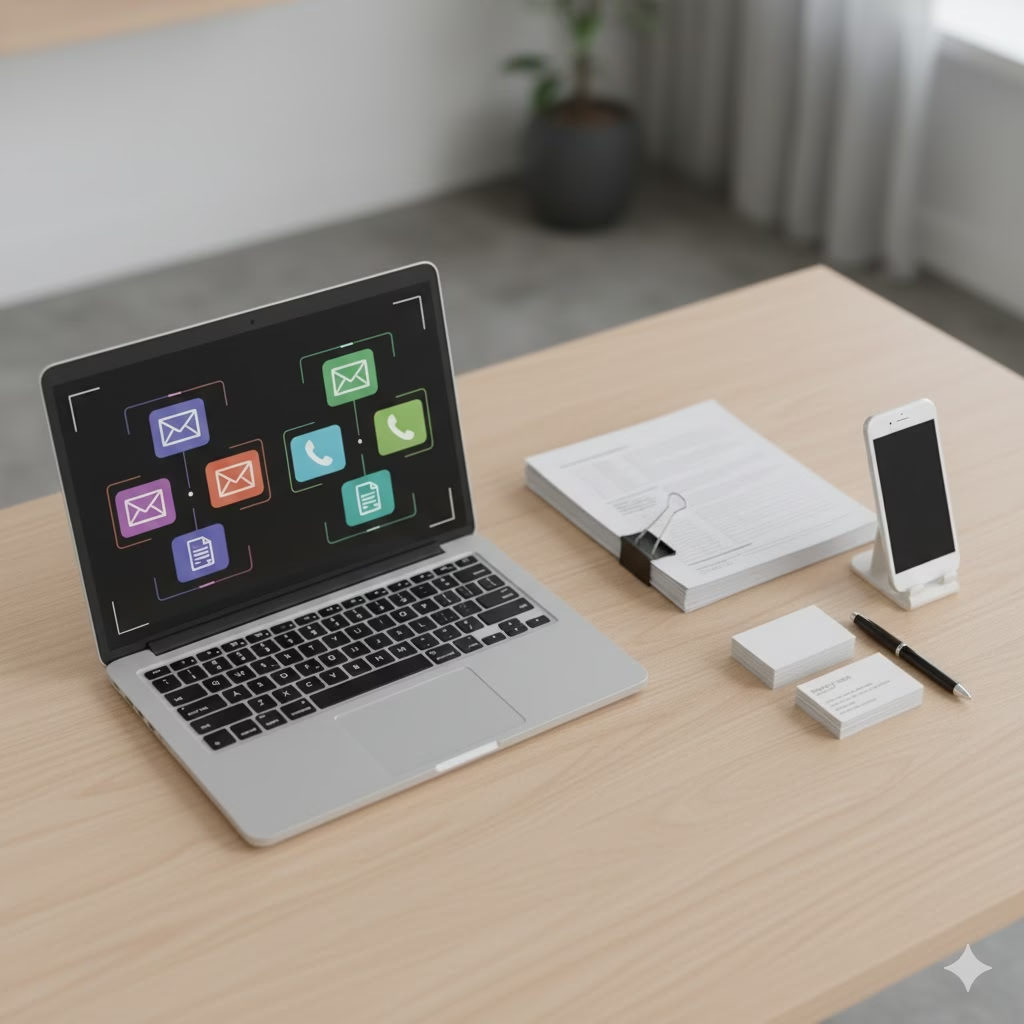
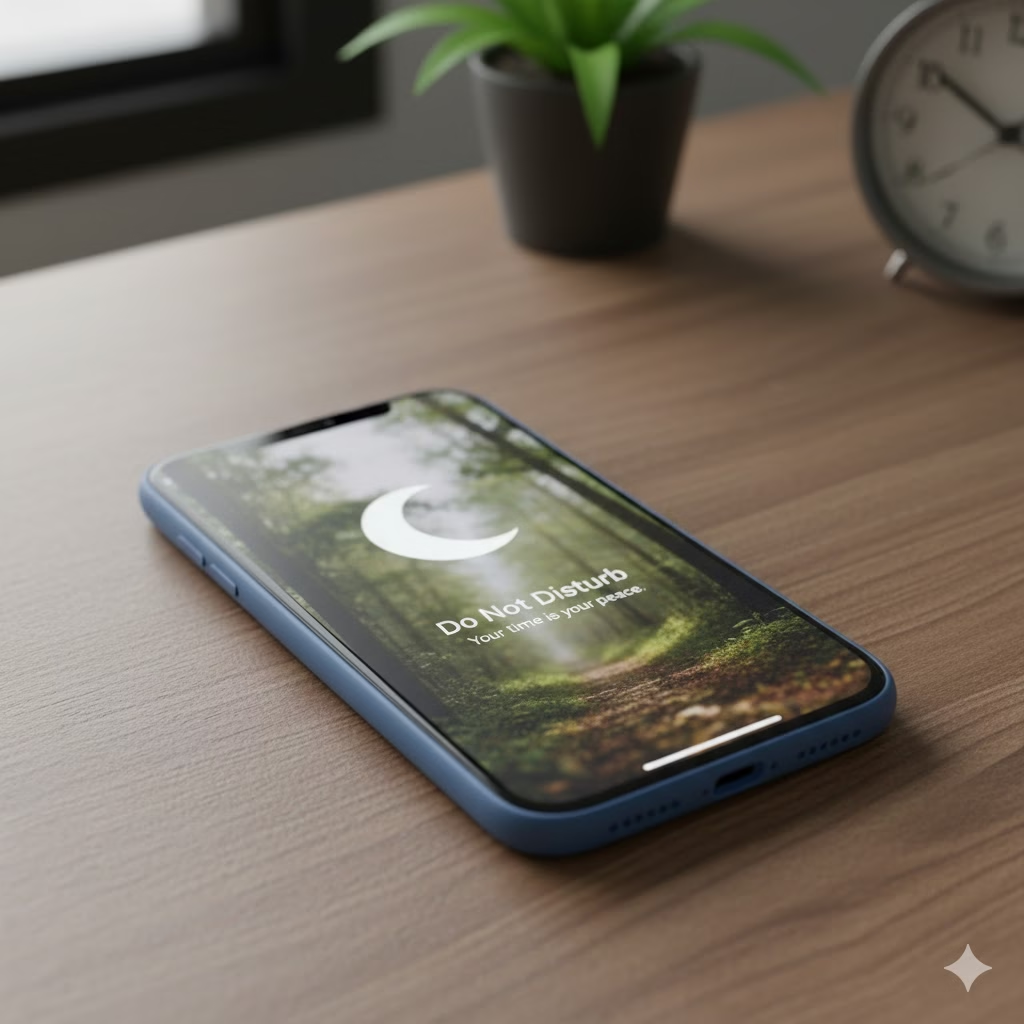
  • Turn Off Alerts: Silence your phone. Close any browser tabs you do not need. Turn off all email and chat alerts while you work on a focused task. Use the “Do Not Disturb” setting.
  • Close Unneeded Apps: If you are writing, close your email program, social media sites, and other message apps.
  • Use Focus Tools: You can use apps that block distracting websites or programs for a set amount of time.
  • Tell People You Are Focused: Let your coworkers or family know you will be busy during specific focus times. A simple note like, “I will be doing focused work for the next hour and will reply after,” sets a good expectation.

3. Use the Pomodoro Technique

This method involves breaking your work into intense focus periods, often 25 minutes long, with short breaks in between.

Try this:

  • Pick one task to work on.
  • Set a timer for 25 minutes.
  • Work on only that task until the timer rings. Fight the urge to switch tasks.
  • When the timer rings, take a quick five-minute break (stretch, walk around, get water).
  • After you do four of these 25-minute sessions, take a longer break (15 to 30 minutes).

4. Group Similar Tasks Together

While the main goal is single-tasking during a work block, you can still put similar, easy tasks into groups.

Try this:

  • Set certain times only for checking and answering emails (like 10:30 AM and 3:00 PM). Do not leave your email open all day.
  • Schedule a time block just for returning phone calls.
  • Set aside time for simple work like organizing or filing papers.

5. Watch Out for Small Distractions

These are the tiny moments when you lose focus, often without even noticing. It is when you check the time on your phone and then quickly open an app, or look up a quick piece of information that leads to a long web search.

Try this:

  • Be Aware: Notice when your attention starts to drift. Ask yourself, “Does this help me with my current task?”
  • Use a Notepad: If a random thought or task pops into your head while you are focused, quickly write it down on a scratchpad. This honors the thought without stopping your work.
  • Try Digital Breaks: Consider short times away from screens to reset your attention span.

6. Make Transitions Mindful

When you must switch tasks, do it with purpose. Do not just jump from one to the next.

Try this:

  • Completely Close the Last Task: Take a moment to save your work, close your files, and mentally “finish” the task before opening the next one.
  • Quickly Review the New Task: Before starting, take 30 seconds to remind yourself of the goal and the very first thing you need to do. This reduces the time you need to get going.
  • Take a Short Break: Even a one-minute stretch or a deep breath can help reset your focus for the next task.

7. Build a “Done List”

Instead of only keeping a To-Do list, keep a list of what you have actually finished. This strengthens the good feeling of completion that single-tasking gives you.

Try this:

  • At the end of each day, or after finishing an important task, add it to your “Done List.”
  • Look over this list regularly to see your progress and keep yourself motivated.

8. Put Your Well-being First

Your ability to focus is directly linked to your physical and mental health. Ignoring sleep, good food, or exercise will ruin even the best single-tasking plans.

Try this:

  • Get Enough Sleep: Aim for seven to nine hours of quality sleep every night.
  • Eat and Drink Well: Fuel your brain with healthy food and stay hydrated.
  • Move Your Body Regularly: Exercise boosts your brain function and lowers stress.
  • Schedule Rest Time: Let your brain rest and recharge away from screens and demands.

Conclusion: Escaping the Trap for Real Efficiency

Multi-tasking may seem like a quick road to being productive, but it is actually a smart Productivity Trap. It drains your energy, lowers the quality of your work, and, believe it or not, makes you slower.

We can take back our focus by understanding its cognitive costs and choosing to embrace single-tasking. This will improve your work quality and leave you feeling less stressed and more successful.

It will take effort to stop years of old habits, especially when the world is always fighting for your attention. But with clear goals, steady practice, and these simple ideas, you can totally change how you approach work and life. You can move from the feeling of just being busy to the truth of deep, meaningful productivity. The real way to save time is not to do more things at once; it is to do one thing well.


Frequently Asked Questions (FAQ)

Q1: Is it ever alright to multi-task?

A1: Yes, in some cases. It is usually fine to mix a task that needs a lot of thought with one that is simple and automatic. For example, listening to music while cleaning, or walking while enjoying an audiobook. The problem starts when two or more tasks both require your active focus, like writing an email and joining a meeting at the same time.

Q2: What is the real difference between multi-tasking and parallel processing?

A2: In common talk, “multi-tasking” is when we try to do two or more difficult tasks at once. As we have seen, our brains do this by fast task-switching. “Parallel processing” is how your brain handles many automatic things at once, like breathing and walking. It is also how computers truly work on several instructions at the same time. Humans cannot truly parallel process difficult tasks.

Q3: How long will it take to get used to single-tasking?

A3: It is different for everyone, but sticking with it is the most important part. You might see better results in a few days or weeks. However, it can take several months of focused practice to fully make single-tasking a natural part of your routine. Start small, perhaps with just 30 minutes of deep focus each day, and slowly increase the time.

Q4: Will I fall behind if I do not answer emails right away?

A4: This is a very common worry. The truth is, most emails do not need an instant reply. You can manage this by setting clear expectations. For example, you can use a note in your email signature that says when you will reply. By grouping your email checks, you can stay responsive without the constant distractions. Your focused work often gives you more value than replying to every email right away.

Q5: What if my job absolutely requires me to multi-task, like in customer service?

A5: Some jobs naturally involve a lot of fast task-switching. If your role is one of these, the goal is not to stop it entirely. Instead, you want to cut down on all the extra, needless switching and make the transitions better. For example, when you are not actively helping a customer, use small time blocks to focus completely on paperwork or administrative duties. Use good systems to handle incoming requests in an organized way, instead of just reacting to them.


References


Recent Posts


Time Management: Scheduling by Energy, Not Just the Clock

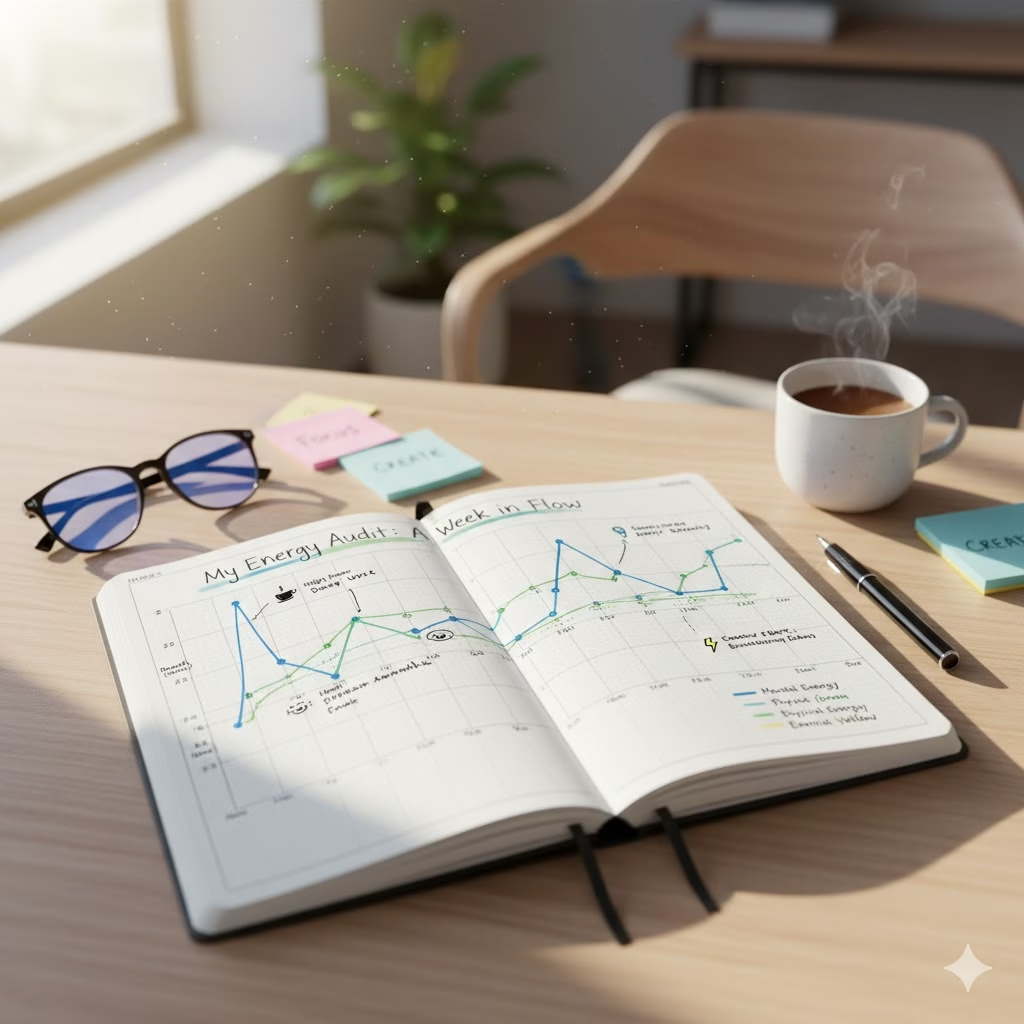
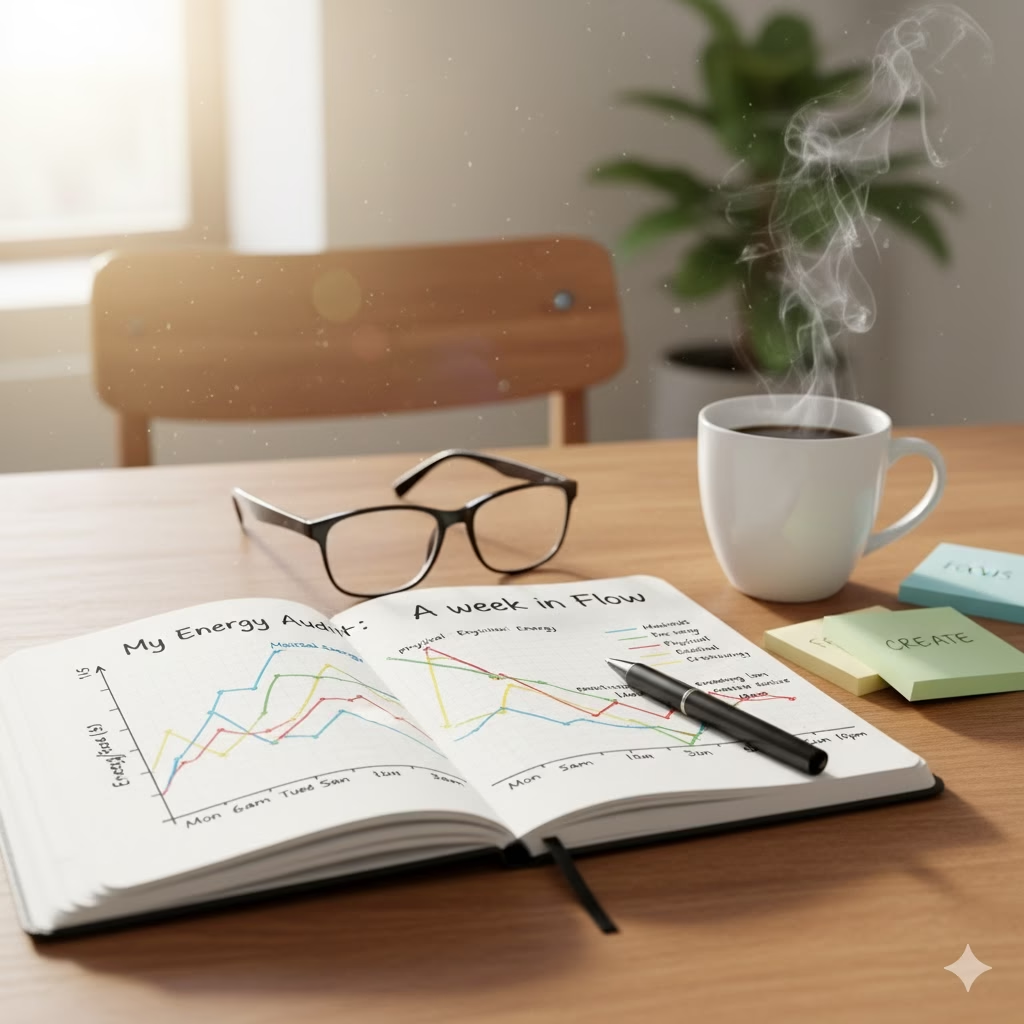
Do you feel constantly burnt out or like you're always falling behind on your to-do list? It’s frustrating when you put in the hours but still feel exhausted. We often treat scheduling our days too rigidly without considering our natural energy. This article offers a refreshingly human-centered approach to time management that can truly transform how you work and how you feel.

Do you feel constantly burnt out or like you’re always falling behind on your to-do list? It’s frustrating when you put in the hours but still feel exhausted. We often approach daily scheduling rigidly without thinking about our natural energy. This article offers a refreshingly human-centered approach to time management that can truly transform how you work and how you feel.


Time Management: Scheduling by Energy, Not Just the Clock

Most of us chase productivity with endless to-do lists and strict schedules. We work hard, check off tasks, and then wonder why we feel drained, unmotivated, and always behind. What if the basic rules of time management are flawed? What if the key to real, long-lasting productivity isn’t working harder, but working smarter? We can do this by matching our tasks to our body’s natural energy flow.

This is the core of energy-based scheduling. It is a major change from just following the clock. It focuses on the rise and fall of your personal energy. This strategy promises not just more finished work, but also less stress and a renewed sense of purpose.


Why Traditional Time Planning Fails Us

For years, managing time has meant being efficient. It has meant breaking down tasks and fitting them into specific blocks of time. The big problem with this approach is the hidden assumption: it assumes your energy and focus are the same every hour of the day. As anyone who has struggled to focus after lunch knows, this is not true.

We are not machines. Our energy levels change naturally throughout the day. These changes are controlled by our body clock (circadian rhythms), how well we sleep, what we eat, our stress levels, and even our chronotype (if we are a morning person or a night person). Trying to force yourself to do a hard, focused task during a natural energy dip is useless. It drains you quickly and doesn’t get results.


Getting to Know Your Energy

The first step in energy-based scheduling is to closely watch your own internal state. Most of us are too busy with daily life to pay attention to this.

What Does “Energy” Mean Here?

When we talk about energy, we mean more than just being physically active. We include:

  • Physical Energy: Your body’s capacity to move and sustain effort.
  • Mental Energy (Focus): Your ability to concentrate, solve problems, and do deep work.
  • Emotional Energy: Your capacity to handle feelings, talk with others, and stay positive.
  • Creative Energy: Your ability to brainstorm new ideas and think outside the box.

These types of energy peak and dip at different times, though they often affect each other.


Chronotypes: Lark, Owl, or Hummingbird?

One of the biggest factors that shapes your energy is your chronotype. Understanding yours is essential:

  • Morning Larks: Feel their best energy early in the day (6 AM – 12 PM). They often get tired by evening.
  • Night Owls: Feel their best energy later in the day (3 PM – 9 PM or later). They find early mornings difficult.
  • Hummingbirds (or Third Birds): The largest group. They adapt well but still have clear times of high and low energy.

Knowing your chronotype helps you understand your inborn energy flow.


How to Do Your Personal Energy Check

Before you can schedule by energy, you need facts. You need to observe yourself objectively.

Step 1: Track Your Energy for One or Two Weeks

  • The Tool: A simple notebook, a digital journal, or a basic spreadsheet.
  • The Method: For 7 to 14 days, write down a note every 2 to 3 hours (e.g., 9 AM, 11 AM, 1 PM, 3 PM, 5 PM).
  • What to Track: Rate your mental focus (1-5, 5 being sharpest), physical energy (1-5, 5 being most energetic), and your mood/drive (1-5, 5 being highly motivated). Also, note what you were doing and any key outside factors (e.g., “just had coffee,” “heavy lunch,” “stressful call”).

Step 2: Find Your Highs, Lows, and Rest Times

After tracking, review the data. Look for clear patterns:

  • Peak Energy Zones: When are you reliably most alert and focused? These are your “power hours.” For many Larks, this is mid-morning. Owls often find this in the late afternoon or evening.
  • Low Energy Troughs: When do you usually feel slow, distracted, or foggy? This is a common time for the mid-afternoon slump.
  • Recovery Zones: Are there times when a short break, a quick walk, or light activity makes your energy bounce back significantly?

Example of an Energy Check Discovery:

  • Scenario: Mark tracks his energy. He sees that his focus is high (4 or 5) from 9 AM to 12 PM. From 1 PM to 3 PM, it drops to a 2 or 3, making him feel sleepy. In the late afternoon (3 PM – 5 PM), he gets a second burst of energy, reaching a 3 or 4, especially for creative tasks.
  • Insight: Mark learns his best strategic work should happen in the morning. His post-lunch slump is real, and his creative ideas flow later in the day.

Building Your Energy-Based Schedule: The Practical Steps

Now that you know your energy map, it’s time to rebuild your schedule. This is not about squeezing more into your day; it’s about fitting the right things into the right times.

Rule 1: Match Tasks to Your Energy Highs

This is the most important rule. Group your tasks by the type of energy they need:

  • High-Focus/Deep Work (Peak Energy): Planning, writing long reports, solving hard problems, coding, generating creative ideas, learning. These need your best mental effort.
  • Medium-Focus/Group Work (Mid-Energy): Meetings, answering emails, working with others, simple admin tasks. These need attention but not intense solo focus.
  • Low-Focus/Maintenance Work (Low Energy/Troughs): Data entry, routine paperwork, organizing files, setting appointments, light exercise, preparing food. You can do these when your brain is naturally resting.

Putting it to Use:

  • Morning Lark: Put deep work (like planning or writing) from 9 AM to 12 PM. Use early afternoon for emails and meetings. Save late afternoon for easy administrative tasks or walking.
  • Night Owl: Use the morning for lighter tasks (like checking emails). Schedule your most important deep work for the late afternoon or evening, when your focus is naturally highest.

Rule 2: Plan Smart Breaks and Transitions

Breaks are not just time off; they are vital for recharging your energy.

  • Micro-Breaks: Take short (5-10 minute) breaks often, especially during focused work. Stand up, stretch, look away from the screen.
  • Mid-Day Recharge: Use your lowest energy times for real breaks. This might be lunch, a walk, a few minutes of quiet, or a power nap if possible. Don’t fight the slump—use it to rest.
  • Transition Time: Add short buffers between different kinds of tasks. This helps your brain switch focus without feeling hurried.

Example: Beating the Mid-Afternoon Slump

  • If you know you get foggy at 2 PM, don’t try to force yourself to do hard analysis. Instead, schedule a 15-minute walk outside, listen to an energizing podcast, or handle light administrative duties. This helps your focus come back later.

Rule 3: Guard Your Peak Productivity Time

Once you find your highest energy times, protect them strictly.

  • Block Your Time: Use your calendar to block out “Deep Work” or “Focus Time.” Treat these blocks like must-attend meetings.
  • Stop Distractions: Turn off notifications, close distracting websites, and clearly tell colleagues you are unavailable during this time.
  • Learn to Say No: Politely decline meetings or requests that try to invade your peak time. Suggest other times when your energy is better suited for group work.

Rule 4: Stay Flexible and Adapt Often

Energy-based scheduling is not about creating a rigid, unbending plan. It’s about having a flexible structure.

  • Be Ready for Change: Some days you won’t sleep well, or unexpected tasks will pop up. Be ready to adjust. The goal is good alignment most of the time, not perfection all the time.
  • Re-Check: Your energy can change because of stress, lifestyle changes, or even the seasons. Re-do your energy check every few months to be sure your scheduling is still optimal.

Energy-Based Scheduling Examples

Let’s see how this works for different people.

Example 1: The Creative Freelancer

  • Chronotype: Night Owl
  • Energy Check Result: Low morning energy, strong peak late afternoon/evening, best creative ideas after 4 PM.
  • Schedule Plan:
    • 9 AM – 12 PM: Light administration, checking emails, reading industry news, gentle work.
    • 12 PM – 1 PM: Lunch break and a short walk.
    • 1 PM – 4 PM: Client calls, team check-ins, tasks that need talking but not deep, solo focus.
    • 4 PM – 8 PM: Peak Creative Work. This is when product design, writing long articles, or strategic brainstorming happens. This is the flow state.
    • 8 PM onwards: Relax and personal time.

Example 2: The Project Manager

  • Chronotype: Morning Lark
  • Energy Check Result: High focus from 9 AM to 1 PM, a big dip from 1 PM to 3 PM, good recovery for interacting with people from 3 PM to 5 PM.
  • Schedule Plan:
    • 9 AM – 12 PM: Peak Strategic Work. Project planning, budget reviews, writing critical reports. Office door closed, no interruptions.
    • 12 PM – 1 PM: Lunch break and a brisk walk to reset.
    • 1 PM – 3 PM: Energy low. Schedule routine tasks like processing invoices, answering non-urgent emails, or light administrative duties.
    • 3 PM – 5 PM: Meetings, team check-ins, client calls. Energy is fine for group work.
    • 5 PM onwards: Quickly prepare next day’s to-do list, then finish work.

Example 3: The Student Who Works Part-Time

  • Chronotype: Hummingbird who focuses best in the evening.
  • Energy Check Result: Good morning energy for easy tasks, dip after lunch, strong focus for difficult subjects late afternoon/early evening.
  • Schedule Plan:
    • 9 AM – 1 PM: Attend classes (if scheduled), review notes, light reading, administrative tasks for the job, easy chores.
    • 1 PM – 2 PM: Lunch and a brief rest.
    • 2 PM – 4 PM: Part-time job hours or group study sessions (uses social energy, not intense focus).
    • 4 PM – 8 PM: Peak Study Time. Work on hard assignments, thesis writing, or complex projects.
    • 8 PM onwards: Relax, socialize, and prepare for sleep.

Dealing with Common Problems

While this approach is helpful, following it is not always easy, especially in a traditional workplace.

1. Fixed Work Hours and Meetings

  • Strategy: Try to influence what kind of work you do during fixed times. If a meeting happens during your energy low, use that time mostly for listening. Save your active input for when you feel sharper. Use your limited flexible time wisely.
  • Use Your Freedom: Even if your main work hours are fixed, how you structure your time around them—your start, end, and lunch—is important.

2. Urgent Demands

  • Strategy: Not every task can wait for your peak time. Real emergencies must be handled. However, this method often reduces emergencies because you stay ahead of your most important work during your peak hours.
  • Prioritize: Tell the difference between urgent and important. Urgent tasks often pop up because important tasks were delayed.

3. Manager Expectations

  • Strategy: Talk about the results. Explain that you are aiming for better quality work and sustained output. Share why you are optimizing your scheduling. Frame it as boosting your value and contribution.

More Than Productivity: Better Well-being

The benefits of scheduling by energy go far beyond just finishing more tasks.

  • Less Burnout: By respecting your natural body clock, you prevent constant energy loss. You work with your body, not against it.
  • Higher Job Satisfaction: When you do tasks in your optimal mental state, you feel more successful and less stressed.
  • Better Work-Life Balance: Being more efficient during work hours means you have more genuine free time and mental space outside of work.
  • Higher Quality Work: Focused attention during peak periods leads to better results and fewer errors.

Conclusion: Take Back Your Day, Recharge Your Life

“Time Management: Scheduling by Energy, Not Just the Clock” is more than a simple trick; it’s a way of life. It recognizes that humans are not machines. Our most valuable resource is not time itself, but our energy. By understanding, respecting, and smartly aligning with your natural energy patterns, you can change how you feel about work. You will boost your productivity and create a more sustainable, fulfilling life. Start your energy check today, and take the first step toward a more energized, effective, and empowered you.


Frequently Asked Questions (FAQ)

Q1: How long does it take to figure out my energy patterns? A1: You should track your energy for at least one week consistently. Two weeks is even better, as it gives more reliable data and accounts for daily changes.

Q2: What if my work schedule is very rigid and offers little flexibility? A2: Even with a rigid schedule, you can use this concept. Focus on scheduling the type of task you do within your fixed blocks. For example, use a guaranteed quiet hour for deep work. Use times when you expect to be interrupted for easier tasks like checking emails. Also, make your breaks count for recovery.

Q3: My energy levels feel consistently low. What should I do? A3: If your energy is always low, you must look at basic lifestyle factors first. Ensure you are getting enough sleep, eating well, drinking enough water, and managing stress. Exercise can also greatly boost energy. If the problem continues, please see a doctor.

Q4: Can this approach help me stop procrastinating? A4: Yes! Procrastination often happens because you dread the effort a task will take, especially if you try to do it when you’re tired. By scheduling tough tasks for your peak energy times, you make it easier to start and finish them.

Q5: How do I handle unexpected urgent tasks that disrupt my schedule? A5: While a perfect schedule is the goal, life is often unpredictable. Handle true emergencies, but then return to your schedule as quickly as you can. See these as small bumps, not a reason to quit the system. This smart scheduling should actually lead to fewer urgent tasks over time.

Q6: Does my chronotype control my energy, or can I change it? A6: Your chronotype is mostly determined by genetics—you cannot completely change whether you are a morning or night person. However, you can learn to work with your chronotype and optimize your schedule to use your natural peak times instead of fighting them.

Q7: How can I convince my manager or team to adopt energy-based scheduling? A7: Start with yourself. Show them the results: your higher productivity and less stress. Share articles and ideas. Suggest a small trial, like having a “no meeting morning” for the team’s focused work. Frame it as a way to improve team efficiency and prevent burnout.


References

  1. HBR – Productivity Skills to Help You Gain Time Back
  2. State.gov – Why Time Management?

REcent Posts
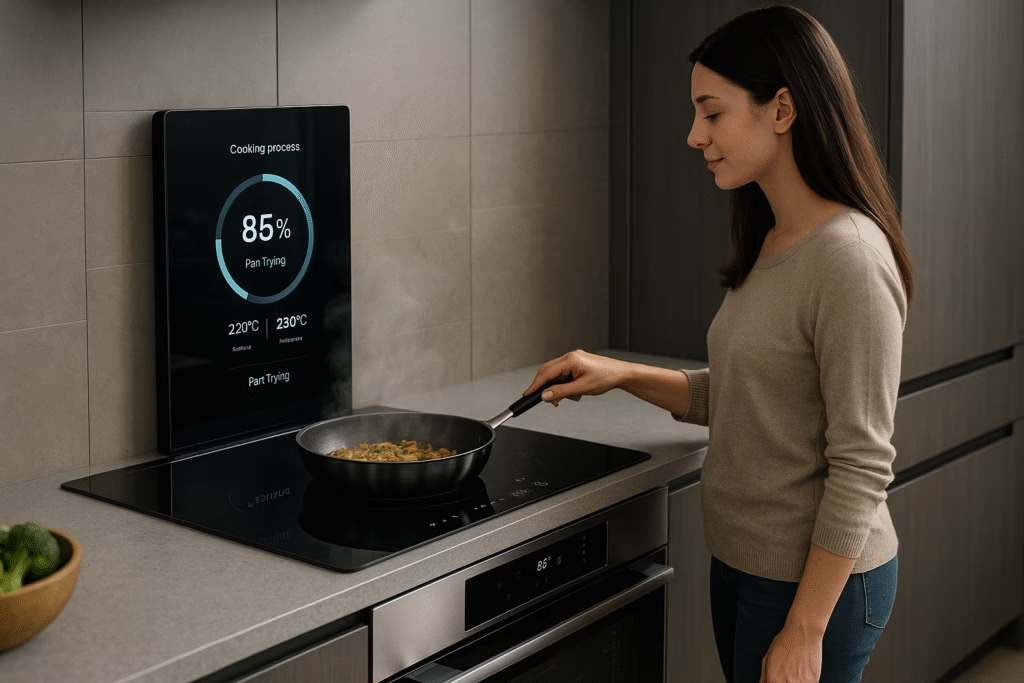


How Successful People Use To-Do Lists to Manage Time

An illustrated person adjusts the hands of a large clock surrounded by a calendar, checklist, and hourglass, symbolizing how to manage time effectively and stay organized.

Managing time doesn’t have to feel like juggling chaos. Many high-achievers swear by a simple tool — the daily to-do list. Whether you’re balancing work, personal goals, or creative projects, mastering your list can be life-changing. Let’s explore how the most successful people plan their days to manage time effortlessly and effectively.


Introduction

Time management is one of the most valuable skills in the modern world. We live in an age of endless distractions — notifications, emails, meetings, and mental clutter — all competing for our attention. The difference between feeling productive and feeling overwhelmed often comes down to how well you manage time. For many of the world’s most successful people, the secret weapon is surprisingly simple: a well-structured to-do list.

Think about it — some of the busiest people on the planet, from entrepreneurs and CEOs to creators and parents, all rely on the same fundamental principle. They write things down. And plan. They prioritize. While apps and productivity tools come and go, the classic daily to-do list remains one of the most effective ways to manage time and keep chaos under control. It’s not just about staying organized; it’s about designing each day with purpose.

At its core, a to-do list is more than a record of things to do — it’s a reflection of how you value your time. When you write down what matters most, you’re making a conscious choice about how your day unfolds. You’re telling your brain, “This is what’s important.” That clarity helps you focus on actions that truly move the needle instead of getting lost in low-impact busyness. Successful people understand that time is finite, and a list gives structure to how they use it.

Research backs this up. Psychologists have found that people who externalize their goals — meaning they write them down — experience less mental fatigue and perform tasks more efficiently. It’s a cognitive relief: you no longer have to hold every reminder in your head. Instead, you can direct that energy toward meaningful work. This simple act of planning allows you to manage time with greater precision, creativity, and calm.

Most importantly, using to-do lists isn’t about perfection. It’s about progress. Even the most disciplined professionals don’t complete every single task each day — and that’s okay. What matters is the intention behind the list. When you develop a daily habit of listing and prioritizing, you gain control over your schedule, focus your attention, and make room for what truly counts. In the sections that follow, we’ll explore how successful people structure their lists, why they’re so effective, and how you can build a system that helps you manage time like never before.


Why To-Do Lists Work

The to-do list works because it transforms abstract intentions into concrete, visible actions. When you write something down, you’re signaling to your brain that it matters. It creates clarity, reduces cognitive overload, and lets you focus on completing one task at a time.

Science supports this. Studies show that people who write down their goals are 42% more likely to achieve them. This is partly because lists provide a dopamine boost — each time you check something off, your brain rewards you, reinforcing motivation.


How Successful People Structure Their To-Do Lists

Let’s look at how top performers create and use their lists differently from the average person.

1. They Prioritize, Don’t Just List

Successful people don’t just jot down everything they need to do. They prioritize. For example, Warren Buffett uses a simple rule: write down your top 25 goals, circle the five most important, and focus on those until completion.

How to do it:

  • Start your day by listing everything you think you need to do.
  • Then highlight your top 3 “must-do” tasks — the ones that move you closer to your biggest goals.
  • Treat these as non-negotiables for the day.

2. They Use Time Blocking

Elon Musk is famous for scheduling his day in 5-minute increments. While that may sound extreme, the principle behind it — time blocking — is powerful. It ensures that each task has a designated time slot, reducing decision fatigue.

How to do it:

  • Use a planner or digital calendar.
  • Assign blocks of time for specific types of work (e.g., deep work, meetings, creative time).
  • Respect these boundaries as if they were appointments.

3. They Combine Digital and Paper Tools

Many successful people use a hybrid system — paper lists for focus, digital tools for organization.
For instance, Richard Branson prefers jotting notes in notebooks, while Tim Ferriss uses digital systems like Todoist and Notion to track habits and projects.

How to do it:

  • Use a paper list for your daily top 3 tasks.
  • Keep longer-term goals or project lists in digital apps like Asana, Trello, or Notion.
  • Sync your tools weekly to stay aligned.

4. They Batch Similar Tasks

Batching — doing similar tasks together — minimizes context switching. Successful people know that jumping between unrelated tasks destroys focus.

How to do it:

  • Group emails, calls, or admin work into one or two blocks.
  • Reserve mornings for creative or high-priority work.
  • Use the Pomodoro technique (25-minute focus sessions) to maintain energy and flow.

5. They Reflect Daily

Reflection is the secret weapon of consistent performers. By reviewing what worked and what didn’t, they continuously refine their systems.

How to do it:

  • At the end of the day, spend 5 minutes reviewing your list.
  • Ask yourself: What did I accomplish? What got delayed? Why?
  • Use this insight to adjust your priorities for tomorrow.

The Psychology Behind To-Do Lists

There’s more to lists than just organization — they tap into human psychology. When you complete a task, your brain releases dopamine, which makes you feel good and encourages repetition. That’s why checking boxes feels so satisfying.

Additionally, lists reduce anxiety. When tasks live only in your head, they feel endless and overwhelming. Writing them down provides closure — a defined plan of attack.

This is why even the busiest people, from presidents to entrepreneurs, swear by this simple system to manage time efficiently.


Common Mistakes People Make with To-Do Lists

Even though to-do lists are simple, most people use them ineffectively. Here’s what to avoid:

  1. Overloading the list – Trying to do 20 things in one day only leads to burnout.
  2. Vague tasks – “Work on project” is unclear; “Finish section 2 of report” is actionable.
  3. No prioritization – If everything is urgent, nothing gets done.
  4. No review – Without reflection, you repeat the same inefficiencies.

How to Create a To-Do List That Works for You

Step 1: Start Small

Begin with 5–7 tasks per day. Over time, you’ll refine how much you can realistically handle.

Step 2: Use the “MIT” Rule

MIT stands for Most Important Tasks. Identify the top 3 tasks that must get done. These should align with your main goals, not just urgent distractions.

Step 3: Add Time Estimates

Assign a time duration to each task (e.g., “Write report – 1 hour”). This prevents underestimating effort and helps you manage time more effectively.

Step 4: Keep It Visible

Your to-do list should always be in sight — whether it’s on your desk, phone, or desktop widget.

Step 5: Celebrate Small Wins

Each checkmark is progress. Reward yourself after completing your top 3 tasks — it reinforces the habit loop.


Real-Life Examples of To-Do List Systems

Bill Gates: Uses detailed digital planning for long-term goals and short daily priorities.

  • Marie Forleo: Breaks her tasks into themed days (e.g., “Content Mondays,” “Creative Fridays”).
  • Oprah Winfrey: Combines journaling with task lists to stay intentional.
  • Mark Zuckerberg: Uses minimalist lists — focusing only on what truly matters each day.

Each of these approaches highlights the same truth: the system matters less than consistency.


Benefits of Using Daily To-Do Lists

Improved Focus: You waste less time deciding what to do next.

  • Reduced Stress: Writing tasks down offloads mental pressure.
  • Increased Accountability: Seeing unfinished tasks creates gentle motivation.
  • Better Work-Life Balance: You plan time for rest as intentionally as work.
  • Enhanced Motivation: Every checkmark fuels your sense of achievement.

FAQs

1. How many tasks should I include on a daily to-do list?

Aim for 5–7 realistic tasks per day, with 3 key priorities. More than that leads to overwhelm.

2. Should I use paper or digital lists?

It depends on your style. Paper helps focus, while digital tools help organize complex projects. Many successful people combine both.

3. What if I don’t finish everything?

That’s okay. Move incomplete tasks to tomorrow — but reassess why they weren’t completed to improve planning accuracy.

4. When is the best time to make a to-do list?

Evenings are ideal. Planning tomorrow today helps you start the next morning with clarity.

5. How can I stay consistent with my list?

Keep it simple, visible, and rewarding. Build the habit by celebrating progress daily.


Final Thoughts

Success isn’t about being busy; it’s about being intentional. A well-crafted to-do list turns your day from scattered to strategic. When used consistently, it helps you manage time, focus on what matters most, and achieve results without burnout.

Start today. Write your list, choose your top three tasks, and take that first small step. Your future productivity will thank you.


References

  1. PsychNet – Willpower: Rediscovering the greatest human strength.
  2. Harvard Business Review – How to Keep Working When You’re Just Not Feeling It
  3. Psychology Today – Do To-Do Lists Work?

Recent Posts
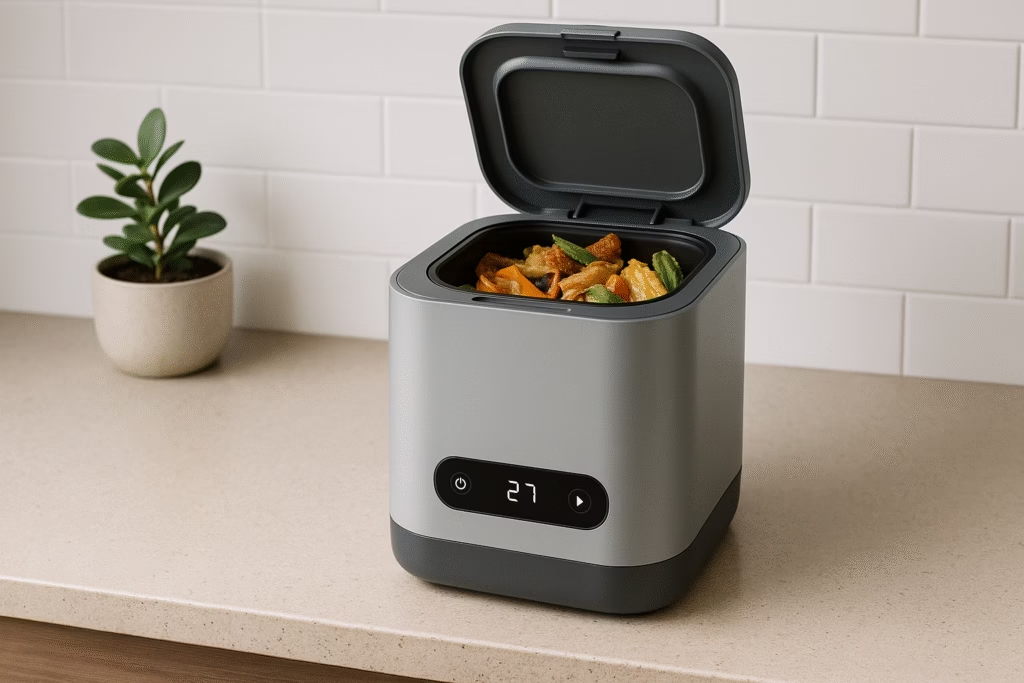


How to Reclaim Your Time and Sanity by Slowing Down

Close-up of hands gently shaping clay on a pottery wheel, representing a mindful hobby that helps reclaim Time and Sanity.

Are you constantly running on fumes? You may feel busy but are getting nowhere. When asked how you are, you often answer, “I’m fine.” You say this even if your mind races. Your body hurts from tiredness. You are not alone in this feeling. Our world is hyper-connected and always-on. The pressure to do more has worn us out. What if the secret to a happier, better life was not speeding up? Perhaps it was slowing down. This guide will help you step off the treadmill. Reclaim your precious Time and Sanity!


The Problem with “Busy”: Why We Say “Fine” When We’re Not

For many, being “busy” is a badge of honor. It’s a quick answer and a way to feel important. We fill our calendars and juggle many tasks. We believe this non-stop speed leads to success. But often, the truth is the opposite. This constant busyness makes us feel overwhelmed and anxious. It cuts us off from what truly matters. We say “fine” because admitting the truth feels weak. Or, we just don’t have the energy to talk about our exhaustion.

This constant rush creates a bad cycle. We are so busy that we can’t rest or think. Without rest, our thinking gets worse. This leads to bad choices and more stress. The stress then makes us even busier. We try to catch up or fix things. This wears away at our valuable time and sanity. We lose touch with our own needs. Our friendships suffer. Our creativity stops. This is not a life; it is just survival.


What “Slowing Down” Really Means

Slowing down is not about doing nothing. It does not mean being less focused on goals. It is not about leaving your job or moving far away. The slow living lifestyle is about intentionality. This means you choose quality over volume. You choose presence over distraction. You choose well-being over endless chasing. It is about:

  • Being Present: Truly focusing on what you are doing. This is true for work, eating, or spending time with others.
  • Setting Priorities: Knowing what matters most. Use your energy on those things, instead of reacting to every demand.
  • Rest and Thought: Seeing pauses as necessary, not as a waste of time. Pauses are vital for new ideas and solving problems.
  • Checking in with Yourself: Listening to your needs, desires, and limits.

Think of it as changing from a mad dash to an enjoyable, steady pace. You can actually see the world around you. You can make mindful choices about where you are going.


The Great Benefits of Slowing Down

Choosing a slower pace brings many great benefits. These directly improve your time and sanity:

  1. Clearer Thinking and Better Focus: Your mind stops racing. You can think clearly. And make better choices. You focus on key tasks. This means you do better work in less time.
  2. Less Stress and Worry: Stepping back from the rush lowers stress hormones. This calms your nerves. It leads to a better mood. It greatly cuts down on feeling overwhelmed.
  3. Better Physical Health: Constant stress harms your body. Slowing down helps you sleep better. It lowers blood pressure. And aids digestion. It strengthens your body’s defenses.
  4. Deeper Connections: When you are present, you are not distracted. You connect better with family and friends. This builds real, stronger bonds.
  5. More Creativity and Better Problem Solving: A rested mind is a creative mind. Giving yourself space to breathe lets new ideas surface. It helps you see big problems clearly.
  6. More Joy and Thanks: You start to notice life’s small joys. You see the taste of your coffee. And hear the sound of birds. You feel the sun’s warmth. Life becomes richer.
  7. More Time (A Strange Truth): You become more purposeful and less reactive. You cut out activities that waste time. You become more efficient. This gives you more room for what you truly value. These are the powerful benefits of slowing down.

How to Slow Down in a Busy World: Simple Steps to Take Control

Moving to a slower pace is a journey. It requires many mindful, steady choices. Here are practical intentional living tips to bring more slowness into your daily life. This is how to slow down in a busy world.

1. Go Digital Detox & Use Tech Mindfully

This is often the hardest part. It is also the most effective change.

  • Start Small: Set clear “no-phone zones.” Use them at the dinner table or in the bedroom. Set “no-phone hours.” This could be the first or last hour of your day.
  • Turn Off Alerts: Most phone alerts interrupt you. They pull you from the present. Keep only vital alerts on.
  • Schedule Tech Time: Don’t check constantly. Choose specific times to read emails and check social media.
  • Gray-scale Your Phone: Change your screen to black and white. This makes it less addictive and exciting.
  • Check Your Apps: Delete apps that cause stress or do not help you.

2. Master the Simple Pause

Add short breaks and moments of thought to your day.

  • The 5-Minute Break: Set a timer for 5 minutes. Close your eyes. Take slow, deep breaths. Just watch your thoughts. Do this many times each day.
  • Mindful Change: You are moving from one task to the next. Take a minute to finish the first task. Then, get ready for the new one.
  • Walk Away: Feel stressed? Step away from your desk. Take a short walk. Even if you just walk to another room or outside.

3. Eat With Awareness

Change your meals from a rush to a fun event.

  • Eat Slowly: Put your fork down between each bite. Chew your food well.
  • Use Your Senses: Notice the food’s color, texture, smell, and taste.
  • Remove Distractions: Turn off the TV. Put away your phone. Focus only on your meal.
  • Eat Quality Food: Focus on healthy foods. Listen to your body when it says it is full.

4. Take Back Your Mornings and Evenings

The start and end of your day set your whole mood.

  • Slow Morning Start: Do not check your phone right away. Spend the first 30-60 minutes quietly. Try reading, writing, meditating, or gentle stretching.
  • Evening Wind-Down: Turn down the lights. Do not look at screens. Do relaxing things. Read a real book. Take a warm bath. Listen to quiet music.
  • Focus on Sleep: Good, regular sleep is key for your mind and body.

5. Clear Out Your Space

A messy space often leads to a messy mind.

  • One Area at a Time: Start with a small area. Keep only what “sparks joy.”
  • Digital Clean-up: Clean your computer files. Clear your email inbox. Stop getting newsletters you do not need.
  • Own Less: Think about how many items you truly need. Fewer items mean less to clean and worry about.

6. Do One Task, Not Many

We often think multitasking works. It does not. It causes more errors and stress.

  • Focus on One Thing: Give all your attention to one task. Work on it until it is done or you take a planned break.
  • Group Similar Tasks: Do all emails, calls, or paperwork together. Do them at a certain time.
  • Try the Pomodoro Method: Work intensely for 25 minutes. Then, take a 5-minute break. This helps train your mind to focus better.

7. Schedule Open Time (And Guard It)

Purposefully put empty spots in your calendar.

  • Extra Time: Add extra minutes between appointments. This stops you from having to rush.
  • “No Plans” Time: Schedule time each week with no set plan. Use it to rest or do something fun on the spot.
  • Learn to Refuse: Protect your personal limits. Say no to commitments that do not match your goals.

8. Connect with the Outdoors

Being in nature has a deep calming effect.

  • Daily Time Outside: Try to spend 15-30 minutes outside each day. Even in your yard or a park.
  • Mindful Walking: Notice the sounds, sights, and smells of nature. Leave your phone behind.
  • Feel the Ground: Take off your shoes and feel the earth under your feet.

9. Find Hobbies and Creative Fun

Do things just for fun. Do not worry about being productive. This feeds your soul.

  • What Did You Love as a Kid? Think about what you enjoyed before you had adult duties.
  • Try New Things: Try painting, gardening, or writing stories.
  • Enjoy the Process: Focus on the joy of the activity itself. Don’t worry about the final result.

10. Think and Write

Checking in with yourself helps you see your patterns. It helps you make clear changes.

  • Daily Review: Spend 5-10 minutes thinking about your day. What was good? What was hard? How did you feel?
  • Give Thanks: Write a list of things you are thankful for. This helps you focus on the good in your life.
  • Plan Your Future: Write about what a “slowed down” life looks and feels like for you. These are good ways to live more intentionally.

11. Be Kind to Yourself

Changing old habits takes time. There will be days when you rush again.

  • Be Gentle: Do not scold yourself for not being perfect. See the effort you are making.
  • Learn from Mistakes: Use setbacks to see what causes your rushing.
  • Small Wins Count: Celebrate small successes and progress.

What Happens When You Slow Down Life?

You choose to slow down. Then, a wonderful change starts. You move past just feeling “fine.” You enter a state of true well-being. This is what happens when you slow down life.

  • Your view of time changes. Time doesn’t feel like it is running out. You live moments more fully. This makes them feel bigger and richer.
  • Your bonds get stronger. Your mind has space and energy to truly listen. This builds better friendships.
  • Your work is better. You have more focus and less stress. And become more effective and creative. You achieve more with less frantic effort.
  • Your health greatly improves. Stress-related sickness often lessens. You feel more energetic and alive.
  • And feel in control. You stop feeling ruled by outside demands. And become the active planner of your life. You make clear choices about how to spend your time and sanity.

You begin to see that life is not a race. But a journey to be truly enjoyed. It’s about feeling happy in the present. It means enjoying small wonders. It means living in line with your most important values. You have found the way to slow down your mind and body naturally.


The Journey Beyond “Fine”

Taking back your time and sanity by slowing down is a constant process. You will always be learning and making changes. It takes patience. It takes effort. You must be willing to challenge the idea that speed is everything. But the rewards—a life lived with more presence, purpose, and deep joy—are truly priceless.

So, the next time someone asks how you are, think of a future. In that future, “fine” is not a tired answer. It is a real sign of a life lived at a pace that is right for you. Start today. Choose one small thing to slow down. See the positive change it makes. Your time and sanity are worth it.


FAQ: Your Questions About Slowing Down Answered

Q1: Is slowing down just a way to be lazy or unproductive? A: Not at all! In fact, the reverse is often true. When done on purpose, slowing down leads to increased productivity. You work with better focus and less stress. It means you work smarter, not faster. The benefits of slowing down include better choices and better work quality.

Q2: I have a busy job and family. How can I slow down? A: You don’t need to quit your job to slow down. Start with small, simple changes. Focus on things like: mindful use of tech, planning empty time, or having a calmer morning routine. Even 5-10 minutes of intentional pause helps a lot. It is about finding small ways to gain back your time and sanity.

Q3: What is the hardest part of trying to slow down? A: The biggest challenge is breaking the habit of valuing busyness. We are taught that constant activity is good. The quiet or unplanned time may feel strange at first. Our minds are used to constant noise. Be kind and patient with yourself during this new period.

Q4: How soon will I see results from slowing down? A: You may feel less stress right away. But, deeper changes take time. Think of it as a new skill or way of thinking. Small, steady efforts will build up. They will lead to lasting improvements in your slow living lifestyle and your overall well-being.

Q5: Are there apps or tools to help me slow down? A: We want less screen time. But some apps can help. Try meditation apps (like Calm). Use focus apps (like a Pomodoro timer). Digital detox apps that block distracting websites can also help. Just remember that the real goal is inside you, not on your phone.

Q6: What if my friends or family don’t support my change? A: Talk openly with them. Explain why you are changing—for your health, to be more present, and to have better relationships. Your calm choices might inspire them. Set clear limits, but be polite. Lead by example.


References


Recent Posts
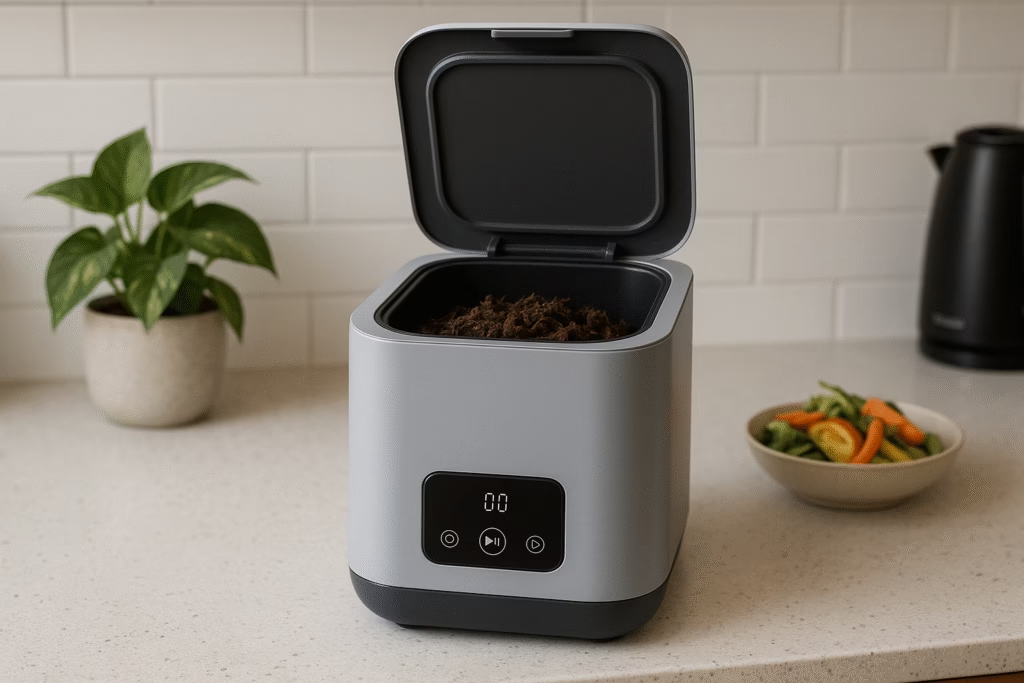


Beyond “Fine”: How to Build a Truly Fulfilling Life

A winding path gracefully ascends a vibrant green mountain under a radiant sunset, symbolizing the journey and future vision of creating a Truly Fulfilling Life.

Ever get that nagging feeling that something’s missing, even when life seems fine? I know the feeling well. For years, I chased the milestones everyone said would bring happiness, only to feel empty at what looked like success. This journey isn’t about huge life changes; it’s about the small, deliberate choices we make every day to build a Truly Fulfilling Life. It’s about building a life that truly fits who we are, not who we think we should be. If you’re ready to stop settling for “fine” and crave something more meaningful, let’s get started.



Part 1: Deconstructing “Fine” – Why We Get Stuck on the Road to a Truly Fulfilling Life

A young woman sitting cross-legged on a rug, journaling in a notebook, surrounded by sticky notes with words like 'Family,' 'Creativity,' and 'Contribution', symbolizing the process of defining values for a Truly Fulfilling Life

Life has a quiet way of pushing us forward. One day, you might wake up with a decent job and a good home, but a little voice asks: “Is this everything?” That’s not a complaint; it’s a vital question. It’s the deep desire for a life that feels more alive, more meaningful, and genuinely truly fulfilling.

We often chase big external goals—the perfect job, the ideal relationship, or impressive possessions—assuming these things will automatically lead to happiness. They certainly bring comfort and joy, but they rarely provide the deep, lasting sense of fulfillment we really need. Fulfillment is not a destination; it’s about living in sync with your true self, your core values, and your unique purpose. It’s about feeling a richness in your everyday life, not just on special occasions.

If you are reading this, you are ready to move past just surviving. You are ready to look beyond “fine” and actively build a life that truly nourishes your soul. This transformation won’t happen overnight, but it is a steady journey built on intention, self-discovery, and action.


Part 1: Why We Settle for “Fine”

To build a truly fulfilling life, we first need to understand why we get stuck accepting “fine.”

The Trap of the Checklist:

Since childhood, we are given a checklist: finish school, get a stable job, get married, and so on. We follow these steps faithfully, sometimes only to find ourselves feeling empty at the end. The problem is not the goals themselves, but the belief that completing them guarantees internal peace.

The Safety of Sticking to the Known:

Stepping off the familiar path is scary. What if following your passion means less money? What if changing careers means starting over? The comfort of a “fine” life, even when unsatisfying, often seems safer than facing the uncertainty of building a truly resonant life.

Seeking Approval Over Inner Clarity:

We live in a world of endless comparison. Social media constantly shows us curated highlights, making us believe everyone else has their life perfectly figured out. This need for external approval can silence your inner voice, leading you to chase achievements that look good to others but feel hollow to you.

The Constant Busyness:

Our society praises people who are constantly busy. We wear exhaustion like a badge of honor, leaving no time for rest or for activities that truly energize us. Being busy is often an easy distraction that prevents us from facing deeper questions about our purpose.

It is time to break free from these patterns.


Part 2: Building the Foundation – Know Yourself

Building a truly fulfilling life must start inside. It begins with truly understanding who you are.

1. Discover Your Core Values:

Your values are your personal guiding rules—the things that matter most to you. When your life aligns with your values, you feel centered and peaceful. When it doesn’t, you feel a draining disconnect.

  • How to Do It:
    • Make a List: Write down a long list of things you value (e.g., family, creativity, freedom, security, learning, honesty, growth).
    • Choose Your Top 5: Group similar items. Then, challenge yourself to pick your top 3 to 5 core values. Which ones would you never compromise?
    • Look Back: Think about times when you felt most alive, proud, or at peace. The answer often points to moments where your values were fully honored.
    • Example: If freedom is a top value, a rigid, corporate job might leave you feeling unfulfilled, even if it pays well. If contribution is vital, a job helping others will feel far more meaningful than one focused only on profit.

2. Find Your Strengths and Passions:

What are you naturally good at? What activities make you lose all track of time? These are essential clues to your unique joy and contribution.

  • How to Do It:
    • Childhood Reflection: What did you love to do before you felt pressure from others?
    • Ask Trusted Friends: Ask people close to you: “What do you think I’m really great at?” or “When do I seem most energized?”
    • Try New Things: Take a class or start a new hobby. You might uncover a hidden passion.
    • Example: You might find you are a great listener, a natural teacher, or someone who loves solving complex puzzles. These are not just skills; they are paths to deep engagement.

3. Define Your Vision for a Fulfilling Life:

What does a truly fulfilling life look like for you? Be specific, and don’t let your current situation limit your dream.

  • How to Do It:
    • Journaling: Write a detailed story of your ideal day, week, or year. What are you doing? Who is with you? How do you feel? What kind of positive impact are you making?
    • Vision Board: Create a visual reminder of your dreams and goals.
    • Example: Instead of just “be healthy,” aim for “have the energy to hike trails every weekend and cook nourishing food at home.”

Part 3: Action Plan – Making Your Vision Real

With your inner compass clear, it’s time to take strategic action.

1. Live by Your Values Every Day:

Look at the key areas of your life—work, relationships, health, money, growth. Where do your actions align with your values, and where do they clash?

  • How to Do It:
    • Audit Your Time: Track how you spend your time for one week. Do your actions match your top values? If your top value is “family” but work takes up 90% of your time, you need a change.
    • Make Small Shifts: You don’t have to make huge, sudden changes. Can you ask for more flexible work hours? Can you schedule one evening a week as dedicated, quality family time?
    • Example: If health is a key value, but you eat takeout every night, start small: plan and cook one simple meal at home on Sunday. That small step honors your value.

2. Build Meaningful Connections:

Humans need deep, real connections. Strong, authentic relationships are vital for a truly fulfilling life.

  • How to Do It:
    • Choose Quality: Identify the people who truly support you and make you feel understood. Spend your energy there, not on draining relationships.
    • Listen Actively: When you are with loved ones, be fully present. Put your phone away and listen without planning your response.
    • Set Boundaries: Learn to say “no” to people or activities that consistently drain your energy. This protects your well-being.
    • Example: Instead of keeping up with many casual acquaintances, focus on building deeper trust with a small group of friends where you can be your true, authentic self.

3. Be Intentional with Time and Energy:

Fulfillment means protecting your most valuable resources: time and energy.

  • How to Do It:
    • The 80/20 Rule: Find the 20% of your activities that bring you 80% of your joy or progress. Dedicate more energy to those 20%. Then, cut back on the 20% of activities that drain 80% of your energy.
    • Schedule Joy: Do not just schedule work. Intentionally block out time for things you love, even if it’s just 30 minutes for a hobby. Treat these blocks like mandatory appointments.
    • Mindful Consumption: Be careful about what you consume—news, social media, and TV. Does it help you grow, or does it leave you feeling anxious? Choose your digital world wisely.
    • Example: If your value is learning, stop mindlessly scrolling social media and use that time instead to read a chapter of a book. The time is the same, but the fulfillment is radically different.

4. Contribute to a Larger Purpose:

A lasting sense of fulfillment often comes from looking beyond yourself and giving back. This could be through volunteering, mentoring, or creating meaningful work that helps others.

  • How to Do It:
    • Find Your Intersection: Look for where your skills and passions meet a real need in the world. That overlap is the source of meaningful work.
    • Micro-Contributions: You don’t need to start a charity. Can you offer advice to a junior team member? Can you consistently make a small, positive difference in your neighborhood? Small acts of generosity build purpose.
    • Example: A graphic designer who values nature might use their skills to create eye-catching flyers for a local park cleanup event, linking their profession to their personal values.

Part 4: The Fulfillment Mindset

Building the external structure is only half the work. The other half is growing the inner mindset to keep it going.

1. Practice Gratitude (The Anti-Comparison Tool):

Gratitude instantly shifts your focus from what you lack to what you have. It is the most powerful weapon against the pressure of comparison.

  • How to Do It:
    • Three Good Things: Before bed, write down three good things that happened that day, and explain briefly why they happened. This trains your brain to notice the good.
    • Example: You can be grateful for a sunny morning, a difficult task you completed at work, or a hug from a loved one. Joy is found in these small moments.

2. Accept Imperfection and Be Kind to Yourself:

The path to a truly fulfilling life includes failure, mistakes, and days where you fall short. Perfectionism is fulfillment’s greatest enemy.

  • How to Do It:
    • Talk to Yourself Like a Friend: When you mess up, pay attention to the harsh self-talk. Would you say those words to your best friend? Replace the harsh criticism with encouraging, kind, and forgiving language.
    • Embrace Action Over Waiting: Remember that a completed, imperfect project is better than a perfectly planned one that never starts. Fulfillment grows from consistent, messy action.
    • Example: You set a goal to exercise for 30 minutes but only manage 10. Instead of thinking, “I failed again,” tell yourself, “I showed up for 10 minutes, and that’s a win. I’ll aim for 15 tomorrow.”

3. Live in the Present Moment:

Fulfillment does not wait for you in the future. It is available right now. Constantly worrying about the future or regretting the past steals the energy you need to live fully today.

  • How to Do It:
    • Mindfulness Breaks: Use your senses to ground yourself. Stop for 60 seconds and name five things you can see, four things you can hear, three things you can feel, two things you can smell, and one thing you can taste.
    • Mindful Tasks: Choose one everyday task (like eating or walking) and commit to doing it with 100% of your attention. Notice the sensations and details.
    • Example: Stop watching TV while eating dinner. Just eat. Notice the taste and texture of your food. This simple act transforms a simple chore into a moment of mindful enjoyment.

Conclusion: Your Journey Beyond “Fine”

Moving beyond “fine” toward a truly fulfilling life is an active project. It takes the courage to look inward, the honesty to see where you are out of balance, and the commitment to make small, deliberate choices every day.

You do not need a new country or a huge job change to start. You simply need intention. Start small: decide on one core value to honor this week, dedicate 15 minutes to something joyful, or have a truly focused conversation with a loved one.

This is your life, and it deserves to be more than just “fine.” It deserves to be alive, purposeful, and completely, authentically yours.


Frequently Asked Questions (FAQ)

Q: Is it selfish to put my own fulfillment first?

A: No, it is essential. You cannot give to others if you are drained yourself. When you are truly fulfilled, you have more energy, patience, and resources to share with friends, family, and colleagues. Taking care of your well-being allows you to contribute to the world more effectively.

Q: How can I tell if I’m chasing someone else’s dream?

A: If your goals feel heavy, draining, or like a deep chore rather than an exciting challenge, you might be chasing an external idea. A good test is: When you reach the goal, does the satisfaction come from outside praise, or from a quiet, powerful feeling of “this is right” inside you? That internal feeling is your guide to a truly fulfilling life.

Q: What if I feel too busy to do any of this?

A: Start with the smallest possible change. You do not need hours; you need minutes of intention. Can you spend five minutes writing down your core values? Can you block out ten minutes for a walk? Fulfillment is not about the number of activities you do; it’s about how present and aligned you are in the time you have.

Q: Can I still pursue money and career success and be fulfilled?

A: Yes, absolutely. The secret is making sure your pursuit of success is aligned with your core values and passions. When your career is a way to use your unique gifts and contribute in a way that matters to you, it becomes a source of fulfillment, not a distraction from it.


References


Recent Posts