Cookie Consent by Free Privacy Policy Generator Update cookies preferences

Easy Healthy Spaghetti with Clams in 30 Minutes


There’s a reason spaghetti with clams, or Spaghetti alle Vongole, is a timeless classic. It’s the perfect blend of simple elegance and fresh, briny flavor. This easy, healthy version captures all the magic in under 30 minutes, making it the ideal weeknight dinner.
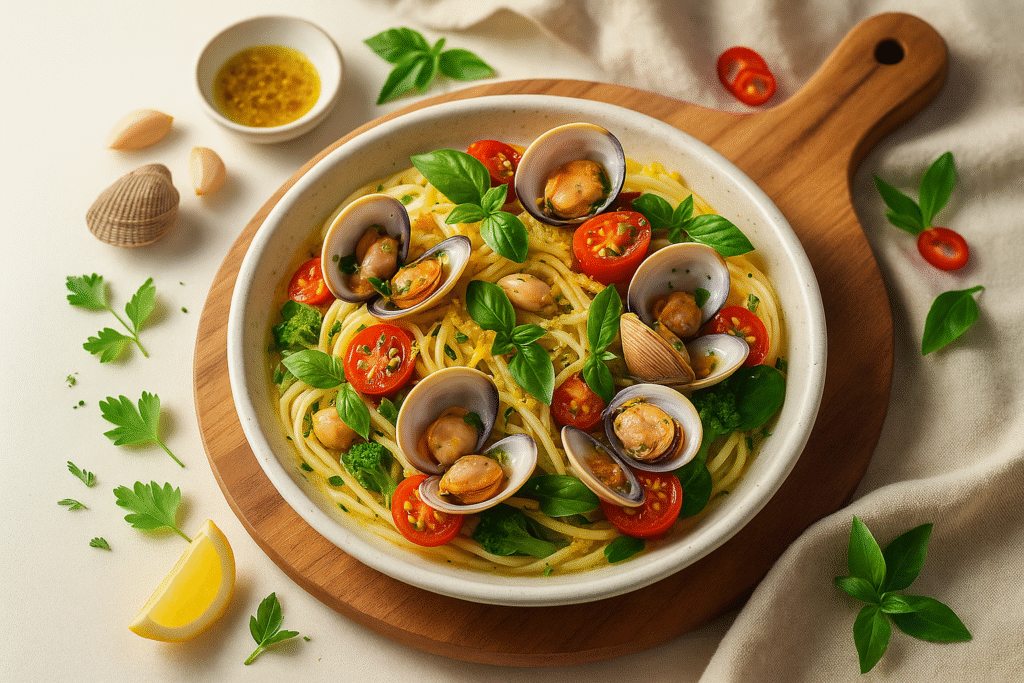

The image show Spaghetti with Clams . It is topped with vegetables of cherry tomatoes and fresh parsley and a squeeze of fresh lemon juice
Sphagetti with clams

Spaghetti with Clams: A Taste of the Mediterranean

Italian cooking is often celebrated for its ability to create complex, unforgettable flavors from just a few simple, high-quality ingredients. This recipe for spaghetti with clams embodies that philosophy perfectly. It’s a dish that looks and tastes like something you’d enjoy at a seaside trattoria, but it’s surprisingly simple to master in your own kitchen. By focusing on fresh, healthy ingredients and a streamlined process, we’ve created a meal that is both a treat for your taste buds and a boost for your well-being.

Unlike heavier pasta dishes, this recipe is a masterclass in lightness and freshness. We rely on the natural flavors of the sea, complemented by a vibrant mix of Mediterranean staples. The clams release their briny liquor, which forms a delicious, light sauce when combined with garlic, olive oil, and a splash of white wine. To this classic foundation, we add a colorful array of vegetables and herbs—halved cherry tomatoes and bright green broccoli florets—that not only make the dish visually stunning but also enhance its nutritional profile.

The Beauty of Simple Ingredients for Spaghetti with Clams

The beauty of this dish lies in its simplicity. With just a handful of ingredients and a quick cooking time, you can create a meal that is both healthy and satisfying. The tender spaghetti is perfectly coated in the savory sauce, and each spoonful offers a delightful mix of plump clams, sweet tomatoes, and crisp broccoli. The finishing touches—a sprinkle of red chili flakes and a generous amount of fresh parsley—add the final notes of heat and freshness that make this dish truly shine. It’s a recipe designed to make you feel good about what you’re eating, without spending hours on a complicated meal.

This recipe is built to be a visual showstopper, just like the image you’ve provided. The careful arrangement of ingredients, from the upright clams to the scattered basil and vibrant tomatoes, elevates the dish from a simple meal to a work of art. The final result looks elegant and sophisticated, yet the process to get there is completely approachable for home cooks of any skill level.

So, let’s get started on creating this beautiful, nutritious, and incredibly flavorful spaghetti with clams. It’s time to bring a taste of the Italian coast right to your dinner table.
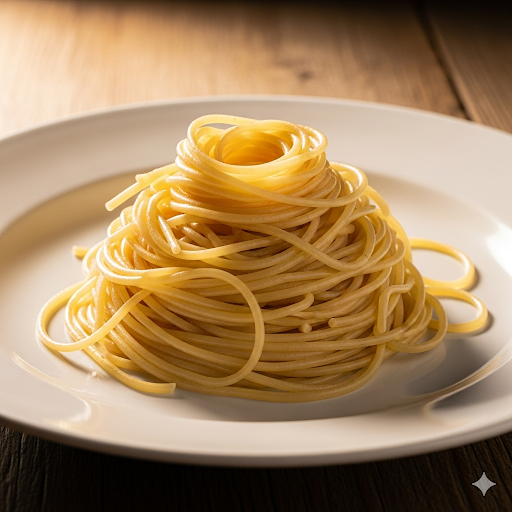
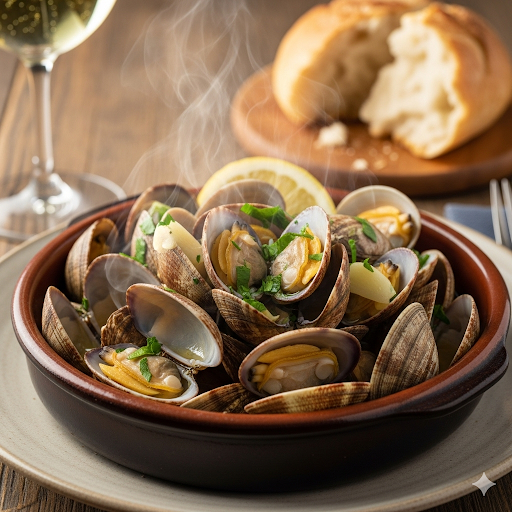
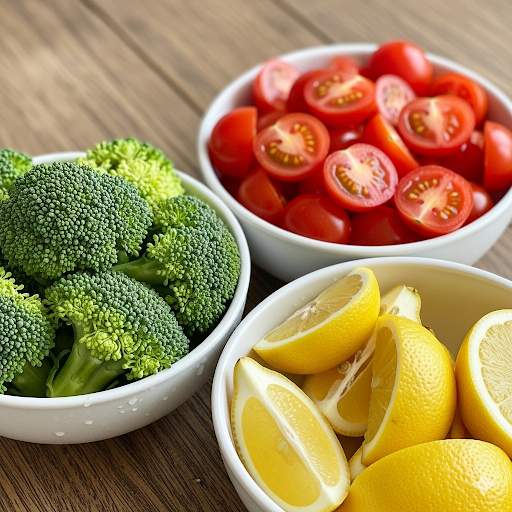
The gallery shows a plate of cooked sphagetti, cooked clams and some of the vegetables used in this recipe.


Time to Prepare and Cook

Time to Prepare: 10 minutes

Time to Cook: 20 minutes

Servings: 2-3


Nutritional Information

This spaghetti with clams dish is a nutritional powerhouse that fits perfectly into a healthy, Mediterranean-inspired diet. The star of the show, the clams, are an excellent source of lean protein and are particularly rich in essential minerals, especially iron and zinc. They also provide a significant amount of Vitamin B12, which is vital for nerve function and red blood cell formation.

Beyond the protein, the recipe’s ingredients are packed with health benefits. The use of extra virgin olive oil provides healthy monounsaturated fats, which are known to be beneficial for heart health. The inclusion of fresh vegetables like cherry tomatoes and broccoli adds a substantial amount of dietary fiber, Vitamin C, and other powerful antioxidants. These nutrients help support your immune system, aid in digestion, and reduce inflammation throughout the body. By combining these wholesome ingredients, you get a meal that is both incredibly flavorful and deeply nourishing.


Equipment

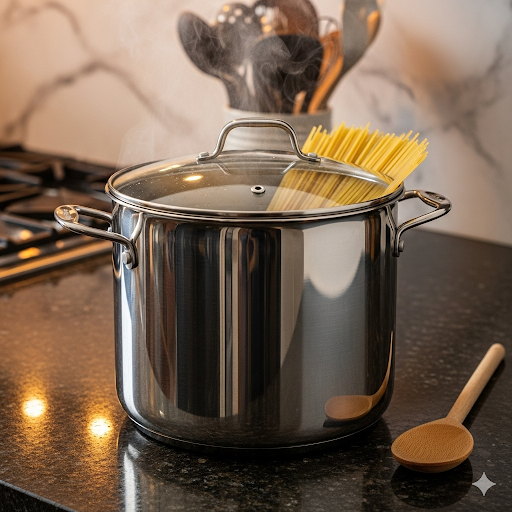
  • Large pot for boiling pasta
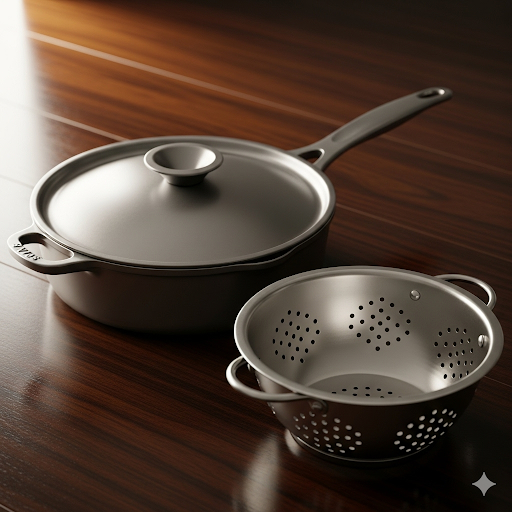
  • Large skillet or Dutch oven with a lid
  • Colander or strainer
  • Tongs
  • Serving bowls

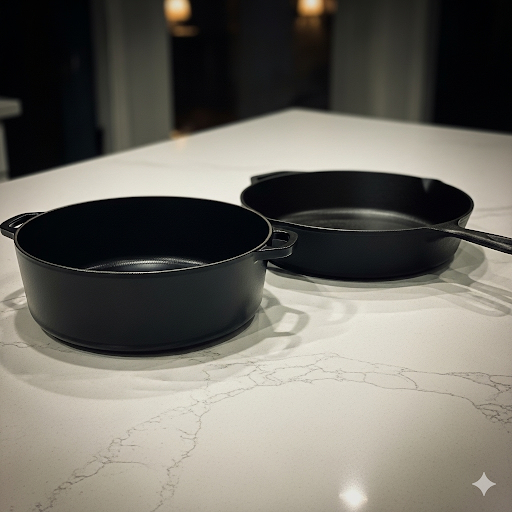
The gallery shows large cooking pot with sphagetti, serving bowls and frying pan and colander


Ingredients

  • 8 oz whole wheat or gluten-free spaghetti
  • 1 lb littleneck clams, scrubbed and rinsed
  • 1 tablespoon extra virgin olive oil
  • 3-4 cloves garlic, thinly sliced
  • ½ cup dry white wine (or low-sodium vegetable broth)
  • 1 cup broccoli florets, small
  • 1 cup cherry tomatoes, halved
  • ¼ teaspoon red chili flakes (or to taste)
  • ¼ cup fresh parsley, chopped
  • ¼ cup fresh basil leaves
  • 1 lemon, cut into wedges, for serving
  • Salt and black pepper to taste

Sphagetti with clams


Step-by-Step Instructions for Spaghetti with Clams

Prepare the Pasta

Begin by bringing a large pot of generously salted water to a rolling boil. Add your spaghetti and cook it according to the package directions until it’s perfectly al dente, meaning it’s firm to the bite. For added efficiency, in the last 3 minutes of the pasta’s cooking time, add the small broccoli florets directly to the boiling water to cook alongside the spaghetti.

Sauté the Garlic

While the pasta is cooking, place a large skillet over a medium-high heat. Add the olive oil and the thinly sliced garlic. Cook for about 1 minute, stirring constantly, until the garlic is fragrant and just begins to turn a light golden color. It’s very important not to let it burn, as this will give it a bitter taste.

Steam the Clams

Carefully add the scrubbed clams and the red chili flakes to the skillet with the garlic. Pour in the white wine or low-sodium vegetable broth. Immediately place a tight-fitting lid on the skillet. Increase the heat to high and steam the clams for 5-7 minutes. You’ll know they are ready when they have all opened up. Gently shake the pan a couple of times during this process to help them open more evenly. Be sure to discard any clams that do not open after cooking.

Combine and Sauce

Once the clams have opened, remove the lid. Using tongs, transfer the cooked spaghetti and broccoli directly from the pot into the skillet with the clams and sauce. Toss everything together vigorously. The starchy pasta water clinging to the spaghetti will combine with the clam juices and white wine to create a rich, light, and delicious sauce that coats every strand. Stir in half of the fresh, chopped parsley and season with black pepper to your taste.

Serve and Garnish

To serve, use tongs to carefully transfer the spaghetti and the clam-broccoli mixture into individual serving bowls. Arrange the clams so they stand up around the pasta, giving the dish that layered and elegant look from the hero image. Sprinkle with the remaining fresh parsley and add a few fresh basil leaves on top. Place a lemon wedge on the side of each bowl to be squeezed over the pasta just before eating. Enjoy your meal immediately while it’s hot.


Benefits of Spaghetti with Clams

This healthy spaghetti with clams is a fantastic choice for a nutritious dinner, offering a powerful array of health benefits that make every bite count. The star of the show, the clams, are a lean protein source that is naturally low in fat and calories. They are also packed with essential minerals like iron, which is crucial for red blood cell formation and energy levels, as well as a significant amount of Vitamin B12, which supports brain function and a healthy nervous system.

The recipe’s focus on a simple, olive oil-based sauce rather than heavy creams or butters also contributes to its health profile. Extra virgin olive oil is a cornerstone of the Mediterranean diet and is rich in monounsaturated fats and antioxidants. These healthy fats have been linked to a reduced risk of heart disease and can help lower bad cholesterol levels, making this a heart-healthy meal you can feel good about.

Finally, the generous inclusion of fresh vegetables and herbs elevates this dish from simple to spectacular, both in flavor and nutrition. Broccoli provides a good dose of fiber and Vitamin C, while cherry tomatoes are a great source of lycopene, a potent antioxidant. The fresh parsley and basil not only add a burst of freshness but also provide additional vitamins and micronutrients. This well-rounded combination of protein, healthy fats, fiber, and vitamins creates a meal that is both deeply satisfying and incredibly nourishing.
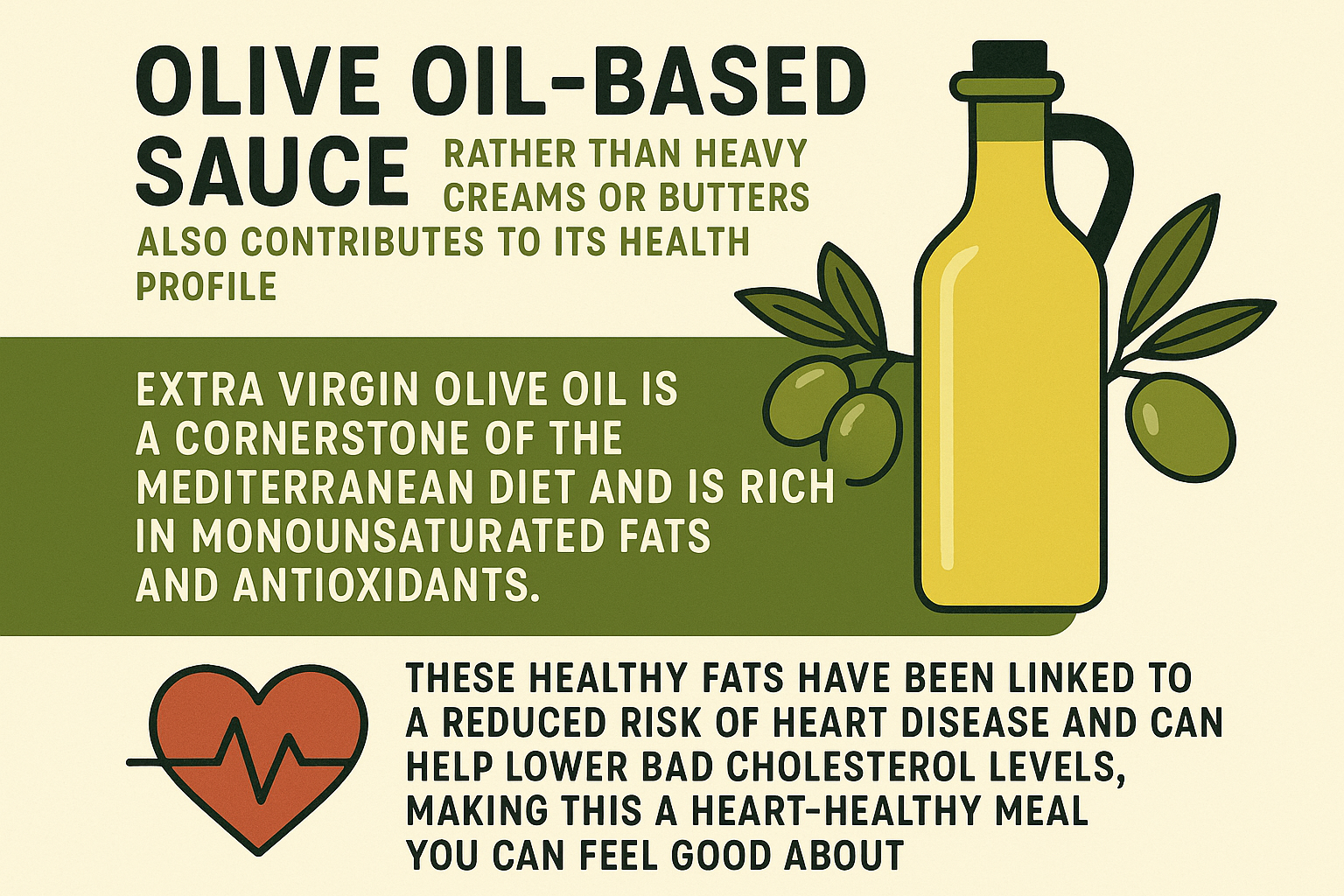
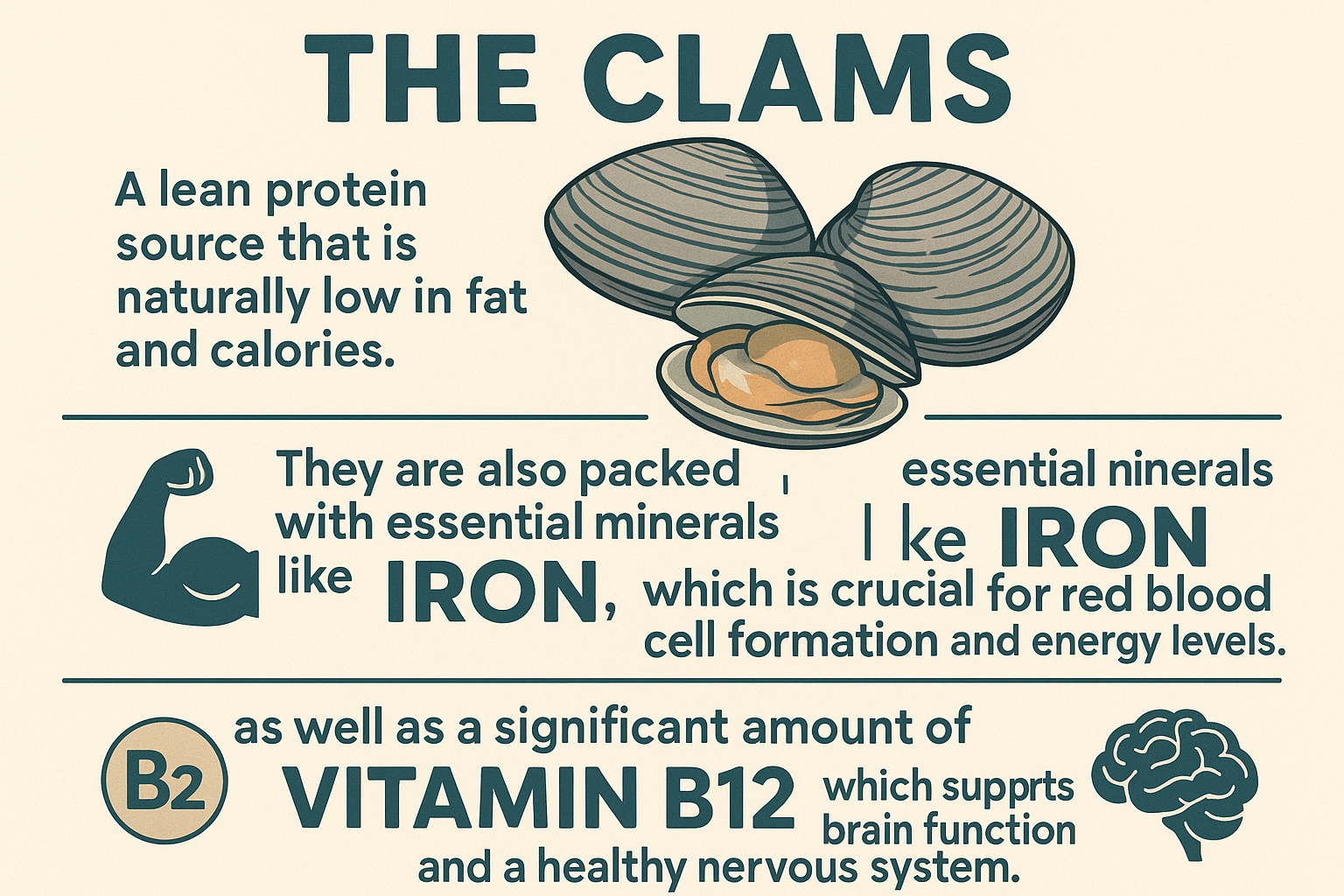
The gallery shows the nutritional benefits of Olive oil and Clams.


Variations: Customize Your Dish

This recipe is wonderfully versatile. Feel free to swap ingredients to suit your personal tastes or what you have on hand.

VariationIngredients to Add/Substitute
Different SeafoodUse cooked shrimp, mussels, or scallops instead of clams.
Add a ProteinAdd grilled chicken or salmon flakes for a heartier meal.
Gluten-FreeUse gluten-free spaghetti or zucchini noodles instead of traditional pasta.
No WineUse low-sodium vegetable broth to steam the clams for a non-alcoholic version.
More VegetablesAdd chopped spinach, steamed asparagus tips, or peas to the pasta.
Creamier SauceStir in 1/4 cup of heavy cream or plain Greek yogurt at the end for a richer sauce.

The images show pasta, clams, and vegetables being tossed in the pan and the finished meal on a plate.


Final Thoughts: A Simple Recipe, for Spaghetti with Clams

This healthy and easy spaghetti with clams is proof that you don’t need to spend hours in the kitchen to create a memorable meal. By embracing a few fresh, simple ingredients, you can bring the vibrant flavors of the Mediterranean to your table in under 30 minutes. It’s a dish that feels elegant and special, yet is wholesome and perfect for any night of the week. So go ahead, treat yourself to a little taste of the good life, and make this delicious recipe a new staple in your cooking repertoire.


Frequently Asked Questions (FAQs)

Q: Do I have to use fresh clams?

A: While fresh clams provide the best flavor, you can use canned or frozen clams in a pinch. If using canned, be sure to use the liquid in the can as part of the sauce for flavor, but be mindful of the sodium content.

Q: How do I know if my clams are fresh?

A: Fresh clams should be tightly closed. If any are open, tap them gently on the counter. If they close, they are alive and safe to use. If they remain open, discard them.


References

American Heart Association – The benefits of adding a drizzle of olive oil

Harvard T.H. Chan – The Mediterranean Diet

Healthline – What Is Shellfish?


Recent Posts


Cozy Mixed Bean Soup: Your New Favorite Recipe


When the weather turns cool, nothing beats a warm bowl of soup. This cozy mixed bean soup is a simple, healthy, and incredibly satisfying dish that you’ll want to make all season long. It’s the perfect way to enjoy a comforting meal without any guilt.


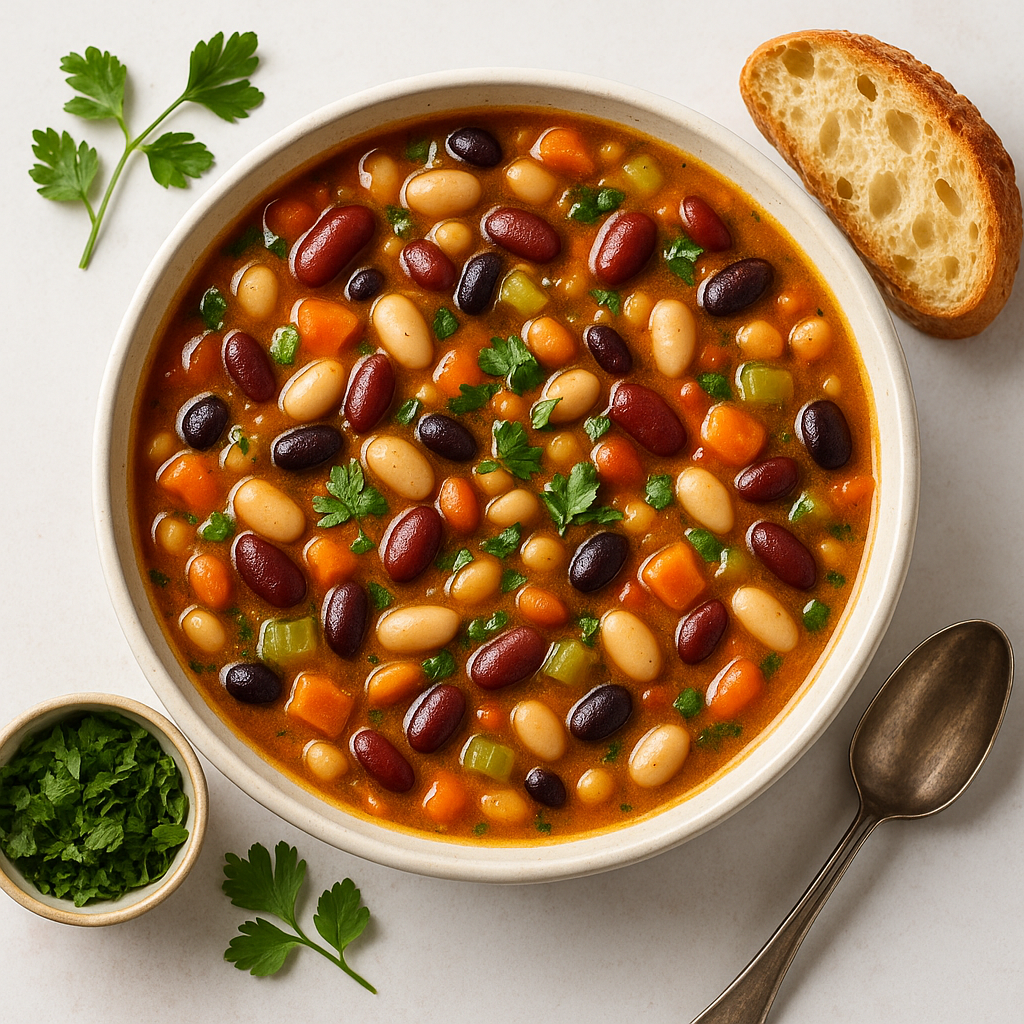
This is an image of Mixed Bean Soup with bread and mixed herbs.
Mixed Bean Soup

The Secret to a Perfect, Mixed Bean Soup

There’s something truly special about a homemade bowl of soup. It’s comforting, nourishing, and can be a fantastic way to use simple, wholesome ingredients to create something extraordinary. This recipe for mixed bean soup takes that feeling to a new level. It’s more than just a meal; it’s a bowl of pure, feel-good food that’s easy to make and even easier to enjoy. The rich, savory broth and the delightful mix of beans and vegetables make it a dish that satisfies both your hunger and your soul.

What makes this soup so special is the variety of legumes. We’re not sticking to just one or two types of beans. Instead, we’re using a colorful blend of kidney beans, cannellini beans, and chickpeas, along with the classic foundation of carrots, celery, and onion. This combination not only creates a stunning visual appeal that’s warm and inviting but also ensures a diversity of textures and flavors in every spoonful. The different beans cook to their own unique tenderness, giving the soup a satisfying complexity that’s often missing from single-bean recipes.

The Power of Simple Ingredients

The secret to achieving this perfect harmony of ingredients lies in the simple, yet effective, cooking methods. We’ll start by building a robust flavor base by gently sautéing our vegetables before adding the beans and broth. This simple step infuses the entire soup with a depth of flavor that a quick simmer just can’t achieve. The result is a soup that tastes like it’s been cooking for hours, even though it comes together in under an hour of active time.

This recipe is also a fantastic example of healthy, pantry-friendly cooking. Beans are a staple that can be stored for long periods, making this a go-to meal for when you’re short on fresh ingredients. It’s incredibly adaptable and can be customized with whatever vegetables you have on hand, ensuring you can make it delicious every time without a trip to the store. This flexibility is what makes it a true kitchen hero, perfect for a busy weeknight or a lazy Sunday afternoon.

So, let’s dive into how you can create this beautiful, nutritious, and soul-warming mixed bean soup. We’ll walk through each step, from prepping the ingredients to perfecting the final garnish, ensuring your first bowl is as perfect as the one that’s pictured.


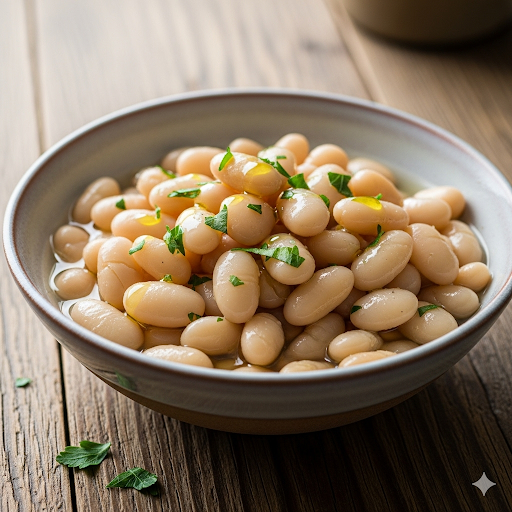
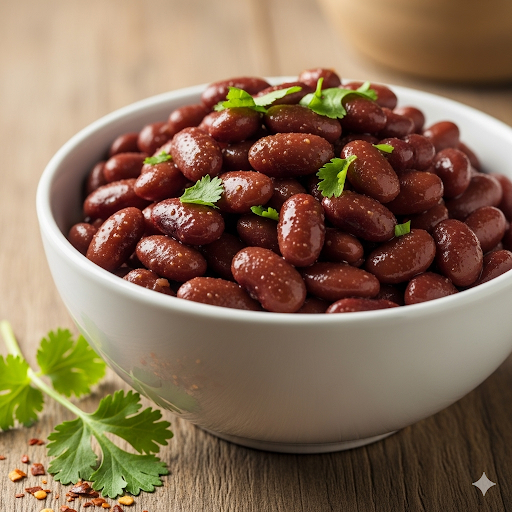
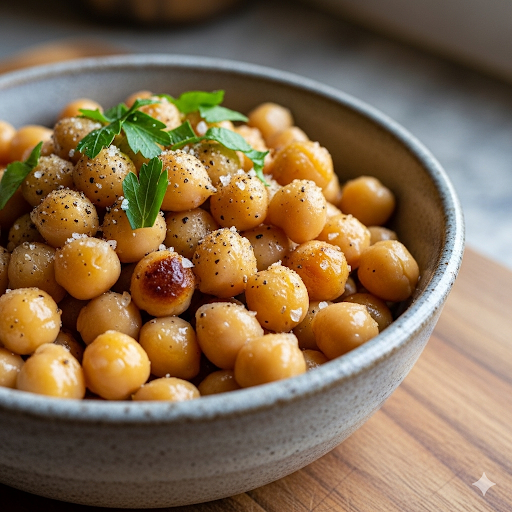
The gallery shows cannellini and kidney beans and Chickpeas in bowls


Time to Prepare and Cook

Time to Prepare: 15 minutes

Time to Cook: 45 minutes

Servings: 6-8


Nutritional Information For Mixed Bean Soup

This mixed bean soup is a nutritional powerhouse. A single serving is rich in plant-based protein, providing sustained energy and helping with muscle repair. The high fiber content, thanks to the variety of beans, promotes digestive health and keeps you feeling full and satisfied. The vegetables add a wealth of vitamins, minerals, and antioxidants, including Vitamin A from the carrots and Vitamin C from the tomatoes. This soup is naturally low in fat and cholesterol, making it a heart-healthy choice for the whole family.

Beyond its macro-nutrient benefits, the diverse blend of legumes and vegetables in this soup offers a powerful spectrum of micronutrients. The combination of kidney beans, cannellini beans, and chickpeas provides a comprehensive source of iron, folate, and potassium, which are crucial for red blood cell formation, cellular health, and blood pressure regulation, respectively. The fresh vegetables contribute a vibrant mix of antioxidants and phytonutrients that help protect your body from cellular damage and inflammation. By combining these wholesome, fiber-rich ingredients, this recipe not only supports your physical health but also contributes to your overall well-being, proving that a delicious meal can be both simple and exceptionally nourishing.


Equipment

  • Large stockpot or Dutch oven
  • Cutting board
  • Sharp knife
  • Can opener
  • Ladle

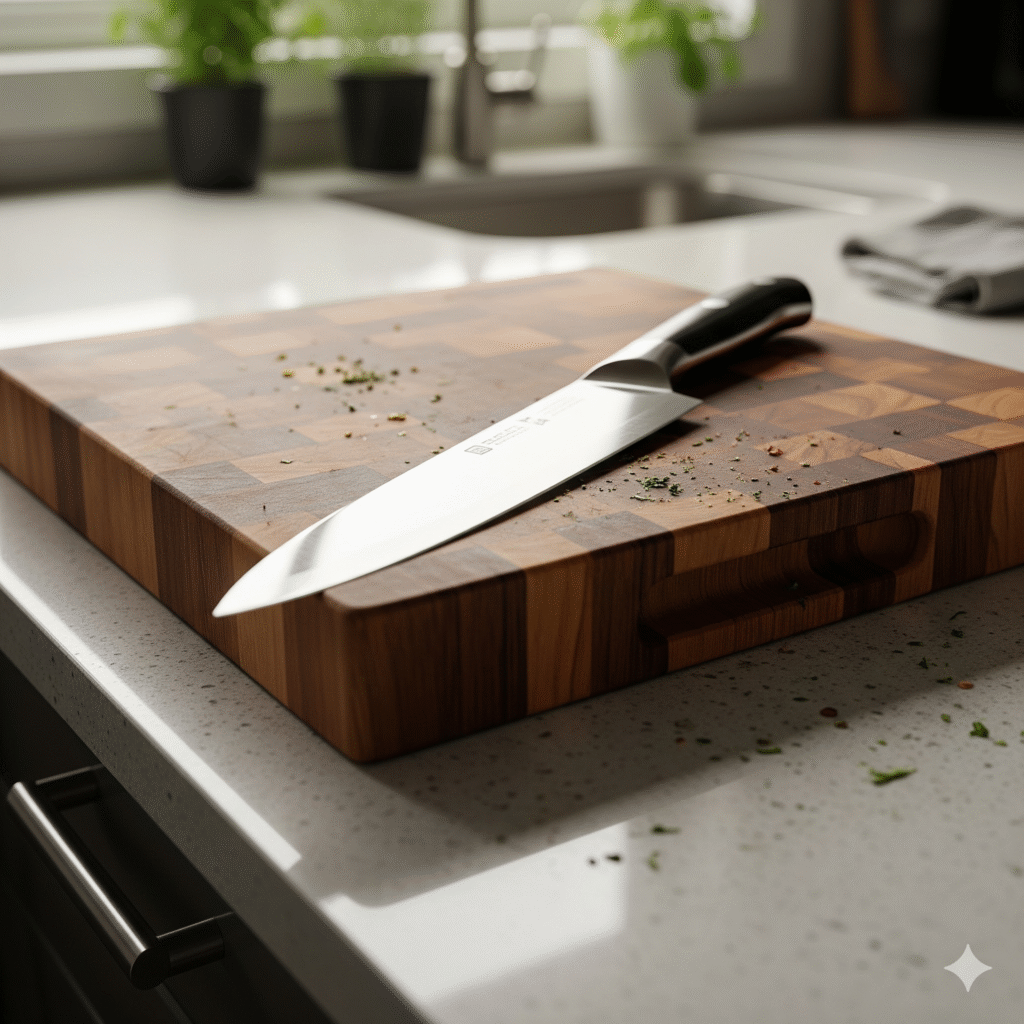
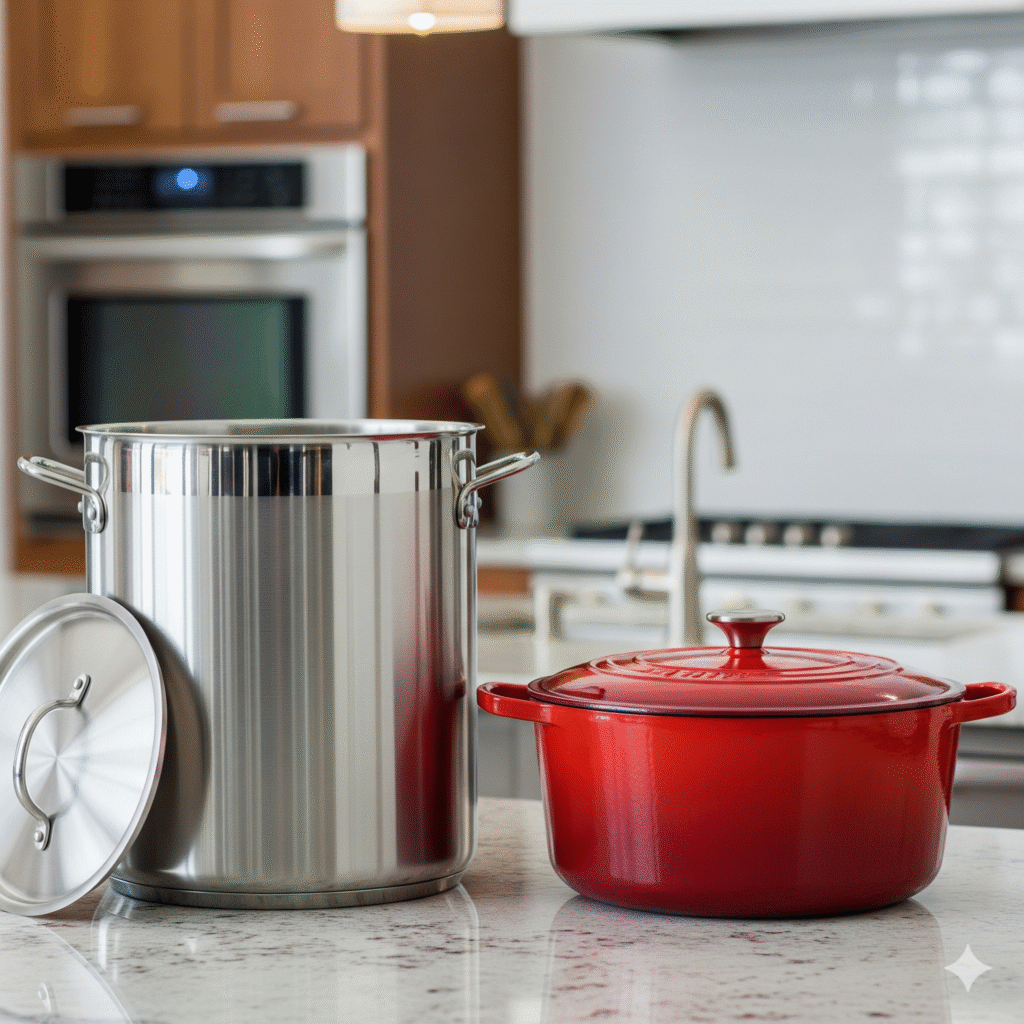
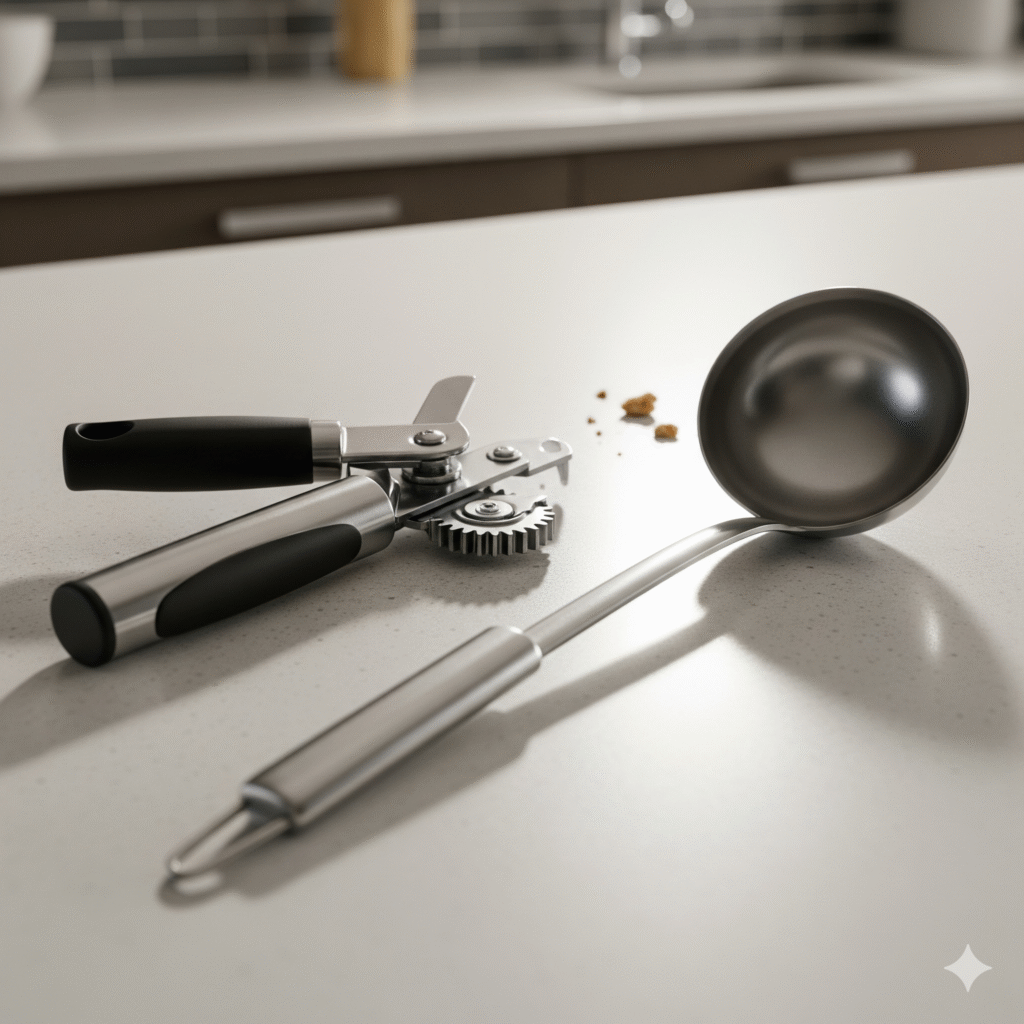
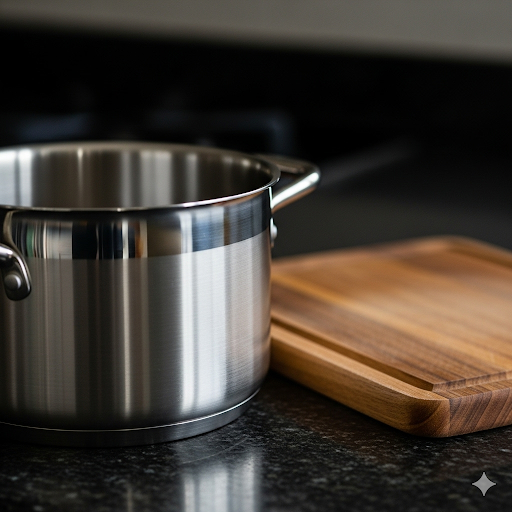
The gallery shows an image of a cutting board, large pot and can opener which is some of the equipment used in this recipe.


Ingredients For a Mixed Bean Soup

  • 2 tablespoons olive oil
  • 1 medium yellow onion, diced
  • 2 medium carrots, diced
  • 2 celery stalks, diced
  • 2 cloves garlic, minced
  • 1 (15-ounce) can cannellini beans, rinsed and drained
  • 1 (15-ounce) can kidney beans, rinsed and drained
  • 1 (15-ounce) can chickpeas, rinsed and drained
  • 1 (15-ounce) can fire-roasted diced tomatoes, undrained
  • 6 cups low-sodium vegetable broth
  • 1 teaspoon dried oregano
  • 1 teaspoon dried thyme
  • ½ teaspoon black pepper
  • ½ teaspoon salt (or to taste)
  • Fresh parsley, chopped, for garnish

A Note on the Mirepoix

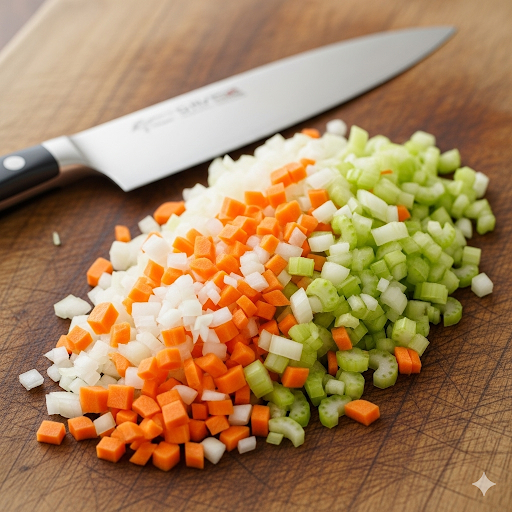
Before you dive into the recipe, it’s helpful to understand a key cooking term: mirepoix. It’s a fancy French word for a simple combination of three vegetables—onion, carrots, and celery—that forms the flavorful base for many soups, stews, and sauces. By gently cooking these vegetables first, we’re not just softening them; we’re unlocking their natural sweetness and aromatic compounds. This process, called sautéing, builds the foundational flavor of your soup, giving it a depth and richness that tastes like it’s been simmering for hours. Think of it as the secret to transforming a simple soup into a truly memorable meal. Don’t skip this step—it’s what gives your mixed bean soup its delicious soul.


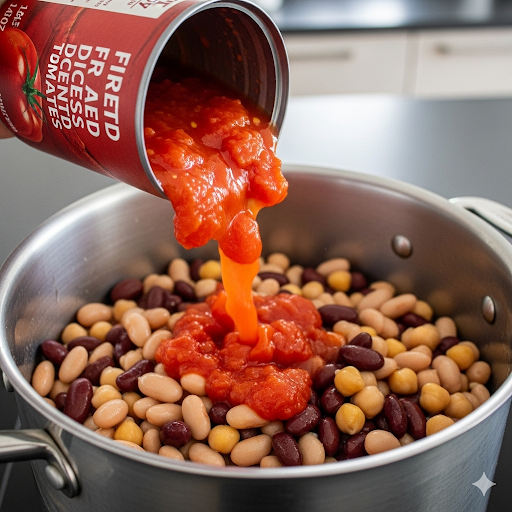
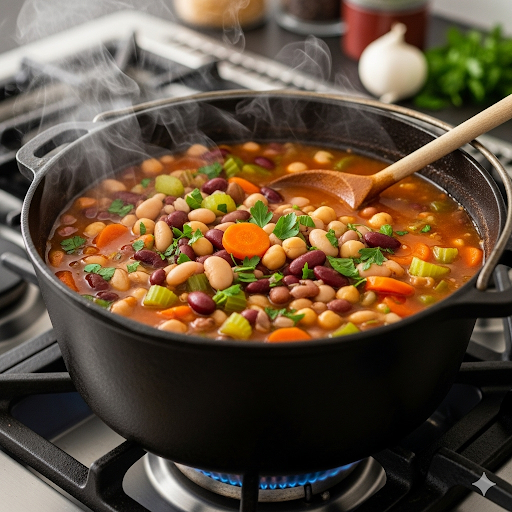
The gallery shows beans in a pot, saute Mirepoix amd beans simmering on a stove top.


Step-by-Step Instructions

Prepare the Vegetables

Begin by dicing your onion, carrots, and celery. This aromatic base is called a mirepoix, and it’s the key to a deeply flavorful soup. Mince your garlic and set it aside. Also, make sure to rinse and drain all of your canned beans. This removes excess sodium and starch.

Sauté the Mirepoix

In a large stockpot or Dutch oven, heat the olive oil over medium heat. Add the diced onion, carrots, and celery. Cook for 8-10 minutes, stirring occasionally, until the vegetables have softened. This slow sautéing process allows the natural sugars in the vegetables to caramelize, building the first layer of flavor.

Add Garlic and Spices

Add the minced garlic to the pot and cook for just 1 minute more, stirring constantly, until it becomes fragrant. Be careful not to let the garlic burn, as this can make it bitter. Stir in the dried oregano, dried thyme, black pepper, and salt. Cook for about 30 seconds, stirring to toast the spices and release their aromas.

Introduce the Beans and Tomatoes

Pour in the rinsed and drained cannellini beans, kidney beans, and chickpeas. Add the entire can of fire-roasted diced tomatoes, including the liquid. The liquid from the tomatoes will become part of your broth. Stir everything to combine.

Simmer the Soup

Pour in the low-sodium vegetable broth. Stir one final time to ensure all ingredients are well-mixed. Increase the heat to bring the soup to a boil, then immediately reduce the heat to a low simmer. Cover the pot and let the soup cook for at least 30 minutes. This simmering time is crucial for allowing all the flavors to marry and deepen.

Check for Seasoning and Serve

After 30 minutes, taste the soup and adjust the seasoning as needed. You might want to add a little more salt or pepper. Ladle the hot soup into bowls. For a beautiful finish, garnish each bowl with a generous sprinkle of fresh, chopped parsley, a drizzle of olive oil, and a slice of rustic bread on the side for dipping.


3 Bean soup recipe


Benefits of a Mixed Bean Soup

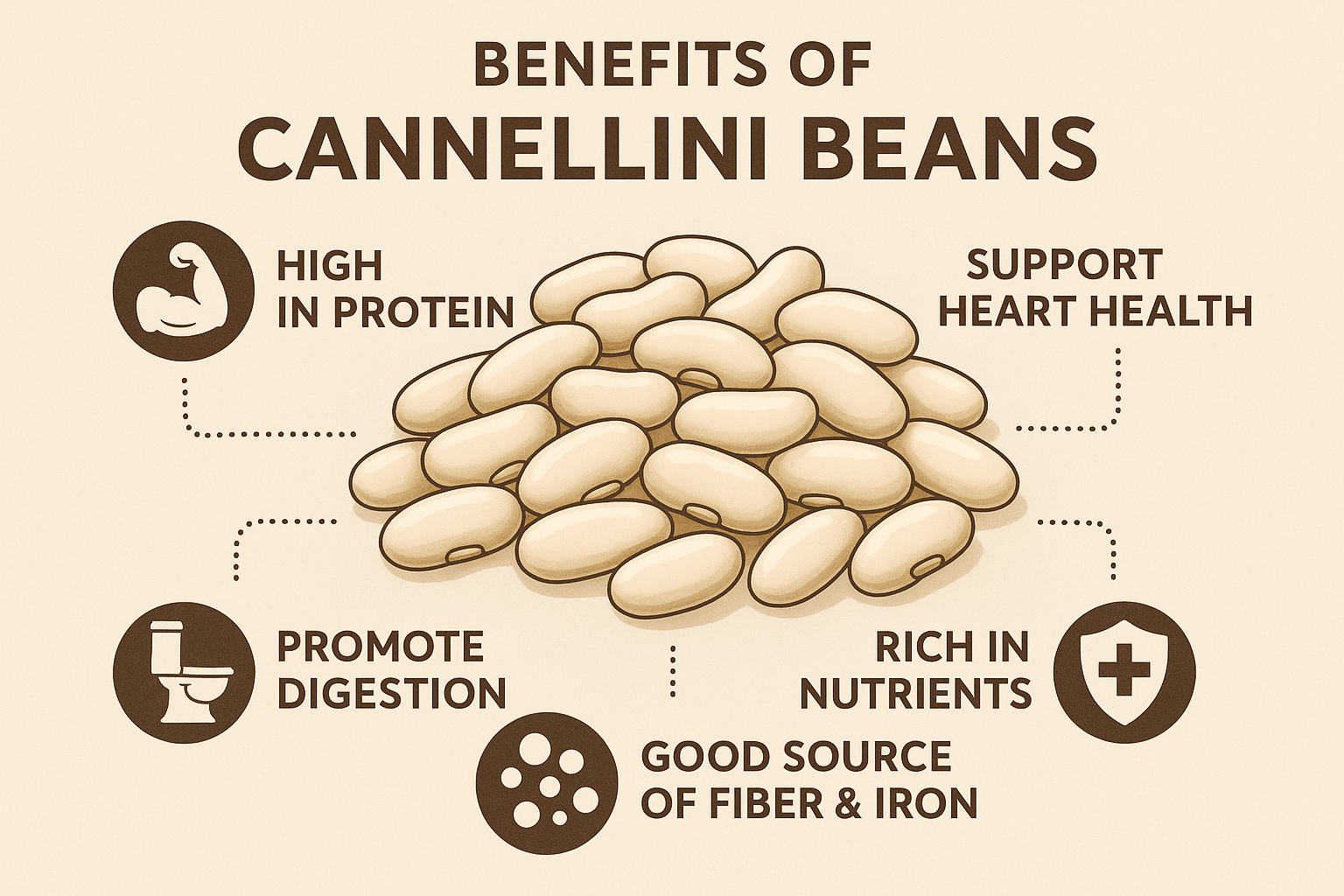
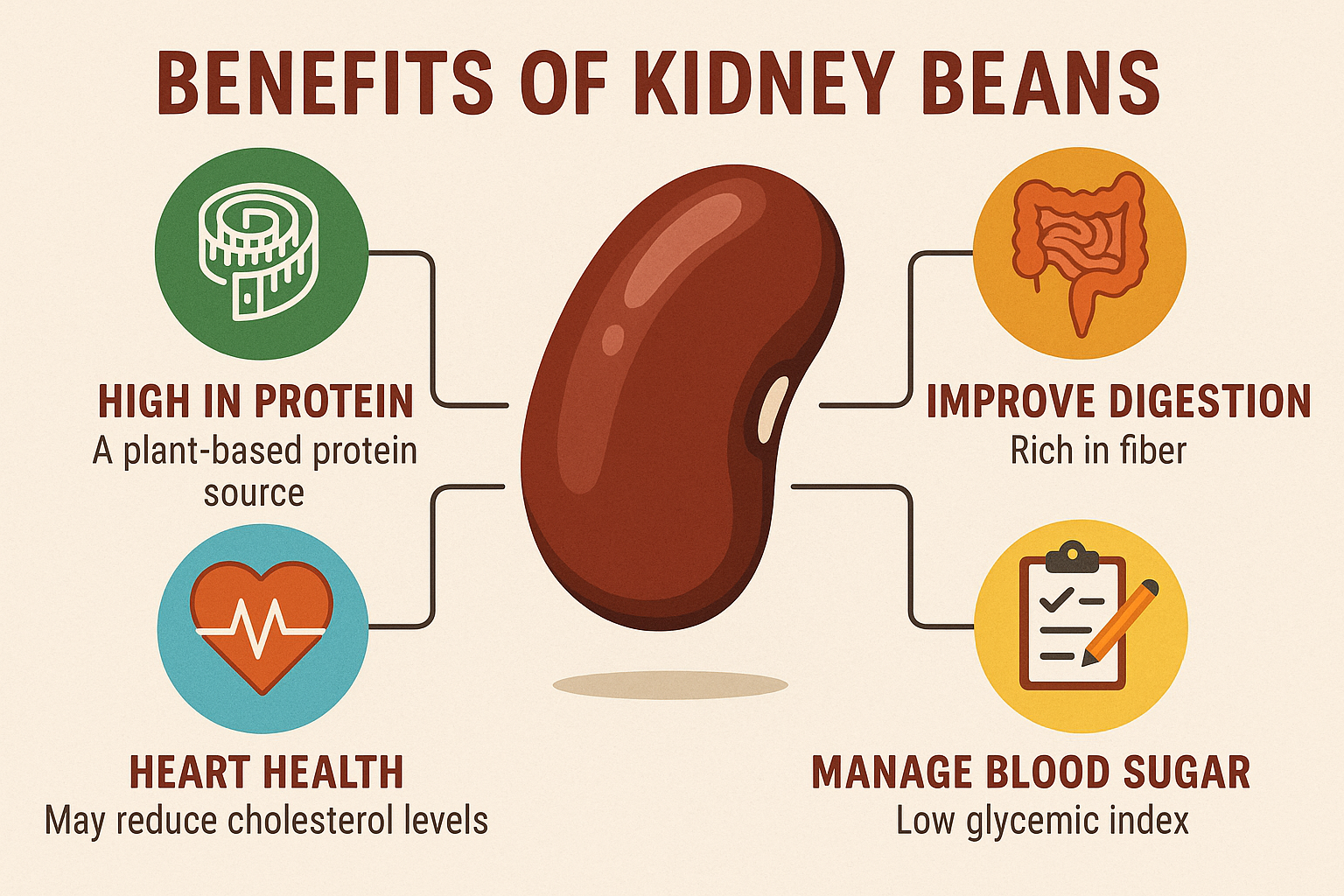
This mixed bean soup is a testament to how simple, whole foods can create a powerful and health-supportive meal. Legumes are an absolute nutritional powerhouse. The combination of different beans—kidney, cannellini, and chickpeas—provides a diverse mix of essential nutrients. They are an excellent source of plant-based protein, which is vital for building and repairing tissues, and they offer a significant amount of dietary fiber. This fiber not only promotes healthy digestion but also helps stabilize blood sugar levels, keeping you feeling full and satisfied long after you’ve finished your meal.

Beyond its macro-nutrient benefits, the diverse blend of legumes and vegetables in this soup offers a powerful spectrum of micronutrients. The combination of kidney beans, cannellini beans, and chickpeas provides a comprehensive source of iron, folate, and potassium, which are crucial for red blood cell formation, cellular health, and blood pressure regulation, respectively. The fresh vegetables contribute a vibrant mix of antioxidants and phytonutrients that help protect your body from cellular damage and inflammation. By combining these wholesome, fiber-rich ingredients, this recipe not only supports your physical health but also contributes to your overall well-being, proving that a delicious meal can be both simple and exceptionally nourishing.


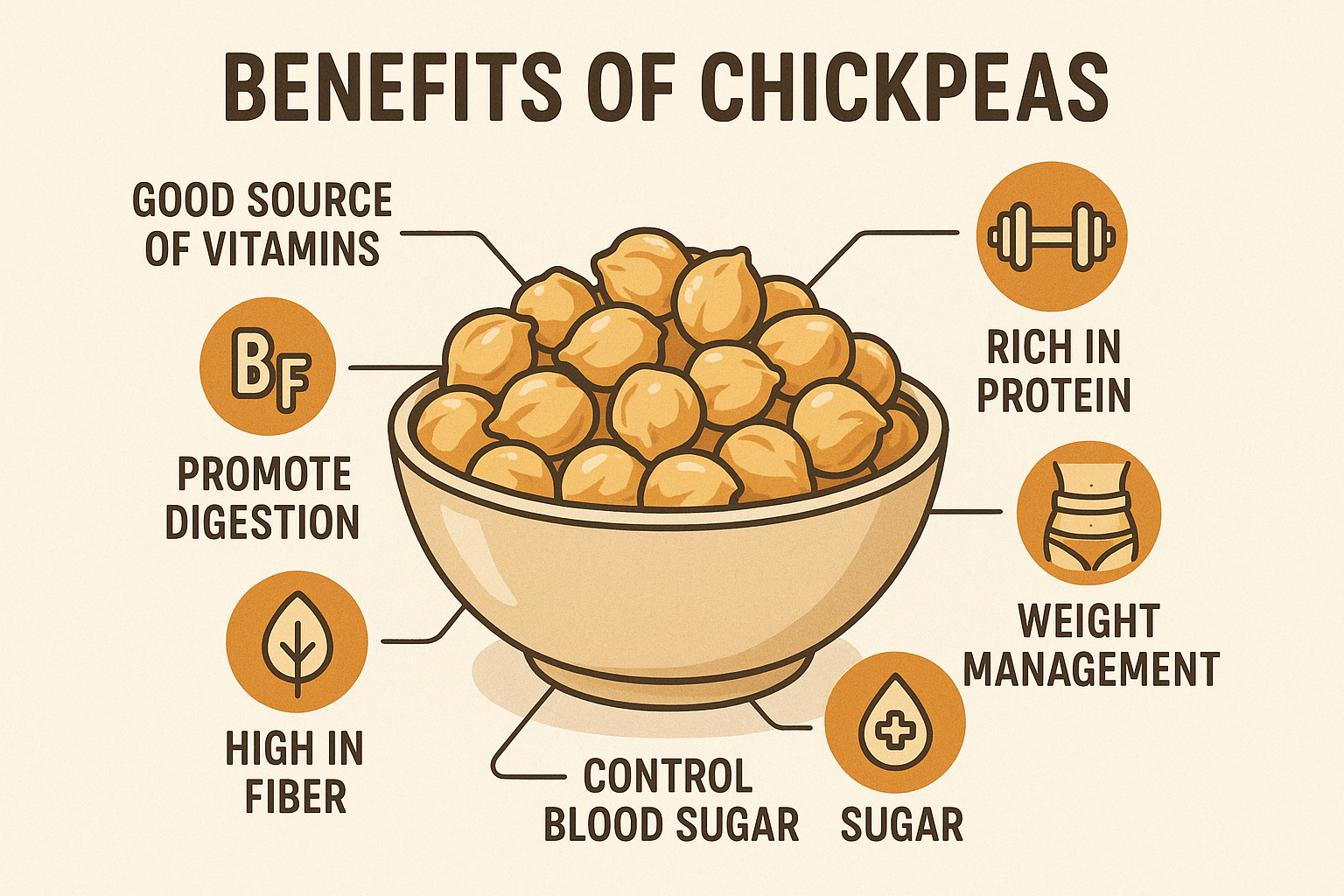
The gallery shows the nutritional benefits gained from Cannellini and Kidney beans and Chickpeas.


Variations: Make it Your Own!

This recipe is incredibly versatile. Feel free to swap ingredients to suit your personal tastes or what you have on hand.

VariationIngredients to Add/Substitute
Spicy KickAdd ½ teaspoon red pepper flakes or a chopped jalapeño while sautéing the vegetables.
Crockpot VersionCombine all ingredients (except parsley and bread) in a crockpot and cook on low for 6-8 hours.
Hearty Add-insStir in 1 cup of cooked brown rice or quinoa, or add chopped kale in the last 10 minutes.
Extra ProteinUse a different combination of beans like black beans, pinto beans, or great northern beans.
Creamier TextureUse an immersion blender to blend a portion of the soup for a creamier consistency.
Different BrothTry chicken broth for a different flavor, or a mushroom broth for a richer, earthy taste.

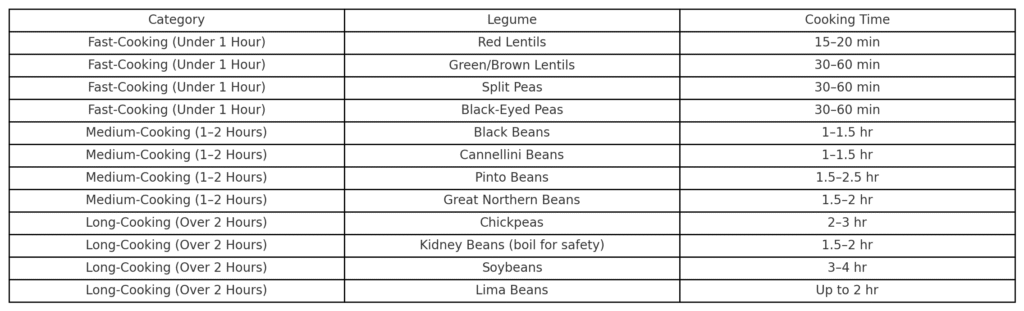
The Table shows the Cooking Times for dried Legumes.


Final Thoughts: A Wholesome Bowl of Mixed Bean Soup

This mixed bean soup is more than just a recipe; it’s a celebration of simple, wholesome ingredients coming together to create a dish that is both deeply comforting and incredibly healthy. It’s the perfect way to warm up on a chilly day, use up pantry staples, and nourish your body with every spoonful. This is a dish that invites you to slow down, savor the moment, and enjoy a meal that makes you feel truly good. We hope this becomes a new favorite in your kitchen, providing you with a delicious and easy solution for a healthy meal.


Frequently Asked Questions (FAQs)

Q: Can I use dried beans instead of canned?

A: Yes, you can! Just be aware that dried beans require soaking and a longer cooking time. Refer to the infographic for a rough guide on cooking times. For best results, cook dried beans separately until tender and then add them to the soup.

Q: How do I store leftovers?

A: This soup is fantastic for meal prep! Simply store leftovers in an airtight container in the refrigerator for up to 4-5 days. The flavors will continue to meld and deepen over time. You can also freeze this soup for up to 3 months.


References

  1. Harvard T.H. Chan – Legumes and Pulses
  2. Mayo Clinic – Dietary fiber
  3. Academy of Nutrition and Dietetics – Eating Right for a Healthy Weight

Recent Posts


The Best White Bean And Vegetable Curry Enchiladas


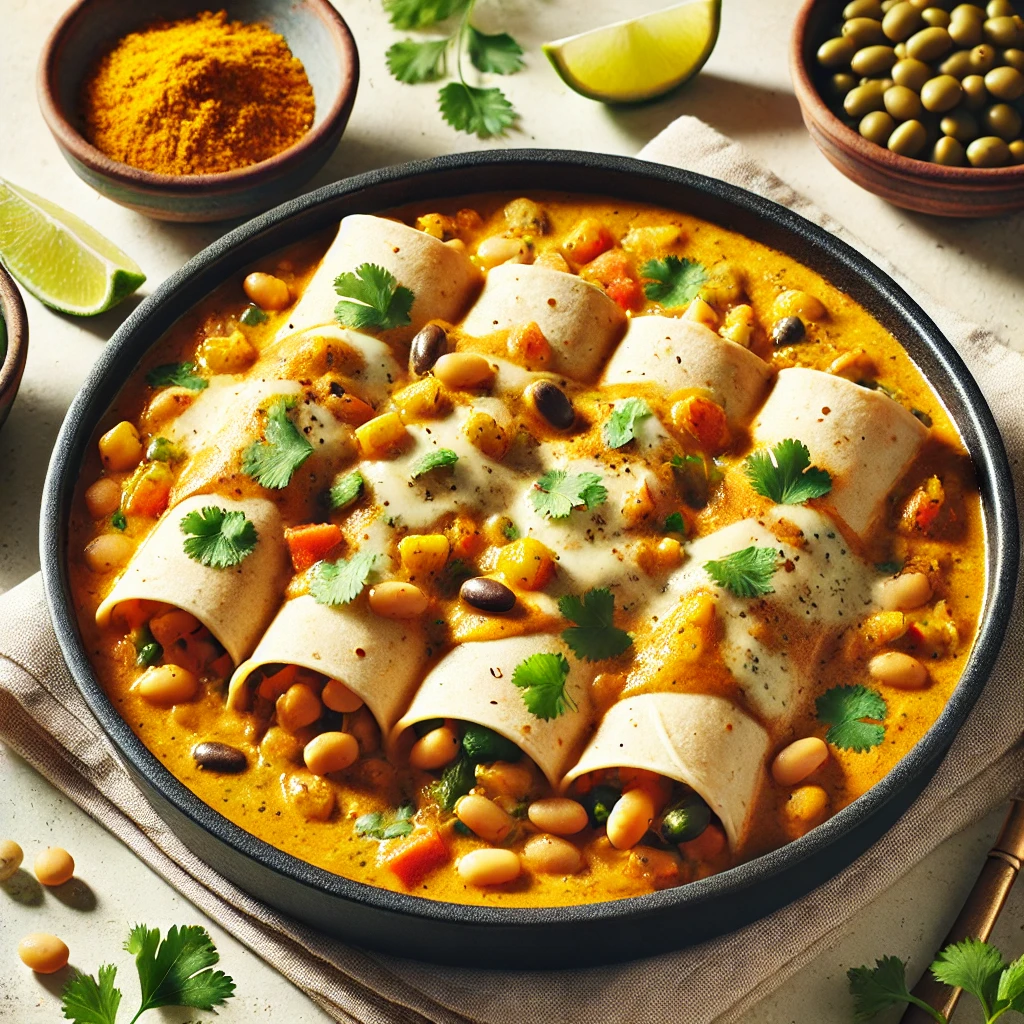
Elevate your weeknight dinner with a burst of flavor and a touch of global inspiration. These vegetable curry enchiladas are a delicious and healthy twist on a beloved classic, proving that comfort food can also be incredibly nutritious. Get ready to impress your taste buds and nourish your body.


The image shows a White bean and Vegetable Curry Enchiladas in a round casserole dish.
Vegetable Curry Enchiladas

A Fusion of Comfort and Healthy Flavors with Vegetable Curry Enchiladas

Enchiladas, a classic Mexican dish, are beloved for their comforting layers of tortillas, fillings, and savory sauce. But what if you could infuse this timeless favorite with the aromatic spices and vibrant vegetables of a traditional curry? This recipe for White Bean and Vegetable Curry Enchiladas does exactly that, creating a harmonious fusion that is both incredibly delicious and wonderfully healthy. It’s a fantastic way to introduce new flavors to your dinner table while ensuring a meal packed with wholesome ingredients that will satisfy everyone.

Our take on enchiladas swaps out heavy, meat-based fillings for a light yet incredibly satisfying blend of creamy white beans and a medley of colorful, nutrient-dense vegetables. Imagine tender corn, crisp bell peppers, and savory black beans, all coated in a rich, mild curry sauce. This creates a filling that is bursting with flavor and texture, making each bite an experience. The use of both white and black beans provides a fantastic source of plant-based protein and fiber, contributing a delightful creaminess that perfectly balances the sweet crunch of the corn.

A Symphony of Flavors and Textures

The magic truly happens when these curry-infused fillings are lovingly wrapped in soft tortillas, bathed in an even richer, homemade curry sauce, and then baked to golden perfection. The result is a dish where every component—from the earthy beans to the sweet vegetables and aromatic spices—comes together in a symphony of flavors. This recipe proves that healthy eating doesn’t mean sacrificing taste; in fact, it often means discovering exciting new combinations that are both good for you and incredibly satisfying.

We’ve meticulously crafted this recipe to ensure it aligns perfectly with the healthy and vibrant image you’ve provided. Every ingredient has been chosen for its nutritional value and its ability to contribute to the rich, appealing aesthetic. The bright colors of the corn, beans, and peppers shine through, promising a meal that is as visually appealing as it is palatable. This isn’t just about making enchiladas; it’s about creating a holistic dining experience that delights the senses and nurtures the body.

So, get ready to embark on a culinary adventure that brings together the best of two worlds. This recipe is designed to be approachable for home cooks of all skill levels, with clear, step-by-step instructions that will guide you to a perfect batch of vegetable curry enchiladas every time. Let’s transform your kitchen into a haven of healthy, global-inspired comfort food.


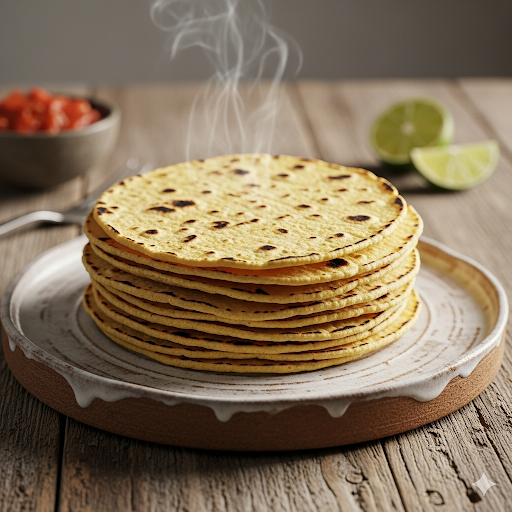
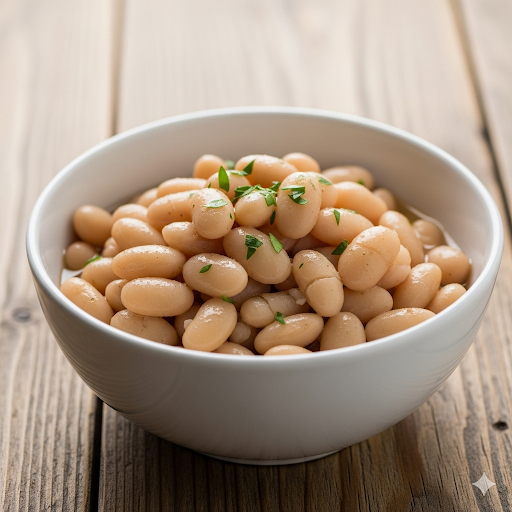
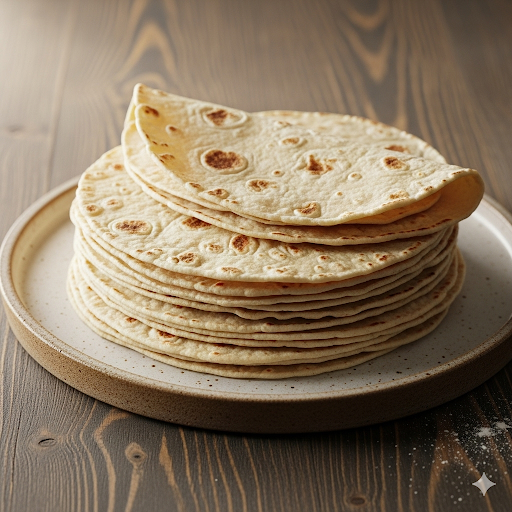
The gallery shows images of corn tortillas, white beans in a bowl and flour tortillas


Time to Prepare and Cook

Time to Prepare: 30 minutes

Time to Cook: 25-30 minutes

Servings: 4-6 (makes 8 enchiladas)


Nutritional Information

These White Bean and Vegetable Curry Enchiladas are a nutritional powerhouse. Each serving (approximately 2 enchiladas) contains about 400-450 calories, 18-20g of protein, 60-65g of complex carbohydrates, and 12-15g of healthy fats. They are rich in fiber, promoting digestive health and sustained energy. The vegetables provide abundant vitamins A, C, and K, while the variety of beans is an excellent source of plant-based protein, iron, and folate. This meal is naturally low in saturated fat and cholesterol, making it heart-healthy and incredibly satisfying.


Equipment

  • Large, round casserole or baking dish
  • Large skillet or pot
  • Medium saucepan
  • Cutting board
  • Sharp knife
  • Measuring cups and spoons
  • Whisk
  • Can opener

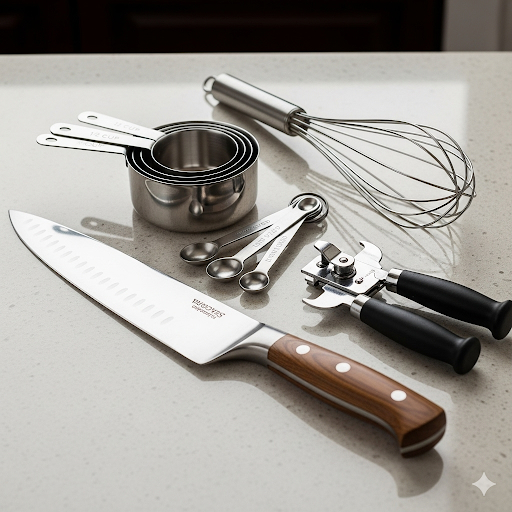
The gallery shows some of the cooking equipment used on this recipe. These are a large pot, measuring cups and casserole dish.


Ingredients

For the Curry Sauce:

  • 1 tablespoon olive oil
  • 1 small yellow onion, finely chopped
  • 2 cloves garlic, minced
  • 1 tablespoon fresh ginger, grated
  • 2 tablespoons mild curry powder
  • ½ teaspoon turmeric powder
  • ¼ teaspoon ground cumin
  • 1 (13.5 ounce) can light coconut milk (full-fat also works for richer flavor)
  • 1 (14.5 ounce) can crushed tomatoes (no salt added)
  • ½ cup vegetable broth (low sodium)
  • 1 tablespoon maple syrup or agave nectar (optional, to balance flavors)
  • Salt and black pepper to taste
  • Fresh cilantro, chopped, for garnish

For the Filling:

  • 1 tablespoon olive oil
  • 1 red bell pepper, finely diced
  • 1 green bell pepper, finely diced
  • 1 (15 ounce) can cannellini beans (white kidney beans), rinsed and drained
  • 1 (15 ounce) can black beans, rinsed and drained
  • 1 cup corn (canned or frozen, thawed)
  • 8 corn or flour tortillas (6-inch size)
  • ½ cup shredded low-fat mozzarella cheese (or dairy-free alternative)

Vegetarian Bean Enchiladas


Step-by-Step Instructions for Vegetable Curry Enchiladas

Prepare Your Baking Dish

Preheat your oven to 375°F (190°C). Lightly grease a large, round casserole or baking dish. This will prevent the enchiladas from sticking and make cleanup easier.

Start the Curry Sauce

In a medium saucepan, heat 1 tablespoon of olive oil over medium heat. Add the finely chopped yellow onion and sauté for 3-5 minutes until it softens and becomes translucent. Stir in the minced garlic and grated fresh ginger, cooking for another minute until fragrant. Be careful not to let the garlic brown.

Build the Sauce’s Flavor

Add the mild curry powder, turmeric powder, and ground cumin to the saucepan. Stir continuously for about 1 minute, allowing the spices to toast and release their aromatic flavors. This step is crucial for a rich, deep curry taste.

Simmer the Sauce

Pour in the light coconut milk, crushed tomatoes, and vegetable broth. Stir everything together until well combined. Bring the sauce to a gentle simmer, then reduce the heat to low and let it cook for 10-15 minutes. This allows the flavors to meld beautifully. If desired, stir in the maple syrup or agave nectar to add a touch of sweetness that balances the savory and spicy notes. Season with salt and black pepper to your taste preferences.


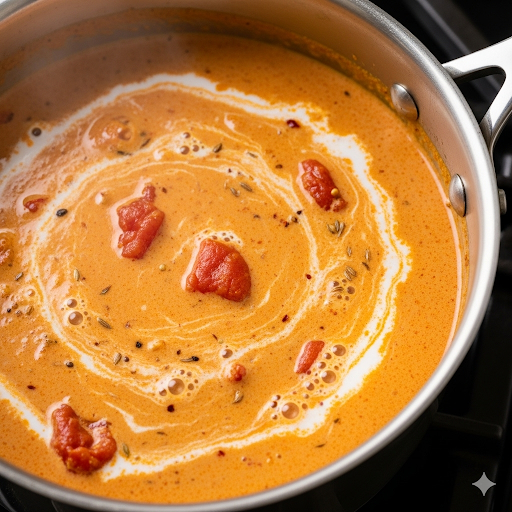
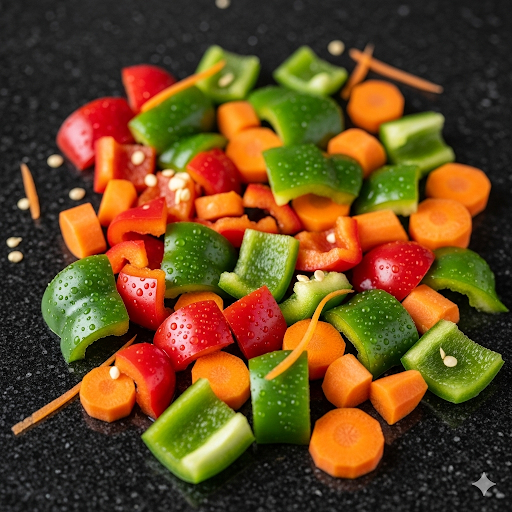
    The gallery shows curry sauce in a pan. Chopped vegetables and white beans in a bowl.


    Prepare the Filling Vegetables

    While the sauce simmers, heat 1 tablespoon of olive oil in a large skillet over medium heat. Add the finely diced red bell pepper and green bell pepper. Sauté for 5-7 minutes, stirring occasionally, until the vegetables are tender-crisp. You want them cooked but still with a slight bite. Remove the skillet from the heat. Add the rinsed and drained cannellini beans, black beans, and corn to the vegetable mixture. Spoon about half a cup of your prepared curry sauce into the vegetable and bean filling and mix well. This will bind the filling and infuse it with rich curry flavor.

    Assemble the Enchiladas

    Lay out one tortilla on a clean surface. Spoon a generous amount of the curry vegetable and bean filling down the center of the tortilla. Carefully roll up the tortilla tightly and place it seam-side down in your prepared round baking dish. Arrange the enchiladas in a circle, with the ends meeting in the center. Repeat this process with the remaining tortillas and filling.


    Cover and Bake

    Once all the enchiladas are arranged in the baking dish, pour the remaining curry sauce evenly over the top, making sure to cover them completely. Sprinkle the remaining shredded mozzarella cheese over the sauce.


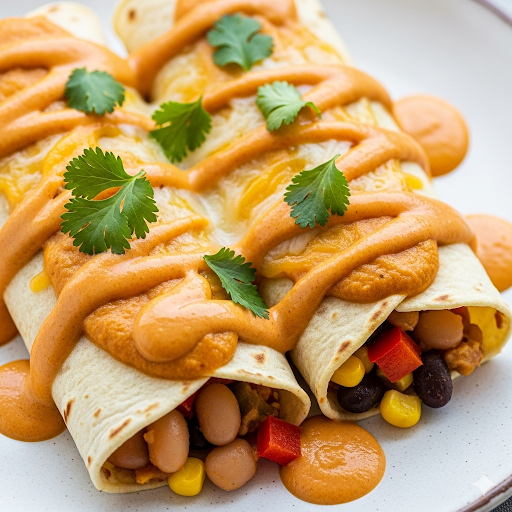
    The gallery shows finished enchiladas on a plate, garnished with fresh cilantro, various ingredients for enchilada variations and enchiladas in the baking dish.


    Bake to Perfection

    Place the baking dish in your preheated oven and bake for 25-30 minutes, or until the enchiladas are bubbly, the cheese is melted and lightly golden, and the tortillas are tender.

    Garnish and Serve

    Carefully remove the baking dish from the oven. Let the enchiladas cool for a few minutes before serving. Garnish generously with fresh chopped cilantro. These vegetable curry enchiladas are best served warm, offering a comforting and flavorful meal.


    Benefits of These Healthy Vegetable Curry Enchiladas

    These White Bean and Vegetable Curry Enchiladas are a nutritional powerhouse, making them an excellent choice for anyone looking for a wholesome and satisfying meal. The use of various beans provides a fantastic source of plant-based protein and dietary fiber, which are crucial for muscle health, satiety, and digestive well-being. Fiber helps regulate blood sugar levels and promotes a healthy gut, while protein keeps you feeling full and energized for longer, preventing unnecessary snacking.

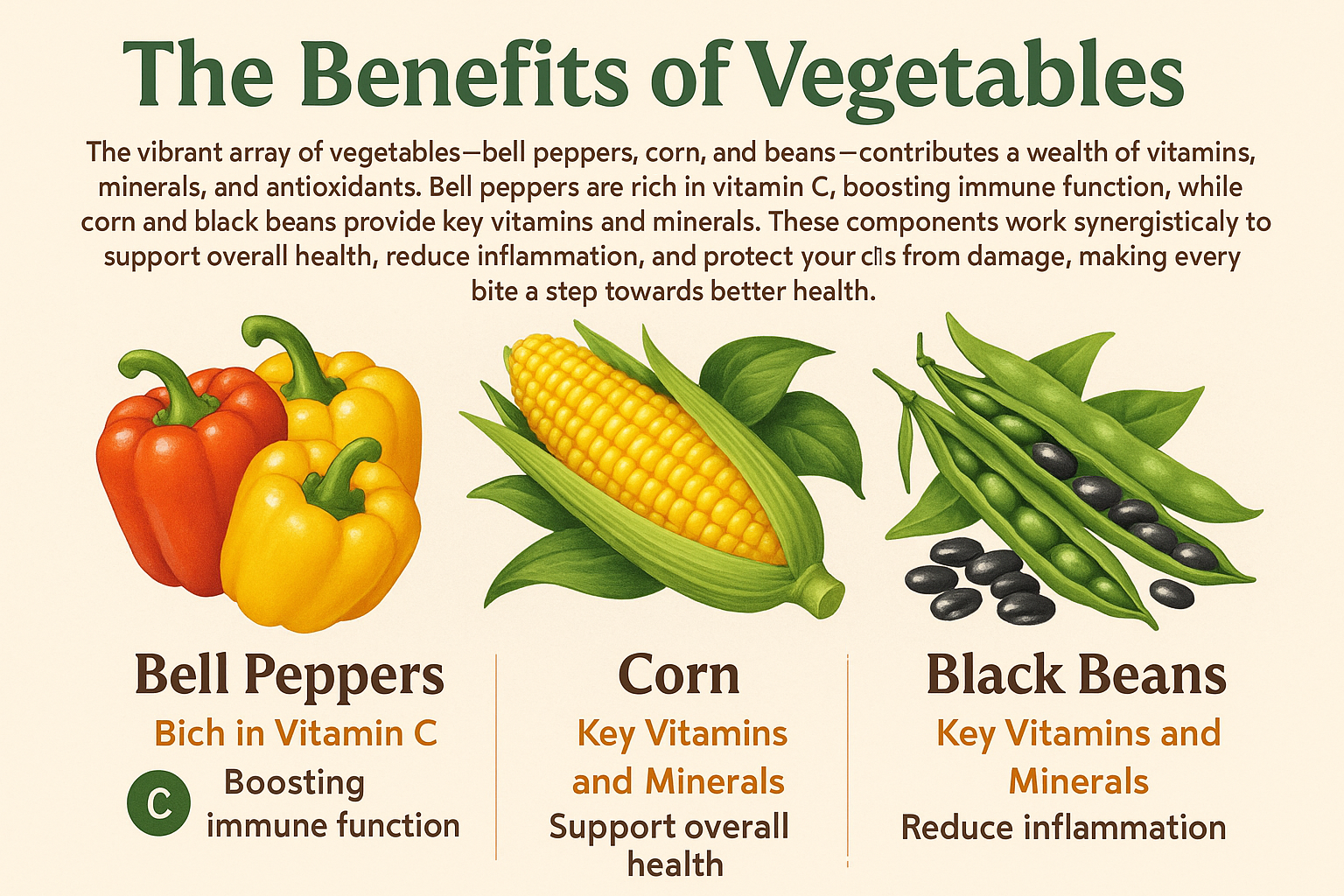
    The vibrant array of vegetables—bell peppers, corn, and beans—contributes a wealth of vitamins, minerals, and antioxidants. Bell peppers are rich in Vitamin C, boosting immune function, while corn and black beans provide key vitamins and minerals. These components work synergistically to support overall health, reduce inflammation, and protect your cells from damage, making every bite a step towards better health.

    Furthermore, the homemade curry sauce, based on light coconut milk and crushed tomatoes, offers healthy fats and flavor without excessive calories or unhealthy additives often found in store-bought sauces. Coconut milk provides medium-chain triglycerides (MCTs) which can be easily metabolized for energy. By making this dish from scratch, you have full control over the ingredients, allowing you to minimize sodium and artificial preservatives, ensuring a clean and truly nourishing meal that fits perfectly into a healthy lifestyle.


    The images show the benefits of vegetables used in this recipe and the benefits of homemade curry sauce.


    Variations: Customize Your Curry Enchiladas

    This recipe is incredibly versatile! Feel free to experiment with different ingredients to suit your taste or dietary needs.

    VariationIngredients to Add/Substitute
    Spicy KickAdd ½ teaspoon red pepper flakes to the curry sauce or a chopped jalapeño to the filling.
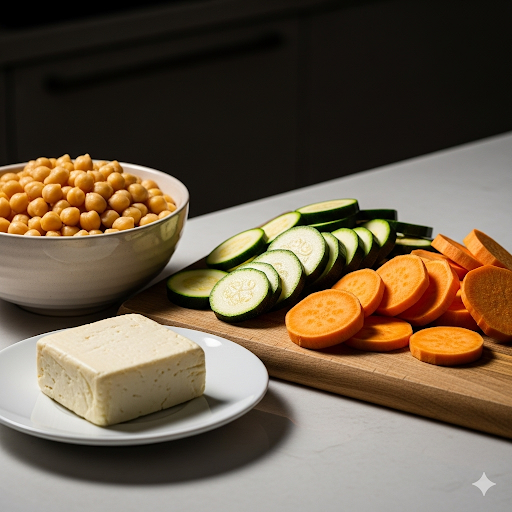
    Extra ProteinStir in 1 cup cooked chickpeas or lentils to the filling for more plant-based protein.
    Different VeggiesAdd chopped zucchini, sweet potato (roasted first), or green beans to the filling.
    Grain-FreeUse large lettuce leaves or steamed cabbage leaves instead of tortillas for a low-carb option.
    Vegan CheeseSubstitute mozzarella with your favorite dairy-free shredded cheese.
    Creamier SauceUse full-fat coconut milk for a richer, more indulgent curry sauce.

    Final Thoughts: A Flavorful Path with Vegetable Curry Enchiladas

    These White Bean and Vegetable Curry Enchiladas are a testament to how creative and exciting healthy eating can be. By blending global flavors with wholesome ingredients, we’ve created a dish that is both deeply satisfying and incredibly nutritious. This recipe is an invitation to explore new tastes, to enjoy the process of cooking, and to feel good about every bite you take. They are perfect for a family dinner, a meal prep solution, or an impressive dish to share with friends. Embrace the vibrant flavors and comforting warmth of these enchiladas, and make them a new favorite in your healthy culinary repertoire.


    Frequently Asked Questions (FAQs)

    Q: Can I prepare the curry sauce and filling ahead of time?

    A: Absolutely! You can make the curry sauce and the vegetable and bean filling up to 2-3 days in advance. Store them separately in airtight containers in the refrigerator. When you’re ready to make the enchiladas, simply assemble and bake as directed. This makes it an excellent option for meal prepping.

    Q: Can I freeze these enchiladas?

    A: Yes, these enchiladas freeze well! You can assemble the enchiladas in the baking dish, cover tightly with foil (or an airtight lid if your dish has one), and freeze for up to 2-3 months. To cook from frozen, bake at 375°F (190°C) for 45-60 minutes, or until heated through and bubbly, removing the foil for the last 15-20 minutes to allow the cheese to brown. You can also freeze baked leftovers.


    References

    1. Harvard T.H. Chan – Legumes and Pulses
    2. Mayo Clinic – Dietary fiber
    3. Academy of Nutrition and Dietetics – Healthy Weight Loss

    Recent Posts


    Quick & Easy Leftover Chicken With A Simple Yogurt Sauce


    Tired of bland, dry reheated chicken? This recipe is your secret weapon for turning uninspired leftover chicken into a satisfying and flavorful meal. Say goodbye to food waste and hello to a delicious, no-fuss dinner that’s ready in minutes.


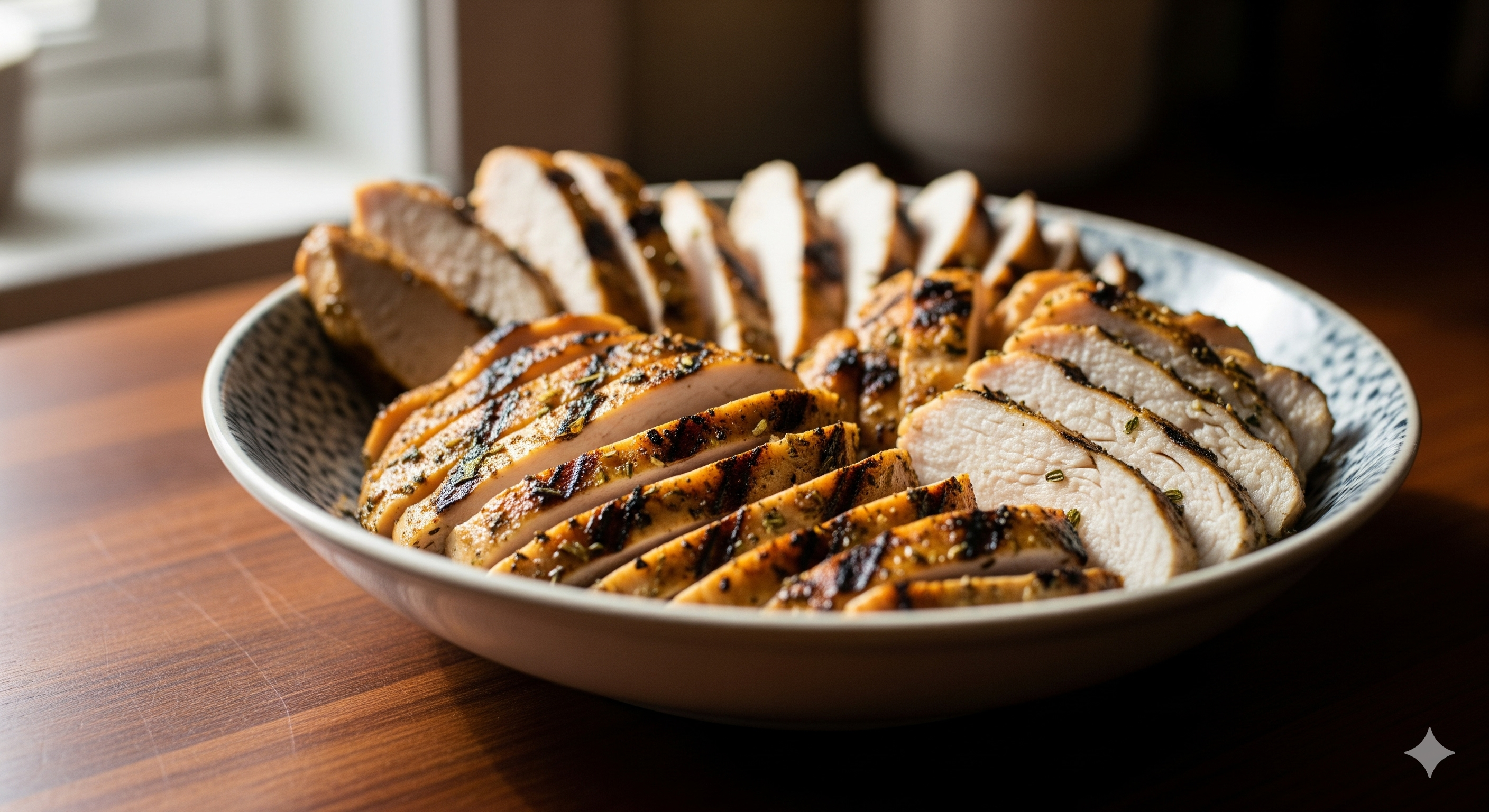
    The image shows grilled chicken breast served with a side of creamy yogurt sauce and fresh vegetables, using leftover chicken.
    Leftover Chicken

    Repurpose Your Leftover Chicken into a Fresh Feast

    We’ve all been there: a perfectly good rotisserie chicken or a few grilled breasts from last night’s dinner sit in the fridge, waiting to be transformed. The challenge is making those leftovers feel new, exciting, and, most importantly, healthy. Simply reheating chicken in the microwave can leave it tough and tasteless, but with a little creativity and a few fresh ingredients, you can turn yesterday’s meal into today’s masterpiece. This recipe is designed to do just that, offering a vibrant, flavorful solution to the age-old problem of what to do with leftover chicken.

    The key to this recipe’s success lies in its simplicity and its focus on fresh, clean flavors. We’ll be pairing the pre-cooked chicken with a light, creamy yogurt sauce that’s both tangy and savory. This sauce not only adds moisture but also a zesty kick that revitalizes the chicken’s flavor profile. The sauce is so easy to make, and it’s a perfect alternative to heavier, high-fat dressings or sauces.

    Building a Fresh and Balanced Plate With Leftover Chicken

    To complement the chicken and sauce, we’ll build a plate with fresh, crisp vegetables. Juicy cherry tomatoes, cool cucumber slices, and tender spinach leaves provide a beautiful contrast in both color and texture. This combination not only makes the meal visually appealing but also adds essential vitamins, minerals, and fiber, turning a simple plate into a well-balanced and nutritious dinner.

    This meal is a testament to the power of fresh ingredients and smart cooking. It requires minimal effort and no actual “cooking” beyond perhaps a quick toast of the quinoa if you’re serving it warm. Everything comes together in a matter of minutes, making it an ideal choice for busy weeknights, a quick office lunch, or a satisfying post-workout meal. It’s the kind of recipe that makes you feel good about what you’re eating without spending hours in the kitchen.

    Whether you’re a seasoned cook or just starting your culinary journey, this recipe is incredibly forgiving and easy to adapt. It’s a fundamental blueprint that you can customize with different vegetables, grains, or herbs. The beauty of this dish is its flexibility, allowing you to use whatever you have on hand and still create a meal that tastes and feels gourmet. Let’s get started on transforming your leftover chicken!


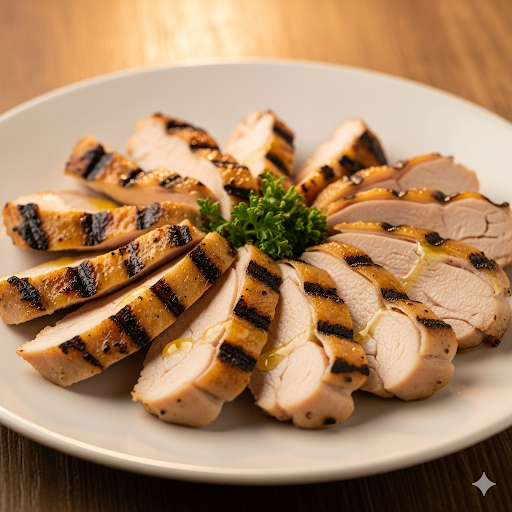
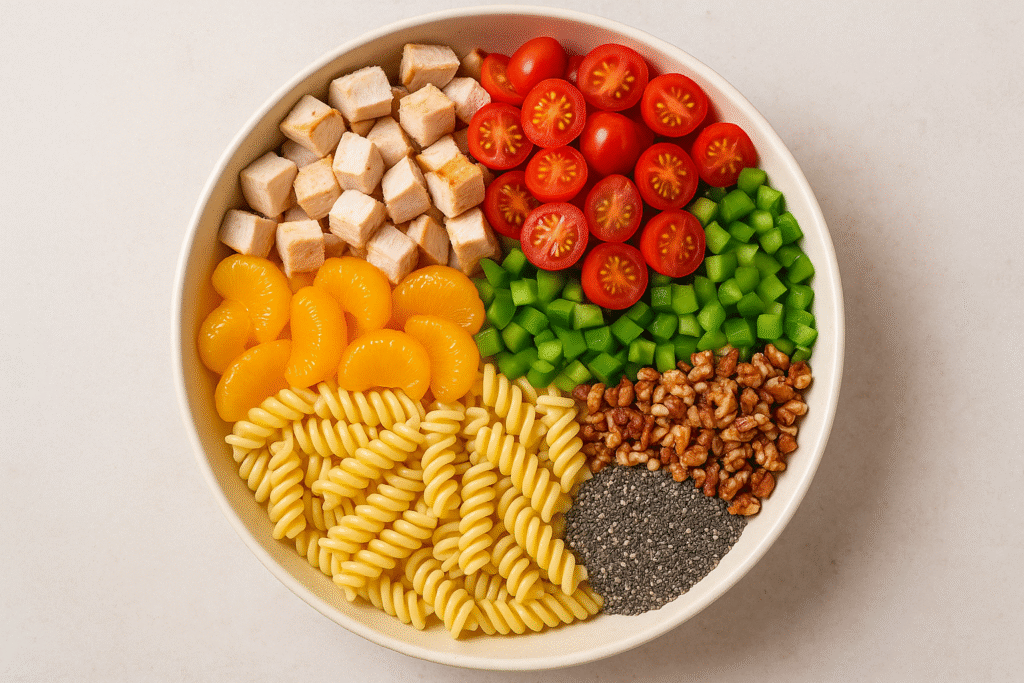
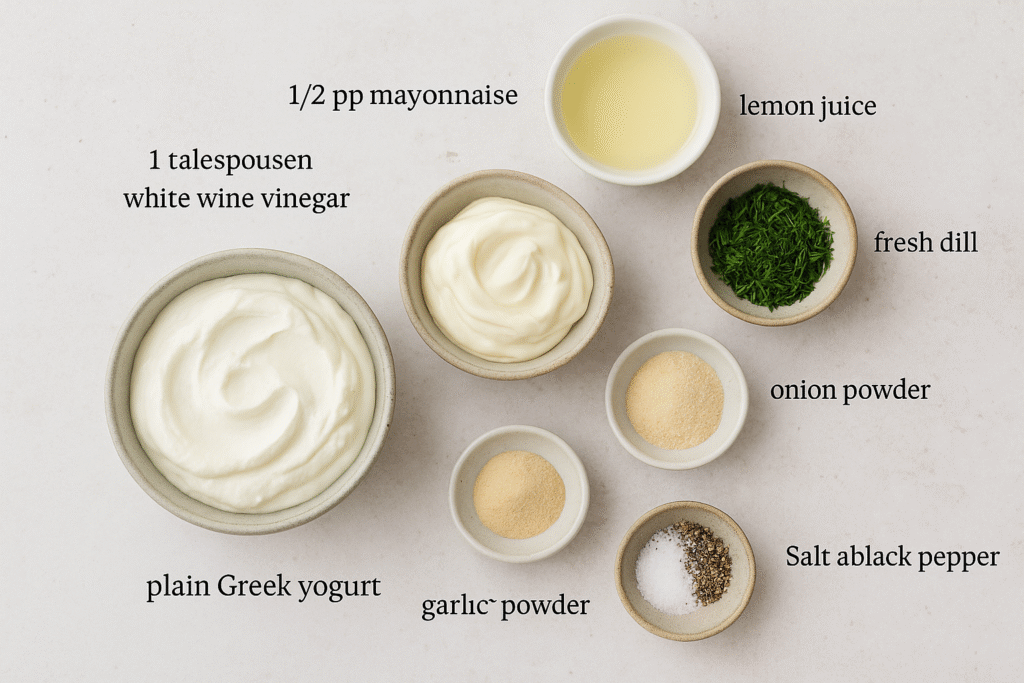
    The gallery shows images of baby spinach, yoghurt and sliced grilled chicken.


    Time to Prepare and Cook

    Time to Prepare: 10 minutes

    Time to Cook/Blend: 5 minutes

    Servings: 2


    Nutritional Information

    This dish is a powerhouse of lean protein, healthy fats, and micronutrients. Each serving contains approximately 450 calories, 40g of protein, 35g of carbohydrates, and 15g of healthy fats. The chicken provides a complete protein source, while the yogurt adds probiotics and calcium. The vegetables are rich in vitamins A, C, and K, as well as antioxidants. This meal is also low in saturated fat and a great source of fiber.


    Equipment

    • Small mixing bowl
    • Cutting board
    • Sharp knife
    • Serving plates
    • Measuring cups and spoons

    The gallery shows a picture of a sharp knife, mixing bowl and measuring cups that can be used in this recicpe.


    Ingredients

    For the Leftover Chicken and Vegetables:

    • 2 cups cooked, shredded, or sliced leftover chicken breast
    • 2 cups baby spinach
    • 1 cup cooked quinoa, chilled or warmed
    • 1 cup cherry tomatoes, halved
    • 1 medium cucumber, sliced

    For the Simple Yogurt Sauce:

    • ½ cup plain Greek yogurt (low-fat or full-fat)
    • 1 clove garlic, minced
    • 1 tablespoon fresh dill, finely chopped (or 1 teaspoon dried dill)
    • 1 tablespoon lemon juice
    • Salt and black pepper to taste
    • 1 tablespoon water (optional, to thin the sauce)

    Grilled Chicken


    Step-by-Step Instructions

    Prepare the Yogurt Sauce

    In a small bowl, combine the Greek yogurt, minced garlic, chopped fresh dill, and fresh lemon juice. Whisk all the ingredients together until the sauce is smooth and well-combined. Taste the sauce and season it with salt and black pepper to your liking. If you prefer a thinner consistency, you can stir in one tablespoon of water at a time until it reaches your desired thickness.


    Yoghurt Sauce


    Assemble the Chicken and Quinoa

    If your leftover chicken is cold from the refrigerator, you can gently warm it in a pan over low heat for a few minutes or briefly in the microwave. It’s important not to overcook it, as it’s already cooked. Place the warm or chilled chicken in the center of two serving plates. Next to the chicken, place the cooked quinoa in a separate bowl or directly on the plate.

    Arrange the Fresh Vegetables

    Arrange the fresh, crisp vegetables artfully around the chicken and quinoa. Create a bed of baby spinach on one side of the plate. Scatter the halved cherry tomatoes and the cucumber slices next to the spinach. You can arrange them in a neat line or a more free-form style—the goal is to make the plate look fresh and inviting.

    Plate and Serve

    Drizzle a generous amount of the prepared yogurt sauce over the sliced chicken. You can also put the sauce in a small side bowl for dipping, as shown in the hero image. This allows everyone to add as much or as little as they like. Serve immediately and enjoy a delicious, healthy meal that was prepared in minutes.


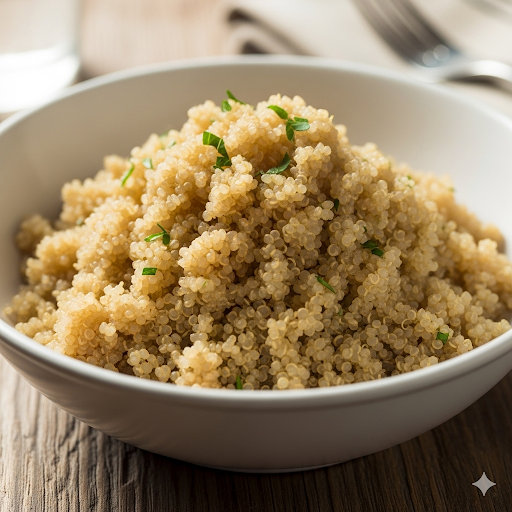
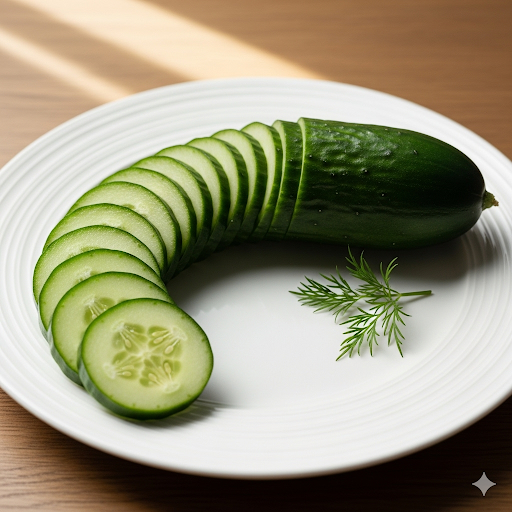
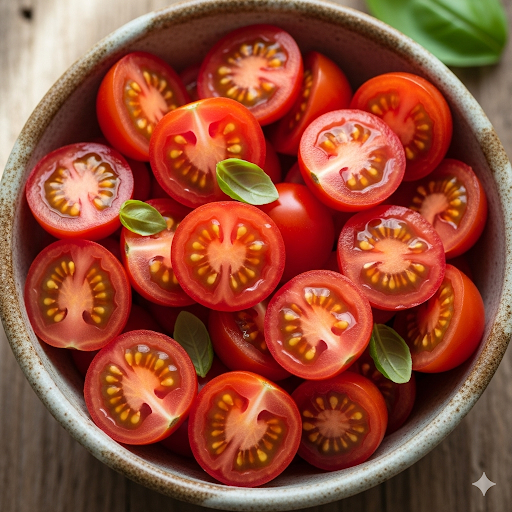
    The gallery shows Cooked quinoa, sliced cucumbers and choped cherry tomatoes.


    Benefits of Leftover Chicken

    This recipe isn’t just a delicious way to use up your leftover chicken; it’s a nutritional powerhouse designed to support your health and well-being. The foundation of the meal, leftover chicken, provides a high-quality source of lean protein. Protein is essential for building and repairing muscle tissue, making it an excellent choice for active individuals. It also plays a crucial role in keeping you feeling full and satisfied, which helps to prevent overeating and manage weight. By repurposing cooked chicken, you’re also making a smart and efficient choice that reduces food waste and saves you valuable time in the kitchen.

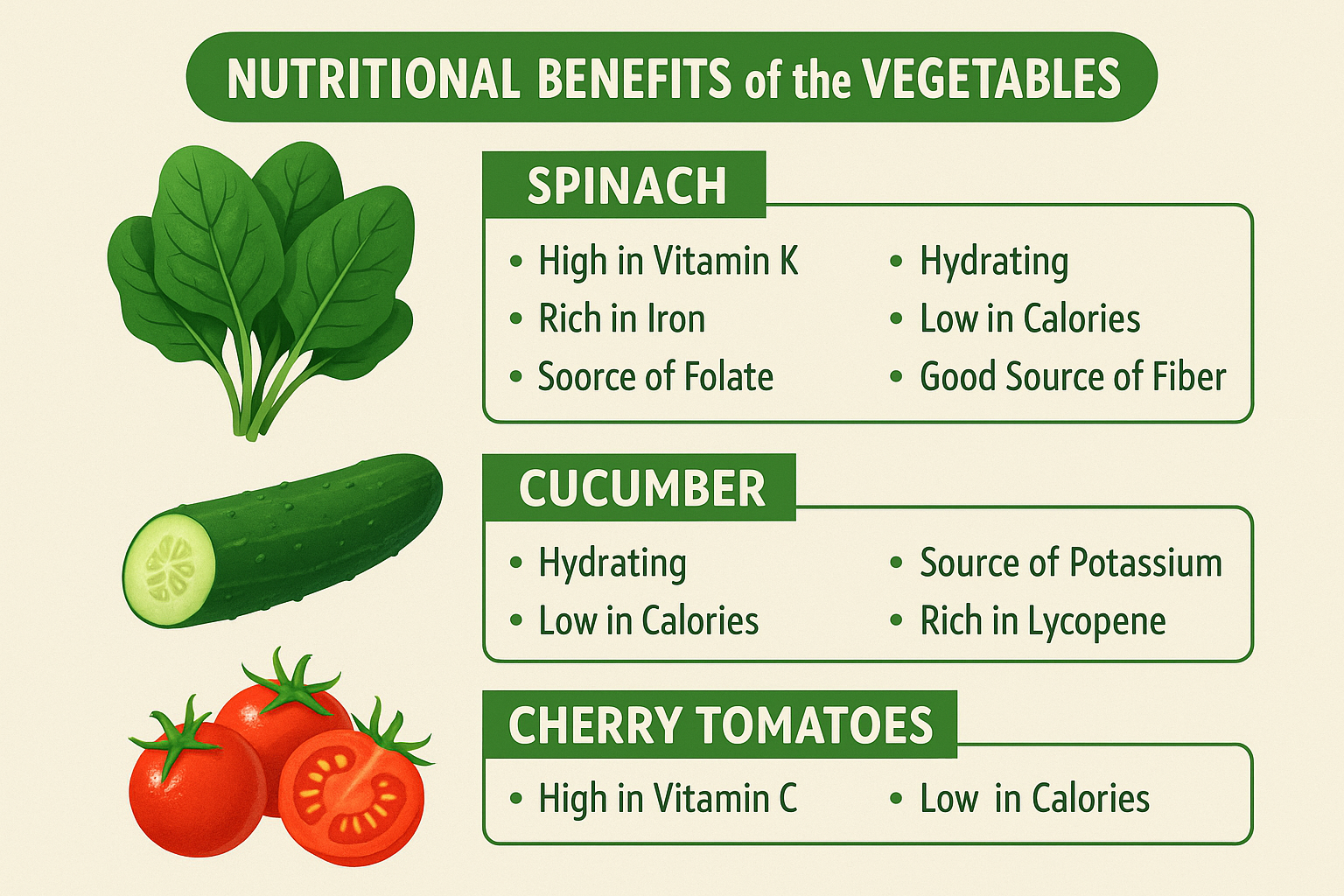
    Beyond the protein, this meal is packed with a wide range of essential nutrients. The fresh vegetables—including vibrant cherry tomatoes, crisp cucumber slices, and leafy baby spinach—are loaded with vitamins, minerals, and antioxidants. Tomatoes are rich in Vitamin C and lycopene, a powerful antioxidant. Cucumbers provide hydration and Vitamin K, while spinach is an excellent source of iron and Vitamin A. Together, these ingredients contribute to a robust immune system and provide the fuel your body needs to thrive. The fiber in the vegetables also aids in healthy digestion and promotes a feeling of fullness.

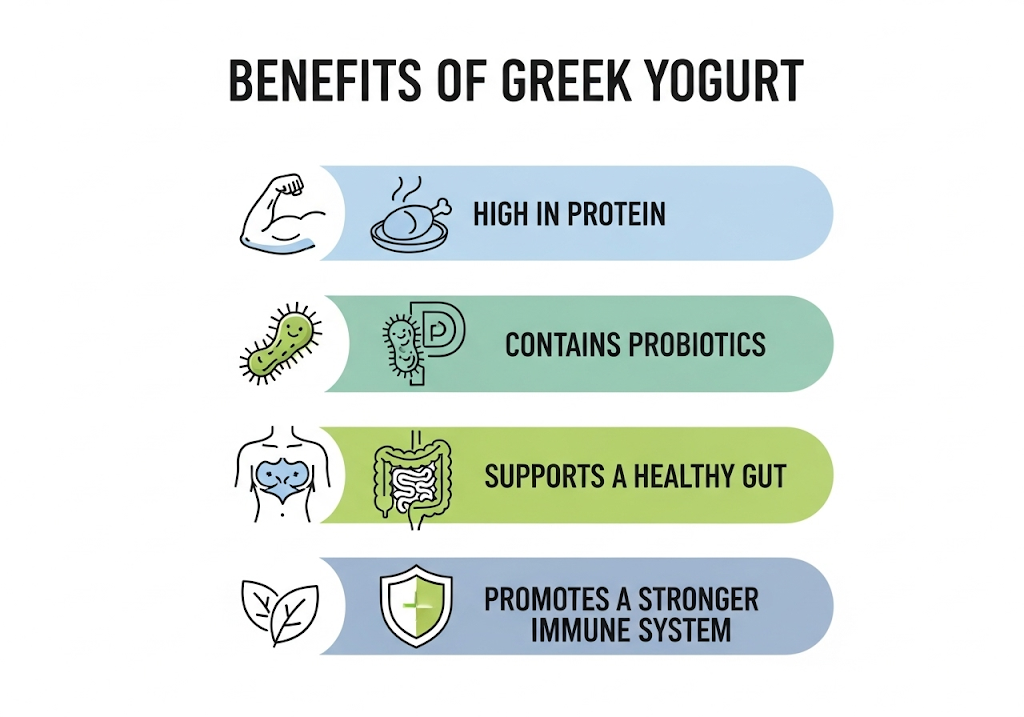
    Finally, the simple yogurt sauce offers its own unique health perks. Greek yogurt is an excellent source of probiotics, which are beneficial bacteria that support a healthy gut microbiome. A balanced gut is linked to improved digestion, better immunity, and even enhanced mood. The sauce also adds a dose of calcium, which is vital for strong bones and teeth. By combining these wholesome components, you’re creating a meal that is not only light and refreshing but also contributes to your long-term health, proving that convenience and nutrition can go hand-in-hand.


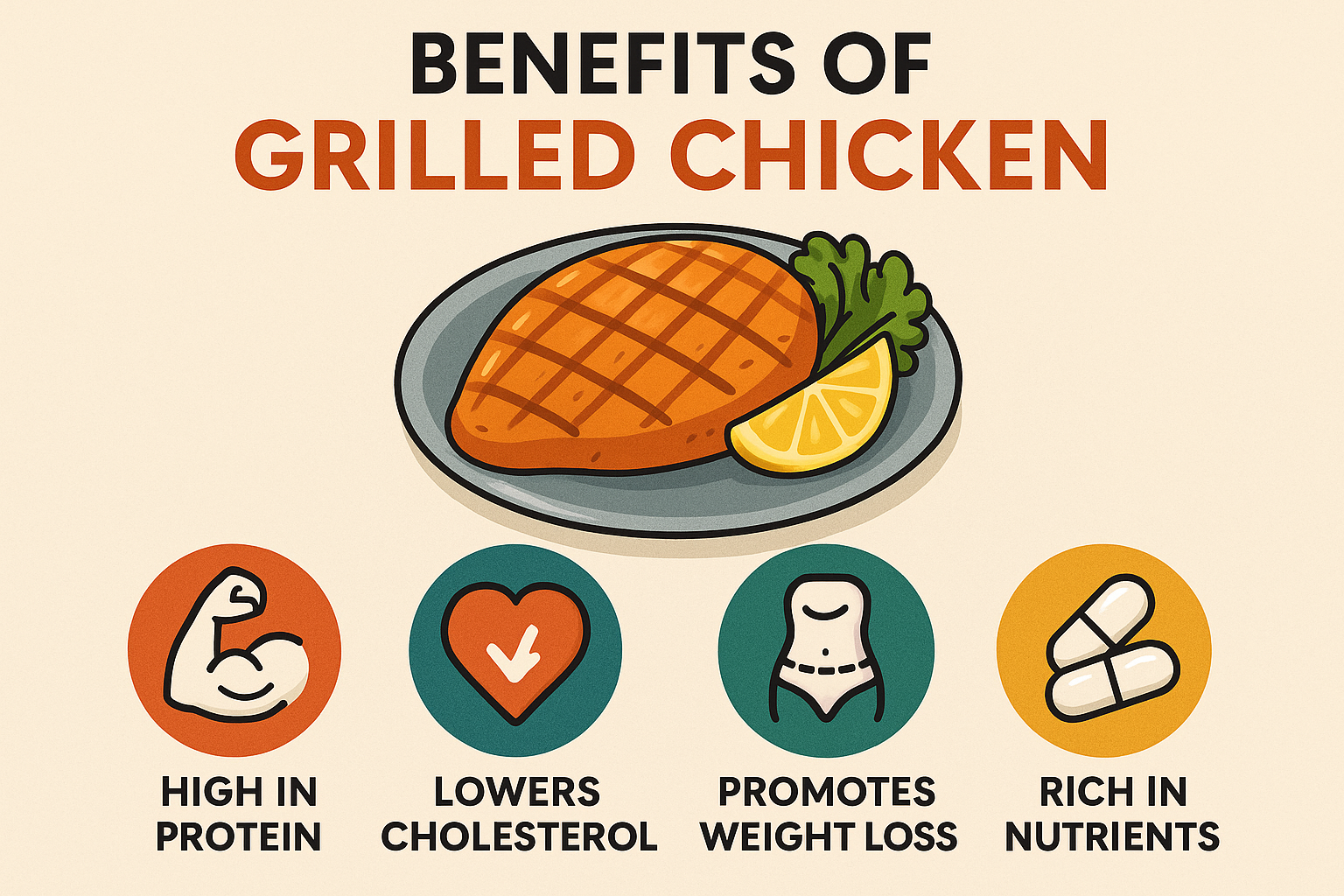
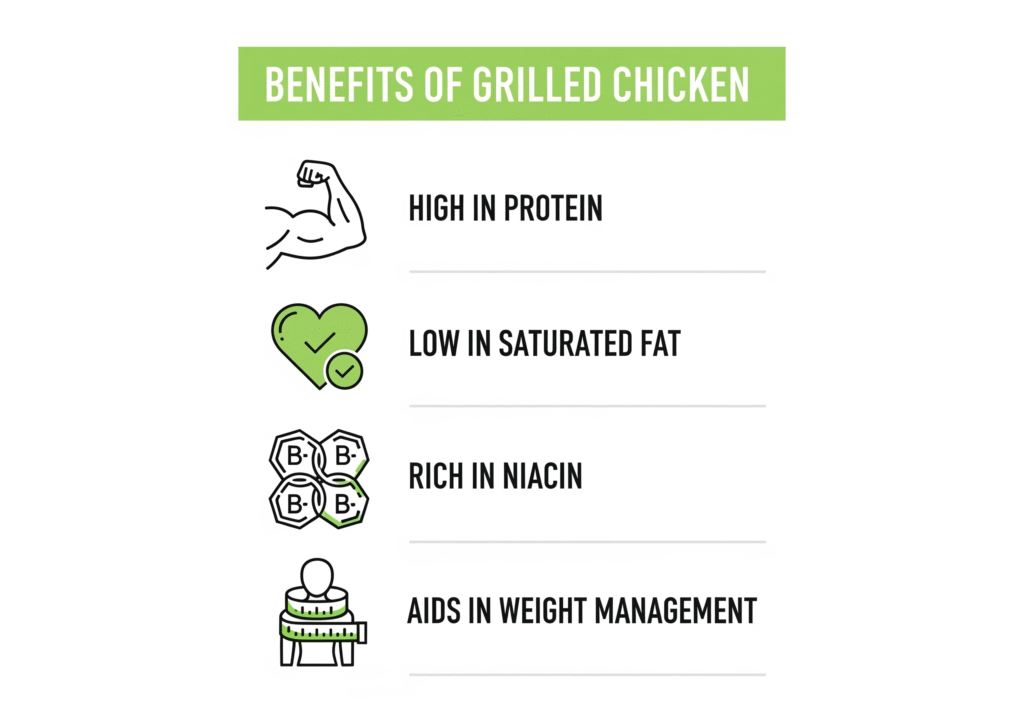
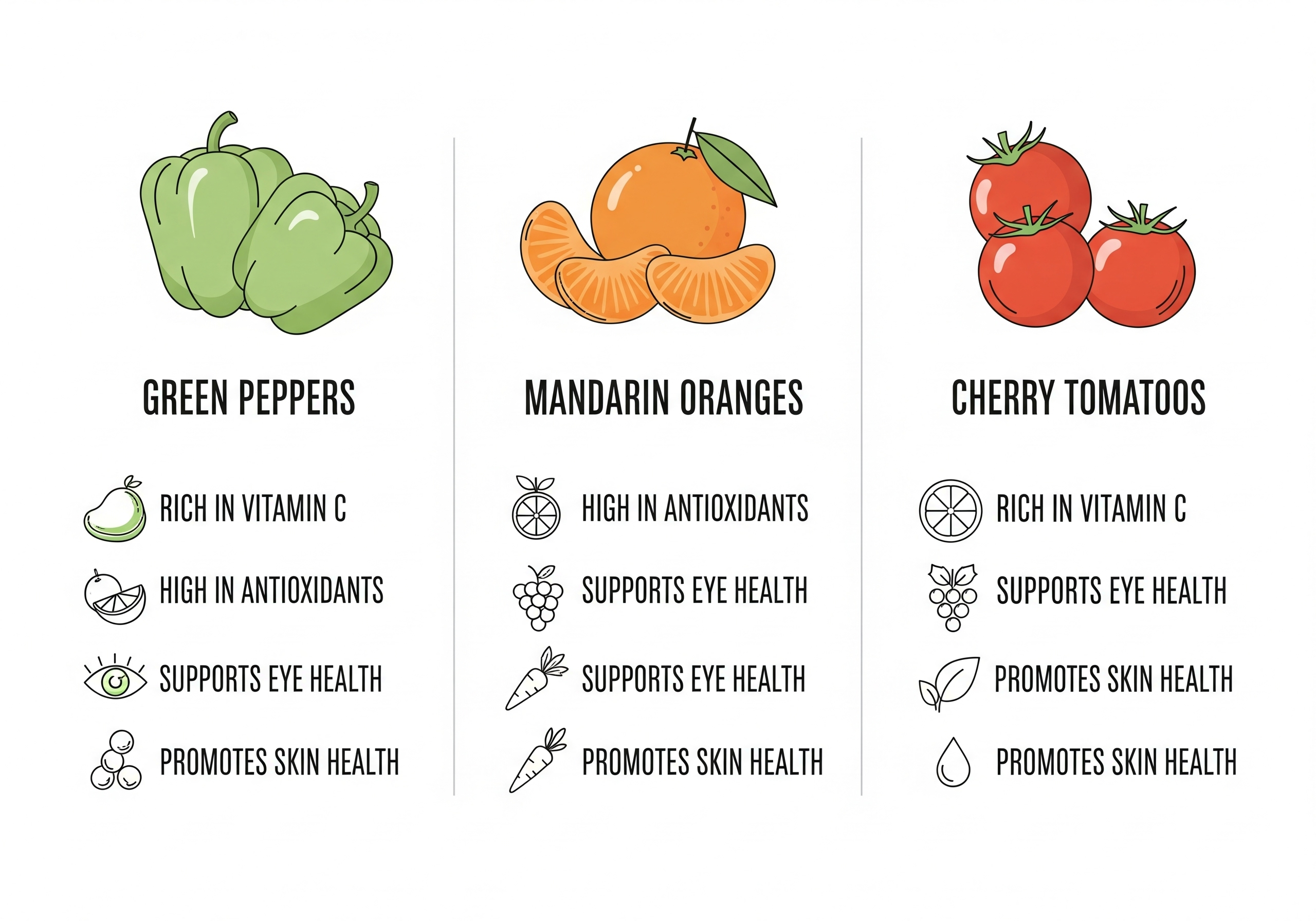
    The images shows the nutritional Benefits of Vegetables and the benefits of grilled chicken.


    Variations to Customize

    This recipe is highly adaptable. Feel free to swap out ingredients based on your personal taste or what you have available.

    VariationIngredients to Add/Substitute
    Mediterranean TwistAdd crumbled feta cheese, kalamata olives, and a sprinkle of dried oregano.
    Spicy KickAdd a pinch of red pepper flakes or a dash of your favorite hot sauce to the yogurt sauce.
    Different GrainsSubstitute quinoa with brown rice, couscous, or a farro salad.
    Different VegetablesUse roasted bell peppers, chopped red onion, or steamed broccoli florets.

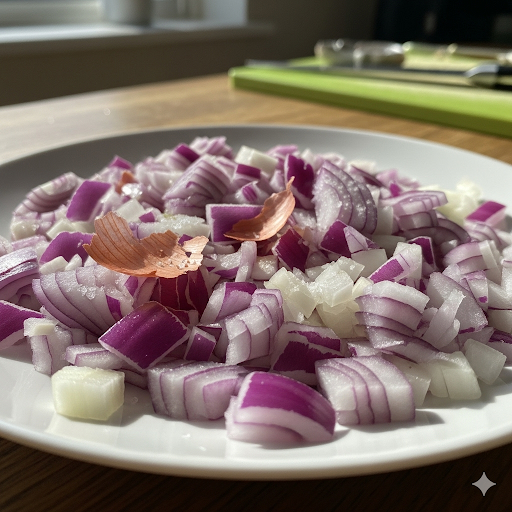
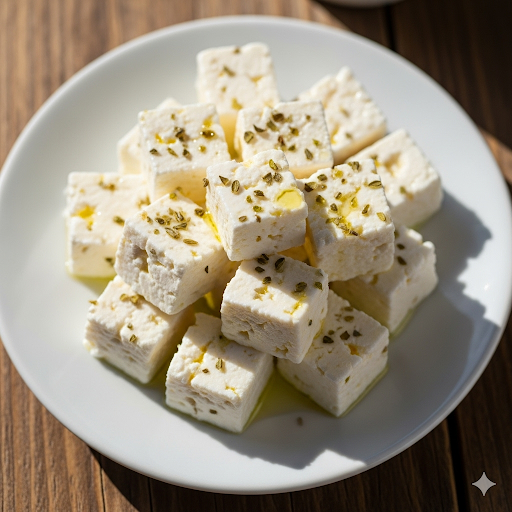
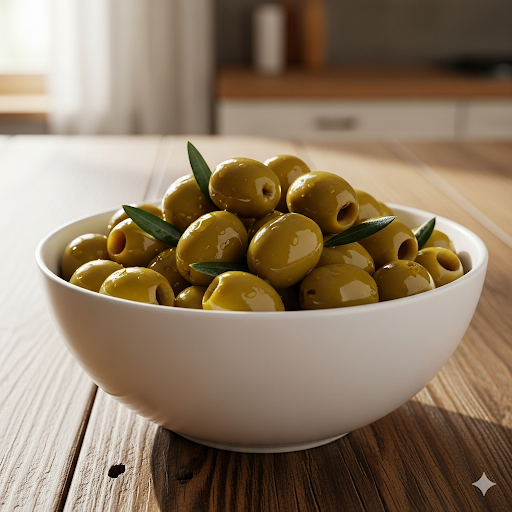
    The gallery shows a plate with chopped onions, feta cheese diced into cubes and a bowl of green olives.


    Final Thoughts: A Smart Way to Eat Well With Leftover Chicken

    This recipe for Quick & Easy Leftover Chicken with a Simple Yogurt Sauce is more than just a meal—it’s a smart strategy for eating healthy, saving time, and reducing food waste. It proves that a truly satisfying and nutritious meal doesn’t have to be complicated or time-consuming. By taking a few minutes to plate your ingredients thoughtfully and add a vibrant, homemade sauce, you can turn the ordinary into something extraordinary. This is a recipe that works for you, giving you back precious time while keeping you on track with your health goals.


    Frequently Asked Questions (FAQs)

    Q: How long can I safely store cooked chicken?

    A: Cooked chicken can be safely stored in an airtight container in the refrigerator for 3 to 4 days. It’s a good practice to use your leftover chicken within that time frame to ensure freshness and safety.

    Q: Can I use a different type of yogurt for the sauce?

    A: Yes, you can. While Greek yogurt is recommended for its thick, creamy texture, you can use regular plain yogurt. You may need to use less water or even skip it altogether to achieve the desired consistency. For a dairy-free option, a plain unsweetened coconut or almond milk yogurt can also work well.


    References

    1. U.S. Department of Agriculture – Chicken
    2. Harvard T.H. Chan – Quinoa
    3. Healthline – 11 Probiotic Foods That Are Super Healthy

    Recent Posts


    Bake These Easy Pizza Fritters With A Tomato Sauce


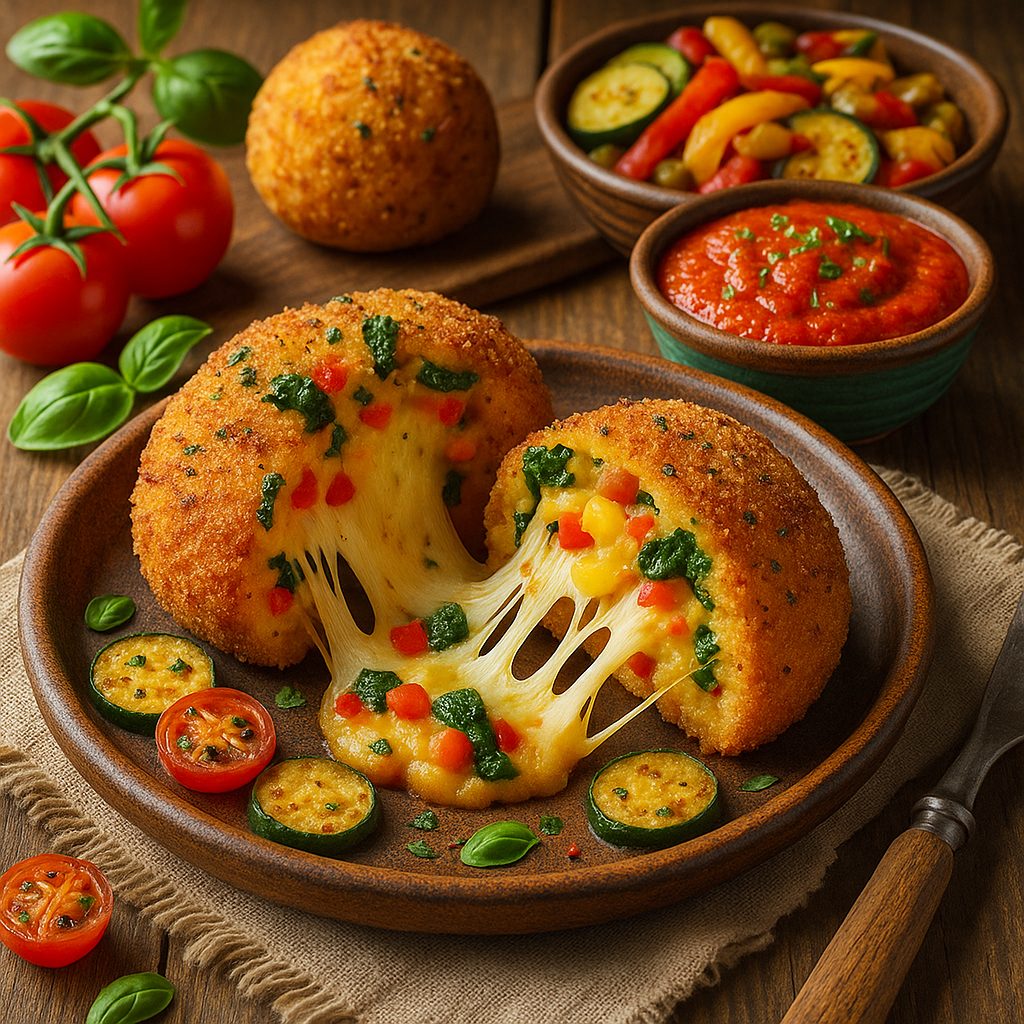
    Welcome to a new take on an old favorite. Say goodbye to greasy, deep-fried treats and hello to a healthier, more satisfying way to enjoy classic pizza fritters. This recipe is a fantastic way to satisfy your cravings without the guilt.


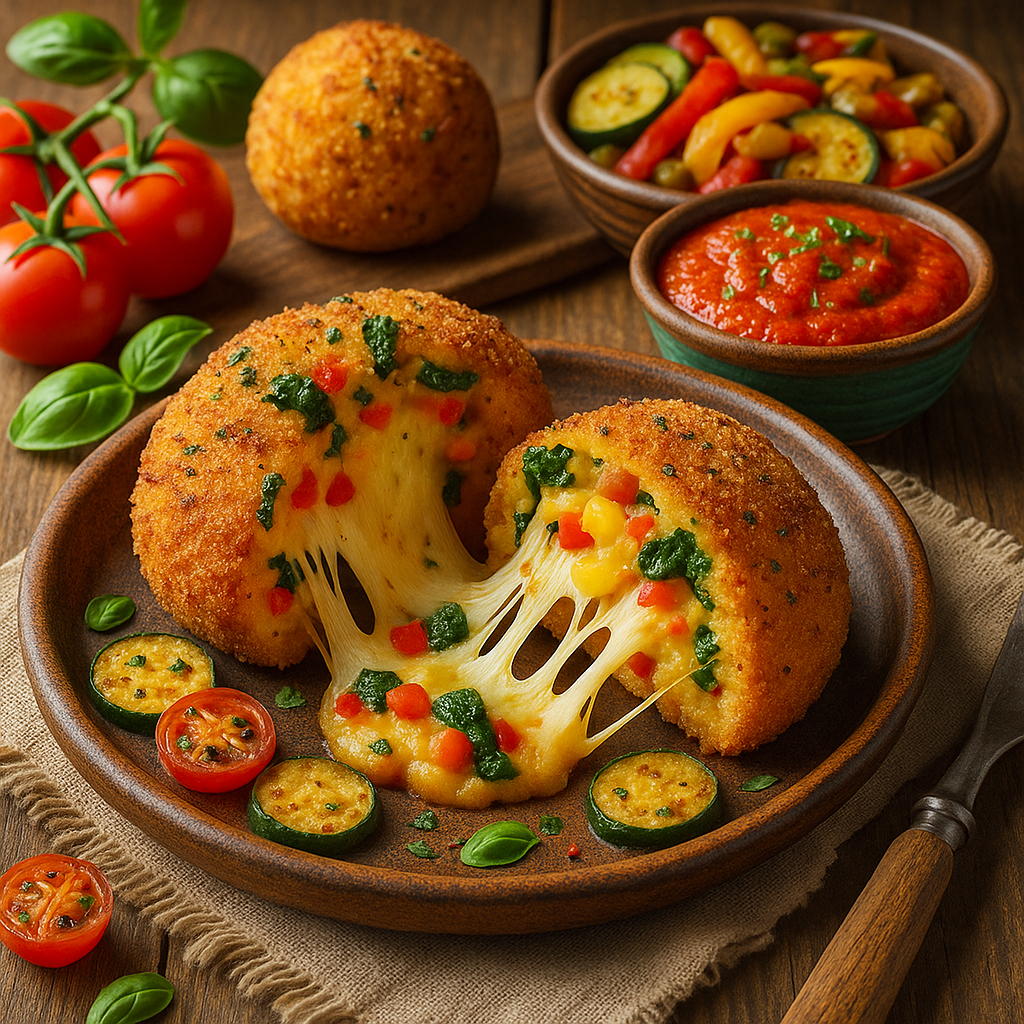
    The image shows pizza fritters. There is a side dishes of vegetables and tomato sauce.
    Pizza Fritters

    A Healthier Take on a Classic With These Pizza Fritters

    Pizza fritters—those delightful, bite-sized balls of dough filled with cheesy goodness—are a comfort food staple. But often, the traditional recipe calls for deep frying, which can negate the wholesome joy of a home-cooked meal. What if you could capture all that flavor—the gooey cheese, the savory sauce, the satisfying crust—in a healthier way? That’s exactly what this recipe does. By opting for a whole wheat breadcrumb coating and baking instead of frying, we transform a heavy snack into a light, nutritious, and incredibly flavorful treat. This recipe is designed to be simple and approachable, ensuring that even novice cooks can create a masterpiece.

    Our version focuses on creating a dish that’s both good for you and bursting with authentic pizza flavor. We’ll be using a homemade tomato sauce that’s rich, robust, and free from added sugars or preservatives. The fritters themselves are filled with a vibrant mix of fresh spinach, bell peppers, and mozzarella, all encased in a crispy, golden-brown crust. This combination of healthy ingredients not only tastes amazing but also offers a powerful nutritional punch.


    The Secret to Guilt-Free Flavor and Versatility

    What makes this recipe truly special is its versatility. You can easily customize the fillings to your liking, adding your favorite pizza toppings to make each batch uniquely yours. Whether you’re making these for a family dinner, a party, or a quick snack, they are sure to be a hit. The satisfying texture and cheesy, savory core will make them a new favorite in your home.

    The process is broken down into easy, manageable steps, so you won’t feel overwhelmed. We’ll start with the dough, shape the fritters, fill them with our healthy, delicious ingredients, and then get them ready for their crispy finish. The result is a perfect bite every time, with a delightful crunch on the outside and a warm, gooey center that stretches just like a perfect slice of pizza.

    So, get ready to roll up your sleeves and bake these easy pizza fritters. We’ll guide you through every step, from prepping your ingredients to plating the final dish, complete with a fresh, vibrant dipping sauce. Let’s get cooking!


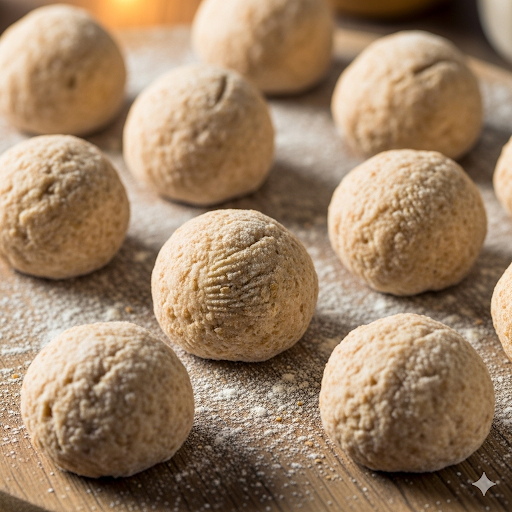
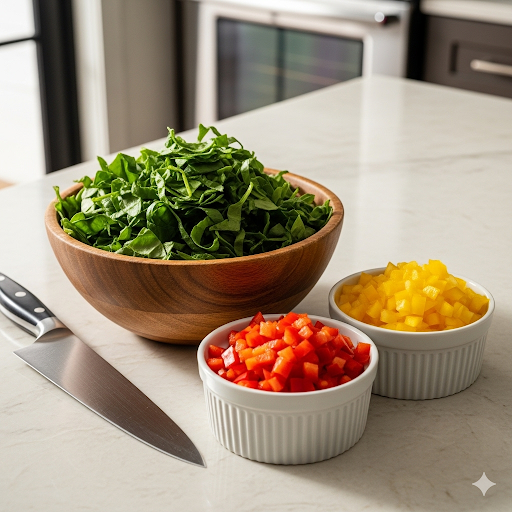
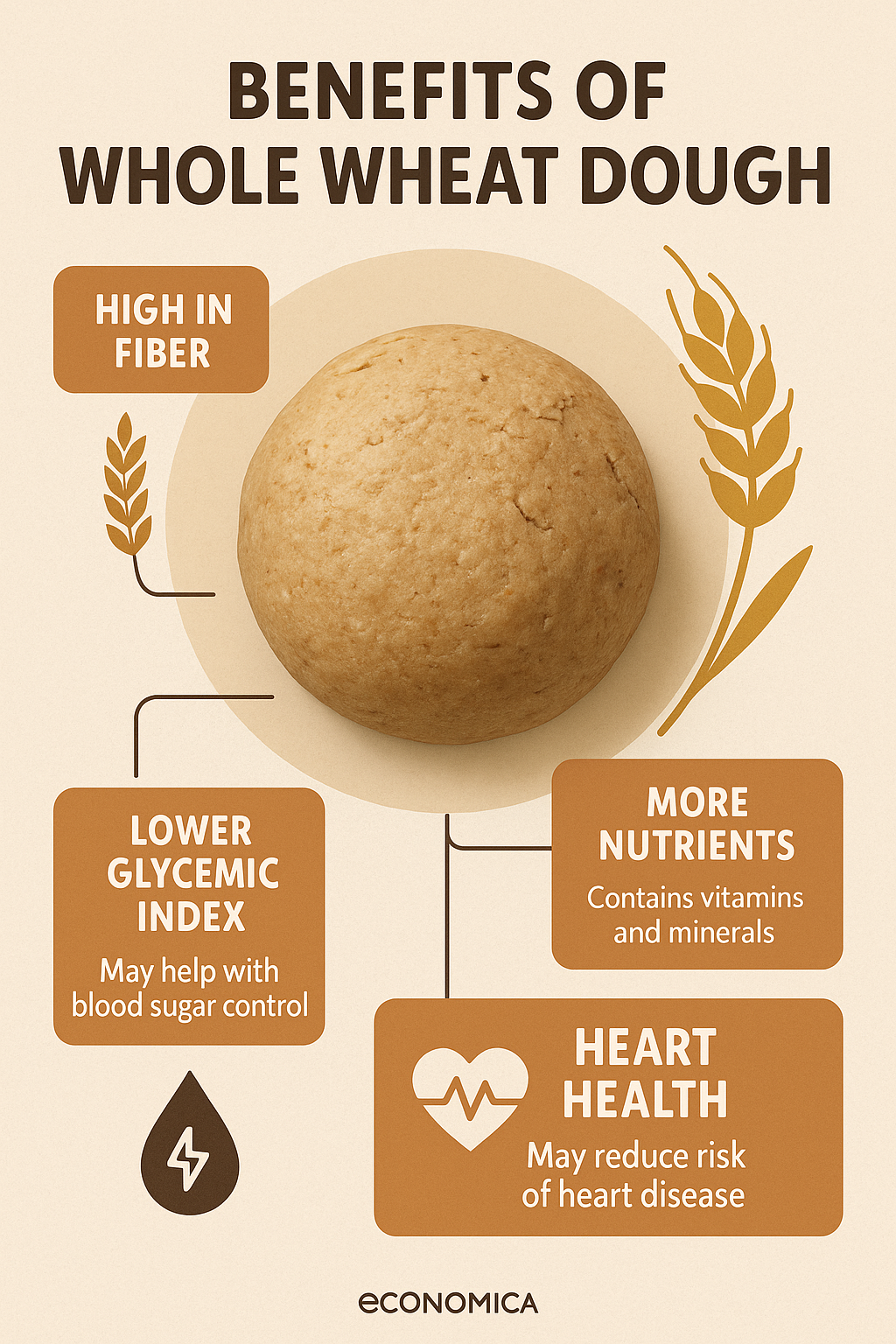
    The image shows whole wheat pizza dough balls. The next image shows some of the raw ingredients used with this recipe.


    Time to Prepare and Cook These Pizza Fritters

    Time to Prepare: 25 minutes

    Time to Cook/Blend: 20-25 minutes

    Servings: 4 (makes about 12 fritters)


    Nutritional Information

    Each serving of these baked pizza fritters (3 fritters and dipping sauce) contains approximately 320 calories, 15g of protein, 35g of carbohydrates, and 12g of healthy fats. The whole wheat flour provides fiber, while the vegetables and sauce are packed with vitamins A and C. The mozzarella cheese adds a good source of calcium and protein.


    Equipment

    • Large mixing bowl
    • Rolling pin
    • Small saucepan for the sauce
    • Baking sheet
    • Parchment paper
    • Measuring cups and spoons
    • Frying pan (for toasting breadcrumbs)
    • Spatula
    • Air fryer

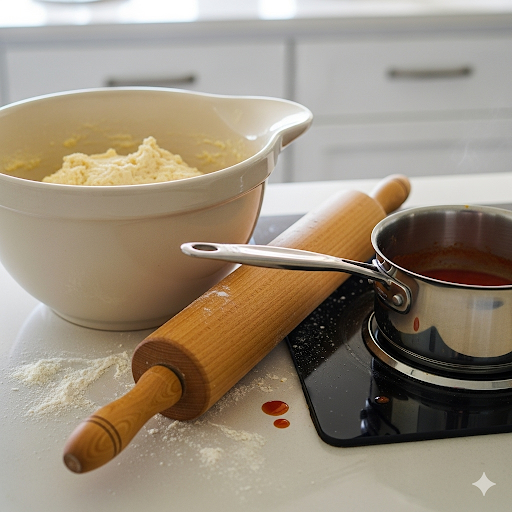
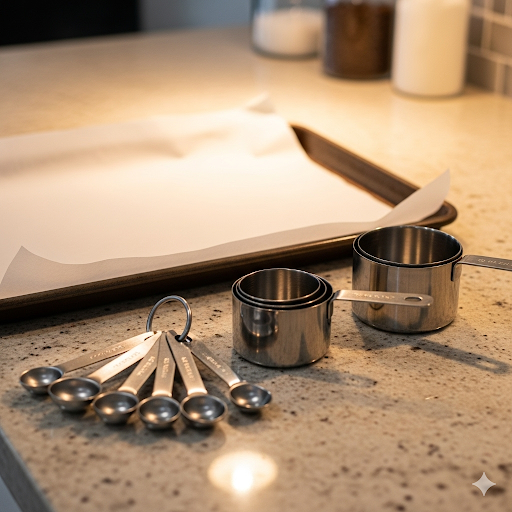
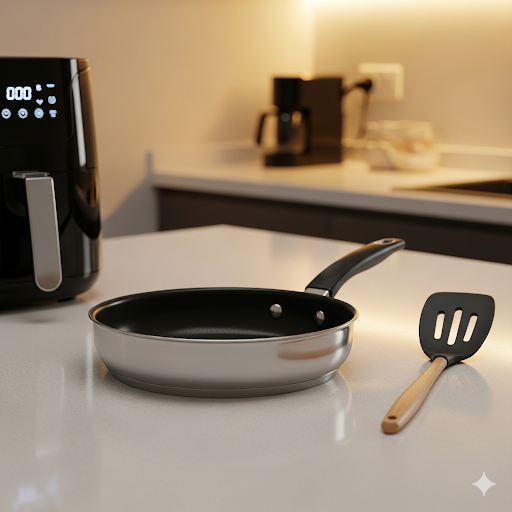
    The gallery shows some of the equipment that was used in this recipe.


    Ingredients

    For the Pizza Fritters:

    • 1 cup whole wheat pizza dough (store-bought or homemade)
    • 1 cup part-skim mozzarella cheese, shredded
    • ½ cup baby spinach, finely chopped
    • ½ cup red and yellow bell peppers, finely diced
    • 1 large egg, whisked
    • 1 ½ cups whole wheat panko breadcrumbs
    • 2 tablespoons grated Parmesan cheese
    • 1 teaspoon dried oregano
    • 1 teaspoon garlic powder
    • 2 tablespoons olive oil

    For the Healthy Tomato Dipping Sauce:

    • 1 (15-ounce) can crushed tomatoes (no salt added)
    • 1 tablespoon olive oil
    • 2 cloves garlic, minced
    • ½ teaspoon dried basil
    • ¼ teaspoon red pepper flakes (optional, for a kick)
    • Salt and black pepper to taste

    Step-by-Step Instructions For Pizza Fritters

    Prepare Your Dough and Toppings

    Start by preheating your oven to 400°F (200°C). Line a baking sheet with parchment paper. In a small bowl, combine the shredded mozzarella, chopped spinach, and diced bell peppers. Mix well. This is your flavorful filling.

    Make the Crispy Coating

    In a frying pan over medium heat, toast the whole wheat panko breadcrumbs with 1 tablespoon of olive oil until golden brown and fragrant, about 3-5 minutes. This step is crucial for that deep, nutty flavor and a truly crispy texture. Once toasted, transfer the breadcrumbs to a shallow dish and mix in the grated Parmesan cheese, dried oregano, and garlic powder.

    Prepare the Dough Balls

    On a lightly floured surface, roll out your whole wheat pizza dough into a thin sheet, about ¼-inch thick. Use a small round cutter or a glass to cut out circular pieces of dough, about 3 inches in diameter. Reroll the scraps and repeat until all the dough is used.

    Assemble the Fritters

    Place a small spoonful of the mozzarella, spinach, and bell pepper mixture in the center of each dough circle. Carefully bring the edges of the dough together and pinch them to seal, creating a ball. Make sure there are no gaps so the cheese doesn’t leak out during baking. Gently roll each ball between your palms to ensure it’s a smooth, sealed sphere.

    Coat and Bake

    In a separate small bowl, whisk the egg. Roll each fritter ball first in the whisked egg to coat it completely, then in the toasted breadcrumb mixture, pressing gently to make sure the coating sticks. Place the coated fritters on your prepared baking sheet. Drizzle the remaining 1 tablespoon of olive oil lightly over the top of the fritters.


    Bake to Golden Perfection

    Place the baking sheet in the preheated oven and bake for 20-25 minutes, or until the fritters are golden brown and the cheese is melted and gooey.

    Whip Up the Tomato Sauce

    While the fritters are baking, make the dipping sauce. In a small saucepan, heat 1 tablespoon of olive oil over medium heat. Add the minced garlic and cook for about one minute until fragrant. Pour in the crushed tomatoes and add the dried basil, red pepper flakes (if using), and a pinch of salt and pepper. Bring to a simmer, then reduce the heat to low and let it cook for 10-15 minutes, allowing the flavors to meld.

    Serve and Enjoy!

    Once the fritters are done, remove them from the oven. Let them cool for a couple of minutes before serving them alongside your warm, delicious tomato dipping sauce. For an extra touch, you can garnish with a few fresh basil leaves.


    Air Frying Option: For Extra Crispy Results

    If you prefer an even crispier exterior with less oil, air frying is a fantastic alternative to baking. The process is very similar, with just a few adjustments.

    Air Frying Instructions

    1. Prepare the Fritters: Follow steps 1 through 5 of the main recipe, ensuring your fritters are fully coated in the whole wheat panko breadcrumb mixture.
    2. Preheat Air Fryer: Preheat your air fryer to 375°F (190°C) for 3-5 minutes.
    3. Arrange in Air Fryer: Lightly spray the air fryer basket with olive oil spray. Place the coated fritters in a single layer in the air fryer basket, ensuring they are not overcrowded.1 You may need to cook them in batches. Avoid drizzling extra olive oil over the fritters as you would for baking; the air fryer’s circulating hot air will make them crispy enough with just a light spray on the basket.
    4. Air Fry to Perfection: Air fry for 10-15 minutes, flipping them halfway through, until they are golden brown and crispy. Cooking times can vary slightly between air fryer models, so keep an eye on them.2

    Appearance Difference When Air Frying

    When air-fried, your pizza fritters will typically achieve a more uniformly golden-brown and intensely crispy exterior compared to oven-baked fritters. The forced hot air circulation in an air fryer excels at creating that desired crunch.3 They might also appear slightly “drier” on the outside as the air fryer works to crisp them without excess oil, but the interior will remain delightfully gooey.


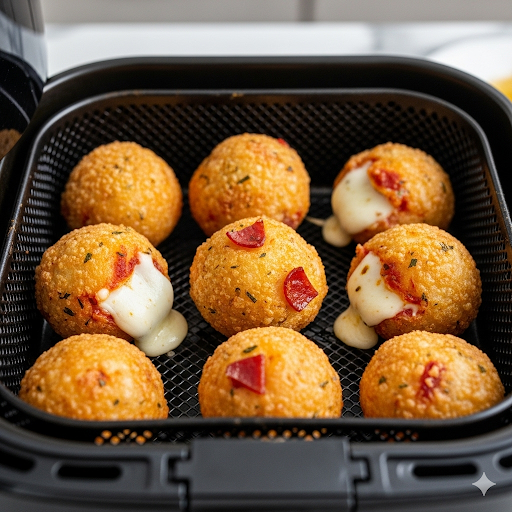
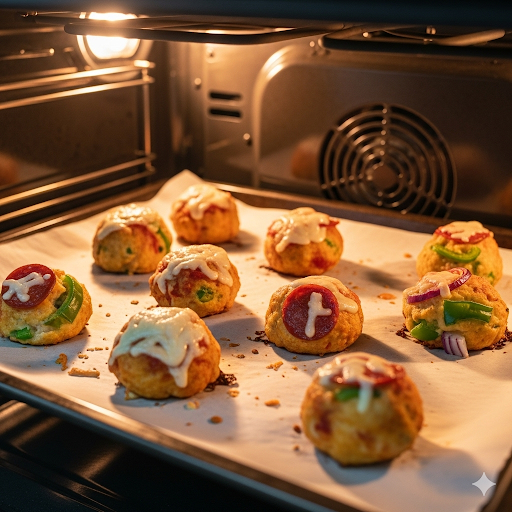
    The images shows pizza fritters cooked in an air fryer and in the second image, are oven baked pizza fritters.


    Benefits of This Pizza Fritters Recipe

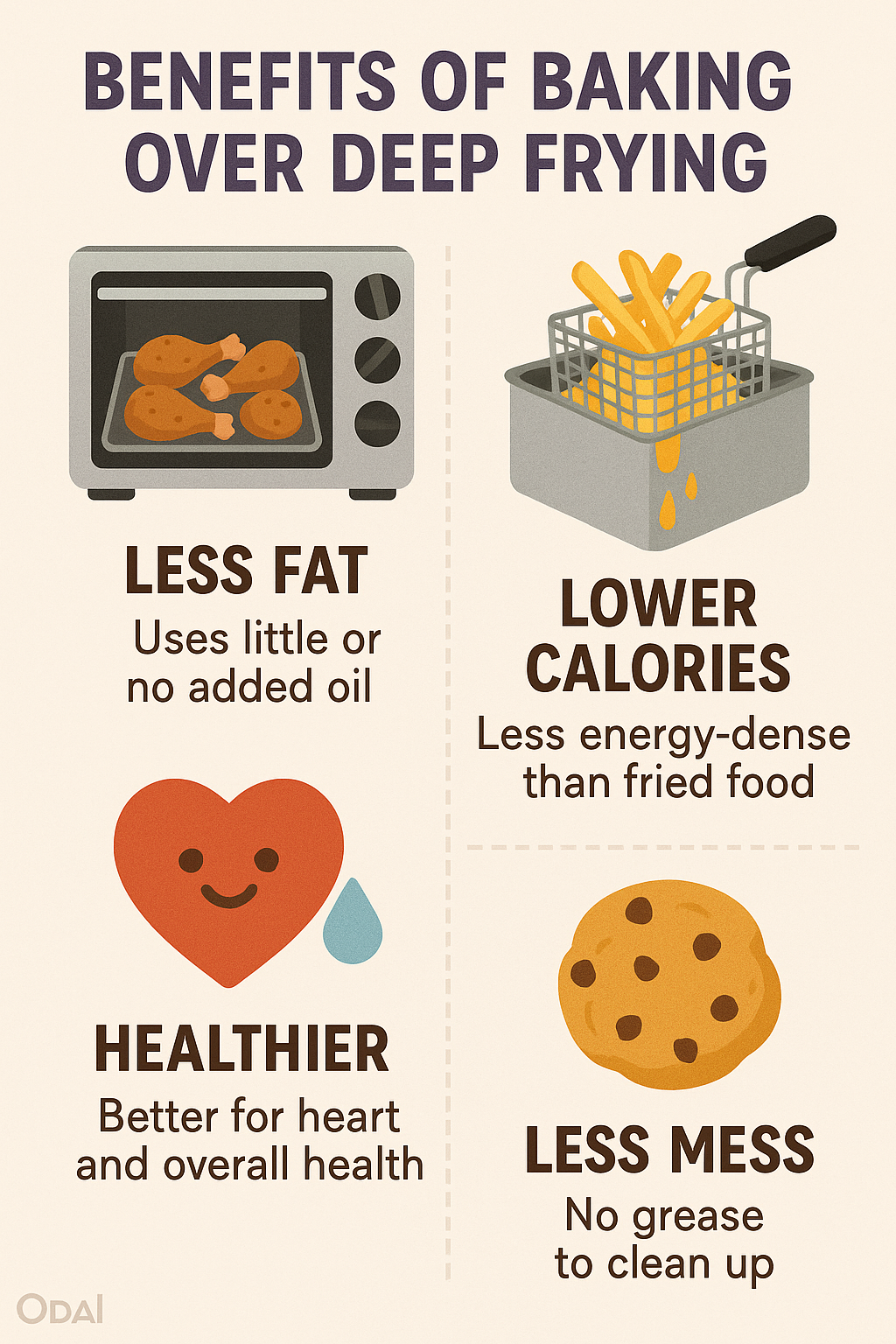
    This recipe isn’t just a tasty alternative; it’s packed with health benefits. The use of whole wheat dough and whole wheat panko increases the fiber content, which is essential for digestive health and helps you feel full and satisfied longer. Baking instead of deep frying significantly reduces the amount of unhealthy fats and calories, making this a much lighter option. The addition of spinach and bell peppers provides a boost of vitamins and antioxidants, supporting your immune system and overall well-being. This is a great way to sneak more vegetables into your family’s diet without them even knowing.


    The images show the benefits of oven baked vs deep frying. The next images shows the benefits of using whole wheat in this recipe.


    Variations: Make Them Your Own!

    This recipe is incredibly versatile. You can easily switch up the fillings to create new flavor combinations.

    Filling VariationIngredients to Add/Substitute
    Pepperoni & OliveAdd 2 tablespoons finely diced turkey pepperoni and 1 tablespoon sliced black olives.
    Mushroom & OnionSauté ¼ cup finely chopped mushrooms and 2 tablespoons onion until soft before adding to the filling.
    Spicy SausageUse 2 tablespoons of cooked and crumbled lean Italian sausage.
    Vegan FrittersSubstitute mozzarella with a vegan shredded cheese and use a flax egg (1 tbsp ground flaxseed + 3 tbsp water) instead of a chicken egg.
    MediterraneanAdd 1 tablespoon crumbled feta cheese and 1 teaspoon of dried herbs like thyme or rosemary.

    Final Thoughts: A Guilt-Free Family Favorite With Pizza Fritters

    These baked pizza fritters prove that you don’t have to sacrifice flavor for health. This recipe transforms a classic indulgence into a wholesome, satisfying meal or snack that the whole family will love. With their crispy exterior, gooey cheese center, and rich tomato sauce, they are sure to become a new go-to in your kitchen. Whether for a quick weeknight dinner, a fun appetizer for a gathering, or a kid-friendly treat, these fritters are a fantastic way to enjoy your favorite pizza flavors in a new and exciting way.


    The first images shows a family enjoying pizza fritters and the next images shows the pizza fritters cooked on a plate.


    Frequently Asked Questions (FAQs)

    Q: Can I make these pizza fritters ahead of time?

    A: Yes! You can prepare the fritters up to the point of baking. Simply arrange the coated fritters on a baking sheet, cover them loosely, and refrigerate for up to 24 hours. When you’re ready to cook, just pop them in the oven and bake as directed. You may need to add a minute or two to the cooking time if they are very cold.

    Q: What if I don’t have whole wheat panko?

    A: If you can’t find whole wheat panko, you can substitute it with regular panko or even traditional breadcrumbs. However, whole wheat options provide more fiber and a nuttier flavor, so it’s worth seeking them out. If using regular breadcrumbs, you may want to reduce the cooking time slightly and keep a close eye on them to prevent burning.


    References

    1. Harvard T.H. Chan – Fiber
    2. American Heart Association – Fats
    3. Healthline – 12 Of The Most Nutrient-Dense Foods You Can Eat

    Recent Posts

    Simple Crockpot Steamed Pudding with A Date Syrup


    We believe healthy food should be delicious and easy to make, and this simple Crockpot steamed pudding recipe is a perfect example. We’re mindful that it’s still a dessert, and we encourage enjoying it in a proper portion size.


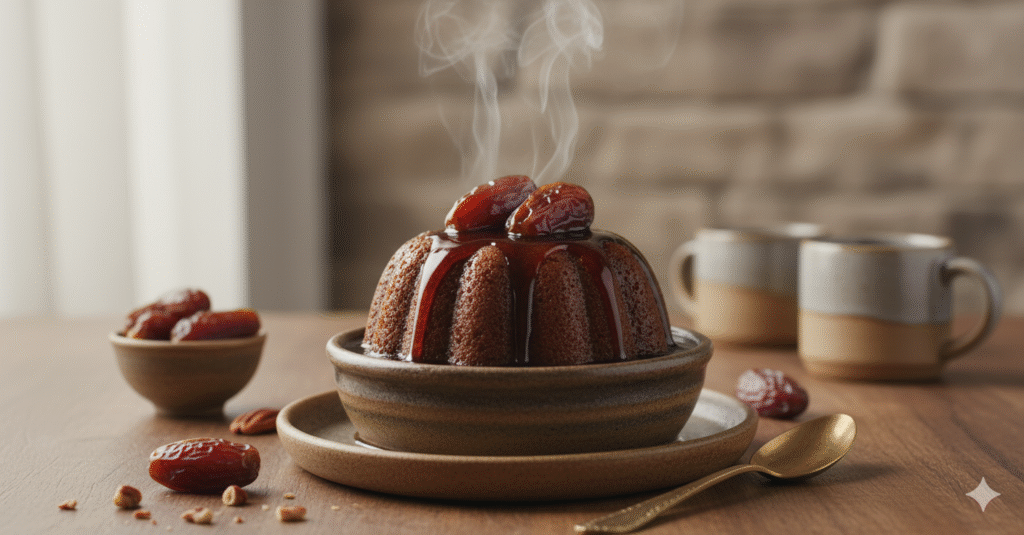
    The image shows a Crockpot steamed pudding with Date syrup and dates on the top.
    Crockpot steamed pudding

    The Ultimate Comfort Food, Crockpot Steamed Pudding

    When the weather turns cool and you’re craving a dessert that feels like a warm hug, nothing compares to a rich, moist steamed pudding. It’s a timeless classic, a perfect indulgence. But for many, the idea of making a traditional steamed pudding feels intimidating, requiring special equipment and a lot of hands-on attention. What if we told you there’s a simple, stress-free way to achieve that same incredible result?

    Enter the slow cooker, or Crockpot, a kitchen hero that simplifies the process from start to finish. This recipe for Crockpot steamed pudding harnesses the gentle, consistent heat of your slow cooker to create a perfectly moist and tender pudding every single time. There’s no need to fuss with a stovetop steamer or a complex oven setup; just set it and let your slow cooker work its magic.

    The Secret to a Healthier Crockpot Steamed Pudding

    The secret to this Crockpot Steamed pudding’s incredible flavour and texture lies in its wholesome ingredients. We’ve replaced refined sugars and fats with natural, nutrient-dense alternatives. Instead of heavy butter and white flour, we use the natural sweetness and moisture from mashed banana, and the fiber-rich goodness of whole wheat flour and oats. The result is a pudding that’s not only delicious but also kind to your body.

    But the real star of the show is the date syrup. Made from just dates and water, this naturally sweet, glossy sauce elevates the pudding to a new level. It cascades over the warm pudding, seeping into every crevice and adding a deep, caramel-like richness that is completely free of refined sugars. It’s a topping that’s as simple to make as it is delicious.

    This recipe is designed for everyone, regardless of your baking experience. The instructions are straightforward and easy to follow, ensuring that even a novice can achieve a show-stopping dessert. So, get ready to transform a few simple ingredients into a warm, comforting masterpiece that will satisfy your sweet tooth and nourish your body.


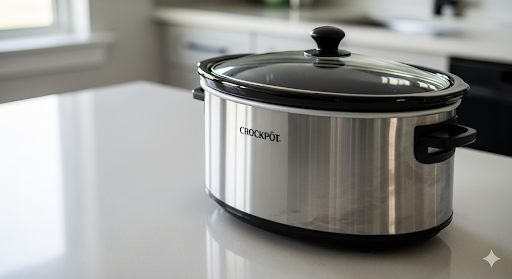
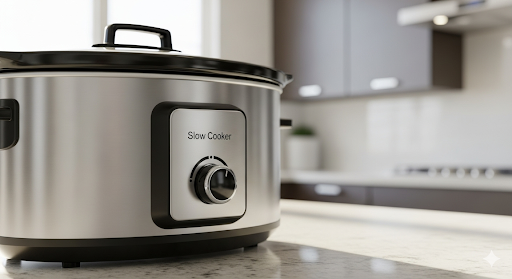
    The images show a slow cooker and a crockpot which are both the same but different names.


    Easy Crockpot Steamed Pudding Recipe

    Time to Prepare: 15 minutes

    Time to Cook: 2 hours 30 minutes to 3 hours

    Servings: 6-8


    Nutritional Highlights (Per serving, approximate)

    • Calories: 300-350 kcal
    • Protein: 5-7g
    • Fats: 8-10g (mostly from the eggs and whole-wheat flour)
    • Carbohydrates: 50-60g
    • Fiber: 6-8g

    This pudding is a good source of fiber, and its sweetness comes from natural sources rather than refined sugar, making it a healthier treat.


    Essential Equipment for Steaming Success

    • A Crockpot or Slow Cooker: The star of the show! A 6-quart model works best for this recipe.
    • A Pudding Basin or Oven-Safe Bowl: You’ll need a heat-proof bowl that fits inside your Crockpot. A 1.5 to 2-quart bowl is ideal.
    • Large Mixing Bowl: For combining all your ingredients.
    • Whisk and Spatula: For mixing and scraping the batter.
    • Aluminum Foil and Parchment Paper: To create a tight-fitting lid for the pudding basin.
    • Measuring Cups and Spoons: For accurate measurements.
    • A Blender or Food Processor: For making the date syrup.

    Ingredients for a Healthy Pudding

    For the Pudding:

    • 1 cup whole wheat flour or spelt flour
    • 1 cup oats or oat flour
    • 1 teaspoon baking soda
    • 1 teaspoon ground cinnamon
    • ½ teaspoon ground ginger
    • ¼ teaspoon ground nutmeg
    • ½ cup mashed ripe banana or unsweetened applesauce
    • 2 large eggs
    • 1 cup non-dairy milk (such as almond or oat milk)
    • 1 cup pitted, finely chopped dates

    For the Date Syrup:

    • 1 cup pitted Medjool dates
    • 1 cup hot water
    • 1 teaspoon vanilla extract (optional)

    For Topping & Garnish:

    • Chopped nuts (walnuts, pecans)
    • Unsweetened coconut flakes
    • Fresh fruit (berries)

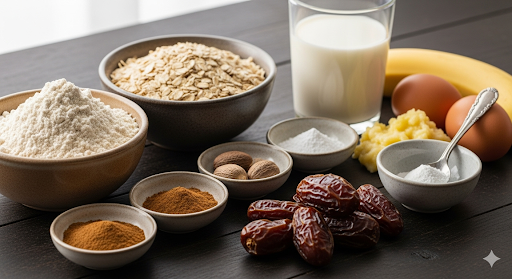
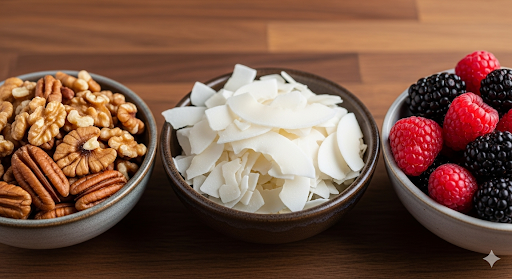
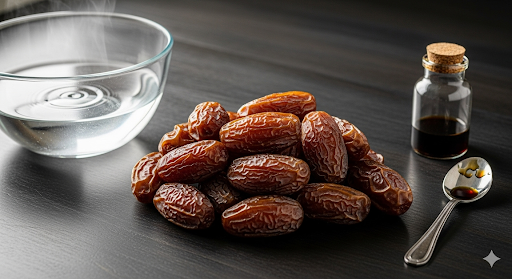
    The gallery shows the dry ingredients used in this recipe. They range from prunes, rolled oats, walnuts, coconut flakes and dates.


    Step-by-Step Instructions: Mastering the Crockpot Steamed Pudding

    Prepare Your Pudding Basin and Crockpot

    First, grease your pudding basin or oven-safe bowl thoroughly with a little butter or cooking spray. This will prevent the pudding from sticking. Next, take a piece of parchment paper and a piece of aluminum foil, and cut a small pleat in the center of both. Lay the parchment paper over the top of the bowl, followed by the foil, and secure them tightly around the rim with kitchen twine or a rubber band. This creates a dome-like lid that allows for expansion during steaming.

    Make the Date Syrup

    This is the easiest part! In a blender or food processor, combine the pitted dates and one cup of hot water. Blend on high speed until the mixture is completely smooth and forms a thick, syrupy sauce. You can add the vanilla extract if you like. Set this aside for later.

    Combine the Dry Ingredients

    In a large mixing bowl, start by adding your whole wheat flour and oats. Use a whisk to combine them. Now, add the baking soda and all your spices: cinnamon, ginger, and nutmeg. Whisk everything together until it’s well mixed. This ensures the leavening agent and spices are evenly distributed, so your pudding rises and tastes great.

    Add the Wet Ingredients

    Create a well in the center of your dry ingredients. Add the mashed banana or applesauce, the eggs, and the non-dairy milk. Use a whisk to gently mix from the center outwards, slowly incorporating the dry ingredients. Continue mixing until the batter is smooth. Fold in the chopped dates using a spatula. Be careful not to overmix at this stage; a few lumps are perfectly fine.

    Assemble and Steam

    Carefully pour the pudding batter into your prepared basin. Pour a layer of about an inch of hot water into the bottom of your Crockpot. Now, gently lower the pudding basin into the Crockpot, making sure the water doesn’t splash into the bowl. The water acts as the steaming agent. Secure the lid on your Crockpot and set it to the “high” setting for 2 hours and 30 minutes to 3 hours.

    Check for Doneness

    After 2 hours and 30 minutes, carefully open the Crockpot and use a thin skewer or a toothpick to check if the pudding is cooked. Insert it into the center of the pudding. If it comes out clean, the pudding is done. If it has batter on it, close the lid and continue to cook, checking every 15 minutes.

    Serve and Enjoy

    Once cooked, use a towel or oven mitts to carefully lift the pudding basin out of the Crockpot. Let it sit for 5-10 minutes. Then, run a knife around the edges to loosen the pudding. Place a serving plate on top of the bowl and carefully flip it over. The pudding should slide right out. Drizzle generously with your homemade date syrup and garnish with chopped nuts or fresh fruit.

    Follow these detailed steps to create a perfect, moist pudding every time.


    The Health Benefits of This Steamed Pudding

    This Crockpot steamed pudding is more than just a delicious dessert; it’s a mindful choice that offers a number of health benefits.

    • Naturally Sweetened: By using mashed banana, applesauce, and dates, you avoid refined sugars that can lead to energy crashes and inflammation. Dates are rich in fiber and minerals like potassium and magnesium.
    • Rich in Fiber: The combination of oats, whole wheat flour, and dates provides a significant amount of dietary fiber. Fiber is essential for digestive health, helps you feel fuller for longer, and can help regulate blood sugar levels.
    • Heart-Healthy Fats: The healthy fats from eggs and nuts (if you add them) are important for brain function and overall heart health.
    • Nutrient-Dense: Unlike many empty-calorie desserts, this pudding contains essential vitamins and minerals from the whole food ingredients.
    • Controlled Ingredients: Making your own dessert gives you complete control over what goes in, allowing you to avoid artificial flavours, preservatives, and high-fructose corn syrup.

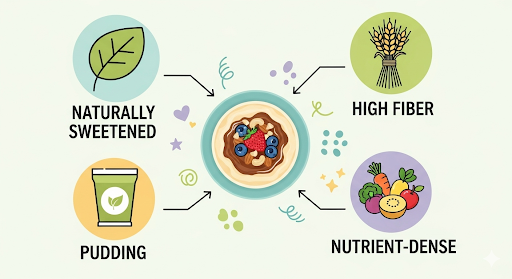
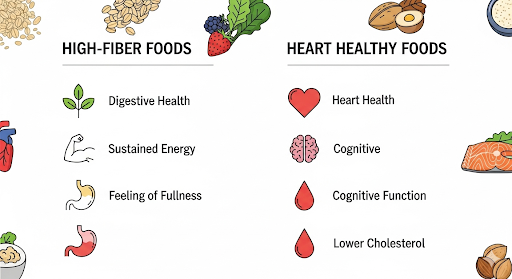
    The infographics shows the nutritional benefits of using naturally sweetened ingredients such as mashed bananas. And the high fiber foods such as whole wheat flour, oats and dates.


    Creative Variations for Your Pudding

    The beauty of this recipe is how easily you can customize it to your taste or what you have on hand.

    Variation NameKey Ingredients & MethodBest For
    Gingerbread PuddingAdd 1 tablespoon of ground ginger and a pinch of ground cloves to the dry ingredients. Replace the non-dairy milk with blackstrap molasses for a rich, robust flavour.A festive holiday dessert.
    Chocolate PuddingAdd ½ cup of unsweetened cocoa powder to the dry ingredients. Use a few extra drops of vanilla extract in the batter and syrup.A decadent and rich chocolatey treat.
    Nutty Caramel PuddingAdd ½ cup of chopped walnuts or pecans directly into the batter before steaming. When serving, sprinkle extra chopped nuts and a pinch of sea salt over the date syrup for a salted caramel flavour.A satisfying crunch and a delightful nutty flavour.
    Spiced Apple PuddingReplace the mashed banana with 1 cup of unsweetened applesauce. Add 1 teaspoon of ground cinnamon and a pinch of allspice. You can also mix in some finely diced apple pieces.A light, fruity, and fragrant pudding.

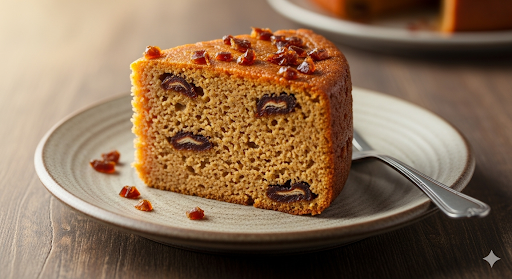
    The images show a cooked steamed pudding and the other images is of a slice of the pudding on a saucer.


    Final Thoughts

    Creating a delicious, warm, and comforting dessert doesn’t have to be complicated or unhealthy. This simple Crockpot steamed pudding recipe is a testament to the fact that with a little creativity and the right ingredients, you can satisfy your cravings while nourishing your body. The slow cooker method takes the stress out of the process, leaving you with a perfect pudding every time. So go ahead, give it a try, and discover your new favourite guilt-free dessert.


    Frequently Asked Questions (FAQs)

    Q1: Can I make this pudding vegan?

    A1: Yes, you can! To make this recipe vegan, simply replace the two large eggs with two flax eggs. A flax egg is made by mixing 2 tablespoons of ground flaxseed with 6 tablespoons of water and letting it sit for about 5 minutes until it forms a gel-like consistency. This will work as a perfect binder for the pudding.

    Q2: How should I store leftover pudding?

    A2: Leftover pudding can be stored in an airtight container in the refrigerator for up to 3-4 days. To reheat it, you can either warm it in the microwave in 30-second increments or place a slice back in the Crockpot with a little water at the bottom and warm it on the low setting for about 30 minutes. The date syrup can be stored separately in a jar in the fridge.

    Q3: Can I substitute the dates?

    A3: While dates are key to the flavour and texture, you could substitute them with other dried fruits like figs or prunes for a similar result. Just be aware that the flavour profile will change slightly. For the syrup, you could use pure maple syrup as a substitute for the date syrup, but it will have a different taste and nutritional profile.


    References

    1. American Heart Association – Dietary Fats
    2. Healthline – 8 Proven Health Benefits of Dates
    3. Mayo Clinic – Dietary fiber

    Recent Posts

    How To Make Healthy breadcrumbs Without Bread


    Are you a passionate home cook and a nutrition enthusiasts dedicated to creating accessible, healthy recipes that don’t compromise on flavour? We love exploring innovative ways to make everyday meals extraordinary and share our knowledge with the world, always seeking creative approaches to classic ingredients, especially when it comes to making healthy breadcrumbs without bread.


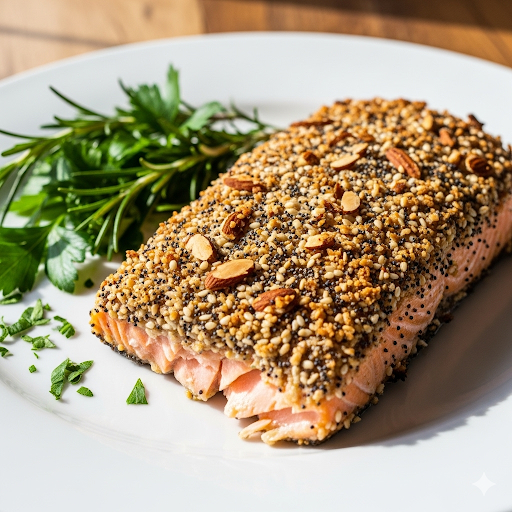
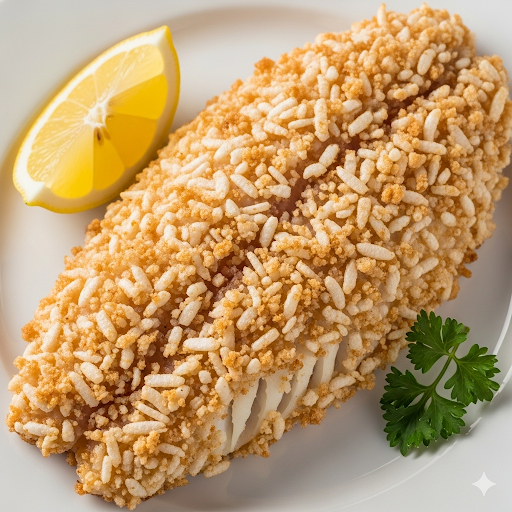
    The image shows a Salmon Fillet coated with breadcrumbs Without Bread
    Salmon fillet coated in a nut & seed crust

    Elevate Your Cooking with Delicious, Guilt-Free Alternatives with breadcrumbs Without Bread

    Are you a passionate home cook and a nutrition enthusiasts dedicated to creating accessible, healthy recipes that don’t compromise on flavour? We love exploring innovative ways to make everyday meals extraordinary and share our knowledge with the world, always seeking creative approaches to classic ingredients, especially when it comes to making healthy breadcrumbs without bread.

    Are you looking to add that perfect crunch to your favorite dishes without relying on traditional breadcrumbs? Perhaps you’re following a gluten-free, low-carb, or simply a healthier eating plan. Whatever your motivation, discovering how to make delicious, healthy breadcrumbs without bread is a game-changer for any kitchen. Traditional breadcrumbs, while convenient, often come with unwanted ingredients, hidden sugars, or are simply not suitable for various dietary needs. This guide will open up a world of possibilities, showing you how to create versatile, nutritious, and incredibly tasty alternatives that will elevate your cooking.


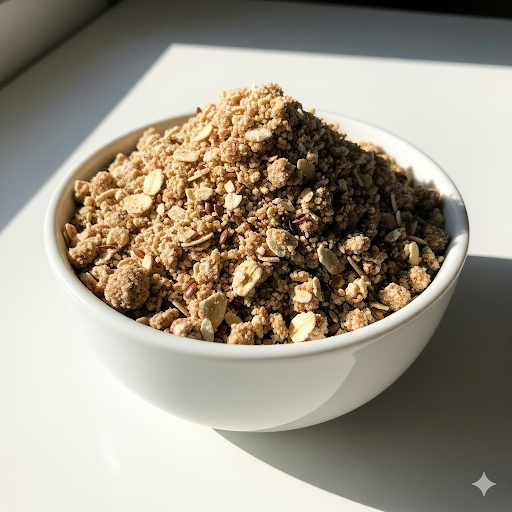
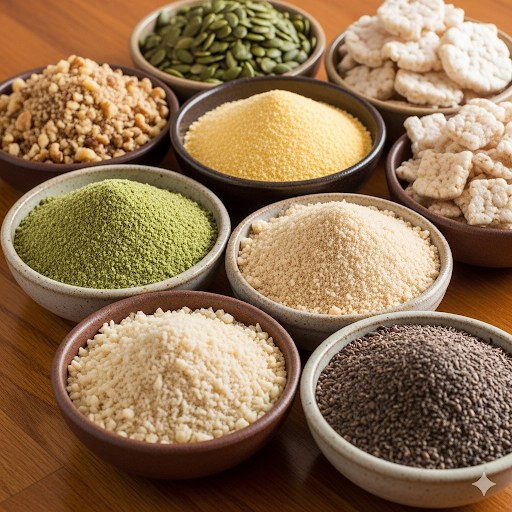
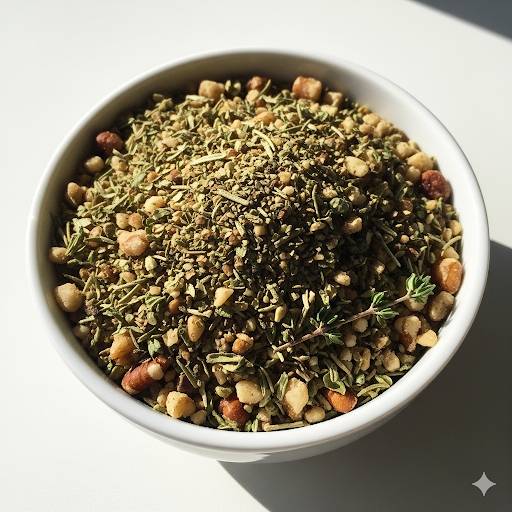
    The gallery shows the first bowl with Herb crumbs. The second bowl is a variety of breadcrumbs listed in the article and the third bowl is made up of oat and flax seeds for the breadcrumbs.


    Your Kitchen, Your Rules: The Power of Homemade

    The beauty of breadcrumbs Without Bread lies not just in their health benefits but also in their adaptability. Imagine a crispy coating on your chicken, a delightful topping for your casseroles, or a robust binder in your meatloaf, all crafted from wholesome ingredients you likely already have in your pantry. We’re moving beyond simple substitutions and diving into innovative methods that bring new textures and flavors to your table. From nutty blends to hearty grains and even ingenious vegetable-based options, preparing your own healthy crumbs is simpler than you think.

    Ditching the bread doesn’t mean sacrificing flavor or texture. In fact, it often means enhancing both! These homemade versions provide a depth of flavor that store-bought options can’t match, along with a satisfying crunch that makes every bite more enjoyable. Plus, by making them yourself, you have complete control over the ingredients, ensuring they align perfectly with your health goals and taste preferences. Say goodbye to highly processed fillers and hello to pure, unadulterated goodness.

    Take Control of Your Ingredients with breadcrumbs Without Bread

    This comprehensive guide is designed for everyone, from seasoned chefs to enthusiastic beginners. We’ll walk you through the process step-by-step, ensuring you gain the confidence to experiment and create your own signature blends. We’ll cover everything from equipment and ingredients to storage tips and creative variations, making sure you have all the knowledge you need to master the art of making healthy breadcrumbs without bread. Get ready to transform your meals and impress your taste buds!

    So, let’s embark on this culinary adventure and unlock the secrets to crafting healthy, flavourful, and diverse breadcrumb alternatives. You’ll be amazed at how easy it is to upgrade your cooking while staying true to a healthy lifestyle.


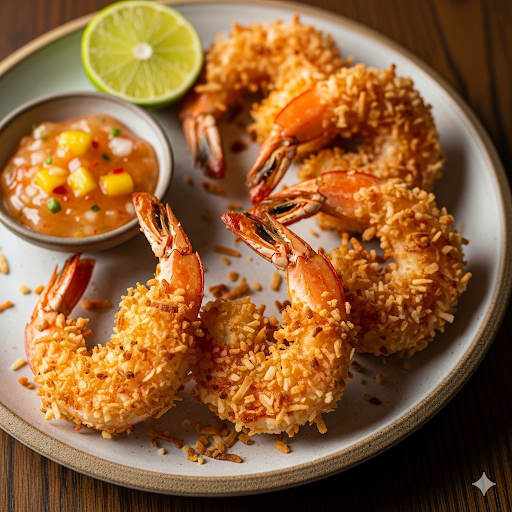
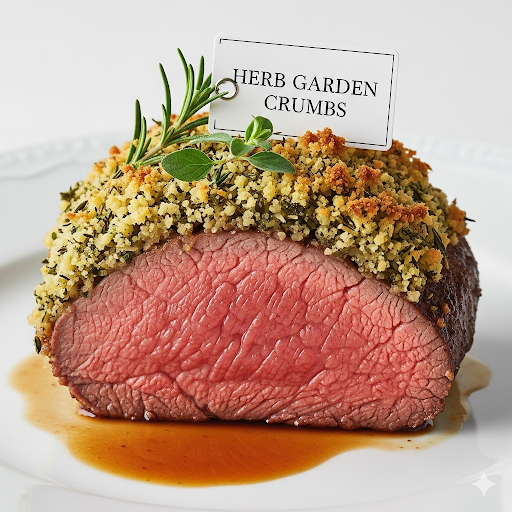
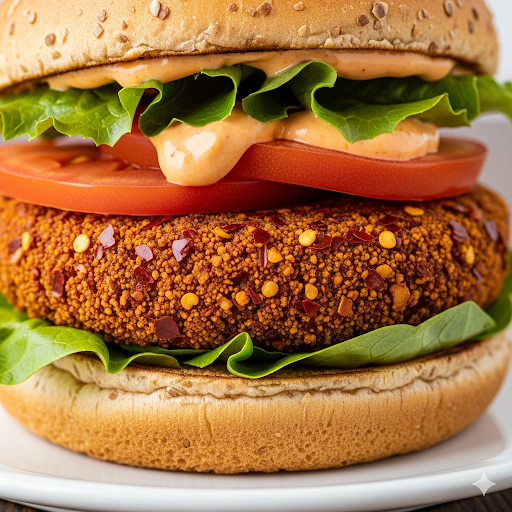
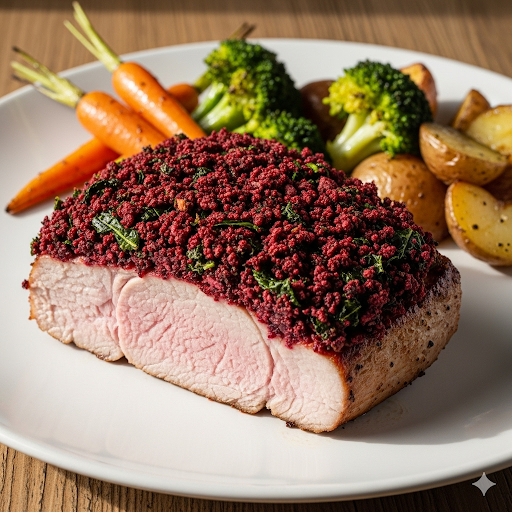
    The gallery shows Herb crusted lamb, and the next is veggie chip breadcrumbs on a burger and the last image are Shrimps, with toasted coconut flake coating.


    Wholesome Nut & Seed Crumbs: A Versatile Recipe

    This recipe focuses on creating a fantastic all-purpose, healthy breadcrumb alternative using a blend of nuts and seeds. It’s naturally gluten-free, low-carb, and packed with nutrients.

    Time to Prepare: 5 minutes

    Time to Cook/Blend: 10 minutes (for toasting nuts/seeds) + 2 minutes (for blending)

    Servings: Approximately 2 cups


    Nutritional Highlights (Per 1/4 cup serving, approximate)

    • Calories: 150-180 kcal
    • Protein: 5-7g
    • Fats: 12-15g (primarily healthy unsaturated fats)
    • Carbohydrates: 5-7g
    • Fiber: 3-5g
    • Sodium: 50-70mg (depending on added salt)

    These values will vary slightly based on the specific nuts and seeds used and the exact serving size. They offer a good source of Vitamin E, Magnesium, and Zinc.


    Essential Equipment for Perfect Breadcrumbs

    Having the right tools makes all the difference when making your own healthy breadcrumbs without bread.

    • Food Processor (Recommended): This is the most crucial piece of equipment. A good food processor will quickly and efficiently grind your nuts and seeds to the perfect consistency.
    • Alternative Equipment (if no food processor):
      • Blender: A powerful blender can also work, though you may need to pulse in smaller batches and stir more frequently to ensure even consistency.
      • Rolling Pin and Sealable Bag: For a more hands-on approach, a heavy rolling pin and a strong, sealable bag (like a freezer bag) are excellent alternatives.
      • Mortar and Pestle: Perfect for small batches, this traditional tool gives you great control over the texture.
    • Baking Sheet: For toasting your nuts and seeds to enhance their flavour.
    • Parchment Paper or Silicone Mat: To prevent sticking and for easy cleanup on your baking sheet.
    • Airtight Container: For storing your homemade breadcrumbs.
    • Measuring Cups and Spoons: For accurate ingredient measurements.
    • Spatula or Wooden Spoon: For stirring and transferring.

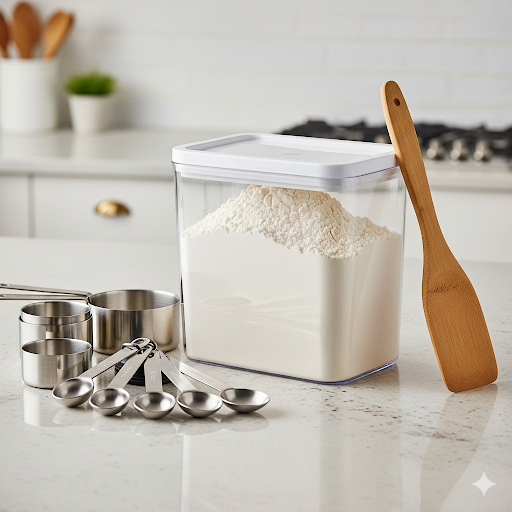
    The gallery shows some of the equipment used in this recipe.


    Ingredients for Nut & Seed Breadcrumbs

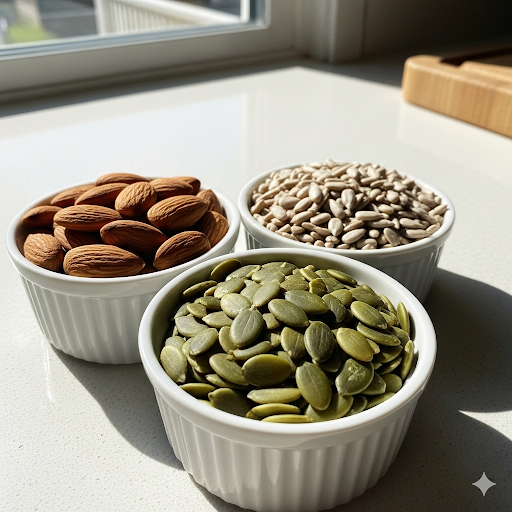
    • 1 cup (120g) raw almonds (blanched or unblanched)
    • ½ cup (60g) raw sunflower seeds
    • ½ cup (60g) raw pumpkin seeds
    • 2 tablespoons (20g) ground flaxseed meal (optional, for extra binding and nutrition)
    • ½ teaspoon sea salt
    • ¼ teaspoon black pepper
    • 1 teaspoon dried Italian herbs (oregano, basil, thyme blend)
    • ½ teaspoon garlic powder
    • ¼ teaspoon onion powder
    • A pinch of smoked paprika (optional, for a hint of smoky flavor)


    Step-by-Step Instructions: Crafting Your Healthy Crumbs

    Follow these detailed steps to create your perfectly textured and flavorful healthy breadcrumbs without bread. We’ve included instructions for both with and without a food processor.

    Preheat and Prepare Your Nuts & Seeds

    Begin by preheating your oven to 160°C (325°F). This gentle heat will help to toast the nuts and seeds, bringing out their deep, nutty flavors without burning them. While the oven preheats, spread the raw almonds, sunflower seeds, and pumpkin seeds evenly in a single layer on a baking sheet lined with parchment paper. This ensures they toast consistently.

    Toast for Enhanced Flavor

    Once the oven is ready, place the baking sheet with your nuts and seeds into the preheated oven. Toast them for about 8-10 minutes. It’s crucial to keep a close eye on them during this time, as nuts and seeds can go from perfectly toasted to burnt very quickly. You’ll know they’re ready when they smell fragrant and have a lightly golden-brown color. Once toasted, remove the baking sheet from the oven and allow the nuts and seeds to cool completely. This cooling step is important as warm nuts can release too much oil when blended, leading to a pasty texture rather than crumbly.

    Combine and Season

    Once the toasted nuts and seeds are fully cooled, carefully transfer them into a food processor, or if you don’t have one, into a large, durable sealable bag. Add the ground flaxseed meal (if using), sea salt, black pepper, dried Italian herbs, garlic powder, onion powder, and smoked paprika (if desired). These seasonings will infuse your breadcrumbs with a delicious, savory flavor profile.

    Pulse or Crush to Perfection

    Using a Food Processor or Blender

    Secure the lid on your food processor. Now, begin to pulse the mixture in short bursts. Don’t simply turn it on and let it run, as this can quickly turn your ingredients into nut butter. Instead, use short, quick pulses. Continue pulsing, checking the consistency every few seconds. You’re aiming for a coarse, crumbly texture that resembles traditional breadcrumbs. Some pieces will be finer, and some will be slightly larger, which adds to the appeal. Be careful not to over-process!

    Using a Rolling Pin

    If you are using a sealable bag, press the air out and seal it tightly. Lay the bag on a sturdy, flat surface like a cutting board. Use a heavy rolling pin to gently but firmly roll over the nuts and seeds. Roll back and forth, applying pressure to crush them. You can also use a heavy-bottomed pan or bottle to crush them. The process may take a few minutes and will give you a slightly more rustic, varied crumb. Periodically shake the bag to bring larger pieces to the top for crushing.

    Check and Adjust

    Once you achieve the desired texture, carefully transfer the mixture to a bowl. Give it a good stir with a spoon or spatula to ensure all the seasonings are evenly distributed. Taste a small amount and adjust the seasoning if necessary – perhaps a little more salt, pepper, or herbs to suit your preference.

    Store for Freshness

    Transfer your freshly made healthy breadcrumbs into a clean, airtight container. Store them in the refrigerator for up to 2-3 weeks, or in the freezer for up to 3 months. Storing them in the fridge or freezer helps to keep the natural oils in the nuts and seeds from going rancid, preserving their freshness and flavor. Label your container with the date so you know when they were made.


    The image shows nuts and seeds being processed and the next image shows some of the seeds and nuts used in the breadcrumb recipes.


    Benefits of Healthy Breadcrumbs Without Bread

    Switching to homemade, healthy breadcrumbs without bread offers a myriad of advantages that go beyond just catering to dietary restrictions.

    • Nutrient-Dense: Unlike many traditional breadcrumbs which are often just refined carbohydrates, these alternatives are packed with healthy fats, protein, fiber, vitamins, and minerals from nuts, seeds, and spices. This means you’re adding more nutritional value to your meals.
    • Gluten-Free & Low-Carb Options: Naturally suitable for those with celiac disease, gluten sensitivity, or individuals following low-carbohydrate or ketogenic diets. This opens up a world of culinary possibilities for many.
    • Enhanced Flavor & Texture: Nuts and seeds offer a richer, deeper flavor profile than plain bread, alongside a more satisfying, often crispier texture. This can elevate the taste and mouthfeel of your dishes significantly.
    • Control Over Ingredients: When you make your own, you know exactly what goes into them. You can avoid artificial additives, excessive sodium, and unwanted preservatives often found in store-bought versions.
    • Versatility: These crumbs are incredibly versatile, suitable for coatings, toppings, binders, and even as a crunchy element in salads or soups.

    The images show the nutritional benefits gained from using alternatives for breadcrumbs in the first image. Whilst the second image, shows the difference between plain bread and nut & seed.


    Creative Variations for breadcrumbs Without Bread

    The beauty of making your own healthy breadcrumbs without bread is the endless potential for customization. Here are some ideas to inspire your culinary creativity:

    Variation NameKey Ingredients & MethodBest For
    Spicy Kick CrumbsAdd ½ – 1 teaspoon of chili powder, smoked paprika, and a pinch of cayenne pepper to the nut/seed blend before pulsing. Adjust to your preferred spice level. You could also include a touch of chipotle powder for a smoky heat.Chicken tenders, fish fillets, spicy veggie burgers
    Herb Garden CrumbsIncrease the dried Italian herbs to 2 teaspoons, and consider adding 1 teaspoon of dried parsley and ½ teaspoon of dried rosemary (crushed). For a fresh flavor, incorporate 1 tablespoon of finely chopped fresh parsley after blending.Herb-crusted lamb or chicken, baked vegetables, Mediterranean dishes
    Cheesy Garlic CrumbsBlend in ¼ cup of grated Parmesan cheese (or nutritional yeast for a dairy-free option) with the nuts, seeds, and other seasonings. The cheese will melt slightly and create a delicious crust when cooked.Eggplant parmesan, baked chicken, mac and cheese topping
    Mediterranean CrumbsInclude 1 teaspoon of dried oregano, ½ teaspoon of dried mint, and the zest of half a lemon. A pinch of sumac can add a lovely tangy note. You can also add 2 tablespoons of finely chopped sun-dried tomatoes (oil-packed, drained) after blending.Fish, roasted vegetables, as a topping for salads or hummus
    Oat & Flax CrumbsFor a heartier, more budget-friendly option, replace half of the nuts/seeds with rolled oats and 2 tablespoons of ground flaxseed. Toast the oats along with the seeds before processing. This will yield a softer, more traditional breadcrumb-like texture.Meatballs, meatloaf, veggie burgers, as a binding agent
    Pork Rind Crumbs (Keto)For a strict keto and incredibly crispy option, pulse plain pork rinds in a food processor or by hand until they reach a breadcrumb-like consistency. Season with salt, pepper, garlic powder, and onion powder. These are very low-carb and absorb less oil than traditional breadcrumbs, making them ideal for frying or air frying.Fried chicken, schnitzel, as a crunchy topping for casseroles
    Crispy Cornflake CrumbsCrush unsweetened cornflakes (ensure they are gluten-free if needed) in a bag or food processor. Season with salt, pepper, paprika, and a touch of garlic powder. This offers a light, super crispy texture.Fish sticks, chicken nuggets, fried onion rings
    Crushed Nut CrumbsUse cashews, walnuts, or pecans on their own. Toast them lightly, then crush in a food processor or with a rolling pin in a sealable bag.Great for nut-crusted chicken or fish, or as a flavorful binder in a variety of dishes.
    Toasted Coconut FlakesFor a tropical flavor, lightly toast unsweetened coconut flakes in a dry pan or on a baking sheet until golden brown. Once cool, pulse in a food processor for a finer texture.A delicious coating for shrimp or chicken, or a topping for baked sweet potatoes.
    Rice Cake CrumbsCrush plain, unsalted brown rice cakes or brown rice cereal in a sealable bag with a rolling pin. This is an excellent neutral-flavored, gluten-free option.Perfect for light, crispy coatings on fish, or as a binder in veggie burgers.
    Veggie Chip CrumbsUse baked or dehydrated kale, zucchini, sweet potato, or beet chips. Crush them in a bag or food processor. The natural seasonings on the chips add an extra layer of flavor.A colorful and flavorful coating for chicken or pork, or a crunchy topping for gratins.
    Cornmeal or PolentaUse fine-ground cornmeal or polenta directly from the bag. No processing is needed. It provides a hearty, rustic, and naturally gluten-free texture.Ideal for pan-fried fish, or to create a classic southern-style crust on fried green tomatoes.

    The gallery shows a fish with a rice cake crumb coating. The second image shows pork with a veggie chip crumb topping. The final images shows pan-fried fish with a cornmeal or polenta crust.


    Final Thoughts on Healthy Breadcrumbs Without Bread

    Mastering the art of making healthy breadcrumbs without bread is more than just a culinary trick; it’s a step towards more mindful and delicious eating. By embracing these wholesome alternatives, you’re not only enhancing the nutritional profile of your meals but also unlocking a world of new flavors and textures. From the satisfying crunch of toasted nuts and seeds to the hearty appeal of oats or the ingenious use of vegetables, the possibilities are truly endless.

    Experiment with different blends, adjust the seasonings to your taste, and discover how these simple changes can transform your everyday cooking. Whether you’re coating chicken, topping a casserole, or binding a veggie burger, these homemade crumbs will add a touch of gourmet goodness that is both healthy and incredibly satisfying. Don’t be afraid to get creative in your kitchen right here in Salford and beyond – your taste buds (and your body) will thank you!


    Frequently Asked Questions (FAQs)

    Q1: Can I make these breadcrumbs ahead of time? How long do they last?

    A1: Absolutely! Making these healthy breadcrumbs without bread ahead of time is a fantastic way to save time during busy weeknights. Store them in an airtight container in the refrigerator for up to 2-3 weeks. For longer storage, you can freeze them for up to 3 months. This prevents the natural oils in the nuts and seeds from going rancid and preserves their fresh flavor. Simply pull them out of the freezer and use them directly from frozen, or let them thaw slightly before using.

    Q2: Can I use different types of nuts or seeds than those listed in the main recipe?

    A2: Yes, you can! The beauty of this recipe is its versatility. Feel free to substitute any of the nuts or seeds with your favorites, or whatever you have on hand. Good alternatives include walnuts, pecans, cashews (for a creamier crumb), or even different types of seeds like chia seeds (though they can be very fine). Just ensure they are raw and unsalted for the best control over flavor. Remember that different nuts and seeds have varying oil contents, so you might need to adjust pulsing time slightly to avoid creating a paste. Always aim for that coarse, crumbly texture.


    References

    1. Harvard T.H. Chan – Almonds
    2. Mayo Clinic – Nutrition and healthy eating
    3. National Institutes of Health – Omega-3 Fatty Acids

    Recent Posts
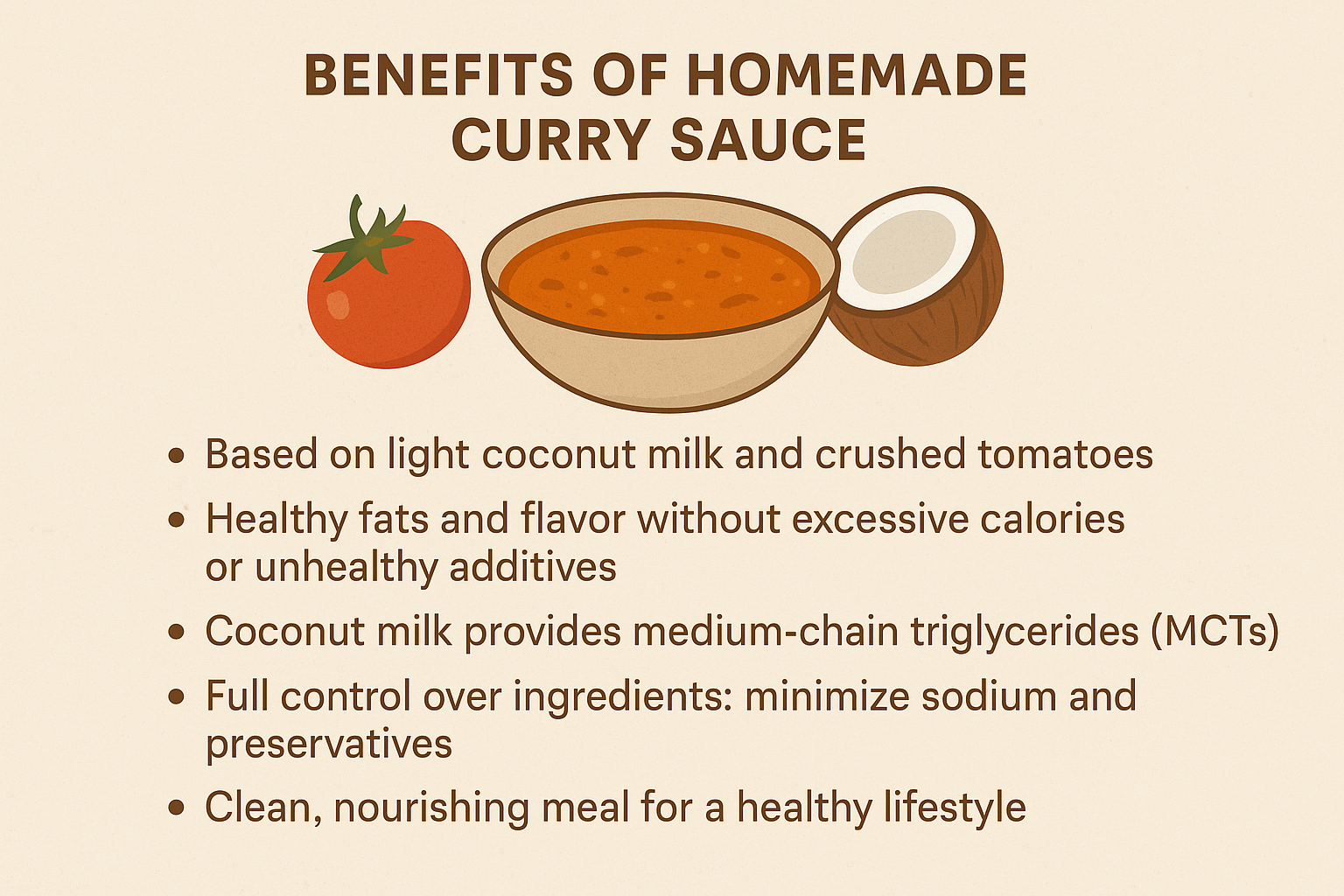

    No Bake – Simple And Delicious Fruit Salad Crumble


    This article will guide you in creating a show-stopping Fruit Salad Crumble that requires absolutely no baking. You’ll learn to layer vibrant mango, juicy strawberries, and plump blueberries with a creamy Greek yogurt sauce, topped with a satisfyingly crunchy crumble. This innovative Fruit Salad Crumble is a guilt-free dessert that is as easy to make as it is delightful to eat.


    The image shows a Fruit salad crumble with a yoghurt sauce.
    Fruit Salad Crumble

    A Healthier Twist on a Classic Crumble

    Tired of complicated recipes that require a long list of ingredients and hours in the kitchen? This recipe for a no-bake Fruit Salad Crumble is the perfect solution for busy days when you crave something sweet and wholesome. It’s the ideal dish to satisfy your dessert cravings without any of the fuss of a traditional baked crumble. We’re combining the best of a fresh fruit salad with a crunchy, delicious topping for a texture and flavor combination that will surprise and delight you.

    What makes this recipe a game-changer is its simplicity. There is no need to preheat the oven or wait for a long baking time. Every single step is quick and straightforward, allowing you to whip up a beautiful and delicious dessert in minutes. It’s perfect for a quick snack, a refreshing dessert after a meal, or even a wholesome breakfast to start your day off right. The best part is that you can have this amazing dessert ready to eat in the time it takes you to chop some fruit.


    The gallery shows fresh mangoes, blueberries in a bowl and strawberries.


    Layers of Flavor and Texture in Fruit Salad Crumble

    This dish is a testament to how simple, fresh ingredients can come together to create something truly extraordinary. The vibrant colors of the fruit aren’t just beautiful; they also signal a wide array of vitamins and nutrients that are fantastic for your body. The creamy yogurt sauce adds a delightful tang and a smooth texture, while the hand-crushed topping provides a satisfying crunch that makes every bite an adventure. It’s a multi-layered experience that feels indulgent but is secretly a powerhouse of health benefits.

    One of the great things about this Fruit Salad Crumble is its versatility. You can easily adapt the recipe to use whatever fruits you have on hand, making it a great way to use up ingredients and reduce food waste. Whether you’re a seasoned chef or a complete beginner in the kitchen, the clear, step-by-step instructions will guide you to a perfect result every time. We will show you how to layer these ingredients beautifully, creating a visually stunning dessert that is as delicious as it looks.

    Get ready to transform your approach to dessert. This recipe for a no-bake Fruit Salad Crumble is about to become a new favorite in your kitchen. It’s simple, quick, and incredibly tasty. So grab your ingredients, and let’s start creating this refreshing and healthy treat!


    The gallery shows a bowl of walnuts, rolled oats and almonds.


    No Bake Fruit Salad Crumble: Your Go-To Dessert


    Time to Prepare: 15 minutes

    Time to Cook/Blend: 0 minutes (no cooking required)

    Servings: 4


    Nutritional Information

    This Fruit Salad Crumble recipe is more than just a sweet treat; it’s a powerhouse of nutrition. The vibrant fruits are a fantastic source of natural sugars, providing a quick energy boost, and are loaded with essential vitamins, minerals, and antioxidants. The Greek yogurt base offers a significant amount of lean protein and beneficial probiotics, which are vital for a healthy gut and digestive system. The crunchy topping provides a mix of healthy fats from the nuts, along with dietary fiber and complex carbohydrates from the oats, which contributes to long-lasting satiety and helps to stabilize blood sugar levels.


    Equipment

    • Large mixing bowl
    • Serving bowls or clear glasses for layering
    • Cutting board and sharp knife
    • Small bowl for the topping
    • Fork or rolling pin for crushing
    • Spoon for mixing and serving

    Ingredients

    For the Fruit Salad

    • 1 ripe mango, peeled and cubed
    • 1 cup strawberries, hulled and sliced
    • 1 cup green grapes, halved
    • 1 cup black grapes, halved
    • 2 ripe bananas, sliced into chunks
    • 1 cup blueberries
    • 1 kiwi, peeled and sliced (for a sour contrast)
    • 1 (15-ounce) can of peaches, drained and diced (optional, for a sweeter fruit option)

    For the Greek Yogurt Sauce

    • 2 cups plain Greek yogurt
    • 2 tablespoons honey or maple syrup
    • 1 teaspoon vanilla extract

    For the No-Bake Crumble Topping

    • 1/2 cup rolled oats
    • 1/4 cup walnuts
    • 1/4 cup cashews
    • 1/4 cup ground almond
    • 1/2 teaspoon cinnamon
    • 1 tablespoon of melted coconut oil or honey (to bind the topping)


    Step-by-Step No-Bake Instructions for Fruit Salad Crumble

    Prepare the Fruit Salad

    Begin by washing all your fresh fruits thoroughly. Prepare each fruit as described in the ingredients list (cubing the mango, slicing the strawberries and bananas, halving the grapes, and slicing the kiwi). In a large mixing bowl, gently combine all the prepared fruits. If you are using canned fruit, be sure to drain the syrup completely before adding it to the bowl. A quick tip: for the best texture, avoid using frozen fruits. Once thawed, they can become very watery and make the entire dessert soggy, which is not ideal for this recipe.

    Make the Greek Yogurt Sauce

    In a separate bowl, combine the plain Greek yogurt, honey or maple syrup, and vanilla extract. Use a whisk or a fork to stir the ingredients together until the sauce is smooth and the sweetener is fully dissolved. Taste the sauce and adjust the sweetness if you like. The sauce should have a pleasant creamy and tangy flavor that complements the sweetness of the fruit.

    Create the No-Bake Crumble Topping

    This is the most fun and creative part of the recipe! In a small bowl, combine the rolled oats, walnuts, cashews, and ground almonds. Using the back of a large spoon or a rolling pin, gently crush the nuts and oats until you have a coarse, crumble-like texture. It should not be a fine powder; you want to leave some larger pieces for a satisfying crunch. Stir in the cinnamon. Now, add the melted coconut oil or honey and mix thoroughly with a fork. This step is crucial for giving the topping the appearance of a baked crumble, making it stick together in clumps rather than just being a powder.

    Assemble and Layer

    It’s time to put it all together. You can use a large glass bowl for a beautiful centerpiece or individual glasses for single-serving portions. Start by adding a thick layer of your mixed fruit to the bottom of the dish. Next, generously spoon a layer of the prepared Greek yogurt sauce over the fruit, ensuring it covers everything. Finally, sprinkle the no-bake crumble topping evenly and thickly over the yogurt layer, ensuring you get a good, crunchy coating in every spoonful.


    The images show fruit salad without the yoghurt sauce or the topping.


    Chill and Serve

    For the best results, you can serve this dessert immediately to enjoy the freshness of the fruit and the crunchy topping. However, if you want the flavors to meld together even more, you can place the assembled dessert in the refrigerator for about 30 minutes. Serve it chilled, and get ready to enjoy a delicious, no-fuss dessert!


      The Benefits of This Fruit Salad Crumble

      This Fruit Salad Crumble is a prime example of a dish that is both delicious and incredibly good for you. It’s a complete dessert that provides a wide range of health benefits with every bite. The base of the crumble is a celebration of fruits, each bringing its own nutritional gifts. Blueberries and strawberries are packed with antioxidants, which fight free radicals in the body and help reduce inflammation. The mango and kiwi are bursting with Vitamin C, a powerful nutrient essential for a strong immune system and healthy skin. The grapes and bananas provide natural sugars for quick energy, while also offering fiber and potassium.

      Beyond the fruit, the Greek yogurt sauce adds a layer of beneficial nutrients. It is an excellent source of high-quality protein, which helps with muscle repair and keeps you feeling full. Greek yogurt also contains probiotics, which are the “good bacteria” that are vital for maintaining a healthy and balanced gut microbiome. A healthy gut is linked to a stronger immune system, better digestion, and even improved mental clarity.

      Healthy Fats and Fiber for a Better You in This Fruit Salad Crumble

      The no-bake crumble topping further elevates this dessert’s health profile. Walnuts and cashews are a fantastic source of healthy monounsaturated fats, which are known to support heart health by helping to lower bad cholesterol levels. They also contain omega-3 fatty acids, which are essential for brain health and cognitive function. The rolled oats provide a great source of soluble fiber, which aids in digestion and can help stabilize blood sugar levels.

      This dish is a testament to the fact that you can enjoy a sweet treat without compromising your health. By choosing wholesome, nutrient-dense ingredients, you can create a dessert that not only tastes incredible but also actively contributes to your well-being. It is a fantastic alternative to traditional desserts that are often high in refined sugars and unhealthy fats.


      The gallery shows the nutritional benefits of fruit and greek yoghurt.


      Fruit Salad Crumble Variations

      VariationDescription
      Citrus ZingAdd a few tablespoons of orange or grapefruit juice to the yogurt sauce for a sharper, more tangy flavor.
      Tropical ParadiseReplace some of the fruits with pineapple chunks, passion fruit, and shredded coconut for a tropical twist.
      Nut-Free CrunchIf you have nut allergies, you can replace the nuts in the topping with pumpkin seeds and sunflower seeds.
      Spicy KickAdd a pinch of ground ginger or cardamom to the crumble topping for a warm, spicy flavor that complements the fruits.
      Chocolate IndulgenceStir a tablespoon of unsweetened cocoa powder into the yogurt sauce or add some dark chocolate chips to the crumble topping.

      Final Thoughts: A Simple Recipe, Endless Possibilities

      This recipe for a no-bake Fruit Salad Crumble proves that healthy desserts can be both easy and incredibly delicious. It’s a versatile dish that encourages creativity in the kitchen and provides a well-balanced meal in a single bowl. Don’t be afraid to make it your own by experimenting with different fruits or toppings to suit your taste. It’s a fantastic solution for a quick snack or a beautiful dessert for guests. This recipe will inspire you to have fun in the kitchen and enjoy a simple, sweet treat.


      Frequently Asked Questions

      Q: Can I make this a day ahead of time?

      A: You can prepare the fruit salad and the crumble topping separately and store them in airtight containers in the refrigerator. Wait to combine them until just before you plan to serve to ensure the topping remains crunchy and the fruits stay fresh.

      Q: What if I don’t have fresh fruit available?

      A: This recipe is best with fresh fruit, but you can use high-quality canned fruit, such as peaches or pears, as a healthy alternative. Just be sure to drain the syrup completely to avoid an overly sweet or watery dessert. Avoid using frozen fruit, as it can get soggy and watery after thawing, which will not work for this recipe’s texture.


      References

      1. Harvard T.H. Chan – Vegetables & Fruits
      2. Mayo Clinic – Dietary Fiber
      3. American Heart Association – Healthy Eating

      Recent Posts
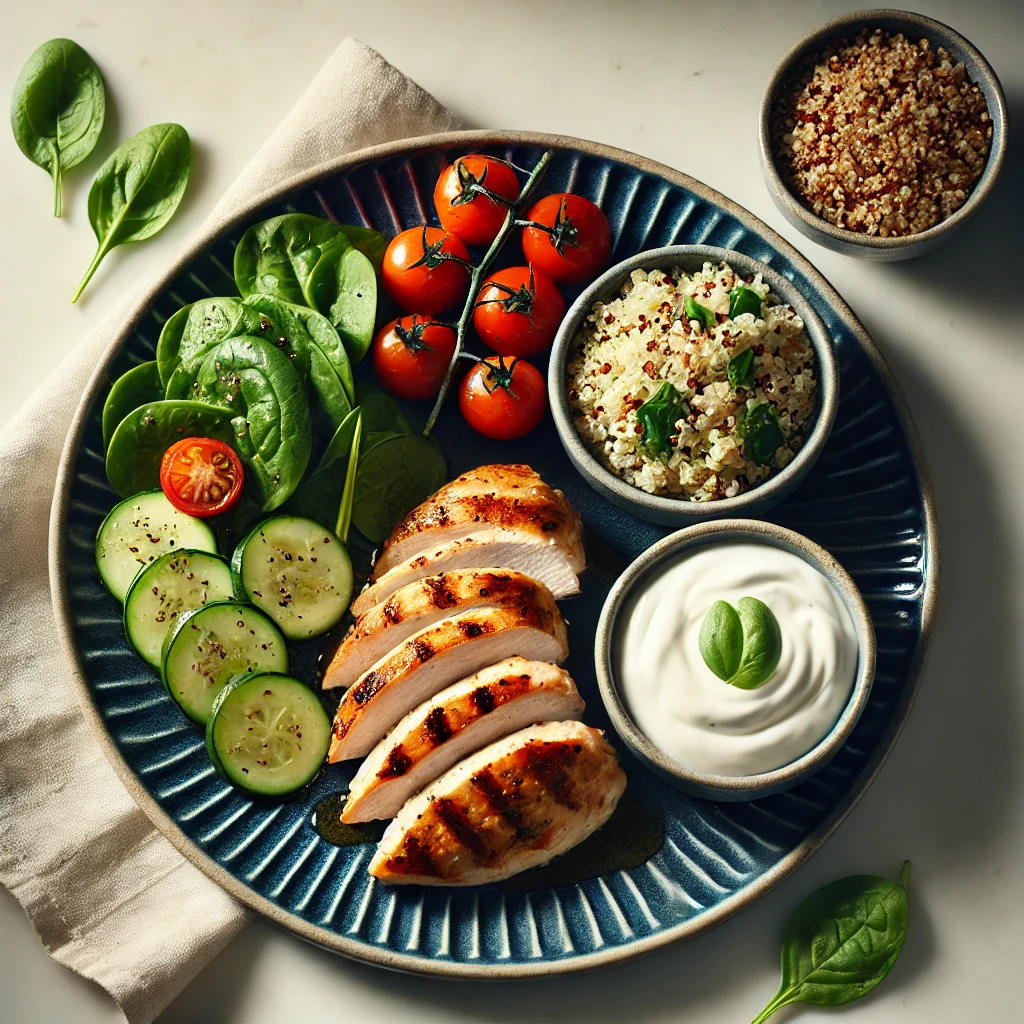

      Make The Best Pasta salad Ever!


      This article will guide you through creating a unique and flavorful Pasta Salad that is far from ordinary. You’ll learn to combine simple ingredients like pasta, grilled chicken, and fresh vegetables with unexpected additions like sweet mandarin oranges and nutrient-rich chia seeds to create a truly unforgettable meal. The versatility of this Pasta Salad makes it perfect for a busy weeknight dinner or a light, refreshing lunch.


      The image shows a bowl of pasta salad. It contains fruit and nuts plus grilled chicken
      Pasta Salad

      Why This Pasta Salad Is a Game-Changer

      Have you ever found yourself in a food rut, making the same old recipes on repeat? It’s a common challenge for even the most enthusiastic home cooks. This recipe for the best Pasta Salad ever is here to help you break free from that routine. We’re taking a beloved classic and giving it a fresh, modern twist that’s not only delicious but also packed with nutrients and vibrant flavors. This isn’t your grandmother’s creamy macaroni salad; it’s a bright, satisfying, and refreshingly different dish that will become a new favorite in your repertoire.

      What makes this particular Pasta Salad so special is its incredible balance of textures and tastes. Imagine the satisfying chewiness of perfectly cooked pasta, the crispness of fresh green peppers, the sweet pop of cherry tomatoes, and the savory tenderness of grilled chicken. Then, we introduce an unexpected burst of citrus from mandarin oranges, which cuts through the richness of the creamy, herbed dressing. Finally, a sprinkle of nuts and seeds adds a delightful crunch and an extra layer of healthy goodness.

      Low-Effort, High-Reward Cooking

      This dish is also a testament to how simple ingredients can come together to create something truly extraordinary. It’s a low-effort, high-reward meal that’s perfect for meal prepping, packing for a picnic, or serving at your next barbecue. The ingredients are easy to find and the steps are straightforward, making it accessible for cooks of all skill levels. Even if you’ve never made a Pasta Salad before, this recipe will guide you to a perfect result every single time.

      Beyond its amazing flavor, this Pasta Salad is a nutritional powerhouse. It’s a complete meal in a single bowl, offering a fantastic balance of carbohydrates, lean protein, and healthy fats. The vibrant colors in the salad aren’t just beautiful to look at; they’re a sign of the wide array of vitamins and antioxidants you’re getting with every bite. The combination of ingredients supports everything from digestive health to energy levels, making it a smart choice for your body.

      So, get ready to discover a new way to enjoy a classic. This recipe for the best Pasta Salad ever is more than just a meal; it’s an invitation to have fun in the kitchen and nourish your body with every spoonful. Let’s get started on this culinary adventure and prepare a dish that’s sure to impress everyone who tries it.


      The gallery shows cooked pasta, bell peppers and grilled chicken


      Your Best Pasta Salad Recipe


      Time to Prepare: 20 minutes

      Time to Cook/Blend: 15 minutes

      Servings: 6


      Nutritional Information

      This Pasta Salad recipe is more than just tasty; it’s a complete, well-balanced meal. A single serving provides a healthy mix of macronutrients. The pasta serves as a source of complex carbohydrates for sustained energy, while the grilled chicken provides high-quality lean protein, essential for muscle repair and keeping you feeling full.

      The nuts and seeds contribute healthy monounsaturated fats and fiber, which aid in satiety and heart health. The wide variety of fresh vegetables and mandarin oranges are rich in vitamins, minerals, and antioxidants, supporting a robust immune system. The yogurt-based dressing reduces saturated fat compared to traditional mayonnaise-based versions, making it a lighter and healthier choice.


      Equipment

      • Large pot or Dutch oven
      • Large mixing bowl
      • Cutting board and sharp knife
      • Small bowl for dressing
      • Whisk
      • Large colander
      • Spoon or tongs for mixing

      Ingredients

      For the Pasta Salad

      • 1 pound (16 ounces) spiral pasta (rotini or fusilli)
      • 1 large chicken breast (about 8 ounces), grilled and cubed
      • 1 cup cherry tomatoes, halved
      • 1 large green bell pepper, finely diced
      • 1 (11-ounce) can mandarin orange segments, drained
      • 1/2 cup walnuts or pecans, chopped
      • 2 tablespoons chia seeds

      For the Creamy Yogurt Dressing

      • 1 cup plain Greek yogurt
      • 1/2 cup mayonnaise (or a lighter alternative)
      • 2 tablespoons lemon juice
      • 1 tablespoon white wine vinegar
      • 1 tablespoon fresh dill, finely chopped
      • 1 teaspoon onion powder
      • 1 teaspoon garlic powder
      • Salt and black pepper to taste

      The images show the raw ingredients used in this recipe


      Step-by-Step Instructions for the Perfect Pasta Salad

      Cook the Pasta

      Bring a large pot of salted water to a rolling boil over high heat. Add the pasta and stir occasionally to prevent it from sticking together. Cook the pasta according to the package directions, or until it’s al dente (tender but still firm to the bite). Once cooked, drain the pasta thoroughly using a colander. Rinse the pasta under cold water for about 30 seconds to stop the cooking process and cool it down. This is an important step to prevent the salad from becoming gummy. Once rinsed, set it aside to drain completely.

      Prepare the Dressing

      While the pasta is cooking, you can make the delicious creamy dressing. In a medium-sized bowl, whisk together the plain Greek yogurt, mayonnaise, lemon juice, and white wine vinegar until the mixture is smooth and well-combined. Next, stir in the fresh dill, onion powder, and garlic powder. Season generously with salt and black pepper. Whisk everything together one last time to ensure all the spices are fully incorporated. Taste the dressing and adjust the seasonings if needed. Set the dressing aside.

      Combine the Salad Ingredients

      Once the pasta has cooled and drained, transfer it to a large mixing bowl. Add the cubed grilled chicken, halved cherry tomatoes, and finely diced green bell pepper to the bowl with the pasta. Carefully fold the ingredients together using a spoon or tongs to ensure an even mix.


      Add the Dressing and Finishes

      Pour the prepared creamy yogurt dressing over the pasta and vegetable mixture. Gently toss everything together until all the ingredients are evenly coated in the dressing. Next, gently fold in the drained mandarin orange segments, chopped walnuts or pecans, and the two tablespoons of chia seeds. These delicate ingredients should be added last to prevent them from breaking apart.

      Chill and Serve

      For the best flavor, cover the bowl and place it in the refrigerator to chill for at least 30 minutes. This chilling time allows the flavors to meld together and the dressing to absorb into the pasta, making it even more delicious. Give the salad one last toss before serving to redistribute the dressing and ingredients.


        The Benefits of This Pasta Salad

        This Pasta Salad is not just a tasty treat; it’s a foundational dish for a balanced diet. Its strength lies in its perfectly calibrated mix of macronutrients. The complex carbohydrates from the pasta provide a steady release of energy, preventing the sharp peaks and subsequent crashes that come from simple sugars. This is beautifully complemented by the lean protein from the grilled chicken and the healthy fats from the nuts and seeds.

        Together, this trio keeps you feeling full and satisfied for longer, which is a key factor in managing appetite and supporting long-term weight management goals. It’s a satisfying meal that won’t leave you searching for snacks an hour later.

        The health-conscious choices in this recipe elevate it far beyond a typical side dish. The addition of nuts and seeds, like the walnuts, pecans, and chia seeds, provides a significant boost of heart-healthy monounsaturated fats and essential omega-3 fatty acids.

        These healthy fats are crucial for brain function, helping to improve memory and cognitive health. The same ingredients are also packed with fiber, which is a powerful ally for your digestive system. It aids in promoting regular bowel movements and can even help lower LDL (“bad”) cholesterol, actively contributing to your cardiovascular health.

        A Treasure Trove of Vitamins and Antioxidants

        The colorful array of vegetables and citrus is more than just a feast for the eyes; it’s a treasure trove of micronutrients. The bright red cherry tomatoes are a fantastic source of lycopene, a potent antioxidant known for its ability to fight free radicals and support a healthy heart.

        Meanwhile, the green peppers and juicy mandarin oranges are loaded with Vitamin C, a powerhouse nutrient that is vital for a strong immune system and the production of collagen, which keeps your skin looking radiant and youthful. These ingredients work in harmony to reduce inflammation throughout the body and protect your cells from damage.

        Finally, this salad is an excellent food for your gut microbiome. The Greek yogurt used as the base for the dressing contains live and active cultures, which are beneficial probiotics. These good bacteria are essential for maintaining a balanced and healthy gut.

        The fiber from the vegetables, nuts, and seeds acts as a prebiotic, feeding these beneficial bacteria and helping them thrive. A healthy gut is linked to a cascade of positive effects, from improved digestion and immunity to better mood regulation. Eating this Pasta Salad is a simple yet effective way to nourish your body from the inside out, making it a true investment in your holistic well-being.


        The gallery shows the nutritional benefits of chicken, the vegetables and nuts used in this recipe


        Pasta Salad Variations

        VariationDescription
        Spicy KickAdd a pinch of red pepper flakes or a finely diced jalapeño to the dressing for a touch of heat.
        Mediterranean TwistReplace the grilled chicken with chickpeas, add crumbled feta cheese, and use cucumber and red onion instead of bell peppers.
        Herb GardenExperiment with different fresh herbs. Try adding chopped fresh basil, mint, or cilantro for a new flavor profile.
        Seafood SwapSubstitute the chicken with cooked shrimp or flaked canned tuna for a seafood-inspired version.
        Vegetable MedleyUse a different mix of vegetables like steamed broccoli florets, corn, shredded carrots, or black olives to suit your taste.

        Final Thoughts: A Simple Recipe, Endless Possibilities

        This recipe for the best Pasta Salad ever proves that healthy eating can be both easy and incredibly flavorful. It’s a versatile dish that encourages creativity in the kitchen and provides a well-balanced meal in a single bowl. Don’t be afraid to make it your own by experimenting with different vegetables, proteins, or dressings. You can take this basic recipe as a guide and adapt it to your preferences and whatever ingredients you have on hand. It’s a fantastic solution for meal prepping, ensuring you have a delicious and nourishing meal ready to go throughout the week.


        The images shows someone enjoying the cooked pasta salad outside and a close up look at the pasta salad.


        Frequently Asked Questions

        Q: Can I use a different type of pasta?

        A: Yes, absolutely! Short pasta shapes work best for salads as they hold the dressing and other ingredients well. Penne, farfalle (bow tie), or orecchiette are all great substitutes for the rotini pasta.

        Q: How long can I store this pasta salad?

        A: This salad can be stored in an airtight container in the refrigerator for up to 3-4 days. The pasta will absorb some of the dressing over time, so you might want to add a little extra yogurt or lemon juice before serving on subsequent days to freshen it up.


        References

        1. Harvard T.H. Chan – Protein
        2. Mayo Clinic – Healthy Diet
        3. American Heart Association –Diet and Lifestyle

        Recent Posts


        Make This Easy Cabbage Omelette Rolls with Veg


        This article explores the simplicity and health benefits of making delicious Cabbage Omelette Rolls at home. Whether you’re a seasoned cook or a beginner, you’ll discover how easy and rewarding it is to create this nutritious meal for your family. The versatility of these Cabbage Omelette Rolls with a vibrant carrot sauce makes a wholesome meal and perfect addition to any healthy eating plan.


        The image shows Cabbage Omelette Rolls on a plate With a bowl of carrot sauce on the side.
        Cabbage Omelette Rolls

        Easy and Delicious Cabbage Omelette Rolls: A New Twist on Healthy Eating

        Discover a simple, healthy recipe that’s as delicious as it is easy to make. These savory Cabbage Omelette Rolls are a game-changer for anyone looking for a quick and nutritious meal. They’re perfect for breakfast, lunch, or a light dinner.

        Tired of the same old boring meals? This recipe offers a refreshing and innovative way to incorporate more vegetables into your diet. The gentle crunch of the cabbage paired with the soft, fluffy egg creates a delightful texture, while the vibrant filling of kidney beans, bell peppers, and carrots bursts with flavor. It’s a satisfying dish that won’t weigh you down.
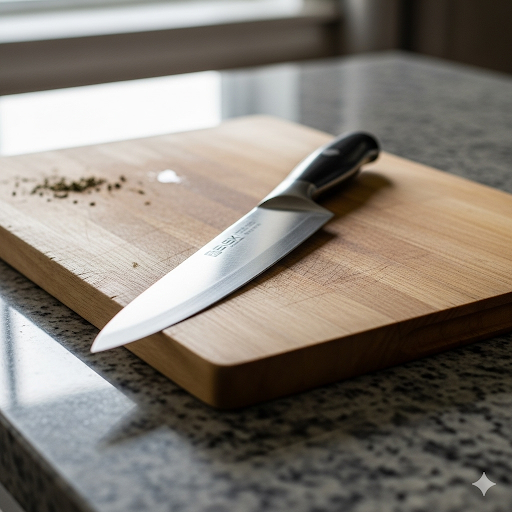

        The images show some of the equipment used and the cooking of the Omelette.


        A Nutritional Powerhouse

        One of the best things about these Cabbage Omelette Rolls is their incredible versatility. You can easily adapt the recipe to use whatever vegetables you have on hand, making it a great way to reduce food waste. Whether you’re a seasoned chef or a complete beginner, the clear, step-by-step instructions will guide you to a perfect result every time.

        This dish isn’t just a treat for your taste buds; it’s a feast for your body. Cabbage, a cruciferous vegetable, is packed with vitamins and minerals, while eggs provide high-quality protein. The combination of these ingredients makes for a balanced meal that supports your overall well-being. Plus, it’s a fantastic option for meal prep, so you can have healthy meals ready to go throughout the week.
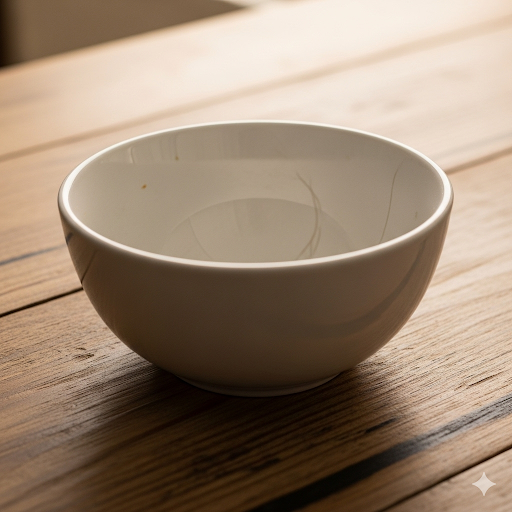
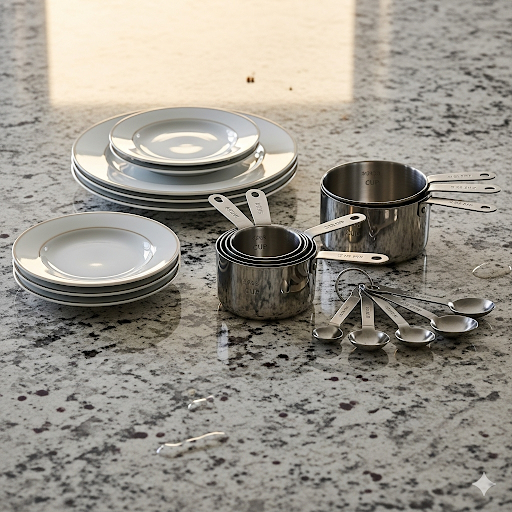
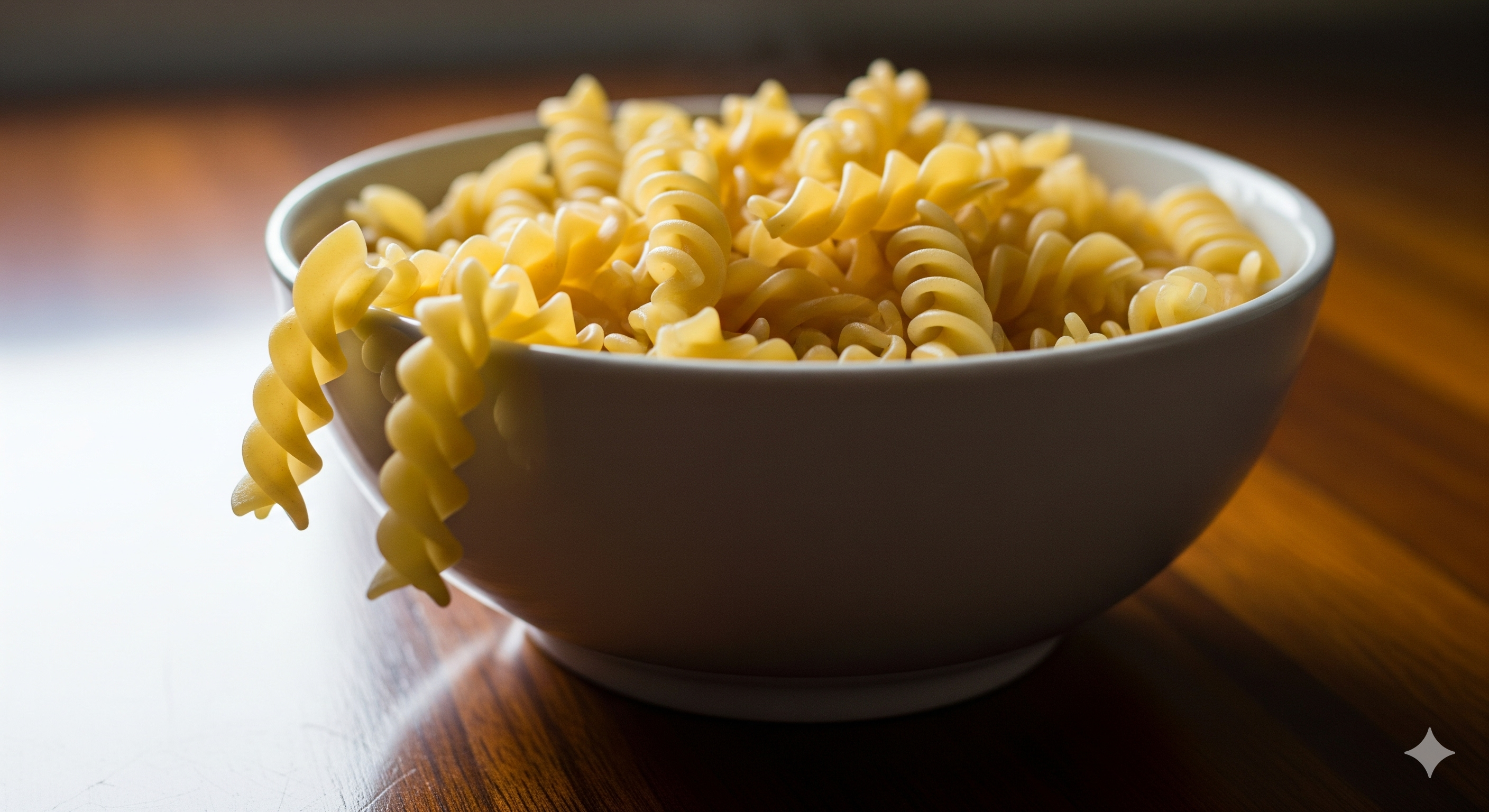
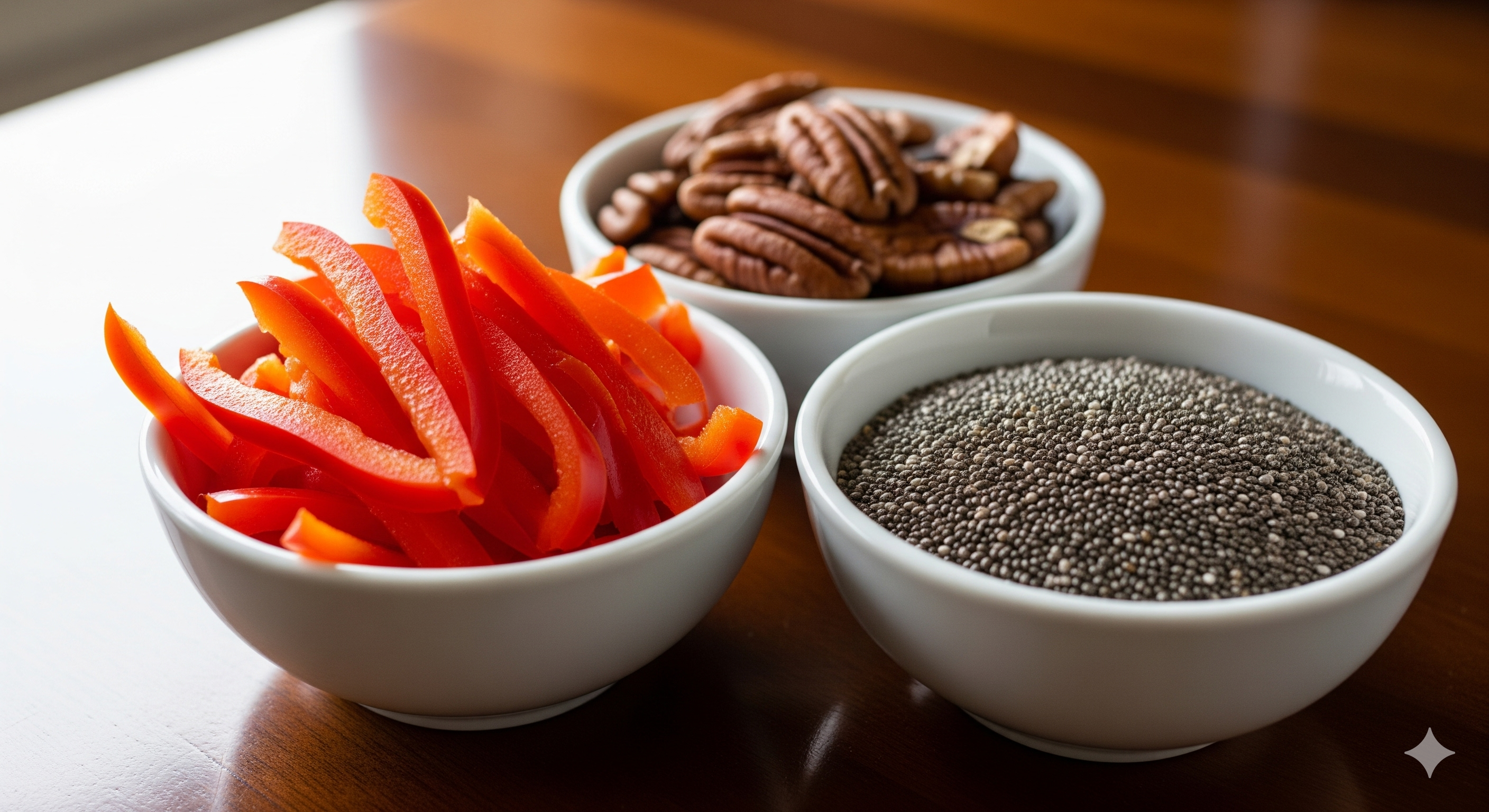
        Get ready to transform your approach to healthy eating. These Cabbage Omelette Rolls are about to become a new favorite in your kitchen. They’re simple, quick, and incredibly tasty. So grab your ingredients, and let’s get cooking!


        The images show omelette being eaten and meal prepping the omelette.


        Cabbage Omelette Rolls: A Healthy and Quick Meal


        Time to Prepare: 15 minutes

        Time to Cook/Blend: 20 minutes

        Servings: 3 rolls


        Nutritional Information for Cabbage Omelette Rolls

        Each serving of these delicious rolls is a powerhouse of nutrients. A single Cabbage Omelette Roll typically contains about 250-300 calories, depending on the exact ingredients and portion sizes. They are an excellent source of protein from the eggs and kidney beans, which helps with muscle repair and keeps you feeling full. You’ll also get a significant amount of dietary fiber from the cabbage and other vegetables, which aids in digestion. The colorful mix of bell peppers and carrots provides essential vitamins A and C, crucial for immune function and skin health. This recipe is also naturally low in unhealthy fats and is a great way to boost your daily vegetable intake.


        The gallery shows images of the ingredients for the omelette, sauce and the filling.


        Ingredients

        For the Cabbage Omelette Rolls

        • 2 cups finely shredded green cabbage
        • 6 large eggs
        • 1/2 teaspoon salt
        • 1/4 teaspoon black pepper
        • 1 tablespoon olive oil or avocado oil

        For the Filling

        • 1 can (15 ounces) kidney beans, rinsed and drained
        • 1/2 red bell pepper, finely diced
        • 1/2 green bell pepper, finely diced
        • 1 small carrot, finely diced
        • 1/4 cup chopped fresh cilantro or parsley
        • 1 clove garlic, minced
        • 1/2 teaspoon cumin powder
        • 1/4 teaspoon chili powder (optional)
        • Salt and pepper to taste

        For the Carrot Dipping Sauce

        • 1 cup chopped carrots
        • 1/2 cup vegetable broth
        • 1/4 cup plain Greek yogurt (or a non-dairy alternative)
        • 1 tablespoon lemon juice
        • 1/2 teaspoon smoked paprika
        • Pinch of salt

        The images shows some of the equipment used in this recipe including an Air fryer (optional)


        Equipment

        • Large non-stick skillet
        • Medium-sized mixing bowl
        • Small saucepan (for the sauce)
        • Blender or food processor (for the sauce)
        • Cutting board and sharp knife
        • Spatula

        Step-by-Step Cabbage Omelette Roll Instructions

        Prepare the Filling

        Start by preparing the vibrant filling. In a medium bowl, combine the rinsed and drained kidney beans, finely diced red and green bell peppers, and the finely diced carrot. Add the minced garlic, cumin powder, chili powder (if using), and chopped cilantro or parsley. Gently stir everything together until well combined. Season with salt and pepper to your liking. Set this mixture aside while you prepare the omelettes.

        Make the Cabbage Omelette Batter

        In a separate medium bowl, crack the six large eggs. Whisk them vigorously until the yolks and whites are fully combined and the mixture is light and frothy. Stir in the finely shredded cabbage, salt, and black pepper. The cabbage may look like a lot at first, but it will cook down and integrate perfectly with the egg.

        Cook the Omelettes

        Heat the tablespoon of olive oil in a large non-stick skillet over medium-low heat. Once the pan is warm, pour about one-third of the cabbage and egg mixture into the pan. Use the back of a spatula to spread the mixture out evenly into a thin, round layer. Cook for 2-3 minutes, or until the edges begin to set and the top is no longer runny. You can gently lift an edge with your spatula to check for doneness.

        Add the Filling

        Once the omelette is mostly cooked but still slightly soft on top, carefully spoon one-third of the prepared bean and vegetable filling across the center of the omelette, creating a line from one side to the other. Be careful not to overfill it.


        Roll the Omelette

        Using your spatula, carefully lift one edge of the omelette and begin to roll it tightly over the filling. Continue to roll it until you have a neat, tight roll. Gently press down on the roll to seal it. Cook for another minute to ensure it’s cooked through and the roll holds its shape. Transfer the finished roll to a plate. Repeat this process with the remaining batter and filling to create the other two omelette rolls.

        Alternative Cooking Methods

        If you prefer a firmer texture or a crispier finish, you can also bake or air fry the rolls. After preparing the rolls in the skillet as described above, you can finish them in an air fryer at 350°F (175°C) for 3-5 minutes, or on a baking sheet in a preheated oven at 400°F (200°C) for 5-7 minutes. This is a great way to add a nice golden-brown exterior.


        How to Make the Carrot Dipping Sauce

        1. Cook the Carrots: In a small saucepan, combine the chopped carrots and vegetable broth. Bring the mixture to a boil, then reduce the heat and let it simmer for about 10-15 minutes, or until the carrots are very tender when pierced with a fork.
        2. Blend the Sauce: Carefully transfer the cooked carrots and any remaining broth into a blender or food processor. Add the plain Greek yogurt, lemon juice, and smoked paprika. Blend on high until the sauce is completely smooth and creamy. If the sauce is too thick, you can add a little more broth or water, a tablespoon at a time, until it reaches your desired consistency.
        3. Serve: Season the sauce with a pinch of salt to enhance the flavors. Serve the warm Cabbage Omelette Rolls alongside the creamy carrot dipping sauce. The sweet and tangy sauce perfectly complements the savory rolls.

        The Benefits of Cabbage Omelette Rolls

        These Cabbage Omelette Rolls are more than just a tasty meal—they’re a health-conscious choice that offers numerous benefits, making them a fantastic addition to your diet. The star of this dish, cabbage, is a cruciferous powerhouse. It’s an excellent source of Vitamin C, a powerful antioxidant that helps protect your cells from damage, supports a strong immune system, and is crucial for healthy skin. Cabbage also provides a significant amount of Vitamin K, which is essential for proper blood clotting and bone health.

        Beyond its vitamin content, cabbage is rich in dietary fiber. This is a major plus for digestive health, as fiber helps promote regularity and can prevent constipation. A high-fiber diet is also linked to a reduced risk of chronic diseases such as heart disease and type 2 diabetes. The vegetables in the filling, like bell peppers and carrots, contribute a vibrant array of nutrients. Red and green bell peppers are loaded with Vitamin A and C, while carrots are well-known for their high beta-carotene content, which the body converts to Vitamin A. These nutrients are vital for maintaining good vision, supporting immune function, and fighting inflammation.


        The gallery shows the Nutritional benefits of Cabbage, Carotts and Eggs.


        Sustained Energy and Satiety With Cabbage Omelette Rolls

        The eggs in this recipe provide a complete and high-quality source of protein. Protein is a fundamental macronutrient necessary for building and repairing tissues, making enzymes and hormones, and providing sustained energy. The Cabbage Omelette Rolls will keep you feeling full and satisfied for longer, helping to prevent those mid-day hunger pangs and supporting weight management goals. The kidney beans in the filling further boost the protein and fiber content, making this a well-rounded and satiating meal.

        Furthermore, this dish is naturally low in carbohydrates and gluten-free, making it a great option for those following specific dietary plans. The balance of protein, fiber, and healthy fats from the olive oil contributes to stable blood sugar levels, preventing energy crashes. By choosing a wholesome, homemade meal like these Cabbage Omelette Rolls, you can be confident that you are fueling your body with the nutrients it needs to thrive. It’s a simple, delicious, and effective way to prioritize your health without sacrificing flavor.


        Cabbage Omelette Roll Variations

        VariationDescription
        Protein Power-UpAdd cooked, shredded chicken, turkey, or tofu to the filling for an extra boost of protein.
        Spicy KickMix in some chopped jalapeños or a dash of hot sauce to the filling for those who love a bit of heat.
        Cheesy GoodnessSprinkle some shredded cheese (cheddar, mozzarella, or feta) over the filling before rolling the omelette.
        Herb GardenExperiment with different herbs like fresh dill, mint, or basil to create a new flavor profile.
        Vegan AlternativeSubstitute the eggs with a chickpea flour or plant-based egg substitute batter, and use a vegan yogurt for the sauce.
        Morning GloryUse breakfast sausage, crispy bacon bits, or a mix of sautéed mushrooms and spinach for a breakfast-themed roll.

        The images show the different variations of this recipe. The first is made with chicken and the second is breakfast sausage.


        Final Thoughts: A Simple Recipe for Cabbage Omelette Rolls

        Making these Cabbage Omelette Rolls is a simple yet effective way to introduce a nutritious and delicious meal into your routine. They are perfect for a busy weeknight or a lazy Sunday brunch. The combination of easy preparation and fantastic flavor makes this recipe a true winner. Don’t be afraid to experiment with the filling ingredients to make it your own. Start with this recipe and let your creativity take over. You’ll be amazed at how a few simple ingredients can create such a satisfying and healthy dish.


        Frequently Asked Questions

        Q: Can I make these ahead of time for meal prep?

        A: Yes, these rolls are perfect for meal prep! You can cook the rolls ahead of time and store them in an airtight container in the refrigerator for up to 3 days. When you’re ready to eat, you can reheat them in a microwave, a pan, or an air fryer for a few minutes.

        Q: How can I prevent the omelettes from sticking to the pan?

        A: Using a good quality non-stick skillet is key. Make sure the pan is properly preheated and lightly oiled before pouring in the egg mixture. Cooking over a medium-low heat also helps prevent sticking and ensures the omelette cooks evenly without burning.


        References

        1. Harvard T.H. Chan – Cabbage
        2. Mayo Clinic – Dietary Fiber
        3. American Heart Association Protein

        Recent Posts