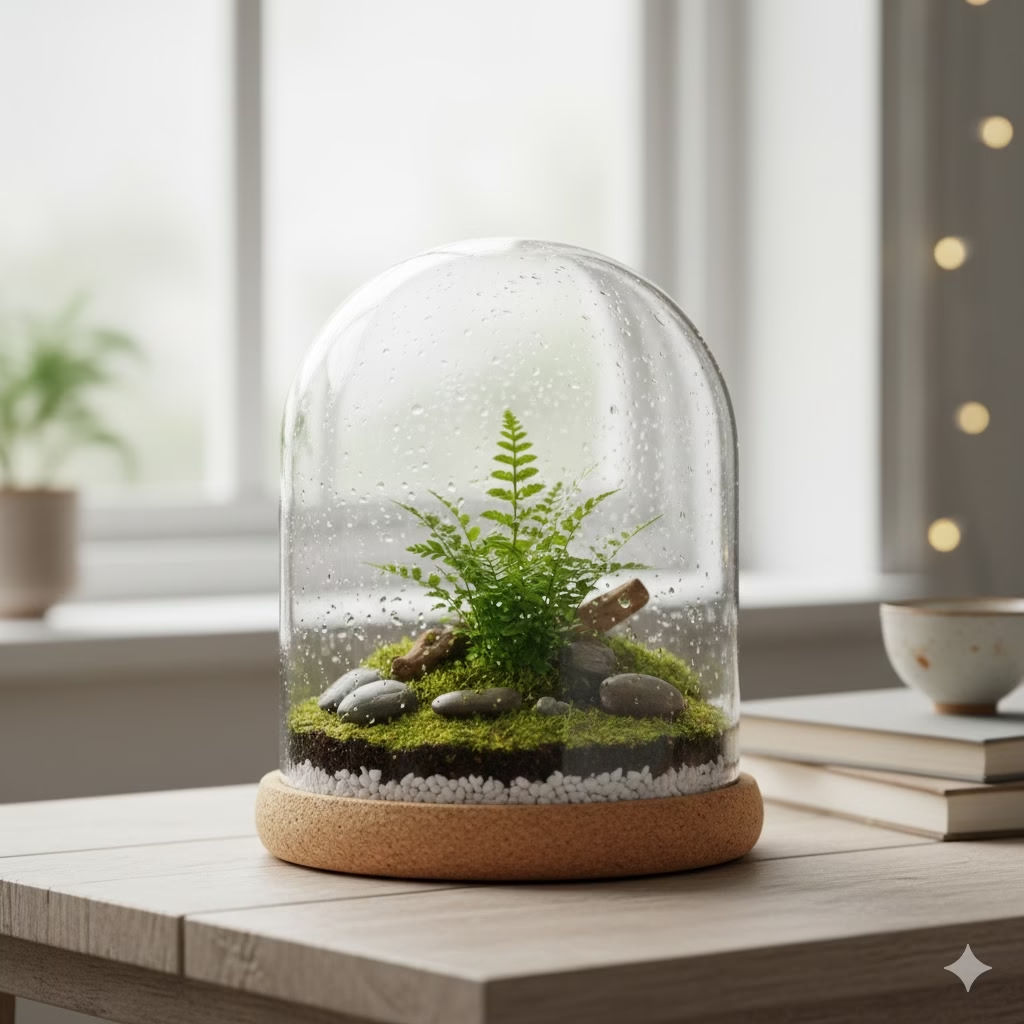
Cultivating a verdant indoor oasis doesn’t have to be a daunting task. This guide, focused on hardy Beginner Terrarium Plants, is crafted for aspiring plant enthusiasts and seasoned green thumbs alike. It offers a clear pathway to success in the enchanting world of terrariums. We believe that everyone deserves the joy and tranquility a thriving miniature garden brings, regardless of prior experience. Our mission is to make plant care easy, empowering you to create beautiful, self-sustaining ecosystems that flourish with minimal effort.
Introduction: Unlocking the Magic of Beginner Terrarium Plants
A miniature world in glass is deeply appealing. Terrariums mix natural beauty, science, and art. They let us bring a small piece of nature inside. But many people find the idea of growing a thriving ecosystem under glass scary. They worry about wilting leaves, mold, or plants that struggle. What if we told you that creating a vibrant, long-lasting terrarium is simple? It does not need a special touch or years of work. What if there were beginner terrarium plants that are almost guaranteed to live? These plants will turn your worries into success.
This complete guide is your key to terrarium success. We will simplify the process. And cover everything from picking the right jar to choosing the toughest plant types. We focus on beginner terrarium plants. These plants are known for being strong and easy to care for. We will give you the knowledge and trust to make a stunning, self-sustaining ecosystem. It will thrive for many years to come. Get ready to start a fun journey into enclosed gardens. Lush green plants will grow easily. This proves that anyone can have a green thumb when they pick the right plants.
Understanding the Terrarium Ecosystem: Why Plant Choice Matters
We must first know how a terrarium works before looking at our list of super-survivor plants. A terrarium is like a small greenhouse. It creates its own small climate. In a closed terrarium, water leaves the plants and soil as vapor. It then turns to liquid on the glass. Then it drops back down. This creates a self-watering cycle. The high moisture and steady heat are very important. Open terrariums are still humid, but they need slightly more watering.
The right plant choice is the main key to your terrarium’s success. You must pick plants that not only handle but love these special conditions. Choosing the wrong plant can cause a quick failure. This happens even if you set up the layers well. Today, we focus on plants that are forgiving, able to change, and fit the unique terrarium environment well. They are especially good for people who are just starting out.
The Essential Components of a Thriving Terrarium
Let us quickly look at the basic items for your terrarium before planting. Getting these right helps your beginner terrarium plants succeed.
- The Container: Any clear glass container with an opening will work. You must have a lid for closed terrariums. Jars, glass domes, fish tanks, or even big glass bottles work very well.
- Drainage Layer: This is a layer of small stones, gravel, or clay balls at the very bottom. It should be 1-2 inches deep. This keeps roots from sitting in too much water. Too much water causes rot.
- Charcoal Layer (Good Idea): This is a thin layer of horticultural charcoal. Place it on top of the drainage. It helps clean the air and water. This stops bad smells and lowers the chance of mold and germs.
- Separator (Good Idea): A mesh screen or moss goes on top of the charcoal. This stops the soil from mixing with the drainage layer.
- Potting Soil: This is very important for your beginner terrarium plants. Use a high-quality soil mix. A soil mix made for houseplants or terrariums is best. Good drainage is key.
- Decorations: Rocks, pieces of wood, moss, or small figures can add style. They give a sense of size to your small landscape.
Top 5 Beginner Terrarium Plants That Are Guaranteed to Survive
Now, here are the best plants! We chose these plants because they are strong, love moisture, are small, and are generally forgiving. This makes them perfect beginner terrarium plants.
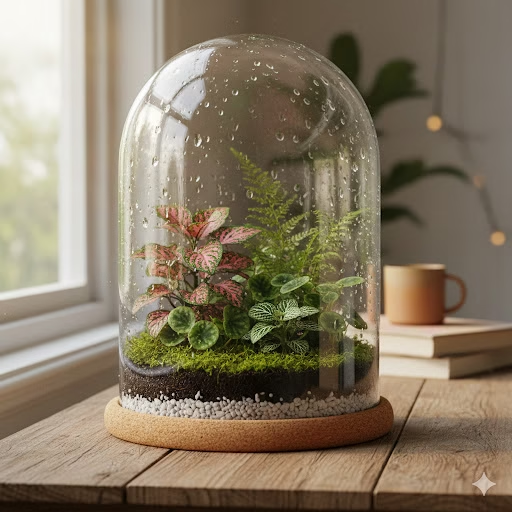
1. Nerve Plant (Fittonia albivenis)
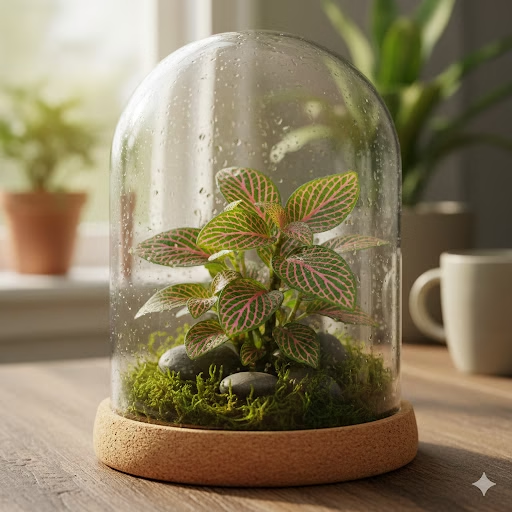
Why it is a Terrarium Star: Fittonia seems built just for terrariums. Its bright, detailed leaves provide beautiful color. The leaves come in red, pink, or white shades. Most importantly, it loves high moisture. The enclosed terrarium setting is its perfect home. Fittonia can be dramatic outside a terrarium. It often droops if it gets too dry. But inside the humid glass, it grows easily. It grows compactly. This means it will not outgrow the space quickly.
Care Tips:
- Light: Needs bright, indirect light. Keep it away from direct sun. Direct sun can burn its thin leaves.
- Water: Keep the soil moist all the time, but not soaking wet. In a closed terrarium, the self-watering system will do most of the work. Check the soil moisture every few days for open terrariums.
- Size: It stays quite small. It reaches about 6-12 inches. This size is great for most terrariums.
- Trimming: Pinch back any long, thin growth. This helps it grow thicker and keeps it small.
Fun Fact: The common name, Nerve Plant, comes from the clear, nerve-like patterns on its leaves.
2. Pothos (Epipremnum aureum)
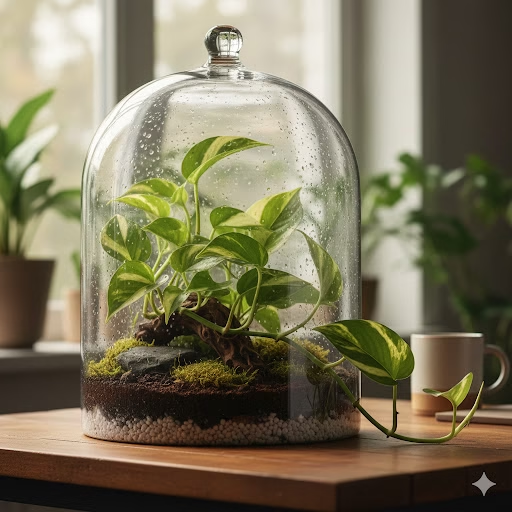
Why it is a Terrarium Star: Pothos is often called “devil’s ivy.” This is because it is very hard to kill. It is one of the most forgiving and useful plants you can find. It is known for its long, hanging vines. But you can use smaller types or trim it well. This makes it great for larger terrariums. It can handle different light levels. It can also stand some neglect. This makes it a great beginner terrarium plant. It thrives in moisture. It can add a lovely hanging look to your design.
Care Tips:
- Light: It handles low light. But it grows best in bright, indirect light. The types with different colors need more light to keep their patterns.
- Water: Let the top inch of soil dry out a little between waterings. It will love the steady moisture inside a closed terrarium.
- Size: It can grow very large with long vines. You must trim it often to keep it small inside a terrarium. You can even use the cut pieces to grow new plants!
- Trimming: Cut the vines often to manage growth and make it thicker.
Fun Fact: Pothos is excellent at cleaning the air. It removes harmful things like formaldehyde and benzene.
3. Baby Tears (Soleirolia soleirolii)
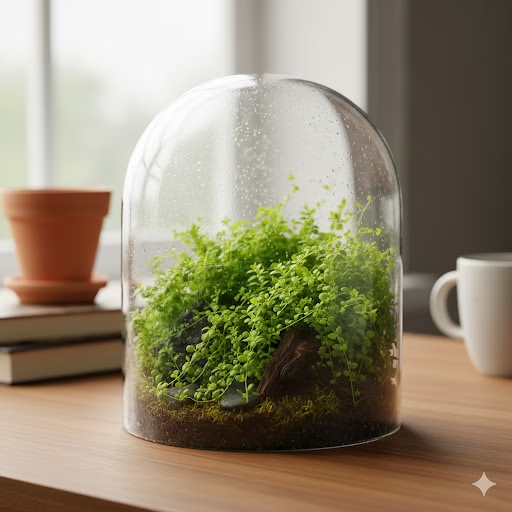
Why it is a Terrarium Star: Choose Baby Tears if you want a thick, carpet-like ground cover. Its tiny, soft leaves form a thick, bright green mat. This looks just like moss or a tiny lawn. This plant must have high moisture and constantly damp soil. This makes it perfect for closed terrariums. These conditions are easy to achieve there. It grows fast. And quickly fills in empty spots. It adds a wonderful sense of size to your small landscape.
Care Tips:
- Light: It prefers bright, indirect light. Direct sun can burn its soft leaves.
- Water: Keep the soil damp all the time. Never let it dry out fully. High moisture is crucial for it to live.
- Size: It forms a thick mat. It spreads sideways instead of growing tall. You can easily trim it to keep its shape.
- Trimming: You can gently cut it with small scissors. This controls its spread and keeps the look you want inside the terrarium.
Fun Fact: Baby Tears looks fragile. But it can be surprisingly tough once it is settled in a steady, humid place.
4. Ferns (Various Species like Lemon Button Fern, Maidenhair Fern, Asparagus Fern)

Why it is a Terrarium Star: Many types of ferns are true woodland plants. They naturally thrive in the damp, shaded settings that a terrarium copies. Their soft, feather-like fronds add great texture. They give a lush, natural feeling to any enclosed garden. For beginner terrarium plants, choose smaller fern types. The Lemon Button Fern or the stunning Maidenhair Fern are great choices. They love moisture and like indirect light. Asparagus Fern also works well. Just be sure to trim it to manage its size.
Care Tips:
- Light: Needs low to medium indirect light. Do not put them in direct sunlight ever. It will burn their fronds.
- Water: Keep the soil constantly moist. They get damaged very easily if they dry out.
- Size: The size changes a lot by type. Pick small types for small terrariums. Some, like the Asparagus Fern, will need trimming often.
- Trimming: Remove any fronds that look yellow or brown. Trim to control size if needed.
Fun Fact: Ferns are very old plants. They have been around for over 360 million years. This was long before flowering plants developed. They reproduce using spores, not seeds!
5. Peperomia (Various Species like Peperomia obtusifolia, Peperomia clusiifolia)

Why it is a Terrarium Star: The Peperomia family has an amazing variety of shapes and leaf textures. Many of these are perfect as beginner terrarium plants. They generally grow slowly. They are small and like the stable, humid air of a terrarium. Many types have thick, almost succulent-like leaves. This means they can handle drying out a little. This makes them quite forgiving. Their small size and nice leaves make them excellent main plants or fillers.
Care Tips:
- Light: Bright, indirect light is best. Some can handle darker conditions.
- Water: Let the top part of the soil dry a little between waterings. Be careful not to use too much water. Their thick leaves hold a lot of moisture.
- Size: Most types that fit in a terrarium stay small. They grow between 6-12 inches tall.
- Trimming: You rarely need to trim for size. But you can pinch back growth to make the plant thicker.
Fun Fact: Peperomias belong to the pepper plant family (Piperaceae). This is the same family as black pepper!
Setting Up Your Terrarium for Success: A Step-by-Step Guide
You have chosen your great beginner terrarium plants. Now it is time to put your miniature world together.
- Clean Your Container: Wash and dry your glass jar completely. This stops any leftover dirt or germs from hurting your plants.
- Add Drainage Layer: Pour your stones or gravel into the bottom. Make the layer 1-2 inches deep.
- Add Charcoal (Good Idea): If you use it, put a thin layer of horticultural charcoal over the drainage.
- Include Separator (Good Idea): Put your mesh screen or moss on top of the charcoal.
- Add Potting Soil: Add a layer of damp (but not wet) potting soil. The depth depends on the size of your plant roots. Usually, 2-4 inches is enough. Make small holes for your plants.
- Plant Your Terrarium Plants: Gently take your beginner terrarium plants out of their store pots. Gently loosen any roots that are too tight. Use long tweezers or a spoon. Place each plant in its spot. Make sure soil covers the roots.
- Add Decorations: Set up any items like rocks, wood, or figures.
- Add Moss (Good Idea): You can put live or preserved moss on top of the soil. This looks nice and helps keep moisture in the soil.
- Water a Little: Give your terrarium a light initial drink of water. For closed terrariums, a tiny amount of water is usually enough to start the cycle. For open terrariums, water until the soil is evenly damp.
- Close It (Closed Terrariums): Put the lid firmly on your closed terrarium.
Maintaining Your Guaranteed-to-Survive Terrarium
A little care will help them last a long time. This is true even with the strongest beginner terrarium plants.
- Light: Put your terrarium where it gets bright light, but not direct sun. Direct sun can make the plants inside too hot.
- Water (Closed Terrariums): Look at the glass for water droplets. If the glass is always cloudy, it is too wet. Take off the lid for a few hours. If there is no cloudiness for several days, it might be too dry. Add a tiny bit of clean water. You want a little cloudiness visible during part of the day.
- Water (Open Terrariums): Check the soil every few days. Water lightly when the top inch feels dry. Do not soak the soil.
- Trimming: Check your plants now and then for long leaves or long stems. Trim them to keep their shape and size. Remove any leaves that look yellow or dead. Use long scissors or tweezers.
- Fresh Air (Closed Terrariums): Open the lid for 30 minutes every week or two. This lets in fresh air. It also prevents the air from becoming stale.
- Pest Control: Terrariums usually do not get pests. But check your plants before you put them in. If you see any problems later, fix them right away.
Troubleshooting Common Terrarium Issues
Things sometimes go wrong. This happens even with beginner terrarium plants.
- Mold or Fungus: This often means too much moisture or not enough fresh air. Remove the affected plant parts. Water less (in open terrariums). Air out a closed terrarium more often. The charcoal helps stop this.
- Yellow Leaves: This can mean too much water (root rot) or not enough light. Check how often you water and the light levels.
- Drooping Plants: This often means not enough water (in open terrariums). It can also sometimes mean too much light.
- Stretching Growth: Plants stretching towards the light mean they are not getting enough light. Move your terrarium to a brighter spot.
- Plants Too Big: This is a good sign! Cut them back. Or, if they are too large, you may need to take them out of the terrarium. Then replace them with smaller plants.
Conclusion: Your Thriving Miniature World Awaits!
Great job! You now have the facts and plant advice you need. You can create a stunning, easy-care terrarium that is almost certain to thrive. Choose strong beginner terrarium plants. The Nerve Plant, Pothos, Baby Tears, ferns, and Peperomia are all great. This choice sets you up for success. It promises many hours of pleasure.
Terrariums are more than just nice decorations. They are living systems. They are small worlds that connect you to nature. And teach patience, how to observe, and the careful balance of life. So, get your tools. Pick your favorite tough plants. Start this rewarding journey. Your bright, self-sustaining small garden is waiting. It proves that even a beginner can grow amazing green beauty under glass. Happy terrarium building!
External References
- The Spruce – How to Make a Basic Terrarium
- Missouri Botanical Garden – Fittonia albivenis
- Home & Garden Information Center – Indoor Plants – Terrariums
Recent Posts