Cookie Consent by Free Privacy Policy Generator Update cookies preferences

Elevate Your Closet: The Statement Mirror You Need Now

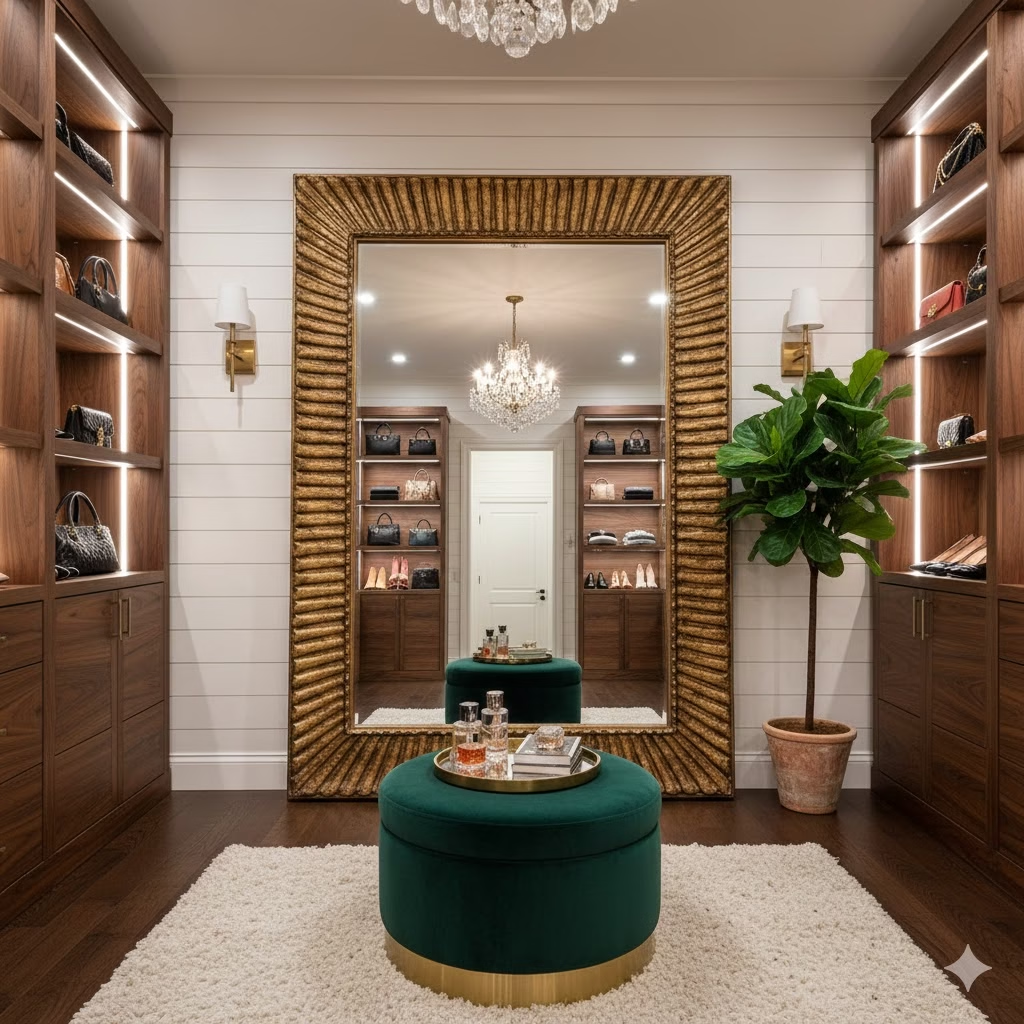
A grand, rectangular Statement Mirror with a thick, textured gold or woven wooden frame dominates the center of a luxurious walk-in closet. The mirror reflects a crystal chandelier and light wood shelving, doubling the sense of space. It is flanked by dark wood built-in shelving with integrated LED lighting and brass wall sconces, creating a balanced, symmetrical look. In the foreground is a plush, emerald green velvet ottoman with a gold base, holding a decorative tray with perfumes, sitting on a fluffy white rug.

This article looks closely at the powerful way interior design can change a space, focusing on how useful items can become beautiful, main features. We explore how to mix function with high style, helping you find the perfect Statement Mirror. This mirror will not just help you get ready each day, but also set the whole look of your personal dressing sanctuary. Learn how this single choice can bring in more light, make small spaces look bigger, and greatly improve the overall design of your closet.


The Statement Mirror: Making Your Walk-in Closet Look Expensive

A walk-in closet is much more than a place to store things; it is your personal spot, a small, private shop, and the starting place for every outfit you wear. We often focus on the clothes, shoes, and accessories. However, the one hidden hero that truly sets the mood, usefulness, and high-end feel of this space is often the Statement Mirror. It is not just a plain reflective surface. The right mirror is a powerful design tool. It can make light bigger, make the room seem larger, and act as the main focus point that brings your entire closet look together.

In today’s home design, we are moving away from simple, built-in storage to spaces that are chosen and planned with care. The mirror is no longer just for checking if your shirt is tucked in. It is a piece of art, a beautiful shape, and an important part of your daily ritual of getting dressed. Choosing a Statement Mirror means you pick a piece that truly shows your style. This could be simple and modern, shiny and art deco, or cozy and rustic. This long article will guide you on how to pick, style, and light up the perfect mirror to turn your walk-in closet into the luxurious dressing room you have always wanted.


I. What Makes a Mirror a Statement Mirror?

What makes a regular, simple utility mirror different from a true Statement Mirror? The main difference is the thought behind it, its size, and how it is designed. A statement piece is meant to catch the eye and influence everything else around it.

A. Size and Scale

The size of the mirror is perhaps the most important thing to consider. In a walk-in closet, the mirror must show your whole body clearly, which usually means it needs to be at least six feet tall.

  • Leaning vs. Wall-Mounted: A floor-length mirror that leans against the wall feels relaxed and natural, and you can move it easily. A large, wall-mounted mirror is solid, cannot be moved, and looks more formal and built-in. For a real statement, pick an extra-large size—a mirror that takes up a lot of the wall space or goes almost from the floor to the ceiling.
  • The Go Bigger Rule: If you are unsure, choose a larger size. A huge, reflective surface makes the closet feel deeper and much bigger. This trick is very useful when dealing with mirrors for small closets.

B. The Frame as Artwork

The frame changes a mirror from something useful into something amazing. It is like the jewellery for the mirror, setting the mood for the entire closet.

  • Materials: Think about materials that look good with or stand out against your closet’s handles and cabinets.
    • Metal (Brass, Gold, Matte Black): Best for modern, industrial, or art deco themes. A very fancy brass frame instantly makes a statement.
    • Wood (Old or Reclaimed, Walnut, Light Oak): Perfect for common, Scandinavian, or rustic designs. The wood grain adds texture and warmth.
    • Clear Plastic or Shaped Material: Used for very modern, futuristic, or highly artistic shapes.
  • Shape: While the usual shape is a rectangle, unusual shapes can truly define the space. Arched tops look classic. Organic, wavy shapes fit with modern design. Triptych mirrors (three mirrors joined together) give you many views and look very dramatic.

C. Edges and Details

Even mirrors without a visible frame can be Statement Mirrors through smart detailing. Bevelled edges catch the light beautifully, making a subtle rainbow effect. Smoked or coloured glass can add a feeling of serious luxury.


II. The Best Spot for Your Mirror and How to Make the Most of Your Space

Where you put your mirror is important not only for seeing your clothes but also for controlling the light and making the space feel bigger.

A. The Illusion of More Room

A well-placed Statement Mirror is the oldest designer trick for making a room appear much larger.

  • Facing the Door or Entrance: Putting the mirror right across from the closet door or an open area instantly makes the room look twice as deep. This is a very powerful method when thinking about mirrors for small closets.
  • Showing a Nice Feature: Place the mirror so it reflects the most beautiful part of your closet, like a great shoe display, a middle island, or a well-arranged accessories section. This makes the stored items look even better.

B. Using Natural and Inside Light

The main job of the mirror in design is to spread light around.

  • Near a Window (If You Have One): If your walk-in closet has a window, placing the mirror close to it (next to or across from it) will bounce the natural light deeper into the space. This means you need less inside light during the day.
  • Reflecting a Light Fixture: The mirror should be placed to perfectly catch and reflect a chandelier, hanging lamp, or stylish ceiling light. This doubles the sparkle and dramatic look of the light, making the fixture seem twice as grand.

C. Tips for Small or Narrow Closets

When you do not have much room, the mirror must do two jobs at once.

  • Sliding or Hidden Mirrors: In very narrow spaces, think about a tall, thin mirror set on a track. It can slide behind a shelf or a hanging rack when you are not using it.
  • Mirrored Cabinet Doors: If you cannot place a mirror on a wall, use mirror panels on the fronts of your cabinet doors. While not a single Statement Mirror, this gives a continuous reflection and makes the space feel bigger.

III. Lighting: The Mirror’s Important Partner

Even the most stunning mirror looks dull without the right light. The light around your mirror is essential for seeing true colours and creating a soft, expensive glow.

A. Using Different Layers of Light

Do not just use lights from the ceiling. Overhead light creates harsh shadows, especially on your face and body. The best lighting plan uses layers.

  1. General Light (Ambient): Recessed lights or a central chandelier give light to the whole room.
  2. Task Light (Mirror): This is the most important layer. It must be placed to shine on the person standing in front of the mirror, not directly on the mirror itself.
  3. Highlight Light (Accent): Lights inside shelves or cabinets to show off clothes and accessories.

B. The Best Light Fixtures for Mirrors

  • Sconces: Putting lights (sconces) on the wall next to the mirror at eye level gives even light without shadows. This is the very best way to light a mirror for putting on makeup and checking outfits.
  • Vanity Strips / Backlighting: LED strip lights hidden behind the mirror (backlighting) make a beautiful glow that immediately makes the mirror look custom and costly. LED vanity strips on the front are very useful and can be softened with covers.
  • Light Colour (Kelvin): To see colours correctly (which is vital for matching dark blues and blacks), aim for a light colour temperature of about 3500K to 4000K (Neutral White). This looks more like natural daylight than warmer or cooler lights.

IV. Styling Your Statement Mirror

Once the mirror is in place, it becomes the main piece that grounds the closet’s décor. The area near it needs to be styled to match its beauty.

A. Making the Space Feel Settled

For mirrors that lean on the floor, the area beneath is very important.

  • Rugs: A soft, high-quality area rug placed under the mirror helps anchor the piece and adds warmth and softness. Choose a rug colour that is a little different from your flooring but matches the mirror’s frame and the closet cabinets.
  • Stool or Bench: Putting a stylish ottoman, cushioned bench, or interesting stool in front of the mirror gives you a place to sit for shoes. It also makes the reflection look deeper and more interesting.

B. Adding Small Accessories

Keep the items around the mirror simple and impactful.

  • Trays and Holders: Use elegant trays on the floor or on a nearby counter for perfumes, jewellery, or things you use daily. Choose materials that look like the mirror’s frame (for example, a gold tray for a brass-framed mirror).
  • Plants: A small, neat potted plant (real or fake) can bring a feeling of life and calm to the area.
  • Wall Art (Next to It): If your mirror does not fill the whole wall, think about placing a small piece of abstract or simple art on the wall next to it. This adds interest and colour, but be sure it does not steal attention from the main mirror.

V. Choosing a Style: Making the Mirror Fit Your Closet’s Look

The mirror should feel like a natural part of your personal style and the current design of your closet.

A. Modern and Simple

  • Mirror Type: Large, without a frame, or with a very thin rim in matte black or shiny silver. Simple geometric shapes work best.
  • Look: Clean, sharp lines, sleek, and useful. The mirror makes the current design better without being too much.

B. Art Deco and Glamorous

  • Mirror Type: Complex, geometric frames, usually in gold or brass. Think of sunburst designs, fan shapes, or mirrors with many separate glass sections.
  • Look: Rich, dramatic, and luxurious. Often matched with soft velvet, mirrored furniture, and crystal lights.

C. Common or Traditional

  • Mirror Type: Framed in deep, heavy wood (like walnut) or a simple, cut antique-style frame. Arched or rectangular shapes are common.
  • Look: Classic, never going out of style. Focuses on good materials and designs that last.

D. Boho or Natural

  • Mirror Type: A mirror with a natural woven frame (like rattan or bamboo) or one with an uneven, natural, free-form shape.
  • Look: Full of texture, relaxed, and earthy. Paired with natural fabrics, soft light, and maybe some woven hangings or greenery.

Picking a Statement Mirror is a commitment to great design. It is the one item that changes your walk-in closet from a just a storage space into a beautiful, personal retreat—a room that not only helps you get ready but also truly makes you happy every time you enter.


Conclusion

The way we use walk-in closets is changing, and this means we must pay attention to every detail. The mirror is the single most effective piece in this change. By choosing the right size, investing in a beautiful frame, placing the mirror wisely to get the most light and space (this is very important for mirrors for small closets), and adding good lighting, you do more than just add reflection. You create a main feature—a true Statement Mirror—that defines the luxury, function, and aesthetic heart of your whole dressing room. Choose well, and watch your closet space become truly special.


References


Recent Posts

10 Cozy Closet Seating Ideas That Double as Storage

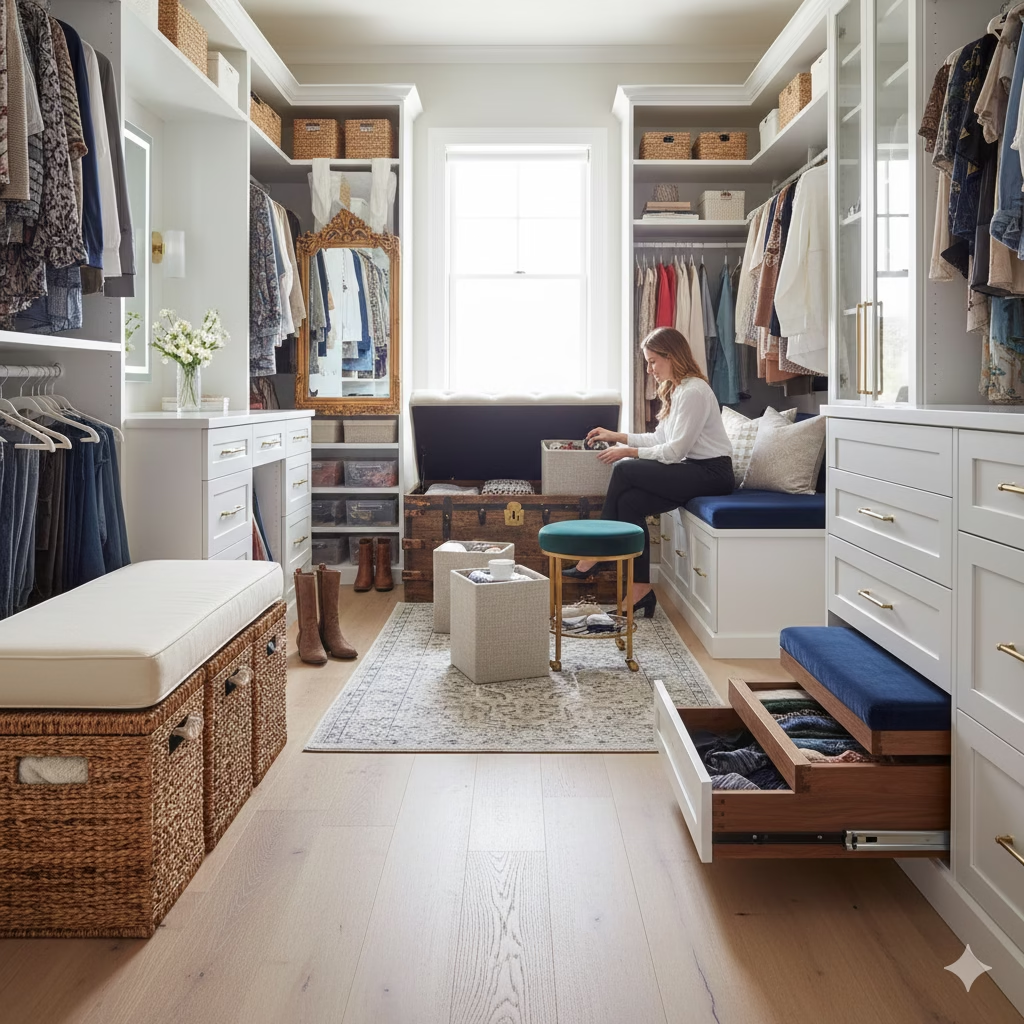
A bright, well-organized luxury walk-in closet featuring several seating ideas. A woman sits on a built-in bench with a navy blue cushion, sorting items from a dark wooden storage trunk used as a centerpiece. Other seating options visible include a woven storage bench with a light cushion, a small velvet stool, and a pull-out wooden step/drawer unit with a blue cushion. The closet features white cabinetry, drawers with brass hardware, and open shelving with wicker baskets.

Making the most of every corner in your home requires smart planning. This is especially true when you organize and improve storage spaces. This article looks at creative and comfortable seating ideas specifically for closets. We show how a plain storage area can become a private dressing room escape. We focus on furniture that does two jobs at once. This neatly solves the problem of small living spaces because it joins seating with essential, often hidden, storage solutions. Get ready to see your closet as a very useful, beautiful, and relaxing haven.


Introduction: Smart Closet Seating Ideas for Every Space

The modern closet is now more than just a box for storage. It is a key part of the home’s design and a private space for getting ready. If you have a walk-in closet, a comfortable place to sit is essential. You truly need it for putting on shoes, choosing jewelry, or just taking a quick rest. However, in any room, including a walk in closet or a small closet space, you must value every bit of floor. The best closet designs use items that can do two things. This is why choosing closet seating ideas that also offer valuable storage is a brilliant way to design your space.

This complete guide explores ten special and attractive seating ideas. These ideas can change your closet from a purely functional zone into a well-organized, comfortable, and very effective dressing room. Whether your closet is large or you are looking for closet ideas for small spaces, these solutions offer comfort and ease. They do this without sacrificing important storage room. We will look at benches with hidden spots, flexible ottomans, and smart built-in designs. These options improve how your personal wardrobe space looks and works.


1. The Lift-Top Storage Bench: The Built-In Look

The lift-top storage bench is likely the most traditional and effective choice for a walk-in closet. Unlike single pieces of furniture that might block the path in a narrow space, a custom-made or well-placed bench can look like it is simply part of the wall.

Design and Use

A custom bench can fit perfectly into an empty corner or you can place it against a wall beneath a window. The whole top surface, usually soft and covered in fabric for comfort, lifts up on hinges to show a deep, open storage space. This area works great for things you do not need every day but still want nearby, such as seasonal gear, extra blankets, suit bags, or a collection of evening bags.

Look and Personal Touches

For a high-quality feel, you can make the bench’s base match the nearby closet cabinets, using the same wood finish, handles, and base trim. The fabric covering is key to making it your own—think about strong materials like linen or velvet in colors that match your clothes or the look of the room. Adding decorative cushions can quickly turn the bench from a simple piece of furniture into a highlight inside your walk in closet. This is one of the top closet seating ideas that lets you use long wall space.


2. The Cube Ottoman That Does It All

For closet ideas for small spaces, the ability to move things around is a must. The cube ottoman, often sold in groups, gives you unmatched freedom and flexible storage.

Easy to Move Around

One cube is a comfortable place to sit while you tie your shoes. You can push two cubes together to make a small bench, and you can arrange four to create a large sitting area in the middle. The great thing about the cube is how easily it moves—you can quickly shift it out of the way or put it somewhere else depending on what you are doing.

Hidden Organization

Most cube ottomans have removable tops that work as seats. The inside is usually a deep square, good for sorting specific groups of things. You might use one cube for shoe cleaning items, another for folded scarves, and a third for small gym clothes. For better sorting, use small dividers or cloth bins inside the cubes. This piece is excellent for a small closet space because it takes up very little room.


3. The Trunk or Blanket Box at the End of the Aisle

If your closet has a central path or a clear end point, a nice trunk or blanket box can anchor the space while offering a huge amount of storage.

Style Makes a Statement

Unlike a regular bench, a trunk brings a strong decorative touch. Pick a piece that fits the look you want for your closet—a vintage leather trunk for a classic style, a painted wood chest for a country feel, or a smooth, modern box with metal details.

Storage Size

Trunks usually offer the largest single storage space. They are perfect for holding big items like winter sweaters, bed covers, or a collection of hats. Make sure the lid has strong hinges and is solid enough that you can use it as a comfy seat. You should add a special cushion to the top for daily use.


4. The Rolling Vanity Stool with a Shelf

A simple vanity stool is an easy way to add seating, but adding a shelf changes it into a smart storage unit, making it one of the best seating ideas for things you need often.

Movement and Use

The main feature here is how easily it moves. You can quickly pull a strong stool on wheels that lock up to a dressing table or vanity area and then tuck it neatly away when you are done.

The Shelf Below

Look for a stool design that includes a small, open shelf right under the seat. This small spot is very useful for keeping things you use every time you get dressed: a basket of daily socks or stockings, a purse you are using that day, or a tray of watches and bracelets you wear often. It keeps these necessary items off the counter and the floor while still being easy to reach.


5. The Built-In Corner Seating Unit

For big, L-shaped, or square walk-in closets, using a corner with a built-in seating unit is a great way to use space that might otherwise feel hard to fill.

Part of the Architecture

When install a corner seating unit permanently, and it often has a deep, L-shaped seat cushion. You find the storage part below the seating area; you reach it either through lift-tops or drawers built into the base cabinets.

Comfort and Practicality

This setup creates a truly comfortable, peaceful spot. It is relaxing enough for sitting while you sort through accessories or plan outfits. The drawers or lift-tops underneath work great for shoes, seasonal wear, or even small clothing bags. For the best comfort, specify high-quality foam and rich, strong fabric. You will find this a top-level choice for truly luxurious walk in closet comfort.


6. Drawers with a Slide-Out Bench or Stool

This clever solution is perfect for closet ideas for small spaces where you must keep the floor completely clear when you are not using the seating.

Hidden Use

You can design a group of drawers to have one special drawer front that, instead of pulling out a drawer box, pulls out a strong, thin bench surface. This surface can be a solid wood top or a light, fabric-covered cushion set on heavy-duty, strong drawer slides.

Saves Space Like Magic

The bench disappears completely back into the cabinet when you are finished, leaving the floor clear and the line of cabinets smooth. While this option has less inside storage than a bench (it is the drawer), it saves a lot of outside space. It is a very practical and neat choice for a small closet space.


7. The Shoe Ottoman with Vertical Dividers

If shoes are your biggest storage challenge, pick a seating idea made especially to hold them.

Custom Shoe Storage

This type of ottoman, often long and wide, has a lift-top that shows a grid of upright dividers inside. These dividers create separate boxes made to hold shoes standing up, fitting the most pairs possible into the inside space.

Keeps Shoes Tidy and Safe

This way of storing keeps shoes neat, easy to see, and protects them from getting scratched or piled up. The flat, cushioned top keeps its job as comfortable closet seating ideas. You can decorate the outside of the ottoman with stylish features like button tufting or piping.


8. Stacked Modular Boxes or Baskets with a Padded Top

A creative and low-cost way to make seating involves using strong storage boxes or nice woven baskets and putting a custom cushion on top.

Easy to Change

Choose three or four sturdy storage boxes that are all the same size (made of wood, metal, or thick woven material). Line them up or place them in an L-shape. Have a professional make a single, thick, custom-sized cushion that rests firmly on top of the boxes.

Open and Closed Storage

The storage underneath can be ‘open’ (baskets for quick items like rolled-up laundry or gym clothes) or ‘closed’ (boxes with lids for delicate things). You can easily modify this setup, and it allows for a high level of personalization.


9. The Vanity Chair with Hooks for Bags and Accessories

While you often see a chair as only for sitting, a smart choice of chair can offer ‘hanging storage’ to keep the floor space around it clean.

Useful Design

Choose a stylish chair without arms that has a wide seat and is built strong. The storage here is on the outside—you use the chair’s back and legs by adding small, hidden hooks.

Temporary Holding

These hooks are not for long-term storage, but for holding things for a short time: hanging up the clothes for the next day, draping a dry-cleaned item waiting to be put away, or hanging a purse or belt that you just took off. It keeps items off the floor, which is key to keeping a walk in closet or small closet space tidy.


10. Slide-Out Storage Steps That Work as a Seat

This is one of the smartest closet seating ideas for using high vertical storage space, a necessity in high-quality closet systems.

Does Two Jobs

If your closet has high shelves for items not used this season, you need a step stool to reach them. Instead of a bulky, separate stool, build in a set of wide, shallow, very strong steps that slide out from under a cabinet or bench.

The Seat Function

You design the top, widest step to be pulled out about halfway, turning it into a comfortable, low seat for putting on shoes. When you push them all the way back in, the steps disappear, and the space looks clean.

Steps as Storage

You can also design each step as a shallow pull-out drawer, giving you three or four levels of separated storage for delicate items like stockings, ties, socks, or small jewelry boxes. This truly shows the best of design that does two jobs in a walk in closet.


Conclusion

Adding comfortable closet seating ideas that also have practical storage is the main feature of a well-planned modern closet space. The change from just a useful area to a beautiful, personal retreat makes your daily routine better and adds a touch of simple luxury to your home. Whether you choose the solid structure of a corner seating unit, the flexible cube ottoman, or the neat design of a slide-out bench, each of these ten ideas proves that you never have to give up comfort to gain storage room. By carefully picking a piece that fits your space, storage needs, and personal style, you can change your closet into the most organized and cozy room in the house.


External References


Recent Posts

12 Small Space Secrets Only Professional Organizers Know
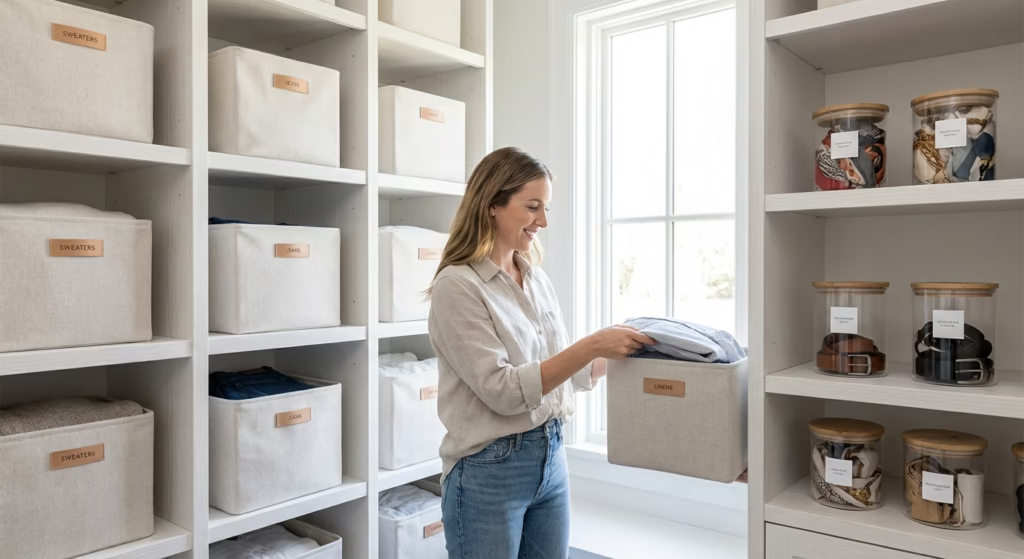
A bright, modern walk-in closet featuring white shelves that reach the ceiling. The shelving unit maximizes vertical space using a tiered system, uniform labeled storage bins, and clear jars to organize clothing, accessories, and supplies, demonstrating a core Small Space Secrets.

This article dives deep into the art of maximizing every inch, revealing the small space secrets that turn cramped rooms into surprisingly spacious areas. Written by a team focused on easy home organization, we believe that living large does not require a big house—just smart strategies. Our goal is to give you the simple tools and ideas to create a home that works well, no matter its size. Discover the small space secrets that will completely change how you live.


Unlocking Small Space Secrets: Your Guide to a Clutter-Free Life

Living in a small home, apartment, or even just a cozy room can feel like a constant war against clutter. Everything you own seems to need more space than it has. The dream of a calm, organized place can feel impossible to reach. You might look at pictures of simple, spacious homes online. You wonder if your home can ever look like that. Good news: it can.

Professional organizers are the experts of neatness. They have special tools and ideas designed for difficult spaces. They do not just tidy up; they change rooms. They make them work better, run faster, and feel nicer. In this long guide, we share 12 small space secrets that these professionals use. These tips will not only help you declutter. They will change how you use your home every day.

This guide is not only about smart storage bins. It is also about a new way of thinking. You will learn to look at your items differently. You will learn a smart plan to use every bit of space. Get ready to find out the power of high walls, the magic of furniture that does two things, and the need to declutter without mercy. After reading this, you will know how to turn your small space problems into design success stories.


Section 1: The Golden Rule of Verticality

A bright, modern walk-in closet featuring white shelves that reach the ceiling. The shelving unit maximizes vertical space using a tiered system, uniform labeled storage bins, and clear jars to organize clothing, accessories, and supplies, demonstrating a core small space secret.

Leverage Every Inch Upwards

When you live in a small space, you should realize that vertical space is wasted space. Most people only think about floor space. But a professional organizer sees walls, cabinet insides, and even the backs of doors as perfect places to grow. This idea is one of the most important small space secrets.

Think of your floor as a small, set canvas. Now, look up. Every wall is a canvas that goes up to your ceiling. Floating shelves, cabinets fixed to the wall, and tall, thin bookcases are your best friends. These pieces make the eye look up. This makes the room feel taller and more open. At the same time, they store many things. Think outside the box. A shoe holder over a door, shelves that stack in your pantry, or bins that stack in a closet can make a big difference.

Why it works: When things sit on the floor, they use up valuable counter or floor space. Moving them up frees these surfaces. This makes rooms look much larger and less cluttered. You should use all the room from floor to ceiling, not just the floor area.


Section 2: Embrace Multi-Functional Furniture

Every Item Must Earn Its Keep

In a small room, furniture that only does one job is often too costly. Professional organizers are skilled at finding furniture that can do two or even three jobs. This is one of the most useful small space secrets.

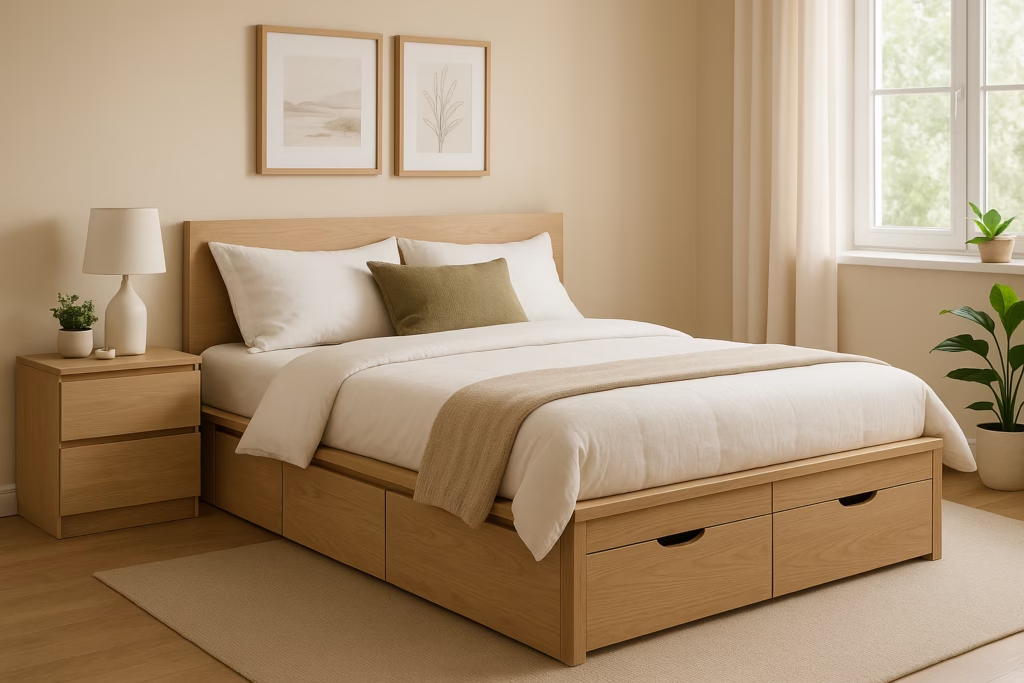
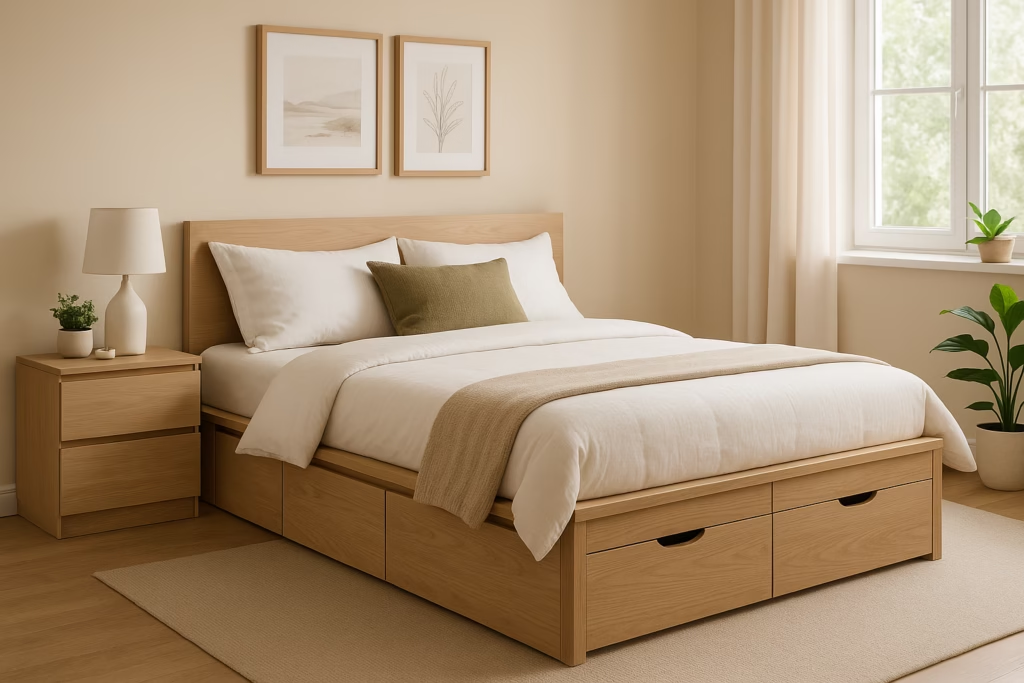
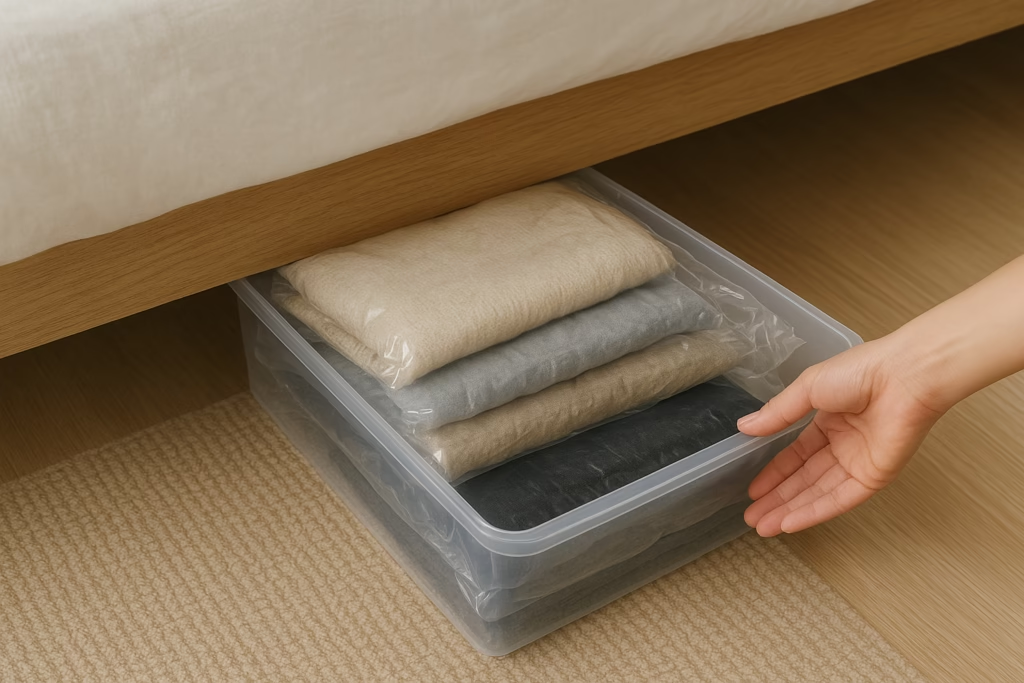
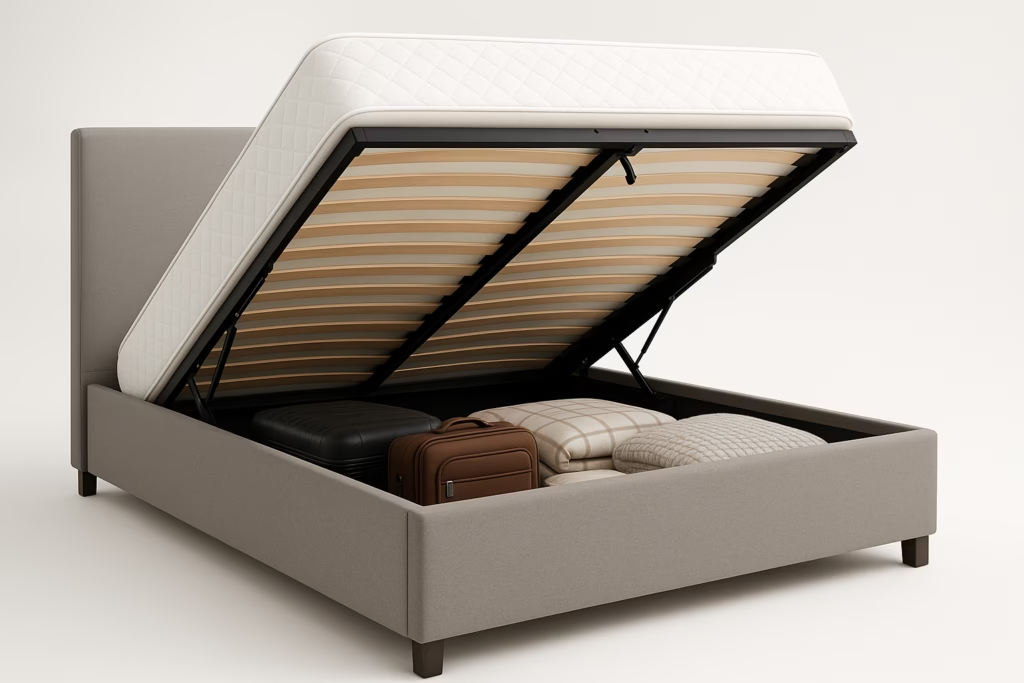
Do not just buy the basics. Look for an ottoman that opens to store blankets or magazines. Look for a coffee table with hidden spots or one that lifts up to become a dining table. Look for a sofa bed that turns your living room into a guest room. You can also get a bed with drawers built underneath. Desks that fold into the wall, chairs that stack neatly, and dining tables with parts that pull out are all ways to make your furniture work harder.

Why it works: Furniture that does many things means you need fewer pieces in the room. This saves floor space and makes the room look cleaner. It makes sure that every item you buy helps make the room both pretty and useful.


Section 3: The Power of Ruthless Decluttering

Less Truly Is More (Especially in Small Spaces)

This may sound simple, but it is the main rule of all professional organizing. It is especially true in small homes. Before you even think about buying storage units, you must look closely at everything you own. This rule is a must-have among small space secrets.

Professional organizers use a simple rule: when one thing comes in, one thing must go out. For tough spaces, they may even say two things must go out. They tell clients to ask hard questions: Did I use this in the last year? Do I really like this item? Does it have a clear use? If the answer is no, it is time to let it go. This is not about having nothing. It is about choosing what you keep. Everything that stays in your home should be there for a good reason. It should make you happy or serve a clear purpose.

Why it works: Fewer things mean less to store. It means less to clean. It means less visual mess. It creates a feeling of peace. It makes the items you keep more valued and easier to find. The best way to store things is often just to own less.


Section 4: Zone Your Space

Define Boundaries, Even Without Walls

In open-plan rooms or studio apartments, having no clear walls can make organizing tough. Professional organizers expertly create “zones” inside one space. They give each area a special job. This stops different uses from mixing together. This is one of the more simple yet effective small space secrets.

Use rugs to mark where the living area is. Use a thin table behind a sofa to mark the dining area. Use a well-placed bookshelf to separate the sleeping corner. Even in a small room, decide where you will sleep, work, and relax. This way of splitting the space helps you keep items related to that area within its borders. This lessens overall mess.

Why it works: Zoning gives order to an open layout. This makes the space feel more planned and organized. It helps your mind keep clutter contained. Every item has a ‘home’ inside its set zone.


Section 5: Maximize Every Nook and Cranny

Discover the Hidden Potential of Awkward Spaces

Professional organizers are great at seeing spaces that most people miss or think are useless. Spaces under stairs, above doors, inside cabinet doors, the thin gap near your fridge—these are all possible spots for storage. This is where many truly new small space secrets are found.

Think about thin rolling carts for tight kitchen spots. Use over-the-door holders for pantry or bathroom needs. Put magnetic strips on a backsplash for knives or spices. Or, try a small shelf high above a door frame for light decorations or seasonal storage. Custom-made items can fit these odd spaces perfectly. This turns wasted space into useful storage.

Why it works: When you use these often-forgotten spots, you make your home bigger without adding any square feet. It lets you store things that might otherwise sit on main surfaces. They are easy to reach but out of sight.


Section 6: Uniformity in Storage Containers

Create Calm with Consistency

A messy look is almost as stressful as a physical mess. Bins and boxes that do not match make this problem worse. Professional organizers say to use storage containers that look the same. They match in color, material, and shape for any storage you can see.

For shelves, this means using the same style of basket or bins that are the same size and not see-through. For the pantry, this means buying airtight containers from the same company. They should be the same material, like clear plastic or glass jars. This visual balance makes the space look better right away. It seems calmer and more carefully organized, even if the things inside are not perfectly neat.

Why it works: Uniformity tricks the eye. When you limit the number of colors, textures, and lines in a space, the area looks clean, simple, and bigger. This is true no matter how many things you store.


Section 7: The Capsule Closet Strategy

Decluttering Wardrobe Overload

The closet is usually the first room to fail in a small home. Professional organizers often tell clients to try a capsule wardrobe idea. This does not mean owning very few clothes. It means focusing on good quality clothes that you can wear in many ways. They should work across all seasons and events.

This plan means getting rid of clothes that do not fit. You must remove clothes you do not wear often or that do not match other items. Also, you must use thin, matching hangers (velvet works best). Tiered hanging systems are key. By greatly cutting down the amount of clothing, you make getting dressed easier every day. You keep the closet useful.

Why it works: A capsule closet deeply cuts the volume of clothes you store. This frees up space for things like bedding or towels. Matching hangers gain you several inches of hanging space on every rack.


Section 8: Go Invisible with Clear Acrylic

Utilizing See-Through Storage

When organizing drawers, bathrooms, or makeup areas, professional organizers often use clear plastic or glass holders. Bins that you cannot see through help hide mess on shelves. But clear materials are a big small space secret for small areas filled with many items.

Clear holders make it easy to see everything you own quickly. This stops you from forgetting things or buying the same thing twice. In a shallow bathroom drawer, clear dividers keep small tubes and brushes apart. In a fridge, clear bins keep food or sauces neat. This stops you from having to search for what you need.

Why it works: Clear materials stop the “out of sight, out of mind” issue. They make sure you use what you have. Also, they let light pass through. This makes drawers and cabinets look brighter and lighter overall.


Section 9: De-Clutter the Digital Space

The Importance of Digital Organization

Digital mess is not physical, but it adds a lot to mental stress and lack of order. This can affect your physical home. This small space secret focuses on keeping your work area simple and clean.

Professional organizers advise cleaning up your computer desktop. Sort digital files into folders that make sense. Stop getting emails you do not need. On a practical level, this helps you keep your physical desk tidy. You do not need piles of papers to track things. It also lowers how often you feel tired from making decisions. A clean digital space helps you have a clean physical space.

Why it works: Less mental load helps you focus on keeping your physical home orderly. Less paper, fewer notes, and better habits start with a clean digital life.


Section 10: “In-Between” Storage

Handling Items Not Quite Ready to Be Put Away

Small spaces get messy fast because things are left “on the way.” This includes the jacket you just took off, the mail you have not opened, or the dishes waiting for the sink. Professionals call for dedicated storage for these “in-between” items.

This could be a nice basket near the door for shoes and bags. It could be a small, good-looking tray on a counter for new mail. Or, it could be a special decorative bowl for keys and wallets. The main point is to make this storage useful, very easy to use, and nice to look at. This way, using it becomes a simple, automatic habit.

Why it works: These special spots hold the “short-term mess” that can quickly take over a small room. They help you manage the flow of items. This stops them from ending up all over the floor or furniture.


Section 11: Decanting for Efficiency

Removing Unnecessary Bulk

Decanting is a powerful way to organize, especially in kitchens and bathrooms. This means moving items from their large, original packaging into containers that are thinner and the same size. This works for dry food, cleaning products, and even personal care items.

Remove large cereal boxes. Get rid of odd-shaped soap bottles or spice jars that do not match. Put their contents into clean, labeled containers or dispensers. This saves space. It makes a pantry or laundry room look better right away. It lets you use the full size of your shelves without being limited by the store packaging.

Why it works: Decanting lets you stack, line up, and organize items much better than their original boxes allow. It lessens visual mess. It gives you a clear, simple look at how much you have left.


Section 12: Adopt the “Tidy Up” Trigger

Maintaining Order with Quick Routines

The last, and perhaps most powerful, small space secret is not a physical trick. It is a simple habit called the Tidy Up Trigger. Professional organizers set up easy, daily habits that stop mess from piling up.

A trigger is a daily event that tells you it is time for a five-minute tidy. This could be making your morning coffee. It could be brushing your teeth before bed. Or, it could be waiting for the water to boil. During this short time, you do a quick clean. Clear the kitchen counter. Hang up the clothes you wore that day. Wipe down the bathroom sink. Small spaces need constant, small effort, not big, scary efforts once in a while.

Why it works: Small, steady effort stops the “clutter tipping point.” This is when the mess gets so bad that cleaning it feels impossible. Tidy up every day to keep your small space working well and feeling calm.


Conclusion

To live well in a small space, you need more than smart buying. You need a planned way of thinking. By using these 12 small space secrets—from using high walls and buying furniture that does two jobs, to using daily tidy-up habits—you can totally change your home. Your small space does not have to be stressful. It can show how good design can be. It can be efficient, beautiful, and smart. Start small, keep going, and enjoy the peace that professional organization can bring to your compact life.


External References

For readers who want to use these ideas, we suggest looking at resources from the following organizing groups and companies:


Recent Posts