Cookie Consent by Free Privacy Policy Generator Update cookies preferences

Make This Simple Pumpkin & Ginger Chutney With Cinnamon

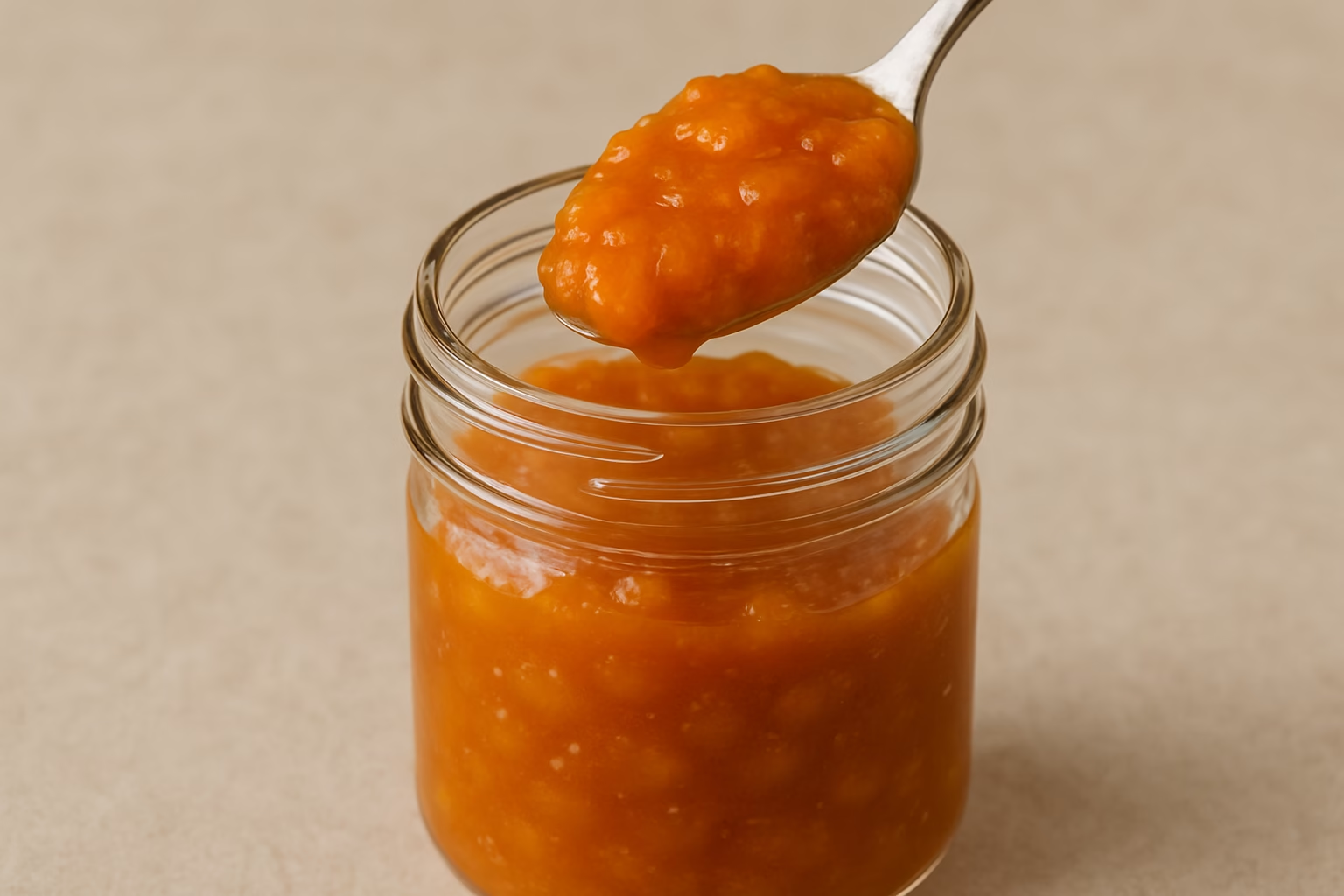
A spoon lifts a dollop of thick, orange Pumpkin & Ginger Chutney from an open glass jar, showing its chunky texture against a neutral background.

Explore the vibrant world of homemade Pumpkin & Ginger Chutney. This delightful condiment, infused with warm cinnamon, is perfect for enhancing roasted meats, cheese boards, sandwiches, and more.


The Perfect Fall Condiment

When the weather turns cool, we crave the cozy, warm tastes of autumn. We all love pumpkin spice and roasted squash. But there is another great food that you may not know about: chutney. This bright, tasty sauce comes from South Asia. It brings together sweet, savory, and spicy flavors in a wonderful way. Picture the earthy, sweet taste of pumpkin mixed with the zesty kick of ginger. Add the cozy feeling of cinnamon. It’s truly a perfect flavor mix for the season.

Chutney is a very useful item in the kitchen. It can make a simple sandwich special. And adds a gourmet touch to a cheese board. It can even turn plain grilled chicken into something amazing. The best part of making your own Pumpkin & Ginger Chutney is that you can change the recipe. You decide on the ingredients, the spice level, and the flavors. This makes sure it fits your tastes and diet. This recipe helps you make a healthy and wholesome sauce. It is full of natural goodness.

Pumpkin & Ginger Chutney: A Versatile Culinary Companion
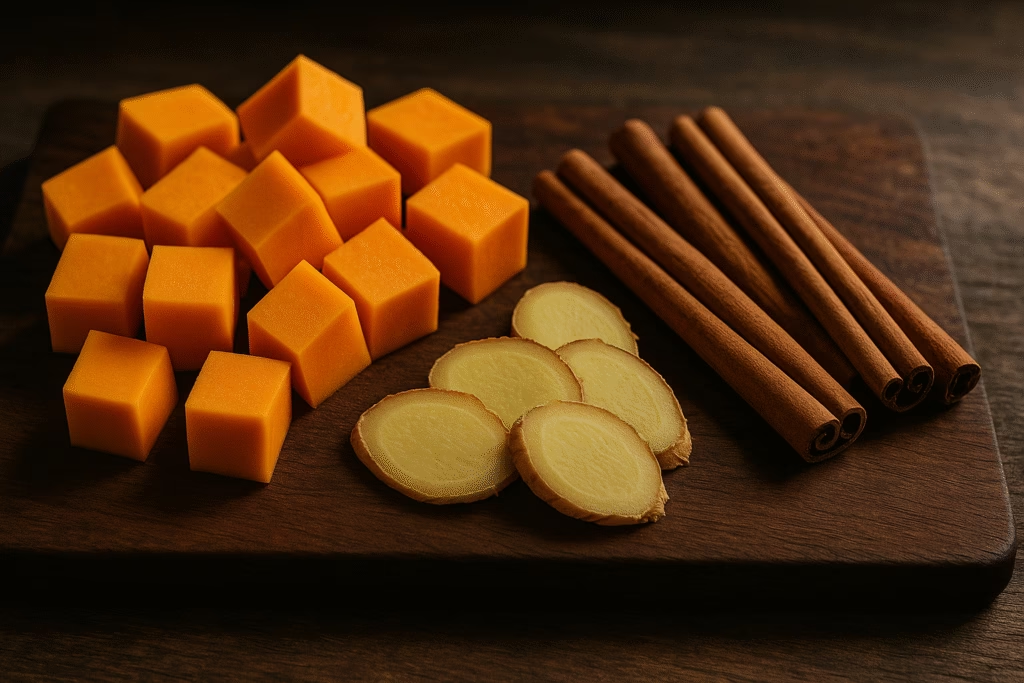
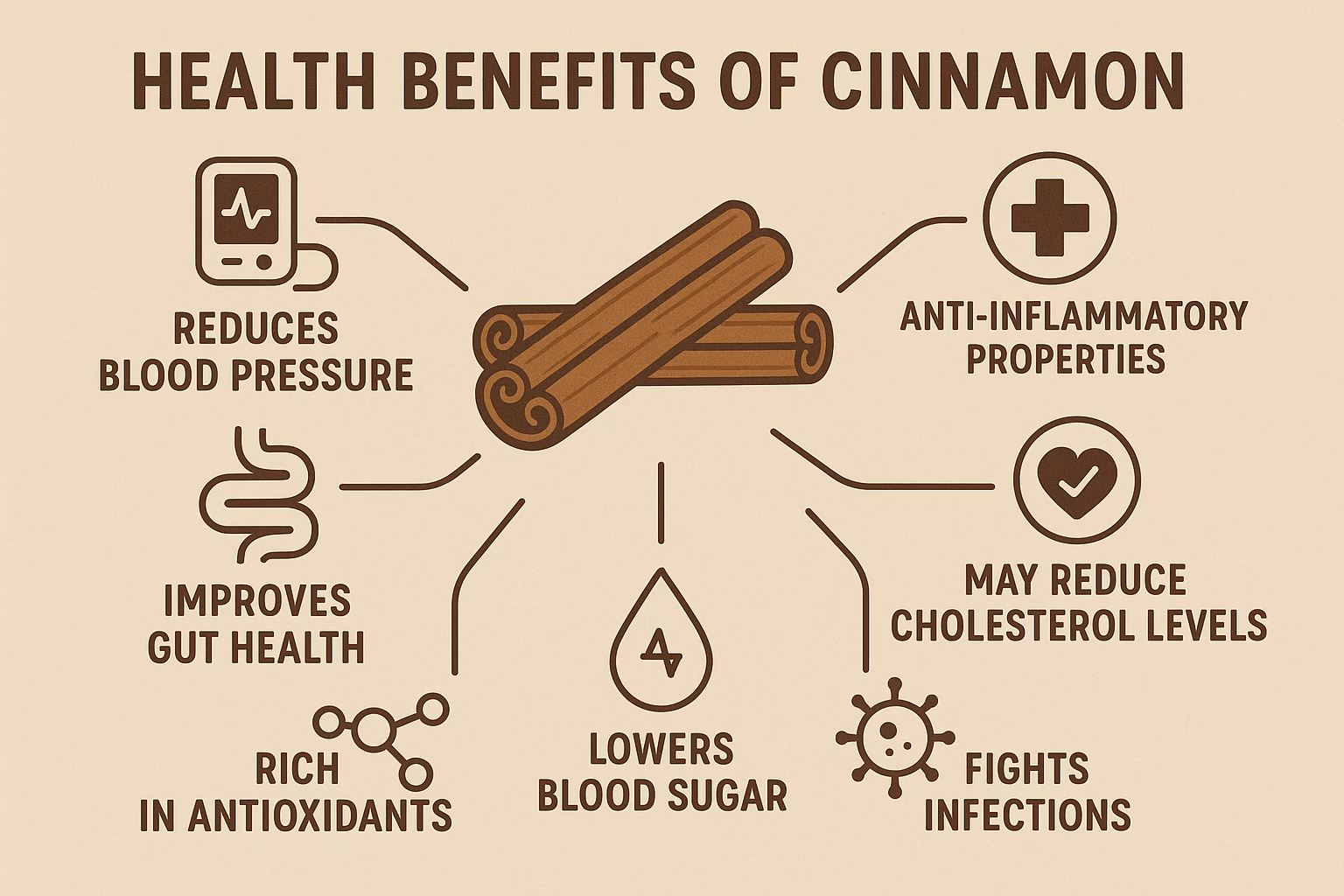
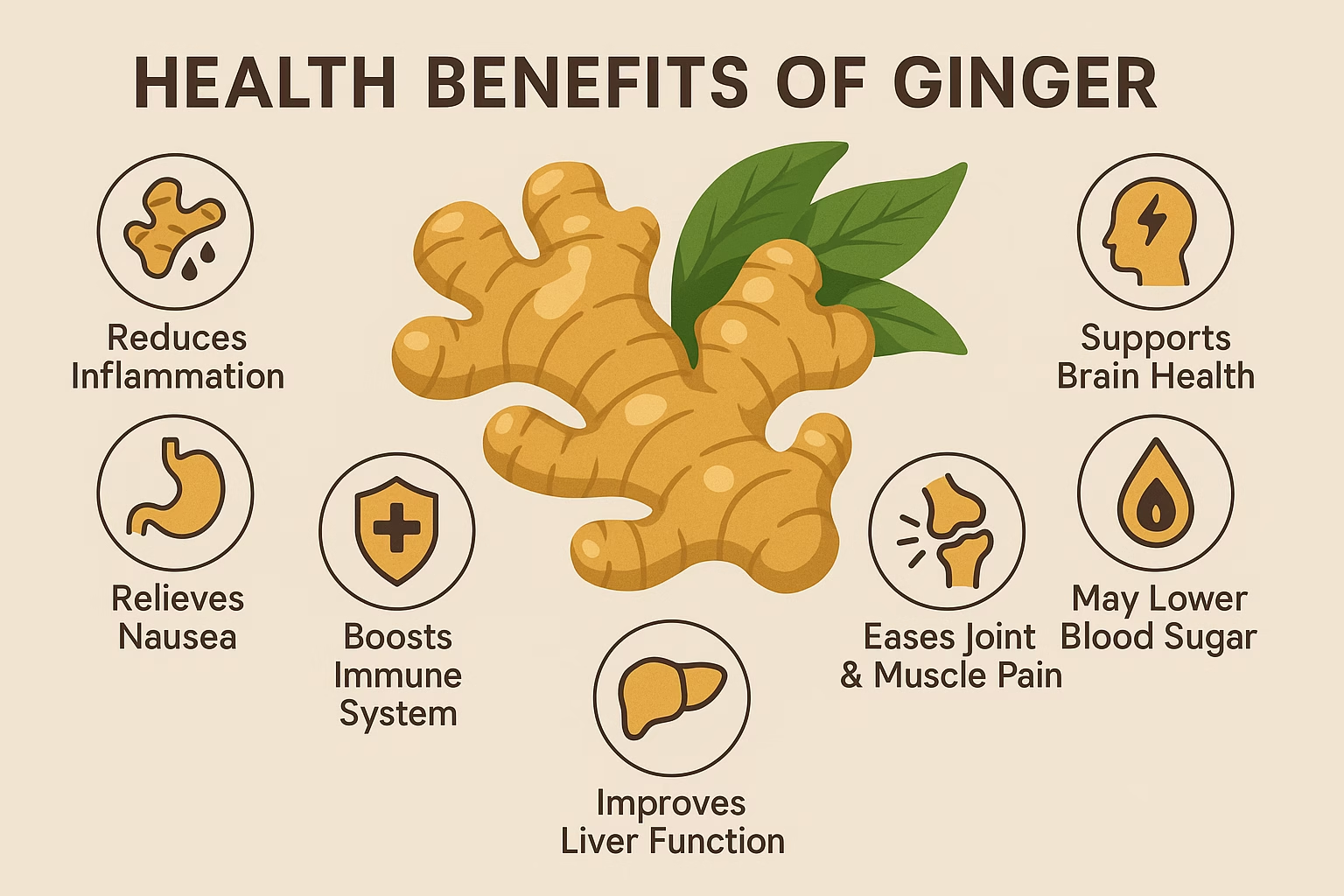
This Pumpkin & Ginger Chutney is more than just tasty. It is a great way to add more vegetables and healthy spices to your diet. Pumpkin is full of good things. It has many vitamins, minerals, and antioxidants. Ginger is famous for helping with digestion and fighting swelling in the body. Cinnamon also helps keep your blood sugar balanced. When these three mix, they make a delicious and nourishing addition to any meal. This chutney is very good for you.

Making your own chutney may seem hard at first. But this recipe is made to be simple and easy to follow. Even if you are new to cooking, you can do this. We will walk you through every step. You will get a perfect, balanced, and delicious result. Forget about boring sauces from the store. You can make a wonderful sauce at home. It will impress your friends and family. It will soon be a must-have in your kitchen.

So, get your ingredients ready. Clear your counter space. Prepare for a fun cooking adventure. This simple pumpkin and ginger chutney with cinnamon is much more than a recipe. It is a chance to enjoy the flavors of the season. It adds warmth, health, and homemade goodness to your food. Get ready to love your new favorite condiment!


Time to Prepare and Cook

Time to Prepare

  • Prep Time: 25 minutes (This includes cutting the pumpkin and ginger)

Time to Cook/Blend

  • Stovetop Cooking: 45-60 minutes
  • Alternative Cooking Method (Slow Cooker): 3-4 hours on high, 6-8 hours on low

Nutritional Information (per serving, estimated)

  • Calories: 80-100 kcal
  • Total Fat: 1-2g
  • Saturated Fat: 0g
  • Cholesterol: 0mg
  • Sodium: 50-70mg
  • Total Carbohydrates: 20-25g
  • Dietary Fiber: 2-3g
  • Sugars: 15-20g (mostly natural from pumpkin and apple)
  • Protein: 1g
  • Vitamin A: Excellent source
  • Vitamin C: Good source

(Note: These numbers are estimates. They may change based on your exact ingredients and portion sizes.)


Equipment You’ll Need

  • A large, heavy-bottomed pot or Dutch oven
  • A cutting board
  • A sharp knife
  • Measuring cups and spoons
  • A vegetable peeler
  • A grater (optional, for ginger)
  • A stirring spoon
  • Sterilized jars for storing the chutney

Servings

  • This recipe makes about 4-5 cups of chutney. This is about 20-25 servings (about 2-3 tablespoons per serving).

Ingredients for Your Delightful Pumpkin & Ginger Chutney
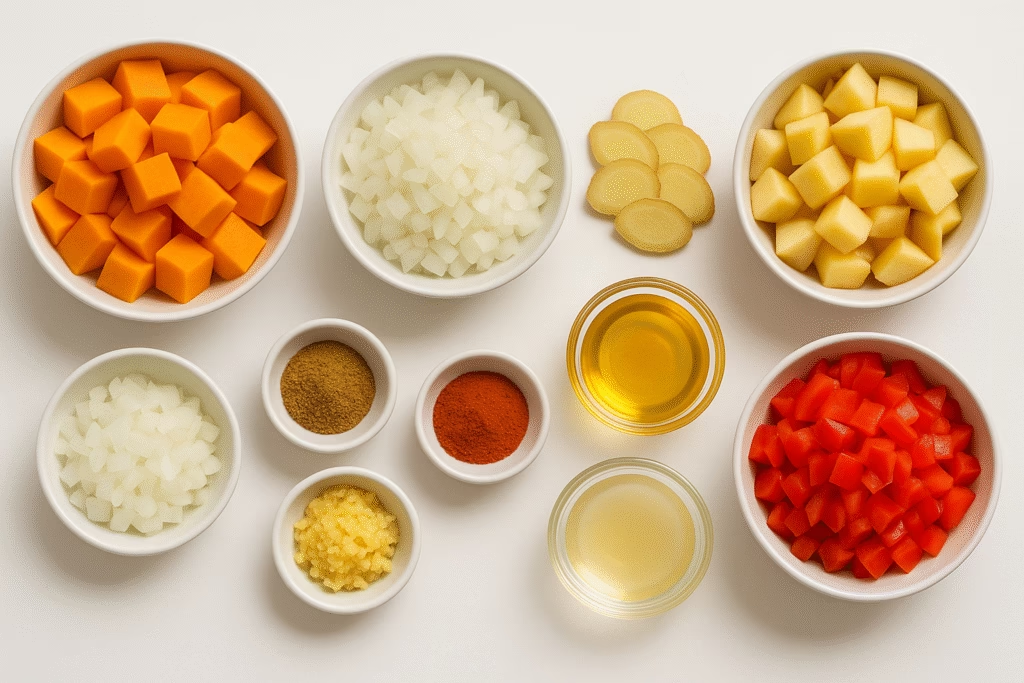
Here is what you will need. We use fresh, healthy ingredients for the best taste and nutrition.

  • 2 lbs (about 900g) pumpkin, peeled, seeds removed, and cut into small, ½-inch cubes (Butternut or Hokkaido pumpkin work well)
  • 1 large red onion, cut into small pieces
  • 4-inch piece fresh ginger, peeled and grated or cut into very small pieces
  • 2 medium Granny Smith apples, peeled, cores removed, and cut into small pieces
  • 1 red bell pepper, seeds removed and cut into small pieces
  • ½ cup apple cider vinegar
  • ½ cup brown sugar (You can use less or use maple syrup for a healthier choice)
  • ¼ cup water
  • 1 tablespoon mustard seeds
  • 1 teaspoon ground cinnamon
  • ½ teaspoon ground nutmeg
  • ¼ teaspoon ground cloves
  • ¼ teaspoon cayenne pepper (This is optional, for a little heat)
  • 1 teaspoon salt
  • ½ teaspoon black pepper
  • 2 tablespoons olive oil
  • Optional: ½ cup dried cranberries or raisins, 2 star anise pods (take these out before putting the chutney in jars)

Step-by-Step Instructions: Making Your Chutney

Follow these easy steps. Your pumpkin and ginger chutney will be perfect and full of flavor.

Get Your Ingredients Ready: First, wash all your fresh foods well. Carefully peel the pumpkin and take out the seeds. Cut the flesh into small, even, ½-inch cubes. Peel and chop the red onion finely. Peel the ginger. Then, grate it or cut it into very small pieces. Peel, core, and dice the apples and the red bell pepper into small pieces, too. Preparing everything first makes cooking easier.

Cook the Onion: Heat the olive oil in your large, heavy pot over medium heat. When the oil is slightly shiny, add the chopped red onion. Cook the onion gently for about 5-7 minutes. Stir it often. Cook until it is soft and clear, but not brown. This step creates the first layer of flavor.

Add Ginger and Spices: Add the grated ginger and the mustard seeds to the soft onions. Cook for 1-2 minutes. Stir all the time. You will hear the mustard seeds start to pop. They will smell very good. Now, stir in the ground cinnamon, nutmeg, cloves, cayenne pepper (if you use it), salt, and black pepper. Cook for one more minute. Let the spices heat up a little. This makes their flavor stronger.

Put in the Main Foods: Add the cubed pumpkin, diced apples, and diced red bell pepper to the pot. Stir well. Make sure all the vegetables are coated with the spice and onion mixture.

Pour in Liquids and Sugar: Pour in the apple cider vinegar and the water. Add the brown sugar. Stir everything well until the sugar disappears. Make sure all the ingredients are mixed. Add the star anise now if you are using it.
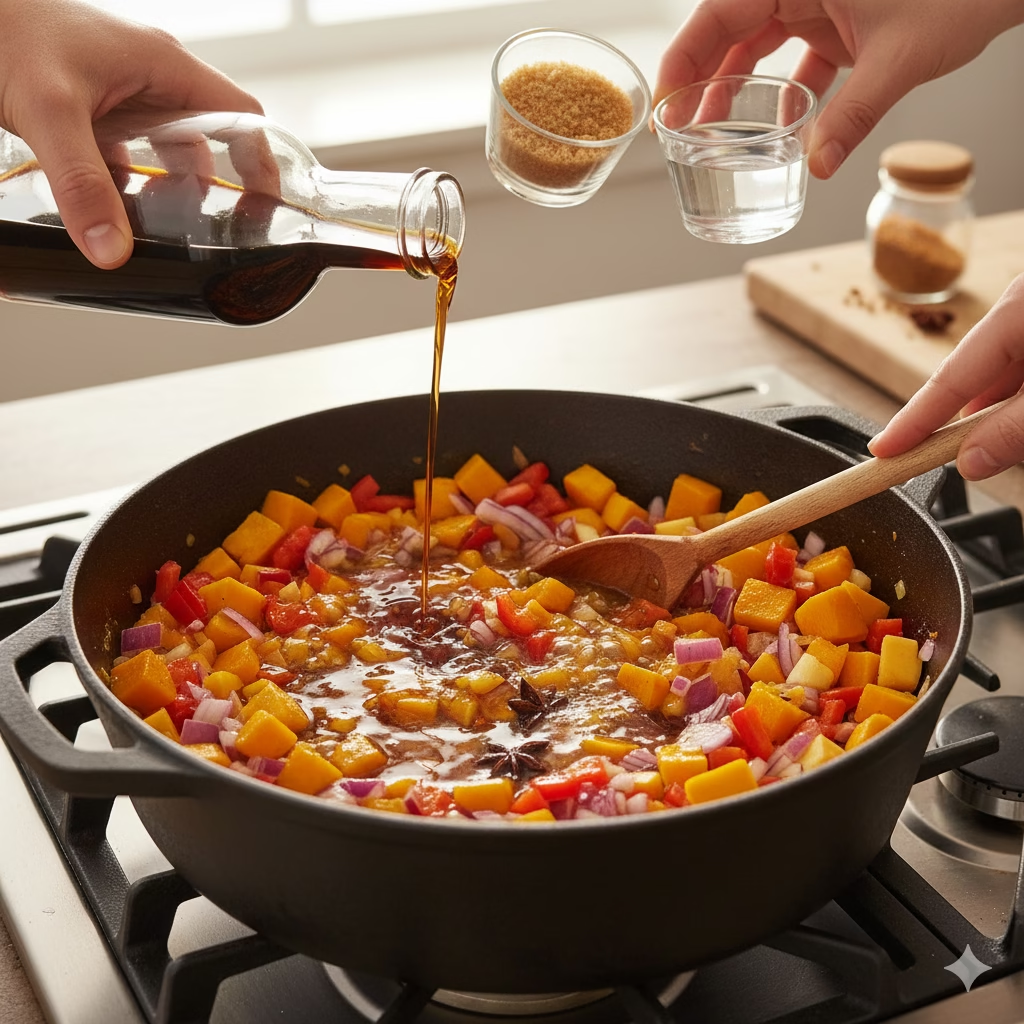
Simmer and Reduce the Chutney: Let the mixture come to a light boil. Then, turn the heat down to low right away. Cover the pot, but leave the lid slightly open. This lets some steam escape. Let the chutney cook gently for at least 45 minutes to 1 hour. It is ready when the pumpkin and apples are very soft and easy to mash. Stir it sometimes so it doesn’t stick to the bottom.

Make it Thicker: When the pumpkin and apples are soft, take the lid off completely. Keep cooking the chutney on low heat for another 15-30 minutes. Stir it more often now. This part is important to make the chutney thick. The extra liquid will go away as it cooks without the lid. The flavors will become stronger. The chutney should look like thick jam. You can press some of the pumpkin cubes against the side of the pot with your spoon. Do this if you want a smoother chutney. Leave some chunks if you like it more rustic.

Add Optional Fruits: If you are adding dried cranberries or raisins, stir them in during the last 10-15 minutes of cooking. This lets them soften a bit.

Taste and Fix: Once the chutney is as thick as you want, taste it carefully. Now is the time to change the flavor. You might need a little more salt, pepper, sugar, or vinegar. Change it until it tastes just right to you. If you used star anise, take the pods out now.

Cool and Store: Take the pot off the heat. Let the chutney cool down all the way. It will get even thicker as it cools. When it is cool, spoon the chutney into clean, sterilized jars. Make sure there are no air bubbles. Seal the jars tightly.


Alternative Cooking Methods

Slow Cooker Method: Very Easy Cooking
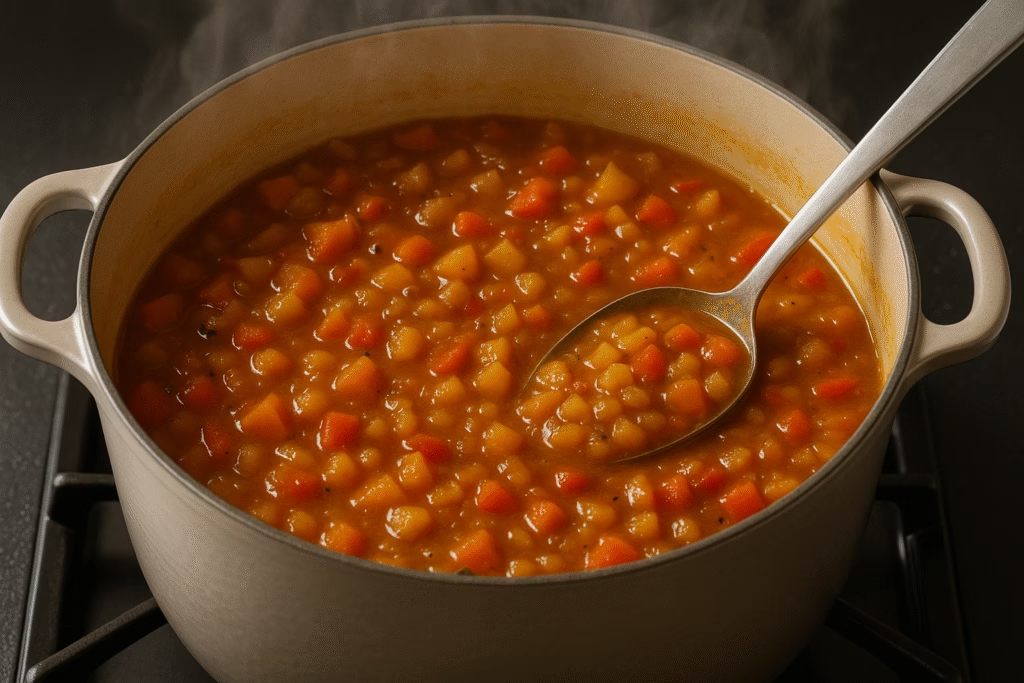
You can use a slow cooker for this chutney. It means less work for you.

  1. Cook Aromatics First (Best Way): You can put everything in the slow cooker. But for better flavor, quickly cook the onion, ginger, and spices in a pan with olive oil first (like steps 2 and 3). Then, put them in the slow cooker.
  2. Mix Ingredients: Put the cooked onion mix (if you made it), pumpkin, apples, bell pepper, apple cider vinegar, brown sugar, water, salt, pepper, and star anise (optional) into your slow cooker. Stir well.
  3. Cook Slowly: Cover the cooker. Cook on high for 3-4 hours. Or cook on low for 6-8 hours. Cook until the pumpkin and apples are very soft. Stir it a few times if you can.
  4. Thicken It Up: When it is cooked, take the lid off. Set the slow cooker to “keep warm” or a low heat setting that won’t boil hard. Cook uncovered for 1-2 more hours. Stir every 30 minutes. Do this until the chutney is as thick as you want it.
  5. Finish: Add optional dried cranberries/raisins during the last hour. Taste it and adjust the seasoning before you put it in jars.

Health Benefits of Pumpkin & Ginger Chutney
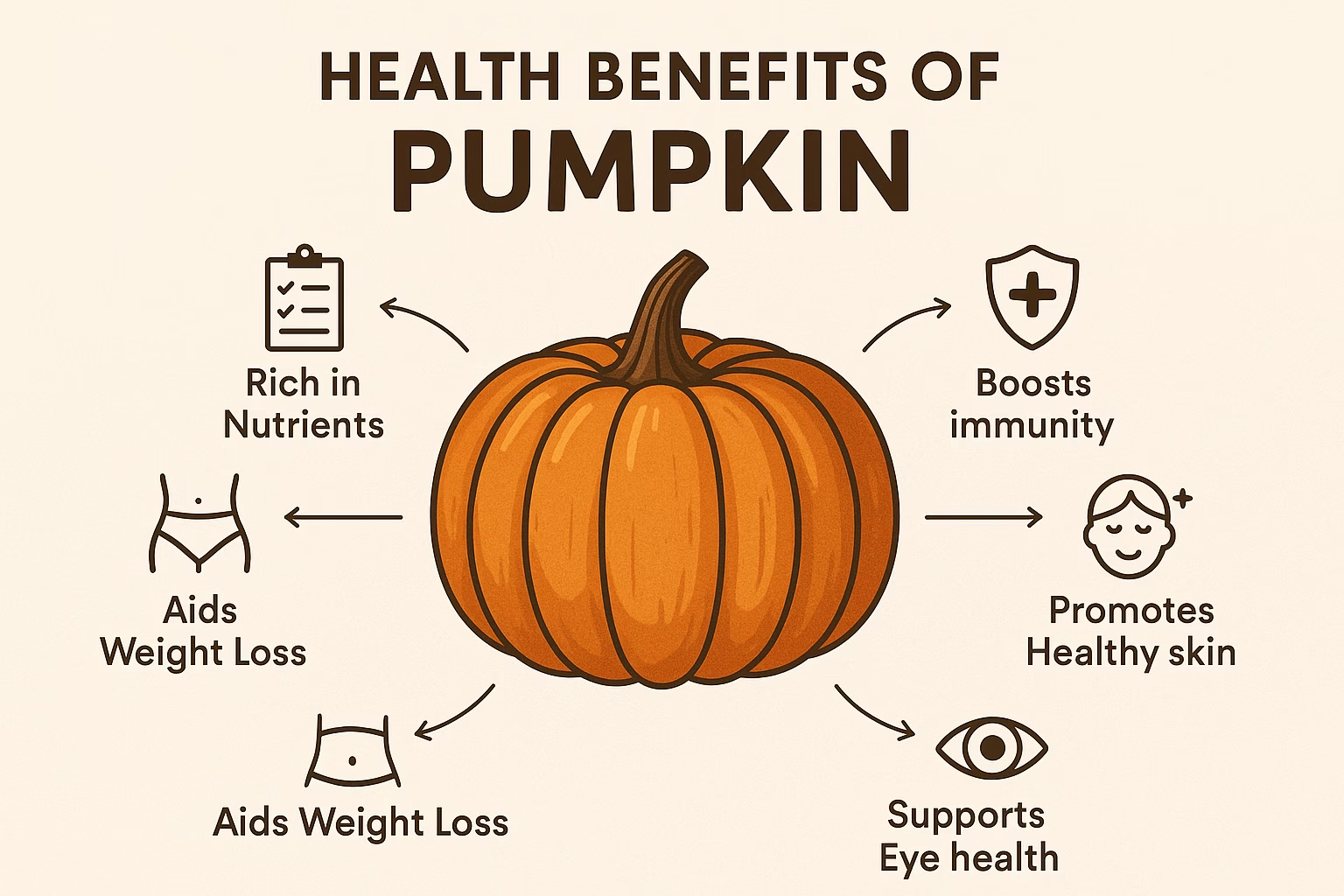

This chutney is great-tasting. It is also full of ingredients that help your health in many ways.

  • Lots of Good Nutrients: Pumpkin has lots of Vitamin A (beta-carotene). This is important for good eyesight, a strong immune system, and healthy skin. It also has Vitamin C, Vitamin E, B vitamins, and minerals like iron.
  • Helps Digestion: Ginger is well-known for helping your stomach. It can calm an upset tummy and help with overall digestion.
  • Fights Swelling: Both ginger and cinnamon have strong parts that can help reduce swelling in the body.
  • Full of Antioxidants: Pumpkin, ginger, and cinnamon all have many antioxidants. These help protect your body’s cells from damage. This keeps you healthy and helps prevent sickness.
  • Boosts Your Immune System: The high Vitamin C in pumpkin and bell pepper, plus the good things in ginger, help make your immune system stronger.
  • Good for the Heart: Apples and pumpkin have fiber. Fiber is known to help keep your heart healthy by managing cholesterol.
  • You Control the Sugar: Making your own chutney lets you decide how much sugar to use. This makes it a much healthier choice than many store-bought sauces. They often have too much refined sugar and fake ingredients.

Pumpkin & Ginger Chutney Variations: Make It Your Own
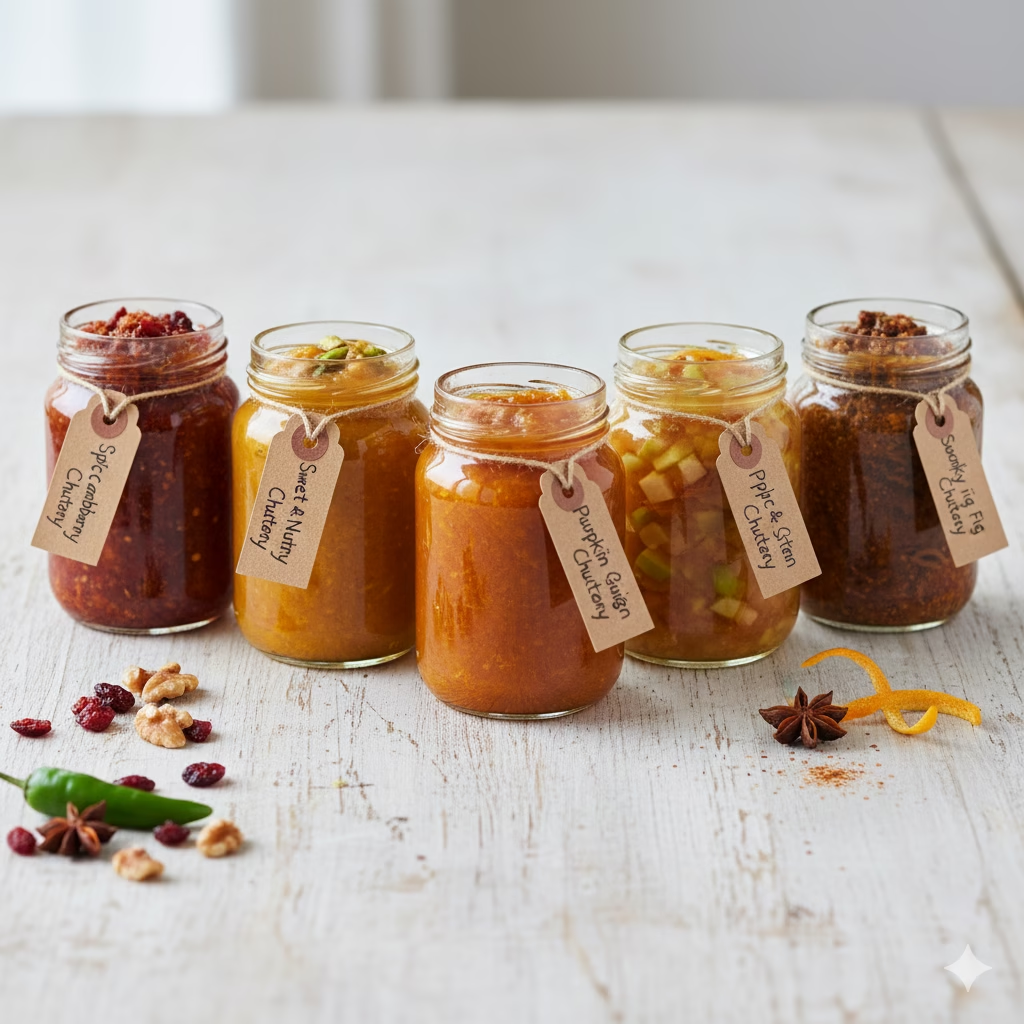
This recipe is a great start. But feel free to try new things! Here are some ways to change your chutney to suit your taste.

Variation CategoryIdeas for Customization
Spice LevelNot Hot: Do not use cayenne pepper. Medium Hot: Use ¼ tsp cayenne. Very Hot: Use ½ – 1 tsp cayenne, or add a green chili cut into tiny pieces with the ginger.
SweetnessLess Sweet: Use only ¼ cup brown sugar. Or use a natural sweetener like maple syrup to taste. More Sweet: Use ¾ cup brown sugar. Or add a tablespoon of honey at the end.
TextureSmoother: Use an immersion blender in the pot. You can also use a food processor for a few quick pulses (be careful, the chutney is hot). Chunkier: Cut the pumpkin and apple into slightly bigger cubes. Do not mash as much while it cooks.
Flavor ProfileEarthy: Add ½ tsp smoked paprika with the other spices. More Tart: Add 1-2 more tablespoons of apple cider vinegar. Or add the peel of half an orange. Fruity: Use a pear instead of one apple. Or add some dried apricots or figs (chopped) with the cranberries. Nutty: Stir in 2 tablespoons of chopped pecans or walnuts right at the end.
Extra VeggiesCarrot: Add ½ cup of finely diced carrots with the pumpkin for extra sweetness and vitamins. Zucchini: Add ½ cup of finely diced zucchini during the last 20 minutes of cooking.

Final Thoughts on Pumpkin & Ginger Chutney

Making your own Pumpkin & Ginger Chutney with Cinnamon is more than just cooking. It is a great experience. You create something truly special and delicious from scratch. The rich, warm tastes of pumpkin, the zip of ginger, and the comfort of cinnamon all come together. They form a sauce that is both useful and very healthy. Imagine putting this bright chutney on a slice of bread. Serve it with a holiday roast. Or just eat it with your favorite cheese and crackers. Its homemade feel and rich flavor will impress everyone.

When you take the time to make this chutney, you are adding health and seasonal magic to your meals. This recipe encourages you to enjoy cooking. It invites you to try new flavors. It lets you enjoy the simple joy of a homemade food. We hope you will try this recipe. Change it with our ideas to make it perfect for you. Share the delicious results with those you love. Let this Pumpkin & Ginger Chutney become a favorite food in your kitchen!


Frequently Asked Questions (FAQs)

Q1: How long can I keep this homemade Pumpkin & Ginger Chutney?

A1: If you keep it in sterilized, airtight jars in the refrigerator, this chutney will last for up to 3-4 weeks. If you properly can the chutney using a water bath method, it can last for up to 1 year in a cool, dark place. Always make sure your jars are clean and sealed well.

Q2: Can I use fresh ginger instead of ground ginger?

A2: Yes, you should! This recipe asks for fresh ginger. Fresh ginger gives a much brighter and zestier taste than ground ginger. The amount listed (4-inch piece, grated) is for fresh ginger. If you only have ground ginger, you could use about 1-1.5 teaspoons. However, the flavor will not be the same. For the best taste, use fresh ginger.

Q3: What foods go well with Pumpkin & Ginger Chutney?

A3: This chutney is great with many different foods! And is wonderful with cheese boards (especially sharp cheddar or goat cheese). It is great with roasted meats like chicken, pork, or turkey. And even goes well with grilled fish. You can put it in sandwiches. Use it as a glaze for vegetables. You can even mix it into salad dressing for a new flavor. It is also good mixed into plain yogurt for breakfast!


References


Recent Posts


10 Simple Ways to Use Greek Yogurt in Every Meal

Greek yogurt is a versatile ingredient that’s perfect for adding a creamy texture and a protein boost to your meals. Whether you’re cooking breakfast, lunch, dinner, or even dessert, there’s a place for Greek yogurt at your table. This guide shares 10 simple ways to incorporate Greek yogurt into every meal, featuring tasty recipes and tips on how to apply it for maximum flavor and nutrition.


High-Protein Parfait/Bowl with Greek Yogurt

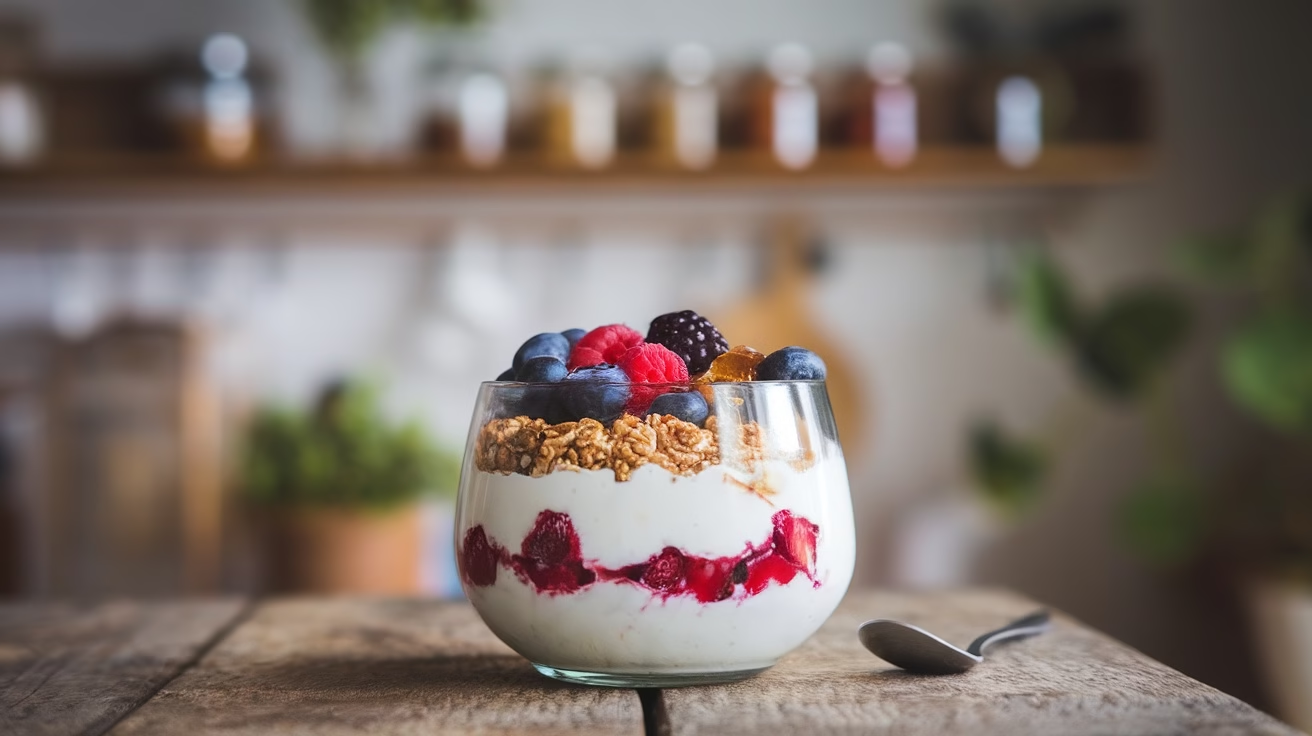
This is a fantastic base for a high-protein parfait or bowl. It’s creamy, thick, and packed with protein, making it a perfect choice for breakfast or a snack. In the image, you can see a delicious parfait layered with fresh berries, granola, and a hint of sweetness. This colorful dish is not just pleasing to the eye; it’s also nutritious and satisfying.

To make your own high-protein parfait, start with a cup of Greek yogurt. Layer it in a glass or bowl with your favorite fruits, like blueberries, raspberries, and strawberries. Add a sprinkle of granola for crunch and texture. You can also drizzle some honey or maple syrup on top for a touch of sweetness.

Mixing Greek yogurt with fruits and granola not only enhances the flavor but also boosts the protein content. This makes it a great option for anyone looking to fuel their day with healthy ingredients. Enjoy it as a quick breakfast or a refreshing afternoon snack!


Fruit Dip/Frosting

A bowl of Greek yogurt surrounded by fresh fruits like strawberries, apples, and grapes, showcasing a healthy fruit dip.

Using this as a fruit dip or frosting is a fun and healthy way to enjoy snacks. The creamy texture and tangy flavor make it a perfect match for fresh fruits. Just look at that beautiful spread of strawberries, apples, and grapes surrounding a bowl of Greek yogurt!

To make a simple fruit dip, start with one cup of Greek yogurt. Add a tablespoon of honey for sweetness and a splash of vanilla extract for flavor. Mix it all together until smooth. This dip pairs wonderfully with sliced apples and strawberries, making it a hit at parties or as a quick snack.

If you want to use Greek yogurt as a frosting, blend it with some cream cheese and a bit of powdered sugar. This creates a delicious and healthier frosting option for cakes or cupcakes. Spread it generously over your favorite baked goods for a tasty treat!


Two-Ingredient Pizza Dough with Greek Yogurt

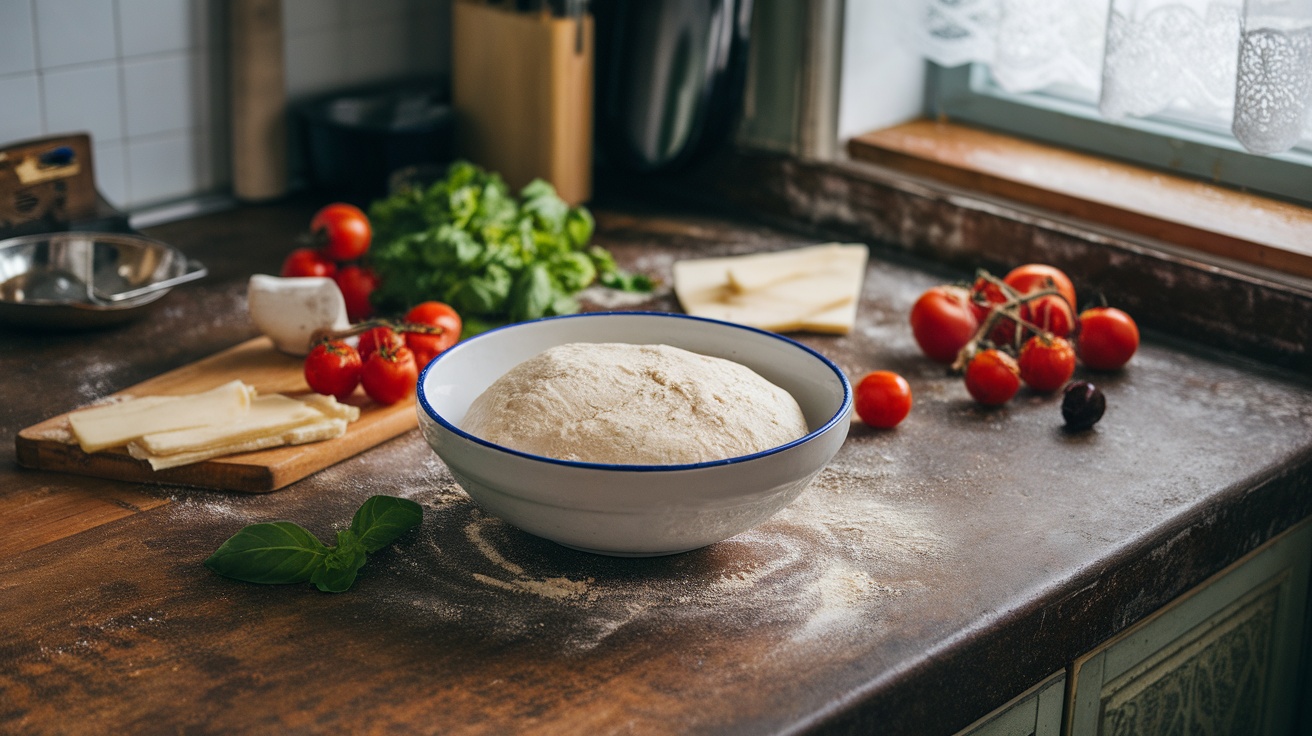
A bowl of pizza dough on a kitchen counter surrounded by fresh ingredients.

Making pizza at home is easier than you think, especially with this two-ingredient pizza dough. The star of the show is Greek yogurt, which adds a creamy texture and a boost of protein. You only need Greek yogurt and self-rising flour to whip up this simple dough.

To start, combine one cup of Greek yogurt with one cup of self-rising flour in a mixing bowl. Stir until a dough forms. If the dough is too sticky, sprinkle in a bit more flour until it’s manageable. Knead it gently on a floured surface for a minute or two.

Next, roll out the dough to your desired thickness. You can make it thin and crispy or thicker for a chewier crust. Once rolled out, transfer it to a baking sheet or pizza stone. Now, it’s time for toppings! Spread your favorite sauce, sprinkle cheese, and add any toppings you like. Bake at 450°F (230°C) for about 12-15 minutes, or until the crust is golden and the cheese is bubbly.

This two-ingredient pizza dough is not only quick but also a fun way to get creative with your meals. Using Greek yogurt makes it a healthier option, so you can enjoy pizza guilt-free!


Fluffy Protein Pancakes

A stack of fluffy protein pancakes topped with Greek yogurt, fresh berries, and syrup.

Fluffy protein pancakes are a delicious way to start your day. They are light, airy, and packed with protein, making them a great breakfast option. The secret ingredient? Greek yogurt! It adds creaminess and a protein boost.

To make these pancakes, you’ll need flour, baking powder, eggs, milk, and, of course, Greek yogurt. Start by mixing the dry ingredients in one bowl and the wet ingredients in another. Then, combine them gently to keep the batter fluffy.

When it’s time to cook, heat a non-stick skillet over medium heat. Pour in the batter, and watch for bubbles to form on the surface. Flip them over when they’re golden brown. Serve with a dollop of Greek yogurt on top, fresh berries, and a drizzle of maple syrup for that perfect finish!


No-Bake Cheesecake Cups

No-bake cheesecake cups topped with fresh berries and mint on a wooden table.

No-bake cheesecake cups are a delightful treat that’s both easy to make and delicious. These little desserts are perfect for any occasion, and they look stunning too! The image shows a beautiful arrangement of cheesecake cups topped with fresh berries and mint, making them an eye-catching addition to your table.

To make these cheesecake cups, you’ll need a few simple ingredients: Greek yogurt, cream cheese, sugar, vanilla extract, and graham cracker crumbs. The Greek yogurt adds a creamy texture and a tangy flavor that balances the sweetness perfectly.

Start by mixing the cream cheese, Greek yogurt, sugar, and vanilla extract until smooth. This mixture forms the base of your cheesecake. Next, prepare the graham cracker crust by crushing the crackers and mixing them with a bit of melted butter. Layer this crust at the bottom of your cups.

Once the crust is ready, spoon the cheesecake mixture on top. Chill the cups in the refrigerator for a couple of hours to let them set. Before serving, top each cup with fresh berries and a sprig of mint for that extra pop of color and flavor.

These no-bake cheesecake cups are not just tasty; they’re also a fun way to enjoy Greek yogurt in dessert form. They’re light, refreshing, and sure to impress your guests!


Frozen Yogurt Bark

A colorful frozen yogurt bark topped with strawberries, blueberries, raspberries, and nuts on a marble surface.

Frozen yogurt bark is a simple and fun way to enjoy Greek yogurt. This treat is not only delicious but also packed with nutrients. You can customize it with your favorite toppings, making it a versatile dessert or snack.

To make frozen yogurt bark, start with a base of Greek yogurt. Spread it evenly on a baking sheet lined with parchment paper. You can use plain or flavored Greek yogurt, depending on your taste.

Next, add your favorite toppings. Fresh fruits like strawberries, blueberries, and raspberries work great. Nuts like almonds and pistachios add a nice crunch. Drizzle a little honey or maple syrup on top for extra sweetness.

Once you’ve added your toppings, place the baking sheet in the freezer. Let it freeze for about 2-3 hours or until it’s solid. After that, break it into pieces and enjoy!

This frozen yogurt bark is perfect for a hot day or as a healthy dessert option. Plus, using Greek yogurt gives it a creamy texture and a boost of protein. Give it a try, and you’ll have a refreshing treat that everyone will love!


Tzatziki Sauce with Greek Yogurt

A bowl of tzatziki sauce surrounded by fresh vegetables and pita bread

Tzatziki sauce is a refreshing dip that brings a taste of Greece to your table. Made with Greek yogurt, it’s creamy and tangy, perfect for pairing with veggies or pita bread. The image shows a vibrant spread with colorful bell peppers, cucumbers, and warm pita, all ready to be dipped into that delicious tzatziki.

To make tzatziki, you’ll need Greek yogurt, cucumber, garlic, olive oil, lemon juice, and fresh dill. Start by grating the cucumber and squeezing out excess moisture. Then, mix it with Greek yogurt, minced garlic, a splash of olive oil, a squeeze of lemon juice, and chopped dill. Stir until everything is well combined.

This sauce is not just a dip; it can also be used as a dressing for salads or a topping for grilled meats. The creamy texture of Greek yogurt makes it a versatile ingredient that enhances the flavors of any dish.


Lighter Chicken Salad

A bowl of lighter chicken salad with grilled chicken, cherry tomatoes, cucumbers, and a drizzle of Greek yogurt dressing.

This lighter chicken salad is a delicious way to enjoy a healthy meal. The image shows a vibrant bowl filled with fresh greens, juicy cherry tomatoes, and tender slices of grilled chicken. The creamy drizzle on top is Greek yogurt, which adds a tangy flavor and a boost of protein.

To make this salad, start with your favorite greens like romaine or mixed lettuce. Add sliced cucumbers and halved cherry tomatoes for a refreshing crunch. Grill or bake some chicken breast, then slice it and place it on top of the salad.

For the dressing, mix Greek yogurt with a splash of lemon juice, a pinch of salt, and some herbs like dill or parsley. This creamy dressing is a healthier alternative to traditional dressings and pairs perfectly with the fresh ingredients.

Drizzle the Greek yogurt dressing over the salad just before serving. This not only enhances the flavor but also makes the salad more filling. Enjoy this lighter chicken salad as a satisfying lunch or a light dinner!


Creamy Chicken Marinade with Greek Yogurt

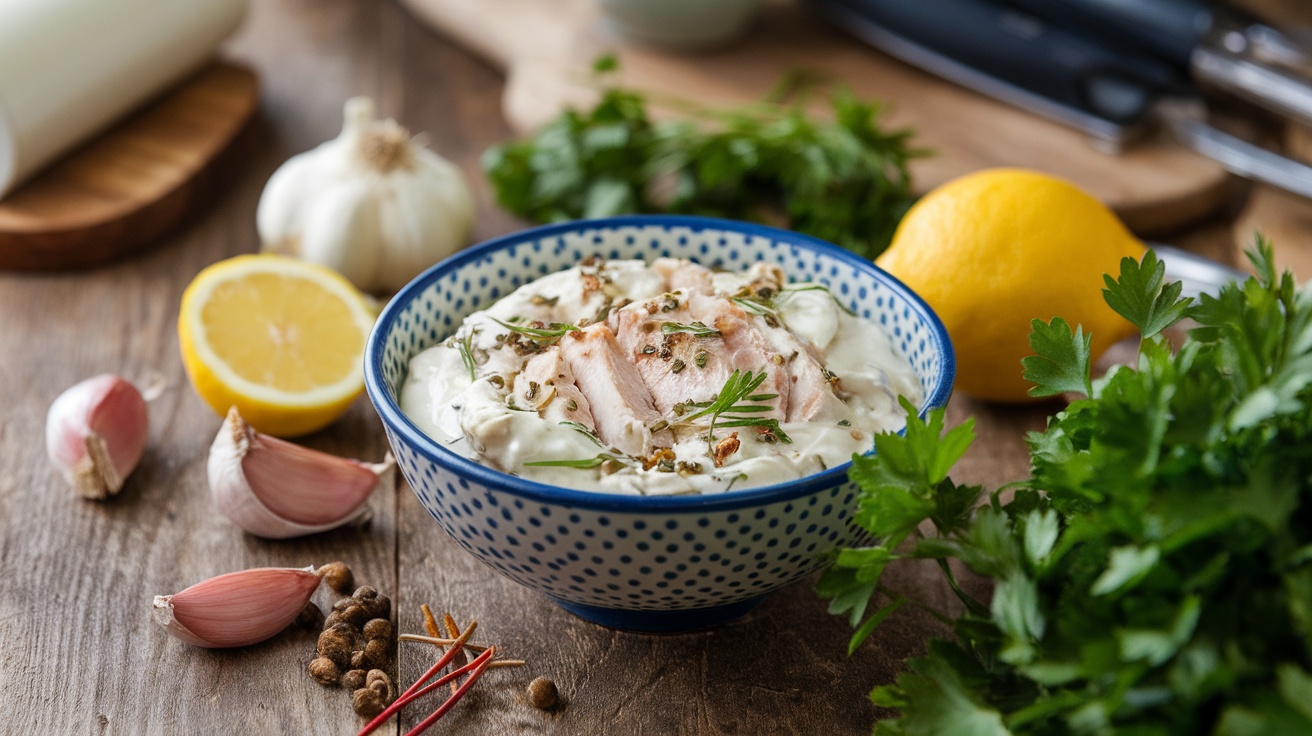
A bowl of creamy chicken marinade made with Greek yogurt, garlic, herbs, and lemon, surrounded by fresh ingredients.

Using Greek yogurt in a chicken marinade is a fantastic way to add flavor and moisture. The creamy texture of Greek yogurt helps tenderize the chicken while infusing it with delicious taste.

To make this marinade, you’ll need Greek yogurt, garlic, lemon juice, and your favorite herbs. Start by mixing one cup of Greek yogurt with three minced garlic cloves, the juice of one lemon, and a handful of chopped herbs like parsley or dill. This combination creates a zesty and aromatic base.

Next, place your chicken in a resealable bag or a bowl and pour the marinade over it. Make sure the chicken is well-coated. Let it marinate in the fridge for at least one hour, or overnight for even more flavor. The longer it sits, the more the flavors will develop.

When you’re ready to cook, simply grill, bake, or pan-sear the chicken. The Greek yogurt will keep the chicken juicy and tender, making every bite a delight. Enjoy your meal with a side of veggies or a fresh salad!


Better-For-You Creamy Pasta Sauce

A bowl of creamy pasta topped with Greek yogurt, cherry tomatoes, and fresh herbs.

Using Greek yogurt in your pasta sauce is a fantastic way to make it creamy without all the extra calories. This simple swap adds protein and a tangy flavor that elevates your dish.

To make a delicious creamy pasta sauce, start with your favorite pasta. Cook it according to the package instructions. In a separate pan, sauté garlic and onions in a bit of olive oil until they’re soft. Add in some diced tomatoes and let them simmer. Once the tomatoes are cooked down, stir in a generous scoop of Greek yogurt. This is where the magic happens! The yogurt will create a smooth and creamy texture.

Mix the cooked pasta into the sauce, ensuring every strand is coated. You can also add in some fresh herbs like basil or parsley for extra flavor. For a pop of color and freshness, top your dish with cherry tomatoes and a sprinkle of more Greek yogurt before serving. This not only looks great but also adds a creamy finish that everyone will love.


References

Medicalnewstoday – Is Greek yogurt good for you?

Healthline – 6 Fantastic Health Benefits of Greek Yogurt

WebMD – Health Benefits of Greek Yogurt


Recent Posts


Make This Easy Homemade Tomato & Pepper Sauce


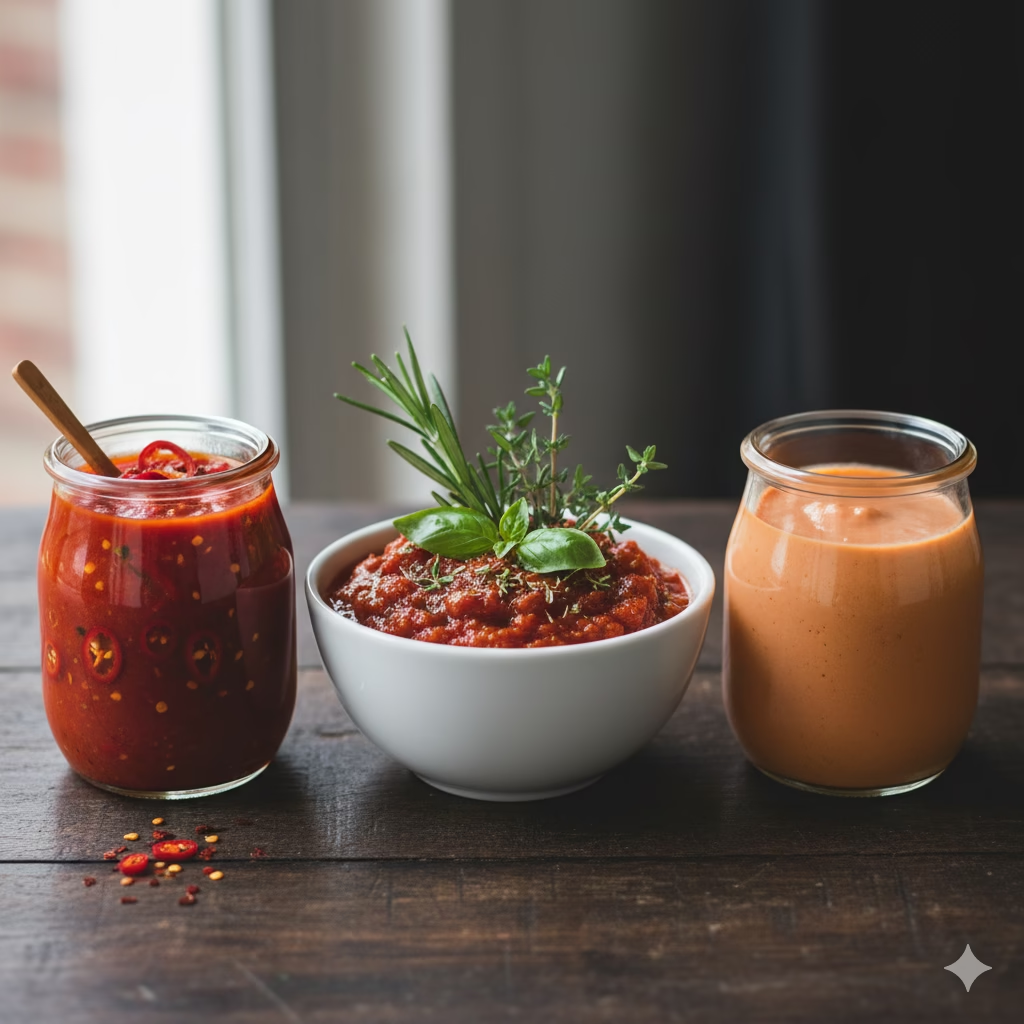
A close-up horizontal shot of three small glass jars filled with different variations of homemade tomato & pepper sauce. The jar on the left contains a vibrant, chunky red sauce with visible chili flakes and slices. The middle jar holds a thicker, herb-infused tomato & pepper sauce in a white bowl, garnished with fresh basil, rosemary, and thyme. The jar on the right contains a smooth, creamy, and light orange tomato & pepper sauce variation. All jars are placed on a dark wood surface with soft, natural lighting from a window.
Tomato & pepper sauce

This article was crafted to guide you in creating the perfect Tomato & Pepper Sauce, a versatile addition to countless meals. You’ll learn how to transform ripe tomatoes, smoky bell peppers, and a hint of chilli into a delicious sauce that elevates everything from classic pasta and pizza to simple grilled dishes. This simple recipe will not only become a kitchen staple but will also reveal the true power of fresh, wholesome ingredients.


Your Homemade Tomato & Pepper Sauce: A Culinary Revolution

Crafting your own Tomato & Pepper Sauce at home is a culinary revelation. Forget bland, store-bought jars filled with preservatives and hidden sugars. This recipe isn’t just about making a sauce; it’s about unlocking a world of fresh flavors, vibrant colors, and wholesome goodness that will elevate your meals from ordinary to extraordinary. Imagine a rich, aromatic blend simmering gently on your stovetop, filling your kitchen with an irresistible scent – that’s the magic we’re about to create.

This simple yet sophisticated Tomato & Pepper Sauce is incredibly versatile. It can be the star of a classic pasta dish, a robust base for pizzas, a flavorful addition to scrambled eggs, or even a sophisticated dip for crusty bread. Learning to make your own sauces empowers you in the kitchen, giving you control over ingredients and allowing you to tailor flavors to your exact preferences. It’s a foundational recipe that every home cook should have in their repertoire.

The Heart of Homemade: Why Your Tomato & Pepper Sauce Will Shine

What makes this particular Tomato & Pepper Sauce recipe so special is its reliance on fresh, high-quality produce and a straightforward cooking process that highlights the natural sweetness of ripe tomatoes and the smoky depth of roasted peppers. We’ll be using a medley of colorful bell peppers, sweet cherry tomatoes, and a hint of chilli for that perfect gentle kick. The combination creates a balanced flavor profile that is both comforting and exciting, making it a perfect partner for countless dishes.

Beyond the incredible taste, making your own sauce ensures you’re feeding yourself and your loved ones a meal free from artificial additives. You control the amount of salt, sugar, and fat, making it a truly healthy choice. Plus, there’s an immense satisfaction that comes from transforming fresh ingredients into something so delicious and nourishing. It’s a small act of self-care that reaps huge flavorful rewards.

So, get ready to embark on a delightful culinary journey. Gather your ingredients, clear your counter space, and prepare to fill your home with the inviting aroma of a truly exceptional homemade Tomato & Pepper Sauce. This easy-to-follow guide will walk you through every step, ensuring a perfect result every time.


Time to Prepare and Cook

Time to Prepare

  • Active Prep Time: 20 minutes
  • Inactive Prep Time (Roasting): 30-40 minutes

Time to Cook/Blend

  • Simmering Time: 30-45 minutes
  • Blending Time: 5-10 minutes

Servings

This recipe yields approximately 4-6 servings, depending on usage.


Nutritional Information (per serving)

  • Calories: 120-150 kcal
  • Protein: 4-6g
  • Fat: 5-7g (mostly healthy unsaturated fats from olive oil)
  • Carbohydrates: 18-22g
  • Fiber: 6-8g
  • Vitamin A: Excellent source
  • Vitamin C: Excellent source
  • Potassium: Good source

Note: Nutritional values are estimates and may vary based on specific ingredients and portion sizes.


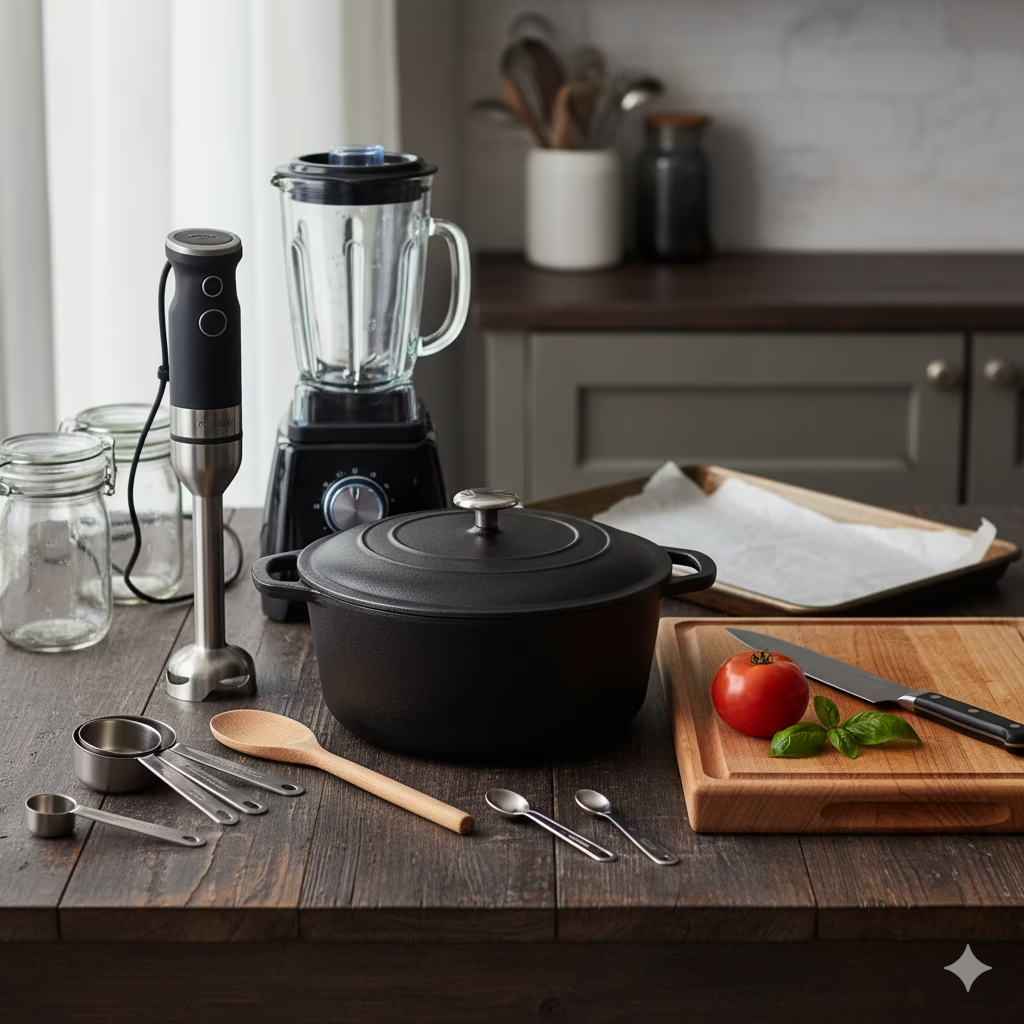
Equipment You’ll Need


  • Large baking sheet
  • Parchment paper
  • Large pot or Dutch oven
  • Blender (immersion blender or standard blender)
  • Cutting board
  • Sharp knife
  • Measuring cups and spoons
  • Wooden spoon or spatula

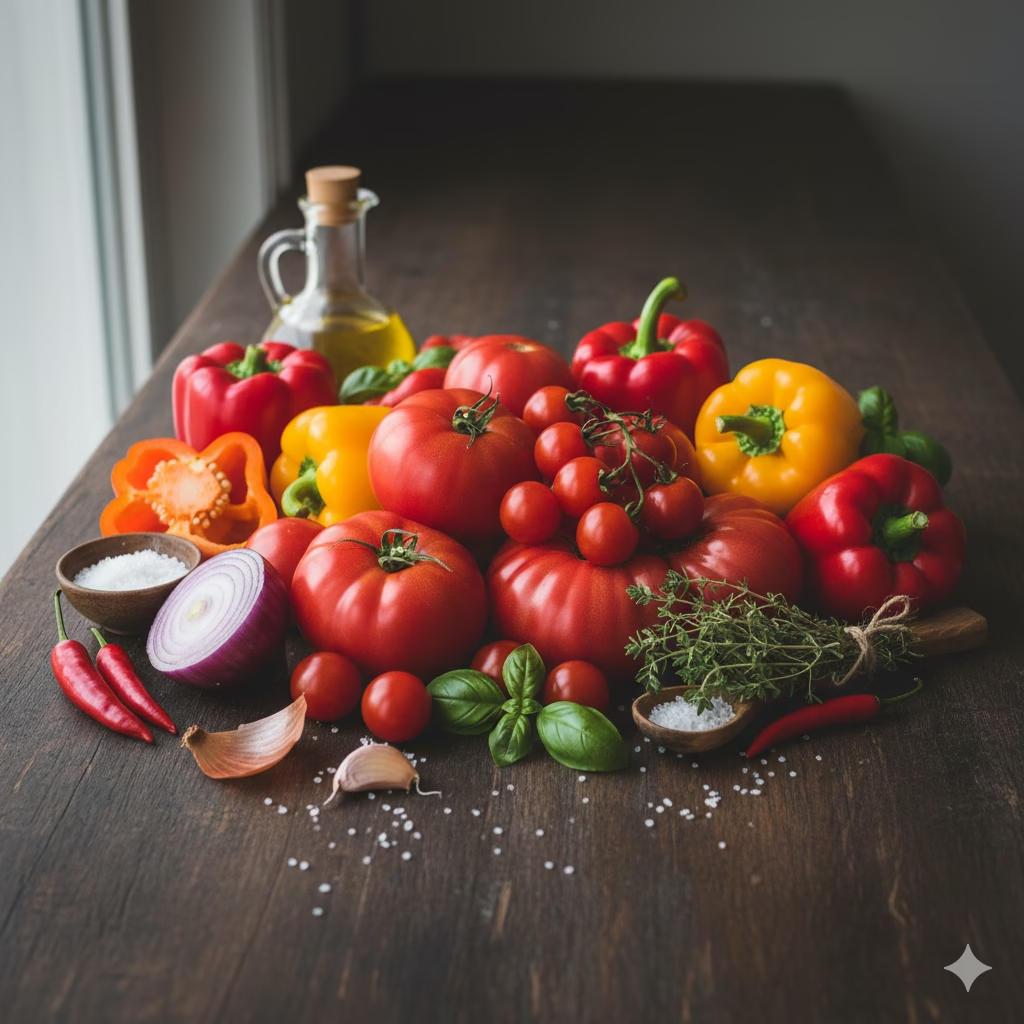
Ingredients for Your Homemade Tomato & Pepper Sauce


  • 2 lbs ripe tomatoes (a mix of Roma and cherry tomatoes works wonderfully for depth of flavor)
  • 2 large bell peppers (one red, one yellow, or orange for color and sweetness)
  • 1 medium red onion, roughly chopped
  • 4-5 cloves garlic, peeled
  • 1-2 fresh red chillies (remove seeds for less heat, leave for more), or ½ tsp dried chilli flakes
  • 2 tablespoons olive oil
  • 1 teaspoon dried oregano
  • ½ teaspoon dried basil
  • Salt and freshly ground black pepper to taste
  • Optional: 1 tablespoon balsamic vinegar (for extra depth)
  • Optional: A handful of fresh basil leaves for garnish

Step-by-Step Instructions: Crafting Your Delicious Tomato & Pepper Sauce


Follow these detailed steps to create a rich and flavorful Tomato & Pepper Sauce that will impress everyone at your table. Don’t rush, enjoy the process!

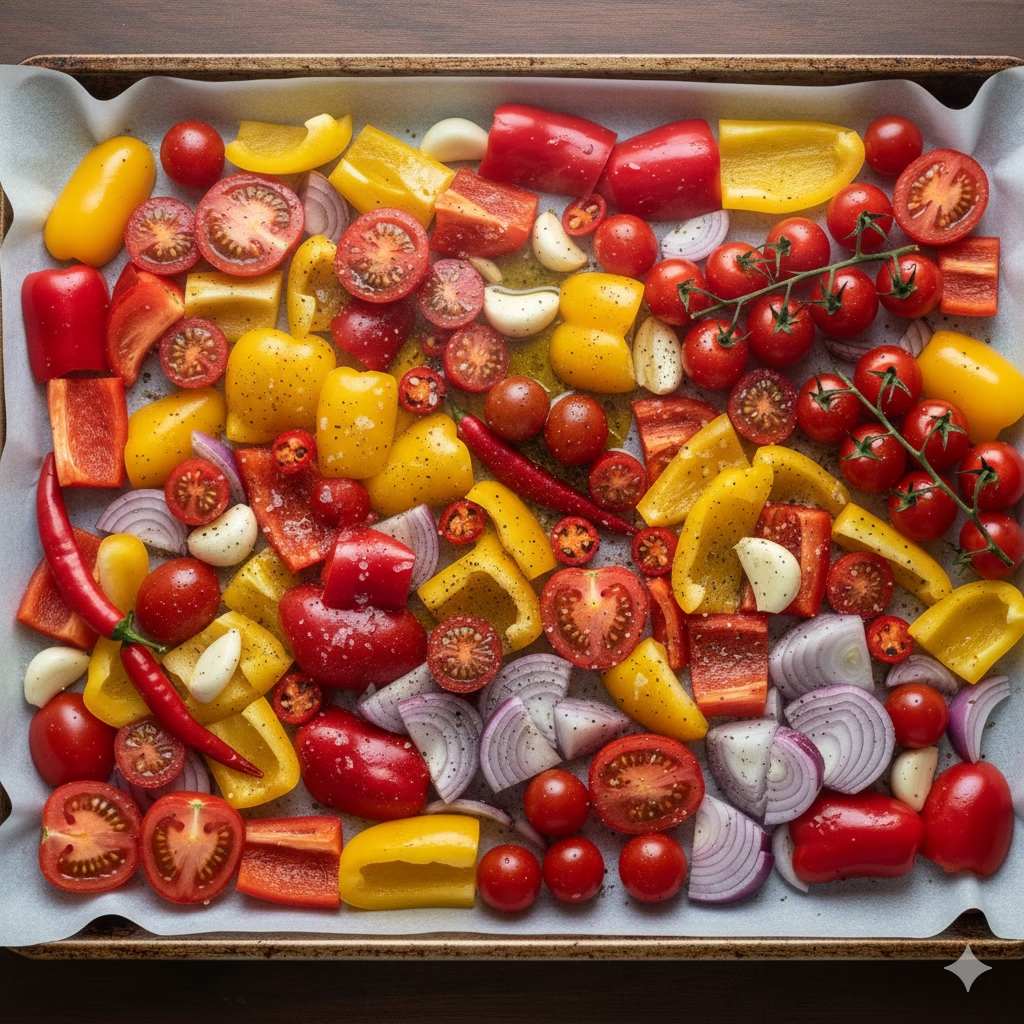
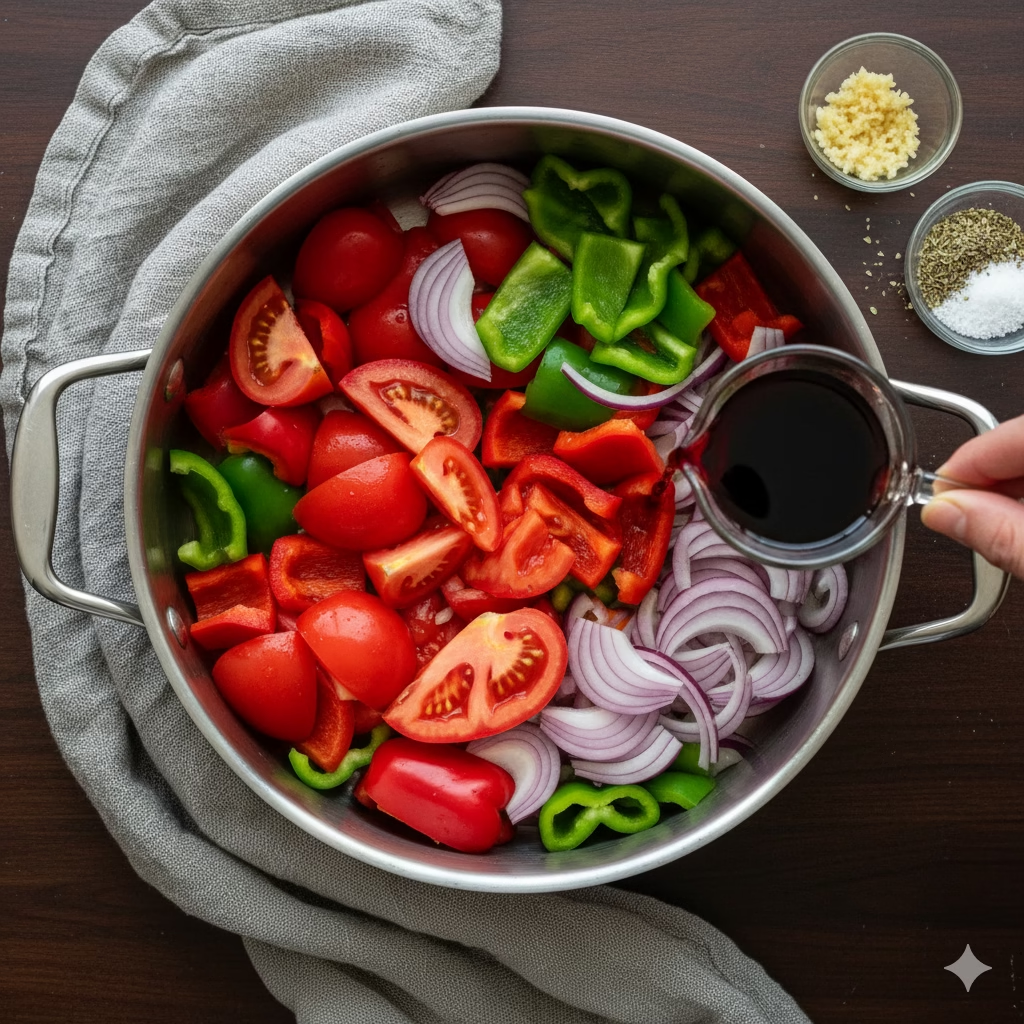
Prepare the Vegetables for Roasting: Preheat your oven to 400°F (200°C). Line a large baking sheet with parchment paper for easy cleanup. Wash the tomatoes, bell peppers, and chillies thoroughly. Halve the bell peppers and remove the seeds and white membranes. If using fresh chillies, halve them and decide whether to remove the seeds for less heat, or leave them in for a spicier kick. Roughly chop the red onion. Peel the garlic cloves. You can leave the smaller tomatoes, like cherry tomatoes, whole. Cut larger tomatoes (like Roma) into halves or quarters.


Roast the Vegetables: On the prepared baking sheet, spread out the chopped tomatoes, bell peppers, red onion, garlic cloves, and fresh chillies (if using). Drizzle generously with 2 tablespoons of olive oil. Season with a good pinch of salt and freshly ground black pepper. Toss everything gently with your hands to ensure the vegetables are evenly coated. Place the baking sheet in the preheated oven and roast for 30-40 minutes, or until the vegetables are tender and slightly charred around the edges. This roasting process intensifies their natural sweetness and creates a wonderful smoky flavor.


Cool and Peel (Optional): Once roasted, carefully remove the baking sheet from the oven. Allow the vegetables to cool for about 10-15 minutes. If you prefer a smoother sauce without any skin, you can now easily peel the skin off the bell peppers. The roasting process makes the skin loosen and it should come off easily. You can also remove the skins from the larger tomatoes if you wish, though it’s not strictly necessary for flavor and adds fiber.

Transfer to a Pot: Carefully transfer all the roasted vegetables, including any juices accumulated on the baking sheet, into a large pot or Dutch oven.

Simmer and Season: Add the dried oregano and dried basil to the pot. If you’re using dried chilli flakes instead of fresh chillies, add them now. Give everything a good stir. Bring the mixture to a gentle simmer over medium heat. Reduce the heat to low, cover, and let it simmer for 30-45 minutes. This slow simmering allows the flavors to meld beautifully and for the vegetables to become incredibly tender. Stir occasionally to prevent sticking. If the sauce seems too thick, you can add a splash of water or vegetable broth.


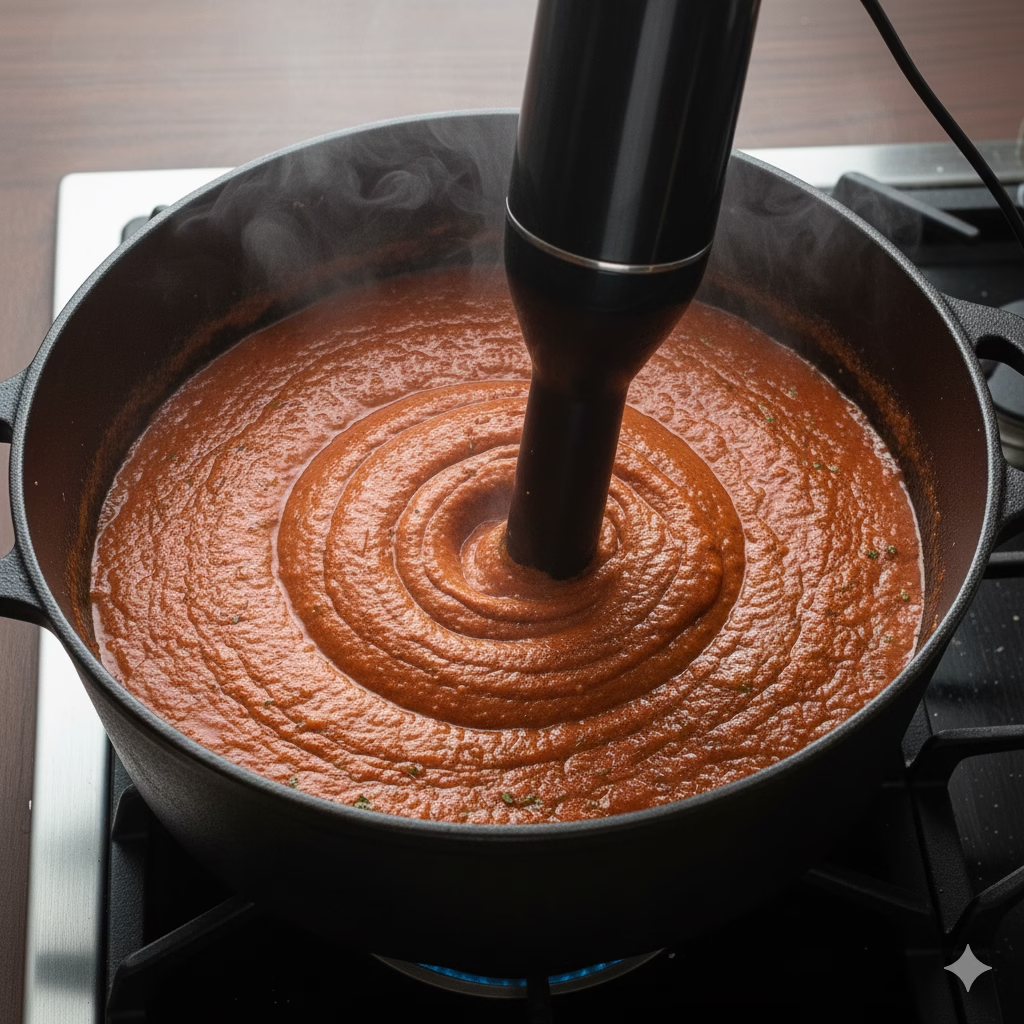
Blend the Sauce: Once the sauce has simmered and the flavors have developed, remove the pot from the heat. Carefully blend the sauce. You can use an immersion blender directly in the pot, blending until you reach your desired consistency – chunky for a rustic feel, or smooth for a more refined sauce. Alternatively, carefully transfer the hot mixture in batches to a standard blender. If using a standard blender, ensure the lid has a vent and cover it with a kitchen towel to prevent pressure buildup. Blend until smooth.


Final Adjustments: Taste the Tomato & Pepper Sauce and adjust the seasoning as needed. You might want to add more salt, pepper, or a pinch of sugar if your tomatoes weren’t very sweet. This is also the time to stir in 1 tablespoon of balsamic vinegar, if using, for an extra layer of complexity and a slight tangy note.

Serve and Enjoy: Your homemade Tomato & Pepper Sauce is now ready! Serve it hot with your favorite pasta, as a base for pizza, or alongside grilled vegetables or meats. Garnish with fresh basil leaves if desired.


Alternative Cooking Methods for Your Tomato & Pepper Sauce

While roasting is fantastic for depth of flavor, here are other healthy methods for preparing your Tomato & Pepper Sauce:

Stovetop Method (Non-Roasted)

  • Prep: Chop all vegetables (tomatoes, bell peppers, onion, garlic, chilli) into smaller, even pieces.
  • Sauté: Heat olive oil in a large pot or Dutch oven over medium heat. Add chopped onion and sauté until softened, about 5-7 minutes. Add garlic and chilli (fresh or flakes) and cook for another minute until fragrant.
  • Simmer: Add chopped bell peppers and cook for 5-8 minutes until slightly softened. Then add chopped tomatoes, dried oregano, dried basil, salt, and pepper. Bring to a simmer, then reduce heat, cover, and cook for 45-60 minutes, stirring occasionally, until vegetables are very tender and the sauce has thickened.
  • Blend: Blend to your desired consistency using an immersion or standard blender. Adjust seasoning. This method results in a slightly brighter, fresher-tasting sauce.


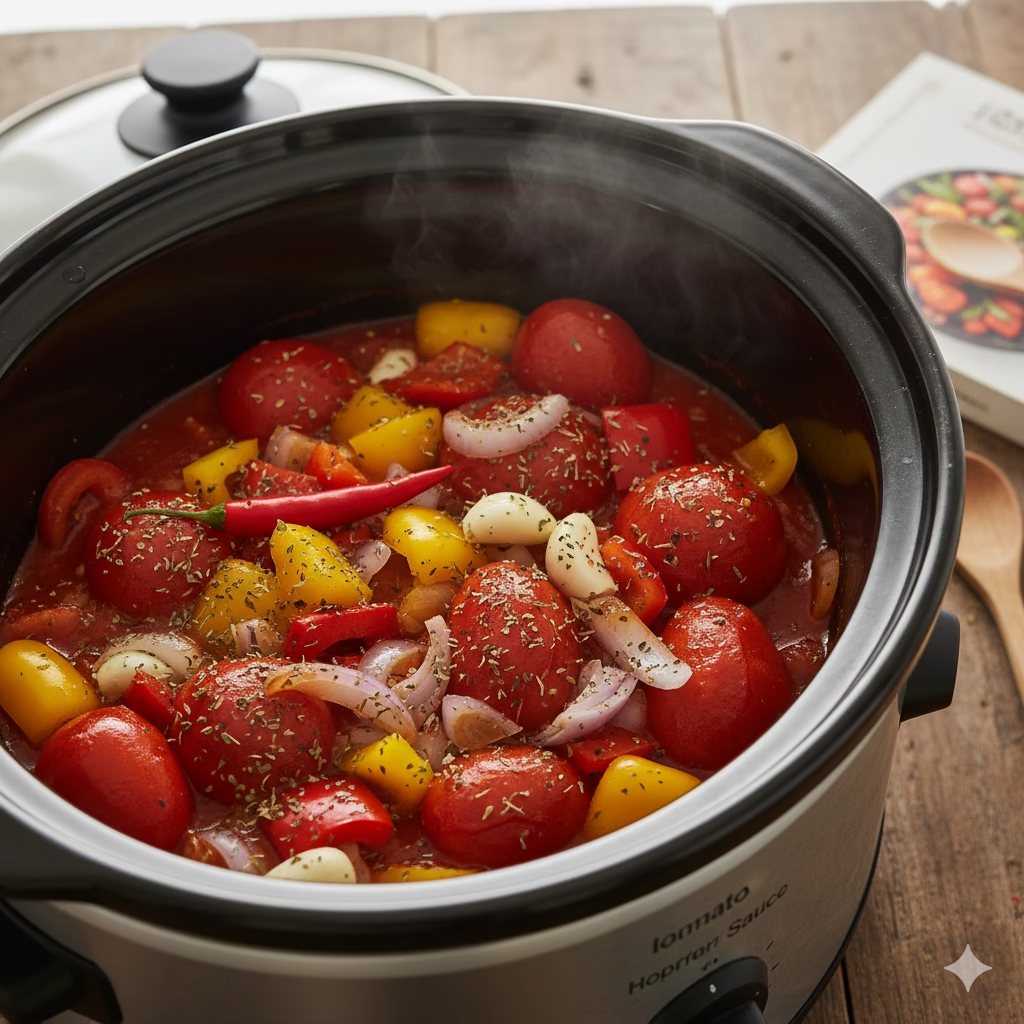
Slow Cooker Method

  • Prep: Roughly chop all vegetables (tomatoes, bell peppers, onion, garlic, chilli).
  • Combine: Place all chopped vegetables, olive oil, dried oregano, dried basil, salt, and pepper into your slow cooker. Stir to combine.
  • Cook: Cook on low for 6-8 hours or on high for 3-4 hours, until vegetables are very tender and flavors have melded.
  • Blend: Carefully transfer the mixture to a standard blender (or use an immersion blender in the slow cooker if suitable) and blend until smooth or desired consistency. Adjust seasoning. This method is great for hands-off cooking and deeply developed flavors.

Benefits of This Homemade Tomato & Pepper Sauce


Making your own Tomato & Pepper Sauce isn’t just about taste; it’s a powerhouse of nutritional benefits.

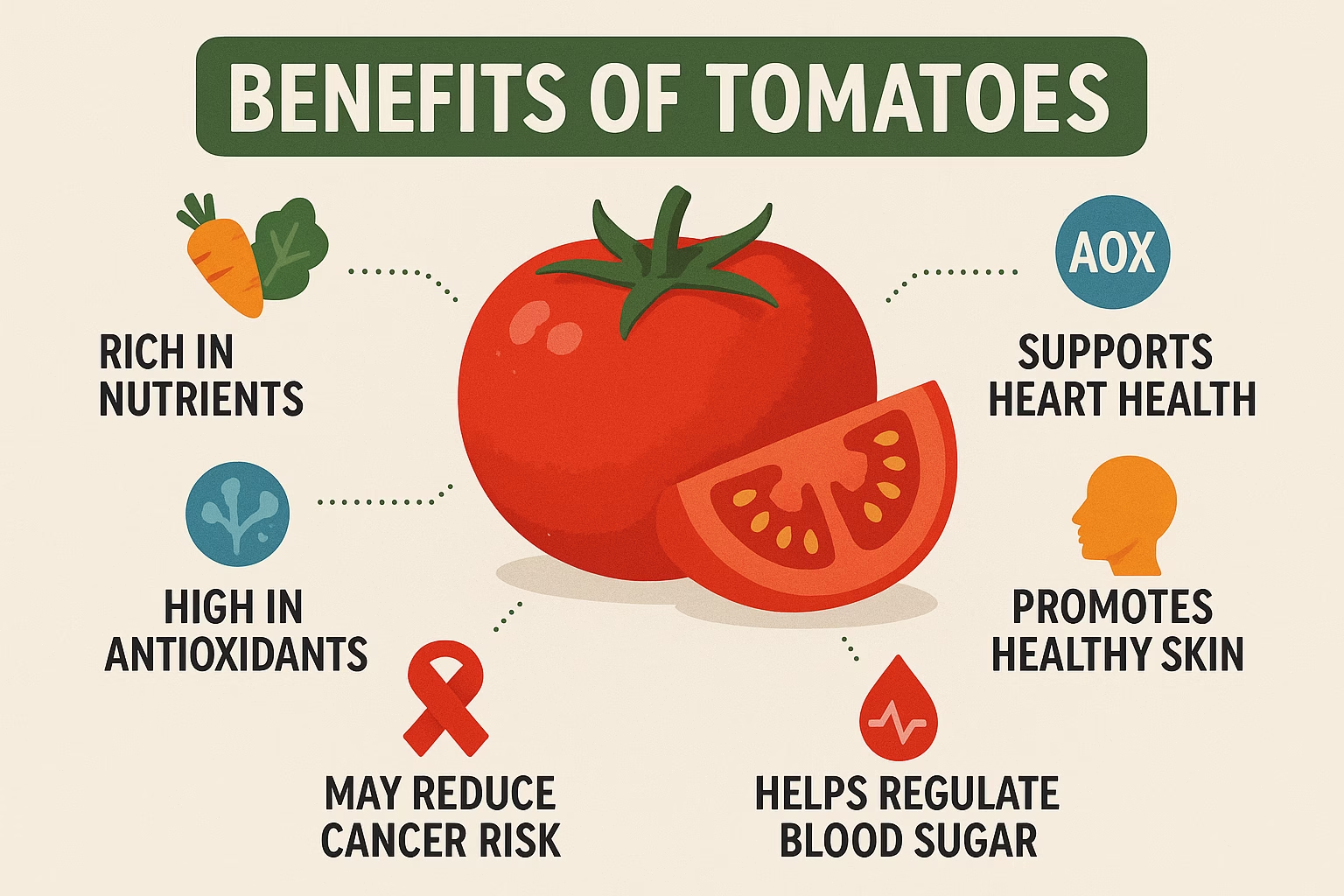
Rich in Antioxidants: Tomatoes are famously high in lycopene, a powerful antioxidant known for its potential to reduce the risk of certain cancers and promote heart health. Bell peppers are also packed with antioxidants like Vitamin C and carotenoids, which help protect your cells from damage.

Boosts Immunity: The high Vitamin C content from both tomatoes and bell peppers supports a robust immune system, helping your body fight off illness.

Heart Health: Olive oil, a staple in this recipe, is a healthy monounsaturated fat that can help lower bad cholesterol levels. The potassium in tomatoes and peppers also supports healthy blood pressure.

Digestive Health: Both tomatoes and bell peppers are good sources of dietary fiber, which aids in digestion, promotes gut health, and helps maintain stable blood sugar levels.

Customization and Control: By making your own sauce, you control exactly what goes into it. No hidden sugars, excessive sodium, or artificial preservatives often found in store-bought versions. This makes it an ideal choice for those managing specific dietary needs or seeking cleaner eating options.

Versatility: This sauce is a fantastic way to incorporate more vegetables into your diet in a delicious and appealing way.


Variations to Customize Your Tomato & Pepper Sauce


This Tomato & Pepper Sauce recipe is a fantastic starting point. Feel free to experiment and make it your own!

VariationDescriptionHow to Achieve
Smoky & RichDeeper, more intense smoky flavor, perfect for BBQ-style dishes or hearty pasta.Add ½ – 1 teaspoon smoked paprika to the vegetables before roasting. A dash of liquid smoke during simmering can also enhance this.
Herbaceous DelightA fresher, more aromatic profile with a variety of herbs.Incorporate fresh rosemary, thyme, or marjoram sprigs into the pot during simmering. Remove before blending. Garnish with plenty of fresh herbs.
Mediterranean TwistAdds a tangy, briny note, ideal for pairing with olives or feta.Stir in 1-2 tablespoons of capers or finely chopped Kalamata olives after blending. A squeeze of fresh lemon juice can also brighten it.
Spicier KickFor those who love heat!Increase the amount of fresh chillies or chilli flakes. Add a pinch of cayenne pepper during simmering.
Vegetable BoostSneak in more nutrients and bulk up the sauce.Roast additional vegetables like zucchini, carrots (finely diced), or eggplant alongside the peppers and tomatoes. They’ll blend in seamlessly.
Creamy IndulgenceA richer, more decadent sauce, while still healthier than store-bought cream sauces.Stir in 2-3 tablespoons of unsweetened cashew cream or a splash of unsweetened almond milk after blending and heat gently.
Sweeter ProfileIf your tomatoes are less ripe, or you prefer a sweeter sauce for kids.A pinch of sugar (¼-½ teaspoon) or a teaspoon of maple syrup can balance the acidity. Roasted carrots also add natural sweetness.

Final Thoughts: Embrace the Flavor of Homemade Tomato & Pepper Sauce


There’s an undeniable satisfaction that comes from creating something delicious and wholesome from scratch. This easy homemade Tomato & Pepper Sauce recipe is more than just a culinary guide; it’s an invitation to rediscover the joy of cooking with fresh ingredients and to savor the vibrant flavors that only homemade can offer. From its rich nutritional profile to its incredible versatility, this sauce is destined to become a staple in your kitchen.

Don’t be intimidated; the process is straightforward, and the rewards are immense. Imagine the aroma filling your home as it simmers, and the delight on your family’s faces as they taste the difference. So, gather your ingredients, set aside a little time, and embark on this delicious journey. Your taste buds, and your health, will thank you. Get cooking and enjoy your exquisite Tomato & Pepper Sauce!


Frequently Asked Questions (FAQs) About Tomato & Pepper Sauce

Q1: How long can I store this homemade Tomato & Pepper Sauce?

A1: Your homemade Tomato & Pepper Sauce can be stored in an airtight container in the refrigerator for up to 5-7 days. For longer storage, it freezes beautifully! Portion it into freezer-safe containers or bags, and it will keep in the freezer for up to 3-4 months. Thaw in the refrigerator overnight before use or gently reheat from frozen on the stovetop.

Q2: Can I use canned tomatoes instead of fresh?

A2: While fresh, ripe tomatoes are highly recommended for the best flavor in this Tomato & Pepper Sauce, you can certainly use good quality canned tomatoes as a substitute, especially when fresh tomatoes are out of season. Opt for whole peeled San Marzano tomatoes or crushed tomatoes, and adjust the simmering time as canned tomatoes are already cooked down. You might also want to reduce the salt initially as canned tomatoes can sometimes be saltier.

Q3: What are some other vegetables I can add to this sauce?

A3: Absolutely! This Tomato & Pepper Sauce is highly adaptable. You can roast and blend in other healthy vegetables like zucchini, carrots (which add natural sweetness), eggplant, or even spinach (stirred in at the very end to wilt). Ensure they are cut into similar sizes for even roasting, or add them during the simmering stage if not roasting. This is a fantastic way to boost the nutritional content and flavor complexity.


References


Recent Posts


Onions: All You Need to Know


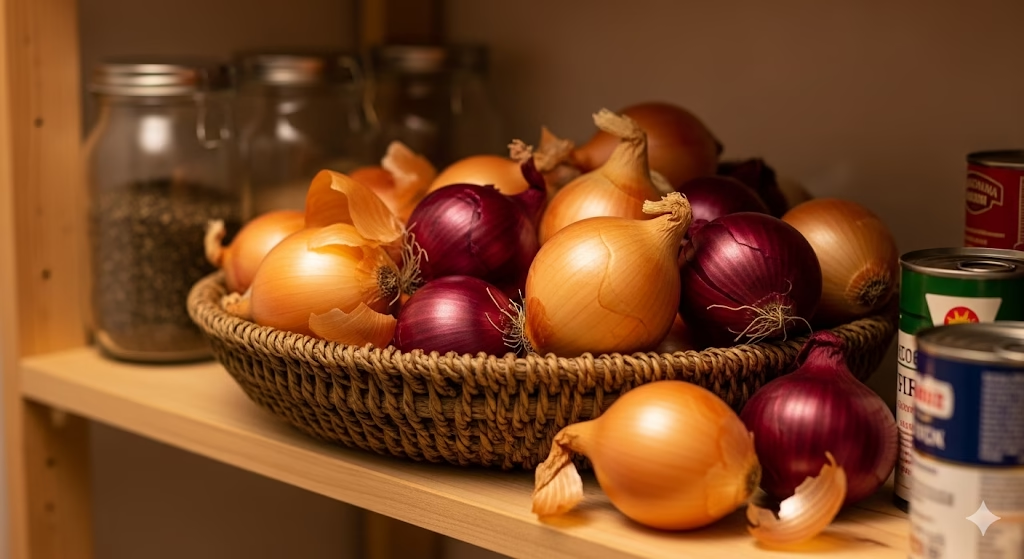
A woven basket overflowing with a variety of onions (yellow, red, and white) sits on a wooden pantry shelf.

Whether you’re a seasoned chef or a home cook, onions are an essential part of nearly every cuisine. This guide will take a deep dive into the world of onions, exploring their nutritional value, health benefits, and how you can incorporate them into your daily cooking. From their pungent aroma to their sweet, caramelized flavor, these are more than just a simple vegetable—they’re a powerhouse of flavor and nutrients.


The Versatility of Onions

Onions, with their distinct layers and pungent aroma, are a fundamental ingredient in kitchens around the globe. They serve as the aromatic base for countless dishes, from hearty stews and savory sauces to light salads and stir-fries. Beyond their ability to add depth and flavor, these humble bulbs are packed with a surprising array of nutrients that can support your overall well-being.

Many of us simply see these as a culinary necessity, something we chop, sauté, and add to a dish without much thought. Yet, their role extends far beyond being just a simple flavor enhancer. The compounds responsible for that tear-jerking effect are also the ones that provide significant health benefits, making onions a true superfood in disguise.


Unlocking the Power of Different Onions

From the sharp bite of a raw red onion on a burger to the sweet, mellow flavor of caramelized yellow onions, each type of onion offers a unique culinary experience. Understanding these differences can help you choose the right onion for the right recipe, unlocking a world of new flavors.

This article will not only cover the nutritional facts and health benefits of onions but also provide a simple, healthy, and delicious recipe that highlights their natural goodness. We’ll explore why they are so good for you, from their antioxidant properties to their potential to support heart health.

So, get ready to peel back the layers and discover everything you need to know about this incredible vegetable. We’ll show you how to prepare and cook them in a way that maximizes both flavor and health, proving that good food can also be good for you.


Onions: A Healthy and Delicious Recipe


Servings: 4


Equipment

  • Large skillet or frying pan
  • Spatula or wooden spoon
  • Cutting board
  • Sharp knife

Time to Prepare

  • Prep Time: 15 minutes

Time to Cook/Blend

  • Cook Time: 25 minutes

Nutritional Profile


Per serving (approximate):

  • Calories: 150 kcal
  • Protein: 4g
  • Fat: 9g
  • Carbohydrates: 14g
  • Fiber: 4g
  • Sugar: 8g
  • Vitamin C: 15% Daily Value
  • Vitamin B6: 10% Daily Value
  • Manganese: 8% Daily Value
  • Potassium: 6% Daily Value

Ingredients


  • 3 medium yellow onions, thinly sliced
  • 2 tablespoons olive oil
  • 1 teaspoon dried thyme
  • 4 cups low-sodium vegetable or chicken broth
  • 1 baguette, sliced into 1-inch thick pieces
  • 4 ounces Gruyère cheese, grated (or a non-dairy alternative)
  • Salt and black pepper to taste

Instructions: Caramelized Onion Soup


Preparation: Start by peeling the onions. Place them on a cutting board and slice off the top stem and the root end. Cut the onion in half from top to bottom. Place the flat side down and carefully slice the onion into thin, crescent-shaped strips. Repeat this for all three onions.

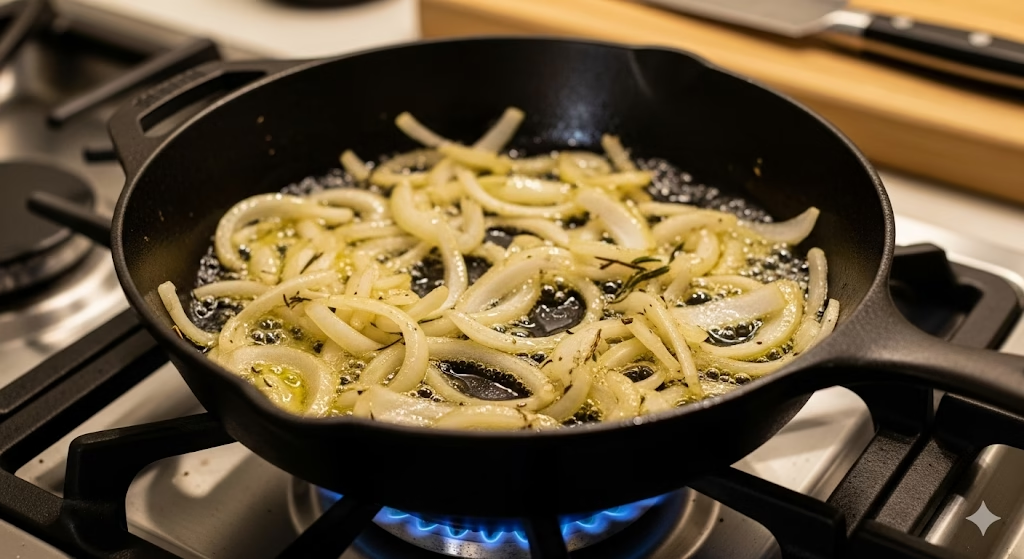
Sauté the Onions: Heat the olive oil in a large skillet or frying pan over medium-low heat. Add the sliced onions to the pan. This is the most crucial step, as it develops the rich, sweet flavor. Cook them slowly, stirring occasionally, for about 20-25 minutes. They will gradually soften, turn golden brown, and become incredibly sweet. This process requires patience—don’t rush it by turning up the heat, or they will burn instead of caramelize.

Add Flavor: Once the onions are a deep golden brown, sprinkle in the dried thyme, salt, and black pepper. Stir to combine and cook for another minute until the herbs are fragrant.


Simmer the Soup: Pour the vegetable or chicken broth into the skillet with the caramelized onions. Stir well, scraping up any delicious browned bits from the bottom of the pan. Bring the mixture to a gentle boil, then reduce the heat to low, cover, and let it simmer for 10 minutes to allow the flavors to meld together.

Prepare the Toast: While the soup is simmering, toast the baguette slices. You can do this in a toaster, a dry skillet, or under the broiler for a couple of minutes until golden and crisp.

Serving: Ladle the hot soup into four oven-safe bowls. Top each bowl with a toasted baguette slice and a generous sprinkle of grated Gruyère cheese.

Broil: Place the bowls on a baking sheet and carefully transfer them to the oven. Broil on high for 2-3 minutes, or until the cheese is melted, bubbly, and a beautiful golden brown. Be sure to watch them closely to prevent burning. Serve immediately.


Alternative Cooking Methods

  • Slow Cooker Method: If you have a slow cooker, you can caramelize the onions on the “low” setting for 4-6 hours. This is a hands-off method that still produces wonderfully sweet and tender onions. Follow the same steps as above, simply transferring the ingredients to the slow cooker after the initial sauté in olive oil.
  • Instant Pot Method: The Instant Pot can significantly reduce the cooking time. Use the “Sauté” function to caramelize the onions for about 10-15 minutes. Then, add the broth and other ingredients, seal the lid, and cook on “Pressure Cook” for 5 minutes. The high pressure quickly melds the flavors together.

Onions: Health Benefits You Shouldn’t Ignore


Onions are more than just a tasty addition to your meals; they are packed with health-promoting compounds. Here’s a closer look at some of the key benefits.

Rich in Antioxidants

They are an excellent source of antioxidants, particularly flavonoids like quercetin. These compounds help fight inflammation and protect your cells from damage caused by free radicals, which can contribute to chronic diseases. Quercetin, in particular, has been studied for its potential anti-inflammatory and anti-cancer properties.

Supports Heart Health

The sulfur compounds in onions, such as allicin and diallyl disulfide, are known to help reduce cholesterol and triglyceride levels. They can also help lower blood pressure and prevent blood clots, all of which contribute to a healthier cardiovascular system.


Boosts Bone Density

Emerging research suggests that regular consumption may help improve bone density. The high concentration of sulfur compounds and other antioxidants found in onions could help reduce oxidative stress, which is a factor in bone loss, particularly in women going through menopause.

A Natural Source of Prebiotics

Onions contain prebiotics like fructans and inulin, which act as food for the beneficial bacteria in your gut. A healthy gut microbiome is linked to improved digestion, better immune function, and even mental well-being.


Onions: Common Culinary Variations


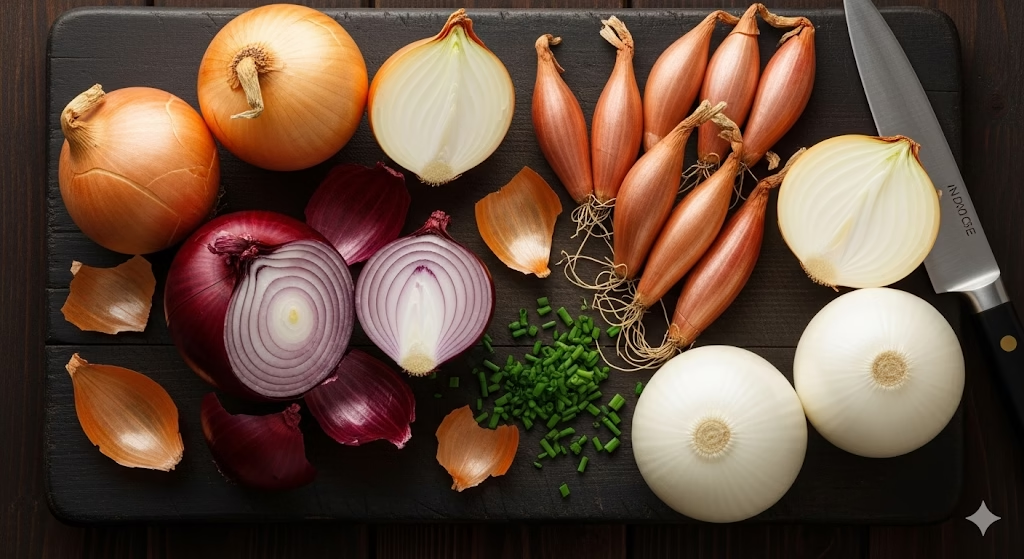
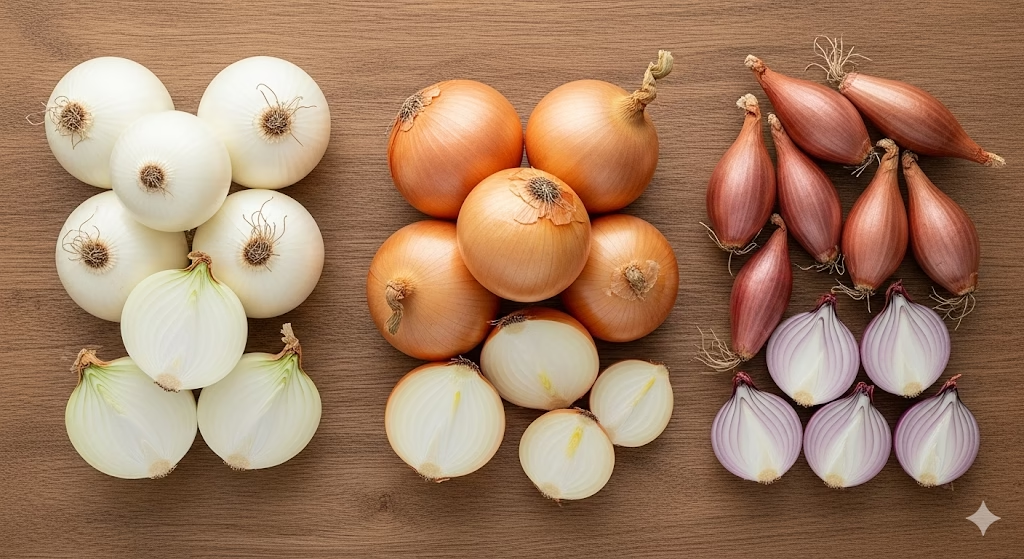
Onion TypeBest for…Flavor Profile
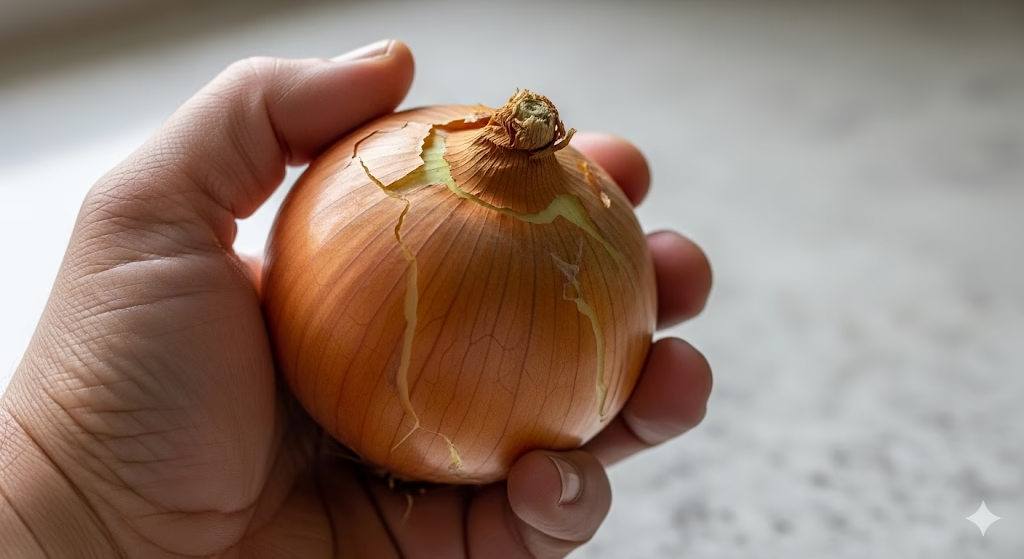
Yellow Caramelizing, sautéing, soups, stews, and roastsPungent when raw, becomes sweet and mild when cooked
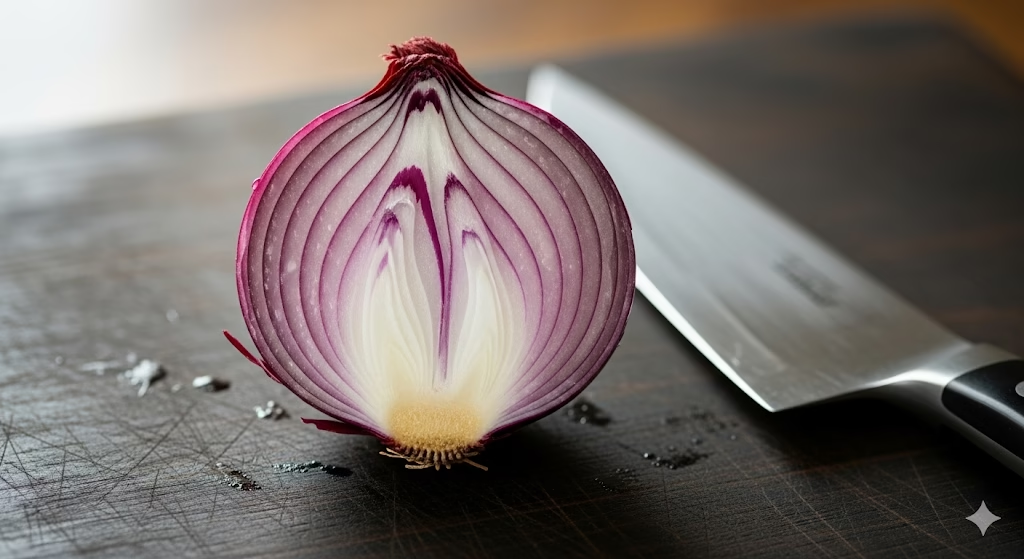
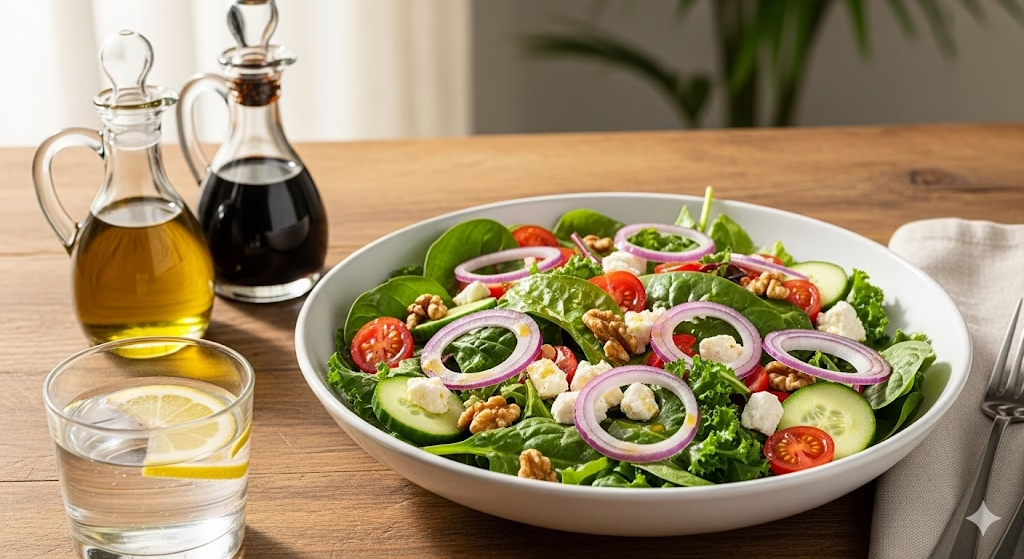
Red Salads, sandwiches, pickling, and grillingMild and slightly sweet with a beautiful vibrant color; great raw
White Mexican cuisine, salsas, dips, and fryingSharp and pungent flavor; a go-to for a strong onion taste
ShallotsDressings, sauces, and delicate dishesMilder and sweeter than other onions, with a hint of garlic
Sweet Onions (Vidalia, Walla Walla)Raw on burgers, onion rings, and baked dishesVery low sulfur content, making them exceptionally mild and sweet


What are the Potential Drawbacks of Eating Onions?

While onions are incredibly healthy for most people, they do have a few potential drawbacks. For some individuals, the fructans can be difficult to digest, leading to gas, bloating, and other digestive discomforts. This is particularly true for those with Irritable Bowel Syndrome (IBS) or other sensitive digestive systems.

Another common side effect is heartburn or acid reflux, especially when consuming them raw. The strong sulfur compounds can sometimes trigger or worsen these symptoms. As with any food, moderation and listening to your body are key.


Final Thoughts on Onions


Whether you’re looking to boost the flavor of your favorite dishes or add more nutrient-dense foods to your diet, onions are a perfect choice. From the humble yellow ones in your pantry to the sweet red onion in your salad, this versatile vegetable offers an incredible range of culinary possibilities and impressive health benefits. By incorporating more onions into your cooking, you’re not only adding flavor but also supporting your overall health in a simple and delicious way. So, next time you’re in the kitchen, don’t forget to peel back the layers of this incredible superfood.


Frequently Asked Questions (FAQs)

Q: Do onions lose their health benefits when cooked?

A: While cooking can reduce some of the water-soluble vitamins like Vitamin C, the beneficial antioxidant compounds, such as quercetin, are surprisingly stable and may even become more bioavailable when cooked. Caramelizing, in particular, enhances the sweetness and flavor without significantly compromising the key health benefits.

Q: What’s the best way to store onions to keep them fresh?

A: Onions should be stored in a cool, dry, and dark place with good air circulation. A pantry or cellar is ideal. Avoid storing them in plastic bags, as this traps moisture and can lead to spoilage. Also, keep them away from potatoes, as both release gases that can cause the other to spoil faster.


References

  1. Healthline – Benefits of Onions
  2. clevelandclinic – Stop the Tears: Why Onions Are Good for You
  3. Onions-USA – Onion Health Research

Recent Posts


12 Spices And Their Amazing Benefits In Healthy Living


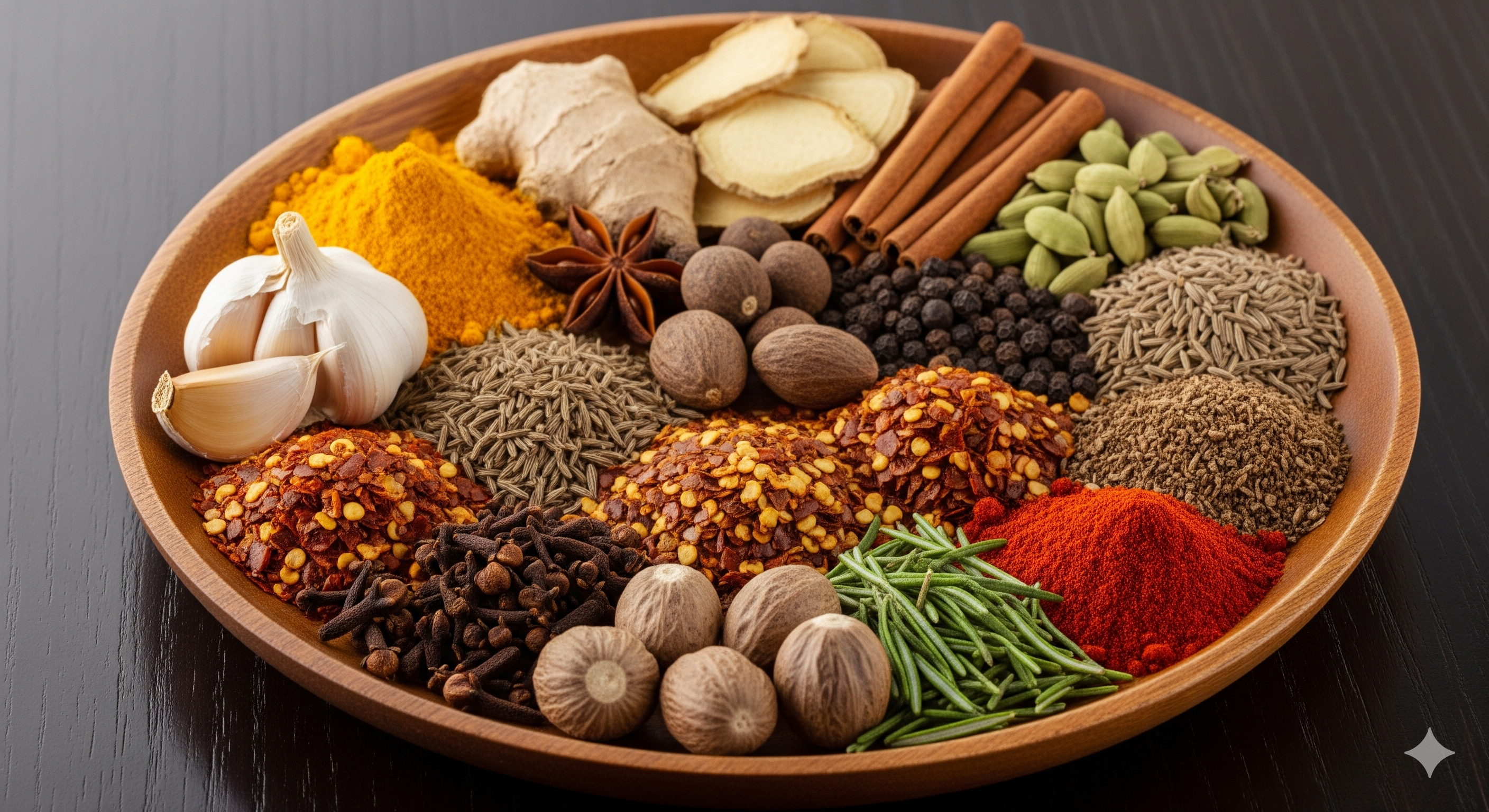
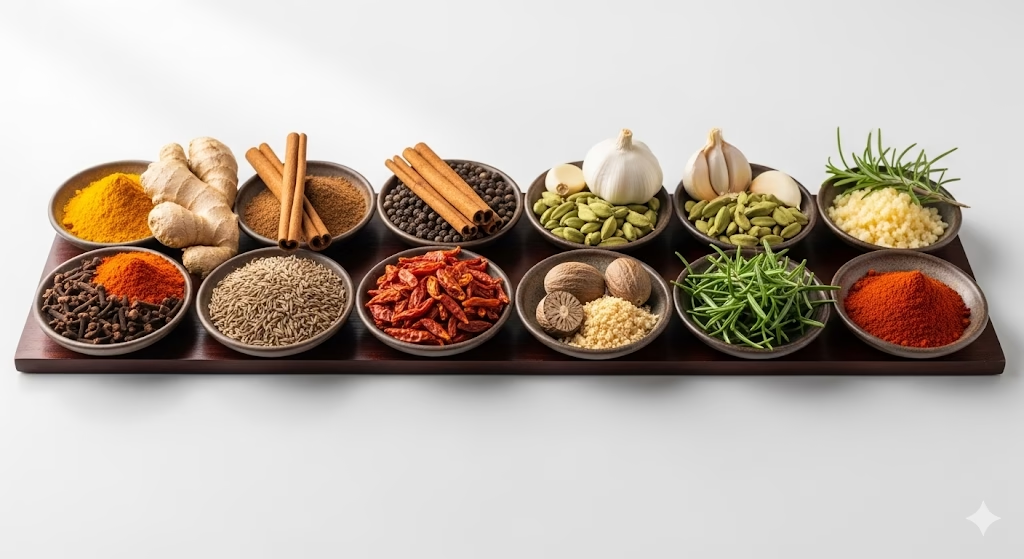
A high-resolution, horizontal, close-up image of a wide, round wooden bowl filled with a variety of colorful spices. The spices are arranged in separate piles: bright yellow turmeric powder, knobby ginger root slices, cinnamon sticks, green cardamom pods, whole black peppercorns, cumin seeds, garlic cloves, star anise, whole nutmegs, whole cloves, red chili flakes, fresh rosemary sprigs, and a pile of vibrant red paprika powder. The bowl is set against a dark wood background, and the natural lighting highlights the texture and color of each ingredient.
12 spices in a bowl

Discover the incredible power of common spices to transform your health and well-being. This guide explores the amazing benefits of incorporating these potent ingredients into your daily routine. Learn how these flavorful additions can do more than just make your food taste good—they can significantly improve your healthy living journey.


The Secret Ingredient to a Healthier You

In the quest for a healthier lifestyle, many of us focus on nutrient-dense foods, regular exercise, and proper hydration. While these are undoubtedly crucial, there’s a world of powerful, often overlooked, ingredients hiding in plain sight: spices. These small but mighty flavor enhancers have been used for thousands of years, not just for culinary purposes, but for their profound medicinal properties. Ancient civilizations recognized their ability to heal, protect, and restore the body, and modern science is now catching up, validating what our ancestors knew intuitively.

Spices are derived from various parts of plants, including seeds, bark, roots, and fruits. Their intense flavors and vibrant colors are a direct result of the high concentration of bioactive compounds they contain. These compounds, such as curcumin in turmeric or allicin in garlic, are responsible for their potent health benefits. They act as antioxidants, anti-inflammatories, and antimicrobial agents, working synergistically with your body to support overall wellness.


A Global Pantry of Healing Spices

Think of your spice rack not just as a collection of seasonings, but as a mini-apothecary. Each jar holds a unique key to unlocking different aspects of your health. By incorporating a variety of spices into your daily cooking, you’re not just adding a dash of flavor; you’re infusing your meals with a dose of natural medicine. This simple act can help ward off chronic diseases, improve digestion, boost your immune system, and even enhance your mood.

This article will delve into the incredible world of 12 of the most beneficial spices you can easily find and use. We’ll explore their unique properties and how they can be a simple, yet powerful, addition to your journey toward healthy living. We’ll also provide a delicious, easy-to-follow recipe that showcases how these powerful ingredients can be combined for maximum benefit, proving that healthy eating can be both delicious and incredibly effective.

Get ready to transform your kitchen into a hub of health and wellness. This guide will show you how to harness the power of these flavorful ingredients to feel your best every single day.


The Recipe: A Golden Turmeric and Ginger Elixir

Servings: 2

Time to Prepare: 5 minutes

Time to Cook/Blend: 5 minutes


Equipment


  • A small saucepan
  • A whisk or spoon
  • A blender or a handheld frother
  • Mugs or glasses for serving

Nutritional Information (per serving, approximate):

Calories: 120-150 kcal

Protein: 2-3 g

Fat: 5-7 g

Carbohydrates: 15-20 g

Fiber: 2-3 g

This can vary based on the specific milk and sweetener used.


Ingredients


  • 2 cups of unsweetened plant-based milk (almond, coconut, or oat milk work well)
  • 1-inch piece of fresh ginger, peeled and thinly sliced
  • 1 teaspoon of ground turmeric
  • 1/2 teaspoon of ground cinnamon
  • A pinch of black pepper (crucial for turmeric absorption)
  • 1 tablespoon of maple syrup or honey (or to taste)
  • 1/4 teaspoon of ground cardamom
  • A dash of nutmeg
  • Optional: a splash of vanilla extract

Instructions


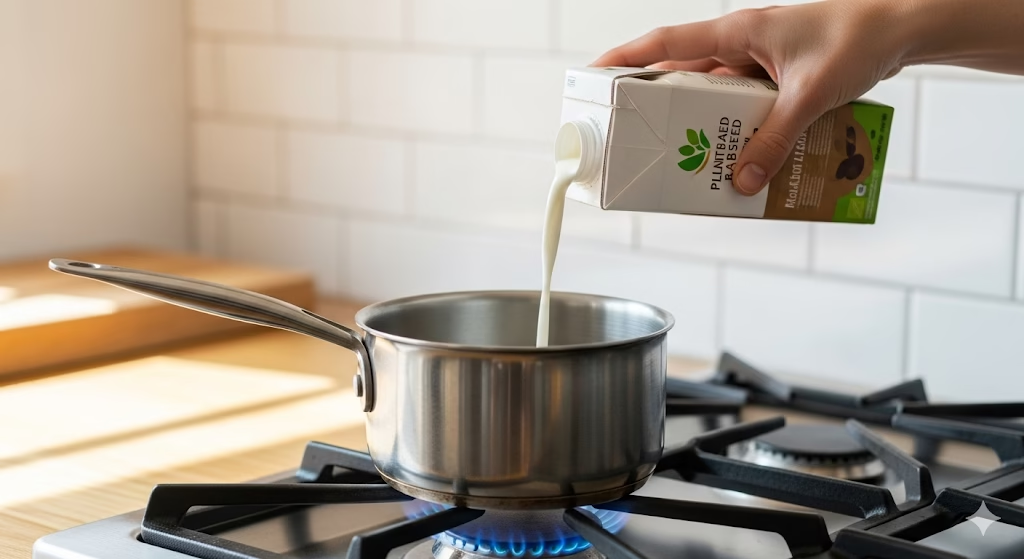
Gently Heat the Milk: Pour the plant-based milk into a small saucepan. Place it on the stove over medium-low heat. You want to warm the milk gently, not boil it.

Add the Spices: Add the sliced ginger, ground turmeric, cinnamon, black pepper, cardamom, and nutmeg to the warming milk. The black pepper is essential as it contains piperine, which dramatically increases your body’s ability to absorb the beneficial compound in turmeric. Whisk the mixture continuously to prevent lumps from forming and to ensure the spices are well-distributed.

Infuse and Simmer: Let the mixture simmer for 3-5 minutes. This low and slow heating process allows the flavors of the fresh ginger and the other spices to fully infuse into the milk, creating a richer, more aromatic base.

Strain and Sweeten: Carefully pour the spiced milk mixture through a fine-mesh strainer into your blender to remove the pieces of ginger. This step ensures a smooth, silky texture. Return the strained liquid to the saucepan.

Finish and Serve: Whisk in the maple syrup or honey and a splash of vanilla extract if you are using it. For a frothy texture, you can use a handheld frother directly in the saucepan or pour the liquid into a blender and blend on low speed for 30 seconds. This will create a delightful, creamy top. Pour the finished elixir into mugs and enjoy it warm.


12 Health-Boosting Spices and Their Benefits


The Power of Spices for Wellness

Spices are more than just seasonings. They are concentrated sources of powerful antioxidants, anti-inflammatory compounds, and essential nutrients that can significantly enhance your health. Here are 12 of the most potent spices and their incredible benefits.

1. Turmeric Spices


Benefits: Known for its active compound, curcumin, turmeric is a potent anti-inflammatory and antioxidant. It can help reduce joint pain, improve brain function, and support heart health.

In Your Kitchen: Turmeric is a star in curries, stews, and soups. You can also add it to roasted vegetables or blend it into smoothies and wellness shots. As featured in our recipe, it’s the key ingredient in a soothing golden milk latte.

2. Ginger Spices

Benefits: A powerful digestive aid, ginger can soothe an upset stomach, reduce nausea, and ease indigestion. Its anti-inflammatory properties also make it effective for managing muscle pain and soreness.

In Your Kitchen: Fresh ginger adds a zesty kick to stir-fries and marinades. Ginger tea is a classic remedy for nausea, and you can add grated ginger to smoothies or bake it into muffins and breads.

3. Cinnamon

Benefits: Beyond its warm, sweet flavor, cinnamon is known for its ability to help regulate blood sugar levels. It can also improve insulin sensitivity and is rich in antioxidants.

In Your Kitchen: Sprinkle cinnamon on your morning oatmeal, add it to your coffee, or use it in baking. It’s also a fantastic addition to savory dishes, like chili or slow-cooked meat.

4. Black Pepper

Benefits: The king of spices! Black pepper contains piperine, a compound that enhances the bioavailability of other nutrients, especially curcumin from turmeric. It also has digestive and antioxidant benefits.

In Your Kitchen: Freshly ground black pepper is a universal seasoning. Use it to finish savory dishes, from eggs and salads to meats and vegetables. Always pair it with turmeric to unlock the full potential of curcumin.

5. Garlic

Benefits: A staple in many kitchens, garlic is a powerful immune booster. It contains allicin, a sulfur compound with potent antimicrobial and antibacterial properties that can help fight off infections.

In Your Kitchen: Garlic can be used raw in dressings or minced and sautéed as a base for sauces, soups, and stir-fries. Roast whole garlic cloves for a sweet, caramelized flavor that’s perfect for spreading on toast.

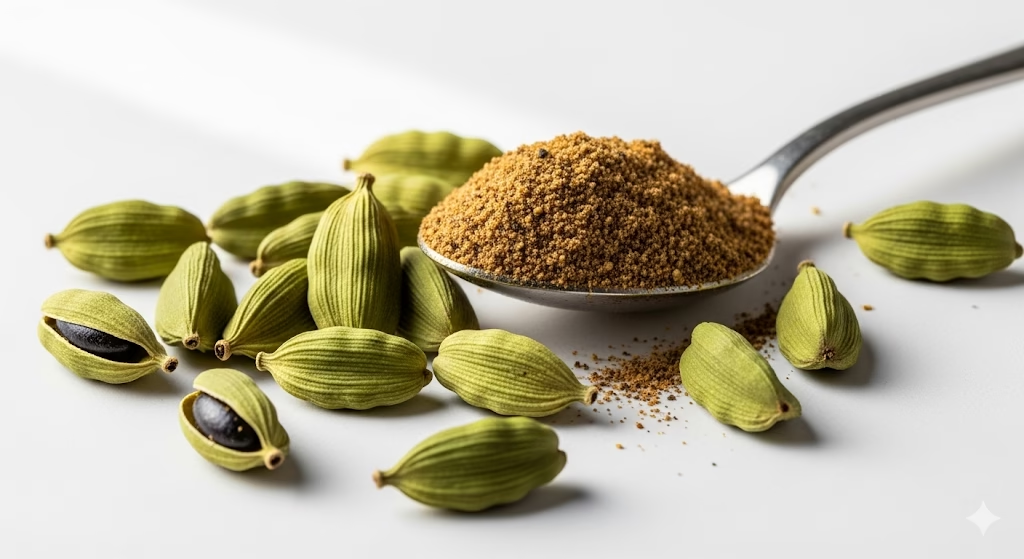
6. Cardamom Spices


Benefits: This fragrant spice is a natural breath freshener. It also has diuretic properties that can help lower blood pressure and is used in traditional medicine to support digestion and fight inflammation.

In Your Kitchen: Cardamom adds a unique, aromatic flavor to both sweet and savory dishes. Use it in baked goods, rice pilafs, and curries, or add a few pods to your coffee or tea.

7. Cumin

Benefits: Cumin is excellent for digestion and can help prevent bloating and gas. It’s also a good source of iron and has compounds that have been shown to help lower cholesterol.

In Your Kitchen: Cumin is a foundational spice in many cuisines, including Mexican, Middle Eastern, and Indian. Use it to season tacos, chili, roasted chickpeas, or vegetables.

8. Cayenne Pepper


Benefits: The heat from cayenne comes from capsaicin, a compound that can boost metabolism and act as a natural pain reliever. It can also help improve blood circulation.

In Your Kitchen: A small pinch of cayenne can add a warming kick to any dish. Sprinkle it on eggs, soups, and stews, or use it in marinades for a fiery flavor.

9. Cloves

Benefits: Cloves are incredibly high in antioxidants and have strong antimicrobial properties. They can help relieve toothaches and are used to support liver health.

In Your Kitchen: Whole cloves are often used to flavor mulled wine, hot ciders, and pot roasts. Ground cloves are a key ingredient in many baking recipes, like gingerbread and apple pie.

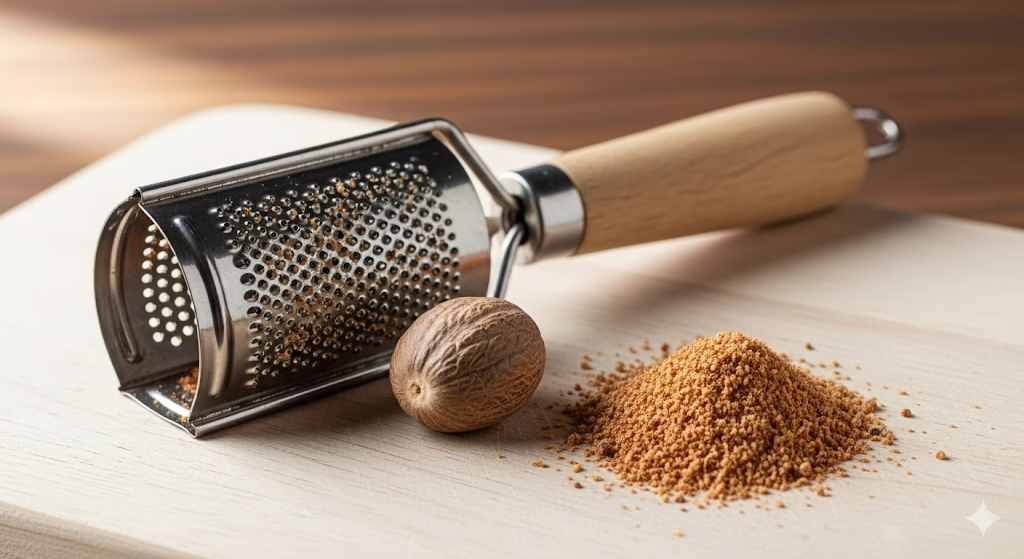
10. Nutmeg Spices


Benefits: A little goes a long way with nutmeg. It’s known for its calming properties and can aid in sleep. It also contains powerful antioxidants and can help improve brain health.

In Your Kitchen: Freshly grated nutmeg has the best flavor. Sprinkle it over creamy sauces, baked goods, custards, or on top of a warm beverage like our golden elixir.

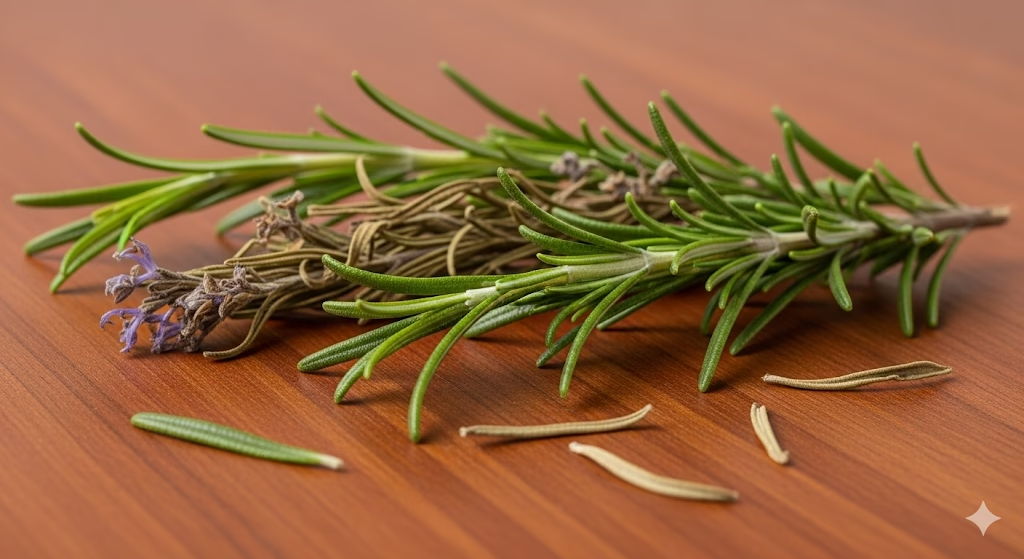
11. Rosemary


Benefits: This aromatic herb is rich in antioxidants and anti-inflammatory compounds. Rosemary can help improve memory and concentration and is often used to support brain health.

In Your Kitchen: Rosemary pairs beautifully with roasted meats like chicken and lamb. It also enhances the flavor of roasted potatoes and root vegetables and can be used to infuse olive oil.

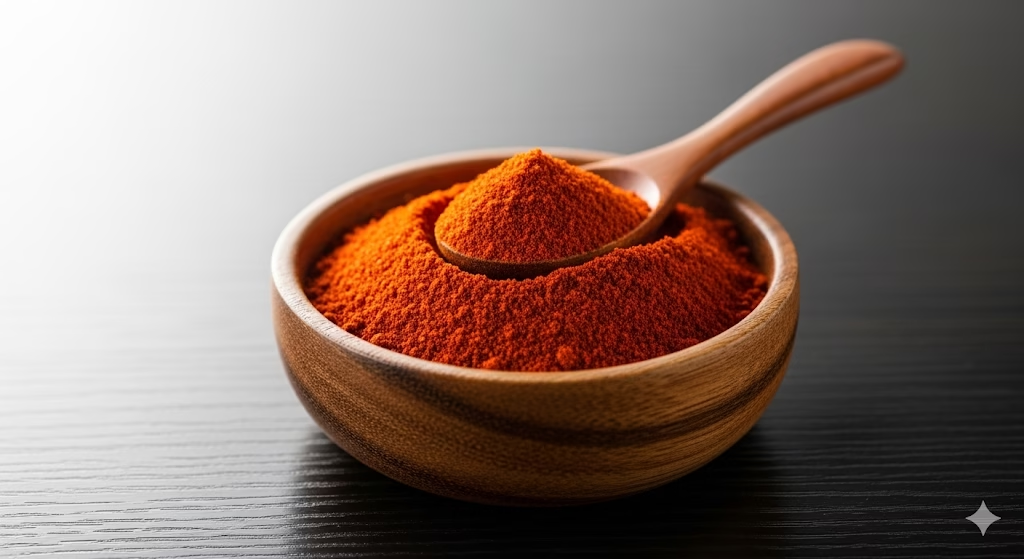
12. Paprika Spices


Benefits: Made from ground sweet peppers, paprika is rich in carotenoids, which are powerful antioxidants. It’s also a good source of Vitamin A and can support healthy vision and reduce inflammation.

In Your Kitchen: Paprika adds a vibrant color and mild, smoky flavor to dishes. Use it in rubs for chicken and fish, sprinkle it over deviled eggs, or stir it into stews and goulash.


Variations and Customization

Variation TypeHow to CustomizeNotes
Nutritional BoostAdd 1 tablespoon of ground flaxseed or chia seeds to the blender.Adds fiber, protein, and omega-3 fatty acids for a thicker, more satiating drink.
Sweetness LevelAdjust the amount of maple syrup or honey, or use a natural, zero-calorie sweetener like stevia.Tailor to your personal preference without sacrificing flavor.
Flavor ProfileAdd a pinch of star anise or a fresh basil leaf for an unexpected twist.Experiment with different herbs to create a unique flavor profile.
SpicinessAdd a tiny pinch of cayenne pepper for a little kick.Use caution; a small amount can go a long way. This is a great addition for a metabolism boost.
CreaminessUse full-fat coconut milk for an incredibly rich and creamy texture.This variation is higher in calories but provides a luxurious feel.


Final Thoughts


As you can see, the world of spices is a treasure trove of health benefits waiting to be explored. From the anti-inflammatory power of turmeric to the digestive comfort of ginger, these everyday ingredients are a simple and effective way to elevate your healthy living journey. Don’t think of them as just flavorings; they are a fundamental part of a balanced diet, offering a natural path to better health. Start small by adding a pinch of cinnamon to your morning oatmeal or a dash of black pepper to your favorite dish. Your body will thank you for it.

What’s your favorite spice to cook with? Share your go-to spice and how you use it in the comments below!


Frequently Asked Questions (FAQs)

What is the difference between herbs and spices?

Herbs are typically the leafy green part of a plant (like basil, rosemary, or cilantro), while spices come from the bark, root, seed, or fruit of a plant (like cinnamon, ginger, or black pepper). Both are used to add flavor to food and offer a wide range of health benefits.

How should I store my spices to maintain their freshness?

Store your spices in airtight containers in a cool, dark place away from direct sunlight and heat. Avoid storing them above the stove or next to a window. Whole spices will stay fresh longer than ground spices, so it’s a good idea to buy whole spices and grind them as needed for the most potent flavor and health benefits.


References

  1. Healthline10 Health Benefits of Turmeric and Curcumin
  2. NIH – Health Benefits of Culinary Herbs and Spices
  3. WebMDGarlic – Uses, Side Effects

Recent Posts


How To Make 23 Chutney Recipes


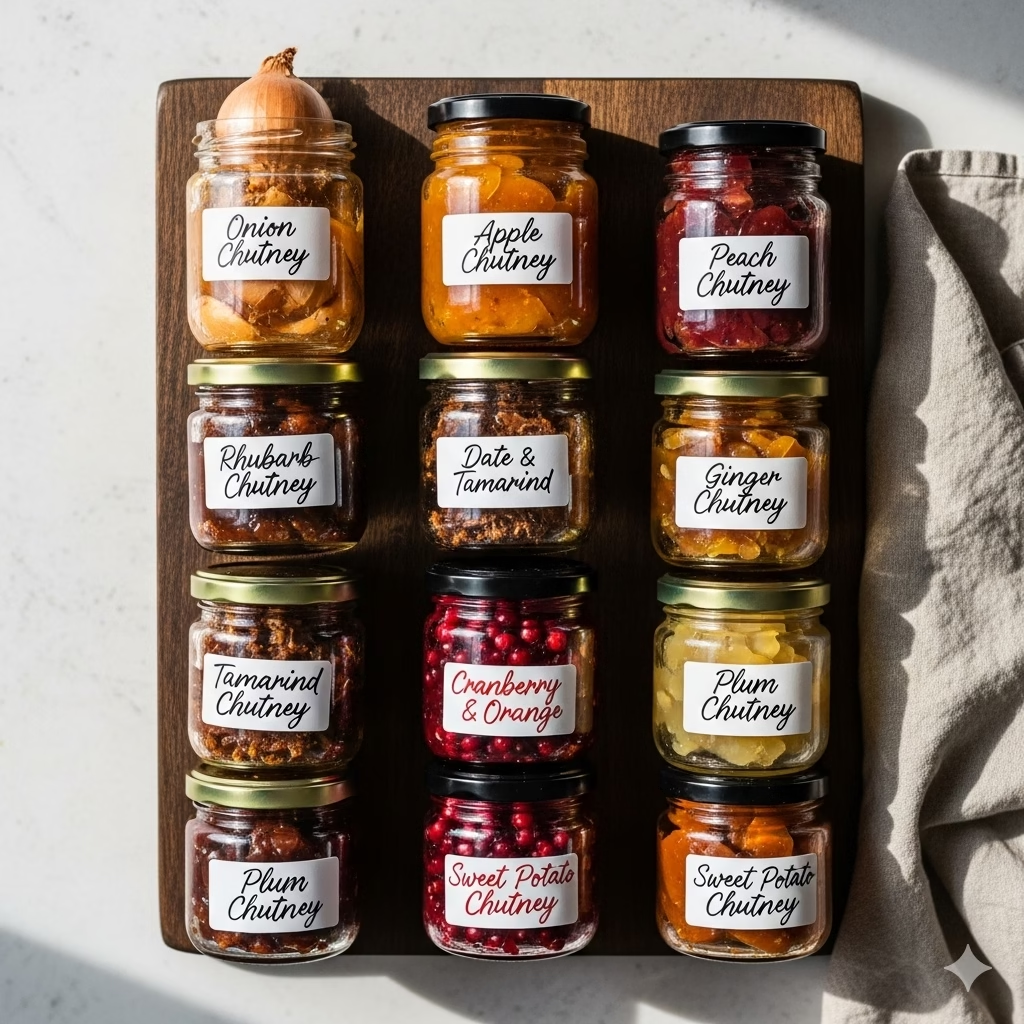
A vibrant top-down image showcasing a variety of homemade chutney recipes in small glass jars, including onion, apple, peach, rhubarb, date & tamarind, ginger, cranberry & orange, and plum chutneys. The jars are arranged neatly on a dark wooden board, with soft, natural lighting highlighting the different colors and textures of the chutneys.

Discover the vibrant world of homemade chutney recipes with this comprehensive guide. Learn to create delicious, healthy condiments that will elevate any meal. Unlock the secrets to preserving flavors and adding a gourmet touch to your cooking.


The Chutney Recipes: A Culinary Adventure

Chutney, a word derived from the Hindi chatni, refers to a family of condiments typically made from fruits, vegetables, and spices. These versatile accompaniments have a rich history, originating in India centuries ago as a means of preserving food and enhancing flavors. From sweet and tangy to spicy and savory, chutneys offer an incredible spectrum of tastes that can transform even the simplest dish into a culinary masterpiece. They are not merely an addition; they are an experience, adding depth, complexity, and often a delightful kick to your palate.

The beauty of homemade chutney recipes lies in its freshness, the control you have over ingredients, and the sheer joy of creating something truly unique in your kitchen. Unlike their store-bought counterparts, homemade chutneys allow you to tailor the sweetness, spiciness, and texture to your exact preferences, ensuring every spoonful is a personalized delight. For the health-conscious individual, this means selecting organic produce, reducing sugar content, and avoiding artificial preservatives, making your chutney both delicious and nourishing.


Beyond the Basics: The Versatility of Chutney Recipes

Beyond their incredible flavor, chutney reecipes are also celebrated for their ability to complement a vast array of dishes. Imagine a dollop of tangy mango chutney alongside a rich curry, a spoonful of spicy tomato chutney with grilled cheese, or a vibrant mint chutney brightening up a simple snack. They are perfect partners for cheeses, roasts, sandwiches, and even breakfast items, proving their versatility across all meal occasions. Embracing the art of chutney making opens up a world of culinary possibilities, inviting you to experiment and innovate with flavors.

This comprehensive guide will take you on an exciting journey through 23 diverse chutney recipes, designed to cater to every taste and skill level. Whether you’re a seasoned chef or a kitchen novice, you’ll find clear, easy-to-follow instructions that empower you to create these delicious condiments with confidence. We’ve carefully curated a selection that highlights different flavor profiles, from traditional Indian varieties to modern fusion creations, ensuring there’s a chutney for every occasion and every craving.

So, roll up your sleeves, gather your ingredients, and prepare to embark on a flavorful adventure. By the end of this article, you’ll not only have a collection of incredible chutney recipes at your fingertips but also a deeper appreciation for this ancient and beloved condiment. Get ready to impress your friends and family with your newfound chutney-making prowess!


Crafting Your Own Chutney Recipes: Essential Preparations

Time to Prepare:

  • Varies per recipe: Generally 15-30 minutes for chopping and ingredient preparation.

Time to Cook/Blend:

  • Varies per recipe: From 5 minutes for blended chutneys to 45-60 minutes for cooked varieties.

Nutritional Information (per typical 2-tablespoon serving, varies by recipe):

  • Calories: 30-70 kcal
  • Total Fat: 0-2g
  • Sodium: 50-150mg
  • Total Carbohydrates: 8-15g
    • Dietary Fiber: 1-3g
    • Total Sugars: 5-12g
  • Protein: 0-1g
  • Vitamin C: 5-20% Daily Value
  • Iron: 2-5% Daily Value

Equipment You’ll Need for Chutney Recipes


  • Large saucepan or Dutch oven
  • Cutting board
  • Sharp knife
  • Measuring cups and spoons
  • Food processor or blender (for blended chutneys)
  • Sterilized jars for storage
  • Wooden spoon or spatula
  • Grater (optional, for some ingredients)
  • Immersion blender (optional)

Servings:

  • Each recipe typically yields 4-6 servings, but can be scaled up for larger batches.

Dive into Deliciousness: 23 Chutney Recipes

Here’s your comprehensive guide to making 23 incredible and healthy chutney recipes.


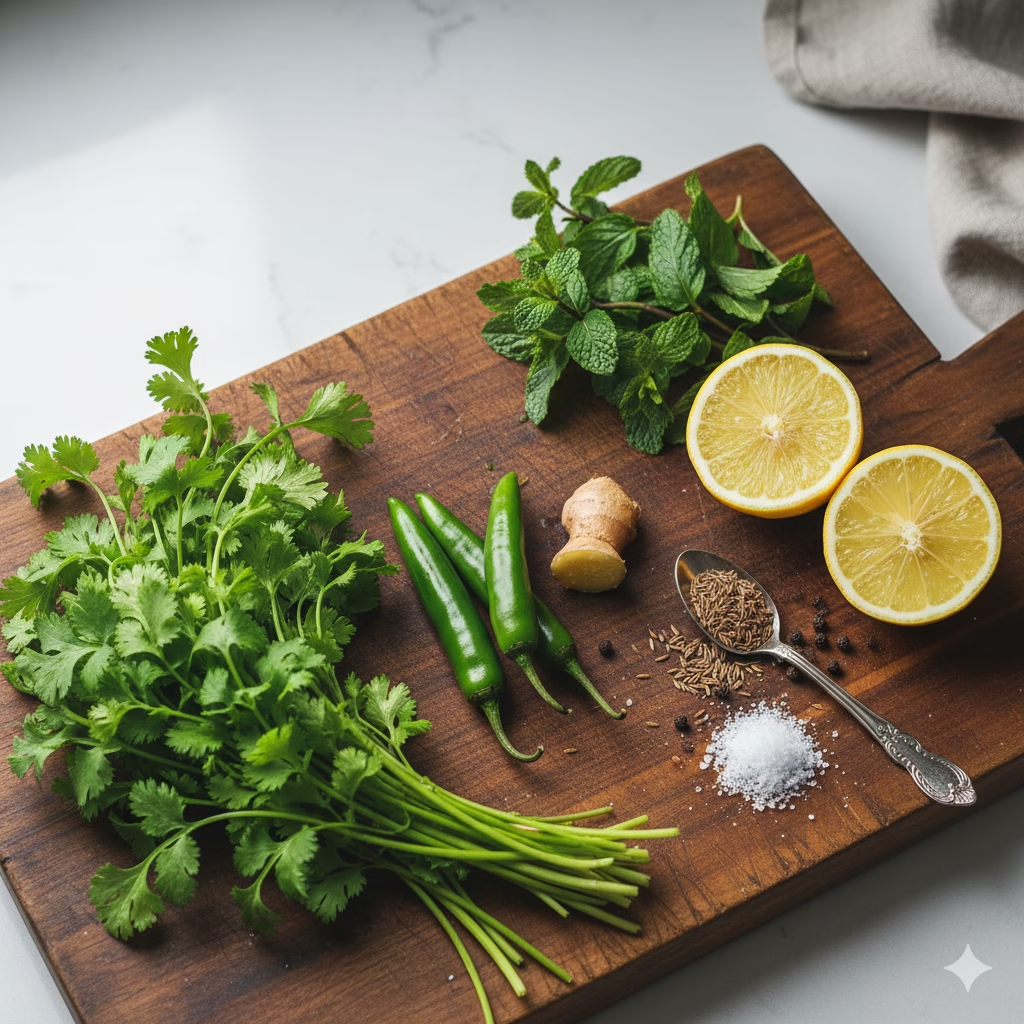
1. Cilantro and Mint (Green) Chutney


A vibrant, fresh, and essential accompaniment for many Indian snacks.

Ingredients:

  • 1 cup fresh cilantro leaves, packed
  • ½ cup fresh mint leaves, packed
  • 1-2 green chilies (like serrano or jalapeño), stems removed, adjust to taste
  • 1-inch piece fresh ginger, peeled
  • 2 tablespoons lemon juice (or lime juice)
  • ¼ teaspoon black salt (kala namak, optional, for authentic flavor)
  • ¼ teaspoon roasted cumin powder
  • Salt to taste
  • 2-3 tablespoons water (if needed for blending)

Instructions:

Prepare the Herbs: Thoroughly wash the cilantro and mint leaves under cold running water. Shake off excess water and gently pat them dry with a clean kitchen towel or paper towels. This step is crucial to prevent the chutney from becoming watery.

Combine Ingredients: Place the washed cilantro, mint leaves, green chilies (start with one and add more if you prefer spicier), peeled ginger, lemon juice, black salt (if using), roasted cumin powder, and a pinch of regular salt into a blender or food processor.

Blend until Smooth: Begin blending the ingredients. If the mixture is too thick and not blending smoothly, add 1 tablespoon of water at a time, just enough to help the blades move, until you achieve a smooth, vibrant green paste. Be careful not to add too much water, as this can dilute the flavor and consistency.

Taste and Adjust: Taste the chutney and adjust the seasoning as needed. You might want to add more salt, lemon juice for tanginess, or an extra chili for more heat.

Serve or Store: Transfer the fresh green chutney to an airtight container. Serve immediately with samosas, pakoras, chaat, or grilled dishes. It can be stored in the refrigerator for up to 3-5 days.

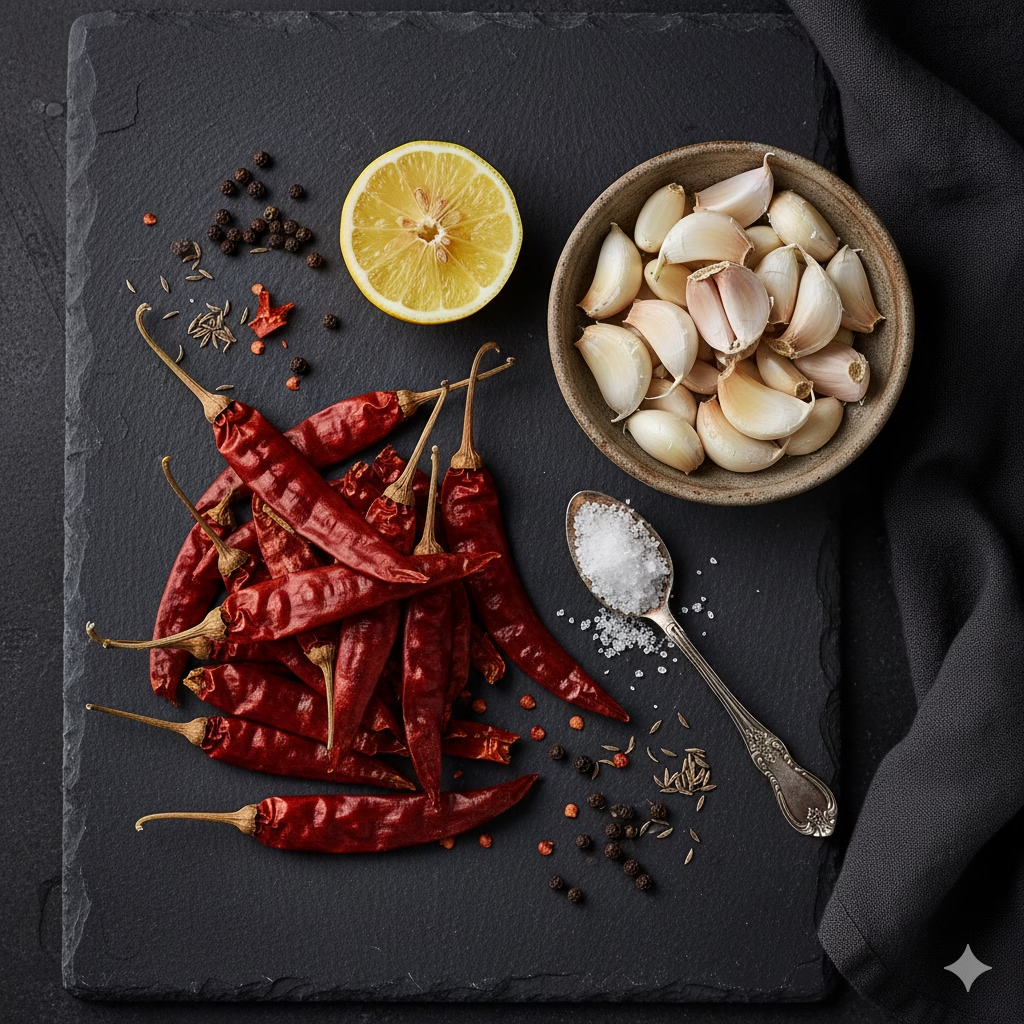
2. Spicy Red Garlic (Lasan) Chutney


A fiery, pungent, and addictive chutney perfect with flatbreads or as a marinade.

Ingredients:

  • 1 whole head garlic, cloves peeled
  • 6-8 dried red chilies (like Kashmiri or Byadgi for color, or hotter varieties for more heat), soaked in warm water for 15-20 minutes
  • 1 tablespoon lemon juice
  • ½ teaspoon cumin seeds (optional)
  • Salt to taste
  • 1-2 tablespoons water (if needed for blending)
  • 1 teaspoon oil (sesame or neutral, optional, for consistency)

Instructions:

  1. Soak Chilies: Place the dried red chilies in a small bowl and cover them with warm water. Let them soak for 15-20 minutes until they are soft and pliable. This rehydrates them and makes them easier to blend. Drain the water before use.
  2. Combine Ingredients: In a blender or small food processor, add the peeled garlic cloves, soaked and drained red chilies, lemon juice, cumin seeds (if using), and salt to taste.
  3. Blend into a Paste: Start blending. The mixture will be thick. Add water gradually, 1 tablespoon at a time, only if absolutely necessary, to help it form a coarse or smooth paste, depending on your preference.
  4. Add Oil (Optional): If you desire a slightly smoother and richer chutney, you can add 1 teaspoon of oil and blend for another few seconds. This also helps with preservation.
  5. Taste and Adjust: Check the seasoning and adjust salt or lemon juice. If you prefer it spicier, you can add a pinch of red chili powder.
  6. Serve or Store: Transfer to an airtight container. This chutney is best fresh but can be stored in the refrigerator for up to a week. It pairs wonderfully with vada pav, dabeli, or spread on toast.

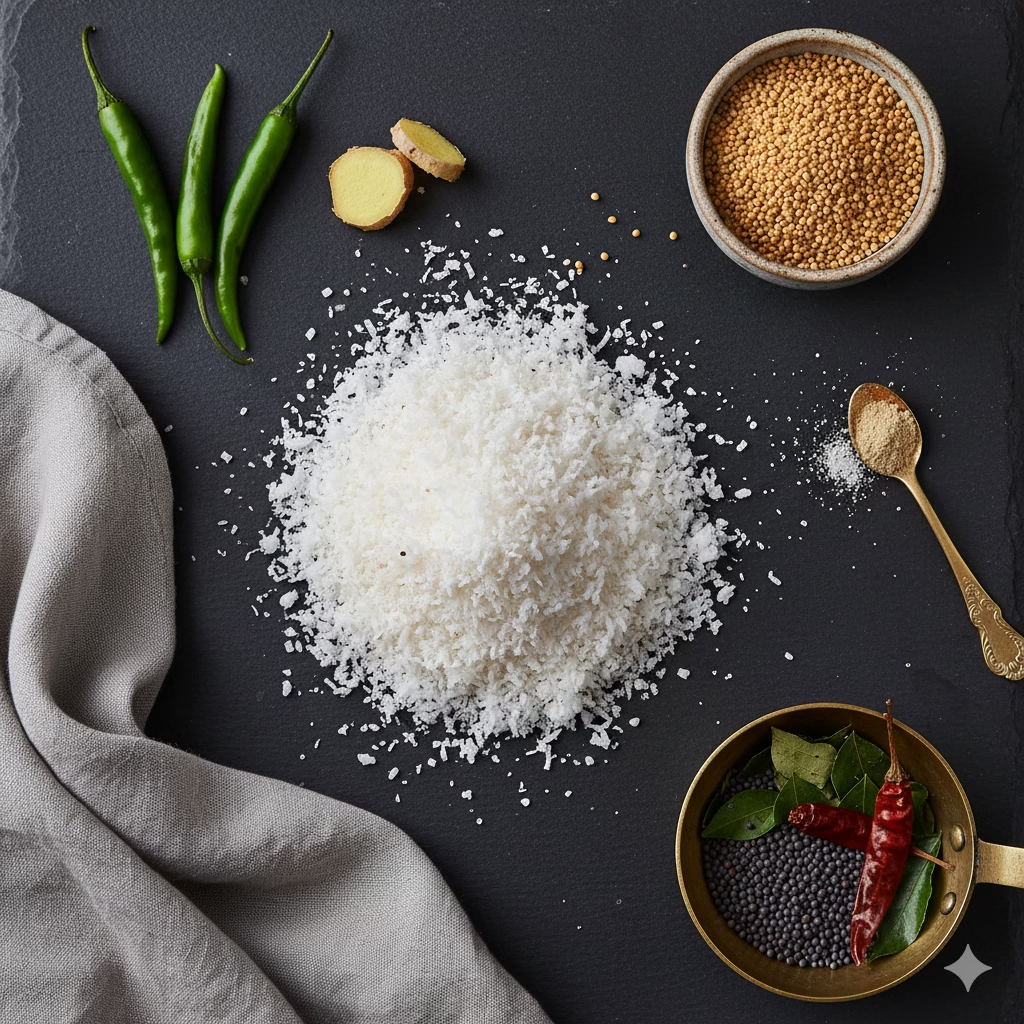
3. Coconut Chutney


A creamy, mild, and flavorful South Indian staple, perfect with dosas and idlis.

Ingredients:

  • 1 cup fresh grated coconut (or unsweetened desiccated coconut, soaked in warm water for 15 minutes)
  • 1-2 green chilies, roughly chopped (adjust to spice preference)
  • 1-inch piece ginger, peeled and roughly chopped
  • 2 tablespoons roasted chana dal (split chickpeas, optional, for thickness)
  • 2-3 tablespoons water
  • Salt to taste

For Tempering:

  • 1 teaspoon coconut oil or vegetable oil
  • ½ teaspoon mustard seeds
  • Pinch of asafoetida (hing)
  • Few curry leaves
  • 1-2 dried red chilies, broken

Instructions:

  1. Prepare Coconut: If using desiccated coconut, soak it in warm water for about 15 minutes, then drain thoroughly. If using fresh coconut, it’s ready to go.
  2. Blend Chutney: In a blender, combine the grated coconut, green chilies, ginger, roasted chana dal (if using), and salt. Add 2-3 tablespoons of water and blend until you achieve a smooth, creamy paste. You might need to add a little more water, a tablespoon at a time, to reach your desired consistency.
  3. Taste and Adjust: Taste the chutney and adjust the salt or add a squeeze of lemon juice if you desire more tanginess.
  4. Prepare Tempering: Heat the oil in a small pan over medium heat. Once hot, add the mustard seeds and let them splutter. Then add the asafoetida, curry leaves, and dried red chilies. Sauté for a few seconds until fragrant.
  5. Combine Tempering: Pour the hot tempering mixture immediately over the prepared coconut chutney. Stir gently to combine.
  6. Serve: Serve fresh with dosas, idlis, vadas, or uttappams. Store any leftovers in an airtight container in the refrigerator for up to 2-3 days.

4. Major Grey’s Chutney Recipes


A classic, sweet, and tangy mango chutney with historical roots.

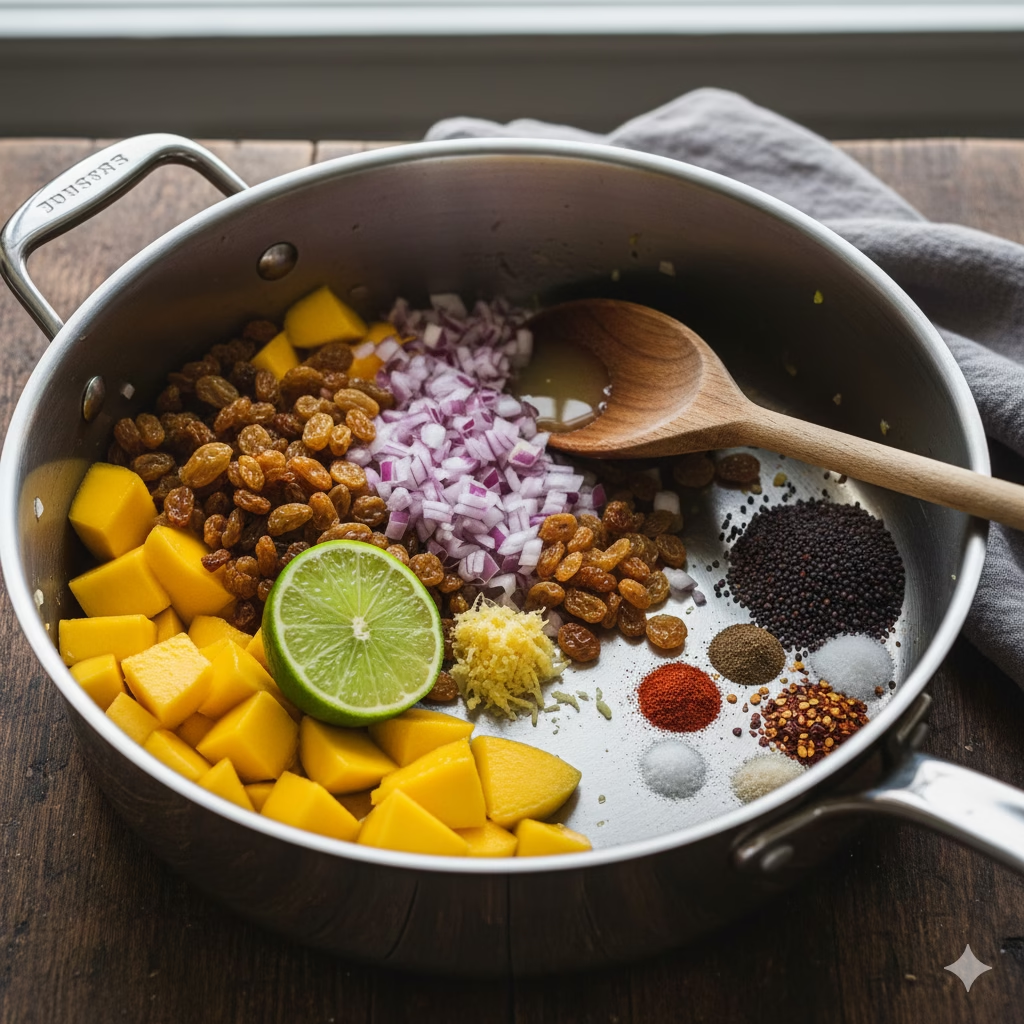
Ingredients:

  • 3 ripe but firm mangoes, peeled and diced (about 3 cups)
  • 1 cup apple cider vinegar
  • ½ cup brown sugar
  • ½ cup golden raisins
  • ¼ cup finely chopped onion
  • 2 tablespoons fresh lime juice
  • 1 tablespoon fresh ginger, grated
  • 1 teaspoon mustard seeds
  • ½ teaspoon red pepper flakes (or more for heat)
  • ¼ teaspoon ground cloves
  • ¼ teaspoon ground allspice
  • Pinch of salt

Instructions:

  1. Combine Ingredients: In a large, heavy-bottomed saucepan or Dutch oven, combine the diced mangoes, apple cider vinegar, brown sugar, golden raisins, chopped onion, lime juice, grated ginger, mustard seeds, red pepper flakes, ground cloves, ground allspice, and a pinch of salt.
  2. Bring to a Boil: Place the saucepan over medium-high heat and bring the mixture to a gentle boil, stirring occasionally to dissolve the sugar.
  3. Simmer and Reduce: Once boiling, reduce the heat to low and let the chutney simmer gently. Cook uncovered for 45-60 minutes, stirring frequently to prevent sticking, until the chutney thickens to a jam-like consistency and the mangoes are tender. The liquid should have significantly reduced.
  4. Cool and Store: Remove the chutney from the heat and let it cool completely. As it cools, it will thicken further. Once cool, transfer the chutney to sterilized jars.
  5. Serve: This chutney is excellent with cheese, roasted meats, or as a spread for sandwiches. Store in the refrigerator for up to 2-3 weeks, or process for longer storage.

5. Green Tomato Chutney Recipes


A tangy, sweet, and savory chutney made with unripe tomatoes.

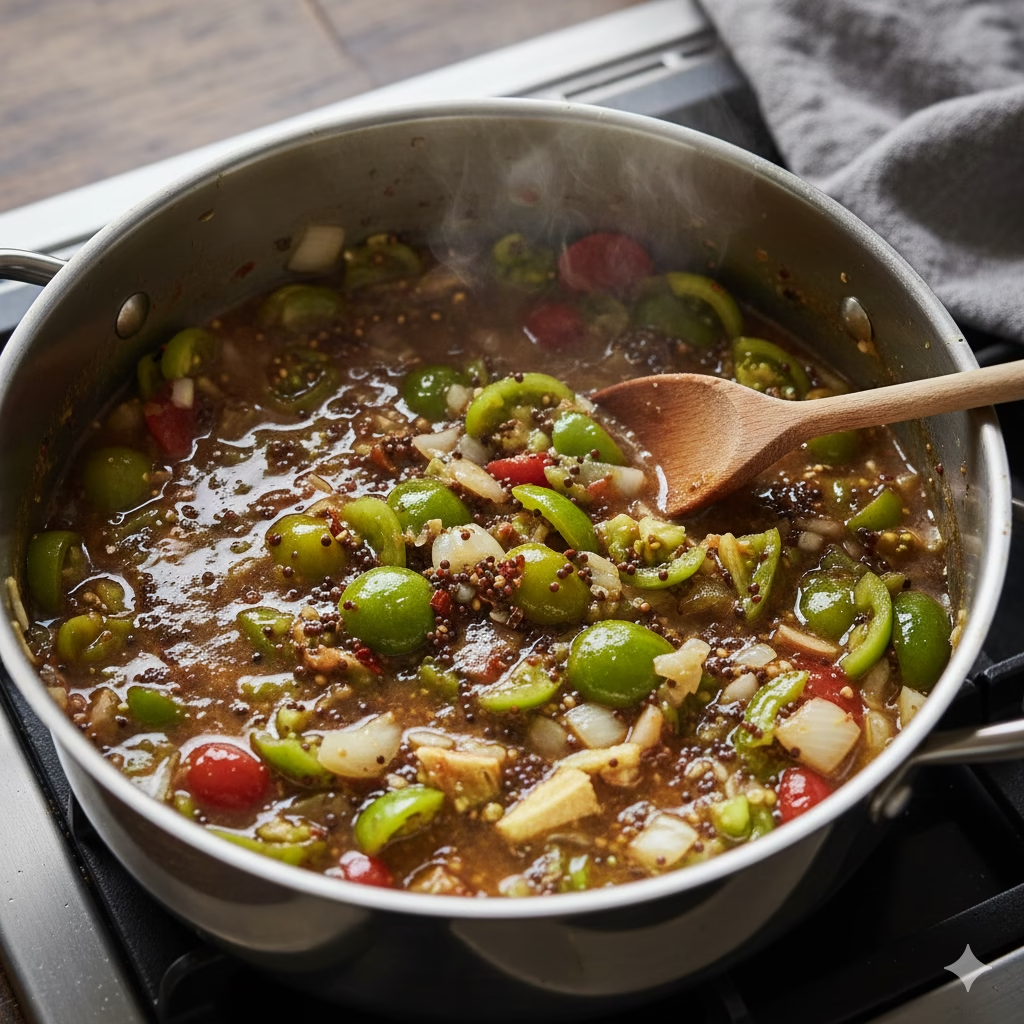
Ingredients:

  • 3 pounds unripe green tomatoes, cored and chopped
  • 1 large onion, chopped
  • 1 ½ cups apple cider vinegar
  • 1 cup granulated sugar (or less for a tarter chutney)
  • 1 tablespoon mustard seeds
  • 1 teaspoon ground ginger
  • ½ teaspoon red pepper flakes
  • ½ teaspoon salt

Instructions:

  1. Prepare Tomatoes: Wash the green tomatoes thoroughly. Remove the cores and chop them into roughly ½-inch pieces. Chop the onion similarly.
  2. Combine and Simmer: In a large, non-reactive pot or Dutch oven, combine the chopped green tomatoes, chopped onion, apple cider vinegar, sugar, mustard seeds, ground ginger, red pepper flakes, and salt. Stir everything together.
  3. Cook Chutney: Bring the mixture to a boil over medium-high heat, stirring until the sugar dissolves. Once boiling, reduce the heat to low and let it simmer gently, uncovered, for about 1 to 1 ½ hours. Stir frequently, especially as it thickens, to prevent the bottom from scorching. The chutney is ready when it has thickened considerably, and most of the liquid has evaporated, resembling a relish.
  4. Cool and Jar: Remove the pot from the heat and let the chutney cool completely. As it cools, it will continue to thicken.
  5. Store: Transfer the cooled green tomato chutney into sterilized jars. Store in the refrigerator for up to 3-4 weeks. These chutney recipes are fantastic with grilled meats, burgers, or cheese.

6. Indian Spiced Vegetable Chutney


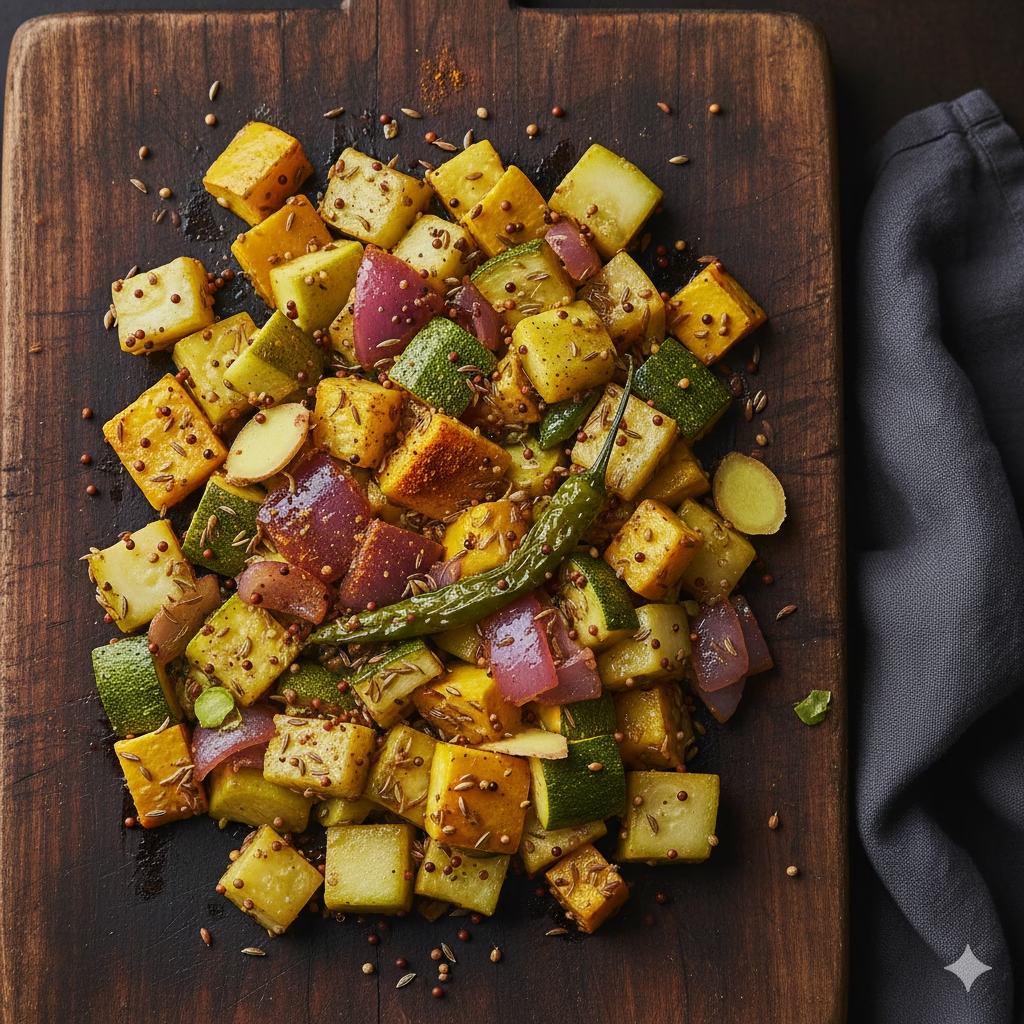
A chunky and aromatic chutney featuring mixed vegetables and warm Indian spices.


Ingredients:

  • 1 cup chopped squash (e.g., butternut or zucchini)
  • 1 cup chopped courgettes (zucchini)
  • 1 large onion, chopped
  • 1 tablespoon olive oil or coconut oil
  • 2 cloves garlic, minced
  • 1-inch piece ginger, grated
  • 1 green chili, minced (optional)
  • 1 teaspoon mustard seeds
  • ½ teaspoon turmeric powder
  • 1 teaspoon ground cumin
  • 1 teaspoon ground coriander
  • ¼ teaspoon asafoetida (hing)
  • ½ cup apple cider vinegar
  • ¼ cup brown sugar (or to taste)
  • Salt to taste

Instructions:

  1. Sauté Aromatics: Heat the oil in a large saucepan or Dutch oven over medium heat. Add the mustard seeds and let them splutter. Then add the chopped onion and sauté until softened and translucent, about 5-7 minutes.
  2. Add Ginger, Garlic, Chili: Add the minced garlic, grated ginger, and minced green chili (if using). Sauté for another minute until fragrant.
  3. Incorporate Spices: Stir in the turmeric powder, ground cumin, ground coriander, and asafoetida. Cook for about 30 seconds, stirring constantly, to toast the spices.
  4. Add Vegetables and Liquids: Add the chopped squash and courgettes to the pot. Pour in the apple cider vinegar and brown sugar. Add salt to taste. Stir everything well to combine.
  5. Simmer to Perfection: Bring the mixture to a gentle boil, then reduce the heat to low. Cover the pot and simmer for 20-30 minutes, or until the vegetables are tender and the chutney has thickened. Stir occasionally to prevent sticking. If you prefer a thicker chutney, you can remove the lid for the last 10-15 minutes of cooking.
  6. Cool and Store: Remove from heat and let the chutney cool completely. Transfer to sterilized jars. These chutney recipes can be stored in the refrigerator for 1-2 weeks. Enjoy with curries, flatbreads, or as a side with roasted vegetables.

7. Mediterranean Vegetable Chutney


A vibrant and chunky condiment bursting with the flavors of the Mediterranean.

Ingredients:

  • 2 cups ripe tomatoes, chopped
  • 1 large red onion, chopped
  • 1 red bell pepper, deseeded and chopped
  • 1 green bell pepper, deseeded and chopped
  • ½ cup red wine vinegar
  • ¼ cup olive oil
  • 2 cloves garlic, minced
  • 1 tablespoon dried oregano
  • 1 tablespoon fresh parsley, chopped
  • 1 teaspoon sugar
  • Salt and black pepper to taste

Instructions:

  1. Sauté Vegetables: Heat the olive oil in a large skillet or saucepan over medium heat. Add the chopped red onion, red bell pepper, and green bell pepper. Sauté for 8-10 minutes until the vegetables are softened.
  2. Add Aromatics and Herbs: Stir in the minced garlic and dried oregano. Cook for another minute until fragrant.
  3. Incorporate Tomatoes and Liquids: Add the chopped tomatoes, red wine vinegar, and sugar to the pan. Season with salt and black pepper to taste.
  4. Simmer and Thicken: Bring the mixture to a gentle boil, then reduce the heat to low. Let it simmer, uncovered, for 25-35 minutes, stirring occasionally, until the chutney has thickened and most of the liquid has evaporated. The vegetables should be tender but still hold their shape.
  5. Stir in Fresh Parsley: Remove the chutney from the heat and stir in the fresh chopped parsley.
  6. Cool and Store: Allow the chutney to cool completely before transferring it to sterilized jars. Store in the refrigerator for up to 1 week. These chutney Recipes are delicious with grilled fish, chicken, or as a topping for bruschetta.

8. Beetroot Chutney


An earthy, sweet, and tangy chutney with a beautiful deep red color.

Ingredients:

  • 2 medium beetroots, cooked, peeled, and grated (or finely chopped)
  • 1 small onion, finely chopped
  • 1 apple (e.g., Granny Smith), peeled, cored, and grated
  • ½ cup apple cider vinegar
  • ¼ cup brown sugar (or to taste)
  • 1-inch piece ginger, grated
  • ½ teaspoon mustard seeds
  • ¼ teaspoon ground cloves (optional)
  • Salt to taste

Instructions:

  1. Prepare Beetroot: Cook the beetroots until tender (you can boil, steam, or roast them). Once cooled, peel and grate them or chop them very finely.
  2. Sauté Aromatics: In a medium saucepan, combine the grated beetroot, chopped onion, grated apple, apple cider vinegar, brown sugar, grated ginger, mustard seeds, ground cloves (if using), and salt.
  3. Cook Chutney: Bring the mixture to a gentle boil over medium heat, stirring until the sugar dissolves. Reduce the heat to low and simmer, uncovered, for 20-30 minutes, stirring occasionally. The chutney is ready when it has thickened to your desired consistency.
  4. Cool and Store: Remove from heat and allow to cool completely. Transfer to sterilized jars and store in the refrigerator for up to 2 weeks. This chutney is excellent with cheese, cold meats, or burgers.

9. Avocado and Cilantro Chutney


A quick, creamy, and zesty chutney, perfect as a dip or spread.

Ingredients:

  • 1 ripe avocado, peeled and pitted
  • ½ cup fresh cilantro leaves, packed
  • 1 small green chili, deseeded if less heat preferred (or more to taste)
  • 2 tablespoons lemon juice (or lime juice)
  • 1 small clove garlic, minced (optional)
  • Salt to taste

Instructions:

  1. Combine Ingredients: Scoop the flesh of the ripe avocado into a food processor or blender. Add the fresh cilantro leaves, green chili, lemon juice, and minced garlic (if using). Season with salt to taste.
  2. Blend until Smooth: Process the ingredients until a smooth and creamy chutney is formed. Scrape down the sides of the blender as needed. If it’s too thick, you can add a tiny splash of water (1 teaspoon at a time), but the avocado should provide enough creaminess.
  3. Taste and Adjust: Taste the chutney and adjust the seasoning. You might want to add more lemon juice for tang or a pinch more salt.
  4. Serve Immediately: This chutney is best served fresh to prevent browning. Enjoy it as a dip with tortilla chips, as a spread in sandwiches, or as a vibrant topping for tacos and grilled dishes.

10. Flaxseed Chutney


A healthy, nutty, and versatile dry chutney, packed with omega-3s.

Ingredients:

  • ½ cup flaxseeds (linseeds)
  • 2-3 dried red chilies (or to taste)
  • 1 teaspoon cumin seeds
  • ¼ teaspoon turmeric powder
  • 2 cloves garlic (optional)
  • Salt to taste

Instructions:

  1. Roast Flaxseeds: Heat a dry skillet or pan over medium-low heat. Add the flaxseeds and roast them, stirring constantly, for 3-5 minutes until they become fragrant and start to crackle slightly. Be careful not to burn them. Remove from the pan and let them cool completely.
  2. Roast Spices (Optional): In the same pan, lightly roast the dried red chilies and cumin seeds for about 30 seconds until fragrant. Remove from heat and let cool.
  3. Grind Ingredients: Once cooled, combine the roasted flaxseeds, roasted red chilies, roasted cumin seeds, turmeric powder, and garlic (if using) in a dry grinder or spice blender.
  4. Blend to a Coarse Powder: Grind the ingredients into a coarse, somewhat powdery mixture. Be careful not to over-grind, or the flaxseeds can release too much oil and become pasty. You want a textured powder.
  5. Season: Add salt to taste and pulse a few more times to combine.
  6. Serve or Store: This chutney can be served dry as a sprinkle over yogurt, rice, or salads. For a wet chutney, mix a tablespoon or two with a little water or oil just before serving. Store the dry chutney in an airtight container in a cool, dry place for several weeks.

11-23. More Exciting Chutney Recipes


A vibrant top-down image showcasing a variety of homemade chutney recipes in small glass jars, including onion, apple, peach, rhubarb, date & tamarind, ginger, cranberry & orange, and plum chutneys. The jars are arranged neatly on a dark wooden board, with soft, natural lighting highlighting the different colors and textures of the chutneys.

These additional chutney recipes offer even more variety for your culinary adventures.

  • 11. Onion Chutney: Caramelized onions with vinegar and spices.
  • 12. Apple Chutney: Sweet and tart, great with pork or cheese.
  • 13. Peach Chutney: Sweet and fruity, excellent with grilled chicken.
  • 14. Rhubarb Chutney: Tart and refreshing, pairs well with lamb.
  • 15. Date and Tamarind Chutney: Sweet, sour, and sticky, a classic for samosas.
  • 16. Ginger Chutney: Pungent and spicy, a digestive aid.
  • 17. Cranberry and Orange Chutney: Festive and vibrant, perfect for holidays.
  • 18. Plum Chutney: Rich and sweet-tart, a great accompaniment to game meats.
  • 19. Apricot Chutney: Sweet and tangy, good with curries.
  • 20. Pineapple Chutney: Tropical and sweet, lovely with ham.
  • 21. Tomato and Ginger Chutney: A savory and aromatic classic.
  • 22. Sweet Potato Chutney: Creamy and subtly sweet, a unique twist.
  • 23. Garlic and Coriander Chutney: Fresh, zesty, and highly aromatic.

The Health Benefits of Homemade Chutney Recipes


Making your own chutneys isn’t just about superior taste; it’s also about reaping significant health advantages. When you control the ingredients, you ensure a wholesome product free from unwanted additives.

Rich in Vitamins and Minerals

Many chutneys, particularly those made with fresh fruits and vegetables like mango, tomatoes, mint, and cilantro, are packed with essential vitamins and minerals. For instance, mint and cilantro chutneys are excellent sources of Vitamin K and antioxidants, while fruit-based chutneys offer a good dose of Vitamin C. These nutrients are vital for immune function, skin health, and overall well-being.

Boosts Digestion

Ingredients commonly found in chutneys such as ginger, garlic, cumin, and mustard seeds are known for their digestive properties. Ginger can alleviate nausea, garlic acts as a prebiotic, and spices like cumin can stimulate digestive enzymes. Fresh chutneys can add beneficial enzymes to your meal, aiding in the breakdown and absorption of nutrients.

Antioxidant Powerhouse

The vibrant colors in many chutneys are often indicative of their high antioxidant content. Berries, red chilies, and herbs like cilantro and mint are rich in compounds that fight free radicals in the body, reducing oxidative stress and potentially lowering the risk of chronic diseases.

Customizable for Dietary Needs

Homemade chutneys offer unparalleled flexibility. You can easily adjust sugar levels for those managing blood sugar, reduce sodium for heart health, or omit allergens. This control allows health-conscious individuals to enjoy flavorful condiments without compromising their dietary goals. By choosing fresh, organic ingredients, you maximize nutritional value and minimize exposure to pesticides and artificial substances.


Variations to Suit Every Palate

One of the greatest joys of making chutney at home is the ability to customize. Here are some ideas to tailor your chutney recipes:

Variation TypeDescription
Spice LevelAdjust the amount and type of chilies (green, red, dried, fresh). For milder chutneys, deseed chilies or use bell peppers. For extra heat, add a dash of cayenne pepper or a spicier chili variety like habanero.
SweetnessControl the amount of sugar, honey, or jaggery. For a healthier option, use less refined sugar or natural sweeteners like dates or a touch of stevia. For tart chutneys, lean into less sugar.
TextureBlend longer for a super smooth paste or pulse briefly for a chunky, relish-like consistency. For cooked chutneys, adjust cooking time; longer cooking yields a more jam-like texture.
Flavor ProfileExperiment with different vinegars (apple cider, white wine, balsamic) for varied tanginess. Add fresh herbs (dill, basil, chives) for an aromatic twist. Incorporate nuts or seeds (peanuts, cashews, sesame seeds) for added crunch and richness. Introduce smoked paprika or liquid smoke for a smoky flavor.
Dietary NeedsVegan: Most chutneys are naturally vegan. Gluten-Free: Ensure all spices and additives are certified gluten-free. Low-Sodium: Omit added salt or use a low-sodium salt alternative. Low-Sugar: Substitute sugar with natural fruit sweetness, or use very small amounts of alternative sweeteners.
Fruit/Veggie SwapsDon’t have mango? Try peaches or apricots. No green tomatoes? Use firm red tomatoes or tomatillos. Be creative with seasonal produce; almost any fruit or firm vegetable can be transformed into a delicious chutney with the right balance of sweet, sour, and spice. Consider combinations like apple-pear, or mixed berry.
Aromatic EnhancementsFry whole spices like fenugreek seeds, nigella seeds, or star anise in a little oil before adding other ingredients for a deeper flavor. A pinch of asafoetida (hing) can add a savory, umami note.

Final Thoughts on Your chutney Recipes


Embarking on the journey of making your own chutneys is a rewarding experience that extends far beyond just culinary enjoyment. It’s about reconnecting with whole ingredients, understanding the alchemy of flavors, and creating wholesome, vibrant condiments that nourish both body and soul. Each jar of homemade chutney is a testament to your creativity and care, transforming simple meals into extraordinary dining experiences.

We hope these 23 chutney recipes inspire you to explore the endless possibilities of this versatile condiment. Don’t be afraid to experiment, adjust, and make each recipe your own. Your kitchen is your laboratory, and every batch of chutney is an opportunity to discover new favorite flavors. Share your creations, experiment with pairings, and most importantly, savor the delicious rewards of your efforts. Happy chutney making!


Frequently Asked Questions (FAQs)

Q1: How long do homemade chutneys last?

A1: The shelf life of homemade chutneys varies depending on the ingredients and whether they are cooked or fresh. Cooked chutneys (like Major Grey’s or Green Tomato Chutney), properly sealed in sterilized jars and refrigerated, can last for 2-4 weeks. If processed via canning, they can last for several months to a year. Fresh, uncooked chutneys (like Cilantro Mint or Avocado Chutney) should be consumed within 3-5 days when stored in an airtight container in the refrigerator, as they are more perishable.

Q2: Can I freeze chutney?

A2: Yes, many cooked chutneys can be frozen to extend their shelf life significantly. Allow the chutney to cool completely before transferring it to freezer-safe containers or bags. Leave a little headspace for expansion if using rigid containers. Frozen chutney can last for 3-6 months. Thaw in the refrigerator overnight before serving. Fresh, uncooked chutneys, particularly those with delicate herbs or avocado, might not freeze as well in terms of texture and freshness, so it’s generally best to enjoy them fresh.


References

  1. Healthyfood – Are chutneys and pickles good for you?
  2. WebMD – Health Benefits of Cilantro
  3. USDA – Flaxseed, ground

Recent Posts


Make These Easy Spicy Pineapple & Ginger Recipes


An artfully arranged overhead shot on a dark wooden table showcasing a variety of delicious dishes and drinks made with Spicy Pineapple & Ginger. The image features small plates of glazed chicken wings, pineapple skewers, fruit salad, a frothy cocktail, and a glass jar of the syrup itself, all garnished with fresh pineapple, ginger, and star anise.

Discover how to transform simple ingredients into extraordinary meals with our guide to Spicy Pineapple & Ginger recipes. This article provides versatile and healthy options for drinks, glazes, desserts, and more, all featuring the vibrant kick of Spicy Pineapple & Ginger. Get ready to infuse your kitchen with exciting new flavors!


Unlock a World of Flavor with Spicy Pineapple & Ginger

Are you ready to invigorate your taste buds with a symphony of sweet, tangy, and spicy notes? The combination of juicy pineapple, zesty ginger, and a hint of chili creates an unforgettable flavor profile that can elevate a vast array of dishes and drinks. This dynamic duo isn’t just delicious; it’s also packed with health benefits, making it a fantastic addition to any health-conscious kitchen. Prepare to embark on a culinary adventure that promises to delight your senses and impress your guests.

Pineapple, a tropical fruit bursting with vitamin C and bromelain, offers a refreshing sweetness that perfectly balances the pungent warmth of ginger. Ginger, renowned for its anti-inflammatory properties and distinctive zest, adds a comforting heat and a depth of flavor that is truly unique. When a touch of chili is introduced, these two ingredients harmonize into a vibrant, versatile base that can be adapted for almost any meal or beverage.


The Perfect Harmony of Spicy Pineapple & Ginger

Beyond their individual merits, pineapple and ginger together create a powerful nutritional punch. Bromelain in pineapple aids digestion, while ginger is known to soothe an upset stomach and boost immunity. This makes our Spicy Pineapple & Ginger recipes not just a treat for your palate, but also a healthful choice for your body. It’s a win-win for anyone looking to eat well and enjoy vibrant, exciting flavors.

Whether you’re a seasoned chef or a kitchen novice, these recipes are designed to be approachable and enjoyable. We’ll guide you through each step, ensuring that you can confidently create delicious and healthy dishes that showcase the incredible potential of Spicy Pineapple & Ginger. From invigorating drinks to savory main courses and delightful desserts, prepare to be amazed by the versatility of this incredible flavor combination.

So, gather your ingredients and get ready to transform your culinary repertoire. Our easy-to-follow instructions and creative suggestions will inspire you to experiment and make these Spicy Pineapple & Ginger recipes your own. Let’s dive in and discover how simple it is to bring a taste of the tropics with a spicy kick into your home!


The Ultimate Spicy Pineapple & Ginger Syrup Base Recipe


This foundational syrup is your gateway to a world of culinary possibilities. It’s simple to make and incredibly versatile.


Time to Prepare: 15 minutes

Time to Cook/Blend: 25-30 minutes

Servings: Approximately 2 cups of syrup


Nutritional Information (per 1/4 cup serving, approximate):

Calories: 80-100 kcal

Carbohydrates: 20-25g

Sugars: 18-22g

Vitamin C: 20-25% DV

Note: Nutritional values can vary based on specific ingredients and preparation methods.


Equipment You’ll Need:


  • Medium saucepan
  • Fine-mesh sieve or cheesecloth
  • Airtight glass jar or bottle for storage
  • Cutting board
  • Sharp knife
  • Measuring cups and spoons

Ingredients for Spicy Pineapple & Ginger Syrup:


  • 2 cups fresh pineapple, peeled, cored, and diced into 1/2-inch pieces
  • 1/2 cup fresh ginger, peeled and thinly sliced or grated
  • 1-2 fresh red chilies (such as bird’s eye or serrano), thinly sliced (adjust to your spice preference, remove seeds for less heat)
  • 1 cup water
  • 1 cup granulated sugar (or a healthy alternative like erythritol or stevia blend)
  • 1 tablespoon fresh lime juice

Step-by-Step Instructions:

Prepare Your Ingredients: Start by carefully peeling and coring your fresh pineapple. Cut it into small, uniform 1/2-inch dice. The smaller pieces will release their flavor more easily. Next, peel your fresh ginger. You can use a spoon to scrape the skin off easily. Thinly slice or grate the ginger – grating will give a stronger ginger flavor. Finally, slice your red chilies. Remember to adjust the number of chilies and whether you include the seeds based on how much heat you desire. If you’re sensitive to spice, start with less and remove the seeds.


Combine and Simmer: In a medium saucepan, combine the diced pineapple, sliced ginger, and sliced chilies. Pour in the water and add the granulated sugar. If you are using a healthy sugar alternative, add it now. Stir everything gently to combine the ingredients and dissolve the sugar.

Bring to a Boil, Then Simmer: Place the saucepan over medium-high heat and bring the mixture to a gentle boil, stirring occasionally. Once it reaches a boil, reduce the heat to low. Let it simmer uncovered for about 20-25 minutes. This slow simmer allows the flavors to meld beautifully and the liquid to slightly reduce, concentrating the pineapple and ginger essence. The fruit will soften and release its juices during this time.

Add Lime Juice: After simmering for 20-25 minutes, remove the saucepan from the heat. Stir in the fresh lime juice. The lime juice adds a bright, zesty counterpoint that enhances the overall flavor and helps preserve the syrup.

Strain the Mixture: Carefully pour the entire mixture through a fine-mesh sieve into a clean bowl. Use the back of a spoon to press down on the solids (pineapple, ginger, chili) in the sieve. This step is crucial for extracting as much delicious liquid as possible. You want to squeeze out all the flavorful juices to maximize your syrup’s potency.


Cool and Store: Allow the strained syrup to cool completely to room temperature. This is important before storing, as putting hot syrup into a sealed container can create condensation. Once cooled, transfer the Spicy Pineapple & Ginger syrup into a clean, airtight glass jar or bottle. Store it in the refrigerator for up to 2-3 weeks.


Benefits of Spicy Pineapple & Ginger


This vibrant syrup isn’t just delicious; it also brings a host of potential health benefits to the table, making it a smart and tasty addition to your diet.

Digestive Aid: Pineapple contains bromelain, an enzyme known to aid digestion and reduce inflammation. Ginger is also famous for its ability to soothe an upset stomach and ease nausea.

Immune Boost: Both pineapple (rich in Vitamin C) and ginger (packed with antioxidants) contribute to a stronger immune system, helping your body fight off illness.


Anti-inflammatory Properties: Ginger is a powerful anti-inflammatory, which can help reduce pain and swelling throughout the body.

Metabolism Support: Some studies suggest that ginger can help boost metabolism, while chilies contain capsaicin, which may also aid in calorie burning.

Hydration: When used in drinks, this syrup encourages fluid intake, helping you stay well-hydrated throughout the day.


Versatile Culinary Applications: Spicy Pineapple & Ginger in Every Meal


An artfully arranged overhead shot on a dark wooden table showcasing a variety of delicious dishes and drinks made with Spicy Pineapple & Ginger. The image features small plates of glazed chicken wings, pineapple skewers, fruit salad, a frothy cocktail, and a glass jar of the syrup itself, all garnished with fresh pineapple, ginger, and star anise.

This delightful Spicy Pineapple & Ginger syrup can be transformed into an array of dishes, from refreshing beverages to savory glazes and sweet treats.


Drinks and Cocktails:


A thin syrup with pineapple, ginger, and chili is ideal for cocktails, mocktails, and refreshing non-alcoholic drinks.

Ginger Pineapple Lemonade: Simply add 1-2 tablespoons of the syrup to a glass of your favorite lemonade for a refreshing, spicy kick. Adjust to taste.

Fizzy Soda: Mix 1-2 tablespoons of the syrup with sparkling water or club soda for a homemade tropical soda. Garnish with a lime wedge or a slice of fresh pineapple.

Spiced Rum Punch: Combine 2 oz of the syrup with 2 oz dark rum, 3 oz extra pineapple juice, and top with ginger ale for a delicious punch. Serve over ice with a pineapple slice and a cherry.

Tropical Margarita: Muddle 1.5 oz tequila with 1 oz spicy pineapple & ginger syrup, 0.75 oz fresh pineapple juice, and 0.5 oz fresh lime juice. Shake with ice and strain into a salt-rimmed glass.

Iced Tea or Herbal Tea: Stir a little (1-2 teaspoons) of the syrup into iced or hot tea to add a tropical, zesty flavor. It works wonderfully with green tea or even a simple black tea.


Sauces and Glazes: Elevate Your Savory Dishes


You can cook the mixture down to a thicker, richer sauce or glaze for savoury dishes. To do this, after straining, return the liquid to the saucepan and simmer over medium-low heat, stirring occasionally, until it reaches your desired consistency (about 10-15 minutes).

Grilled Chicken or Pork Glaze: Use the thickened syrup as a glaze while grilling chicken or pork chops. Brush it on during the last 10-15 minutes of cooking. The heat will caramelize the sugars and spices, giving the meat a sweet, tangy, and spicy crust.


Marinade for Meats: Thicken the sauce with 2 tablespoons of low-sodium soy sauce and 1 tablespoon of rice vinegar to create a vibrant marinade for chicken, fish, or beef. Let the meat soak for at least 2 hours (or overnight for best results) to absorb the flavors before cooking.

Dipping Sauce: Serve the thickened sauce with appetizers like homemade spring rolls, potstickers, dumplings, or shrimp skewers. Its sweet and spicy profile is incredibly addictive.

Rice Bowls Drizzle: Drizzle the sauce over healthy rice bowls with grilled chicken, baked tofu, roasted vegetables, or even a fried egg to add a fruity, spicy, and tangy element.

Huli Huli Chicken (Healthy Version): Create a Hawaiian-inspired meal by making a pineapple-ginger sauce for chicken.6 To the thickened syrup, add 2 tablespoons of tamari (gluten-free soy sauce), 1 tablespoon of brown sugar (or a sugar-free alternative), and 1 clove of minced garlic. Marinate chicken thighs in this sauce for a few hours, then bake or grill until cooked through, basting frequently with extra sauce.


Desserts and Breakfast Delights:


A simple pineapple-ginger syrup can be drizzled over breakfast favourites.

Pancake or Waffle Topping: Drizzle the thinner syrup generously over your morning pancakes, waffles, or French toast for a unique tropical and spicy kick.

Dessert Sauce: Serve the cooked-down, thicker sauce over a scoop of vanilla bean ice cream or a light sorbet for a simple yet exciting dessert that balances sweetness with spice.

Yogurt or Oatmeal Topping: Add a spoonful of the syrup to plain Greek yogurt or a bowl of steel-cut oatmeal for a burst of tropical spice and natural sweetness. Garnish with fresh fruit.

Tropical Pavlova: Spoon the thicker sauce over delicate meringue nests and top with fresh kiwi slices, strawberries, or passion fruit for a stunning and refreshing tropical twist on a classic dessert.


Spicy-Sweet Salad Dressing:


  • For a spicy-sweet salad dressing, mix 3 tablespoons of the pineapple-ginger syrup with 2 tablespoons of rice vinegar and 1 tablespoon of low-sodium soy sauce. Whisk well to combine. It pairs especially well with salads that have a tropical feel, such as those with grilled shrimp, avocado, mango, or toasted nuts.

Variations to Customize Your Spicy Pineapple & Ginger Syrup


VariationDescription
Less SpicyReduce the amount of chilies to 1/2 or 1, and remove all seeds. You can also use milder chili varieties like jalapeño (remove seeds) or even a pinch of dried chili flakes instead of fresh chilies.
Extra SpicyIncrease the amount of chilies to 3-4, and leave the seeds in. For a fiery kick, consider adding a dash of habanero or ghost pepper flakes (use sparingly!).
SweeterIncrease the sugar content by 1/4 to 1/2 cup, depending on your preference. Alternatively, you can add 1-2 tablespoons of agave nectar or maple syrup for a different kind of sweetness.
Less SweetReduce the sugar content by half or use a sugar-free alternative. The natural sweetness of the pineapple will still provide a good base.
Herbaceous TwistAdd 1-2 sprigs of fresh mint or cilantro during the simmering process for an extra layer of freshness. Strain them out with the other solids.
Citrus BoostIn addition to lime, add the zest of half an orange or lemon to the simmering mixture for a brighter, more complex citrus flavor.
Smoky FlavorFor savory applications, consider adding a tiny pinch of smoked paprika or a drop of liquid smoke to the thickened glaze during the last few minutes of simmering. This works wonderfully for grilled meats.
Thicker ConsistencyFor a truly thick sauce or jam-like consistency, simmer the strained syrup for an additional 15-20 minutes over low heat, stirring frequently, until it coats the back of a spoon. Be careful not to burn it.
Health-ConsciousReplace granulated sugar with a natural, calorie-free sweetener like erythritol or a stevia blend. This maintains sweetness without the added calories or impact on blood sugar.
Cinnamon InfusionAdd a cinnamon stick or a pinch of ground cinnamon during the simmering process for a warm, aromatic spice note that complements the ginger beautifully, especially for dessert applications.
Star Anise DepthFor a more exotic and aromatic twist, add one or two star anise pods to the simmering mixture. Remove them before straining. This works exceptionally well in drinks and savory glazes.
Coconut CreaminessFor creamy dessert applications, or even some savory dishes, once the syrup is made, you can whisk in a tablespoon or two of full-fat coconut cream to add a luscious texture and tropical richness.

Final Thoughts on Spicy Pineapple & Ginger


Embracing the vibrant flavors of Spicy Pineapple & Ginger in your cooking is more than just making a delicious meal; it’s about introducing a healthful and exciting dimension to your culinary repertoire. This versatile syrup base opens up a world of possibilities, proving that healthy eating can be incredibly flavorful and far from boring. From the zingy freshness of a pineapple-ginger lemonade to the rich, caramelized glaze on your grilled chicken, each application offers a unique experience. We encourage you to experiment with these recipes, adjust them to your personal taste, and discover new ways to enjoy the dynamic duo of pineapple and ginger. Don’t be afraid to get creative and make these dishes truly your own!


Frequently Asked Questions (FAQs)

Q1: Can I use frozen pineapple instead of fresh pineapple for the syrup?

A1: Yes, you can absolutely use frozen pineapple! There’s no need to thaw it beforehand. Just add the frozen pineapple directly to the saucepan with the other ingredients. The simmering process will thaw it and release its juices effectively. Keep in mind that the flavor might be slightly less intense than with fresh pineapple, so you might want to adjust the spices or simmer slightly longer.

Q2: How can I make the syrup thicker for use as a glaze or dessert topping?

A2: To thicken the syrup, after straining it, return the liquid to the saucepan. Bring it to a gentle simmer over medium-low heat and let it cook uncovered for an additional 10-20 minutes, stirring occasionally. As it simmers, the water will evaporate, and the syrup will reduce and thicken. Keep an eye on it to prevent burning, and test the consistency by letting a small amount cool on a spoon – it will thicken more as it cools. For an even quicker thickening method, you can whisk in a cornstarch slurry (1 tablespoon cornstarch mixed with 2 tablespoons cold water) during the last 5 minutes of simmering, stirring constantly until it reaches your desired thickness.


References:


Recent Posts


20 Easy Must Have Side Dish Recipes To Make


Discover delicious and simple side dish recipes that will transform your meals. These healthy and flavorful options are perfect for any occasion, making meal prep a breeze. Elevate your cooking with these must-try side dish recipes.


This image shows a collage of 8 Side Dish Recipes

Elevate Your Everyday Meals with Incredible Side Dish Recipes

Side dishes often play a supporting role, yet they have the power to transform an ordinary meal into an extraordinary culinary experience. They can add color, texture, and a burst of flavor that perfectly complements your main course. But let’s be honest, who has hours to spend on complicated preparations after a long day? We’re all looking for those magical recipes that are both impressive and incredibly easy to execute.

That’s where these 20 easy must-have side dish recipes come in. Designed with convenience and deliciousness in mind, this collection will become your go-to resource for elevating any meal, whether it’s a weeknight dinner, a celebratory feast, or a casual gathering with friends. Forget bland and boring; these sides are packed with vibrant flavors and wholesome ingredients.


Delicious and Healthy Side Dish Recipes for Every Occasion

From crisp salads to roasted vegetables and comforting grains, we’ve curated a selection that caters to various tastes and dietary preferences. Each recipe is crafted to be straightforward, requiring minimal fuss but delivering maximum impact. You’ll find options that are quick to prepare, use readily available ingredients, and promise to be a hit with everyone at the table.

Beyond just taste, we understand the importance of healthy eating. Many of these recipes are naturally rich in vitamins, minerals, and fiber, making them not only delicious but also incredibly good for you. We believe that healthy food doesn’t have to be boring, and these side dishes are living proof of that philosophy.

So, get ready to expand your culinary repertoire and impress your family and friends with these effortlessly chic and delicious side dish recipes. It’s time to give your side dishes the spotlight they deserve!


Roasted Vegetable Side Dishes


Roasting is a fantastic cooking method that brings out the natural sweetness of vegetables, giving them a rich, caramelized flavor. It’s also incredibly simple—just toss the veggies with a little oil and seasonings, and let the oven do the work.

Honey-Roasted Carrots


This classic side is sweet, savory, and incredibly easy to make. Honey and thyme create a beautiful glaze that complements the natural sweetness of the carrots.

  • Servings: 4
  • Time to Prepare: 5 minutes
  • Time to Cook: 25-30 minutes
  • Nutritional Information (per serving): Calories: 150, Protein: 2g, Fat: 8g, Carbs: 19g, Fiber: 4g
  • Equipment: Baking sheet, large bowl, measuring spoons
  • Ingredients:
    • 1 lb baby carrots, or 3-4 large carrots, peeled and cut into 1-inch pieces
    • 1 tablespoon olive oil
    • 1 tablespoon honey
    • ½ teaspoon dried thyme
    • Pinch of salt and black pepper
  • Instructions:
    1. Preheat your oven to 400°F (200°C).
    2. Place carrots in a large bowl. Drizzle with olive oil and honey, and sprinkle with thyme, salt, and pepper. Toss to coat every carrot piece evenly.
    3. Spread the coated carrots in a single layer on a baking sheet.
    4. Roast for 25-30 minutes, or until the carrots are tender and lightly caramelized. You can stir them once halfway through for even cooking.

Balsamic Roasted Asparagus and Cherry Tomatoes

A vibrant, elegant side that comes together in minutes. The balsamic vinegar becomes a sweet, tangy glaze that pairs beautifully with the tender-crisp asparagus and juicy tomatoes.

  • Servings: 4
  • Time to Prepare: 5 minutes
  • Time to Cook: 15 minutes
  • Nutritional Information (per serving): Calories: 105, Protein: 4g, Fat: 7g, Carbs: 8g, Fiber: 3g
  • Equipment: Baking sheet, large bowl, measuring spoons
  • Ingredients:
    • 1 bunch asparagus, woody ends trimmed
    • 1 cup cherry tomatoes
    • 1 tablespoon olive oil
    • 1 tablespoon balsamic vinegar
    • Salt and black pepper to taste
  • Instructions:
    1. Preheat oven to 425°F (220°C).
    2. In a large bowl, combine the asparagus and cherry tomatoes. Drizzle with olive oil and balsamic vinegar, then season with salt and pepper. Toss until everything is well-coated.
    3. Spread the vegetables in a single layer on a baking sheet.
    4. Roast for 15 minutes, or until the asparagus is tender and the tomatoes have just started to burst.

Crispy Brussels Sprouts

Roasting Brussels sprouts at a high temperature is the secret to getting crispy, caramelized edges. You can add a variety of flavors, but a simple garlic toss is always a winner.

  • Servings: 4
  • Time to Prepare: 5 minutes
  • Time to Cook: 20-25 minutes
  • Nutritional Information (per serving): Calories: 110, Protein: 4g, Fat: 7g, Carbs: 11g, Fiber: 4g
  • Equipment: Baking sheet, large bowl, sharp knife
  • Ingredients:
    • 1 lb Brussels sprouts, trimmed and halved
    • 1 tablespoon olive oil
    • 2 cloves garlic, minced
    • Salt and black pepper to taste
  • Instructions:
    1. Preheat your oven to 400°F (200°C).
    2. In a bowl, toss the halved Brussels sprouts with olive oil, minced garlic, salt, and pepper.
    3. Spread them in a single layer on a baking sheet, cut side down if possible. This helps them get crispy.
    4. Roast for 20-25 minutes, or until they are tender on the inside and crispy on the outside.

Colorful Sheet-Pan Vegetables

This is the ultimate easy side dish recipe for a busy night. Just chop up your favorite veggies, toss them on a pan, and roast. It’s a great way to use up whatever you have in the fridge.

  • Servings: 4-6
  • Time to Prepare: 10 minutes
  • Time to Cook: 20-25 minutes
  • Nutritional Information (per serving): Calories: 140, Protein: 4g, Fat: 9g, Carbs: 13g, Fiber: 5g
  • Equipment: Large baking sheet, large bowl, knife, cutting board
  • Ingredients:
    • 1 zucchini, chopped
    • 1 red bell pepper, chopped
    • 1 cup broccoli florets
    • 1 red onion, cut into wedges
    • 2 tablespoons olive oil
    • 1 teaspoon dried herbs (e.g., oregano, basil, or a mix)
    • Salt and pepper to taste
  • Instructions:
    1. Preheat oven to 400°F (200°C).
    2. In a large bowl, combine all the chopped vegetables. Drizzle with olive oil and sprinkle with dried herbs, salt, and pepper. Toss well.
    3. Spread the seasoned vegetables in a single, even layer on a large baking sheet.
    4. Roast for 20-25 minutes, or until the vegetables are tender and the edges are lightly browned.

Air-Fryer Butternut Squash

Air frying is a game-changer for getting perfectly tender and slightly caramelized vegetables in half the time. Butternut squash becomes incredibly soft and delicious with just a few seasonings.

  • Servings: 4
  • Time to Prepare: 5 minutes
  • Time to Cook: 15 minutes
  • Nutritional Information (per serving): Calories: 115, Protein: 2g, Fat: 5g, Carbs: 18g, Fiber: 3g
  • Equipment: Air fryer, large bowl, knife, cutting board
  • Ingredients:
    • 1 small butternut squash, peeled and cubed
    • 1 tablespoon olive oil
    • ½ teaspoon paprika
    • ¼ teaspoon garlic powder
    • Salt and black pepper to taste
  • Instructions:
    1. Place cubed butternut squash in a bowl. Drizzle with olive oil and sprinkle with paprika, garlic powder, salt, and pepper. Toss to coat.
    2. Place the squash in a single layer in the air fryer basket.
    3. Air fry at 375°F (190°C) for 15 minutes, shaking the basket halfway through, until the squash is tender and the edges are slightly browned.

Creative Salad Side Dishes

Salads are the ultimate fresh and light side dish recipes. Move beyond a simple bowl of greens with these creative and filling options.

Quinoa Salad


This is a fantastic, protein-packed side dish that doubles as a light meal. The quinoa provides a hearty base, while the fresh vegetables and zesty dressing keep it light and refreshing.

  • Servings: 4
  • Time to Prepare: 10 minutes
  • Time to Cook: 15 minutes (for quinoa)
  • Nutritional Information (per serving): Calories: 250, Protein: 9g, Fat: 10g, Carbs: 32g, Fiber: 5g
  • Equipment: Medium pot for quinoa, large bowl, whisk
  • Ingredients:
    • 1 cup uncooked quinoa
    • 2 cups water
    • 1 cucumber, diced
    • 1 cup cherry tomatoes, halved
    • ½ cup chopped parsley
    • Lemon Vinaigrette: 3 tablespoons olive oil, 2 tablespoons lemon juice, 1 clove garlic minced, salt and pepper to taste
  • Instructions:
    1. Rinse the quinoa thoroughly under cold water. This removes the bitter coating.
    2. In a medium pot, bring 2 cups of water to a boil. Add the rinsed quinoa, reduce heat to a simmer, cover, and cook for 15 minutes or until all water is absorbed. Fluff with a fork and let it cool.
    3. In a large bowl, whisk together all vinaigrette ingredients.
    4. Add the cooled quinoa, diced cucumber, halved cherry tomatoes, and chopped parsley to the bowl with the dressing. Toss gently to combine.

Mediterranean Chickpea Salad

This simple salad is bursting with Mediterranean flavors. Chickpeas provide a great source of plant-based protein and fiber, making this a very satisfying side.

  • Servings: 4
  • Time to Prepare: 10 minutes
  • Time to Cook: 0 minutes
  • Nutritional Information (per serving): Calories: 210, Protein: 8g, Fat: 9g, Carbs: 26g, Fiber: 7g
  • Equipment: Large bowl, whisk, can opener
  • Ingredients:
    • 1 (15 oz) can chickpeas, rinsed and drained
    • 1 cup chopped cucumber
    • 1 cup chopped tomatoes
    • ¼ cup chopped red onion
    • Dressing: 2 tablespoons olive oil, 1 tablespoon red wine vinegar, 1 teaspoon dried oregano, salt and pepper to taste
  • Instructions:
    1. Rinse and drain the chickpeas well.
    2. In a large bowl, combine the chickpeas, chopped cucumber, tomatoes, and red onion.
    3. In a separate small bowl, whisk together the olive oil, red wine vinegar, oregano, salt, and pepper.
    4. Pour the dressing over the salad and toss to combine.

Shaved Brussels Sprout Salad


Don’t knock raw Brussels sprouts until you’ve tried this! When shaved thin, they have a fresh, crisp texture that’s perfect for a salad. The combination of crisp apples and toasted nuts is incredible.

  • Servings: 4
  • Time to Prepare: 15 minutes
  • Time to Cook: 0 minutes
  • Nutritional Information (per serving): Calories: 170, Protein: 5g, Fat: 11g, Carbs: 16g, Fiber: 5g
  • Equipment: Food processor with slicing attachment or a mandoline, large bowl
  • Ingredients:
    • 1 lb Brussels sprouts, shaved or thinly sliced
    • 1 crisp apple (e.g., Gala or Honeycrisp), cored and thinly sliced
    • ¼ cup toasted nuts (walnuts, pecans, or almonds work well)
    • Dressing: 3 tablespoons olive oil, 2 tablespoons apple cider vinegar, 1 tablespoon maple syrup, salt and pepper
  • Instructions:
    1. Shave the Brussels sprouts very thinly using a food processor with a slicing blade or a mandoline. Be very careful with a mandoline. You can also use a sharp knife.
    2. Place the shaved sprouts in a large bowl. Add the sliced apple and toasted nuts.
    3. Whisk together the dressing ingredients in a separate small bowl.
    4. Pour the dressing over the salad and toss to coat. Serve immediately for maximum crunch.

Greek Cucumber Salad

A simple, refreshing, and low-calorie side that is perfect for a hot day or to balance a rich main course.

  • Servings: 4
  • Time to Prepare: 5 minutes
  • Time to Cook: 0 minutes
  • Nutritional Information (per serving): Calories: 60, Protein: 2g, Fat: 4g, Carbs: 5g, Fiber: 2g
  • Equipment: Large bowl
  • Ingredients:
    • 2 large cucumbers, diced
    • ½ red onion, thinly sliced
    • ¼ cup fresh dill, chopped
    • 2 tablespoons crumbled feta cheese (optional for a dairy-free version)
    • 1 tablespoon olive oil
    • 1 tablespoon red wine vinegar
    • Salt and pepper to taste
  • Instructions:
    1. Combine the diced cucumbers, red onion, and fresh dill in a large bowl.
    2. Drizzle with olive oil and red wine vinegar.
    3. Season with salt and pepper, then toss to combine. Sprinkle with crumbled feta cheese right before serving.

Mexican Cabbage Slaw

A crunchy and vibrant twist on classic coleslaw. The creamy, spicy dressing and the crisp cabbage make this a perfect side dish recipe for tacos, grilled meats, or fish.

  • Servings: 6
  • Time to Prepare: 10 minutes
  • Time to Cook: 0 minutes
  • Nutritional Information (per serving): Calories: 120, Protein: 3g, Fat: 8g, Carbs: 10g, Fiber: 4g
  • Equipment: Large bowl, whisk
  • Ingredients:
    • ½ head green cabbage, shredded
    • 2 carrots, shredded
    • ¼ cup chopped cilantro
    • Dressing: ¼ cup Greek yogurt or light mayonnaise, 1 tablespoon lime juice, 1-2 teaspoons chipotle powder (to taste), salt and pepper
  • Instructions:
    1. In a large bowl, combine the shredded cabbage and carrots. Add the chopped cilantro.
    2. In a small bowl, whisk together the Greek yogurt (or mayonnaise), lime juice, and chipotle powder. Season with salt and pepper.
    3. Pour the dressing over the cabbage mixture and toss well to coat everything. Chill for at least 15 minutes before serving to allow the flavors to meld.

Lightened-Up Starchy Sides

Enjoy the comfort of starchy sides without the heaviness. These recipes use wholesome ingredients to create satisfying alternatives to traditional classics.

Mashed Cauliflower


A nutritious and low-carb alternative to mashed potatoes. Steamed cauliflower becomes incredibly creamy when mashed with a few flavorful additions.

  • Servings: 4
  • Time to Prepare: 5 minutes
  • Time to Cook: 15-20 minutes
  • Nutritional Information (per serving): Calories: 90, Protein: 4g, Fat: 6g, Carbs: 6g, Fiber: 3g
  • Equipment: Large pot with a steamer basket, potato masher or food processor
  • Ingredients:
    • 1 large head cauliflower, cut into florets
    • 2 cloves garlic, peeled
    • 1 tablespoon butter or olive oil
    • 2 tablespoons half-fat crème fraîche or Greek yogurt
    • 2 tablespoons grated Parmesan cheese
    • Salt and pepper to taste
  • Instructions:
    1. Place a steamer basket in a large pot with about 1 inch of water. Bring the water to a boil.
    2. Add the cauliflower florets and whole garlic cloves to the steamer basket. Cover and steam for 15-20 minutes, or until the cauliflower is very tender and soft.
    3. Carefully transfer the steamed cauliflower and garlic to a large bowl. Add the butter, half-fat crème fraîche (or Greek yogurt), and grated Parmesan cheese.
    4. Mash with a potato masher for a rustic texture, or use a food processor for a smoother consistency. Season generously with salt and pepper and serve hot.

Sweet Potato Fries

A naturally sweet and nutrient-rich alternative to regular fries. Baking them in the oven with a little olive oil makes them a healthy and satisfying treat.

  • Servings: 4
  • Time to Prepare: 10 minutes
  • Time to Cook: 25-30 minutes
  • Nutritional Information (per serving): Calories: 180, Protein: 3g, Fat: 8g, Carbs: 25g, Fiber: 4g
  • Equipment: Baking sheet, large bowl, sharp knife, cutting board
  • Ingredients:
    • 2 large sweet potatoes, cut into wedges
    • 1 tablespoon olive oil
    • ½ teaspoon paprika
    • ½ teaspoon garlic powder
    • Salt and pepper to taste
  • Instructions:
    1. Preheat your oven to 400°F (200°C).
    2. In a large bowl, toss the sweet potato wedges with olive oil, paprika, garlic powder, salt, and pepper.
    3. Spread them in a single layer on a baking sheet.
    4. Bake for 25-30 minutes, flipping halfway through, until they are golden brown and crispy on the outside and tender on the inside.

Garlic and Herb Mash

A healthier twist on classic mashed potatoes. By using half-fat crème fraîche instead of butter and whole milk, you get a creamy texture with less saturated fat. Boiling the garlic with the potatoes infuses a wonderful, mellow flavor.

  • Servings: 4
  • Time to Prepare: 10 minutes
  • Time to Cook: 20-25 minutes
  • Nutritional Information (per serving): Calories: 150, Protein: 4g, Fat: 5g, Carbs: 23g, Fiber: 3g
  • Equipment: Large pot, potato masher
  • Ingredients:
    • 1.5 lbs russet potatoes, peeled and quartered
    • 3-4 cloves garlic, peeled
    • ¼ cup half-fat crème fraîche
    • 2 tablespoons fresh chopped parsley or chives
    • Salt and pepper to taste
  • Instructions:
    1. Place the potatoes and garlic cloves in a large pot. Cover with cold water and add a generous pinch of salt.
    2. Bring to a boil, then reduce heat to a simmer. Cook for 20-25 minutes, or until the potatoes are very tender when pierced with a fork.
    3. Drain the potatoes and garlic well. Return them to the hot, empty pot.
    4. Add the half-fat crème fraîche and mash until you reach your desired consistency. Stir in the fresh herbs, then season generously with salt and pepper.

Japanese-Style Brown Rice

This flavorful grain dish is a perfect healthy side dish recipe for any Asian-inspired meal. Cooking the rice with ginger, garlic, and spring onions infuses it with incredible aroma and taste.

  • Servings: 4
  • Time to Prepare: 5 minutes
  • Time to Cook: 40-45 minutes
  • Nutritional Information (per serving): Calories: 220, Protein: 5g, Fat: 3g, Carbs: 45g, Fiber: 4g
  • Equipment: Rice cooker or medium pot with a tight-fitting lid
  • Ingredients:
    • 1 cup uncooked brown rice
    • 2 cups water or low-sodium vegetable broth
    • 1 tablespoon soy sauce or tamari
    • 1-inch piece of fresh ginger, grated
    • 2 cloves garlic, minced
    • 2 spring onions, thinly sliced
  • Instructions:
    1. Thoroughly rinse the brown rice in a fine-mesh strainer until the water runs clear.
    2. If using a pot, combine the rinsed rice, water or broth, soy sauce, grated ginger, and minced garlic in a medium pot. Bring to a boil.
    3. Reduce the heat to the lowest setting, cover tightly, and simmer for 40-45 minutes, or until all the liquid has been absorbed. Do not lift the lid during cooking.
    4. Remove from heat and let it rest, still covered, for 10 minutes.
    5. Fluff the rice with a fork and stir in the sliced spring onions before serving.

Easy Sautéed Side Dishes

Sautéing is one of the fastest and easiest ways to cook vegetables while preserving their color and nutrients. These simple recipes can be ready in minutes.

Sautéed Garlic Green Beans


This classic side dish is a quick and healthy addition to any meal. The green beans retain their crispness while being infused with the savory flavor of fresh garlic.

  • Servings: 4
  • Time to Prepare: 5 minutes
  • Time to Cook: 7-10 minutes
  • Nutritional Information (per serving): Calories: 85, Protein: 2g, Fat: 6g, Carbs: 7g, Fiber: 3g
  • Equipment: Large skillet
  • Ingredients:
    • 1 lb fresh green beans, trimmed
    • 1 tablespoon olive oil
    • 2 cloves garlic, thinly sliced
    • Salt and black pepper to taste
  • Instructions:
    1. Heat the olive oil in a large skillet or pan over medium-high heat.
    2. Add the green beans and sauté for 5 minutes, stirring occasionally.
    3. Add the thinly sliced garlic and continue to cook for another 2-3 minutes, or until the green beans are tender-crisp and the garlic is fragrant. Be careful not to let the garlic burn.
    4. Season with salt and pepper and serve immediately.

Lemon-Garlic Spinach

Spinach wilts in seconds, making this a near-instant side dish recipe. The combination of garlic and a zesty squeeze of lemon juice makes it flavorful and bright.

  • Servings: 4
  • Time to Prepare: 3 minutes
  • Time to Cook: 3-5 minutes
  • Nutritional Information (per serving): Calories: 60, Protein: 3g, Fat: 5g, Carbs: 3g, Fiber: 2g
  • Equipment: Large skillet
  • Ingredients:
    • 1 large bag (about 8 oz) fresh spinach
    • 1 tablespoon olive oil
    • 2 cloves garlic, minced
    • 1 tablespoon fresh lemon juice
    • Salt and pepper to taste
  • Instructions:
    1. Heat olive oil in a large skillet over medium heat. Add the minced garlic and cook for about 30 seconds until fragrant.
    2. Add the spinach to the pan in batches if needed. Cook and stir until the spinach has fully wilted. This will only take a few minutes.
    3. Remove from heat, drizzle with fresh lemon juice, and season with salt and pepper. Toss to combine and serve right away.

Sautéed Zucchini and Yellow Squash


A simple and classic summer side that’s light, healthy, and easy to make. The combination of zucchini and yellow squash with onions and a hint of balsamic vinegar creates a balanced and savory flavor profile.

  • Servings: 4
  • Time to Prepare: 5 minutes
  • Time to Cook: 10 minutes
  • Nutritional Information (per serving): Calories: 90, Protein: 3g, Fat: 7g, Carbs: 5g, Fiber: 2g
  • Equipment: Large skillet
  • Ingredients:
    • 1 zucchini, sliced
    • 1 yellow squash, sliced
    • ½ small onion, thinly sliced
    • 1 tablespoon olive oil
    • 1 tablespoon balsamic vinegar
    • Salt, pepper, and dried herbs (like oregano or basil) to taste
  • Instructions:
    1. Heat olive oil in a large skillet over medium-high heat. Add the sliced onions and cook for 2-3 minutes, until they begin to soften.
    2. Add the sliced zucchini and yellow squash to the pan. Sauté for 5-7 minutes, stirring occasionally, until the vegetables are tender-crisp.
    3. Remove from heat and stir in the balsamic vinegar, dried herbs, salt, and pepper. Toss to combine and serve.

Garlic Butter Mushrooms Skillet

Mushrooms are a wonderful, umami-rich vegetable that can elevate any meal. Sautéed with garlic and a little butter, they become a savory and tender side that complements a wide range of main dishes.

  • Servings: 4
  • Time to Prepare: 5 minutes
  • Time to Cook: 10-12 minutes
  • Nutritional Information (per serving): Calories: 110, Protein: 4g, Fat: 9g, Carbs: 5g, Fiber: 2g
  • Equipment: Large skillet
  • Ingredients:
    • 1 lb cremini mushrooms, cleaned and sliced
    • 1 tablespoon butter
    • 1 tablespoon olive oil
    • 3 cloves garlic, minced
    • 1 tablespoon chopped fresh parsley
    • Salt and pepper to taste
  • Instructions:
    1. Heat a large skillet over medium-high heat. Add the butter and olive oil. Once the butter is melted, add the sliced mushrooms.
    2. Sauté the mushrooms for 8-10 minutes, stirring occasionally. The mushrooms will release their liquid, then it will evaporate, and they will begin to brown.
    3. Add the minced garlic to the pan and cook for 1 minute more, until fragrant.
    4. Remove from heat and stir in the fresh parsley. Season generously with salt and pepper.

More Healthy Side Dish Recipes

A couple more unique and easy recipes to round out your collection of healthy side dishes.

Spicy Roasted Cauliflower with Turmeric


This vibrant and flavorful side dish uses spices to transform simple cauliflower into something special. Turmeric not only adds a beautiful color but also offers anti-inflammatory benefits.

  • Servings: 4
  • Time to Prepare: 5 minutes
  • Time to Cook: 20-25 minutes
  • Nutritional Information (per serving): Calories: 120, Protein: 4g, Fat: 8g, Carbs: 9g, Fiber: 4g
  • Equipment: Baking sheet, large bowl
  • Ingredients:
    • 1 large head cauliflower, cut into florets
    • 2 tablespoons olive oil
    • 1 teaspoon turmeric powder
    • ½ teaspoon smoked paprika
    • ¼ teaspoon cayenne pepper (or to taste)
    • Salt and black pepper to taste
  • Instructions:
    1. Preheat your oven to 400°F (200°C).
    2. In a large bowl, toss the cauliflower florets with olive oil, turmeric, smoked paprika, cayenne pepper, salt, and black pepper until every piece is evenly coated in the spices.
    3. Spread the cauliflower in a single layer on a baking sheet.
    4. Roast for 20-25 minutes, or until the cauliflower is tender and the edges are golden brown and slightly crispy.

Quinoa and Black Bean Salad with Corn


This is a hearty, Mexican-inspired salad that is perfect for meal prep. It’s packed with plant-based protein, fiber, and vibrant flavors from the fresh vegetables.

  • Servings: 6
  • Time to Prepare: 10 minutes
  • Time to Cook: 15-20 minutes
  • Nutritional Information (per serving): Calories: 280, Protein: 10g, Fat: 7g, Carbs: 45g, Fiber: 10g
  • Equipment: Medium pot for quinoa, large bowl, whisk
  • Ingredients:
    • 1 cup uncooked quinoa
    • 1 (15 oz) can black beans, rinsed and drained
    • 1 cup frozen or canned corn, thawed
    • ½ red bell pepper, finely diced
    • ¼ red onion, finely diced
    • Dressing: ¼ cup olive oil, 3 tablespoons lime juice, 1 clove garlic minced, 1 teaspoon cumin, ½ teaspoon chili powder, salt and pepper
  • Instructions:
    1. Cook the quinoa according to package directions, then let it cool.
    2. In a large bowl, combine the cooked quinoa, rinsed black beans, corn, diced bell pepper, and diced red onion.
    3. In a separate small bowl, whisk together all the dressing ingredients.
    4. Pour the dressing over the salad and toss well to combine. This salad tastes even better after chilling for an hour or so.

Benefits of Wholesome Side Dish Recipes


Incorporating these wholesome side dish recipes into your diet offers a multitude of benefits that extend beyond just satisfying your taste buds. Focusing on fresh, natural ingredients means you’re providing your body with essential nutrients, often missing from more processed alternatives.

Firstly, many of these recipes are packed with vitamins and minerals. For instance, broccoli is a powerhouse of Vitamin C and K, while leafy greens provide Vitamin A and various B vitamins. These micronutrients are crucial for everything from immune function to bone health and energy production.

Secondly, you’ll significantly increase your fiber intake. Vegetables, legumes, and whole grains are excellent sources of dietary fiber, which aids digestion, promotes satiety, and helps regulate blood sugar levels. A high-fiber diet can also contribute to heart health and weight management.

Thirdly, these healthy side dishes often have a lower calorie density compared to heavier, cream-based or fried options. This allows you to feel full and satisfied without overconsuming calories, making them excellent choices for those mindful of their weight or calorie intake.

Finally, by preparing these dishes at home, you have complete control over the ingredients, avoiding unwanted additives, excessive sodium, and unhealthy fats often found in store-bought or restaurant versions. This empowers you to make healthier choices for yourself and your family.


Variations for Customizable Side Dish Recipes


These side dish recipes are wonderfully versatile! Feel free to experiment with ingredients to suit your taste, dietary needs, or what you have on hand.

Variation CategoryIdeas & Suggestions
Spice & FlavorAdd a pinch of red pepper flakes to roasted vegetables for a kick, use smoked paprika for a smoky flavor, or add fresh herbs like rosemary or parsley at the end for a fresh finish.
Protein BoostToss in roasted chickpeas, toasted nuts, or seeds to your salads for added protein and crunch. Lentils and edamame are also great additions.
Dietary NeedsFor vegan or dairy-free options, use nutritional yeast in place of Parmesan cheese, and swap butter for olive oil or a plant-based alternative. Greek yogurt can be swapped for a cashew-based cream.
Texture & CrunchSprinkle toasted breadcrumbs, crushed nuts, or crispy fried onions on top of your sautéed or roasted dishes for an extra layer of texture.

Final Thoughts on Side Dish Recipes

You’ve explored a variety of simple yet utterly delicious side dish recipes, perfect for any meal or occasion. From the savory crunch of roasted vegetables to the vibrant tang of a fresh salad, these recipes are designed to add flavor, nutrition, and ease to your culinary routine.

Remember, side dishes are not just accompaniments; they are integral components that elevate the entire dining experience. Don’t be afraid to experiment with the variations suggested, making each recipe truly your own. Whether you’re a seasoned cook or just starting, these easy-to-follow instructions will guide you to success. So, take these ideas, head to your kitchen, and start creating some truly memorable meals! Your taste buds (and your family) will thank you.


Frequently Asked Questions (FAQs) About Side Dish Recipes

Q1: How can I make these side dishes even healthier?

A1: Most of these side dish recipes are already quite healthy. To make them even healthier, you can reduce the amount of added fats like olive oil or butter, substitute with healthier alternatives such as avocado oil. Opt for fresh herbs instead of relying on heavy sauces, and always choose fresh, seasonal vegetables when possible. You can also increase the vegetable content in grain-based dishes to boost fiber and nutrients.

Q2: Can I prepare these side dishes in advance?

A2: Many side dish recipes can be prepared in advance, which is excellent for meal prepping. Dishes like roasted vegetables can be cooked and then reheated, though they might lose some crispness. Salads often have components that can be prepped (chopping vegetables, making dressing) and then assembled just before serving to maintain freshness. Cooked grains can be stored in the refrigerator for 3-4 days. Always check individual recipe notes for specific make-ahead instructions.


References

  1. The Nutrition Source Vegetables and Fruits
  2. Mayo Clinic – Essential for a healthy diet
  3. USDA – Eat healthy with MyPlate
  4. National Institutes of Health – Dietary Supplement Fact Sheet

Recent Posts


How To Make Your Own Croutons With Veg


Unlock the secret to homemade, flavorful croutons with this guide! Learn how to transform simple vegetables into crunchy toppings, perfect for soups and salads. Discover healthy Croutons With Veg today!


Close-up of golden-brown, square-shaped **Croutons With Veg** in a rustic bowl, garnished with fresh green herbs. The croutons clearly show visible pieces of diced carrots, peas, and corn, highlighting their vegetable content. The bowl rests on a surface split between dark wood and light marble, with soft, natural lighting emphasizing texture and detail.
Croutons With Veg

Elevate Your Meals with Homemade Croutons With Veg

Are you looking to elevate your salads and soups from ordinary to extraordinary? Do you find yourself craving that satisfying crunch without the guilt of processed ingredients? Look no further! This comprehensive guide will show you how to create your own delectable croutons using a surprising and incredibly healthy base: vegetables. Forget about stale bread; we’re about to embark on a culinary adventure that will change the way you think about this humble topping.

Making your own croutons from scratch is not only a rewarding experience but also a fantastic way to control the ingredients you consume. Store-bought versions often contain preservatives, excessive sodium, and unhealthy fats. By crafting your own Croutons With Veg, you’re taking a step towards a healthier lifestyle, ensuring every bite is packed with natural goodness and vibrant flavors. It’s a simple yet impactful change that your body will thank you for.


Diced vegetables

A Healthier Twist on Classic Croutons With Veg

This article is designed for health-conscious individuals, aged 25-55, who are eager to infuse more vegetables into their diet in a fun and appealing way. Whether you’re a seasoned home cook or just starting your culinary journey, our step-by-step instructions will make the process straightforward and enjoyable. We’ll explore various vegetable options, seasoning ideas, and even alternative cooking methods to suit your preferences and kitchen setup.

Beyond just a recipe, we’ll delve into the numerous benefits of incorporating these veggie-based croutons into your meals. From boosting your nutrient intake to adding exciting textures to your dishes, the advantages are plentiful. You’ll discover how easily these crispy morsels can become a staple in your healthy eating routine, proving that healthy food can be both delicious and exciting.

So, get ready to transform simple vegetables into culinary masterpieces. We’ll guide you through everything you need to know, from selecting the best vegetables to achieving that perfect golden crispness. Prepare to impress yourself and your loved ones with these incredibly versatile and nutritious Croutons With Veg. Let’s dive in and start creating!


Time to Prepare and Cook Your Croutons With Veg

Time to Prepare: 15 minutes

Time to Cook: 20-30 minutes (varies by cooking method)


Nutritional Information (per serving, approximate)

  • Calories: 80-120 kcal
  • Protein: 2-4g
  • Fats: 5-8g
  • Carbohydrates: 8-12g
  • Fiber: 3-5g
  • Vitamins & Minerals: Rich in Vitamin K, Vitamin C, Potassium (depending on vegetables used)

Equipment Needed for Perfect Veggie Croutons

  • Large mixing bowl
  • Baking sheet(s)
  • Parchment paper or silicone baking mat
  • Sharp knife
  • Cutting board
  • Measuring spoons and cups
  • (Optional for air fryer) Air fryer
  • (Optional for stovetop) Large skillet or frying pan

Ingredients for Your Delicious Croutons With Veg (Serves 4-6)

  • 2 cups mixed vegetables, cut into ½-inch cubes (e.g., zucchini, bell peppers, carrots, parsnips, cauliflower, broccoli stems, sweet potato)
  • 2 tablespoons olive oil (or avocado oil)
  • ½ teaspoon garlic powder
  • ½ teaspoon onion powder
  • ¼ teaspoon smoked paprika
  • Pinch of cayenne pepper (optional, for a kick)
  • ½ teaspoon dried oregano or Italian seasoning
  • Salt and freshly ground black pepper to taste
  • 2 tablespoons nutritional yeast (optional, for a cheesy flavor)
  • Fresh herbs for garnish (e.g., parsley, chives)

Equipment used for this recipe

Step-by-Step Instructions: Crafting Your Own Croutons With Veg

Follow these detailed steps to create perfectly crispy and flavorful Croutons With Veg using various cooking methods.

Method 1: Oven Roasting (Recommended for Even Crispness)

Preheat Your Oven

Start by preheating your oven to 400°F (200°C). This ensures the oven is at the correct temperature when your vegetables go in, promoting even cooking and crisping.

Prepare the Baking Sheet

Line a large baking sheet with parchment paper or a silicone baking mat. This prevents the vegetables from sticking and makes cleanup much easier.

Wash and Cut Your Vegetables

Thoroughly wash and dry your chosen vegetables. It’s crucial that they are as dry as possible to achieve maximum crispness. Cut them into uniform ½-inch (about 1.25 cm) cubes. Consistency in size is key for even cooking – smaller pieces might burn while larger ones remain soft.

Season the Vegetables

In a large mixing bowl, combine the diced vegetables with olive oil, garlic powder, onion powder, smoked paprika, cayenne pepper (if using), dried oregano, salt, and black pepper. If using, sprinkle in the nutritional yeast now for a cheesy, umami flavor.


Chopped Vegetables cooked in the oven

Toss and Coat

Use your hands or a large spoon to thoroughly toss the vegetables until they are evenly coated with the oil and seasonings. Make sure every piece gets some flavor!

Arrange on Baking Sheet

Spread the seasoned vegetables in a single layer on the prepared baking sheet. Do not overcrowd the pan; if necessary, use two baking sheets. Overcrowding will steam the vegetables instead of roasting them, preventing them from becoming crispy.

Roast to Perfection

Place the baking sheet in the preheated oven and roast for 20-30 minutes, or until the vegetables are golden brown and crispy. Halfway through the cooking time (around 10-15 minutes), give the vegetables a good stir to ensure even browning on all sides. Keep a close eye on them during the last few minutes, as they can go from perfectly crisp to burnt very quickly.

Cool and Serve

Once crispy, remove the baking sheet from the oven and let the croutons cool slightly before serving. They will continue to crisp up as they cool. Garnish with fresh herbs if desired.


Croutons With Veg

Method 2: Air Fryer (For a Quicker, Crispier Option)

  1. Prepare Vegetables and Season: Follow steps 1-5 from the Oven Roasting method to wash, cut, and season your vegetables.
  2. Preheat Air Fryer (Optional): Some air fryers require preheating. If yours does, preheat it to 375°F (190°C) for 3-5 minutes.
  3. Arrange in Air Fryer Basket: Place a single layer of seasoned vegetables in the air fryer basket. Do not overcrowd. You will likely need to cook them in batches.
  4. Air Fry: Cook for 12-18 minutes, shaking the basket every 5 minutes to ensure even cooking and browning. The cooking time will vary depending on your air fryer model and the type of vegetables. Cook until golden brown and crispy.
  5. Cool and Serve: Remove from the air fryer and let cool slightly before serving.

Vegetable croutons in the air fryer basket

Method 3: Stovetop Pan-Frying (When an Oven or Air Fryer Isn’t Available)

  1. Prepare Vegetables and Season: Follow steps 1-5 from the Oven Roasting method to wash, cut, and season your vegetables.
  2. Heat the Pan: Heat 1-2 tablespoons of olive oil in a large, heavy-bottomed skillet or frying pan over medium-high heat. Ensure the oil is shimmering before adding the vegetables.
  3. Pan-Fry in Batches: Add a single layer of seasoned vegetables to the hot pan. Do not overcrowd the pan, as this will lower the temperature and steam the vegetables instead of browning them. You will need to work in batches.
  4. Cook Until Crispy: Cook for 8-12 minutes per batch, stirring frequently, until the vegetables are tender-crisp and nicely browned on all sides. Adjust heat as needed to prevent burning.
  5. Drain (Optional) and Serve: If the croutons appear oily, you can briefly drain them on a paper towel-lined plate. Serve immediately.

Veg croutons in a stovetop pan

Benefits of Homemade Croutons With Veg

Creating your own Croutons With Veg offers a multitude of advantages that go beyond just delicious taste. Here are some of the key benefits:

  • Boosted Nutrient Intake: By using vegetables as the base, you’re significantly increasing your intake of essential vitamins, minerals, and dietary fiber compared to traditional bread croutons. This helps support overall health, digestion, and energy levels.
  • Reduced Unhealthy Fats and Sodium: Commercial croutons are often laden with unhealthy trans fats, saturated fats, and excessive sodium. Homemade versions allow you to control the type and amount of oil used, opting for healthier choices like olive oil, and minimizing salt.
  • Gluten-Free and Allergen-Friendly: For those with gluten sensitivities or allergies, these vegetable croutons are a fantastic, naturally gluten-free alternative. They can also be easily adapted to be free from other common allergens by careful selection of ingredients.
  • Waste Reduction: This recipe is a perfect way to use up leftover or slightly wilting vegetables that might otherwise go to waste. Transform those forgotten veggies into a delicious, crunchy topping!
  • Customizable Flavors: The possibilities for seasoning are endless! You can experiment with different spice blends, fresh herbs, and even a dash of citrus zest to create unique flavor profiles that perfectly complement your dishes.
  • Satisfying Crunch: They provide that highly sought-after textural contrast in salads and soups, making your meals more enjoyable and satisfying without adding empty calories.
  • Kid-Friendly Way to Eat Veggies: Even picky eaters might be more inclined to try vegetables when they’re transformed into crispy, bite-sized “croutons.” It’s a fun and discreet way to sneak in extra nutrients.


Variations: Customizing Your Croutons With Veg

The variations table provides a guide to customizing the “Croutons With Veg” recipe. It shows how different vegetables can be used as the base, suggesting complementary seasoning ideas and appropriate serving suggestions for each combination. The table’s purpose is to inspire creativity and help you tailor the recipe to your personal taste, dietary needs, or the ingredients you have on hand. It’s a quick-reference tool for endless, healthy possibilities.

Vegetable BaseSeasoning IdeasServing Suggestions
Sweet Potato/Butternut SquashCinnamon & a pinch of nutmeg, or rosemary & thymeFall salads, pumpkin soup, alongside roasted chicken
Cauliflower/BroccoliTurmeric & cumin, or nutritional yeast & garlic powder for “cheesy” flavorCurry dishes, lentil soup, mixed green salads
Zucchini/Bell PeppersDried Italian herbs, red pepper flakes, lemon zest, or Everything Bagel seasoningMediterranean salads, pasta dishes, gazpacho
Carrots/ParsnipsGinger powder & a touch of honey (optional), or dill & chivesRoot vegetable stews, creamy potato soup, as a snack
BeetsBalsamic vinegar & black pepper, or caraway seedsGoat cheese salads, borscht, as a vibrant side
Mixed Root VegSmoked paprika & chili powder, or sage & marjoramHearty winter soups, kale salads, with grilled pork


Hearty Tomato & Basil Soup (Perfect Pairing for Your Veggie Croutons!)

This simple, rustic soup is the ideal companion for your homemade Croutons With Veg. Its fresh flavors allow the croutons to truly shine!

Ingredients:

  • 2 tbsp olive oil
  • 1 large onion, chopped
  • 2 cloves garlic, minced
  • 2 (28-ounce) cans crushed tomatoes
  • 4 cups vegetable broth
  • 1/2 cup fresh basil leaves, chopped
  • 1 tsp sugar (or to taste, to cut acidity)
  • Salt and freshly ground black pepper to taste

Instructions:

  1. Sauté Aromatics: In a large pot or Dutch oven, heat the olive oil over medium heat. Add the chopped onion and cook until softened and translucent, about 5-7 minutes. Add the minced garlic and cook for another minute until fragrant, being careful not to burn it.
  2. Add Tomatoes and Broth: Pour in the crushed tomatoes and vegetable broth. Stir well to combine.
  3. Simmer: Bring the soup to a gentle simmer, then reduce the heat to low, cover, and let it cook for at least 20-30 minutes, allowing the flavors to meld. The longer it simmers, the deeper the flavor will be.
  4. Season and Finish: Remove the pot from the heat. Stir in the chopped fresh basil and sugar. Season generously with salt and freshly ground black pepper to taste.
  5. Blend (Optional): For a smoother soup, you can use an immersion blender directly in the pot, or carefully transfer batches to a regular blender (blend in small amounts and hold the lid down firmly, as hot liquids can expand) until desired consistency is reached.
  6. Serve: Ladle the hot soup into bowls and top generously with your homemade Croutons With Veg. A drizzle of good quality olive oil or a swirl of dairy-free cream can also be added.

Final Thoughts: Embrace the Crunch with Croutons With Veg!

You’ve now unlocked the secret to creating your own incredibly delicious, healthy, and versatile Croutons With Veg. This simple culinary trick not only elevates your salads and soups to new heights but also provides a fantastic way to incorporate more nutrient-rich vegetables into your diet. By taking control of your ingredients, you’re making a conscious choice for a healthier lifestyle, free from the hidden additives often found in store-bought alternatives.

Don’t be afraid to experiment with different vegetable combinations and seasoning blends. The beauty of this recipe lies in its adaptability and the endless possibilities for customization. Whether you prefer the earthy flavors of root vegetables or the vibrant zest of bell peppers, there’s a veggie crouton waiting to be discovered. So, grab your favorite vegetables, get creative in the kitchen, and prepare to add an irresistible crunch to all your meals. Your taste buds, and your body, will thank you!


Frequently Asked Questions (FAQs) About Croutons With Veg

Q1: Can I make these Croutons With Veg ahead of time? How do I store them?

A1: Yes, absolutely! You can make your vegetable croutons ahead of time. Once completely cooled, store them in an airtight container at room temperature for up to 3-4 days. To maintain their crispness, you can also store them in the refrigerator, but they may soften slightly. If they lose their crunch, simply pop them back into a hot oven (around 350°F/175°C) or air fryer for 5-10 minutes to crisp them up again.

Q2: What are some other ways I can use these homemade veggie croutons besides on salads and soups?

A2: These versatile Croutons With Veg can be used in many creative ways! Try them as a crunchy topping for casseroles, a base for bruschetta-style appetizers (simply top with a fresh salsa or spread), or as a flavorful snack on their own. They can also be crumbled and used as a binder or coating for dishes like meatloaf or “breaded” chicken, offering a healthier, gluten-free alternative.


References


Recent Posts
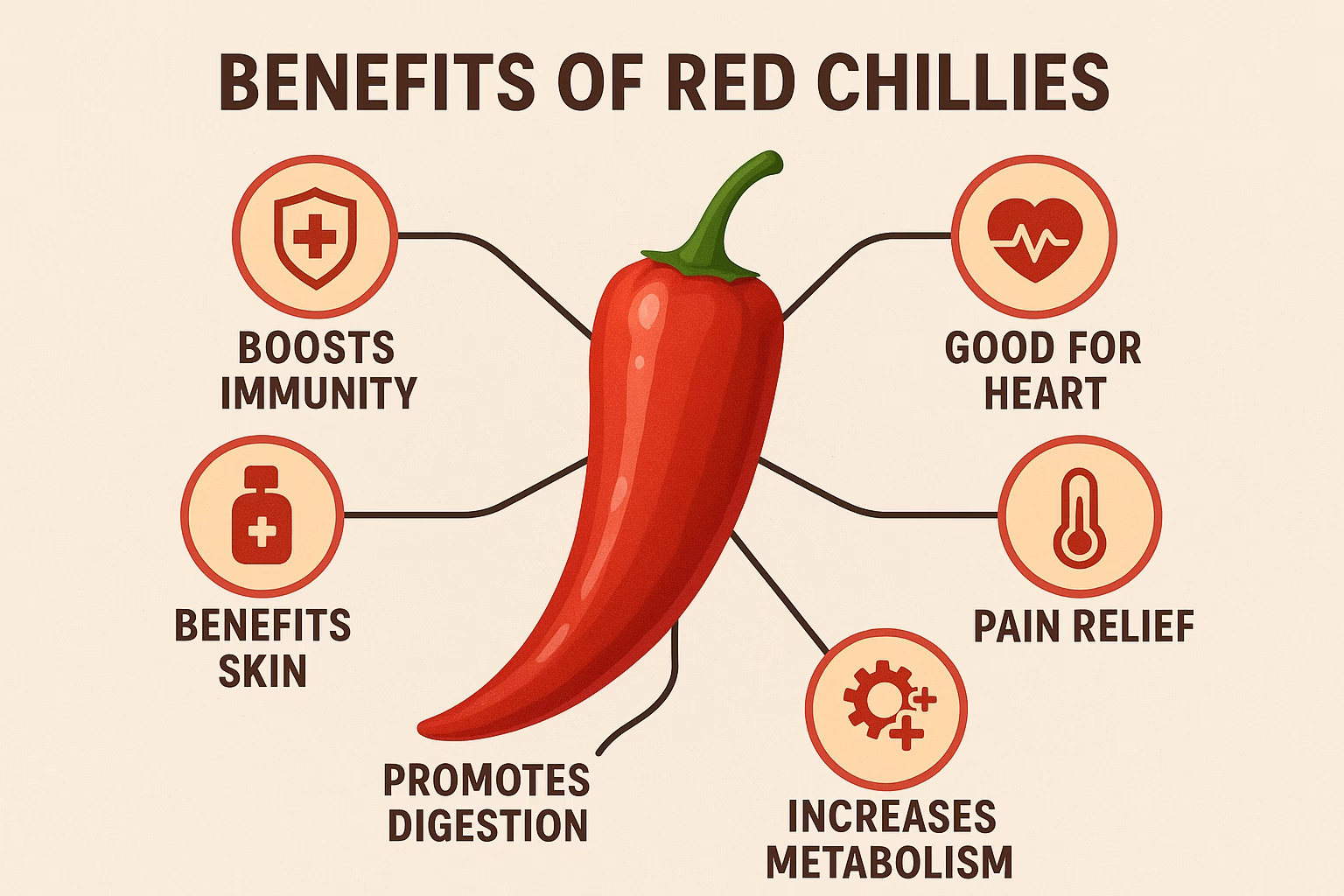


The Ultimate Guide to Fermented Foods


This article delves into the incredible world of Fermented Foods, guiding you through their gut-healing power. Discover how these probiotic-rich ingredients can transform your health, from improving digestion to boosting your immune system. Learn to choose, prepare, and enjoy Fermented Foods for a happier, healthier you.


---
Alt Text:

A close-up horizontal shot of three jars of **fermented foods**. The first jar contains layered purple cabbage, carrots, and green beans. The second holds yellow peppers, red onions, and cauliflower. The third has cucumbers, daikon radish, and red chili peppers. The jars are on a dark wood table.
Fermented Foods


Unlock a Healthier You with Fermented Foods

A healthy gut is essential for overall well-being. It can affect everything from your immune system to your mood. Fermented foods are one of the most powerful tools you have to nourish your gut and support a thriving microbiome. This guide will walk you through what fermented foods are, why they’re so good for you, and how to easily incorporate them into your daily life.

Fermented pickled vegetables are an excellent way to support gut health. Unlike quick-pickled vegetables, which use vinegar to preserve the food and often lack live cultures, fermented vegetables undergo a process called lacto-fermentation. This process uses naturally occurring bacteria (primarily Lactobacillus species) to break down sugars and create lactic acid, which acts as a preservative and gives the vegetables their characteristic tangy flavor.


This post contains affiliate links. If you make a purchase through these links, I may earn a small commission at no extra cost to you.


Fermented Foods and Your Gut Microbiome

This natural process creates a wealth of beneficial bacteria known as probiotics. These live microorganisms, when consumed in adequate amounts, can help balance your gut flora, improve digestion, and even strengthen your immune system.

By adding fermented foods to your diet, you are directly introducing these good bacteria, which can help your gut function more efficiently.

Beyond their probiotic benefits, many fermented foods also contain enzymes and prebiotics that further aid in digestion.

The fermentation process can make nutrients in the food more bioavailable, meaning your body can absorb them more easily. This makes fermented vegetables a nutritional powerhouse that goes beyond their simple ingredients.

While fermented foods have been a part of human diets for thousands of years, they have seen a resurgence in popularity due to growing awareness of gut health.

From classic sauerkraut to spicy kimchi, there’s a wide variety of flavors and textures to explore. By the end of this guide, you’ll be ready to start your own gut health journey with these delicious and powerful foods.


What Are Fermented Foods and Why Do They Matter?


The Magic of Lacto-Fermentation

Fermented foods are created through a process called lacto-fermentation. This is a simple, natural method of food preservation that uses beneficial bacteria to transform vegetables.

This process not only preserves the food but also enhances its nutritional value and creates a unique tangy flavor. The lactic acid produced during fermentation also inhibits the growth of harmful bacteria, making the food safe and healthy to eat.


A Recipe for Fermented Pickled Vegetables

This is a great starting point for anyone new to fermenting. You can use this simple brine to create a variety of delicious fermented pickles.


Time to Prepare: 15 minutes

Time to Ferment: 7-14 days


Equipment

  • 1-quart glass jar with a tight-fitting lid
  • A fermentation weight or small glass jar that fits inside the main jar
  • A large bowl
  • Knife and cutting board

Ingredients

  • 1 lb of mixed vegetables (carrots, radishes, cauliflower florets, bell peppers, or green beans work well)
  • 2 tablespoons of non-iodized sea salt
  • 2 cups of filtered water
  • Optional flavorings: 2-3 cloves of garlic, 1 tablespoon of fresh dill, 1 teaspoon of mustard seeds, or a pinch of red pepper flakes

This post contains affiliate links. If you make a purchase through these links, I may earn a small commission at no extra cost to you.


Instructions

Prepare the Vegetables

Wash all your vegetables thoroughly. Cut them into sticks or florets that will fit snugly into your glass jar, leaving about an inch of space at the top. This extra space is crucial as the vegetables will expand slightly during fermentation.

Make the Brine

In your large bowl, whisk together the filtered water and non-iodized sea salt until the salt is completely dissolved. Using non-iodized salt is important, as iodine can interfere with the fermentation process.

Pack the Jar

Place your prepared vegetables into the clean glass jar. If using any of the optional flavorings, add them now, distributing them evenly throughout the jar. Pack the vegetables tightly but gently to avoid bruising them.

Pour the Brine:

Carefully pour the salt brine over the vegetables, making sure they are completely submerged. Leave that one-inch space at the top of the jar. This is essential for preventing overflow as the fermentation process creates gas.

Submerge the Veggies

Place a fermentation weight or a smaller, clean glass jar on top of the vegetables to keep them fully submerged under the brine. This prevents mold from forming.

Seal and Store

Screw the lid on loosely so that gases can escape. Place the jar in a cool, dark place (away from direct sunlight) to ferment. A pantry or a kitchen cabinet works well.

Monitor the Process

Check your jar daily. You might see small bubbles forming—this is a sign of healthy fermentation. After about 7 days, you can taste the vegetables. They should be tangy and crisp. If you prefer them tangier, let them ferment for a few more days.

Refrigerate

Once the vegetables have reached your desired level of tanginess, tighten the lid and move the jar to the refrigerator. This will slow down the fermentation process and preserve the flavor. The fermented vegetables will last for several months in the fridge.


A List of Gut-Friendly Fermented Foods

Here is a list of fermented pickled vegetables that are great for gut health, offering a variety of flavors and textures to explore.


Classic Fermented Vegetables

  • Sauerkraut: This is arguably the most well-known fermented vegetable. It’s simply fermented cabbage and is packed with probiotics. The fermentation process makes the nutrients in cabbage more bioavailable.
  • Kimchi: A staple of Korean cuisine, kimchi is a spicy, fermented dish typically made from napa cabbage and a variety of seasonings like gochugaru (Korean chili powder), garlic, ginger, and scallions. The mix of vegetables and spices offers a complex flavor and a wide array of beneficial bacteria.
  • Fermented Dill Pickles: True fermented pickles are made with just cucumbers, a salt brine, and spices like dill and garlic. Look for “fermented,” “live cultures,” or “unpasteurized” on the label, and find them in the refrigerated section of the grocery store.

The gallery shows a selection of feremented vegetables in jars. They include: green beans, carrots, cucumber, cauliflower etc.


Other Great Options for Fermentation

The beauty of lacto-fermentation is that you can ferment almost any vegetable. Here are some more you can try:

  • Fermented Carrots: Carrots ferment well on their own or with other vegetables. They maintain their crunch and can be flavored with ginger, garlic, or a hint of turmeric.
  • Fermented Beets: Fermented beets are a beautiful, vibrant food. The fermentation process mellows their earthy flavor and can be used to make a probiotic drink called beet kvass.
  • Fermented Cauliflower and Broccoli: These cruciferous vegetables ferment nicely, developing a tangy flavor that is delicious in salads or as a side dish.
  • Fermented Green Beans: Fermenting green beans gives them a crisp, zesty taste. They’re a fantastic snack or a tangy addition to a meal.
  • Fermented Radishes: Radishes ferment quickly and are great for a beginner fermenter. They maintain their crunch and develop a sharp, tangy flavor.
  • Fermented Garlic and Onions: Fermenting garlic and onions not only preserves them but also makes them easier to digest for some people. They can be used as a flavorful ingredient in many dishes.
  • Fermented Jalapeños or Other Peppers: For those who like a little heat, fermented peppers are a flavorful and spicy way to get your probiotics.
  • Mixed Vegetable Ferments (Giardiniera): You can create your own mix of fermented vegetables. A common combination includes carrots, cauliflower, celery, and bell peppers. This is a great way to use up a variety of produce.

The gallery shows a delicious bowl of food topped with sauerkraut first, the middle image shows food topped with fermented green beans and the final image shows a delicious bowl of food topped with fermented jalapeños and other peppers


Benefits of Fermented Foods for Your Gut Health

Incorporating fermented foods into your diet offers a range of powerful benefits beyond simple digestion.

  • Improved Gut Microbiome: The most significant benefit is the introduction of beneficial bacteria to your gut. A balanced gut microbiome is linked to improved digestion, reduced inflammation, and better nutrient absorption.
  • Enhanced Immune Function: A large portion of your immune system is located in your gut. By promoting a healthy gut, fermented foods can help strengthen your body’s natural defenses and make you less susceptible to illness.
  • Better Mood and Brain Health: Research suggests a strong connection between the gut and the brain, often called the “gut-brain axis.” A healthy gut can positively influence mood, reduce stress, and improve cognitive function.

  • Increased Nutrient Bioavailability: The fermentation process breaks down certain compounds, making vitamins and minerals, like B vitamins and iron, easier for your body to absorb and use.
  • Digestive Harmony: Fermented foods can help with common digestive issues such as bloating, gas, and indigestion by supporting a healthy digestive process.

The gallery shows the benefits of fermented foods have on your gut and brain. The next image shows how fermented foods benefits your digestive harmony. And the final image shows how fermented foods can Improved Gut Microbiome.
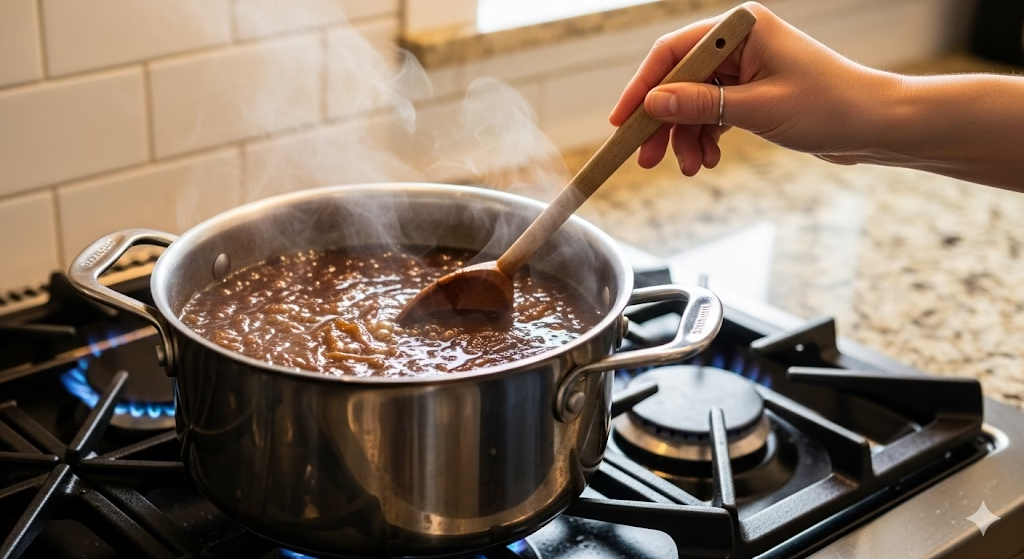
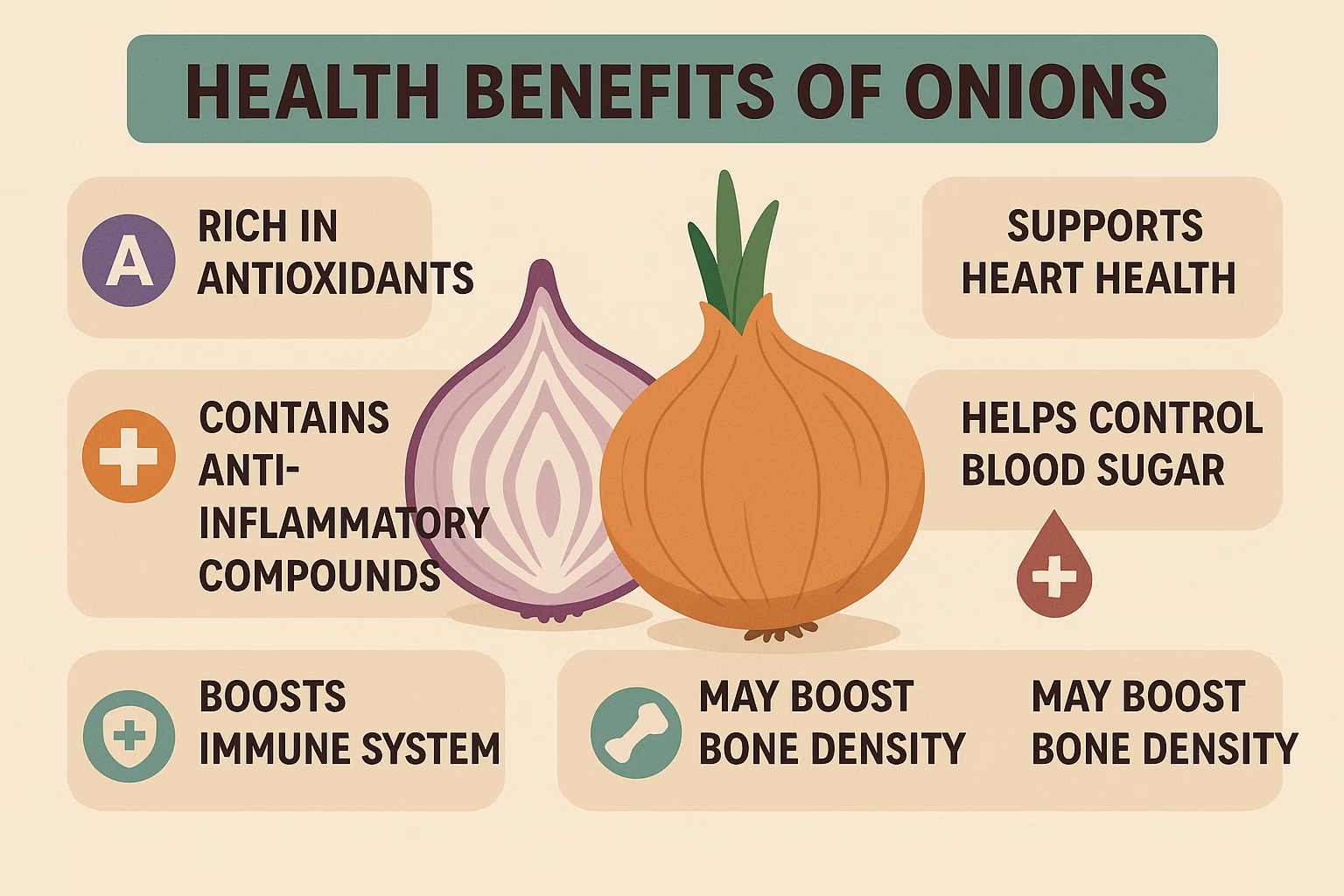
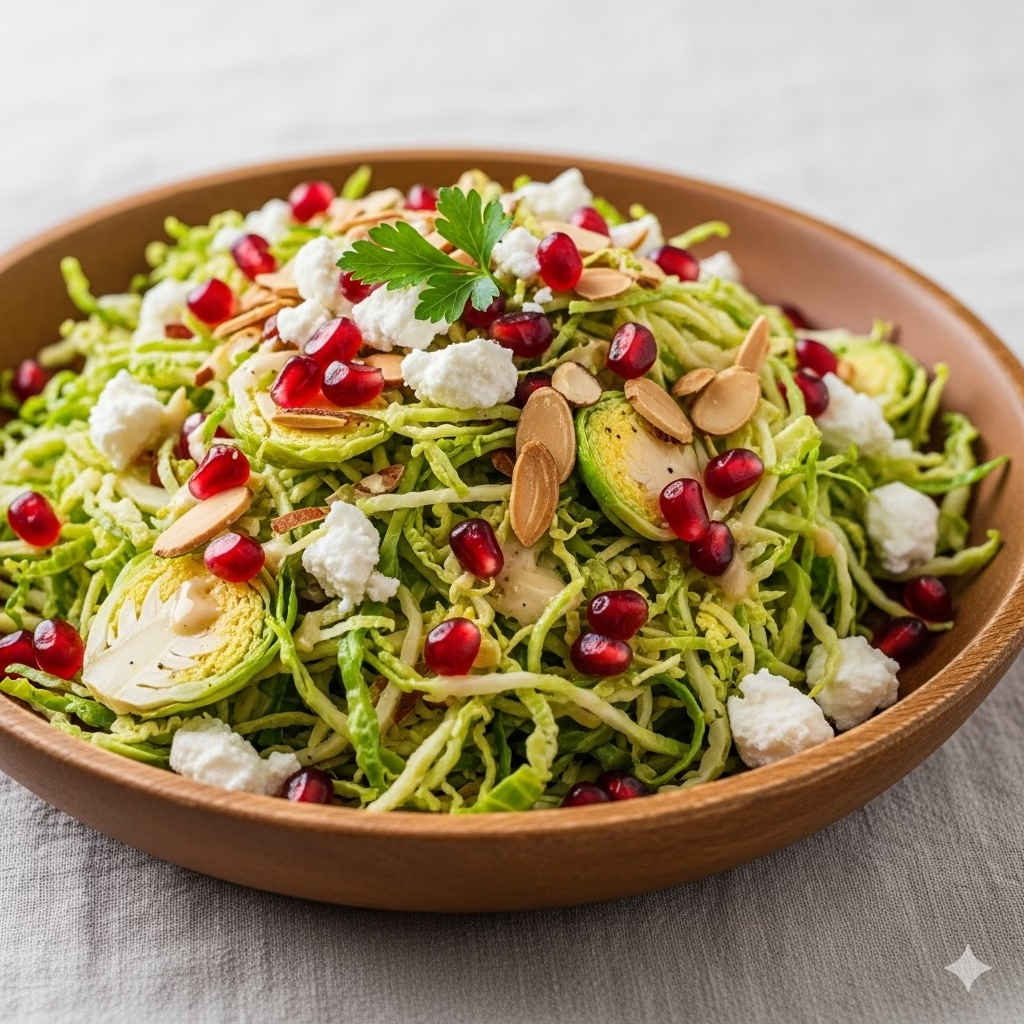
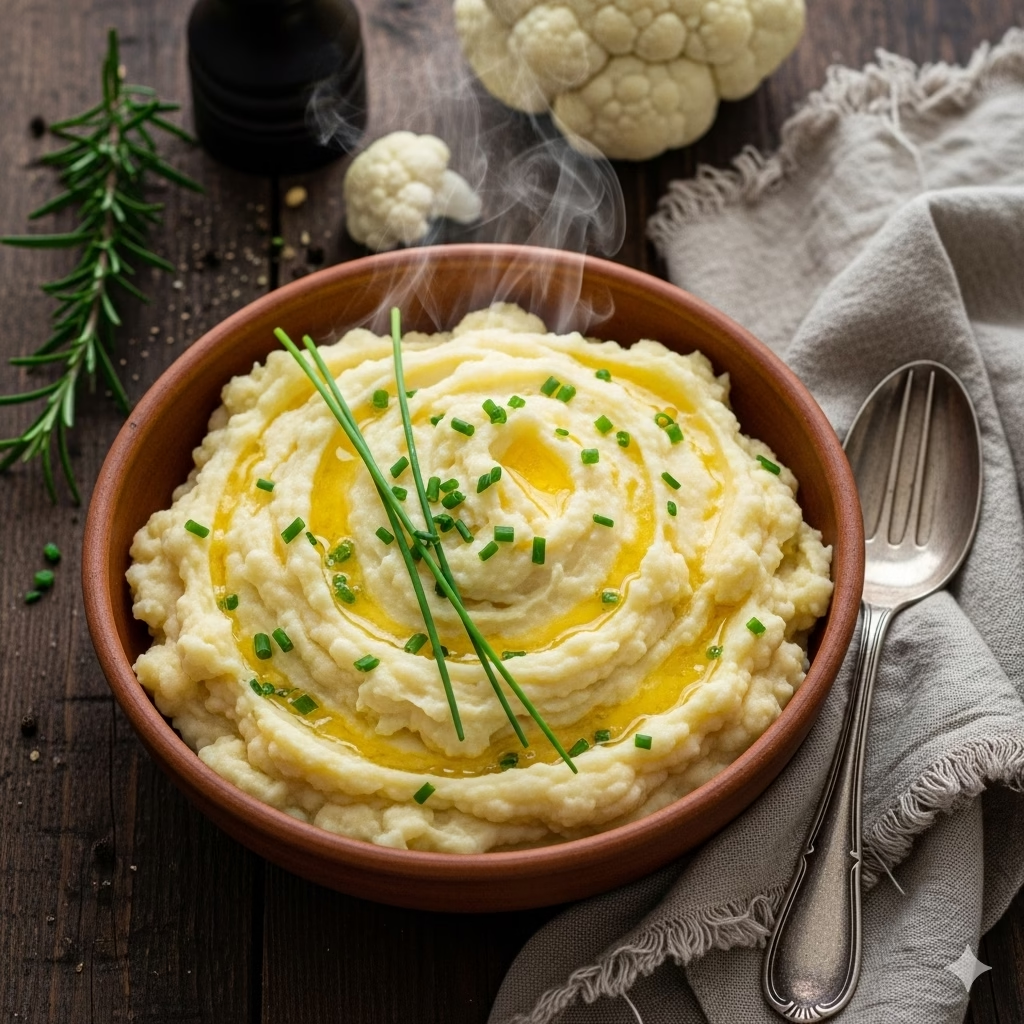

How to Choose and Eat Fermented Foods

How to Choose Fermented Foods at the Store

When buying fermented vegetables, it’s crucial to check the label. If a product has been pasteurized (heated to kill bacteria for a longer shelf life), it will not contain live probiotics. Look for products specifically labeled as “fermented,” “unpasteurized,” or “live and active cultures.” These are almost always found in the refrigerated section of the store.

How to Incorporate Fermented Foods into Meals

If you’re new to fermented foods, start with a small amount, like a tablespoon or two per day, and gradually increase your intake. This allows your gut microbiome to adjust. Fermented vegetables can be enjoyed in many ways:

  • As a side dish with meals.
  • Topping sandwiches, wraps, or salads.
  • Mixed into grain bowls or stir-fries (add at the end to preserve the cultures).
  • As a flavorful snack on their own.

This post contains affiliate links. If you make a purchase through these links, I may earn a small commission at no extra cost to you.


Final Thoughts

The journey to a healthier gut is an investment in your overall health. By embracing the power of fermented foods, you’re giving your body a natural and delicious way to flourish. Start small, experiment with different flavors, and listen to what your body needs. Your gut will thank you for it.


Frequently Asked Questions (FAQs)

Q: Can I get the same benefits from vinegar-pickled vegetables?

A: No. Vinegar-pickled vegetables, like most jarred pickles in the condiment aisle, are preserved with vinegar and are often pasteurized, meaning they do not contain the live, beneficial bacteria found in lacto-fermented foods. Look for the “unpasteurized” label and find them in the refrigerated section to get the probiotic benefits.

Q: How do I know if my fermentation is working correctly?

A: A successful fermentation will often produce a slight carbonation and a tangy, pleasant smell. You may see small bubbles rising in the jar. If you see mold or a foul odor, the fermentation process may have been compromised, and it’s best to discard the batch and start over.


References

  1. U.S. National Library of Medicine – Fermented Foods
  2. Harvard Medical School – Fermented foods for better gut health
  3. Cleveland Clinic – 5 Reasons to Add More Fermented Foods to Your Diet

Recent Posts