Looking for a simple fridge hack that can revolutionize your kitchen? This guide explores why jars are becoming the go-to solution for home cooks everywhere. From storing fridge leftovers to creating a zero waste fridge system, jars used as organizers offer practical benefits that plastic containers simply can’t match. Discover how this affordable change can save you money, reduce waste, and keep your food fresher for longer.
Introduction
Every week, millions of families open their fridge to find a mystery‑meat casserole that’s been forgotten for days, a bag of wilted greens, or a half‑used jar of sauce that’s now a sticky mess on the shelf. The result? Food waste, higher grocery bills, and a lot of frustration.
What if there were a simple, inexpensive way to solve these problems? Enter the Fridge Hack: using ordinary jars as clever organizers and preservers. By turning everyday glass jars into functional tools, you can dramatically improve the way you store, see, and use your fridge leftovers.
This article walks you through why jars are a game‑changer, how to set them up, and the creative ways you can make the most of every jar in your kitchen. Ready to give your fridge a fresh start? Let’s dive in!
The Problem with Fridge Leftovers

Visual Clutter
When leftovers sit in open containers or on random plates, they blend into the background. You’re less likely to eat them before they spoil.
Limited Shelf Life
Air, moisture, and light accelerate spoilage. A bowl of rice left uncovered can become dry and stale in a day, while a sealed jar can keep it fresh for a week.
Food Waste
The U.S. Environmental Protection Agency estimates that 30 % of household food waste comes from improper storage. That adds up to billions of dollars each year and unnecessary environmental impact.
Safety Concerns
Cross‑contamination is a hidden risk. Raw meat juices can drip onto other foods, increasing the chance of bacterial growth.
The Bottom Line
If you want to keep food fresh longer, see what you have, and cut waste, you need a better system.
How Jars Solve the Problem
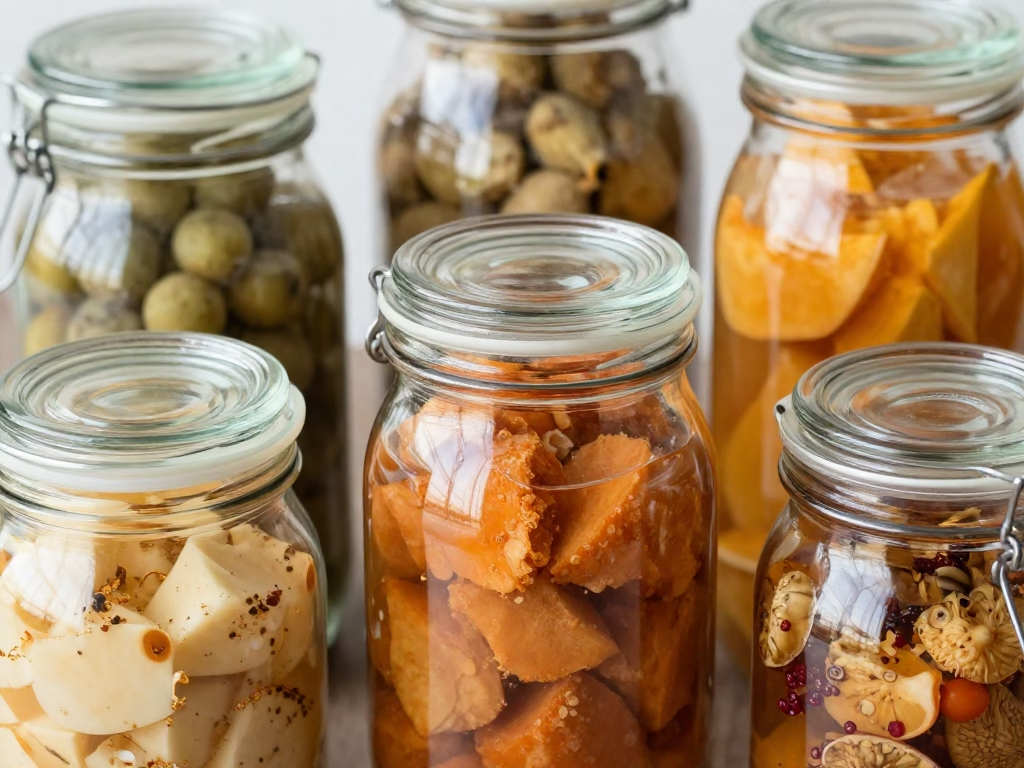
Jars are a perfect match for the fridge because they combine three key strengths:
- Sealed Environment – A tight lid blocks air and moisture, slowing oxidation and bacterial growth.
- Transparent View – You can instantly spot contents without digging through a pile of containers.
- Versatile Size & Shape – From tiny spice jars to large quart jars, there’s a fit for every leftover type.
When you start using jars as organizers, you turn your fridge from a chaotic storage zone into a well‑ordered pantry that encourages you to eat what you have.
Organizing Your Fridge with Jars
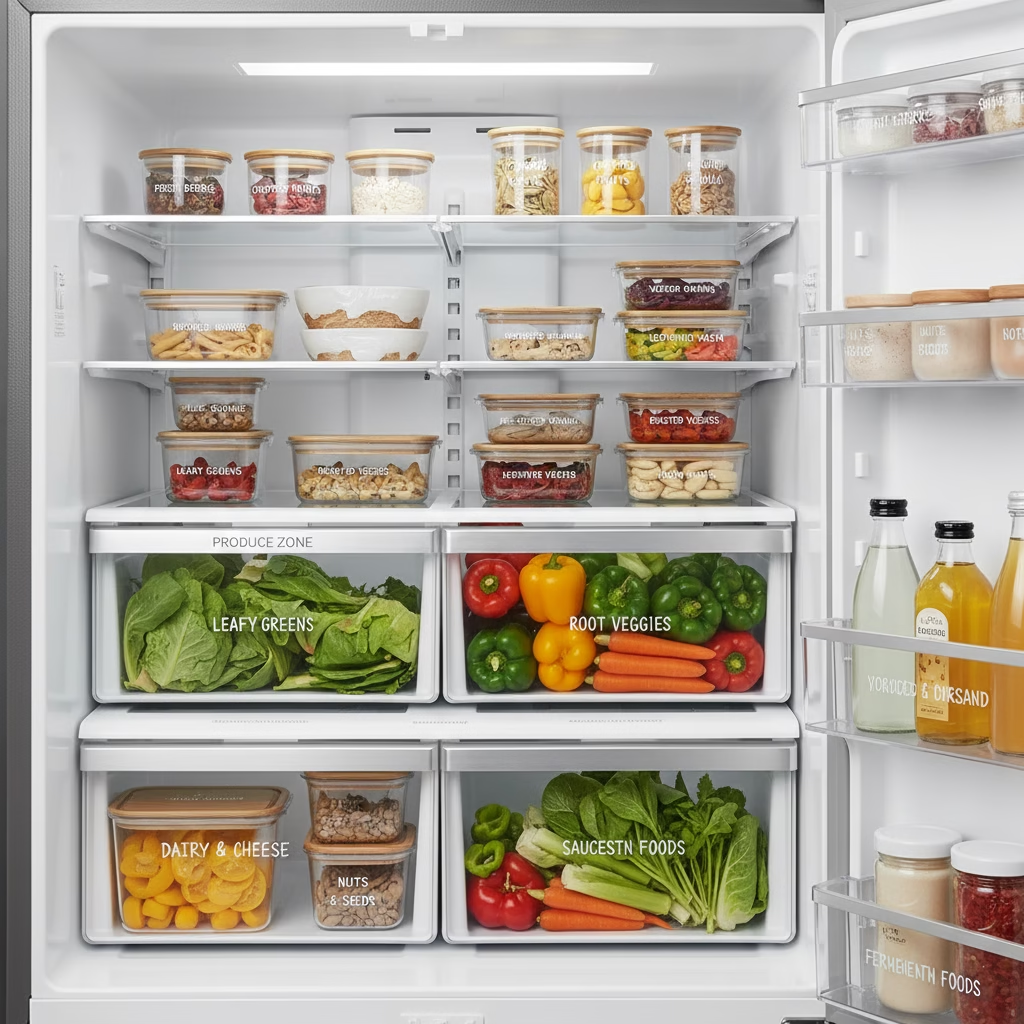
1. Clear the Shelf
Remove everything from the shelf you want to reorganize. Wipe the surface clean and check for expired items.
2. Group by Category
- Vegetables & Herbs – Store washed greens, chopped carrots, or fresh herbs in smaller jars.
- Cooked Meals – Transfer soups, stews, or rice into larger jars.
- Snacks & Condiments – Keep nuts, olives, or sauces in medium‑sized jars.
3. Label for Clarity
Use a permanent marker or printable labels to write the name and date. This simple step ensures you always know what’s inside and how long it’s been stored.
4. Stack & Rotate
Place taller jars behind shorter ones for easy access. Follow the “first‑in, first‑out” rule: move older items to the front so they’re used first.
Extending Freshness with Jars
Airtight Sealing
A jar’s lid creates an airtight seal, limiting oxygen exposure. This is especially useful for leafy greens, which wilt quickly when exposed to air.
Temperature Stability
Glass conducts heat slowly, helping to keep contents at a more consistent temperature. This reduces the risk of hot spots that can spoil food.
Moisture Control
When you add a small piece of paper towel to a jar, it absorbs excess moisture. This trick works well for berries, sliced fruit, and cut vegetables.
Visual Appeal: Jars as a Design Element

A fridge full of neatly labeled jars looks tidy and inviting. The uniform shape and clear glass add a clean aesthetic that makes cooking feel more enjoyable.
- Color Coding – Use colored lids or labels to denote protein, dairy, or produce.
- Layering – Stack jars of different heights to create a visual rhythm.
- Highlighting – Place a jar of fresh herbs on a small plate at eye level to inspire quick garnishes.
Step‑by‑Step: Turning Jars into Fridge Organizers

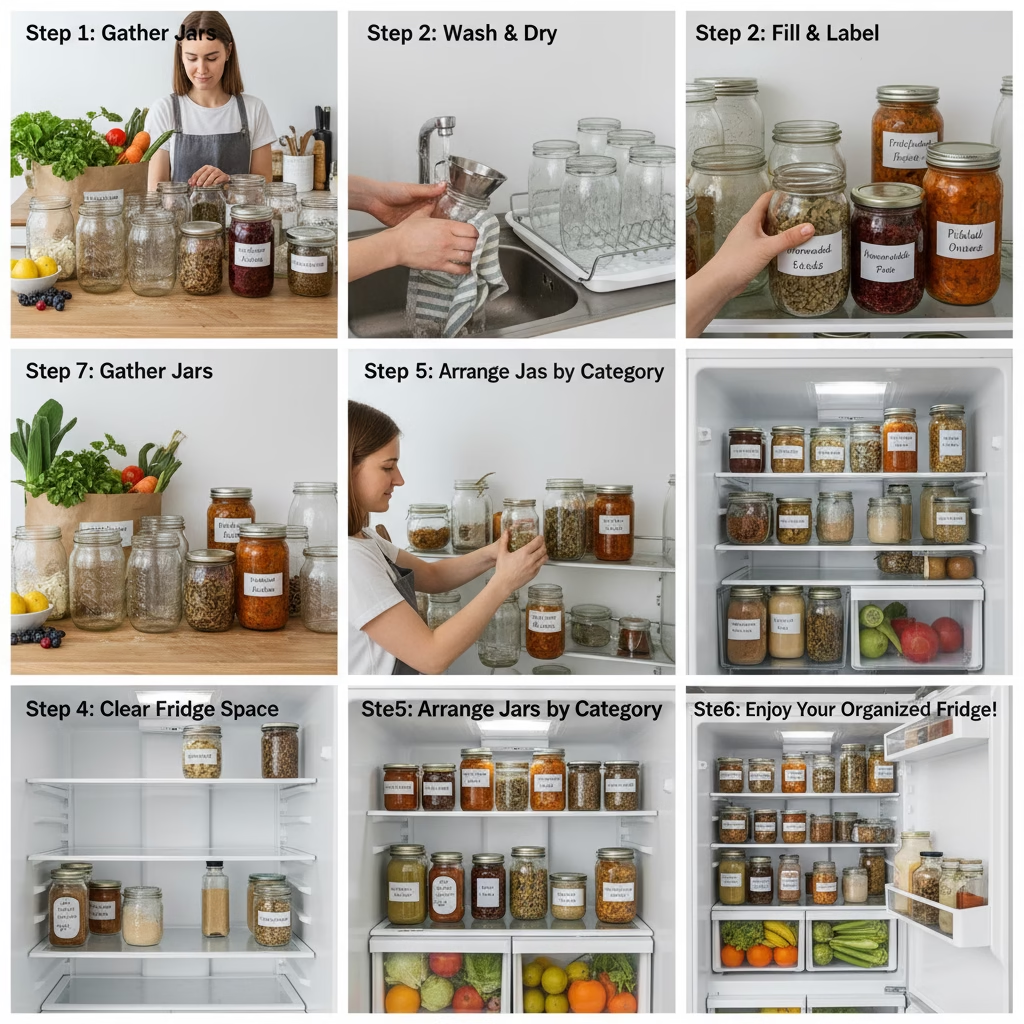
Below is a simple, repeatable process you can follow for any jar you collect.
Materials
- Clean glass jars (any size)
- Dish soap and warm water
- Baking soda (optional, for stubborn stains)
- Labels or masking tape
- Permanent marker
- Small piece of paper towel (optional)
Instructions
- Wash Thoroughly
- Fill each jar with hot, soapy water. Scrub the interior with a bottle brush.
- Rinse well and let air‑dry upside down on a rack.
- Remove Stains (if needed)
- For stubborn stains, sprinkle a little baking soda inside, add a splash of water, and scrub gently.
- Dry Completely
- Ensure the jar is completely dry before placing any food inside. Moisture can encourage mold.
- Add Paper Towel (optional)
- Place a thin, damp paper towel at the bottom of the jar to absorb excess moisture.
- Fill with Food
- Transfer leftovers or fresh produce into the jar. Leave a small headspace (≈½ inch) for expansion.
- Seal & Label
- Screw the lid on tightly. Write the contents and date on the label.
- Store in the Fridge
- Place the jar on a shelf, ensuring it fits comfortably.
- Rotate Regularly
- Move older jars to the front of the shelf to use them first.
Quick Tips
- Don’t Overfill – Leaving space prevents the lid from sealing properly.
- Avoid Metal Lids with Acidic Foods – Glass lids are safer for tomatoes, citrus, or pickles.
- Re‑use Jar Rings – If a lid cracks, keep the ring for future jars.
Zero Waste Fridge Leftovers

Reducing Food Waste
By extending the life of leftovers, jars help you eat what you buy, cutting the amount of food that ends up in the trash.
Saving Money
Less waste means lower grocery bills. A single jar can keep a pound of cooked beans fresh for up to two weeks, saving you from buying a new can each time.
Supporting Sustainability
Every pound of food saved reduces greenhouse‑gas emissions associated with production, transport, and landfill decomposition.
Easy Tracking
Labeling each jar with a date makes it simple to follow the “use‑by” rule. You’ll notice patterns—some items stay fresh longer than you thought!
Creative Ideas for Jar Use in the Fridge
| Idea | What It Stores | Benefits |
|---|---|---|
| Herb Garden | Fresh basil, cilantro, parsley | Keeps herbs crisp, adds a splash of green to your meals |
| Snack Station | Nuts, dried fruit, trail mix | Portion control, easy grab‑and‑go |
| Meal‑Prep Containers | Cooked grains, pre‑cut veggies, proteins | Streamlines weekly cooking, reduces prep time |
| Condiment Jars | Homemade sauces, dressings, pickles | Keeps flavors sealed, reduces plastic waste |
| Freezer‑Friendly Jars | Soups, sauces, purees | Glass tolerates freezing better than many plastic containers |
| DIY Sorbet | Small servings of frozen fruit puree | Quick dessert, no need for ice‑cream maker |
Feel free to mix and match ideas based on your household’s needs. The key is to keep jars transparent, labeled, and organized.
Maintaining Your Jar System
Regular Cleaning
- Weekly: Take down jars, wash, and re‑label as needed.
- Monthly: Deep clean any jars that have held raw meat or strong odors (use a solution of 1 part vinegar to 4 parts water).
Check for Damage
Inspect lids for cracks or rust. Replace damaged lids promptly to keep the airtight seal intact.
Refresh Labels
If a label fades, rewrite it. Consistent labeling prevents confusion and waste.
Inventory Audit
Every month, glance at your fridge and note which jars are empty or still full. This audit helps you plan meals and grocery shopping more efficiently.
Conclusion
The Fridge Hack of using more jars is a simple, low‑cost strategy that delivers three major wins:
- Freshness – Airtight jars keep leftovers crisp and safe longer.
- Clarity – Transparent jars let you see what you have at a glance.
- Zero‑Waste Mindset – By extending the life of food, you cut waste, save money, and lower your environmental footprint.
With just a few jars, some soap, and a label maker, you can turn your refrigerator into a well‑organized, eco‑friendly pantry. Give it a try this week—your taste buds (and the planet) will thank you!
References
- WRI: The Global Benefits of Reducing Food Waste
- Food Safety: Keep Food Safe
- Harvard T.H. Chan: Food Waste
- The Spruce Eats: How to Store Fresh Herbs So They Last Longer
Recent Posts