Are you tired of staring at a screen all day, feeling disconnected from nature, and wishing you had a green thumb? We get it. Modern life can be chaotic, making it hard to find moments of Zen calm and simple joy. This article is your ticket to bringing tranquility into your home without committing to a demanding houseplant habit.
Mental and Emotional Benefits
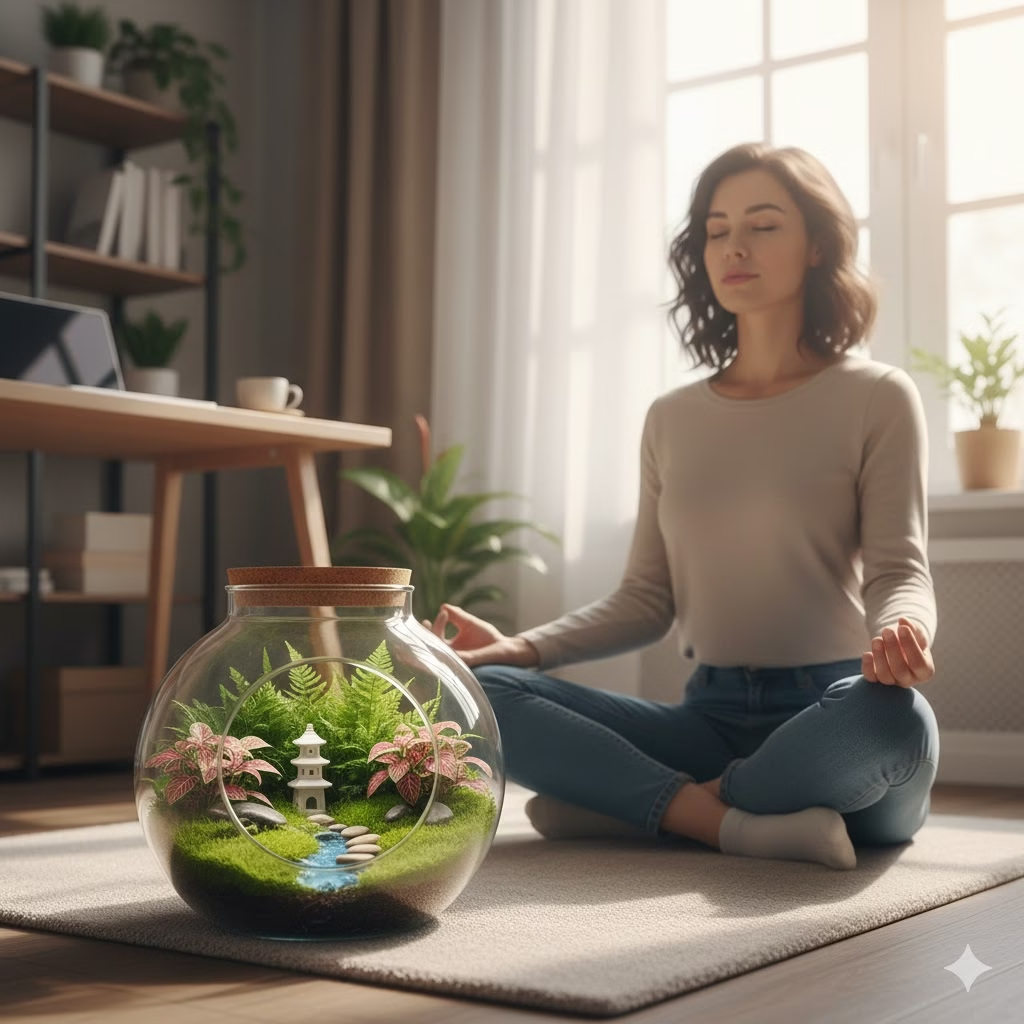
The best thing about adding a terrarium to your life is how quickly it helps you feel better inside. These small worlds aren’t just for plants; they are for your mind. They give you an easy, constant source of natural calm in your everyday space.
1. Stress and Anxiety Reduction
Being near nature and greenery feels soothing and relaxing. This feeling can greatly lower your stress and ease anxiety. The presence of natural items starts a calming response in your brain. The focused activity of building and caring for a terrarium is a natural stress reliever. The gentle, focused care a terrarium needs is a simple way to meditate. It helps take your mind off things that cause stress.
- How to do it: Spend just five minutes every morning looking at your terrarium. Notice the moisture, the color of the moss, and the way the pieces are arranged. This simple, focused looking can stop stressful thoughts and help you feel present.
2. Improved Mood and Well-being
Seeing lush, green plants can lift your spirits. It helps you feel more peaceful and tranquil overall. Studies show that looking at natural scenes makes people feel happier. A healthy, lively terrarium brings life and color into plain indoor spaces. It offers a continuous, positive visual treat.
3. Enhanced Concentration and Creativity
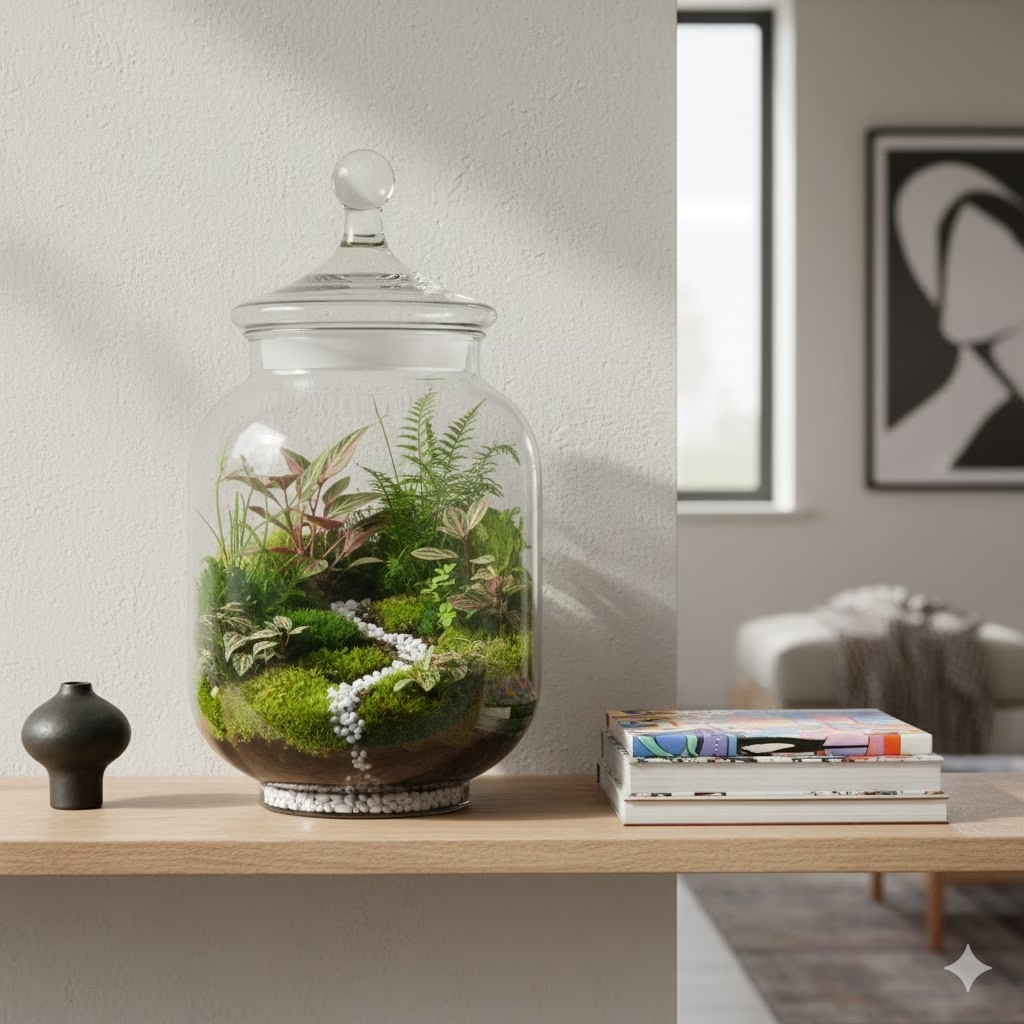
The task of creating and looking after a terrarium requires you to focus. This can boost your concentration, creative thinking, and problem-solving skills. When you choose plants and arrange the soil layers and stones, you are having a simple creative moment. This mental break allows your brain to rest. Often, you will find new ideas pop up when you return to harder work.
4. Sense of Purpose and Accomplishment
Taking care of a living ecosystem, even a tiny one, gives you a sense of purpose. It offers a good feeling of accomplishment when you see it grow well. This is very good for mental health. This easy act of creating and protecting life can fight feelings of uselessness. It gives you a real, positive result from your care.
5. Mindfulness (A Path to Zen)
When you watch and maintain the small world in the glass, it encourages you to be present. This is called fostering Mindfulness. By focusing on the micro-world—a small water drop or a single leaf opening up—you stop thinking about outside problems. This habit of focused looking is a clear path to finding moments of Zen calm during a busy day.
Physical and Environmental Benefits
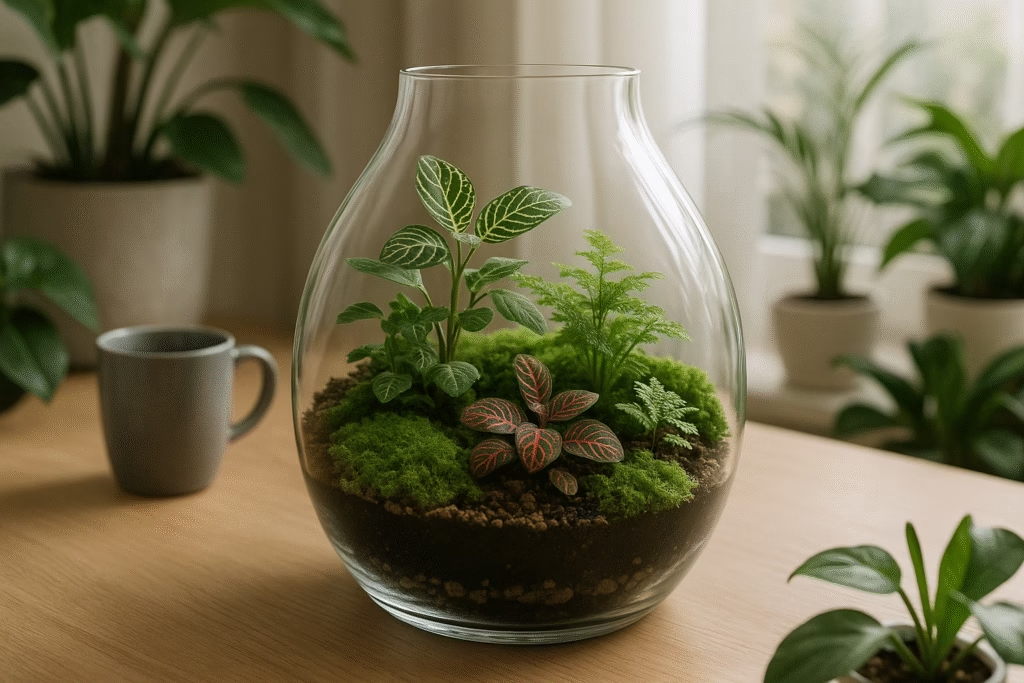
The mental benefits are strong, but the physical perks of a terrarium often surprise people. They are not just decorations; they are working, tiny life systems.
6. Improved Air Quality (to an extent)
Like regular houseplants, the plants in a terrarium take in carbon dioxide and release oxygen. If your terrarium is sealed, its effect on a big room’s air quality is small. But having plants close by is always a good thing. In a small, open terrarium, the plants actively cycle air. They bring fresh oxygen near where you work.
7. Increased Indoor Humidity
Terrariums raise the humidity right around them. This is helpful in dry indoor places (like in winter when the heat is on). Higher humidity can help with issues like dry skin and breathing discomfort. A closed terrarium makes a very humid microclimate. Even an open terrarium gently adds moisture to the air nearby.
8. Educational Value
Terrariums work as hands-on teaching tools. They are especially good for kids. They help them learn basic science like the water cycle and photosynthesis in a contained system. Building one together is an excellent, practical science lesson. Kids can actually see condensation and evaporation at work.
- How to do it: If you make a terrarium with a child, explain what each layer does (drainage, charcoal, soil) before planting. This turns the activity into a structured science project.
9. Aesthetic Appeal and Interior Design
Terrariums act like living artwork. They add natural beauty and a catchy focal point to any indoor space. This includes offices or homes where regular plants might not do well because of limited space or light. Their unique look and the bright colors of the plants can make a room feel more balanced and improve the overall mood. They fit well with minimal or complex terrarium ideas.
10. Encourages a Sustainable Mindset
Watching a small, closed ecosystem live and thrive with little human help can make you value nature’s balance more. It may even push you to make more environment-friendly choices in other parts of your life. It is a daily, real-life reminder of how tough and smart nature is.
11. Noise Reduction (Minor)
It’s a small effect, but the plants and materials in a terrarium can soak up some noise around them. This helps make the room slightly quieter and more peaceful. This small help can work alongside other things you do to make your room calmer and softer sounding.
Lifestyle and Practical Benefits
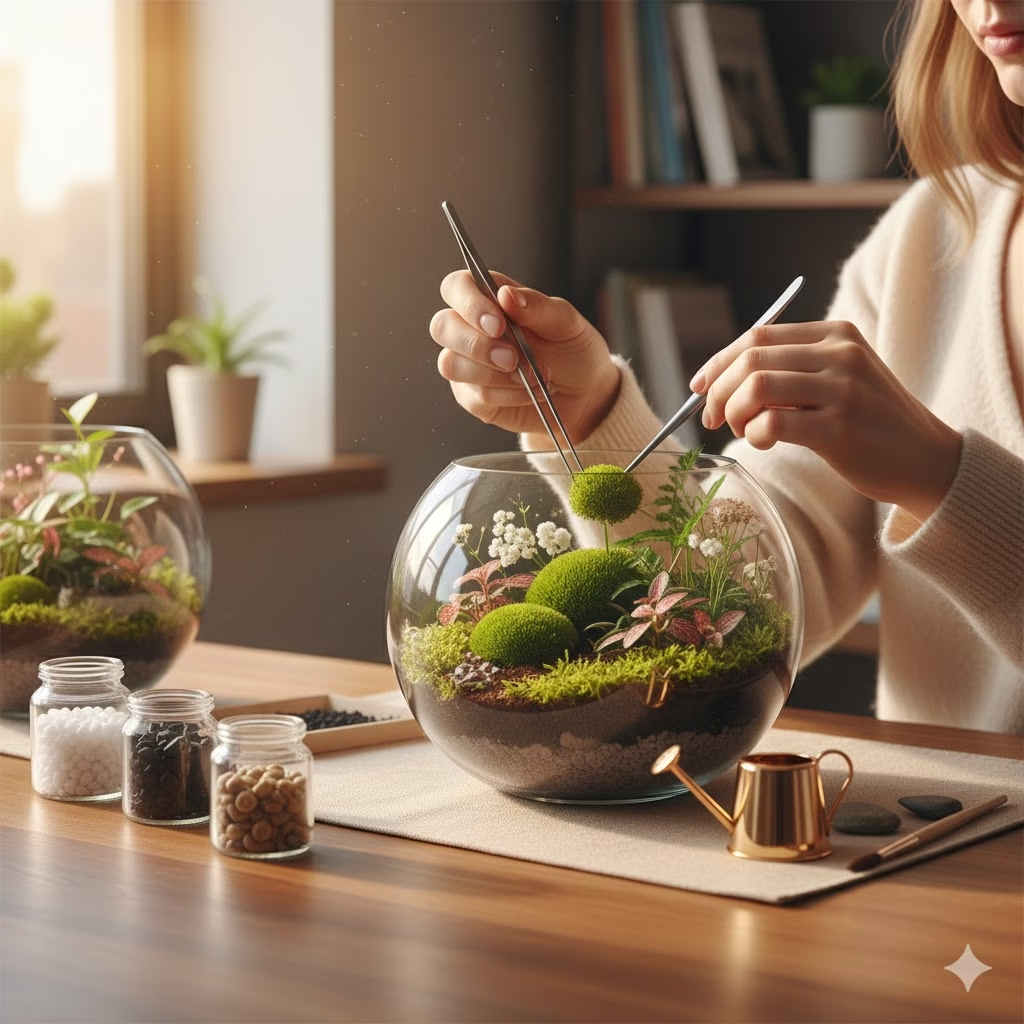
Terrariums are not just for people who love gardening. They are the perfect green solution for busy, modern people.
12. Therapeutic Hobby
The act of building and designing a terrarium can be a creative outlet that rewards you and helps you feel better. It causes “eustress” (good stress) that leads to feelings of excitement and happiness. And gives you a feeling of control and strength as you create and care for your own small world. It is an art form where nature is the material you use.
- How to do it (Creating Your Terrarium):
- Get Your Container: Pick a clear glass jar or bowl. A jar with a lid is best for closed terrariums (high moisture, self-watering). An open bowl is better for plants that like drier air, such as cacti.
- Drainage Layer: Put a layer of small stones or gravel at the bottom (about one inch). This keeps the soil from holding too much water.
- Charcoal Layer: Add a thin layer of activated charcoal (about a half-inch) over the stones. This filters the water to keep it fresh and stops mold or bad smells.
- Soil Layer: Add your planting soil mix. Use a special mix for terrariums; it’s usually lighter and less dense than regular soil. The layer needs to be deep enough for the plant roots.
- Planting: Use long tools to gently set your plants (moss terrarium plants like Fittonia or small ferns work great) into the soil. Make sure the roots are fully covered.
- Decoration: Add small stones, pebbles, or tiny figures to decorate.
- Watering: Water it lightly. For a closed terrarium, you should see moisture on the glass after a day or two. If not, add just a tiny bit more water. If the glass is constantly soaking wet, open the lid for a few hours.
13. Accessibility to Gardening
Terrariums are a simple, easy way to start gardening. They are perfect for people living in cities, those who are always busy, or anyone with a small yard or no outdoor space. You can enjoy the good things about gardening in a small size. You don’t need a large garden or lots of plant knowledge. They also save space well, fitting nicely on a desk or shelf.
14. Protection for Plants
Closed terrariums act like a protective shield. They keep the plants safe from outside problems like big temperature changes, drafts, and pests. This helps the plants stay healthy. The steady, moist air inside the glass lets delicate plants grow well where they might struggle in a regular pot.
Potential Drawbacks
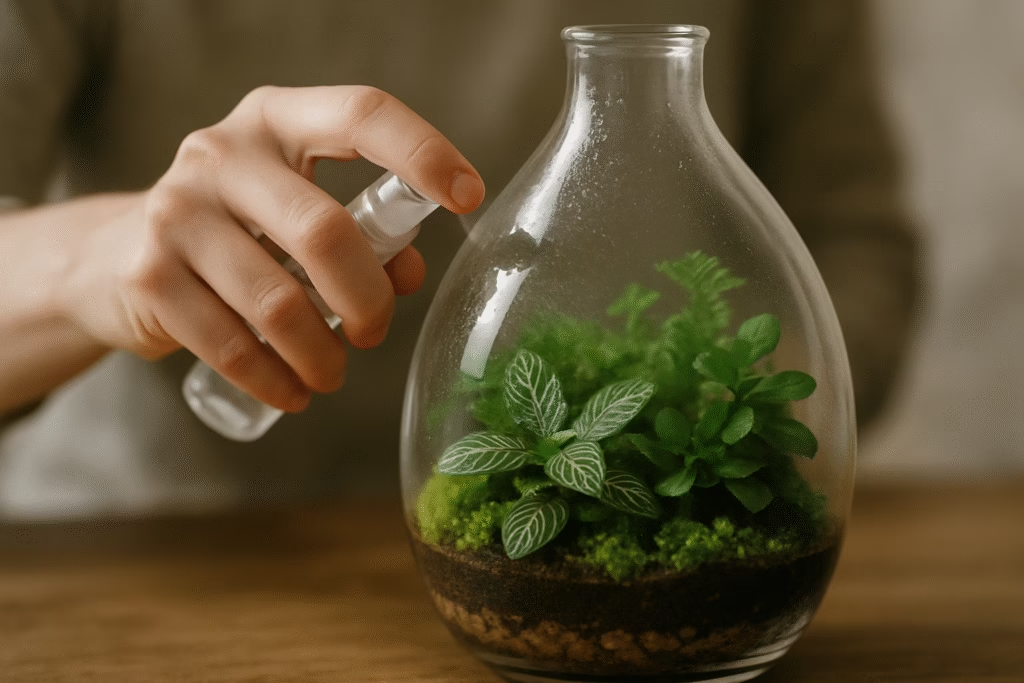
While there are many good things about them, you should know about a few possible downsides. This helps you keep your terrarium healthy for a long time.
Maintenance Challenges
Terrariums are usually easy to care for. However, if the balance inside is upset (for example, too much water or wrong lighting), the whole life system can fail. Giving them too much water is the number one reason closed terrariums die.
- How to manage it: Put your terrarium where it gets bright light, but not direct sun. Direct sun can quickly cook the plants inside the glass. Only add water (a small amount) if you haven’t seen any condensation on the glass for several days.
Pest Infestations
The high moisture that terrarium plants love can also create a perfect place for pests like fungus gnats to breed. These tiny flies love damp soil.
- How to manage it: Make sure your soil is sterilized before you use it. If you see gnats, reduce the moisture level (open the lid for a few hours daily). You can also try using beneficial nematodes, which are a natural way to control pests.
FAQ Section
What is the difference between an open and closed terrarium?
A closed terrarium has a lid. It acts as a sealed, self-running system where the water and gases cycle constantly. It needs almost no extra watering. An open terrarium has no lid. It works best for plants that like drier air, such as succulents and cacti. It needs to be watered every now and then, just like a regular potted plant.
How often do I need to water a closed terrarium?
Usually, a well-made closed terrarium may only need water once or twice a year, or sometimes even less. The key is the moisture: if you see water drops on the glass during the day and they vanish overnight, the moisture is perfect. If the glass is always clear, add a small bit of water.
What are the best plants for a moss terrarium?
For a wet, closed moss terrarium, the best plants are small, slow-growing types that love high humidity and low light. Good choices include ferns (like Maidenhair or Bird’s Nest), Fittonia (Nerve Plant), Pilea (Aluminum Plant), and many real mosses (like Mood Moss or Sheet Moss).
What is the best spot for a terrarium?
Place your terrarium somewhere that gets bright, but not direct, sunlight. A window that faces north is often the best spot. Do not put it in harsh, direct sunlight. That heat can quickly make the inside of the glass too hot and damage the plants.
References
- Science Direct – The restorative benefits of nature
- NIH – View through a window may influence recovery from surgery
Recent Posts