Searching for simple, affordable ways to keep people—both young and old—engaged and help them manage big feelings through positive Sensory Activities is a common goal for many. It is often the simplest projects, like creating a custom Sensory Cuddle Ball, that yield the biggest rewards in terms of development, calm, and focus for everyone, including active toddlers. This guide offers a project born from the desire to create something truly comforting and tactile for the busy people in our lives. I hope this information helps you create a cherished, handmade item for a child or adult you care about.
1. Introduction: The Magic of the Sensory Cuddle Ball
The world today has a lot of screens. Because of this, kids need hands-on experience and sensory feedback. This is very important for children. Right from birth, babies learn by touching things, grabbing them, and tasting them. As they grow into toddlers, they need sensory input to help them build motor skills, thinking abilities, and emotional control. The Sensory Cuddle Ball is one of the best and easiest ways to give them this help.
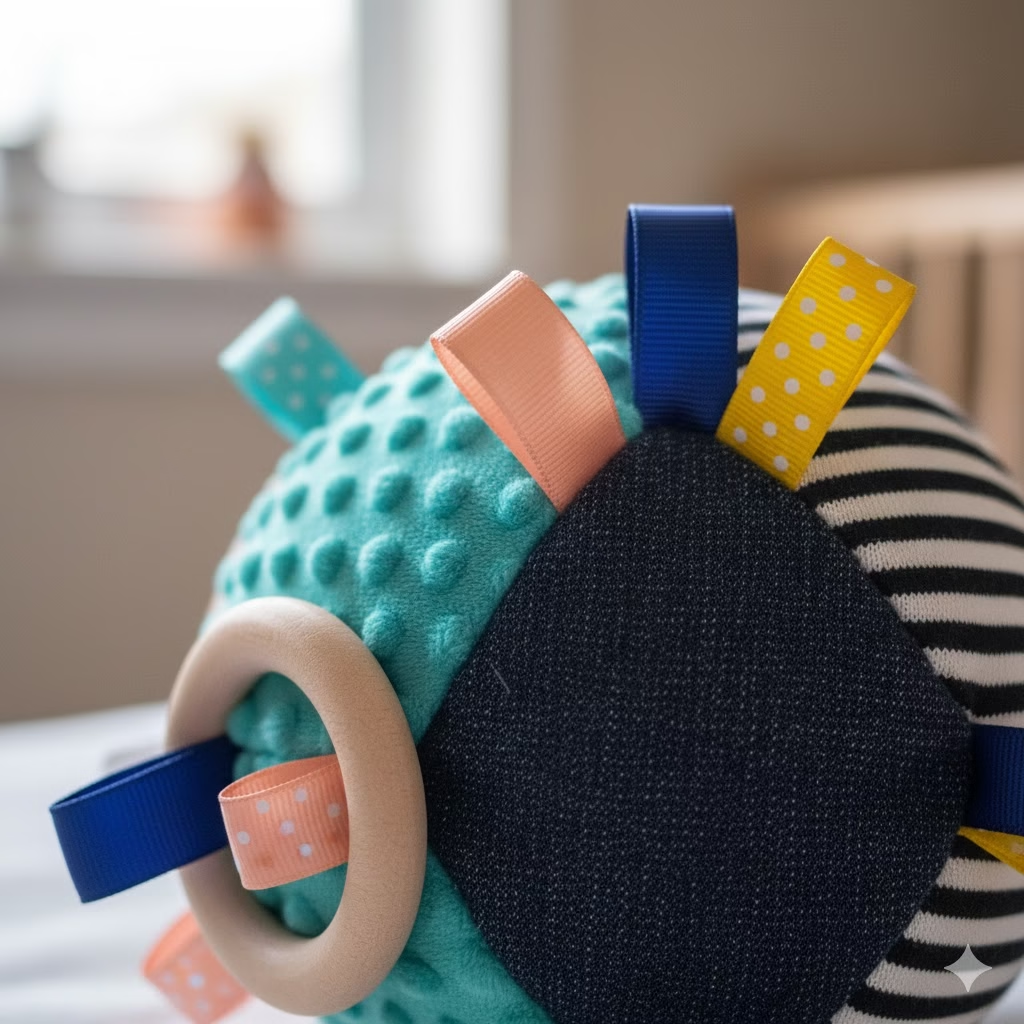
What is a Sensory Cuddle Ball? It is a handmade, round item. And is usually soft, strong, and easy to hold. It is made to have many different textures, weights, and sounds. It’s more than just a toy. It is a tool for therapy, an object for comfort, and a great way to start sensory activities. Toys you buy in a store often offer limited interaction. But a homemade Sensory Cuddle Ball can be made just for your child. It can help them if they need deep pressure to feel calm, or if they need exciting sights and sounds to stay interested.
This complete guide will show you everything about how to create an effective Sensory Cuddle Ball at home. We will talk about the necessary materials. And give detailed, easy instructions on how to do it. We will also give examples of different fabrics and fillings you can use. Most importantly, we will show you why this simple item is so valuable for your child’s playtime. Its benefits go far beyond just fun. They help with development and emotional health. Get your supplies ready and start making this rewarding, custom-made tool for your little one.
2. Why Sensory Play Matters
The benefits of the Sensory Cuddle Ball come from how the senses work together. This is called sensory integration. It is how the nervous system takes information from the senses and turns it into the right actions and behaviors. For babies and especially toddlers, playing with the senses is not just fun. It is the basic way they learn about the world and develop key skills. This is why planned Sensory Activities are so important.
When a child plays with a Cuddle Ball, they use many senses at once. They feel the weight and the texture (touch and body awareness). And hear the gentle shake or soft crunch (hearing). They see the different colors and designs (sight). This rich feedback helps their brain process information better. This leads to better organization and function.
The Main Benefits of Sensory Activities
- Emotional Control: Sensory input, like the deep pressure from a slightly weighted ball, can be very calming. It helps a child calm down a nervous system that is too active. This makes the Cuddle Ball perfect for quiet time, calming tantrums, or making changes easier.
- Fine Motor Skills: Moving the ball—passing it, squeezing it, or feeling the different seams—makes the small hand muscles stronger. It improves hand-eye coordination. These skills are needed later for things like writing and getting dressed.
- Learning: Different textures and weights teach concepts like soft and hard, heavy and light, and smooth and rough. Playing with these properties helps build new ideas and grow language skills as the child learns to describe what they feel.
For Sensory Activities toddlers enjoy, the Cuddle Ball is perfect. It is not scary and can be changed easily. The child can control how much input they get. They can tap it softly for a tiny sound or squeeze it hard for comforting pressure. Using a Cuddle Ball every day offers an easy, fun way for children to develop and grow.
3. Materials You’ll Need: The Sensory Palette
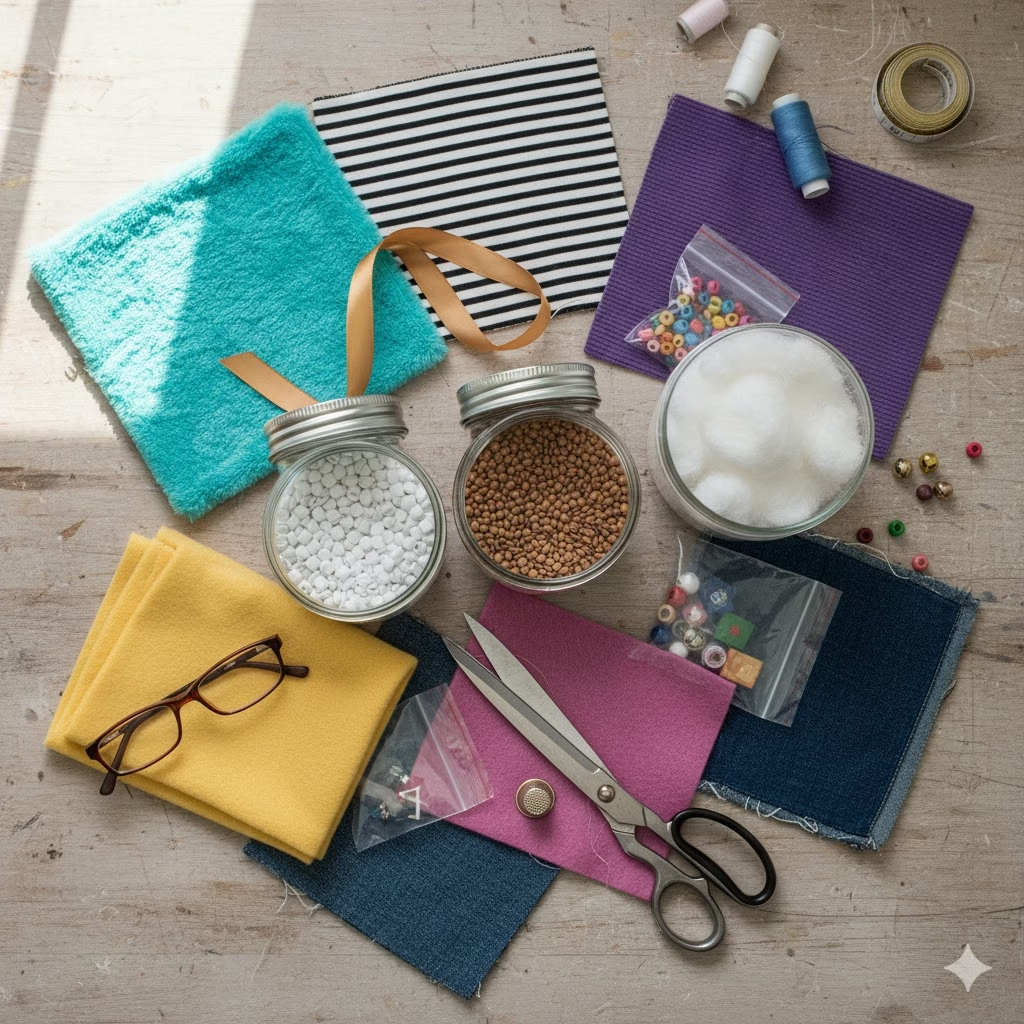
A good Sensory Cuddle Ball starts with choosing the right materials. Your goal is to provide many safe, strong, and interesting textures and weights. Before you start cutting and sewing, gather all your supplies.
| Category | Recommended Material Examples | Sensory Benefit Provided |
| Outer Fabric | Minky fabric, corduroy, velvet, fleece, satin, cotton prints, repurposed denim, faux fur. | Touch (Softness, roughness, smoothness, coolness) and Sight (Color contrast, patterns). |
| Inner Texture/Sound | Crinkly plastic film (sewn inside layers), small bell, plastic rattle inserts, a strip of rough netting. | Hearing (Crinkle sound, rattle) and subtle Touch feedback. |
| Weight/Filling | Poly-Fil stuffing (for softness), plastic pellets (for weight and washing), dried rice or beans (for weight, must be sealed well), clean sand. | Body Awareness (Deep pressure and weight), and Touch (Squishiness, moldability). |
| Accessories | Textured ribbon loops (satin, grosgrain), small teething ring, large wooden beads sewn securely to a loop. | Grasping, Mouth Exploration (if safe), and extra Touch excitement. |
| Tools | Sewing machine or hand needle, strong thread, scissors, fabric marker, measuring tape or ruler. | Needed for putting it together. |
Safety Note: Always be sure that all materials are safe to touch and sewn on tightly. If you use heavy items like rice or plastic pellets, sew the seams twice. This will stop the filling from coming out. This is very important if the ball is for a young child or a child who plays rough.
4. Step-by-Step Instructions: How To Make A Sensory Cuddle Ball
These instructions tell you exactly how to do it. We will use a simple six-panel design. This makes a classic round ball shape that is great for adding different textures.
Step 1: Preparing Your Panels
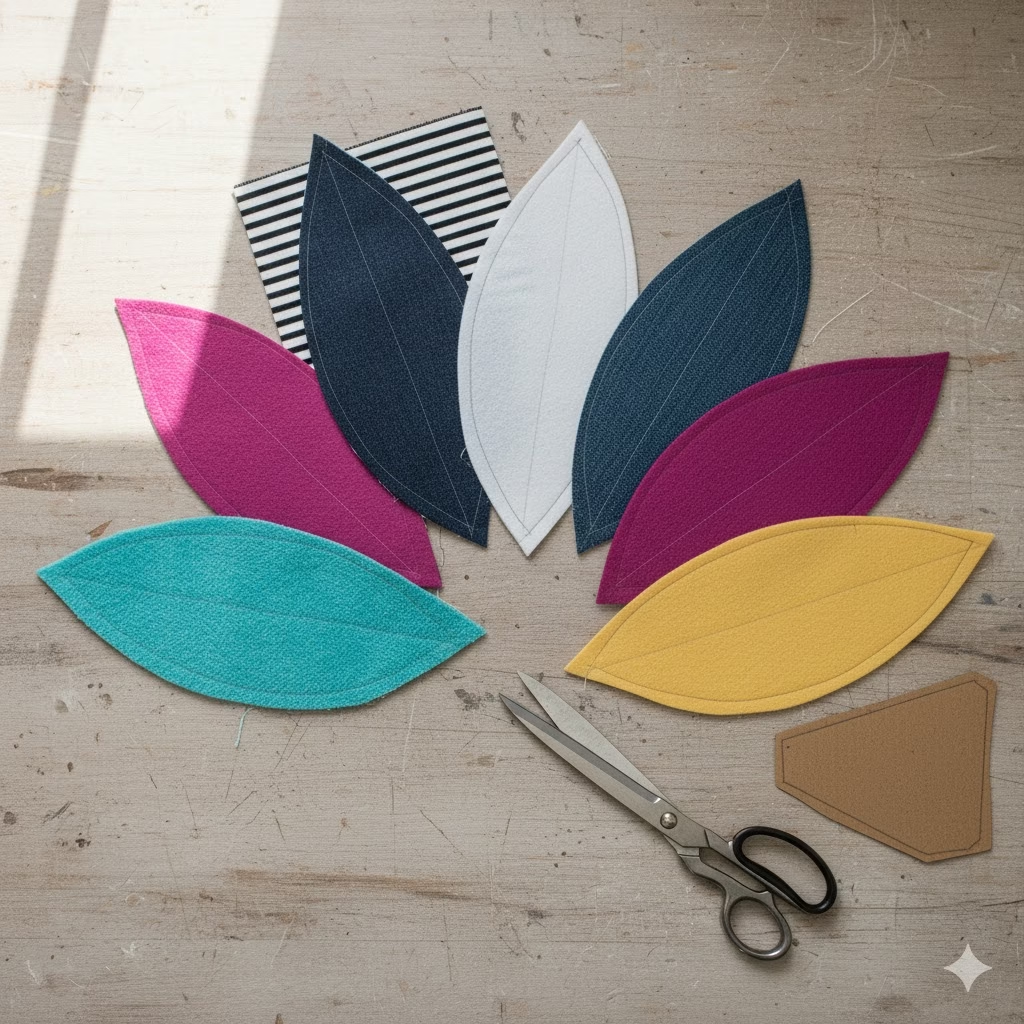
- Cut the Shape: Draw and cut a template for a six-panel ball shape on thick paper. It looks like a long oval, pointed at both ends. The final size is up to you. A ball about eight to ten inches wide is best for cuddling. Add a half-inch of extra fabric around the template for the seam.
- Choose and Cut Fabric: Pick your six fabrics. Choose a variety for the best sensory input. Pin your template to the fabric and cut out six panels that are all the same size.
- Prepare Small Items: Cut your ribbon loops or tabs into three-inch pieces. If you are adding crinkle material inside, cut a piece slightly smaller than one of your panels.
Step 2: Adding Sensory Elements
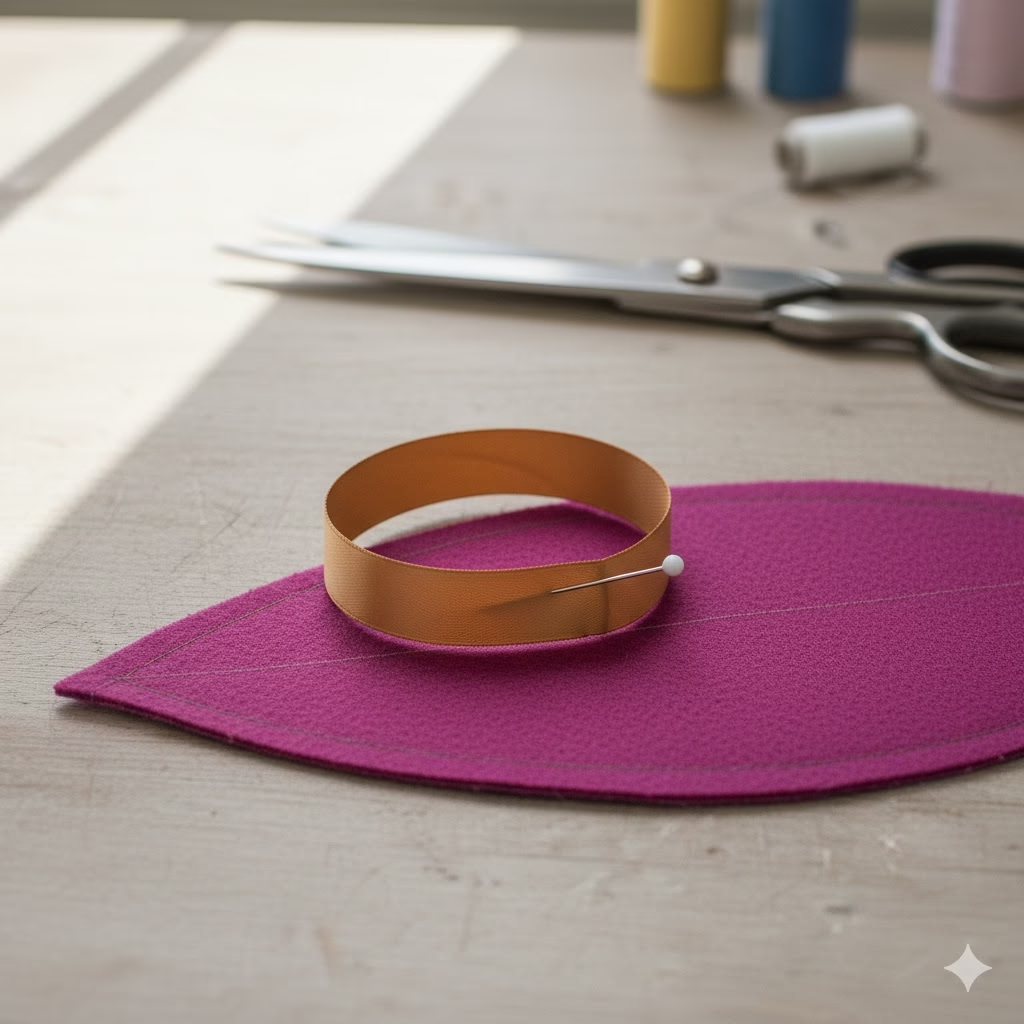
- Ribbon Loops: Decide where you want the ribbon loops and other things (like teething rings). Put the cut ribbons into the seam allowance on the curved edge of three or four panels. Make sure the cut ends line up with the edge and the loop points inward. Pin them firmly in place.
- Sound/Crinkle Layer: If you are using crinkle material or mesh, lay it flat on the back side of one fabric panel. Machine-sew it securely near the edges. This keeps it from moving around inside the finished ball.
Step 3: Sewing the Panels Together
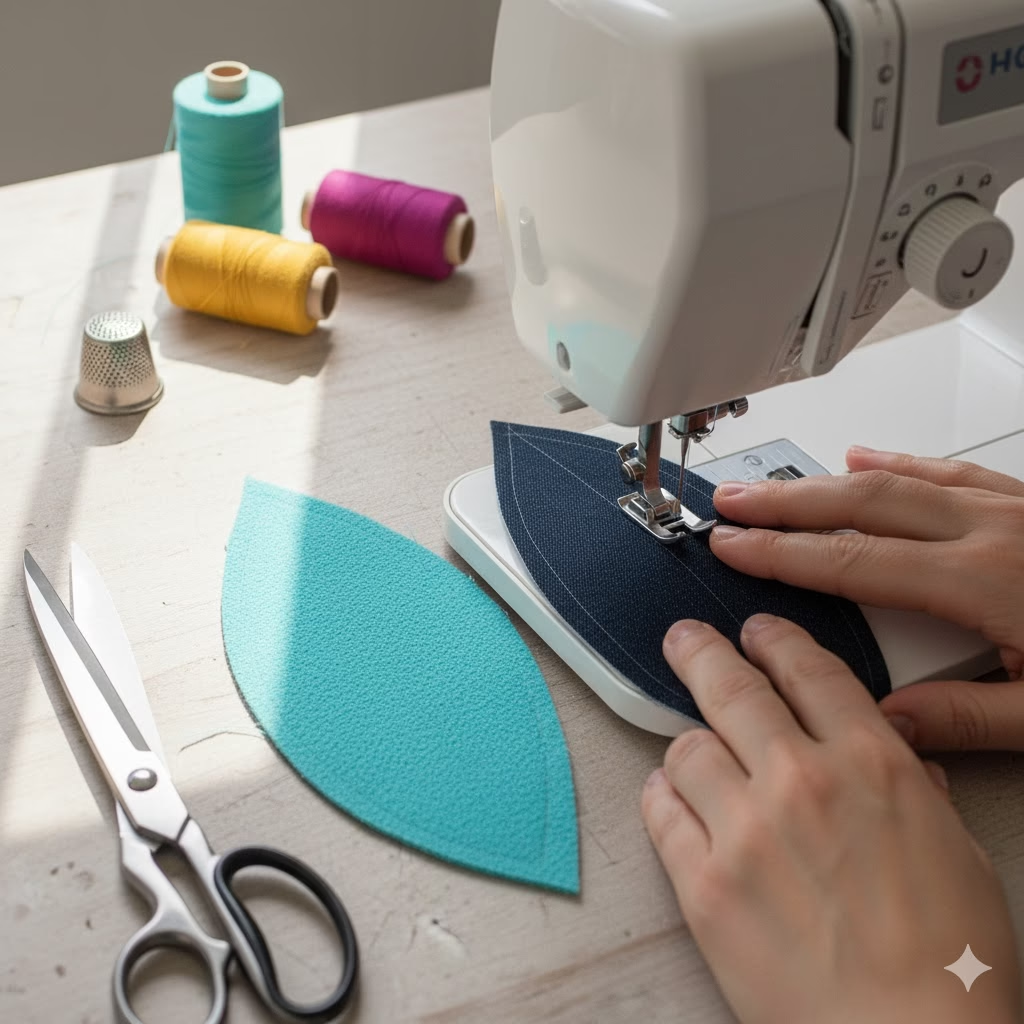
- Sew Pairs: Take two panels and place their right sides together. Stich along one long, curved edge, using your half-inch seam allowance. Sew backward at both pointed ends to make the seam strong. Do this until you have three sets of two panels sewn together.
- Join the Halves: Put two of your sewn pairs right sides together. Sew them along one of the open curved seams to make a piece with four panels.
- Finish the Ball Shape: Put the last two-panel piece right sides together with the four-panel piece. Sew along one seam. Leave the final long, curved seam open for now. You now have a six-panel piece that looks like a flat ball, with one seam open and the two small holes at the top and bottom still open.
Step 4: Stuffing and Finishing
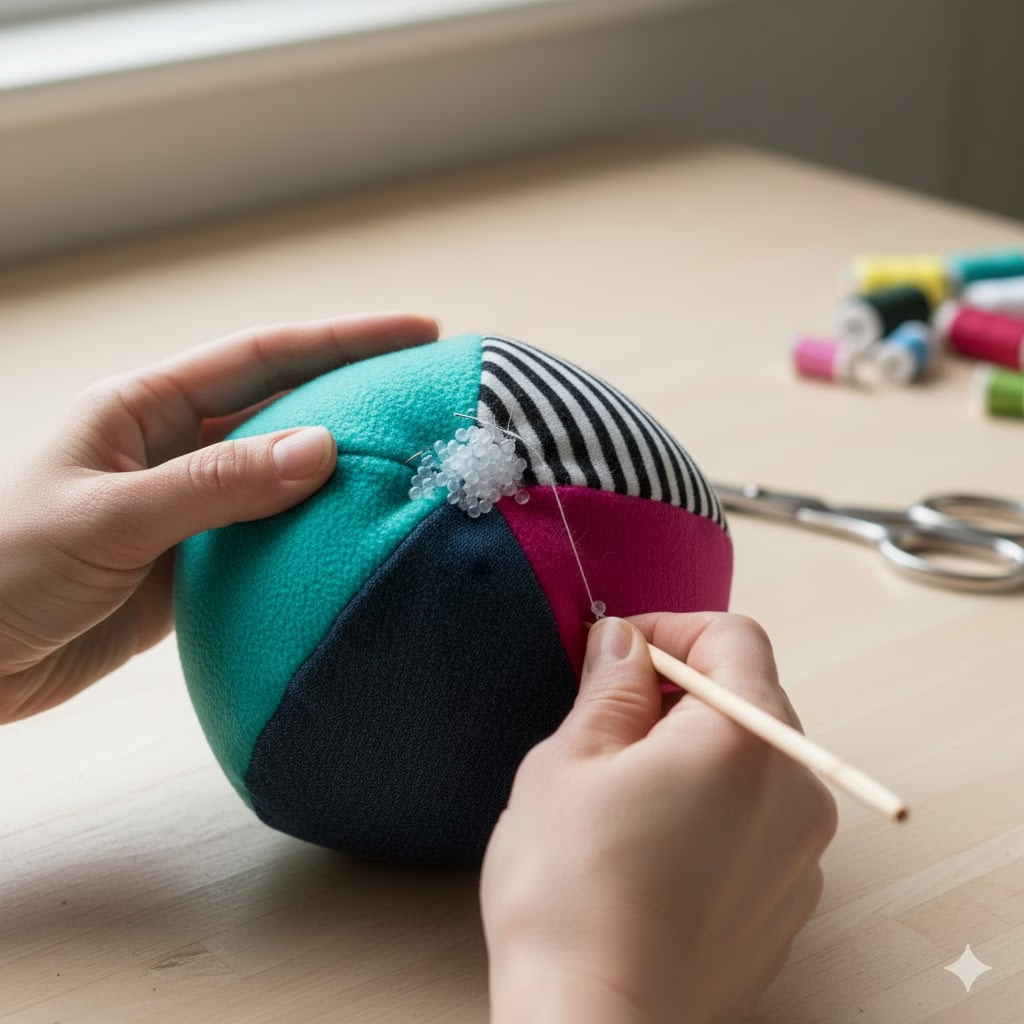
- Turn and Shape: Turn the ball shape right-side out through the final open seam. Use a dull tool (like the back of a spoon) to gently push out the pointed ends so the shape is nicely round.
- Stuffing: This part controls how the ball feels and how heavy it is. First, push a small amount of Poly-Fil into the two end openings to round them out. Then, start filling the main part. If you add heavy items (rice, pellets), put them in the center. Surround them with Poly-Fil. This keeps the ball soft and its shape even. Stuff it tightly but do not make it too hard. The ball should be soft and easy to squeeze.
- Closing the Seam: When the ball feels firm and heavy enough, fold the raw edges of the open seam inward by half an inch. Pin the opening closed. Use a slip stitch (a hand stitch that is hidden) to close the last seam neatly and strongly. Check this seam twice for safety, especially near any heavy material. Your Sensory Cuddle Ball is now done!
5. Enhancing the Experience: Examples of Sensory Textures and Fillings
The best thing about the Sensory Cuddle Ball is that you can make it special. You can add materials that are just right for your child’s sensory needs. If you make a few balls, try different mixes to see what your child likes most. Here are some detailed examples of how to change the ball’s sensory feel.
Texture Combinations for Tactile Seekers
Kids who seek touch love many kinds of surfaces. These choices give strong feedback when touched or squeezed:
- The Fuzzy-and-Rough Ball: Use panels of very soft, long faux fur or minky fabric. Mix them with panels of rough corduroy or coarse sackcloth. The big difference between the two gives a very interesting and satisfying feeling.
- The Smooth-and-Cool Ball: Use smooth materials like satin or silk for four panels. Then, add two panels of thin, tightly woven linen. You can also sew in a small, smooth, flat plastic disc (like a coaster, covered safely in soft padding). This gives the child a cool, hard spot to press, which appeals to the sense of temperature.
- The Raised Texture Ball: Use fabrics that already have a raised pattern, like thick waffle knit. You can also use denim with heavy stitching or fabric with felt shapes (like stars or bumps) sewn on securely.
Filling Examples for Proprioceptive Input (Weight and Pressure)
Body awareness input, or knowing where your body is, is key to staying calm and focused. Weight is the main factor here.
| Weight Type | Sensory Benefit | Best Practice |
| Plastic Poly Pellets | Can be washed, gives deep pressure, shifts weight (good for rolling and shaping). | Best for young toddlers. They are safe and will not grow mold if the ball gets wet. Use a liner bag inside for the most safety. |
| Dried Lentils or Rice | Natural weight, feels fine-grained, great for squeezing into the ball’s shape. | Must be sealed very well and kept dry. Good for weighted items for older children to keep on their lap. |
| Small River Stones (Polished) | Gives a unique, cool weight and a clear shifting feel. | Only for older children. Must be completely wrapped in thick padding or fleece and double-sealed inside a small bag before being put in the Cuddle Ball. |
| Fiberfill (Poly-Fil) Only | Very soft and squishy, great for comfort and gentle holding. | Use this for a lighter ball where the feeling of touch is more important than deep pressure. |
Integrating Auditory and Visual Stimuli
Sensory play is not just about touch. Add sounds and sights to make your Sensory Cuddle Ball a complete sensory activities item.
- The Rattle Panel: Sew a small plastic rattle insert or a few dried beans/pebbles into a small pouch. Place this pouch inside one specific panel area. When the child taps that spot, they get focused sound feedback.
- The Mirror Panel: Sew a small piece of safe, reflective vinyl or a secure, shatterproof plastic mirror (like those in baby toys) onto one panel before assembly. This helps with visual tracking.
- High-Contrast Patterns: Make sure one panel uses a pattern with strong differences, like black-and-white stripes or squares. This is very stimulating for young eyes.
6. Cuddle Ball Care and Safety Tips
To keep your handmade Sensory Cuddle Ball safe and useful for sensory activities for a long time, follow these rules:
- Security Check: Before giving the ball to a child, pull hard on all seams. This is extra important if you used heavy materials or attached small items like beads or rings. Pull firmly on all ribbon loops. The seams must be strong enough for active play.
- Washing Weighted Balls: If the ball has natural weight (rice, beans, sand), do not wash it in a machine. Water will spoil the filling. Only clean spots with a damp cloth and gentle soap. Let it dry completely in the air.
- Washing Washable Balls: If your ball only has Poly-Fil or plastic pellets, you can usually wash it gently in the machine on a cold cycle. Put it inside a laundry bag. Tumble dry on low or let it dry completely in the air.
- Check Often: Look at the ball regularly for loose threads, torn seams, or worn ribbons. Fix or throw away the ball right away if the inside filling is showing. This is vital for toddlers who might still put things in their mouth.
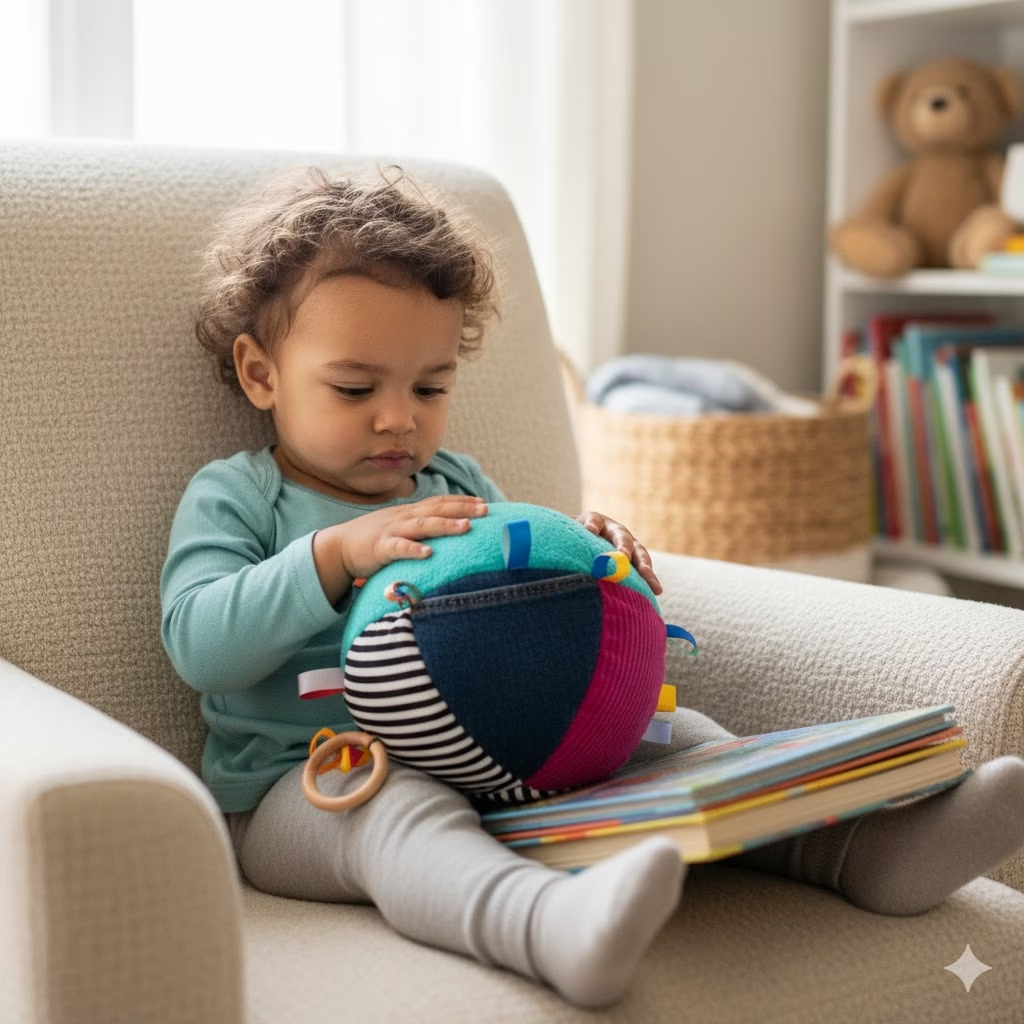
7. Ideas for Using Your Sensory Cuddle Ball
The Sensory Cuddle Ball is a very flexible tool. You can use it for focused help or simple quiet time. Here are some examples of Sensory Activities you can add to your daily routine.
- The “Feelings” Cuddle: Use the ball to help kids deal with their emotions. When a child feels upset, tell them to squeeze the ball as hard as they need to. The body awareness input helps them manage their strong feelings.
- Quiet Time Helper: Put the Cuddle Ball in a “calm corner” or a spot for reading. The weight and feel can help the child sit still and focus during story time or quiet play alone.
- Touch Guessing Game: Put Cuddle Balls with different textures into a bag or container. Have the child reach in and try to name which ball is which (the soft one, the rough one, the one that rattles) without looking. This makes their sense of touch sharper.
- Movement Play: Roll the weighted ball back and forth. Or, have the child try to carry it across the room in fun ways (on their head, between their knees). The weight gives extra feedback. This makes moving around more fun and helps build body awareness. These are great sensory activities toddlers love since they are always moving.
8. Sensory Cuddle Balls for Adults: Beyond Childhood Comfort
While often associated with children and toddlers, the benefits of Sensory Cuddle Balls are not limited by age. Adults, too, can greatly benefit from the calming and focusing properties of tactile and weighted sensory input. In today’s fast-paced world, stress, anxiety, and the constant digital overload can leave many adults feeling overwhelmed and disconnected. A thoughtfully designed adult Sensory Cuddle Ball can serve as a powerful tool for self-regulation, mindfulness, and sensory relief.
The principles remain the same – providing varied textures, appropriate weight, and engaging tactile elements – but the design and materials often reflect an adult aesthetic and different sensory needs.
Design Considerations for Adult Sensory Cuddle Balls
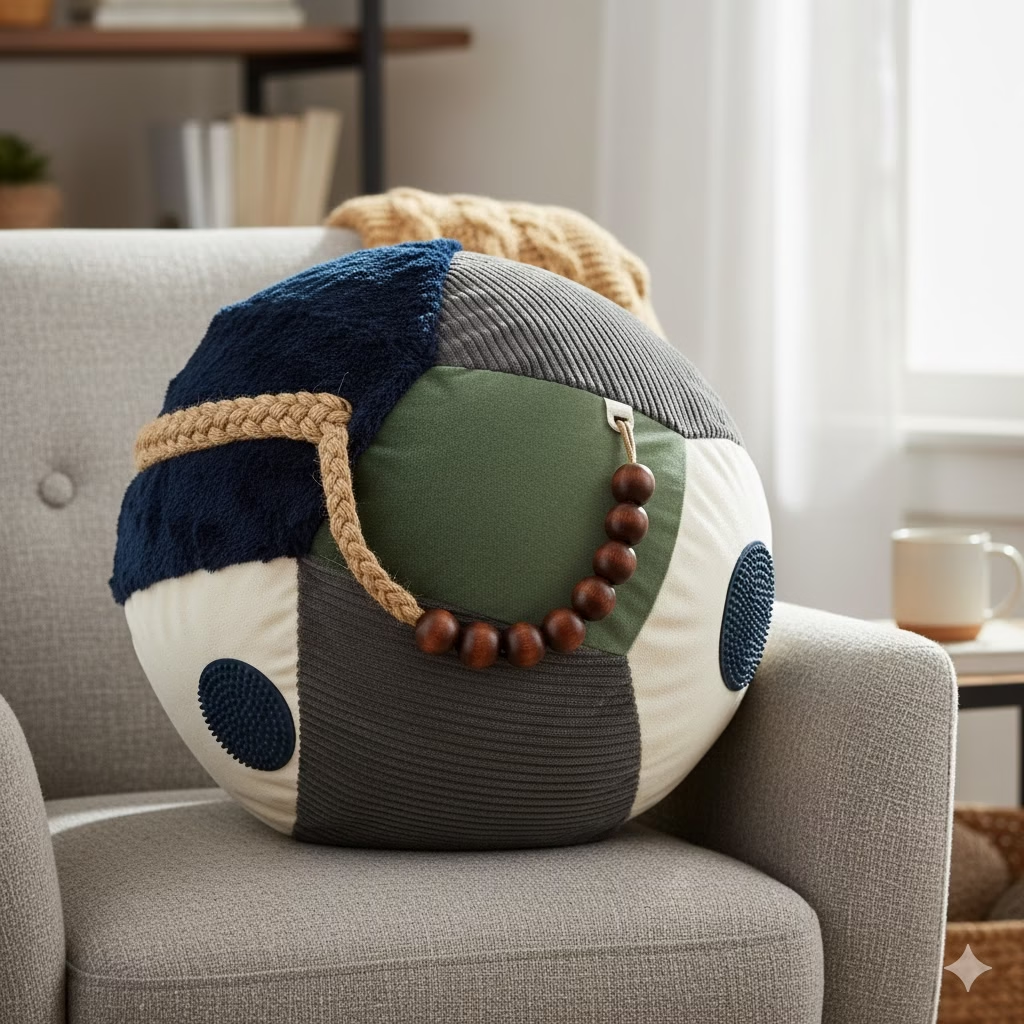
- Subtle Aesthetics: Adult versions often feature more subdued color palettes and sophisticated fabric choices. Think deep blues, muted greens, grays, browns, and earthy tones, rather than bright primary colors. Fabrics like faux suede, thick corduroy, soft knit, brushed cotton, or linen blends offer comfort without looking overtly childlike.
- Weight and Size: Adult Cuddle Balls are typically larger and heavier, ranging from 15 to 25 inches in diameter and weighing between 3 to 8 pounds. This increased weight provides more substantial proprioceptive input, which can be very grounding and calming for adult nervous systems. They can be used as lap weights, body pillows, or for gentle pressure during relaxation.
- Advanced Tactile Elements: Beyond simple ribbons, adult versions might incorporate more complex tactile elements. These could include firmly sewn-on buttons (large and securely attached), braided rope handles, textured patches of different knits, or even small, smooth polished stones or wooden beads (again, securely encased) within specific sections to offer distinct haptic feedback.
- Purpose-Driven Use: For adults, these balls are often used in specific contexts:
- Stress and Anxiety Relief: Holding and squeezing a weighted, textured ball can provide comfort and help reduce feelings of anxiety.
- Focus and Concentration: For individuals with ADHD or those needing to focus during tasks, the tactile input can act as a constructive fidget, preventing mental wandering.
- Mindfulness and Grounding: Using the ball during meditation or quiet reflection can help adults stay present and grounded.
- Sensory Seeking: Some adults naturally seek sensory input, and a Cuddle Ball offers a safe, acceptable way to fulfill this need in various environments.
This image shows a larger Sensory Cuddle Ball, about 18-20 inches in diameter, suitable for adults. It features a sophisticated palette of deep blues, charcoal grays, and muted forest greens, with varied textures like soft faux fur, ribbed corduroy, smooth velvet, and a section of sturdy, slightly coarse canvas. The ball has subtle, securely stitched-in “fidget” elements such as large, smooth wooden beads, a braided rope handle, and a few patches of firmly sewn, tactile nubs (like those found on a massage ball). It is shown resting on a comfortable armchair in a cozy, adult-oriented living space, suggesting its use for stress relief, focus, or sensory comfort.
Frequently Asked Questions (FAQ)
Q: Is the Sensory Cuddle Ball safe for children who mouth objects?
A: If the ball is for a child who still puts things in their mouth, it must only be made with safe, washable fillings like Poly-Fil or plastic pellets. You must not use natural fillings like rice or beans. If the seam breaks, these can be a choking danger. They can also grow mold if they get wet. Make sure all ribbon loops and items are big enough so they are not a strangulation risk, and sew them on three times for strength.
Q: How heavy should a Sensory Cuddle Ball be?
A: The right weight depends a lot on the child’s size and what they need. For a typical toddler, a finished ball that weighs between one and two pounds is usually enough. This gives a calming deep pressure without being too heavy to hold. The ball should feel solid but still soft and easy to hold.
Q: Can I use pre-cut fabric shapes from a quilt kit?
A: Yes, you can use fabric from other projects. If you use square quilt pieces, you might have to change how you put it together. You could make a cube or a rectangle instead of a round ball. The main idea of the Sensory Cuddle Ball—different textures and weight—works for any sewn shape.
Q: What is the main difference between this and a standard plush toy?
A: A normal stuffed toy is mainly for comfort and make-believe play. A Sensory Cuddle Ball is specially made to provide a lot of focused sensory input (touch, sight, weight). Every material choice is strategic. It focuses on the goal of sensory control and development, making it a functional tool for Sensory Activities.
References
- Healthline – Stress Balls: Effectiveness, Benefits, and Limits
- Cleveland Clinic – The Benefits of Sensory Play For Your Child
Recent Posts