
This guide is developed by a team focused on sustainable living and the simple joy of home fermentation. We believe that reducing kitchen waste can be both delicious and easy for everyone to try. Our goal is to help you turn common pineapple leftovers into a bubbly, refreshing treat that your whole family will enjoy. By following these steps, you can master Pineapple Tepache while helping the planet one rind at a time. We hope this journey into traditional Mexican flavors inspires you to see the value in every part of your fruit.
Understanding the Joy of Pineapple Tepache
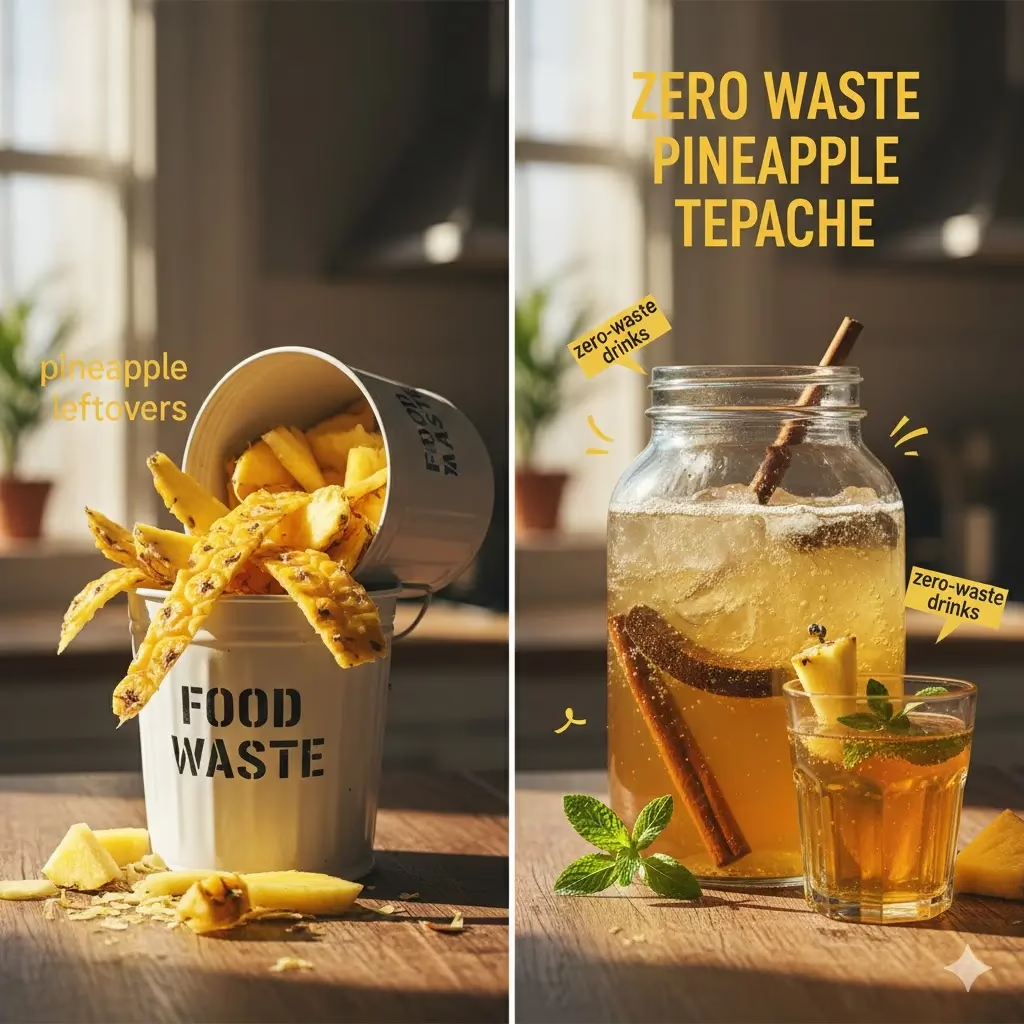
Making your own drinks at home is a wonderful way to save money and stay healthy. Pineapple Tepache is one of the easiest fermented drinks you can try. It does not require expensive tools or hard-to-find items. Most of the magic comes from the fruit itself. When you buy a pineapple, you usually eat the sweet yellow flesh and throw away the rest. However, the skin and the hard middle part, known as the core, are full of flavor and natural yeast.
By using these parts, you are practicing a zero-waste lifestyle. This means you are making sure nothing goes to waste in your kitchen. Instead of putting scraps in the bin, you put them in a jar. After a few days, they turn into a fizzy, golden soda that tastes like a tropical vacation. It is a great alternative to sugary store-bought sodas and is much better for your gut health.
Why Choose Zero Waste Drinks?
The world creates a lot of trash every day. A big part of that trash is food waste. When we throw away pineapple leftovers, we are throwing away potential energy and nutrients. Choosing to make zero waste drinks helps the environment. It reduces the amount of trash that goes to landfills.
Furthermore, making Tepache at home is very frugal. You are essentially making a second product for free from something you already bought. It is a win-win situation for your wallet and the Earth. This process teaches us to respect our food and see the beauty in things we used to overlook.
The Ingredients You Will Need
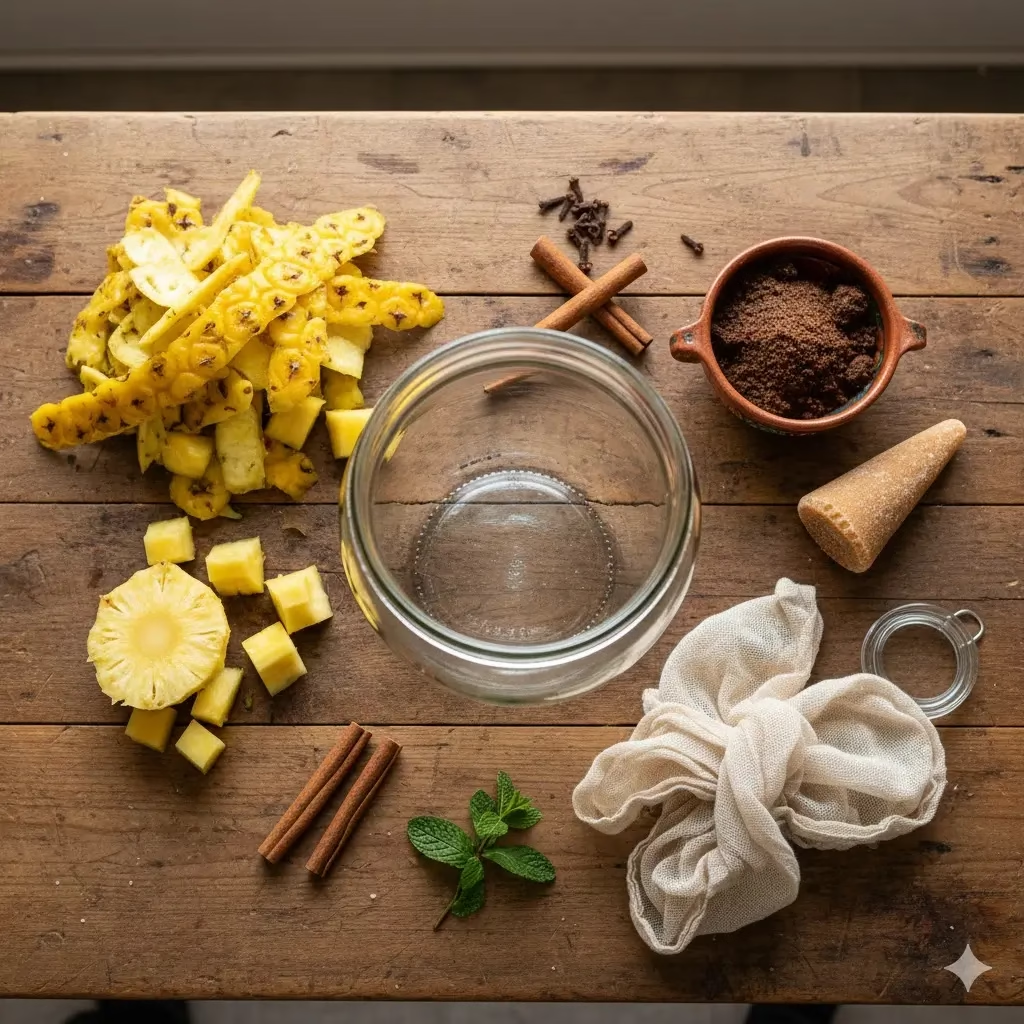
To make a great batch of Pineapple Tepache, you only need a few simple things. Most of these are likely already in your pantry.
- The Pineapple: You need the skins and the core of one large, ripe pineapple. Make sure to wash the outside of the pineapple with water before you cut it to remove any dirt. Do not use soap, as we want the natural yeast on the skin to stay alive.
- The Sugar: Traditionally, people use piloncillo. This is a raw, dark sugar from Mexico that tastes like caramel. If you cannot find it, dark brown sugar or even honey will work just fine.
- The Water: Use clean, filtered water. If your tap water has a lot of chlorine, let it sit out for an hour before using it, or boil it and let it cool.
- The Spices: A cinnamon stick and a few whole cloves add a warm, cozy smell and taste to the drink. Some people also like to add a small slice of fresh ginger for a little bit of a spicy kick.
Step-by-Step Recipe Instructions
Follow these simple steps to create your first batch of this delicious ferment.
Step 1: Prep Your Pineapple
Start by cutting the top and bottom off your pineapple. Stand it upright and slice the skin off in long strips. Keep some of the fruit attached to the skin for extra sweetness. Chop the hard core into small pieces. You can eat the soft fruit now or save it for a fruit salad.
Step 2: Dissolve the Sugar
Take about one cup of sugar and stir it into a large glass jar filled with four cups of water. Stir until the sugar is fully dissolved. The water should look dark and rich.
Step 3: Mix the Ingredients
Add your pineapple rinds, the chopped core, the cinnamon stick, and the cloves into the sugar water. Ensure the pineapple is fully submerged. If the pieces float to the top, you can use a clean weight or a small glass lid to push them down. This prevents any fuzzy mold from growing on the fruit.
Step 4: The First Fermentation
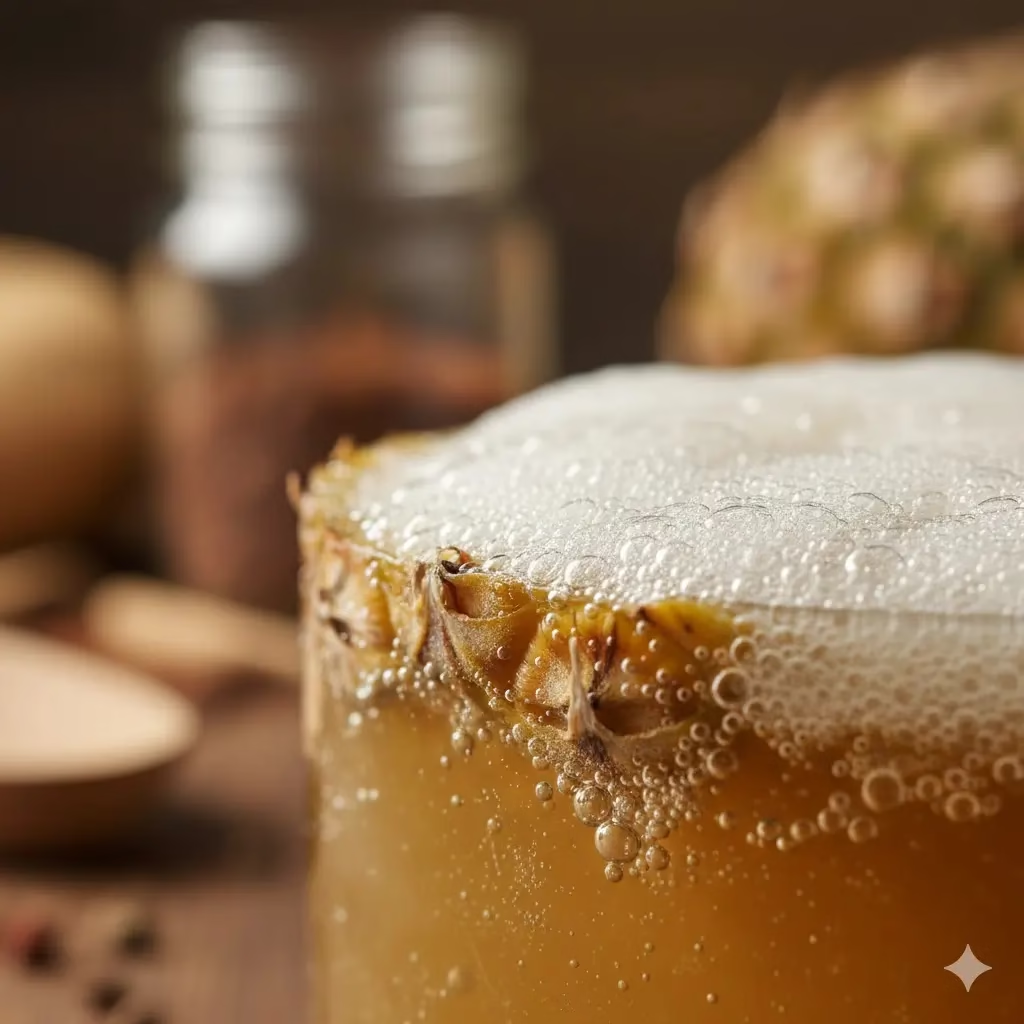
Cover the top of the jar with a clean piece of cloth or a paper towel. Secure it with a rubber band. This allows the drink to breathe while keeping bugs away. Place the jar in a warm, dark spot in your kitchen. Let it sit for twenty-four to forty-eight hours.
Step 5: Check for Bubbles
After a day or two, you should see white foam or bubbles on the surface. This is a good sign! It means the fermentation is working. Taste a little bit with a clean spoon. If it is sweet and slightly tangy, it is ready. If you want it more sour, let it sit for another day.
Step 6: Strain and Bottle

Once you love the flavor, strain the liquid through a sieve into a clean pitcher or bottles. Discard the solids (you can compost them!). You can drink the Tepache now over ice, or put it in the fridge to stop the fermentation.
How to Serve Your Tepache
Pineapple Tepache is very versatile. If you want a non-alcoholic treat, serve it in a tall glass with lots of ice. You can add a squeeze of lime juice to make it even more refreshing. For those who enjoy a cocktail, Tepache makes an amazing base. You can mix it with a light beer for a traditional “Tepache con Cerveza” or add a splash of rum or tequila for a tropical evening drink.
The fizz and the spice make it a perfect partner for spicy food like tacos or grilled chicken. It cleanses the palate and cools the tongue. Because it contains natural probiotics, it is also a great drink to have after a big meal to help your stomach feel settled.
Tips for Success and Safety
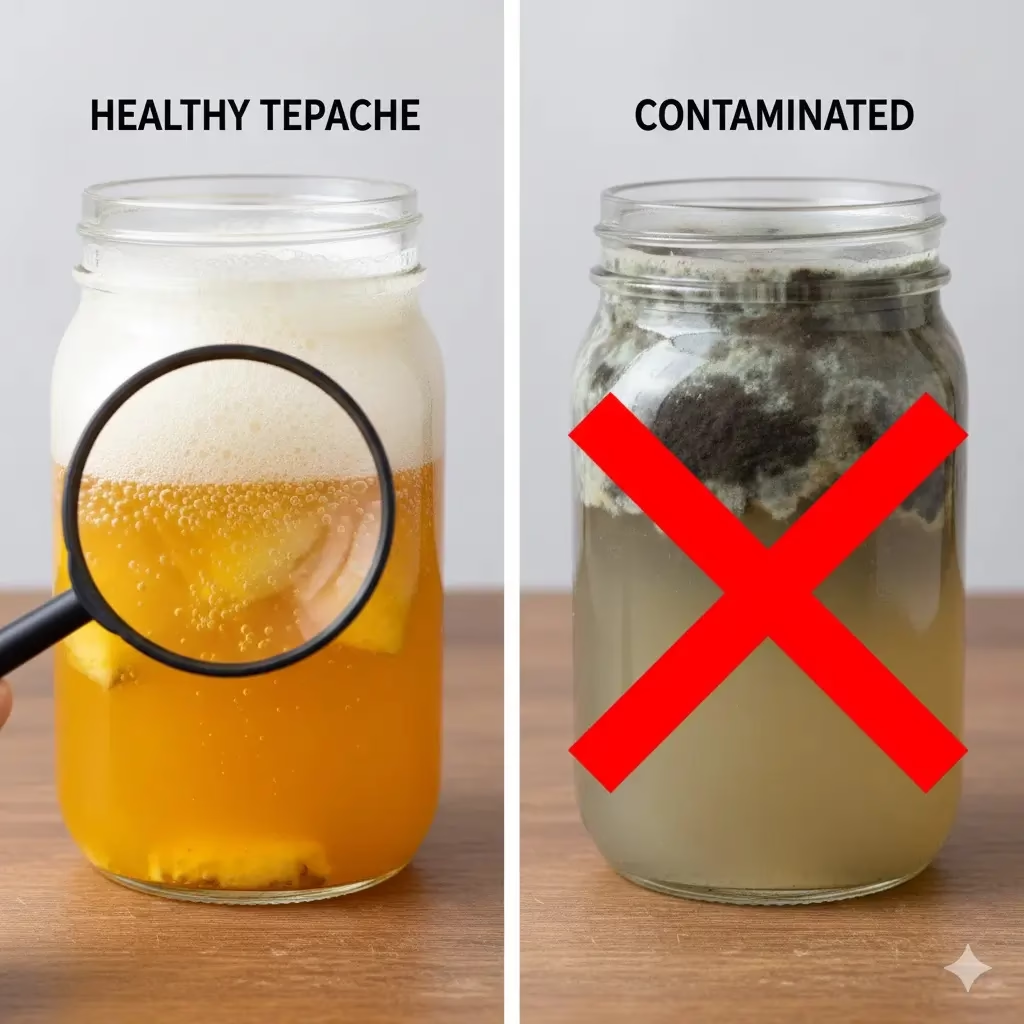
While fermenting at home is safe, there are a few things to keep in mind. Always use clean jars and tools. If you see black or green mold on the surface, throw the batch away and start over. A little bit of white foam is normal, but fuzzy colorful spots are not.
If you live in a very hot house, your Tepache will ferment very fast. Check it after twelve hours. If your house is cold, it might take three or four days. Trust your nose and your taste buds. It should smell fruity and yeasty, like a fresh cider.
Variations to Try
Once you are comfortable with the basic recipe, you can get creative. Here are a few ideas for your next batch:
- Spicy Heat: Add a few slices of jalapeño to the jar for a spicy-sweet drink.
- Herbaceous: Add fresh mint or basil leaves during the last day of fermentation.
- Double Fruit: Add some mango skins or apple slices along with the pineapple.
Each change will create a new flavor profile, making this a hobby that never gets boring. The possibilities for zero waste drinks are truly endless when you start experimenting with different fruits and spices.
Conclusion: Embracing the Zero Waste Lifestyle
Learning how to make Pineapple Tepache is more than just a kitchen project. It is a way to connect with traditional wisdom and take a small step toward a better environment. By finding value in pineapple leftovers, you are proving that sustainability can be delicious. This drink is a celebration of what we can achieve when we slow down and let nature do its work.
Whether you enjoy it as a fizzy afternoon soda or as a complex cocktail base, your homemade Tepache is sure to be a hit. It is healthy, cheap, and helps the planet. So, the next time you bring a pineapple home, remember that the best part might be the part you used to throw away. Happy fermenting!
References
- Della calle – A Complete History On the Tepache Recipe
- Sprout Distro – Wild Fermentation
- River Cottage – 10 Simple Tips for a Zero-Waste Kitchen
- Healthline – 5 Health Benefits of Probiotics
Recent Posts