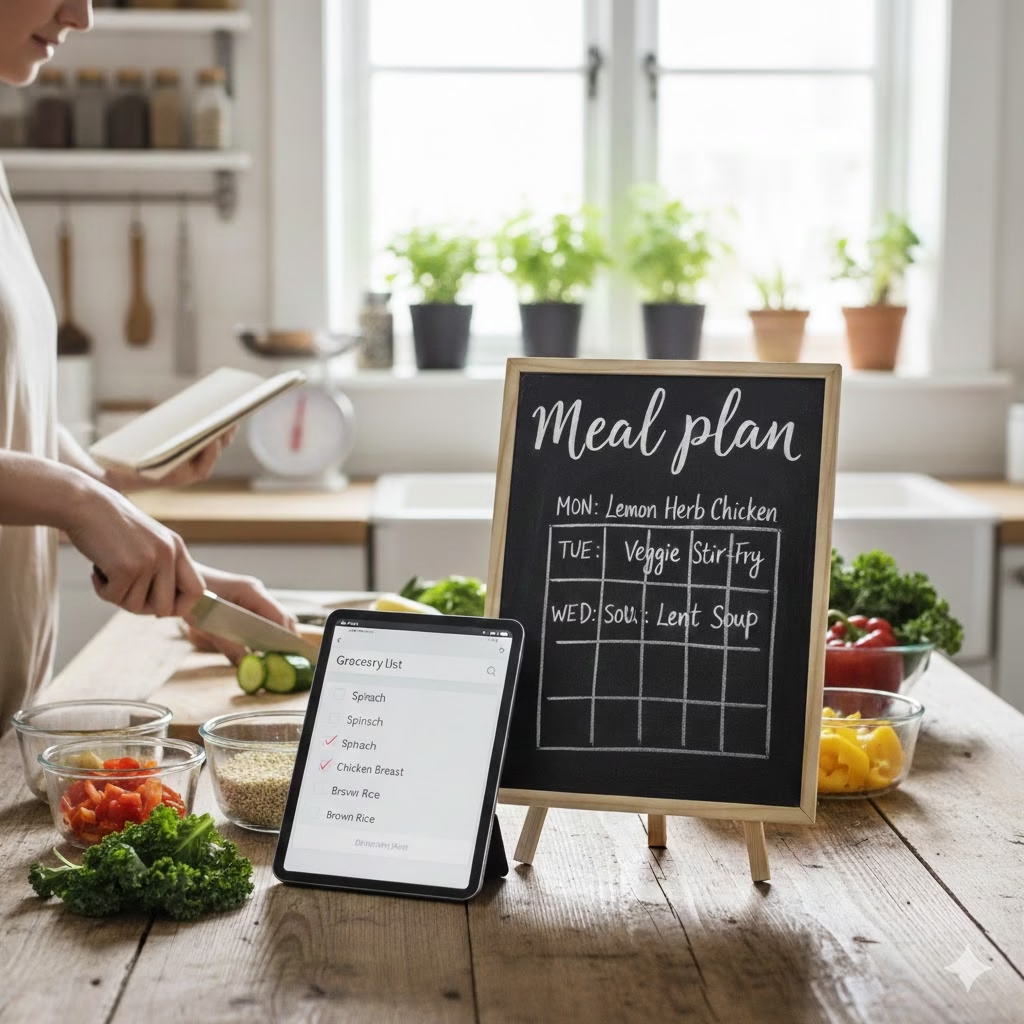
Do you struggle with high grocery bills and a frequent need to throw away spoiled food? Many households face these exact challenges every week. The best solution for conquering both is simple: adopt a smarter, more organized approach to your food. This complete guide shows how effective Meal Plans can change your financial life and help the environment. By learning the basics of organized cooking, you ensure every ingredient you buy serves a purpose. This leads directly to a smaller budget and a healthier lifestyle for everyone.
Introduction: The Simple Power of Better Meal Plans
Are you tired of standing in front of your fridge, feeling stressed about what to cook? Do you often buy expensive takeout, or worse, let good food spoil? If this describes your week, it is time to start using Meal Plans. They offer simplicity and clear direction.
Meal Planning is much more than just picking next week’s dinners. It is a smart strategy for managing all your food. This strategy saves your money, protects your time, and helps the planet. Most households waste a surprising amount of food each year. Grocery costs are always going up. Because of this, a simple list or digital planner becomes your most valuable tool. This guide will fully explain how to plan meals well. It gives you easy steps to cut down on waste, save more money, and make cooking fun again. You will get a clear map to turn stressful weeknights into simple, budget-friendly cooking successes.
Section 1: Saving Money and Helping the Earth

The best reasons to use successful Meal Plans are the money savings and the environmental benefits. These two positive outcomes work together very well. When you throw away less food, you are immediately saving money. You are getting the full value from every dollar you spend at the supermarket.
How Spoilage Hurts Your Budget
Food waste secretly drains your household money. Think about the last time you threw away limp lettuce or an expired carton of milk. You were throwing money directly into the bin. Smart Meal Plans stop this loss. They guarantee that everything you purchase has a clear use in your cooking schedule. When you shop with a good plan, you only buy what you truly need. This stops you from buying things suddenly or buying ingredients you already have. This simple habit quickly leads to smaller, more focused grocery trips. This results in huge savings over a full year.
Why Food Waste Harms the Environment
Around the world, massive amounts of food are wasted or lost. This waste is a serious problem. It creates a lot of greenhouse gases, especially methane, when it rots in landfills. By planning your food schedule, you actively reduce your own impact on the earth. You can also start using methods like using the whole vegetable. This means using scraps to make stock. These strategies become normal when you use smart Meal Planning. This change helps make your kitchen a place where little is wasted. It saves the planet and increases your savings.
Section 2: Building Your System for Effective Meal Planning
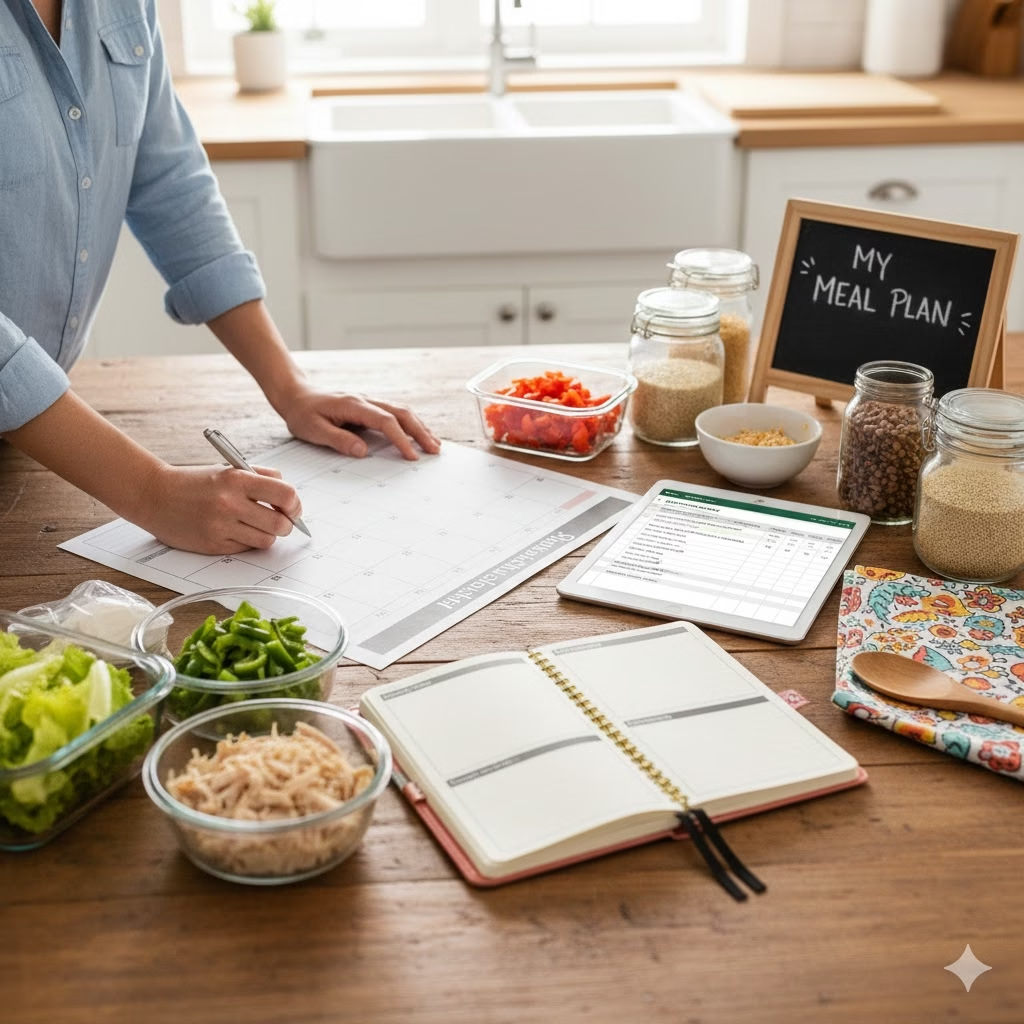
A good Meal Planning system does not have to be strict or difficult. It just needs a basic structure. The best systems are flexible. They must fit your life, your cooking skills, and your dietary needs. Here are the most important parts of a strong system:
Step 1: Check What You Have Before You Plan
Do a full check of your pantry, freezer, and fridge. Do this before you write down any meals. This is the most important step for cutting waste. Write down foods that will expire soon. Note any staple items you forgot about. List any frozen foods you need to use up. Your new weekly plan must focus first on using these existing items. This simple trick makes the food you already own decide what you will cook first. It turns old food into dinner instead of waste.
Step 2: Use Theme Days and Change Recipes
It is easy to get tired of planning meals. To keep things fresh, assign a theme to each day. For example, you could have Meatless Monday, Taco Tuesday, or Soup Sunday. This simple frame makes choosing meals much faster. Focus on a simple list of 10 to 15 recipes you know well. These should be meals that are cheap and easy to make. They should also use ingredients that are useful in many ways. This makes your shopping list simpler. It also reduces the mental effort of cooking every day.
Step 3: Add Quick, Flexible Meals
An essential part of lasting Meal Plans is building in options for when things change. This is for busy evenings or surprise events. Keep 1 or 2 ‘emergency meals’ ready. You can make them using simple foods that last a long time. These include eggs, canned beans, or frozen vegetables. Having this backup stops sudden changes from ruining your plan. It prevents you from ordering expensive takeout instead.
Section 3: Smart Meal Prep Ideas for Less Time and More Savings

Meal Prep is how you carry out your Meal Planning strategy. It is a set time, usually a few hours on the weekend, when you prepare ingredients ahead of time. Spending this time on one day saves you many hours during the busy work week.
Cooking Large Batches
The most effective meal prep involves cooking large amounts of basic ingredients. Cook a big batch of grains like rice, quinoa, or couscous. Prepare a lot of protein, such as shredded chicken or cooked beans. Roast several trays of hard vegetables like carrots or broccoli. These prepared foods are like building blocks. You can mix and match them to make different meals all week. This reduces the time you spend cooking every night.
For example, a large amount of roasted chicken can be used for three different meals:
- Monday’s quick Chicken Salad.
- Tuesday’s chicken wraps or tacos.
- Wednesday’s simple chicken and vegetable stir-fry.
This method, often called ‘cook once, eat multiple times,’ is the best way to use smart meal prep ideas.
Preparing Ingredients Strategically
It also helps to simply prepare ingredients, not just full meals. Spend an hour washing, peeling, and cutting all your vegetables for the week. Put them in containers with tight lids. Having onions, peppers, or broccoli ready to cook means dinner is seconds away. This makes it much less likely you will grab expensive, less healthy pre-packaged food. For lunches, arranging layers of food in containers is a popular meal prep method. It makes quick, healthy grab-and-go meals easy.
Section 4: Advanced Ways to Save Money and Cut Waste

Once you are good at basic Meal Planning and preparation, you can use more advanced methods. These will help you save even more money and cut even more waste.
Planning for Leftovers
You must see leftovers as ‘pre-made ingredients,’ not just ‘yesterday’s dinner.’ Plan for them on purpose. If you usually cook four servings of a recipe, cook six instead. Use the extra two servings for lunch the next day. Or, turn them into a totally new meal. For example, leftover taco meat can become a topping for a quick pizza. Leftover rice can be the base for fried rice. This is the best type of ‘full-cycle’ cooking. It truly cuts down on waste.
Shopping Based on Sales and Seasons
Your Meal Planning should consider what is on sale and what food is in season. Food that is in season is always cheaper. It usually tastes much better, too. You should plan your meals around store sales. Be ready to use different ingredients if needed. This is a core skill for saving money. If items are on a big sale, buy them in larger amounts and freeze them. Buy meat or fish in bulk when the price is low. Divide it into meal portions. Label and freeze it. This makes it ready for your future Meal Plans.
Organizing Your Pantry with FIFO
Use the ‘First In, First Out’ (FIFO) rule that commercial kitchens use. When you put away new groceries, move older items to the front of the fridge and pantry. This easy organization trick makes sure you use food before it goes bad. It directly fixes a major cause of waste. Keep a list of basic foods you always need. But only buy them when they are on your weekly shopping list. This list should always come directly from your meal plan.
Conclusion: A Kitchen That Is Kind to Your Budget and the Earth

Starting to use effective Meal Plans is an investment. It gives you positive results week after week. It starts as a simple way to schedule. And quickly turns into a strong habit that adds order to your life, helps your finances, and supports the environment. By spending a small amount of time each week on careful Meal Planning, inventory checks, and using great meal prep ideas, you take full control of your kitchen.
The good results are more than just money saved. You will eat healthier food. Feel less stress during your busy week. You will feel happy knowing your home is running in an efficient, sustainable way. Start very small. Just plan three dinners this week. Then, slowly build your full system. This work will lead to a very big and positive change in how you shop, cook, and live. It proves that the best way to save money and reduce waste starts with a simple plan.
References
These sources give important information and background on why food waste is expensive and bad for the environment, and how meal planning helps.
- WRI – The Global Benefits of Reducing Food Waste
- Work Week Lunch – Meal Planning For Beginners
- Bicycling – What Fruit Is in Season Now?
Recent Posts