Cookie Consent by Free Privacy Policy Generator Update cookies preferences

How to Easily create a Seam Allowance for Your Dress Patterns

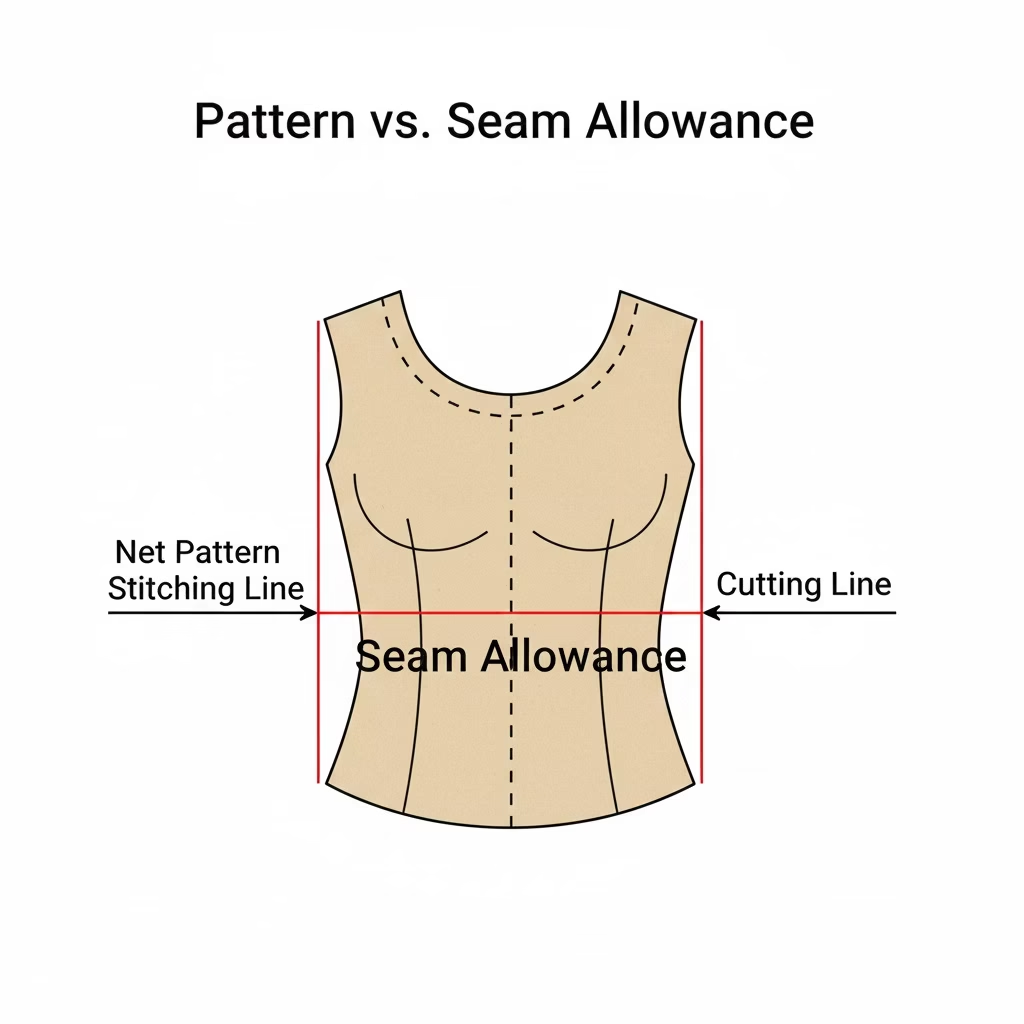
A minimalist technical illustration for **Dress Patterns** showing a side-by-side comparison of a Net Pattern and a Pattern Piece. On the left, a dashed line represents the Net Pattern or stitching line. On the right, a solid line represents the Pattern Piece or cutting line. The space between the two lines is clearly labeled as the seam allowance, demonstrating the necessary addition of fabric for assembly.

Once you have used your sloper to create new designs, you must add seam allowances before you cut your fabric. A master sloper has no seam allowances so that you can see the exact fit lines of the body. However, if you sew along the edge of a sloper without adding extra width, the dress will be much too small. Adding these allowances is a vital skill for anyone working with dress patterns.


Step 1: Choose Your Seam Allowance Width
The width you choose depends on the fabric and the type of seam you want to use. While commercial dress patterns often use a standard width, you can choose what works best for your project.

  • Standard (1.5 cm or 5/8 inch): This is the most common width. It gives you enough room to finish the edges or make small fit changes.
  • Narrow (1 cm or 3/8 inch): This is great for tight curves, like necklines or armholes. It is also good for knits or when using an overlocker.
  • Wide (2 cm or more): Use this for center back seams where you might put a zipper, or for side seams if you think you might need to let the dress out later.

Step 2: Trace Your Design Copy
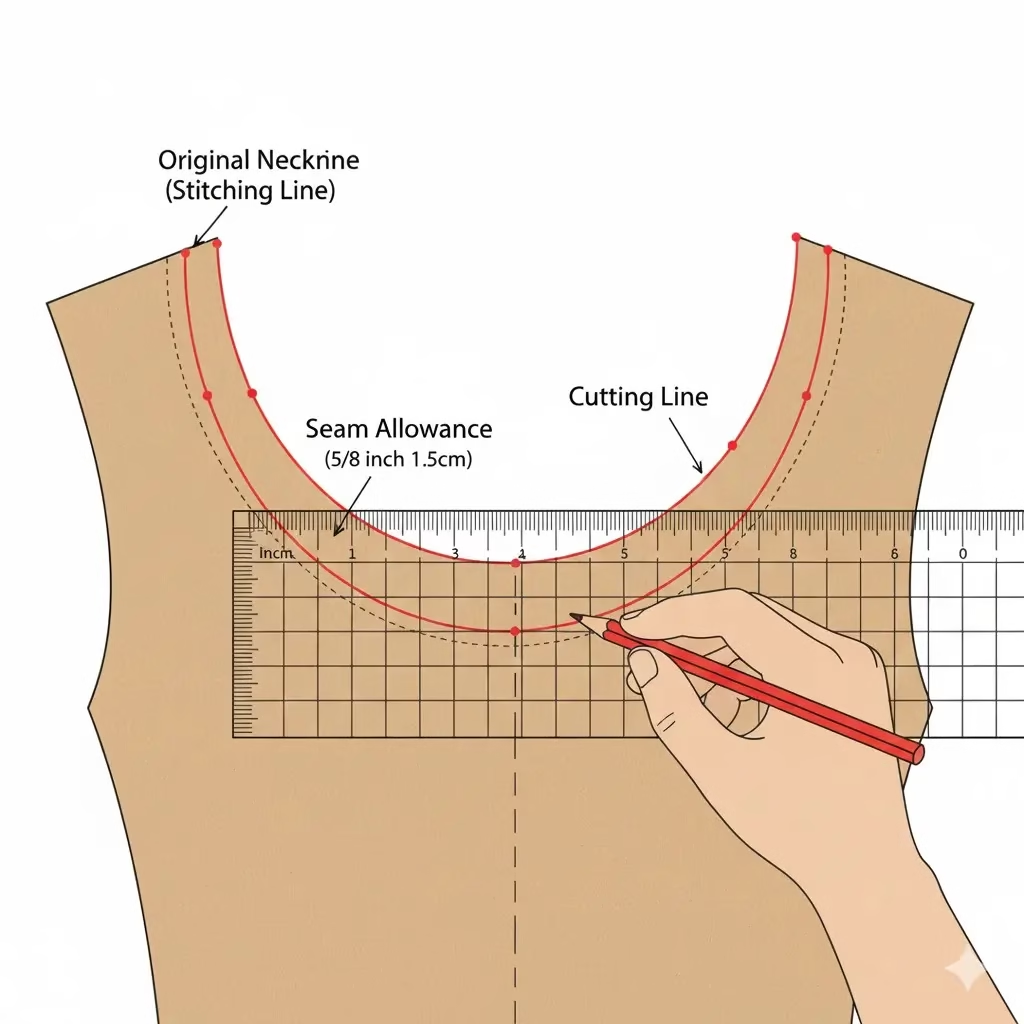
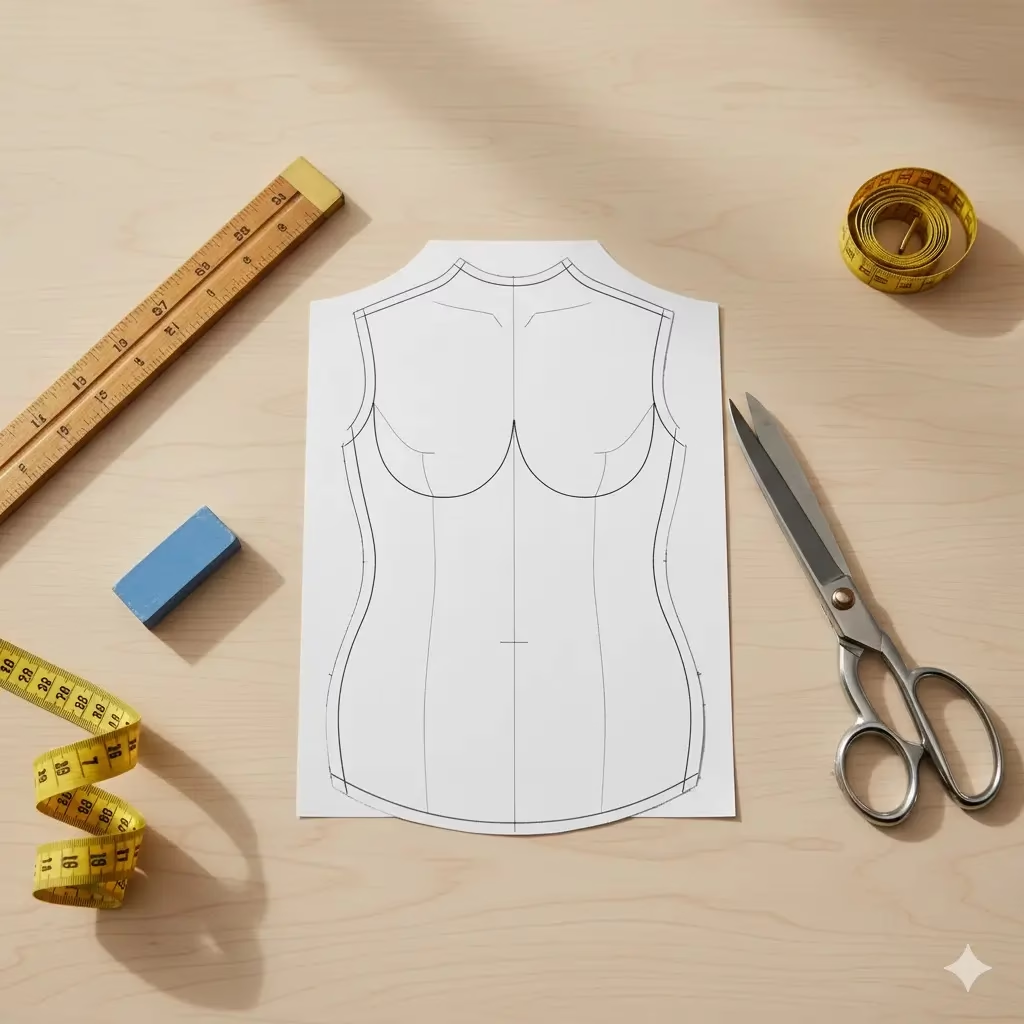
Never add seam allowances to your master sloper. Instead, trace your new design onto a fresh piece of pattern paper. Use a pencil to mark the “stitch line” (the original edge of your sloper). This line is where your sewing machine needle will go.


Step 3: Use a Grading Ruler for Accuracy
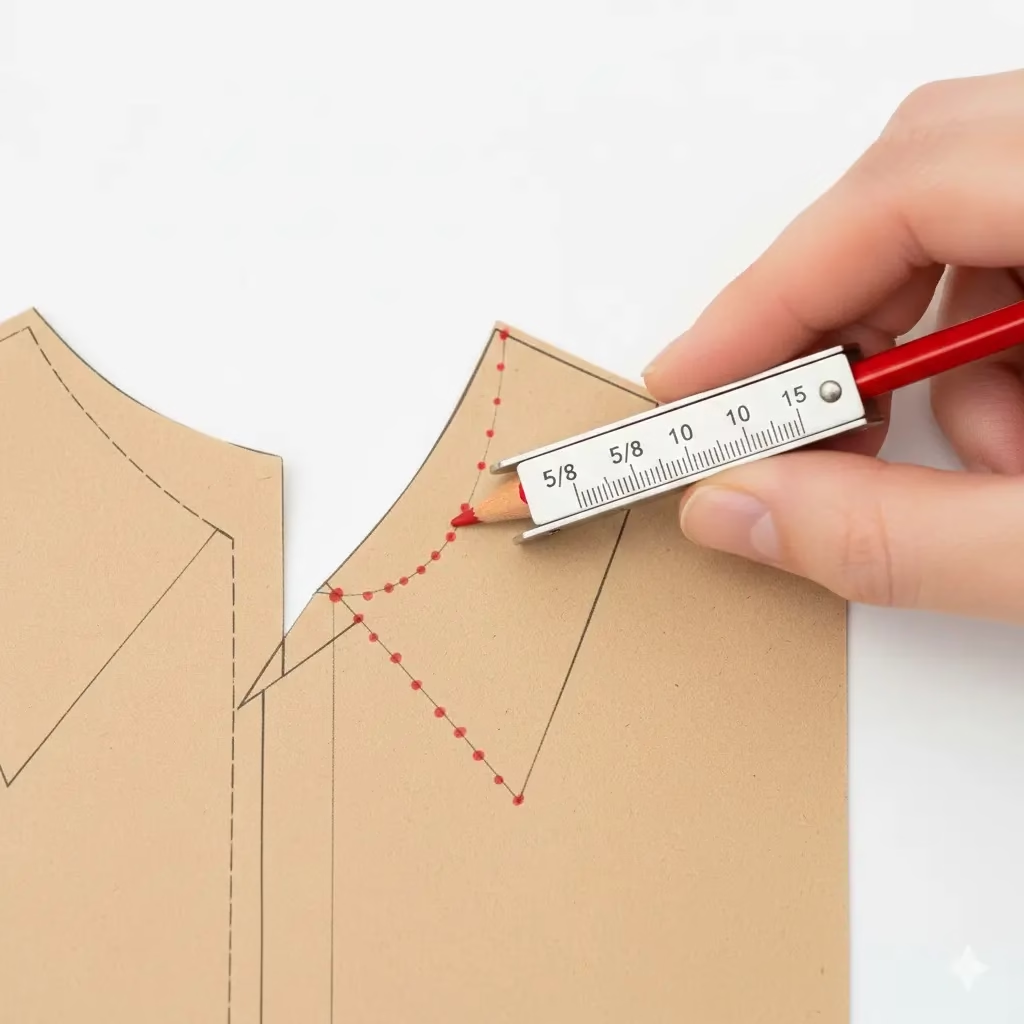
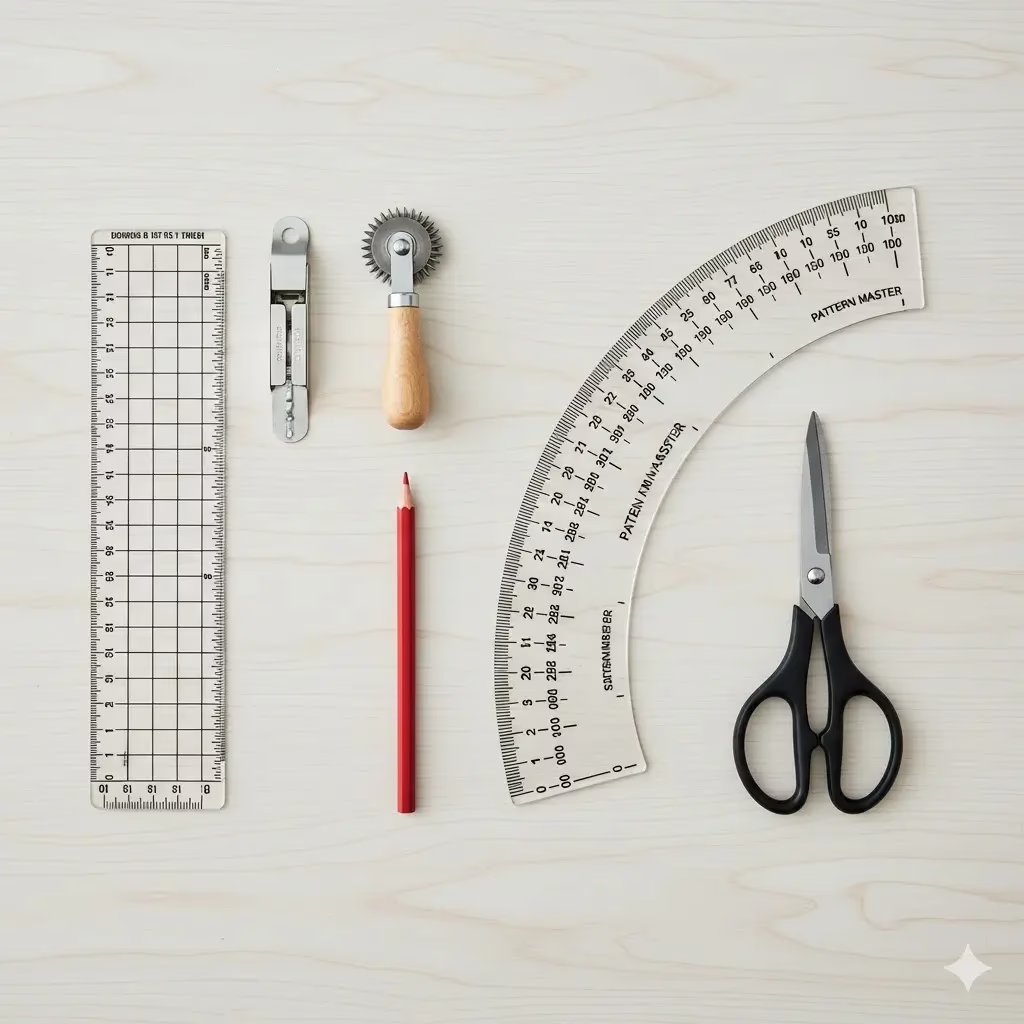
To add the allowance, place a clear grading ruler on your paper. Align the ruler so that the 1.5 cm mark sits exactly on your stitch line. Draw a new line on the outside. Do this all the way around the piece.

For curves, like the armhole or a V-neck, move the ruler slowly. Mark small dots every few centimeters and then connect them with a smooth line using a French curve. This ensures your dress pattern stays accurate.


Step 4: Handle Corners and Notches

When you reach a corner, like the bottom of a side seam, extend your lines until they cross. This creates a sharp point that is easy to follow.

Don’t forget to move your notches! If you have a notch on your stitch line to help you line up a sleeve, draw a line straight out to the new edge of the paper. Use a pattern-notcher to make a small snip so you can see it on your fabric.


Step 5: Adding the Hem Allowance
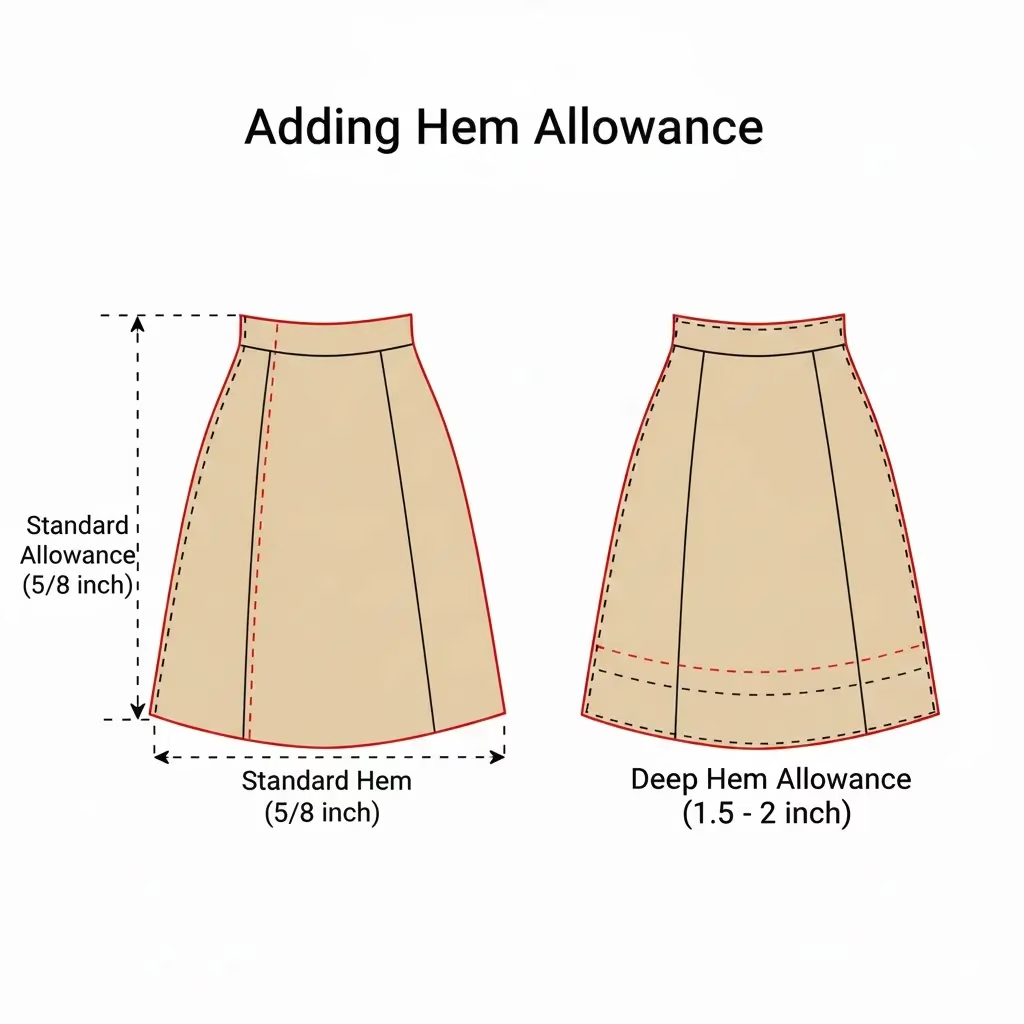
The bottom of your dress or sleeve needs a larger allowance so you can fold the fabric up.

  • Straight Skirts: Add 4 to 5 cm for a deep, stable hem.
  • Circle Skirts: Add only 1 to 1.5 cm. A wide hem on a curved edge will bunch up and look messy.

Final Check and Labeling

Before you cut the paper, check that your seams match. Place the front side seam against the back side seam. They should be the exact same length. Label each piece clearly with the name of the style and the date.

By taking the time to add seam allowances carefully, your DIY dress patterns will look just as professional as any bought from a store. You will find that your pieces sew together much more easily when the math is correct from the start.


External References


How to Finish Your Seams for a Professional Look
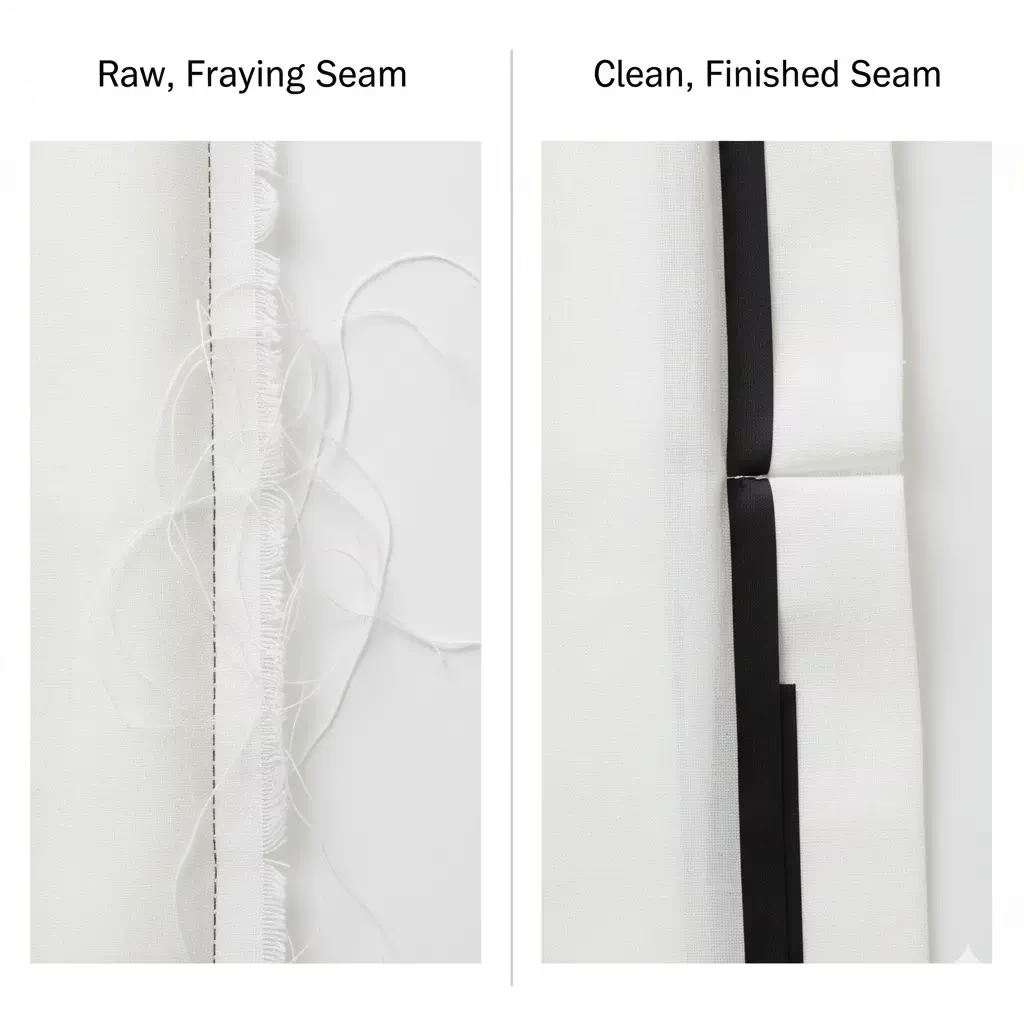

Once you have added your seam allowances and cut your fabric, the last step is to finish the raw edges. A raw edge can fray over time, which may ruin your dress. Choosing the right finish depends on the fabric you used for your dress pattern and how much wear the garment will get.


Method 1: The French Seam

The French seam is the gold standard for high-end dress patterns. It hides the raw edge completely inside a small tuck of fabric. This is best for thin, light fabrics like silk or chiffon.

  1. Sew Wrong Sides Together: Start by sewing your pieces with the “wrong” sides of the fabric touching. Use a small seam allowance (about 0.5 cm).
  2. Trim and Press: Trim the edge very close to the stitches and press the seam open.
  3. Fold and Sew Again: Fold the fabric so the “right” sides are now together. Sew again at 1 cm. The raw edge is now trapped inside the seam.
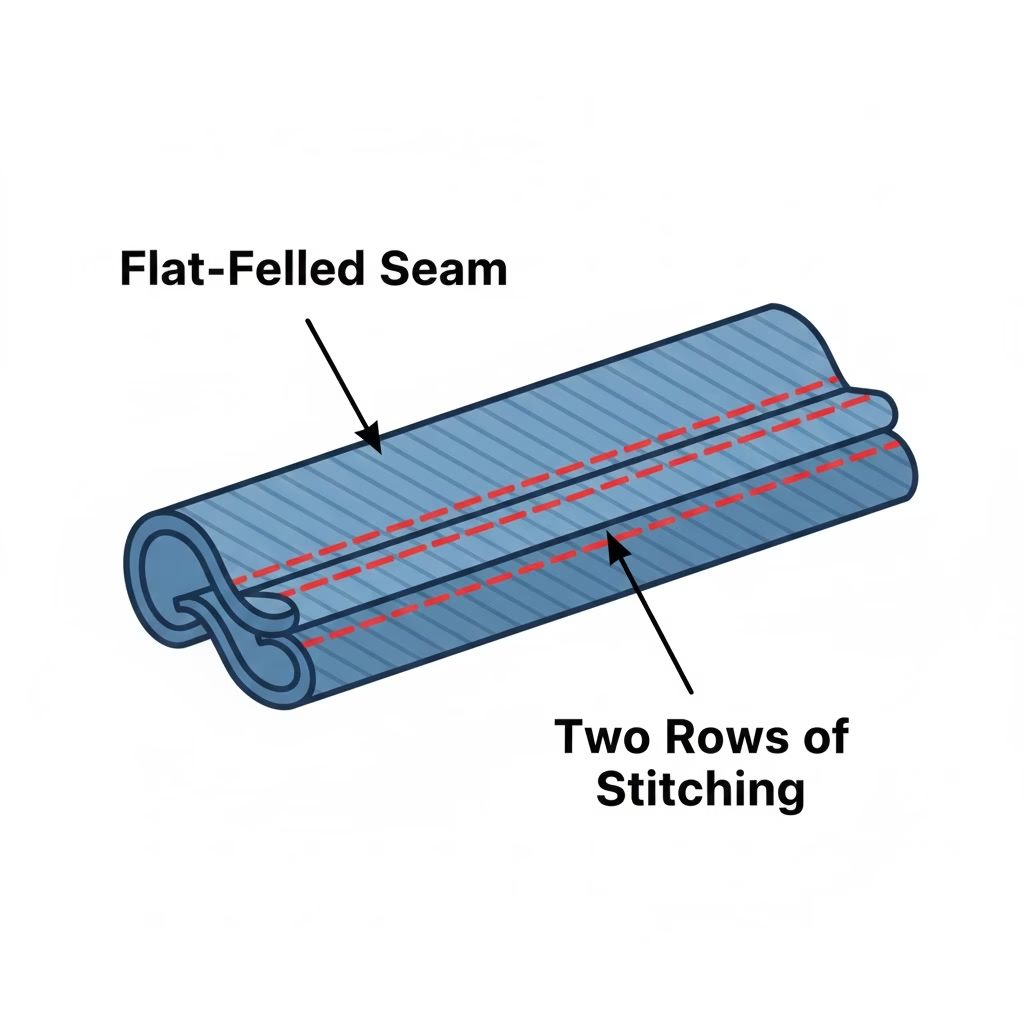
Method 2: Bias Binding
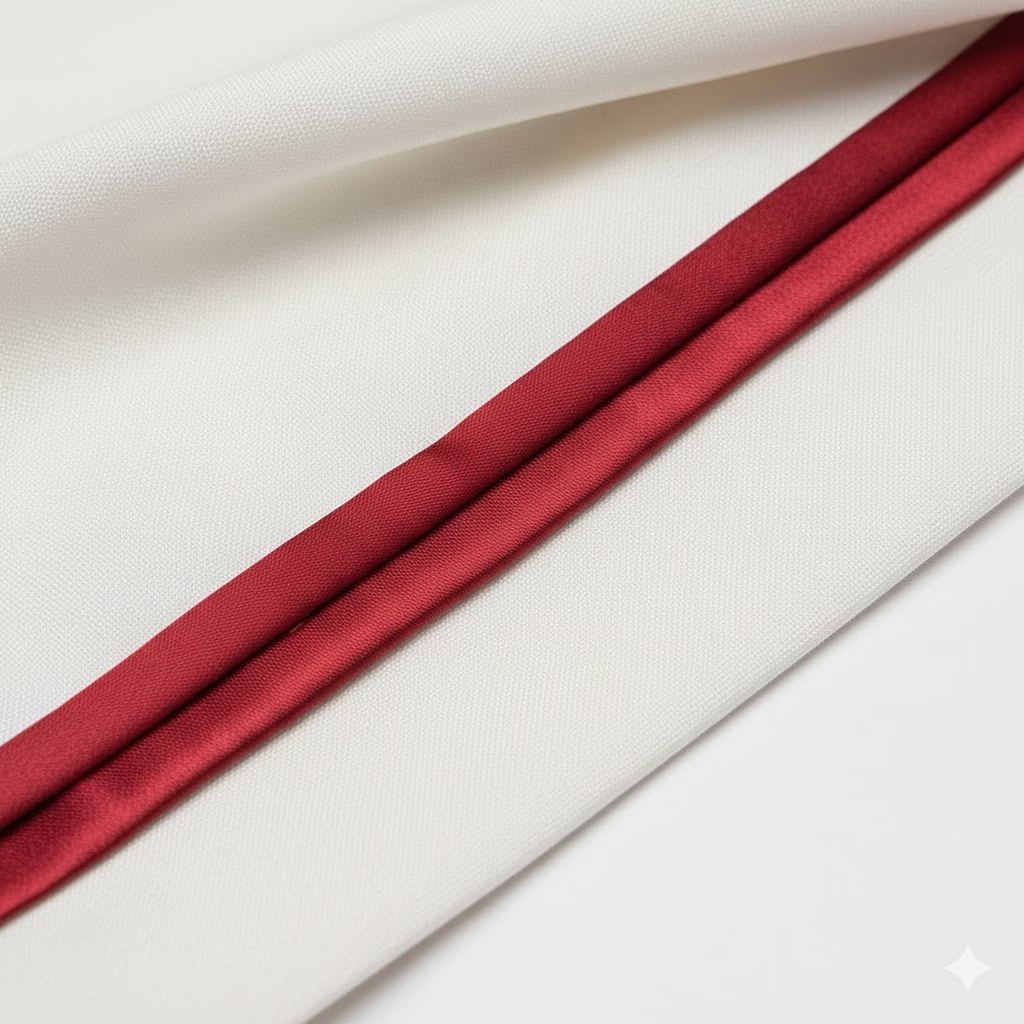
Bias binding is a beautiful way to finish necklines or armholes. It involves sewing a thin strip of fabric over the raw edge. This adds strength and a pop of color to your dress sewing patterns.

  • Clean Finish: It hides the edge and keeps the shape of the curve from stretching.
  • Comfort: It feels smooth against the skin, making it great for sleeveless dresses.

To do this, pin the binding to the right side of the edge. Sew along the fold, then flip the binding over to the inside and stitch it down.


Method 3: The Zig-Zag or Overlock Stitch

If you want a fast and strong finish, use a zig-zag stitch on your home machine or an overlocker (serger). This is the standard for most commercial dress patterns.

  • Zig-Zag: Set your machine to a medium width. Sew right along the edge so the needle drops off the fabric on one side. This “locks” the threads in place.
  • Overlock: This machine trims the fabric and wraps it in thread all at once. It is very fast and gives a look like store-bought clothes.
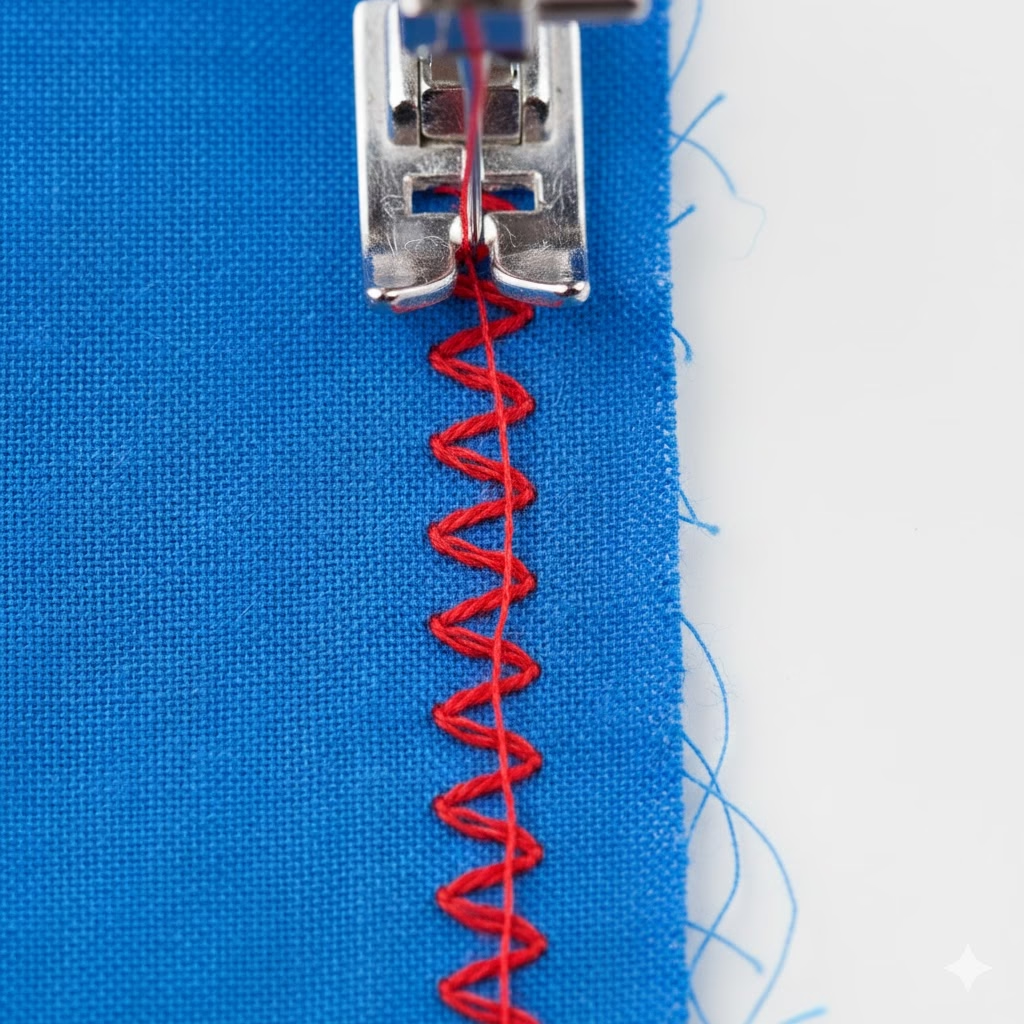
Method 4: Pinking Shears

For fabrics that do not fray easily, like sturdy wool or some cottons, you can use pinking shears. These are scissors with a saw-tooth blade. By cutting the edge in a zig-zag pattern, you break up the thread lines and stop them from pulling out. This is a great “quick fix” for your DIY dress pattern projects.


Final Pressing Tips

No matter which finish you choose, always press your seams with an iron.

  • Press Flat: First, press the seam just as it was sewn to “set” the stitches into the fabric.
  • Iron to One Side: For most seams, press both allowances toward the back of the dress.
  • Press Open: For heavy fabrics, press the allowances away from each other to keep the seam flat.

Using these finishes ensures that the custom designs you made from your sloper will last for years to share or wear.


External References


Final Assembly Checklist for Your Custom Dress
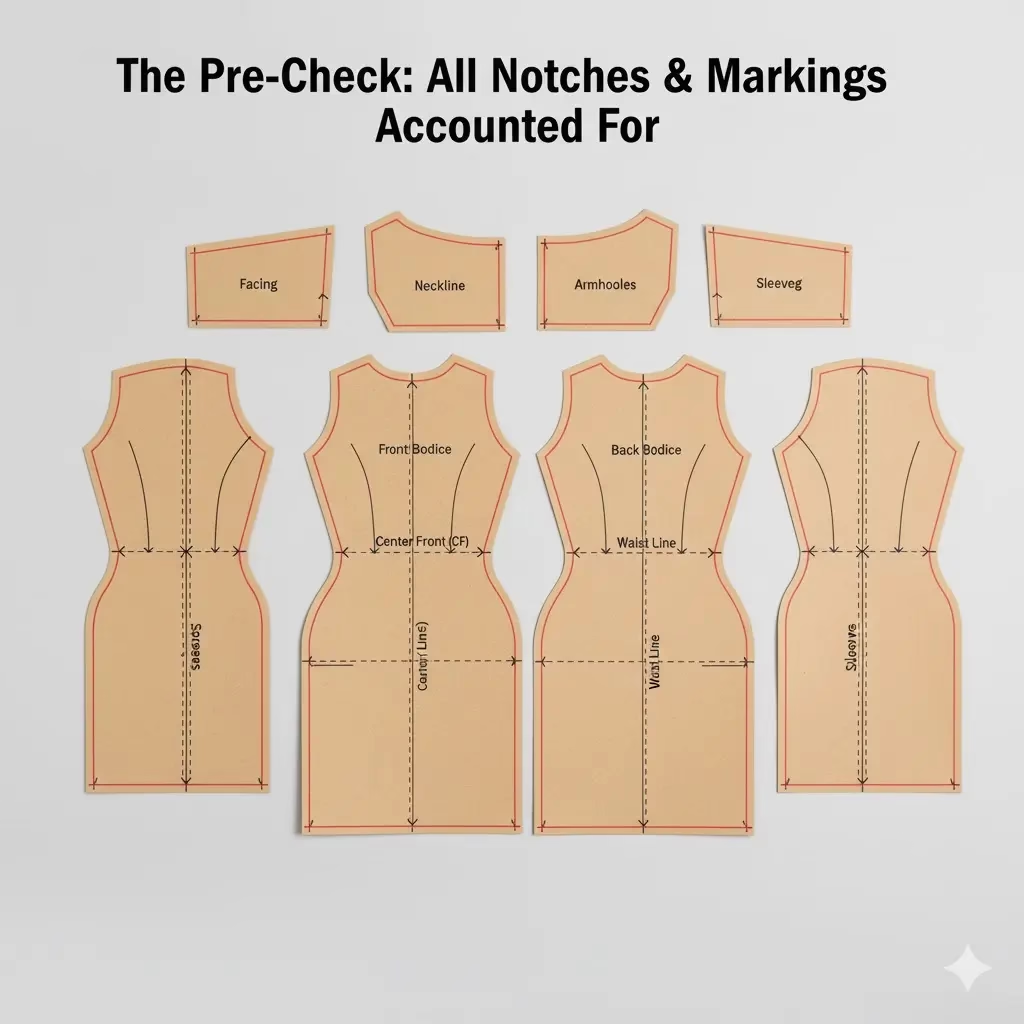

Building a dress from a custom dress pattern is a journey of many small steps. After you have hacked your sloper, added seam allowances, and chosen your finishes, it is time to put it all together. Use this checklist to stay on track. This will help you avoid the need to use a seam ripper and ensure your dress sewing patterns turn into a professional garment.


Phase 1: Preparation and Marking
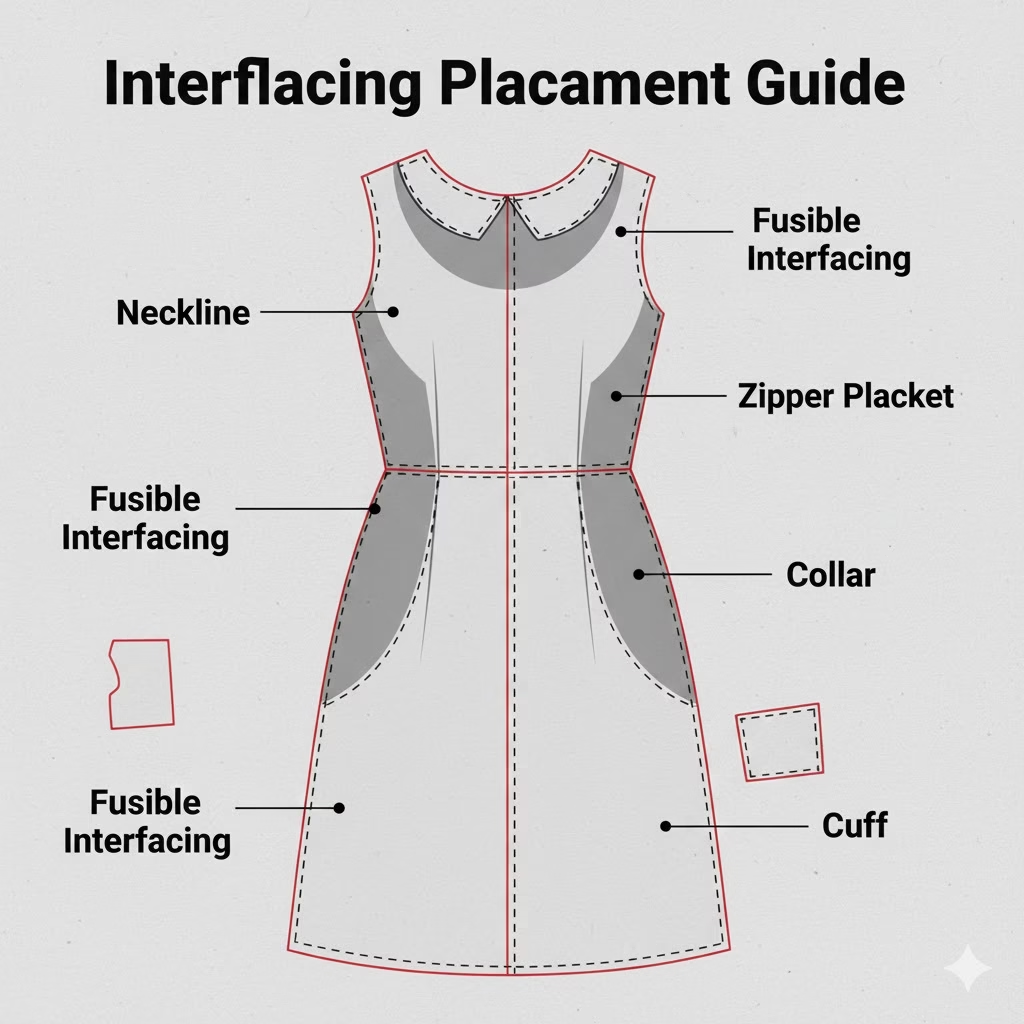
Before you sit at the machine, ensure your fabric pieces are ready. Mistakes made during the cutting phase are hard to fix later.

  • [ ] Check Grainlines: Ensure every piece was cut on the grain as marked on your dress pattern. If the grain is off, the dress will twist on your body.
  • [ ] Transfer All Marks: Check that you have marked every dart point, notch, and pleat line. Use tailor’s chalk or a small snip within the seam allowance.
  • [ ] Stay-Stitch Curves: Sew a row of long stitches 3 mm inside the stitch line on necklines and armholes. This stops the curves from stretching out of shape as you handle the fabric.

Phase 2: Structural Sewing
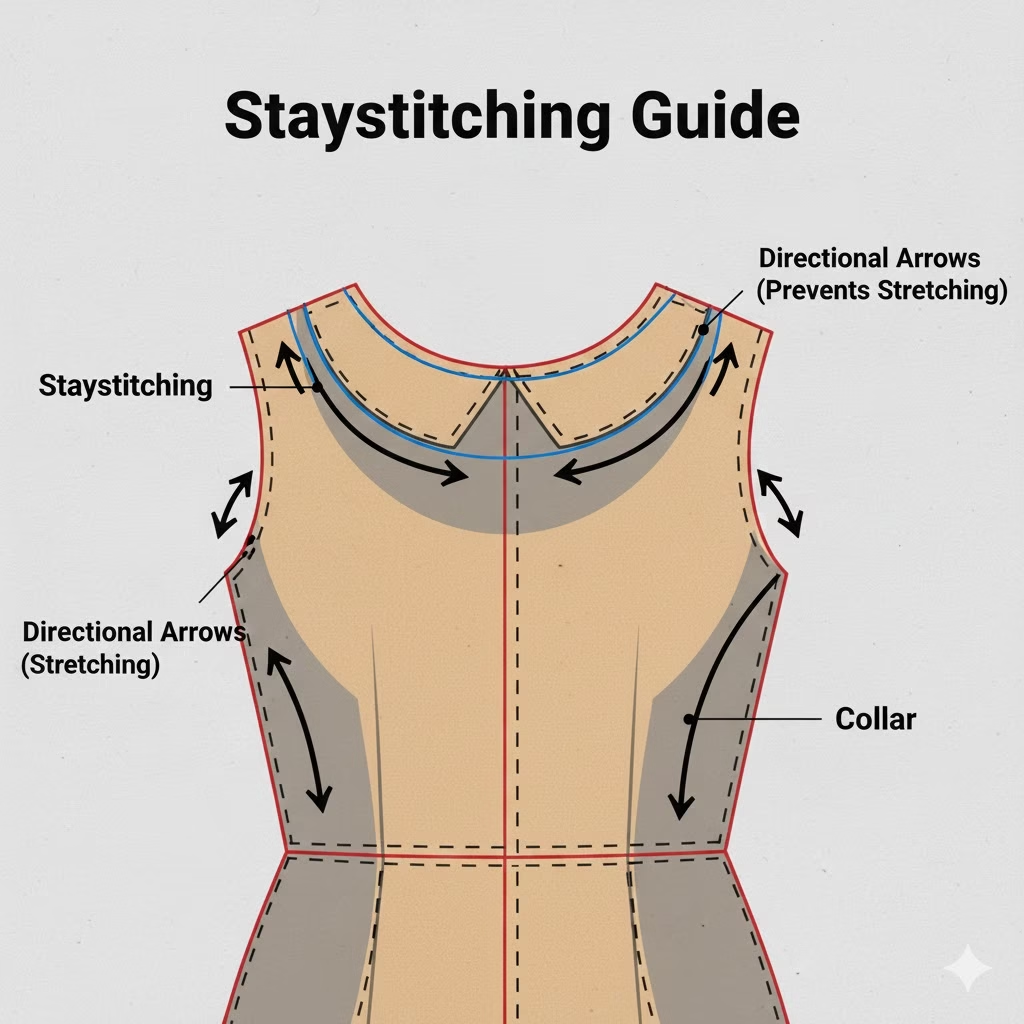
This is where your sloper comes to life. Focus on the “inner” shape of the dress first.

  • [ ] Sew and Press Darts: Always sew darts from the wide end to the point. Tie a knot at the point rather than backstitching. Press bust darts down and waist darts toward the center.
  • [ ] Assemble the Bodice: Sew the shoulder seams first, then the side seams. If you are making a dress with princess seams, take extra care to pin the curves.
  • [ ] Check the Fit: Slip the bodice on. Since you used a tested dress sewing pattern, the fit should be close. If you need to make a change, do it now before the skirt is attached.

Phase 3: Closures and Sleeves

Closures like zippers or buttons give your dress its function. Sleeves provide the style and silhouette.

  • [ ] Install the Zipper: Whether it is a center back or a side zip, baste it in place first. This ensures the waist seams on the left and right sides line up perfectly.
  • [ ] Set the Sleeves: Pin the sleeve into the armhole, matching your notches. Distribute any “ease” (extra fabric) at the top of the sleeve cap for a smooth look.
  • [ ] Finish the Neckline: Apply your facing or bias binding as planned. Ensure the transition at the top of the zipper is clean and flush.

Phase 4: The Skirt and Hem

The skirt adds the final weight and drape to your design.

  • [ ] Attach Skirt to Bodice: Match the center front, center back, and side seams. If your skirt is gathered, ensure the gathers are spread out evenly.
  • [ ] Let the Dress Hang: If you have made a circle skirt or any flared style, let the dress hang on a form for 24 hours. This allows the bias of the fabric to stretch before you hem it.
  • [ ] The Final Hem: Measure the hem from the floor up to ensure it is level. Use your chosen finish from the previous guide to close the raw edge.

Phase 5: The Final Press
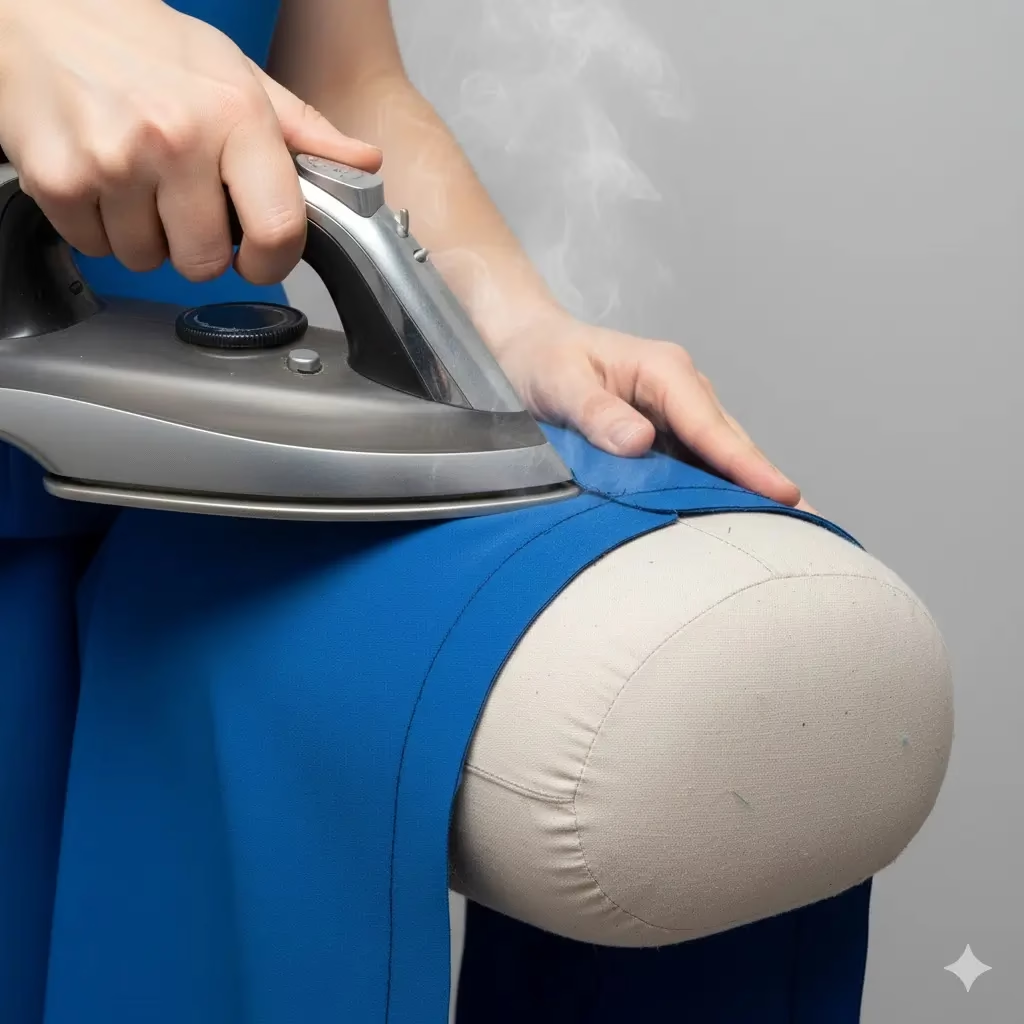
A dress is not truly finished until it has been “pressed into shape.” This is the difference between a homemade look and a high-end dress pattern result.

  • [ ] Clip and Grade: Trim away any bulky fabric inside the seams, especially where multiple seams meet.
  • [ ] Remove Basting: Pull out any temporary stitches used for the zipper or gathers.
  • [ ] Final Steam: Give the entire dress a thorough steam. Focus on the collar, cuffs, and hemline.

External References


Troubleshooting Common Fit Issues


Even with a well-tested dress pattern, fabric choice or small cutting errors can cause fit issues. During the assembly phase, it is vital to spot these problems early. Fixing a fit issue on a bodice is much easier before you attach the skirt or sleeves. Use this guide to solve the most common problems seen when using custom dress sewing patterns.


Issue 1: Gaping at the Neckline or Armhole

If the fabric stands away from your body at the neck or armhole, it usually means the curve has stretched or the pattern needs more contouring.

  • ** The Fix:** Pinch the extra fabric into a small, temporary dart. Measure the width of this “pinch.” On your paper dress pattern, slash from the edge to the nearest dart and overlap the paper by that same amount. This “closes” the gap for your next version. For the current dress, you may need to add a tiny dart or use bias binding to pull the edge in tight.

Issue 2: Pulling Lines at the Bust

Horizontal pull lines across the chest mean the dress is too tight. If the lines point toward the bust apex, your dart may be in the wrong place.

  • The Fix: If the dress is too tight, let out the side seams. This is why adding a 2 cm seam allowance to your dress sewing patterns is so helpful. If the dart is the problem, unpick it and move the point. The dart should end about 2.5 cm (1 inch) away from the fullest part of your bust, not right on top of it.

Issue 3: Folds or “Pooling” at the Lower Back
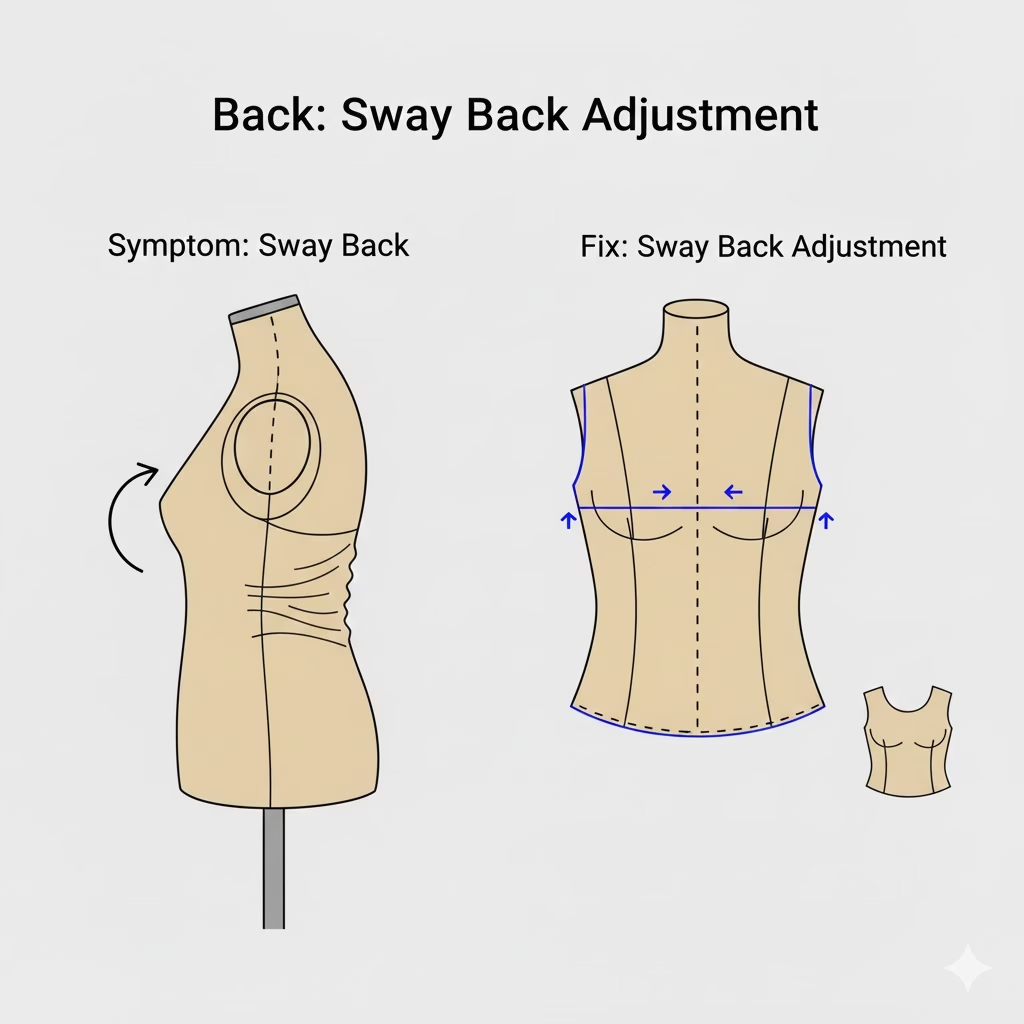
If you see fabric bunching up just above your waist at the back, you likely have a “short back.” This happens when the distance from your neck to your waist is shorter than the standard dress pattern size.

  • The Fix: Pin a horizontal tuck across the back bodice until the fabric lies flat. Measure the tuck. On your paper pattern, draw a line across the back and slide the top piece down by that amount. This shortens the back length without changing the width of the dress.

Issue 4: Tightness Across the Shoulders
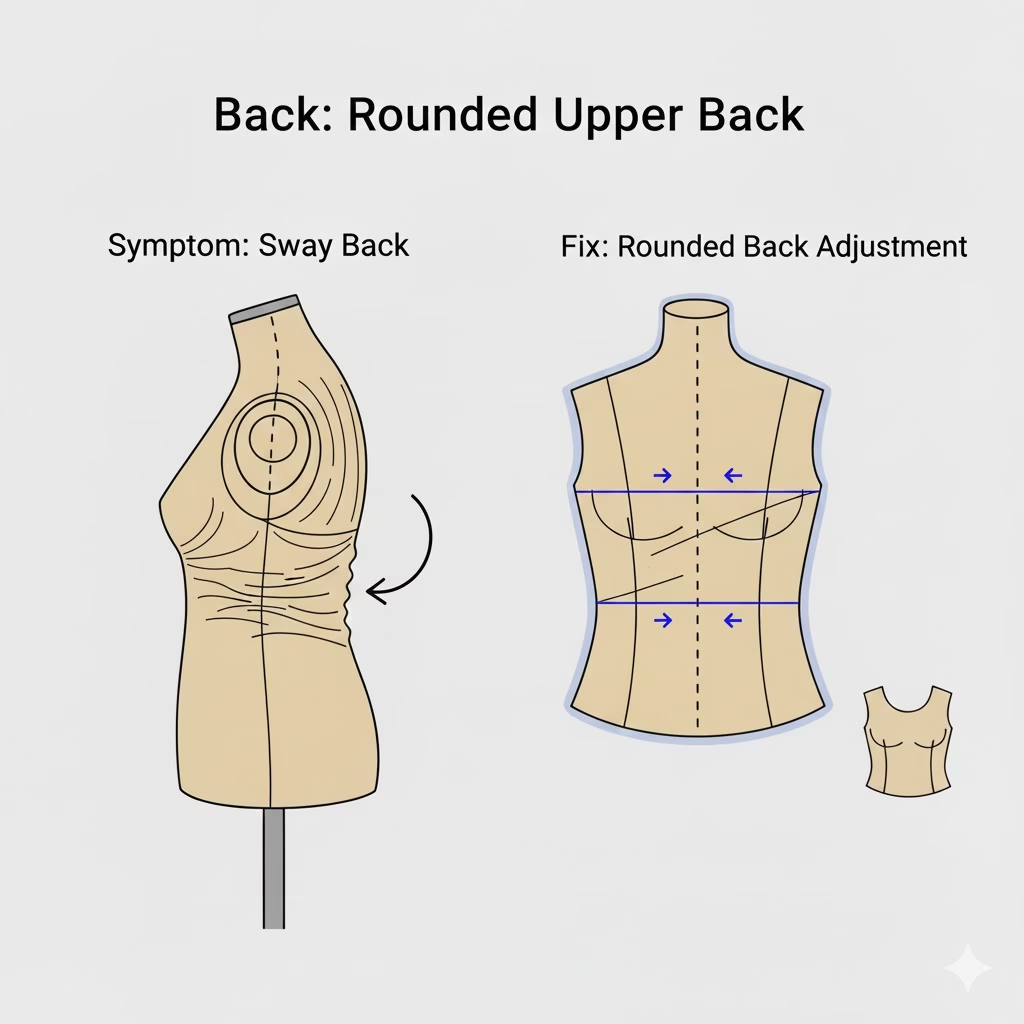
If you feel like you cannot move your arms forward, the across-back width is too narrow. This is a common issue when moving from a sloper to a more structured dress pattern.

  • The Fix: Check your seam allowance at the armhole. You may need to trim a small amount (about 5 mm) from the back curve of the armhole to give your shoulder more room to move. For your master sloper, you should add a bit of “ease” to the across-back measurement.

Issue 5: Drag Lines at the Hips
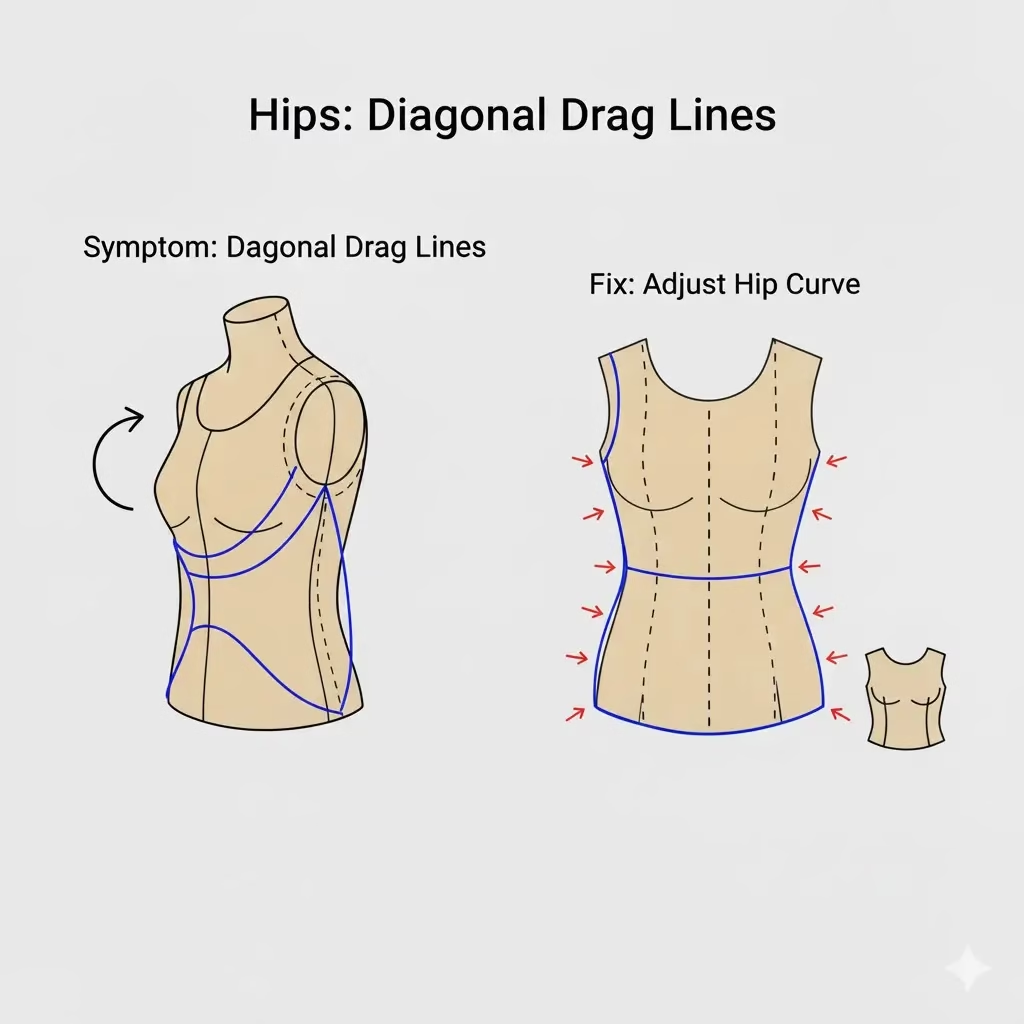
If the skirt of the dress rides up or shows “smile” lines across the hips, it is too tight in the seat or hip area.

  • The Fix: Open the side seams from the waist down. Let the fabric fall naturally and see how much it opens up. You can then sew a new seam with a smaller allowance. When you update your dress patterns, make sure to add more width to the hip curve of the skirt block.

Quick Fit Reference Table

Fit SignMeaningQuick Action
Vertical FoldsToo much widthTake in the side seams.
Horizontal FoldsToo much lengthShorten the bodice or skirt.
Diagonal LinesTension pointRelease the seam at the point the lines start.
Gaping EdgesCurve is too longShorten the edge with a small dart or binding.

Final Pro Tip: The “Sitting Test”

Before you finish your seams, put the dress on and sit down in a chair. A dress might look perfect while you stand, but feel too tight when you sit. If it feels tight in the waist or hips, use those extra seam allowances to give yourself a bit more room.


External References


How to Choose the Best Fabric for Your Dress Patterns

Selecting the right fabric is the final step in turning your dress pattern into a masterpiece. The “hand” of a fabric—how it feels, falls, and moves—will change how your design looks on the body. A hack that works for a structured office shift may not work for a flowy party dress. Use this guide to match your fabric to your dress sewing patterns for the best results.


Understanding Fabric Weight and Drape
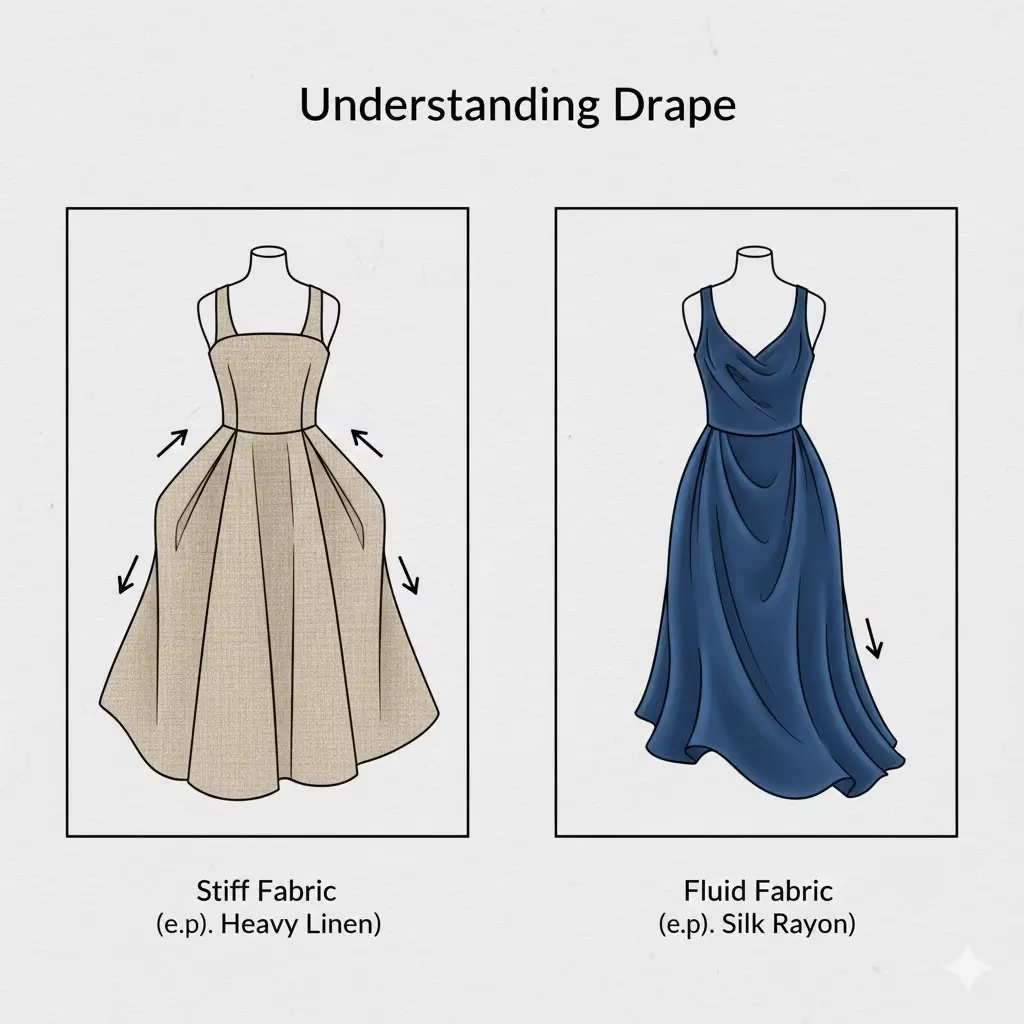
Before buying material for your dress patterns, you must consider two things: weight and drape.

  • Weight: This is how heavy the fabric feels. Light weights are for summer dresses, while heavy weights are for structured winter garments.
  • Drape: This is how the fabric hangs. A fabric with “high drape” (like silk) will cling to your curves. A fabric with “low drape” (like denim) will hold its own shape.

Matching Fabrics to Your Dress Styles

Different styles created from your sloper require different types of support from the cloth.

1. Structured Styles (Shift Dresses, Pencil Skirts)

For these looks, you want the fabric to hold the lines of the dress pattern.

  • Best Choices: Cotton Poplin, Linen, Light-weight Wool, or Denim.
  • Why: These fabrics are easy to sew and show off sharp darts and clean seams.

2. Flowy Styles (A-line Skirts, Empire Waists, Gathers)

Styles with extra fullness need fabric that moves easily and does not look bulky at the waist.

  • Best Choices: Rayon (Viscose), Cotton Lawn, Voile, or Silk Crepe.
  • Why: These materials are thin enough to be gathered without adding too much “poof” to your silhouette.

3. Formal Styles (Princess Seams, Evening Gowns)

For gowns that need a bit of shine and a lot of structure, look for fabrics that feel expensive and sturdy.

  • Best Choices: Satin, Taffeta, or Brocade.
  • Why: These fabrics highlight the vertical lines of princess seams and hold the volume of a full skirt.

Fabric Choice and Your Pattern Hacks

If You Are Making…Choose a Fabric That Is…Avoid…
A Circle SkirtLight and drapey (like Rayon)Very stiff or heavy fabric.
Puff SleevesCrisp and firm (like Organdy or Poplin)Very soft fabric that will collapse.
A V-neck BodiceStable (like Linen)Slippery fabrics that may stretch.
A Wrap DressSlightly stretchy (like Jersey or Crepe)Rigid fabrics that won’t move with you.

Tips for Shopping for Dress Sewing Patterns

  • The “Scrunch” Test: Take a corner of the fabric in your hand and squeeze it. If it stays wrinkled, it may be hard to keep looking fresh during a long day.
  • Check the Width: Most dress sewing patterns assume the fabric is 115 cm or 150 cm wide. Check your pattern pieces at home to make sure you buy enough length.
  • Pre-Wash Your Fabric: Almost all natural fabrics shrink. Wash and dry your fabric before you cut into it with your custom dress pattern. This ensures your dress fits perfectly after its first wash.

External References


Fabric Yardage Guide for Custom Dress Patterns

Estimating how much fabric you need is a vital step when you move away from store-bought dress patterns to your own custom hacks. Since you are working from a master sloper, you do not have a printed envelope to tell you how much to buy. This guide will help you calculate the yardage for your unique dress sewing patterns so you never run out of material mid-project.


How to Estimate Your Base Yardage

For a standard knee-length dress with no sleeves, a good rule of thumb is to buy twice the length of the dress plus 0.25 meters for the bodice.

  • The 115 cm (45″) wide fabric: You usually need about 2.5 to 3 meters.
  • For 150 cm (60″) wide fabric: You usually need about 1.5 to 2 meters.

If you are tall or making a maxi-length dress pattern, add an extra meter to these estimates.


Adding Fabric for Specific Design Hacks
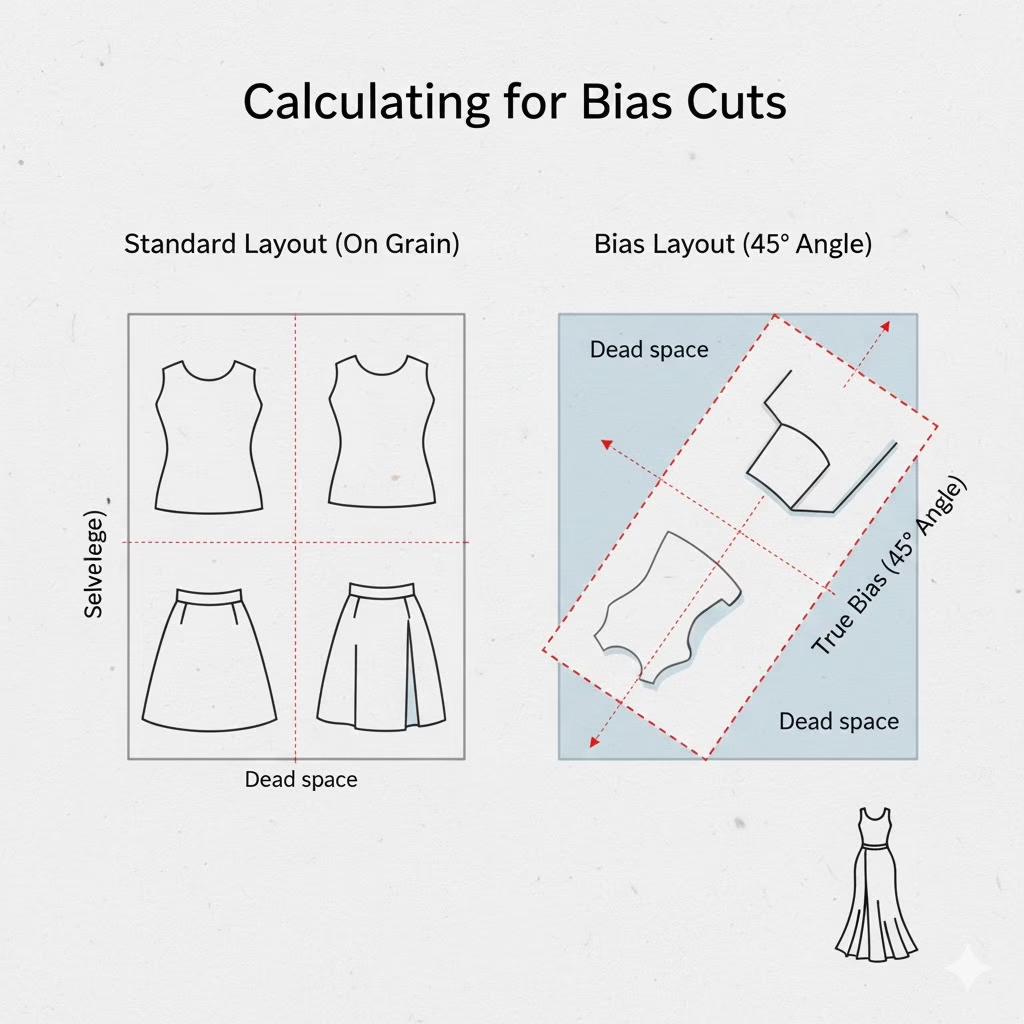
When you change your sloper, you change the amount of fabric required. Use this table to add to your base estimate.

Design HackExtra Fabric Needed (Approx.)Notes
Short Sleeves0.5 MetersFor basic T-shirt style sleeves.
Long/Puff Sleeves0.75 to 1 MeterPuff sleeves need extra width for the volume.
Circle Skirt2 to 3 MetersThese use a lot of fabric because of the wide radius.
A-line Skirt0.5 MetersAdded to the base length of the skirt.
Gathers/Ruffles1 to 1.5 MetersDepends on how “full” you want the gathers to be.
Matching Plaid/Stripes0.5 to 1 MeterYou need extra to line up the patterns at the seams.

The “Floor Layout” Method for Accuracy

If you want to be exact before heading to the store, try the floor layout method.

  1. Mark the Width: Use masking tape on the floor to mark the width of the fabric you plan to buy (usually 150 cm).
  2. Arrange Your Pieces: Lay your hacked dress sewing patterns inside those tape lines. Make sure to leave space for seam allowances between the pieces.
  3. Measure the Length: Once everything fits, measure the total length from the top piece to the bottom. This is the exact amount of fabric you need.

Tips for Buying Fabric for Dress Patterns

  • The “Just in Case” Half-Meter: It is always smart to buy an extra 0.5 meters. This allows for fabric shrinkage during the pre-wash or for fixing a small cutting mistake.
  • Consider the Nap: If your fabric has a “nap” (like velvet) or a one-way print (like flowers that all point up), you must lay all your pieces in the same direction. This often requires more fabric.
  • Don’t Forget the Facing: If you are not using bias binding, you will need enough fabric for the neck and armhole facings. These can often be tucked into the “gaps” between larger pattern pieces in your layout.

Final Yardage Checklist

  • [ ] Did I account for the hem allowance?
  • [ ] Did I add extra for sleeves or pockets?
  • [ ] Is the fabric wide enough for my circle skirt pieces?
  • [ ] Do I need extra to match a pattern or stripe?

By using these estimates, you can shop with confidence, knowing you have exactly what you need to bring your custom dress pattern to life.


External References


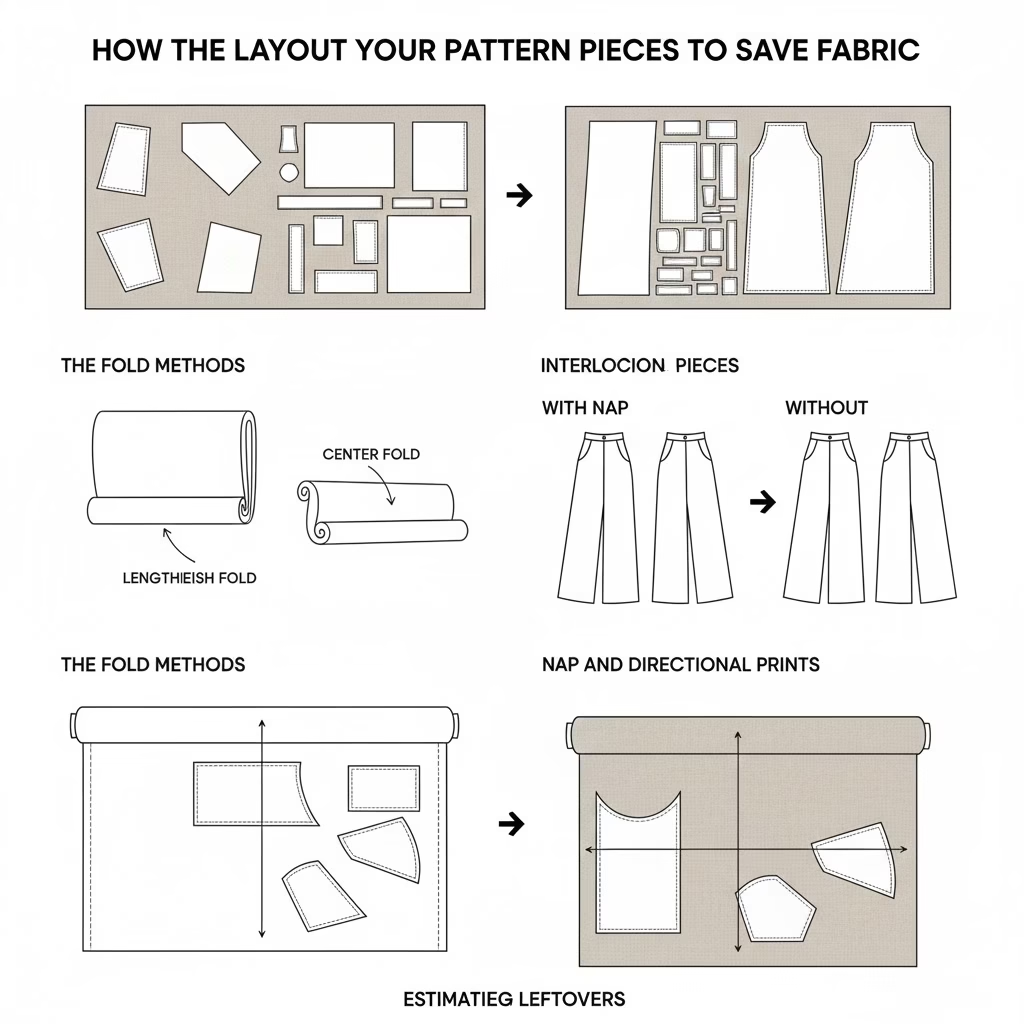
How to Layout Your Pattern Pieces to Save Fabric

Once you have your fabric and your custom dress pattern, the next step is the “cutting layout.” This is the way you place your paper pieces on the cloth. A smart layout can save you a lot of money. It lets you use less fabric and leaves you with larger scraps for future projects. Learning to layout dress sewing patterns like a pro is a great way to make your sewing more sustainable.


Step 1: Prepare the Fabric

Before you lay down a single piece of your dress pattern, you must prep the cloth.

  • Iron the Fabric: Small wrinkles can lead to large cutting errors. Ensure the fabric is perfectly flat.
  • Find the Grainline: Look at the “selvage” (the finished factory edge). The grain of the fabric runs parallel to this edge.
  • Fold Correct-Side In: Fold your fabric with the “right” sides touching. This allows you to mark the “wrong” side with chalk and keeps the pretty side clean.

Step 2: The Logic of the Layout

There are two main ways to fold fabric for dress sewing patterns. The goal is to maximize the space.

Layout TypeWhen to Use ItHow to Do It
Lengthwise FoldMost common for dresses.Fold the fabric so the two selvages meet.
Crosswise FoldFor very wide skirt pieces.Fold the fabric so the cut ends meet.
Double FoldTo cut two “on-the-fold” pieces.Fold both selvages toward the center of the fabric.

Step 3: Placing Your Pattern Pieces

Start with your largest pieces first, such as the skirt or the long bodice parts of your dress pattern.

  • Place on the Fold: Any piece that says “cut on fold” (usually the center front or back) must be placed exactly against the folded edge of the fabric.
  • The Interlocking Method: Look for ways to fit small pieces, like neck facings or pockets, into the gaps created by larger curves. For example, a sleeve can often nestle next to the curve of an A-line skirt.
  • Check the Grain: Every piece of your dress sewing patterns has a grainline arrow. Use a ruler to ensure this arrow is exactly the same distance from the selvage at both the top and the bottom.

Step 4: Special Layout Rules

Some fabrics require a bit more care. If you ignore these rules, your final dress might look “off.”

  1. The Nap: Fabrics like velvet or corduroy have a “direction.” If you run your hand down the fabric, it feels smooth; if you run it up, it feels rough. All pieces of your dress pattern must point the same way, or the dress will look like it is made of two different colors.
  2. Large Prints: If your fabric has a large floral or geometric print, you may want to “fussy cut.” This means placing your pattern pieces specifically to highlight a certain flower on the bust or the center of the skirt.

Step 5: Pinning and Cutting

Once you are happy with the layout, it is time to secure the paper.

  • Pinning: Place pins inside the seam allowance every 10 cm. Do not let the pins cross the cutting line.
  • Weights: Many pros use “pattern weights” (like large washers or smooth stones) instead of pins. This stops the fabric from lifting off the table.
  • The Long Cut: Use long, smooth strokes with your shears. Do not “chew” the fabric with short snips. This keeps the edges of your dress sewing patterns crisp and clean.

Final Saving Tip: The Scrap Bag

Even the best layout leaves small scraps. Save the long, thin strips to make bias binding. Save the larger squares for pocket linings or to test your iron heat. By using every inch, you respect the work that went into making the fabric.

External References


Related Posts

  1. How to Finish Your Seams for a Professional Look
  2. Final Assembly Checklist for Your Custom Dress
  3. Troubleshooting Common Fit Issues
  4. How to Choose the Best Fabric for Your Dress Pattern
  5. Fabric Yardage Guide for Custom Dress Patterns
  6. How to Layout Your Pattern Pieces to Save Fabric

How To Create Different Styles From One Dress Pattern

A professional sewing studio display featuring a wooden garment rack with five distinct dresses—a green shift, white midi, yellow princess-seam gown, blue A-line, and floral sun dress—all designed from one pattern to demonstrate consistent foundation fit and modular design.

Mastering expert techniques for maximizing your dress pattern allows you to transform a single block into a full wardrobe using hacks for custom dress patterns. By learning these modular methods, you can elevate your craft to create professional dress sewing patterns that ensure a perfect, consistent fit across every design you draft.


The Power of the Foundational Block

In the world of sewing, there is a secret tool used by many experts: the sloper. A sloper is the basic dress pattern that fits your body perfectly. It has very little extra room and no fancy details. It also has no seam allowances. Think of it as a simple map of your shape.

When you learn to use this one master piece, you stop needing to buy a new pattern for every trend. You move away from the basic nature of store-bought dress sewing patterns. Instead, you enter the world of true design. You can change your base block to make a high-end closet. These clothes will fit you perfectly every single time you sew.


What is a Sloper or Bodice Block?

A sloper is a basic, custom-fitted pattern piece. It usually starts with the bodice front, the back, a sleeve, and a skirt. And captures your exact size. It does not have pretty parts like collars or hems. It only has the main shapes like the bust darts and waist curves.

To draw one, you need a few body measurements. You will need the length from your neck to your waist. And You also need your bust size and shoulder length. You draw these on paper to make a grid. This grid then turns into curves that match your body. For example, the back piece starts with a straight line down the center. Then, you square out for the bust width. This block is your “master” copy. You should keep it safe. You can then trace it to make new designs.


Why Use One Pattern for Many Designs?

Using one good dress pattern makes sewing much faster. You get to reuse a fit that you already know works. This stops the stress of trial and error. Often, store-bought dress patterns do not fit your specific shape.

  • Better Fit: Once you get the fit right, every new look will fit the same. The shoulders and bust will always look great.
  • Save Time: You can skip making a test garment for every new project. Your base is already perfect.
  • Less Waste: Using less paper is good for the earth. You also avoid buying patterns you never use.
  • More Fun: It lets you swap parts. You can take a neck from one look and a sleeve from another. You are the boss of your own style.

Essential Tools and Materials

Before you start to hack your dress sewing patterns, you need the right tools. Having a good set of tools makes the work easy. Drawing by hand helps you learn how the fit works.

ToolPurpose
Pattern PaperUsed for tracing and changing your master sloper.
French CurveGreat for drawing smooth armholes and necklines.
Pattern-NotcherUsed to mark important spots on the fabric.
Muslin FabricA cheap fabric used to sew a test dress.
Tracer WheelHelps move marks to new paper without cutting the master.

Step 1: Drafting the Base Bodice Sloper

To start, you need to take a few measurements. These include the full bust, waist, hips, and shoulder width. You also need to know the depth of your neck and the curve of your arm.

The Back and Front Parts

Draw the back piece first. Mark a spot at the top left of your paper. Draw a straight line down for the center back. Then, draw a line across for the bust. Use your curved ruler to draw the neck and shoulder. For the front, you must add a bust dart. This is a small fold that lets the fabric fit over your chest. It should point toward the tip of the bust.

Testing the Fit

Once your paper draft is done, sew a test dress. This is a vital step for making great dress patterns. Check for any tight spots at the arms. Look for gaps at the neck. Fix the paper until it fits just right. This new piece is now your master tool.


Step 2: Marking Reference Lines for Easy Variations

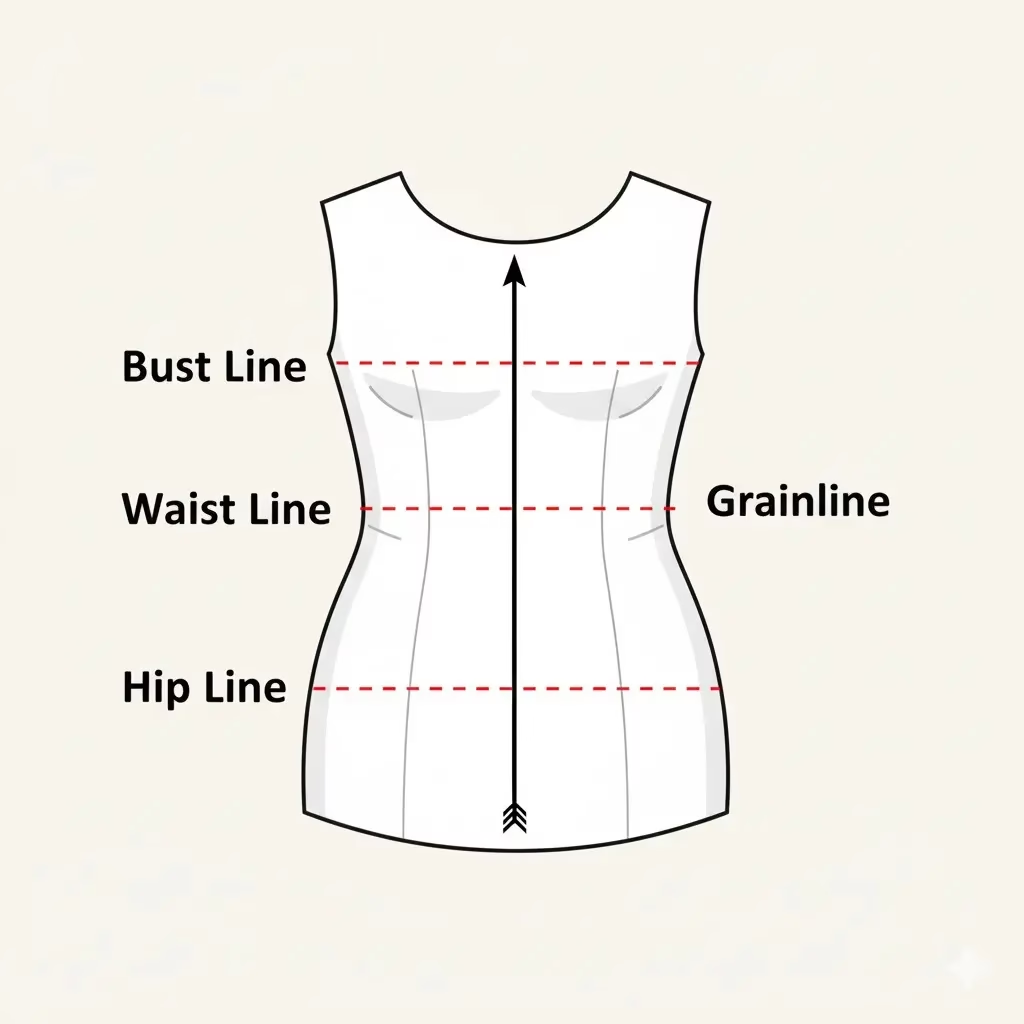
Good dress sewing patterns always have clear marks. On your new copy, draw straight lines for the bust, waist, and hip. Add a line for the center front and center back. Also, draw a grainline to show how the fabric should hang.

These lines are like a map. They help you when you want to change the style. If you want to add more fabric for a full look, these lines keep things even. They make sure the left and right sides match.


Step 3: Drafting Modular Components

Think of your dress pattern as a set of blocks. You can build a library of parts. This lets you “build” a new dress very quickly.

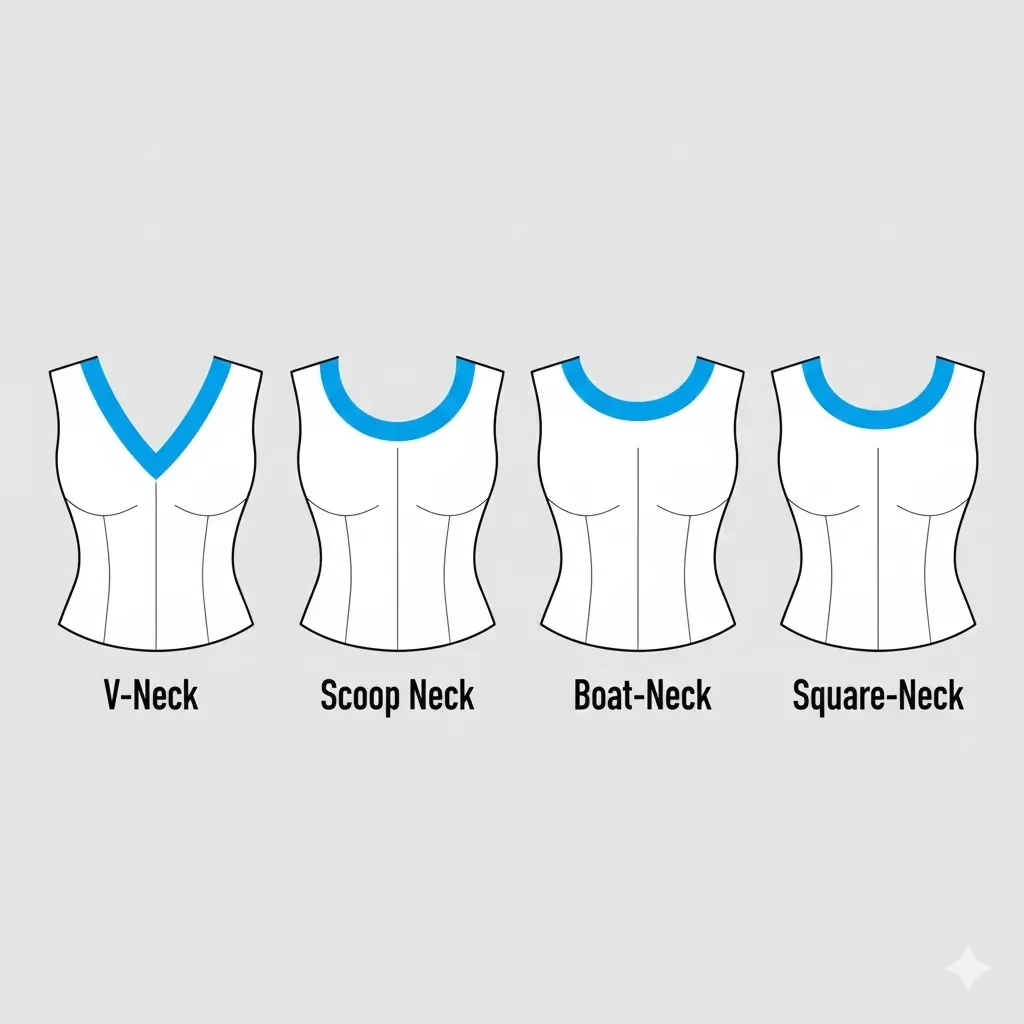
Customizing Necklines

Trace your bodice and draw new neck shapes over it.

  • V-neck: Draw a straight line from the shoulder to a point below the neck.
  • Boat neck: Draw a wide, flat curve from one shoulder to the other.
  • Square Neck: This neck drops straight down and then goes across. It looks like a box.
  • Scoop Neck: This is a deep, round curve. It is a very common and easy look.

Sleeves and Armholes

The arm hole should stay the same so the sleeve fits. From there, you can make a puff sleeve. You do this by adding more height to the top of the sleeve. You can also make a bishop sleeve by adding width at the wrist.

Skirt Variations

From the waist of your block, you can make many skirts:

  1. A-line: Make the bottom of the skirt wider at the sides.
  2. Pencil: Make the sides of the skirt tighter at the knees.
  3. Circle Skirt: Spread the pattern out wide to make a very full skirt.

Step 4: Applying Pattern Hacks for Diverse Dresses

Now you can get creative. Use your traced sloper to “hack” the style. This changes how the dress looks on your body.

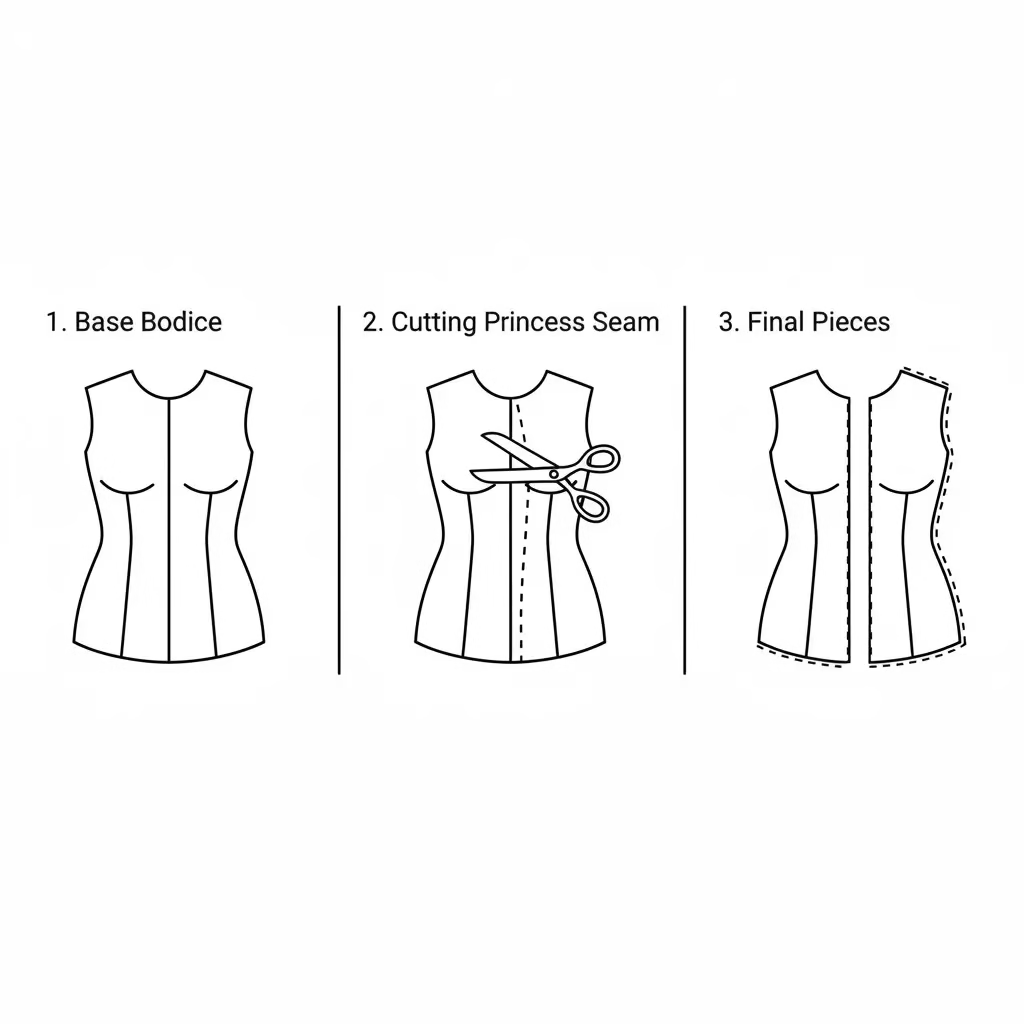
Princess Seams

These seams give a very smooth look. They are common in fancy dress patterns. Draw a curved line from the arm hole down to the waist. Cut along this line. Now you have two pieces. Add a bit of extra paper for the seams. This takes away the need for darts and looks very sleek.

Yokes and Empire Waists

An Empire waist sits high up. To make this, draw a line just below the bust. Cut the pattern in two. You can make the bottom part very full by adding fabric. Then, gather it back to fit the top part. This creates a soft, pretty look.

Fullness and Gathers

If you want a big, flowy dress, use the slash and spread way. Cut lines through your pattern from bottom to top. Do not cut all the way through. Spread the pieces apart like a fan. Tape extra paper in the gaps. This adds fabric that you will later sew into gathers.


Step 5: Organizing and Scaling Your Library

As you make more parts, you need to stay organized. Many pros keep their pieces in a binder. You can group them like this:

  • Group A: Neck and Body parts
  • Another group: Sleeve parts
  • Group C: Skirt parts

By mixing these, you can make many dresses. For example, if you have three necks, three sleeves, and three skirts, you can make 27 different looks. When you are ready to cut your real fabric, add your seam allowance. Usually, this is about 1.5 cm. Only add this to your working copies, not your master.


Advanced Tips for Professional Results

To make your dress sewing patterns look even better, try these tips:

  • Change Darts: You do not have to sew darts as simple folds. You can turn them into small pleats or gathers for a new look.
  • Strapless Looks: If you want a dress with no straps, you must make the neck tighter. This stops the fabric from falling away from the body.
  • Fabric Type: A pattern for heavy cloth will not look the same in light silk. Think about how the fabric moves before you cut.
  • Tech Tools: Hand drawing is best to start. But tools like PatternMaker can help you print many sizes at once.

When you treat your dress pattern as a tool that can grow, you find true freedom. You can turn a hobby into a way to make art. Whether you want a simple closet or want to share your work online, the sloper is the best place to start. It gives you a fit that is made just for you.


External References


Related Posts


The Ultimate Guide to Oven-Drying Orange Slices

A close-up of fresh citrus wheels being arranged on a baking sheet with parchment paper, preparing for the process of oven-drying orange slices.

To successfully create dried orange slices, mastering the process of oven-drying orange slices is the secret to finding the perfect balance between heat and airflow. If the temperature is too high, the natural sugars in the fruit will caramelize and burn, leaving you with brown, bitter circles. If the temperature is too low, the process takes an eternity, and you risk the fruit molding before it dries.

Using an oven is a fantastic zero waste way to preserve citrus without needing a specialized dehydrator. By following these precise temperature guidelines and techniques, you can ensure your slices retain their vibrant color and potent aroma.


Finding the Sweet Spot: Temperature Settings

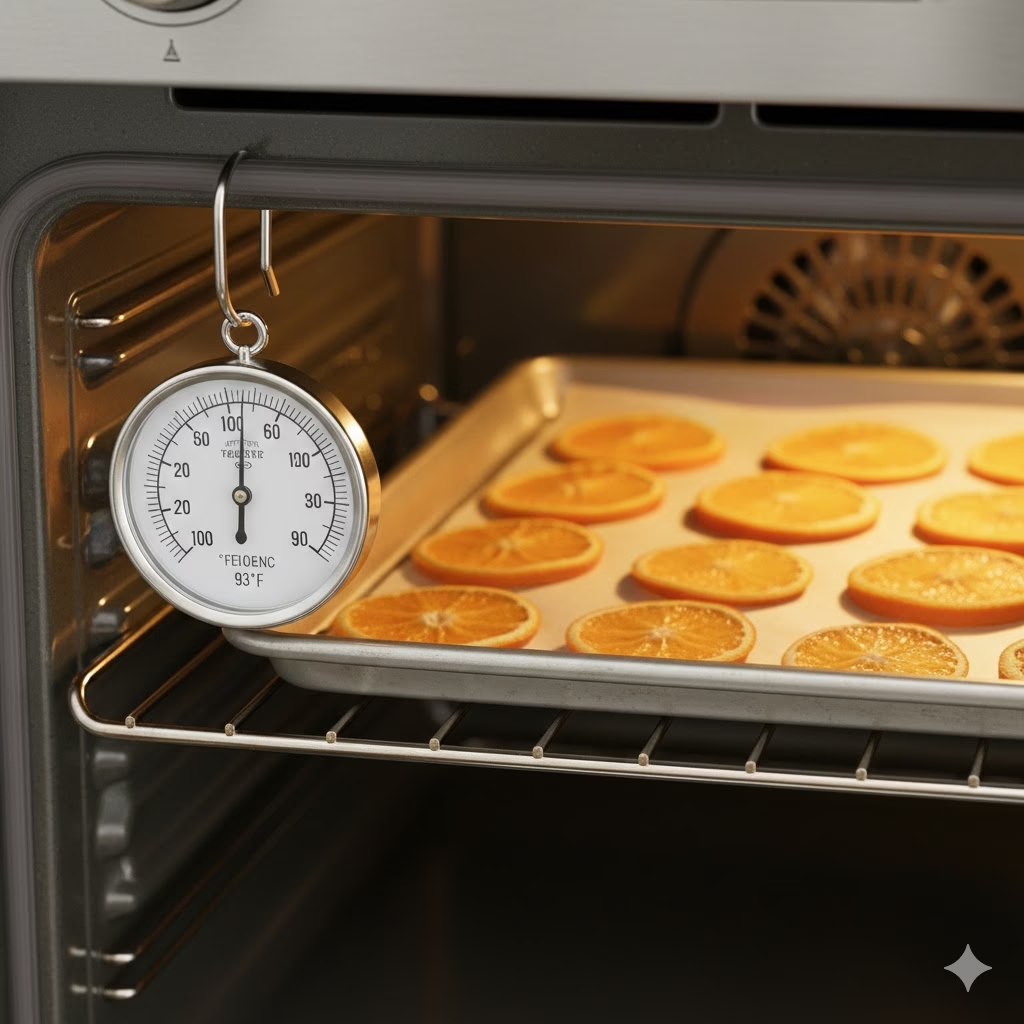
The goal of drying fruit is evaporation, not cooking. For the best results, you want to keep your oven at the lowest possible setting.

  • The Ideal Range: 170°F to 200°F (75°C to 95°C).
  • The “Low and Slow” Rule: If your oven has a “warm” setting that sits around 150°F (65°C), this is actually the gold standard. It will take longer (anywhere from 4 to 6 hours), but the color of the Dried Orange Slices will remain bright and translucent rather than turning a muddy copper.
  • Convection Settings: If your oven has a “Convection” or “Fan Forced” mode, use it. The moving air speeds up the evaporation process significantly and helps prevent “hot spots” that can scorch individual slices.

Step-by-Step Oven Preparation

To achieve the best results for your Food Ideas, preparation is just as important as the temperature.

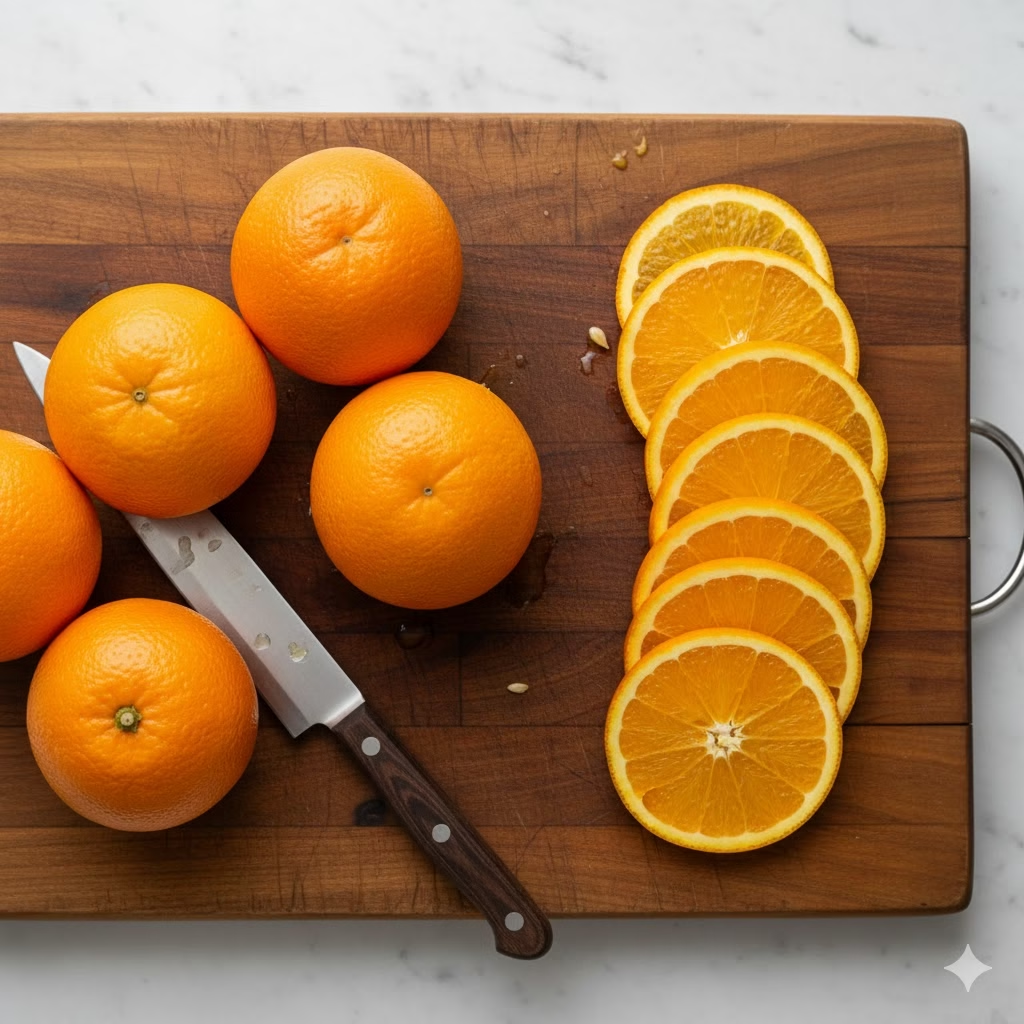
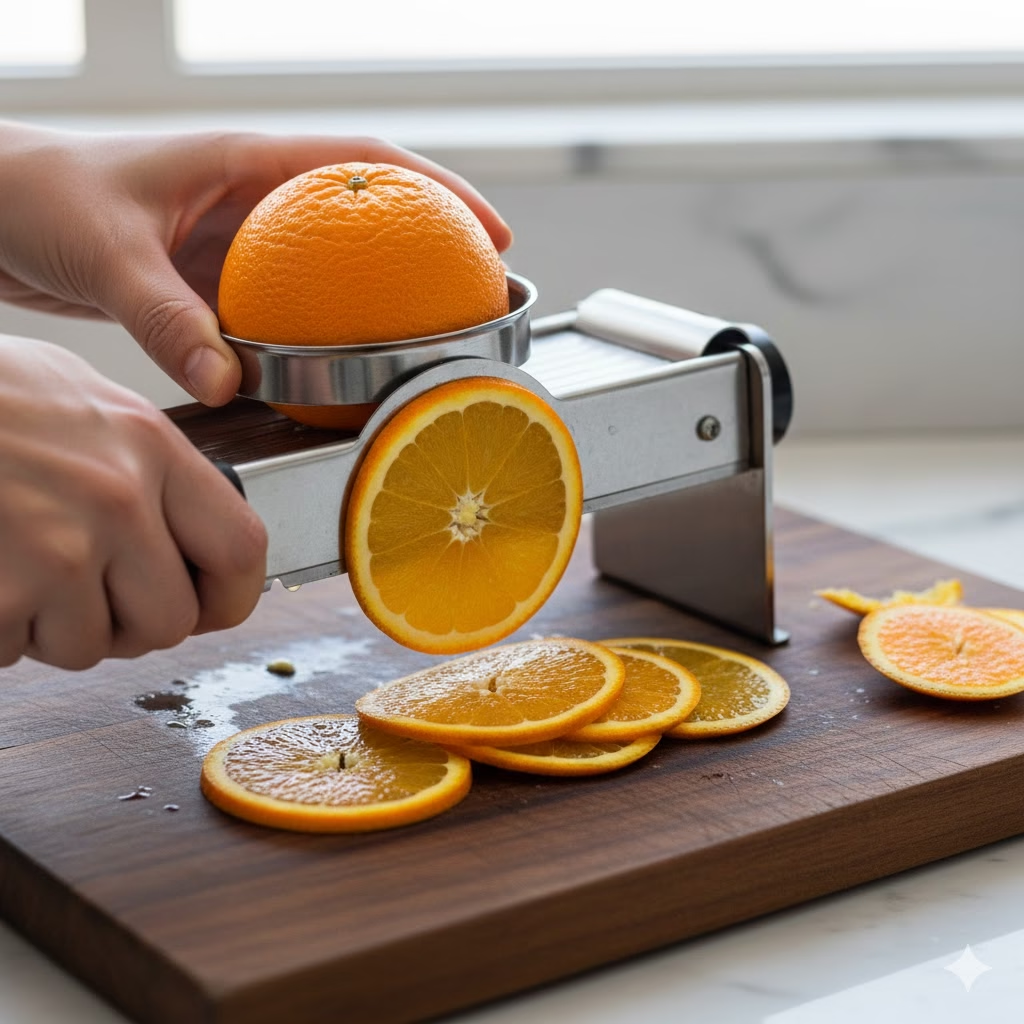
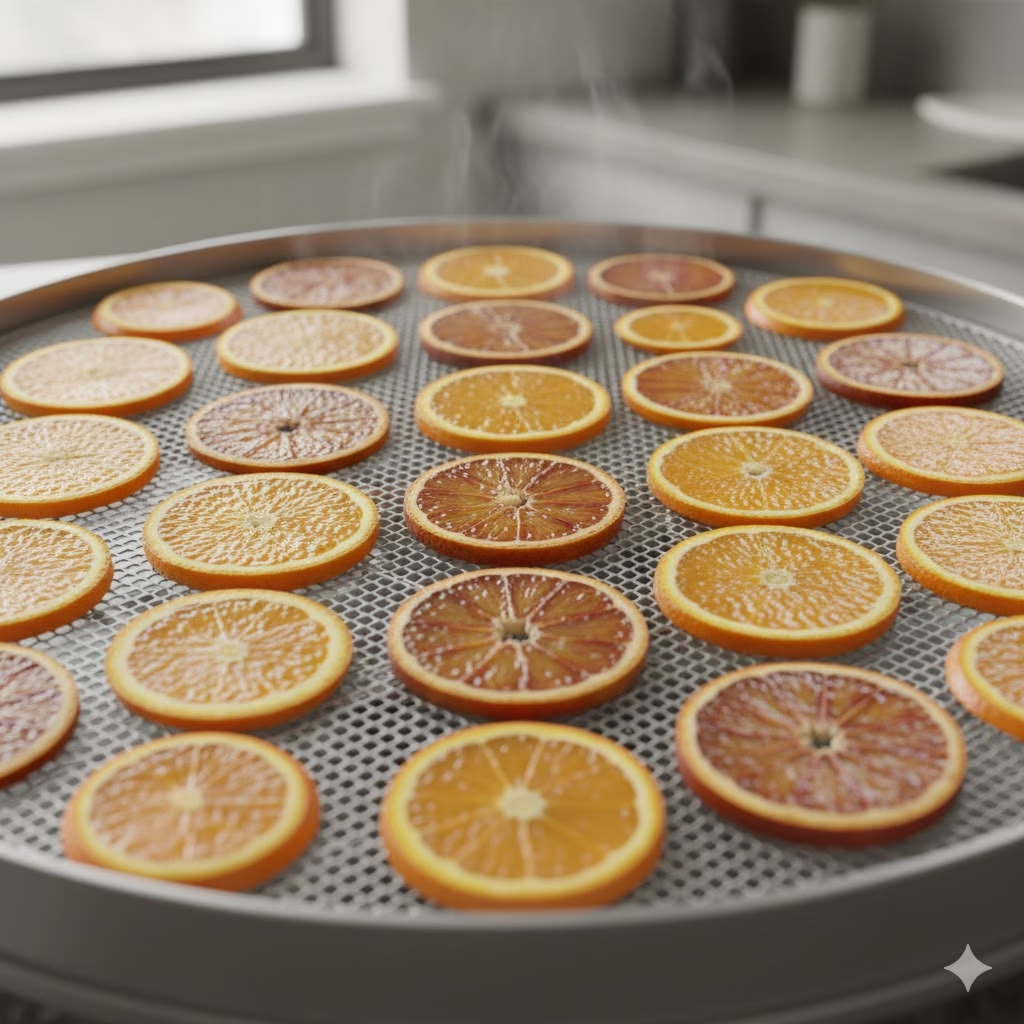
  1. Uniform Slicing: Use a mandoline or a very sharp serrated knife to cut slices between 1/8 and 1/4 inch thick. Consistent thickness ensures they all finish drying at the same time.
  2. Blotting: Before placing them in the oven, pat both sides of the slices with a clean kitchen towel to remove excess surface moisture.
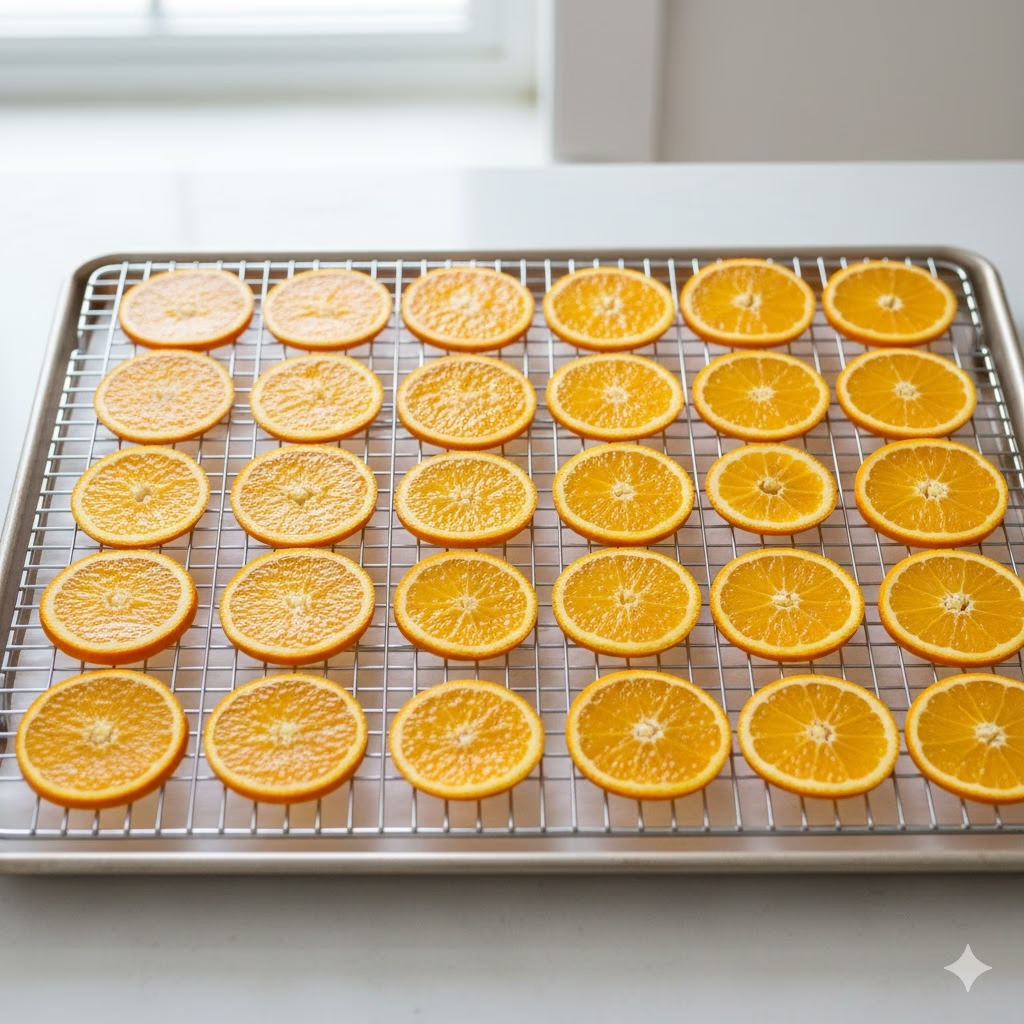
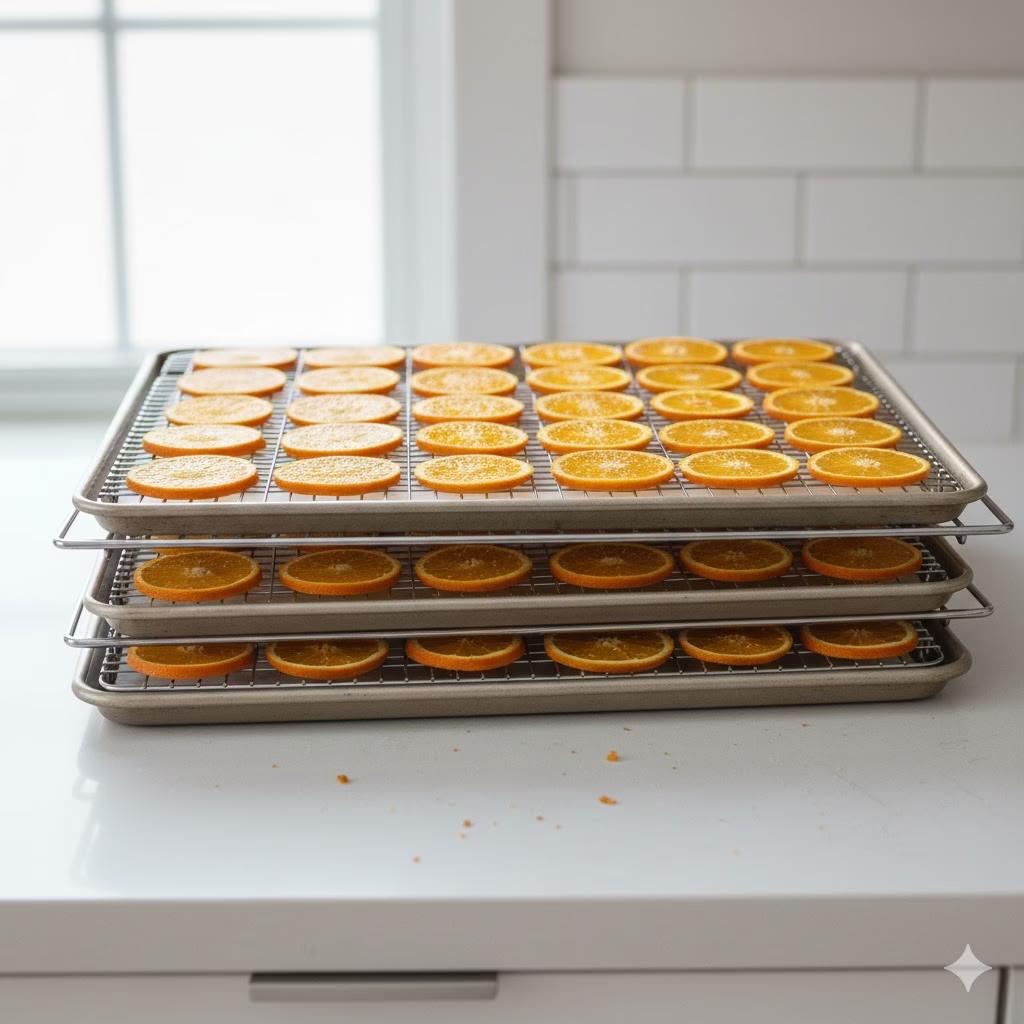
  3. The Rack Method: Do not place slices directly on a baking sheet. Instead, place a wire cooling rack inside a large baking sheet. This allows air to circulate under the fruit, preventing the need to flip them constantly and ensuring they don’t stick to the metal.
  4. Air Circulation: If your oven doesn’t have a fan, you can “crack” the oven door slightly (if safe to do so) using a wooden spoon. This allows moisture to escape the oven chamber, speeding up the drying time.

How to Tell When They Are Done

Because every oven is calibrated differently, you should start checking your Dried Orange Slices at the 3-hour mark.

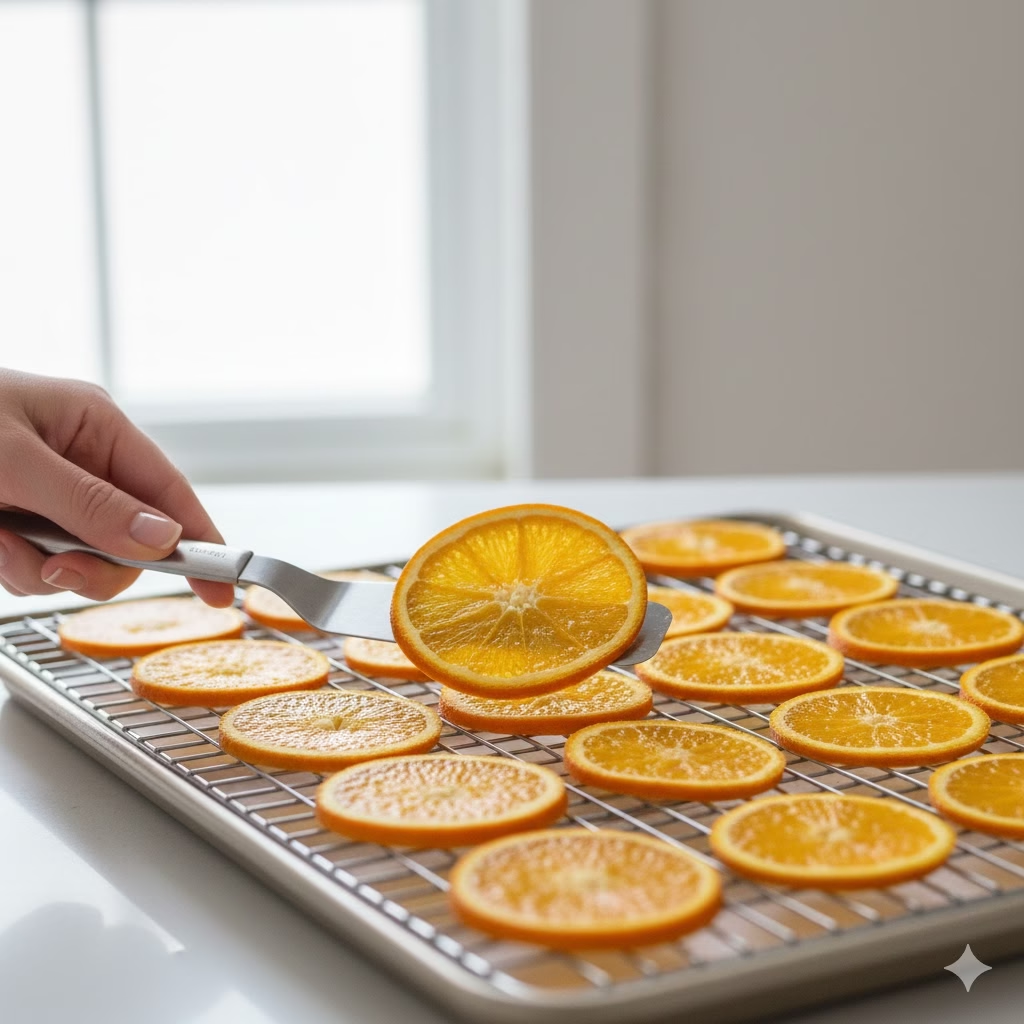
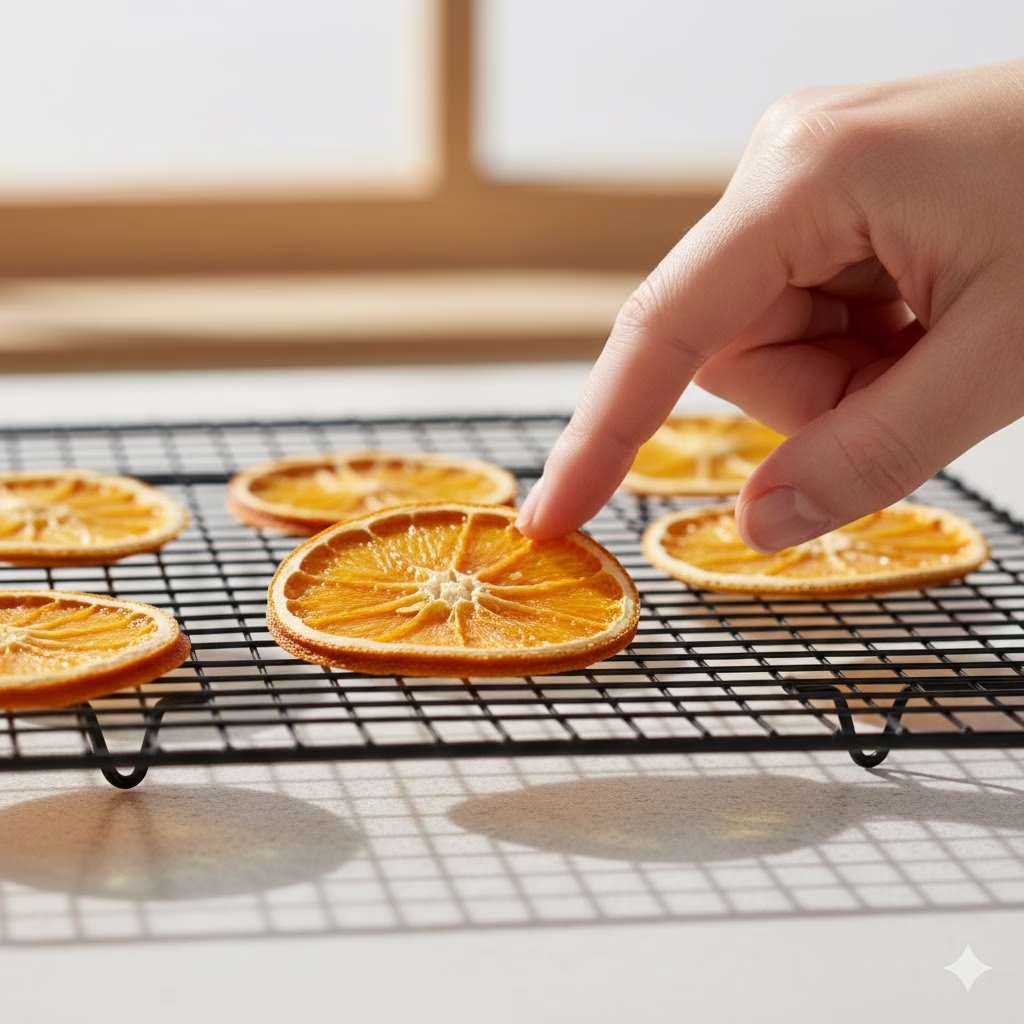
  • The Touch Test: The slices should feel tacky but not wet. Once they are fully done, they will feel brittle or like “leathery” plastic.
  • The Snap: Take one slice out and let it cool for two minutes on the counter. If it becomes crisp and snaps when bent, the batch is finished.
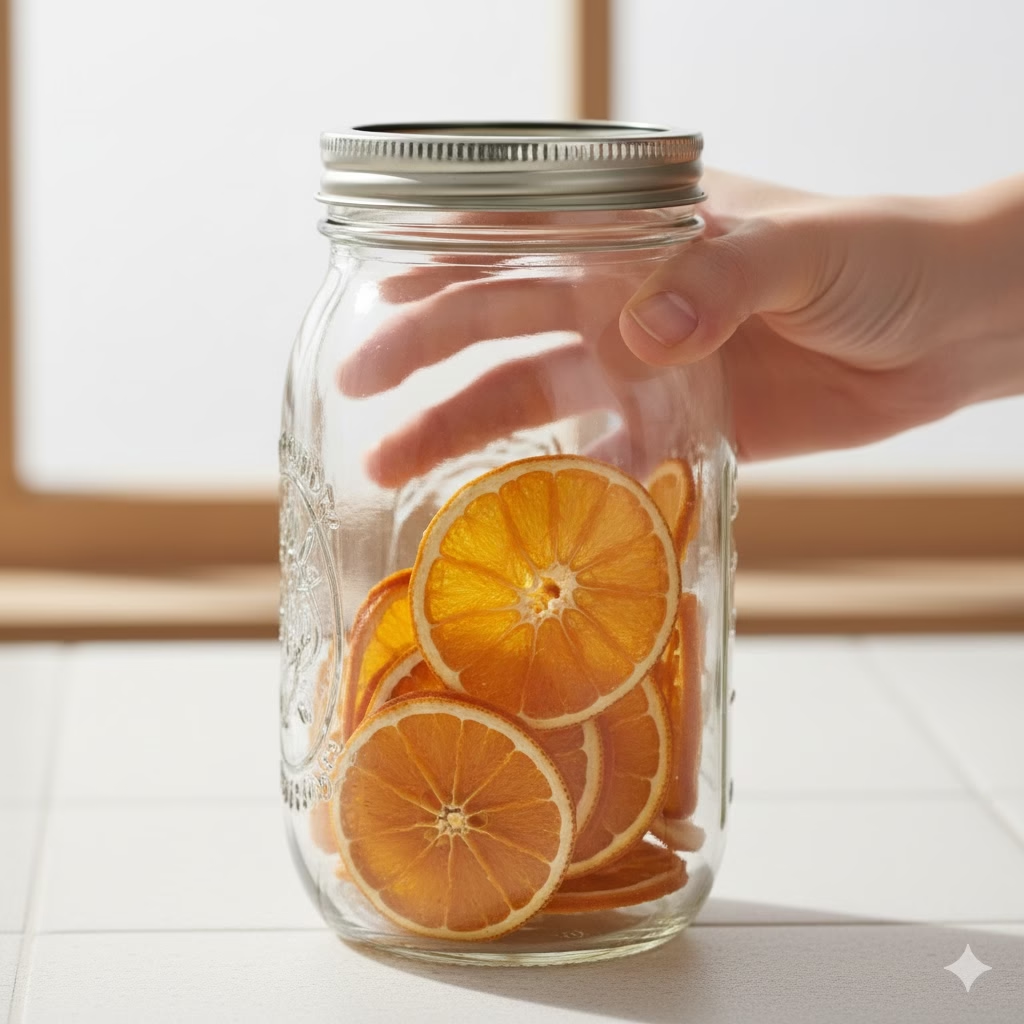
  • Storage: Always let the slices cool completely before putting them in an airtight jar. Any residual heat will create steam, which leads to mold—the enemy of zero waste preservation.


References


Related Articles


How to Store Dried Orange Slices for Maximum Longevity

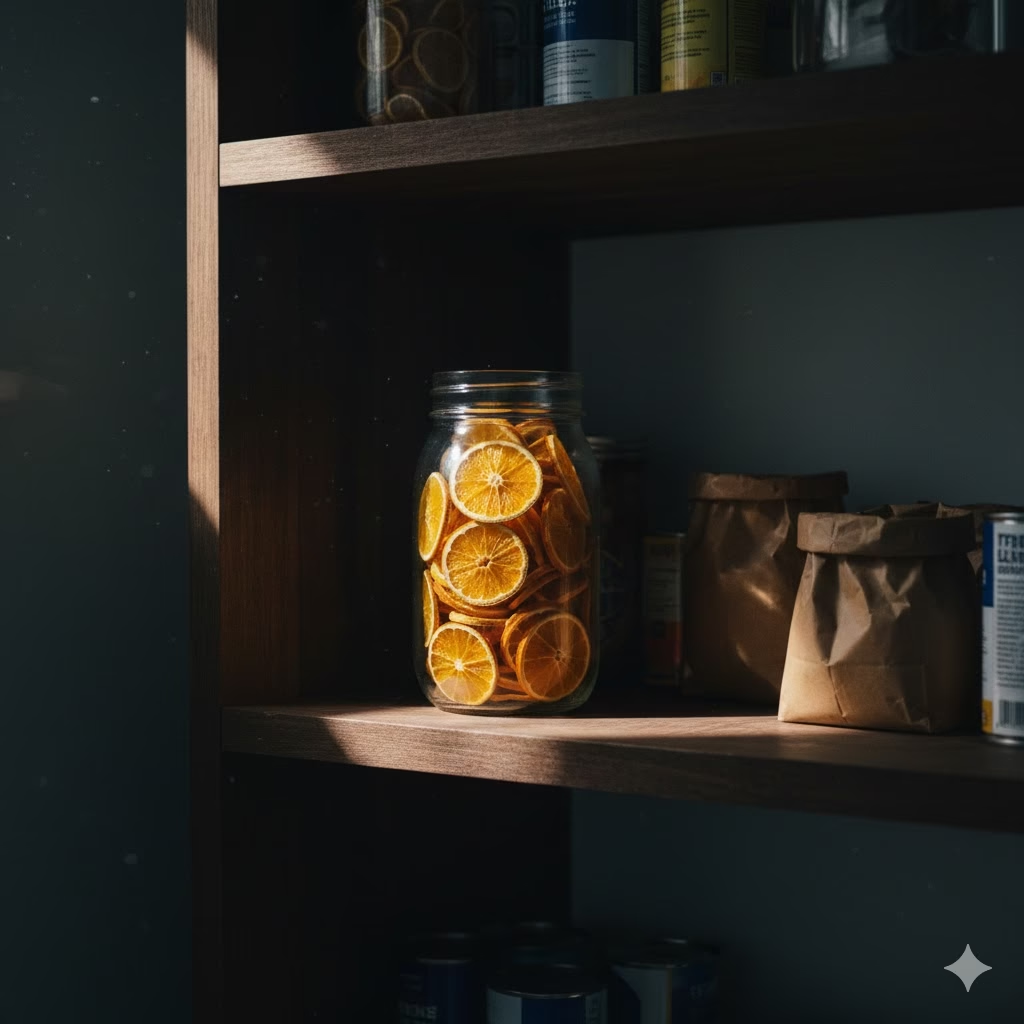
A sealed glass jar of citrus wheels kept on a cool, dark wooden shelf to properly store dried orange slices away from direct sunlight.

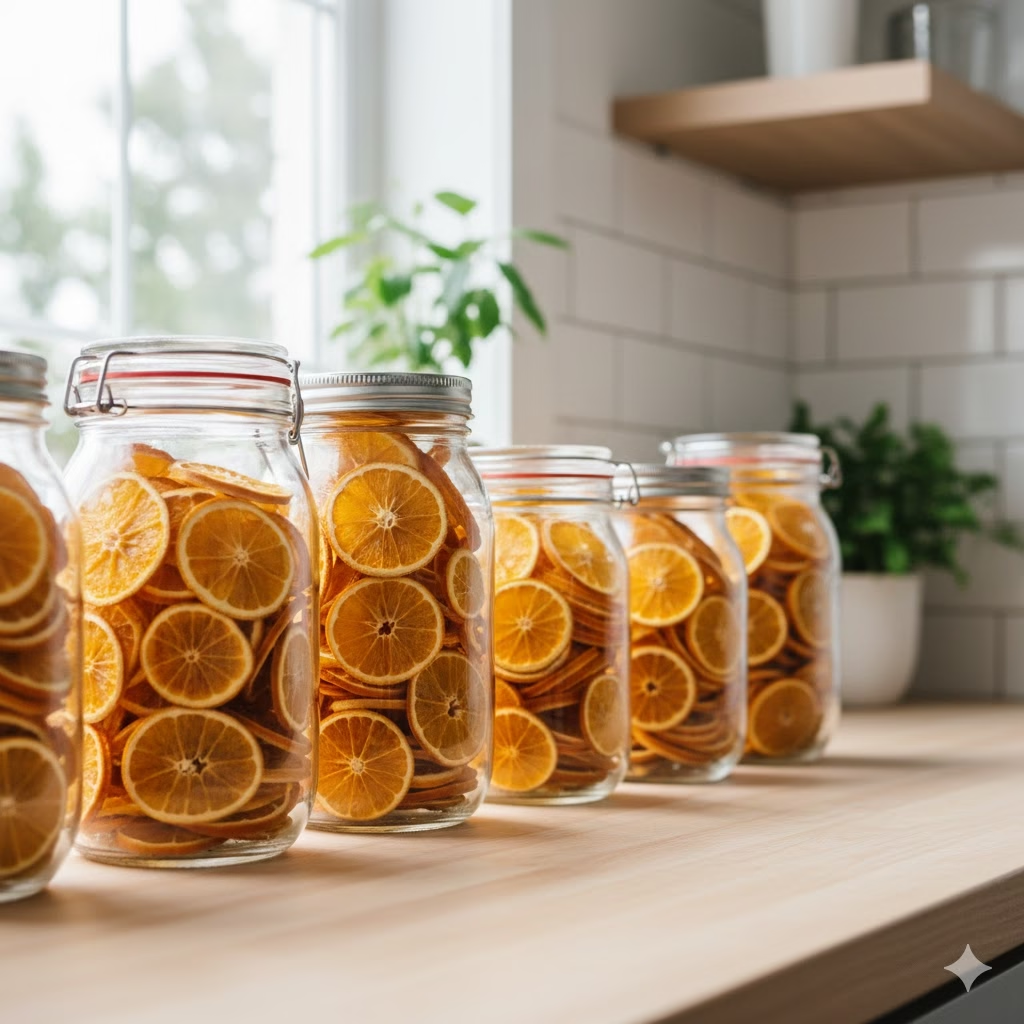
After spending time perfectly dehydrating your citrus. The last thing you want is for moisture or mold to ruin your hard work. Knowing how to properly store dried orange slices is the secret to keeping them vibrant, fragrant, and shelf-stable for up to a year.

Whether you plan to use them as a healthy snack. Or a beautiful cocktail garnish, or festive holiday decor, following a few simple preservation steps will ensure they stay as crisp as the day they left the air fryer. In this guide, we will cover the best containers and environmental conditions to maintain maximum freshness and longevity.


1. The Critical Cooling Phase

Never pack your orange slices away while they are still warm from the oven. Even a tiny amount of residual heat can create condensation inside your storage container, which will lead to mold within days. Allow the slices to sit on a cooling rack for at least two to four hours until they are completely cool and feel brittle or leathery to the touch.


2. The Conditioning Process

To ensure your slices are truly ready for a full year of storage, “condition” them for a few days:

  • Place the cooled slices in a large glass jar, filling it about two-thirds full.
  • Shake the jar once a day for a week.
  • If you see any moisture or fogging on the glass, they aren’t dry enough and need to go back into the oven for another hour.

3. Choose the Right Container

For long-term preservation, airtight seals are mandatory.

  • Glass Jars: Mason jars or flip-top glass jars with rubber seals are the gold standard. Glass is non-porous and won’t absorb any lingering oils.
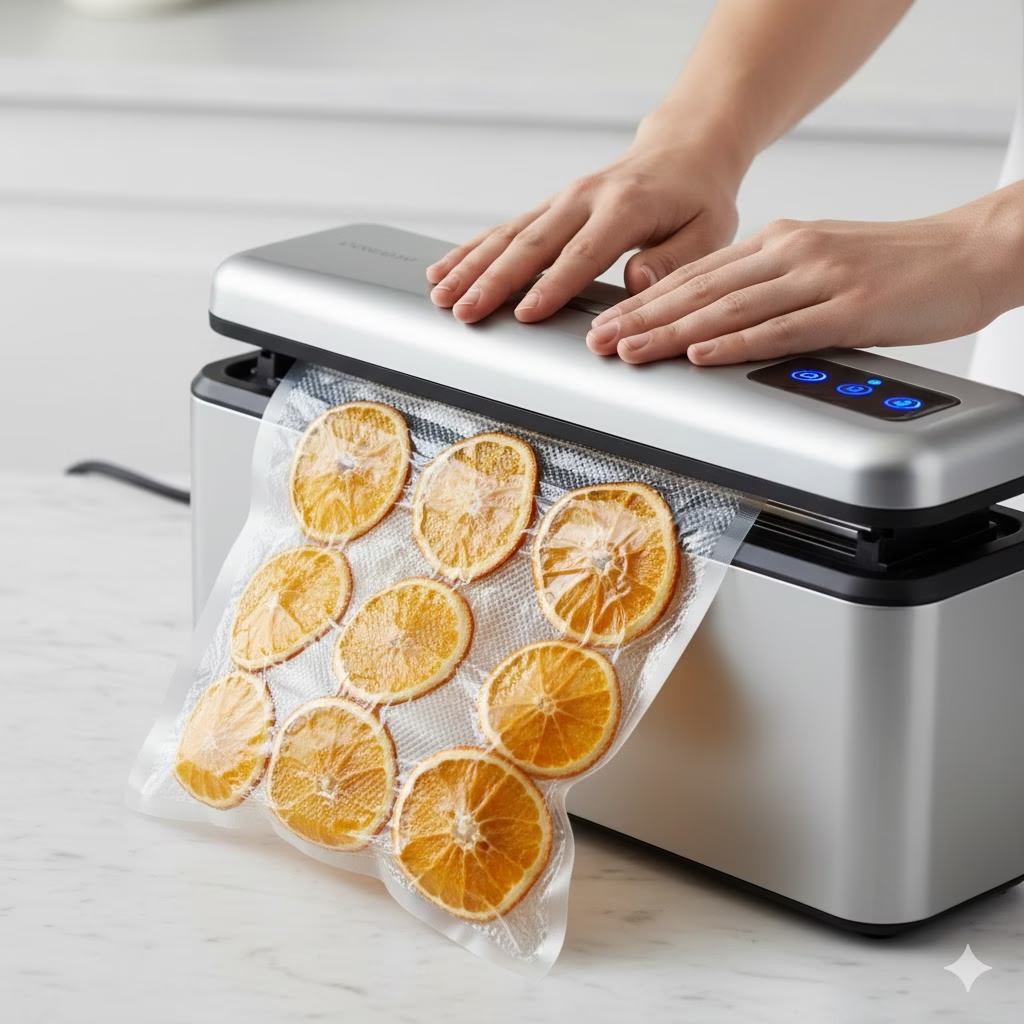
  • Vacuum Sealing: If you have a vacuum sealer, this is the most effective way to reach the one-year mark. It removes all oxygen, preventing any oxidation of the fruit’s color.
  • Mylar Bags: These are excellent for light-blocking, which helps maintain the bright orange hue.

The Essential Conditioning Process

Conditioning is a critical final step that many people overlook, but it is the only way to guarantee your fruit won’t develop mold later. Even if the slices feel dry to the touch, there may be tiny pockets of moisture hidden in the center of the pulp.

To condition your citrus, place the completely cooled slices into a clear, airtight glass jar, filling it about two-thirds of the way. For the next five to seven days, store the jar in a visible spot on your counter and give it a gentle shake once a day. This moves the slices around and redistributes any remaining moisture.

If you notice any condensation or “fogging” on the inside of the glass, it means the slices are not fully dry. In this case, you must put them back into the air fryer or dehydrator for another hour. If the slices remain dry and don’t stick together after a week, they are officially ready for long-term storage.

4. Ideal Storage Conditions

Where you put the container is just as important as the container itself.

  • Cool and Dark: Store your jars in a dark pantry, cupboard, or cellar. Constant exposure to sunlight will bleach the color and break down the citrus oils.
  • Avoid Humidity: Keep them away from the stove, dishwasher, or any area where steam is common.

5. Using Oxygen Absorbers

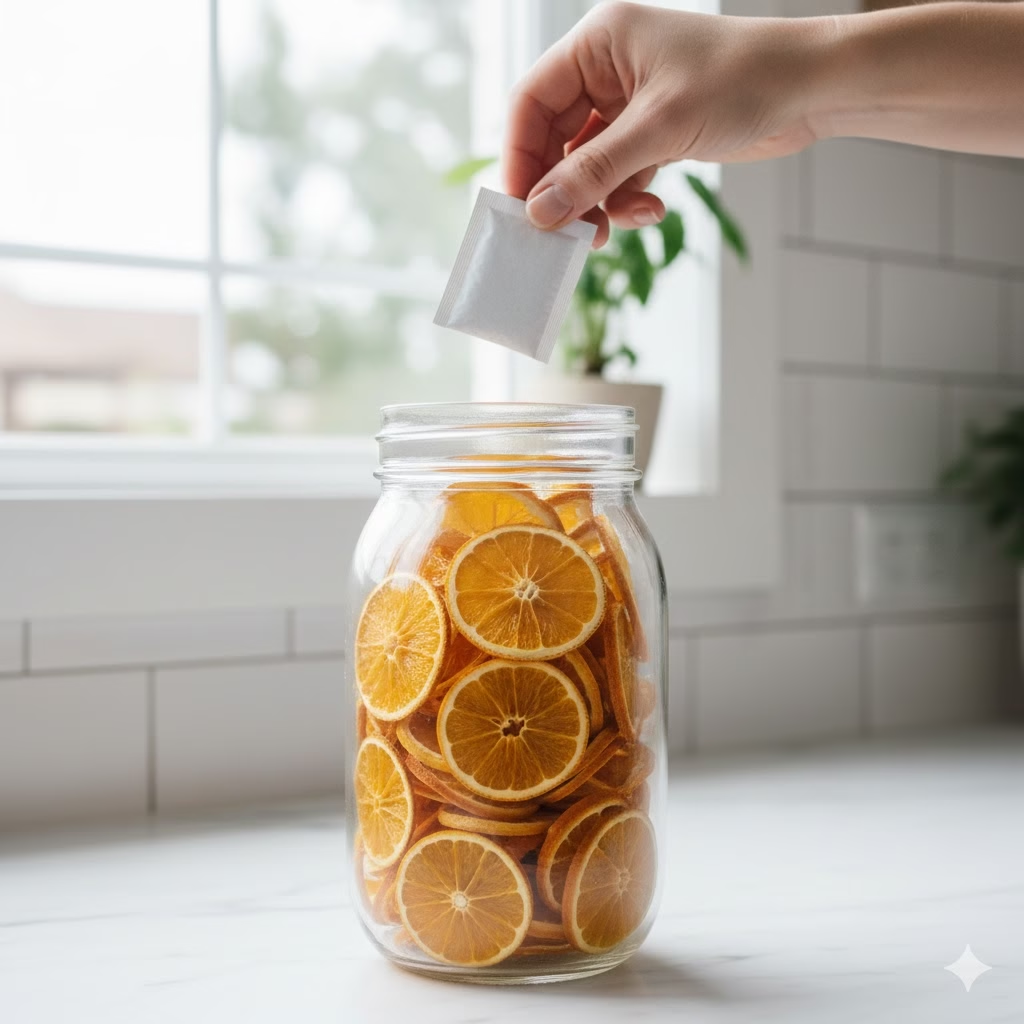
If you live in a particularly humid climate, consider dropping a small food-grade silica gel packet or an oxygen absorber into the jar. These little packets act as an insurance policy against any stray moisture that might enter the jar when you open it to grab a slice.


Checklist: Signs of Spoilage

Even with the best intentions, moisture can sometimes find its way into your containers. Use this checklist to inspect your stash before using them in recipes or as decor. If you notice any of the following, it is best to discard the batch:

  • Visible Mold: Any fuzzy white, green, or black spots on the rind or the flesh.
  • Soft or Leathery Texture: If the slices have lost their “snap” and feel bendable or sticky, they have reabsorbed moisture from the air.
  • Off-Putting Odor: Dried oranges should smell brightly citrusy; a sour, musty, or fermented scent is a clear sign of bacterial growth.
  • Condensation in the Jar: Droplets of water or a “cloudy” look on the inside of the glass indicate the oranges were not fully dry or the seal has failed.
  • Significant Discoloration: While some natural darkening is normal over many months, a sudden shift to a dark brown or blackish hue usually indicates spoilage or improper storage.
  • Clumping: If the slices are sticking together in a brick-like fashion, there is enough residual sugar and moisture to invite mold.

Conclusion

By following these preservation steps, you can transform a simple bag of oranges into a long-lasting pantry staple that stays fresh for up to a year. The combination of thorough drying, the essential conditioning phase, and choosing a cool, dark storage spot is the only way to ensure your citrus wheels maintain their vibrant color and concentrated aroma. Whether you are prepping them for future recipes or festive decorations, taking these extra precautions ensures your hard work remains perfectly preserved for whenever inspiration strikes.


References


Related Articles


How to Dry Orange Slices in an Air Fryer

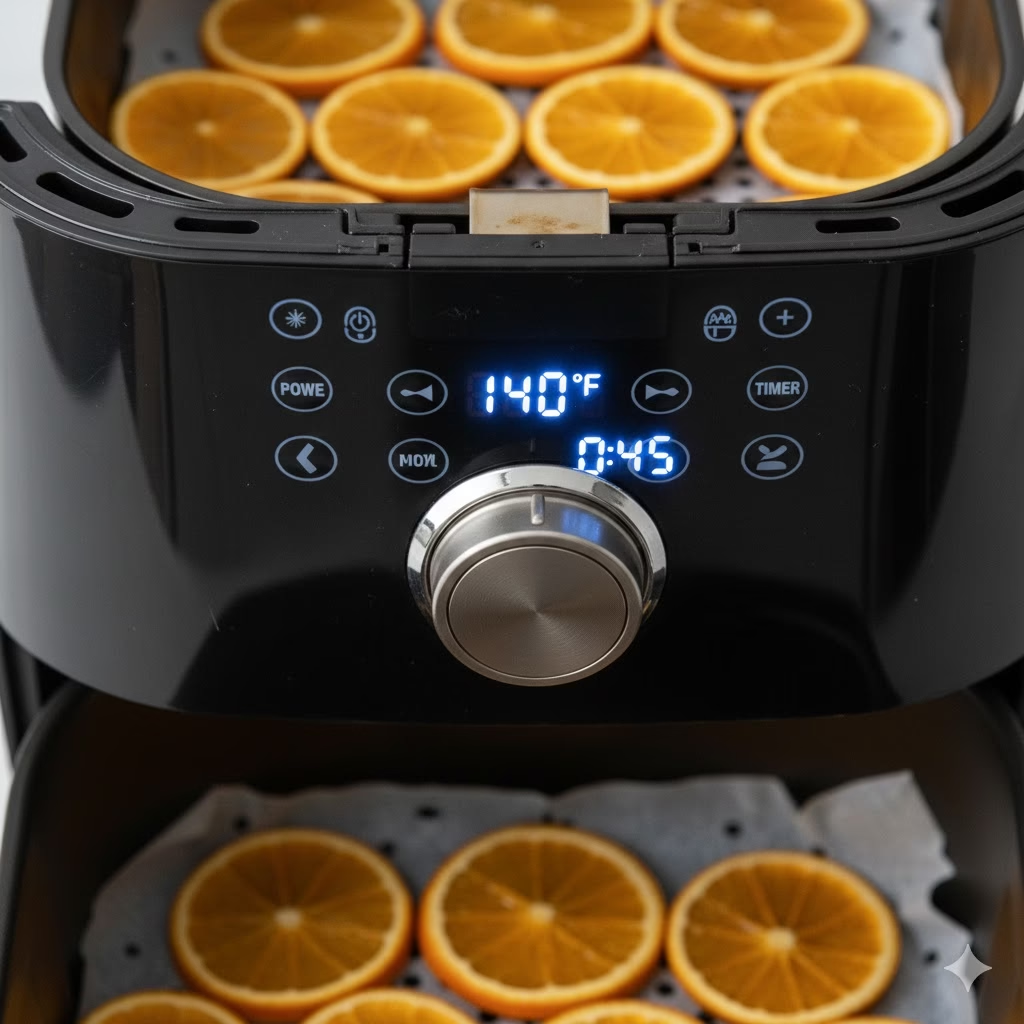
A modern air fryer basket is filled with a single layer of vibrant citrus rounds. The image demonstrates how to dry orange slices efficiently using rapid air circulation, showing the fruit transitioning from juicy and fresh to a beautiful, translucent, and shelf-stable garnish.

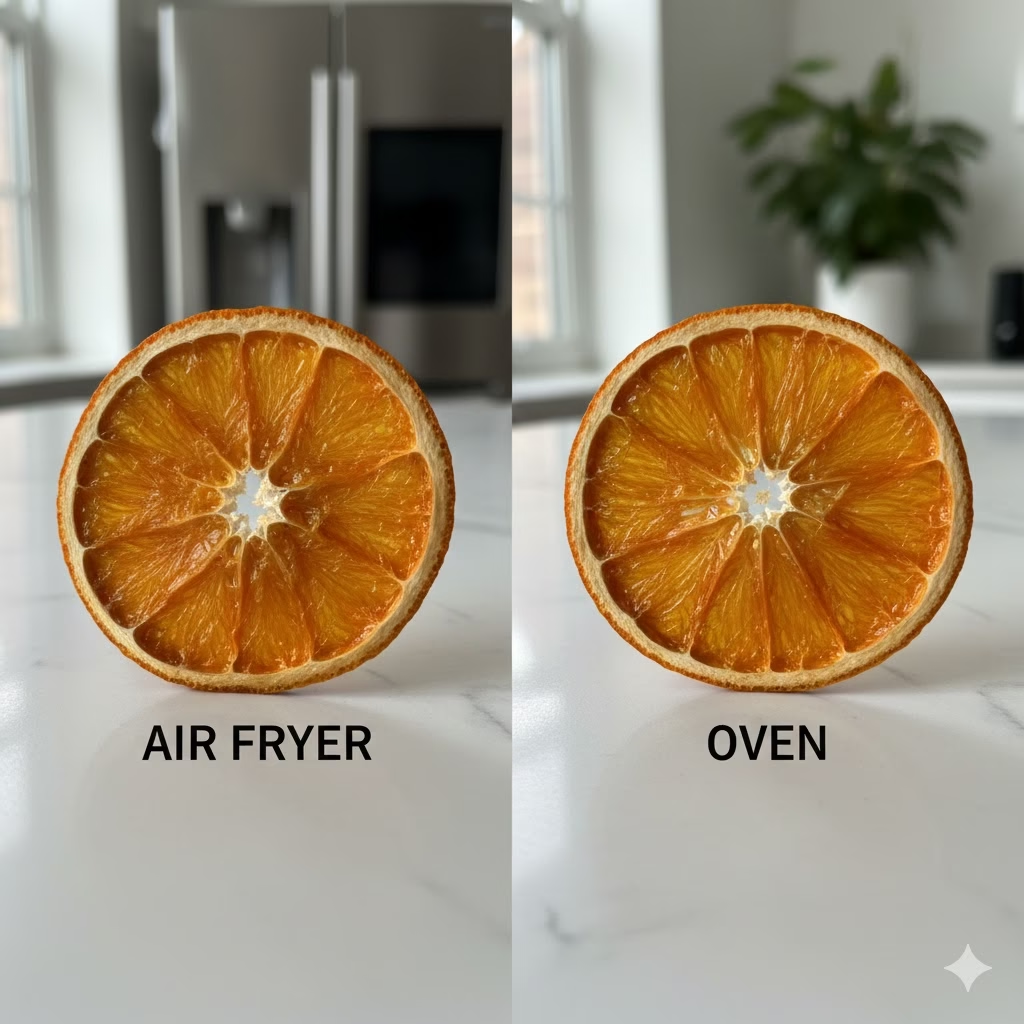
While using an oven is a great way to make Dry Orange Slices, sometimes you want results a bit faster. The air fryer is a perfect tool for this task. Because an air fryer uses a powerful fan to move hot air, it acts like a high-speed dehydrator. This speeds up the drying time and helps you stick to your zero waste goals in a fraction of the time.

Using an air fryer is one of the best food ideas for small batches. If you only have one or two oranges left in the fruit bowl, you can turn them into beautiful garnishes or snacks in about an hour. Here is exactly how to do it.


1. Prepare Your Citrus

Just like with the oven method, how you cut the fruit matters. For the air fryer, you want the slices to be very thin. This allows the air to move through the fruit fibers quickly.

  • Thin Slices: Aim for a thickness of about 1/4 inch. If they are too thick, the outside will dry while the inside stays mushy.
  • Remove Seeds: Take a moment to pop out any seeds. Seeds can become very bitter once they are heated in the air fryer.
  • Pat Dry: Use a paper towel or a clean cloth to soak up any juice on the surface. This small step can save you ten minutes of cooking time.

2. Setting the Temperature

The biggest risk with an air fryer is the heat. Most air fryers are designed to cook food fast at high heat. For Dried Orange Slices, you must use the lowest setting possible.

  • The Best Setting: Set your air fryer to 180°F (80°C). If your machine has a “Dehydrate” button, use that. Most dehydrate settings default to 130°F to 150°F, which is even better for keeping the color bright.
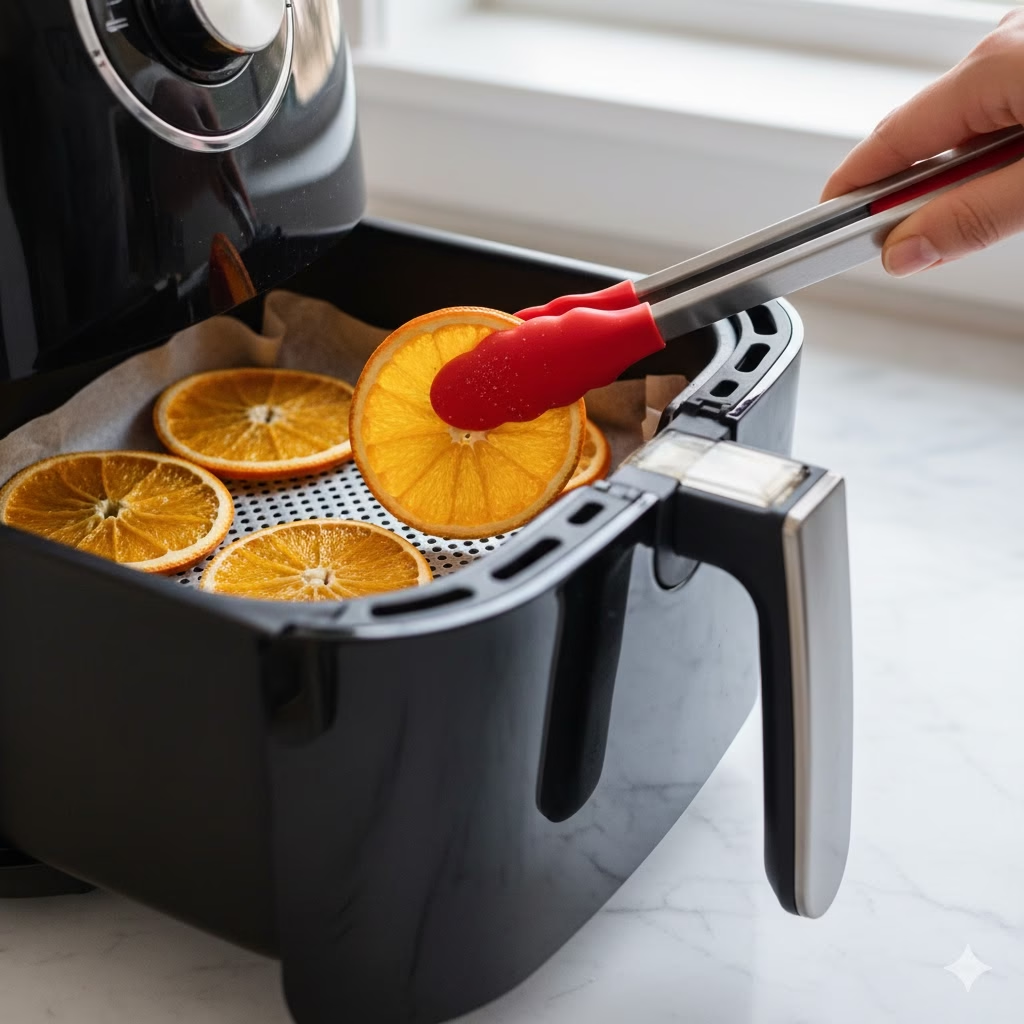
  • The Rack Setup: Place the slices in a single layer. Do not stack them! If you stack the slices, the air cannot reach the middle, and they will not get crisp.
  • Airflow Tip: If your air fryer has a basket, the slices might try to “fly” around because they are so light. You can place a small metal steaming rack on top of them to hold them down.

3. Timing and Flipping

Because the air is so concentrated in an air fryer, you need to keep an eye on your progress.

  • The Timeline: Total drying time usually takes between 45 to 90 minutes. This is much faster than the 4 to 6 hours required in a standard oven.
  • The Halfway Mark: Every 20 minutes, pull the drawer out and flip the slices over. This ensures that both sides dry at the same rate.
  • Check for Done-ness: Once the edges look slightly curled and the centers are no longer sticky, they are ready. They will continue to crisp up as they cool down on the counter.

4. Avoiding Common Mistakes

To keep your zero waste project successful, watch out for these two issues:

  • Burning: If you see the edges of the oranges turning dark brown or black, your air fryer is too hot. Lower the temperature immediately and check them every 5 minutes.
  • Soft Centers: If the slices feel “bendy” after they have cooled, they are not done. Put them back in for another 10 minutes. If moisture stays inside, they will not last long in storage.

Conclusion

The air fryer is a game-changer for making Dried Orange Slices. It is fast, efficient, and helps you create amazing food ideas with very little effort. Once you master this method, you can have a fresh batch of citrus garnishes ready before your next dinner party or craft project. It is a simple way to make the most of your fruit and enjoy a sustainable, flavorful home.


References


Related Articles


Try These 8 Simple Recipes For Dried Orange Slices

A cozy and inviting scene featuring several vibrant, translucent dried orange slices scattered across a rustic wooden table. The composition includes textured cinnamon sticks, star anise, and a steaming mug of tea wrapped in a grey knitted sleeve resting on a saucer. In the soft-focus background, a warm fire glows in a fireplace next to a stack of vintage books, creating a perfect atmosphere for sharing food ideas and zero waste home inspiration.

This guide shows you the best ways to use Dried Orange Slices in your daily life. It is a perfect project for anyone who loves zero waste living and natural home tips. These citrus rounds are great for cooking, baking, and making your house smell amazing. We will share many food ideas that help you use the whole fruit. Following these steps will help you live a more sustainable and creative life.


Getting Started with Dried Oranges

Transforming fresh citrus into beautiful, shelf-stable slices is one of the most rewarding zero waste projects you can take on in your home. Whether you are looking for festive food ideas or natural home scents, learning the best methods for preservation ensures you get the most out of every fruit. Before we dive into our favorite uses, you may want to check out our foundational guides:

By mastering the basics, you’ll always have a versatile cooking ingredient and beautiful decor pieces ready at a moment’s notice.

The best thing about citrus is how long it can last. A fresh orange is a tasty snack, but Dried Orange Slices offer much more. They have a deep flavor and a beautiful look that fresh fruit lacks. Today, many people want to follow zero waste habits. Learning how to dry and use every part of your fruit is a great way to start. You might have a bag of navel oranges or some seasonal blood oranges. Drying them is the first step toward many fun projects.

In this article, we will look at eight ways to use your citrus. These food ideas go from fancy drink garnishes to soothing bath soaks. The simple orange slice is one of the most useful items in a green pantry. It is easy to make and even easier to use.


1. Beverage Garnishes for Every Occasion

Using Dried Orange Slices is a top choice for making drinks look professional. Fresh slices can make a drink watery or lose their shape quickly. Dried versions stay firm and slowly release their natural oils into the liquid. This adds a subtle flavor that grows stronger over time.

How to use them:

  • Beverage Garnishes: Add them to hot tea, cocktails (like a gin and tonic or negroni), mulled wine, or spiced apple cider.
  • Cocktails: Put a slice in a classic Negroni. The orange oils mix well with the herbs in the gin.
  • Hot Teas: Place a slice in a cup of Earl Grey. The hot water brings out the scent of the fruit right away.
  • Winter Drinks: For cold nights, float slices in a big pot of mulled wine. They look very pretty and add a nice bit of zest.

2. Healthy Snacks for Gourmet Treats

If you want zero waste snacks, look at the orange itself. When you slice them thin and dry them until they are crisp, they act like fruit chips. They are both sweet and a little bit sour.

Healthy Snacks: * The Basics: Eat them plain like “chips” for a quick boost of energy. They are a great snack to take on a hike or to the office.

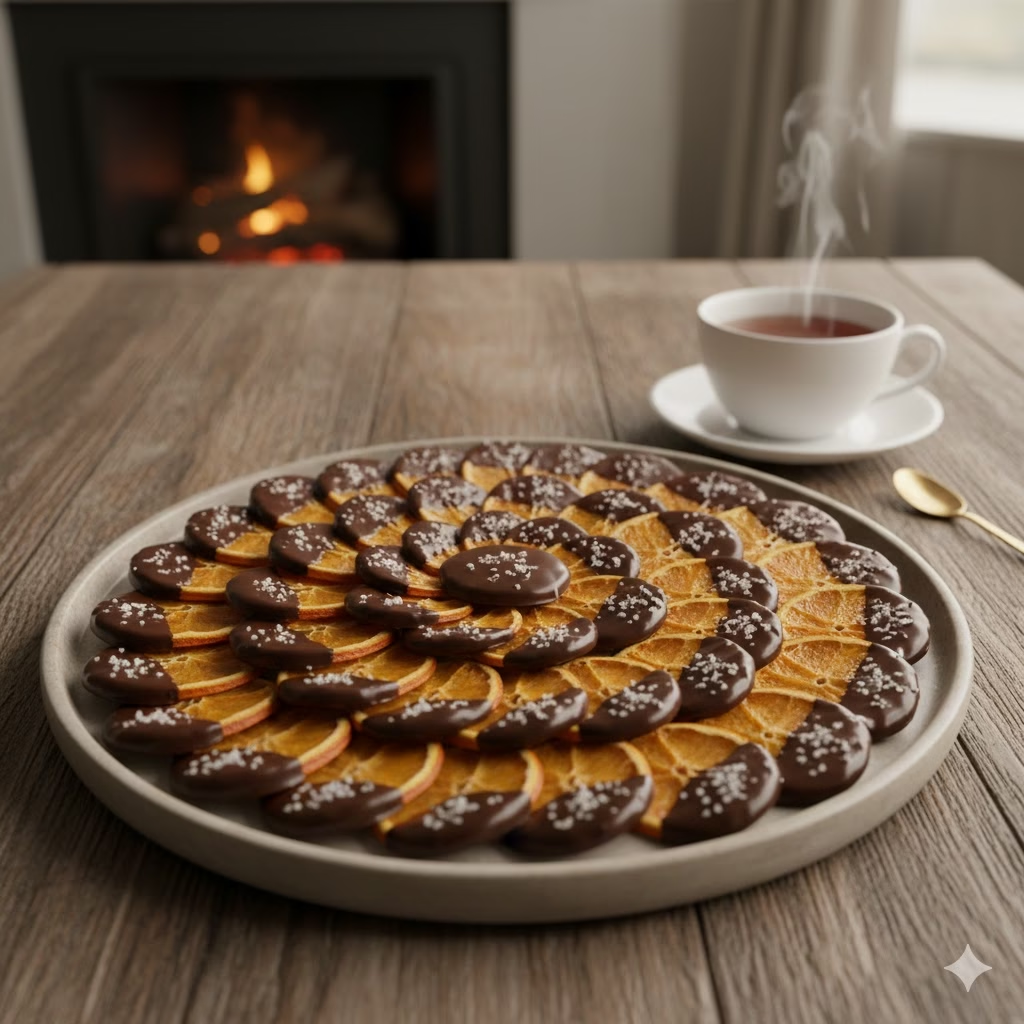
  • Gourmet Style: Dip them halfway in dark chocolate and sprinkle with sea salt for a gourmet treat. This mix of salt, dark cocoa, and bright citrus is a fan favorite. They are perfect for parties or as a special gift for a friend.

3. Baking Decorations and Tasty Mix-ins

The way Dried Orange Slices look makes them a top pick for decorating treats. They give a professional finish to your home baking with very little work. You can use them whole or break them into smaller bits.

Baking Decorations: * Cake Toppers: Use whole slices to top cakes, cupcakes, or tarts. They look great on top of white frosting or a dark chocolate glaze.

  • In the Mix: Finely chopped pieces can be folded into granola, muesli, or muffin batter. When you bake them inside the dough, they become soft and chewy. This adds a burst of flavor that is much better than store-bought peels.

Most people think of citrus as a fresh topping. However, Dried Orange Slices are a secret tool for savory meals. Drying the fruit takes away the water but leaves the sugar and acid behind. This makes the flavor very strong.

Cooking Ingredient: * Stew and Soup: Add slices to savory stews, soups, or marinades for fish and poultry to provide a subtle, concentrated citrus depth.

  • Roasting: Place a few slices under the skin of a chicken before you roast it. The heat of the oven will push the orange flavor into the meat. It works very well with herbs like thyme and rosemary.

Section 4: Savory Cooking Ingredient

Dried oranges aren’t just for sweet treats; they bring a sophisticated, concentrated acidity to savory dishes that fresh fruit often lacks. Because the drying process removes the moisture, the sugars caramelize and the citrus flavor intensifies, making them a powerhouse cooking ingredient for slow-roasted meats and stews.

One of the best food ideas for utilizing your stash is incorporating them into a traybake. Placing dried slices underneath or on top of chicken thighs allows the citrus oils to render into the pan juices, creating a built-in glaze. As the chicken roasts, the slices soften just enough to release a deep, marmalade-like essence that pairs beautifully with earthy herbs.

How to Use Them in Your Kitchen

  • Roasts: Tuck slices into the cavity of a whole chicken or layer them over pork loin before roasting.
  • Braises: Drop a few slices into a red wine braise or a Moroccan-style tagine to add a subtle bitter-sweet note.
  • Fish: Place a slice of dried citrus on top of a salmon fillet before wrapping it in parchment paper to steam.
  • Grains: Chop up a slice and stir it into couscous or quinoa with toasted almonds and parsley.

Using dried oranges in your main meals is a fantastic way to lean into zero waste cooking. Instead of letting a half-used orange go soft in the fridge, drying your harvest ensures you always have a hit of sunshine ready to brighten up a heavy winter meal.


5. Multi-Use Orange Powder

When your slices are very dry and brittle, you can turn them into a powder. This is a perfect zero waste move. You use the whole fruit, including the peel and the inside.

Orange Powder: * The Method: Grind completely dry slices in a food processor to create a powder that can replace orange zest in recipes or be mixed with salt/sugar for rimming glasses.

  • Flavor Boost: You can add this powder to dry rubs for meat or stir it into your morning oatmeal.
  • Drinks: Mix the powder with sugar to put on the rim of a margarita glass. It adds a bright color and a great smell to every sip.

6. Aromatics and Home Potpourri

Oranges can do more than just taste good. They can make your whole home smell fresh and clean. Commercial sprays often have chemicals, but these slices are totally natural. This is a great way to use slices that might be broken or not look perfect for a cake.

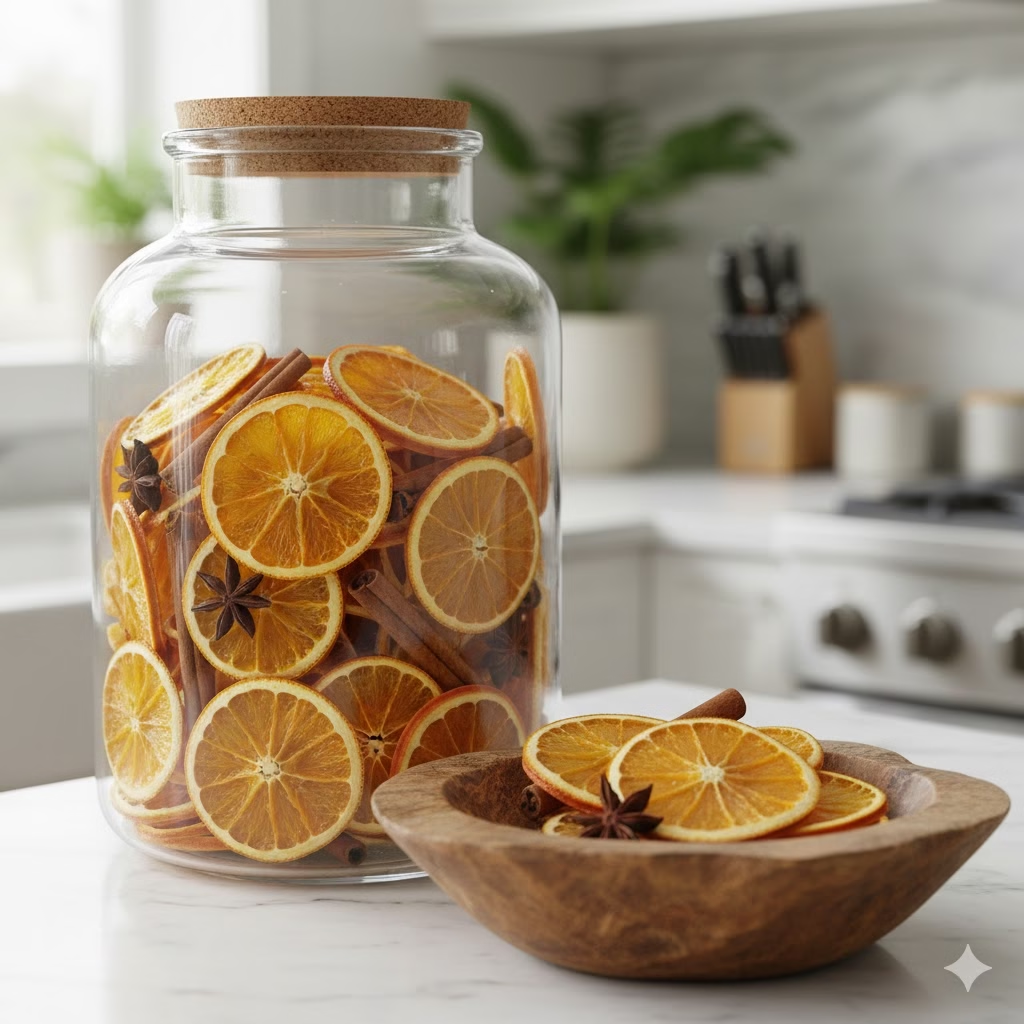
Potpourri: * Natural Scent: Mix slices with star anise, cloves, and cinnamon sticks in a decorative bowl to scent a room naturally.

  • Decor: This looks beautiful sitting on a coffee table or a shelf. It brings a cozy feel to any room during the autumn and winter months.

7. Relaxing Simmer Pots

A simmer pot is a fast way to fill your house with a lovely aroma. It is a very popular zero waste food idea because you can use old spices and fruit scraps. It is much better than using a candle.

Simmer Pots: * Stovetop Scent: Simmer dried slices on the stove in a pot of water with other spices (like vanilla or nutmeg) to fill your home with a warm citrus aroma.

  • How to do it: Just fill a small pot with water and add your items. Keep the heat very low. As the water turns to steam, the scent spreads. You can add more water as it dries out to keep the scent going all day long.

8. Calming Bath Infusion

Oranges are known to help people feel calm and happy. Using them in your bath is a great way to enjoy a spa day at home. It is a simple luxury that costs very little.

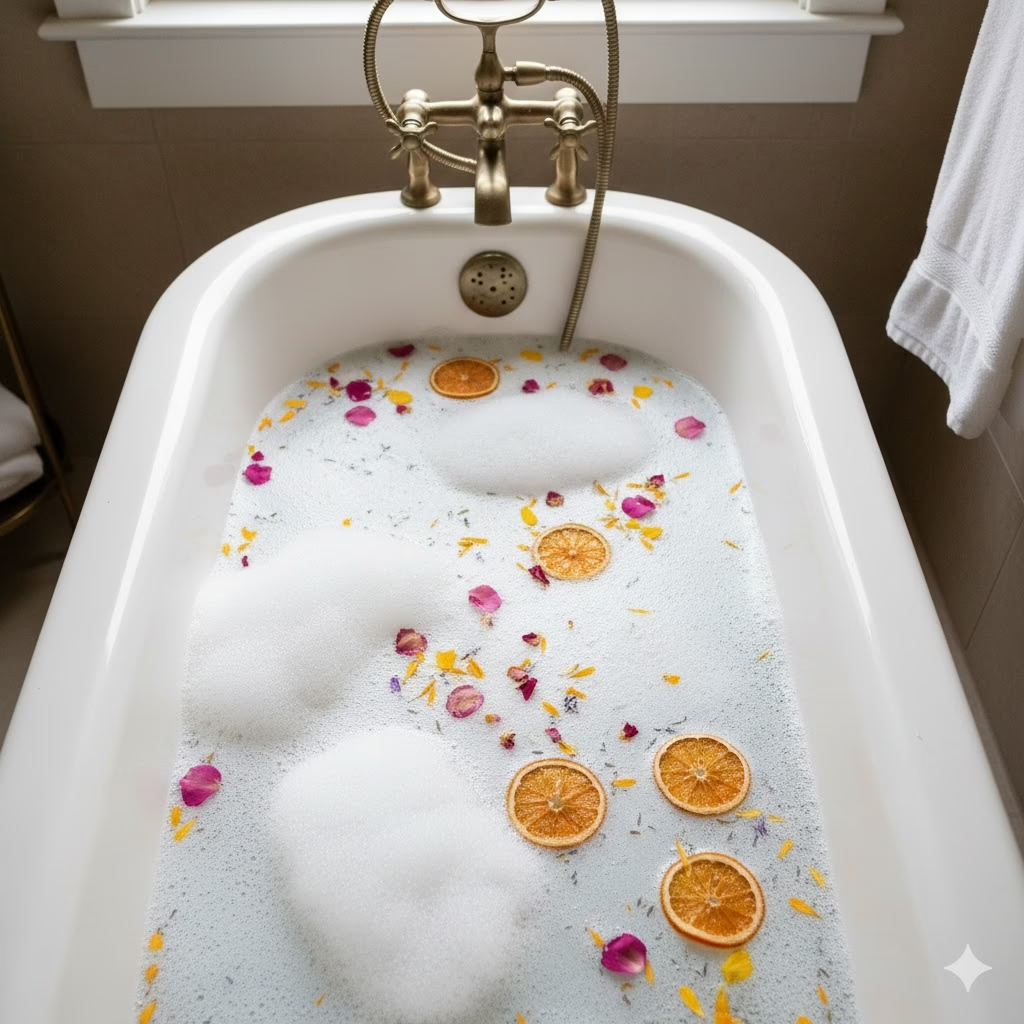
Bath Infusion: * Soak Away Stress: Float them in a warm bath along with Epsom salts or dried flowers for a relaxing, aromatic experience.

  • Skin Health: The natural oils in the peel are good for your skin and smell amazing. You can also put the slices into a small cloth bag. This keeps the bath water clean while still letting the scent out. It makes the cleanup much easier when you are finished.

Conclusion

Turning a fresh orange into a dried slice is a smart move for any home. It shows how easy it is to live a zero waste life. These food ideas give you so many ways to use a single fruit. You can use them in your morning tea, your evening meal, or even your bath.

By drying your own fruit, you save money and reduce trash. You also get to enjoy a natural product that has no extra chemicals. Whether you are baking a cake or just want your living room to smell like citrus, these slices are the perfect choice. Give it a try and see how many ways you can use them in your own home.


References


Recent Posts


12 Simple Home Decor Ideas For Tin Cans To Try

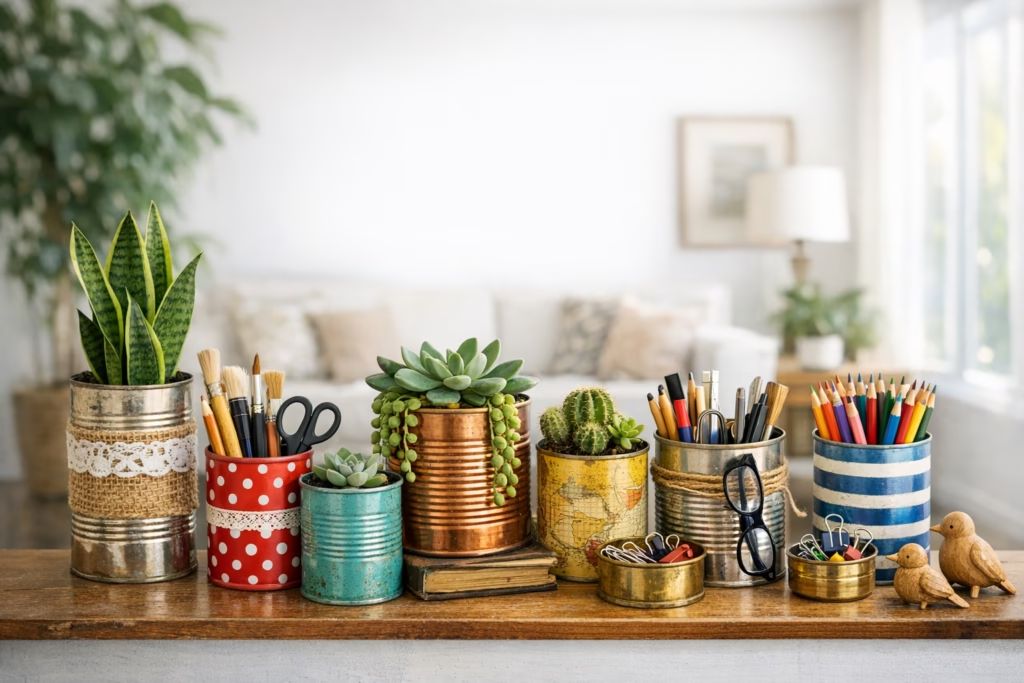
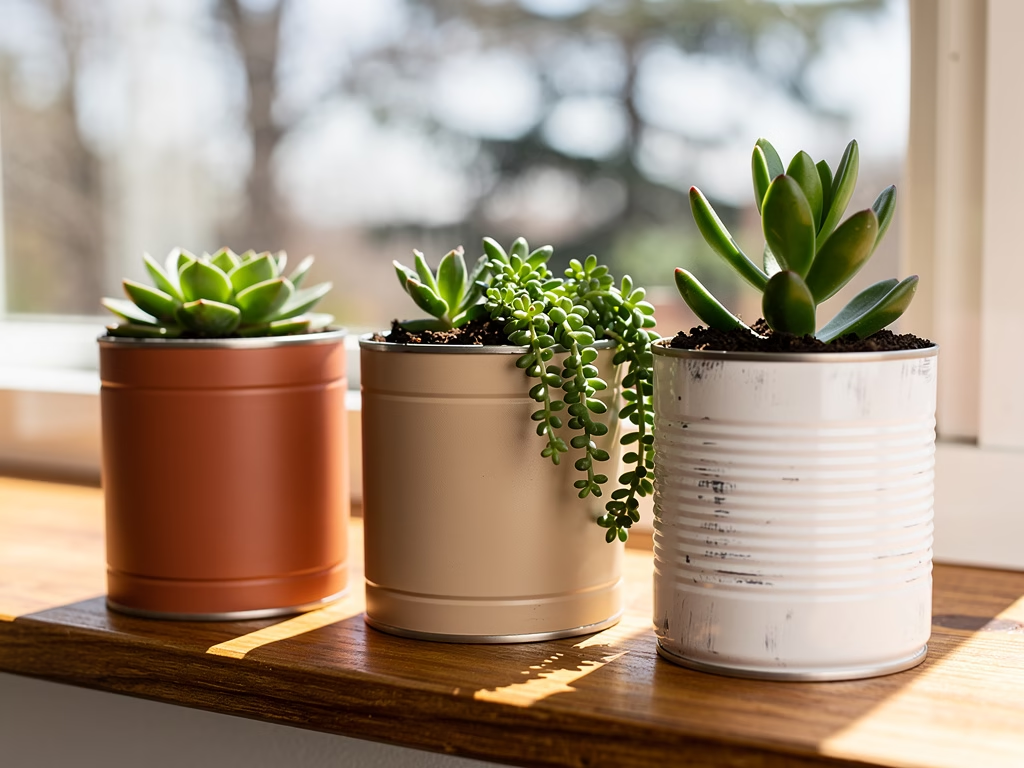
An aesthetic, bright, and modern living room shelf featuring several sustainable home decor ideas using upcycled tin cans. The display includes cans painted in matte terracotta and cream holding green succulent plants, alongside cans wrapped in natural jute twine used as organizers, perfectly capturing a clean home décor style and green living theme.

This article explores creative ways to repurpose everyday items into stunning accents for your living space. By focusing on sustainable home decor ideas, readers can reduce waste while personalizing their environment. These projects celebrate the intersection of green living and DIY craftsmanship. Transforming simple materials into functional art is a cornerstone of modern home décor.


Sustainable Home Decor Ideas: Transforming Tin Cans into Art

Making your own decorations is a great way to help the planet. Many people want to try a zero waste life. You can start this journey right in your kitchen. Every time you finish a can of soup or beans, you have a new tool for your home. These metal cans are strong and easy to use. You do not need to be a pro to make them look great.

Using home decor ideas that focus on upcycling is very smart. It saves you money and helps the earth too. This guide shows you twelve easy ways to change old cans into new treasures. These projects are fun for everyone. You will learn how to see beauty in things most people just throw away. Let’s look at how green living can make your house look amazing.


1. The Minimalist Succulent Planter

Small plants like succulents look very cute in tin cans. The hard metal and soft green leaves go well together. This is one of the easiest home decor ideas to try first. You just need to clean the can well and dry it. Then, you can paint it.

Make sure you put some holes in the bottom. You can use a hammer and a big nail for this. These holes let the water out so the roots do not rot. Use colors like white or soft grey to make them look modern. These little pots look great on a sunny desk or a shelf.

2. Rustic Twine-Wrapped Pencil Holders

If you like a cozy look, try using twine. This project adds a nice touch to any room. It feels warm and natural. It is a perfect choice for your home office. You only need a can, some glue, and a ball of string.

Start at the bottom of the can. Put a little hot glue on the metal. Stick the end of the string there. Now, wrap the string around and around. Keep it tight so you cannot see the metal. Put a bit of glue here and there as you go. When you get to the top, cut the string and glue the end inside. Now you have a pretty place for your pens.

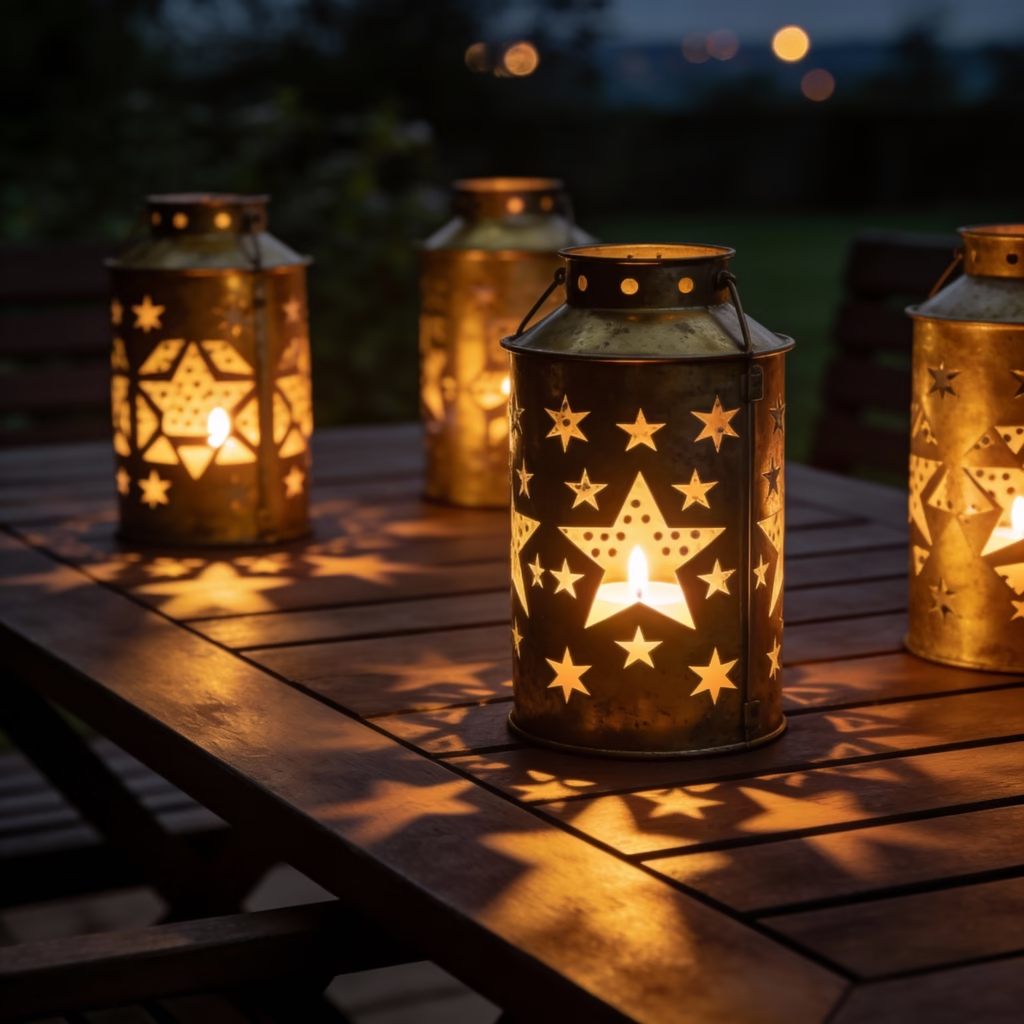
3. Punched Tin Lanterns for Outdoor Ambiance

You can make beautiful lights for your porch. These lanterns make pretty shapes on the walls at night. It is a classic way to use metal cans. They are great for parties or just relaxing outside.

Pro Tip: Fill the can with water and put it in the freezer. When the ice is hard, it is easy to punch holes without denting the can. Use a nail to make patterns like stars or dots. When the ice melts, dry the can. Put a small candle inside and watch it glow. This is a top pick for green living style.

4. Chic Copper-Finished Kitchen Organizers

Copper is a very popular color for home décor right now. You can get this look without spending a lot of money. All you need is a can of metallic spray paint. This makes old cans look very expensive and sleek.

Clean the cans and take off any sticky glue. Spray them with a thin coat of copper paint. Let them dry and do it again. You can use these to hold your big spoons and whisks. They look very neat on a kitchen counter. It is a fast way to organize your space while staying zero waste.

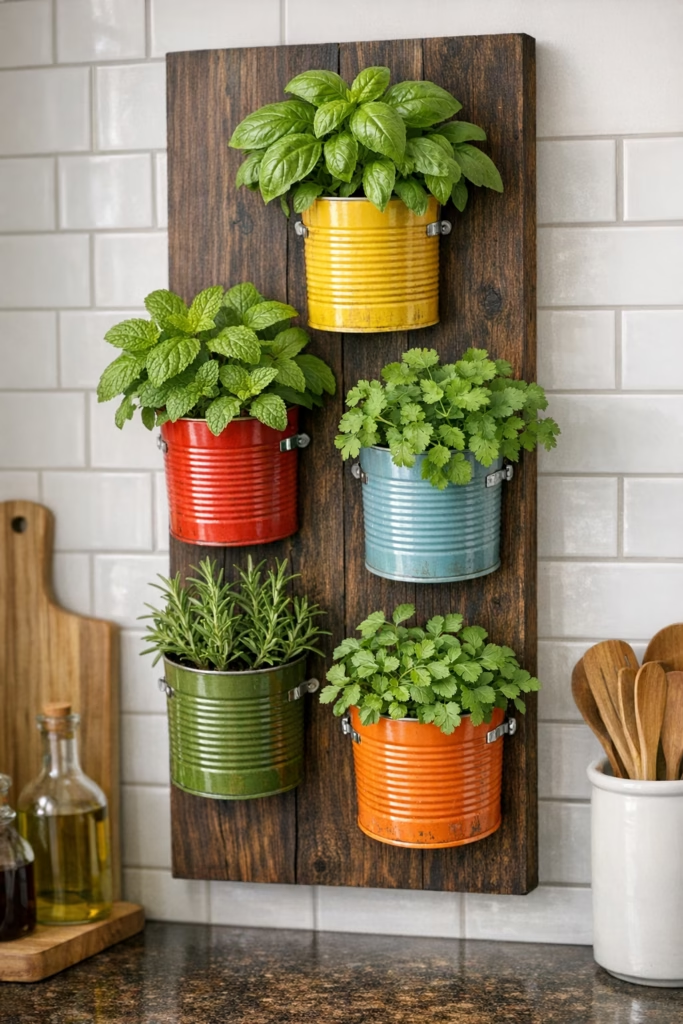
5. Vertical Herb Garden for Small Spaces

Do you love to cook with fresh herbs? You can grow them in cans even if you do not have a big yard. A vertical garden saves a lot of space. You can hang these cans on a wall or a fence.

You can use wood or a metal grid to hold the cans. Paint each can a bright color. Write the name of the herb on the front. This makes your kitchen look fresh and green. It also makes your food taste better. Growing your own food is a big part of green living.

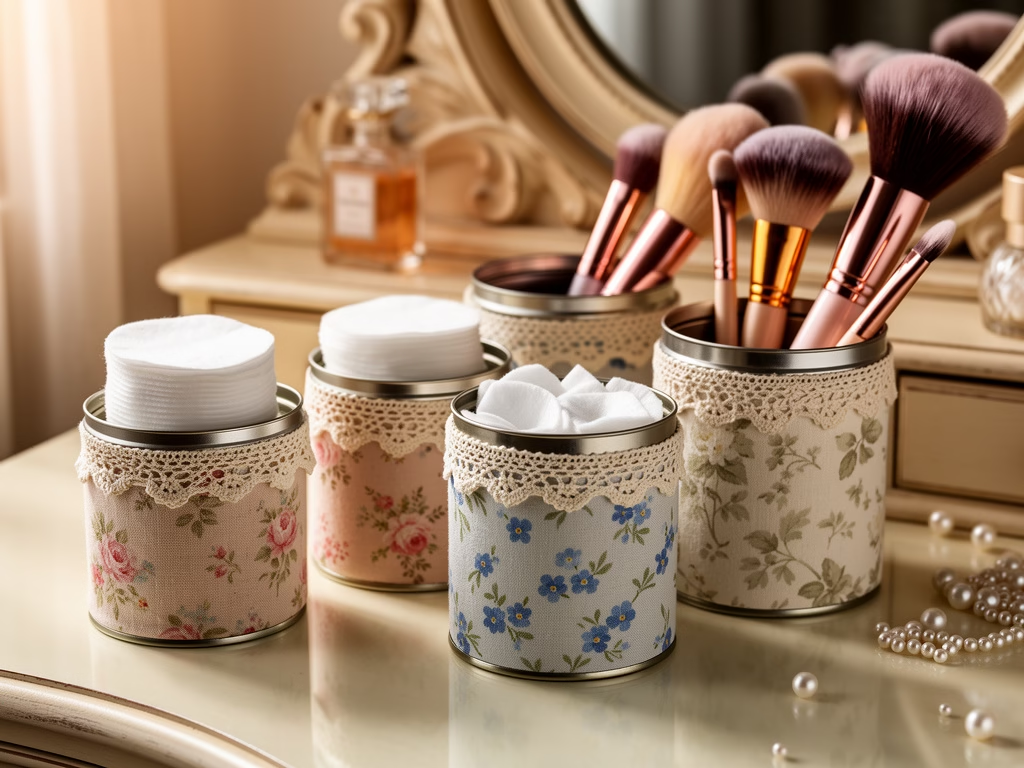
6. Vintage Fabric-Covered Storage Tins

Do you have old clothes or scrap fabric? Do not throw them away. You can use them to cover your tin cans. This is a good way to match your storage to your room colors. It makes the cans feel soft and pretty.

Use a glue stick or spray glue on the can. Wrap the fabric around it and smooth out any bumps. You can use lace or ribbons at the top for more detail. These are great for a bedroom or a craft room. Use them to hold hair clips, buttons, or jewelry.

7. Tiered Craft Organizer

If you have a lot of small items, a tiered tower is best. You can use cans of different sizes for this. A wide can goes on the bottom. A medium can goes in the middle. A tiny can goes on the top.

Use a very strong glue to stick them together. You can paint them all the same color so they look like one piece. This is one of those home decor ideas that keeps you tidy. It takes up very little space on your table but holds a lot of things.

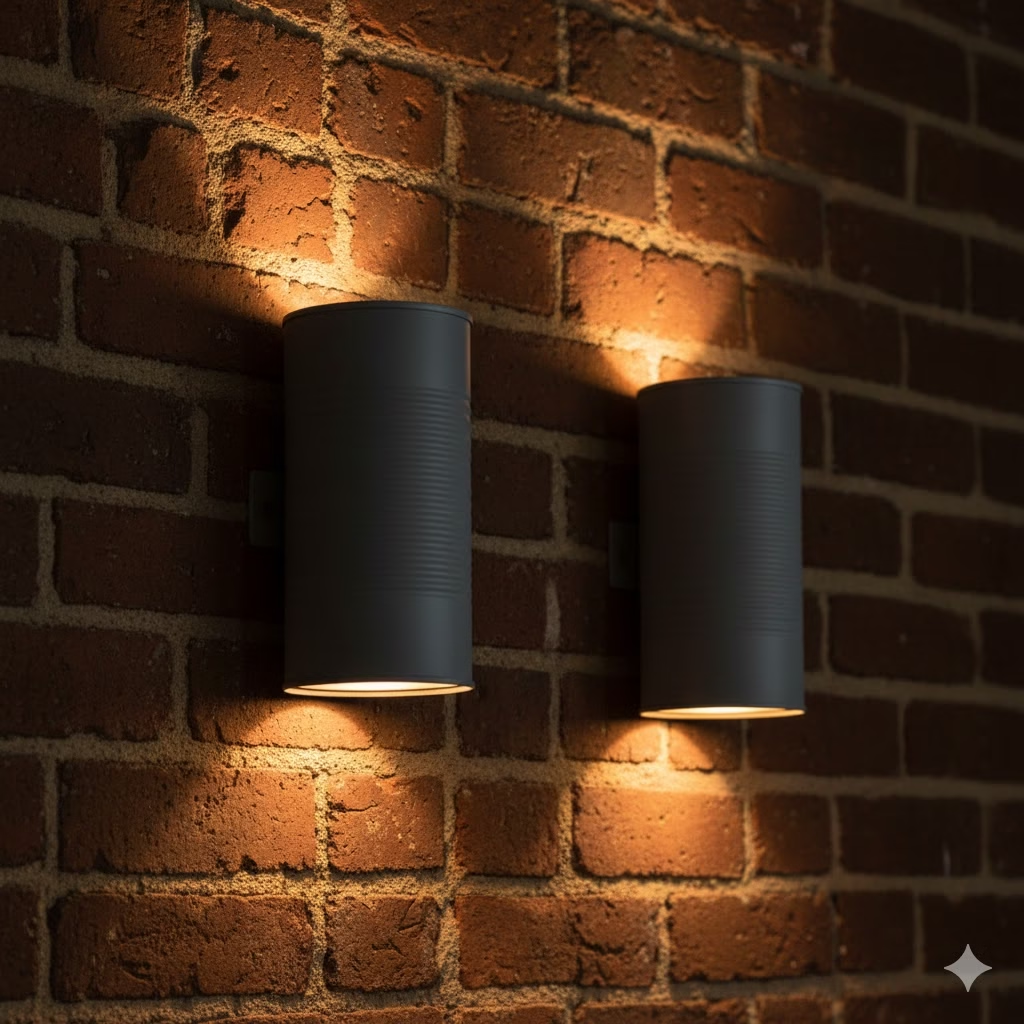
8. Industrial Wall Sconces

You can make your own wall lights with tall cans. This project gives your home a cool, industrial feel. You will need to take off both the top and the bottom of the can. This makes a metal tube.

You can mount this tube over a small wall light. The light will shine out of the top and the bottom. It looks very fancy in a hallway. It is a great way to use home décor to show off your style. People will be shocked that you made it from a soup can.

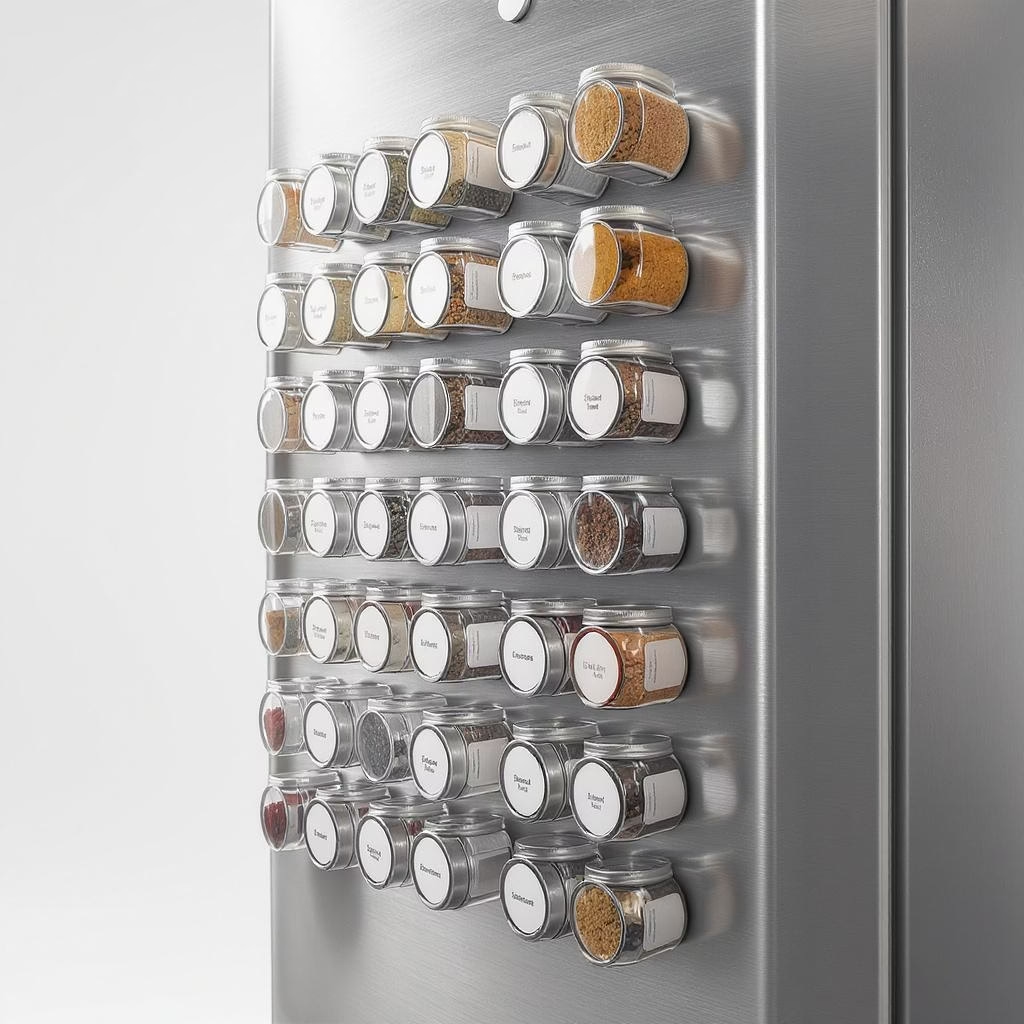
9. Magnetic Spice Rack

Small cans are perfect for spices. If you use magnetic paint or glue magnets to the cans, they can stick to your fridge. This keeps your spices right where you can see them. It is a very smart use of space.

Clear lids are best so you can see the colors of the spices. If your lids are not clear, just use labels. This is a fun project for any kitchen. It helps you stay organized while you practice zero waste habits.

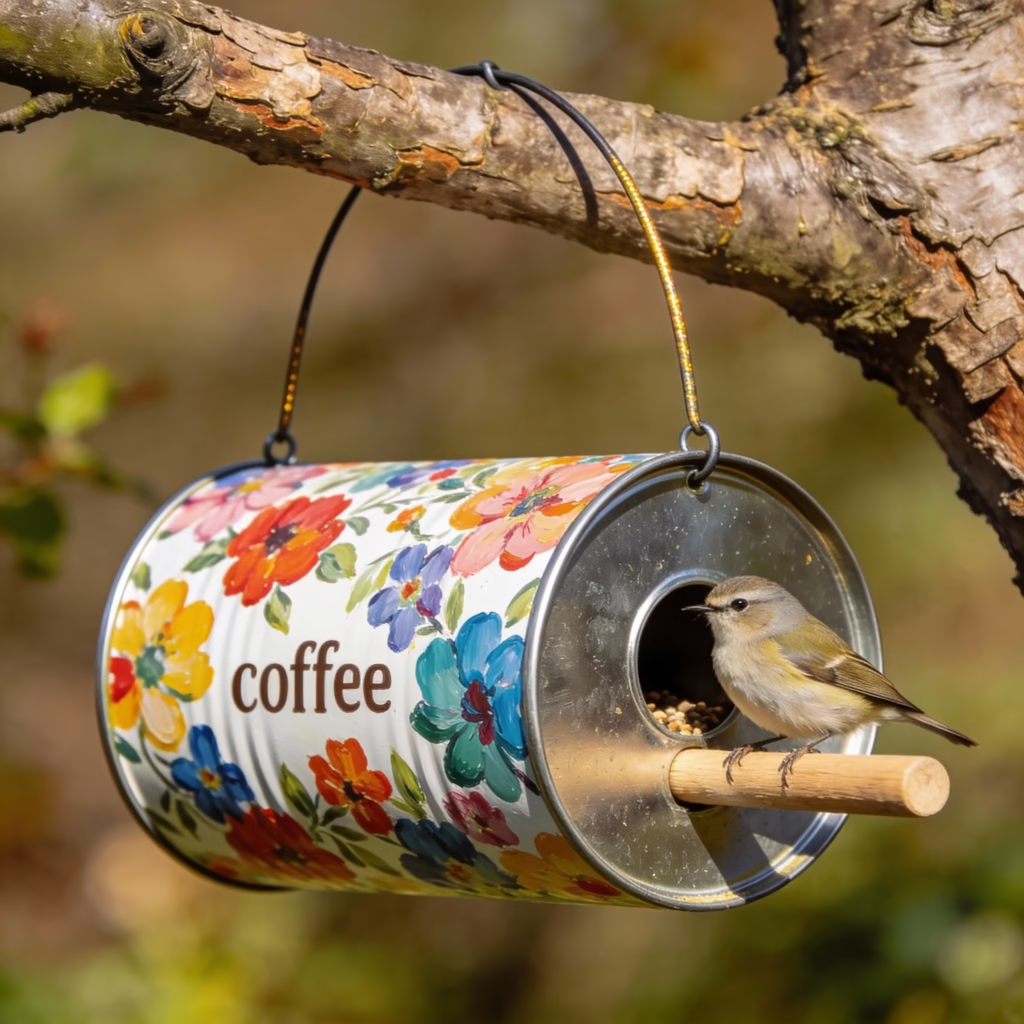
10. Bird Feeders for the Eco-Friendly Garden

Birds need food, and you can help them. A big coffee can makes a great bird feeder. Lay the can on its side and decorate it. You can glue sticks to the outside to make it look like part of a tree.

Put a small wooden stick at the opening for the birds to sit on. Hang it from a tree with a piece of wire. Fill it with seeds and wait for your new friends to arrive. This is a lovely way to bring more nature into your life. It is a project that gives back to the earth.

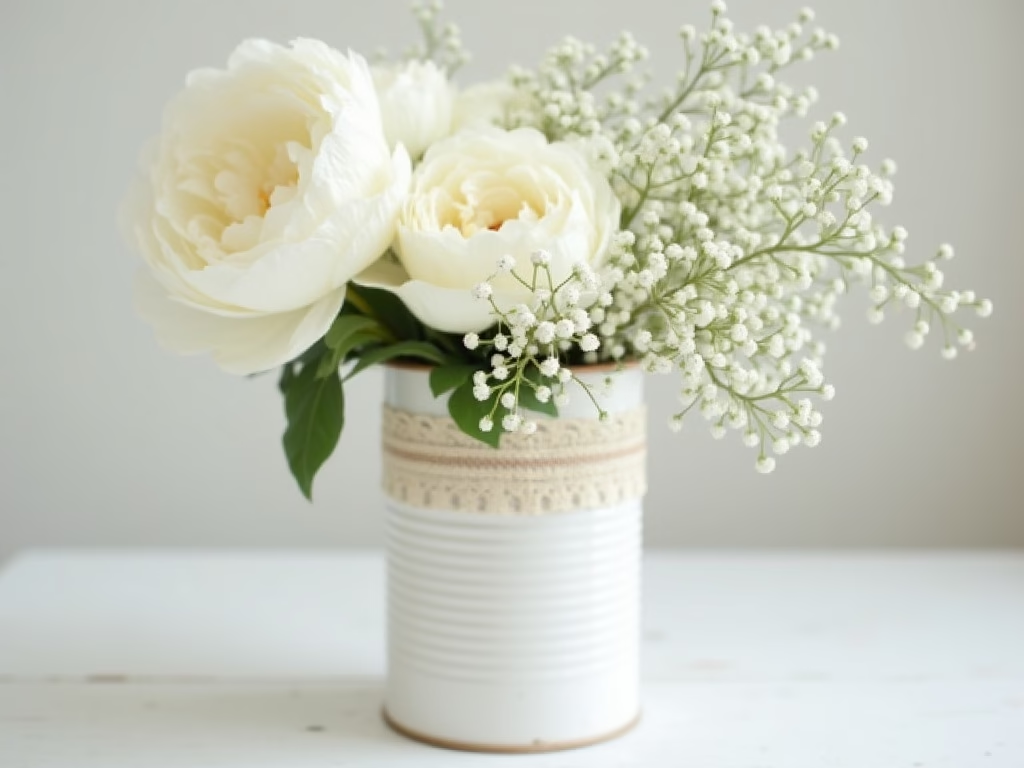
11. Romantic Lace-Trimmed Vases

Sometimes you want something soft and sweet. Tin cans can be very pretty vases for flowers. Paint the can a light pink or cream color. Then, wrap a piece of white lace around it.

The metal keeps the water inside, so it is perfect for real flowers. These look great at a party or on a dinner table. You can make many of them for very little money. They add a nice touch to your home décor without any waste.

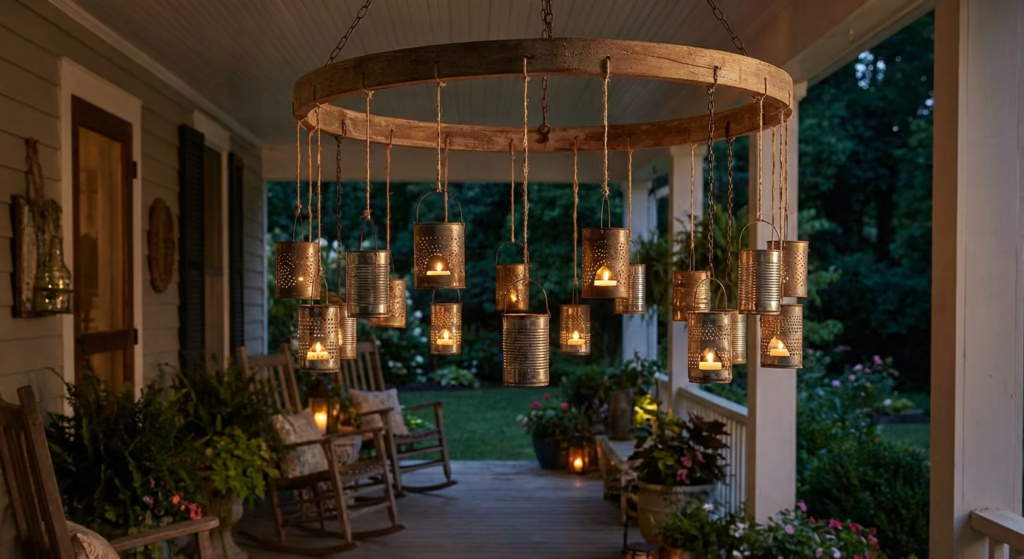
12. Hanging Tea Light Chandelier

For a big statement, try a hanging light. You can tie several cans to a large hoop. Use different lengths of string so they hang at different heights. This creates a beautiful look for an outdoor space.

Put a little sand in each can so the candle stays still. When you light them at night, it looks like magic. It is a wonderful way to light up a garden path or a patio. This project shows how simple home decor ideas can be very bold.

Conclusion

Trying these home decor ideas is a joy. You learn to make something from nothing. Every can you save is a win for the world. You are making your home look better while you help the environment. This is what green living is all about.

You do not need to spend a lot to have a nice house. Upcycling is a path to a more creative life. It is fun to see what you can build with your own hands. Start with one can today. See where your mind takes you. Your home will feel more like you because you made the décor yourself.


References


Recent Posts


10 Zero Waste Gift Ideas For Any Celebration Time

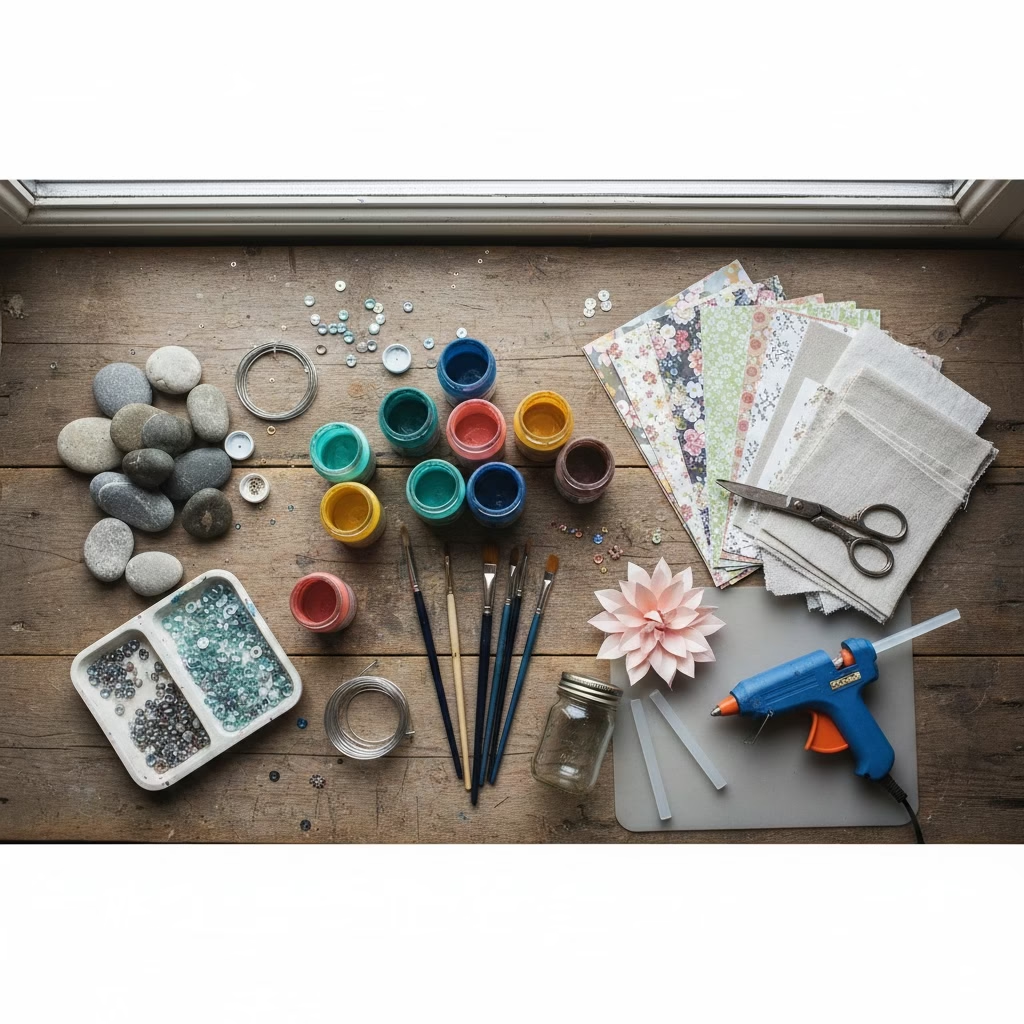
A creative workspace showing hands assembling handmade Zero Waste Gift Ideas using natural twine, dried botanicals, and reclaimed glass jars on a rustic wooden table.

This article provides a deep dive into Zero Waste Gift Ideas that anyone can create at home using repurposed materials. By focusing on the act of making, we can reduce the demand for new plastic products and celebrate with a smaller footprint. These Zero Waste Gift Ideas highlight the beauty of upcycling and the value of handmade craftsmanship. We explore how to turn everyday items into high-quality treasures that friends and family will cherish for years.


Crafting Magic with Zero Waste Gift Ideas

Most people think of shopping when they hear the word “gift.” But the best gifts often come from what we already have. Creating gifts from scratch is the heart of a green lifestyle. It turns “trash” into something special. This practice is called upcycling. It means you take an old item and make it better. By using Zero Waste Gift Ideas that focus on making, you save money and help the earth.

Below are ten ways you can create amazing presents. You do not need to buy anything new. You just need a little time and a lot of heart.


1. Infused Culinary Oils from Scratch

You can make a luxury kitchen gift using glass bottles you already have in your pantry. Instead of buying a new gift set, create an infusion.

  • The Process: Clean out an old oil or vinegar bottle. Sterilize it in hot water. Add sprigs of dried rosemary or chili flakes from your garden. Fill it with olive oil and let it sit.
  • The Result: A gourmet oil that looks beautiful on a counter and tastes great.

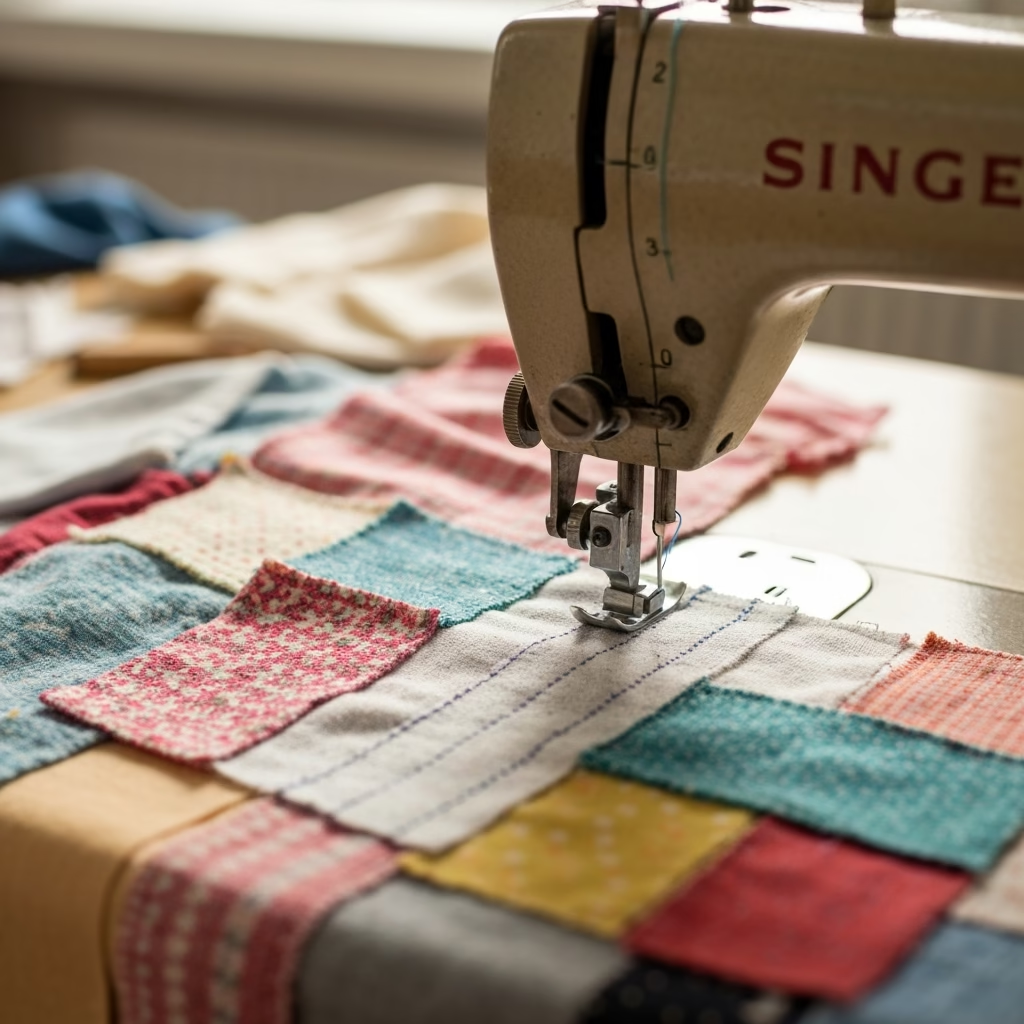
2. Personalized “Memory” Quilts

If you have old clothes that are too worn to donate, do not throw them away. You can create a memory quilt. This is one of the most sentimental Zero Waste Gift Ideas.

  • The Process: Cut squares from old cotton t-shirts or flannel shirts. Sew them together into a patchwork pattern.
  • The Result: A cozy blanket that tells a story of past adventures and favorite outfits.

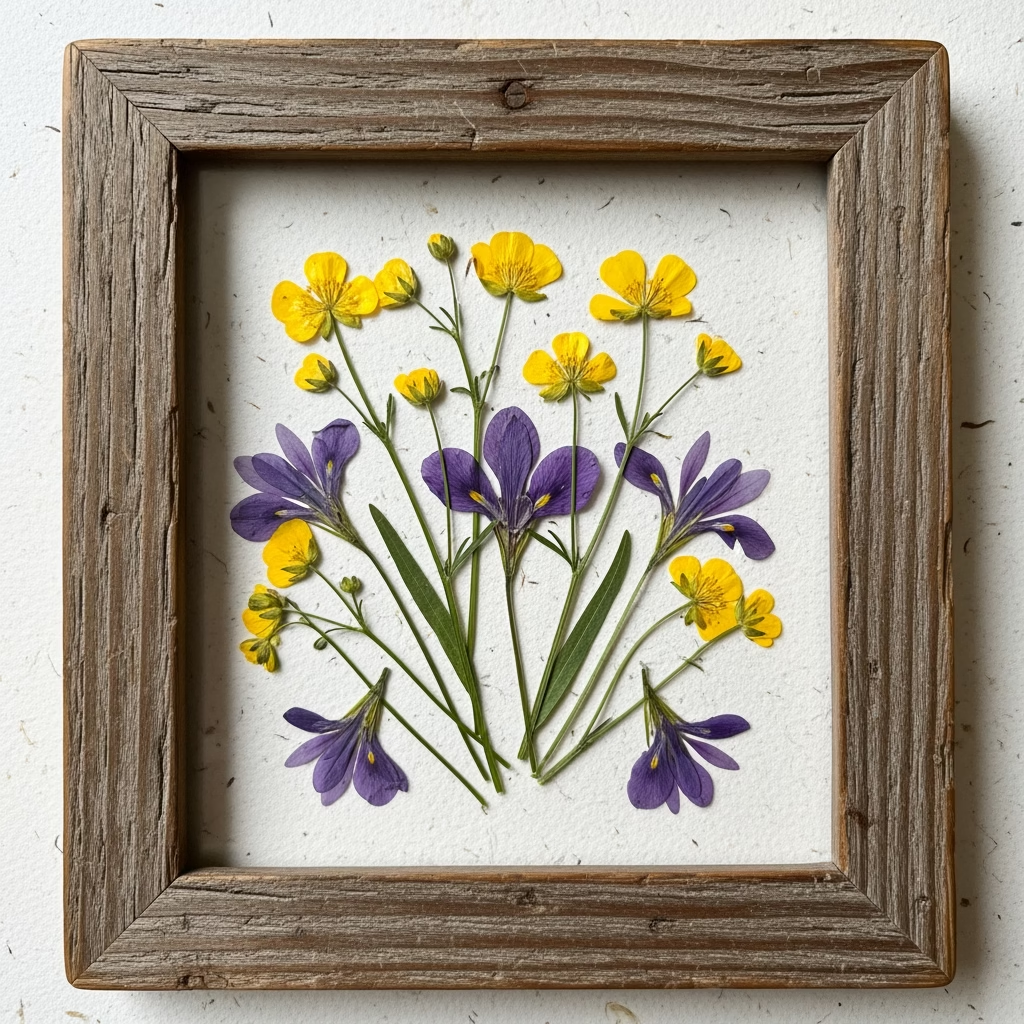
3. Homemade Pressed Flower Art

Nature provides the best materials for art. You can create stunning wall decor using just a heavy book and some wildflowers or garden weeds.

  • The Process: Pick a few pretty flowers. Place them between pages of a heavy book for two weeks. Once flat, arrange them on a piece of reclaimed cardboard or an old picture frame.
  • The Result: A delicate piece of botanical art that brings the outdoors inside.

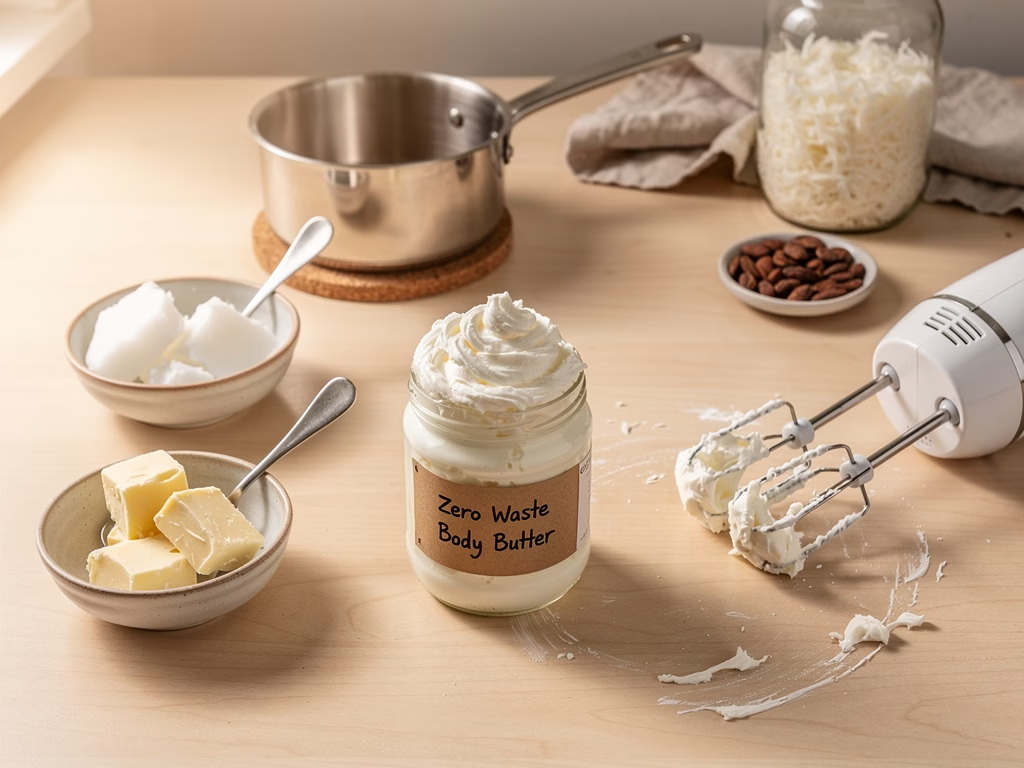
4. Zero Waste Body Butters

Many people spend a lot of money on skin cream. You can create a natural version at home using bulk ingredients or leftovers from your kitchen.

  • The Process: Melt down coconut oil and cocoa butter. Whip it with a hand mixer until it looks like frosting. Put it into a clean, small glass jar from your recycling bin.
  • The Result: A rich, fluffy lotion that contains no chemicals or plastic packaging.

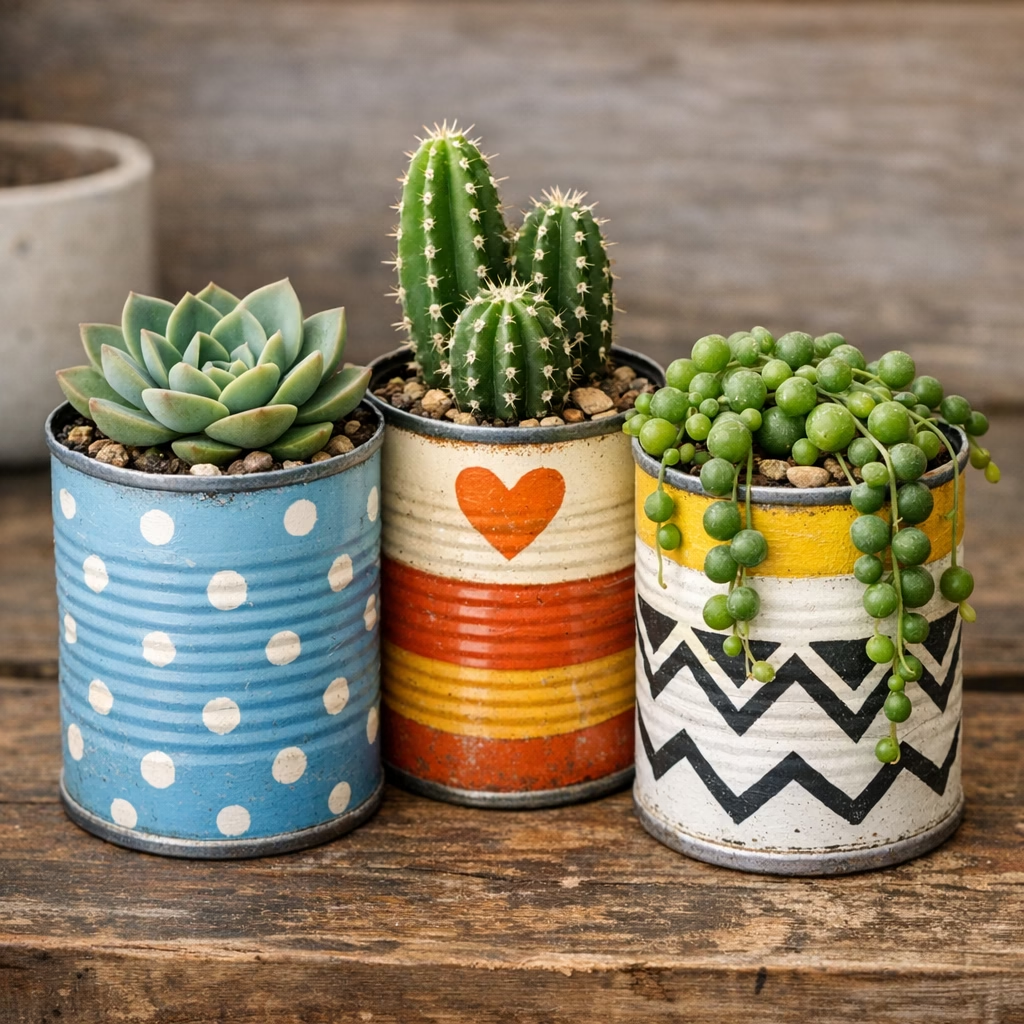
5. Upcycled Planters

Instead of buying a new pot for a plant, look in your recycling bin. You can create a trendy home for a succulent out of almost anything.

  • The Process: Take an old tin can or a thick glass jar. Clean it well. You can paint it with leftover house paint or wrap it in twine made from old fabric scraps.
  • The Result: A modern, chic planter that keeps metal and glass out of the landfill.

6. Hand-Poured Soy Candles

If you have old candles that have burned down to the bottom, you can save the wax. Creating a “new” candle from “old” wax is a classic zero waste move.

  • The Process: Melt the ends of old candles in a double boiler. Pour the liquid wax into a clean glass jar or a vintage teacup. Add a new cotton wick.
  • The Result: A custom candle that smells great and uses up every last bit of wax.

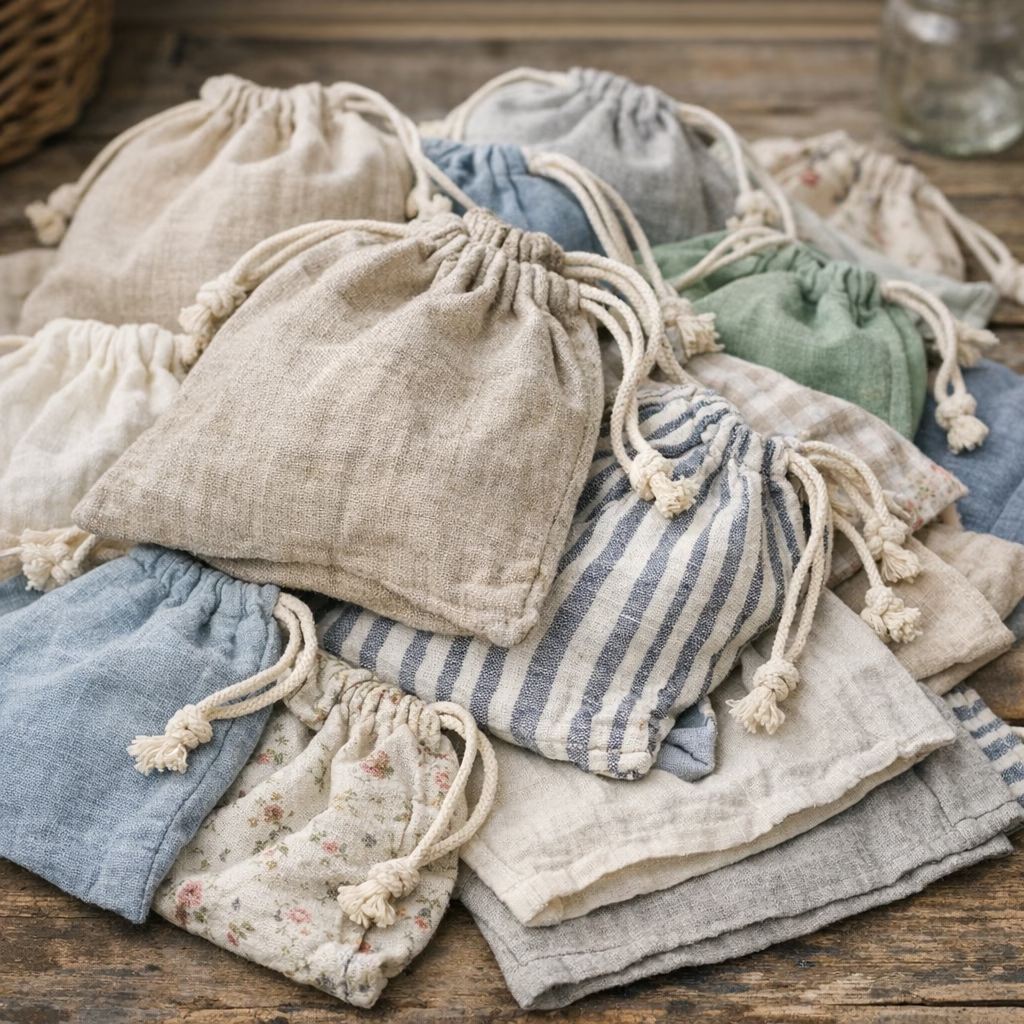
7. Fabric Scrap Produce Bags

For those who know how to sew even a little bit, this is a great project. You can create reusable bags for the grocery store using old curtains or thin bed sheets.

  • The Process: Cut the fabric into rectangles. Sew the sides and leave a small opening at the top for a drawstring. Use an old shoelace for the tie.
  • The Result: A set of bags that helps the recipient stop using plastic produce bags forever.

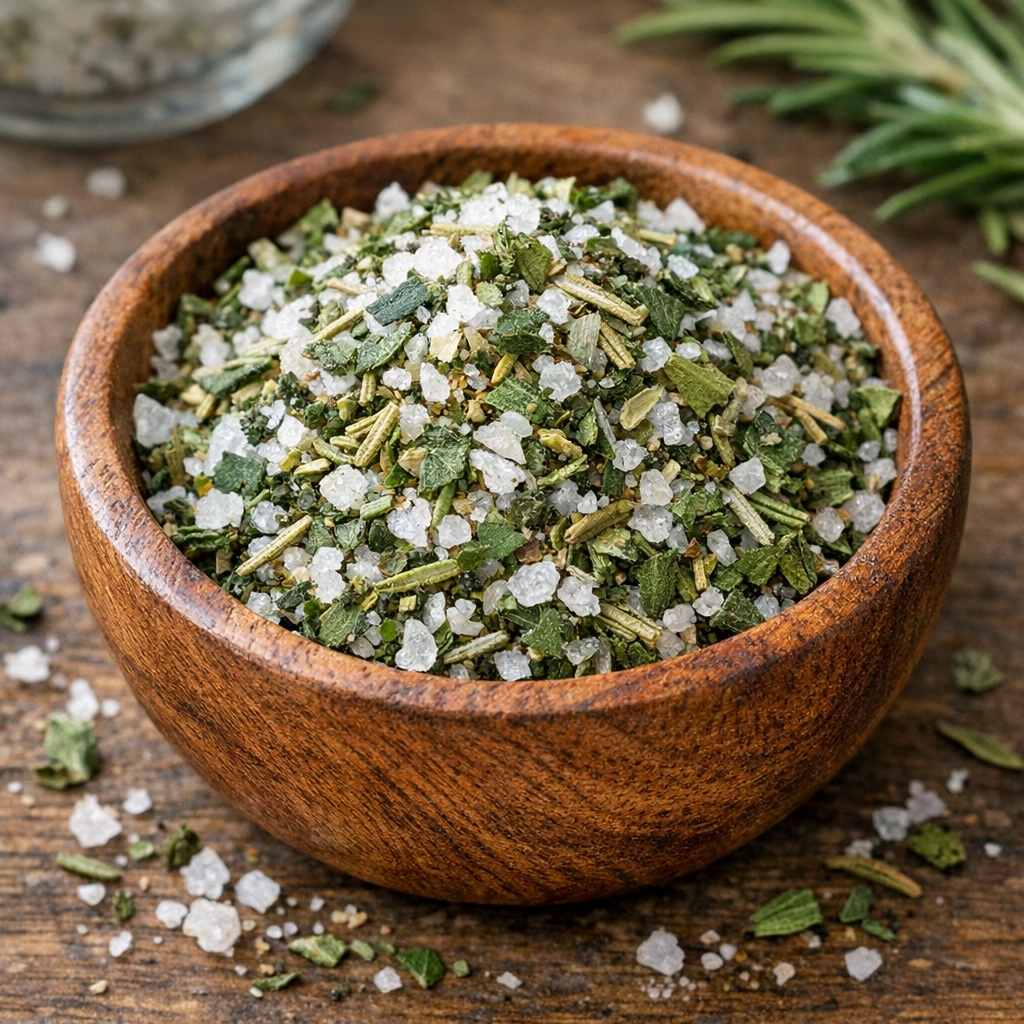
8. Gourmet Seasoning Blends

If you grow herbs in your yard, you can create custom spice mixes. This is a great way to use up the “end of season” harvest.

  • The Process: Dry out your herbs like basil, oregano, and thyme. Grind them up and mix them with sea salt. Store the mix in small spice jars you have saved.
  • The Result: A “House Seasoning” that adds a personal touch to any meal.

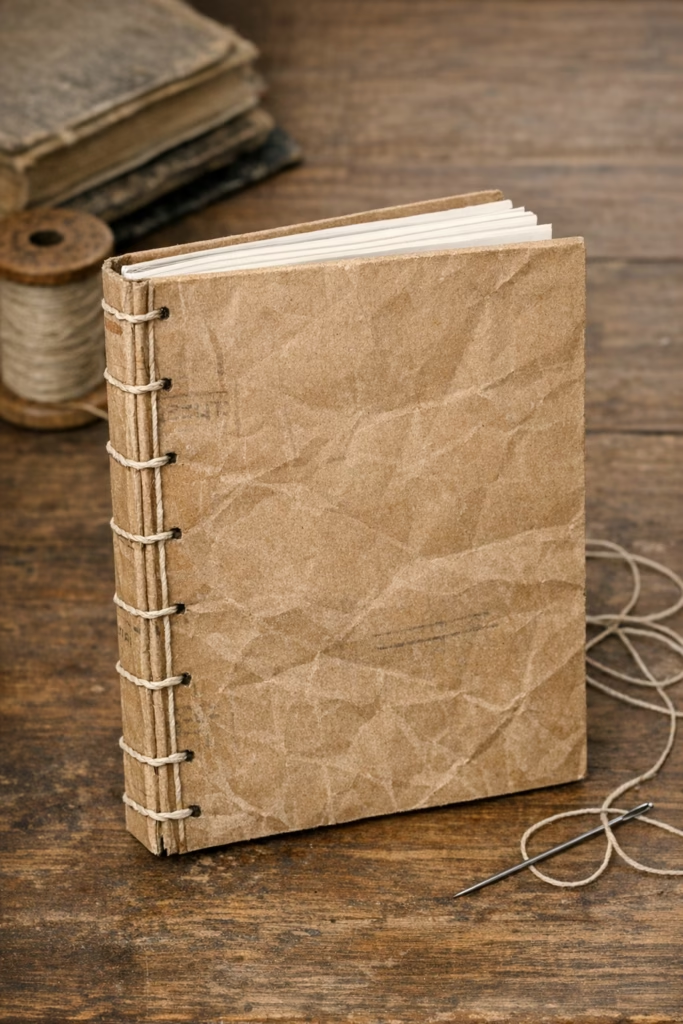
9. Upcycled Notebooks

Do you have old notebooks with only a few pages used? You can create a brand-new journal by combining the clean pages.

  • The Process: Pull the blank pages out of several old notebooks. Stack them up. Use a needle and thread to bind them together. Use a piece of an old cereal box or a heavy paper bag for the cover.
  • The Result: A rustic, handmade journal for sketching or writing.

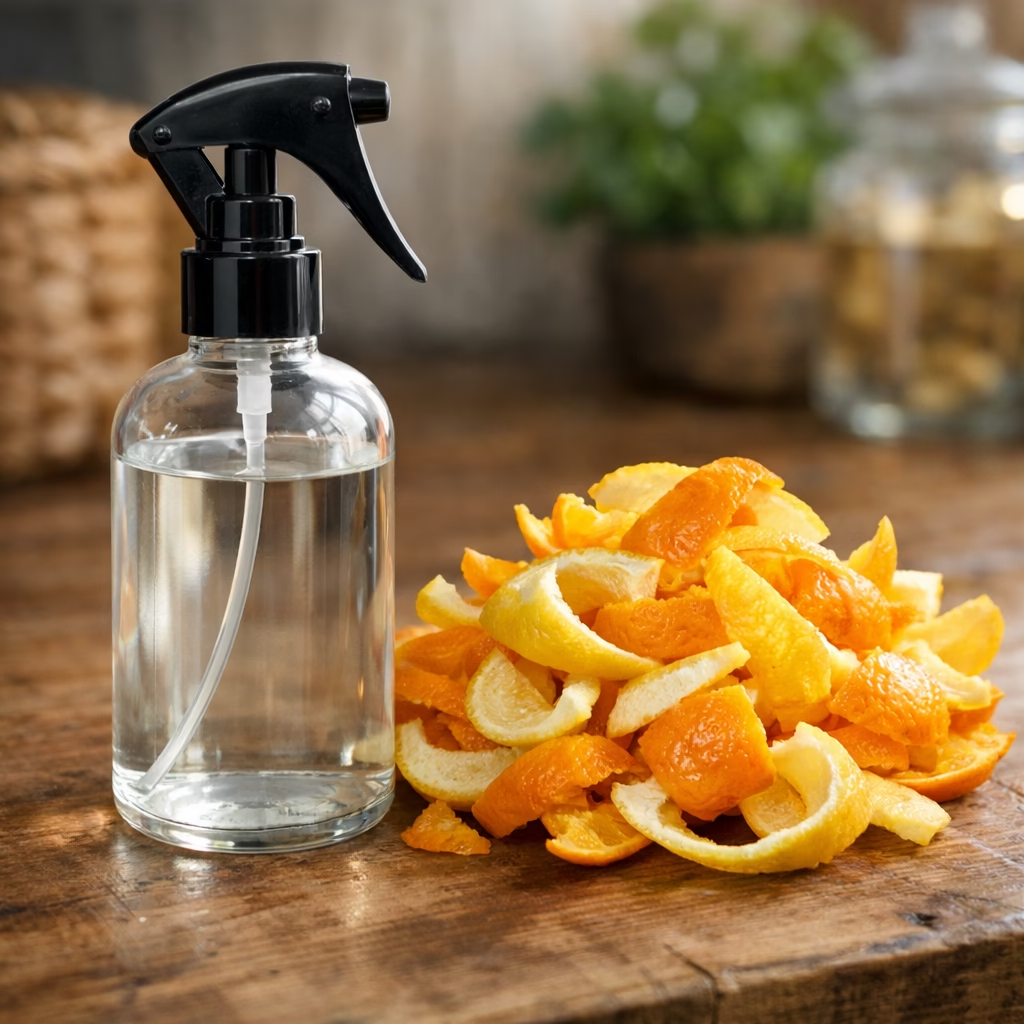
10. Natural Room Sprays

You can create a fresh-smelling home without buying aerosols in metal cans. Use citrus peels and water to make a natural spray.

  • The Process: Put orange or lemon peels in a jar of white vinegar for two weeks. Strain the liquid and mix it with water in a glass spray bottle.
  • The Result: A cleaning spray or room freshener that smells like a summer day and uses food scraps.

Conclusion: The Power of Making

These Zero Waste Gift Ideas prove that you do not need a big budget to be a great friend. When you create a gift with your own hands, you give a part of your time. You also save an item from being wasted. This makes the gift much more valuable than something bought from a store.

The next time you want to celebrate, look around your home first. What can you change? What can you make? The world is full of materials waiting for a second life. By choosing to create, you choose a greener future.


References


Recent Posts


10 Large Batch Mocktails To Make For The Holidays Right Now

Three glass beverage dispensers filled with red, green, and golden Large Batch Mocktails on a festive wooden table. The holiday spread is decorated with evergreen branches, pinecones, cinnamon sticks, and sliced pomegranates, set against a background of warm twinkling lights and candles.

Hosting a party is much easier when you serve Large Batch Mocktails to your guests. These drinks help you save time so you can focus on your friends and family. Every recipe in this guide is healthy and uses zero-waste methods to help the planet. These Large Batch Mocktails are the best choice for anyone who wants a fresh and fun holiday drink option.


Why You Should Serve Healthy Large Batch Mocktails This Year

The holiday season is a busy time for everyone. We often spend a lot of money and create a lot of trash during these weeks. One way to change this is by looking at what we drink. Many people are now looking for drinks that do not have alcohol. They want to feel good the next day and stay healthy. This is where Large Batch Mocktails come in to save the day. Making one big jar of a drink is much better than making one glass at a time. It lets the host enjoy the party too.

These drinks are not just juice in a glass. They use fresh herbs, spices, and real fruit. We also focus on being zero-waste. This means we use the whole fruit. We use the peels, the juice, and even the stems of herbs. This adds more flavor to your Large Batch Mocktails. It also means you have less to throw away at the end of the night. Using less sugar and more natural items makes these drinks better for your body. You can enjoy the festive spirit and still feel light and energetic.

In this guide, you will find ten great recipes. They are easy to make in large amounts. They use simple tools like big pitchers or slow cookers. Most of these ingredients can be found at any local store. By the end of this article, you will be ready to host the best holiday party of the year. Your guests will love the care you put into these healthy options.


1. Sparkling Pomegranate and Rosemary Punch

Pomegranate is a great fruit for the winter. It has a bright red color that looks like Christmas. It is also very good for your heart. This punch is very easy to make for a big group. The rosemary gives it a nice smell that reminds people of holiday trees.

Ingredients (Makes 12 drinks):

  • 4 cups of pomegranate juice (look for the kind with no added sugar)
  • 1 cup of fresh orange juice
  • Half a cup of maple syrup
  • 5 long branches of fresh rosemary
  • 1 large bottle of cold sparkling water
  • 1 cup of pomegranate seeds

How to make it:

Get a large pitcher. Pour in the pomegranate juice and the orange juice. Add the maple syrup and stir it well. Put the rosemary branches into the liquid. Put the pitcher in the fridge for three hours. The rosemary flavor will slowly move into the juice. When your guests arrive, pour the juice into a big bowl. Add the sparkling water and the seeds.

Zero-Waste Tip:

When you are done with the orange juice, do not toss the skins. You can cut them into small bits. Put them in a jar with some salt to make a cleaning scrub for your kitchen. Or, you can dry them in the sun to use as fire starters for your fireplace.


2. Warm Apple and Spice Cider

This drink will make your whole house smell amazing. It is a warm drink that is perfect for a cold night. Using real spices instead of flavored syrups makes it much healthier.

Ingredients (Makes 10 drinks):

  • 8 cups of organic apple juice
  • 3 cinnamon sticks
  • 6 whole cloves
  • 2 pieces of star anise
  • 1 thumb of fresh ginger, sliced thin
  • The peel from one orange

How to make it:

Put all the items into a large pot. Put the stove on low heat. Let the liquid get warm but do not let it boil fast. Let it sit on the heat for one hour. The spices will make the juice taste very deep and rich. Serve it in warm mugs.

Zero-Waste Tip:

After you drink the cider, the fruit and spices are still full of scent. You can put them back in a pot with fresh water and simmer them on the stove. This acts as a natural air freshener for your home. You do not need to buy chemical sprays.


3. Fresh Cucumber and Mint Cooler

Sometimes holiday food is very heavy and salty. A fresh green drink can help your stomach feel better. This cooler is very light and crisp. It is a great way to use the whole cucumber.

Ingredients (Makes 10 drinks):

  • 3 large cucumbers
  • 1 big bunch of fresh mint
  • Half a cup of lime juice
  • 3 spoons of honey
  • 1 liter of soda water

How to make it:

Take two cucumbers and blend them. Strain the juice into a large jar. Slice the last cucumber into thin rounds. Take the mint leaves and press them with a spoon in a bowl to get the oils out. Add the mint and lime juice to the cucumber juice. Add the honey and stir. Before serving, add the soda water and the cucumber slices.

Zero-Waste Tip:

When you strain the cucumber juice, you will have a lot of green pulp left. Do not throw this away. You can mix it into a bowl of plain yogurt with a little garlic. This makes a healthy dip for your party snacks.


4. Red Hibiscus and Orange Tea

Hibiscus tea is a beautiful dark red color. It is very tart, almost like a cranberry. It is full of things that help your body stay strong during flu season.

Ingredients (Makes 12 drinks):

  • Half a cup of dried hibiscus flowers
  • 8 cups of water
  • The rinds of two lemons
  • The rinds of two oranges
  • Half a cup of honey
  • Fresh mint for the top

How to make it:

Boil the water in a big pot. Turn off the heat and add the flowers and the fruit rinds. Let it sit for twenty minutes. The water will turn a dark red. Strain the liquid into a pitcher. Add the honey while it is still a little warm so it melts. Let it get very cold in the fridge.

Zero-Waste Tip:

The fruit rinds can be used again. After you strain the tea, you can chop the rinds. Mix them with a little sugar and bake them on a low heat. They turn into a chewy candy that guests can eat.


5. Blackberry and Vinegar Shrub

A shrub is an old-fashioned way to make a drink. It uses vinegar to give a sharp taste. This is great for people who miss the bite of alcohol. It is also very good for your gut health.

Ingredients (Makes 8 drinks):

  • 2 cups of blackberries (fresh or frozen)
  • 1 cup of apple cider vinegar
  • A spoon of balsamic vinegar
  • 1 cup of honey
  • Cold bubbly water

How to make it:

Put the berries and honey in a jar. Use a spoon to mash the berries. Let this sit in your fridge for a whole day. Then, add the two types of vinegar. Let it sit for one more day. Strain the liquid into a bottle. To serve, put two spoons of this syrup in a glass and fill the rest with bubbly water.

Zero-Waste Tip:

The mashed berries that you strain out are still very tasty. You can stir them into your morning oatmeal. You can also put them on top of a piece of toast with nut butter.


6. Pineapple Skin Tepache

This is the ultimate zero-waste drink. It is made from the parts of the pineapple that most people throw in the trash. It creates a natural fizz that is very refreshing.

Ingredients (Makes 10 drinks):

  • The skin and the core of one organic pineapple
  • 8 cups of water
  • 1 cup of brown sugar
  • 1 cinnamon stick
  • 2 cloves

How to make it:

Wash the outside of the pineapple very well. Peel the skin and cut the core into chunks. Put the skins, core, sugar, and spices into a large glass jar. Fill it with water. Cover the top with a clean cloth. Let it sit on your counter for two or three days. You will see small bubbles. This means it is working. Strain the liquid and put it in the fridge.

Zero-Waste Tip:

Since this drink uses the “trash” of the fruit, you are already being a hero for the earth. When you are done with the skins after the two days, they can finally go into your compost bin.


7. Pear and Thyme Winter Spritz

Pears are a soft and sweet fruit that many people forget about. When you mix them with thyme, they taste very fancy. This is a very elegant drink for a holiday dinner.

Ingredients (Makes 10 drinks):

  • 5 ripe pears
  • Half a cup of lemon juice
  • 8 sprigs of fresh thyme
  • 3 spoons of maple syrup
  • 1 liter of sparkling water

How to make it:

Blend the pears until they are like a smooth juice. Strain this into a pitcher. Add the lemon juice and maple syrup. Put the thyme sprigs inside and press them a little with a spoon. Let the flavors mix in the fridge for two hours. Add the sparkling water just before you serve it to your guests.

Zero-Waste Tip:

If your pears are very soft or have brown spots, they are perfect for this juice. You do not need “perfect” looking fruit to make a great drink. This helps reduce food waste in your home.


8. Blood Orange Brunch Mock-mosa

Blood oranges are only in stores for a short time. They have a deep red color inside that looks like a sunset. This is a healthy take on a classic brunch drink.

Ingredients (Makes 12 drinks):

  • 5 cups of blood orange juice
  • 1 spoon of vanilla extract
  • The zest of one orange
  • 2 bottles of non-alcoholic sparkling cider or wine

How to make it:

Mix the juice, vanilla, and zest in a large jug. Keep it very cold. When it is time for brunch, fill half of a glass with the juice mix. Fill the other half with the cold sparkling cider. It looks beautiful and tastes like a dream.

Zero-Waste Tip:

Always zest your oranges before you juice them. You can freeze the zest in an ice cube tray with a little water. These “zest cubes” are great to drop into a glass of plain water later in the week.


9. Cranberry and Sage Holiday Punch

Cranberries are very tart. Sage is an herb that people usually use for cooking meat. When you put them together, you get a drink that is not too sweet. It feels very sophisticated.

Ingredients (Makes 10 drinks):

  • 3 cups of cranberry juice (not the cocktail kind)
  • 1 cup of orange juice
  • 10 fresh sage leaves
  • 2 spoons of honey
  • 1 liter of soda water

How to make it:

Put the sage and honey in a pitcher and mash them gently. Add the cranberry and orange juices. Let this stay in the fridge for a few hours. When you are ready, add the soda water. You can drop in some whole frozen cranberries to keep it cold.

Zero-Waste Tip:

Buy a whole sage plant in a small pot instead of buying leaves in a plastic box. This way, you can keep the plant growing on your windowsill all winter. You will have fresh herbs whenever you need them.


10. Golden Ginger and Turmeric Punch

This drink is like a hug in a glass. It is bright yellow and very spicy. It helps your body fight off colds and makes your stomach feel good after a big meal.

Ingredients (Makes 8 drinks):

  • 4 cups of pineapple juice
  • 2 cups of orange juice
  • 1 large piece of ginger, grated
  • 1 spoon of turmeric powder
  • A tiny pinch of black pepper
  • 1 liter of sparkling water

How to make it:

Mix the juices with the ginger, turmeric, and pepper. The pepper helps your body use the turmeric better. Let it sit for thirty minutes and then strain it. Pour it into a pitcher. Add the sparkling water and stir gently.

Zero-Waste Tip:

Take the ginger and turmeric pulp from your strainer. Put it in a small jar with honey. You can use a spoonful of this “honey paste” in a cup of hot water the next morning for a healthy tea.


How To Set Up Your Large Batch Mocktails Bar

When you host a party, you want to make things easy for yourself. Setting up a dedicated area for your Large Batch Mocktails is a great idea. You can use a kitchen counter or a small side table. Put out all the glasses and a bucket of ice. This lets people help themselves.

One secret to great Large Batch Mocktails is the ice. Do not use tiny cubes that melt fast. Instead, use big pieces of ice. You can freeze water in a muffin tin to make large round pucks. These will stay solid much longer. This keeps your drink from getting watery and losing its flavor.

Another tip is to keep the bubbles fresh. If a recipe calls for sparkling water, do not add it to the big jar until the last minute. Or, you can leave the bottles of sparkling water on the table. Guests can add the fizz to their own glass. This way, the last glass of the night is just as bubbly as the first one.

Making Your Party Sustainable

Being a good host also means thinking about the earth. You can make your Large Batch Mocktails bar very eco-friendly. Use real glass instead of plastic. If you need straws, look for metal or paper ones. You can also use things from nature to decorate your bar. Instead of plastic glitter, use pine cones, cinnamon sticks, and fresh fruit.

When the party is over, look at what is left. Most of the items in these recipes can go into a compost bin. This closes the loop and ensures that your holiday celebration does not leave a big mark on the planet.


Conclusion

Making Large Batch Mocktails is a smart and kind way to host a holiday party. It shows that you care about the health of your friends. It also shows that you care about the health of our world. These ten recipes are full of flavor and use the best ingredients from nature. You do not need alcohol to have a festive and fun time.

Whether you choose the spicy ginger punch or the cool cucumber drink, your guests will be impressed. You will have more time to talk and laugh, and less time spent mixing drinks. This is the true spirit of the holidays.


External References


Recent Posts


How to Create a Dreamy Nighttime Oasis on Your Tiny Balcony

A small apartment balcony at twilight featuring a dreamy nighttime oasis setup with layered lighting. Warm Edison-style string lights are draped across the ceiling, while a glowing lantern sits on interlocking wood deck tiles. A small spotlight illuminates a vertical garden wall, creating an aesthetic and cozy urban outdoor retreat.

Lighting is the secret ingredient that turns a cold, concrete slab into a cozy sanctuary. Many renters feel stuck with a single, harsh overhead light—or no light at all. However, you do not need an electrician or a massive budget to create a high-end look. By using smart, wire-free solutions, you can transform your small apartment balcony into the most inviting room in your home. A dreamy nighttime oasis is within reach for anyone, regardless of the size of their outdoor space.

Why Lighting Matters for Small Balcony Ideas

Good lighting does more than just help you see in the dark. In a small space, it defines the boundaries and makes the area feel larger. When you use soft, warm light, the walls seem to recede. The focus shifts to the textures of your plants and furniture rather than the limitations of the space. This guide focuses on renter-friendly balcony ideas that require zero drilling and zero permanent changes. Creating a dreamy nighttime oasis is about more than just visibility; it is about creating a feeling of peace.

1. Create Depth with Three Layers of Light

To get that stylish look, avoid using just one light source. Instead, think in layers. Professional designers use three specific types of light to make a small apartment balcony feel complete.

The Ambient Layer

This is your base layer of light. Solar-powered string lights are the best choice here. Draping them across the ceiling or along the railing provides a soft glow that covers the whole space. It sets the mood for the entire area and acts as the foundation for your dreamy nighttime oasis.

The Task Layer

This light serves a specific purpose. If you have a small folding table for working or dining, place a cordless LED lamp there. This allows you to focus on a specific activity without straining your eyes. It makes the space functional for hobbies, reading, or late-night snacks.

The Accent Layer

Use this to highlight your favorite features. If you have a vertical garden or a large potted plant, place a small battery-powered spotlight at the base. Aiming the light upward creates dramatic shadows. It adds a sense of luxury and makes the plants look like living art in your dreamy nighttime oasis.

2. Choosing the Best Solar String Lights

Solar lights are perfect for balconies because they cost nothing to run. They charge during the day and turn on automatically at night. This is a very sustainable way to enjoy your outdoor area while keeping your utility bills low.

Look for Warm White Bulbs

Avoid “cool white” or blue-tinted LEDs. These can feel very clinical and cold, like a hospital hallway. Instead, look for warm white bulbs. These mimic the cozy glow of a candle or a sunset. They make the space feel much more welcoming and are essential for a dreamy nighttime oasis.

Check the Weather Rating

Ensure your lights are rated for outdoor use. Look for an IP44 rating or higher. This means they can handle rain, wind, and humidity. High-quality outdoor lights will last much longer through the seasons, saving you money in the long run.

Panel Placement is Key

If your balcony has a roof, the solar panel might not get enough sun. Look for sets where the solar panel is on a long wire. This lets you clip the panel to the very top of the railing. There, it can soak up the most rays during the day, ensuring your lights stay bright all night.

3. Use Lanterns for Portable Charm

Lanterns are one of the most versatile small balcony ideas. They are easy to move around and add a decorative touch even during the day. They come in many styles, from modern metal to classic wood.

Floor Lanterns

Place large lanterns directly on your interlocking deck tiles. This draws the eye downward and makes the floor space feel like a true part of the living area. Grouping them in different sizes—one large, one medium—creates a more professional look.

Flameless Candles

Real candles can be a fire hazard in tight spaces. Modern LED candles look incredibly realistic. Many even come with a flicker effect that mimics a real flame. They provide the same cozy vibe without any of the risk, making them perfect for a dreamy nighttime oasis.

Timer Functions

Choose battery-operated candles with built-in timers. You can set them to turn on for six hours every night at the same time. This way, you always come home to a glowing balcony without having to remember to flip a switch.

4. Renter Friendly Installation Tips

You do not need to damage your walls to hang beautiful lights. There are several clever ways to secure your fixtures without losing your security deposit. These methods are fast, easy, and leave no trace behind.

Outdoor Adhesive Hooks

Many brands make hooks specifically for outdoor use. They hold up well in heat and cold. They pull away cleanly when you move out. This is the best way to hang string lights on smooth walls or glass doors.

Zip Ties

These are a renter’s best friend. Use clear or black zip ties to attach string lights to your balcony railing. They are strong and very cheap. You can snip them off in seconds when you are ready to change your layout.

Suction Cups

If your balcony is enclosed by glass, heavy-duty suction cups are great. They can hold light strands or small lanterns without any hardware. They are perfect for people who have glass railings or large windows overlooking their dreamy nighttime oasis.

5. Managing Your Light Zones

If you want to take your small apartment balcony to the next level, consider smart bulbs or remotes. This adds a layer of modern comfort to your outdoor retreat.

Remote Controls

Many battery-powered lights now come with a small remote. This allows you to stay on your sofa and dim the lights with one click. You can also change colors or light patterns to suit your mood or the season.

Motion Sensors

For added safety, you can install small battery-operated motion sensor lights near the door. These will light up as soon as you step outside. It makes the transition from inside to outside much smoother and safer.

6. Seasonal Lighting Transitions

As the seasons change, your lighting can change too. This keeps your small apartment balcony feeling fresh and exciting all year long.

Summer Sparkle

In the summer, use fairy lights with tiny bulbs to mimic the look of fireflies. This creates a magical atmosphere for warm summer nights and enhances the dreamy nighttime oasis vibe.

Autumn Warmth

When the weather cools down, add more lanterns with deep orange or gold tones. This reflects the colors of autumn and makes the space feel extra snug and cozy.

Winter Glow

During the winter, keep the lights on longer to fight the early darkness. Using waterproof LED branches in your planters can add a festive touch without being too traditional.

7. The Importance of Color Temperature

When picking lights for your balcony ideas, pay attention to the Kelvin (K) rating on the box. This tells you how “warm” or “cool” the light will be. For a relaxing balcony, stay between 2000K and 3000K. This range provides a golden, soft light that is very soothing to the eyes. Higher numbers, like 5000K, will look like daylight and can be too harsh for a dreamy nighttime oasis.

8. Battery Maintenance and Care

To keep your battery-operated lights working well, you should take care of them properly. If you live in a place with very cold winters, bring the battery packs inside during freezes. Extreme cold can drain batteries very quickly. Also, wipe down your solar panels once a month with a damp cloth. Dust and dirt can block the sun and make your lights dimmer over time.

9. Combining Light and Greenery

Lighting and plants go hand in hand. Use your lights to show off your vertical garden. Wrapping thin wire lights around the stems of sturdy plants makes them glow from within. It creates a lush, jungle-like feeling even in the middle of a busy city. This combination is the key to a truly dreamy nighttime oasis.

10. Solving Common Lighting Problems

Sometimes your lighting plan might run into a few snags. Here is how to fix them quickly:

  • Lights are too dim: Check if the solar panel is clean or if the batteries need replacing.
  • String lights are sagging: Use more zip ties or hooks every 12 inches to keep the lines crisp and neat.
  • The light is too bright: If a lamp is too intense, try wrapping the bulb in a piece of heat-safe frosted film to soften the glow.

Final Thoughts on Balcony Lighting

The right lighting turns your balcony from a storage spot into a nighttime retreat. By layering your light and choosing the right solar or battery options, you create a space that is functional and beautiful. These small balcony ideas are easy to start today. You will love how much more you use your outdoor space once it is properly lit. Your dreamy nighttime oasis is just a few lights away.


References

For more technical advice and product inspiration to help you build your dreamy nighttime oasis, explore these helpful resources:


Recent Posts