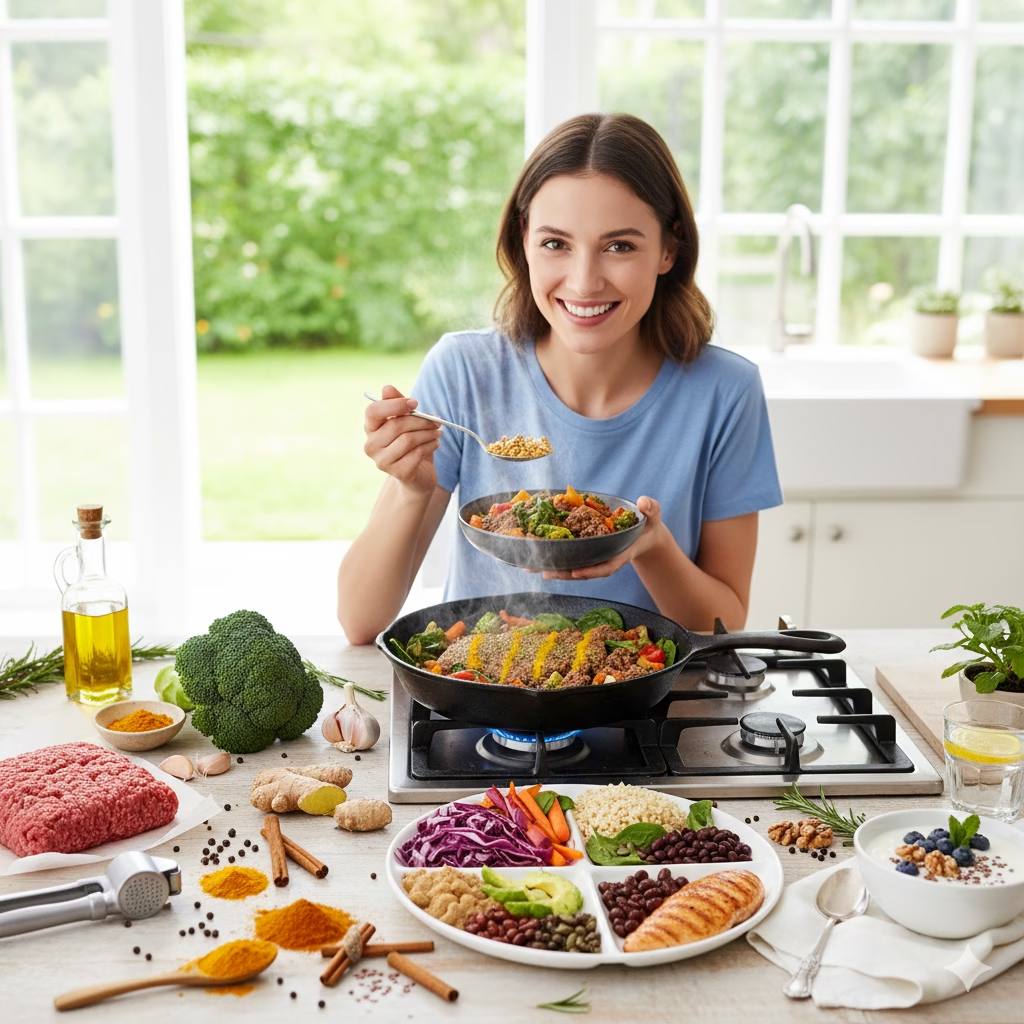
My journey to feeling better didn’t start with a magic pill; it started in my kitchen. Like many people, I was tired of feeling sluggish, dealing with unexplained aches, and wishing for more energy every day. I discovered the amazing power of food to either harm or heal, and that’s when everything changed. Now, I’m sharing the simple, effective Anti Inflammation Recipes like my favorite Vegetables With Ground Beef meal, which helped me transform my health, proving that good eating can be both easy and incredibly satisfying.
If you have ever felt like your body is fighting against you—maybe you have constant tiredness, sore joints, or tummy trouble—you might have chronic inflammation. This word is everywhere now, and there is a good reason why. Inflammation is the root cause of many common health issues today. The great news is that your best tool to fight inflammation is not a medicine; it is the food in your kitchen.
This is more than just a diet. Eating an anti-inflammatory diet is a new way of living. It focuses on giving your body nutrients that actively fight the cell stress that causes inflammation. We will talk about colorful, whole foods. These foods are rich in compounds that protect your body, healthy fats, and fiber.
The idea of changing your diet can feel huge, but anti-inflammatory cooking is actually simple, cheap, and, best of all, delicious. This article will show you how. We will focus on one of the most basic and satisfying meals you can make: Vegetables With Ground Beef. This powerful recipe, along with a full guide on how to add anti-inflammatory ideas to your daily life, will help you start feeling your best right away.
What is Anti-Inflammatory Eating?
Before we look at the recipe, let’s quickly talk about what anti-inflammatory eating really means.
Inflammation is a normal and necessary body reaction. It is how your body protects itself when you get hurt or sick. Think of the redness and swelling around a small cut. That is acute inflammation doing its job well. But when this reaction stays too long and becomes chronic, it starts to damage healthy body parts and cells. Chronic low-grade inflammation is often linked to things we do every day. This includes stress, not enough sleep, and, most importantly, eating bad food.
Anti-inflammatory eating is a plan to lower chronic inflammation. You do this by cutting back on foods that cause it. These include refined sugars, bad fats, and highly processed oils. You increase foods that fight it. These include colorful vegetables, oily fish, nuts, seeds, and special spices.
The Foods That Fight Inflammation Best
To succeed with Anti Inflammation Recipes, you need to know the most important ingredients:
- Omega-3 Fatty Acids: You find these in oily fish (salmon, sardines), walnuts, and flaxseeds. These fats directly compete with the bad Omega-6 fats that cause inflammation. They are vital for cell health.
- Antioxidants: You find these in dark colored fruits and vegetables (berries, dark green leaves). They stop free radicals. Free radicals are unstable molecules that damage cells and cause inflammation.
- Polyphenols: You find these in turmeric, green tea, and cocoa. These are strong plant compounds that powerfully fight inflammation and protect your body.
- Fiber: You find this in whole grains, beans, and vegetables. Fiber feeds the good bacteria in your gut. A healthy gut is essential for controlling how your body responds to inflammation.
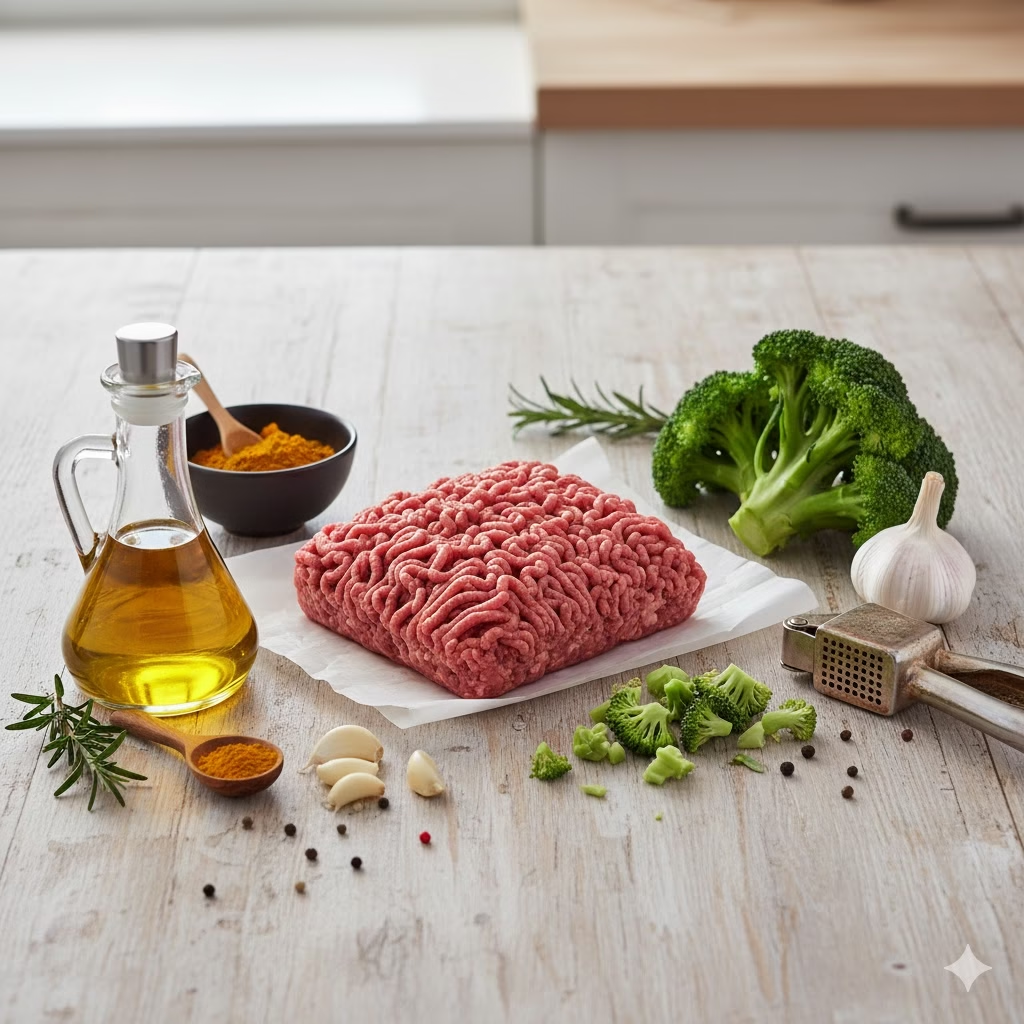
Feature Recipe: Power-Packed Vegetables With Ground Beef
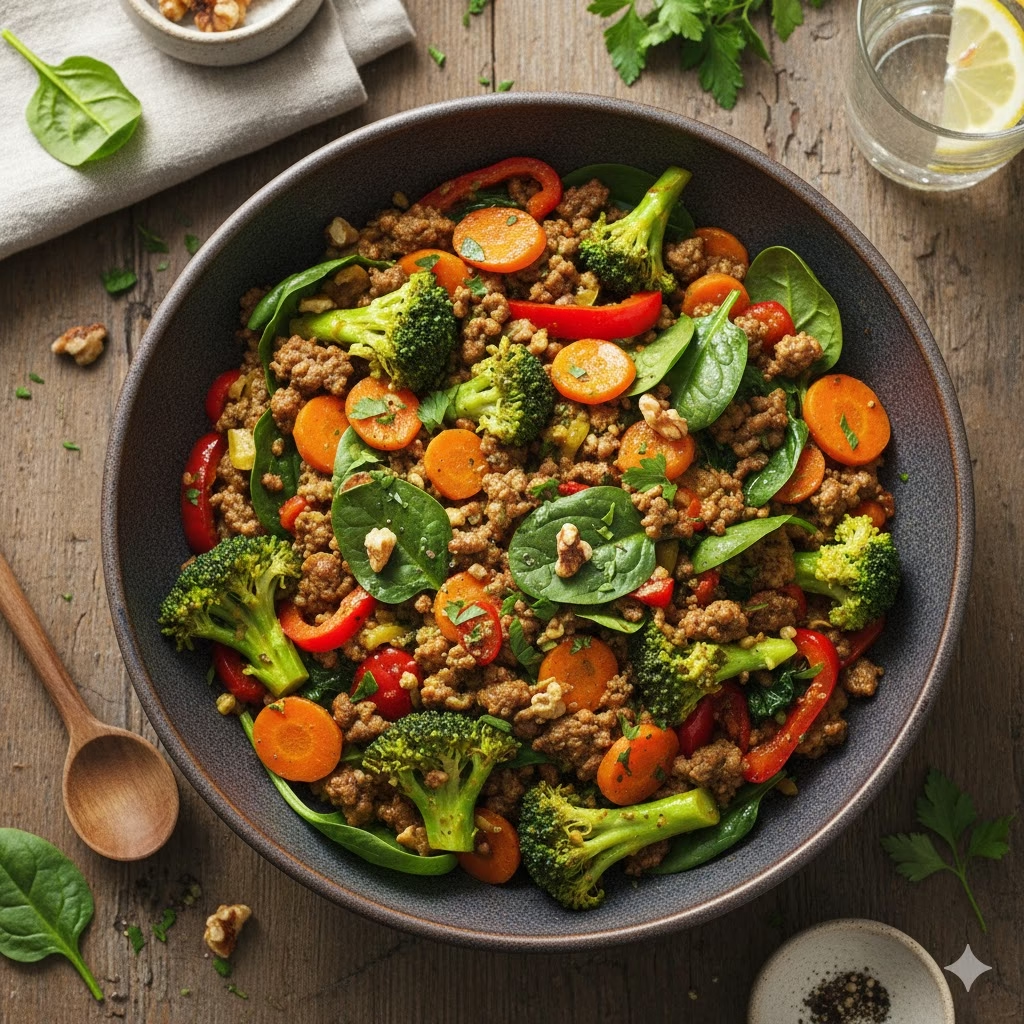
This recipe is a perfect example of a strong anti-inflammatory meal. It is a simple one-pan dish. And it brings together lean protein, a variety of colorful vegetables that fight inflammation, and strong spices. It is easy to change up, fast to make, and is great for leftovers.
Why the Ingredients Fight Inflammation
- Ground Beef (Grass-Fed is Best): People often worry about red meat, but quality matters a lot. Grass-fed beef is leaner. It has a better balance of anti-inflammatory Omega-3s than beef fed mainly on grain. It also gives you lots of zinc and iron.
- Broccoli: This vegetable has sulforaphane. This is a compound known for lowering inflammation and protecting against cell stress.
- Spinach/Kale: These dark leafy greens are full of vitamins A, C, and K. They also have strong compounds that help control inflammation.
- Turmeric: This golden spice contains curcumin. Curcumin is one of the most studied anti-inflammatory compounds we know of.
- Garlic and Onions: These vegetables have sulfur compounds. These compounds make your immune system stronger and help control inflammation.
- Olive Oil (Extra Virgin): This is a healthy fat rich in monounsaturated fats. It also has oleocanthal, a compound that fights inflammation in a way similar to ibuprofen.
Ingredients
- 1 tablespoon Extra Virgin Olive Oil
- A pound lean grass-fed Ground Beef
- 1 medium yellow Onion, cut into small pieces
- 4 cloves Garlic, cut into small pieces
- 1 cup chopped Broccoli florets
- A cup chopped Carrots
- 1 Red Bell Pepper, cut into small pieces
- A cup baby Spinach or chopped Kale
- 1 teaspoon Ground Turmeric
- 1/2 teaspoon Black Pepper
- 1 teaspoon Dried Oregano
- 1/2 teaspoon Sea Salt (add more if you need it)
- 1/4 cup Bone Broth or Water (optional, to keep it moist)
How to Do It: The Anti-Inflammatory Cooking Method
This way of cooking is planned to give you the best flavor and the most nutrients. It also keeps the steps very simple.
Step 1: Start the Flavor
- Heat the Olive Oil in a large skillet or deep pan over medium heat.
- Add the chopped Onion. Cook for 5–7 minutes until it looks clear and is soft. (Anti-Inflammatory Benefit: Cooking slowly helps keep the good parts of the oil and onions safe.)
- Add the cut Garlic. Cook for just one more minute until you can smell it strongly. (Anti-Inflammatory Benefit: Garlic’s immune-boosting power comes out when you heat it gently.)
Step 2: Cook the Beef and Add Spices
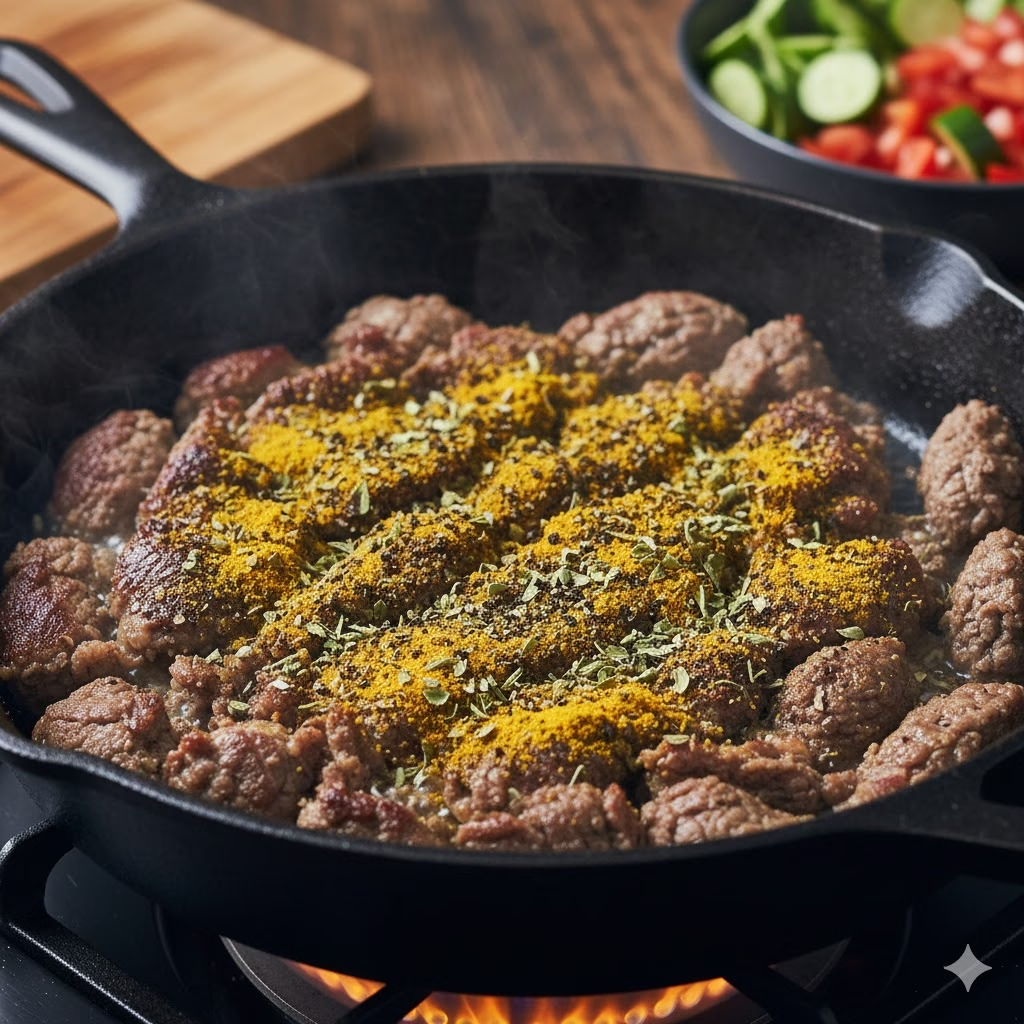
- Add the Ground Beef to the pan. Break it up with a spoon. Cook until the meat is fully browned.
- Once the beef is browned, pour out any extra fat if you need to.
- Stir in the Turmeric, Black Pepper, Oregano, and Sea Salt. (Anti-Inflammatory Benefit: Black pepper is very important. It greatly increases how well your body can use curcumin, the powerful anti-inflammatory compound in turmeric.)
Step 3: Add the Crunchy Color
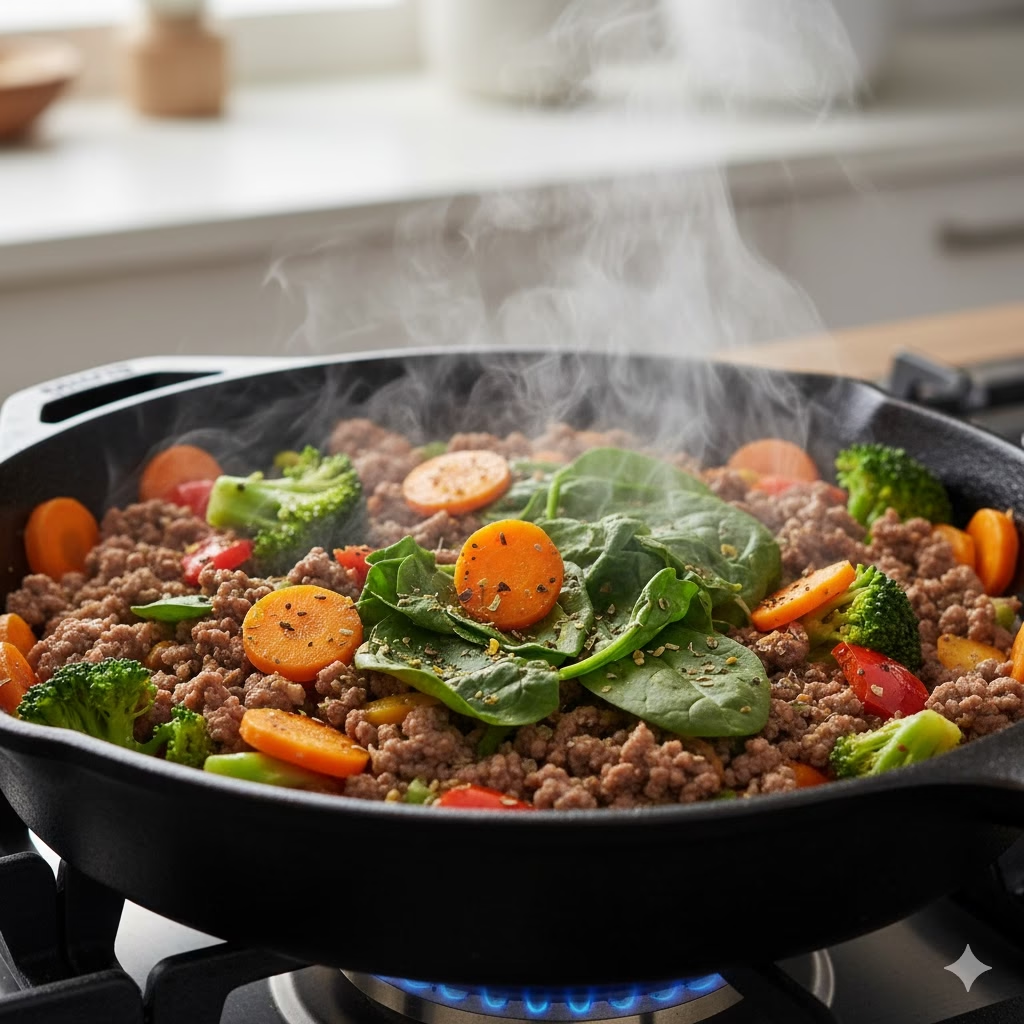
- Add the Carrots and Broccoli florets to the pan. Cook for 5–7 minutes. You want the vegetables to be a little soft but still slightly crunchy. This helps keep their nutrients.
- If the pan seems dry, add a small splash of Bone Broth or water. This also helps steam the harder vegetables.
Step 4: The Final Greens
- Stir in the chopped Red Bell Pepper and the Spinach or Kale.
- Cook for only 2–3 minutes. Stop when the spinach has shrunk down and the bell pepper is still a bit firm. You want to avoid cooking the greens too much. This helps them keep their maximum level of protective compounds.
Step 5: Serve and Boost
- Taste the food and add more salt or spices if you want.
- Serve right away. For an extra dose of Omega-3s and crunch, you can put a few chopped walnuts or flaxseeds on top of the bowl.
How to Do It: Eating Anti-Inflammatory Meals Every Day
Cooking one anti-inflammatory meal is a good start, but eating like this all the time is the real goal. Here is a ‘how to do it’ guide to make this way of eating easy to stick with.
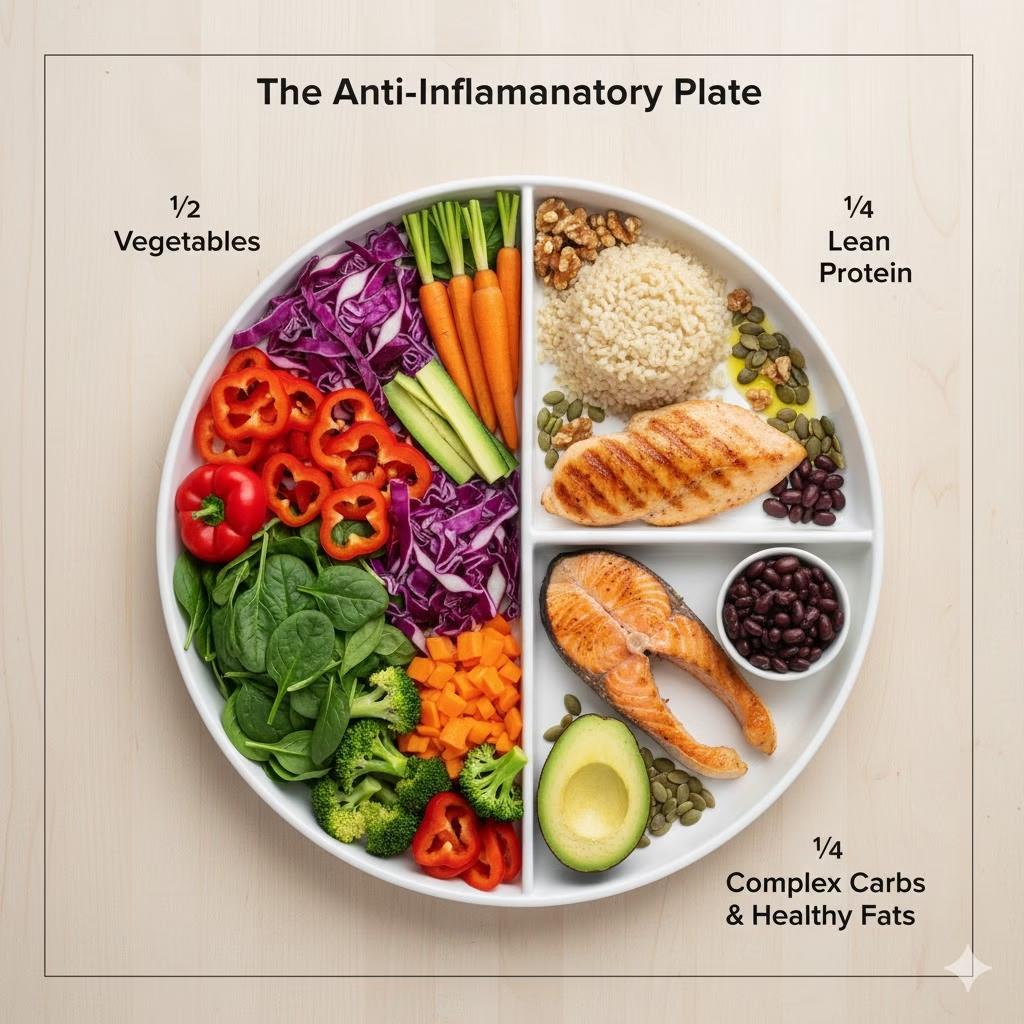
1. Get the Right Plate Balance
When you plan your meals (breakfast, lunch, and dinner), try to make your plate balanced. This means hitting all the things that fight inflammation:
- Half of the Plate is Vegetables: Eat a lot of different colors. More colors mean more types of protective compounds you are eating. Look for dark greens, reds, purples, and oranges.
- One-Quarter of the Plate is Lean Protein: This helps you feel full. It also helps your muscles fix themselves and keeps your immune system strong. Eat chicken, turkey, fish, grass-fed beef (like in our main recipe), eggs, or beans.
- One-Quarter of the Plate is Healthy Fats or Slow-Burning Carbs: Choose healthy, anti-inflammatory fats like avocados, nuts, seeds, and olive oil. Or, choose carbs with lots of fiber, such as quinoa, oats, brown rice, or sweet potatoes.
2. Use Your Spices Well
Your spice rack is full of concentrated power to fight inflammation. How to do it:
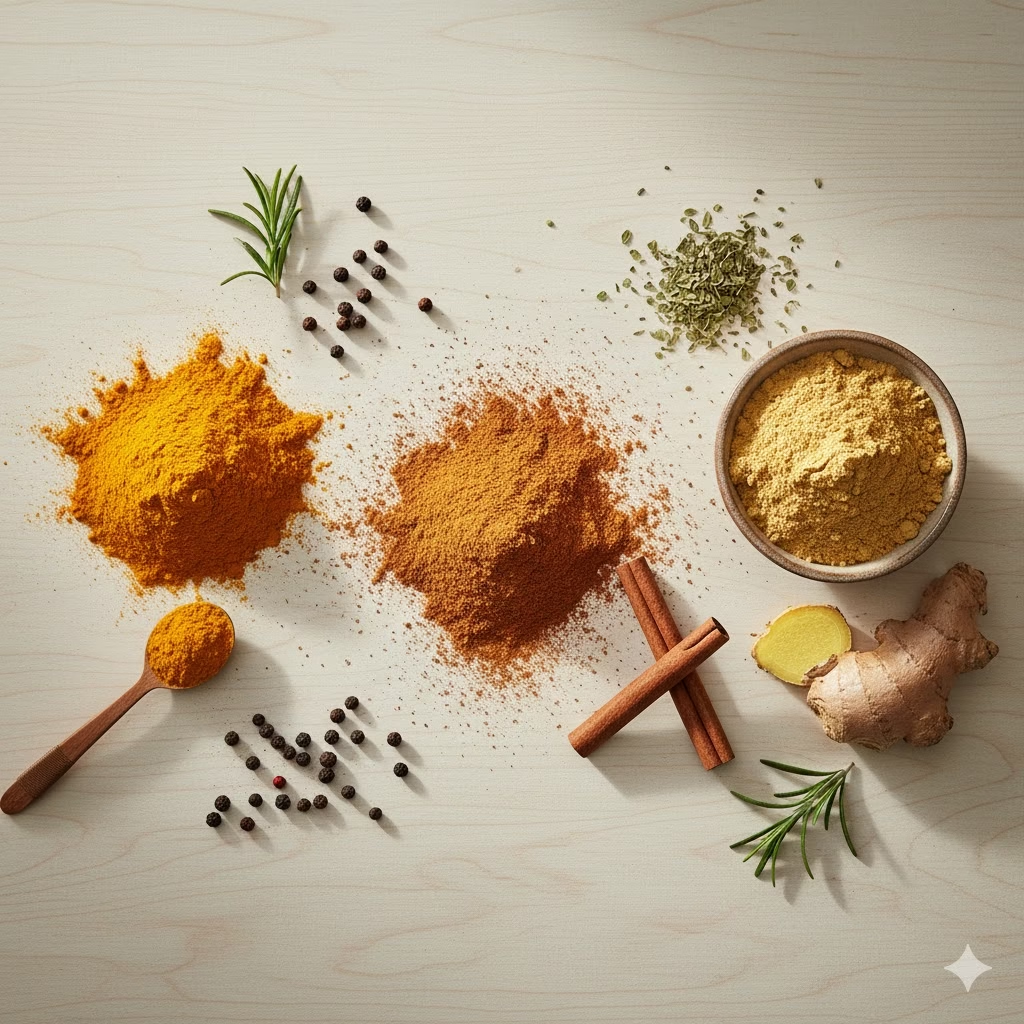
- Turmeric Paste: Mix turmeric powder with some black pepper and a healthy fat (like coconut oil). This makes a paste. Add a spoonful of this paste to your soups, stews, or cooked eggs every day.
- Ginger: Add fresh grated ginger to your fruit shakes, teas, or stir-fry dishes. Ginger has gingerols, which are powerful compounds that fight inflammation and protect your cells.
- Cinnamon: Use this to help keep your blood sugar steady. Keeping blood sugar steady is important for controlling inflammation. Sprinkle it on your morning oats, coffee, or add it when you bake healthy food.
- Herbs: Use fresh herbs like basil, rosemary, and thyme often. They have natural oils that protect your body.
3. Smart Snacking
Snacking is often where people struggle to eat healthy. How to do it: Stop eating processed snacks that cause inflammation. Start eating these anti-inflammatory snacks instead:
- Nuts and Seeds: A small amount of walnuts, almonds, or chia seeds gives you Omega-3s, fiber, and vitamin E.
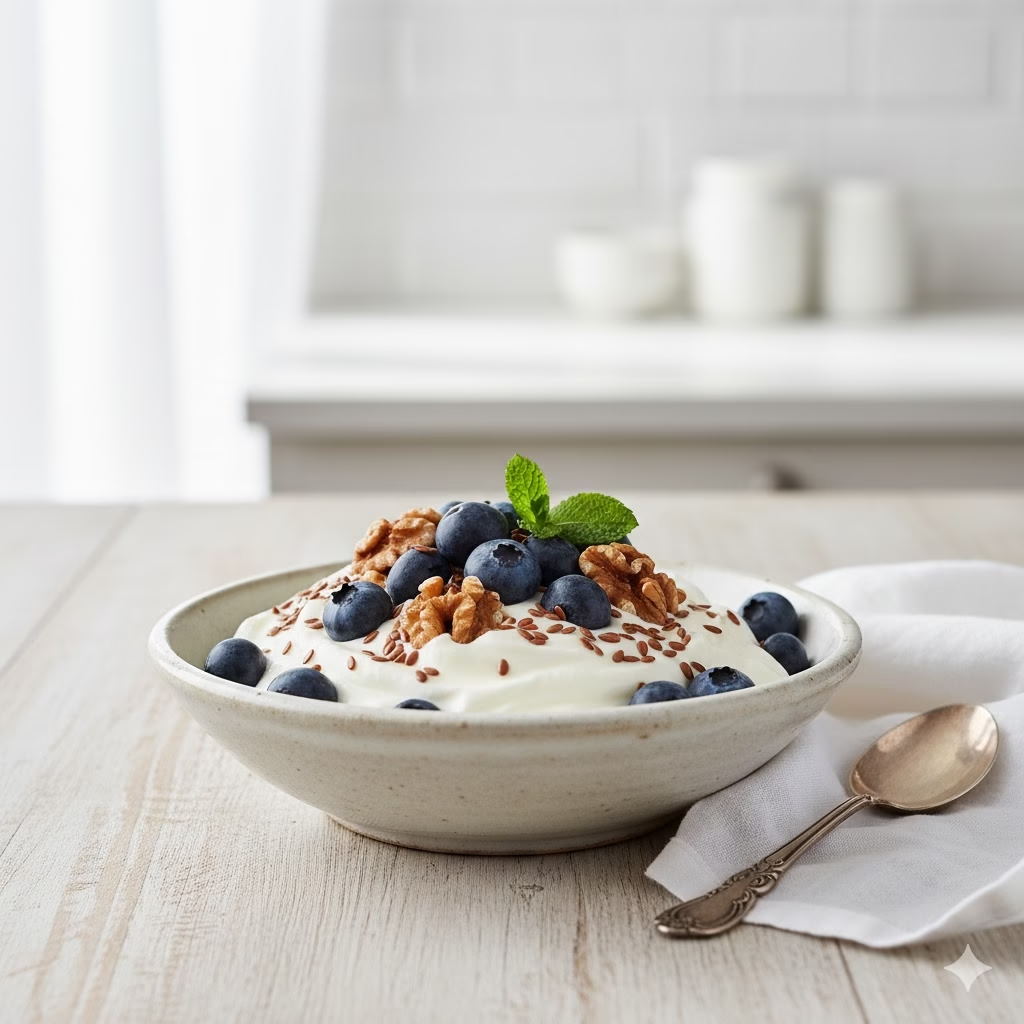
- Berries and Yogurt: A mix of blueberries or raspberries with plain, unsweetened Greek yogurt. Berries have little sugar and are rich in special protective compounds called anthocyanins.
- Vegetables and Hummus: Dip carrots, celery, or bell peppers into hummus. This is a satisfying snack with lots of fiber.
Sample Anti-Inflammatory Meal Plan
Eating different foods helps you stick to the plan for a long time. It also makes sure you get all the nutrients you need. Here are examples of easy Anti Inflammation Recipes to fill out your day:
| Meal | Focus on Anti-Inflammatory Foods | Example Recipe |
| Breakfast | Fiber, Omega-3s, Protective Compounds | Cooked oats topped with flaxseeds, blueberries, and a sprinkle of cinnamon. |
| Lunch | Lean Protein, Dark Greens, Healthy Fats | Big salad with grilled chicken or chickpeas, mixed green leaves, avocado, and dressing made with lemon juice and olive oil. |
| Dinner | Lean Protein, Many Colors, Spices | Vegetables With Ground Beef (our main recipe) served over a small amount of quinoa or shredded cauliflower. |
| Snack | Healthy Fats, Fiber | Apple slices with nut butter, or a hard-boiled egg. |
The Power of the Gut
A lot of inflammation starts in your gut. If your gut bacteria are not balanced (this is called dysbiosis), it can harm the gut lining. This lets molecules that cause inflammation get into your blood.
How to do it:
- Eat Fermented Foods: Eat foods like kimchi, sauerkraut, yogurt with live bacteria, or kefir. These foods are full of good bacteria (probiotics) that help balance your gut.
- Eat Foods with Prebiotics: Prebiotics are the food for your good gut bacteria. You find them in onions, garlic, asparagus, bananas, and oats. Our Vegetables With Ground Beef recipe uses onions and garlic for this very reason.
Why the Vegetables With Ground Beef Recipe Works So Well
This specific recipe is very powerful. It directly addresses many things that cause inflammation. At the same time, it gives your body the basic materials it needs to repair itself:
- It Has No Refined Sugar: Unlike many ready-made meals or take-out foods, this recipe has no sugar added. This helps keep your blood sugar levels steady, which is very important for managing inflammation.
- It is Packed with Nutrients: By combining lean protein, lots of colorful vegetables, and strong spices, you are giving your body a huge dose of vitamins, minerals, and plant nutrients in one simple dish.
- It‘s Good for Your Gut: The high amount of fiber from the broccoli, carrots, and spinach helps keep your gut healthy and full of many different kinds of good bacteria.
- It is Flexible: You can easily swap the beef for ground turkey, lentils, or tofu. You can also change the vegetables based on what you have or what is in season. This helps stop you from getting bored with eating well. You can add a little chili pepper for an extra kick that also helps your body fight inflammation.
Sticking With It: Tips for Success
Making this change needs effort, but the benefits—more energy, less pain, and better health—are worth the work.
- Prepare Meals Ahead of Time: Cook large amounts of basic foods on a Sunday. Cook things like the Vegetables With Ground Beef mix, quinoa, or roasted root vegetables. Having healthy food ready means you will not grab easy, unhealthy, high-inflammation foods when you are busy.
- Stay Hydrated: Drink plenty of water. Drinking enough water is necessary for every body process, including flushing out inflammatory waste.
- Check Food Labels: You need to look carefully. Look for hidden sugars, bad fats (trans fats), and fake ingredients, especially in sauces, dressings, and packaged snacks. If you cannot understand an ingredient, it is usually best to avoid it. Try to eat whole foods that only have one ingredient as much as you can.
Embracing Anti Inflammation Recipes is not about taking food away. It is about eating a lot of good food. It is about choosing bright, nourishing foods that actively help your body, instead of hurting it. Start with this simple and filling Vegetables With Ground Beef recipe. You will quickly begin to feel the amazing power of food.

Frequently Asked Questions (FAQ)
Q: Does all red meat cause inflammation?
A: Not necessarily. The studies show that the kind of red meat you eat matters most. Highly processed meats (like hot dogs or cold cuts) often cause inflammation. Lean, grass-fed ground beef, like the kind in our recipe, is better for you. It has less fat overall and more Omega-3s compared to beef fed on grain. It can be part of a healthy diet if you do not eat too much of it.
Q: Can I use frozen vegetables for the Vegetables With Ground Beef recipe?
A: Yes, absolutely. Frozen vegetables are usually picked when they are at their best and quickly frozen. This means they keep most of their nutrients. You might need to cook them a bit longer than fresh vegetables to make sure they are fully heated.
Q: How fast will I see a change when I eat an anti-inflammatory diet?
A: This is different for everyone. Some people feel better digestion and have more energy within one or two weeks. For others, it might take many weeks or months to notice a difference in long-term problems like sore joints. Staying consistent is the key to seeing good results over time.
Q: What is the single biggest change I should make today?
A: Stop eating added sugar and processed vegetable oils (like soy, corn, and cottonseed oils). These two things are thought to be the strongest causes of chronic inflammation in modern food. If you use natural sweetness and healthy fats like olive oil and avocado oil instead, you will see an immediate and important benefit.
Q: Do I need to stop eating gluten on this diet?
A: Not everyone has to stop eating gluten completely. If you have celiac disease or a doctor says you are sensitive to gluten, then you must avoid it. For other people, the goal should be to choose whole grains with lots of fiber (like oats, brown rice, or quinoa) instead of foods made from refined white flour. Refined grains can cause blood sugar to spike and add to inflammation.
References
- Harvard Health – Foods that fight inflammation
- NIH – Health implications of high dietary omega-6
- Centaur – Low-grade inflammation, diet composition and health
Recent Posts