Moving into a tiny home is about more than just downsizing; it’s about making every single decision count. I have spent years exploring how to make small spaces feel grand. Door Types are one of the most overlooked, yet critical, parts of achieving that balance. Join me as I explore perfect door solutions. These solutions can transform your own tiny house ideas into a comfortable, functional reality.
Maximizing Space and Light: The Essential Tiny Home Door Guide
Every square inch matters when you design a modern tiny home. Standard doors work well in large houses, but they create problems in small spaces. A traditional hinged door demands a large ‘swing radius.’ This wide, clear floor space robs you of usable area for furniture or movement. The right door does more than just give you entry; it becomes a design feature, offers a source of light, and acts as a crucial space-saving device that improves tiny house living.
Your goal is to choose door types that move along the wall or hide inside it. This minimizes their effect on the floor plan. This guide will explore the best options. It includes design examples and practical ‘how to do it’ installation advice.
1. Sliding Barn Doors: The Modern Classic for Tiny Homes

Sliding barn doors are perhaps the most popular and practical internal door types for modern tiny homes. They do not swing open. Instead, they glide along a track. You fix the track above the door frame. The door rests flat against the wall when open.
Why It Works for Tiny Homes Interior
- No Swing Space: This is the greatest benefit. It removes the swing. You free up many square feet of floor space.
- Design Feature: They offer a great chance to add style. Use old wood for a rustic look. Use smooth metal and glass for a clean, modern tiny home style.
- Easy Setup: The system is simple. This makes it a popular choice for people doing their own work.
Examples and Tiny House Ideas
- The Bathroom Divider: A barn door is ideal for separating the main area from the bathroom. Space is very limited there.
- Dividing Sleeping and Living: Use two barn doors (bi-parting) to close off a bedroom on the main floor for privacy. You can also keep them open to make the living area feel larger.
- Chalkboard or Mirror: For best use, cover the inside of the barn door with a full-length mirror. This makes the space look bigger. Or use a chalkboard for notes and lists.
How to Do It: Installation Basics
- Choose the Hardware: Pick a track that is at least twice the width of your door opening. High-quality nylon or rubber wheels are necessary for quiet, smooth gliding. This is a must for tiny house living.
- Check Wall Strength: The track must be securely screwed into the wall studs or support blocks. The door hangs completely from the track. Thus, the wall must be very strong to hold the weight.
- Install the Door Guides: Small guides are mounted on the floor. These guides (often a little T-shape) stop the bottom of the door from swinging out. They are subtle but vital for safe, smooth use.
2. Pocket Doors: The Invisible Space Saver
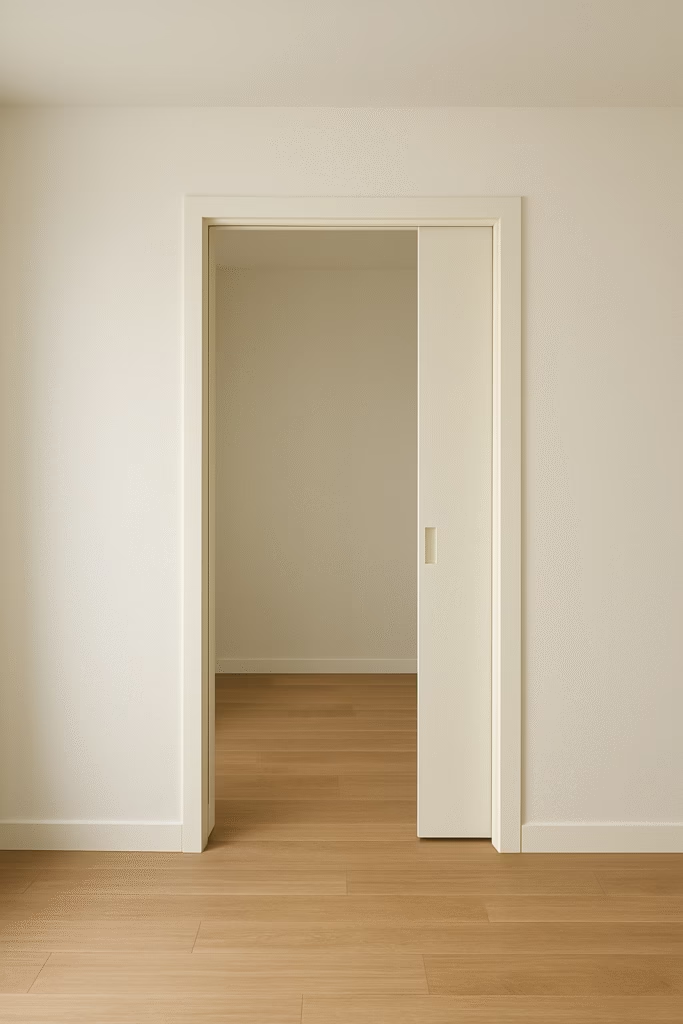
A pocket door is like a sliding door. However, it does not glide on the outside of the wall. It slides directly into a space you build inside the wall. People call this space a ‘pocket.’
Why It Works for Tiny Homes Interior
- Complete Hiding: When open, the door completely vanishes into the wall. This offers the smoothest path. It maximizes wall space for pictures or furniture.
- Clean Looks: For a tidy, high-end, modern tiny home style, pocket doors keep the focus on the tiny homes interior design. They hide the hardware.
Drawbacks to Consider
- Harder to Install: Putting in a pocket door later can be tough. It means cutting open the wall to put in the pocket frame. It is best planned when the house is first framed.
- No Wall Access: You cannot hang heavy things (like shelves or cabinets) on the part of the wall where the door slides. The pocket holds the door and its parts.
How to Do It: Framing the Pocket
- Install the Pocket Frame: Pre-made pocket door frame kits are sold. They make the job easier. They include a top beam, split studs, and the track parts.
- Allow for Thickness: The wall must be a bit thicker than standard 2×4 framing. This is to hold the door’s thickness and the frame kit. This is key for saving space in tiny house living.
- Track Setup: The track is attached to the top beam. After the pocket frame is in, the door is attached to the hangers. It is then rolled into the track. Wallboard is then put over the frame.
3. French and Patio Doors: Bringing the Outdoors In
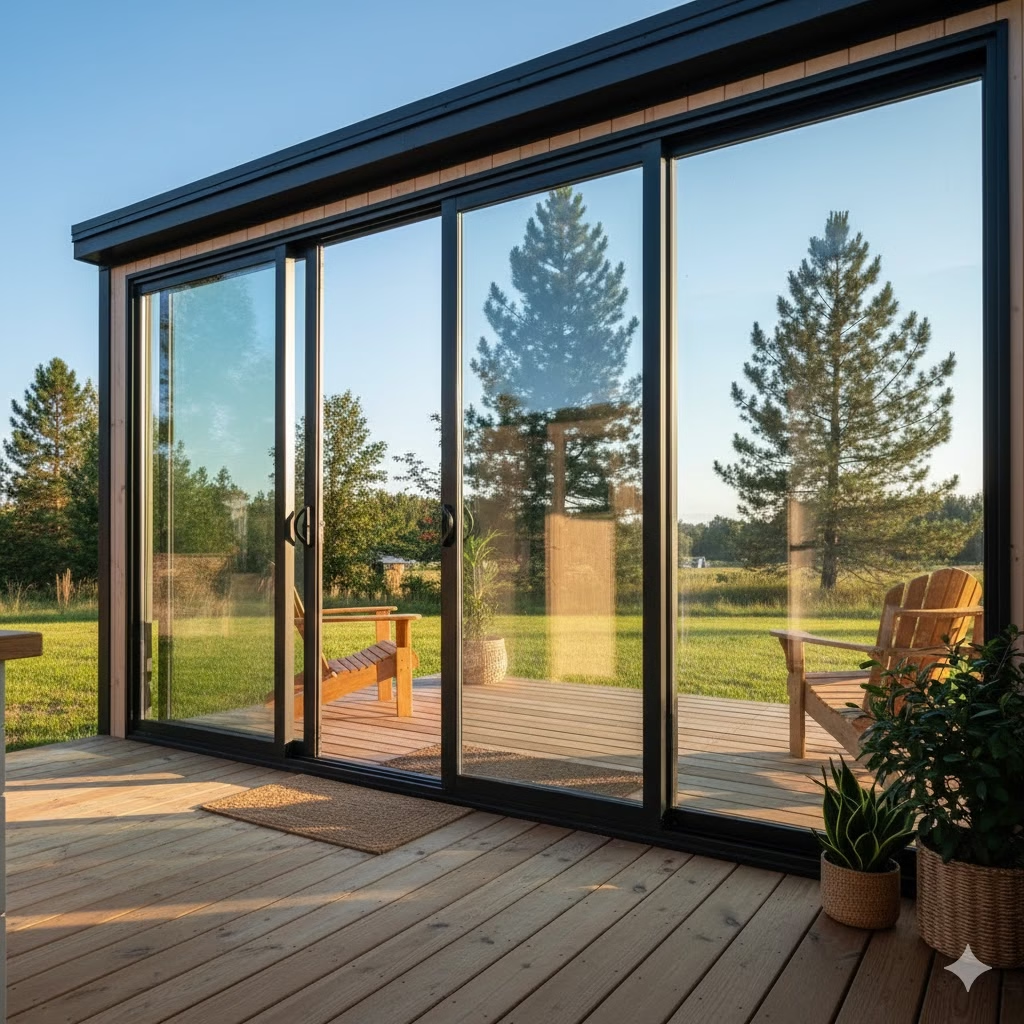
Inside doors save space. But the exterior door is where you can greatly increase the feeling of space and light. For modern tiny homes, large glass doors are vital for making the home feel big.
Why It Works for Tiny Homes
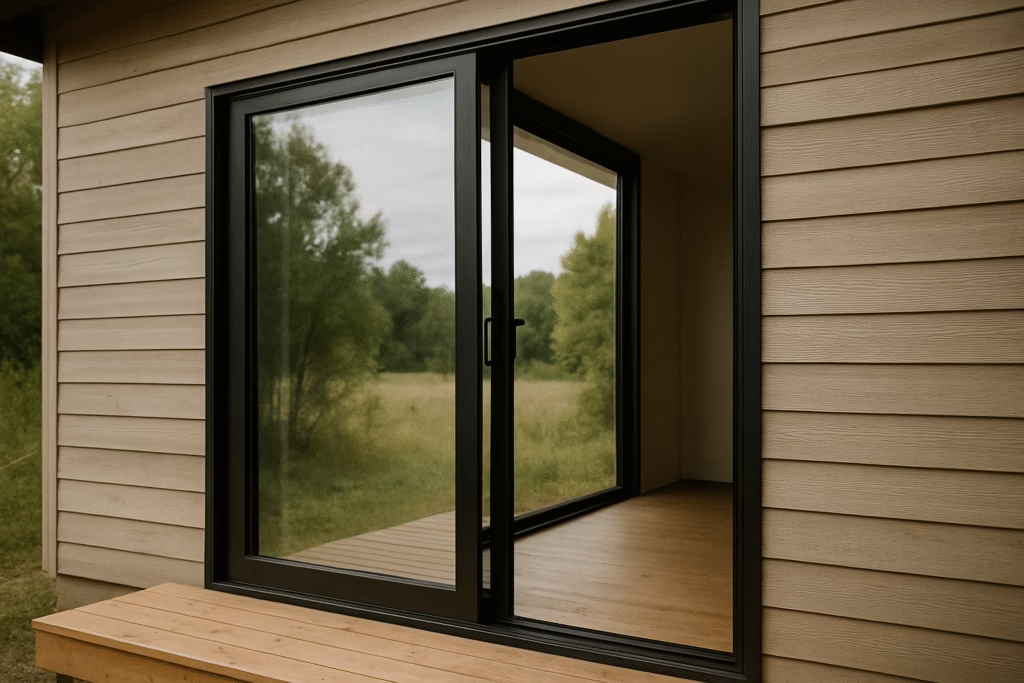
- Light and View: Large glass panes fill the tiny homes interior with natural light. This makes the space feel much bigger and less cramped. They link the inside to the world outside.
- Easy Inside/Outside Flow: When they open onto a deck or patio, these doors basically double your usable living space. This is the best tiny house idea.
- Good Looks: They add to the smooth, open look of a modern tiny home.
Door Types Breakdown
- Sliding Patio Doors: These are the most space-saving outside option. They work like barn doors but are sealed against weather. They need no swing room.
- French Doors (Double In-Swing): These add a classic, nice appearance. But they need a big, clear floor space for their inward swing. They are best used as a main door feature on a non-busy side of the house.
- Folding or Bi-Fold Doors: A costly choice. They let a whole wall section fold open like an accordion. This offers an amazing, wide-open feeling.
How to Do It: Sealing and Security
- Covering and Sealing: Outside doors can leak. Use high-quality sealing tape and caulk around the opening. Do this before putting in the door frame. This ensures a waterproof seal. This is crucial for protecting your small house.
- Think About Heat Value (U-factor): In tiny house living, keeping the temperature right is important. Choose double- or triple-pane Low-E (low-emissivity) glass. This maximizes insulation. It lessens heat transfer.
- Safe Hardware: Make sure the lock and bolt parts are strong. This is especially true for large areas of glass. Locks that fasten in many places are strongly suggested for big patio and French doors.
4. Bifold and Accordion Doors: Flexible Separation
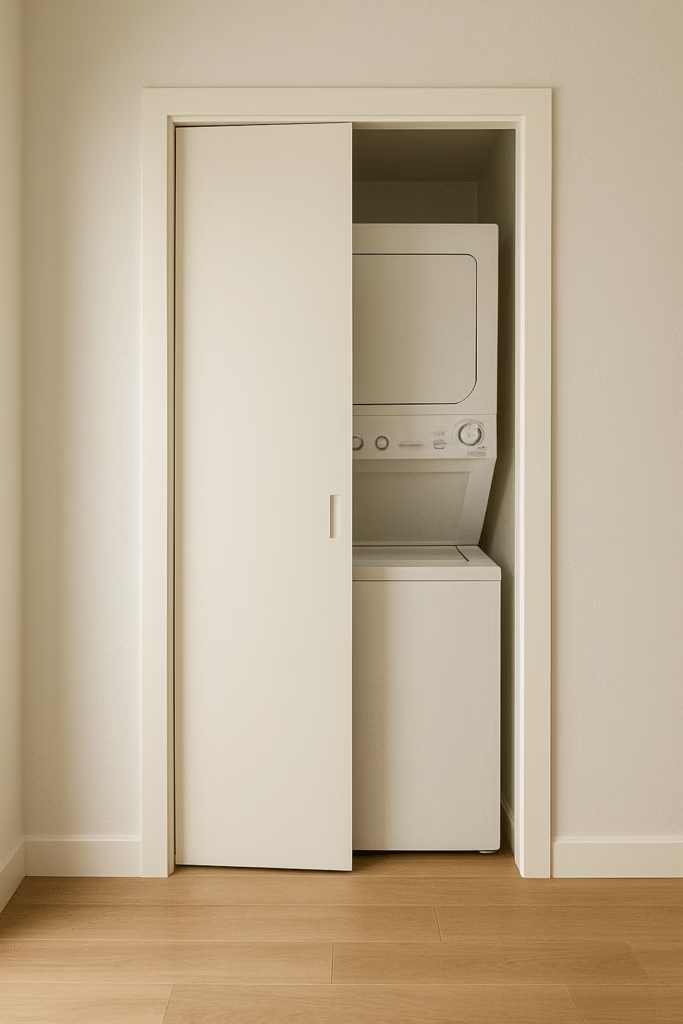
Inside bi-fold or accordion doors consist of two or more panels. These panels fold against each other as they open. This action cuts the needed swing space in half.
Why It Works for Tiny Homes Interior
- Closets and Utility Spaces: They are the perfect choice for small storage areas, wardrobes, or hiding a combined washer/dryer unit. They allow wider access to the space than a regular hinged door.
- Dividing Multi-Use Areas: You may have a flexible space. It may be both an office and a guest room. Bifold or accordion door types can be used as a flexible wall. They provide short-term privacy.
Examples and Tiny House Ideas
- The Appliance Hider: Use a clean, flat-panel bi-fold door to conceal a fridge or pantry. This makes it blend smoothly into the cabinets. This gives a unified modern tiny home look.
- Locker Storage: Put in many narrow bi-fold doors next to each other. This creates a bank of reachable, locker-style storage.
How to Do It: Selecting the Right Panels
- Panel Material: For small utility doors, light core materials are fine. For larger room dividers, choose solid core panels. They offer better sound blocking and a heavier feel. This fits well with tiny house living standards.
- Track and Pivot: Make sure the top track is secure. Check that the pivot points (the pins on the top and bottom) are set correctly. This ensures a smooth operation without wobbling.
5. Hinged Doors (But with a Twist): Where They Still Have a Place
We usually avoid standard hinged doors. But there are times in a modern tiny home when they are still the best, most useful choice. You just need to be smart about where you put them.
The Tiny Home Twist
- The Out-Swing Exterior: For the main entry door, choose a door that swings out. This choice immediately removes the swing space inside the tiny homes interior. This saves a lot of space and also adds a layer of safety, because people cannot easily kick the door in. Please note: Ensure your hardware and hinges are designed for outdoor use and security.
- The Half-Door (Dutch Door): This is a clever, charming tiny house idea. A Dutch door is split in the middle. The top half can swing open while the bottom stays closed. This is great for fresh air. It is like having a half-window. It keeps pets or small kids safely inside.
How to Do It: Out-Swing Configuration
- Hinge Placement: Out-swing doors need hinges with pins that cannot be removed. This stops them from being easily lifted off the frame from the outside.
- Threshold and Sweep: The door swings out and seals against the exterior door stop. You need a very strong threshold and door sweep. This stops water from getting in. This is mandatory for tiny house living.
Conclusion: Door Selection as Design Strategy
Choosing door types in your modern tiny home should be a key design plan. It is more than just needing a door. When you choose sliders, pockets, and out-swing setups, you get back important floor space. You increase the light flow. You create an inside look that feels open, tidy, and bigger than its actual size.
Smart door choices are the sign of efficient, pleasant tiny house living. Adopt these tiny house ideas. They ensure that every door in your home opens up opportunity, not just another room.
Frequently Asked Questions (FAQ)
Q: Are sliding barn doors good for soundproofing in a tiny home?
A: Generally, no. Sliding barn doors leave a small gap between the door and the wall. Sound can easily travel through this gap. If sound privacy is vital (like for a bedroom or office), a pocket door with a solid core panel will block sound better. It seals more tightly in the frame.
Q: Which exterior door type is the most secure for a tiny home?
A: A high-quality, solid-core out-swing hinged door is often seen as the safest. Since it swings outward, you cannot kick it in. It is key to match it with a high-security lock (like a lock that fastens in many places) and a strong frame.
Q: Can I use mirrored door types to make my tiny homes interior look bigger?
A: Yes, absolutely. This is an excellent tiny house idea. Use a mirrored panel on a sliding barn door. Or put a full-length mirror on the back of a closet door. This reflects light and the visual space. It creates the feeling of a much larger room.
Q: Is it worth the extra cost to install a pocket door over a barn door?
A: A pocket door is worth the money if you want a seamless, completely clear wall for your modern tiny home design. It looks the cleanest. However, if easy setup, simple repair, and a bold design are more important, the cheaper sliding barn door is a better fit for tiny house living.
Q: What is the best material for tiny home doors to maximize energy efficiency?
A: For outside doors, choose insulated fiberglass or steel doors. They should have a good foam core and a thermal break. For inside doors, a solid wood or solid-core material will block sound better. It will also feel more substantial than hollow doors.
References
- Rex Research 1 – Tiny House Design & Construction Guide
- Innova Panel – Home Page
- Instructables _ Building My Tiny House Door
Recent Posts