We all know that what we eat has a huge effect on our health, especially our gut health. But today, walking through the grocery store is confusing. Shelves are full of processed foods that are fast, flavorful, and easy. Unfortunately, many of these packaged items look nothing like the whole foods they came from, making it harder to choose gut healthy meals.
This shift in our diet has started a hidden fight inside our bodies. This fight is mainly against a critical system: our gut.
For too long, we ignored the complex life inside our digestive system. This is our gut microbiome. It is a busy community of trillions of tiny living things, like bacteria and fungi. This community is key to many important jobs. It helps us digest food and absorb nutrients. It controls our immune system and even affects our mood. When this delicate balance is upset, the results can be serious. You might feel simple gut discomfort, or you could face chronic health problems.
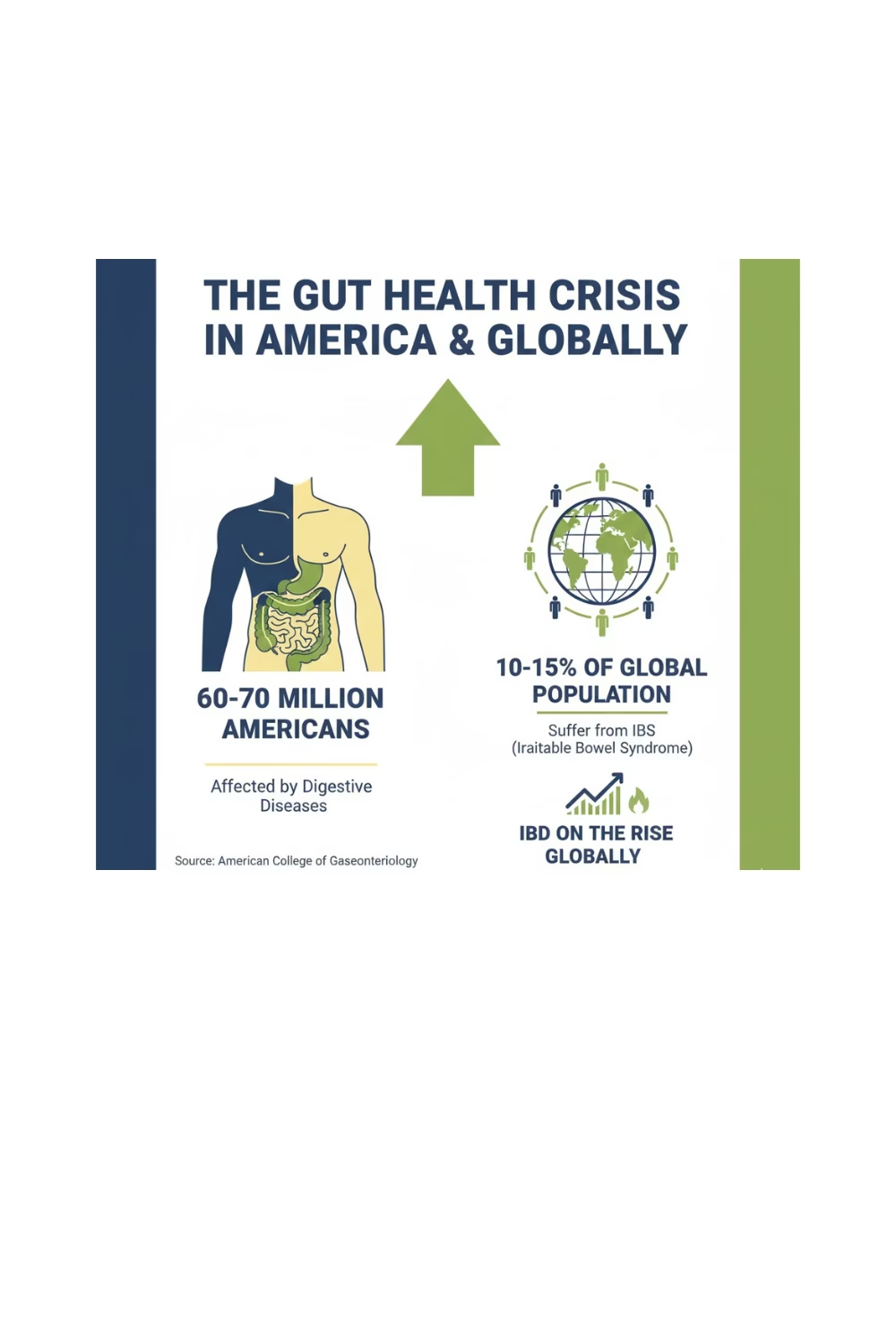
The evidence is clear. Many people are suffering from gut-related issues.
- The American College of Gastroenterology reports that 60 to 70 million Americans are dealing with digestive diseases.
- Conditions like Irritable Bowel Syndrome (IBS) affect about 10-15% of people worldwide. Many more suffer from daily bloating, gas, stomach pain, and general gut issues.
- Data also shows a large and global increase in inflammatory bowel diseases (IBD). This affects millions. Experts believe diet and environment are major factors.
| Statistic | Description |
| 60 to 70 million Americans | The estimated number of people in the United States affected by digestive diseases, according to the American College of Gastroenterology. |
| 10-15% of the global population | The estimated percentage of people worldwide affected by Irritable Bowel Syndrome (IBS). |
| Millions | The general scope of people impacted by a significant rise in inflammatory bowel diseases (IBD) globally. |
The truth is simple: our gut health is in trouble. A main cause is sitting right on our plate. It is the industrial food system and its heavy focus on ultra-processed foods.
What Are Processed Foods, Really?
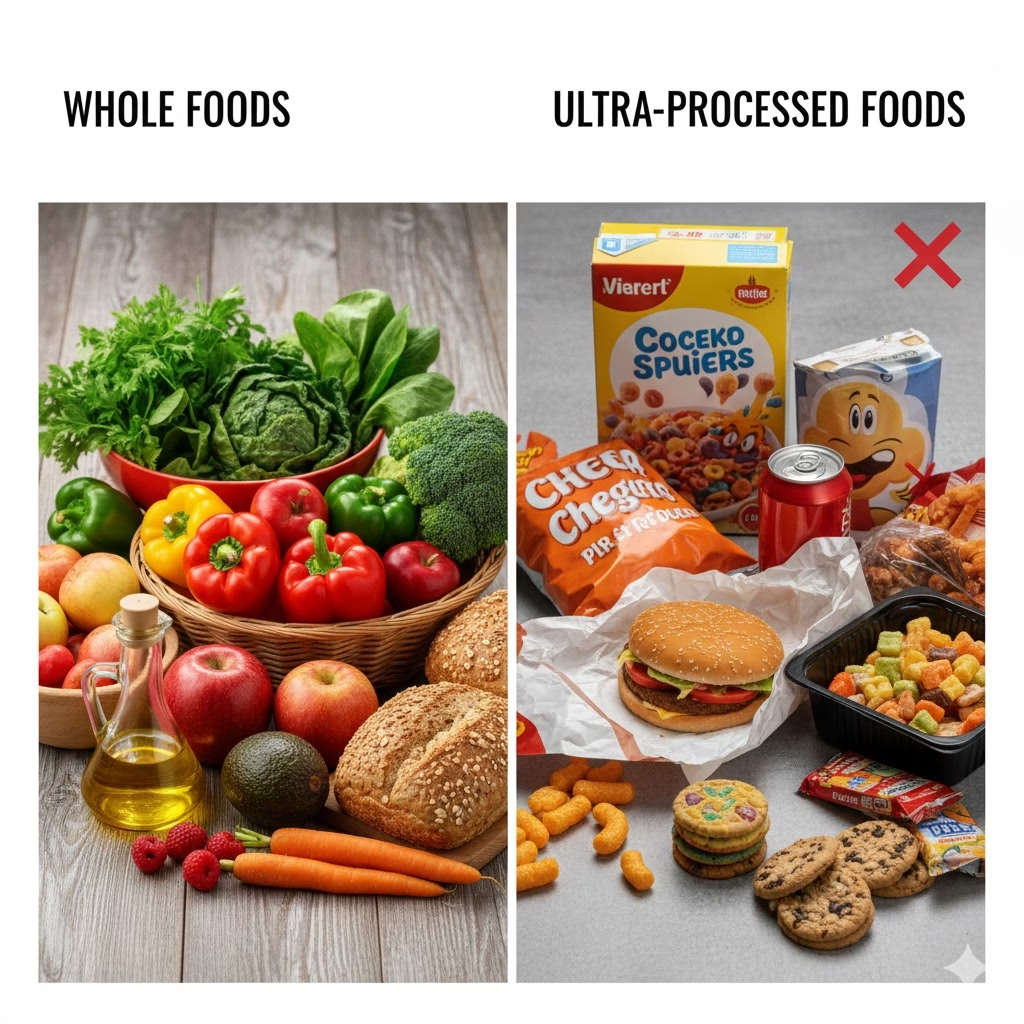
We need to understand what we mean by “processed foods.” The term can cover a lot. Cutting an apple or freezing peas is a type of processing. The real problem, however, is with ultra-processed foods (UPFs).
These are products made in a factory. They are usually ready-to-eat or quick to heat up. They contain few, if any, real whole foods. Companies make them using cheap ingredients. They are engineered to taste amazing, sell for a high profit, and last a long time on the shelf. These foods include many familiar items:
- Packaged snacks like chips, cookies, and pastries
- Sweetened drinks
- Ready-to-eat breakfast cereals
- Instant meals and noodles
- Processed meats like sausages, hot dogs, and deli slices
- Candy and most fast food meals
The issue with UPFs is not just that they are changed. The key issue is how they are changed, what they contain, and what they are missing.
The Simple Truth: How Processed Foods Harm Your Gut

Science clearly shows that eating processed foods often harms your gut. Here is a closer look at what happens:
1. The Fiber Problem: Good Bacteria Go Hungry
The biggest problem with processed foods is their serious lack of dietary fiber. Fiber is more than just material to help you go to the bathroom. It is the main source of food for the friendly bacteria in your gut.
When these good microbes ferment fiber, they create important compounds. These are called Short-Chain Fatty Acids (SCFAs). Butyrate, acetate, and propionate are three key SCFAs. They are vital for your body because they:
- Keep your intestinal lining strong and healthy.
- Help fight inflammation.
- Give energy to your colon cells.
- Support your immune system.
If your diet is low in fiber, your good bacteria starve. This reduces the number of different microbes in your gut. This imbalance is called dysbiosis. It allows bad bacteria to grow easily. Dysbiosis is the root of poor gut health.
2. Sugar, Bad Fats, and Inflammation
Processed foods usually have high amounts of added sugars, trans fats, and saturated fats.
- Too Much Sugar: Eating lots of simple sugar can make harmful, inflammatory bacteria and yeasts grow faster. This leads to an unbalanced gut. It can also hurt your gut lining, causing a “leaky gut.” When the gut lining is too porous, toxins and food particles leak into the blood. This starts inflammation across your whole body.
- Unhealthy Fats: Eating too much of certain fats, like hydrogenated vegetable oils, causes problems. High levels of Omega-6 fatty acids without enough Omega-3s can also hurt the gut. These fats create an inflammatory state and weaken the gut barrier.
3. Additives: The Sneaky Gut Disruptors
The various additives in processed foods are a major health concern. They are not normal cooking ingredients. Companies add them to make food taste, look, and feel better, and to extend its shelf life. Many have been shown to negatively affect the gut.
- Emulsifiers: Common emulsifiers are everywhere, in things like ice cream and salad dressing. Examples include CMC (E466) and Polysorbate 80 (P80, E433). Studies show they can hurt the protective mucus layer in the gut. They change the gut bacteria. This can lead to increased gut permeability, or “leaky gut,” and chronic swelling.
- Artificial Sweeteners: These are promoted as healthier than sugar. But sweeteners like sucralose (E955) and aspartame (E951) change the makeup and function of your gut microbes. These changes can affect how your body handles sugar and may lead to inflammation.
- Nitrates and Nitrites: These are preservatives found in processed meats. They can form compounds in your gut that harm bacteria. This is linked to inflammation and a higher risk of some cancers.
4. Loss of Good Nutrients: The Cycle Gets Worse
When you fill your plate with processed foods, you eat less whole, nutritious food. This is a negative cycle. You miss out on the vital vitamins, minerals, antioxidants, and diverse fibers. These good things are found in fruits, vegetables, whole grains, and beans. Your gut needs these elements to stay strong. This constant lack reduces your good bacteria and makes your gut weak.
The Big Impact: More Than Just Stomach Aches
The effect of a processed food diet goes far beyond occasional gas or bloating. A damaged gut and a porous lining are now known to cause many long-term health issues:
- Digestive Problems: Long-term gut inflammation is a key feature of IBD and worsens IBS symptoms.
- Metabolic Issues: The link between gut imbalance and obesity, type 2 diabetes, and insulin resistance is becoming clearer. A sick gut changes how your body processes sugar and stores fat.
- Immune Problems: A “leaky gut” may play a role in some autoimmune diseases. It can cause your immune system to overreact.
- Mental Well-being: Your gut and brain constantly talk to each other. An unhealthy gut can change your mood, increase anxiety, and affect how you think. This is due to changes in brain chemicals and body inflammation.
- Weakened Defenses: A large part of your immune system is in your gut. When the gut is damaged, your ability to fight off sickness and stay healthy is lowered.
Taking Back Control: Your Gut Health Plan
The good news is that your gut can heal quickly. It responds well to simple, positive changes. By choosing your food carefully, you can start to bring back balance.
Focus on Real, Whole Foods
The key to a healthy gut is to go back to the basics:
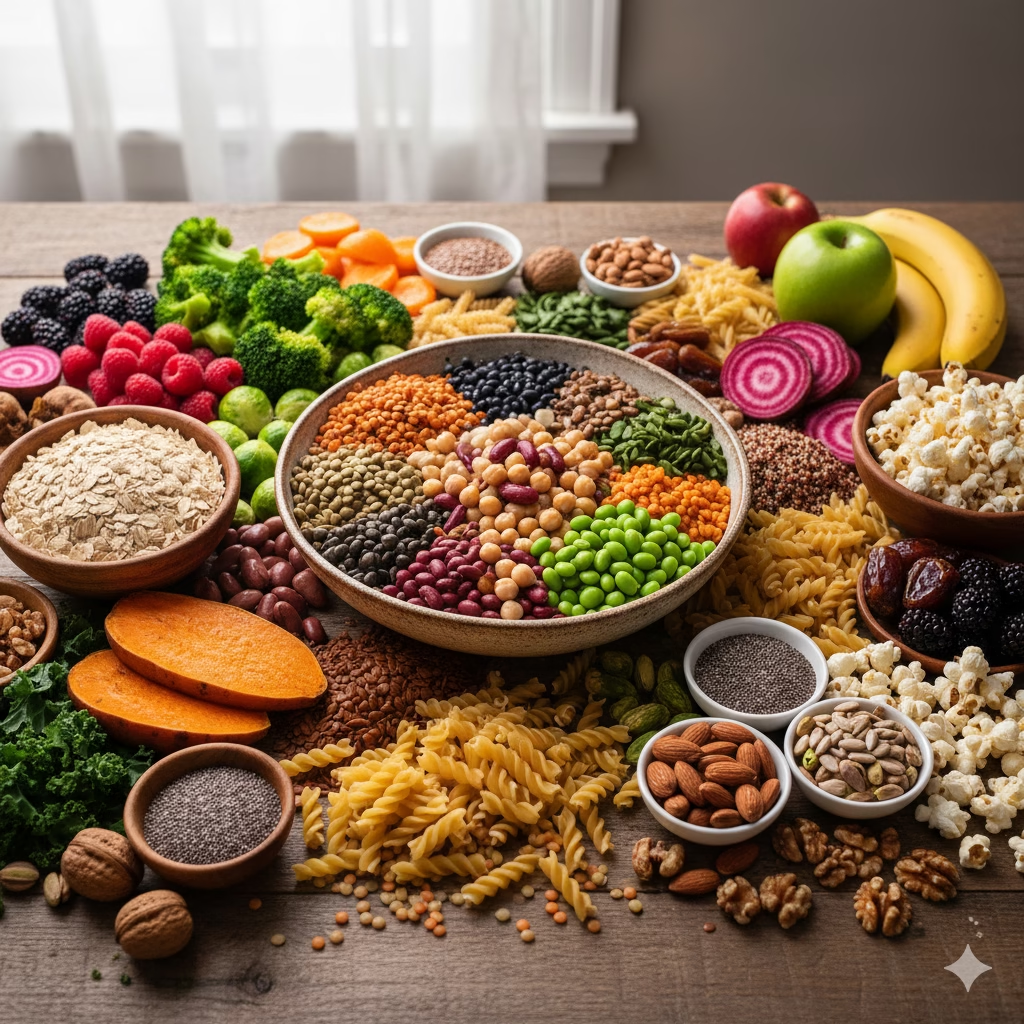
- Eat Lots of Fiber: Eat many different kinds of fruits, vegetables, beans, nuts, seeds, and whole grains. These are the prebiotics your good bacteria love.
- Choose Clean Proteins: Select fish, chicken, eggs, and plant-based proteins.
- Add Healthy Fats: Use avocados, olive oil, and fatty fish that are rich in Omega-3s.
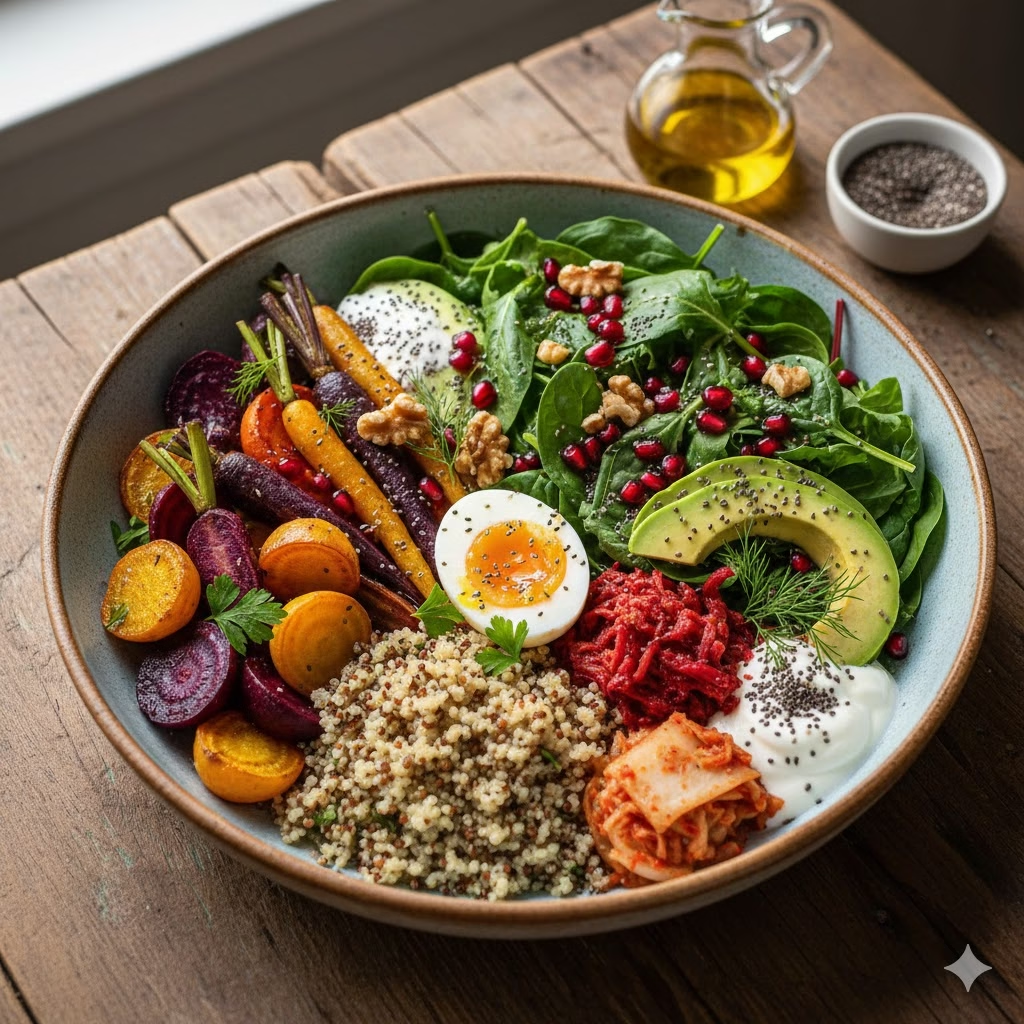
- Try Fermented Foods: Eat foods rich in good bacteria, like yogurt, kefir, sauerkraut, and kimchi. This helps replace and boost your good microbes.
Read Labels Smartly
You need to be a detective when you shop. Don’t trust only the words on the front of the package.
- The Ingredient List: If the list is long or has words you cannot easily say, or if it lists many additives (especially emulsifiers), put the product down.
- The Nutrition Panel: Check the levels of added sugar, saturated fat, and fiber. Look for more fiber and less sugar.
Cook Food at Home More Often
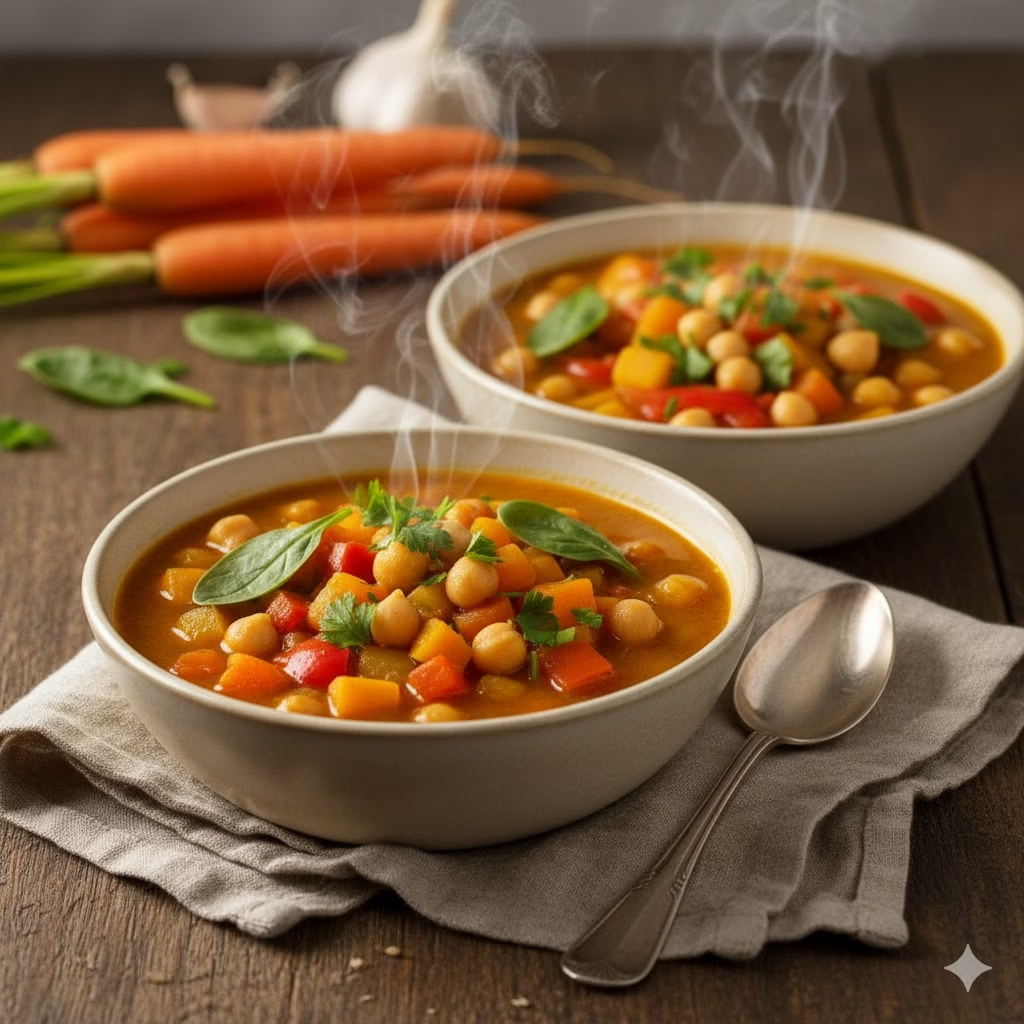
Cooking gut healthy meals gives you full control. You know exactly what you are eating and you can avoid hidden additives and heavy processing. Try new, easy recipes and enjoy feeding your body well.
A Simple Support for Your Gut: Making Health Easy
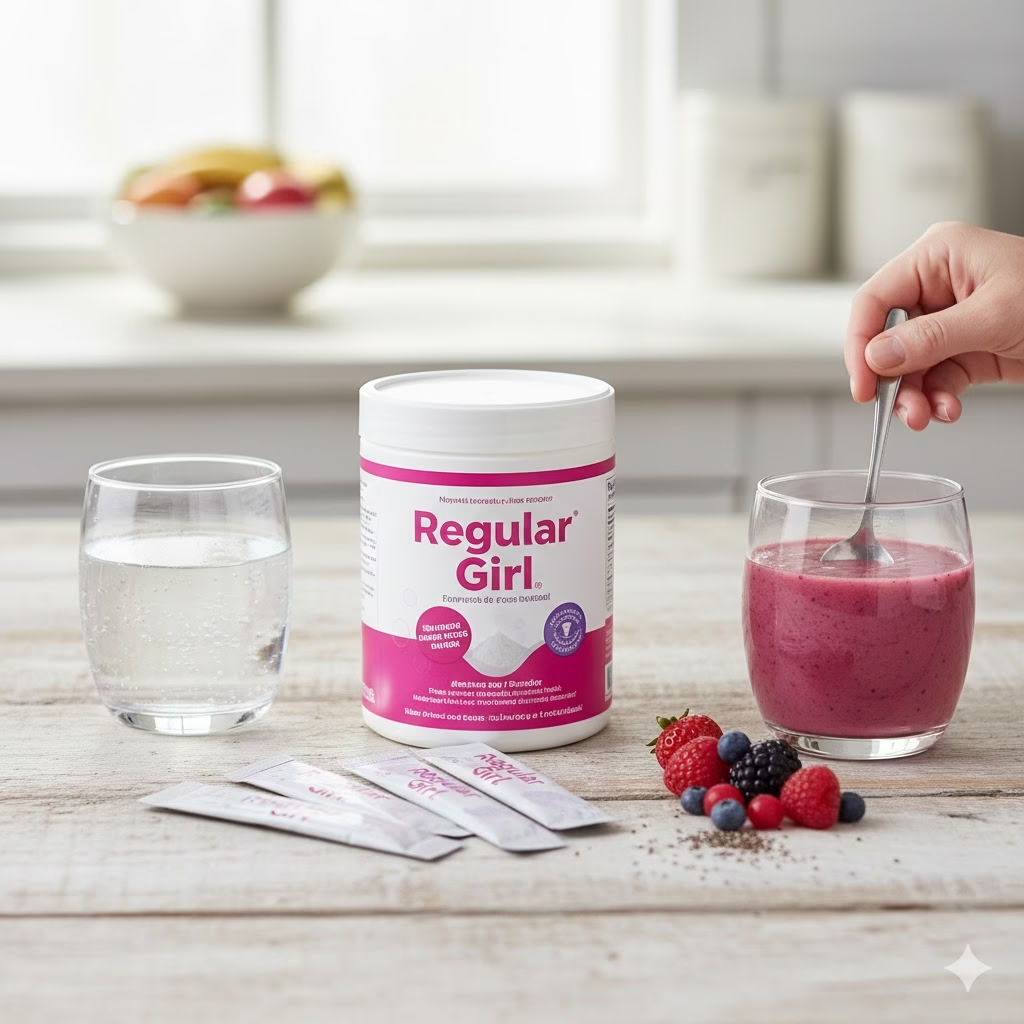
Even when you try your best, life gets busy. Stress, travel, and the occasional less-than-perfect meal can all throw your gut off balance. This is where extra help can make a real difference.
A solution that fits perfectly into a modern, health-focused life is Regular Girl.
This amazing product is a great way to support your digestion and keep your gut balanced. Regular Girl is a proven prebiotic fiber. It uses Sunfiber®, which comes from guar beans. This is not a harsh fiber; it is a soluble fiber that works as a powerful prebiotic. It gently feeds your good gut bacteria without causing the common side effects of other fibers, like gas or bloating.
Why is Regular Girl so perfect for people who travel or eat on the go? It is easy to use and very accessible. It is a powder with no color and no taste. And dissolves completely in any cold drink or soft food. This means you can easily get your daily fiber, no matter where you are.
Trying to find gut healthy meals when you travel is often difficult. Packing Regular Girl in its handy single-serving packs makes it easy to support your gut health anywhere. It helps you stay regular, boosts your good gut bacteria, and makes those important Short-Chain Fatty Acids. It gives your gut everything it needs to stay strong and healthy.
Conclusion
The link between processed foods and gut problems is clear. Our modern diet—high in factory ingredients and low in vital fiber—has created a widespread gut crisis. By understanding how these foods hurt our bodies, we can make better, smarter choices.
The single most powerful step you can take is to eat a diet of whole, unprocessed foods. For reliable support, especially when life is busy, adding a high-quality prebiotic like Regular Girl can give your gut the boost it needs. Your gut is key to your immune system, your brain, and your overall health. It is time to treat it with the care it deserves.
References
- NIH – Digestive Diseases Statistics for the United States
- Mayo Clinic – Irritable bowel syndrome – Symptoms and causes
- Science Direct – Effects of ultra-processed foods
Recent Posts