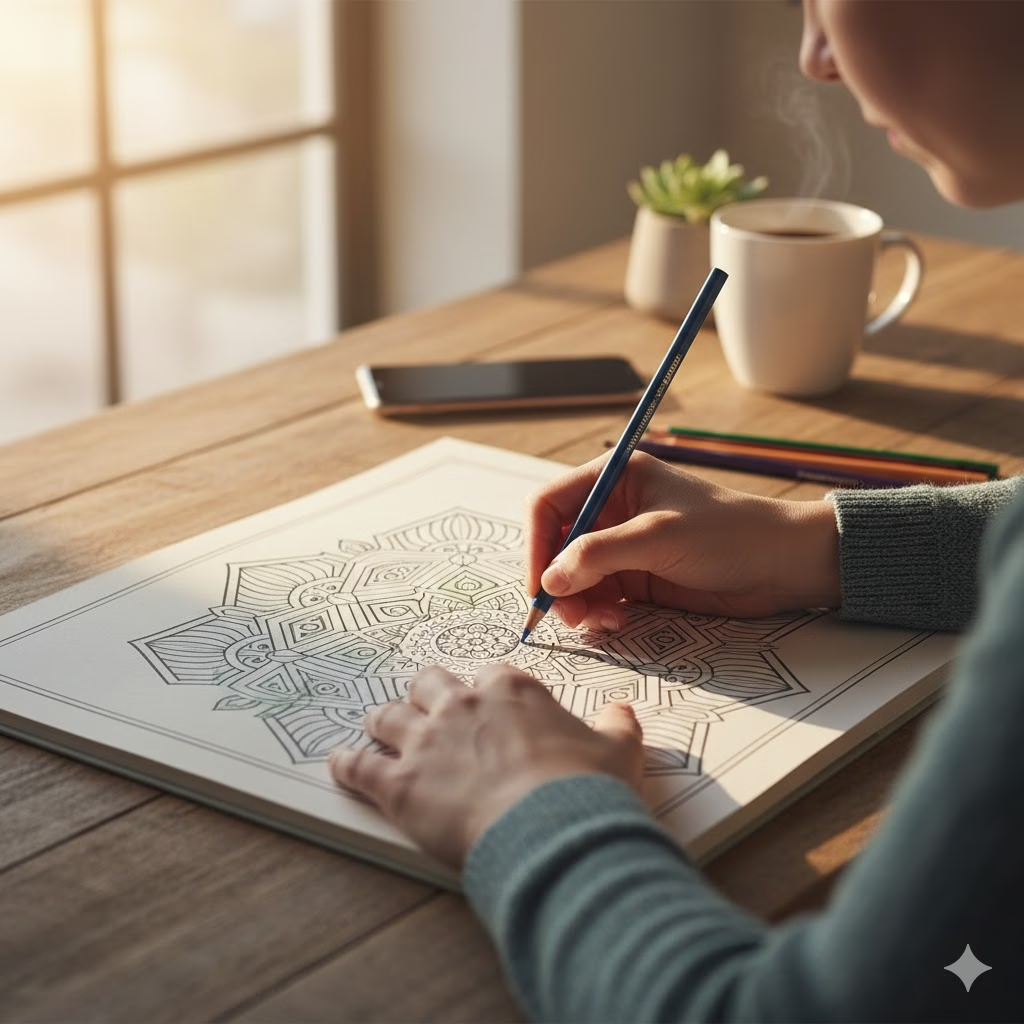
We live in a world with constant notifications, pings, and an endless digital scroll. Like many of you, I have felt the mental exhaustion that comes from trying to keep up with it all. This constant rush often leaves my brain feeling tired and messy. I believe that finding small, easy practices to take back our attention is vital for feeling well. This piece is a simple guide to using a quiet tool—the coloring book—to hit the mental ‘reset’ button. It will help you swap digital stress for real, calming Visual Focus.
The Hidden Price of Always Being Connected
The digital age has made our lives much easier, but it has also brought a hidden, low-level stress that we barely notice. We are experts at switching between tasks. We constantly split our attention among emails, social media, news alerts, and texts. This habit of having divided attention is tiring for the mind. It leads to what experts call attention fatigue or scattered focus.
Our brains were not made to handle this non-stop digital attack. When we are always reachable, our prefrontal cortex—the brain part that handles planning, making choices, and deep concentration—gets overloaded. This results in mental fogginess, a feeling of being overwhelmed, and the inability to focus on one thing for very long. .
The answer is not a huge change or a long trip away. Instead, it is finding simple, easy Sensory Activities that make our mind concentrate on just one task. This is where the quiet, strong practice of adult coloring comes in.
More Than Child’s Play: The Science of Adult Coloring Books
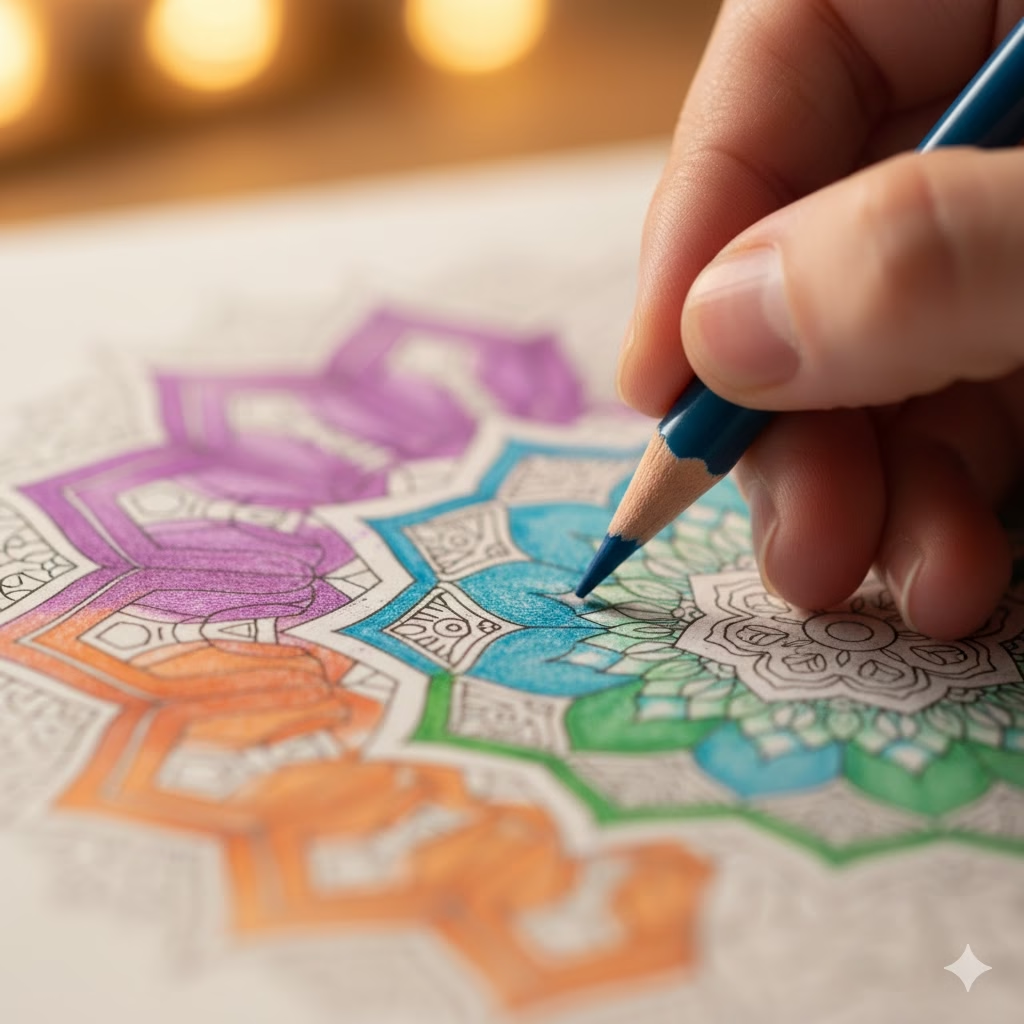
Adult coloring books are not just a fun throwback to childhood. They are a proven and very good way to practice mindfulness easily. Coloring’s healing value comes from its ability to use both sides of the brain at once in an activity that is calm and has no pressure.
- The Logical Left Brain organizes the work: picking colors, staying inside the lines, and deciding on a color plan.
- The Creative Right Brain is active when choosing shades, mixing tones, and creating the final look.
This balance gently pushes out worrying thoughts. The brain simply does not have the extra space to fret over your to-do list while carefully filling in a hard pattern. It makes you fully present in the moment, giving your mind a ‘digital detox’.
The Power of Pattern and Repeating Shapes
Your book’s theme—focusing on pattern and sight to calm the senses—is based on simple mental rules. Highly detailed, repeated patterns (like mandalas, repeated tile shapes, or geometric designs) naturally help us relax.
- Familiarity Calms: Our brains like things to be predictable. Complex, repeated patterns offer a visual rhythm that is deeply settling.
- Optical Flow and Focus: The motion of your pencil tip across the paper, and your focus on small, clear areas, trains your Visual Focus. This deep, concentrated action gives your mind a rest from the wide, spread-out attention needed to watch several screens.
How to Get Clear Focus with Coloring: A Step-by-Step Guide
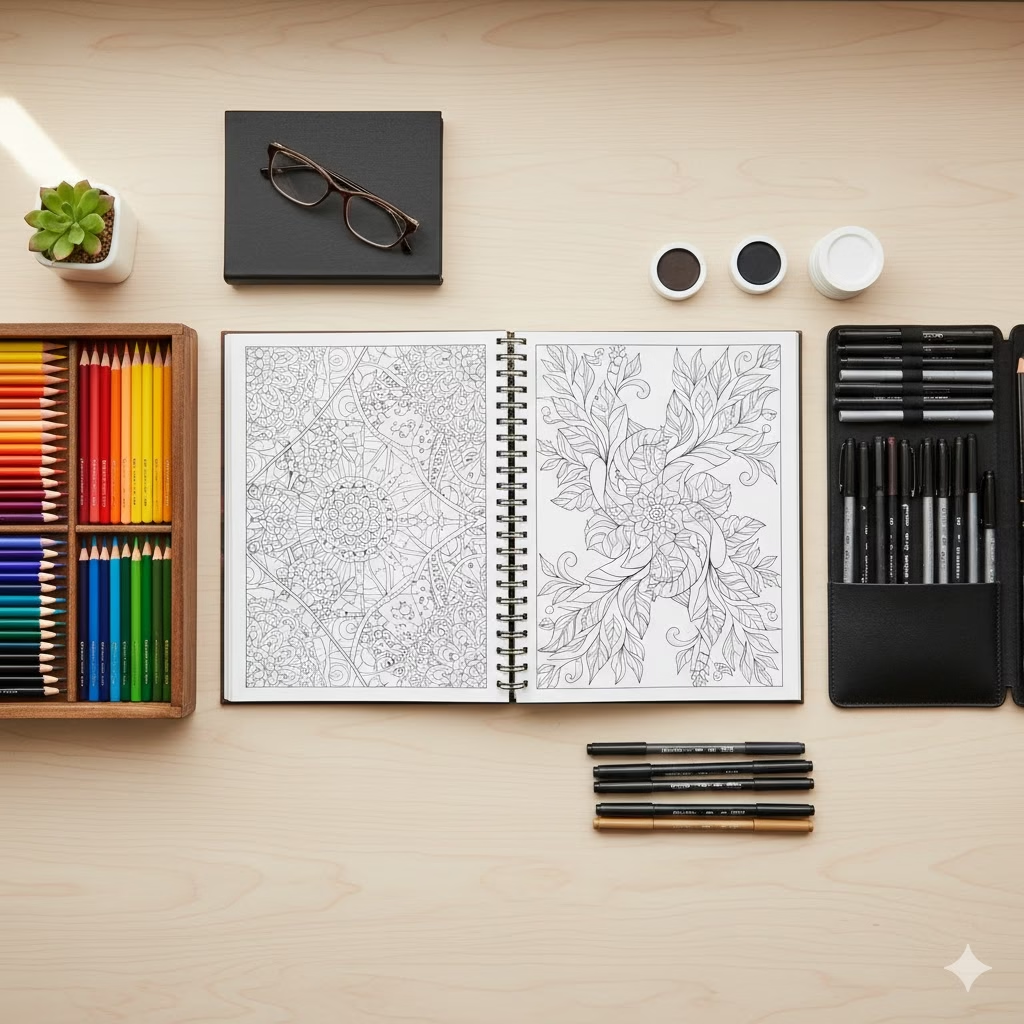
To truly get the most from adult coloring, you should treat it as a structured Sensory Activity, not just a casual hobby. Follow these steps to get the most focus and calm.
Step 1: Create Your Sensory Calm Spot
A digital break needs a calm physical space.
- Stop Notifications: You must do this. Turn off your phone sound, close your laptop, and tell people nearby you are taking 15 to 30 minutes of quiet time.
- Set Up the Scene: Use soft light (maybe a warm desk lamp) and a comfy chair. Think about adding a non-visual sensory touch, such as a gentle, calming smell (like lavender) or quiet music—or choose complete silence.
- Get Your Tools Ready: Having an organized set of colored pencils, thin pens, or markers ready means you won’t need to break your flow once you start.
Step 2: Pick Your Challenge Wisely
Not all pages are equal when you are seeking Visual Focus.
- For High Anxiety: Start with simpler, larger patterns that need less detailed work. This gives fast, good results and an easier start into the flow state.
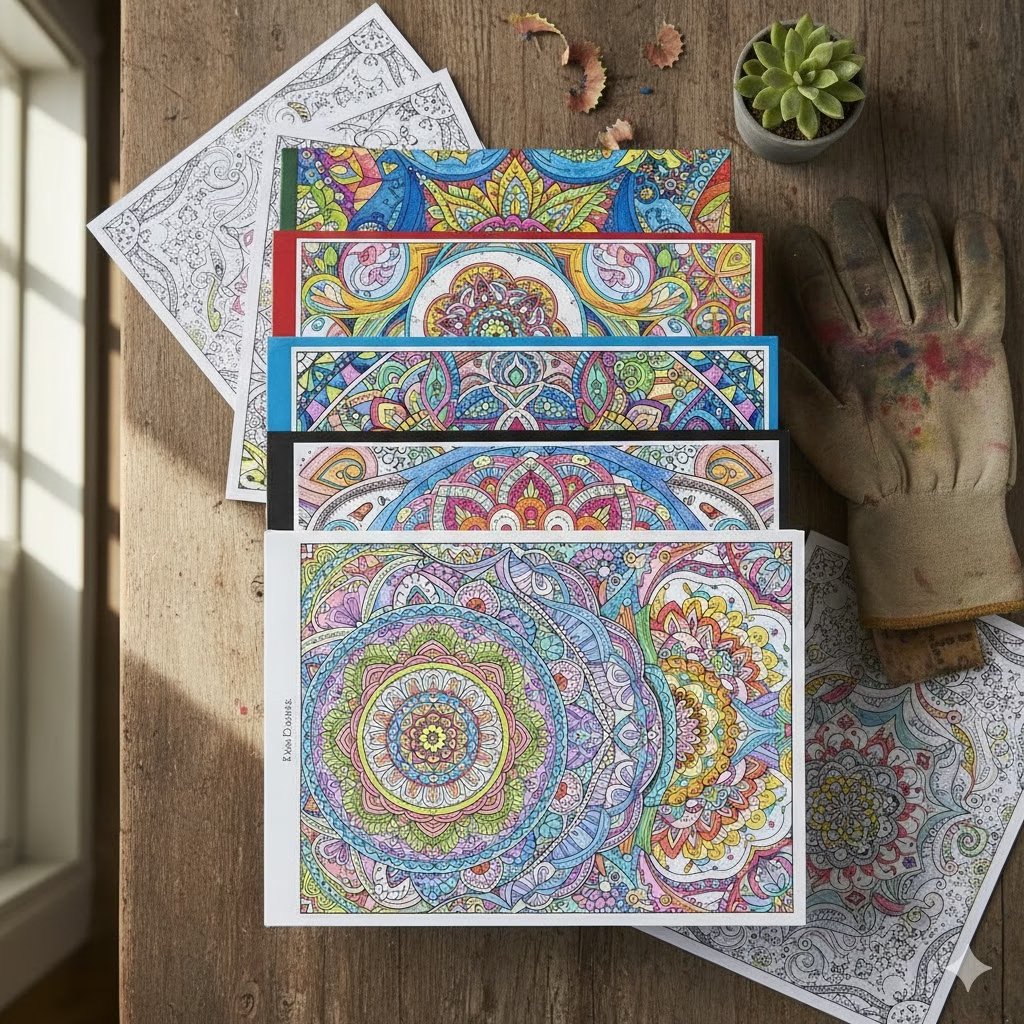
- For Scattered Focus: Choose very detailed, repeated patterns (like complex mandalas or tile designs). These need intense, steady Visual Focus and are great for training your attention.
- Try a Unique Adult Coloring Pages Free Printable: Sometimes, a new, fresh design can kickstart your creative side. Search for free geometric or abstract patterns to see what brings your focus to life.
Step 3: Use the 3-Step Focus Method
This method is made to keep your mind fixed on the page.
- The Color Choice: Before you touch the page, hold your pencil or pen over the next area and take two deep breaths. Decide on the single color you will use for that spot.
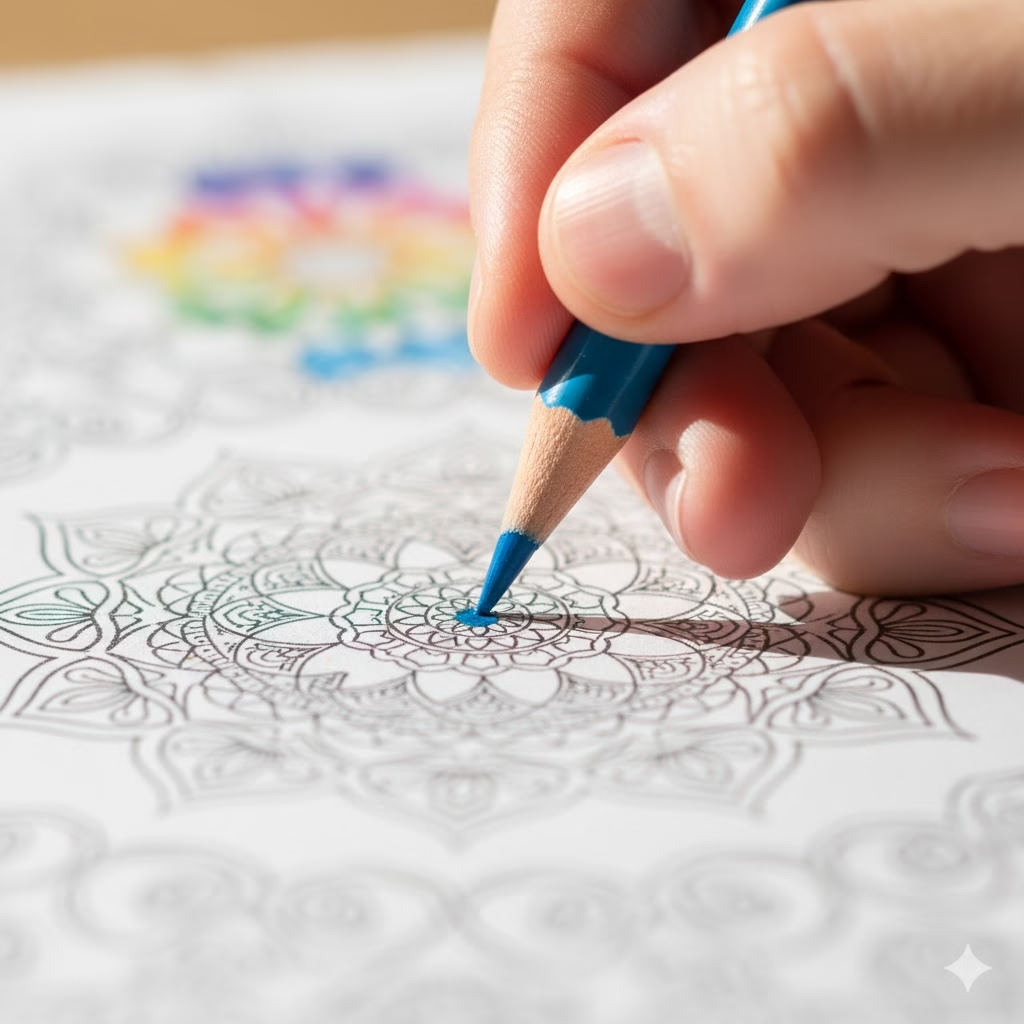
- The Visual Anchor: As you start to fill in the space, look closely at the exact spot where your tool meets the paper. Let your sight soften everything outside of that small, clear spot. This is your Visual Focus point.
- The Breathing Rhythm: Match your breathing with the movement of your hand. For example, breathe in as you move the pencil down and out as you move it up. This links the physical action, the visual focus, and your inner state.
Expanding Your Sensory Activities: Beyond the Book
While coloring is a strong tool, it is one of many Sensory Activities that can help you unplug and focus.
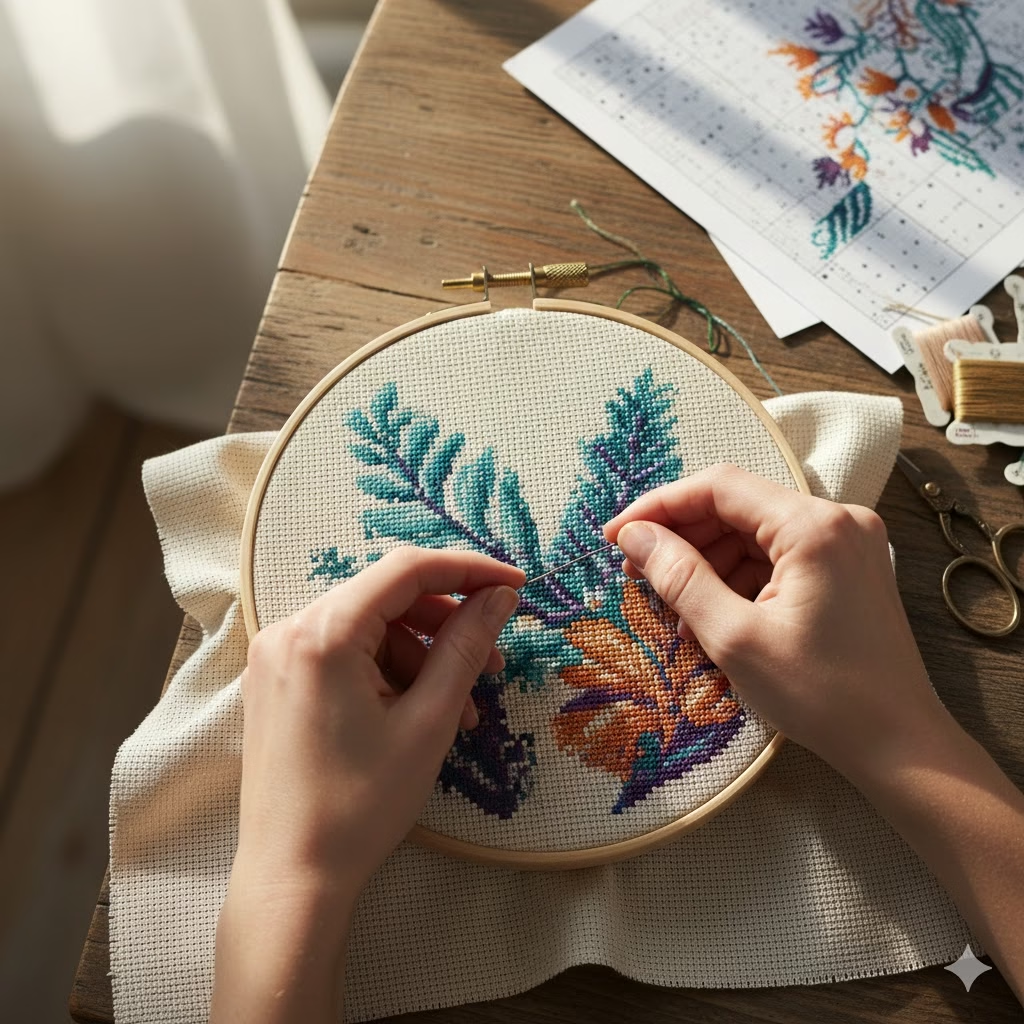
- Visual Sensory Activities: Try adult dot-to-dot books, or complex cross-stitch or needlework. These activities use the same need for steady Visual Focus on small details.
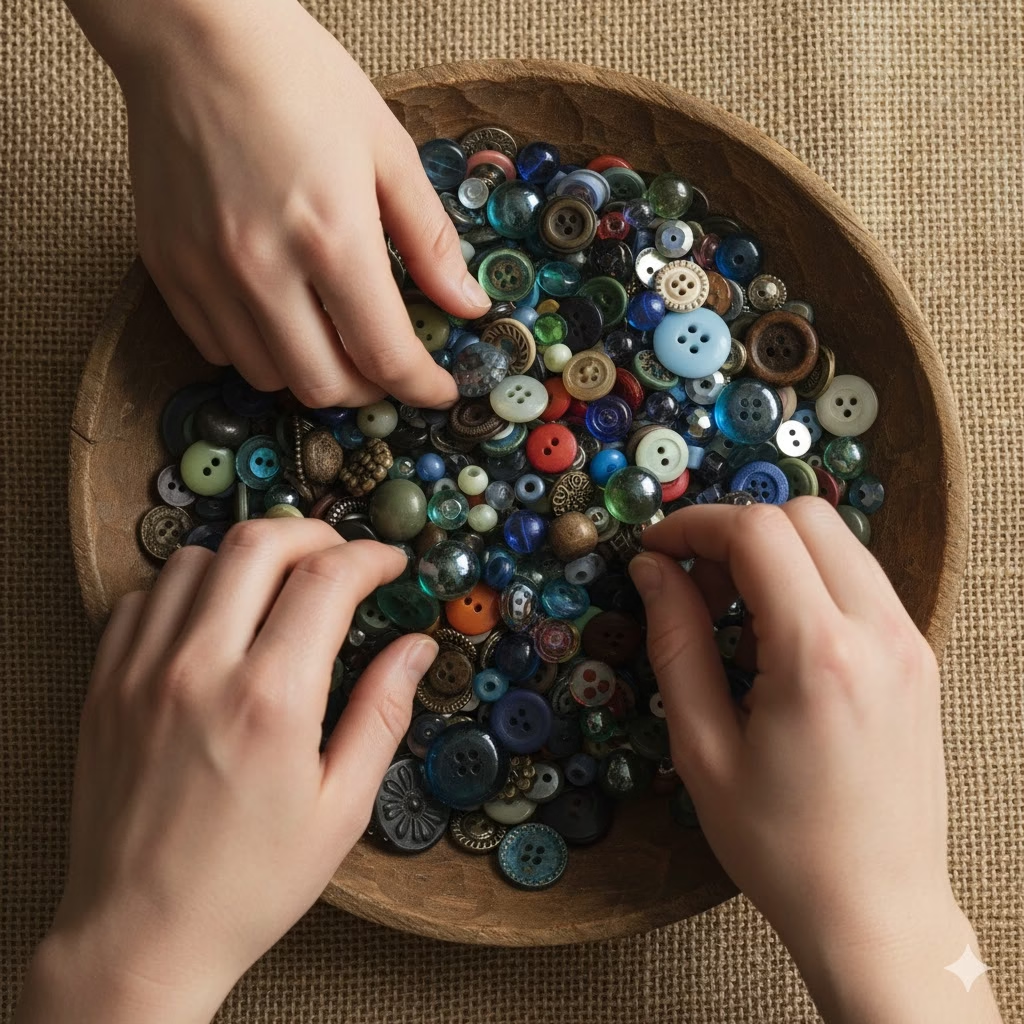
- Touch Sensory Activities: Get your hands fully busy by kneading dough, shaping clay, or sorting small, mixed items (like beads or buttons). The feel of the texture and the repeated movement can be deeply settling.
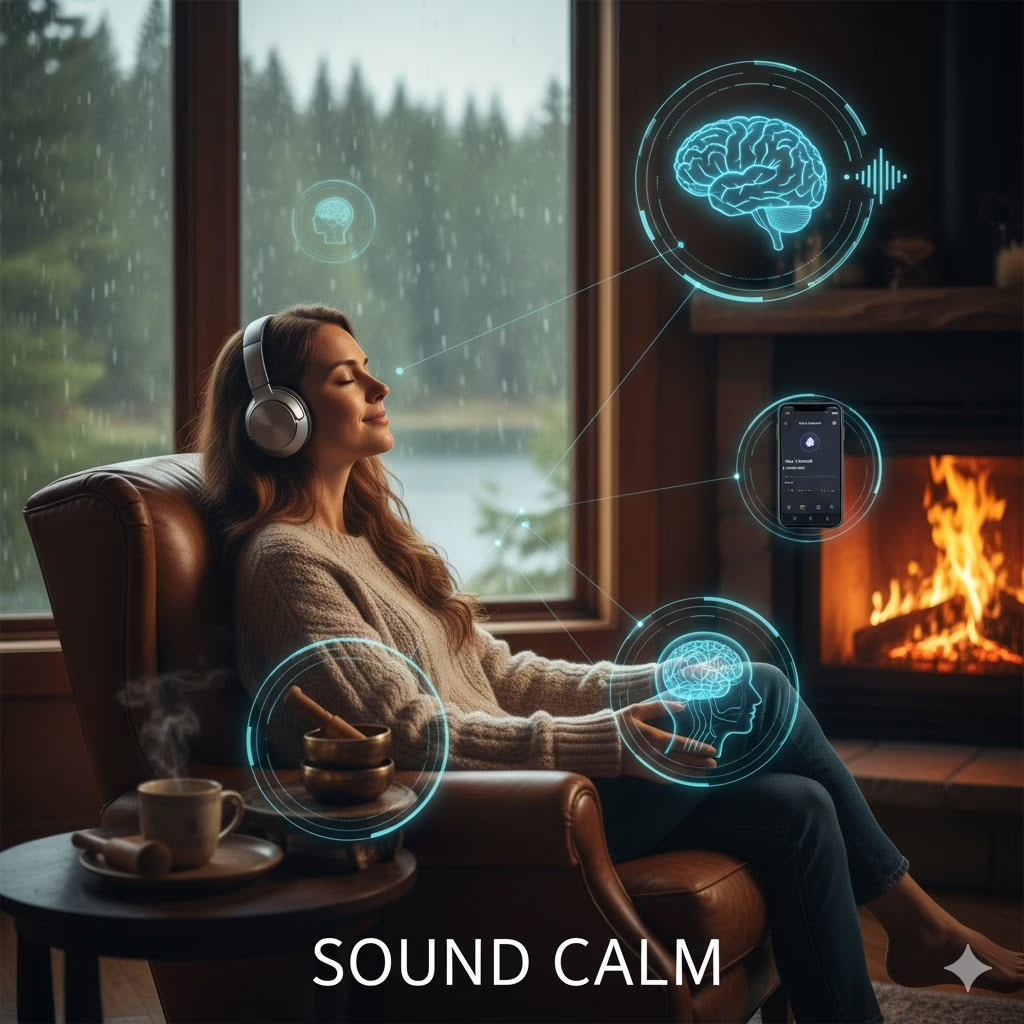
- Sound Sensory Activities: Listen to special calming sounds or nature sounds while you color. This adds another layer of sensory input to block out the noise of distraction.
The Lasting Benefits of Visual Focus Practice
The benefits of doing Visual Focus through adult coloring books last long after you put down your pencil.
- Better Work Focus: By regularly training your brain to ignore distractions while you color, you make the brain paths needed for deep work stronger. This helps with concentration in your job tasks.
- Fewer Overthinking Thoughts: Coloring offers an ‘active meditation’ that is less scary than traditional meditation. It cuts down on how often and how strongly you ruminate—those loops of worried, negative thoughts. It does this by simply filling the mental space they would usually take up.
- Better Problem-Solving: Allowing your mind to enter a relaxed, focused state can lead to sudden insights. You are not trying to solve a problem, but by lowering the mental burden, your subconscious mind often finds space to work and create answers.
See coloring not as a treat, but as a necessary part of keeping your mind healthy every day.
Examples of Visual Focus in Action
| Goal | Coloring Strategy | The Mental Shift |
| High Anxiety | Pick a hard pattern and use only two strong, opposing colors (e.g., black and red). The clear color choice makes you fully pay attention. | Focuses on simple contrast instead of complex choices, sending anxious energy into a careful action. |
| Digital Tiredness | Use soft, gentle colors (all blues, greens, or purples) to color a nature pattern. | Calming and refreshing for eyes tired from bright screens; needs soft, steady focus. |
| Brain Fog/Slowness | Work on a large, abstract pattern, filling in shapes with strong, random color choices with no plan. | Starts creativity and breaks mental stiffness; the visual play is freeing and engaging. |
How to Get Started Now
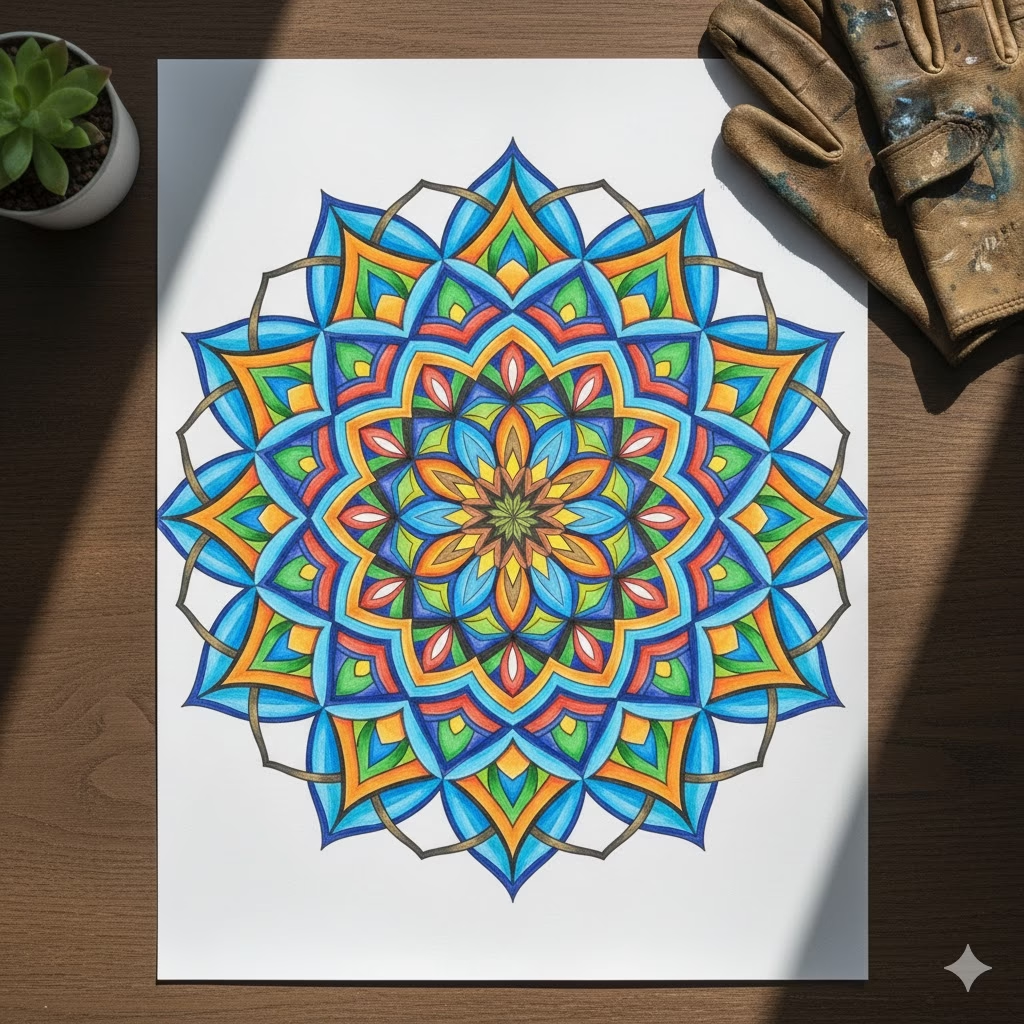
You do not need costly supplies. If you want to try this practice right now, look online for unique adult coloring pages free printable. Grab some pencils or pens, use the 3-Step Focus Method, and give your modern mind the break it needs.
Frequently Asked Questions (FAQ)
Q: How long should a coloring session be to work well?
A: Even 15 to 20 minutes of focused coloring can help a lot. The important thing is quality, not time. Make sure you are fully present and using the focus methods, rather than just coloring while watching TV.
Q: Is it less helpful if I can’t stay perfectly inside the lines?
A: Not at all. The goal is engagement and Visual Focus, not a perfect result. If a small mistake breaks your focus, gently bring your attention back to the movement of your hand and the space you are working on. The process is much more important than the final picture.
Q: What is the best kind of coloring page for stress relief?
A: Very detailed, repeated geometric patterns (like mandalas or complex art patterns) are often said to be the best for lowering stress. Their balanced look creates a sense of order and calm, which helps with Sensory Activities that quiet the nervous system.
Q: How does this compare to other Sensory Activities like knitting or puzzles?
A: All these actions are great for focus because they are structured, repetitive, and need hand skill. Coloring’s special benefit is its use of Visual Focus and the healing power of color. It gives a specific mental rest from words and numbers.
Q: Are there good places to find unique adult coloring pages free printable?
A: Many artists, museums, and libraries offer free coloring pages you can download. Searching for “geometric patterns,” “abstract art outlines,” or “botanical illustrations” often gives great, high-quality, and unique designs.
References
- TandFonline – Can Coloring Mandalas Reduce Anxiety?
- Mayo Clinic – Mental health benefits of coloring
- Healthline – Benefits of Adult Coloring: 9 Reasons to Try It
Recent Posts