Like many of you, I used to think the only cure for feeling run down was coffee and a nap. I struggled with constant aches, bloating, and that general “blah” feeling. Then, I realized my diet was the key to change. I’m just a regular person who found huge relief and energy by focusing on simple, delicious, anti-inflammatory foods. Now, I’m sharing the secret weapon—a soul-soothing, golden soup—the Turmeric Chicken Soup that made the biggest difference in my journey back to health.
The Golden Remedy: Why Turmeric Chicken Soup Is Your Ultimate Anti-Inflammatory Meal
Do you want to feel truly healthy? We all do. And want aches and pains to disappear. We want endless energy. But modern life often gets in the way. Stress, processed foods, and being constantly busy can lead to chronic inflammation.
This silent issue is a root cause of many common health problems. It causes joint pain. And leads to digestive issues. It makes you feel fatigued and can even cause skin problems.
The great news is that fighting back is simple. You don’t need a complicated detox. You don’t need expensive supplements. Sometimes, the most powerful medicine is already in your kitchen.
It’s Turmeric Chicken Soup. This is more than just comfortable food. It is a powerful, science-backed drink that fights inflammation. It is simply disguised as a delicious dinner. This soup uses the powerful effects of turmeric. It also includes other healthy, dense nutrients. This makes the soup more than a cold remedy. It is a proactive defense system for your entire body.
In this guide, we will look closely at why this soup works so well. We will give you a detailed “how-to” with easy examples. We will show you exactly how to make this delicious meal a key part of your anti-inflammatory lifestyle.
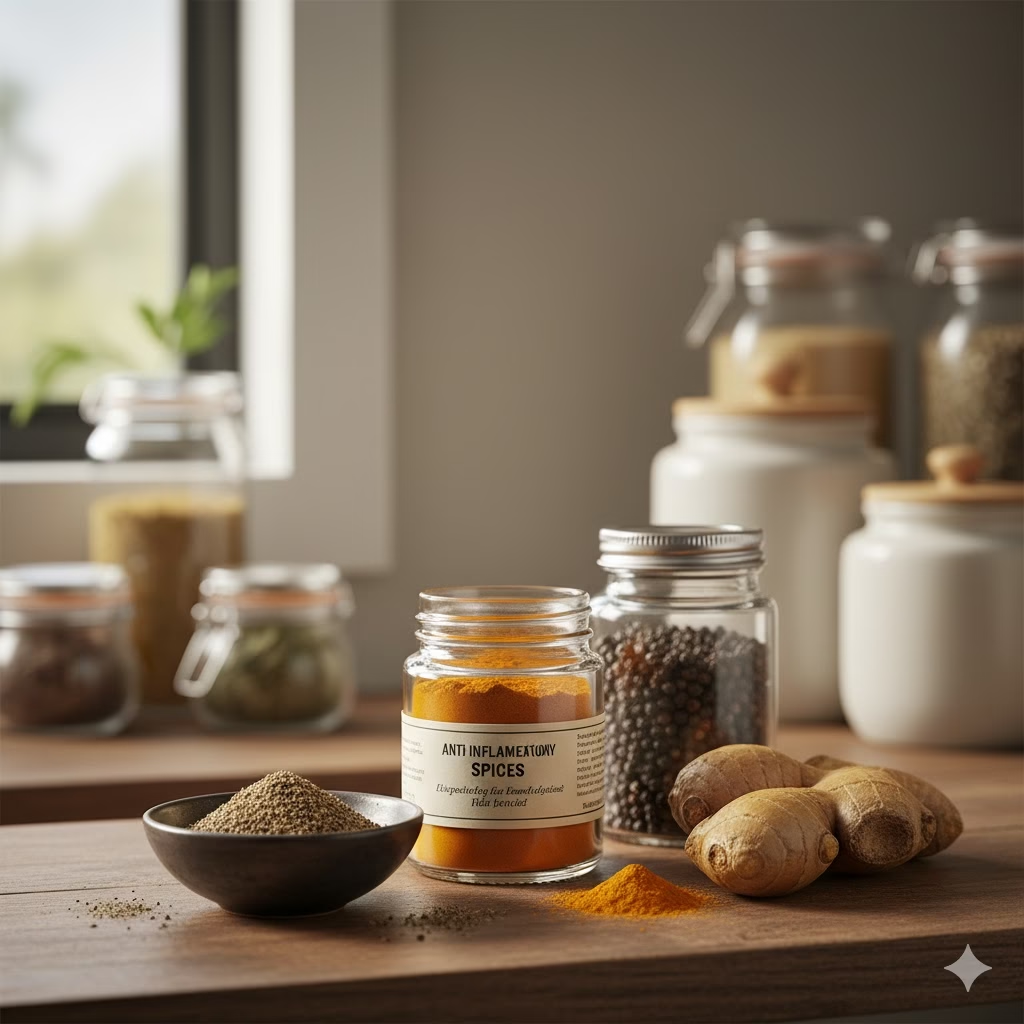
I. The Science Behind the Golden Glow: Key Anti-Inflammatory Ingredients
This recipe works because its ingredients work together powerfully. This is especially true for the main ingredient: turmeric.
1. Turmeric (The Anti-Inflammatory Powerhouse)
The active substance in turmeric is curcumin. Curcumin is a natural plant chemical. It has strong anti-inflammatory effects that are proven by science. And works by targeting many steps in the body’s process of inflammation. It does this at the molecular level. And lowers the amount of inflammatory molecules the body produces (Aggarwal & Harikumar, 2009).
How to Do It: You must pair turmeric with black pepper to get the most benefit. Black pepper has a substance called piperine. Piperine helps your body absorb curcumin much better. It can increase absorption by up to 2000% (Shoba et al., 1998). Our recipe uses a generous amount of black pepper for the maximum health benefit.
2. Chicken Broth (The Gut Healer)

The soup base is very important. If you use bone broth, it is full of collagen and gelatin. It also has amino acids like proline and glycine. These substances are vital for repairing and protecting your gut lining. This gut lining is often called the “second brain.” A strong, healthy gut stops inflammatory particles from getting into your bloodstream.
How to Do It: Broth from the store is fine if you are in a rush. However, making your own bone broth is best. Simmer chicken bones slowly for 8 to 24 hours. This process creates the highest amount of healing compounds.
3. Garlic and Ginger (Immune Boosters)
Both garlic and ginger have natural substances. People have used them for a long time. Scientists also recognize their power. They fight inflammation and act as antioxidants. Ginger contains gingerols. These compounds can stop the creation of chemicals that cause inflammation (Grzanna et al., 2005).
How to Do It: Use plenty of garlic and ginger! Don’t be shy. Add them early when you cook (after softening the onions). This will infuse the oil. It builds a very strong flavor base.
4. Leafy Greens and Vegetables (Antioxidant Load)
Adding vegetables like spinach, kale, carrots, and celery is important. They provide essential vitamins, minerals, and antioxidants. These antioxidants help neutralize free radicals. Free radicals are a main cause of inflammation in the body.
How to Do It: Add greens that cook fast, like spinach or chopped kale, right at the end. Stir them until they just wilt. This simple step keeps their highest level of nutrients.
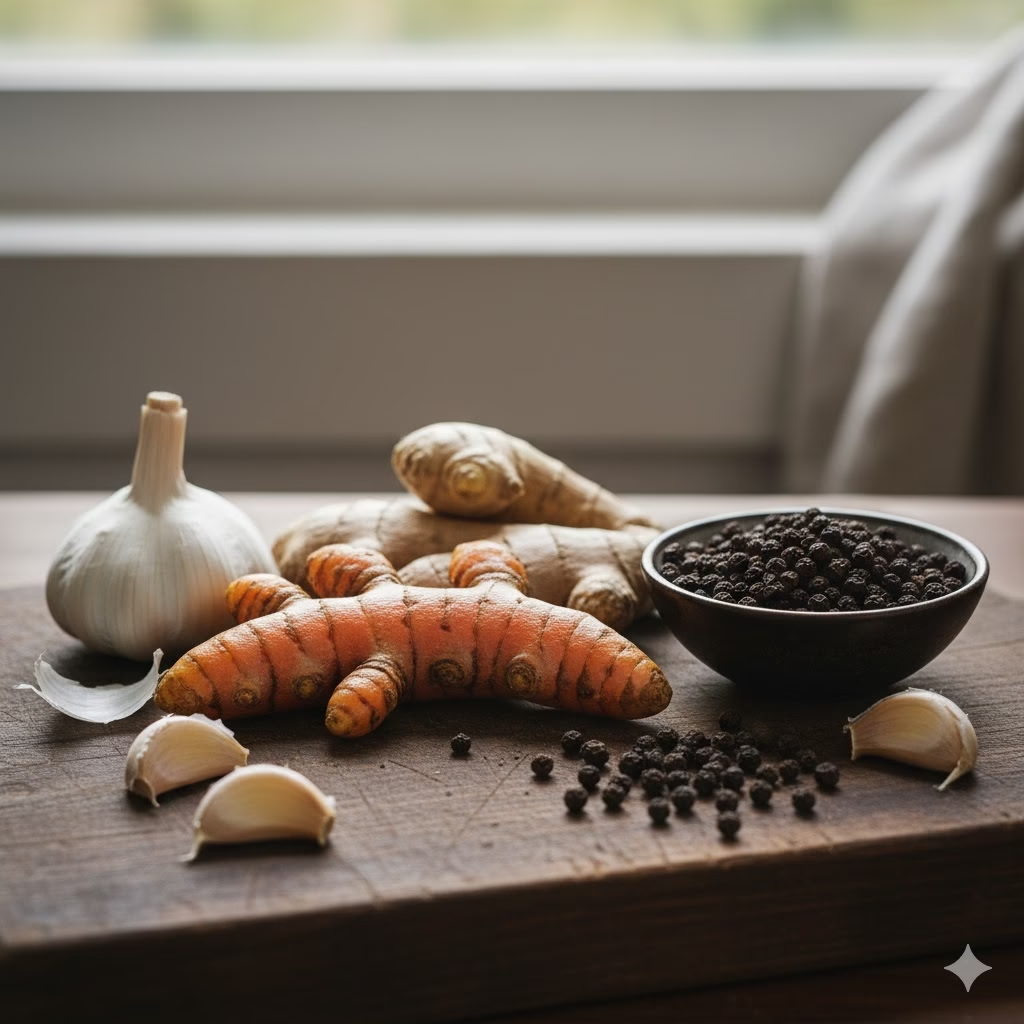
II. The Core Recipe: Turmeric Chicken Soup
This recipe is simple and strong. It aims for high anti-inflammatory benefits without losing any of the great taste.
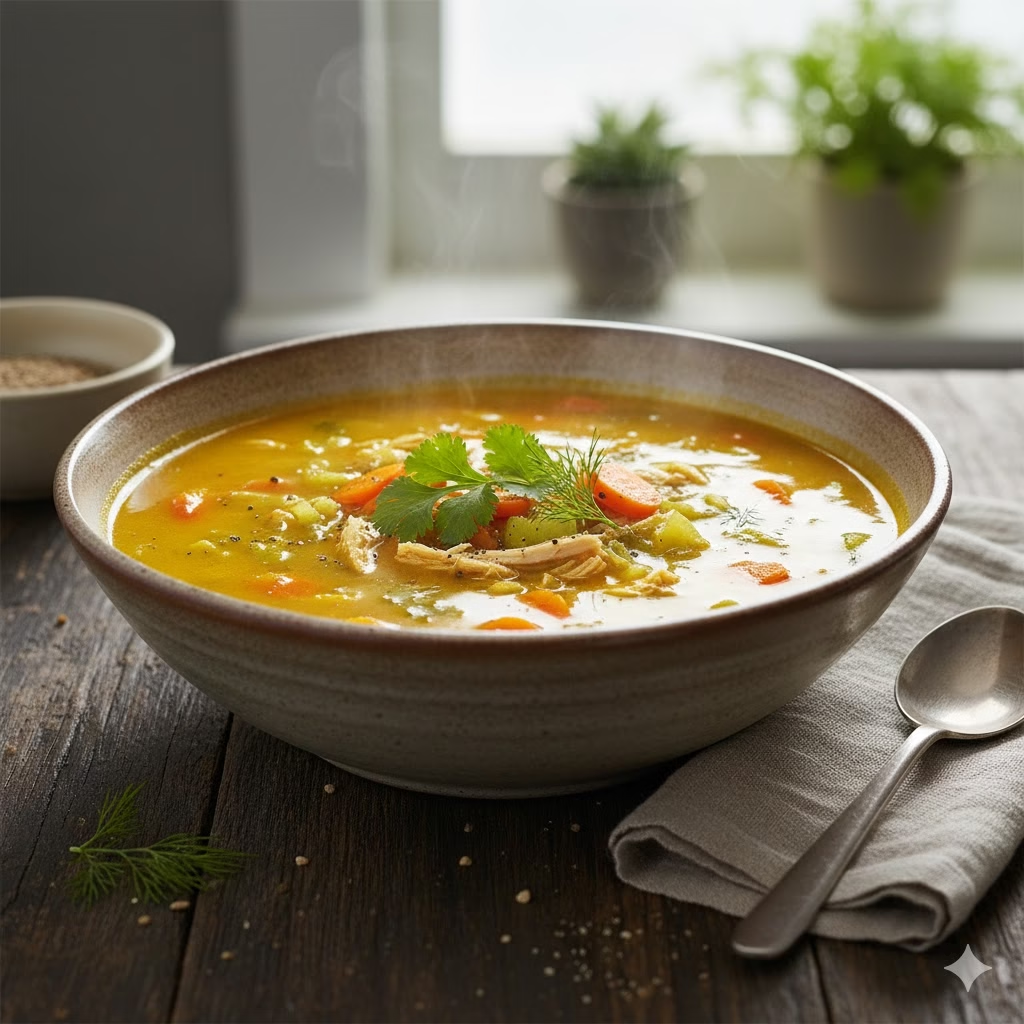
Turmeric Chicken Soup
Prep Time: 15 minutes
Cook Time: 45 minutes
Servings: 6–8
Ingredients
| Category | Ingredient | Quantity | Notes |
| Protein | Chicken Breast or Thighs | 1.5 lbs (boneless, skinless) | Can be pre-cooked and shredded |
| Aromatics | Yellow Onion, finely chopped | 1 large | |
| Aromatics | Carrots, sliced or diced | 3 medium | |
| Aromatics | Celery, sliced | 3 stalks | |
| Aromatics | Fresh Garlic, minced | 4−6 cloves | |
| Aromatics | Fresh Ginger, grated | 1 tablespoon | Use more for extra potency |
| Anti-Inflammatory | Ground Turmeric Powder | 2 teaspoons | Do not skimp! |
| Anti-Inflammatory | Black Pepper, freshly ground | 1/2 teaspoon | Essential for turmeric absorption |
| Liquid Base | Chicken Broth (low sodium) | 8 cups | Use bone broth if possible |
| Flavor/Finish | Bay Leaves | 2 | |
| Flavor/Finish | Lemon Juice (freshly squeezed) | 2 tablespoons | Brightens flavor at the end |
| Greens | Baby Spinach or Kale | 2 cups, packed | Optional, for added nutrients |
| Fats | Olive Oil or Coconut Oil | 2 tablespoons | For sautéing aromatics |
| Seasoning | Salt (to taste) |
Instructions: How to Do It
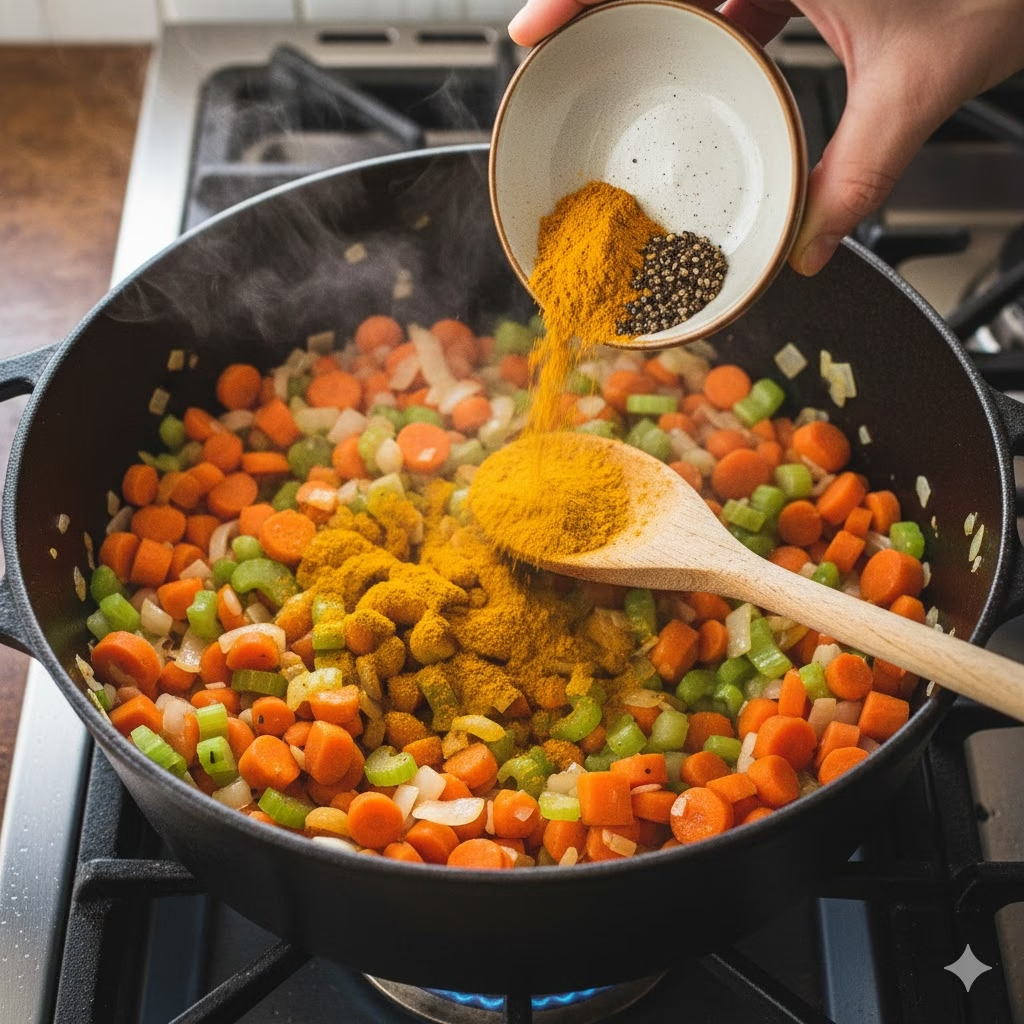
- Prep the Foundation (Sautéing): Use a large pot or Dutch oven. Heat the olive oil over medium heat. Add the chopped onion, carrots, and celery. Cook gently for 5–7 minutes. The onions should become clear. The vegetables should start to soften. This step is called “sweating.” It builds a vital flavor base.
- Activate the Powers (Turmeric & Aromatics): Add the minced garlic and grated ginger. Cook for 1 minute until they smell fragrant. Now, add the ground turmeric and black pepper. This step is crucial. Stir quickly for about 30 seconds. The heat and fat (oil) will help wake up the curcumin in the turmeric.
- Example: By adding the turmeric right into the oil, you create a rich paste. This paste spreads the color and flavor throughout the soup very well.
- Simmer and Infuse (Broth & Chicken): Pour in the chicken broth. Add the bay leaves and the chicken pieces. (The chicken can be raw or pre-cooked and shredded.) Bring the soup to a soft boil. Then, quickly lower the heat to a gentle simmer.
- If using raw chicken: Cook, covered, for 20–25 minutes. The chicken is done when it reaches an internal temperature of 165∘F or 74∘C.
- If using pre-cooked chicken: Simmer for 15–20 minutes. This lets the flavors mix together perfectly.
- Shred and Return (If Using Raw): Take the cooked chicken out of the pot very carefully. Put it on a cutting board. Shred the chicken using two forks. Put the shredded chicken back into the pot. Remove and throw away the bay leaves.
- Final Touches (Greens & Acid): Stir in the packed spinach or kale. Stir until the greens just wilt (about 1 minute). Take the pot off the heat. Stir in the fresh lemon juice. Season the soup with salt until it tastes perfect to you.
- Serve: Scoop the soup into bowls. Put fresh herbs on top (like parsley or cilantro). This adds a last burst of flavor and color.
III. Expanding the Anti-Inflammatory Recipes: Variations and Examples
The main recipe is already a powerhouse of nutrition. But you can easily change and improve your Turmeric Chicken Soup. You can make it fit your taste and diet needs. This will boost its anti-inflammatory power even more.
1. Boost the Antioxidant Load (More Veggies)
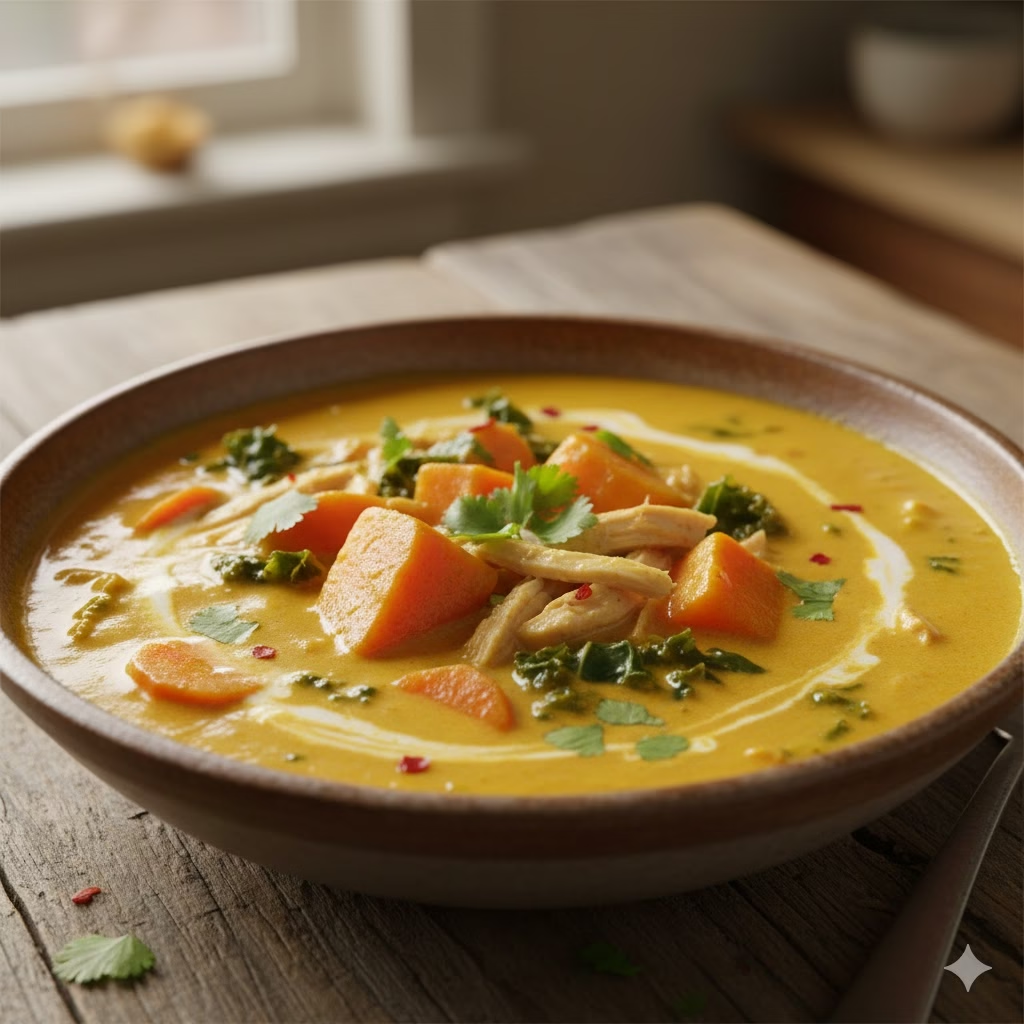
- Sweet Potato/Butternut Squash: Add cubed sweet potatoes or squash in Step 1. They offer complex carbs and beta-carotene. Beta-carotene is a very strong antioxidant.
- Example: Add 1 cup of peeled and cubed butternut squash along with the carrots and celery.
- Mushrooms: Include 1 cup of sliced shiitake or cremini mushrooms. Some substances in mushrooms, like beta-glucans, help the immune system. They also help lower inflammation.
2. Make it a Full Meal (Grains and Fiber)
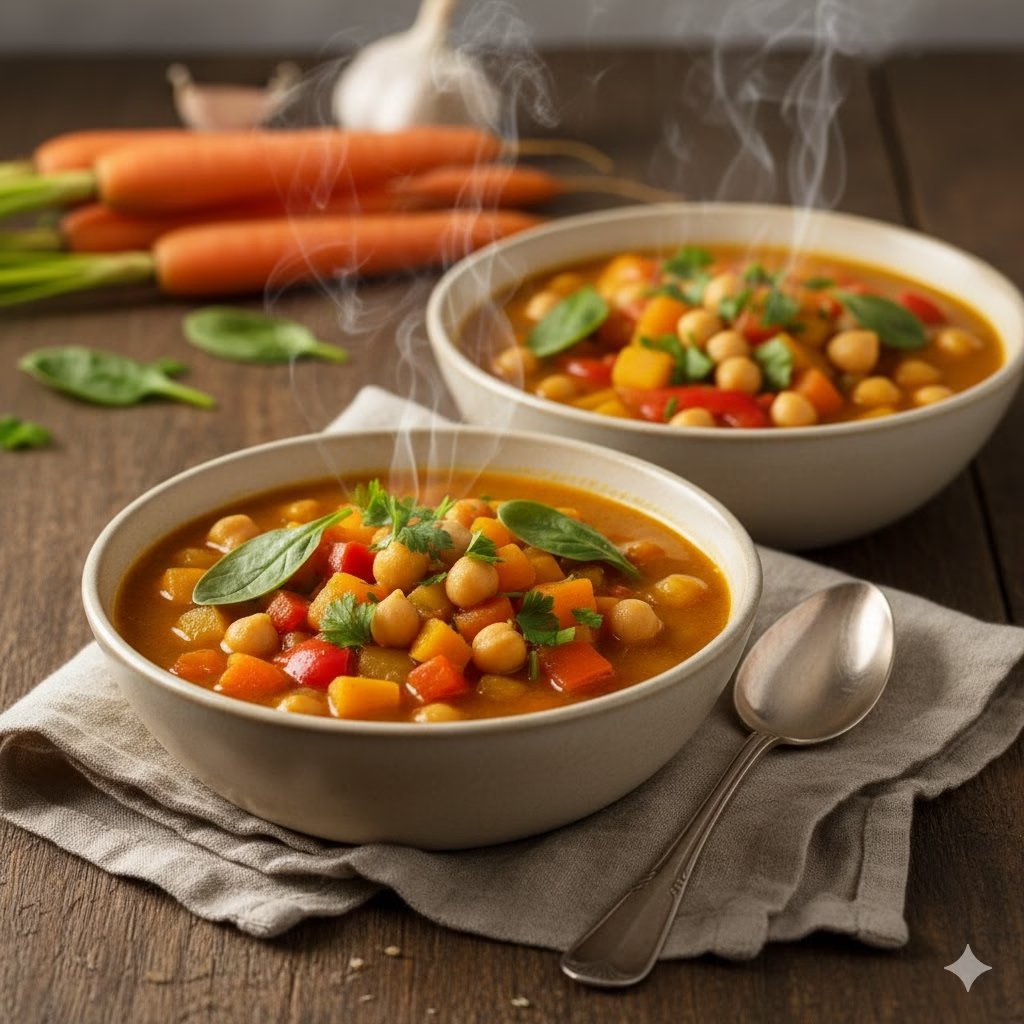
- Lentils or Chickpeas: Add 1/2 cup of pre-cooked lentils or a can of rinsed chickpeas. Add these during the last 15 minutes of simmering. These foods add fiber. Fiber helps keep your gut bacteria healthy. A healthy gut is key to controlling inflammation.
- Gluten-Free Grains: Stir in 1/2 cup of pre-cooked quinoa or brown rice at the end. This makes the soup more filling.
3. Spice it Up (For Targeted Relief)
- Chili/Cayenne: Add a tiny bit of cayenne pepper. This adds some heat. It also contains capsaicin. Capsaicin can help lower the feeling of pain. Add this in Step 2.
- Coconut Milk: For a soup that is richer and creamier, stir in 1/2 cup of full-fat coconut milk (make sure it is unsweetened). Do this near the end of cooking. Coconut milk adds healthy fats. These fats help your body absorb nutrients better. It also gives the soup a lovely, comforting texture.
IV. Making Turmeric Chicken Soup a Lifestyle
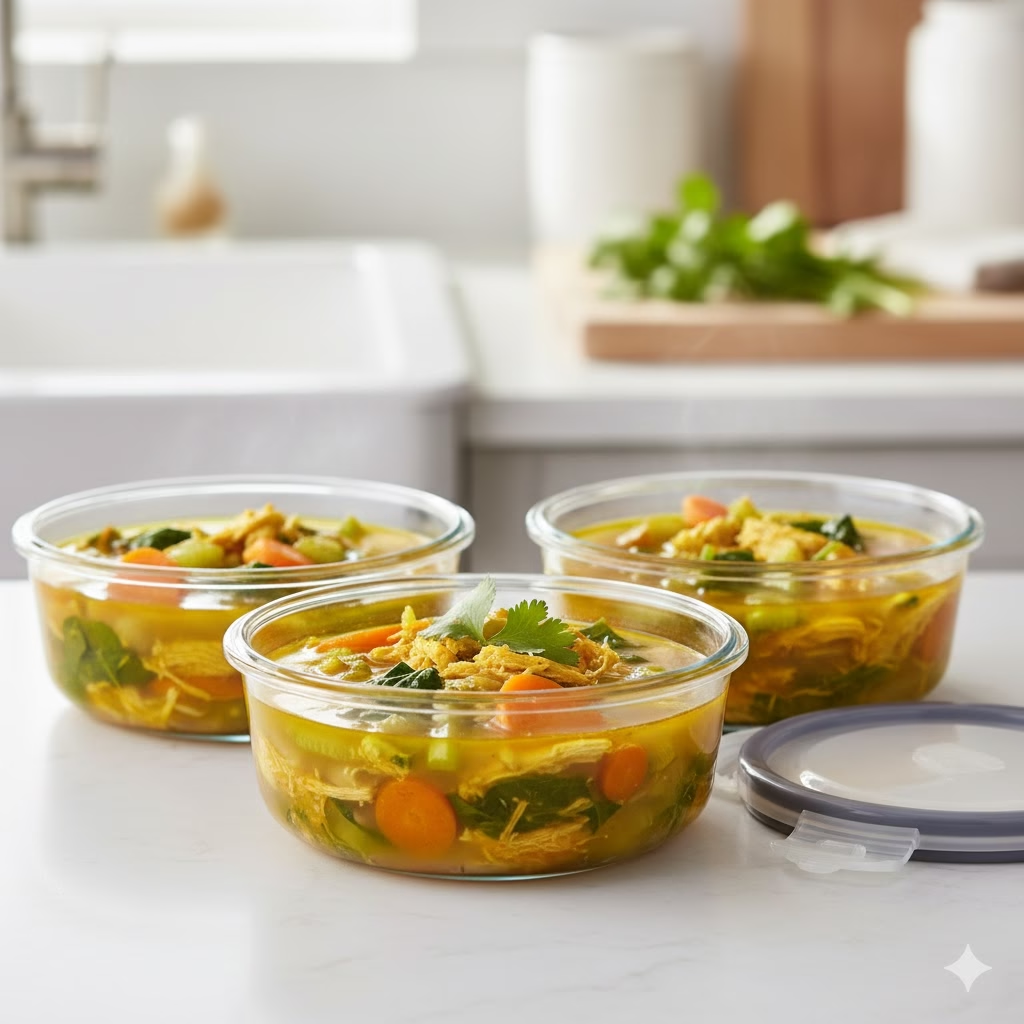
You need to be consistent when fighting long-term inflammation. This soup is perfect for cooking ahead of time. You will always have a quick, healing meal ready to go.
Meal Prep How-To
- Large Batch Cooking: Always make two or three times the amount of the recipe. The soup freezes well. The flavors taste even better the next day after sitting in the refrigerator.
- Storage:
- Refrigeration: Once the soup is cool, store it in containers that seal tightly. It lasts for up to 4 days.
- Freezing: Let the soup cool. Ladle it into containers that are safe for the freezer. You can also use large freezer bags. Lay them flat for easy stacking. You can freeze the soup for up to 3 months.
- The “Soup Shot” Example: Do you struggle with sharp, local pain? (Like a knee flare-up.) Keep a small jar of the thick broth (without the chicken or veggies) in the fridge. Heat a small amount. Drink it like a hot shot in the morning. This gives you a fast dose of anti-inflammatory relief.
V. Beyond the Bowl: Other Anti Inflammatory Recipes
Turmeric Chicken Soup is a great food. But you need to eat other Anti Inflammatory Recipes every day for a full health plan.
Quick Anti-Inflammatory Swaps
| Meal | Anti-Inflammatory Recipe/Swap | Benefit |
| Breakfast | Turmeric Smoothie | Mix berries (high in antioxidants), spinach, almond milk, and 1/2 tsp of turmeric/pepper mix. |
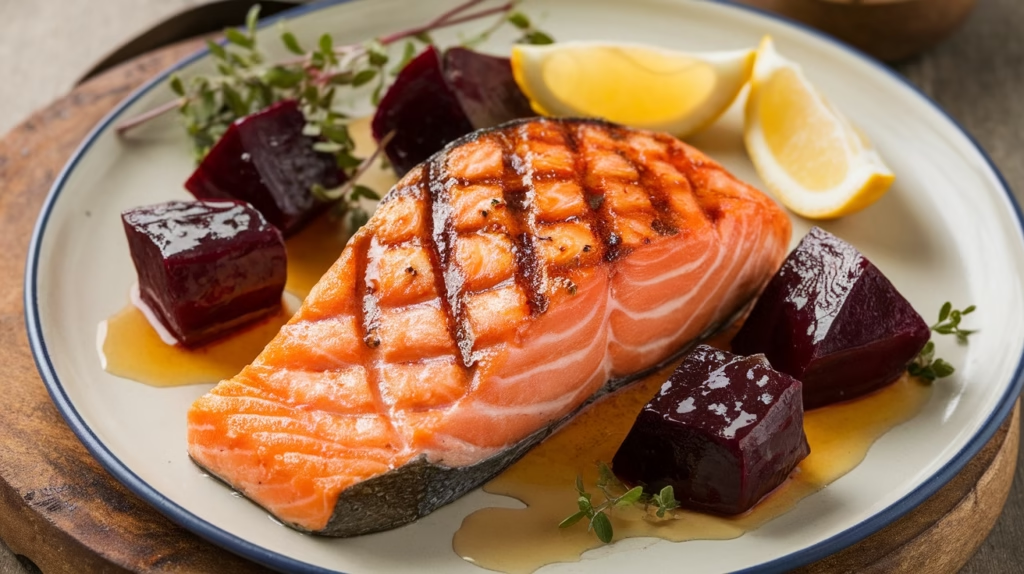
| Lunch | Salmon Salad | Use wild-caught salmon (full of Omega-3 fatty acids). Place it over mixed greens with an olive oil/lemon dressing. |
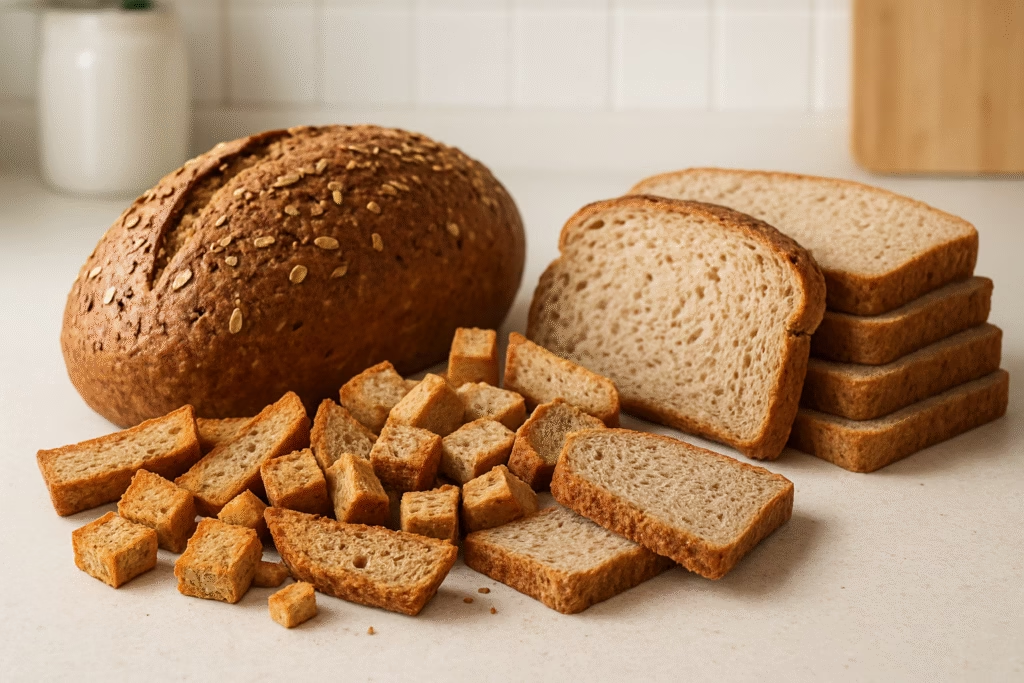
| Snack | Avocado Toast | Use whole-grain or sourdough bread. Top it with mashed avocado (healthy fats). Sprinkle with chili flakes. |
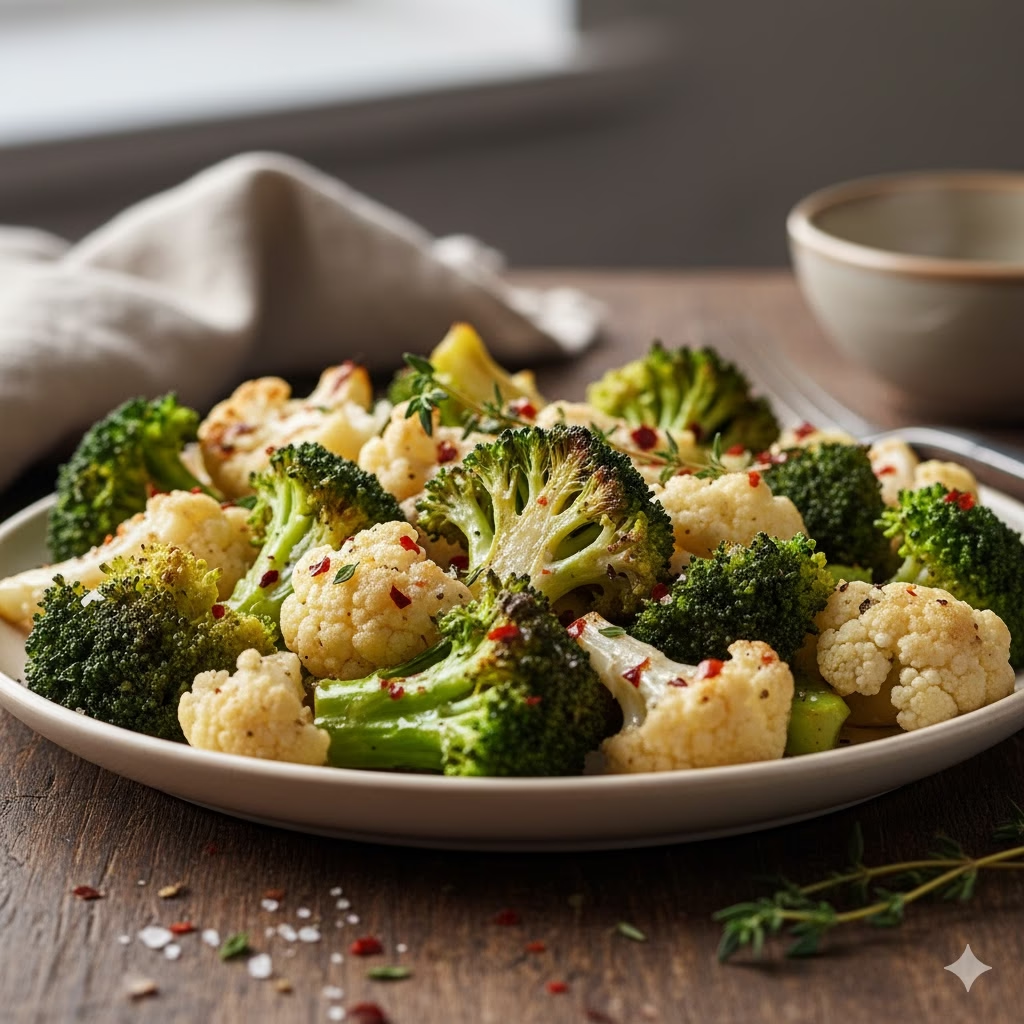
| Dinner | Roasted Vegetables | Roast broccoli, cauliflower, or Brussels sprouts in olive oil. These green veggies contain substances that reduce inflammation. |
Choose these healthy, nutrient-rich meals often. Meals like our wonderful Turmeric Chicken Soup help you heal. You are taking charge of your health. You are moving toward better, lasting well-being.
Frequently Asked Questions (FAQ)
Q: How often should I eat Turmeric Chicken Soup to see benefits?
A: Everyone is different, so results will vary. However, many people who start eating anti-inflammatory foods notice better energy and less pain within two to four weeks. If you want to focus on healing, try to eat a bowl 3 to 4 times a week. This is especially helpful when you are stressed or feel sick.
Q: Can I use fresh turmeric root instead of powder?
A: Yes, absolutely! Fresh turmeric root is amazing. You will need to grate it into very small pieces. A good guide is to use about three times more fresh root than powder. For this recipe, use about 2 to 3 inches of grated root.
Q: I don’t eat chicken. Can this be a vegetarian Anti Inflammatory Recipe?
A: Yes, it can! You can make a vegetarian version. Replace the chicken with chickpeas, lentils, or firm tofu. Use a high-quality vegetable or mushroom broth. The main anti-inflammatory benefits come from the turmeric, ginger, garlic, and vegetables, which you still use.
Q: Does heating the turmeric destroy the curcumin?
A: Cooking gently, like simmering in this soup, does not harm the curcumin very much. In fact, cooking turmeric with fat (the oil) helps your body absorb it better. The most important thing is that you must always include the black pepper.
Q: What is the best type of oil to use for the highest anti-inflammatory benefit?
A: Extra Virgin Olive Oil (EVOO) is usually the best choice. It has many healthy fats and plant chemicals. These chemicals, like oleocanthal, have anti-inflammatory effects much like common pain relievers. Coconut oil is also a great choice because it contains healthy medium-chain fats.
References
- Healthline – 10 Health Benefits of Turmeric and Curcumin
- Harvard Heath – Health benefits of ginger and simple ways to incorporate
- WebMD – Black Pepper: Health Benefits, Nutrition, and Uses
Recent Posts